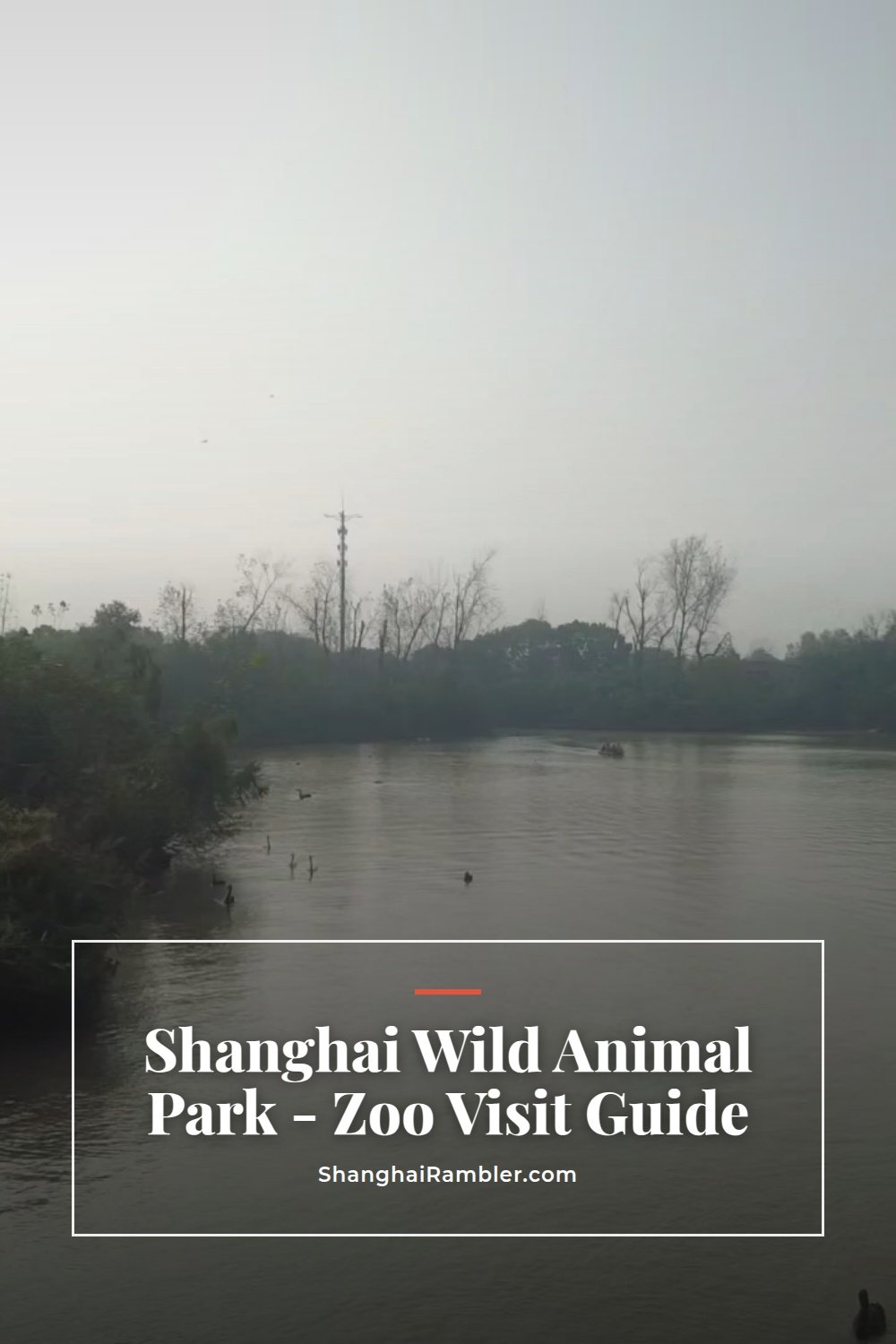
Located roughly an hour southeast from the city center, Shanghai Wild Animal Park feature a safari bus tour as its primary draw. Instead of typical zoo experience, where you’re stuck inside a cage looking out at animal, here you’ll be on a tour bus that roll slowly around big enclosures filled with roaming animal, it’s almost like flipping the whole thing upside down! There is also walk-through area but it’s the bus safari that set this park apart.
It’s a massive space. Plan for a whole morning/afternoon here. There’s no way to rush things (the tour buses follows a set route) and people will be taking photos of the same giraffe as you, so be patient!
It gets crowded on weekends but because the enclosures is large, it doesn’t realy feel too packed.
What to See in the Park
Shanghai Wild Animal Park
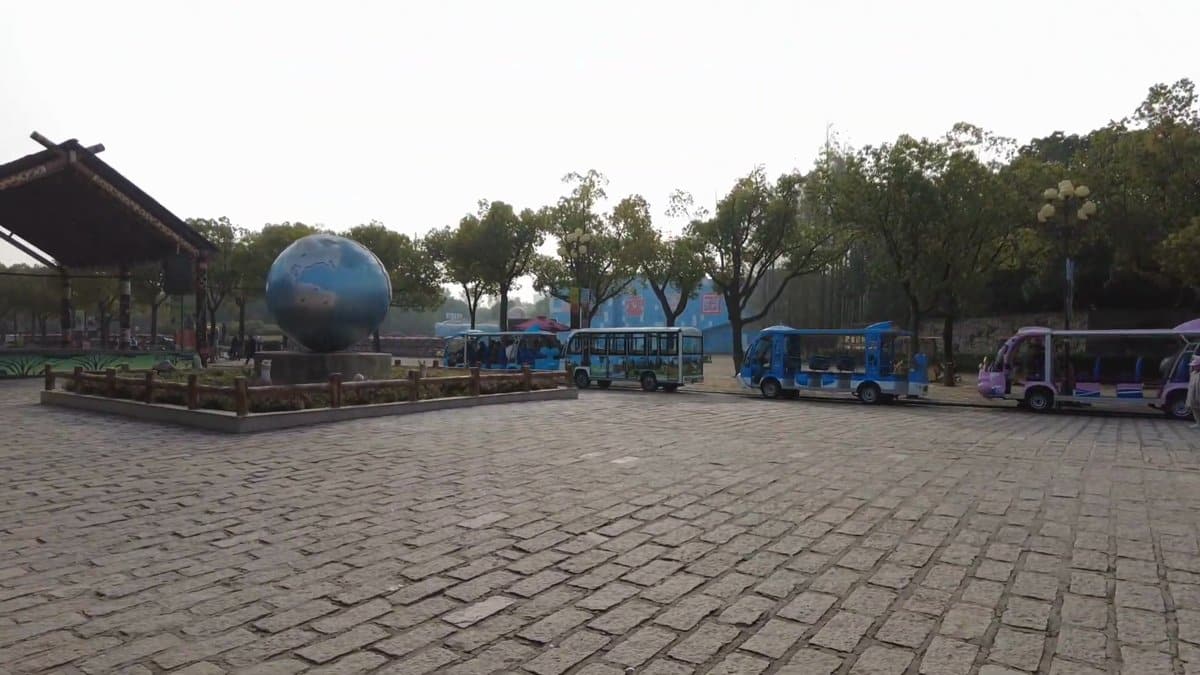
There is the standard ticketing plaza entrance with a large globe sculpture. If possible, arrive early, the animals tend to be more lively during cooler hours before the heat hit in the warm months.
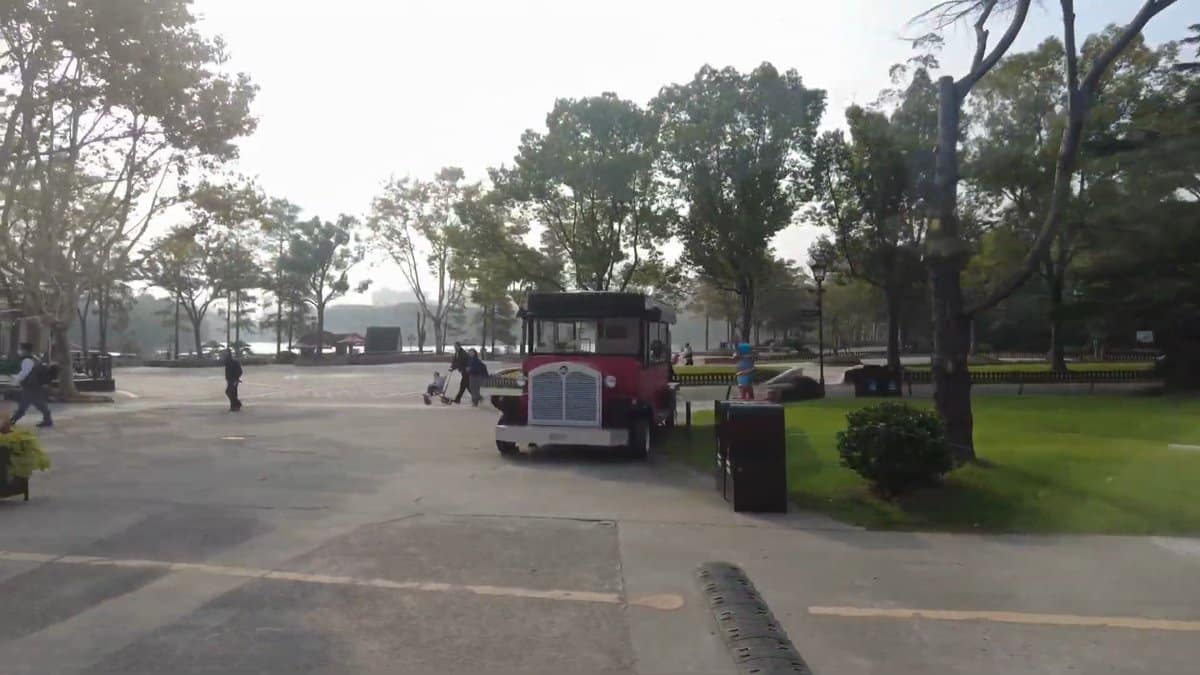
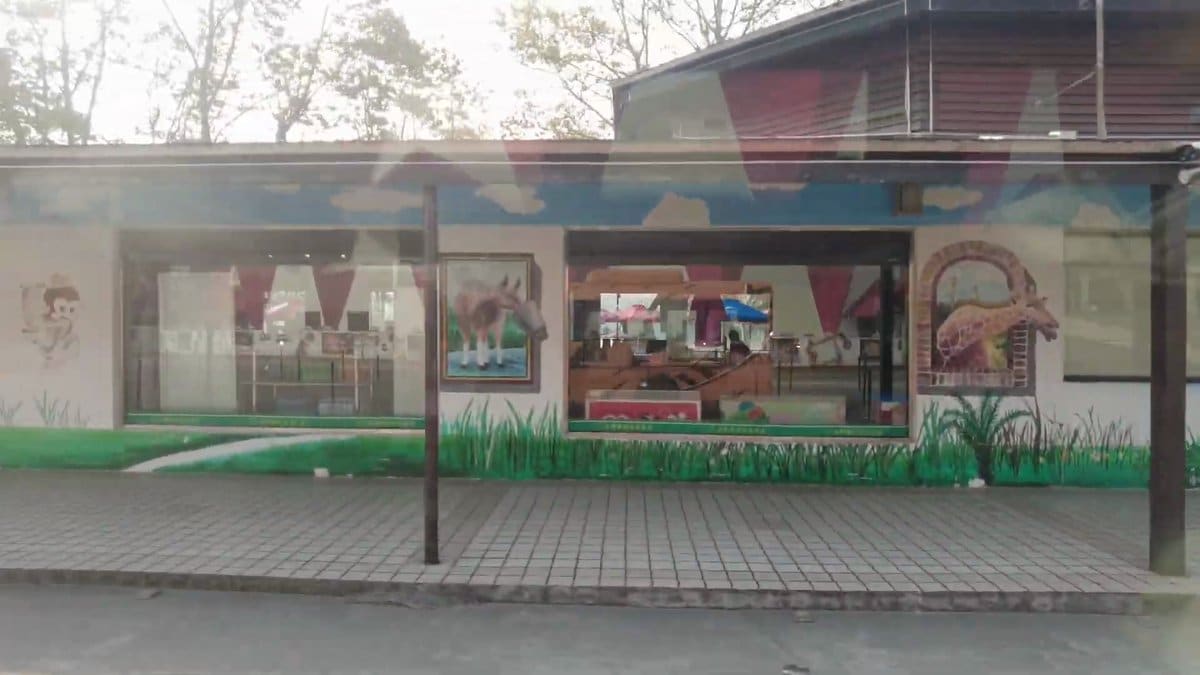
Inside, you’ll see some vintage props and buildings littered about, including an old red truck that look like it’s been repurposed as a photo backdrop. It’s hit-or-miss theming, but it give the space between the enclosures a little more character.
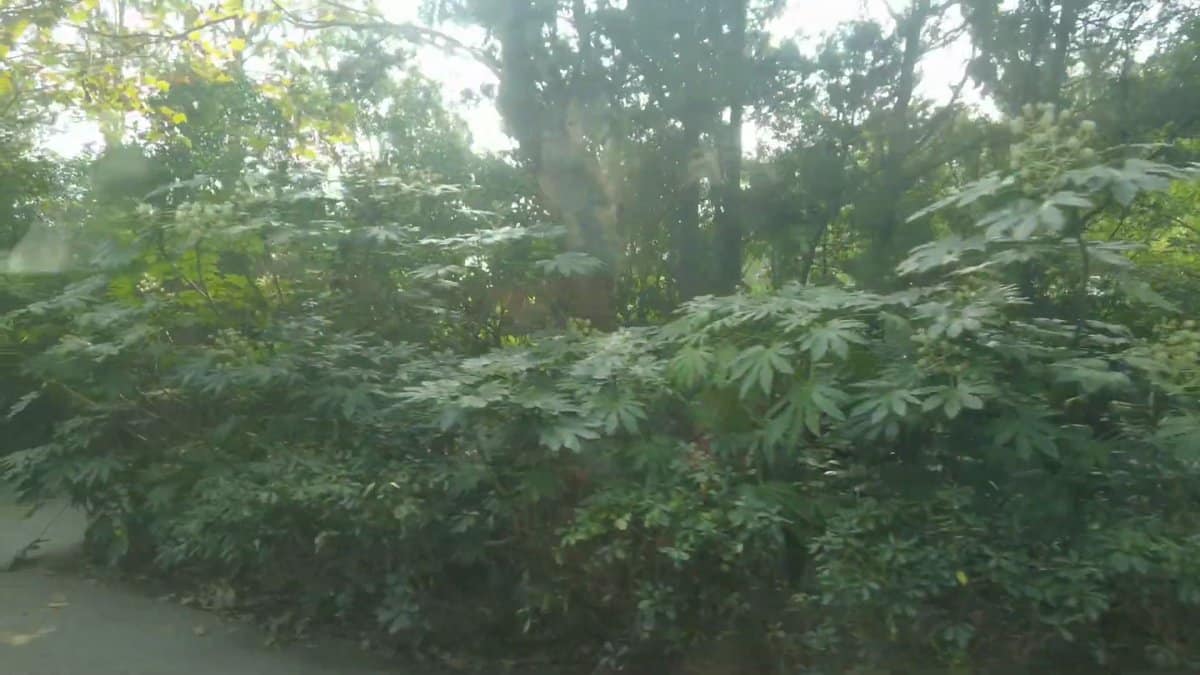
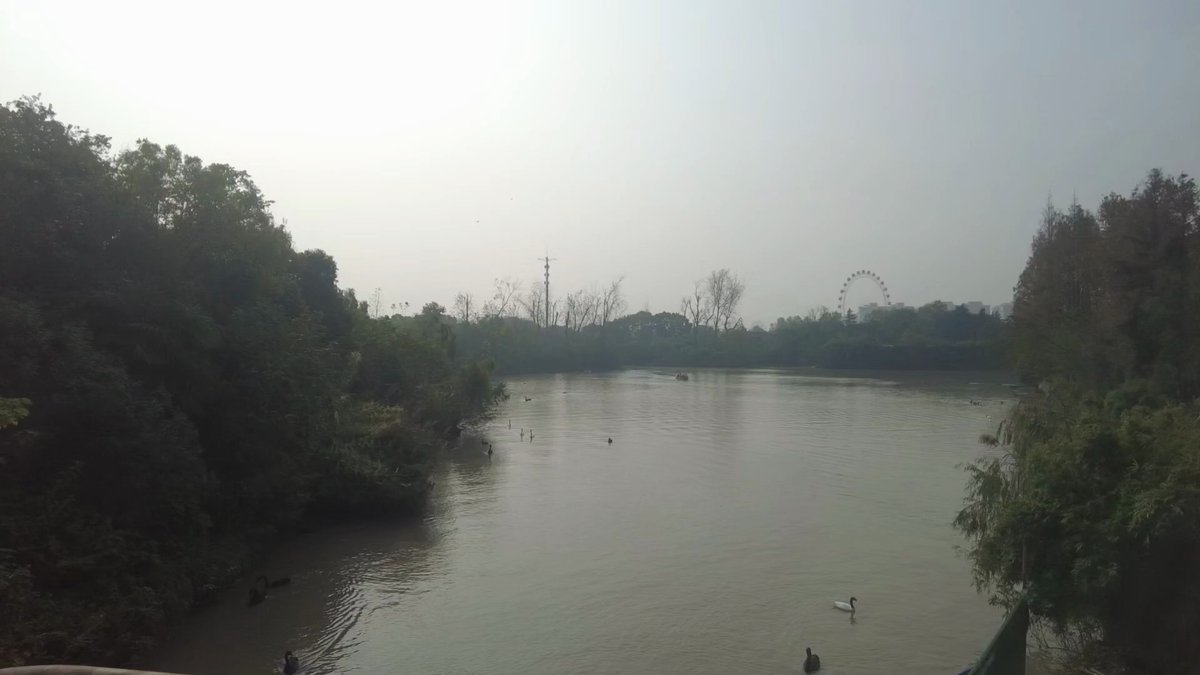
As you wind your way along wooded areas, branches scrape the sides of the safari buses, which has bars and heavy mesh over all the windows. The park has a more natural feel to it than one made out of concrete paddocks, small ponds and lakes break up the land.
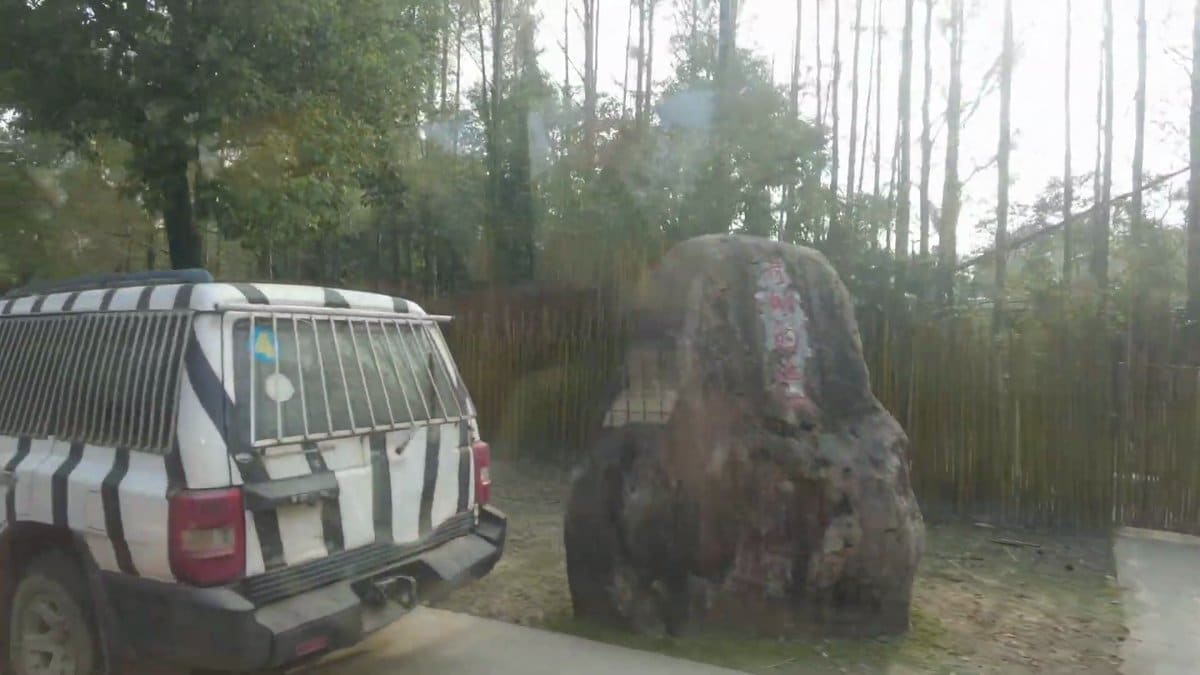
You’ll spot zebra-striped jeeps parked at different check points, driven by rangers who is on hand should something go wrong. But for the most part, the tour proceeds with little intervention.
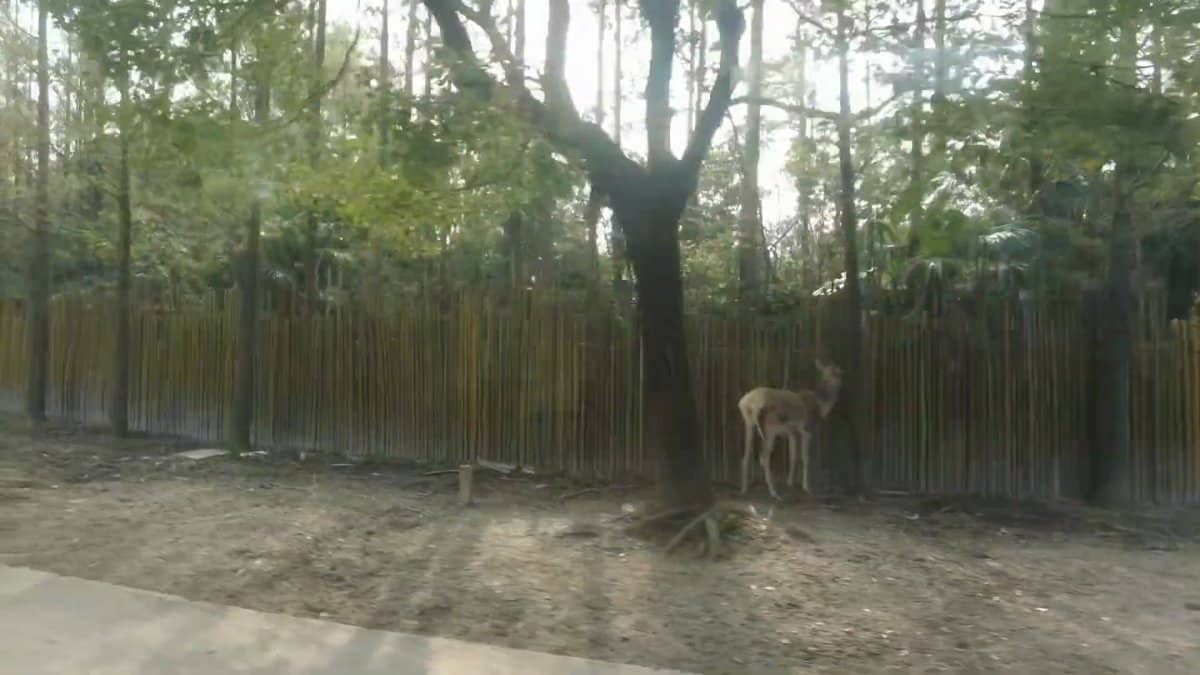
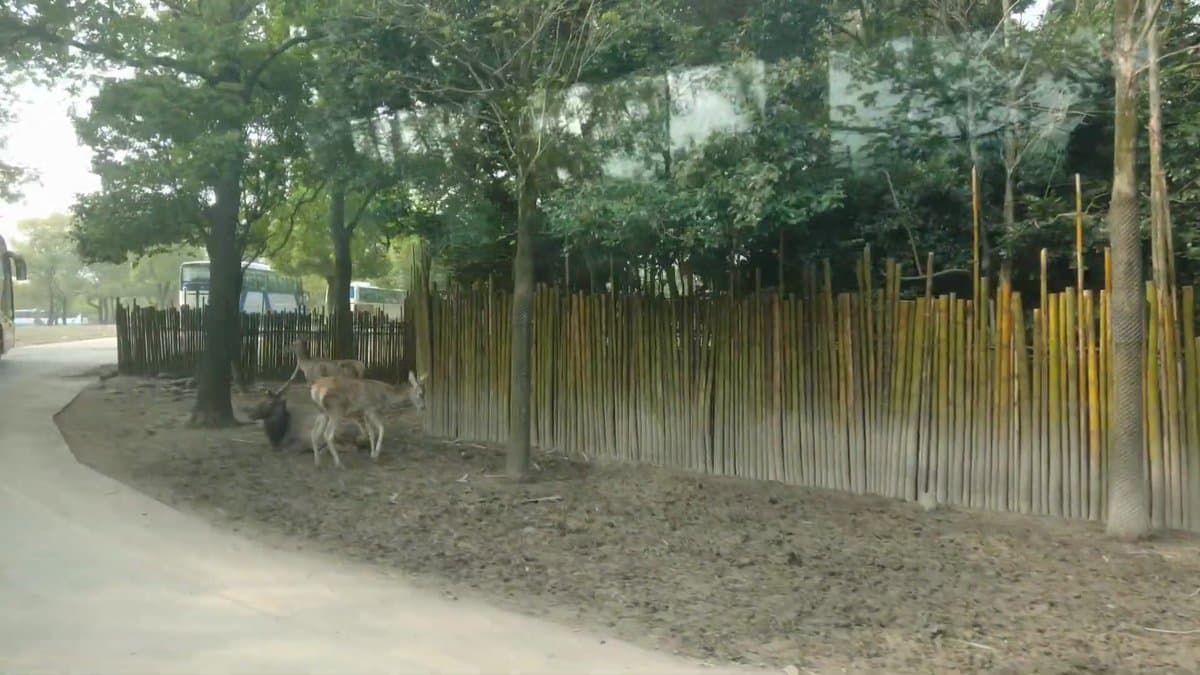
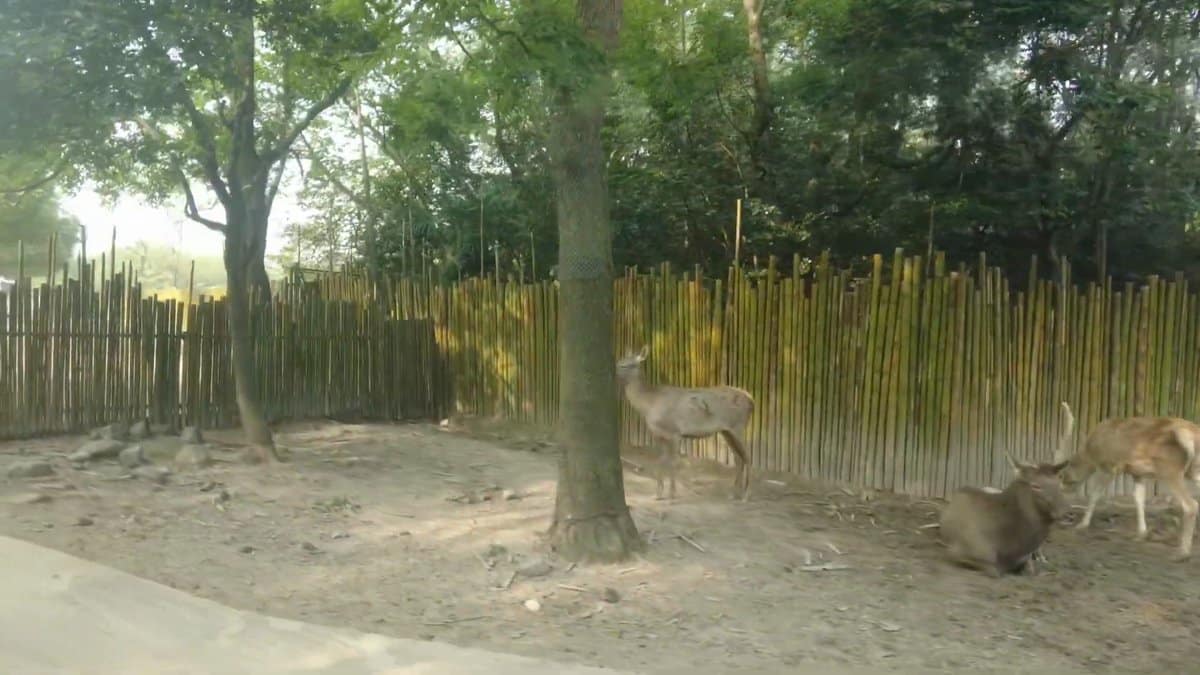
As you ride around the shaded groves, deer meander among them and congregate on the fencelines. The animals is accustomed to the bus, they seem relaxed and unconcerned about it passing by; you’ll frequently observe some grazing or resting. When the sun get hot, the herd group up beneath the trees.
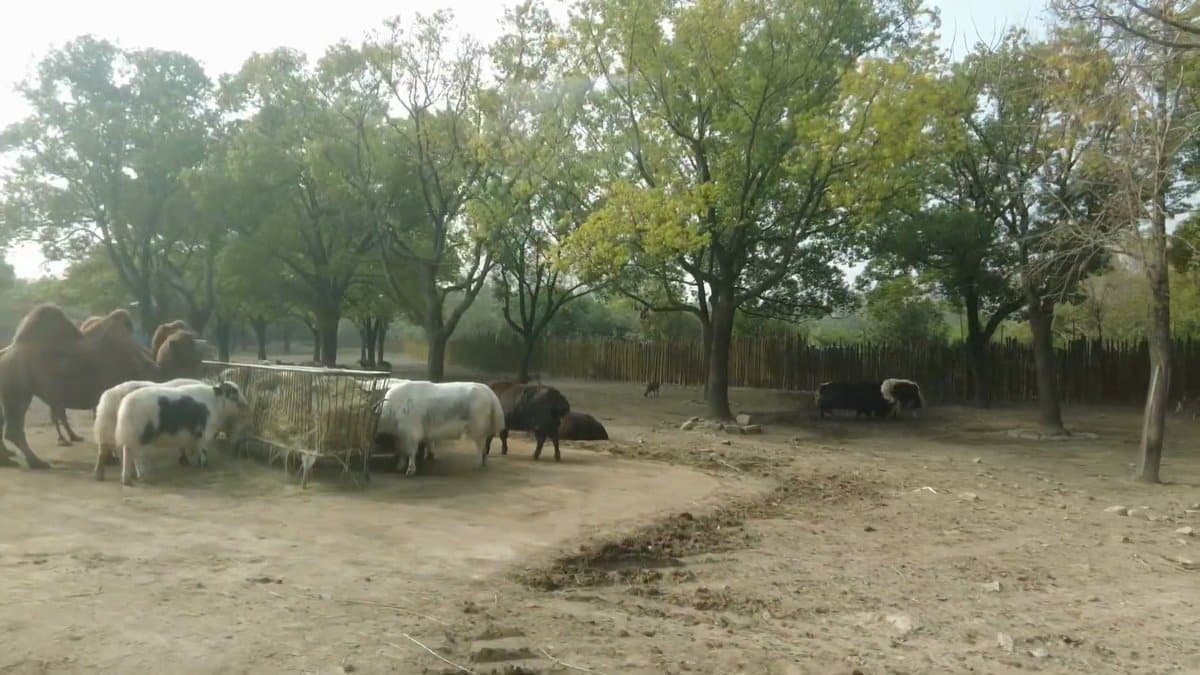
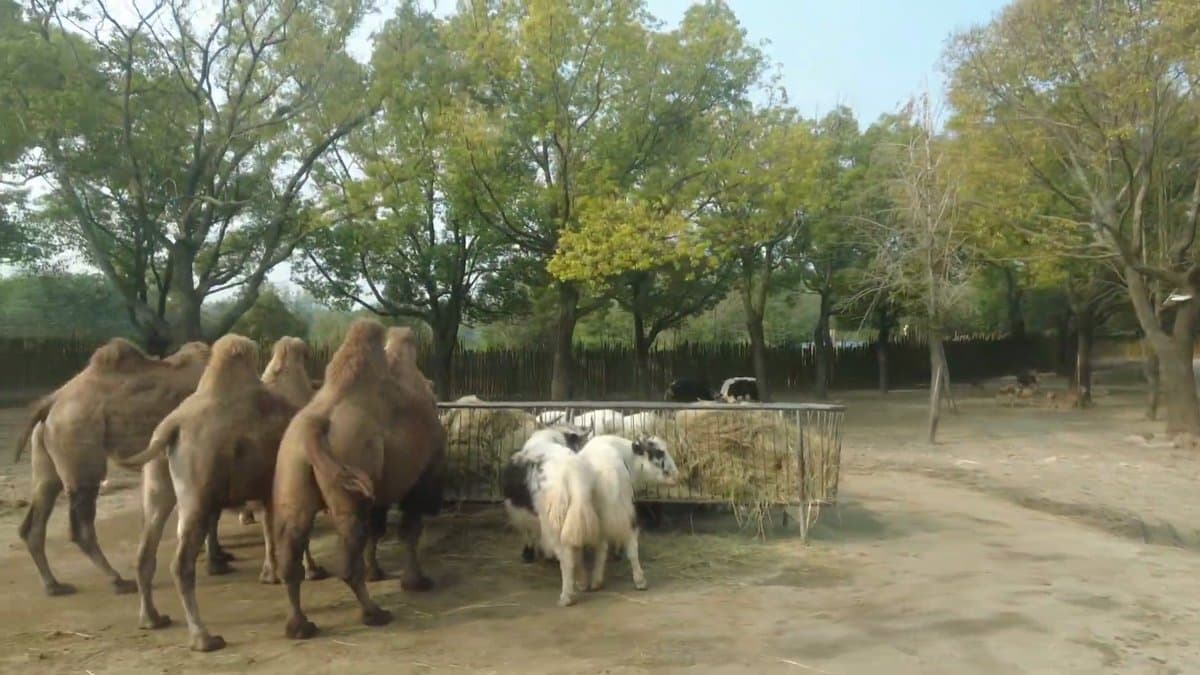
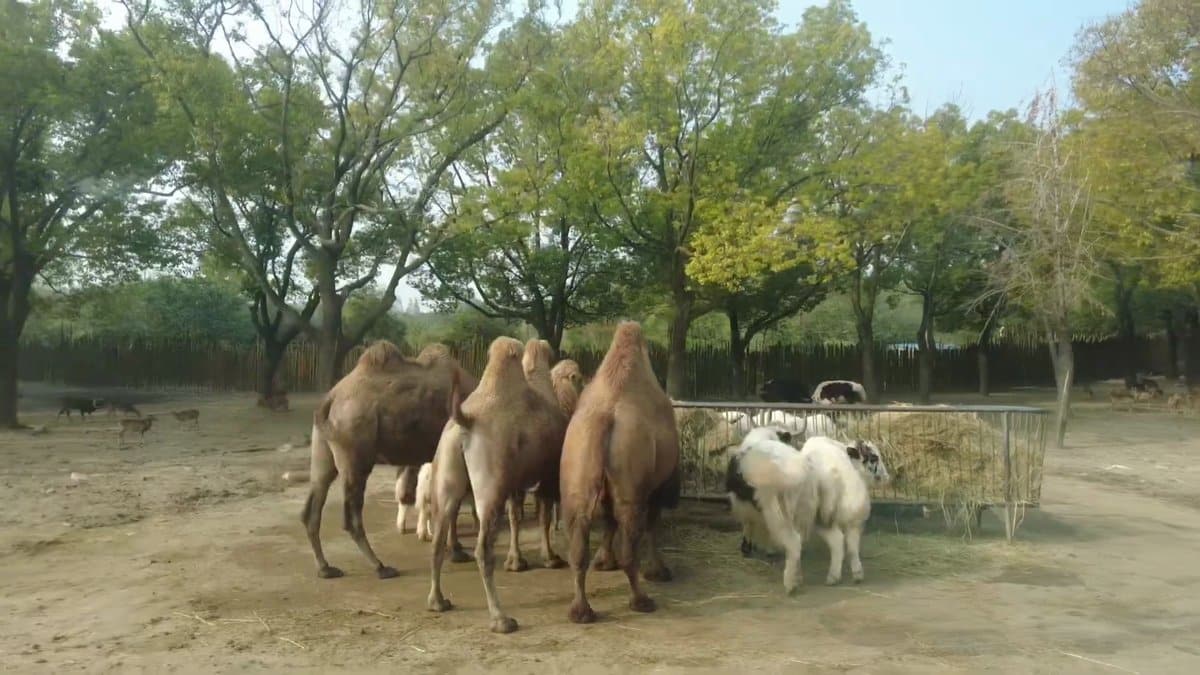
Sheep and camels graze side-by-side at one of the feeding areas, with the camels dominating the hay troughs. Heads lowered, they huddle in the herd as the sheep wait their turn not far away.
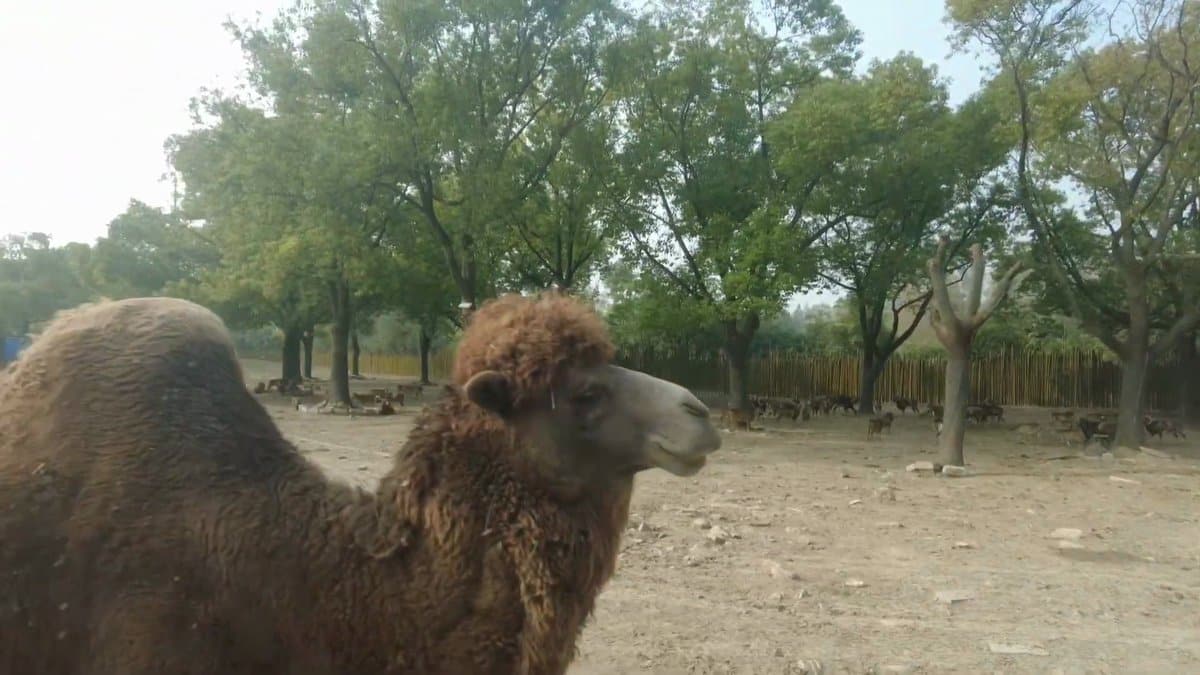
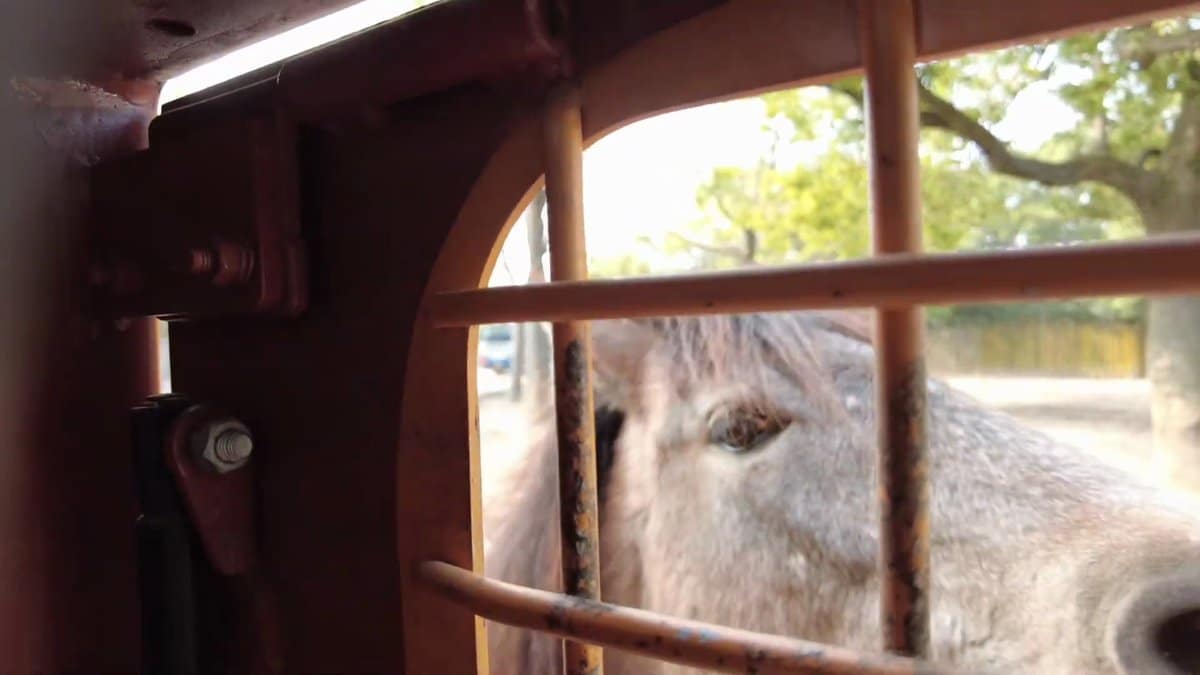
If you’re around during one of their feeding times, Bactrian camels will come over to the bus, and some people purchase treats to throw to them. A couple even stuck their head up to the mesh, obviouslly expecting something. They’ve figured out just how close they can gets to you.
The feeding windows are barred for a reason, but the animals have worked out exactly where to position themselves.
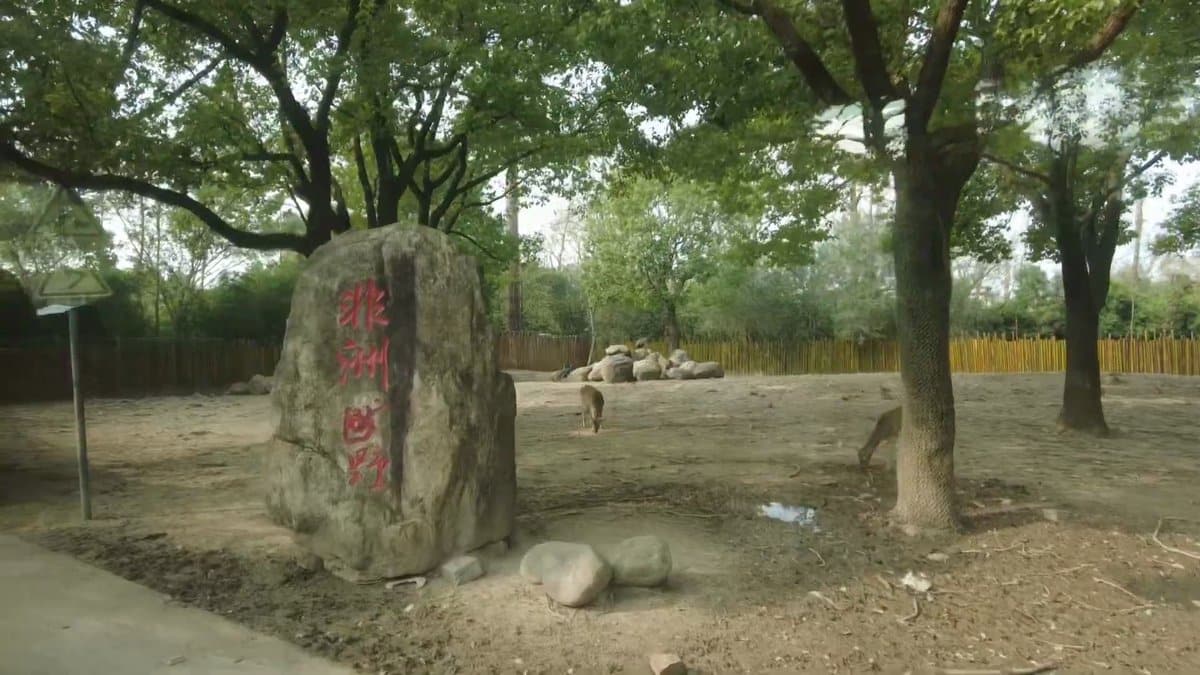
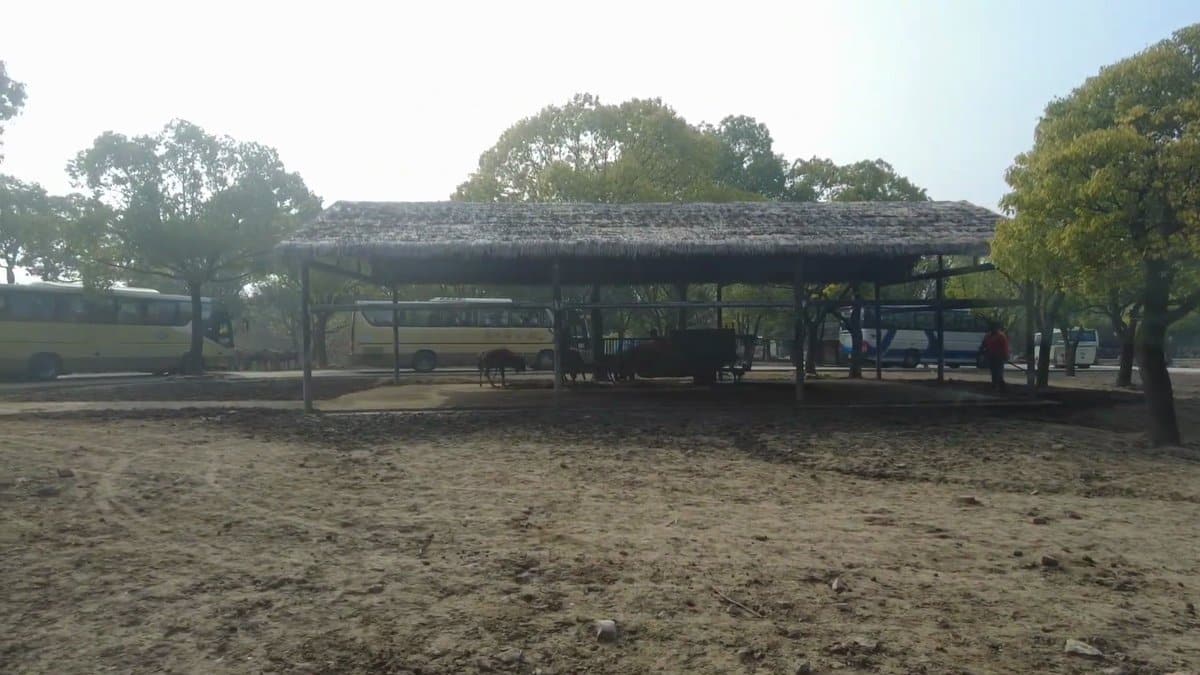
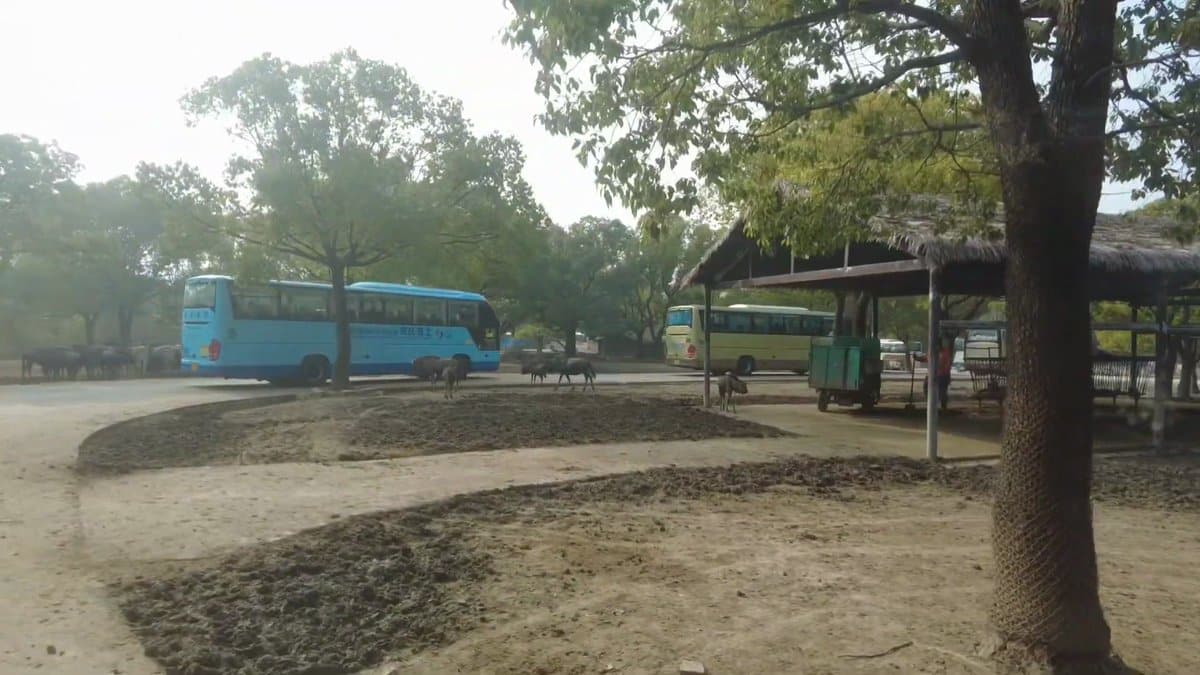
Thatched shelters and painted boulders mark the African zone, which attempt to make everything look like savannah. As you ride down the windy road, you pass large open enclosures filled with zebras, antelope, ostriches, and all kinds of other animal mingling together.
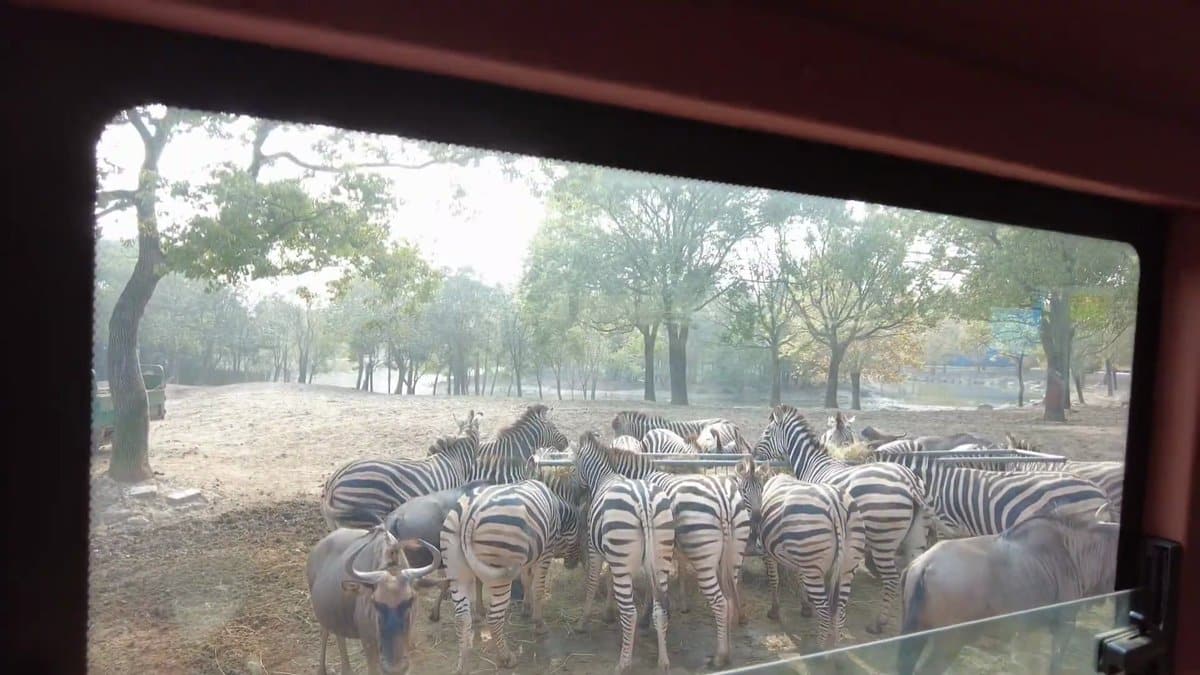
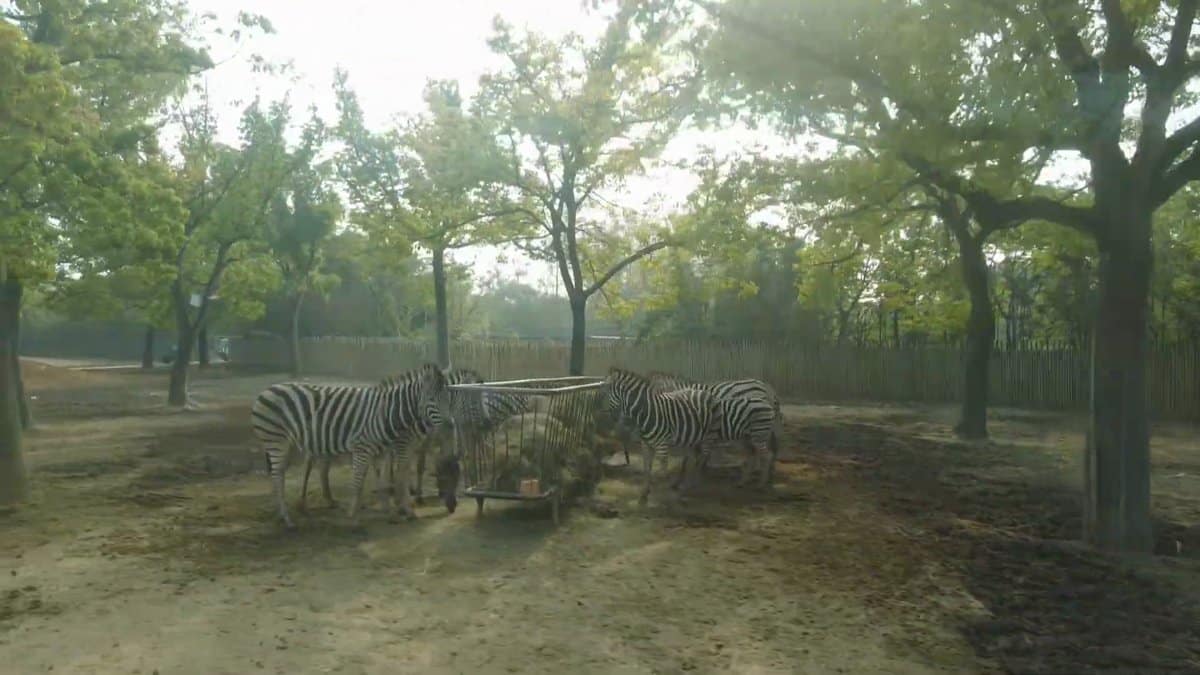
Zebras and ostriches seems to get along fine, often grazing side by side in loose groups. There’s not much shade, though, so it’s easier to see things but also hotter.
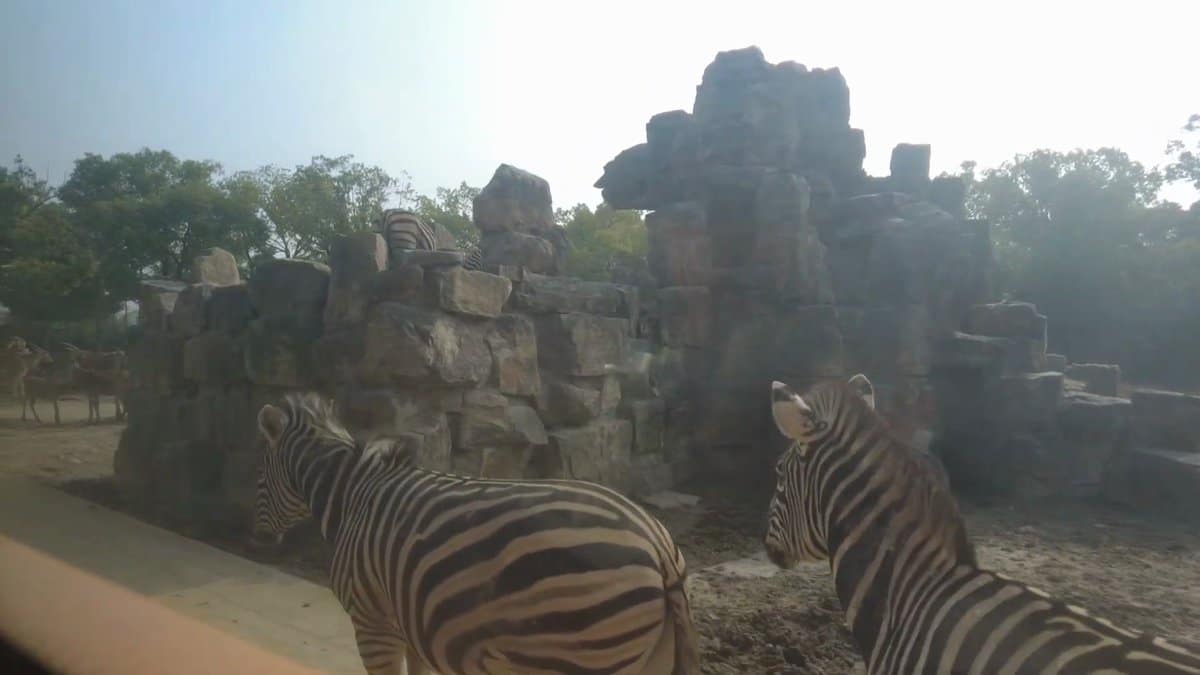
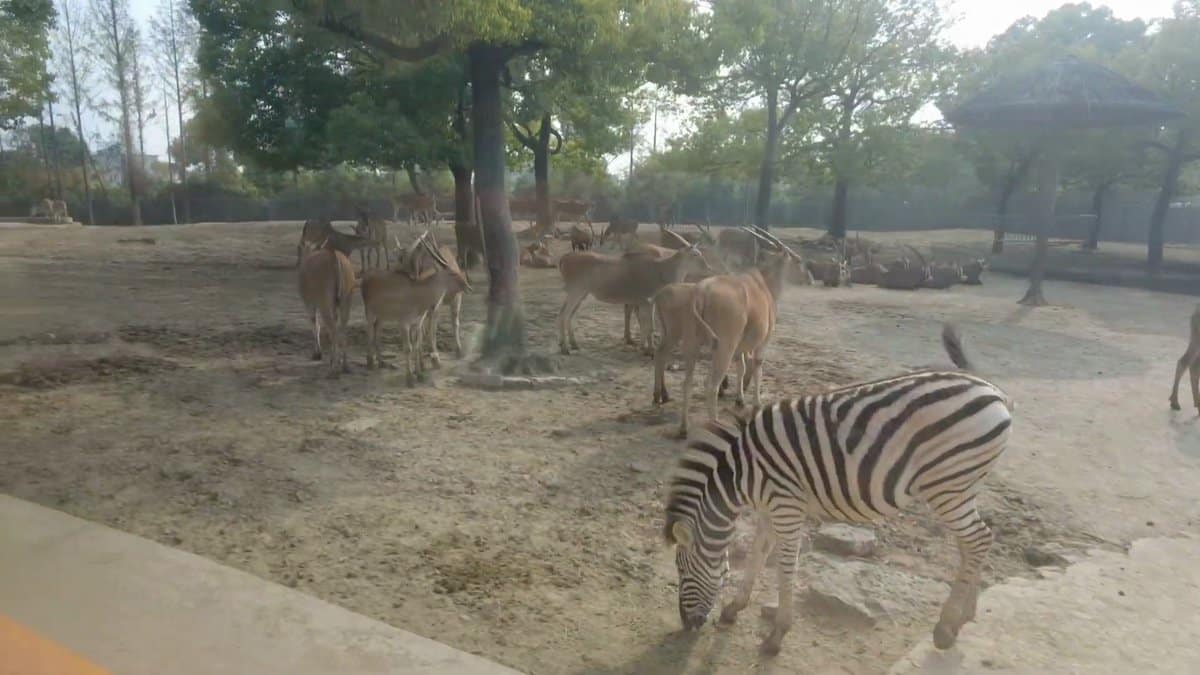
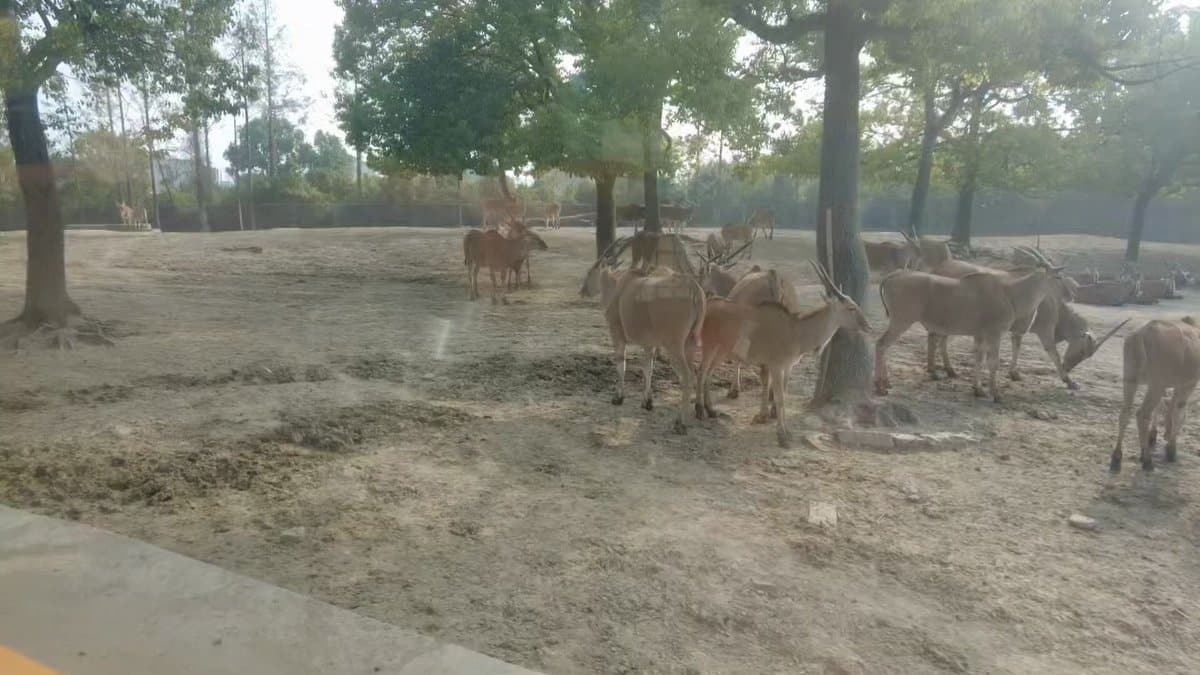
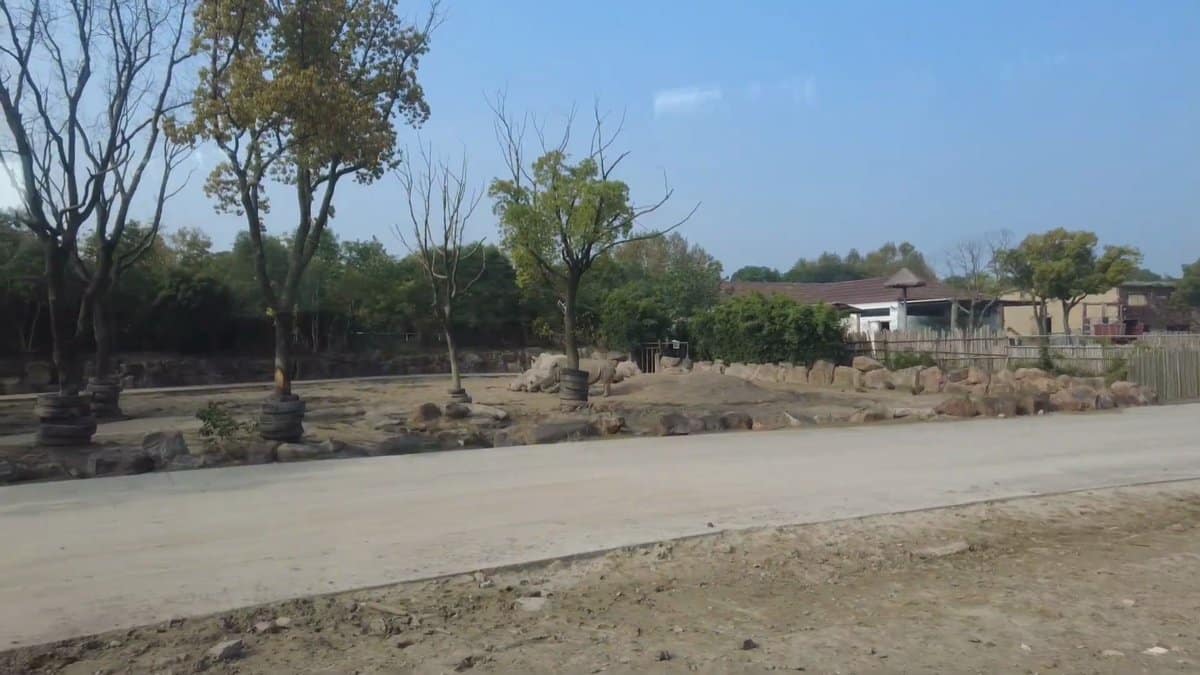
The enclosure is full of stone ruins (probably used for shelter but also perhaps just to add some scenery). While there, you might see a few zebras near the rockwork, while an antelope herd move off across the dusty ground. They are free-roaming animals and come and go as they like, so sometimes you’ll pass through a section and hardly see anything, then turn a corner and find a large group.
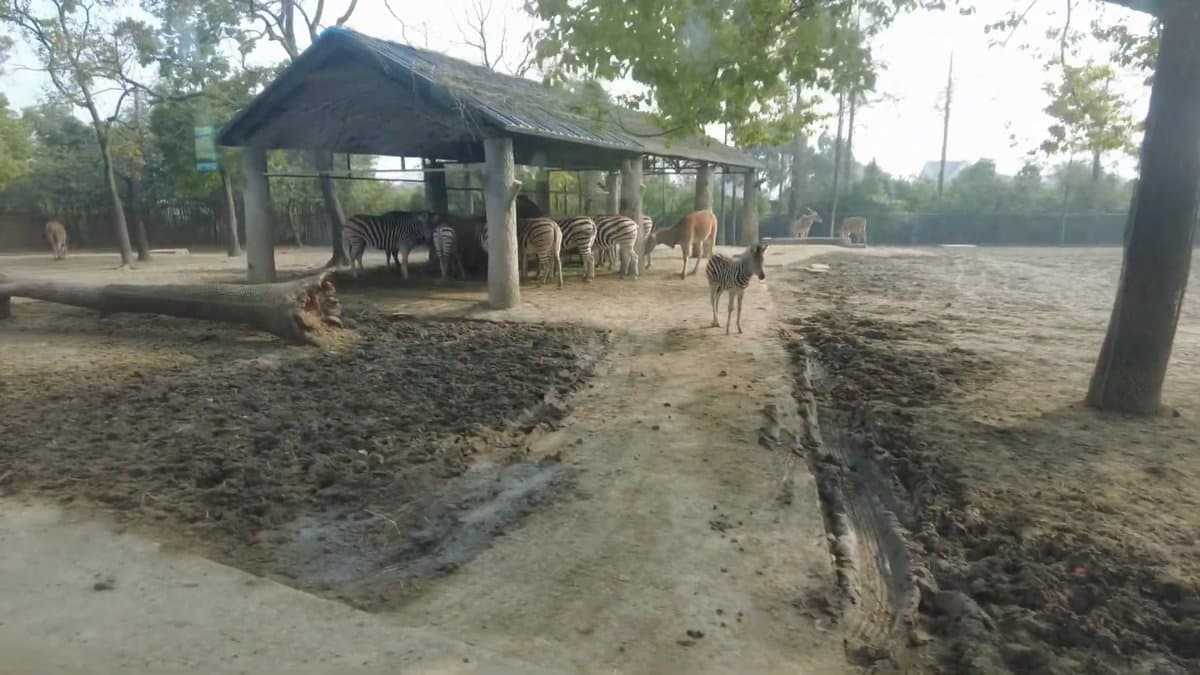
There is thatched shelters to provide shade, and during the middle of the day, animals congregate under them. Because the bus doesn’t linger anywhere too long, be sure to have your camera out before getting up close. And then there’s the giraffe.
These guys just amble out onto the road and if the bus is going slowly enough (it will be), you might find yourself eye-to-eye with a giraffe or looking at his head arched over the top of the vehicle.
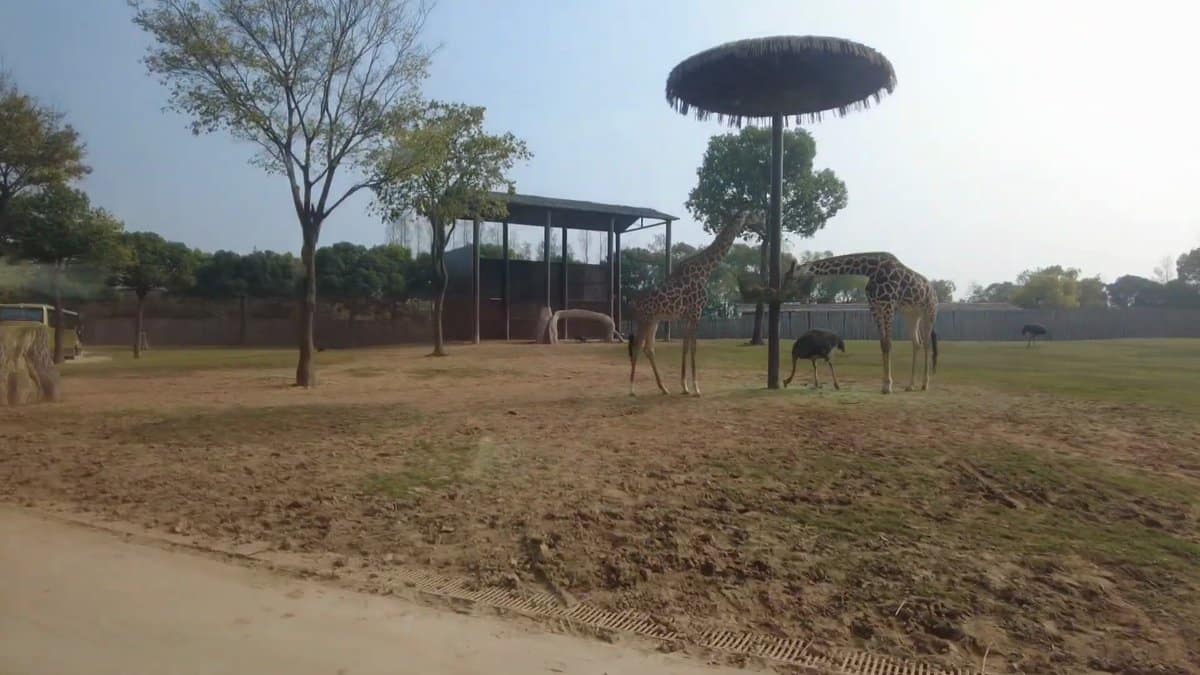
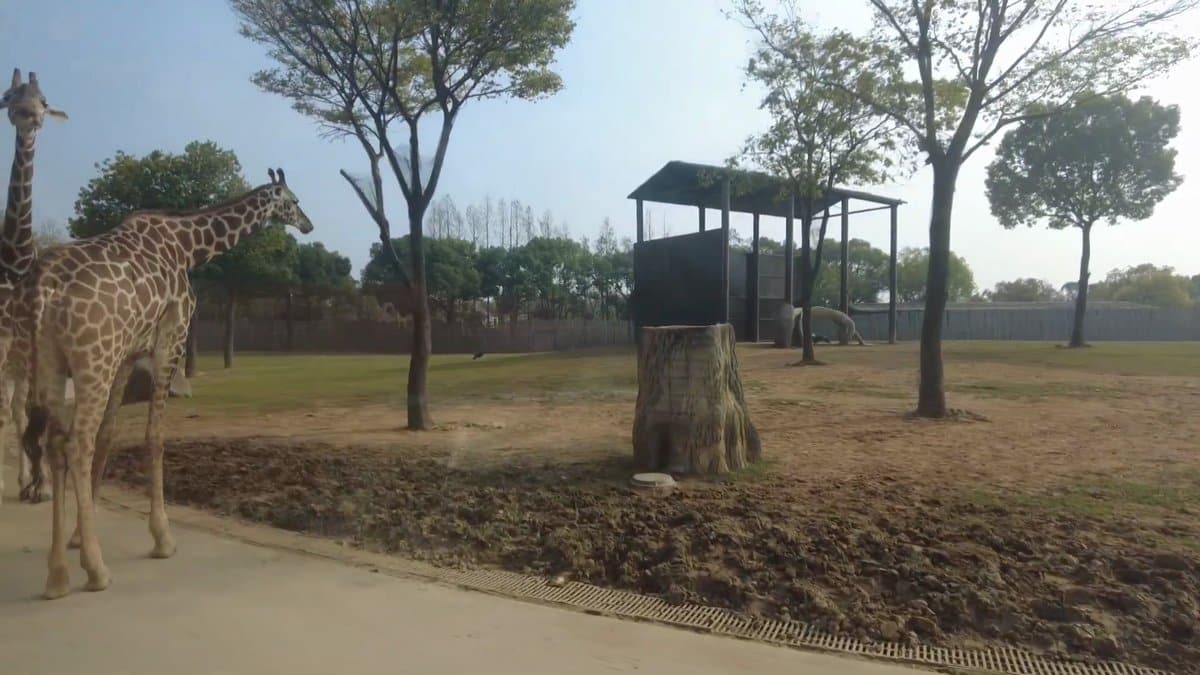
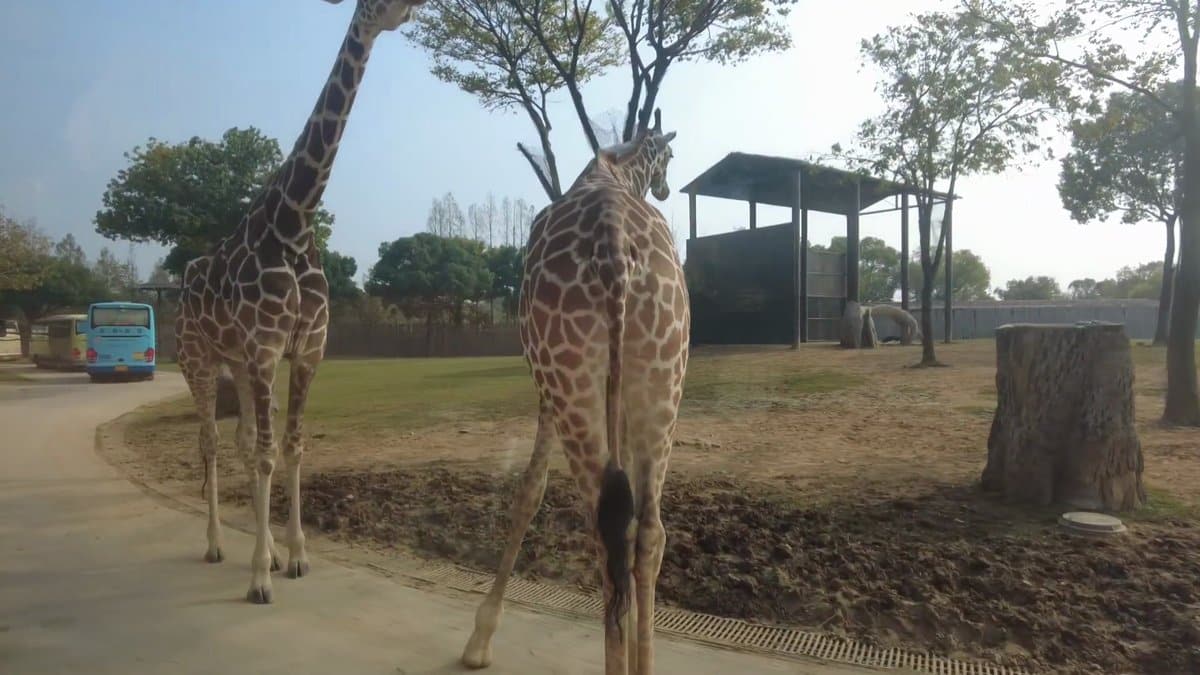
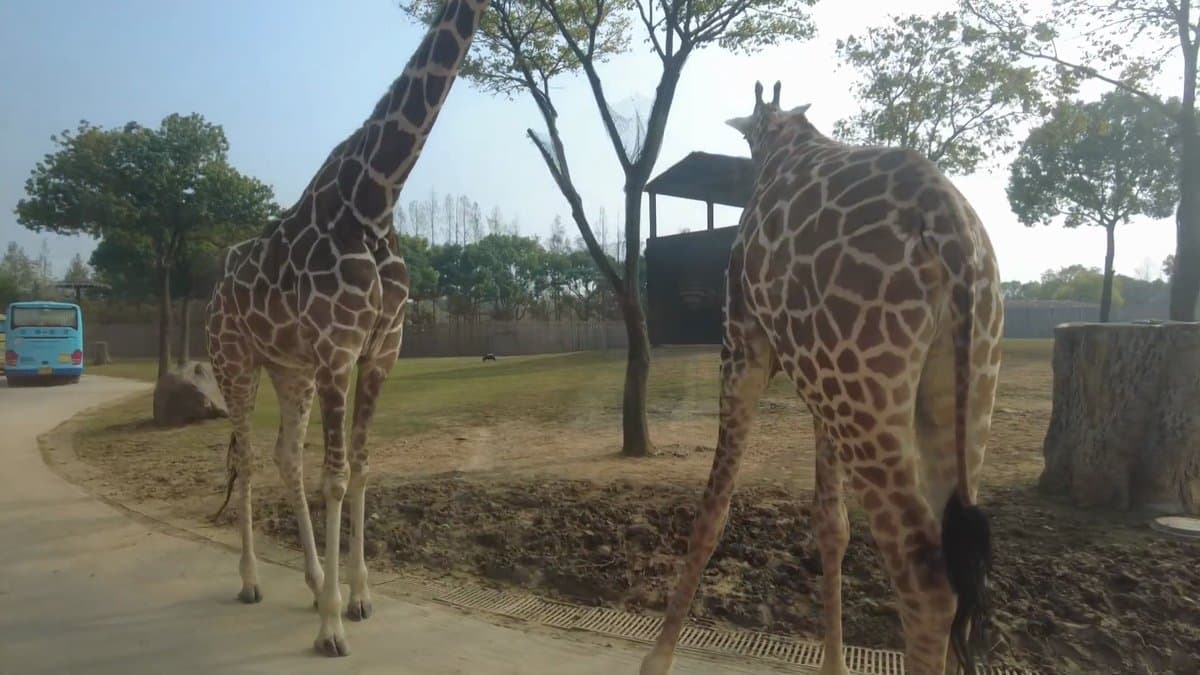
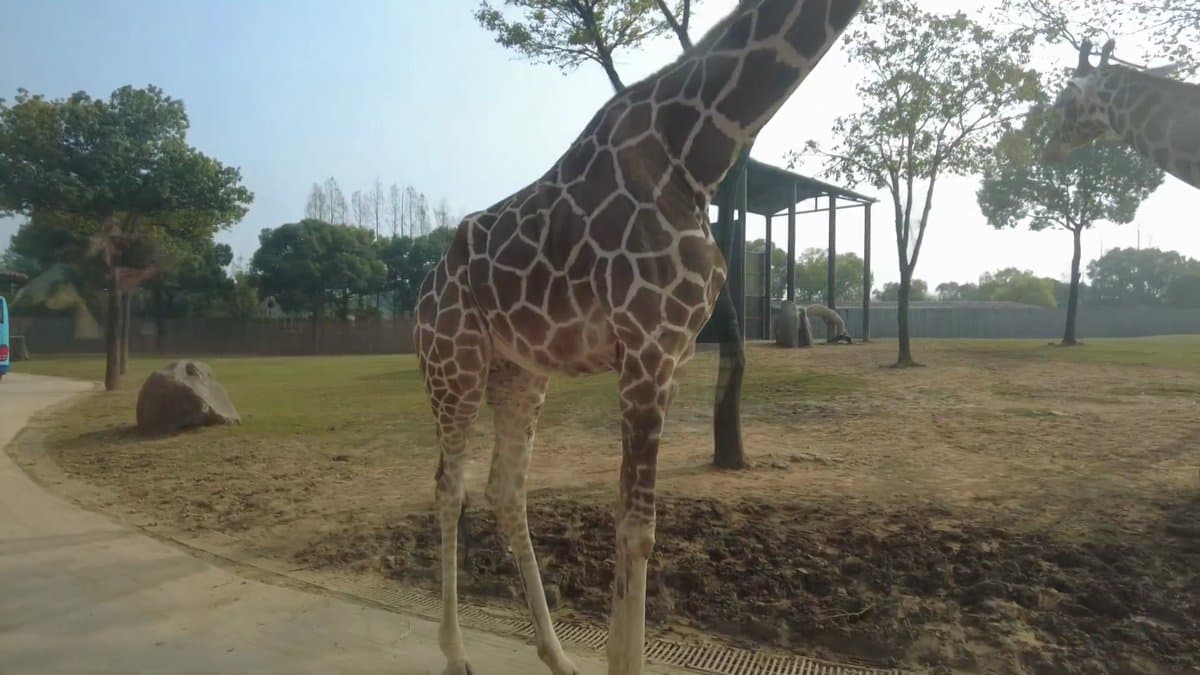
They feed from the umbrella feeding posts that attract them. You’ll have plenty of time to observe all the details. It’s one of the highlights and one of the kids’ favorite part.
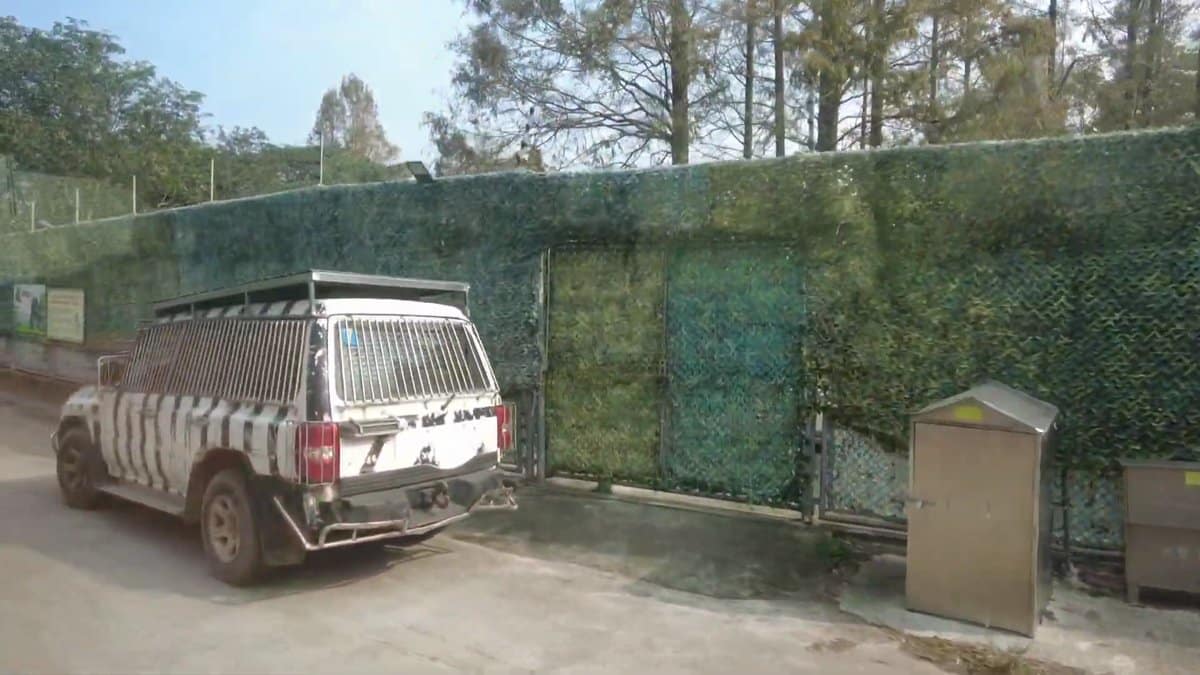
Then another zebra-striped jeep indicate the turn into the predator areas. Here again the bus slow even more, and the mood shifts. You pass by the camouflaged gatehouse, and suddenly you’ll see that the fencing are thicker.
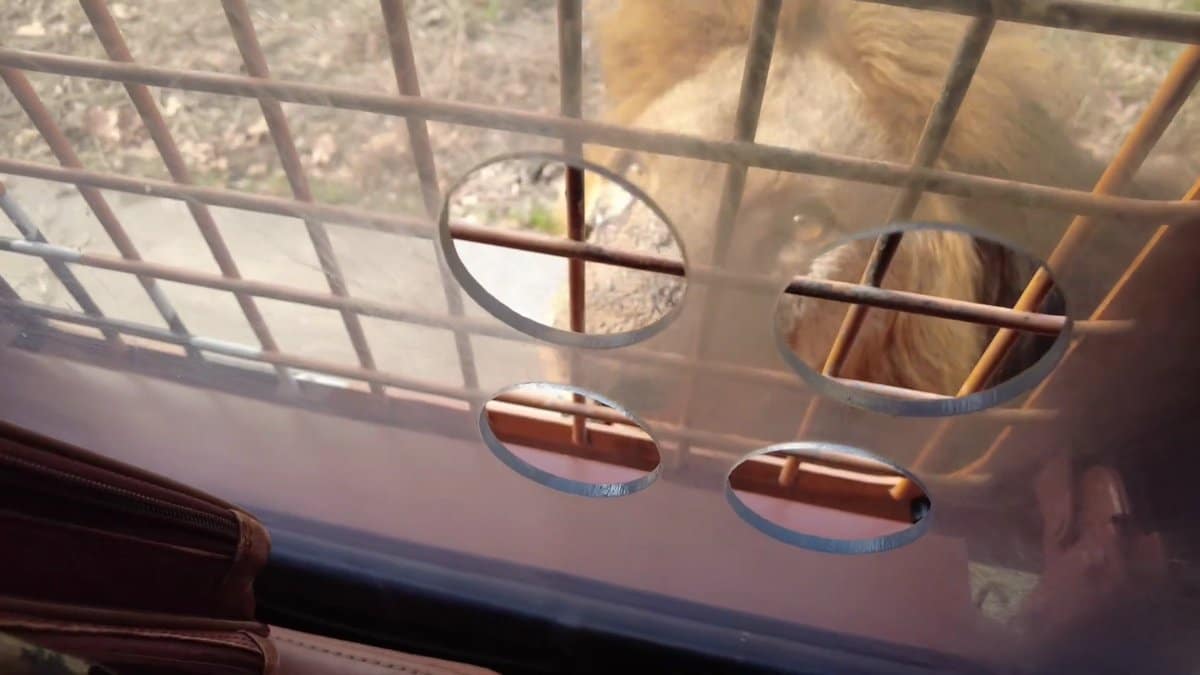
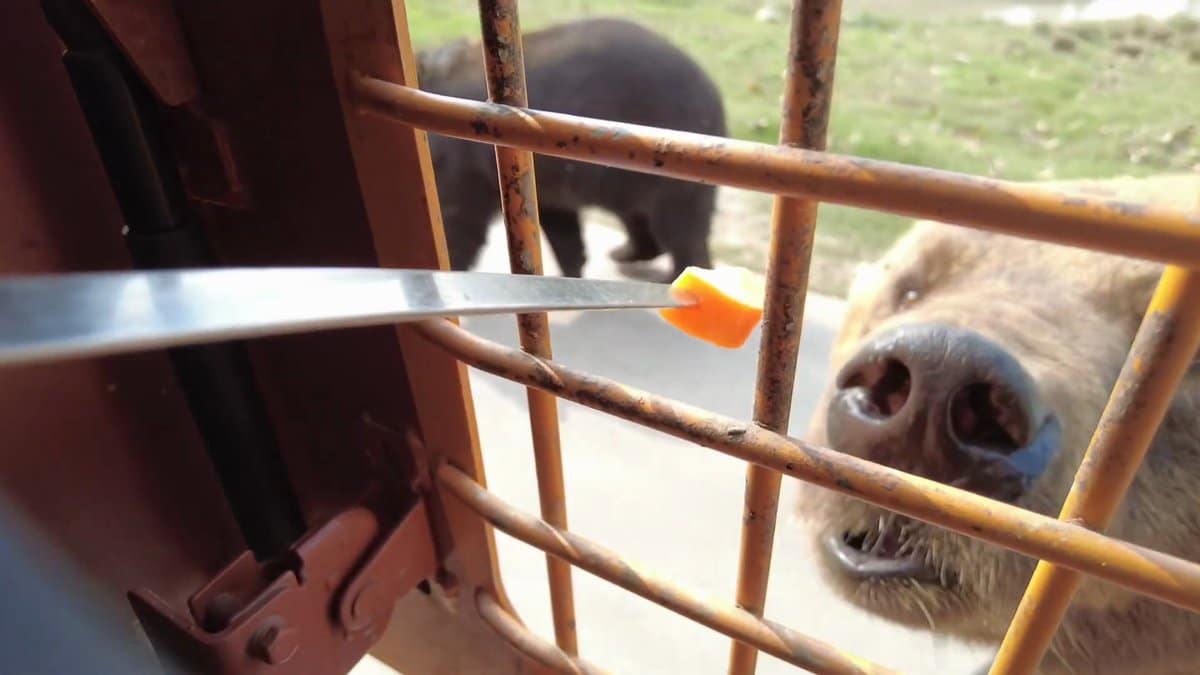
The lions and bears is separated by double barriers in their enclosures. Bear snouts poke out of barred windows; a lion’s mane is pressed up to the mesh grille. Some of them know the schedule of the buses and wait nearby, hoping for handouts, although visitors aren’t supposed to feed the predators.
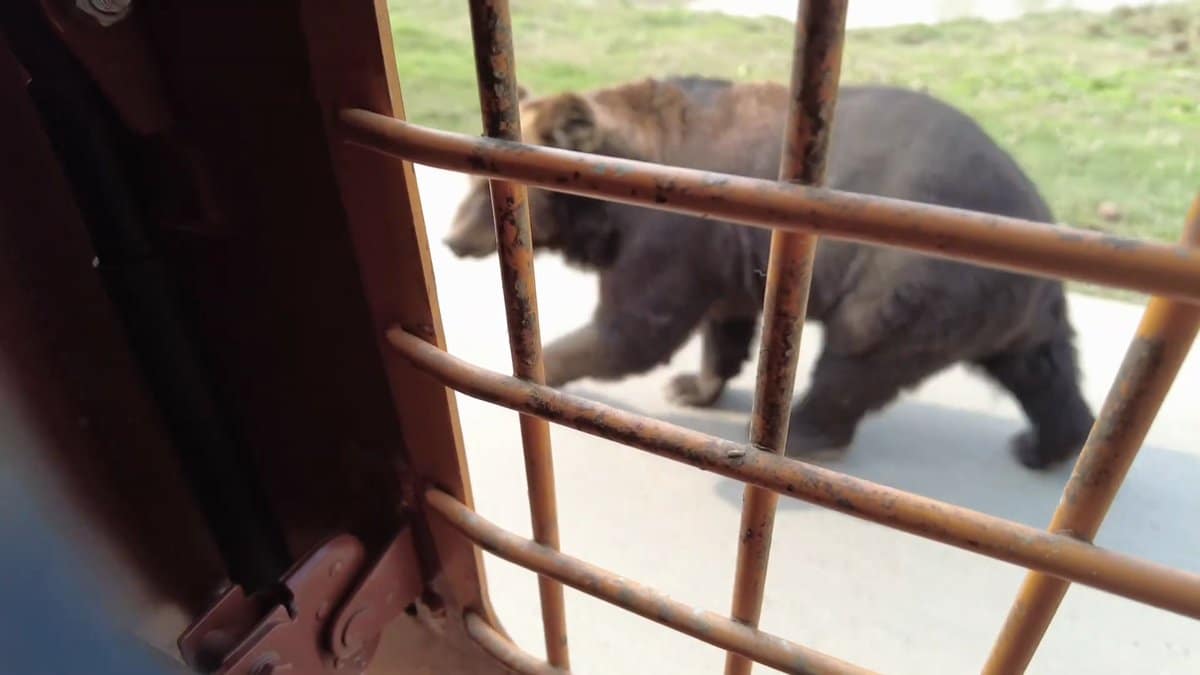
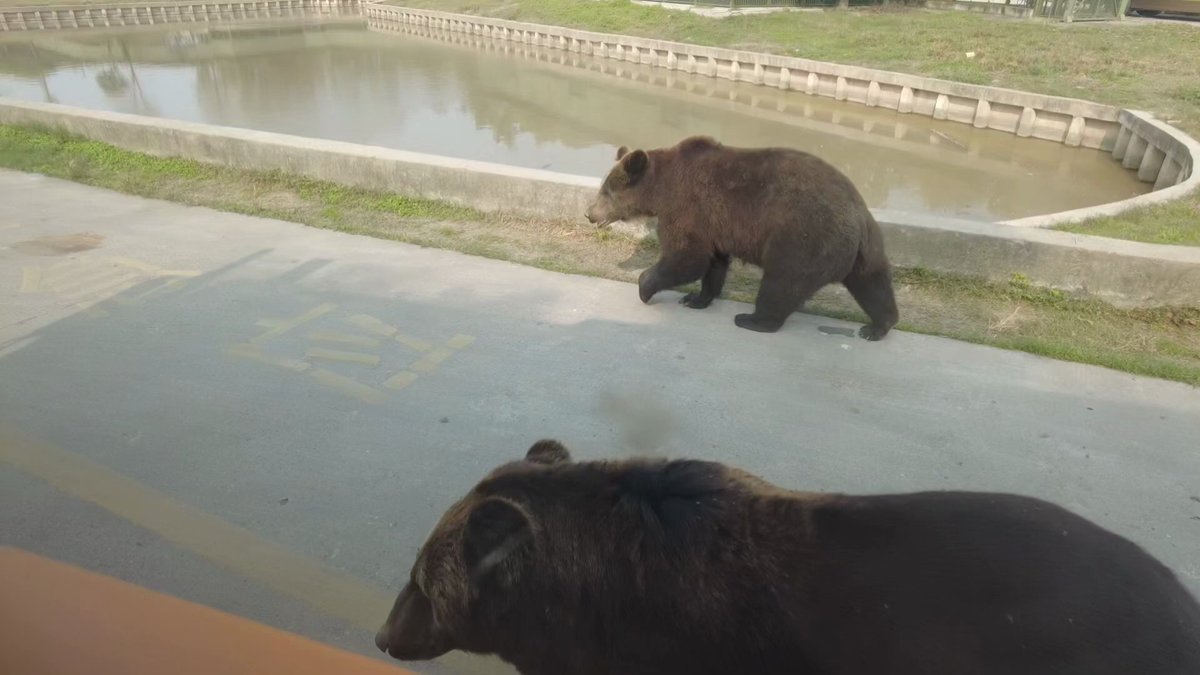
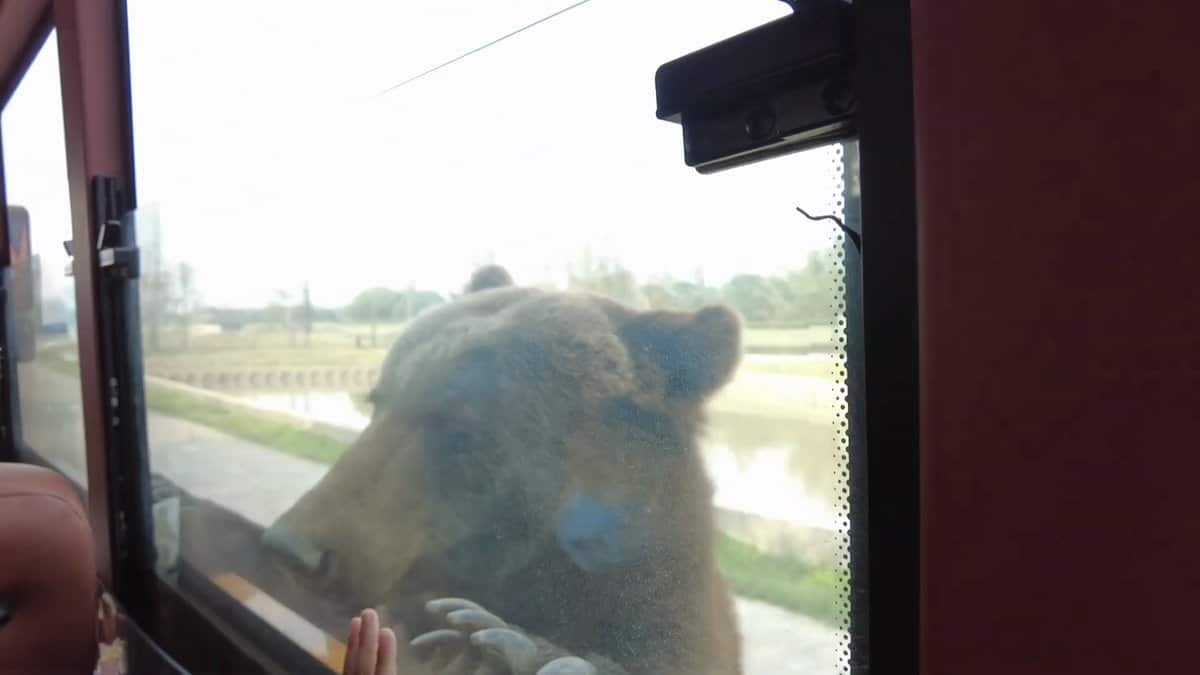
The bears are quite active too, they climb on top of the rockwork and stand up against the window. They have their own pool in which to swim and keep cool but whenever a bus pulls up most will walk across to check it out. Standing just a few metres from you with a bear that tall is pretty cool and a little disconcerting.
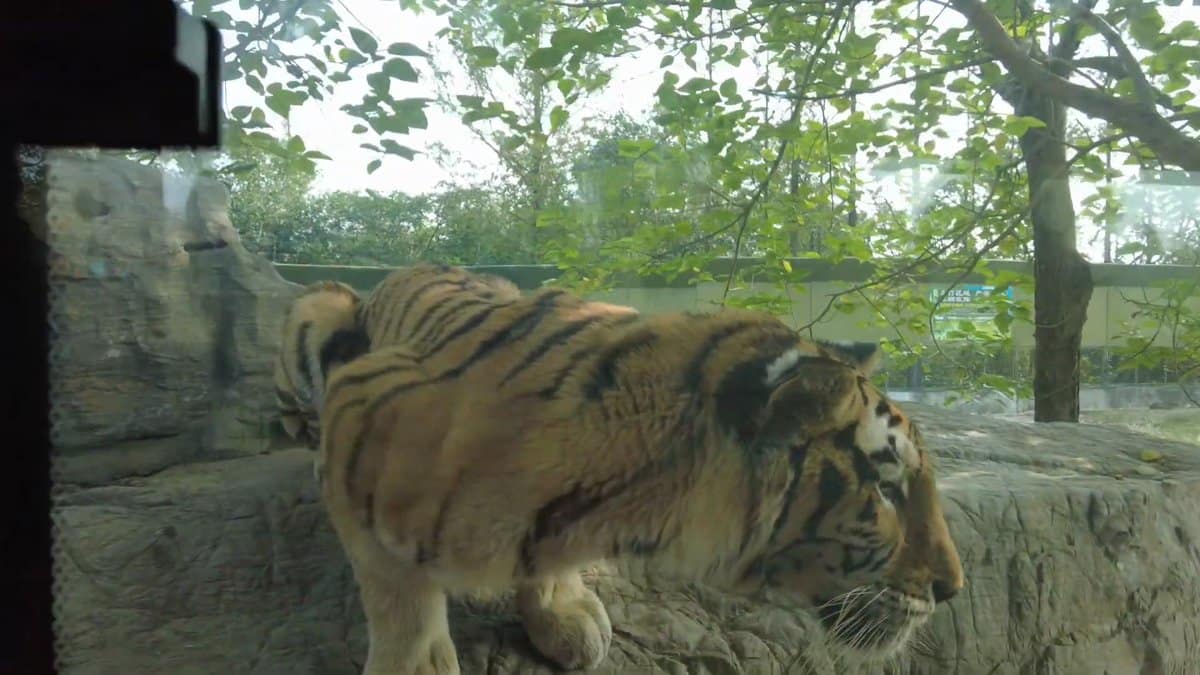
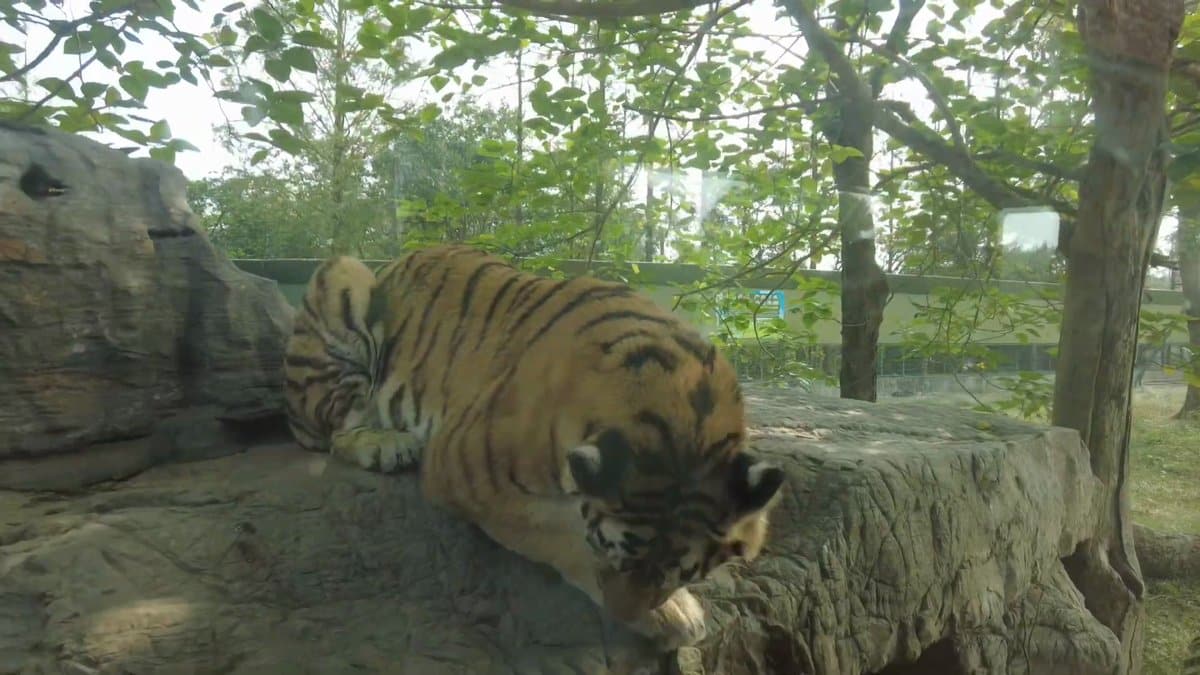
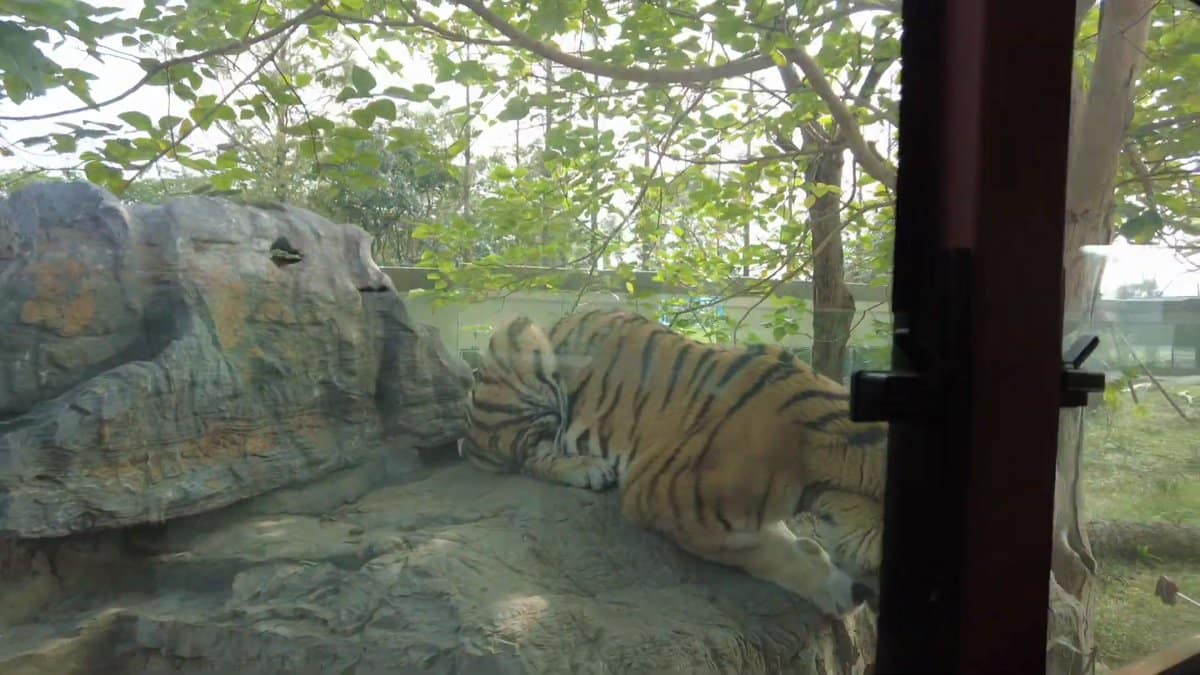
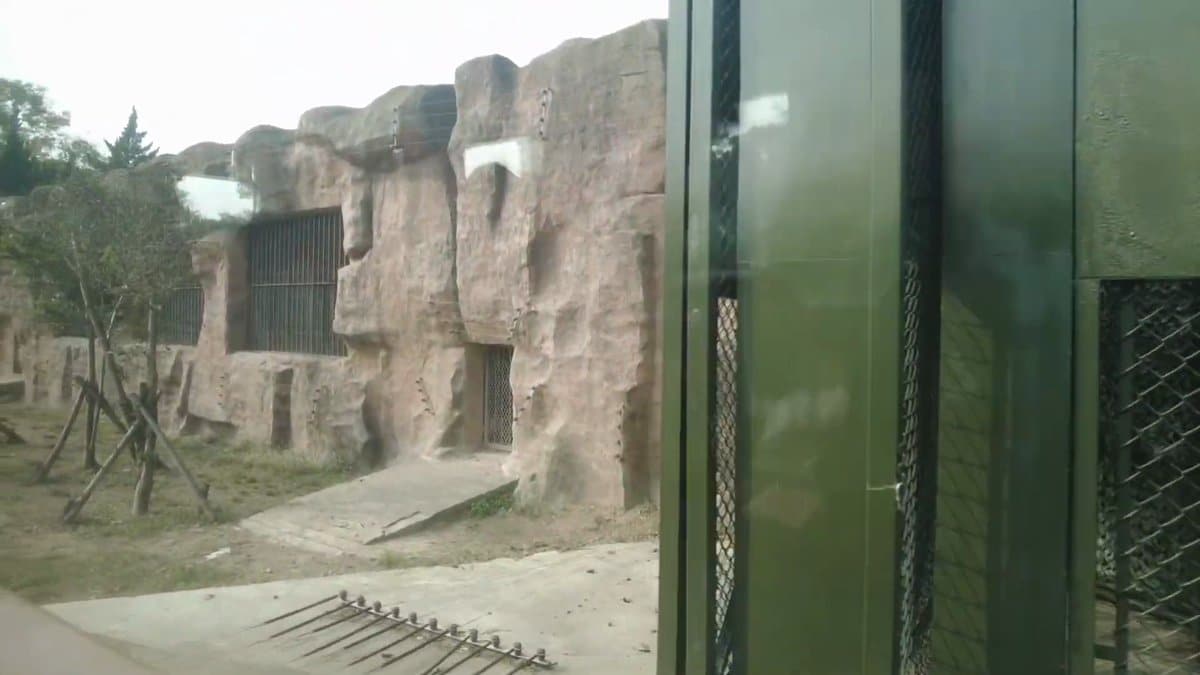
Tigers lounge on rocky ledges, which is what most of them do most of the time, just sleep or rest. They has barred dens set into the rock work that they will retreat to if they’ve had enough of the buses. You might see one walking along the ledge on a good day, though honestly, don’t expect much more: they’re likely to be lying down and not bothered by your presence at all.
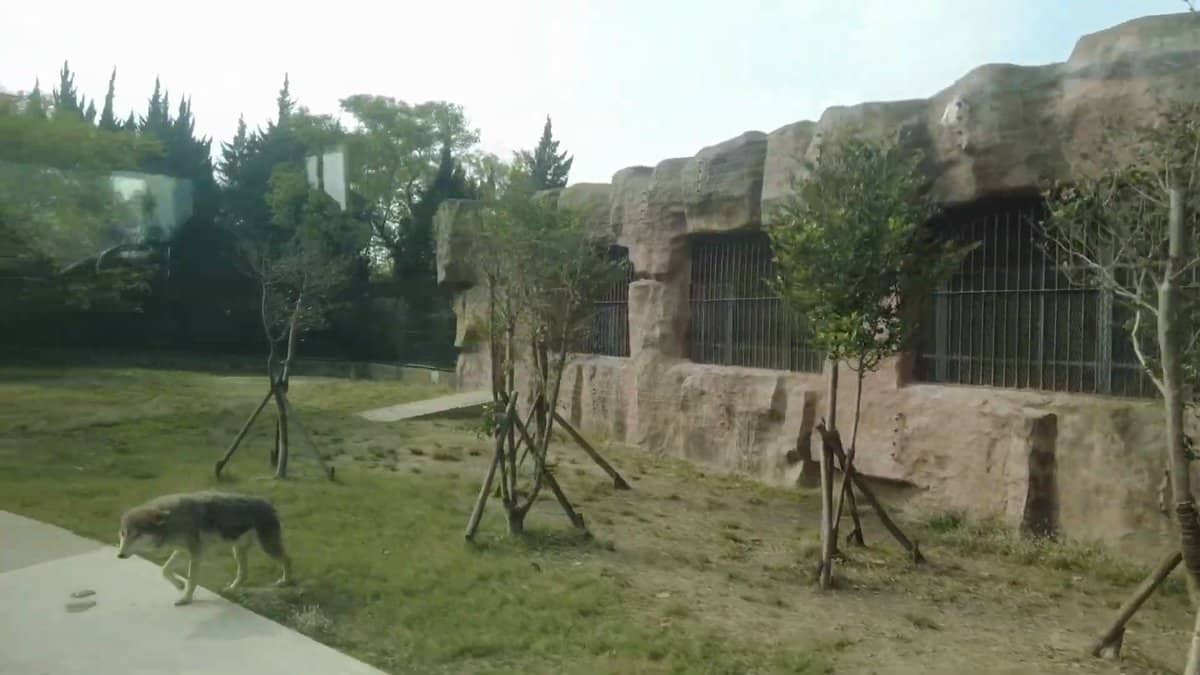
Wrapping up the predator section is a wolf enclosure, with wolves trotting about an open grass area. Unlike the bears, they tend to keep their distance from the bus route and are more skittish. Depending on the number of buses on the road (and how frequently they stop), the entire circuit around the loop can be completed in about an hour.
If you have kids with you, it’s worth it, as is seeing camels and giraffes wander up to the bus. Unfortunatelly, this isn’t exactly a “wild” animal experience. That said, just set your expectations for the predators, who spends most of their days napping.
Have you ever toured a safari park by bus? How did that compare to visiting a more traditional zoo?