In the centre of Shanghai is Xintiandi, a pedestrianised area that retains some of its original shikumen lane houses but has transformed them into a cluster of cafes, boutique shops, bars and restaurants. The outside feature their old brick walls while the interiors is all international kitchens, craft cocktail bars and contemporary dining space. It is polished, pricey, and popular with wealthy locals and expats alike; it’s somewhere to linger over drink and dinner.
It’s not the spot for bargain eats (or at least street snacks), nor old school Shanghainese canteens. Instead, it offer a small, walkable area that you can spend an evening bar-hopping through, sitting down for a lengthy feast, or simply enjoying a pavement table while watching the passing crowd go by. So here’s what eating and drinking in Xintiandi realy entails.
A Night Out in Xintiandi
Xintiandi Shanghai
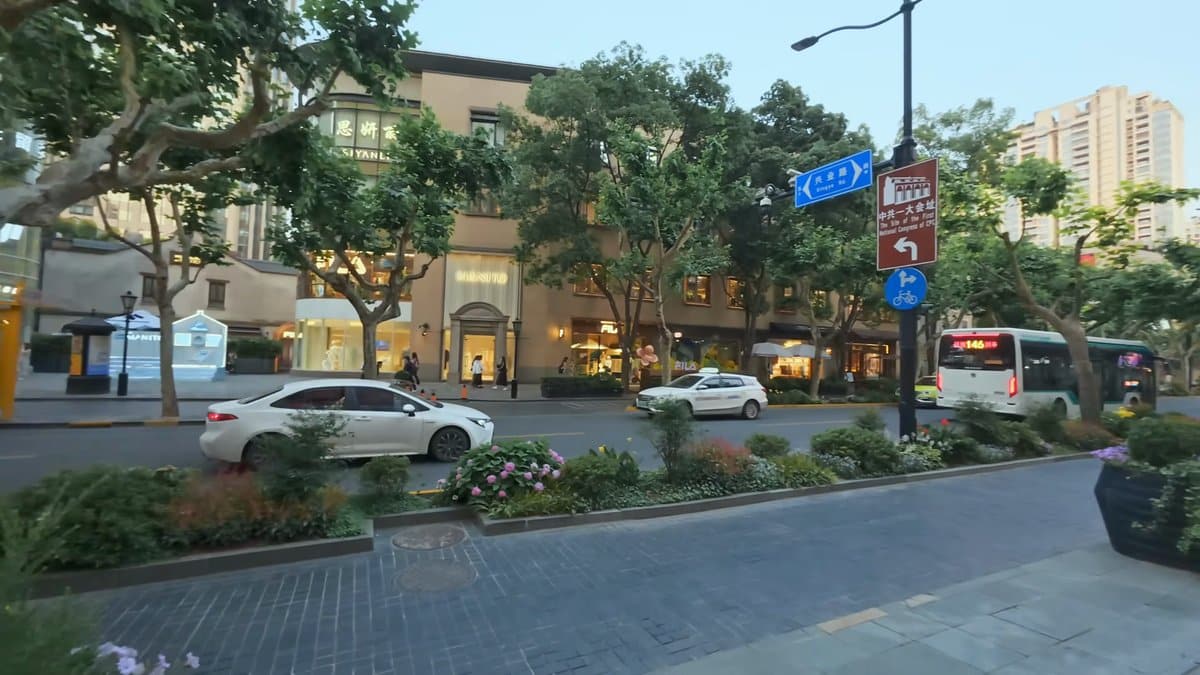
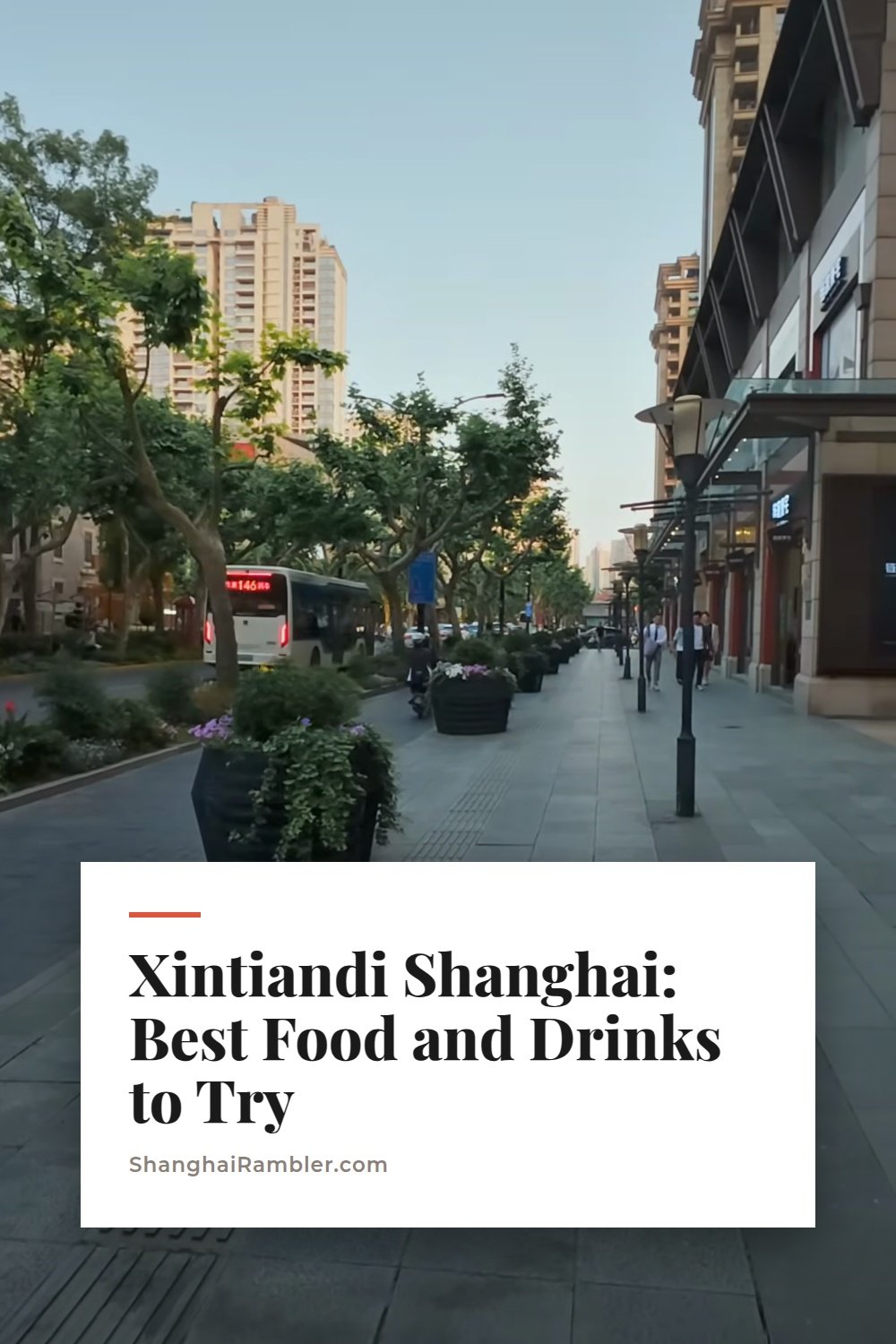
Come when the sun begins to set and the neighbourhood light up. The broad streets is filled with groups of friends and families and couples going for dinner. The soft lighting highlight the shopfronts.
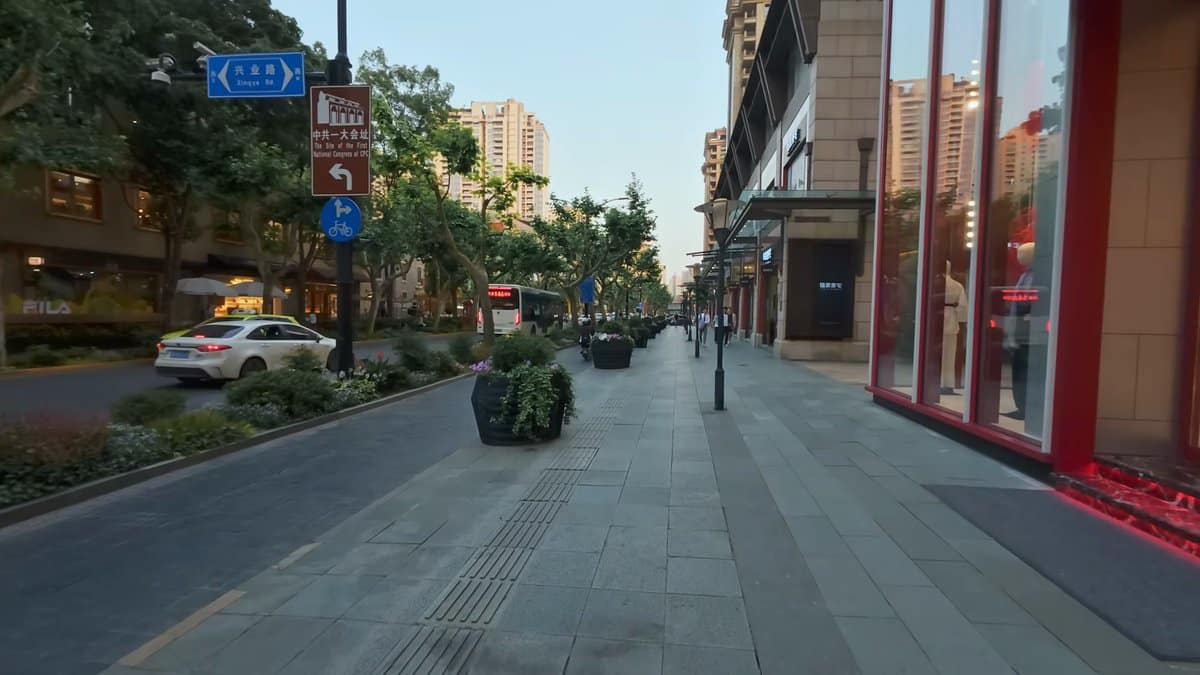
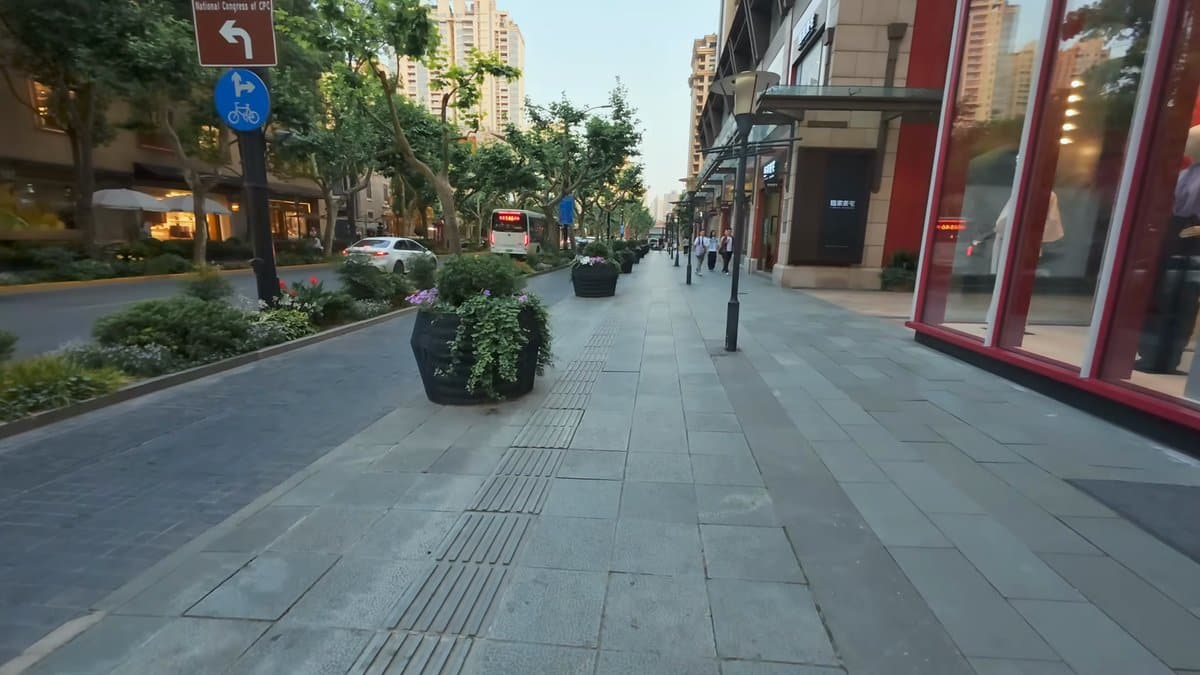
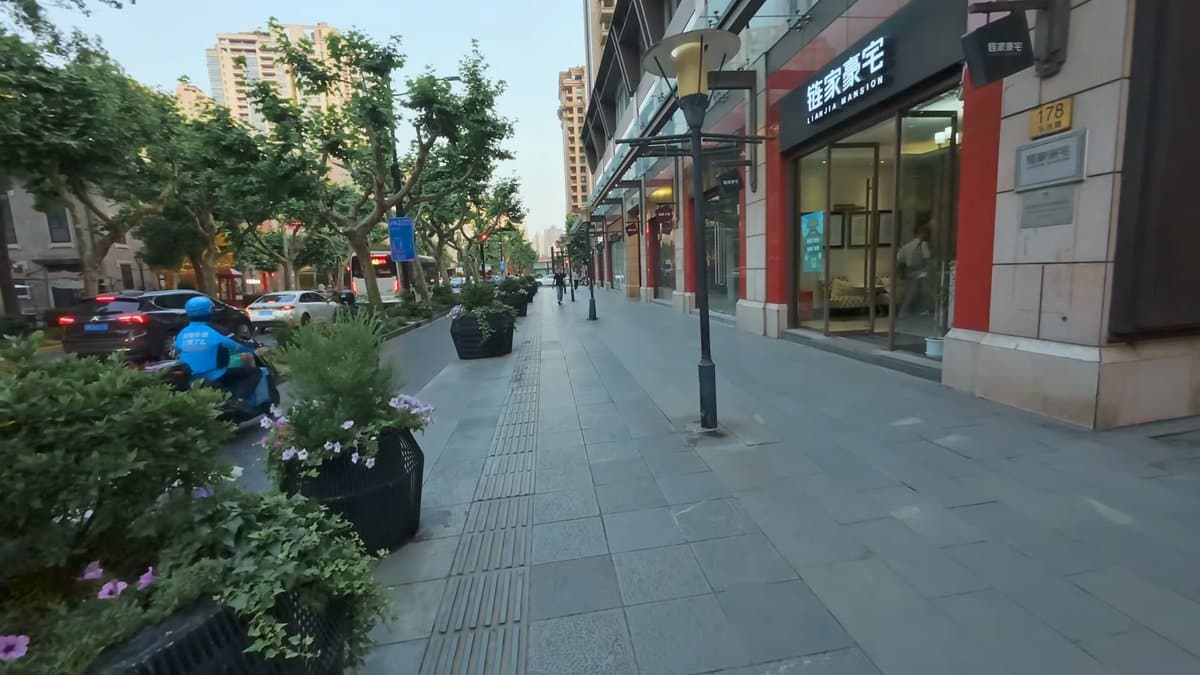
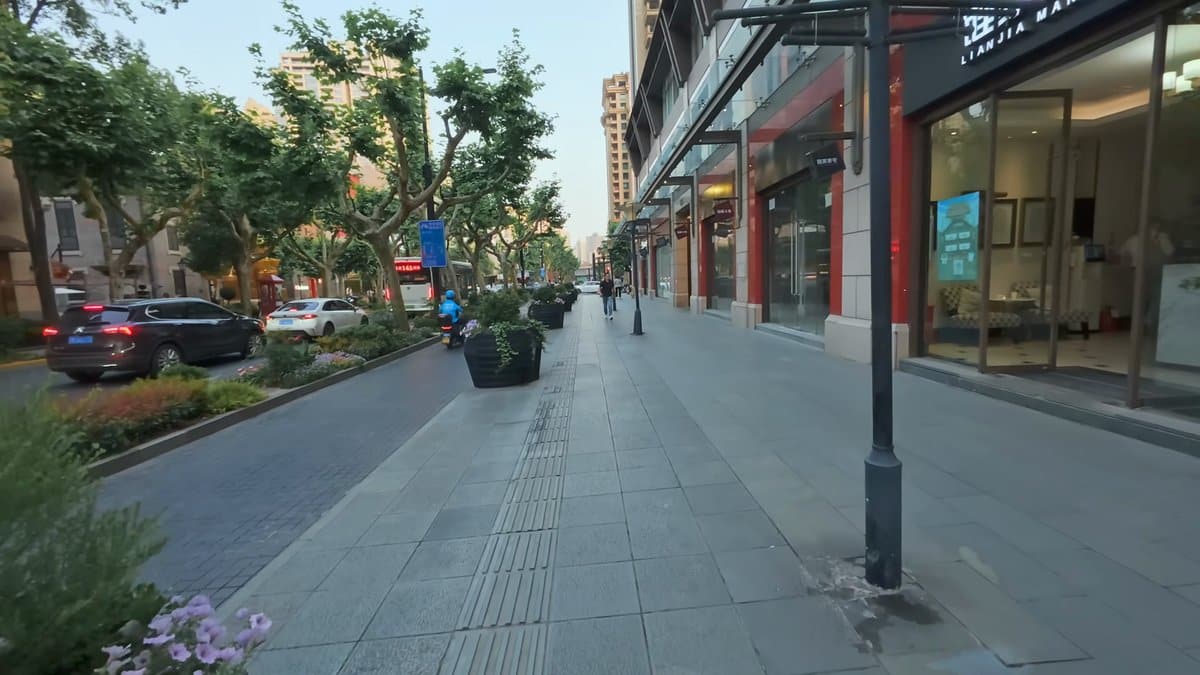
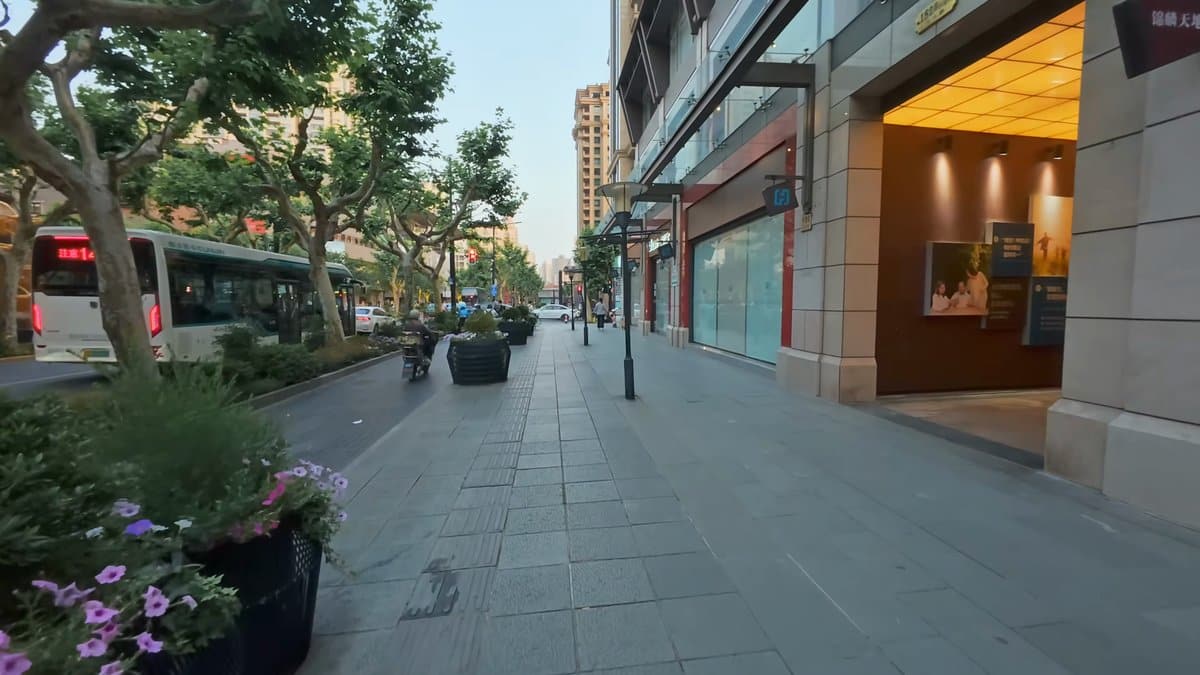
It’s a simple layout. Two-storey buildings stands alongside broad footpaths, most of them original shikumen house whose distinctive brickwork and arched doorways remains in place. Today these are filled with luxurios fashion boutiques (among other things) on the ground floor, while estate agents occupies the upper floor.
Tubed flower arrangements line the kerbs, while the shop window glow long after dark. It all has a much more European-plaza feel to it different than that of a typical Shanghai neighbourhood, but that’s the idea.
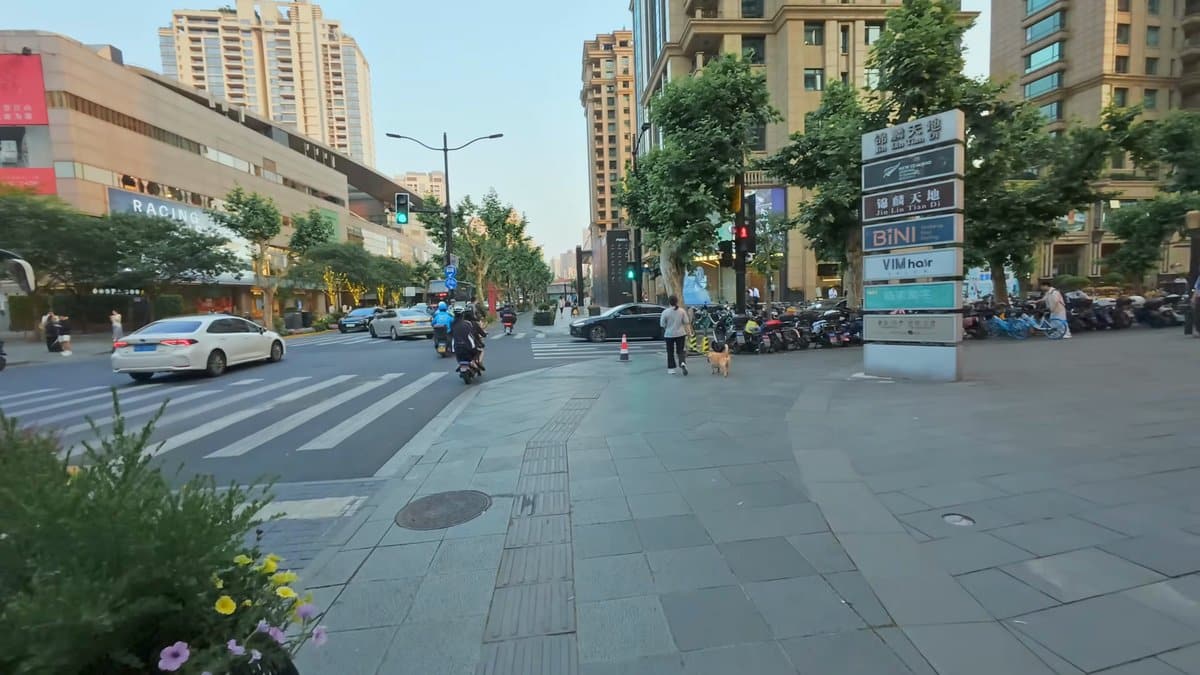
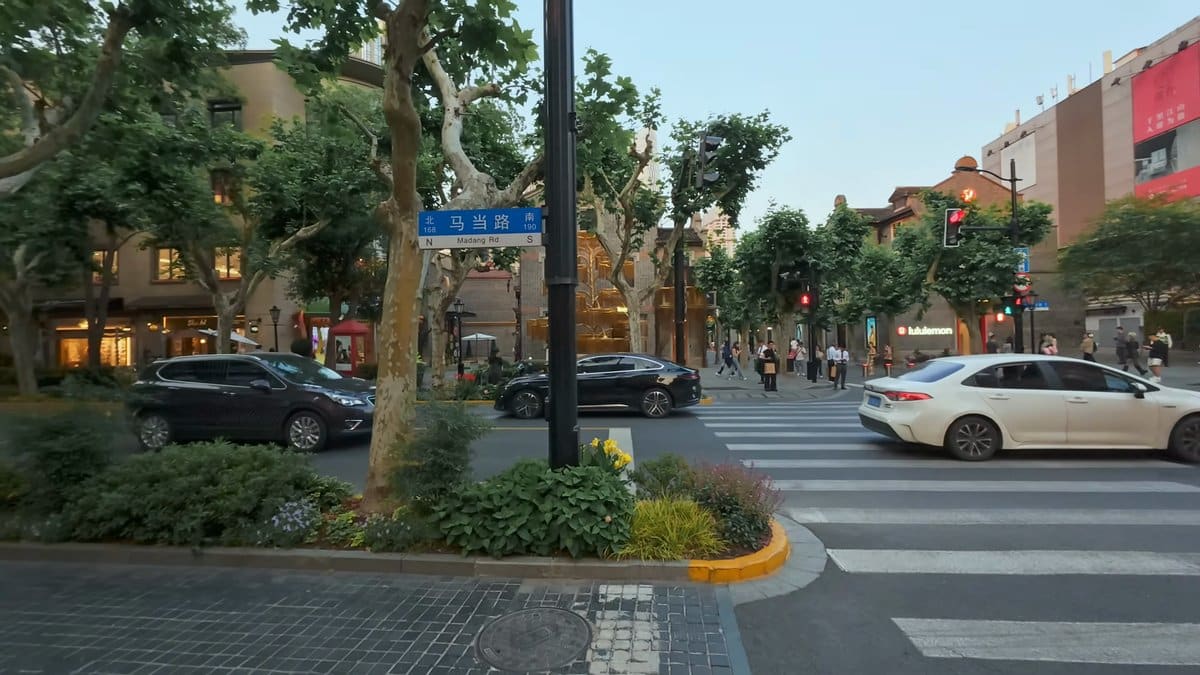
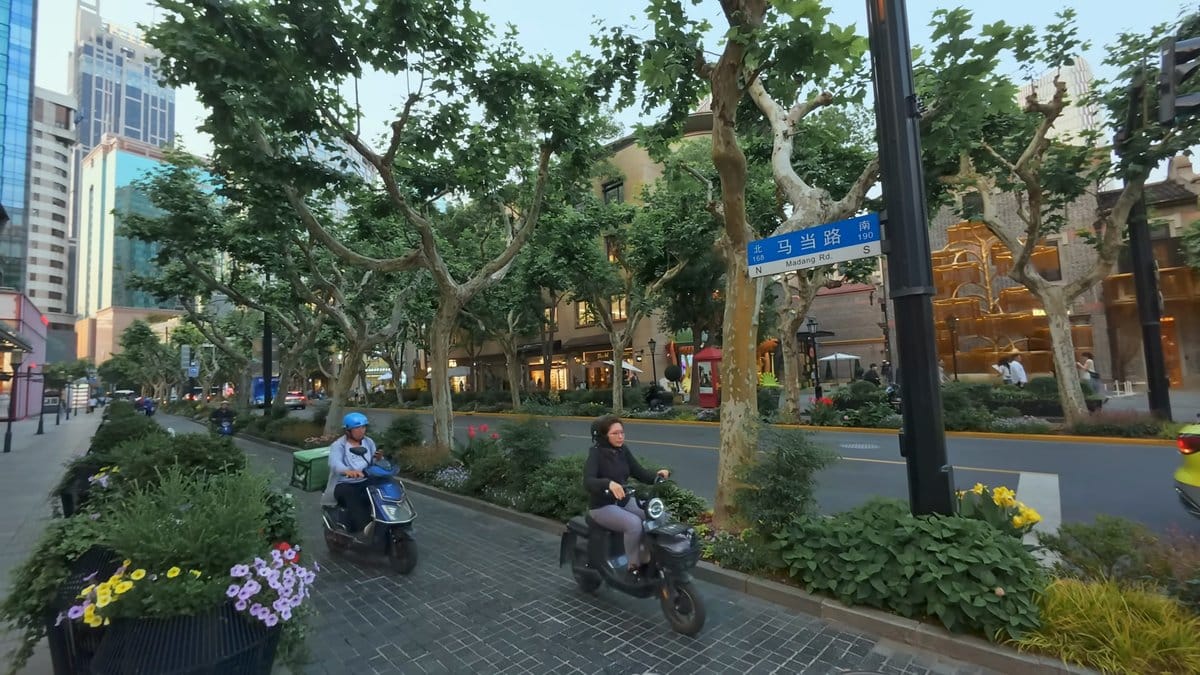
Head south across Madang Road and you enter the southern block, where the lanes gets narrower and the restaurants thickens. By day, plane trees provides shade for pedestrians; by night, strings of overhead lights takes over.
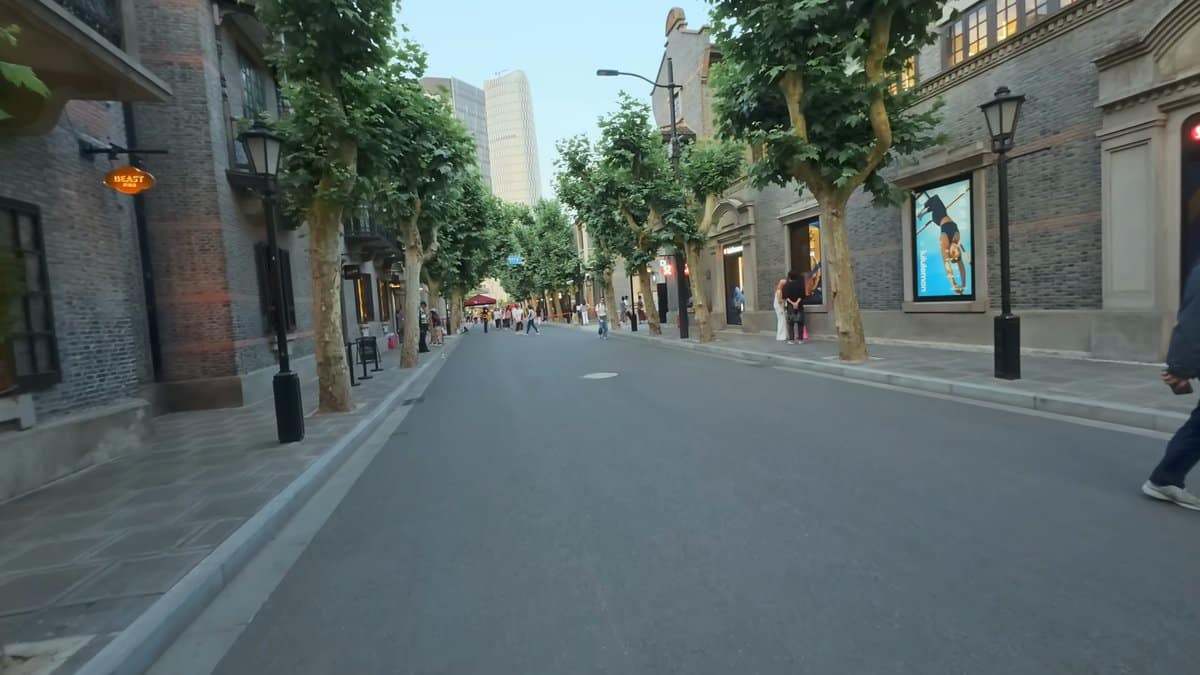
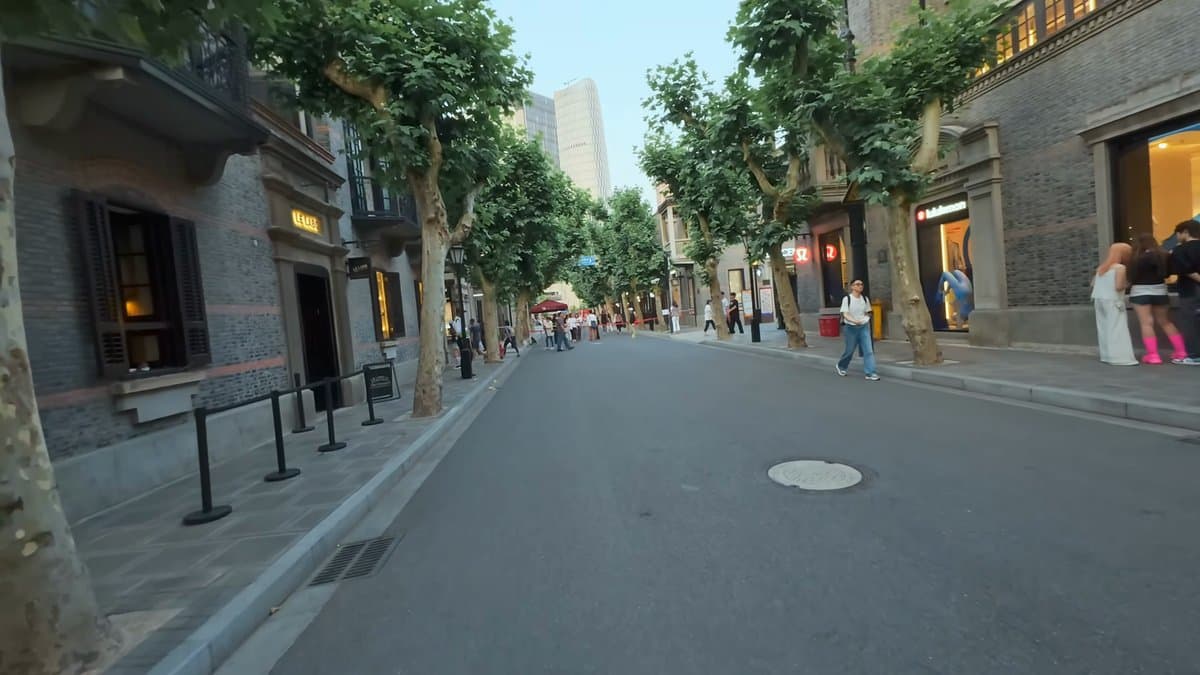
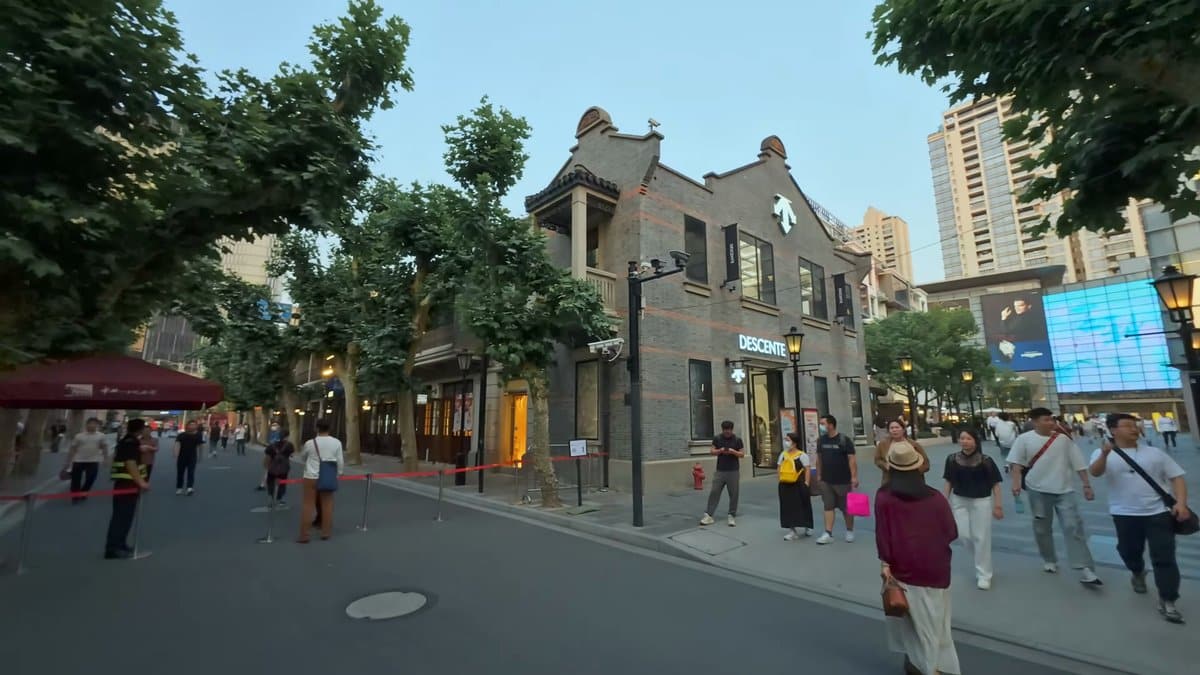
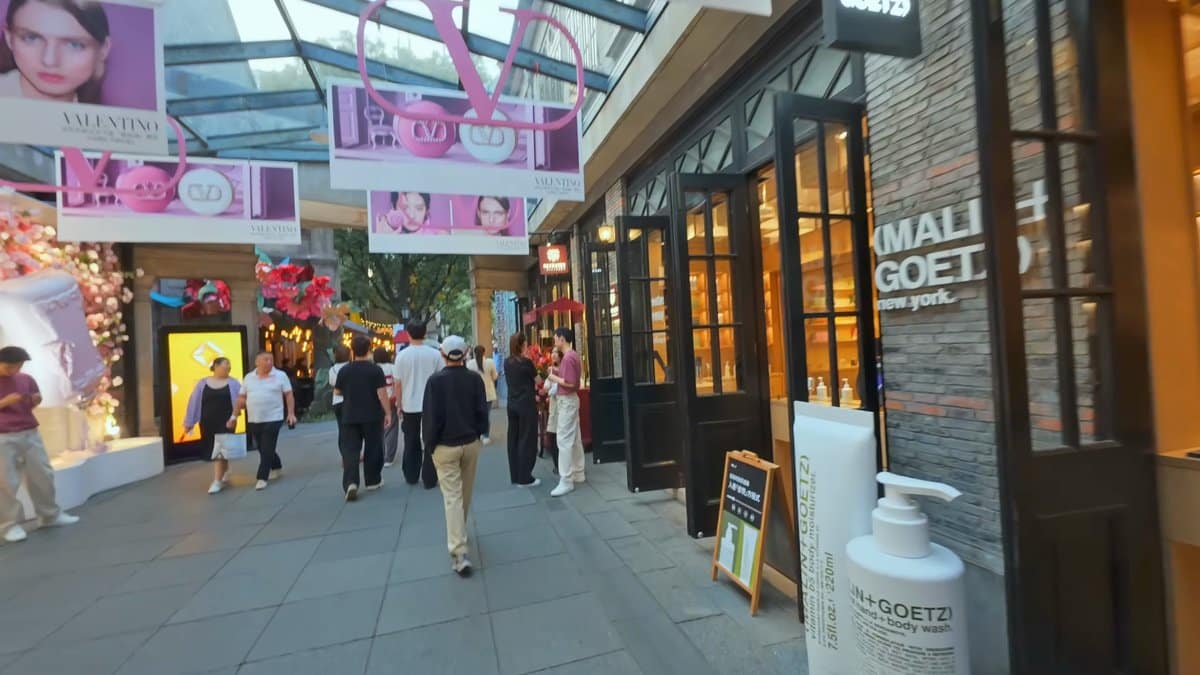
Walk down one of the shikumen lanes and you’ll see that the new tenant fit within the old bones of their building. Century-old facades cradle moddern storefronts. Overhead, banners advertises cocktail promotions or seasonal menu.
It’s heritage architecture repurposed as hospitality and retail real estate… And it works because the scale remain intimate.
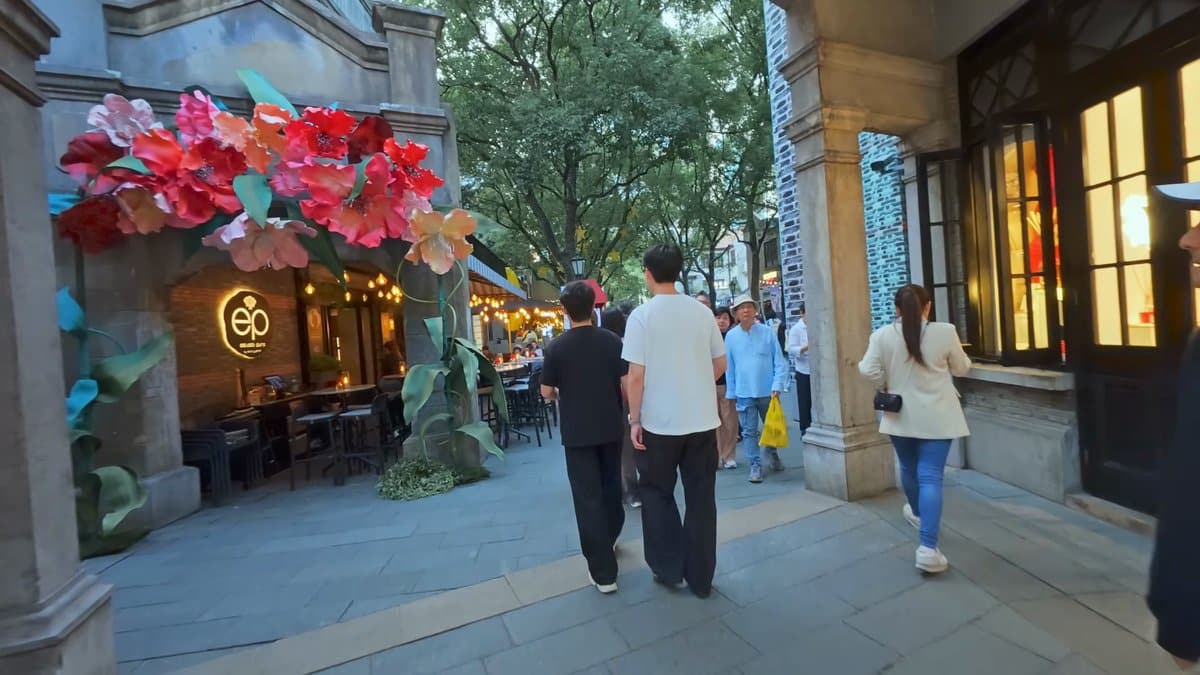
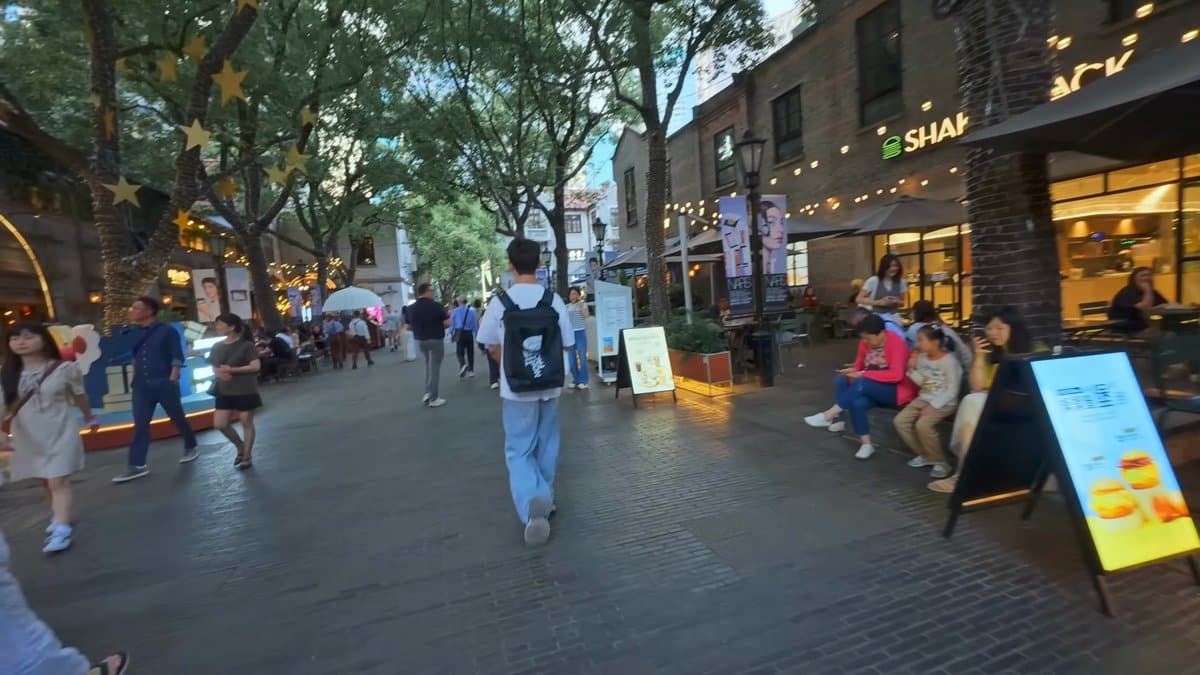
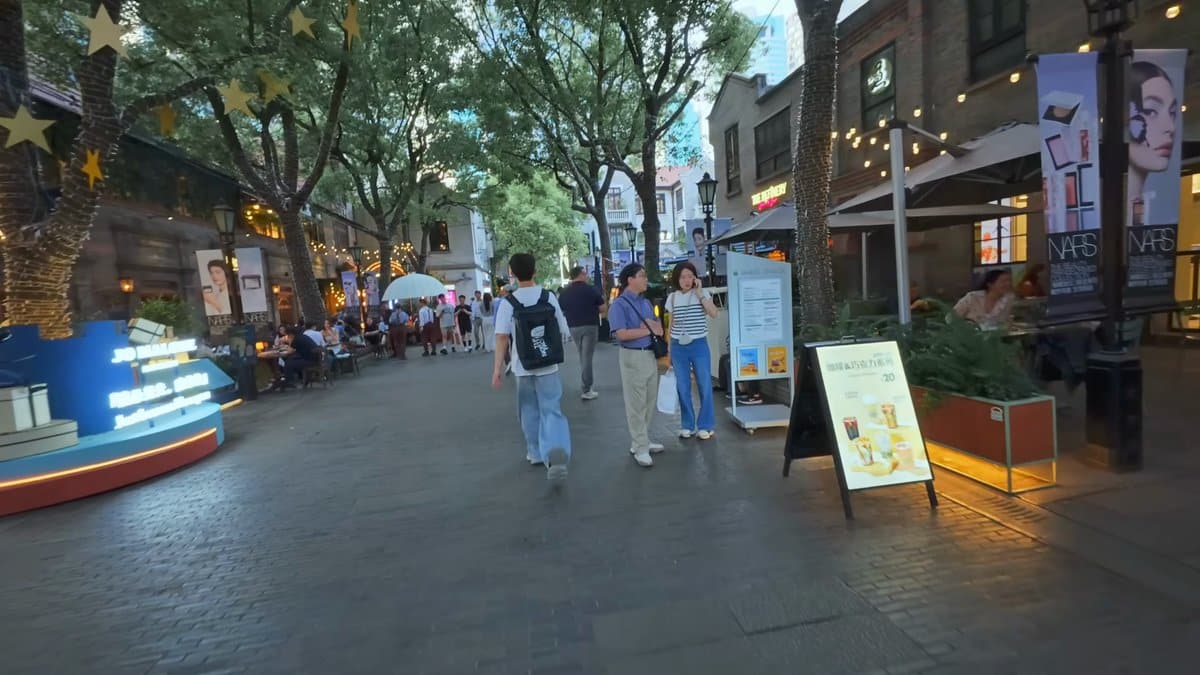
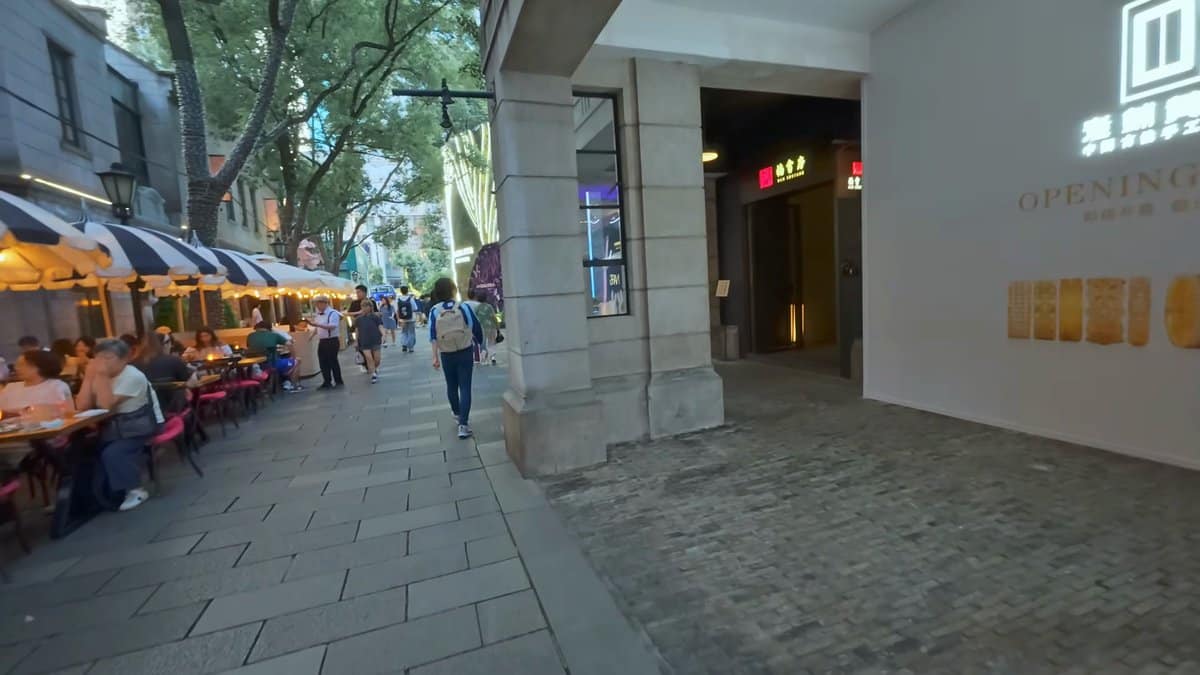
The footpaths is full of restaurants. There are waiter hovering by the kerb trying to get your attention, tables crowded under awns and menus held up on easels. You’ll find French bistros, Italian trattorias, Japanese izakayas and fusion kitchen.
The prices lean towards the higher end; think international not local. However, the people-watching are great, and if you don’t mind sitting at a table with a plate of pasta and a glass of wine in front of you, then the atmosphere do most of the work for you.
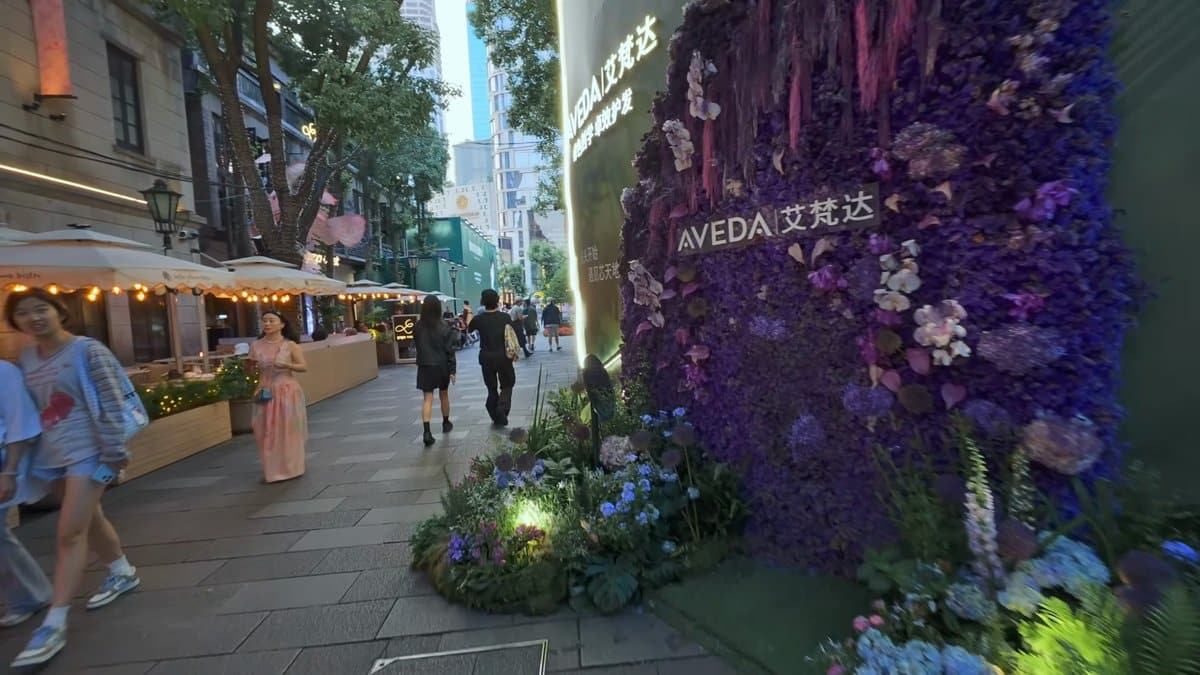
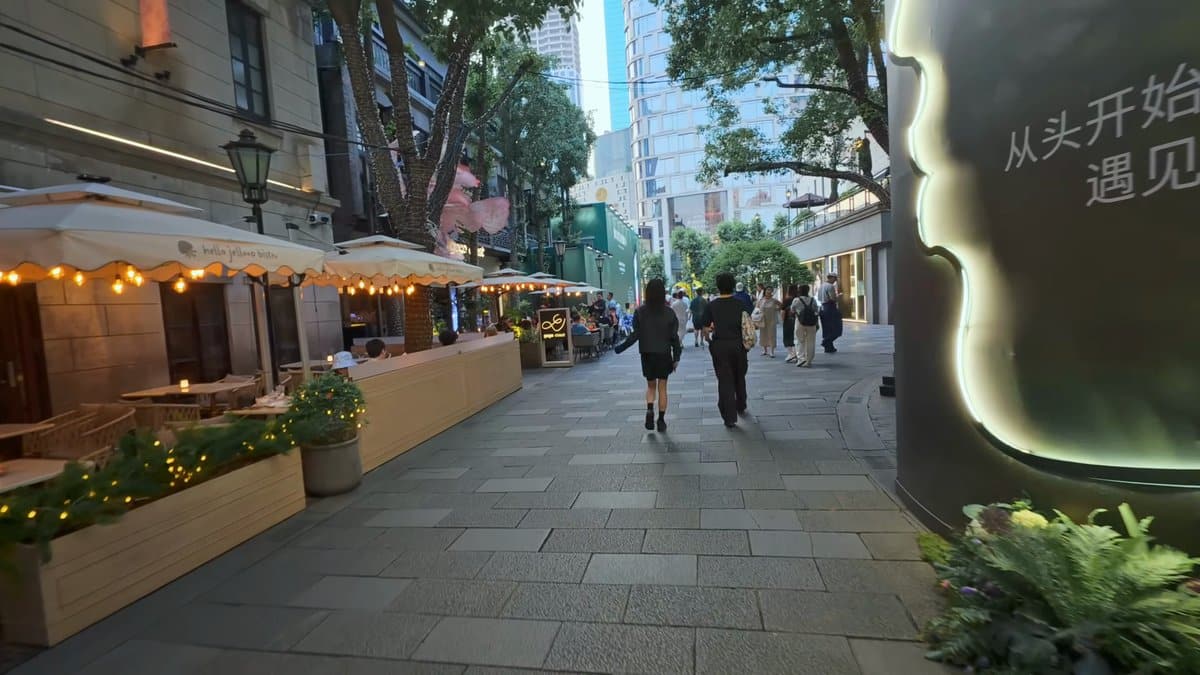
In-between the dining terraces, there is decorative touches that pop up. There is a neon art installation here and some artificial blooms covering one storefront’s wall. They’re Instagram moments, no question, but they also breaks up the rhythm of the lanes and lend each corner a slightly different character.
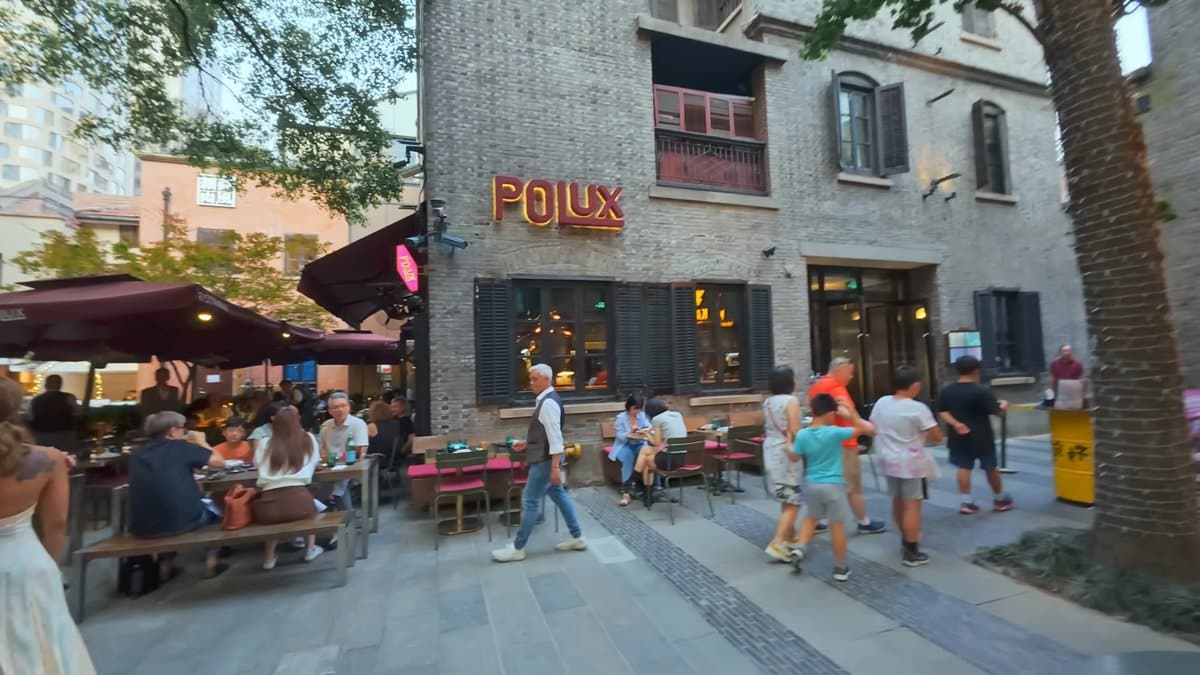
It’s always busy at POLUX, a Spanish-style bar and restaurant that get its terrace full of people early and has them squashed in by serving time. It offers decent wine by the glass, grills some good seafood and relies on smaller plate for sustenance. It is best to book, particularly at weekends, when the entire district are buzzing.
While Xintiandi isn’t going to provide you with an authentic taste of old Shanghai, it will provide you with a convenient and concentrated night out. Wander around, read the menus, get a drink in one spot and have dinner at another, all while never having to decode a handwritten sign or dodge traffic. It’s a little sanitized and polished, but if you’re looking for someplace nice to sit outside, a lively crowd and good food, it deliver.
Have you spent an evening eating and drinking your way through Xintiandi? Or would you of suggest another Shanghai neighborhood for a night on the town?