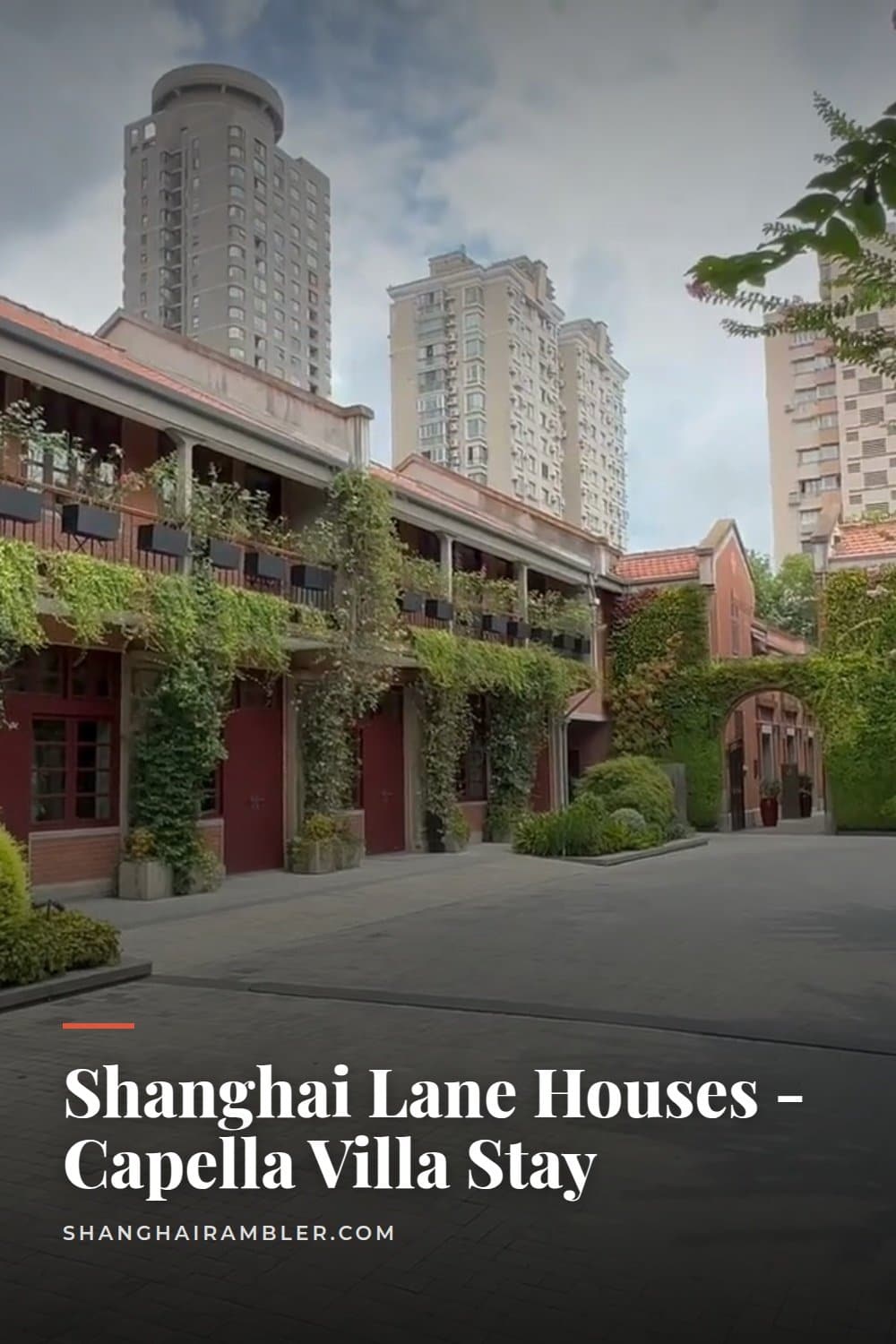
It’s not a new glass box or a shiny tower. The newest luxury address in Shanghai are a row of 1930s lane houses. These low-rise brick terraced buildings once characterized entire neighborhoods in the French Concession, but they were later replaced by the citys upward growth.
This one is known as the Shikumen style, a blend of Chinese courtyard design and Western townhouses. It was built in the 1920s and had quietely occupied this block in Xuhui for decades. Now, it has been converted into perhaps Shanghai’s most unique five-star hotel: Capella Shanghai Jian Ye Li.
You’d hardly know it’s a hotel at all if you walked by. But here’s what sets Capella apart: they haven’t attempted to convert these houses into something else. Each of them is a separate lane house with its own address and entrance, a villa, rather than a room.
There are forty-something villa on the property; it’s not so much that you’re staying in a building as it is that you’re moving into a very quiet, very small neighbourhood that just happens to have room service.
Old Houses Turned Into Luxury Villas
Capella Shanghai Jian Ye Li
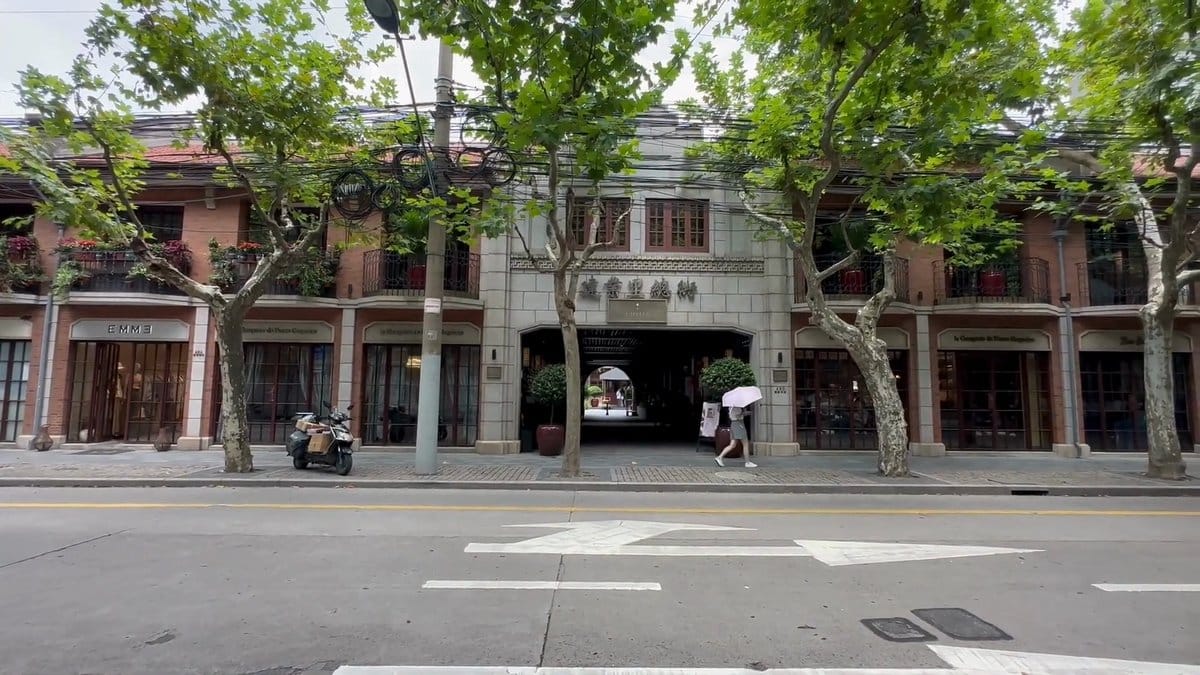
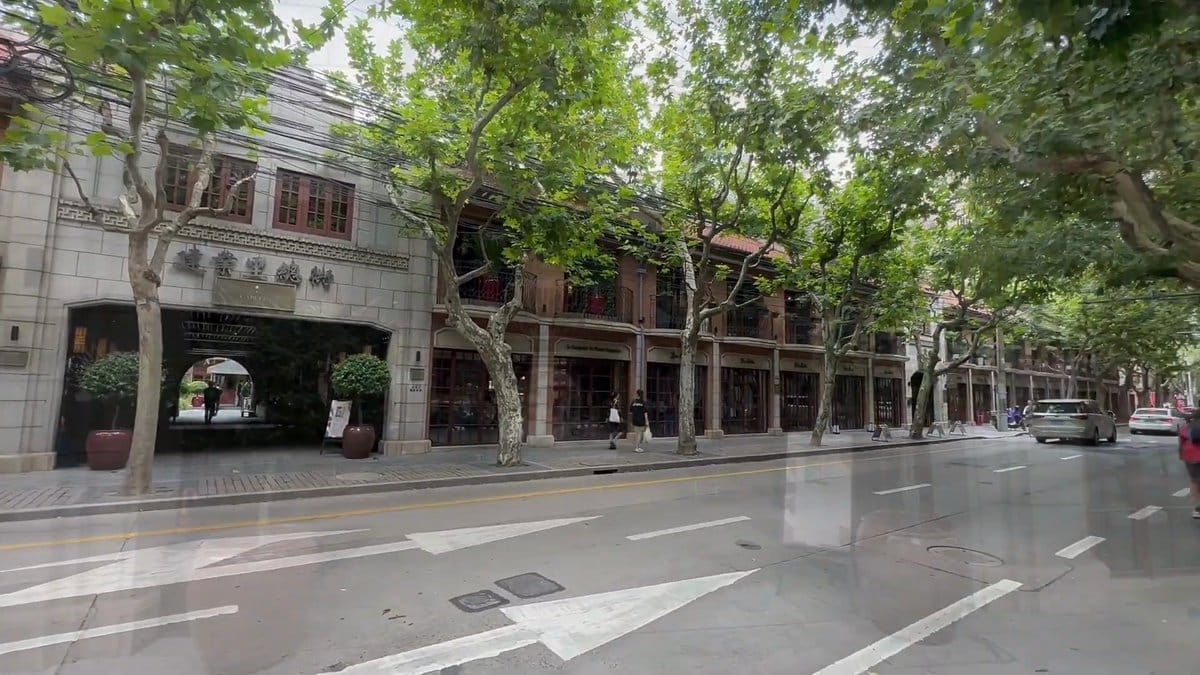
It’s surrounded by plane trees; the low wall that encloses it is barely visible from the street, just another residential-looking building on the block: brick, modest, a little tucked away. Enter its doors and you find yourself in a space that feels more like a private walkway than a hotel lobby.
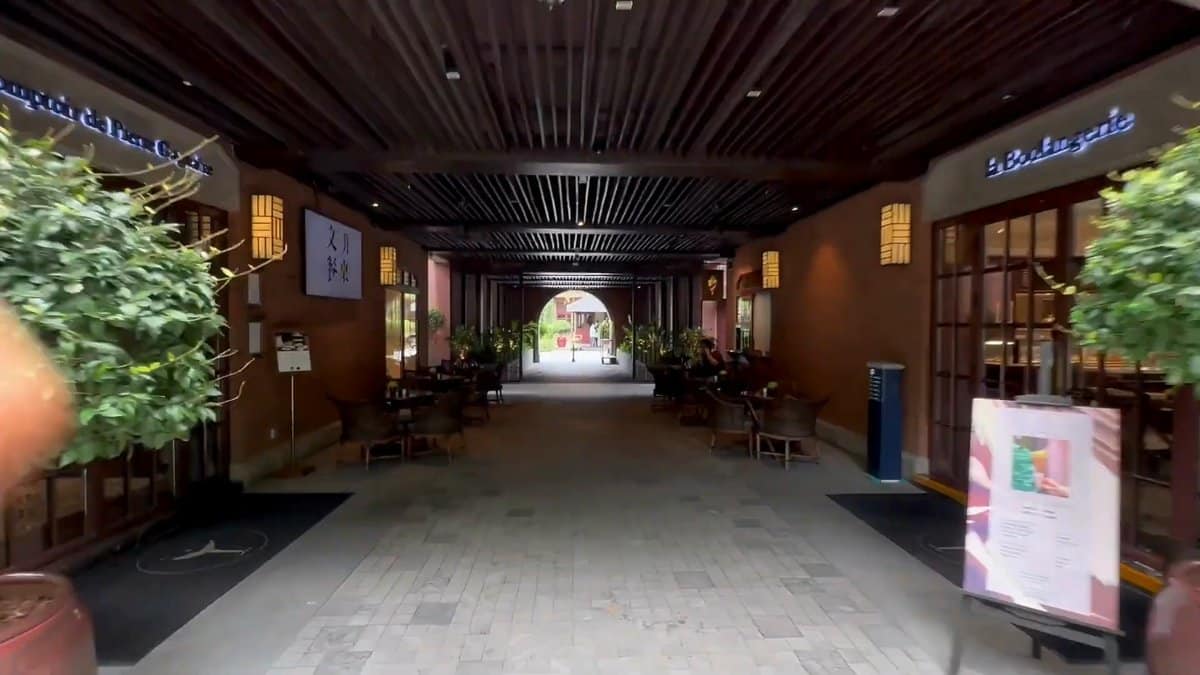
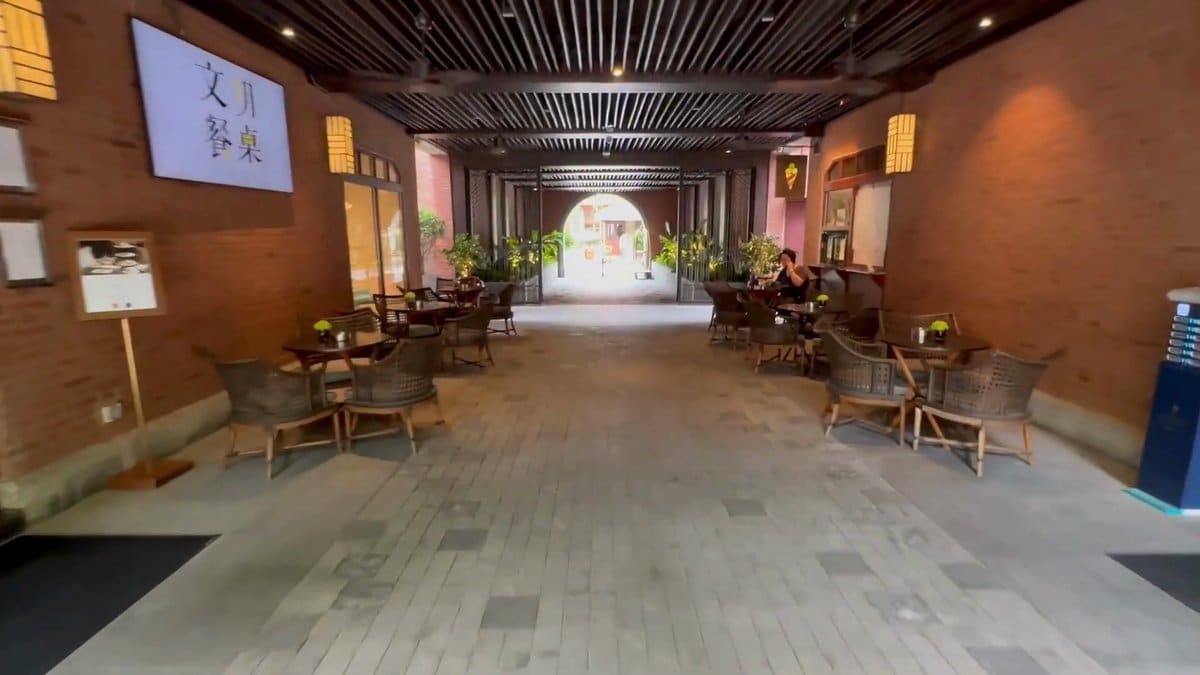
The blocks is linked by covered passages. One contains a tiny cafe, its tables set beneath brick arches and the kind of place that’s far more of a neighbourhood hideaway than a hotel amenity. Not everyone who stays here appears to know about it, but it is worth knowing about.
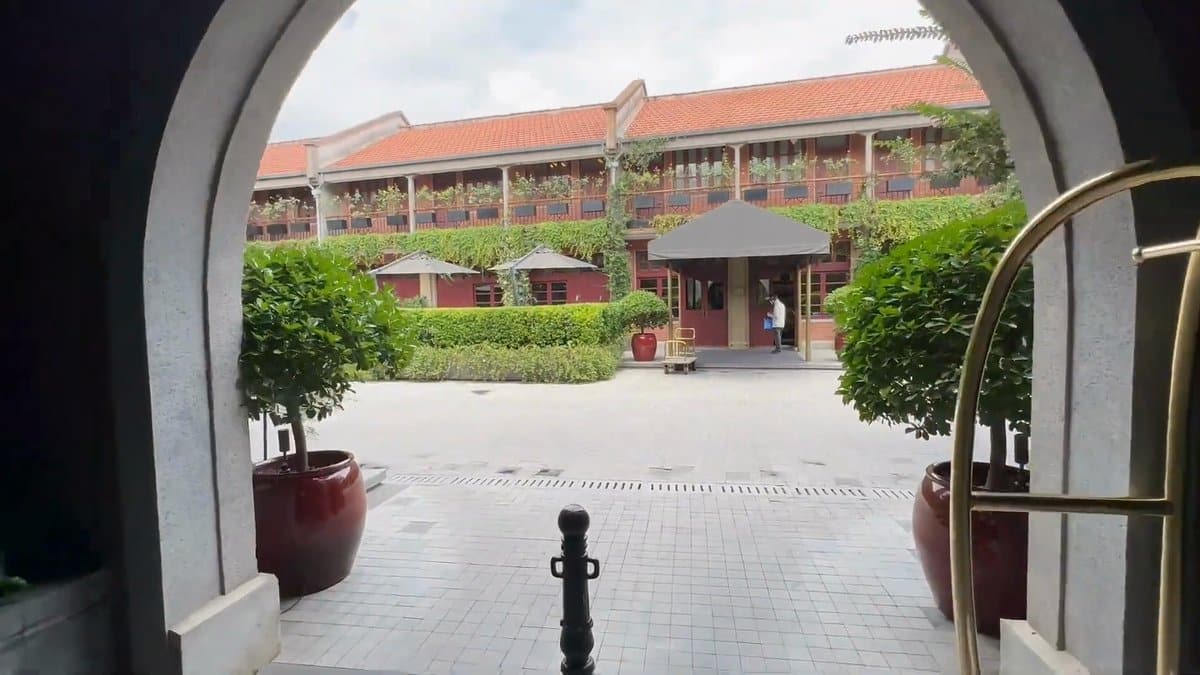
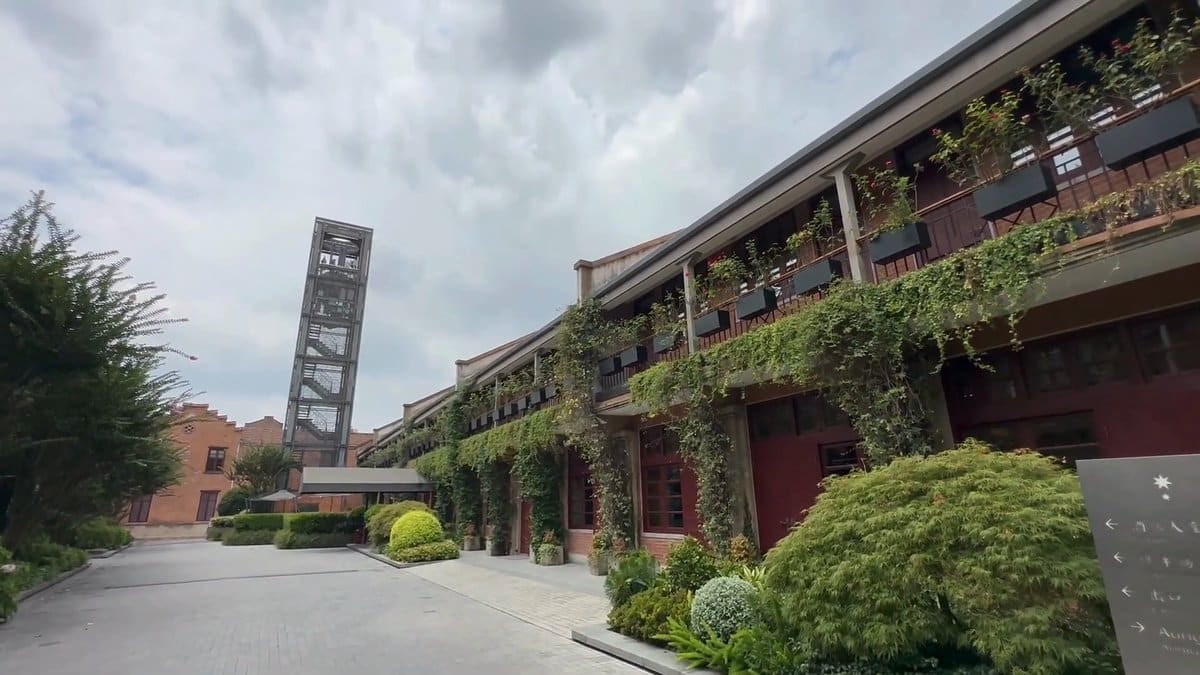
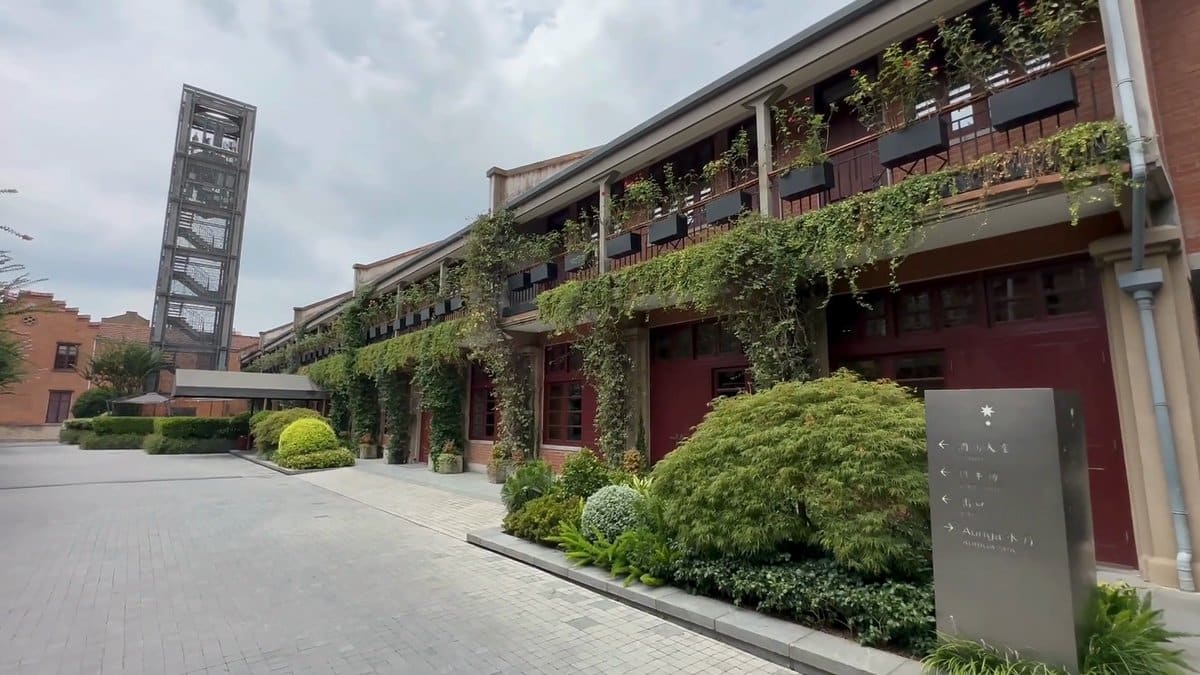
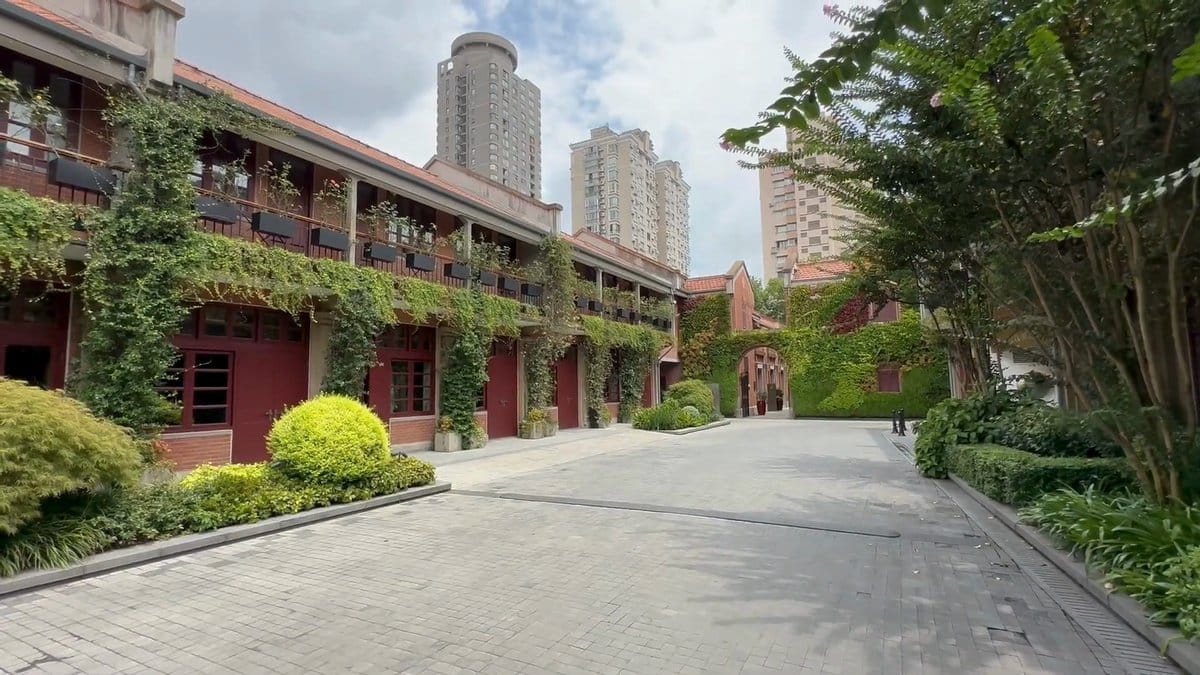
Walk through the archway and you’re in the lanes. The houses restored but not over-polished, the hedges cut low, the paving bricks. Beyond the rooflines you glimpse the towers of moddern Xuhui but within the compound the scale is purposely small.
These narrow lanes are lined with villa just as they were almost a century ago when the original residents walked between them.
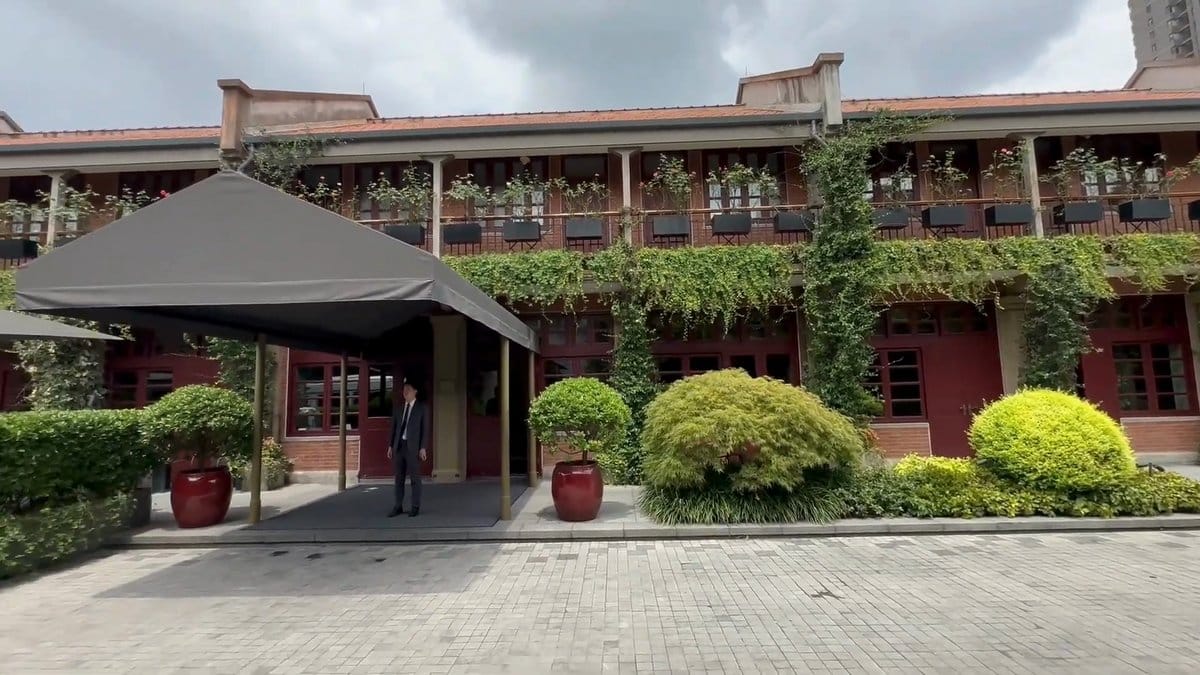
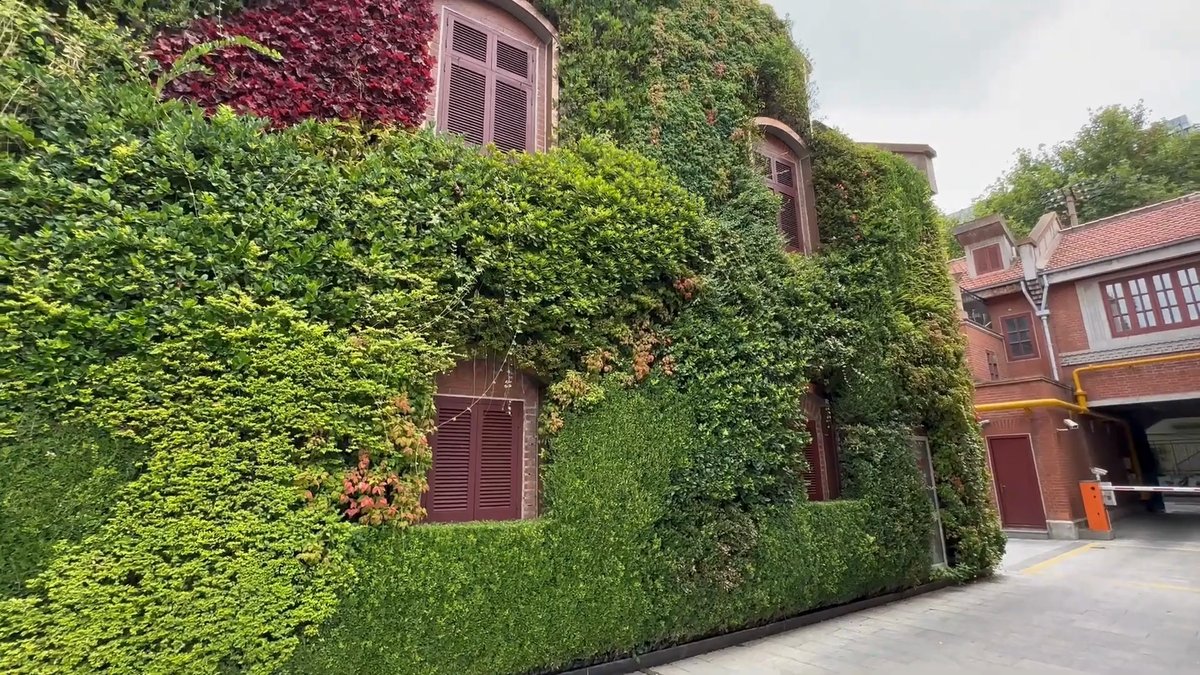
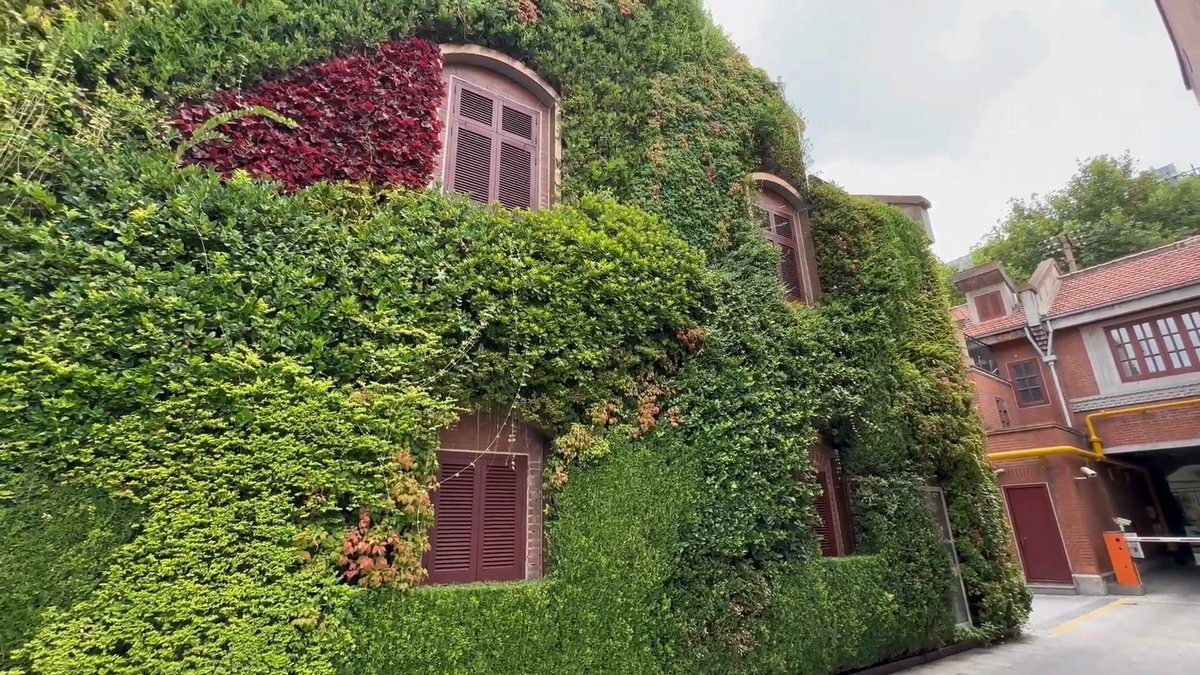
The front door is flanked by a doorman, and behind him the façade is covered in creepers. They soften the brick but don’t obscure it. There’s no attempt to recreate some imaginary vision of old Shanghai, this is real old; you can tell from the walls.
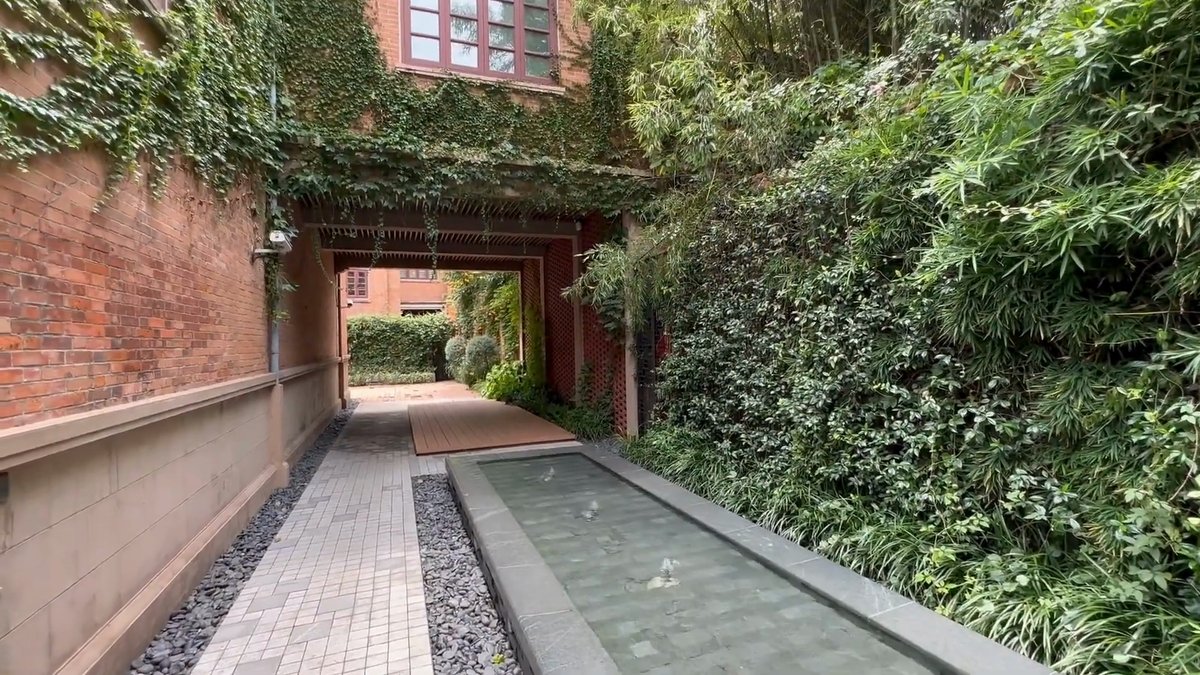
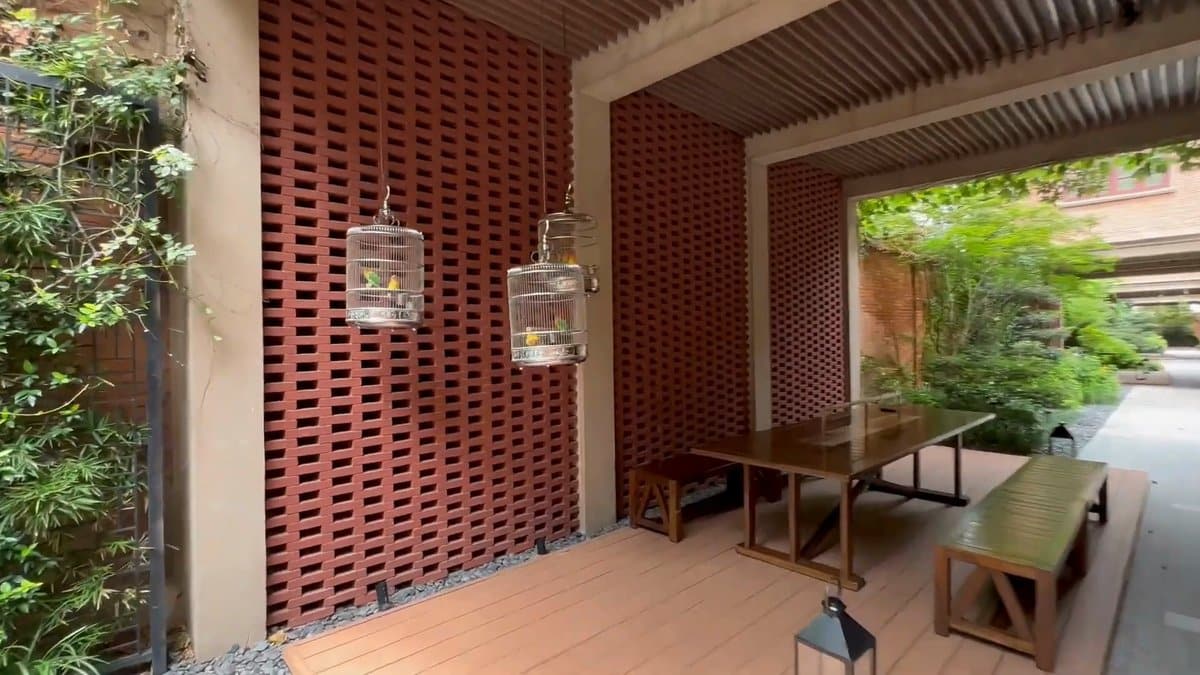
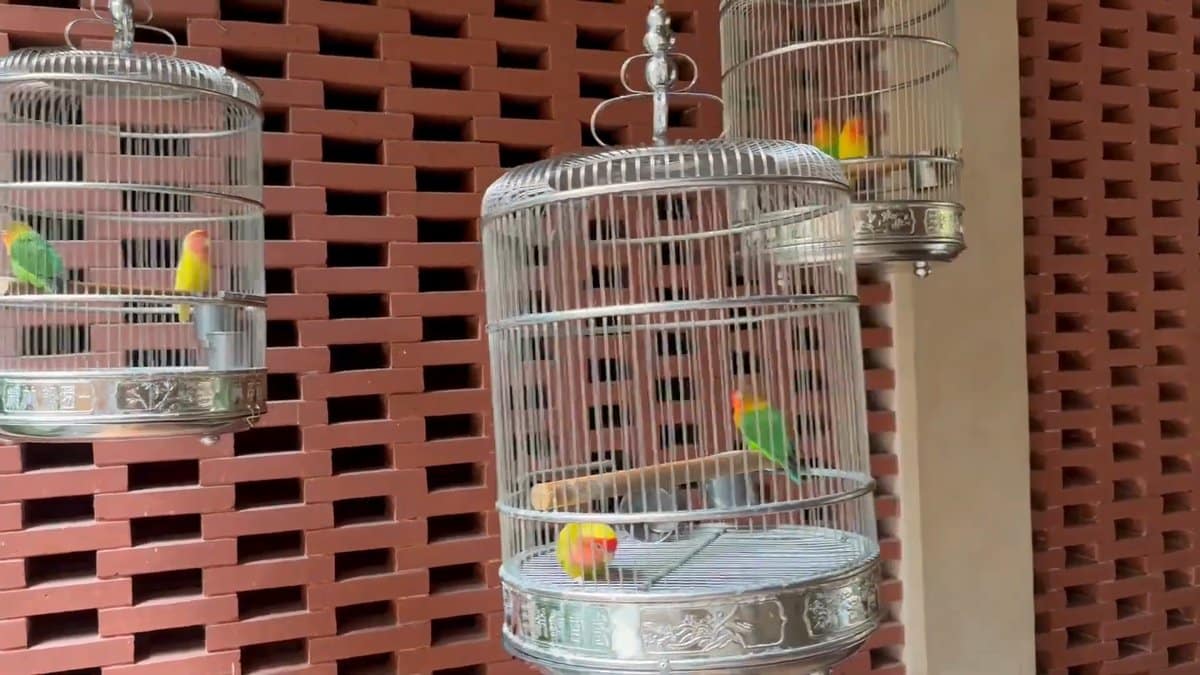
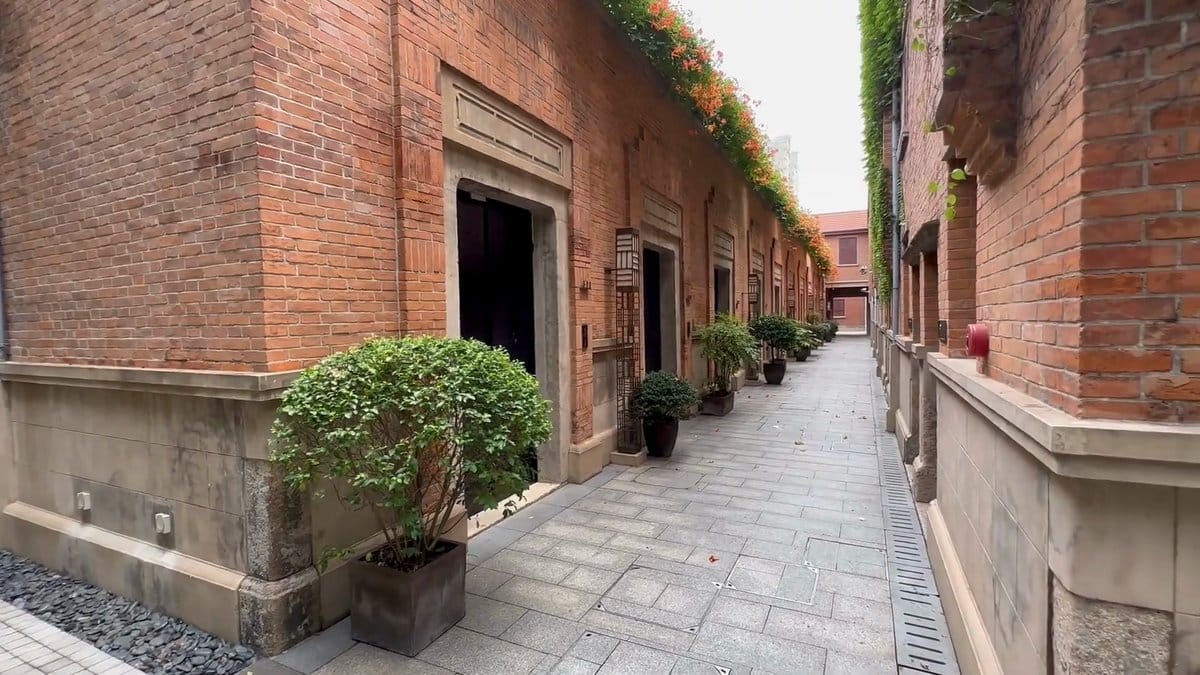
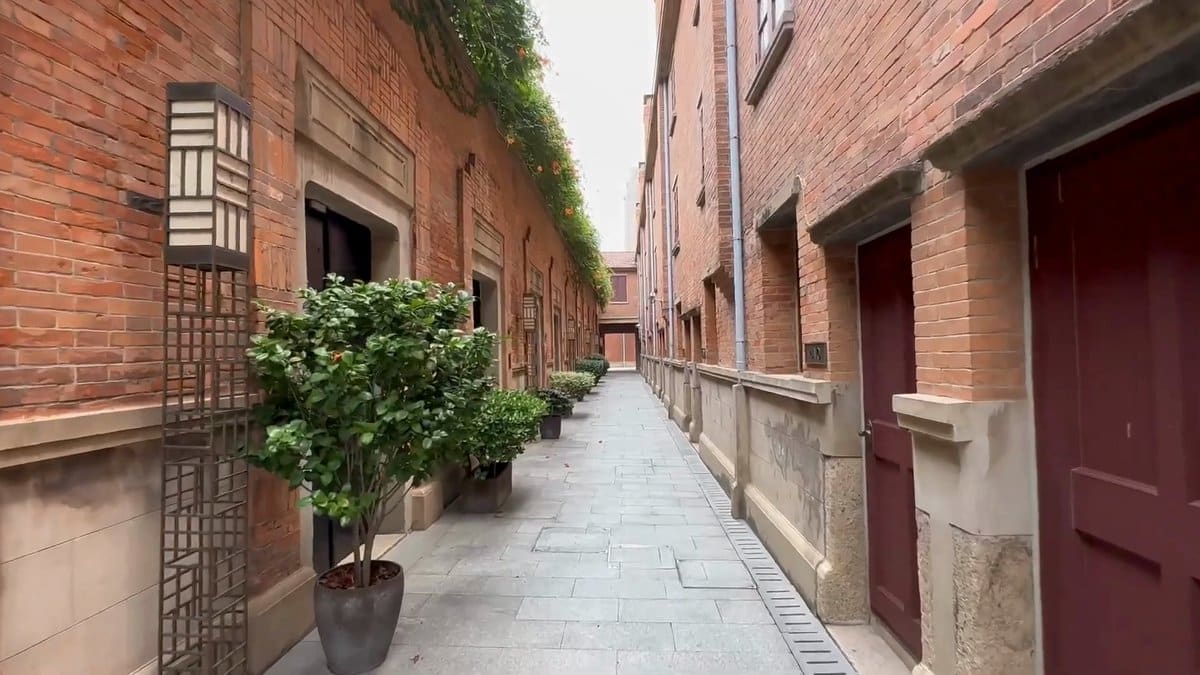
Alongside some lanes, there are shallow water channels, lined with planters along their edges. In one passage, there are birdcages hanging from the ceiling, with actual parakeets in them. This is either a charming detail or a little too much, depending on your tolerance for decorator flourishes.
At least they’re real birds. The lanes go both ways, meander around a bit and you’ll be able to get a feel for the layout. It’s not large enough to get truly lost, however.
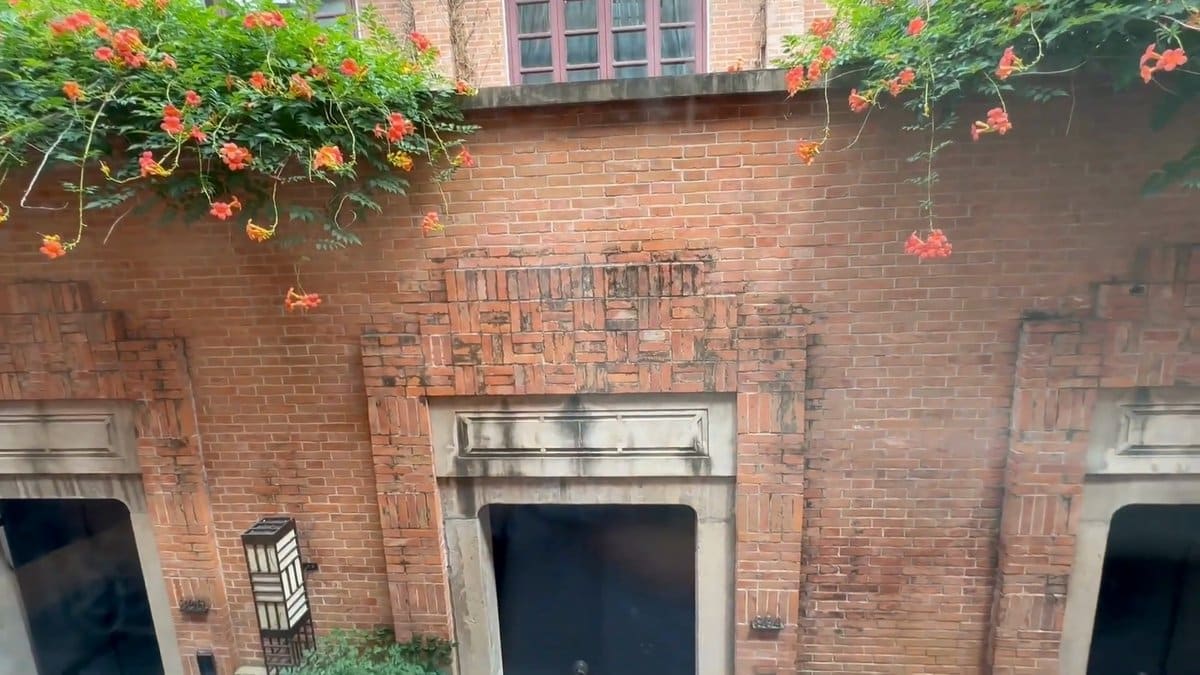
Views into individual villa courtyards is seen through doorways. Here and there, flowering vines trail across stone lintels.
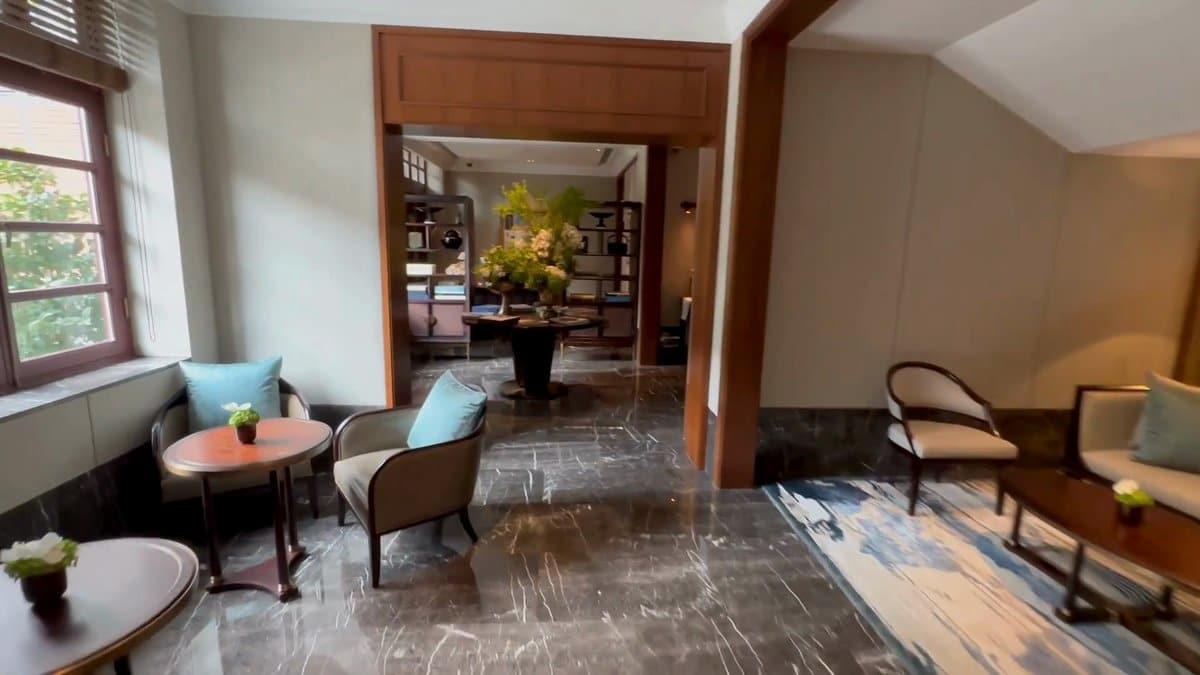
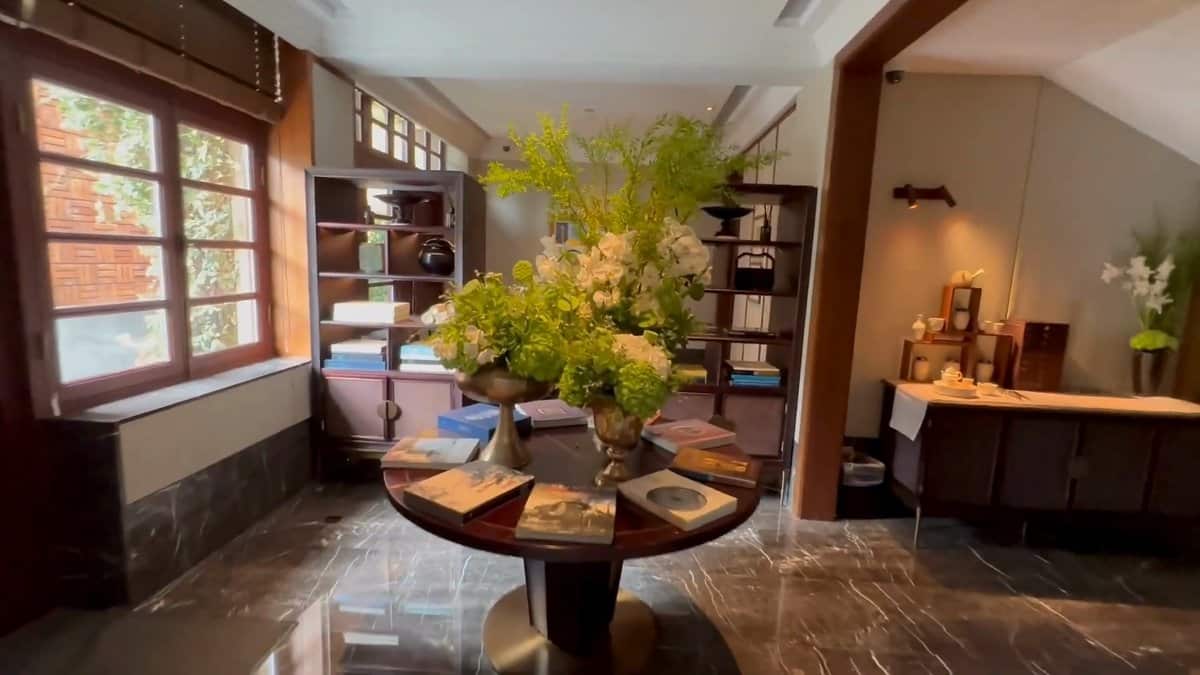
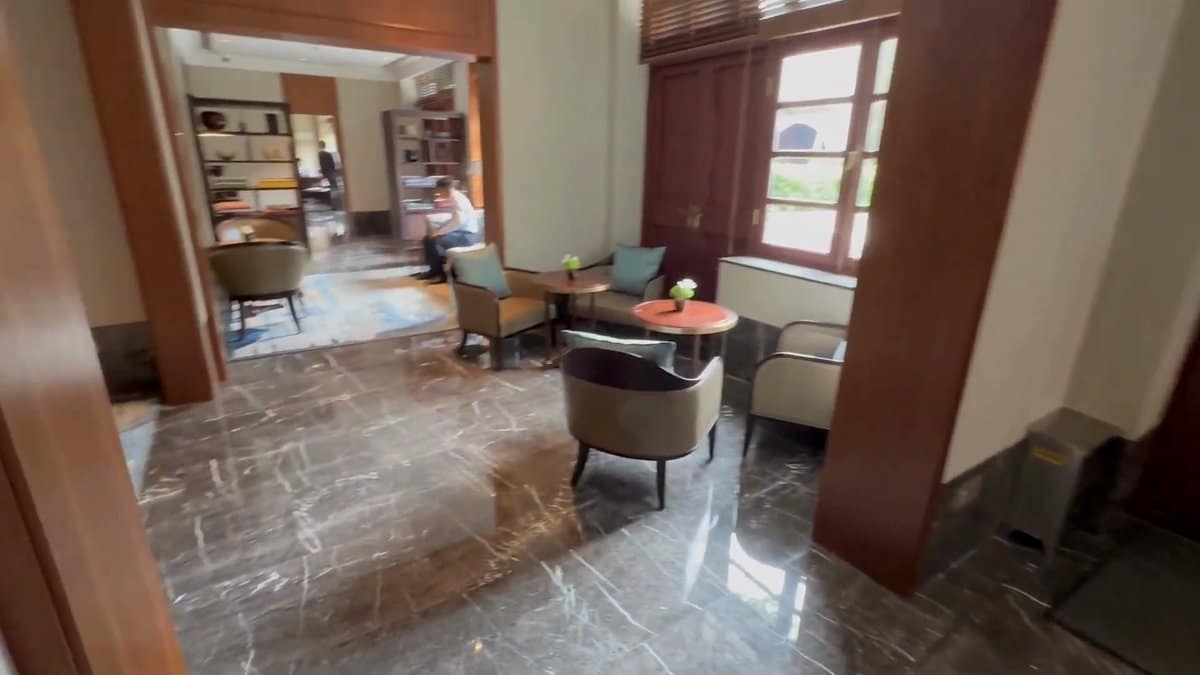
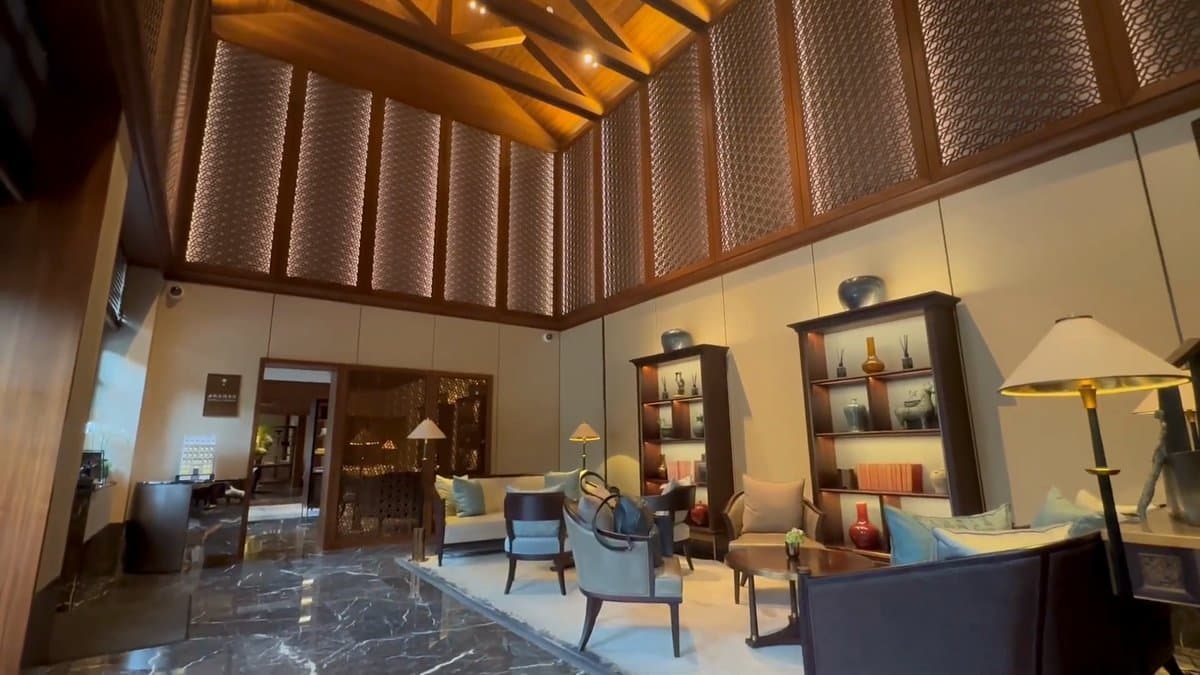
Marble floors underfoot, a sculptural timber ceiling overhead: this is one of the larger homes, with main lounge areas filled with low seating and shelves and shelves of books. It’s where you’ll check in, or kick back with a drink, but the villas is well equipped to be self-contained so it’d be easy to avoid the communal areas entirely.
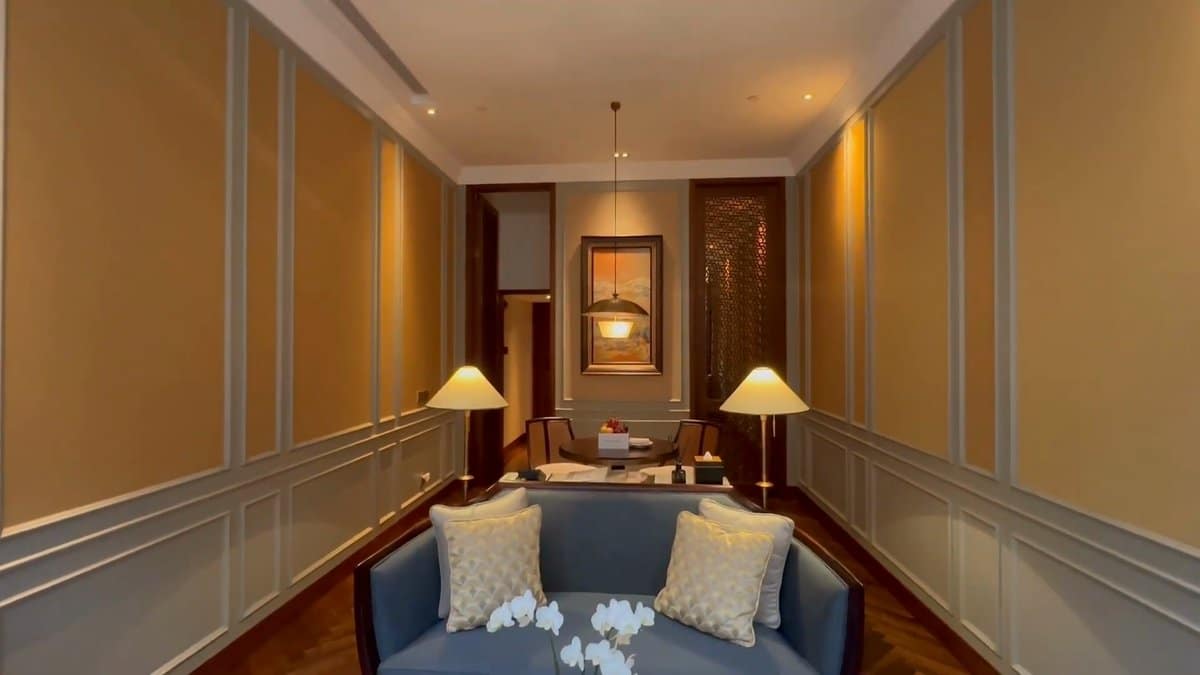
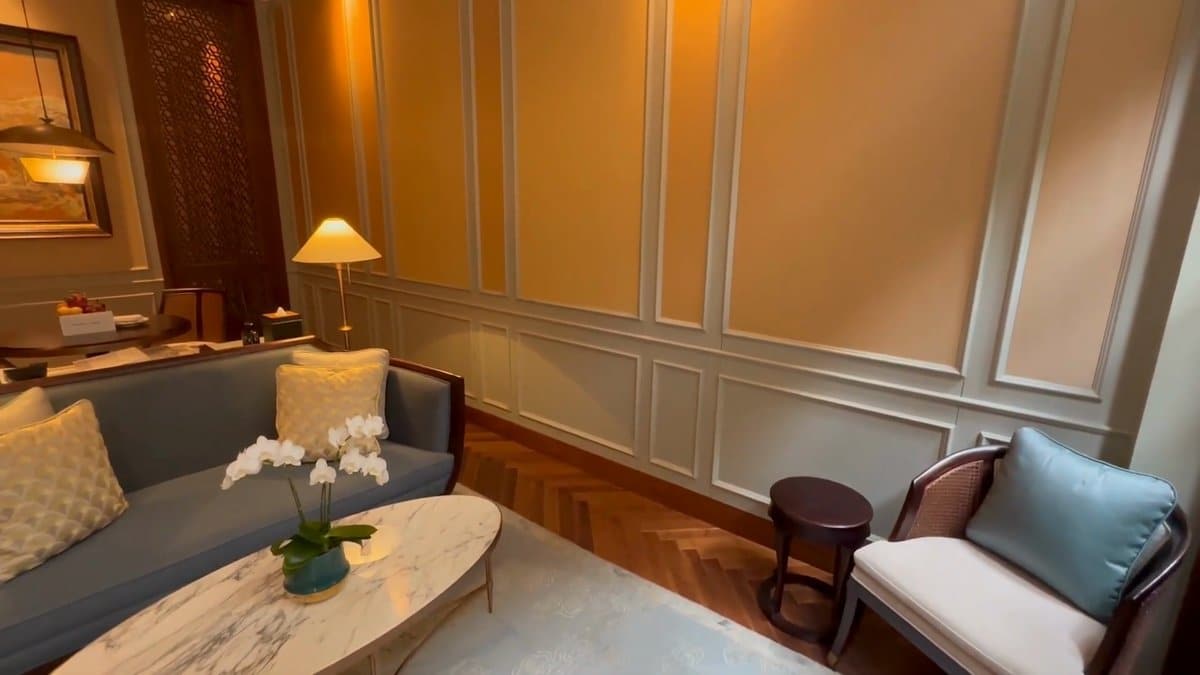
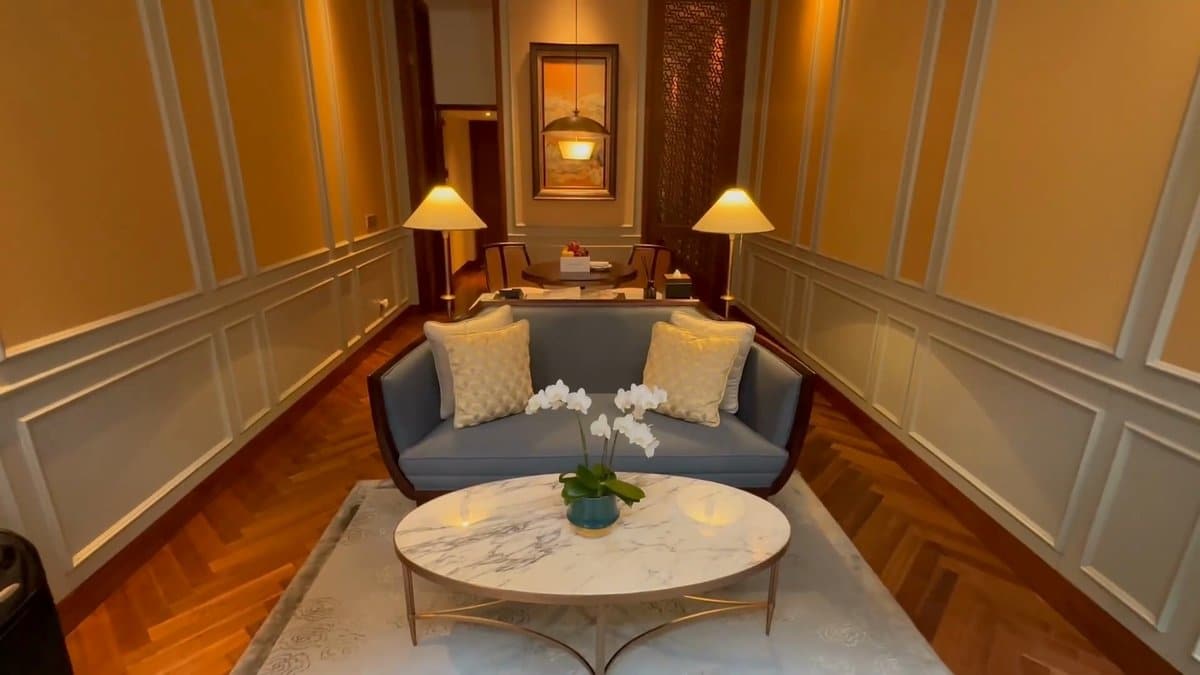
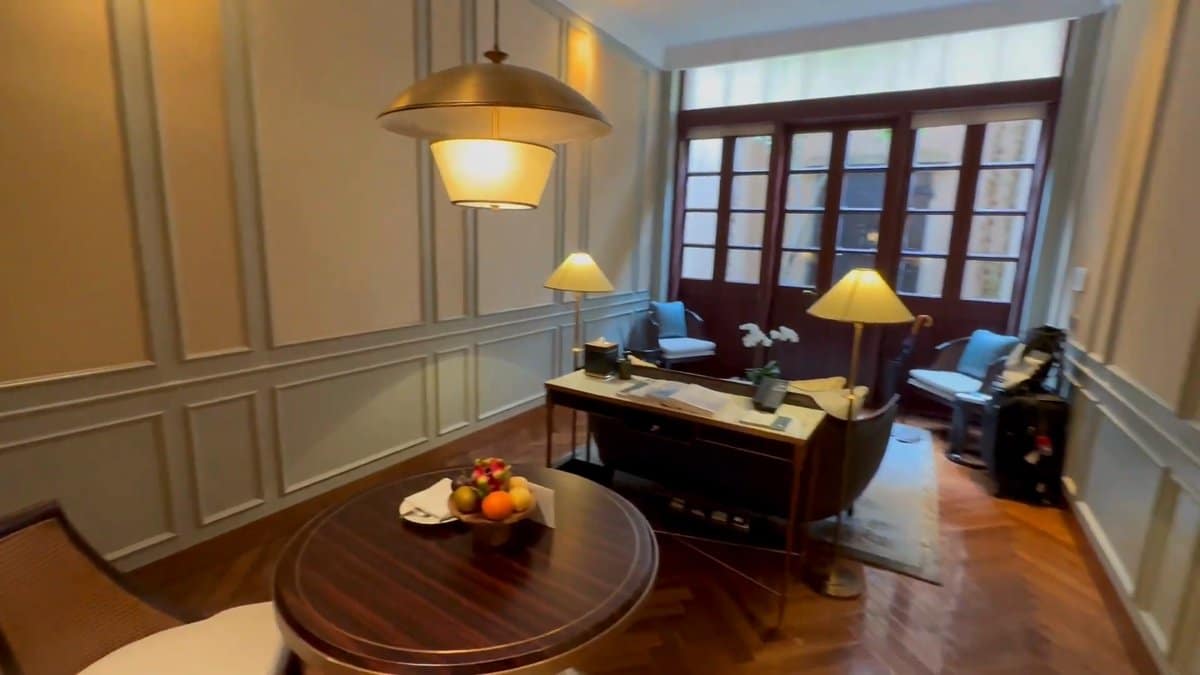
The villa has a proper living room, complete with parquet floors and space to actualy live in for a few days. The furnitures is traditional but doesn’t tip over into theme-park territory, with clean lines, carved wood, and the odd orchid on a side table. A dining table seats four.
It is sized for living: expect to feel that way. A welcome fruit platter is provided. This is standard luxury hotel protocol.
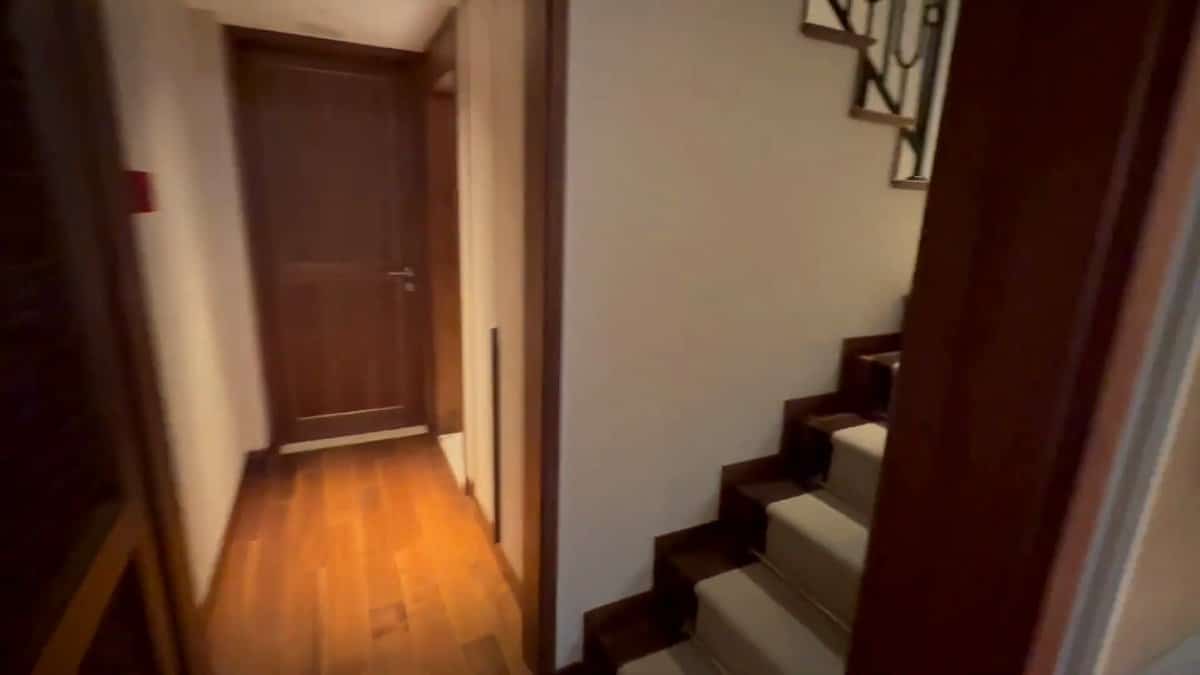
If your villa has more than one level, there’ll be an internal staircase connecting them. As you go up, the hallway narrows. Remember, these are genuine lane houses, not some purpose-built hotel structure pretending to be one.
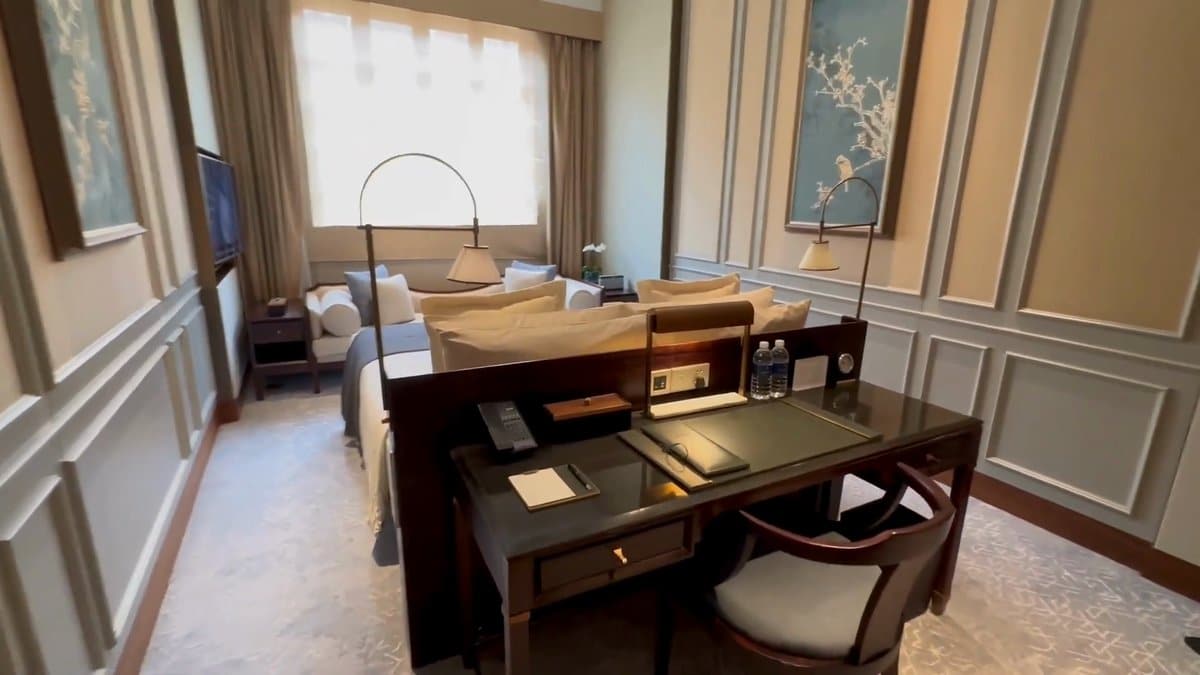
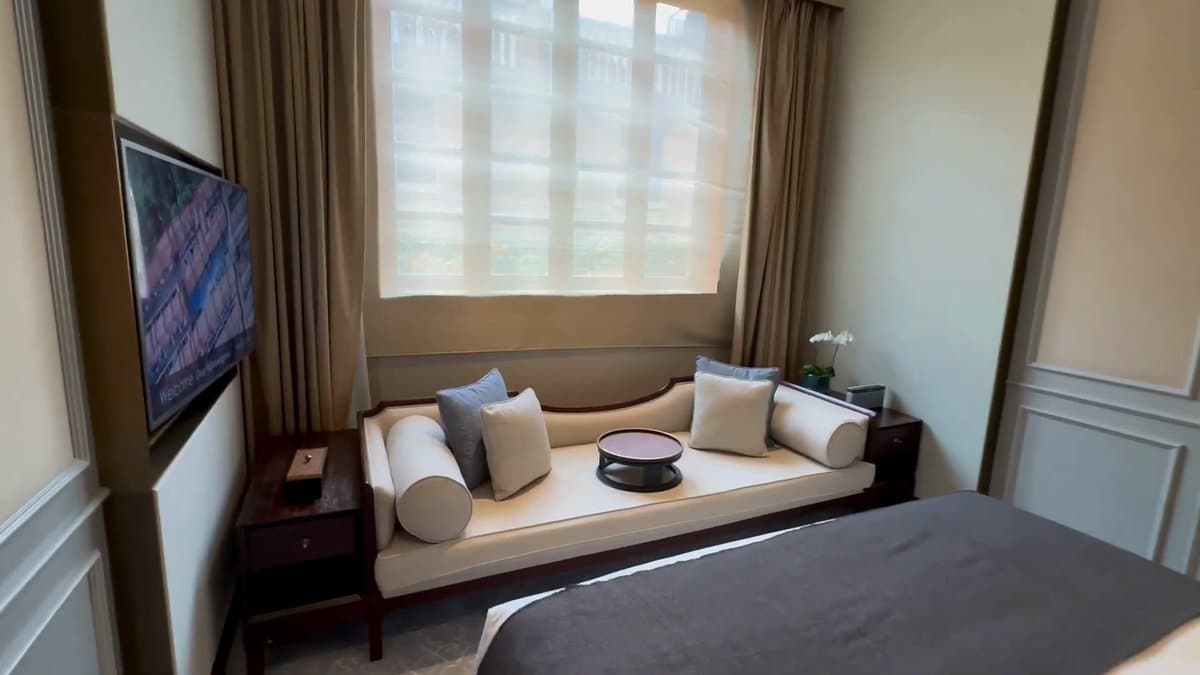
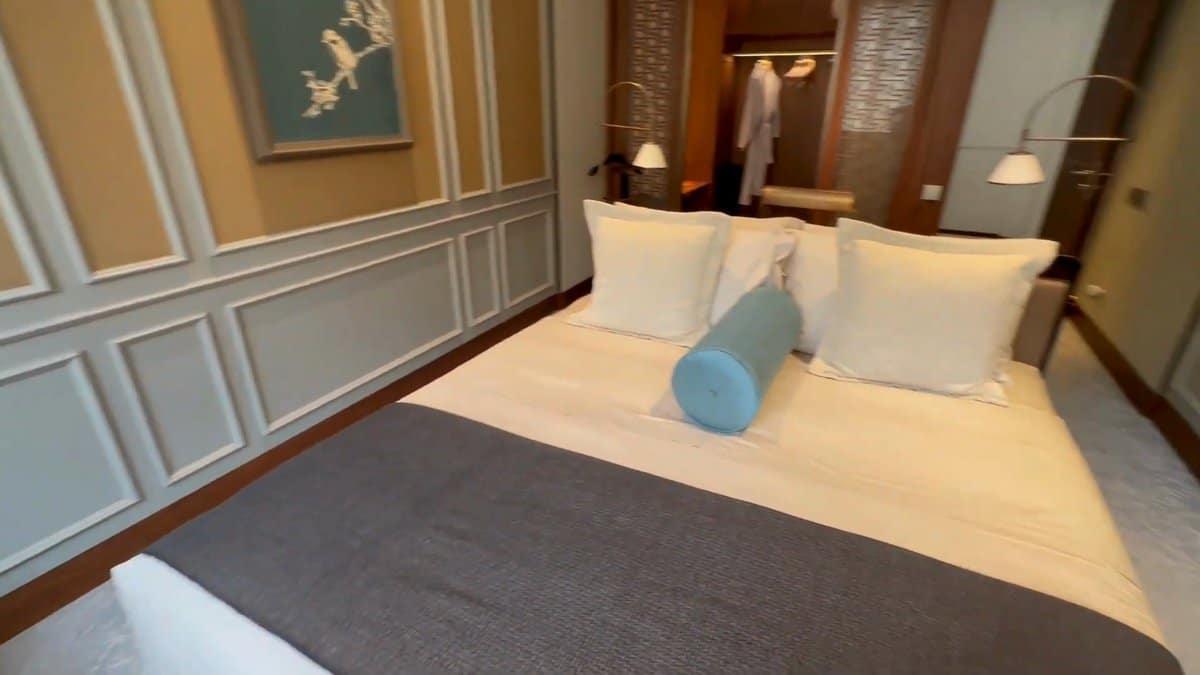
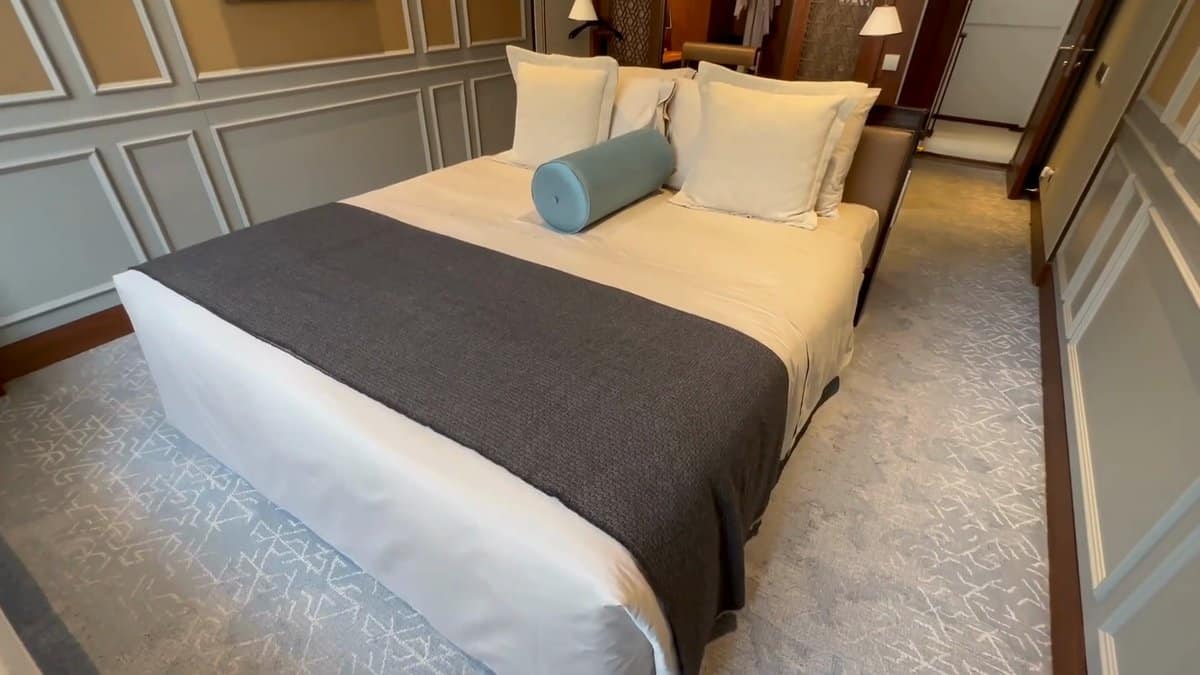
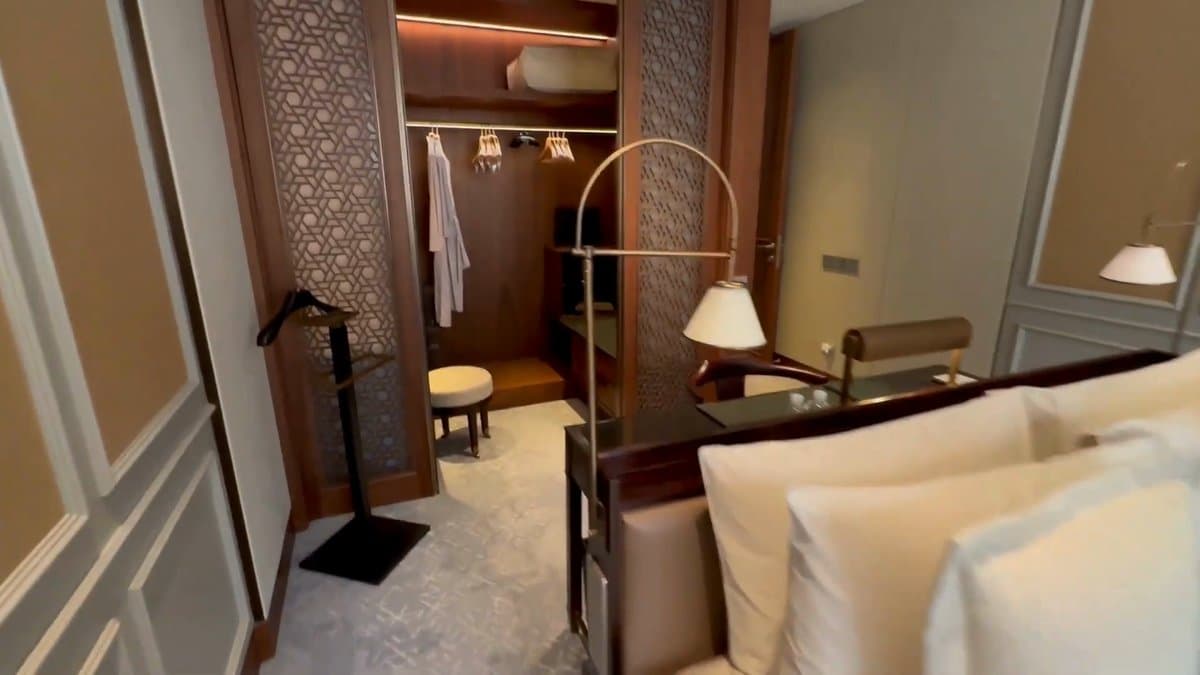
The bedroom occupies the bulk of the upstairs floor. There is a king bed, a pierced wooden screen separating the room, and a desk under the window. Again it is all in the same restrained traditional style as downstairs.
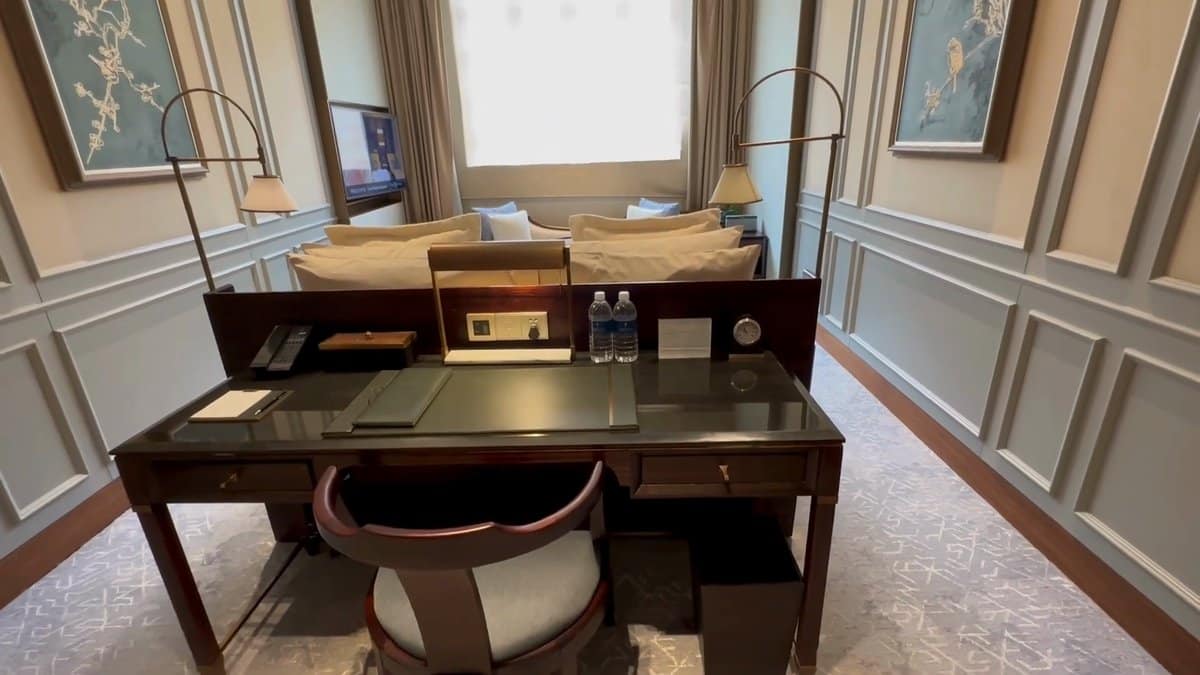
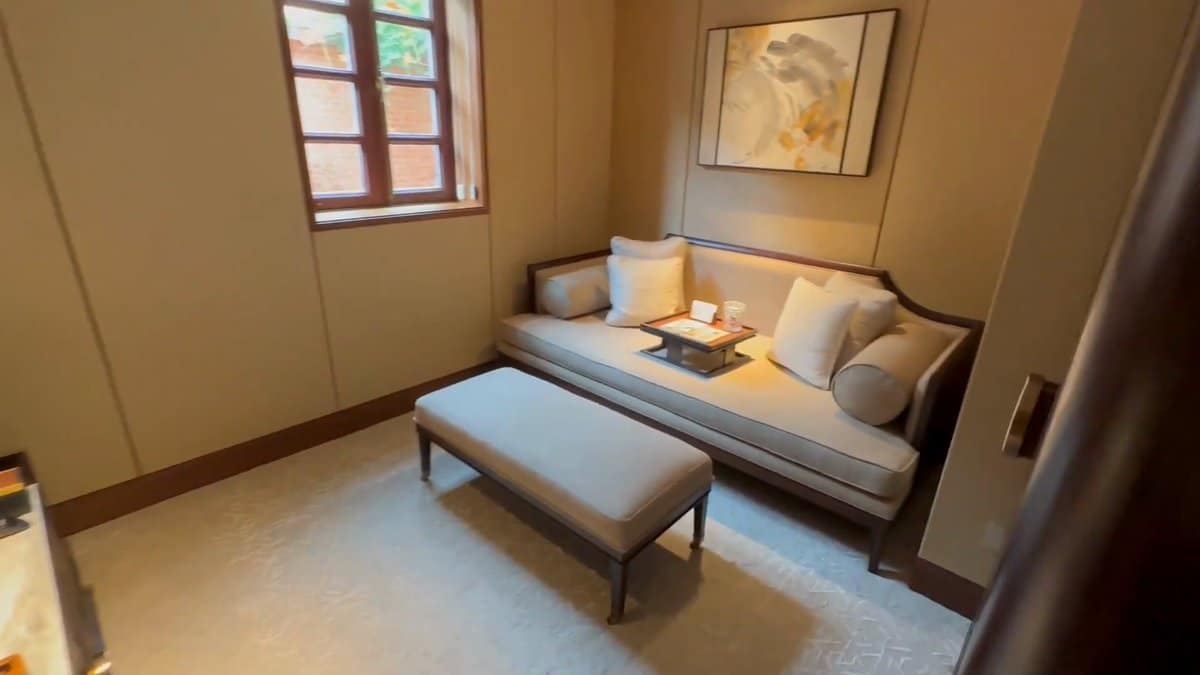
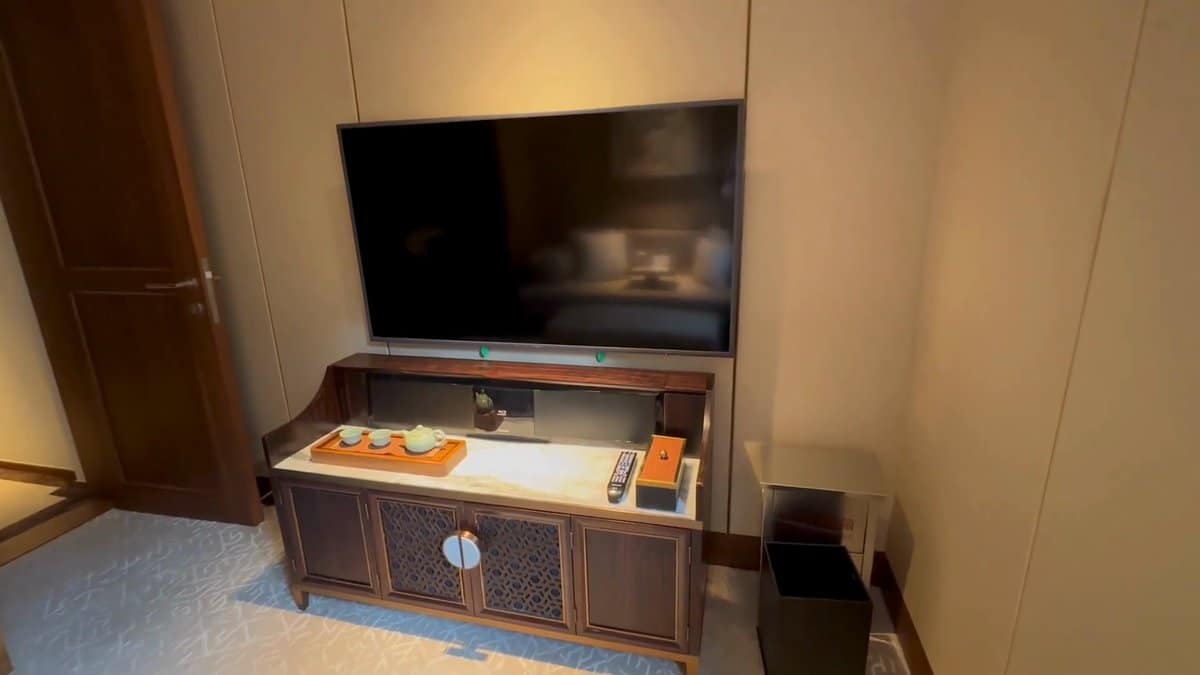
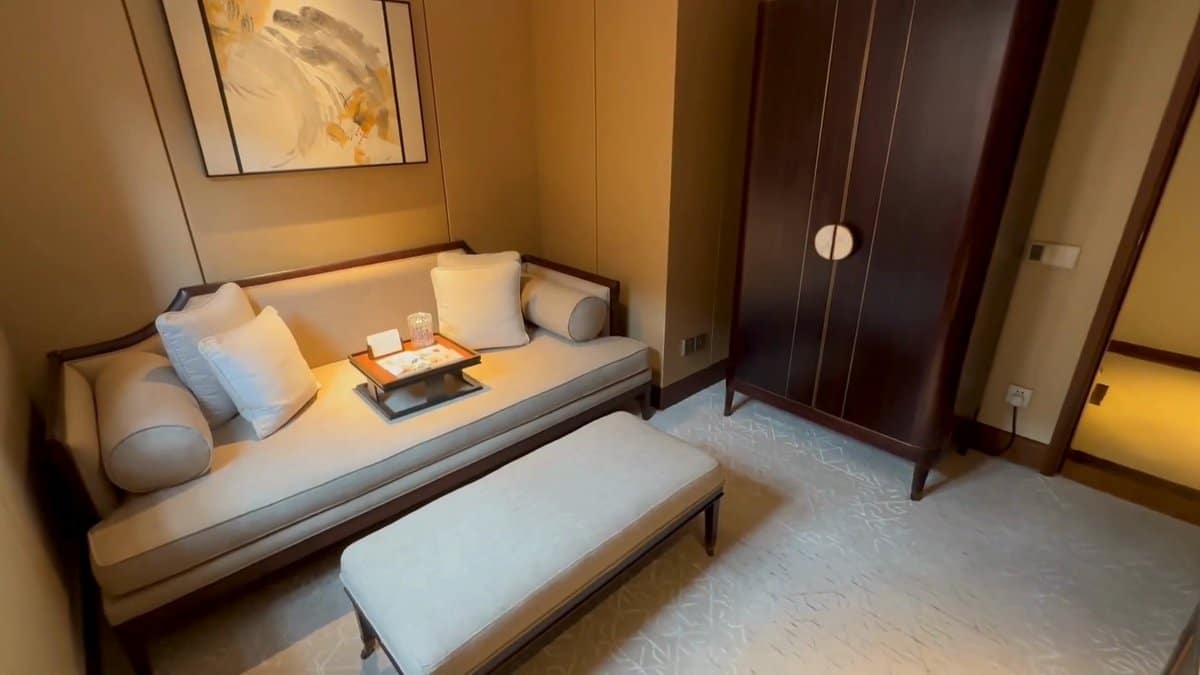
There are the usual writing desk and daybed in another corner (along with the obligatory bottle of water). One wall is lined with tall panelled wardrobes. There is even a TV, but overall it feels more like someone’s home than a hotel suite.
There is plenty of space. It is not overwhelming, just sized well for a home rather than a hotel corridor.
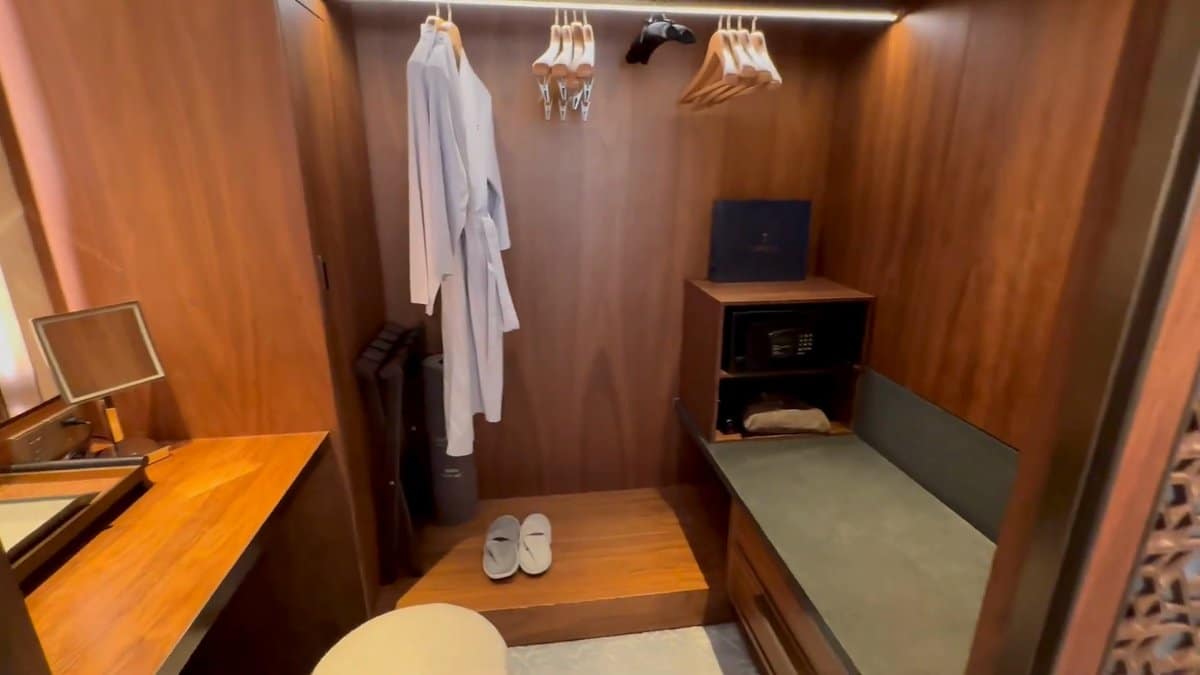
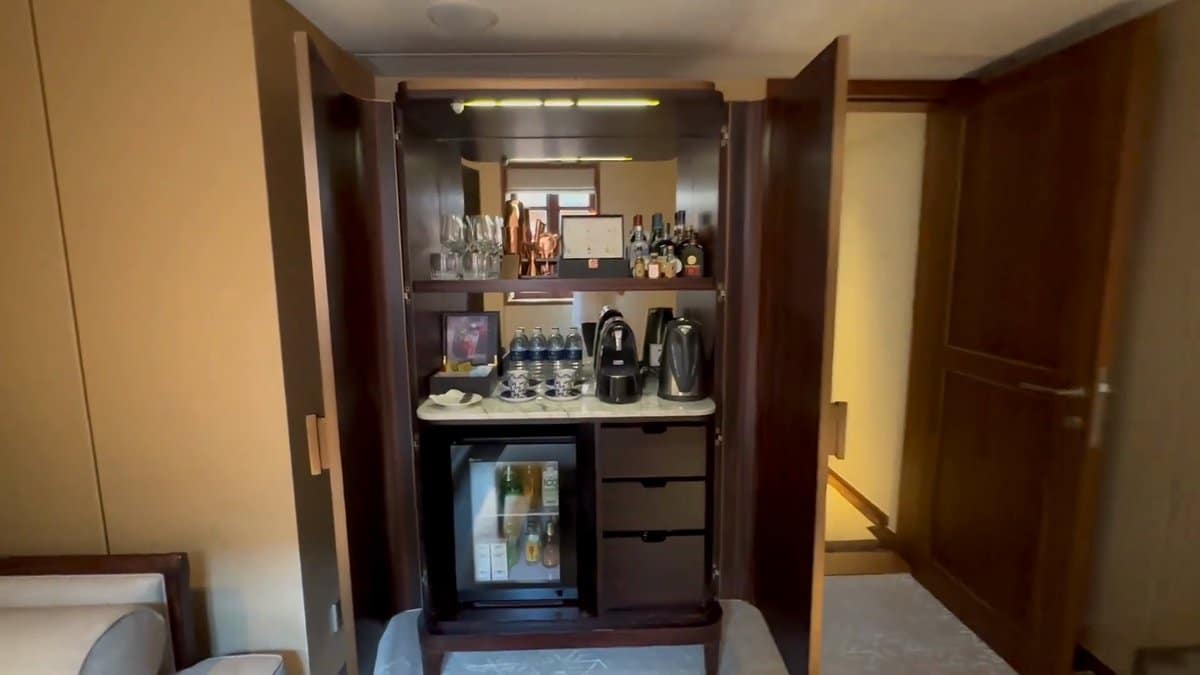
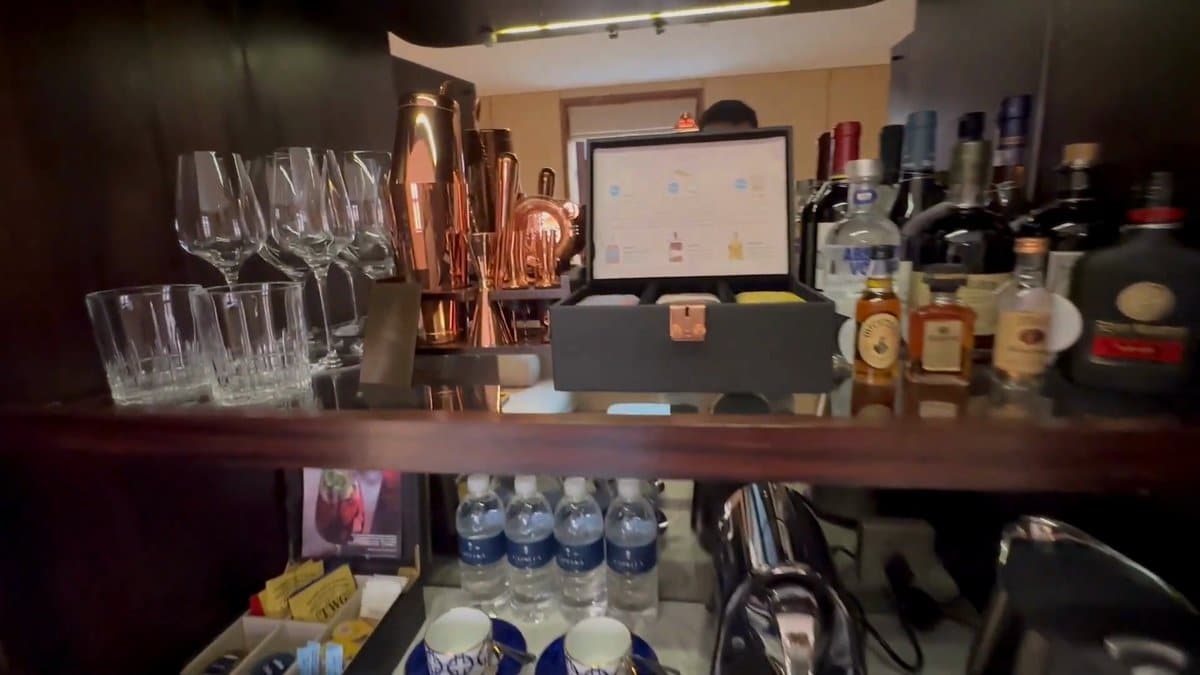
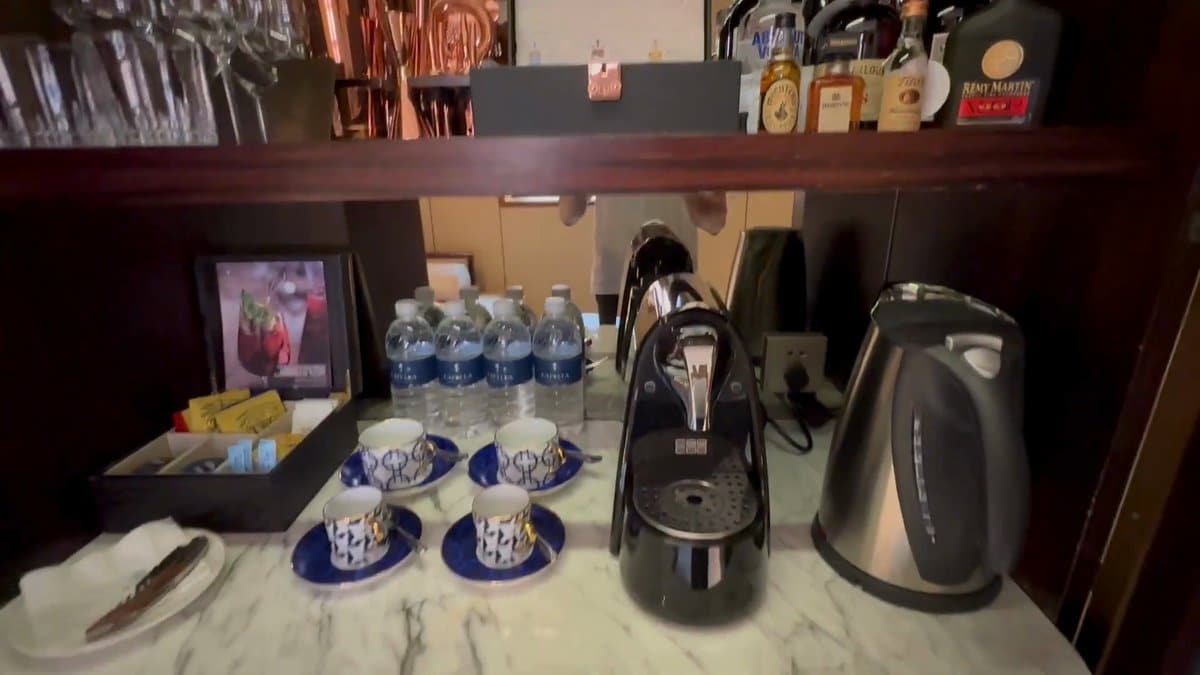
The wardrobe is walk-in, timber-lined and larger than you’d expect. There’s also a separate cabinet for the minibar, which comes fully stocked with wine glasses and a proper selection of teas. The basics are the same as in most hotels but it’s all laid out with greater care than that typical mini-fridge set-up.
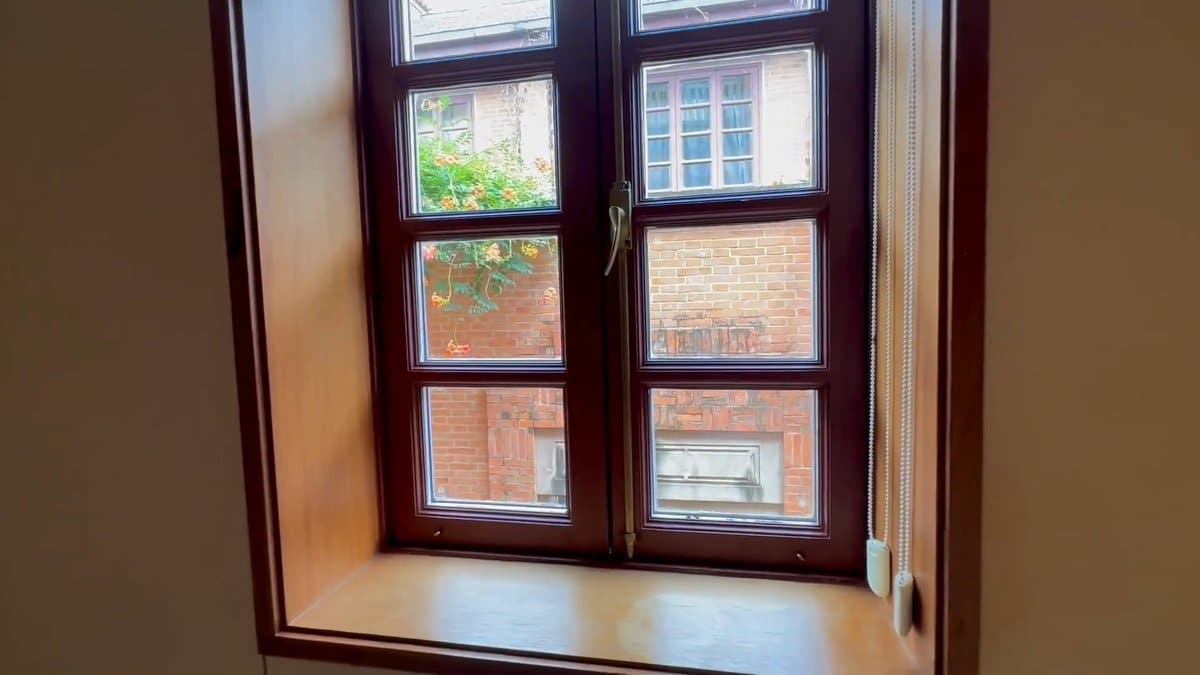
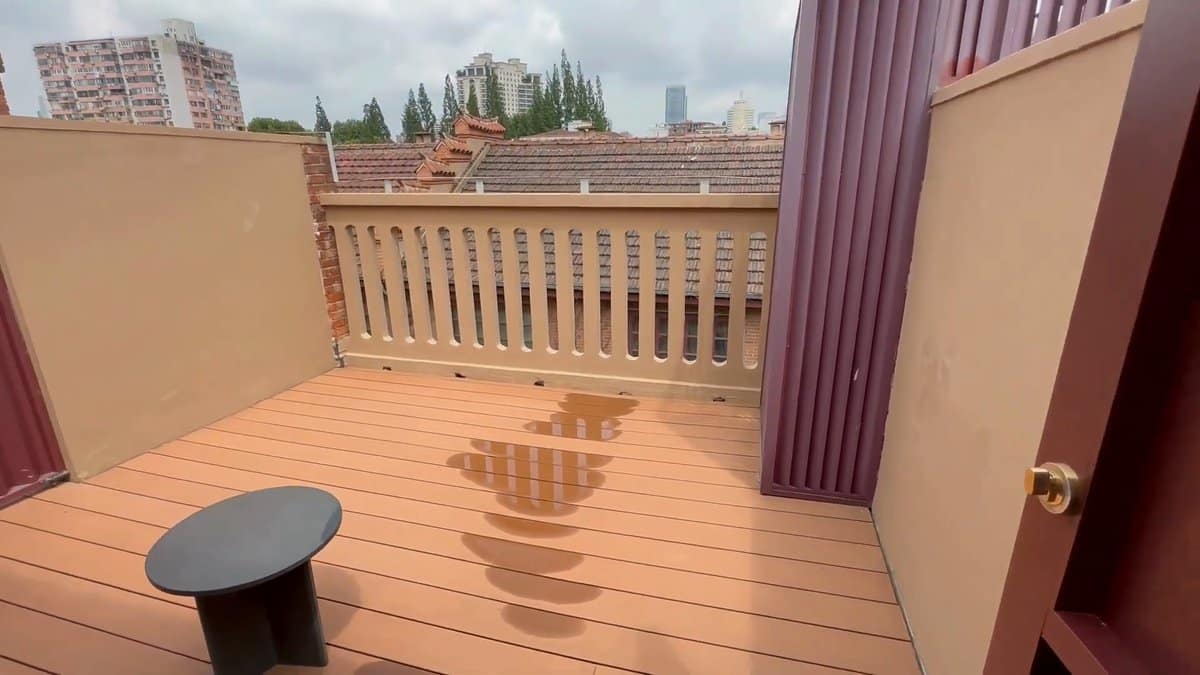
And there are windows that open on to the brick courtyard below. All the villas don’t come with a private terrace on the roof but some do. Request one if you want that outdoor space.
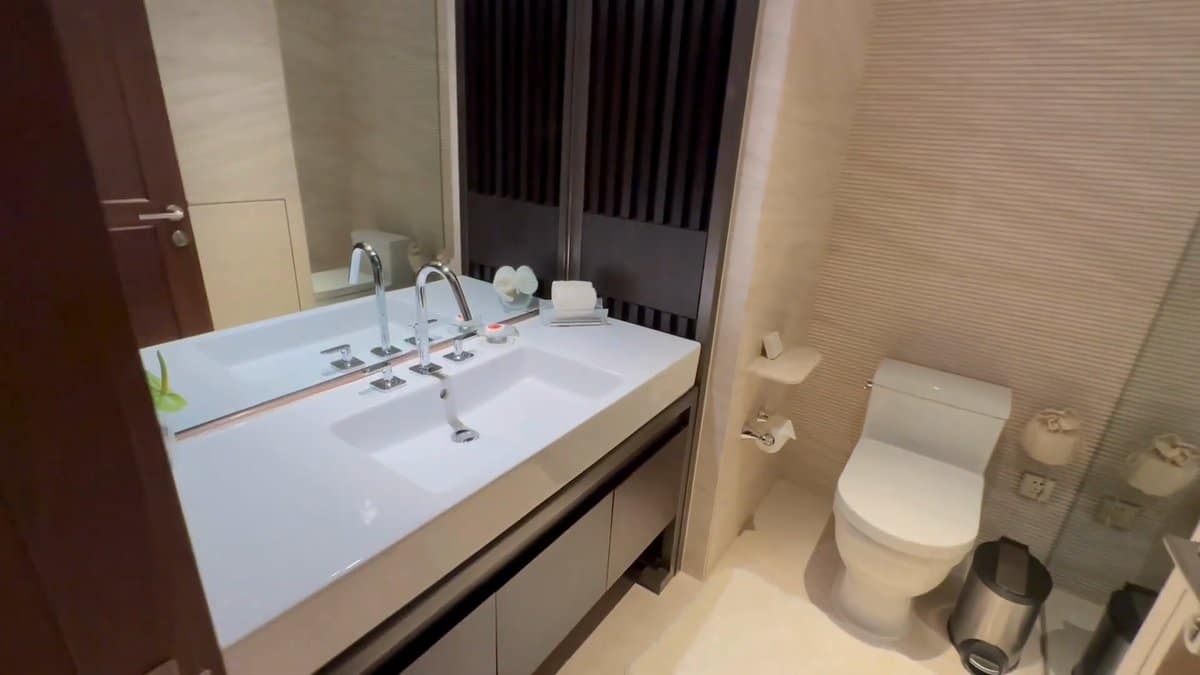
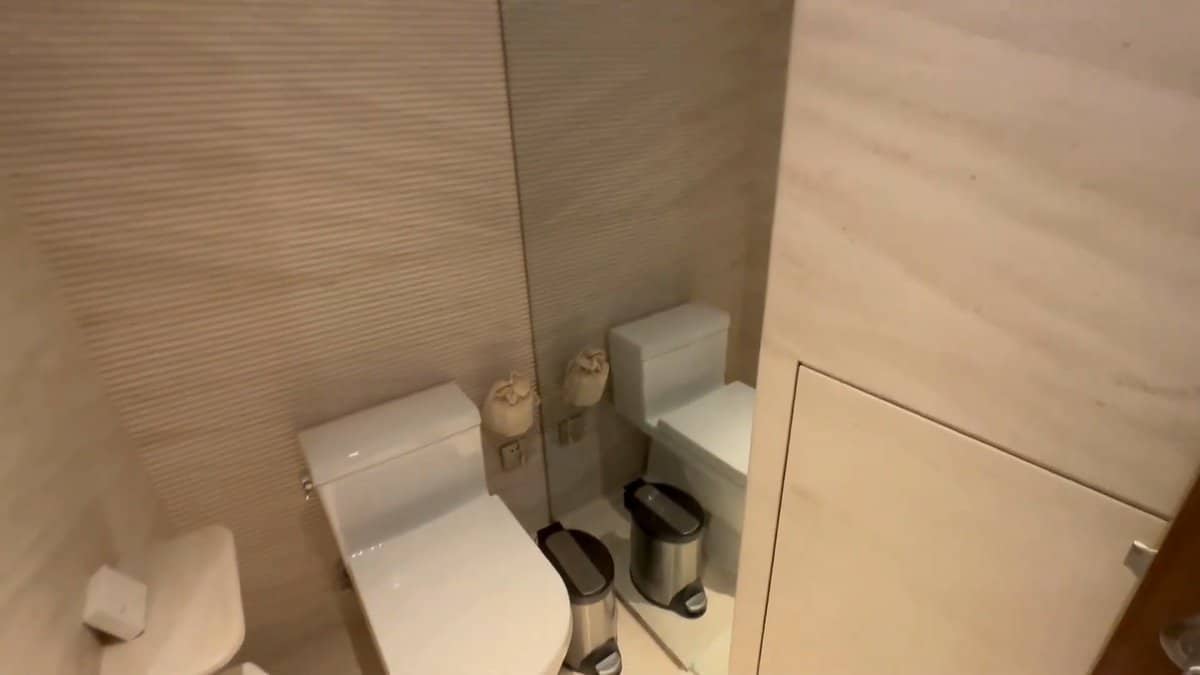
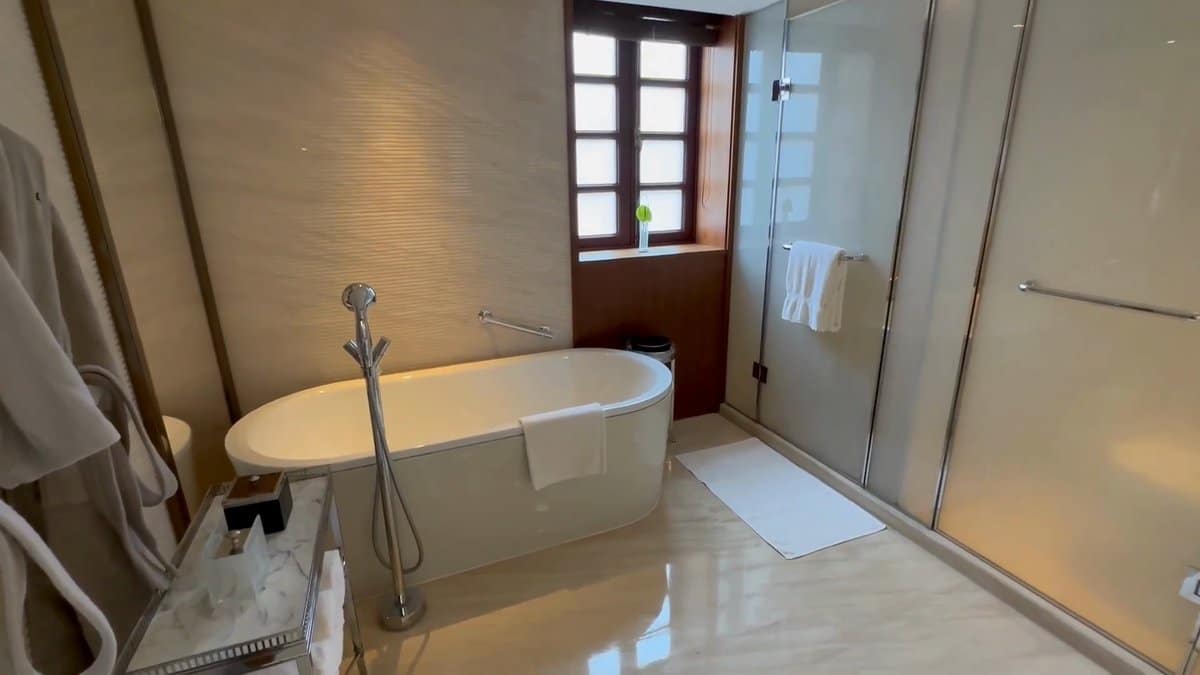
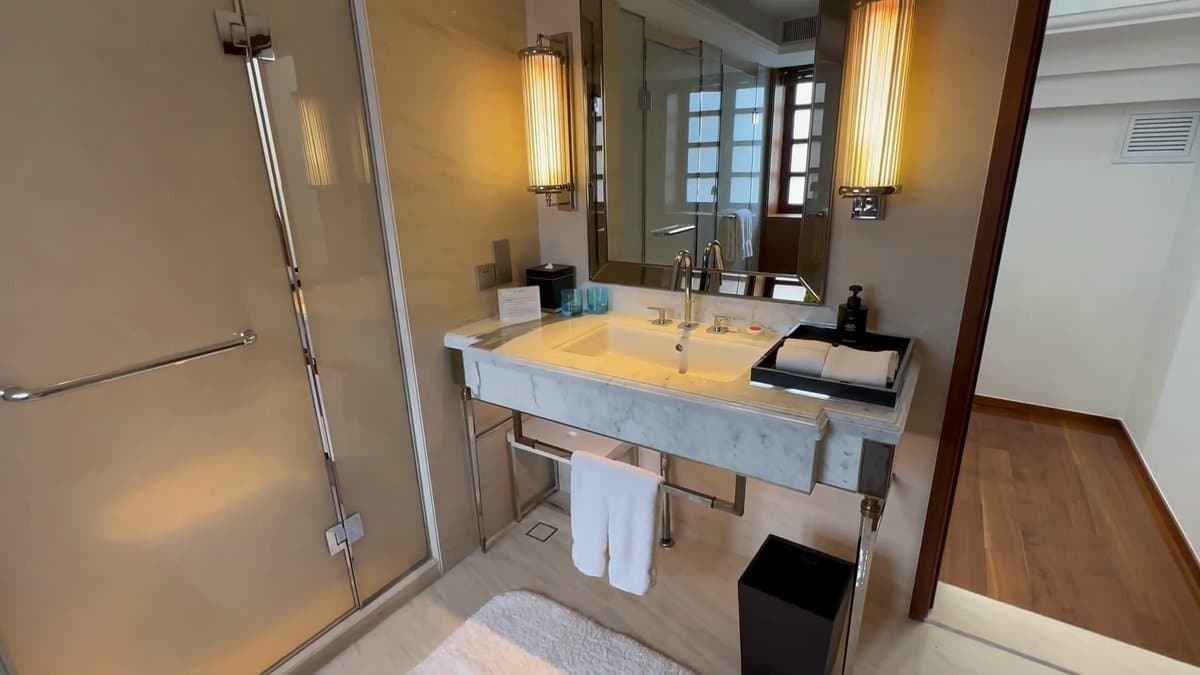

Like the rest of the villa, the bathroom is about good fixtures and traditional materials done well, without shouting. Stone trough basins, twin taps at the vanity, a freestanding tub next to shuttered windows. Marble and stone throughout, black pump bottles for shower products.
A toilet in its own compartment. Is Capella Shanghai Jian Ye Li for you? Not if you’re looking for a view from your room, a rooftop bar, or even a lobby scene.
Instead, you’ll find quiet, space, and the odd sensation of occupying a piece of 1930s Shanghai that managed to survive. The villas are truly private… Something few hotel rooms ever manage.
This is a house you’re staying in, not a hotel you’re visiting that’s been dressed up to pretend otherwise. Do you prefer a heritage property that retains its original character or a hotel that goes all-in on moddern updates? Leave a comment below.