The Fairmont Peace Hotel is located at the very center of old Shanghai, on the corner of the Bund and Nanjing Road. It is housed in the former Cathay Hotel, which was built in 1929 and visited by everyone from Noël Coward to Charlie Chaplin. The hotel was recently restored to retain its sense of occasion while avoiding being turned into a museum.
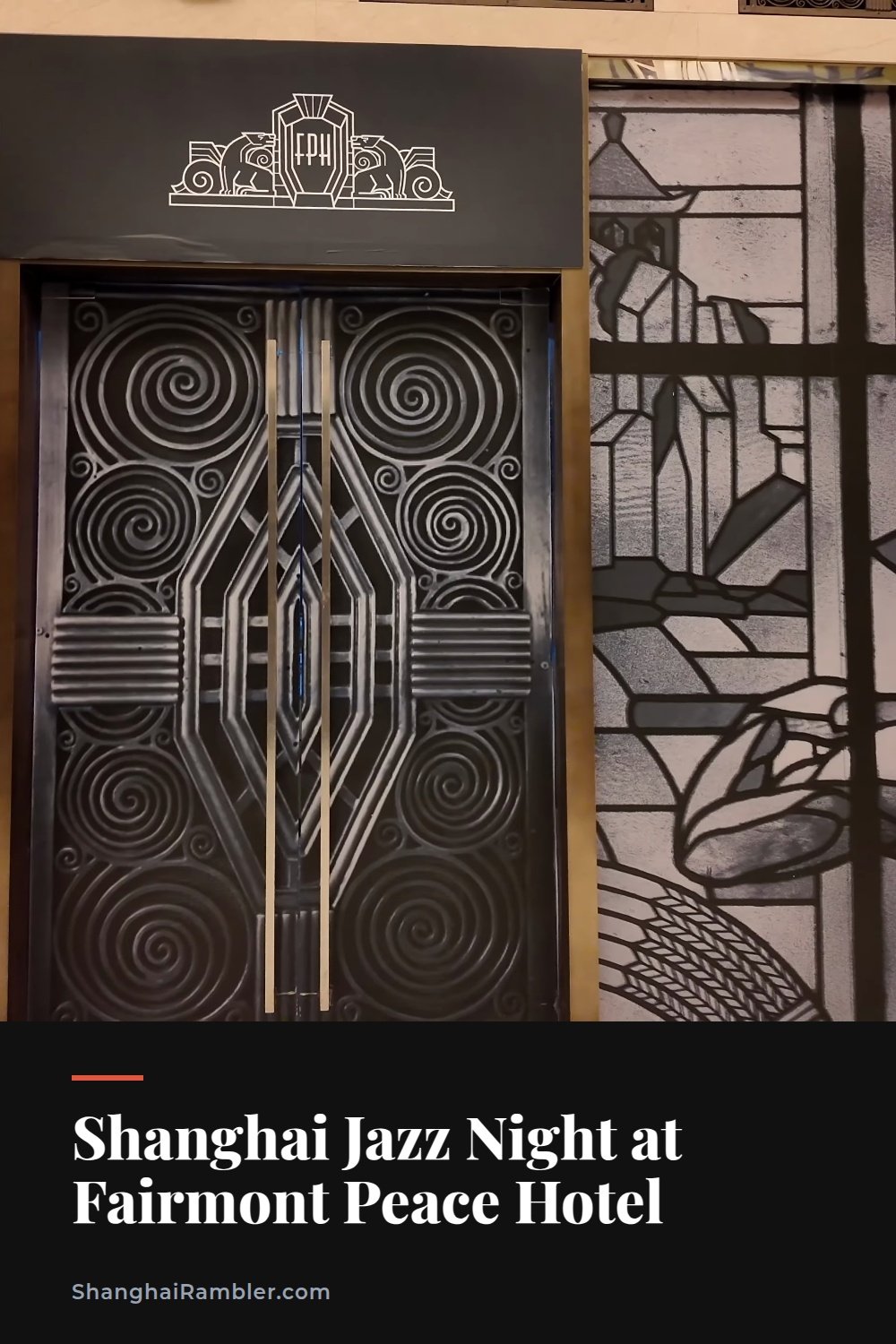
Every nook and cranny are filled with Art Deco touches. A jazz band perform most nights. The suites has views of the Huangpu River and the Pudong skyline.
It’s not just a place to rest your head in between tourist activity: it’s a true heritage hotel. Expect moddern comforts with original fixtures. The rooms feature Western-meets-Chinese designs, and the lobby is a place you won’t want to leave.
What exactly does a visit to the Peace Hotel entail?
A Look Inside the Fairmont Peace Hotel
Fairmont Peace Hotel Shanghai
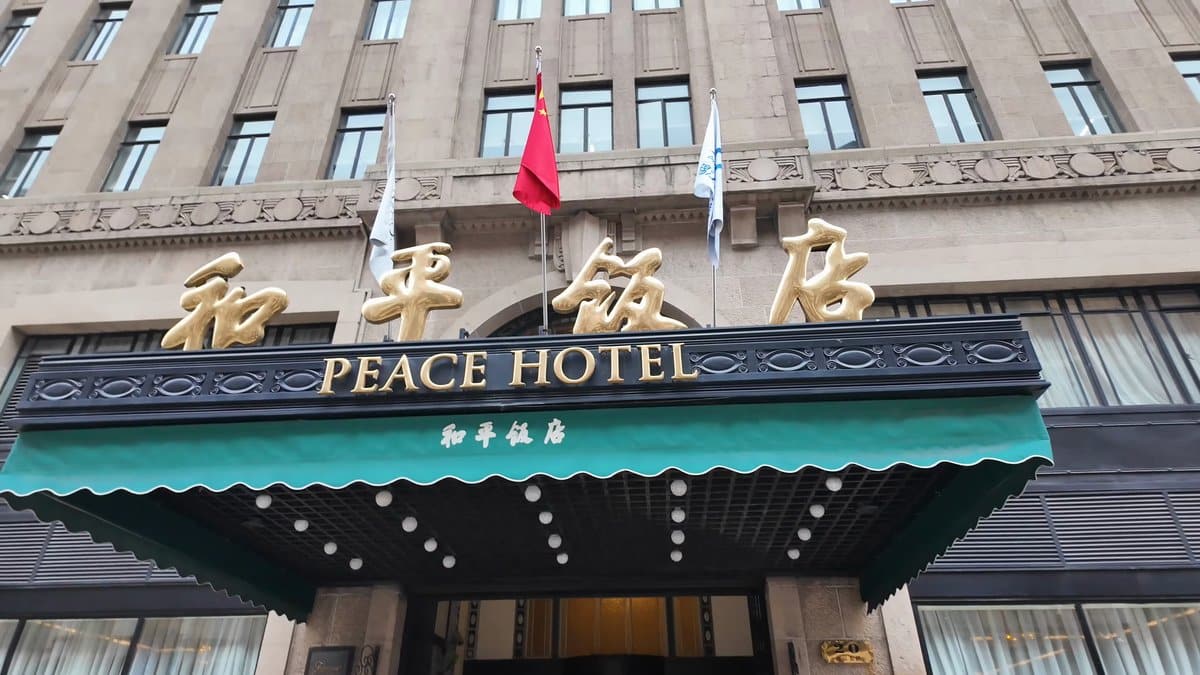
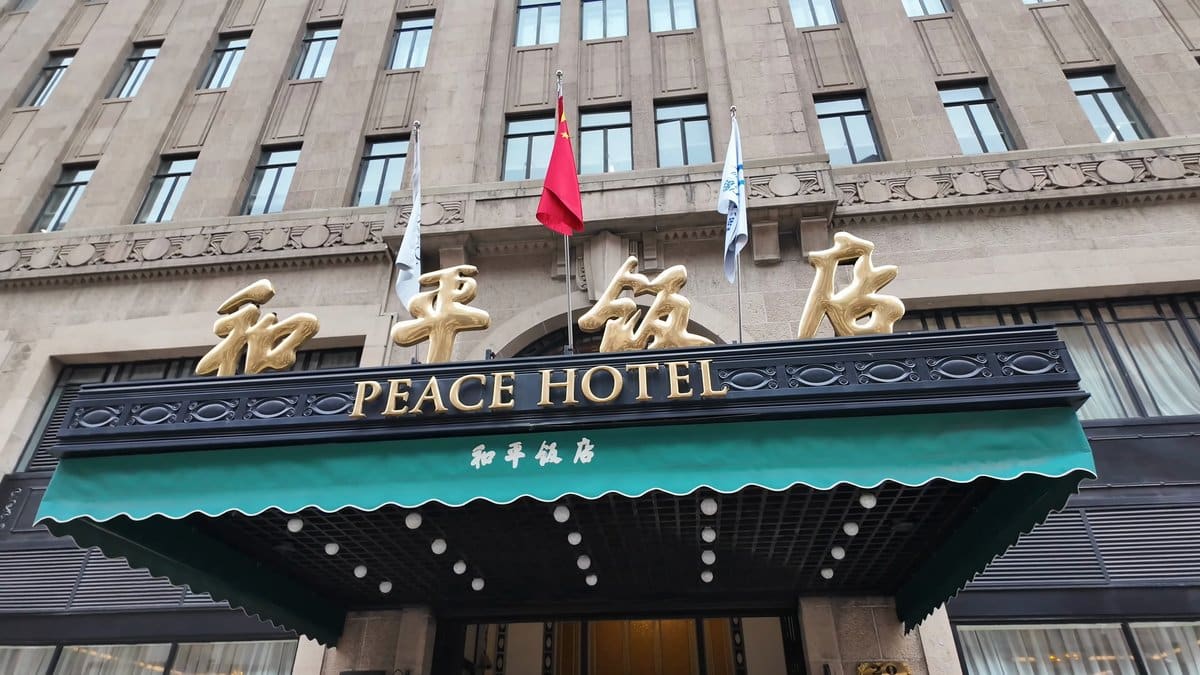
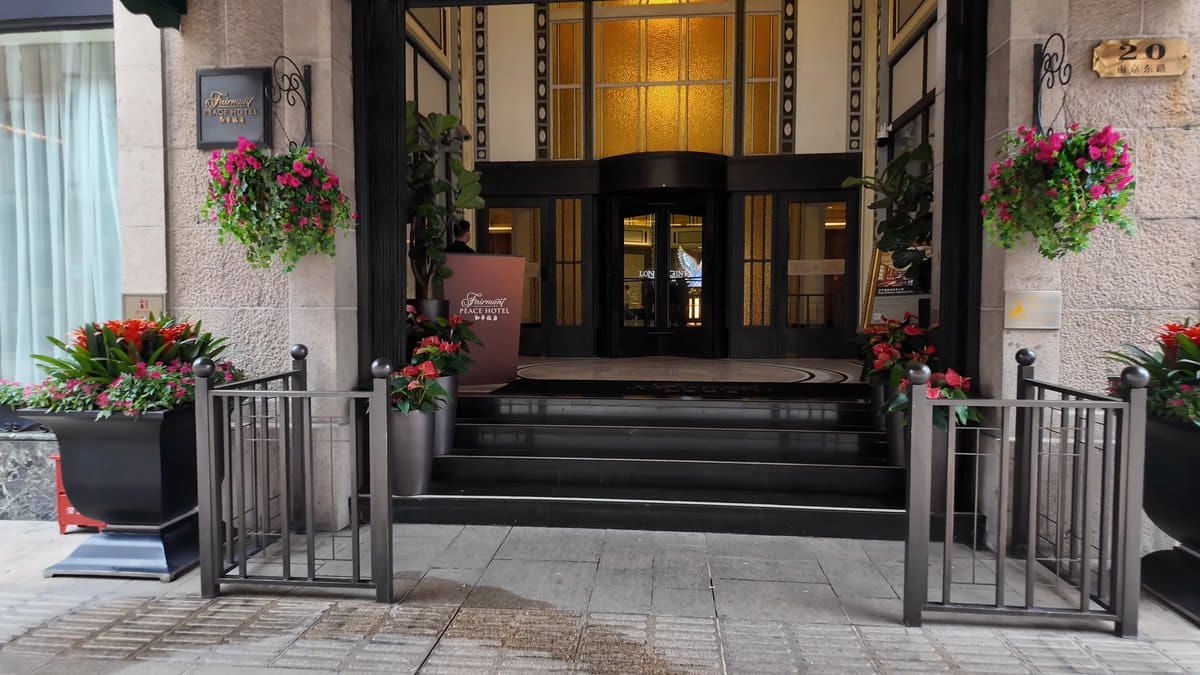
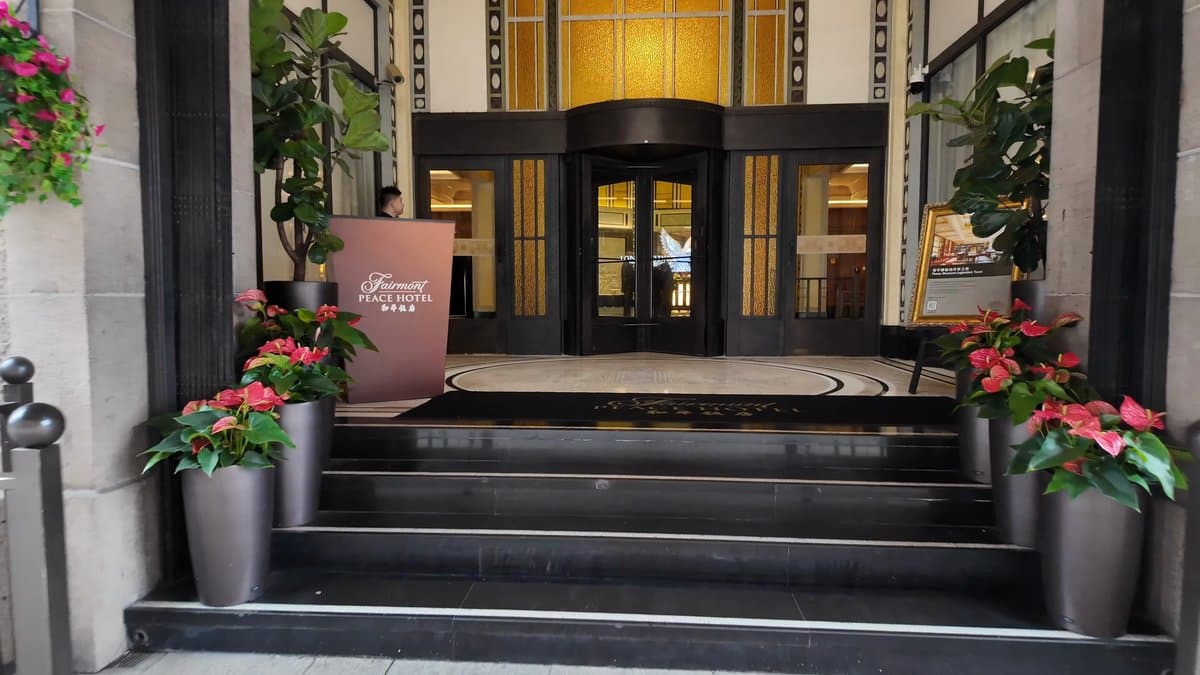
Let me show you.
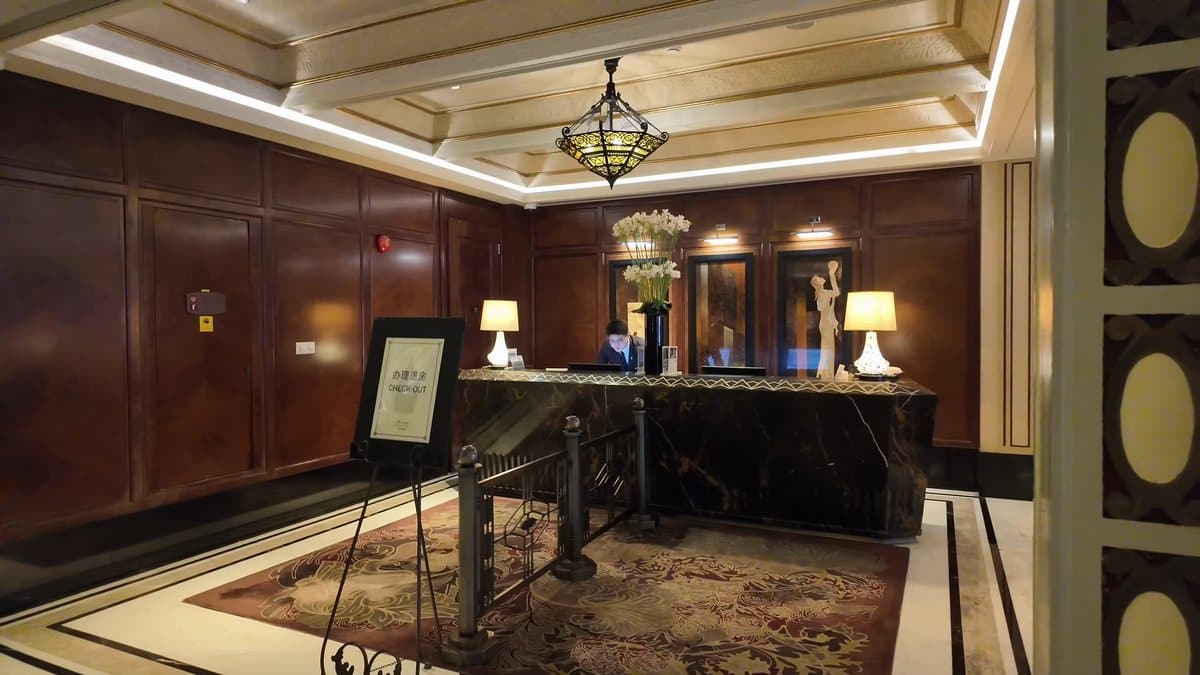
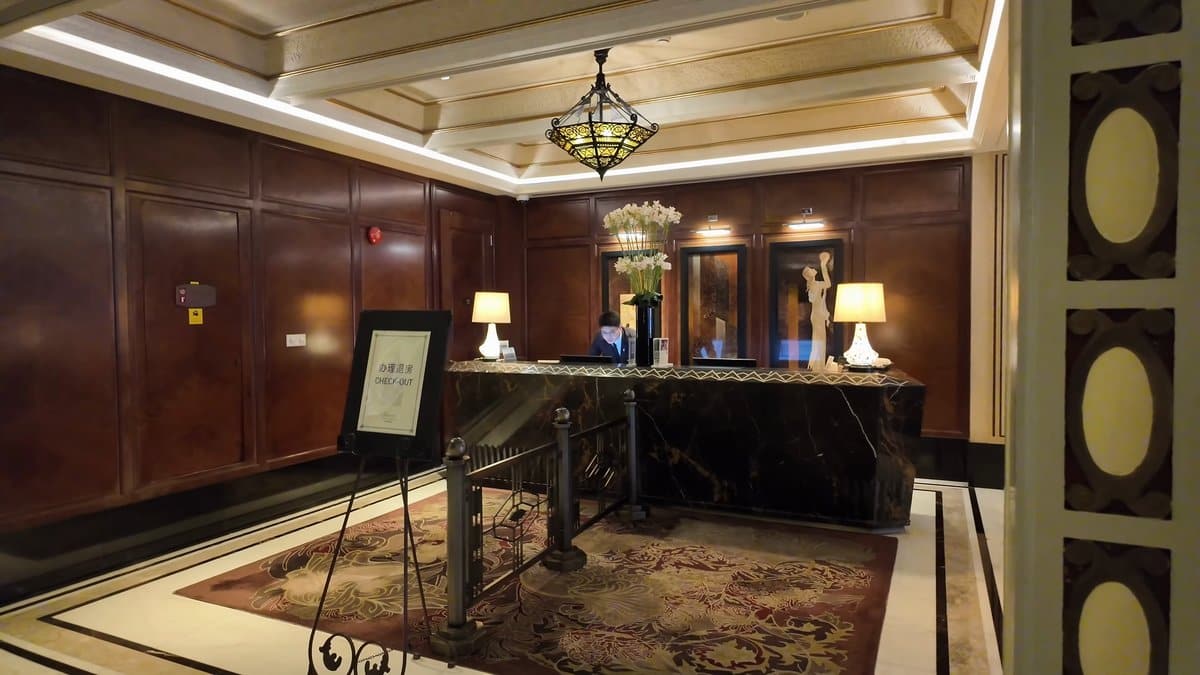
Underneath that awning, which has itself turned out to be a landmark in its own right, is the entrance on Nanjing Road. The revolving brass doors swing open to reveal the lobby. The original reception desk remains intact, made of marble and dark timber.
There’s no sense of rush.
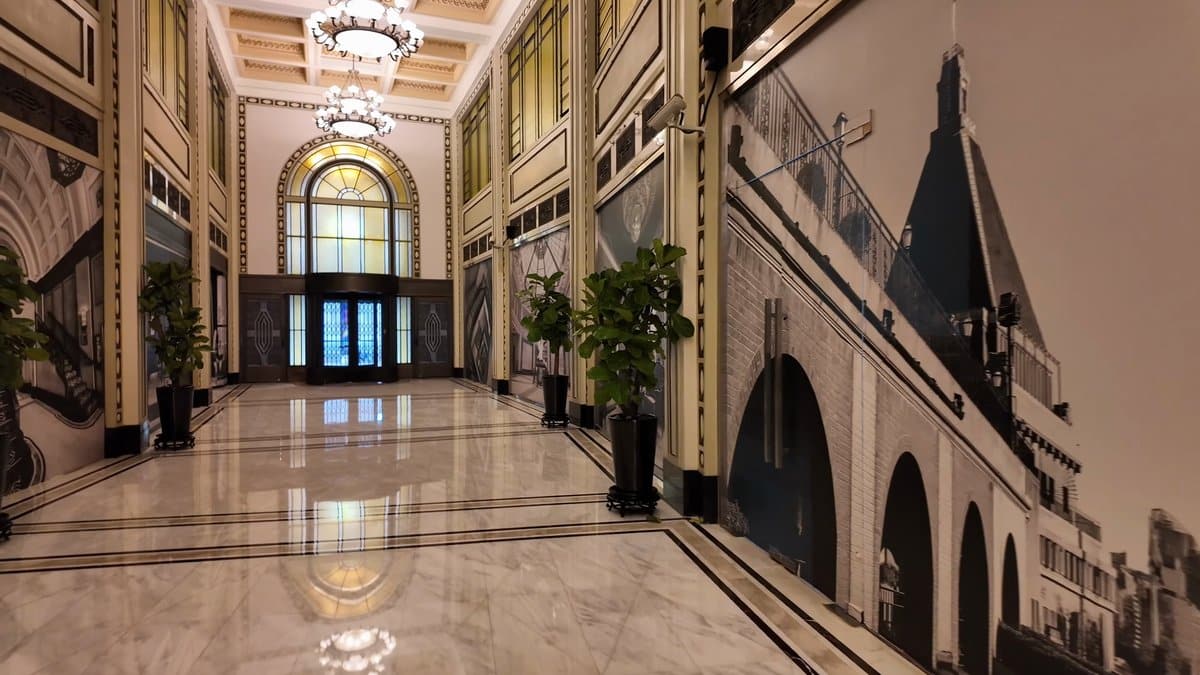
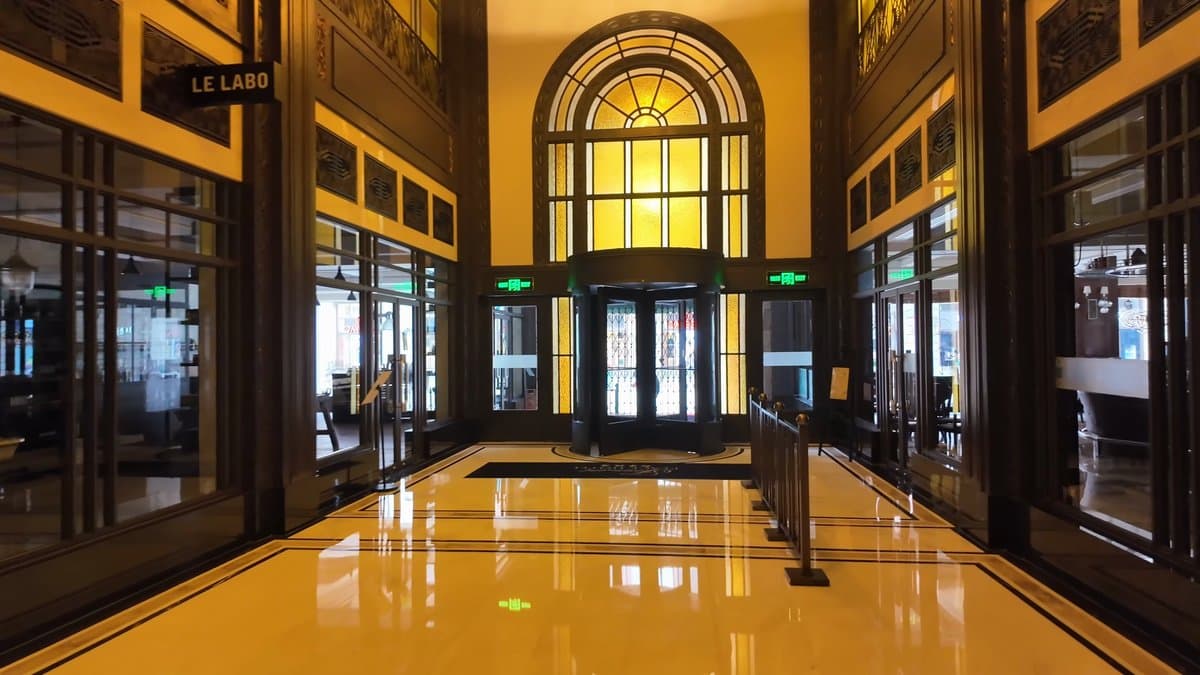
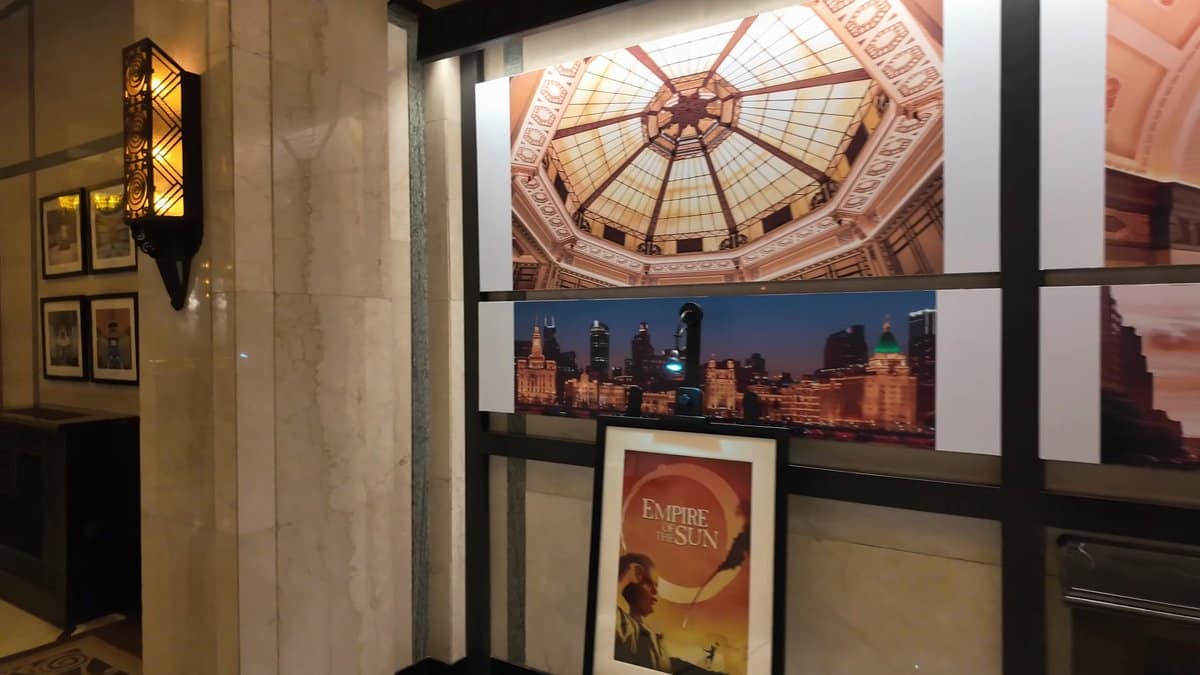
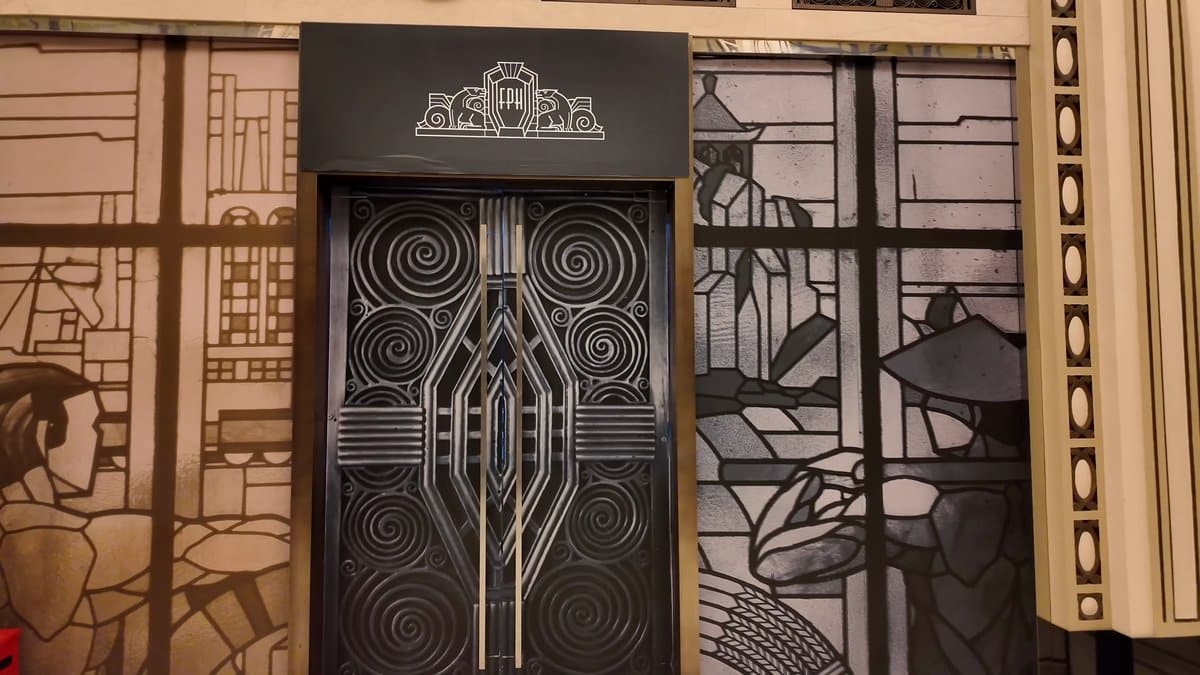
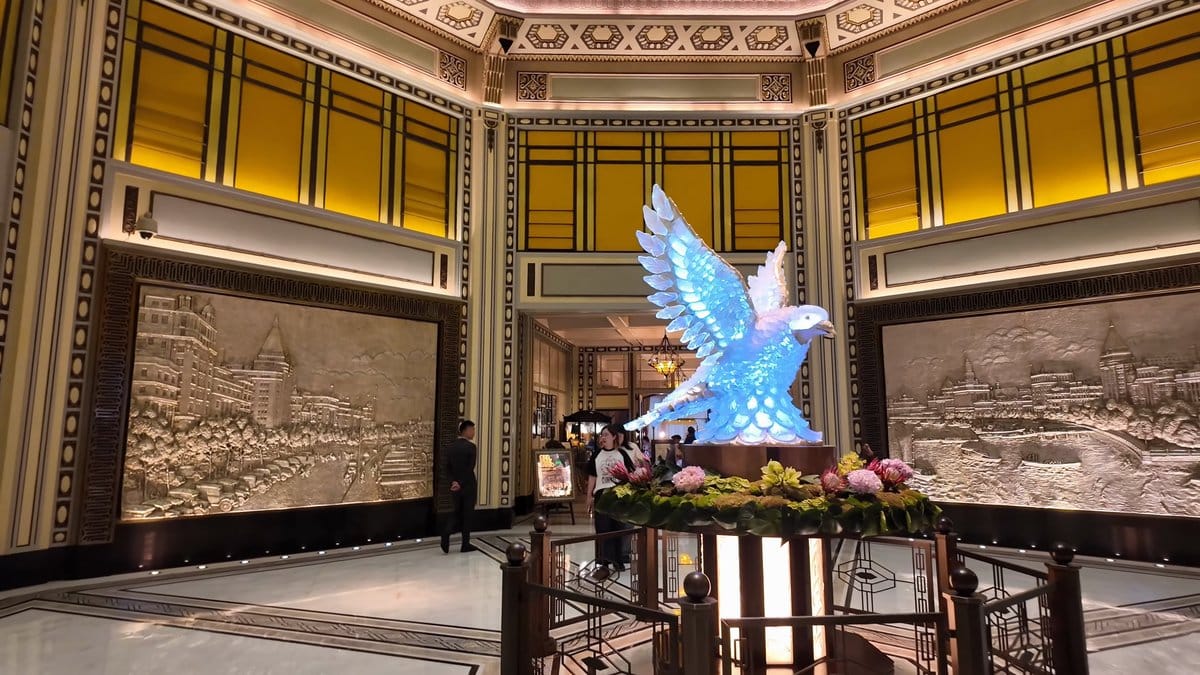
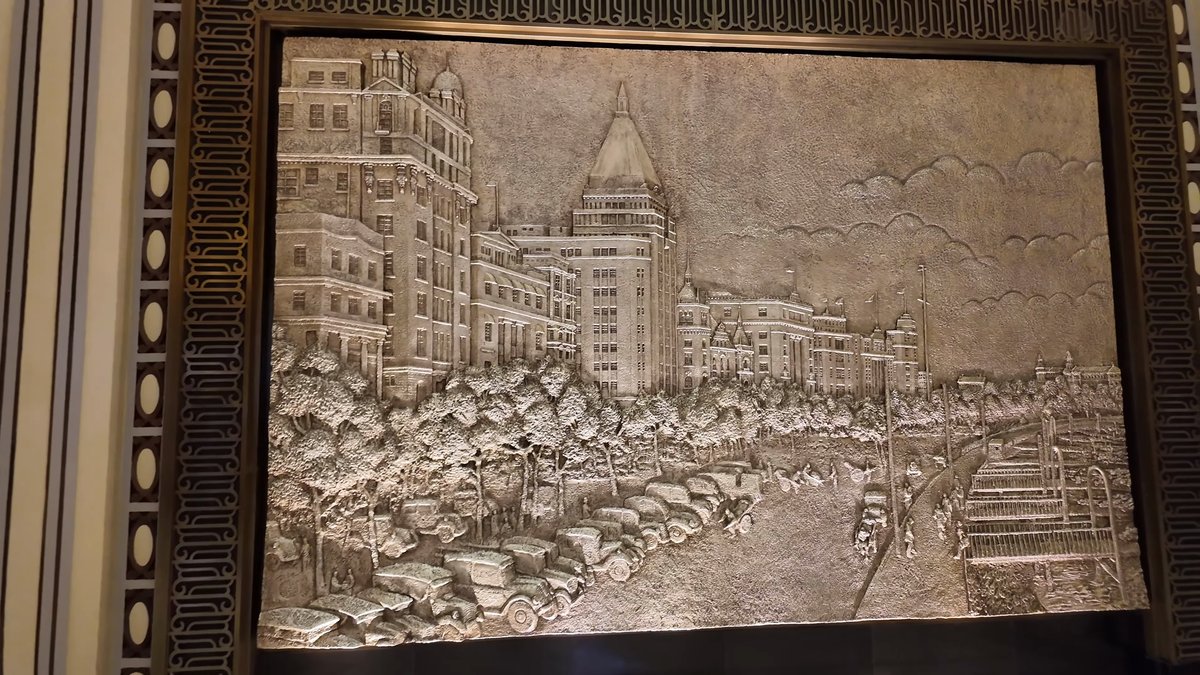
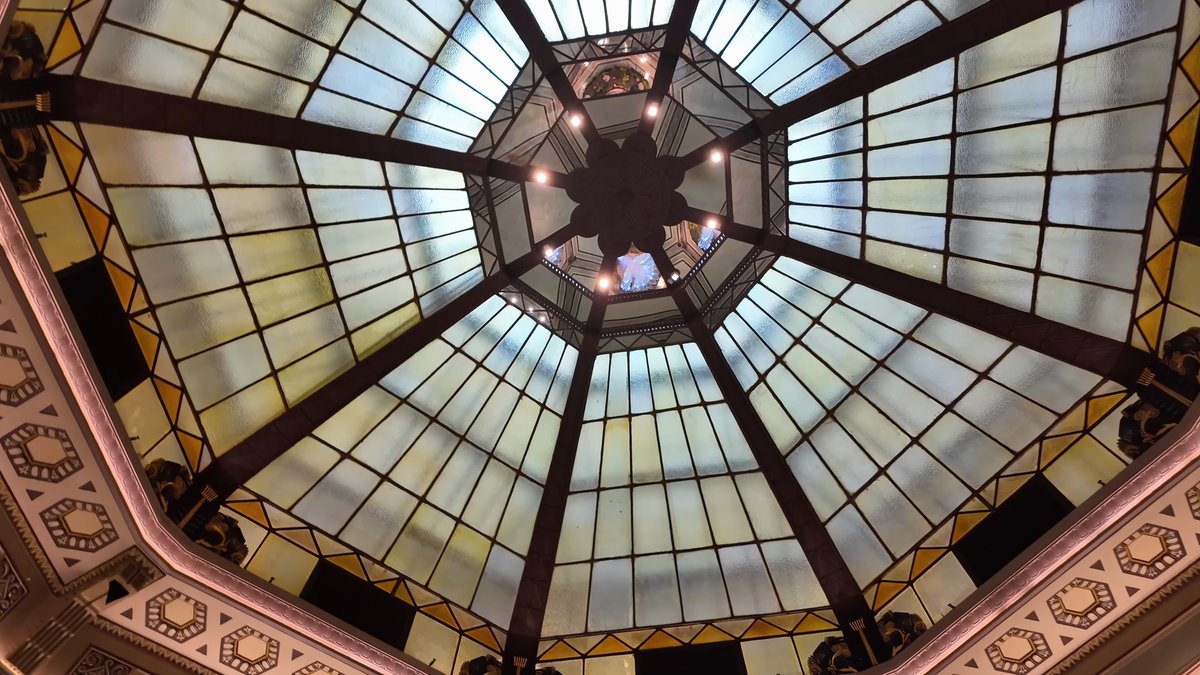
Art Deco makes its presence known most prominently in the lobby. At night, a stained-glass dome glow above. Sculptures and relief panels decorates the walls, including one that shows miniature version of the famed Bund buildings.
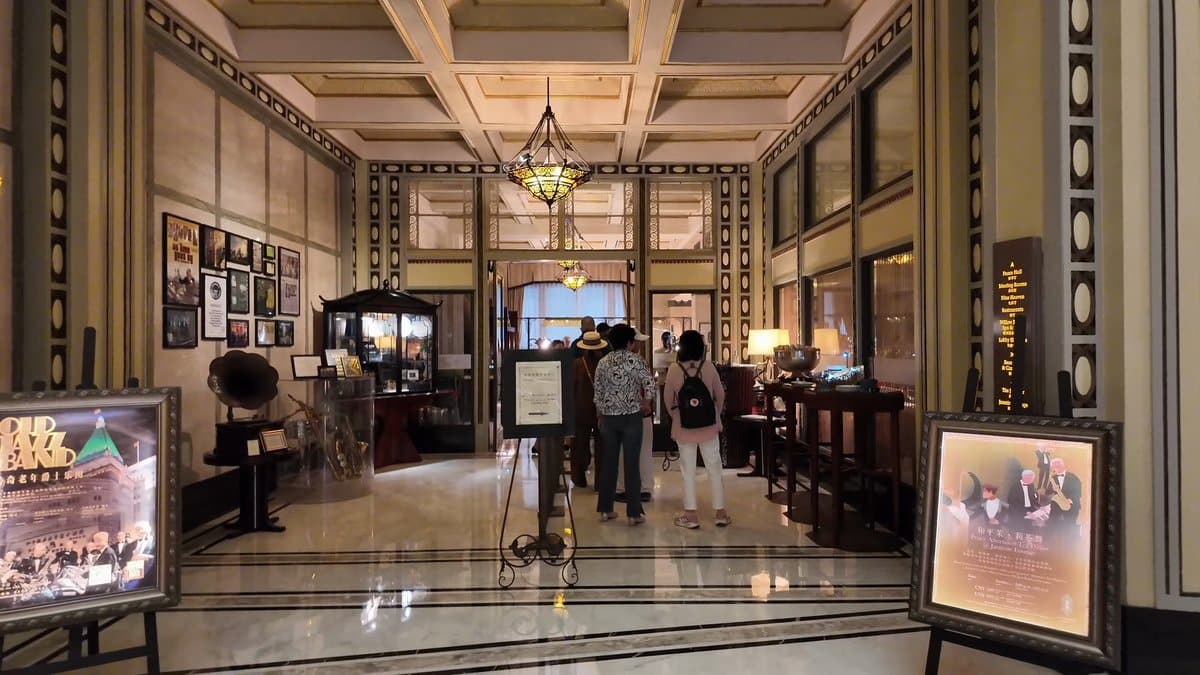
Throughout the main gallery, historic photos is hung, chronicling the hotel’s former incarnation: the Cathay. High ceilings open up to corridors that stretch off the lobby, some illuminated in warm tones, others framed by arched windows. Geometric metalwork common to the time decorates doorways.
There’s no attempt at hiding the hotel’s history with a modern renovation, you can see the bones of the building.
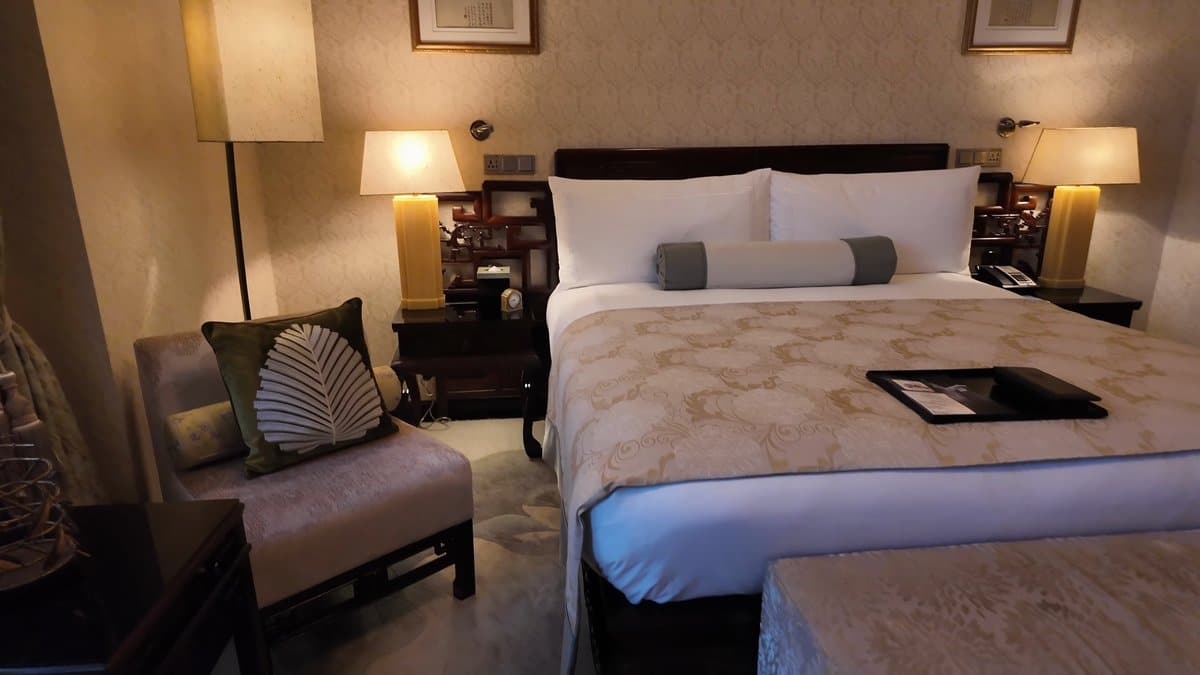
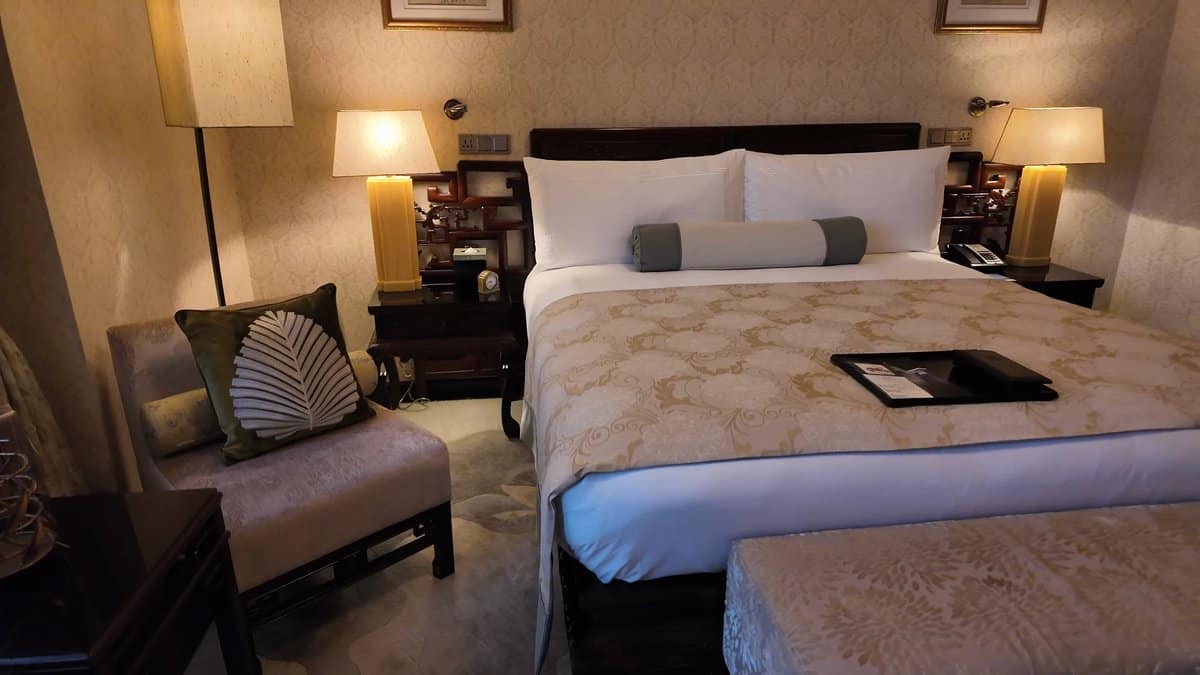
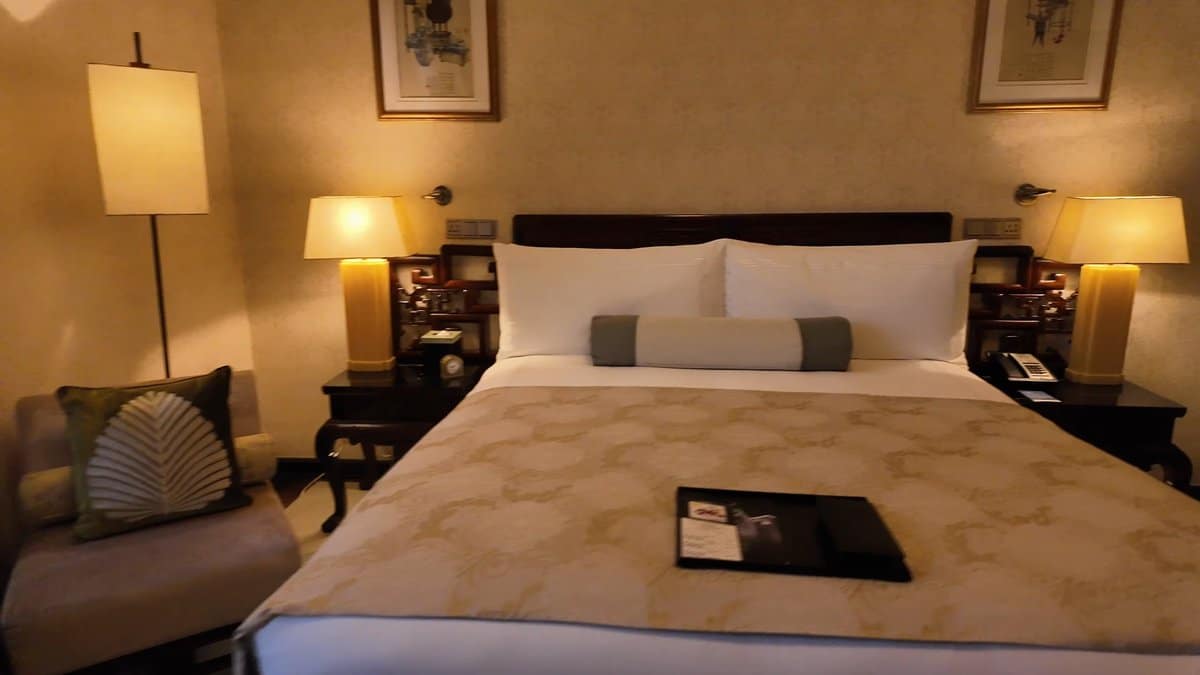
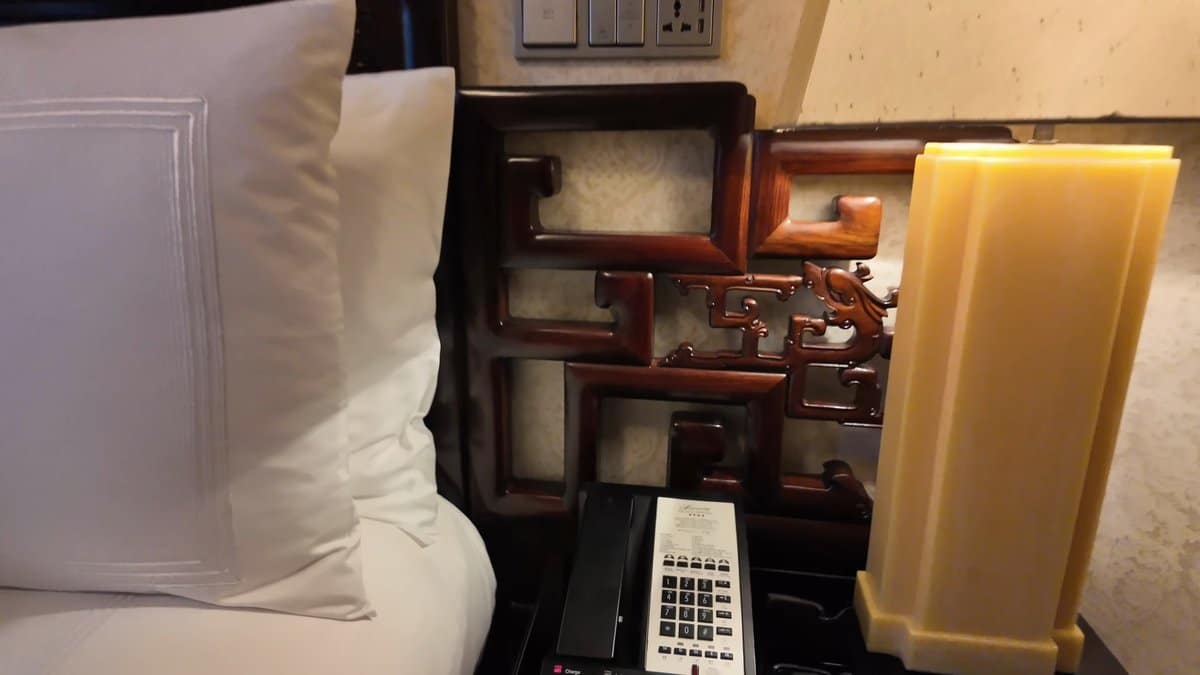
Rooms in the original building follows the heritage theme. Carved headboards stands over beds. Soft light spills out from bedside lamps.
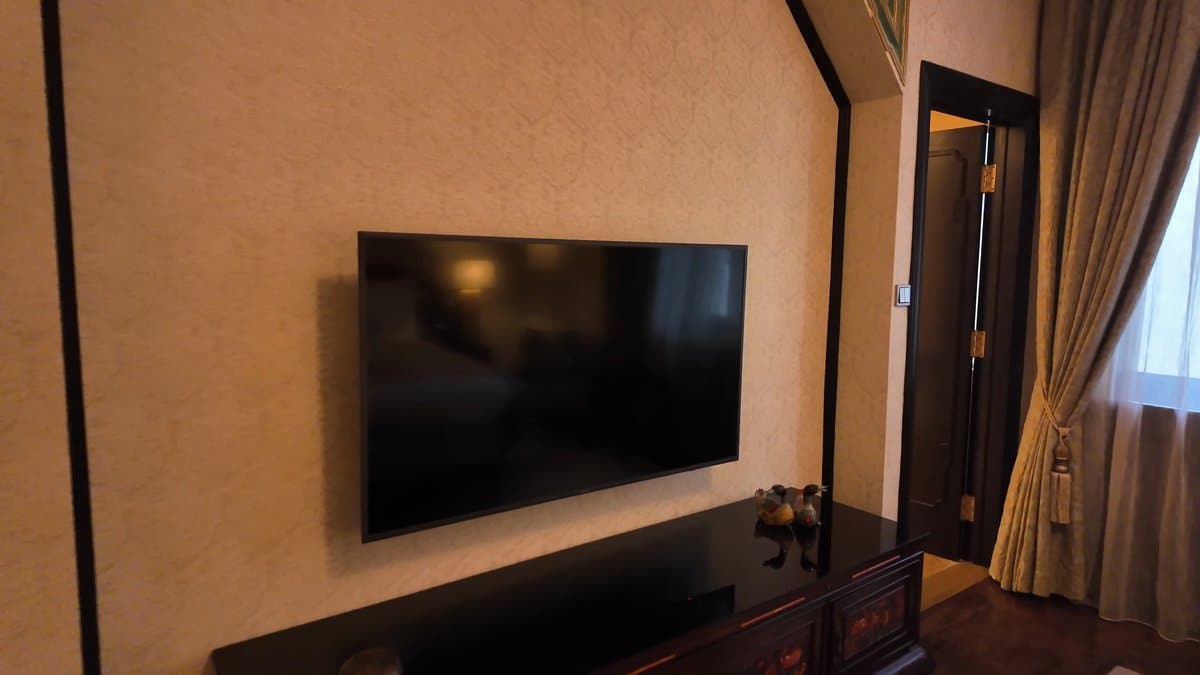
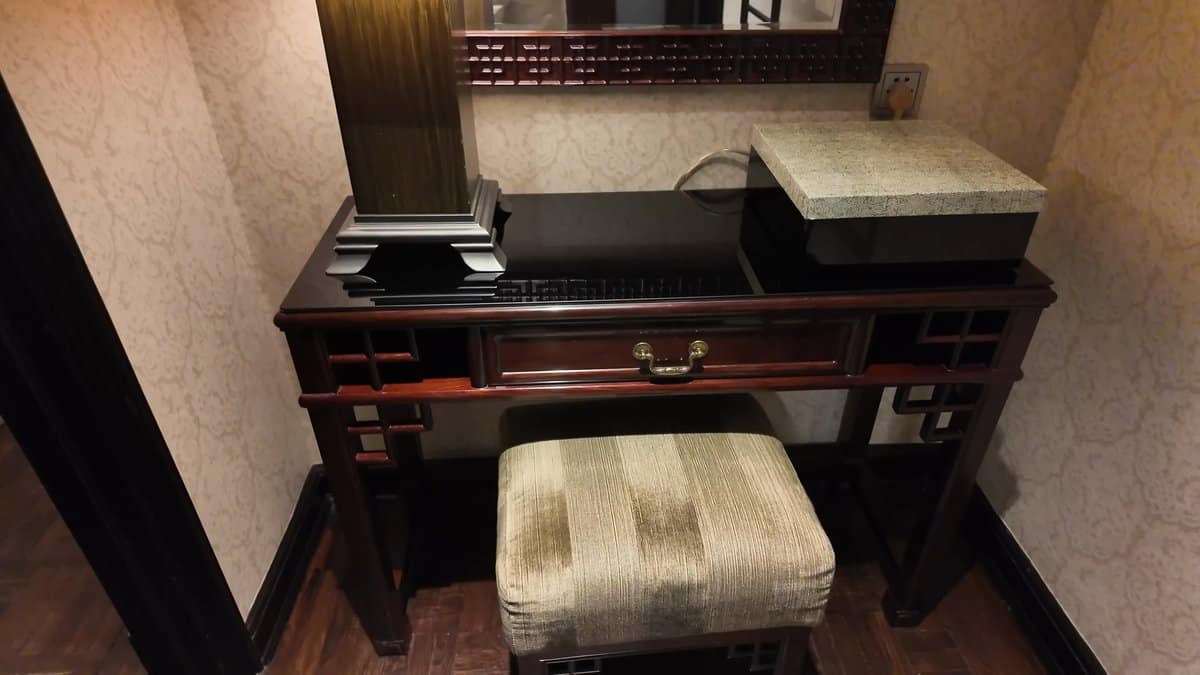
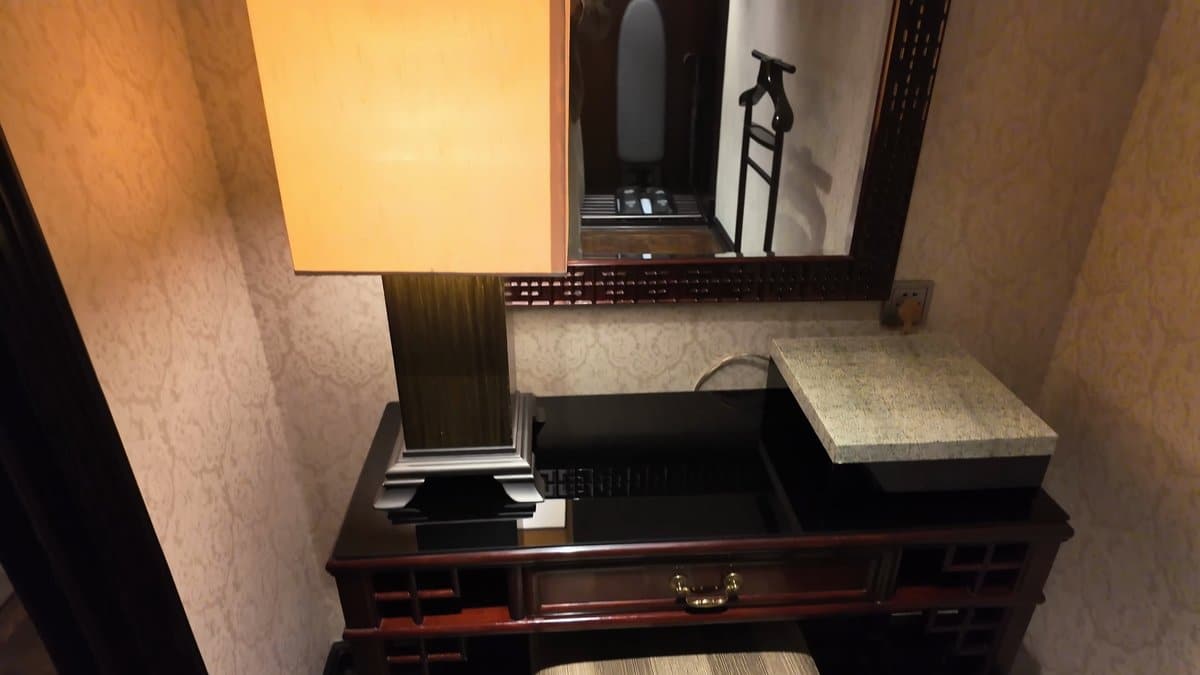
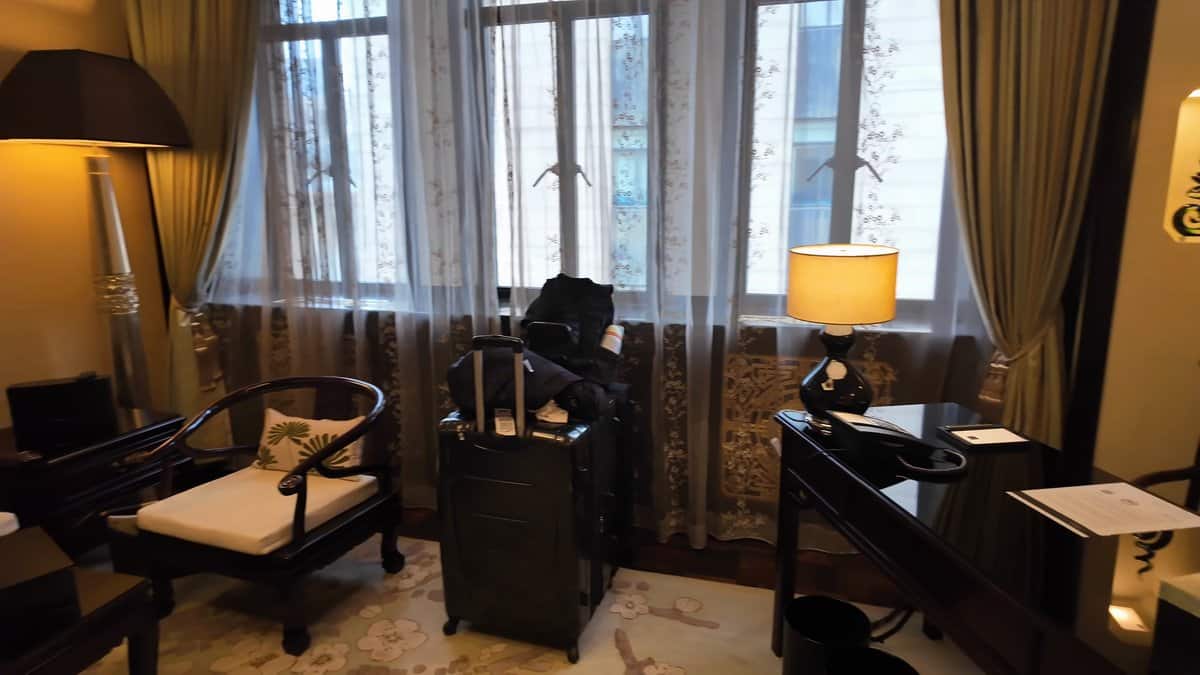
Period-style furnitures holds the TV out of sight. It’s not a throw-together look. Everything feel carefully considered.
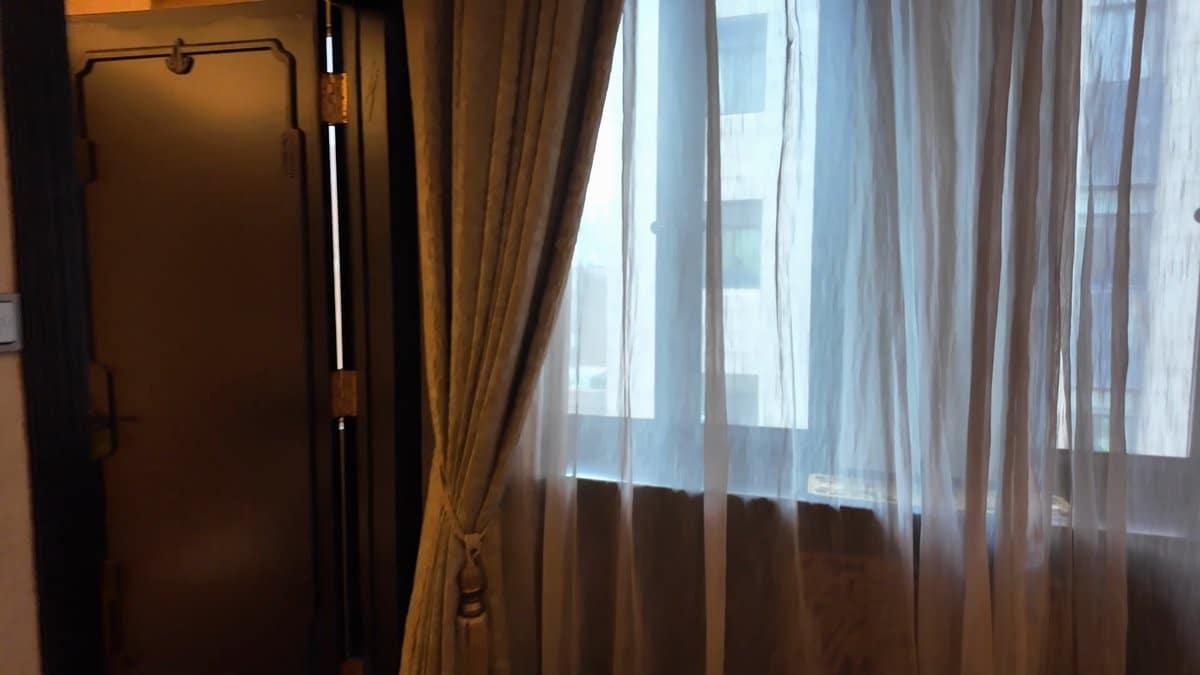
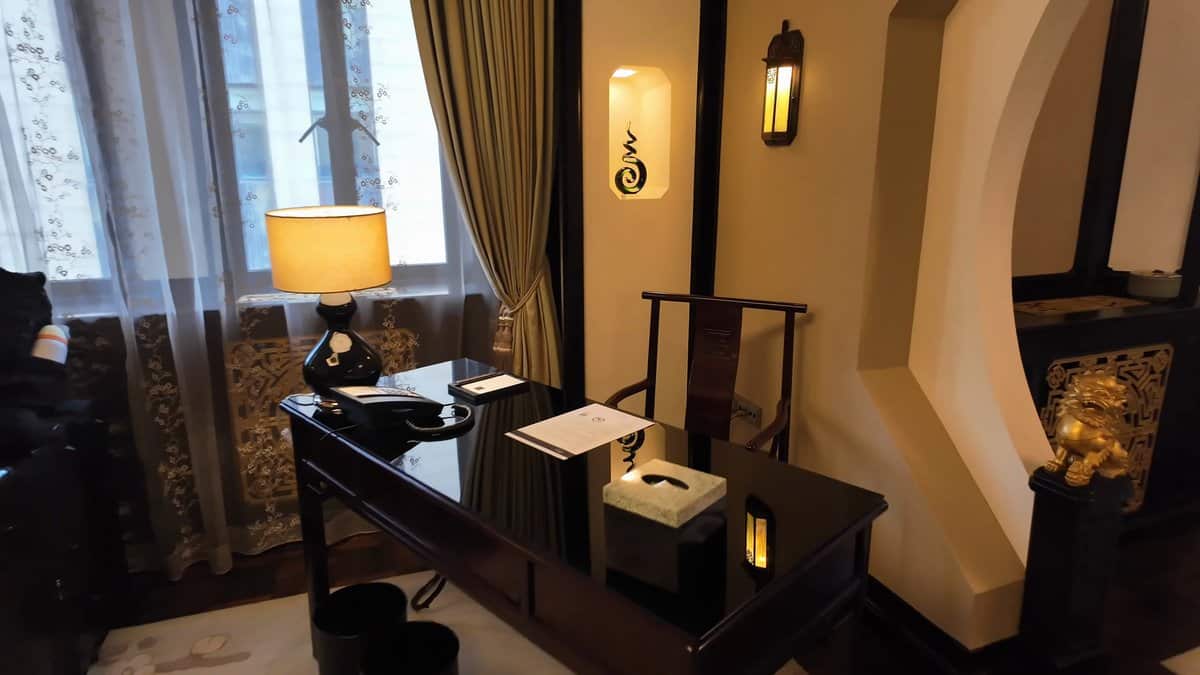
One corner of the bedroom contains a hardwood writing desk, the type you’d actualy use if you had emails to answer or postcards to scribble. Windows are framed with heavy drapes, ideal for sleeping past sunrise. Separate sitting rooms feature bay windows facing the river.
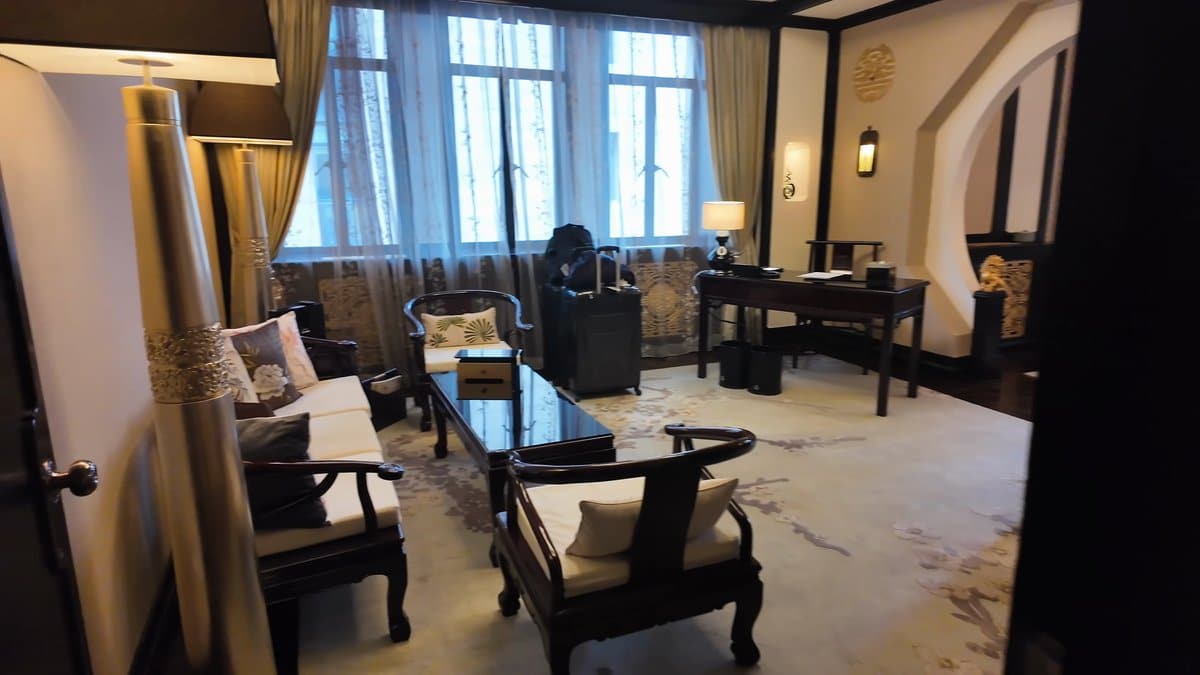
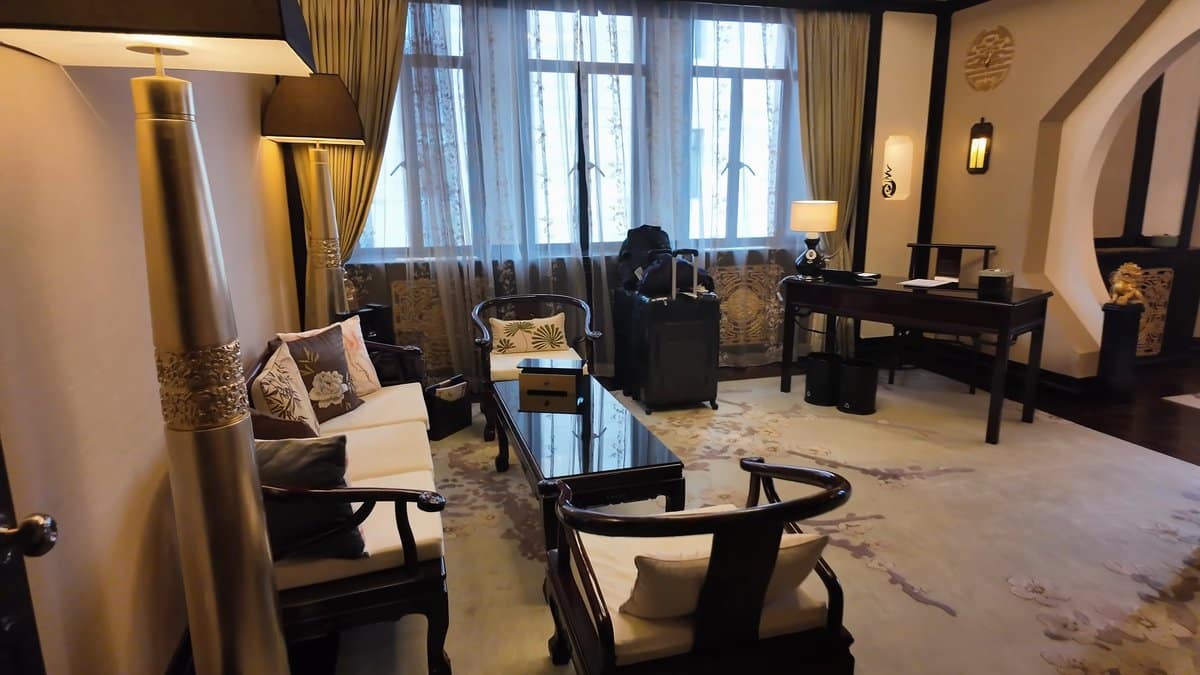
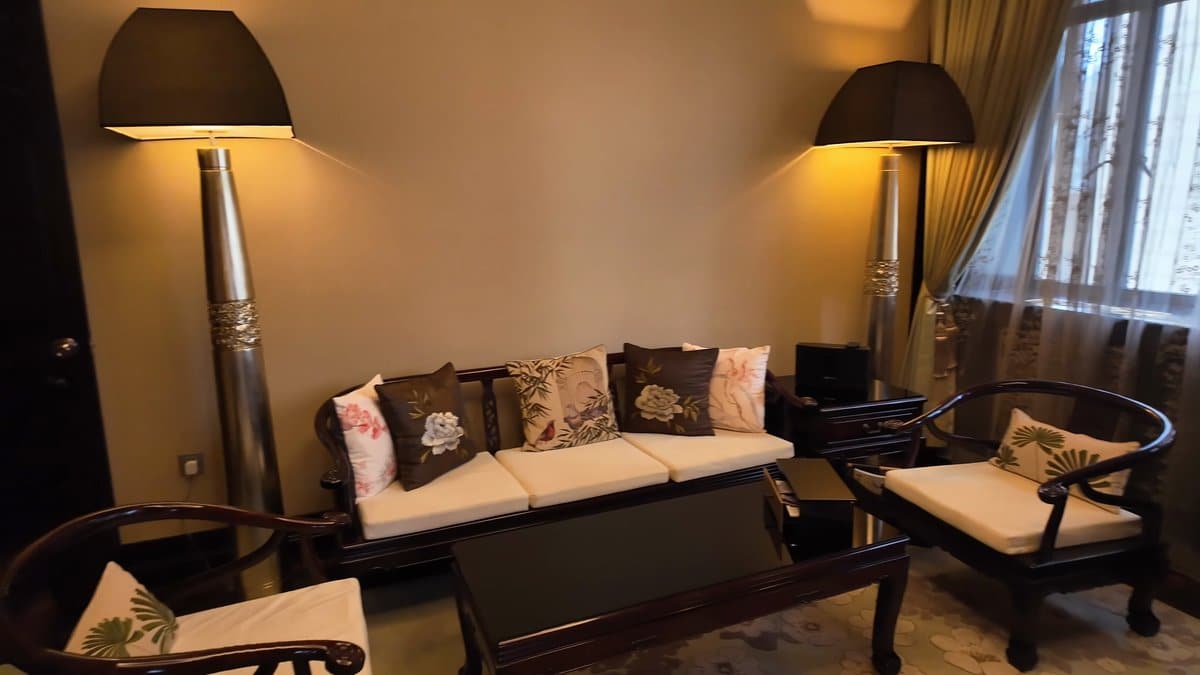
The seating mix of Western-style sofas and Chinese hardwood chairs strike a good balance. Floor lamps flank each end of the sofa, and there’s plenty of room to stretch out. The decor have a Chinese slant.
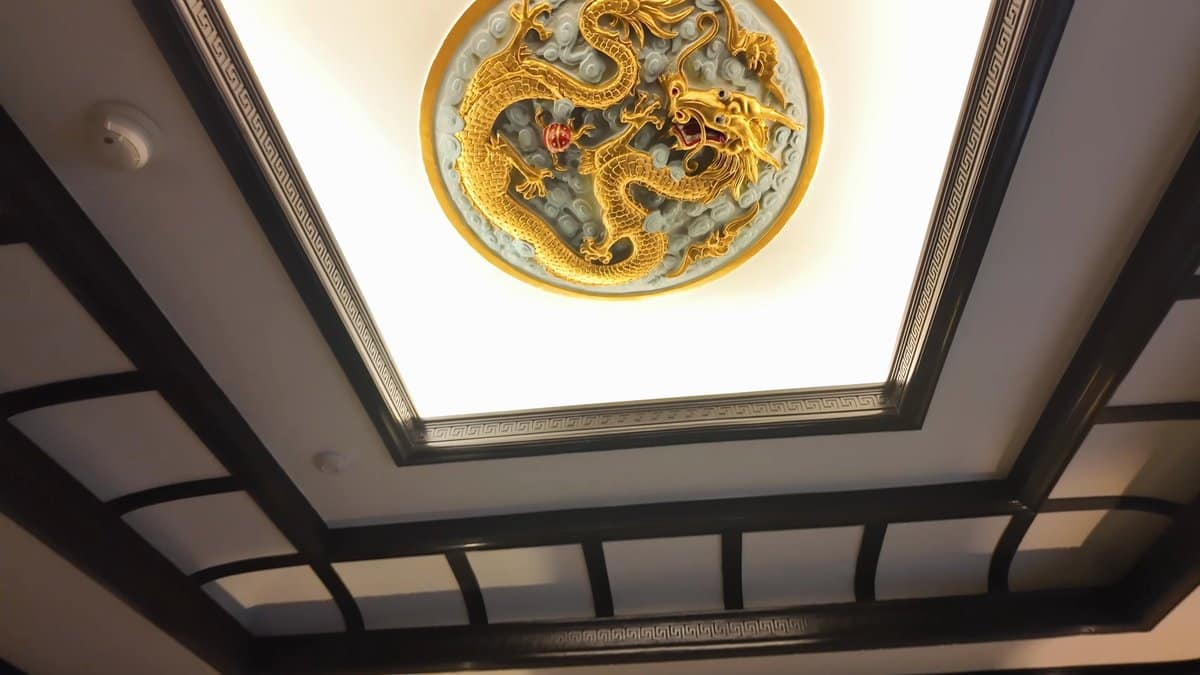
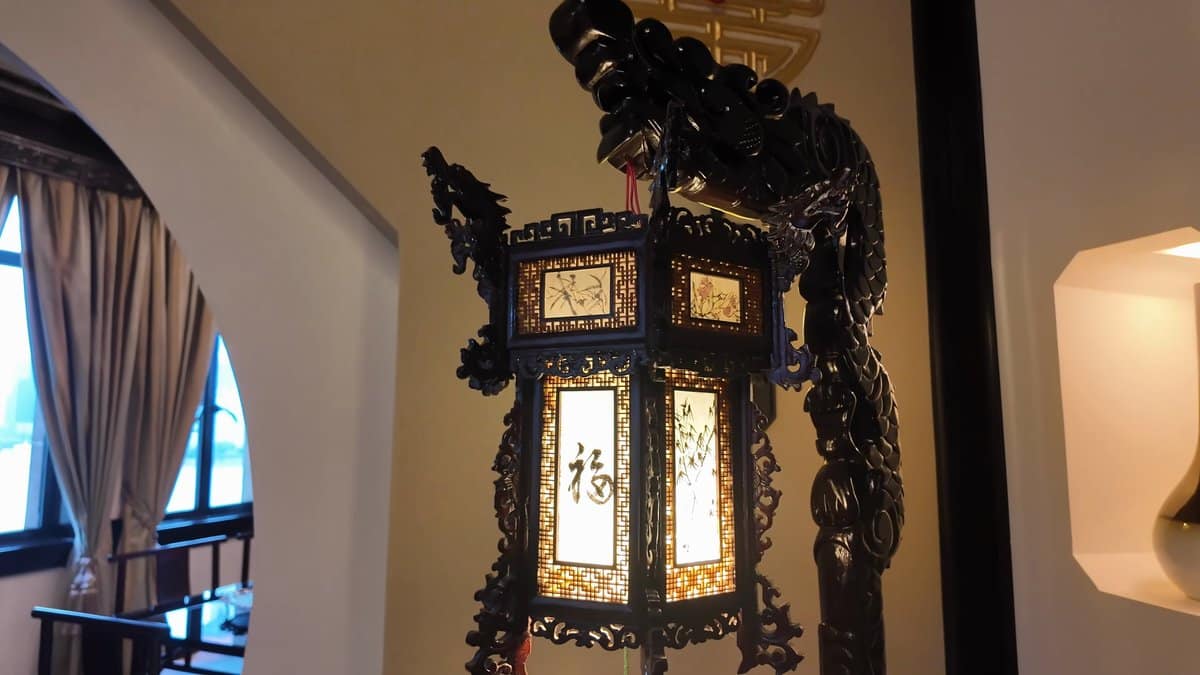
One corner holds a carved palace lantern. A dragon completes a ceiling panel, and tiny ornaments such as a gilded lion sits on side tables. There’s no overdoing it.
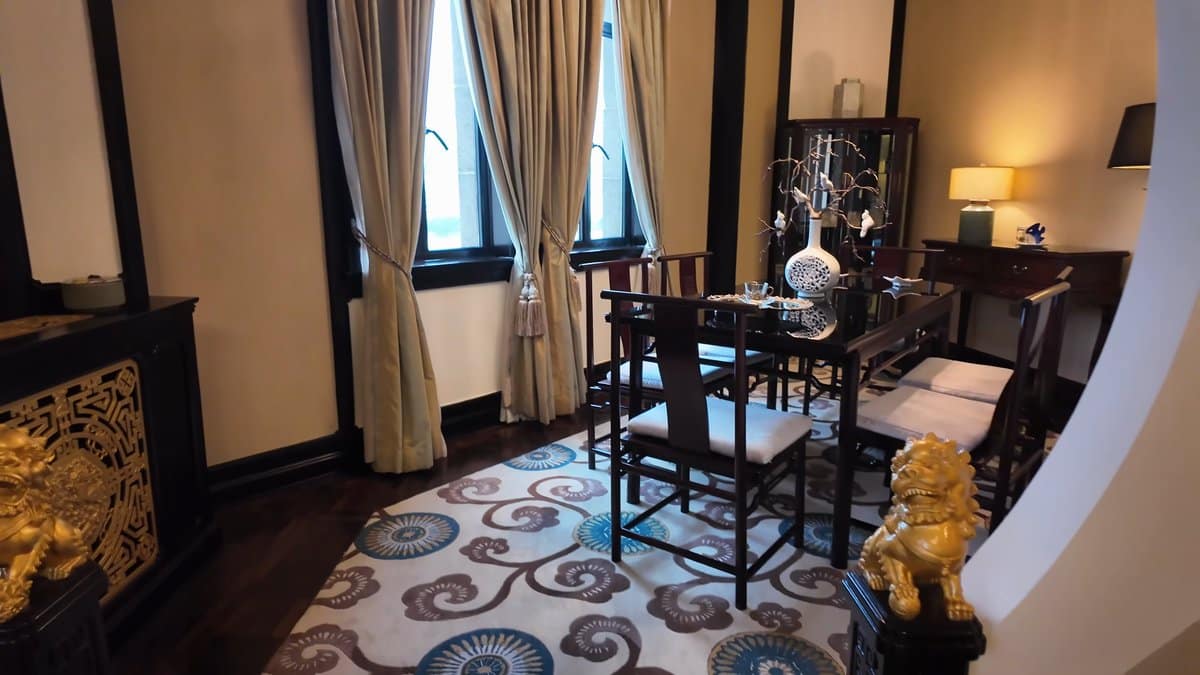
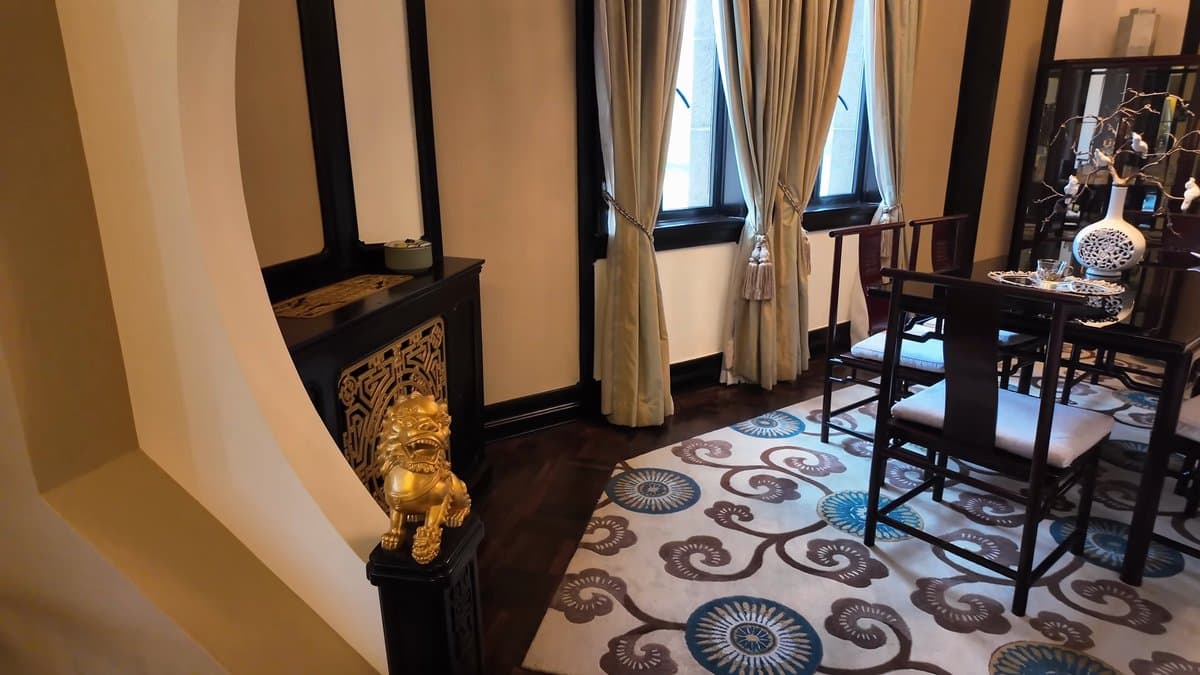
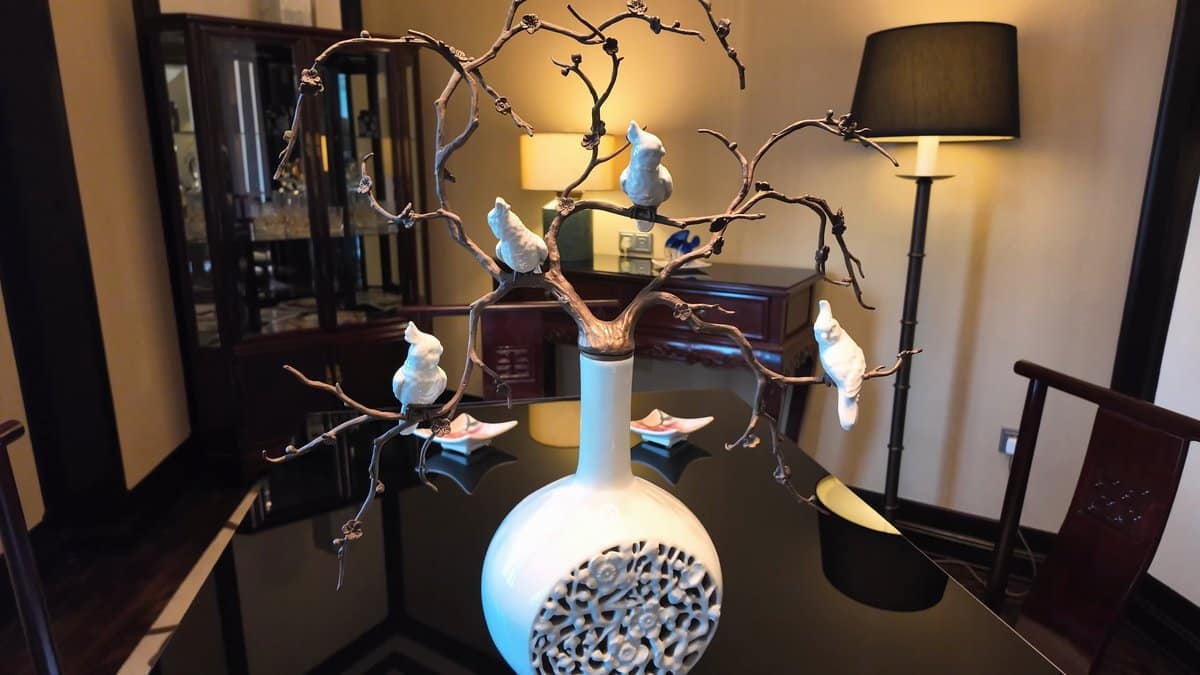
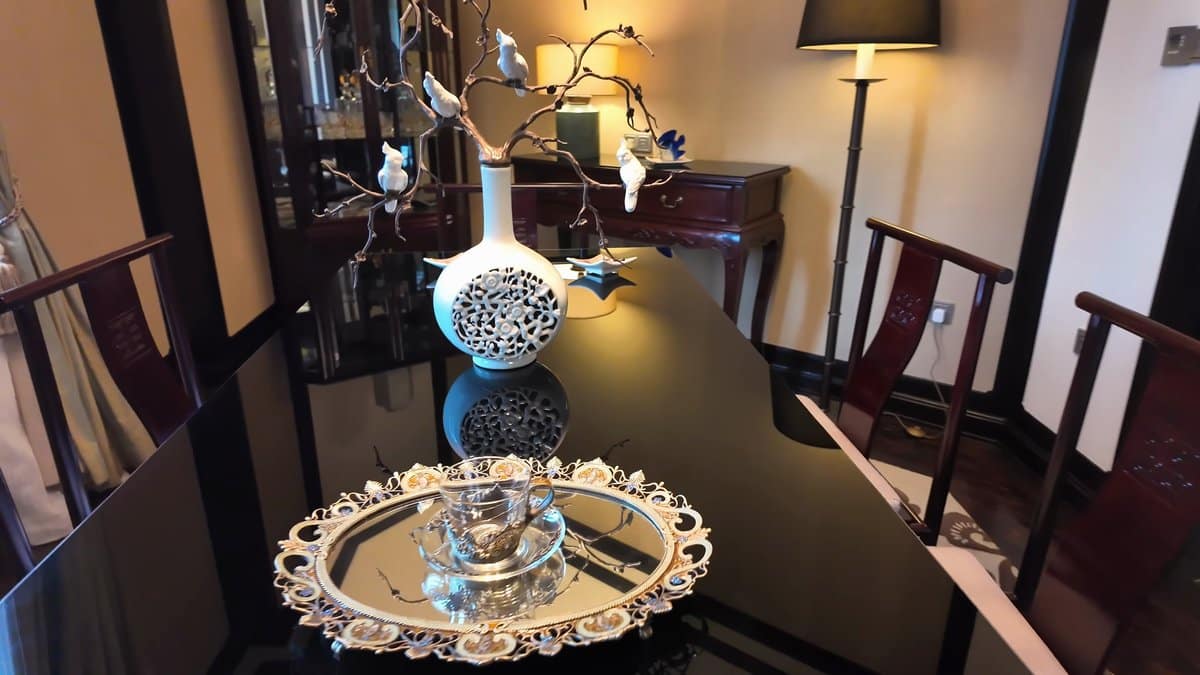
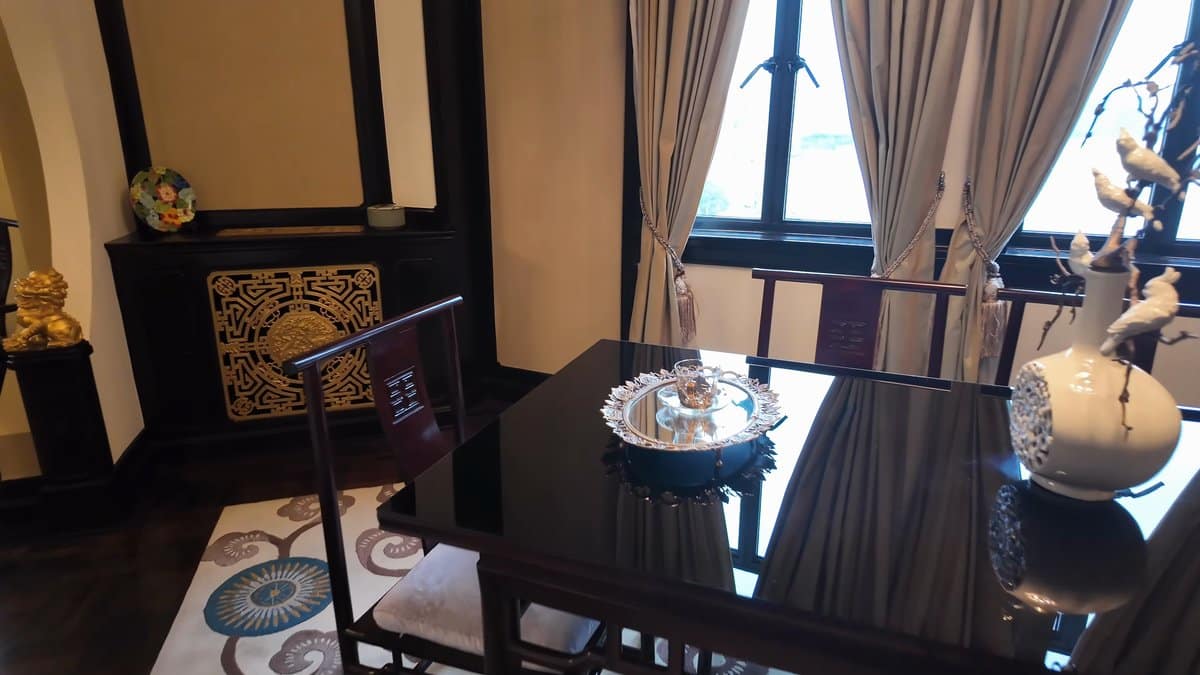
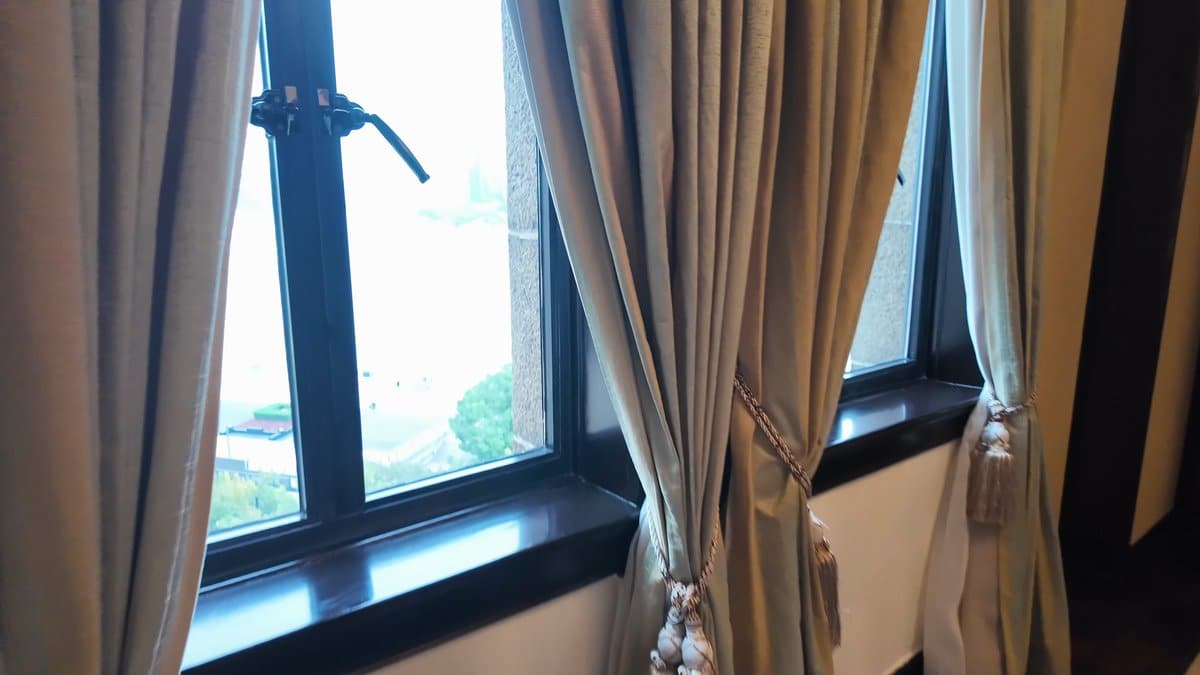
Porcelain details and proper table settings is included in dining areas inside the suites. Light floods into the space when drapes are tied back, and the formality fit the building’s heritage.
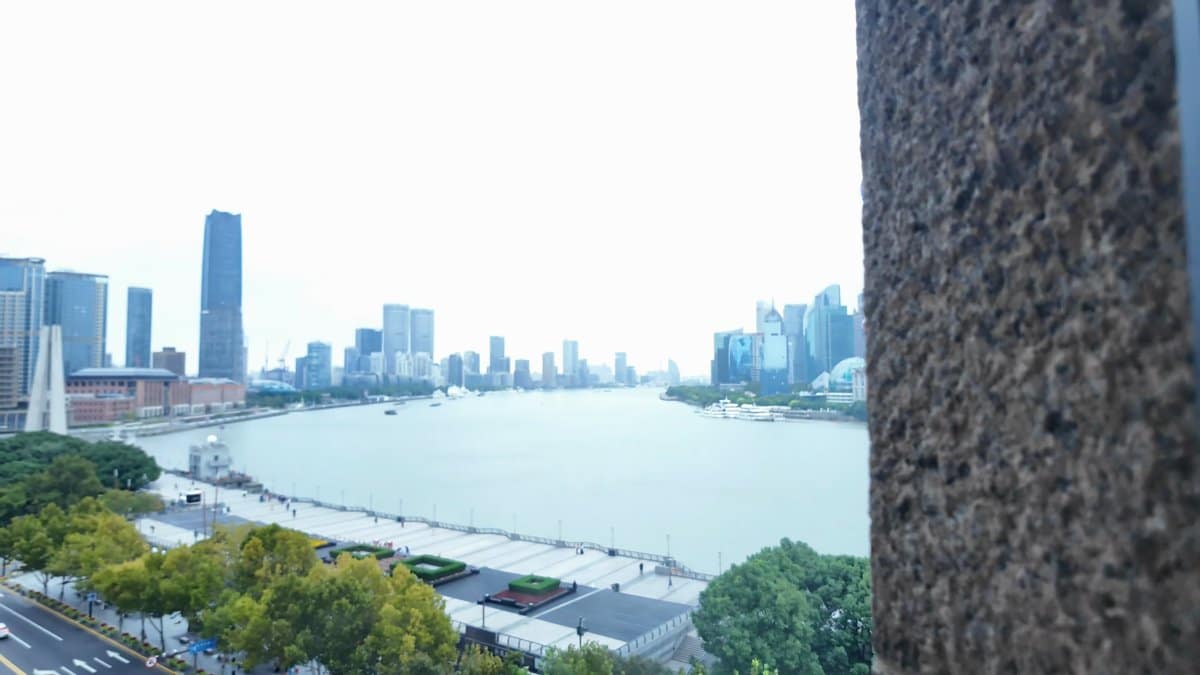
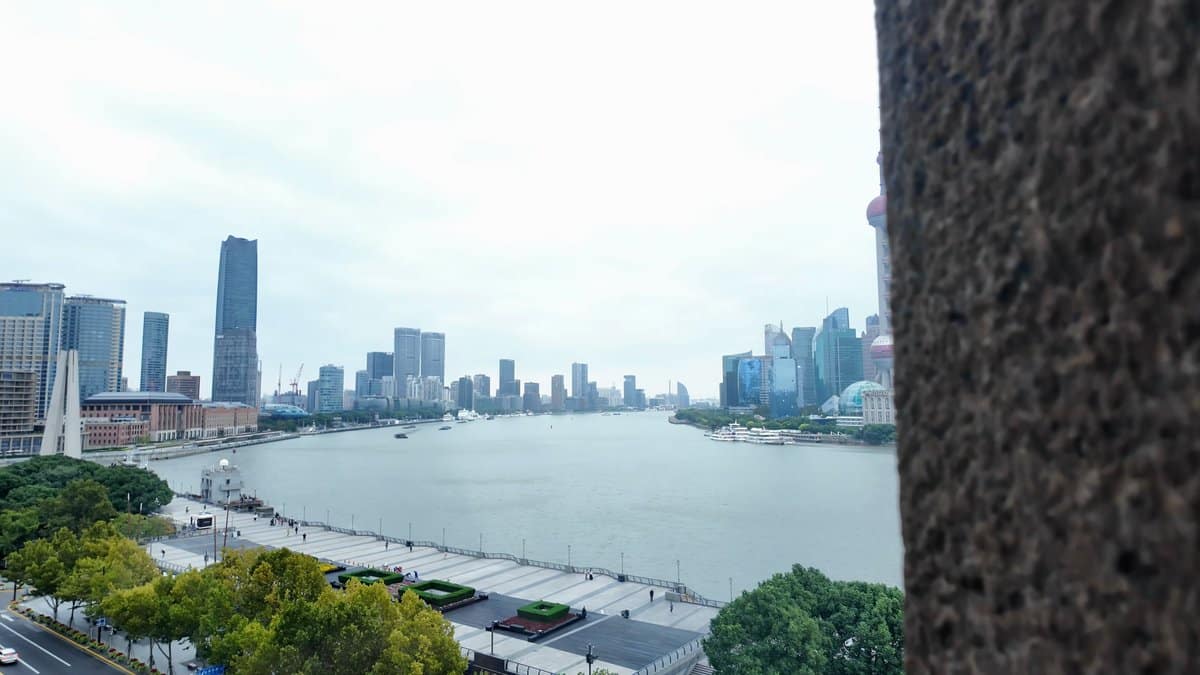
The higher-floor suites has windows overlooking the Huangpu River and beyond to Pudong. From certain angles, you’ll be able to see the Waibaidu Bridge, and the river traffic passing by will change the view during the course of the day. If you’re particular about views, it’s worth asking for a river-facing room.
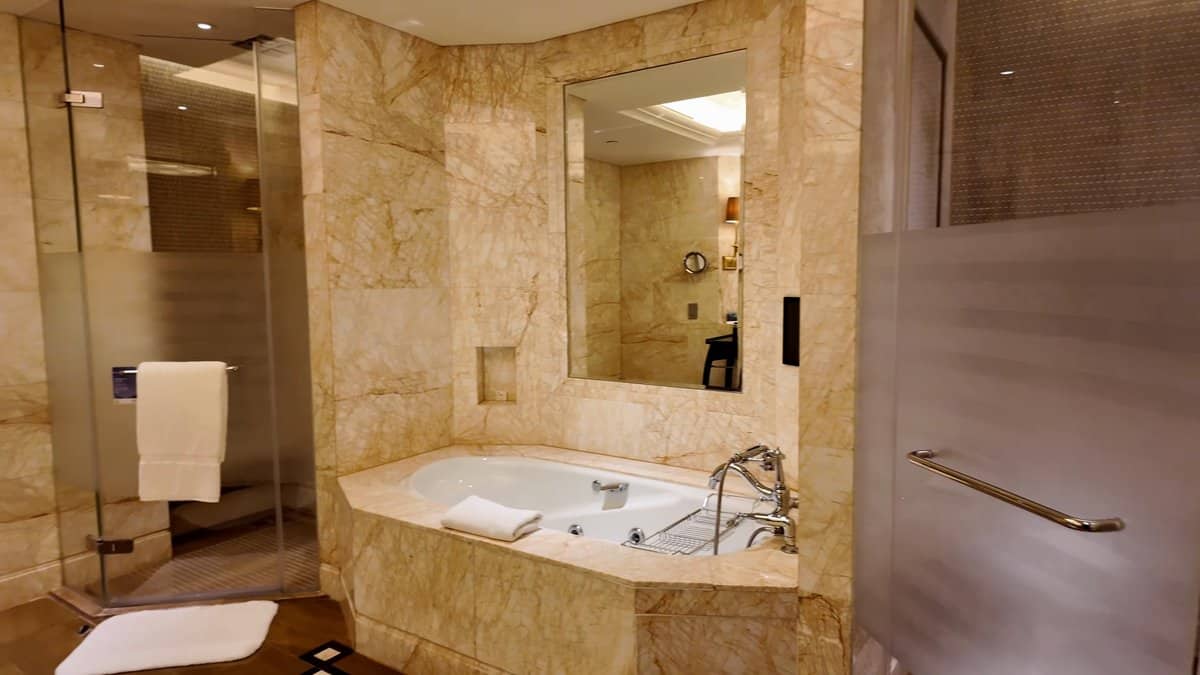
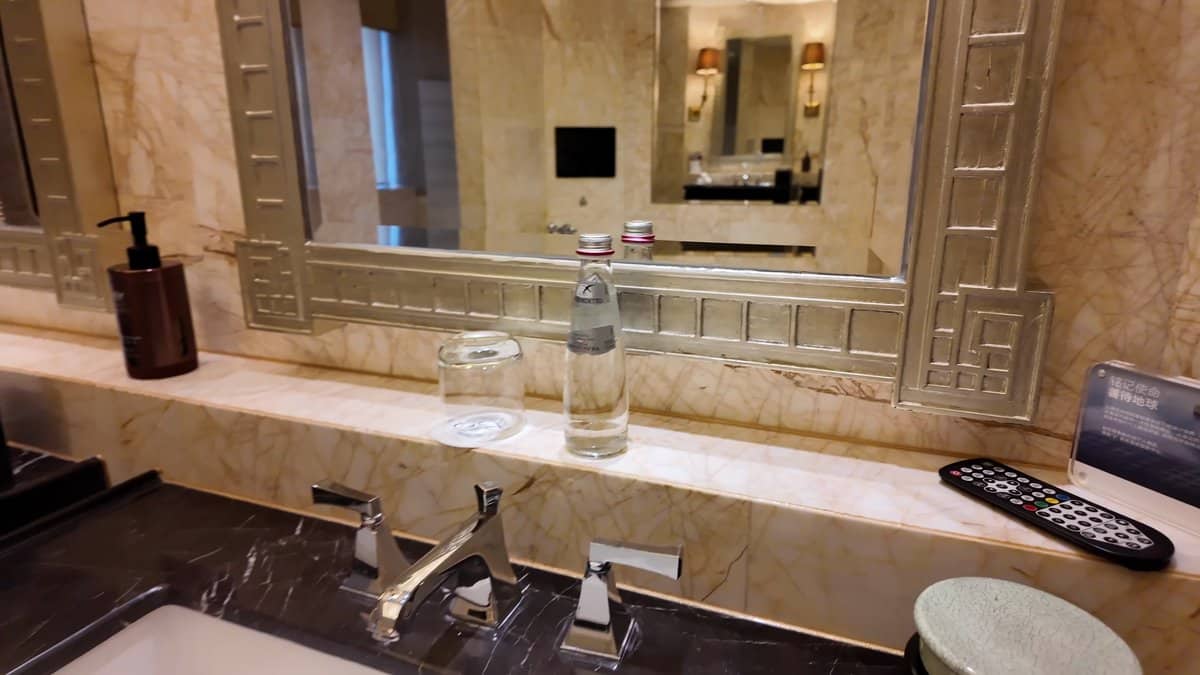
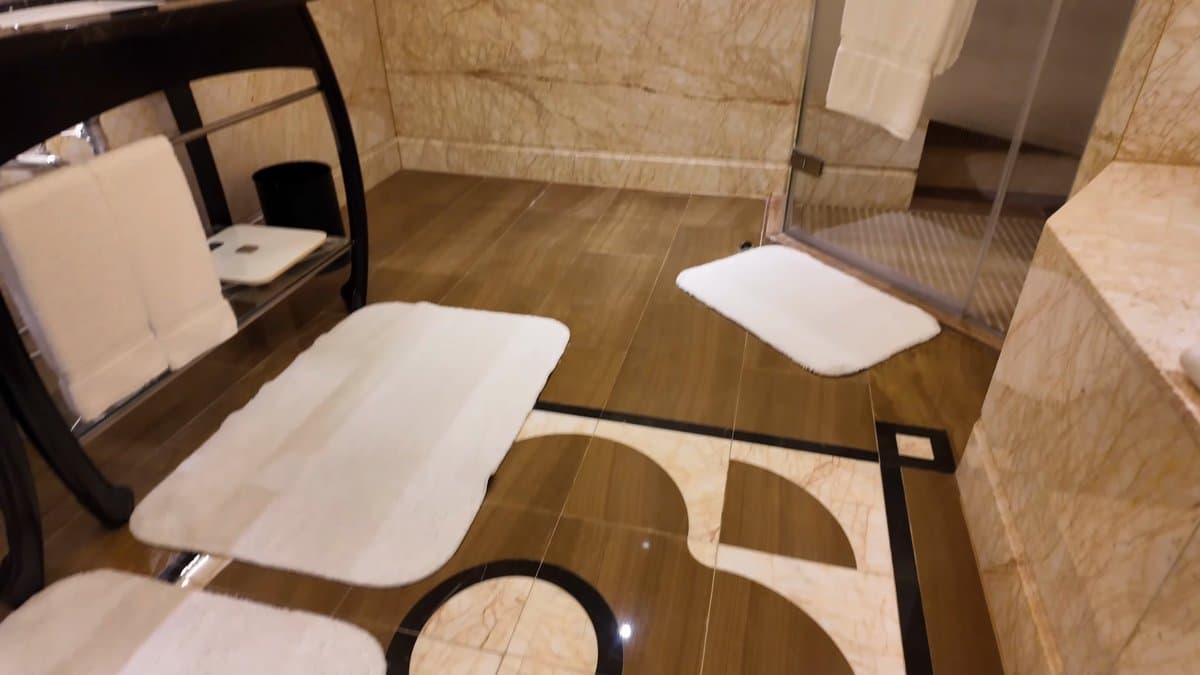
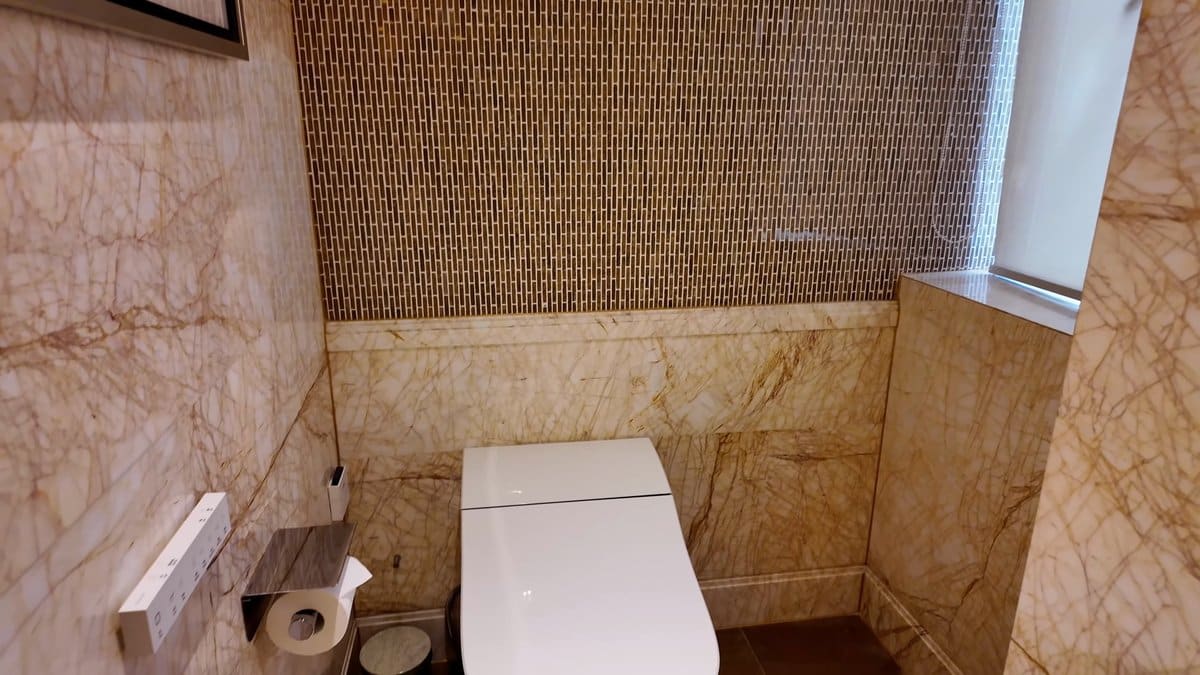
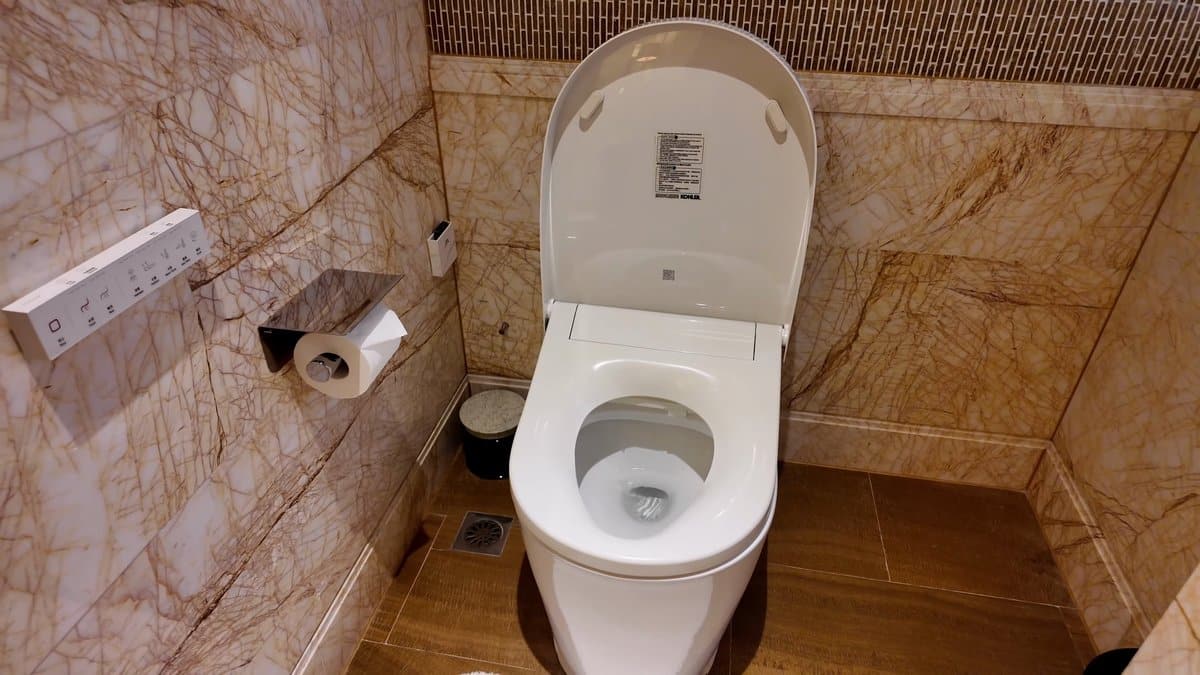
The bathrooms are finished to the same level as the rest of the suite. Framed mirrors over marble tubs, nice counter space on vanities, and glass walled shower with an internal bench. Everything work as it should.
The traditional materials are matched with modern touches such as washlets.
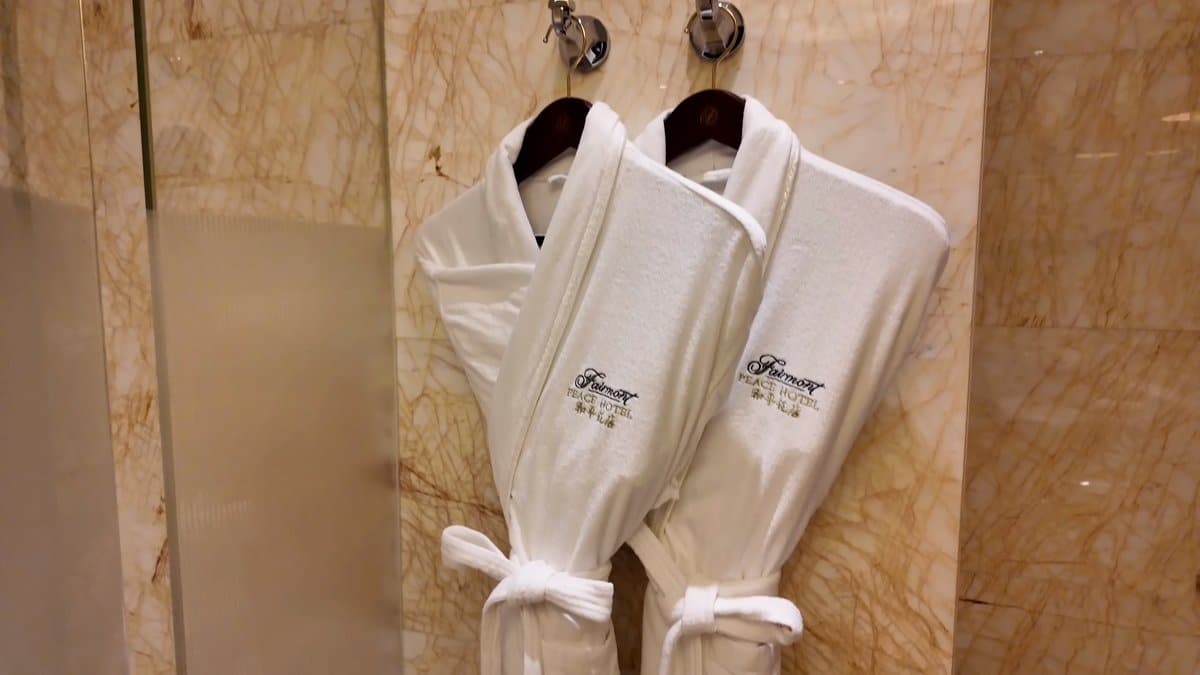
And there’s a lot of Fairmont branding on the robes. They are thick enough to be useful, which is a standard issue for luxurius hotels.
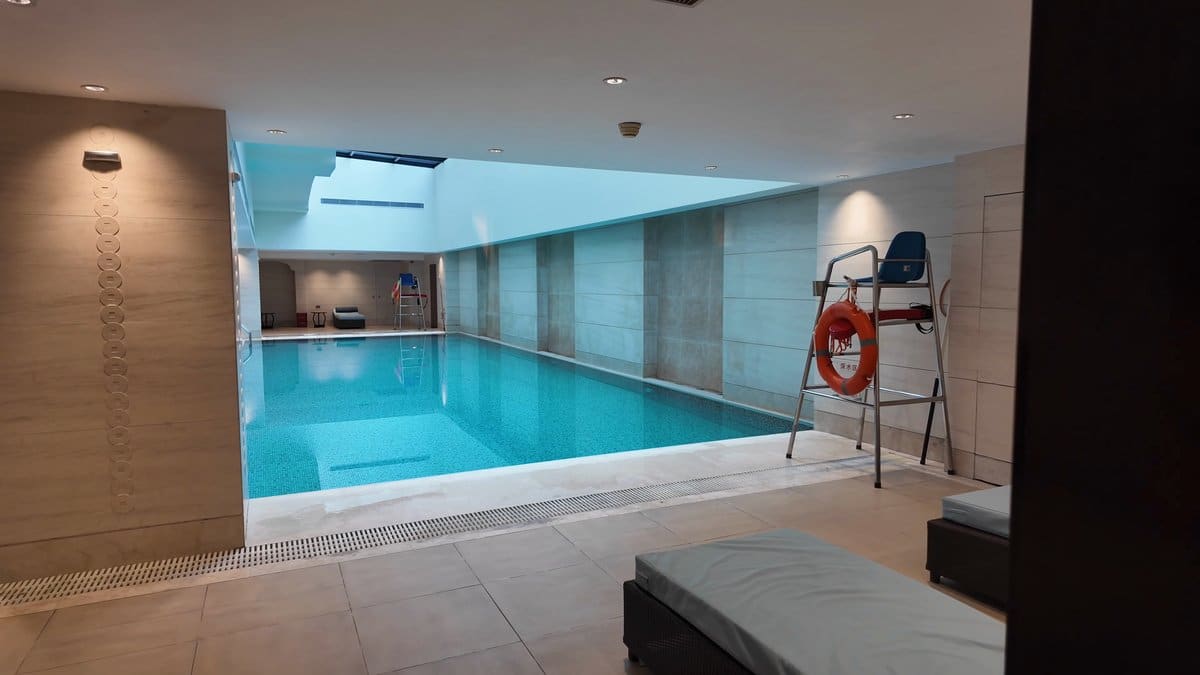
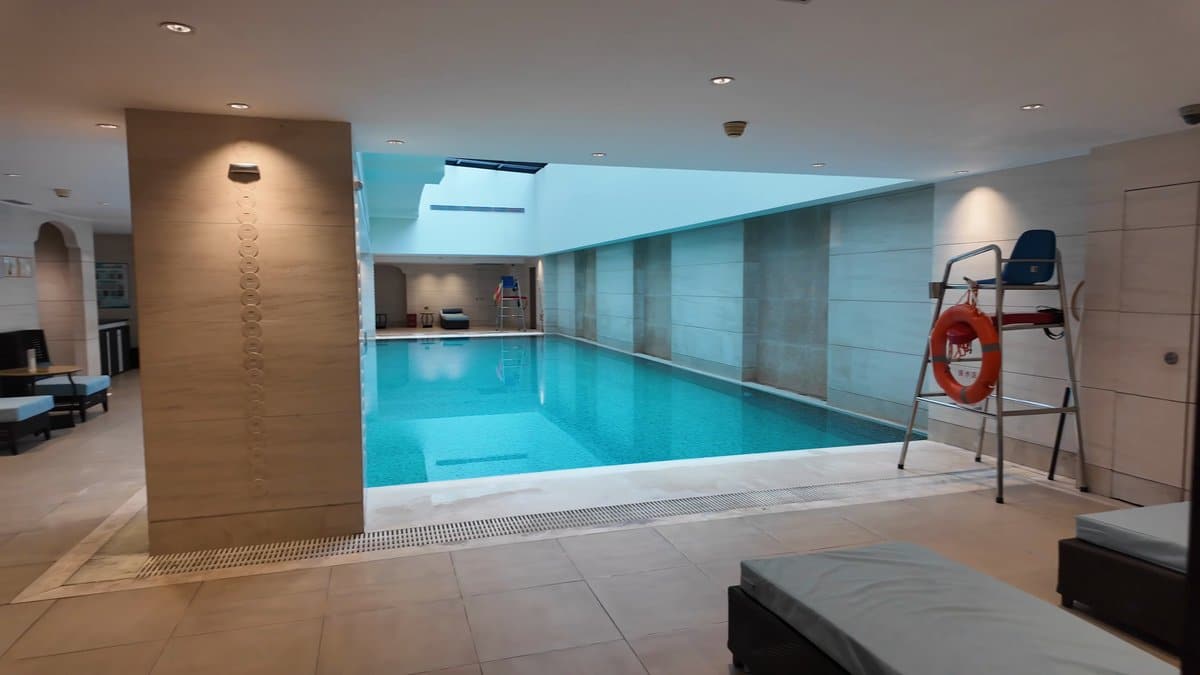
On the sixth floor is the indoor pool, which has been left as it was originally built. It’s filled with warm water all year round. During the day, it is shared by hotel guest who come in to swim while they are staying at the hotel.
It’s not a lap pool, but it’s long enough that you can take a few strokes if you get bored.
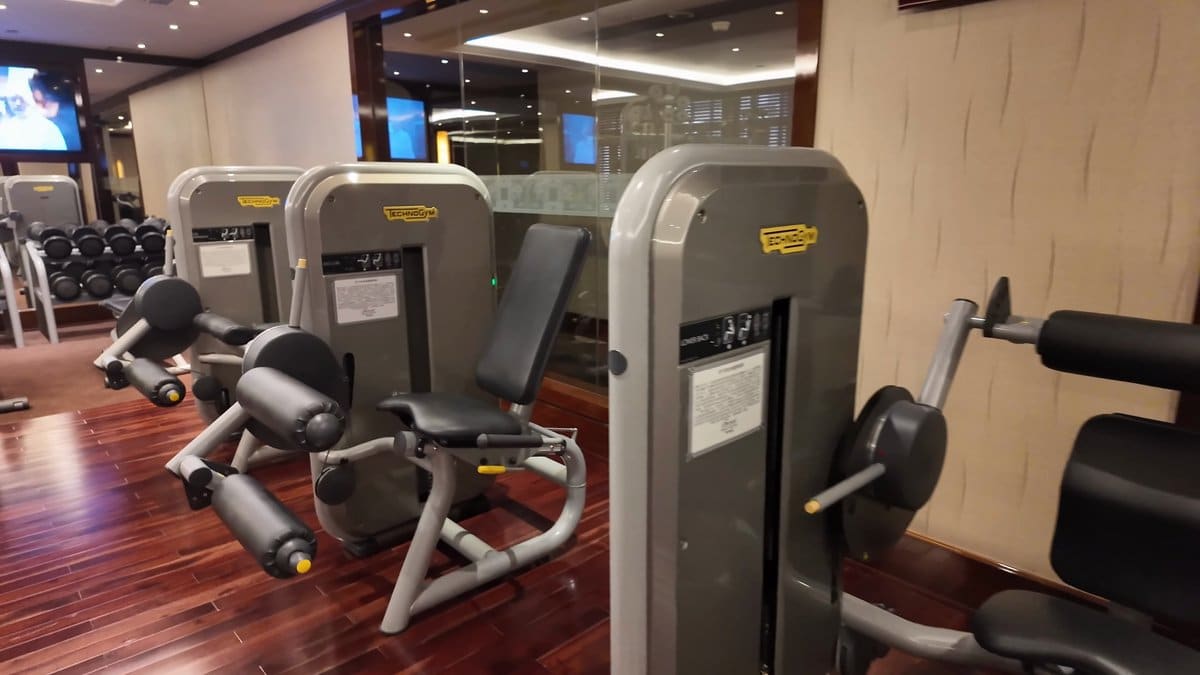
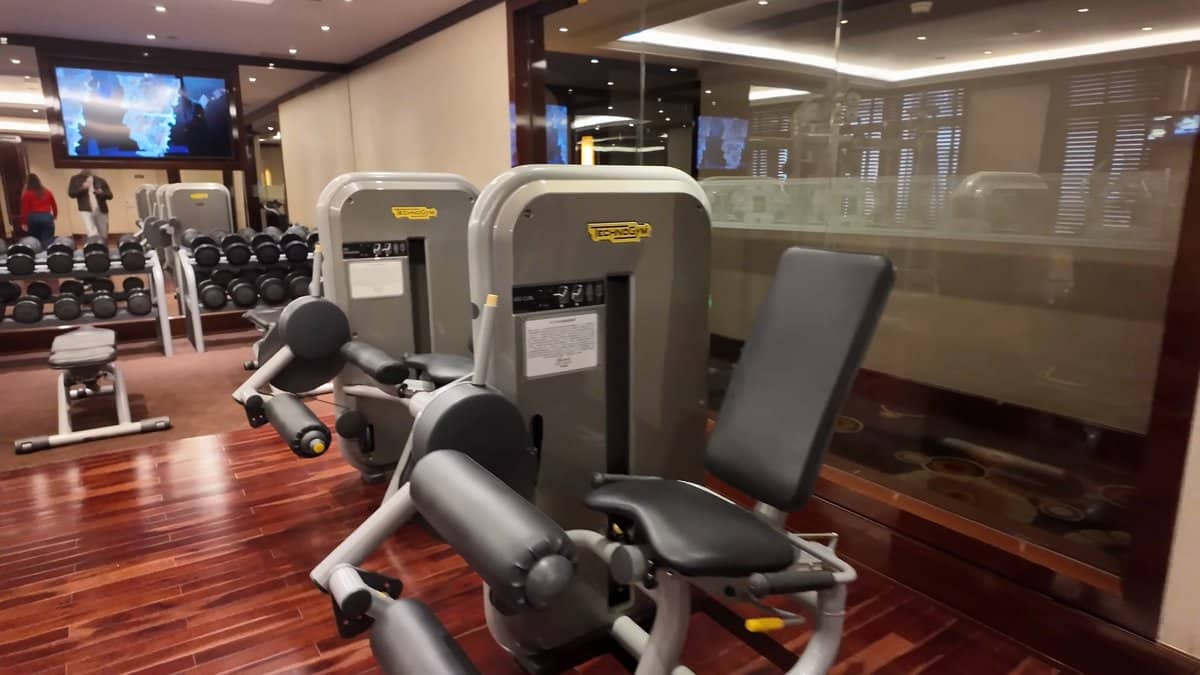
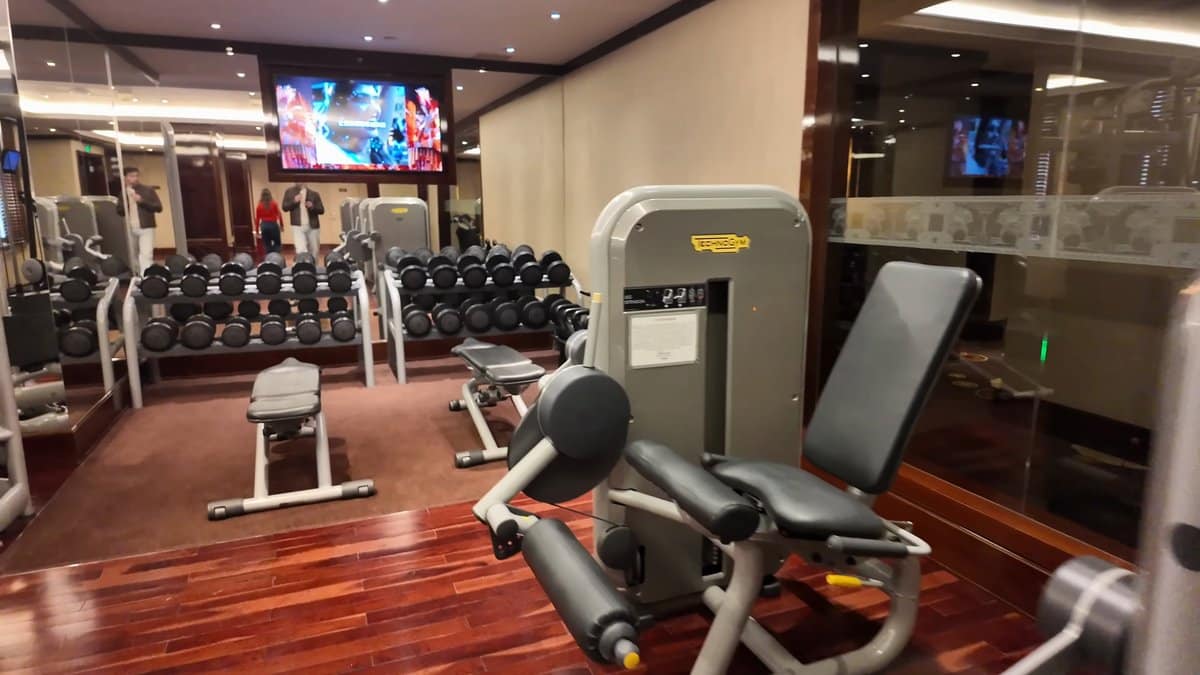
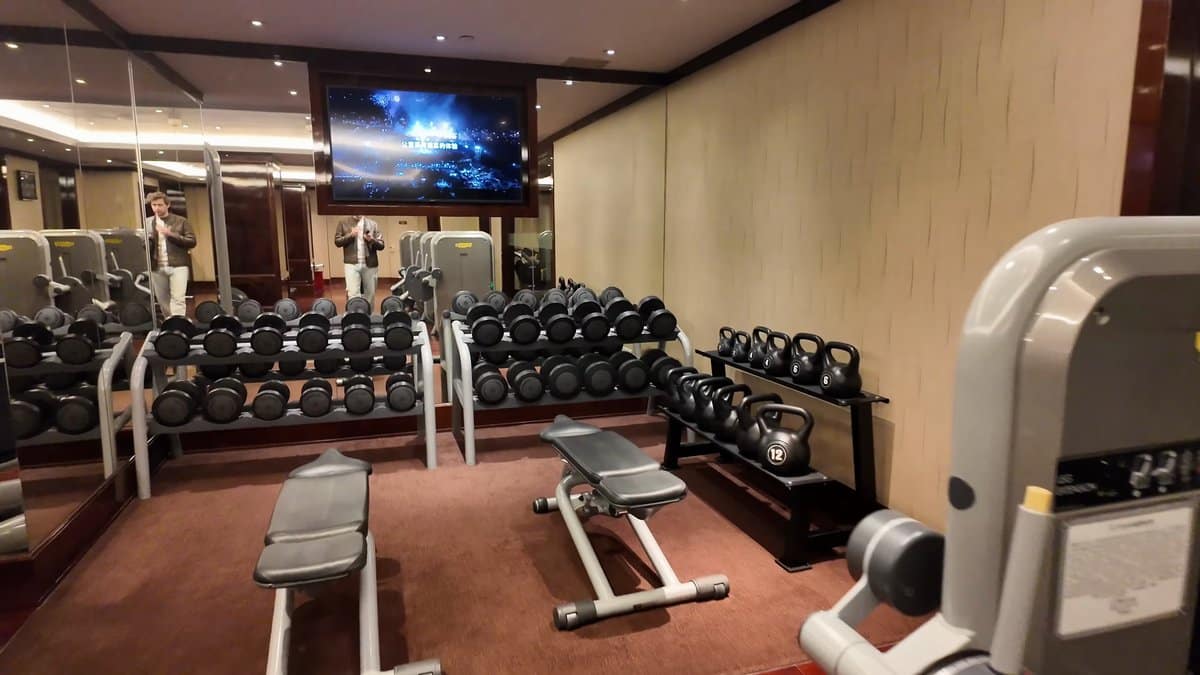
The gym has all the standard gym equipment; dumbbells, benches, free weights, and machines line the timber floors. There’s a wall of racks with dumbbells and some screens to watch if you want to run on the treadmills without looking out at nothing but your own reflection. It’s never too busy and everything is kept in good shape.
So does the Peace Hotel. it manages to provide heritage accommodation that doesn’t feel dated or stuffy. there’s no sense of the building’s history being smothered; it’s just there, along with some very authentic Art Deco touches.
And, thanks to its location on the Bund, as soon as you walk out the door, you’re smack bang in the middle of things. And if you fancy a night listening to live jazz, the Old Jazz Band still plays downstairs in the bar most nights, they’ve been doing so for decades. Have you ever stayed at a heritage hotel that got the mix of history and comfort just right?
What made it work?