Located on levels fifty-two to seventy-seven of IFC tower, the Ritz-Carlton Shanghai Pudong is one of the citys tallest hotels. Step off the lift and you will find a 1920s Art Deco design with a moddern twist: plenty of dark wood panelling, brass detailing and so much polish that everything gleams. While the hotel’s position just above the subway station and within walking distance of the Bund say a lot about your location, it’s the view that does most of the talking up here.
Next, we will tour some of the hotel’s public spaces, a typical guest room, and other little touches that may or may not sway your decision to book a stay here. It’s all very formal, but also pretty much as luxurius as you’d expect from a property like this, lots of dramatic lighting included.
A Look Inside the Hotel
The Ritz-Carlton Shanghai Pudong
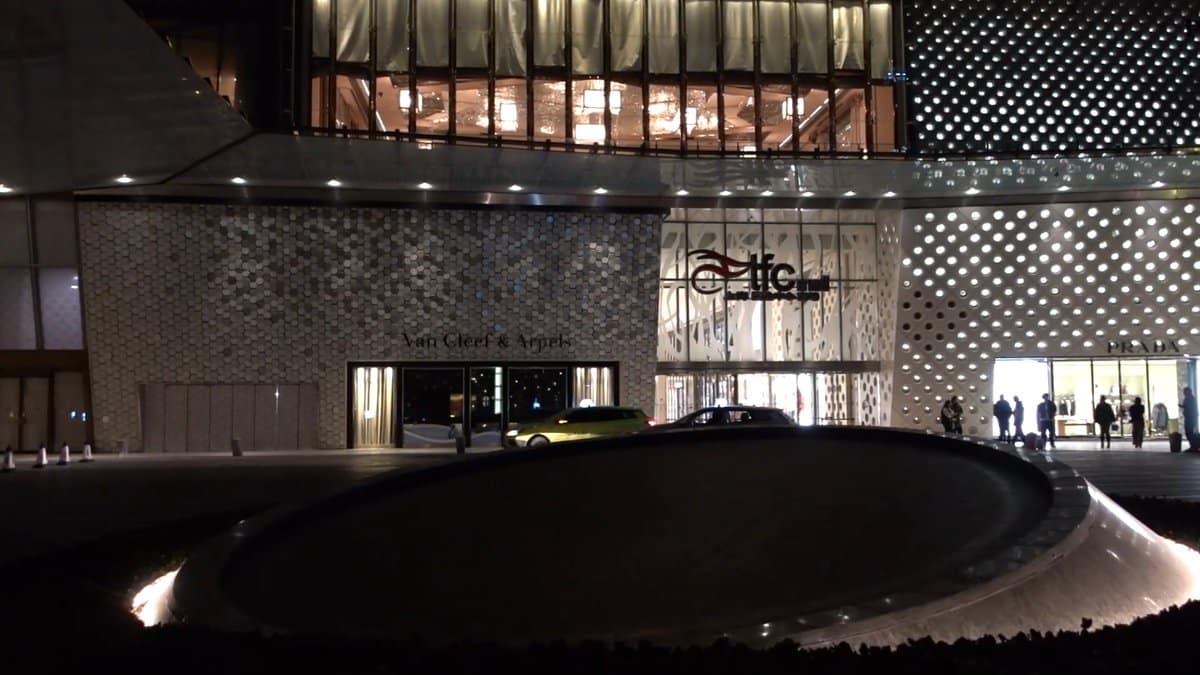
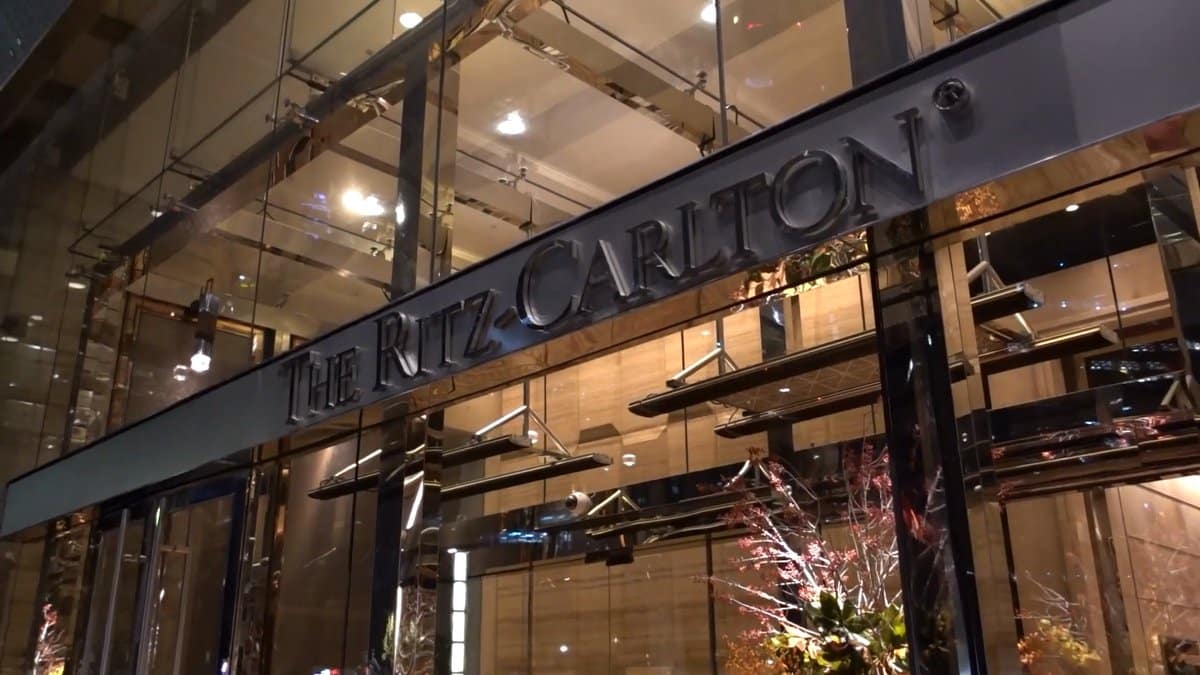
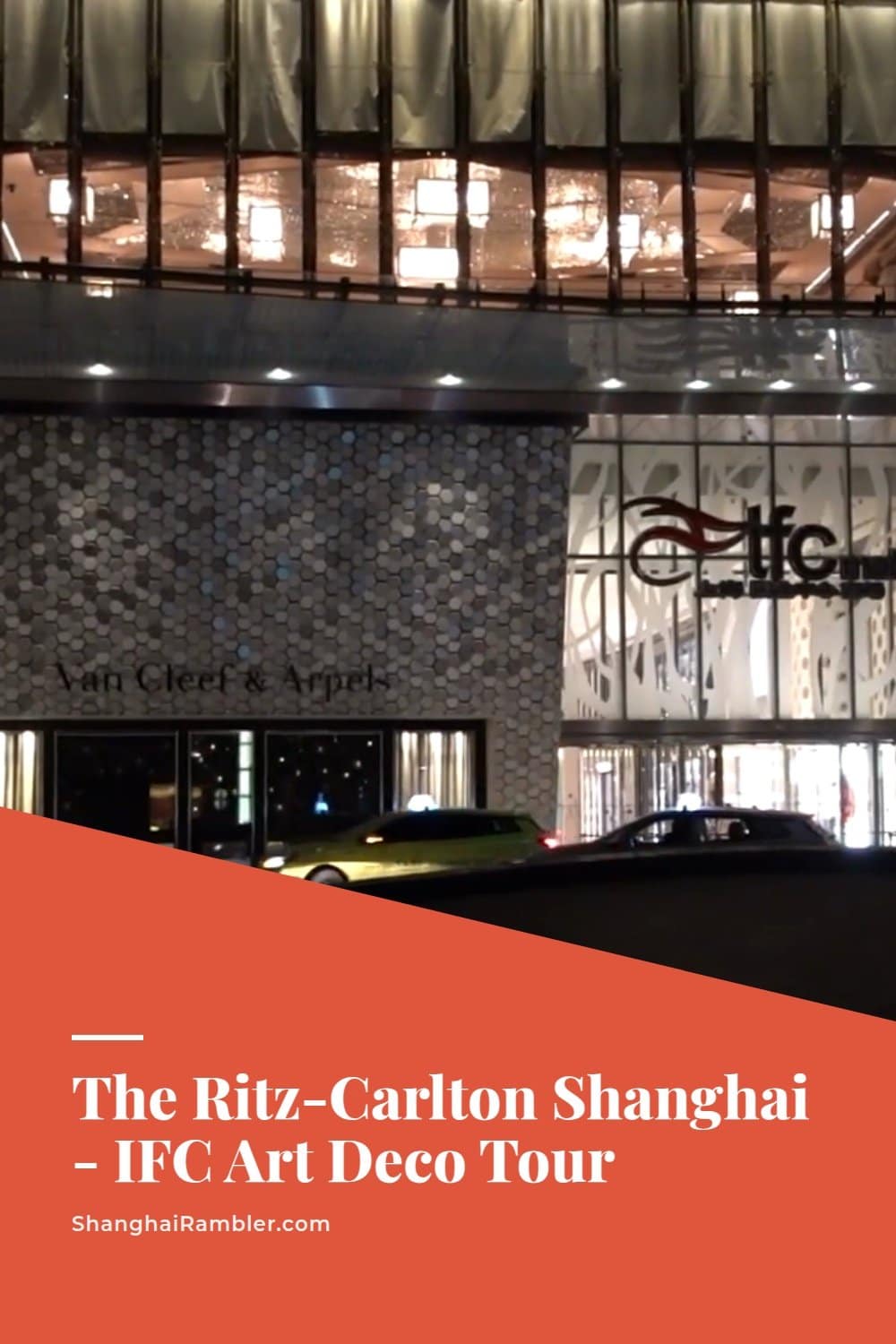
The glass entrance canopy is at ground level. When you approach it at night, it reflect the tower’s lights in the water below while the reflecting pools catch them above. The entire IFC complex buzzes with foot traffic moving to and from metro or nearby mall.
This makes the hotel entrance feel less like a grand arrival and more like a gateway away from the noise.
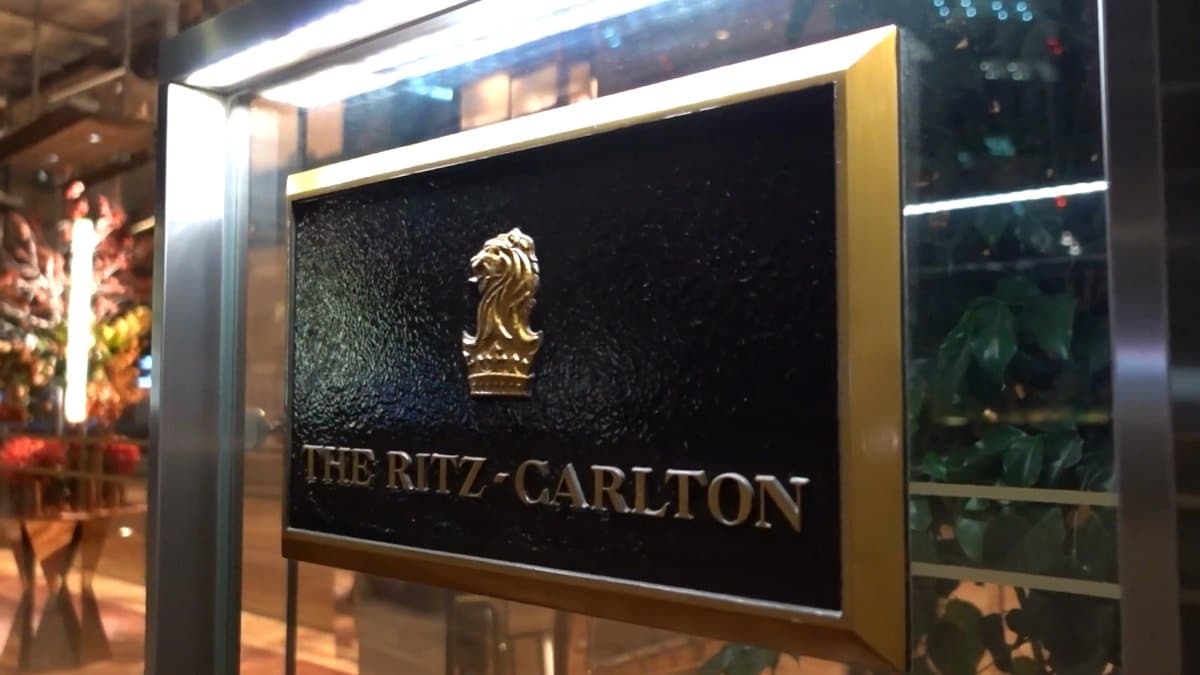
Plaques featuring the lion crest are located all over the property, each one shined up bright. Every contact point is branded Ritz-Carlton, not overtly but persistently.
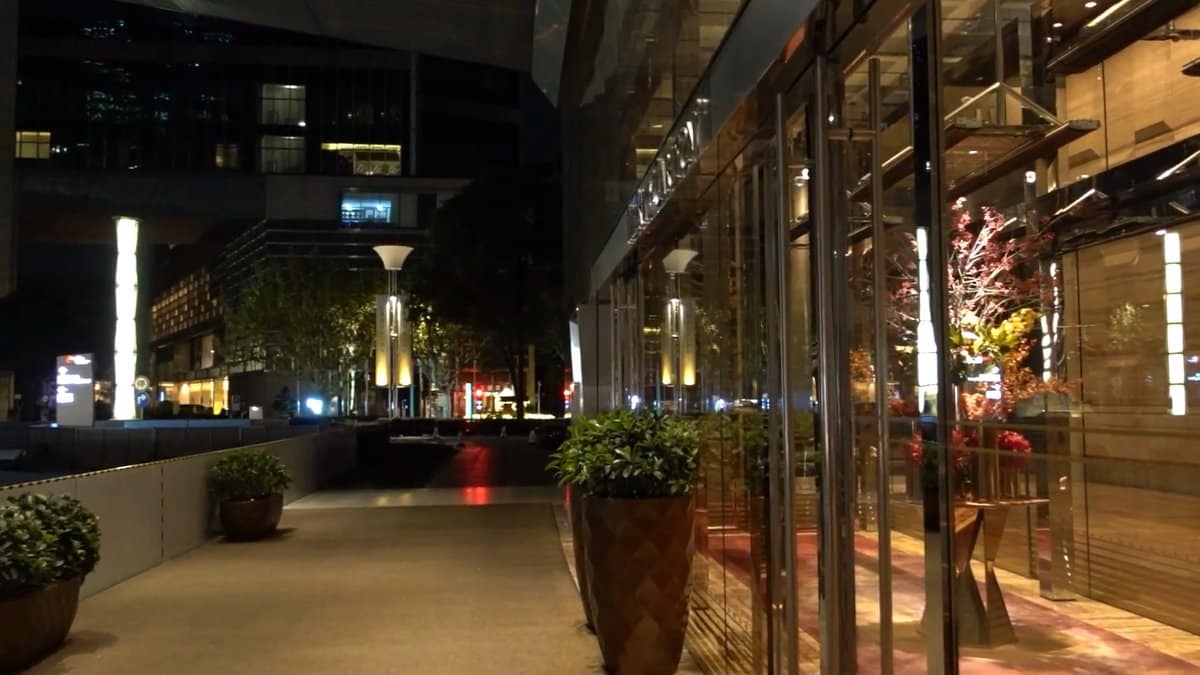
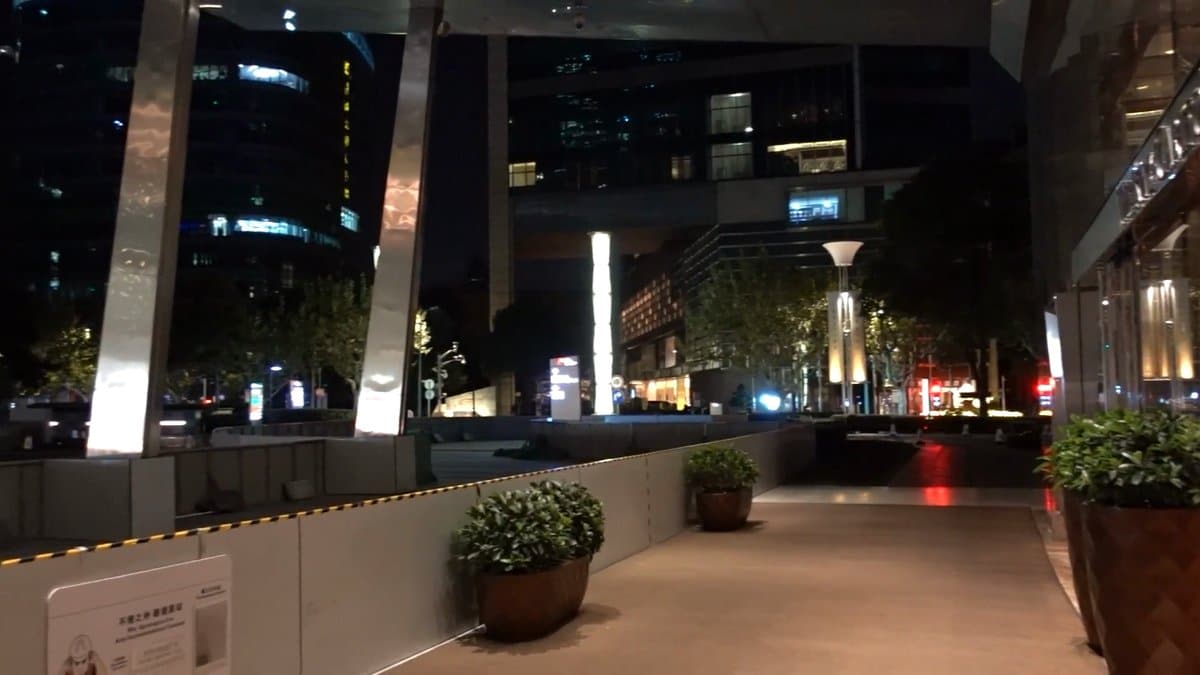
Along the street level is a glazed arcade that connects the hotel entrance to adjacent towers, providing shelter from bad weather. By night, the passage become a tunnel of reflected light, the city glowing back at you from every polished surface.
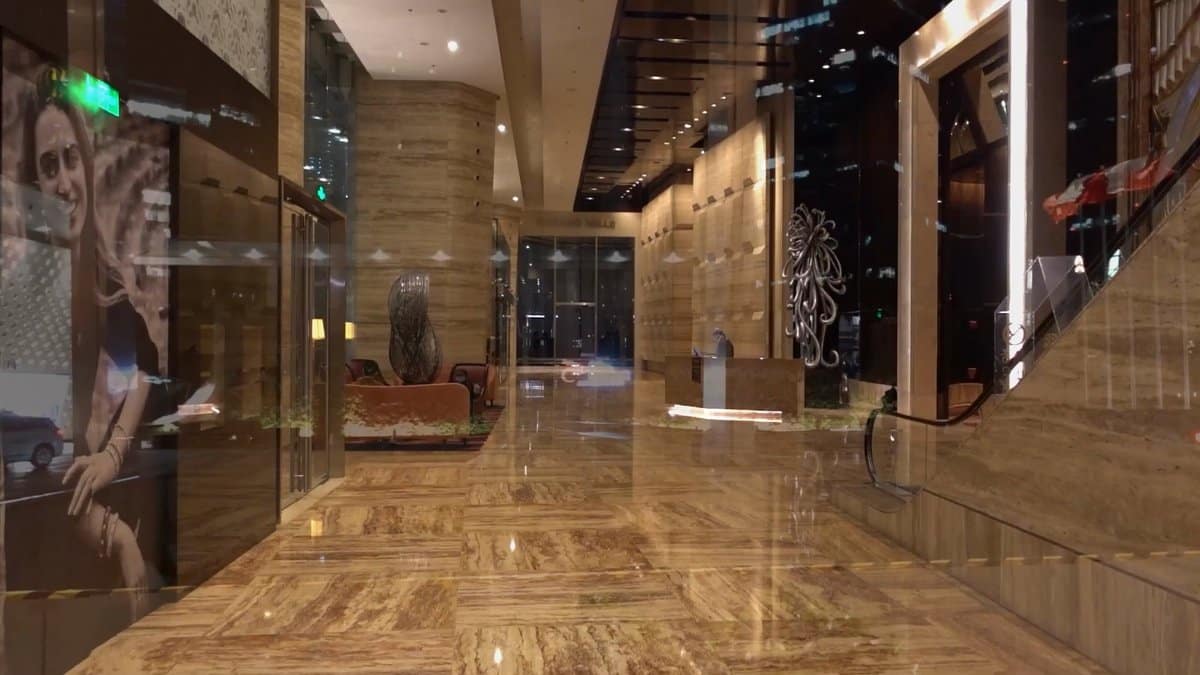
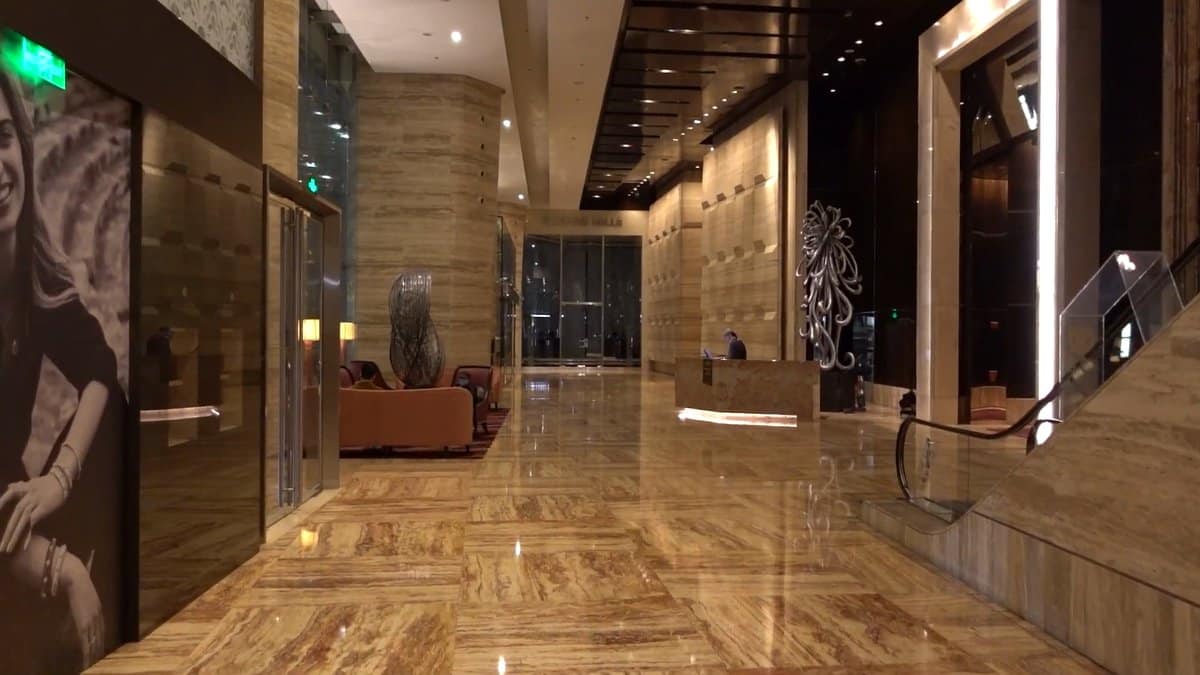
The hallways are expansive once upstairs on the lobby floors, lined with pieces that dot the space: a close-up of clasping hands, another more abstracted version of recognizable shapes. The spacing between them are as intentional as the width of the halls themselves. It’s all measured, it’s all deliberate.
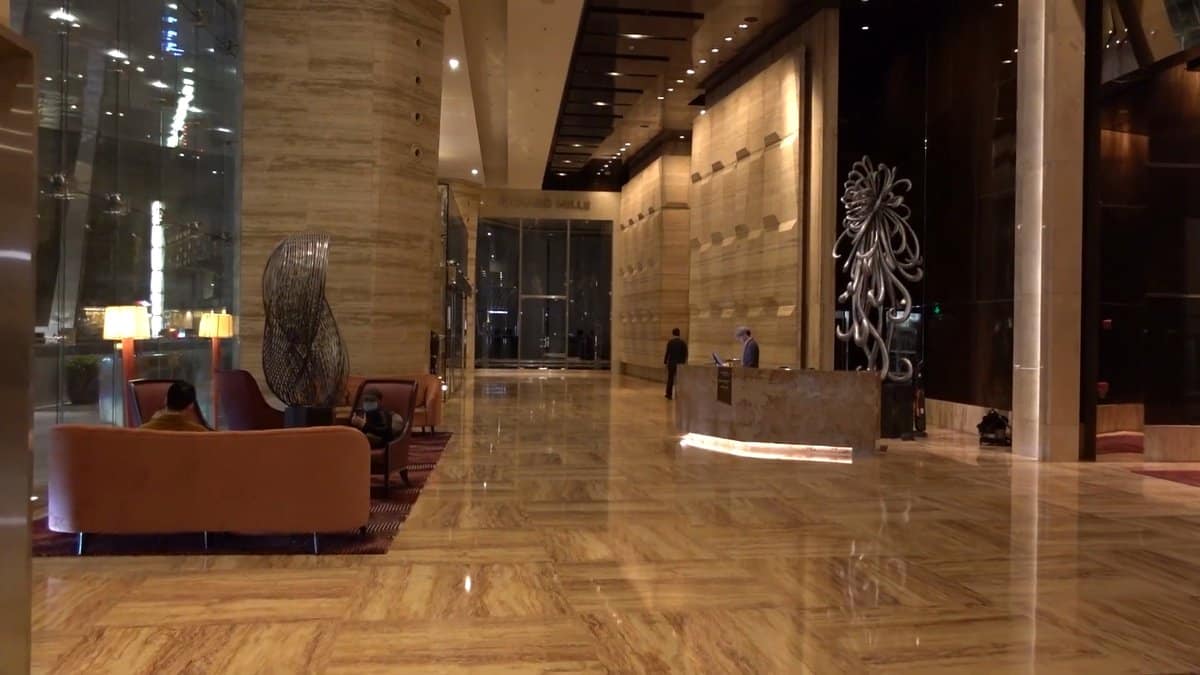
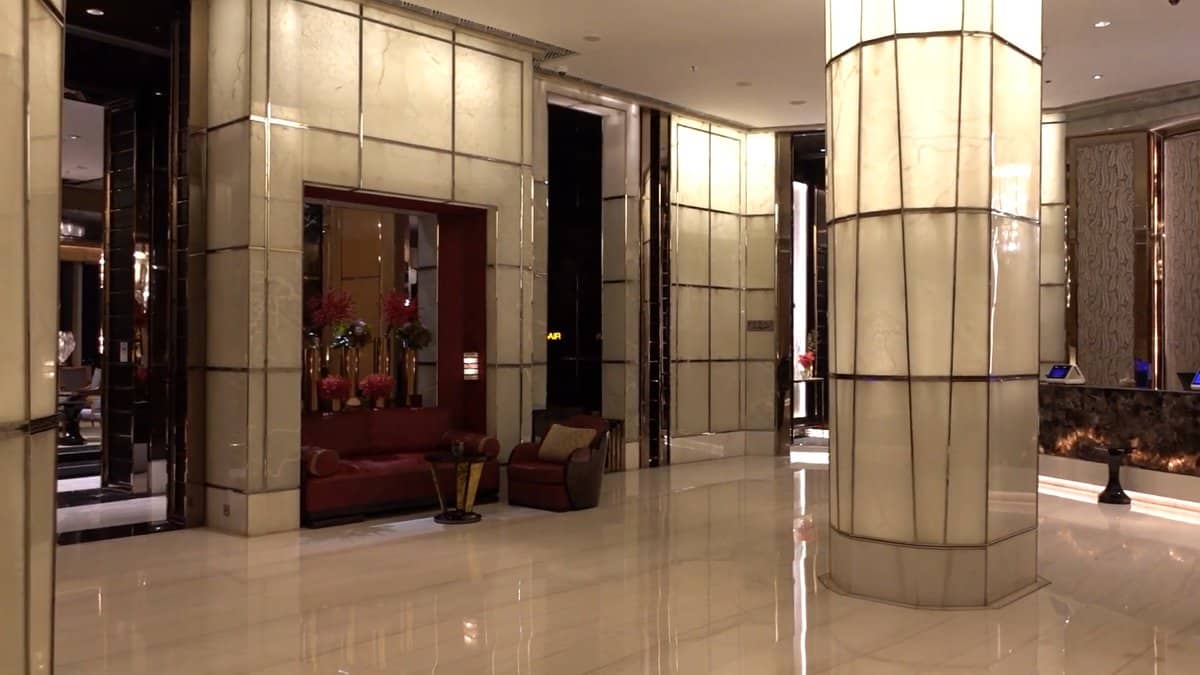
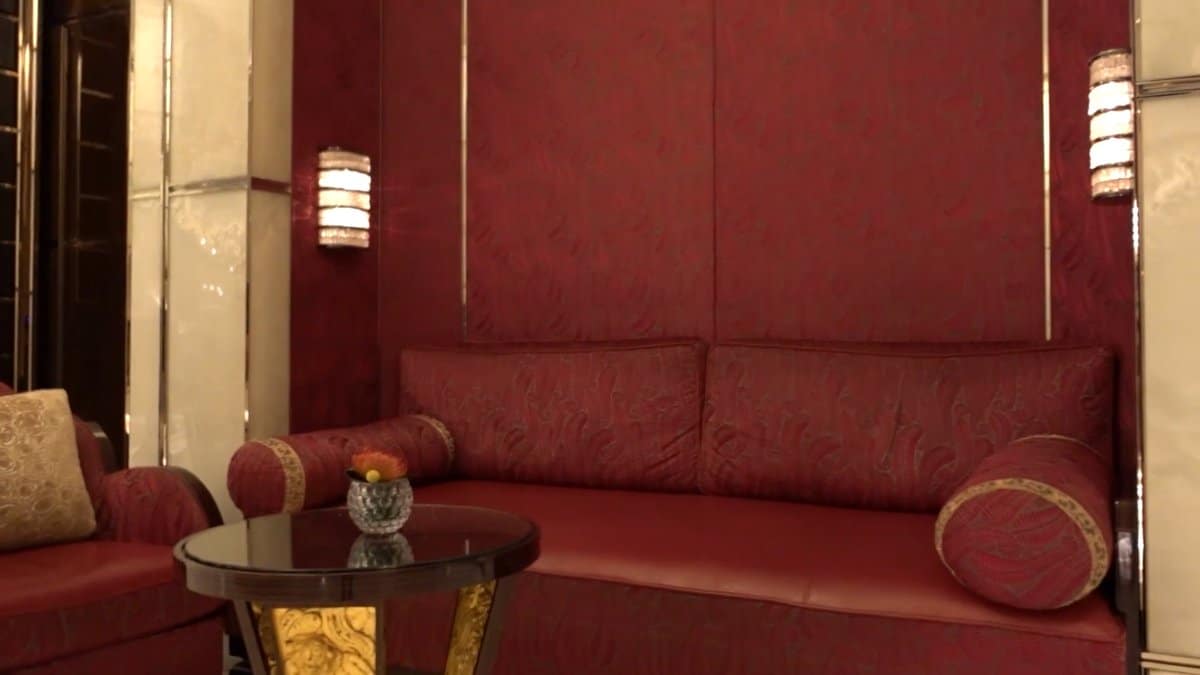
In the main lobby, seating has been set out around the edge of floor-to-ceiling windows and underneath backlit columns stretching up towards the ceiling. This area serve as a lounge. There’s deep banquette seating here too, perfect for lingering over drinks at the bar or waiting for friends to arrive.
It has a quiet, unhurried feeling, one where you lower your voice when talking and find yourself glancing guiltily at your mobile phone.
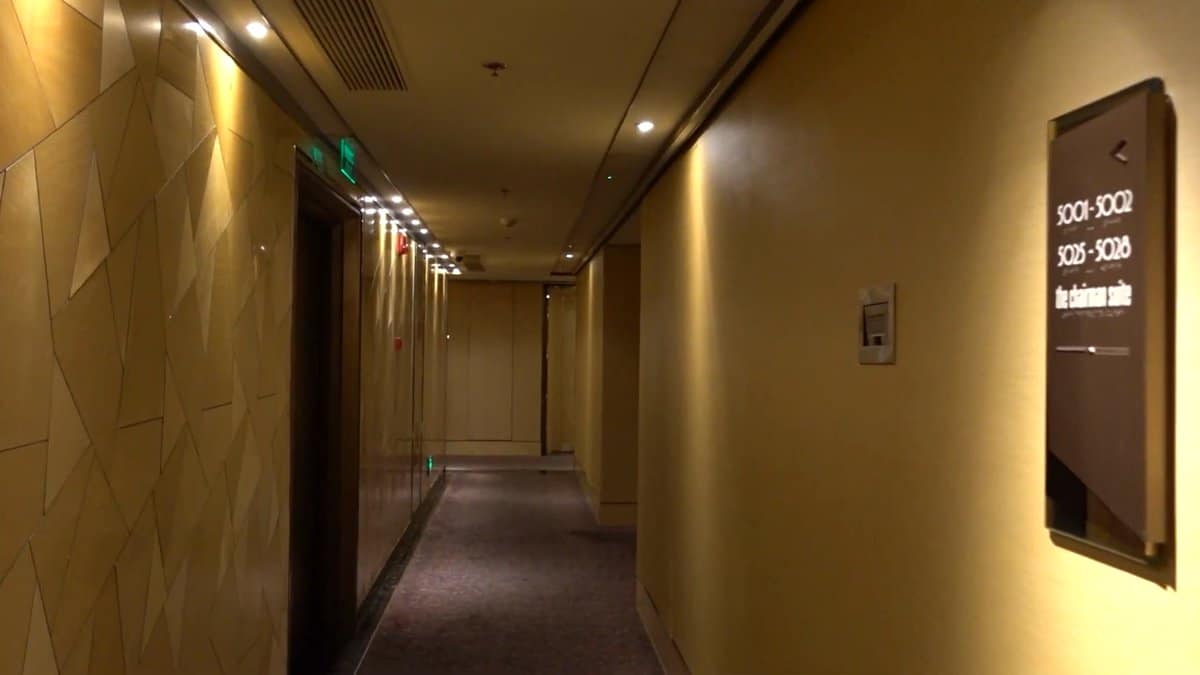
The guest floors are narrow, panelled in something that appears to be brushed gold metal, lit by recessed lighting so everything remain dim. The overall effect is sleek yet windowless, it’s the sort of corridor you might expect to find on any floor of the building.
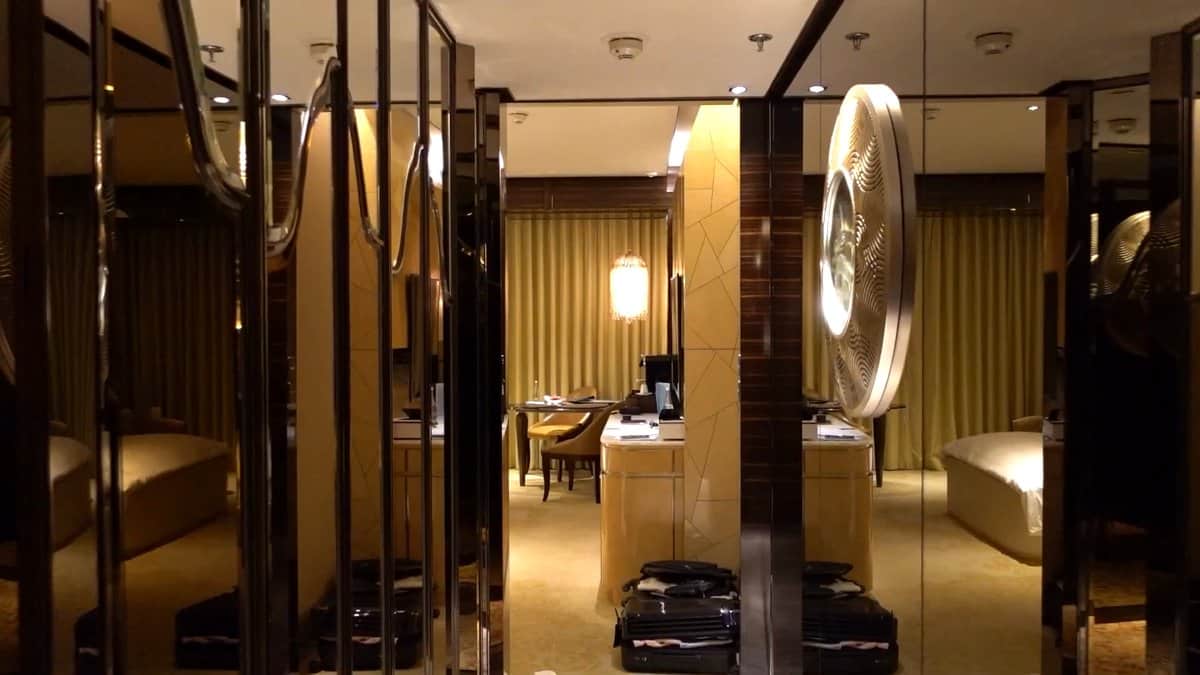
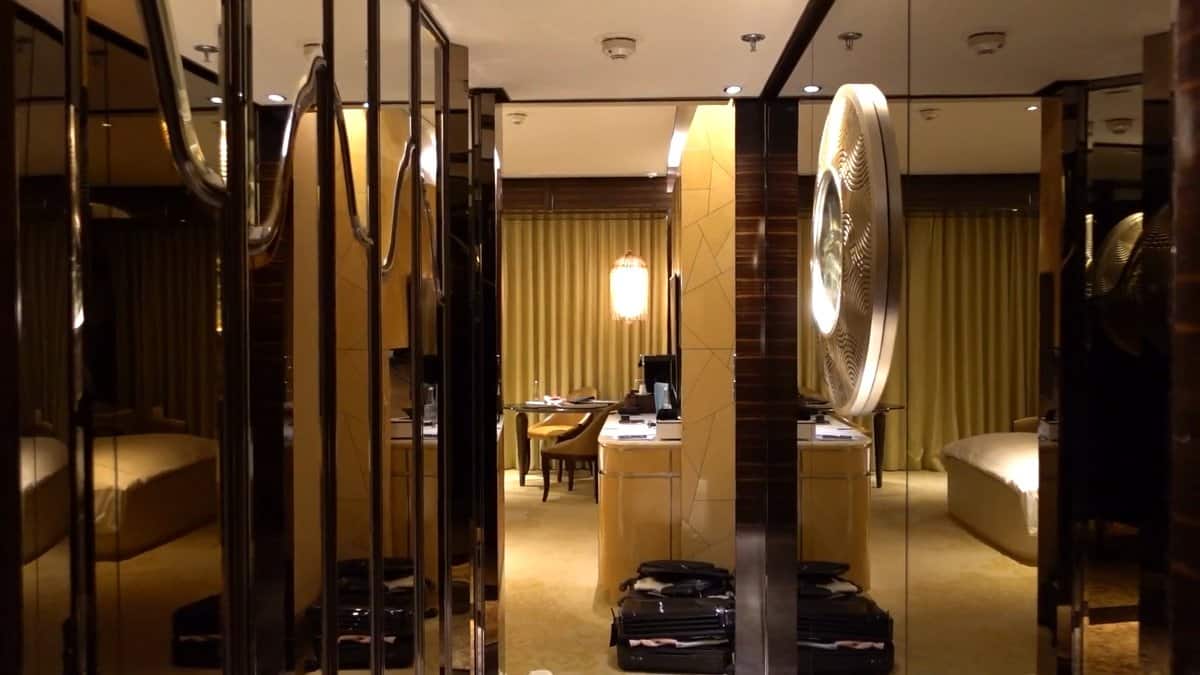
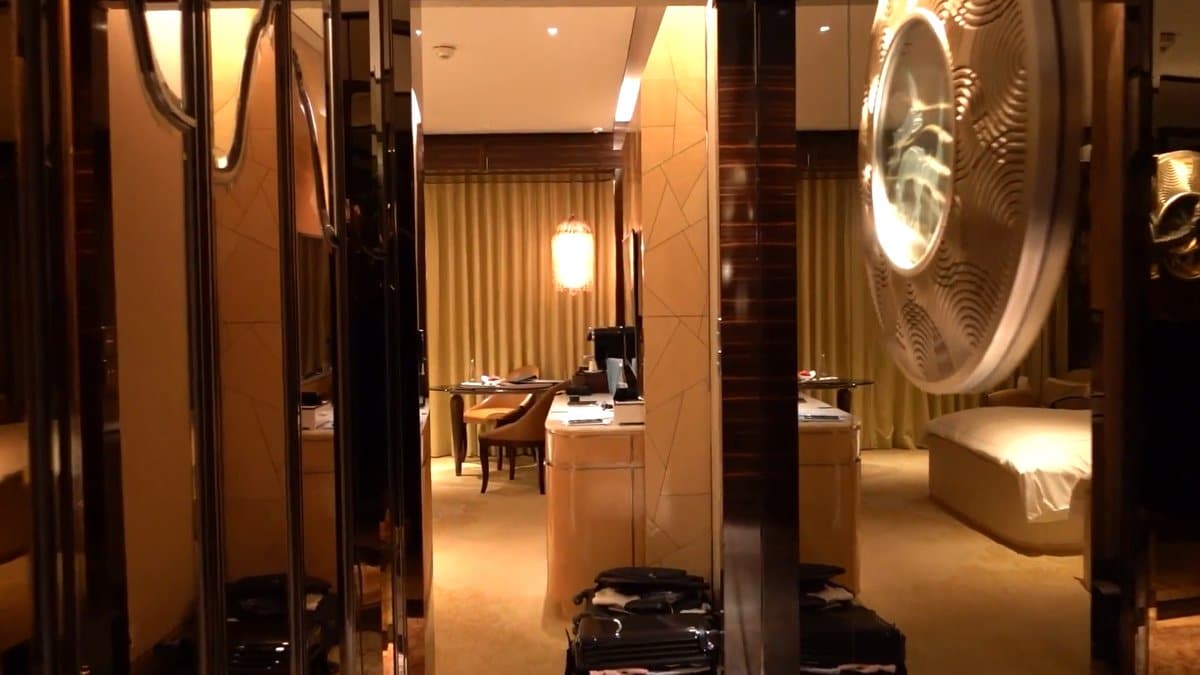
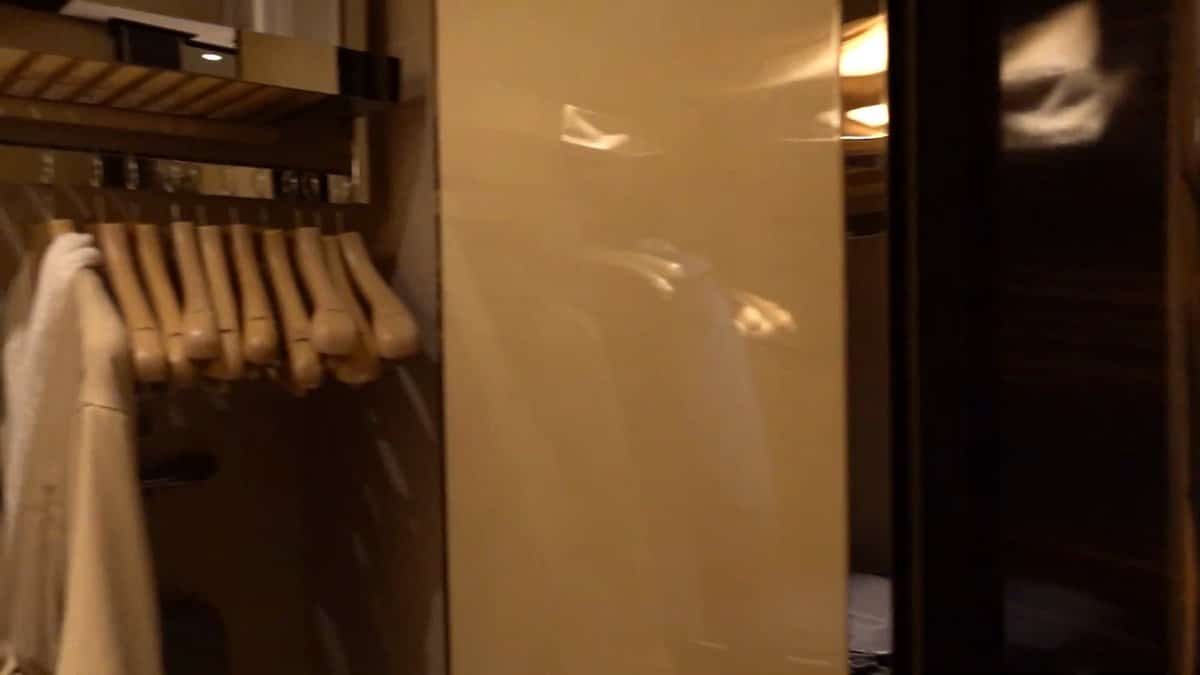
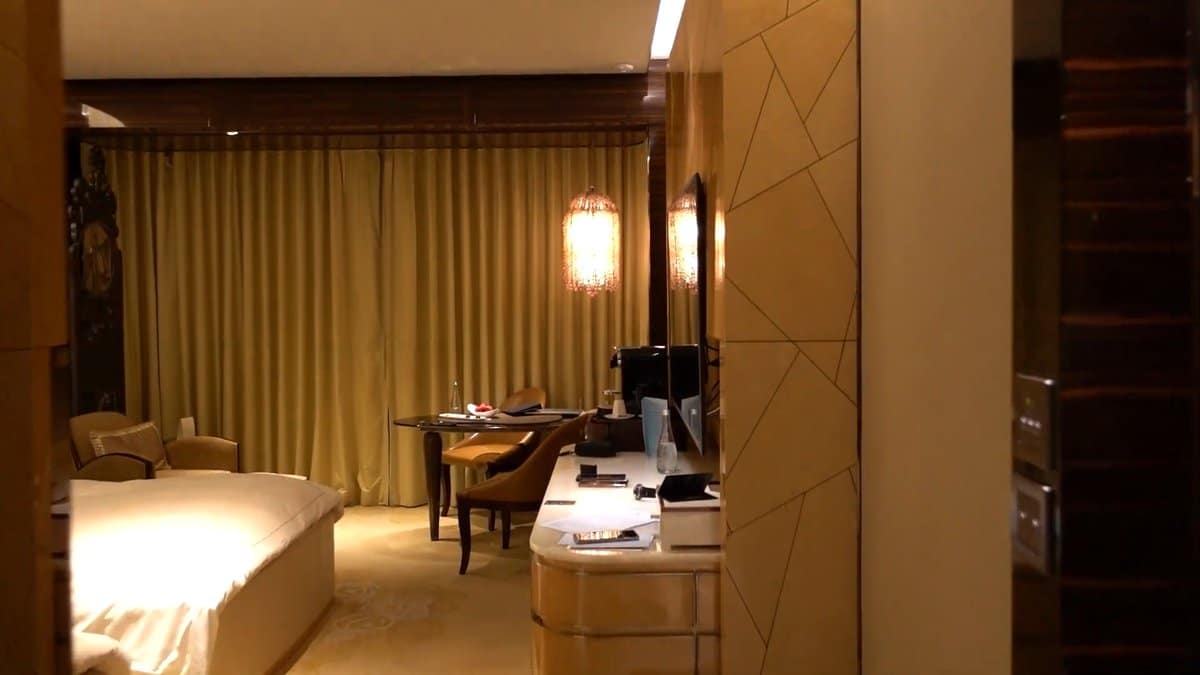
Room entry passages open through mirrored wardrobes into a small foyer with desk space by the window. These are stocked with the expected hangers and robes, as well as a safe and an iron stashed in the bottom compartments.
The desk area has enough space for a laptop and has good light. However, the chairs is a bit low for working for a long time.
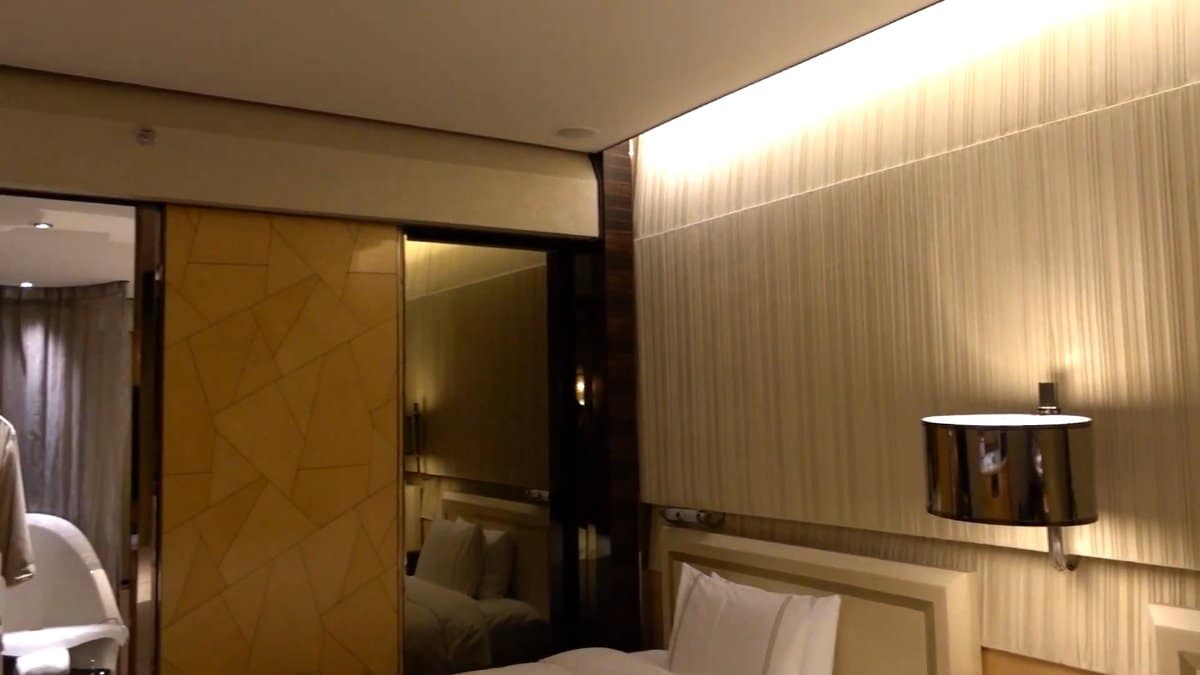
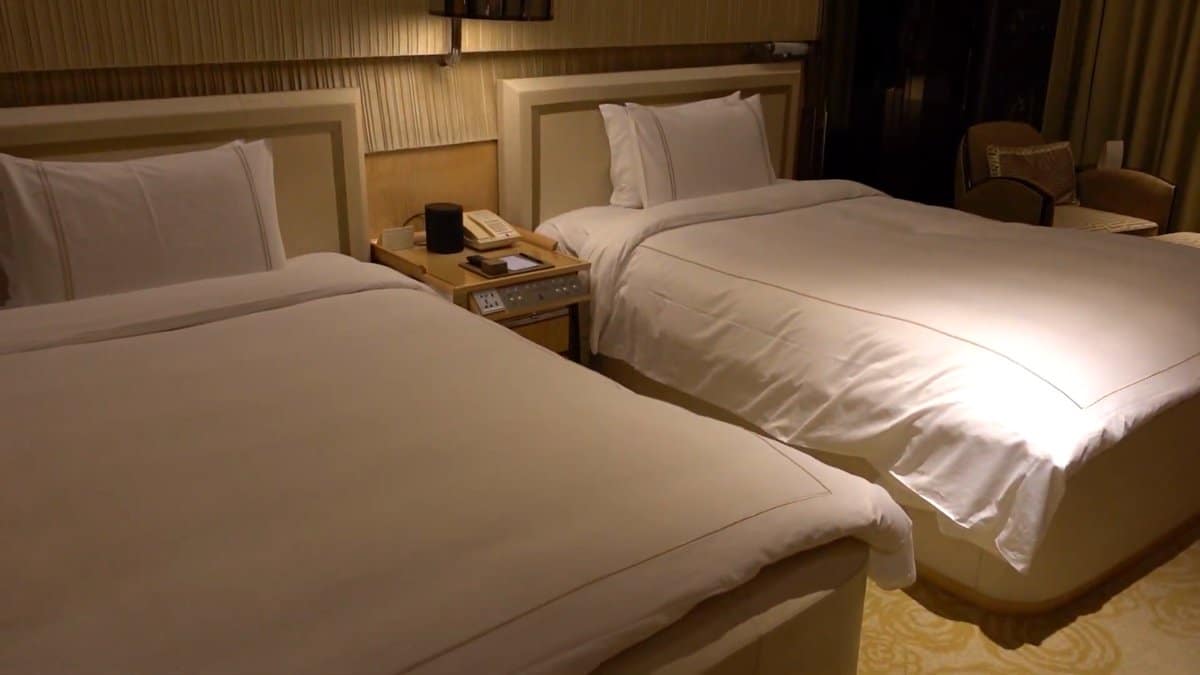
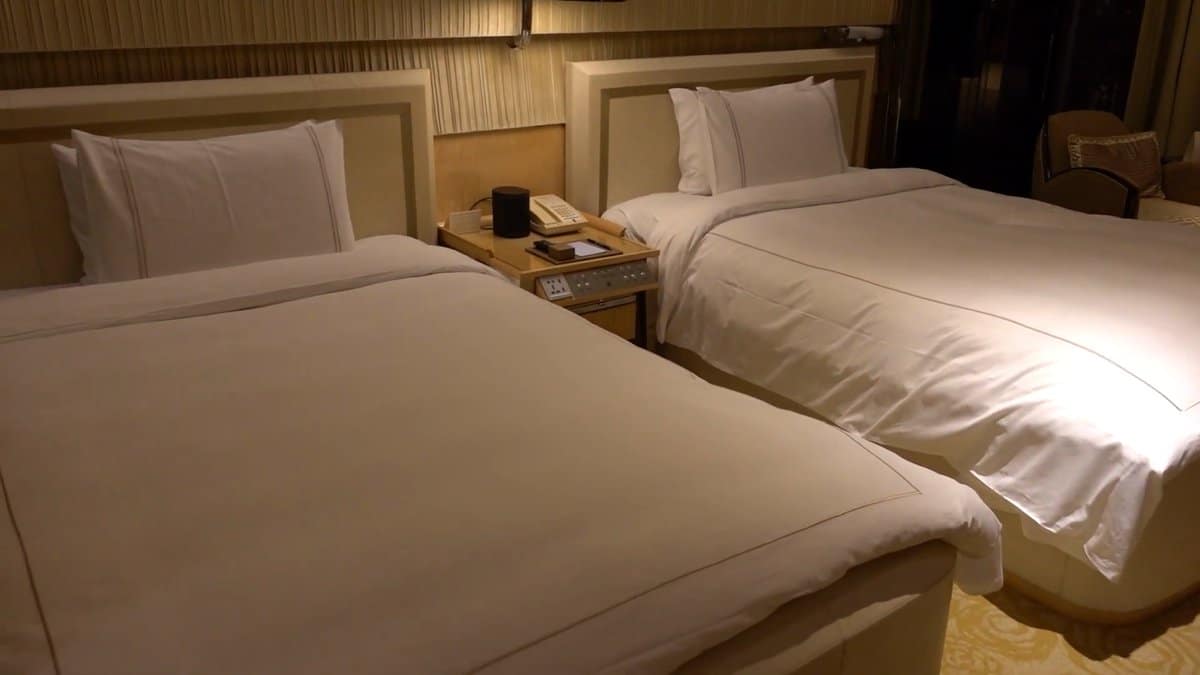
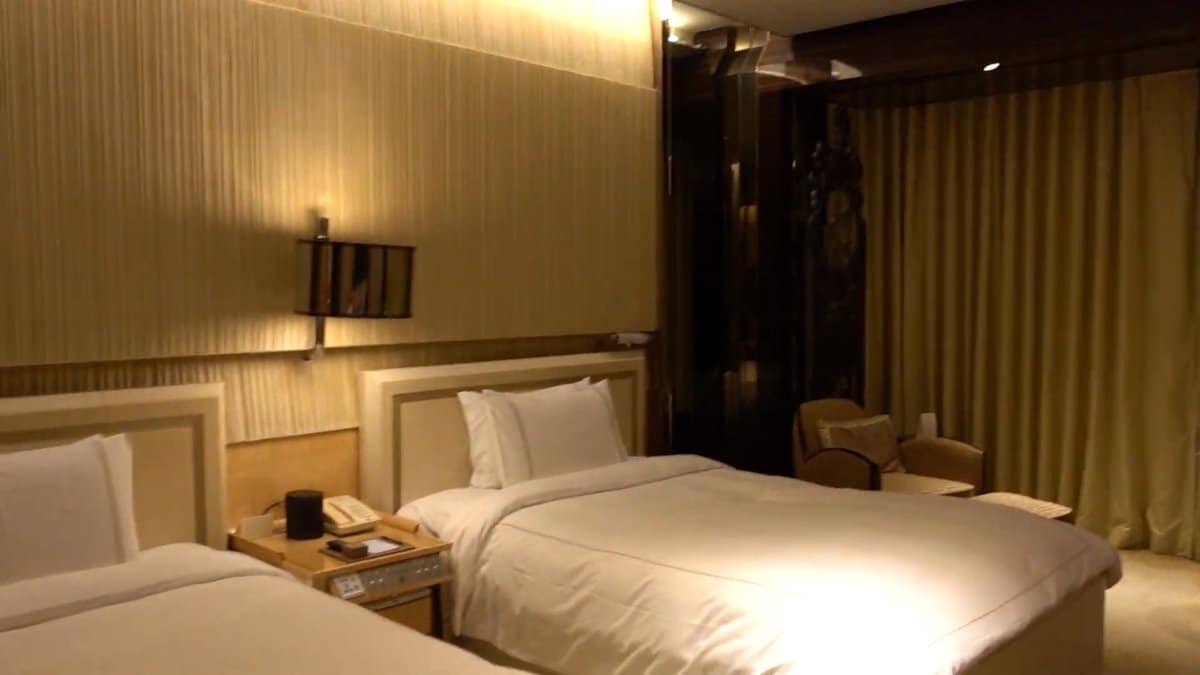
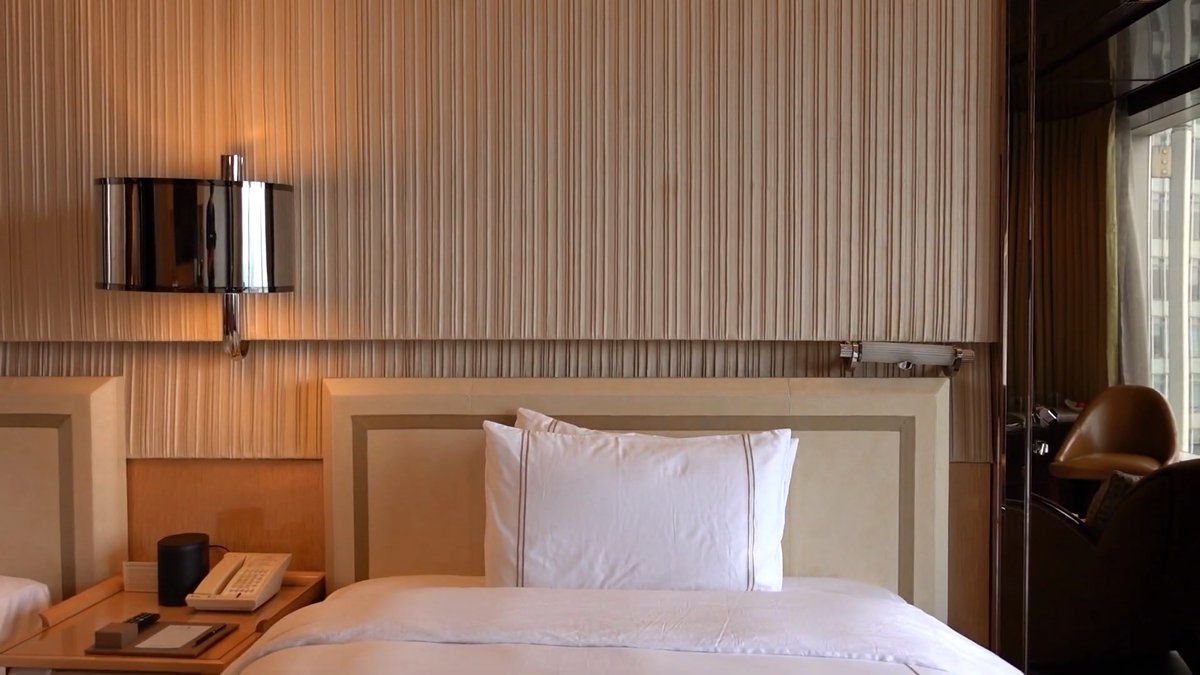
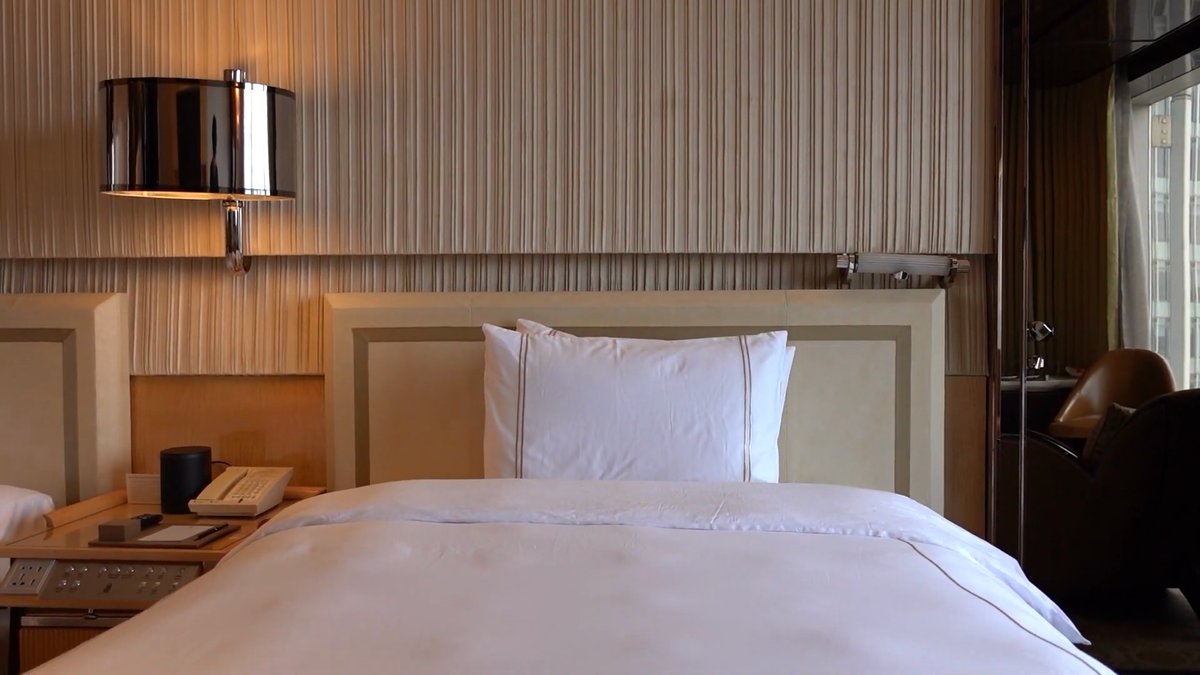
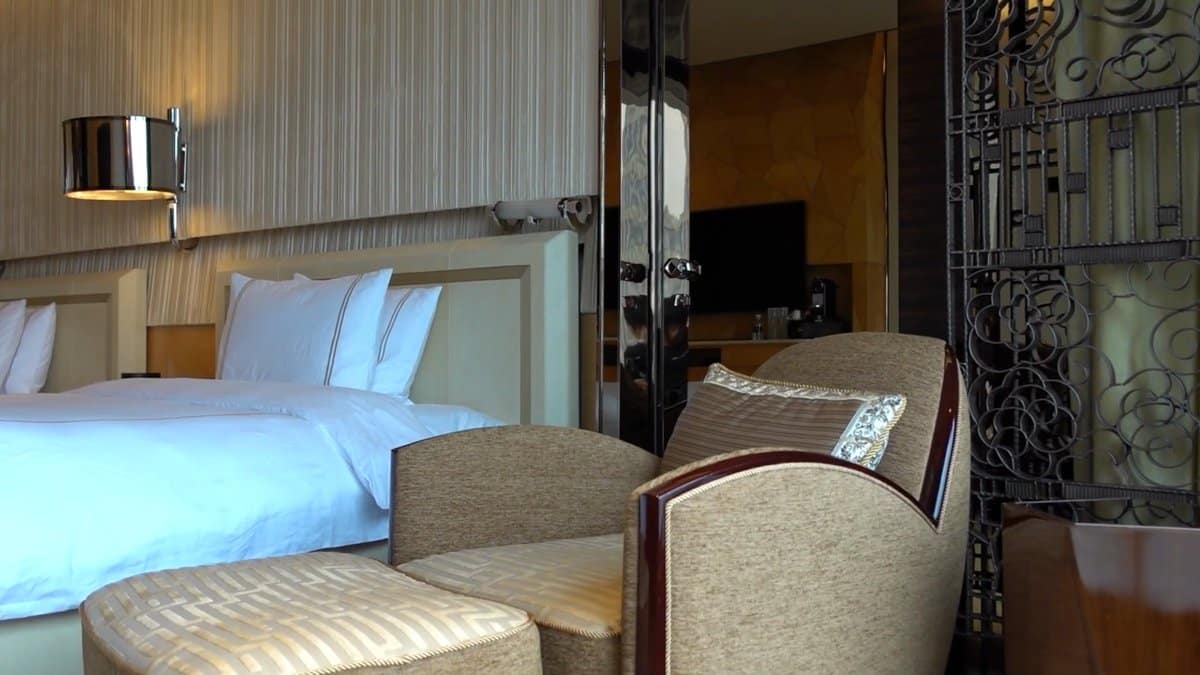
In this category, guest rooms are set up as twins (with one nightstand and reading lamp per bed). Decorative screens add some traditional pattern but don’t go too far into a theme. Panelling behind the headboards is either covered in striped fabric or left in a plain finish, depending on the room.
The bedding is crisp and layered, just the sort of thing that looks perfect when it’s made up but less so once you’re in bed.
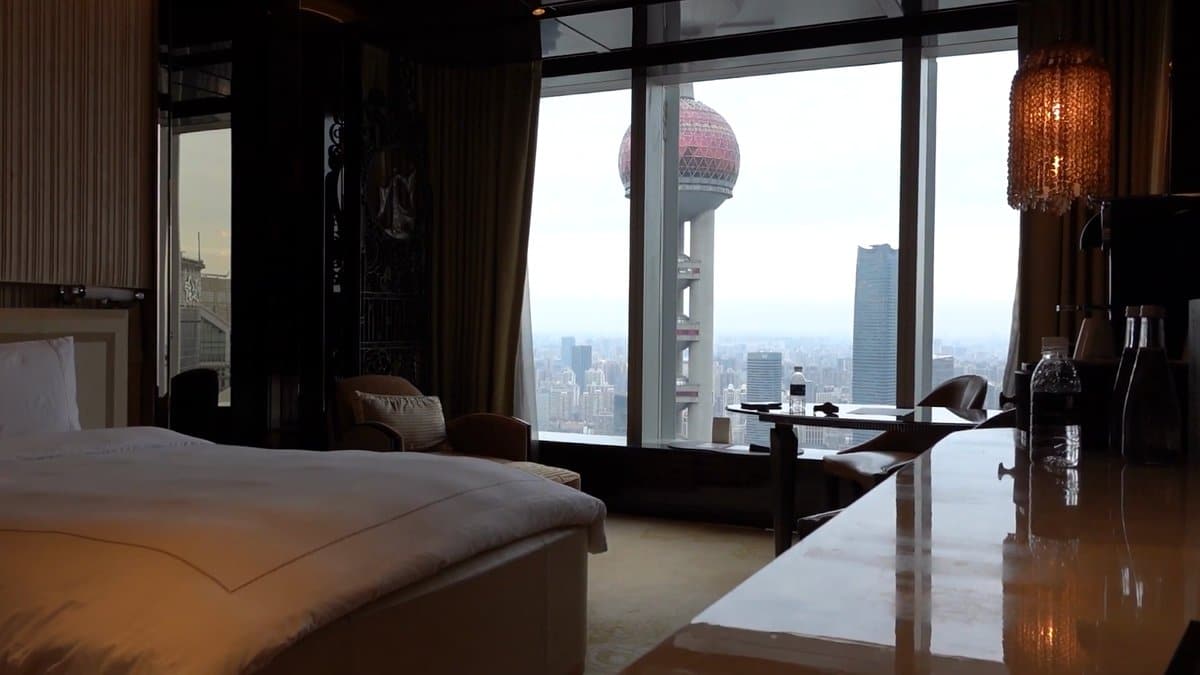
Overlooking Puxi, rooms offer views of the Oriental Pearl Tower, so close you can see the spheres changing colour throughout the night. At this height, you aren’t staring up at the tower from the ground along the Bund, but looking straight across at it.
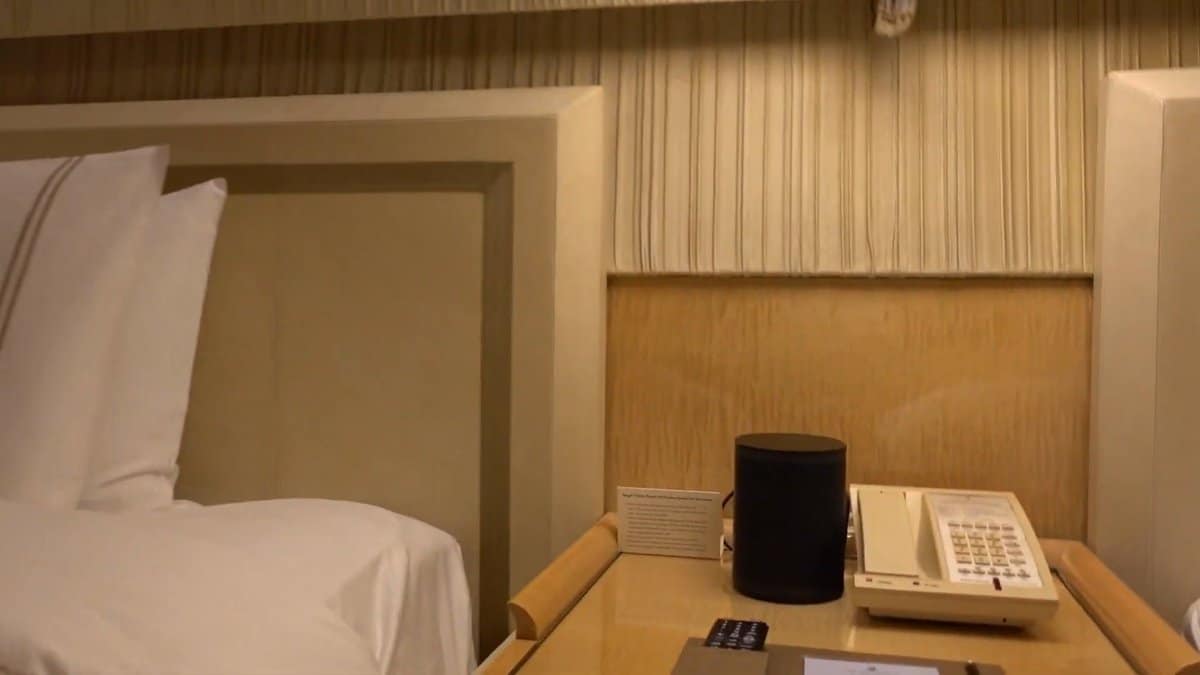
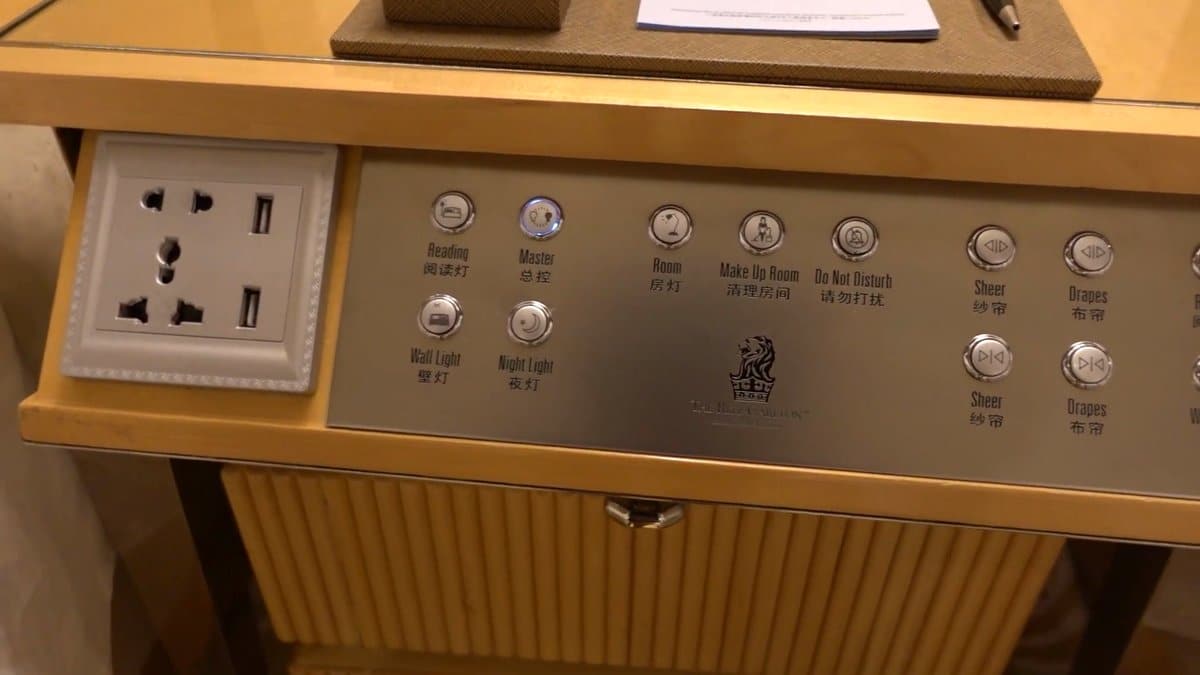
The temperature, curtain and lighting can be controlled via a bedside panel that features the lion crest. There is also a telephone, which is within arm’s reach (though most visitors is likely to reach first for their mobile).
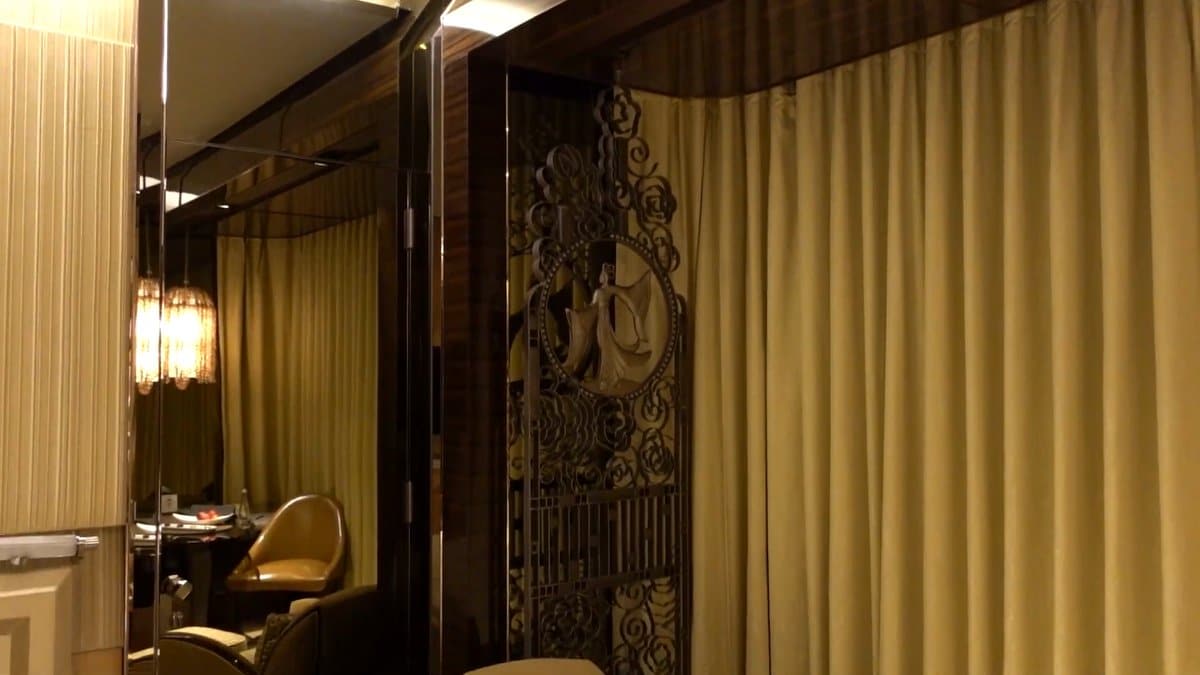
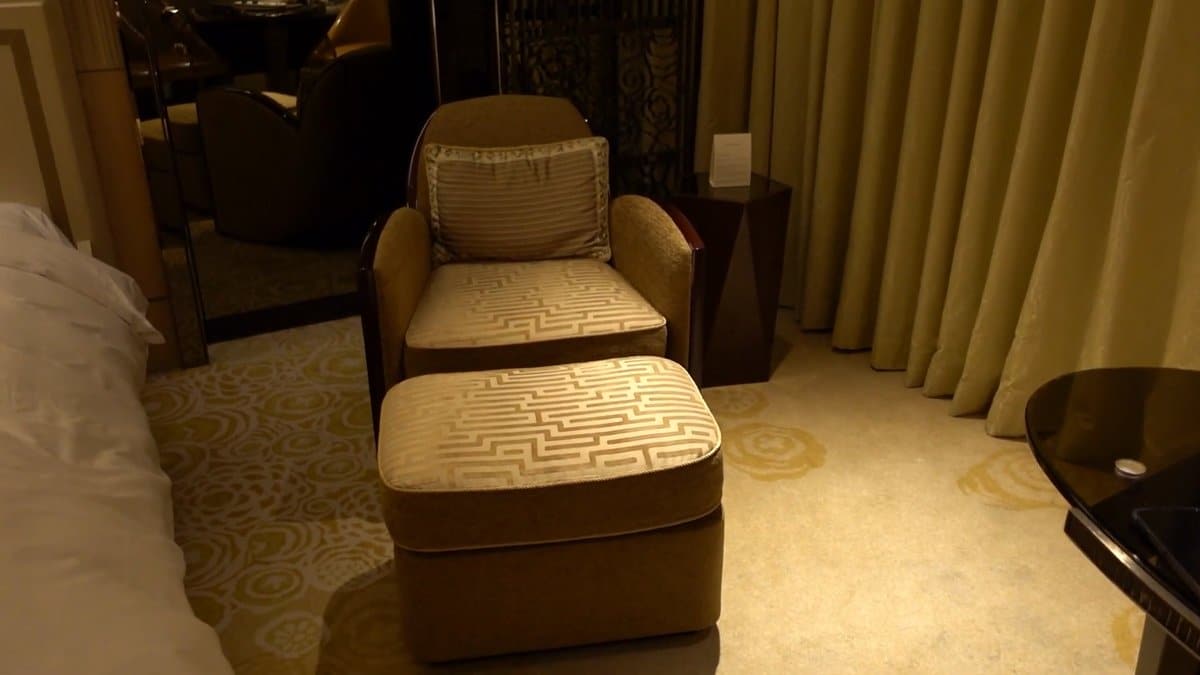
The other side of the room features a carved screen similar to those flanking the bed, along with an armchair and ottoman. While it’s perfectly suitable for sitting down to put on your shoes (or surf Facebook) prior to exiting, it’s not exactly a spot where you’re going to linger for long periods of time.
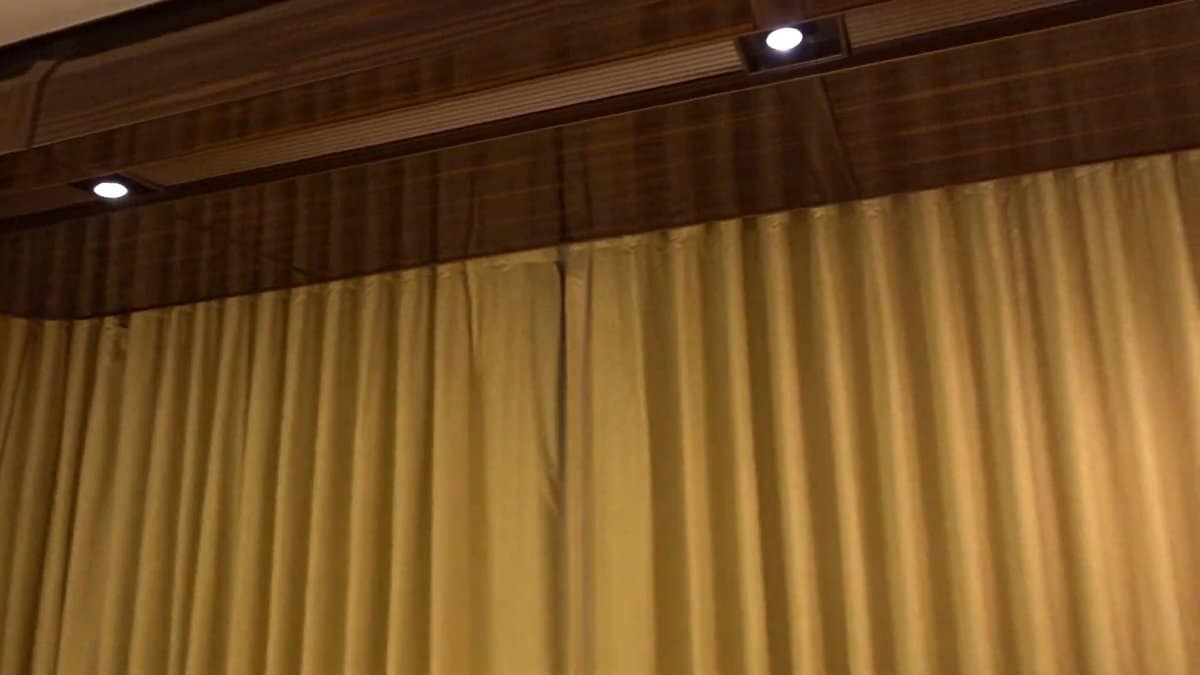
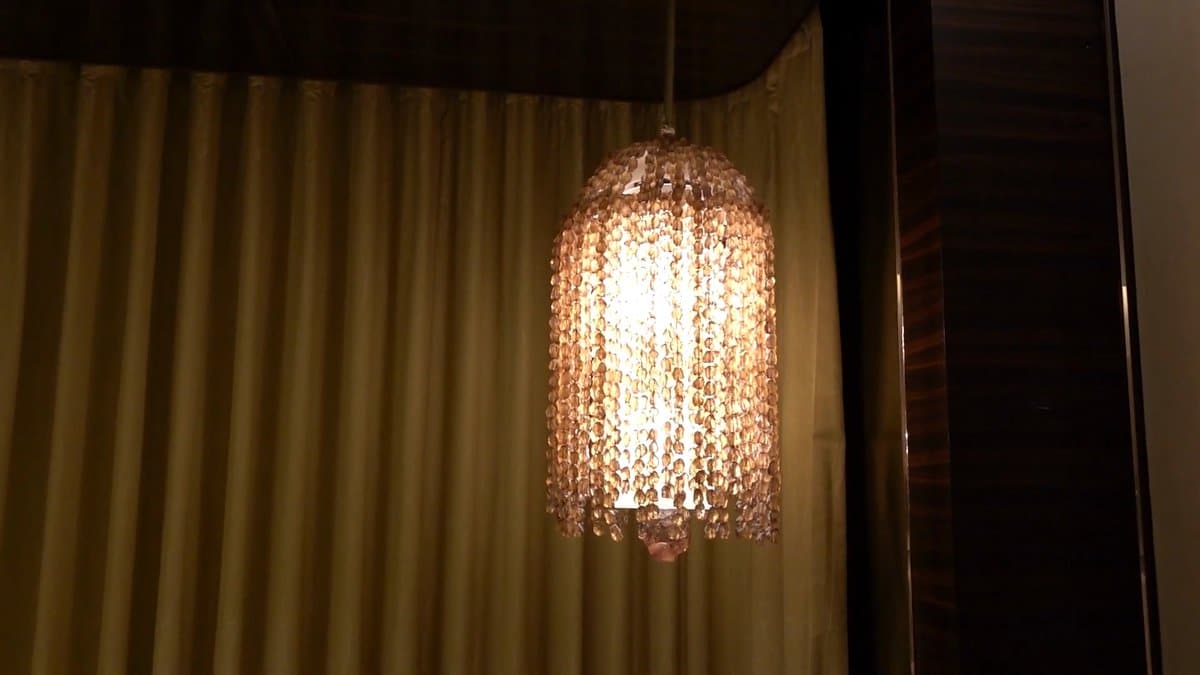
When you do want to shut out the morning sun, or simply desire some privacy. Floor-to-ceiling curtains draw closed over the entire window wall. Beside the drapes is a crystal pendant that’s yet another tribute to the Deco influences that fill the interiors.
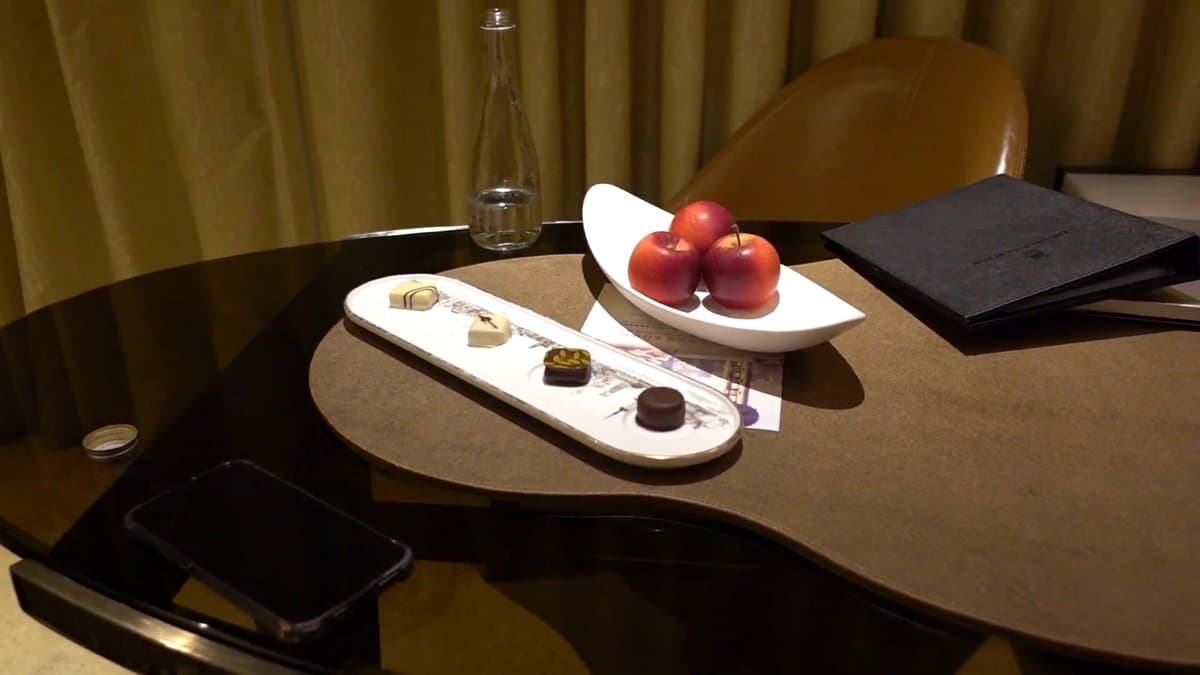
There’s a carafe of water and glasses on a side table. A welcome set up. These little touches is all over the place.
They show someone has thought about the guest experience, even if the execution is a bit formulaic.
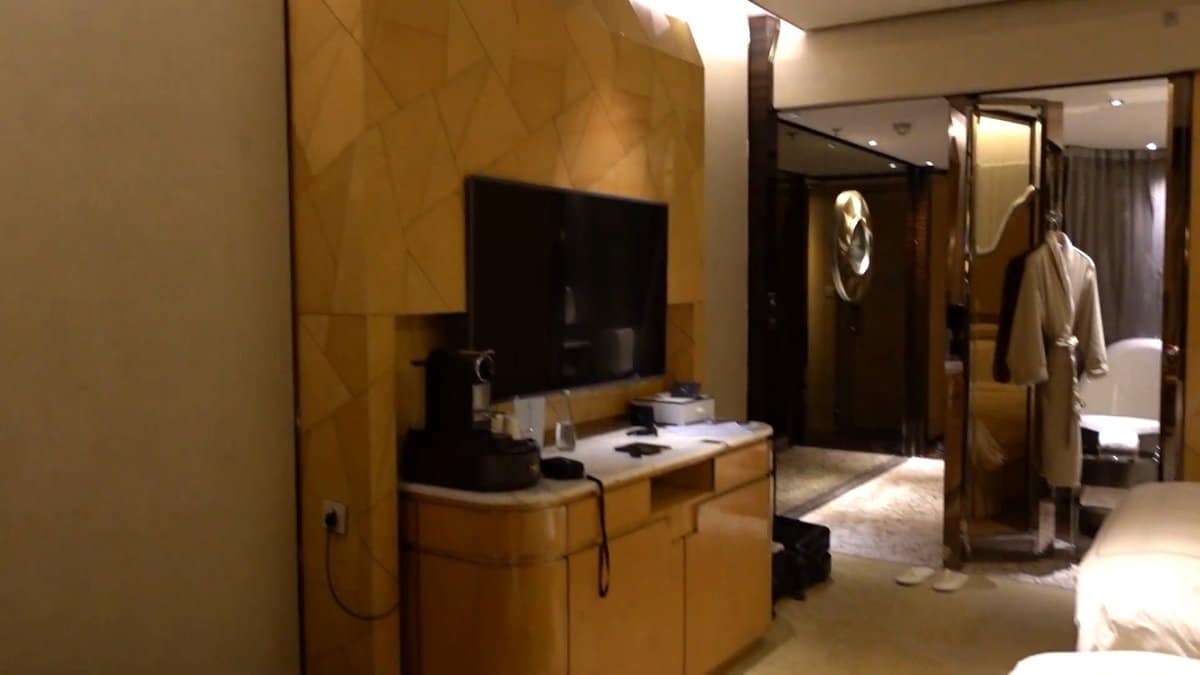
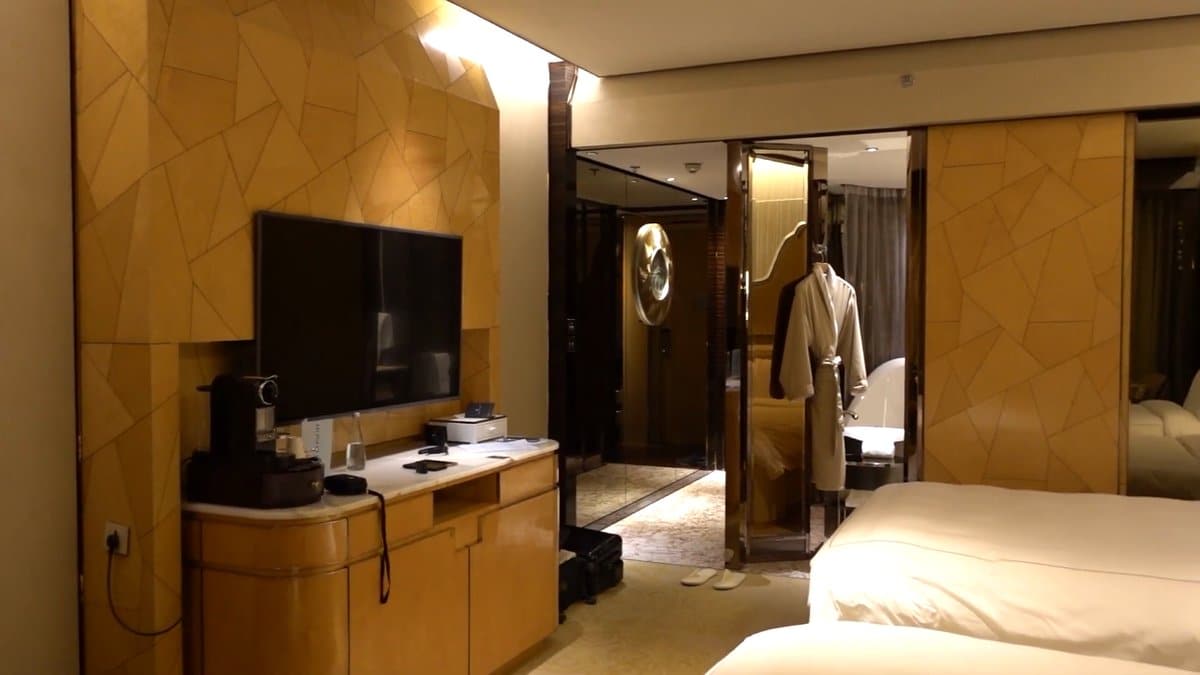
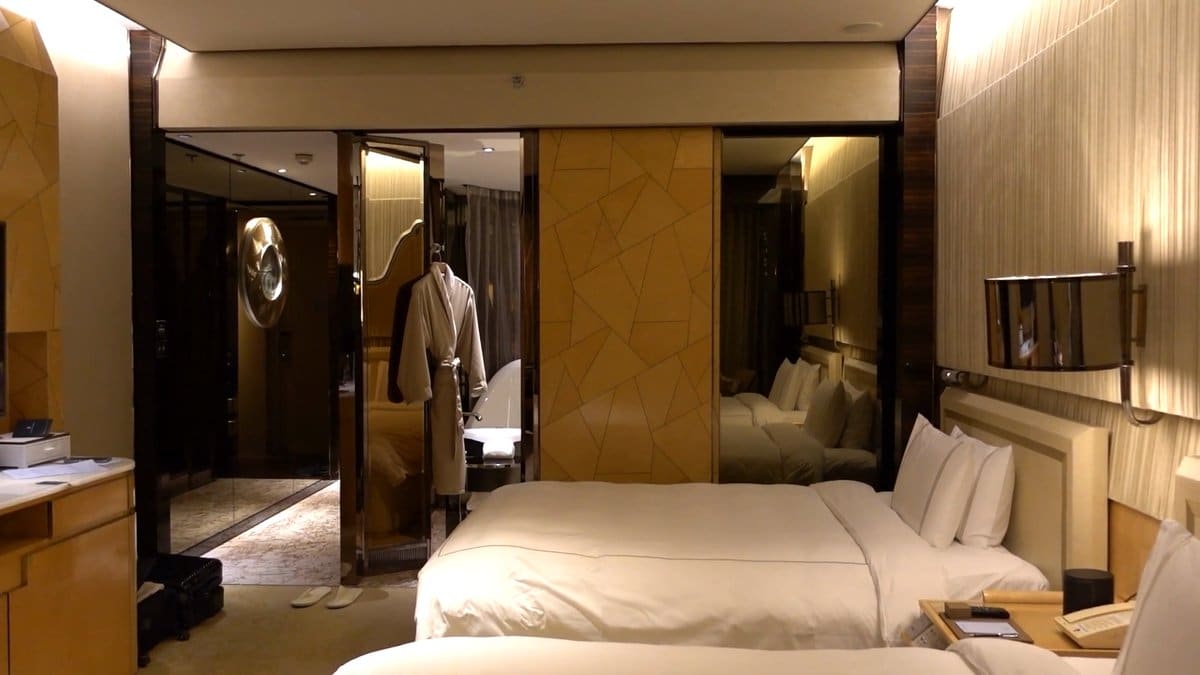
Hidden behind mirrored panels are a minibar and coffee machine, which also reflect the rest of the room in the TV cabinet. It’s practical, but it does use quite a large portion of wall space, making the room feel slightly more cramped then the square meters would imply.
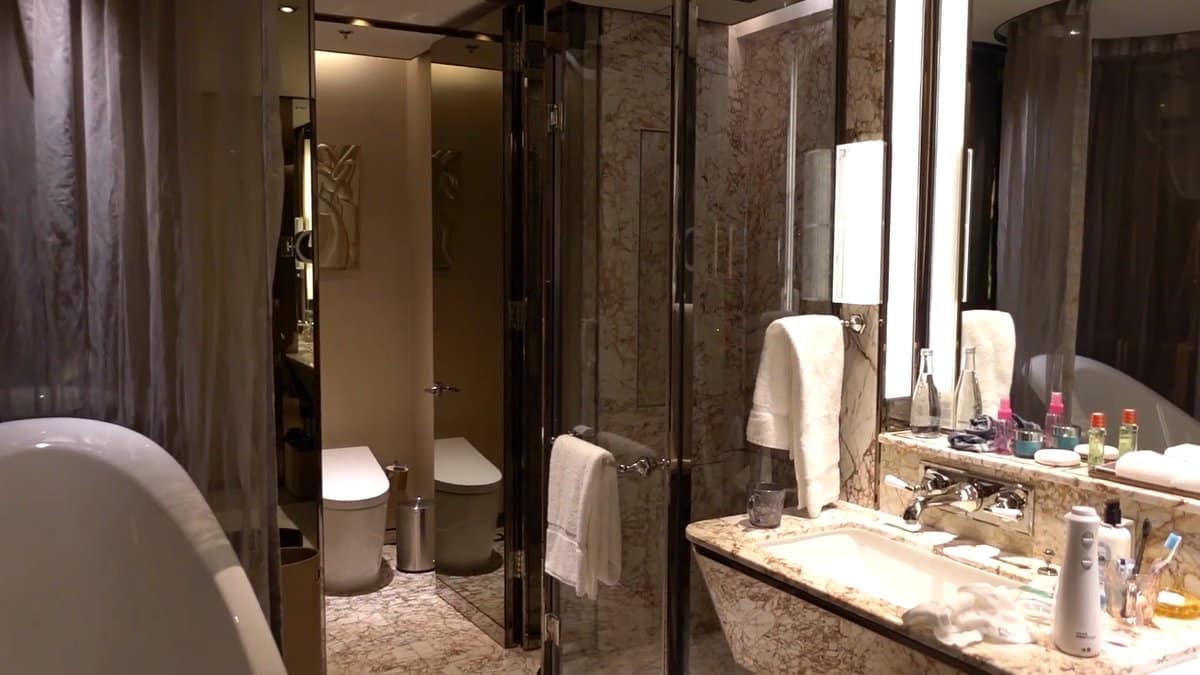
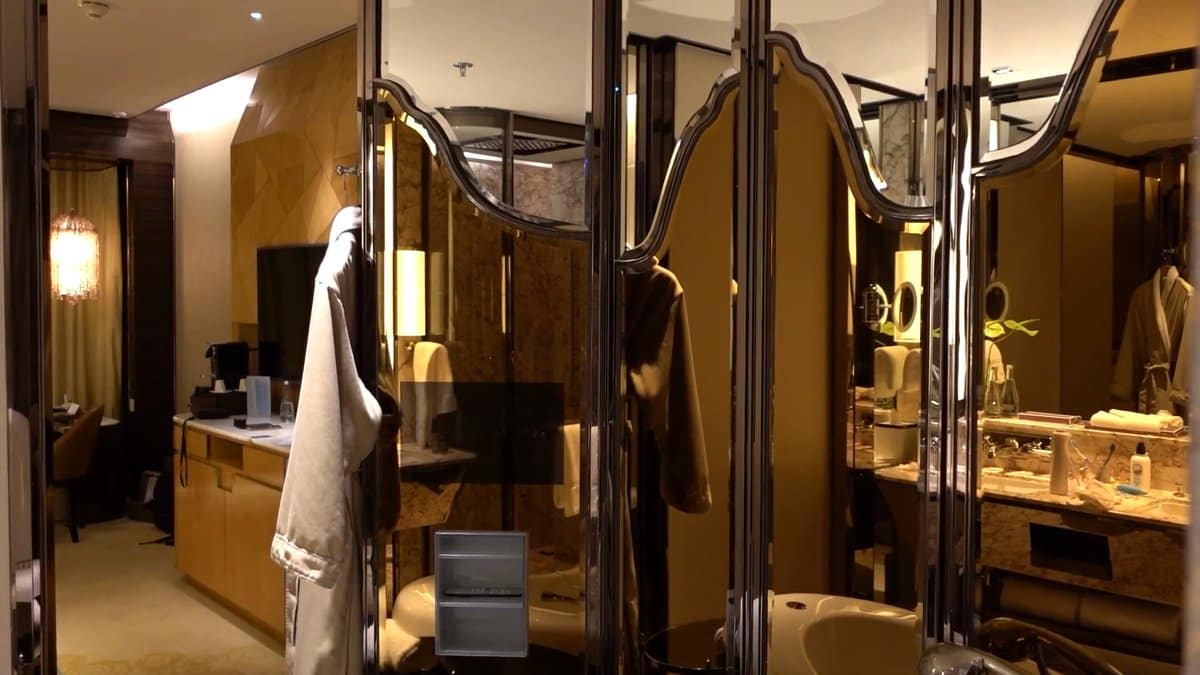
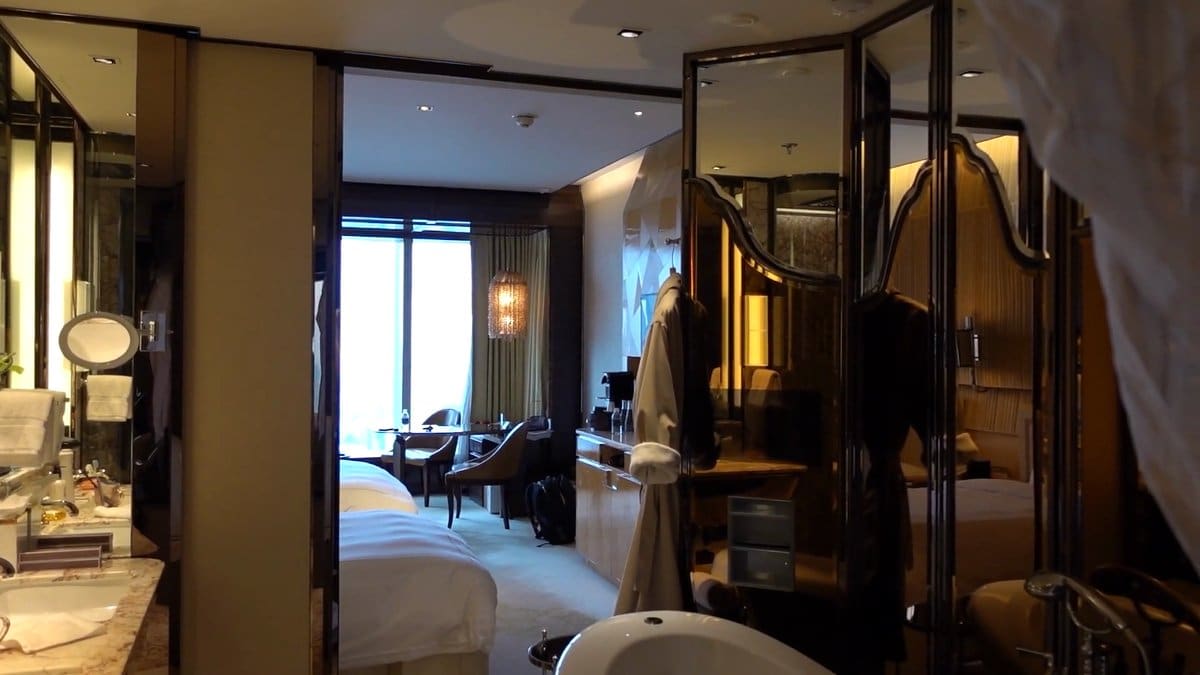
In some rooms, the freestanding tub is located next to the window and opens directly into the sleeping area. If you don’t mind being exposed, even with the curtains closed; it’s nice to have that kind of view while soaking. It’s all very neutral, and there are plenty of mirrors to make the space feel larger.
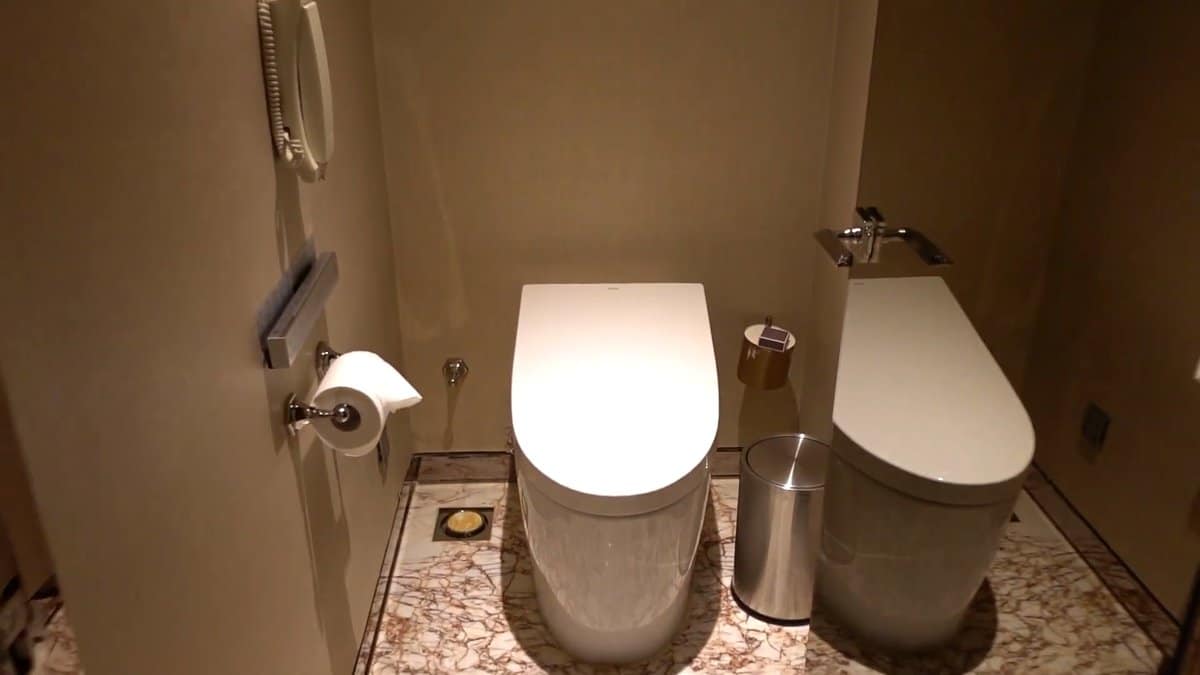
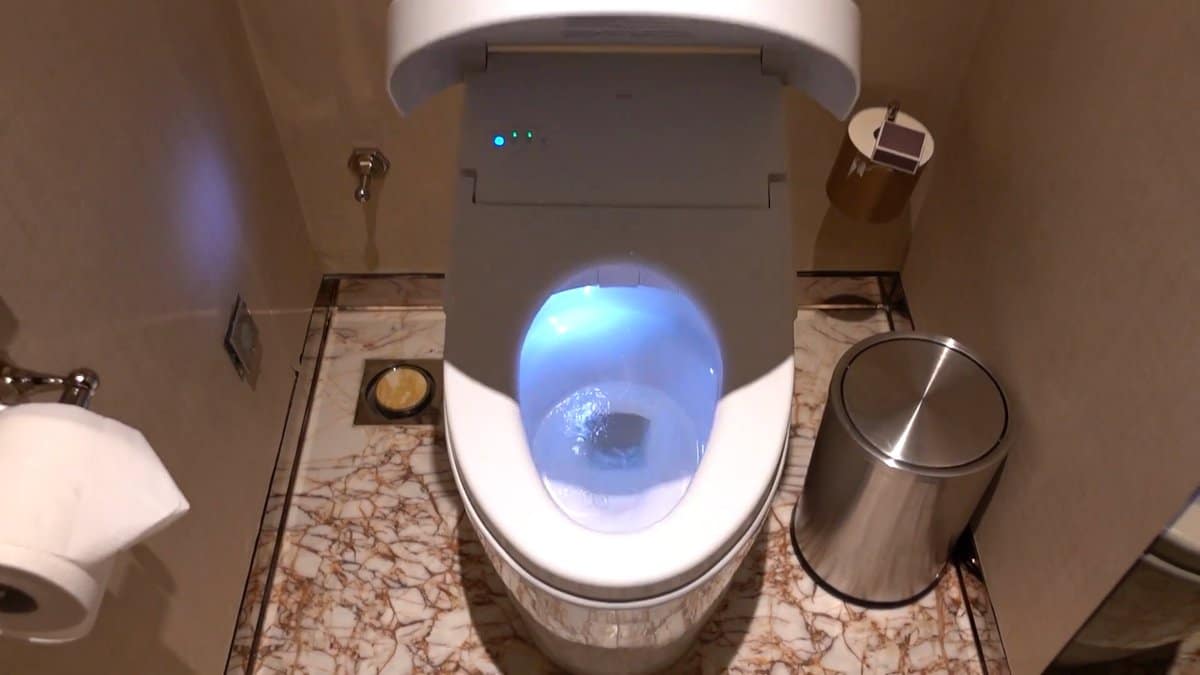
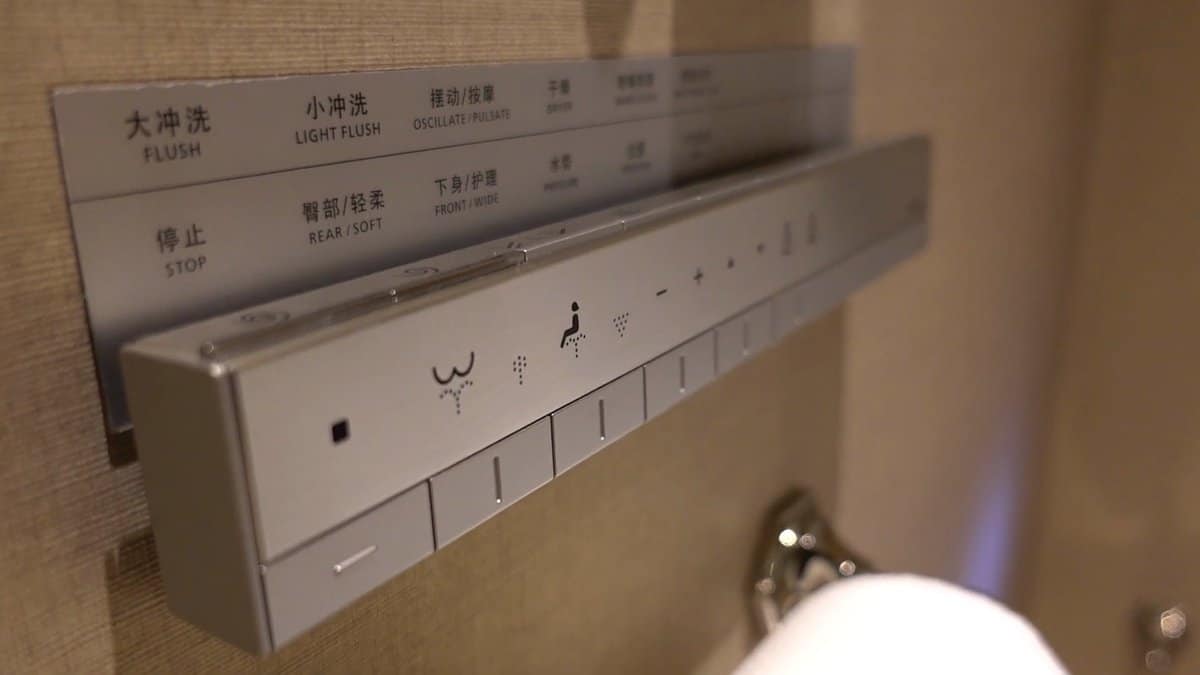
There’s a separate bidet alongside the washlet, which by now has become a standard feature at higher-end hotel properties here. Brushed-steel controls is mounted on the wall, providing the typical array of options (enough that you might want to spend a second studying them before pushing any button).
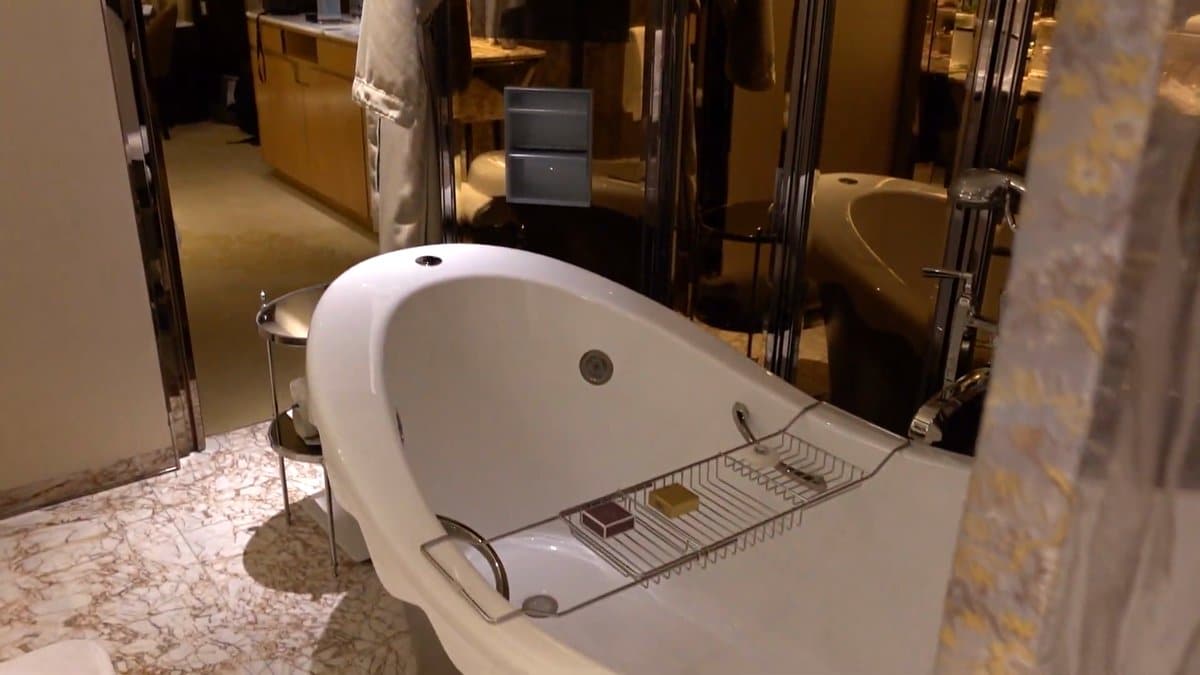
The oval tub comes with a slatted tray for placing your glass or book; however, because the tub is so deep, you would of have to fill it quite high if you wish to soak comfortabley.
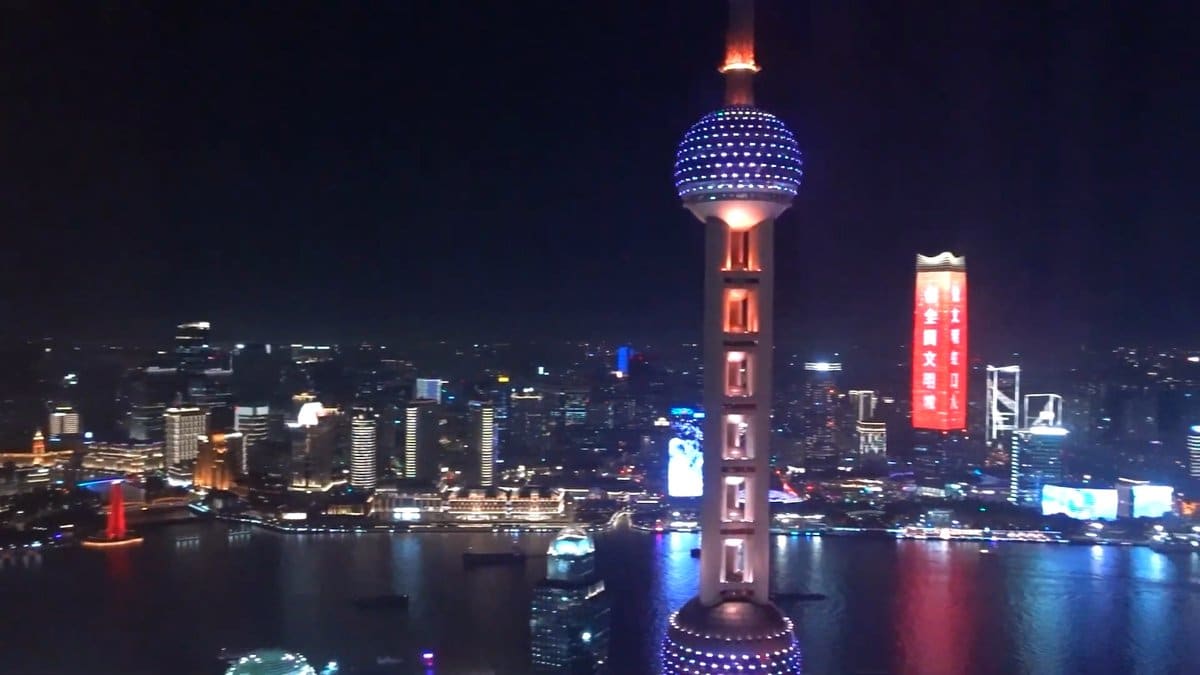
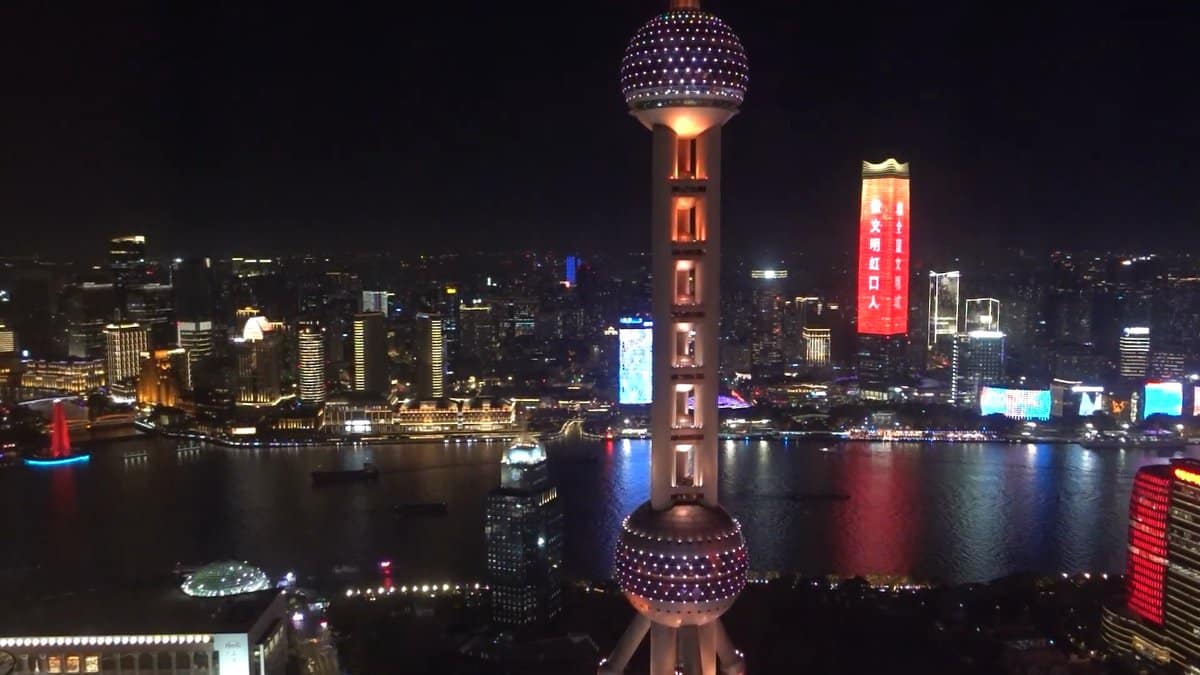
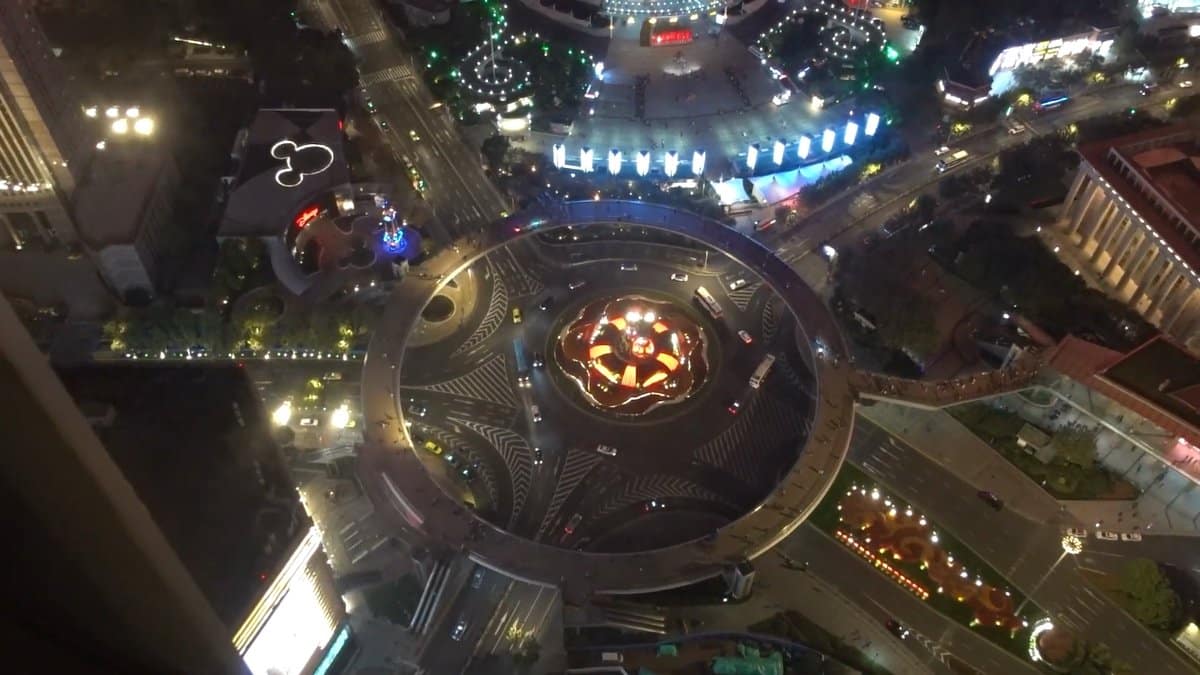
The Oriental Pearl rotates through different lighting schemes, ranging from cool blue to warm orange, depending on time of day and occasion, which changes the views. Down below, the plaza is a sea of little people scurrying among the towers; a good reminder that you’re very high indeed.
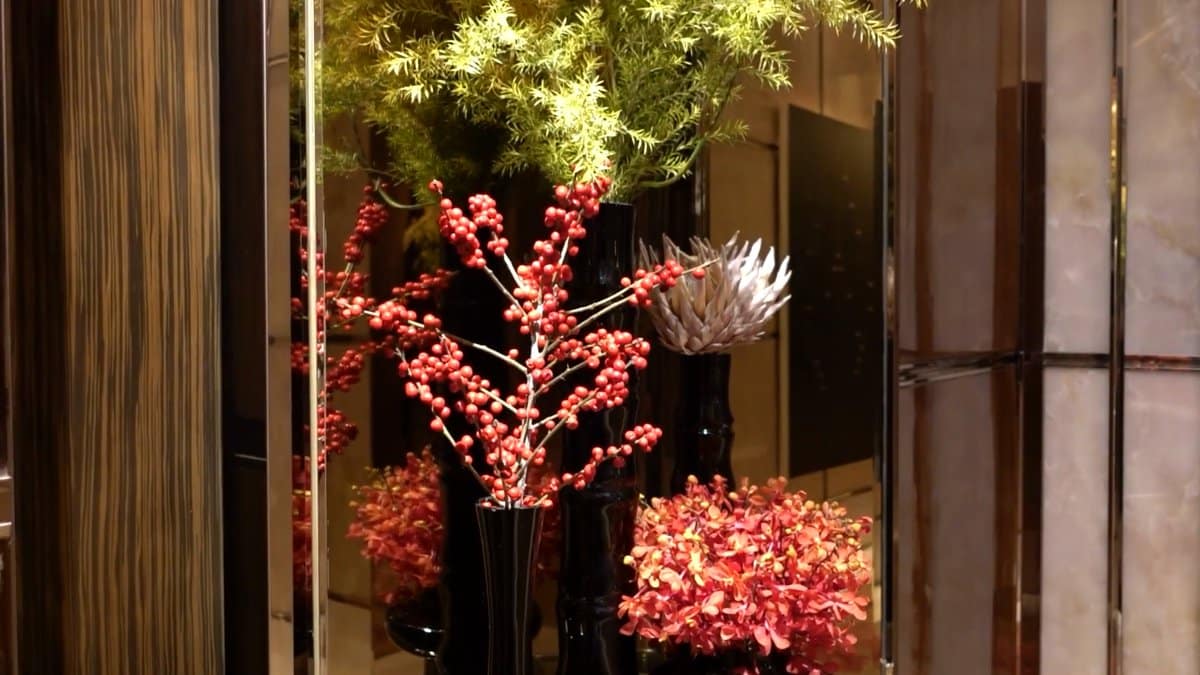
The lobbies and hallways feature seasonal flower arrangements (mostly branches, not full bouquets) which is typically tasteful but nothing outlandish. It’s all very restrained; the hotel follows a less is more approach.
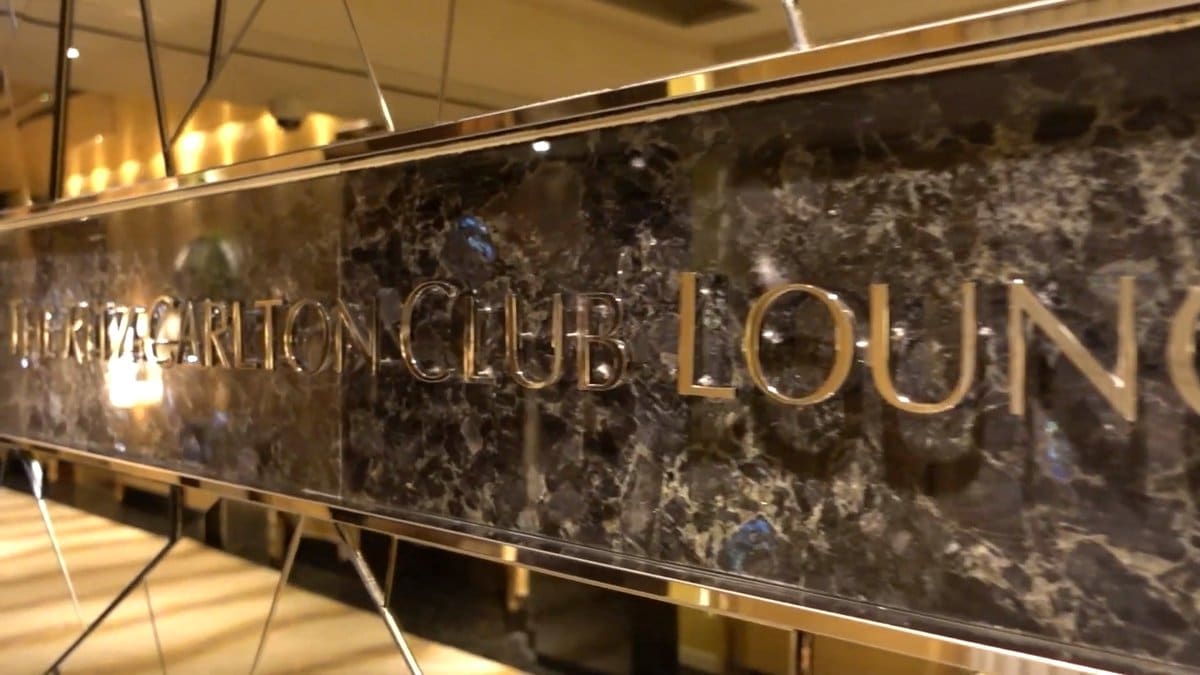
There are rooms that come with Club Lounge access (as well as elite status). There’s also a dedicated entry on one of the top floors. It has the same design as the rest of the hotel.
It features free food during the day and has views. This is the Ritz-Carlton Shanghai Pudong. With its design sensibility drawing inspiration from earlier decades of the 20th century but never tipping over into complete nostalgia, the Ritz-Carlton Shanghai Pudong is as much luxury hotel as you’d expect: stylish, comfortable, and offering the kind of formal luxury you’d expect while being pampered.
It’s got the height to be the hook, the Art Deco details to give it some personality, and the location to keep you connected to the river and the financial district. Is that enough to justify the prices? That depends on what you value during your hotel stays.
Do you like staying close to street level, or have you been in one of Shanghai’s high-rise hotels? Share your thoughts in the comments section below.