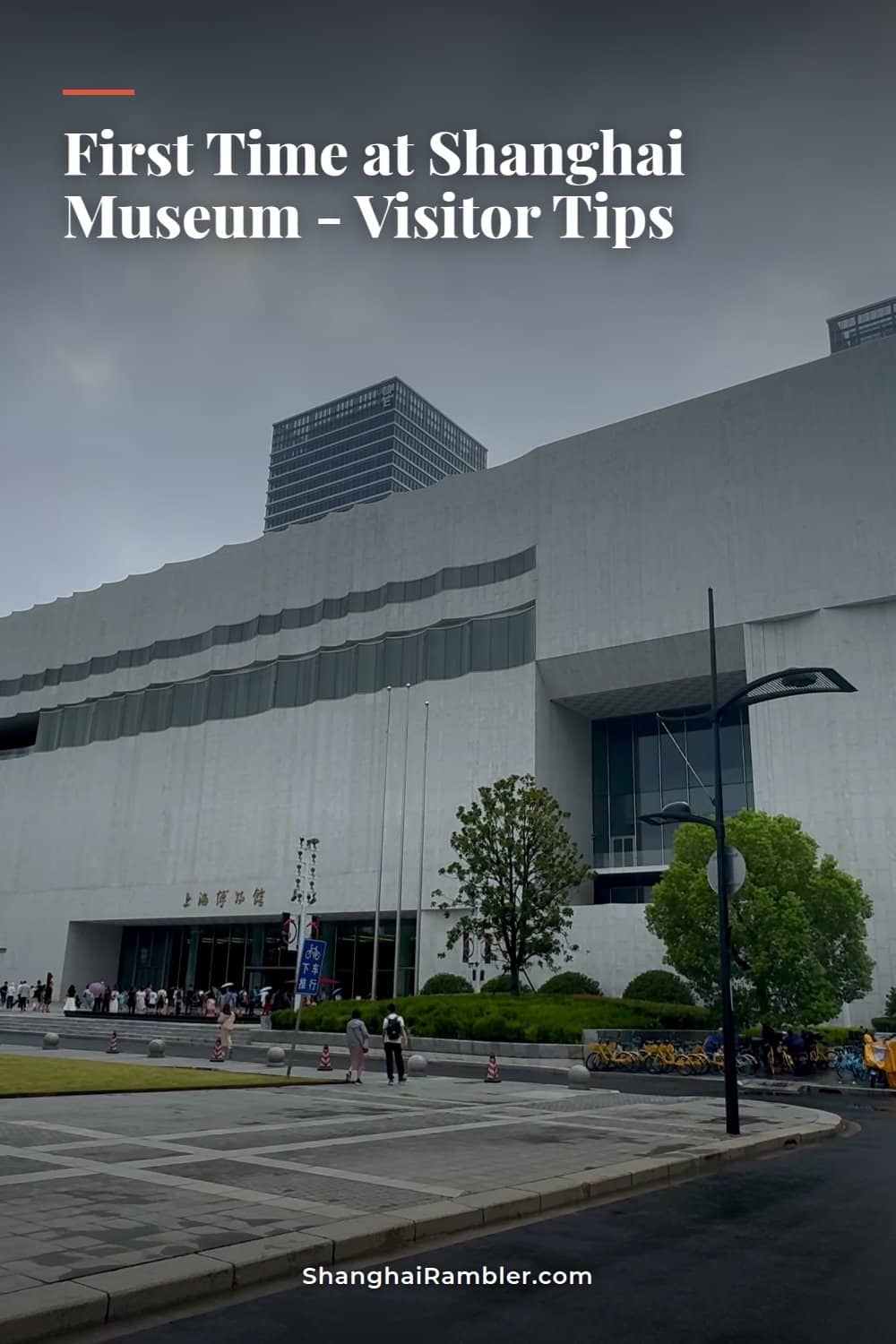
Across the river in Pudong, Shanghai Museum East (opened in 2024) is a bold new sibling for the citys original People’s Square museum. Open and light, with glass walls and angular terraces, it’s a contrast to its older, circular, compact cousin. Admission is free but you must book a timed slot online ahead of time.
Expect to see mostly Chinese art, archaeology and crafts; there are entire floor dedicated to currency, ceramics, textiles and jade. It’s bigger then it looks: If you’re visiting for the first time, don’t underestimate how big this place is.
You should plan to spend at least three hours here if you’d like to do anything beyond take a quick lap around the highlights. Be sure to wear comfy shoes. The galleries is well labeled and well lit but by the end, there may be so many things that they begin to blend into one another.
Here’s a walking guide with what to expect, where to linger, and a few practical tips that will help you avoid some confusion.
A Walking Tour of the New Museum
Shanghai Museum East
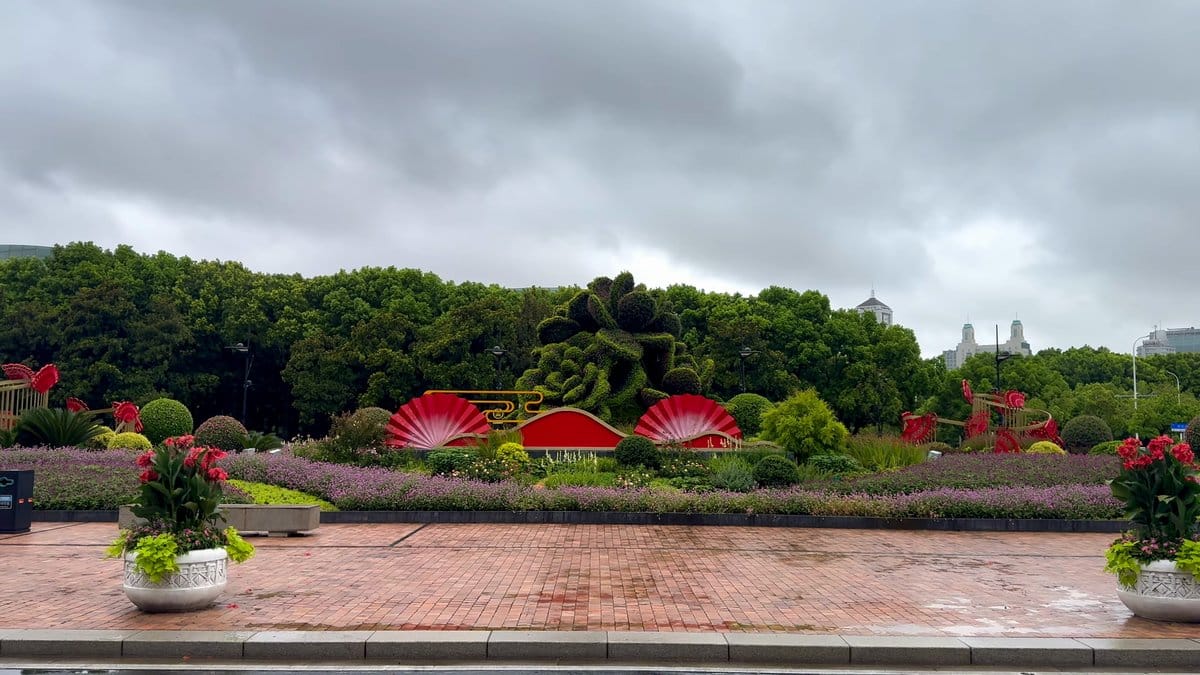
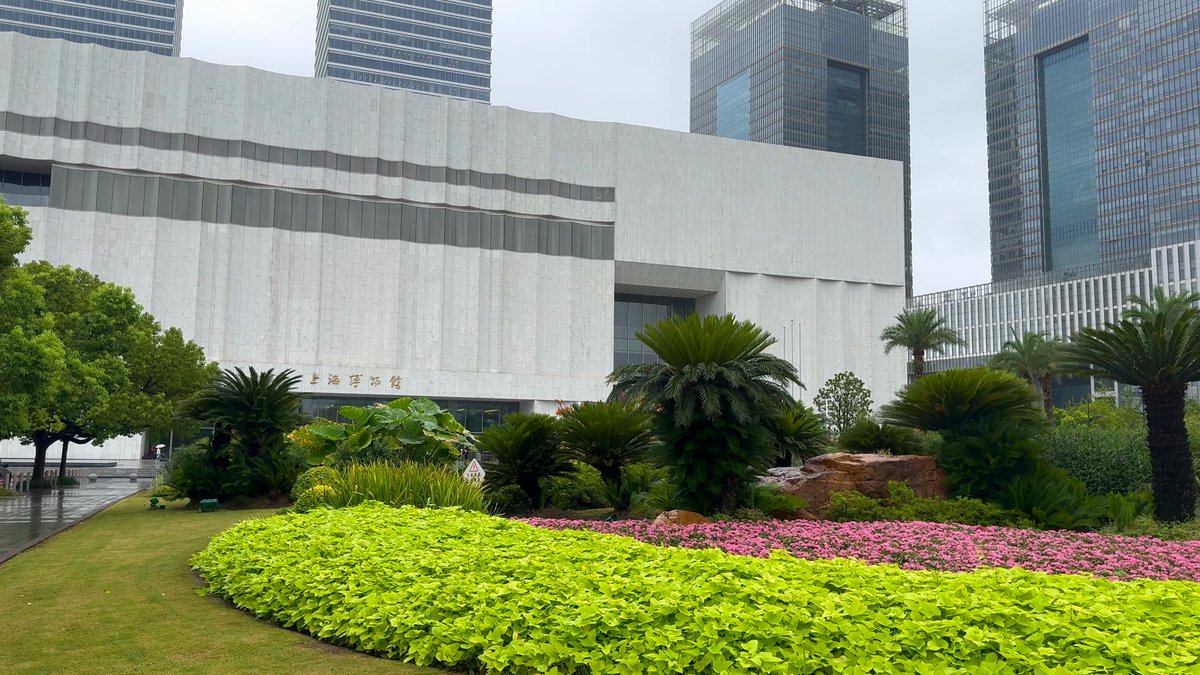
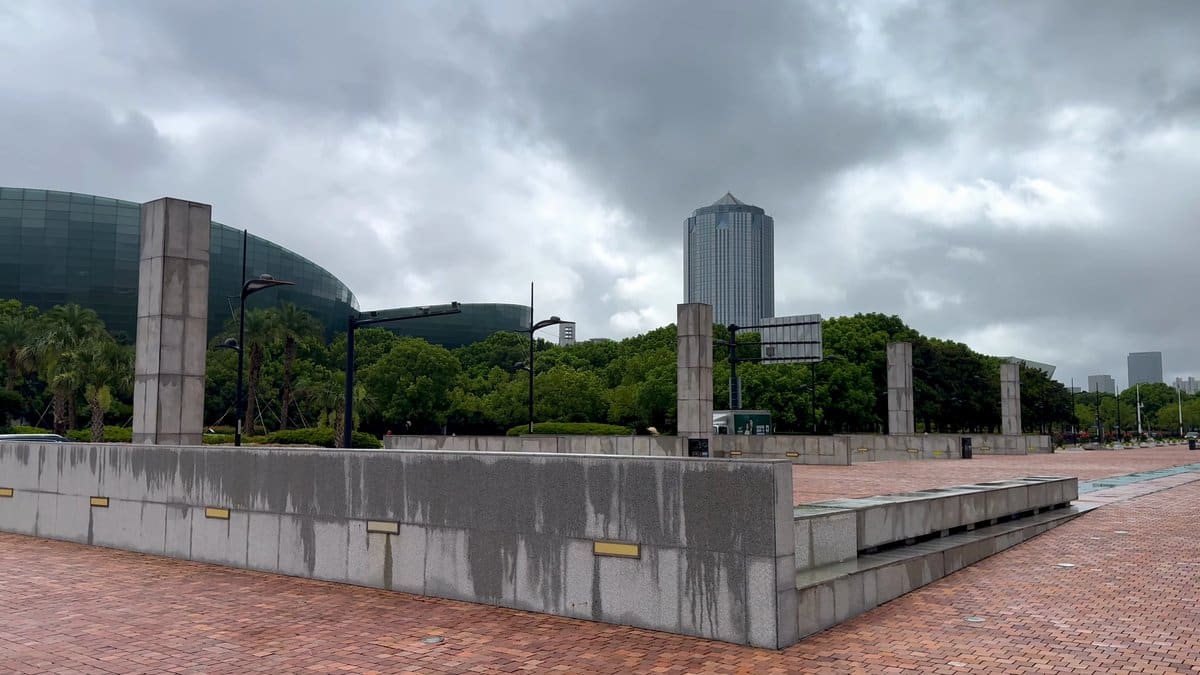
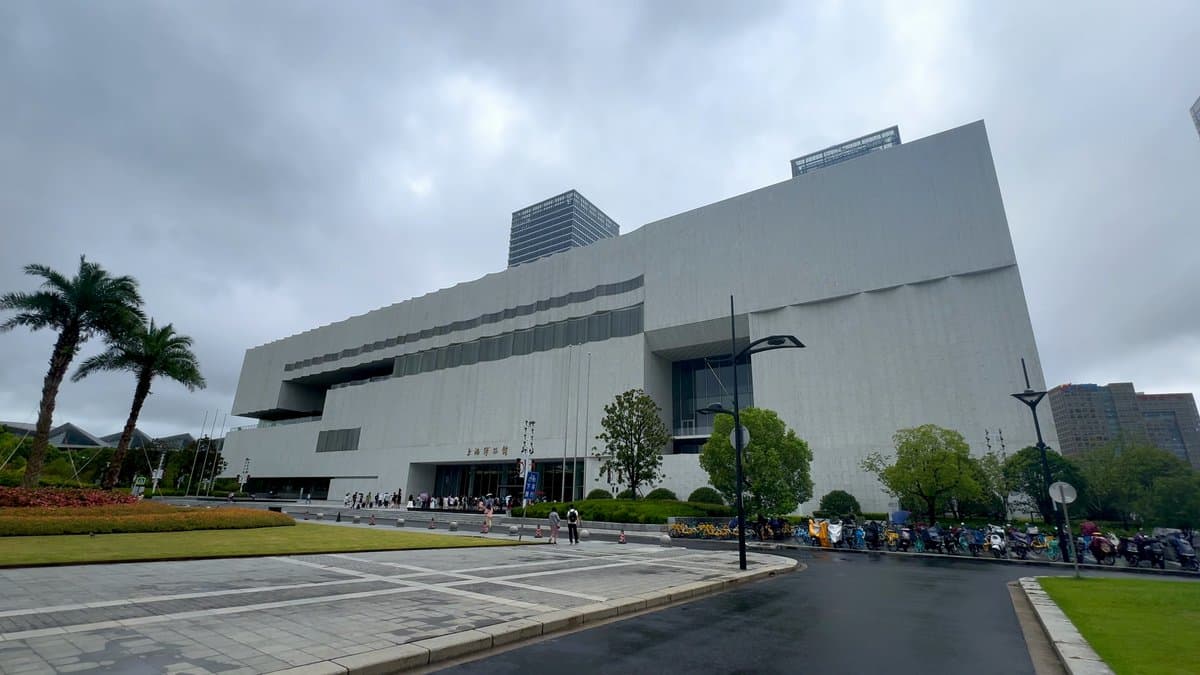
Located along the Huangpu riverfront, the museum itself is set amid stone plazas and landscaped gardens; all very photogenic but a little too exposed for summertime visits. Inside, the geometry of the overhanging upper floors and facades will delight architecture geeks; non-geeks will simply rejoice at the shade provided. Big crowds arrives on weekends, so aim for a weekday morning if your schedule allows.
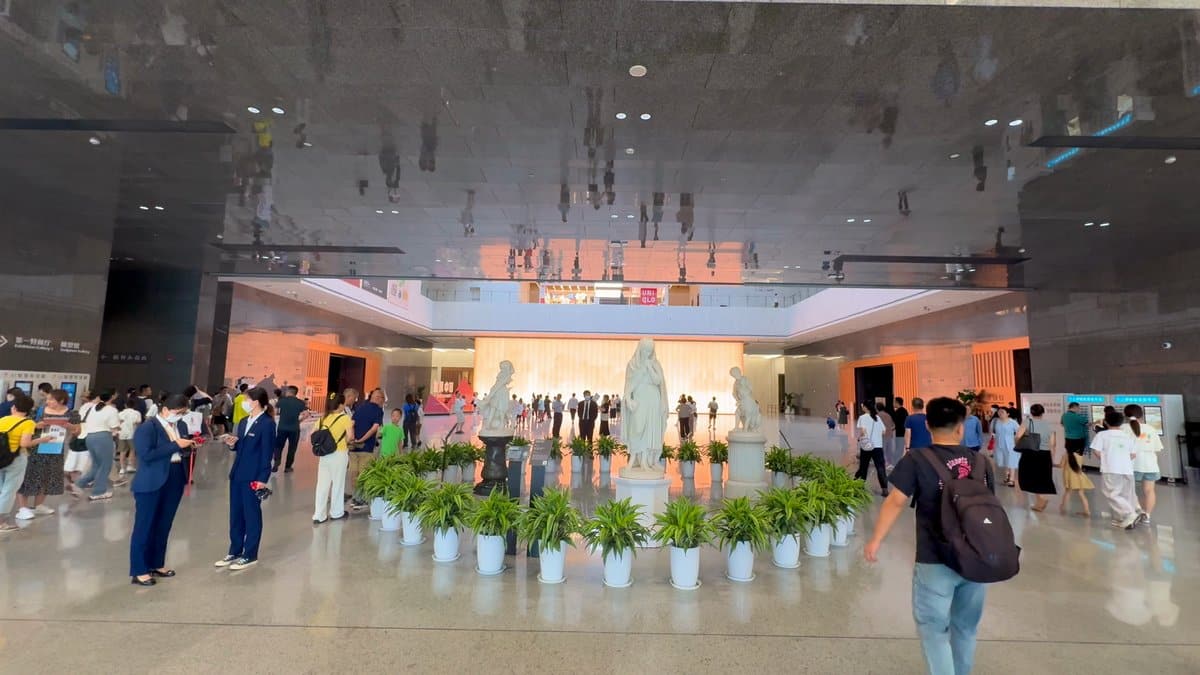
Inside, the ground-floor atrium buzzes with visitors lining up for security checks and studying the floor maps. Security staff move things along smartly, but bring as little as possible; bag storage lockers fill up fast on busy days.
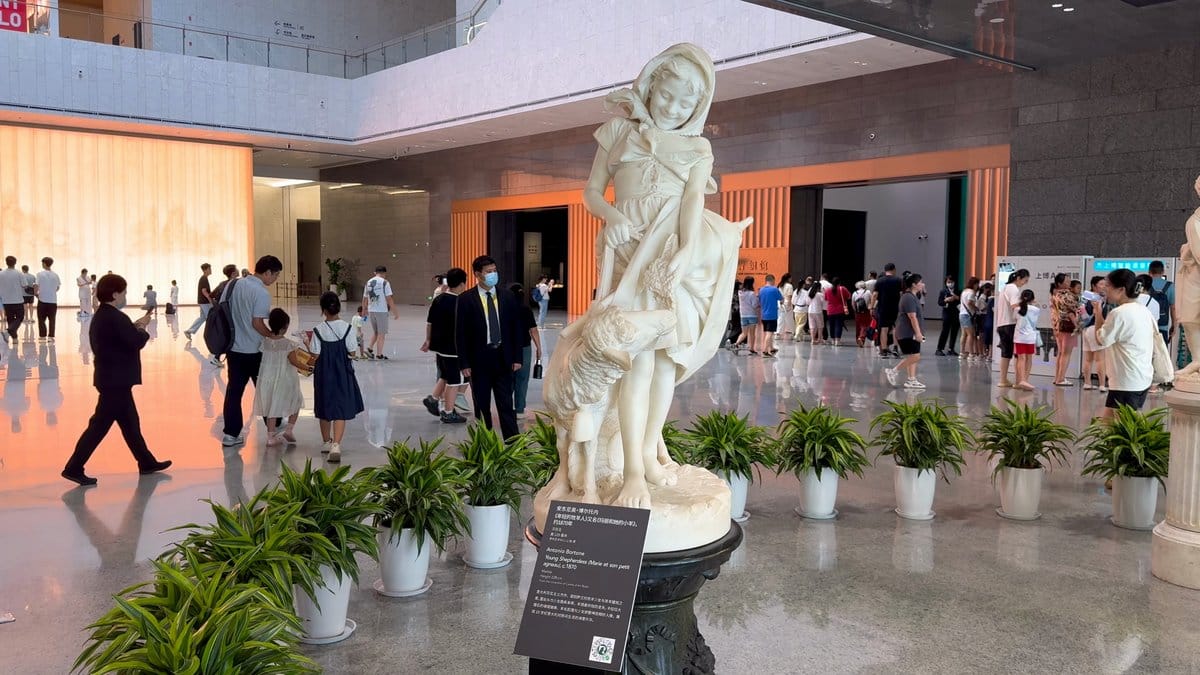
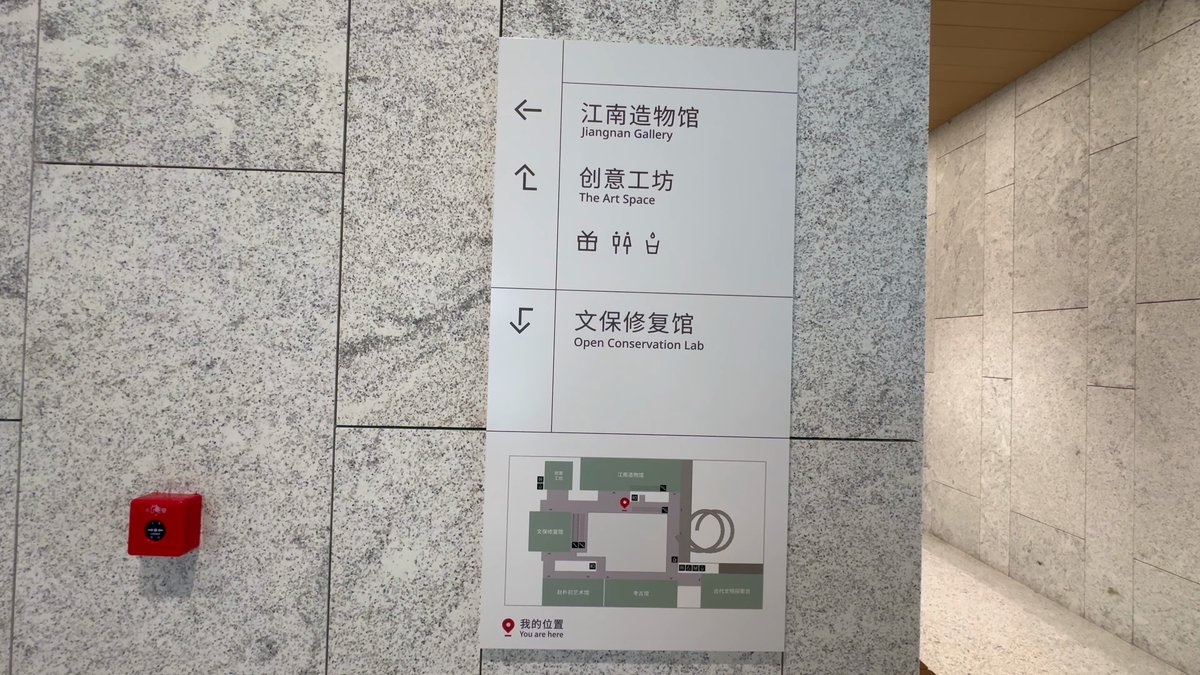
After passing through, head upstairs to the Jiangnan Gallery, a decent place to start. Here, traditional daily life and crafts from the Yangtze Delta region is shown, from carved furnitures to embroidered robes.
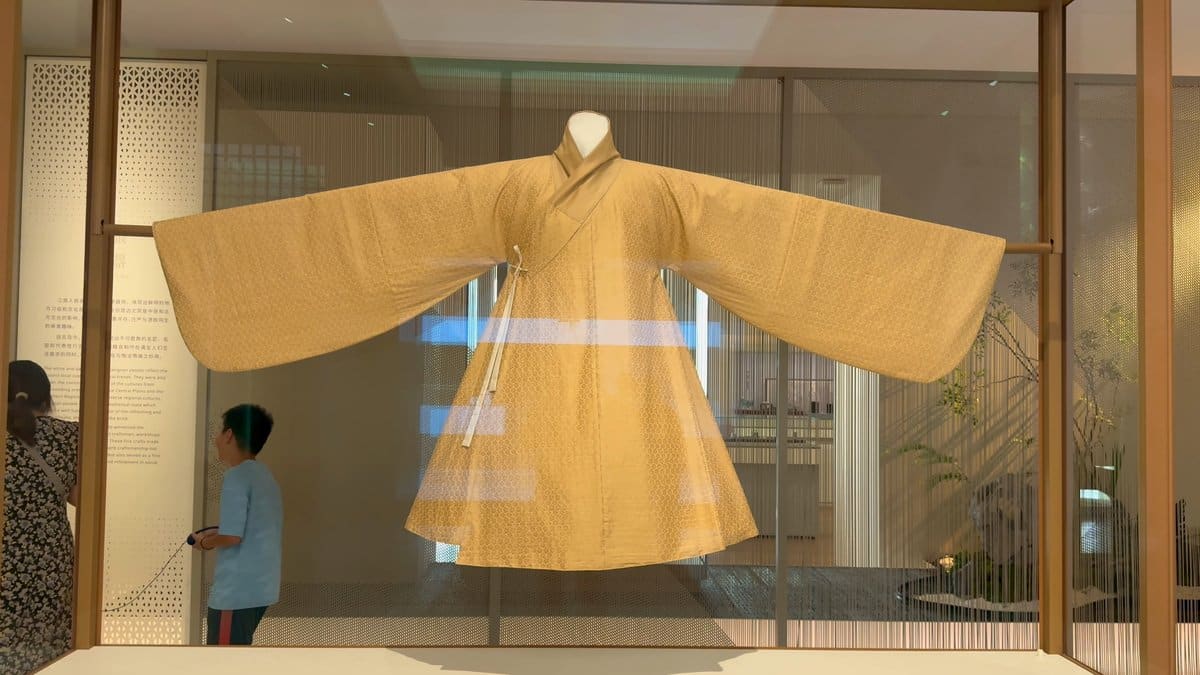
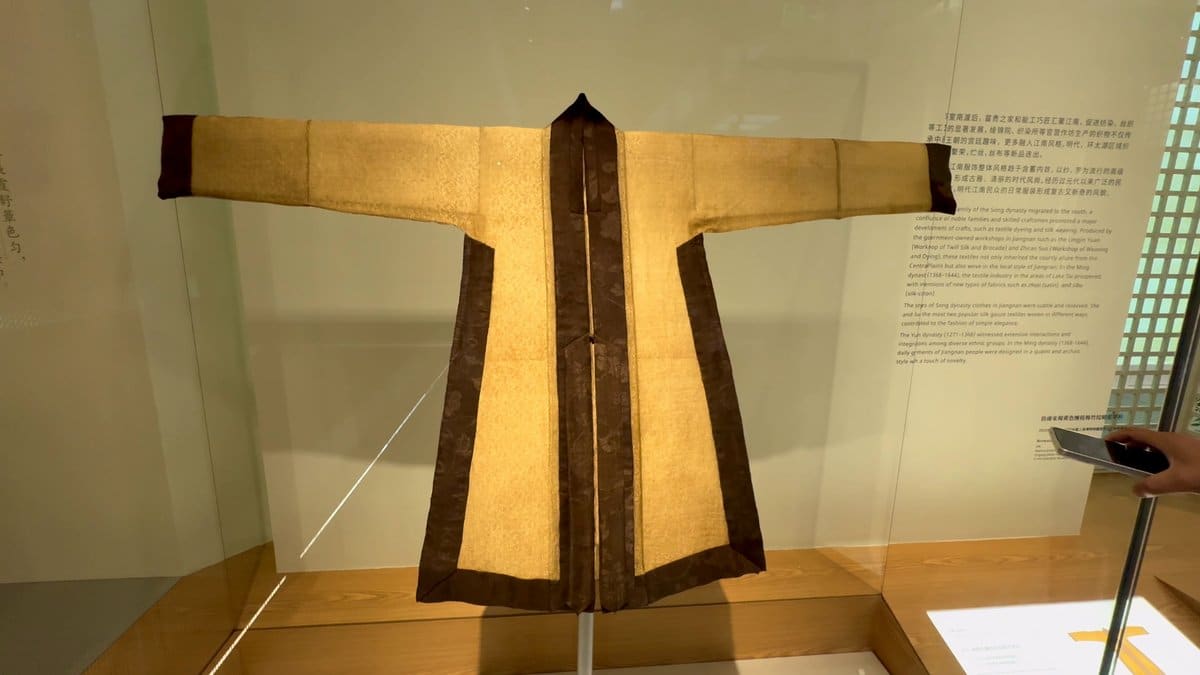
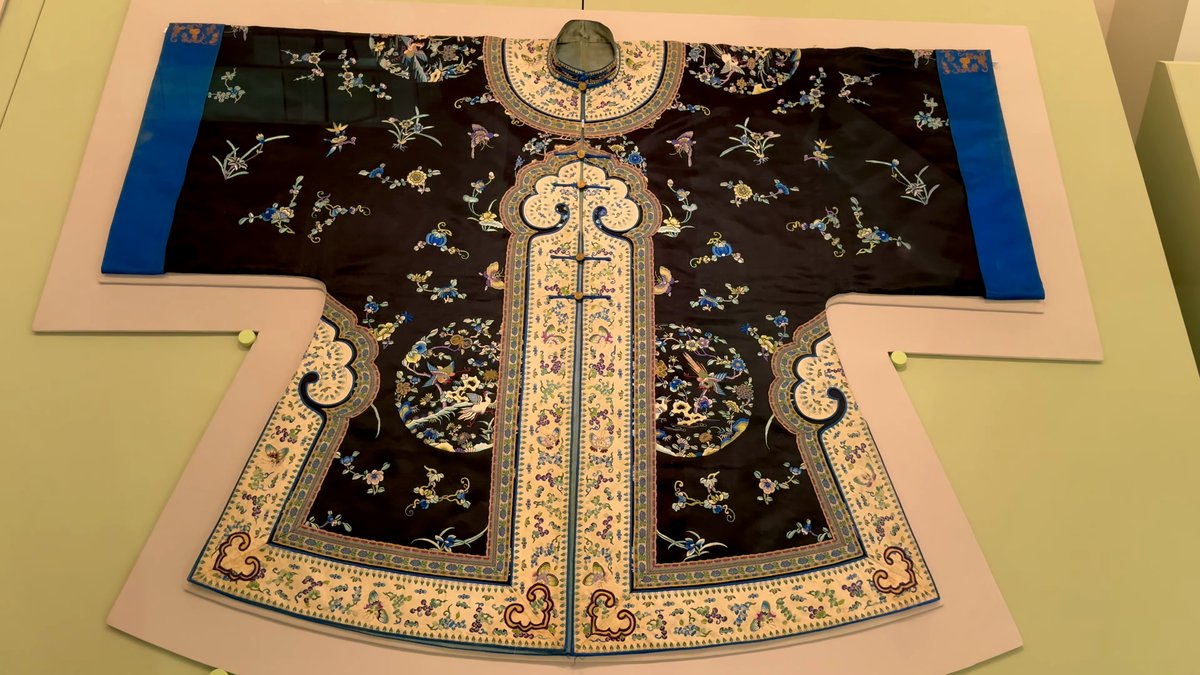
There’s even a dedicated textile display area, where court robes is displayed flat in cases. The embroidery details are impressive enough to make you lean in closer, but after a while it becomes repetitive (the format feels a bit samey).
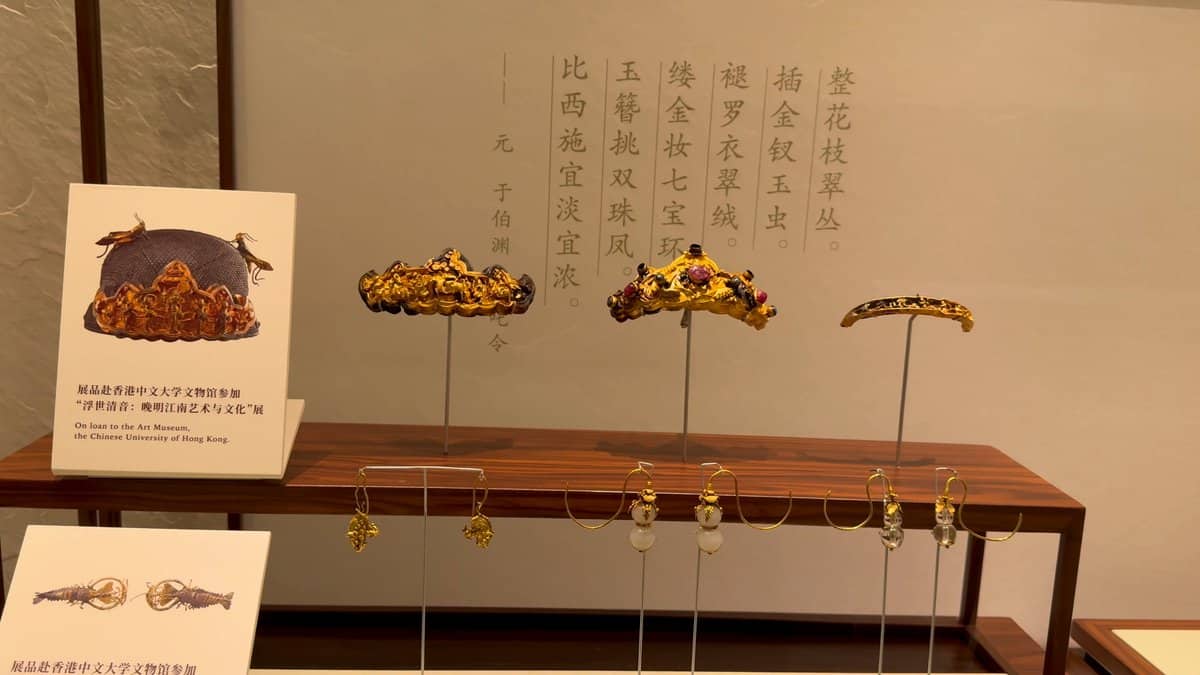
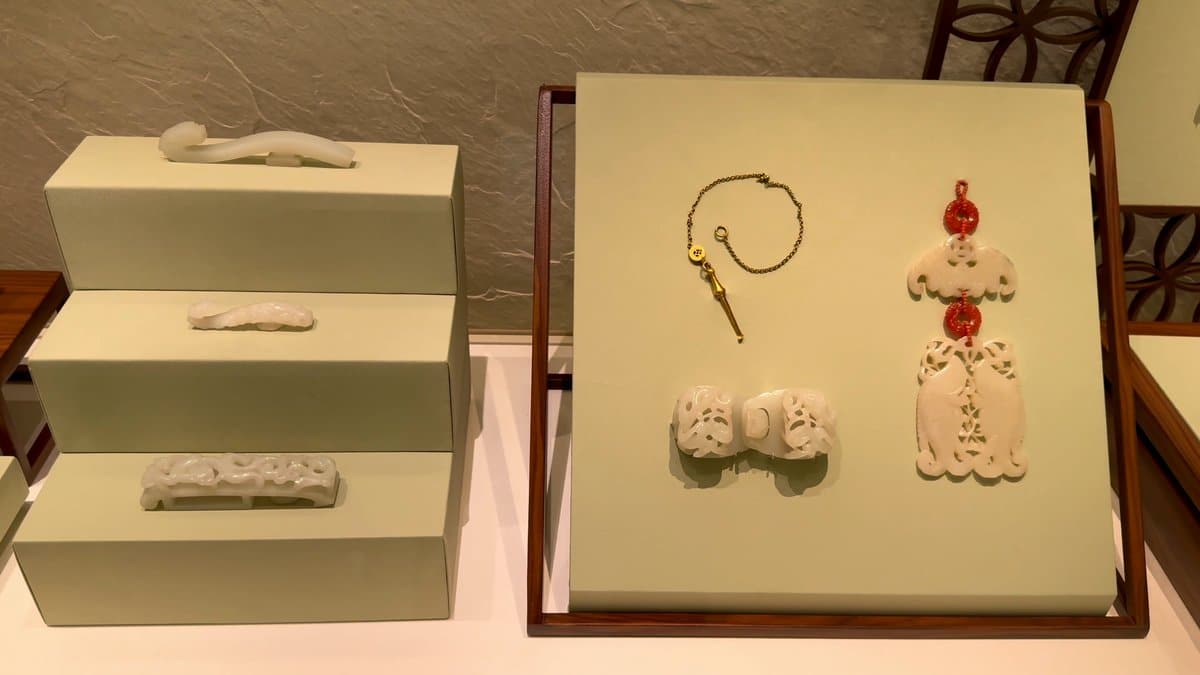
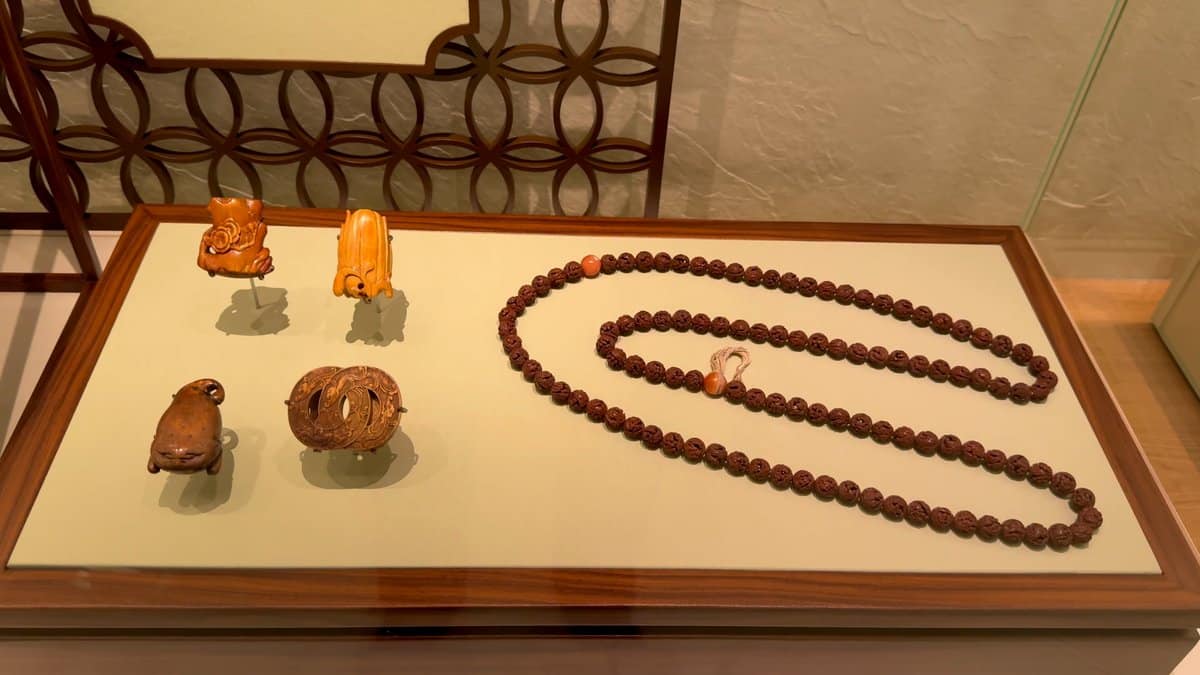
Nearby, smaller cases hold personal ornaments: little carved toggles, strings of beads, hairpins. They’re dainty things, and the lighting does a good job of picking out the fine workmanship without glare.
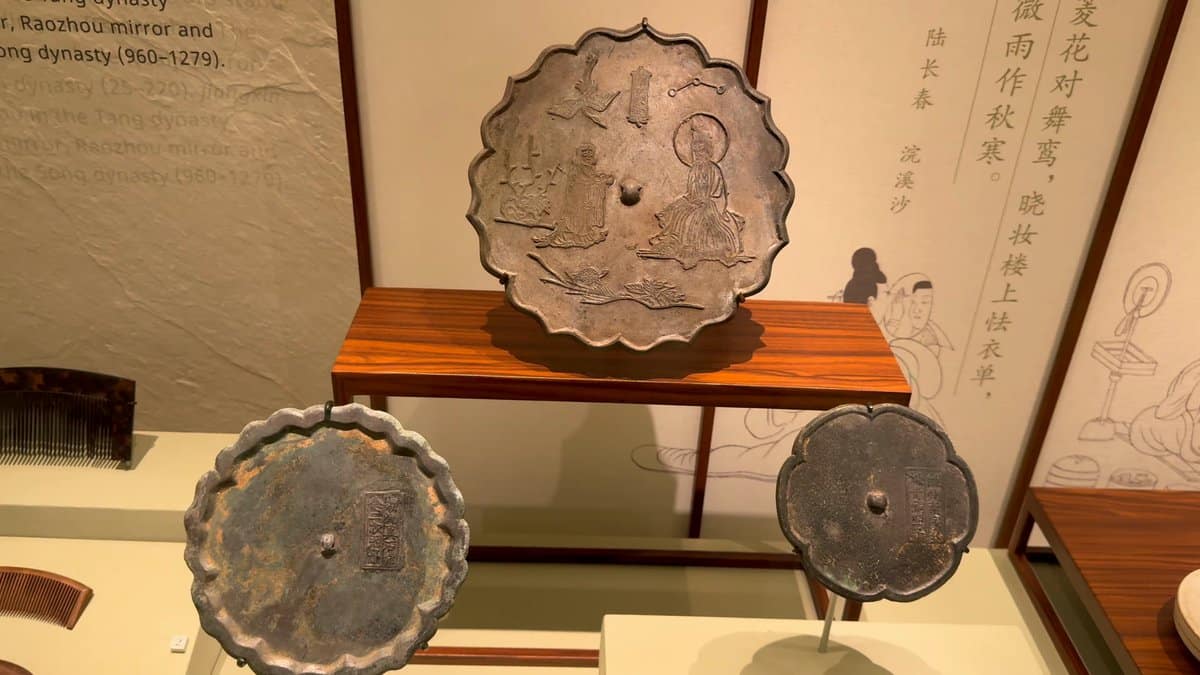
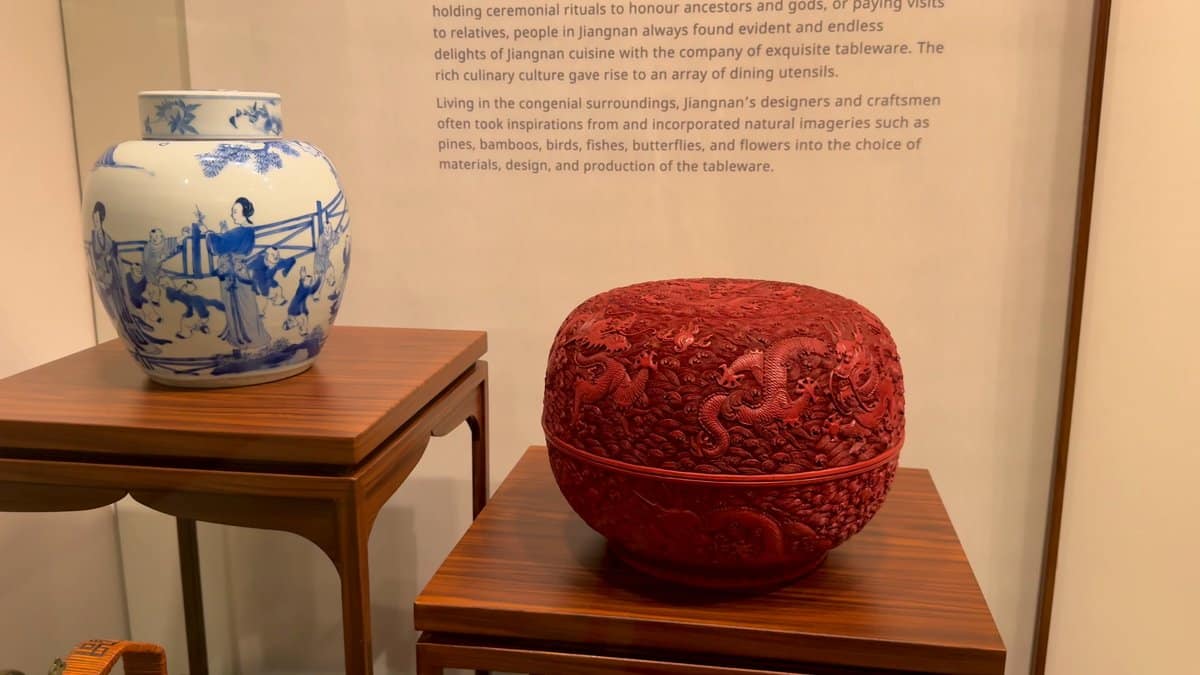
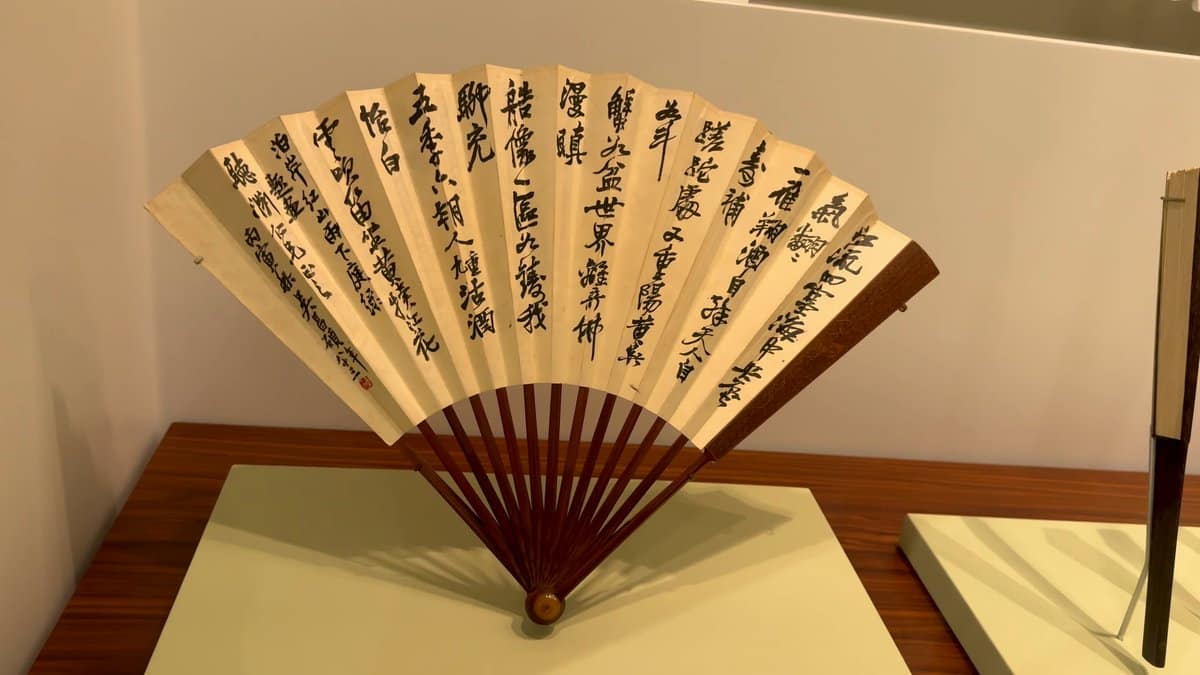
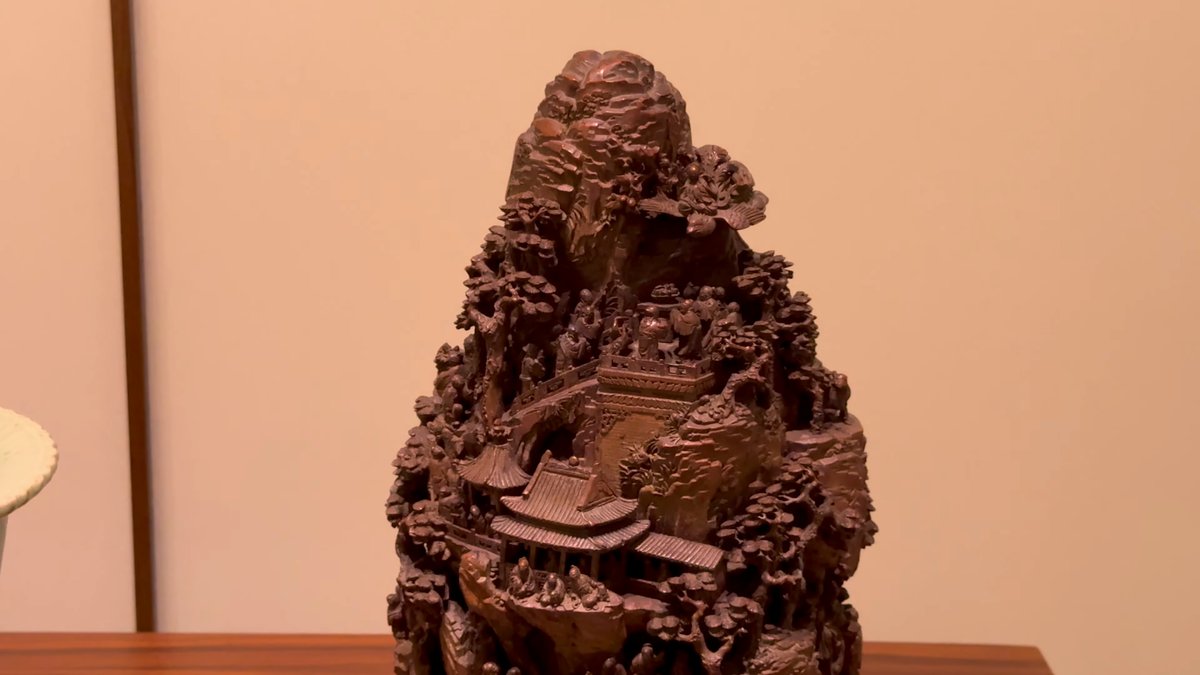
Completing this section are bronze mirrors, folding fans, lacquerware and a carved landscape sculpture. Honestly, the mix can feel a bit scattered. You jump from one medium to another without much narrative thread tying them together.
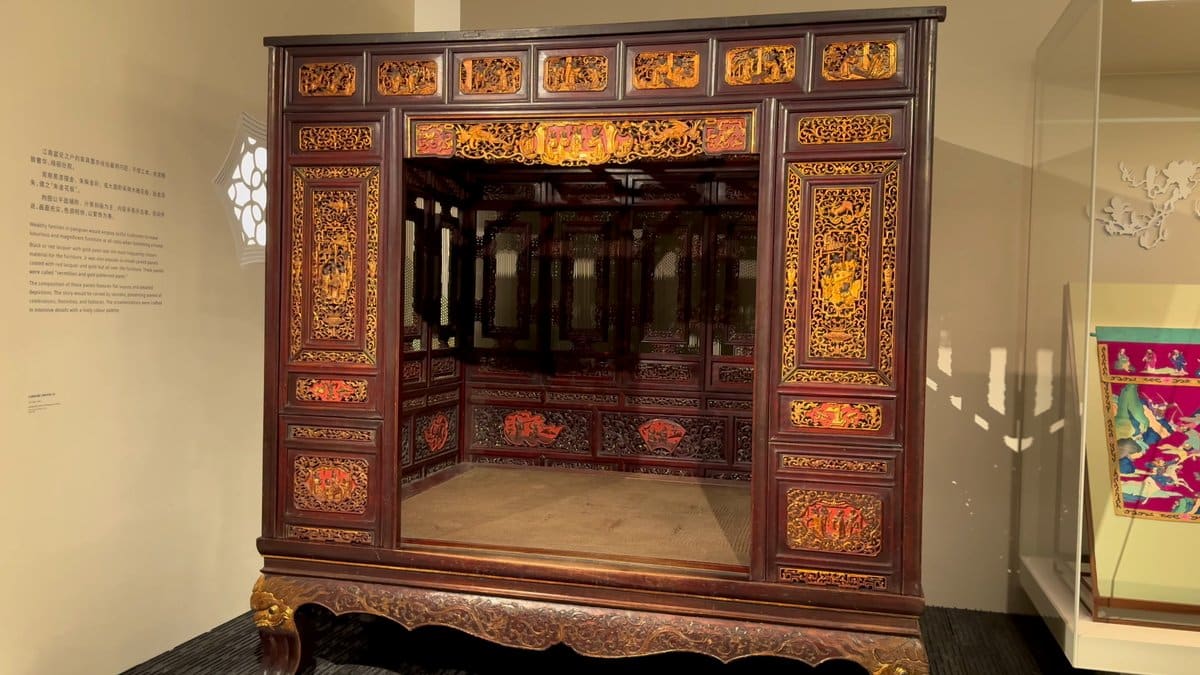
One corner is dominated by a full-size canopy bed whose wooden frame is gold and imposing. It’s one of those pieces that makes passersby stop in their tracks not because it’s beautiful but because it simply has such a strong sense of presence.
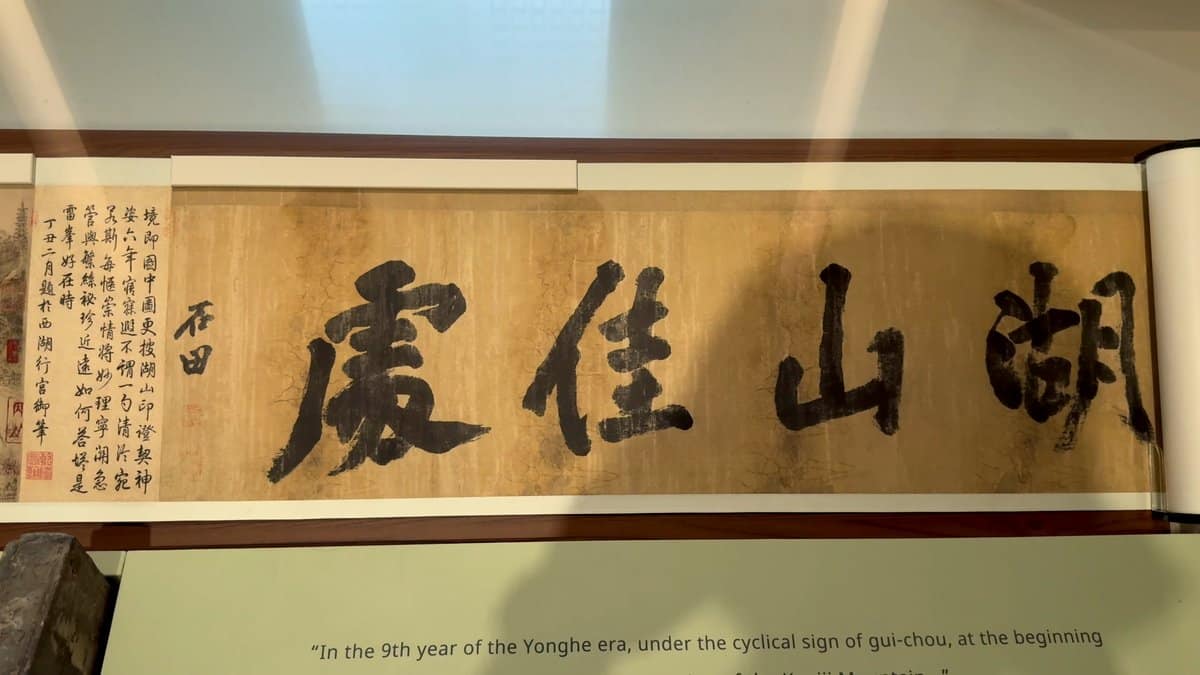
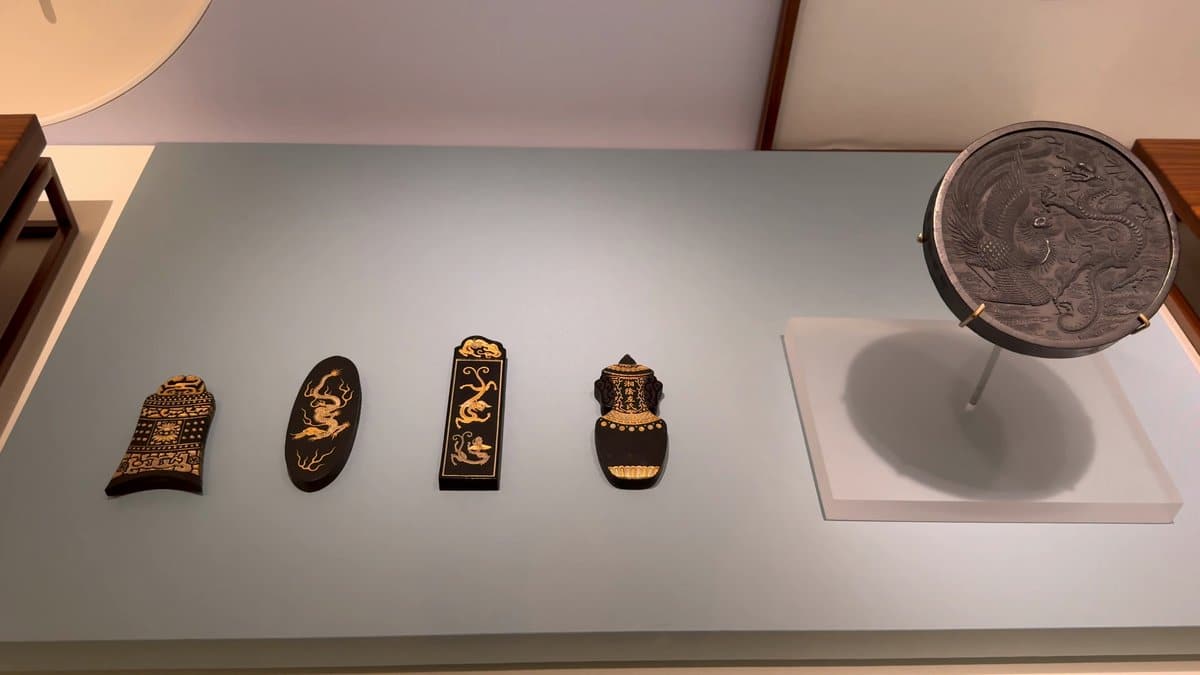
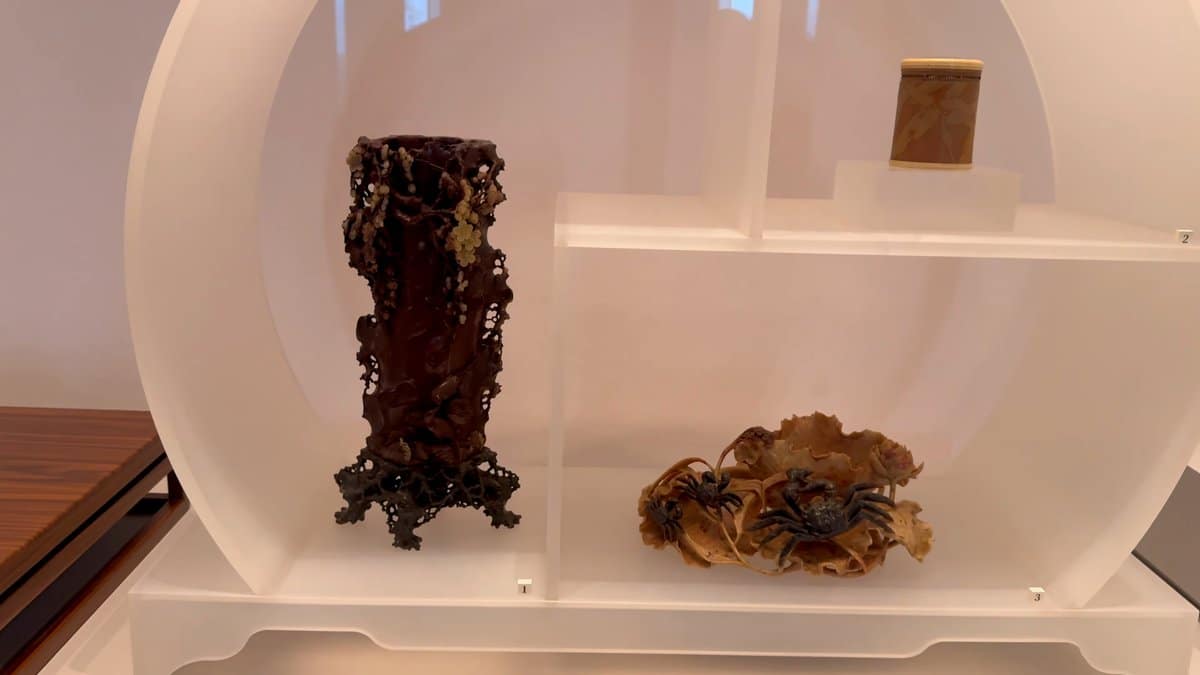
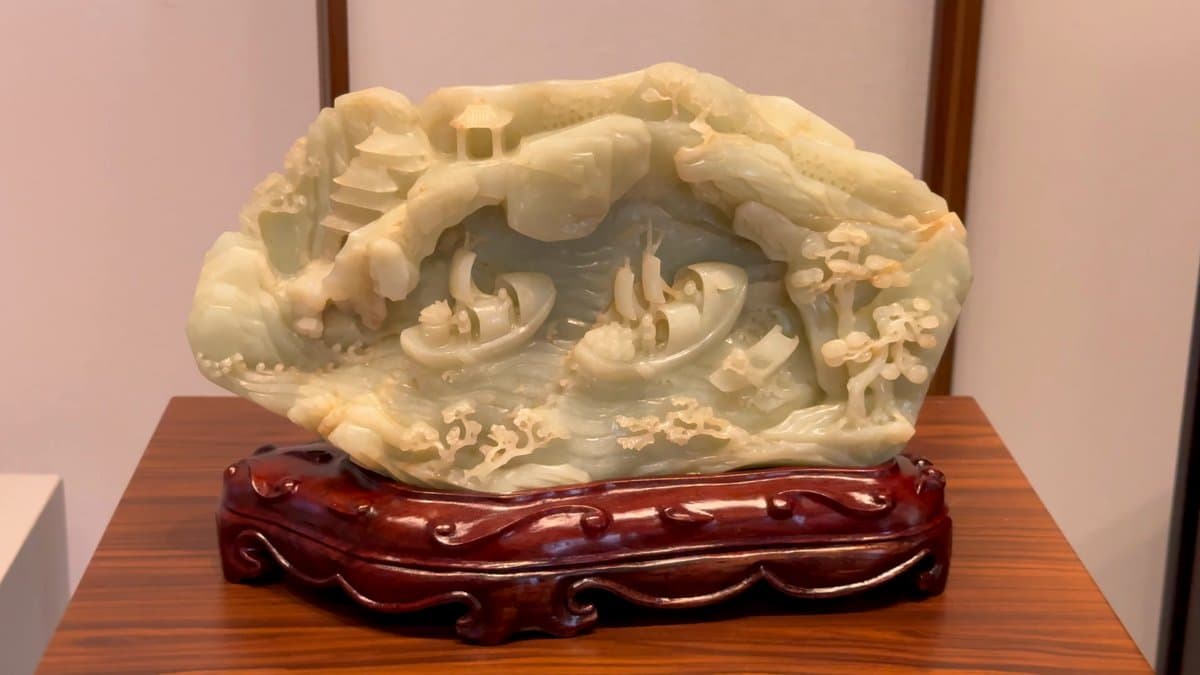
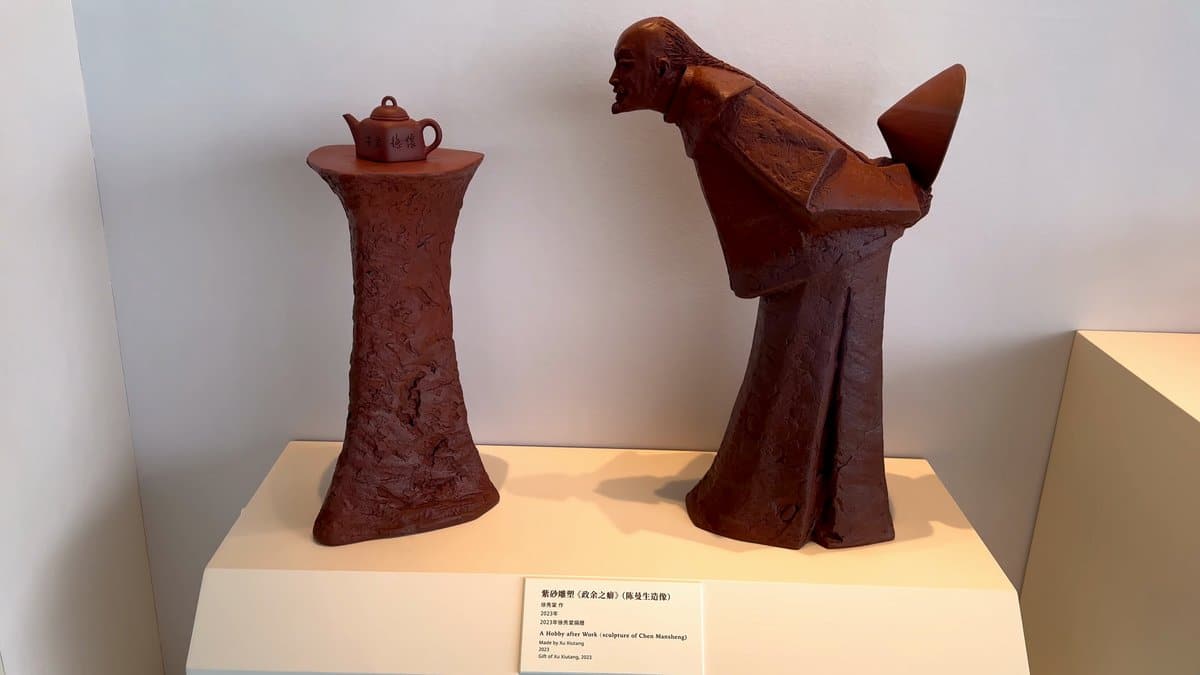
In the next set of display cases is a collection of scrolls, ink cakes, brush pots, a tiny teapot, and some jade carvings. These are all objects that would of been on a scholar’s desk, which can be an easy thing to pass by if you aren’t already into calligraphy. But when you slow down, it’s very quietly impressiv workmanship.
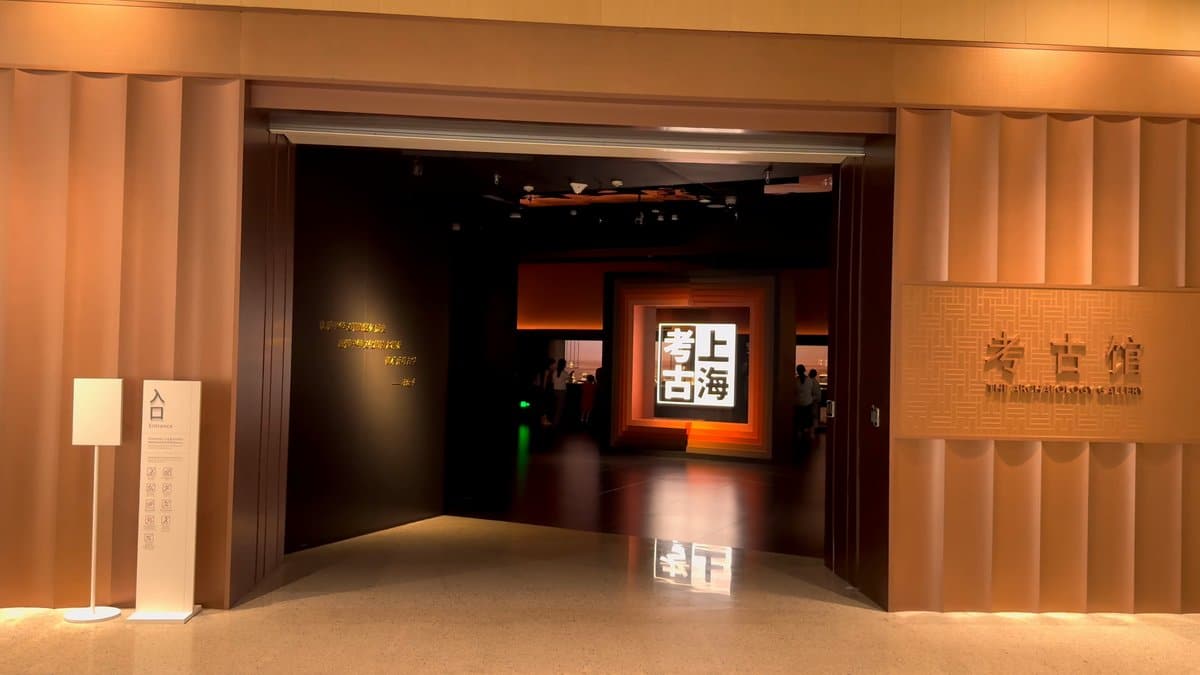
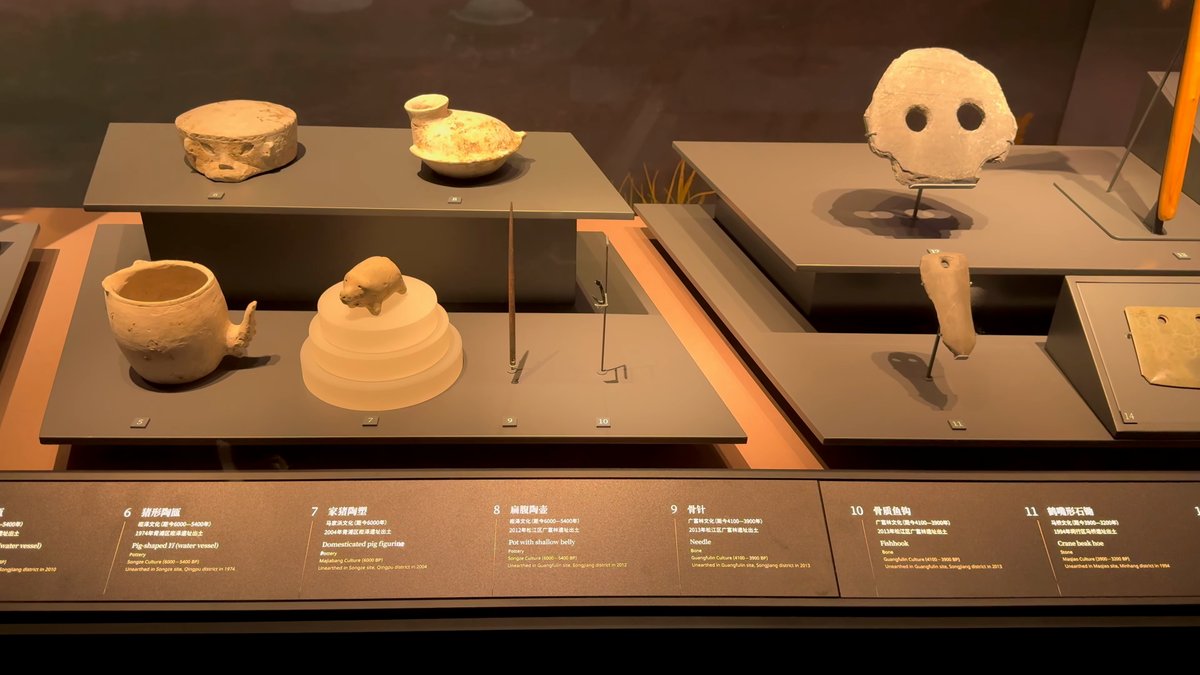
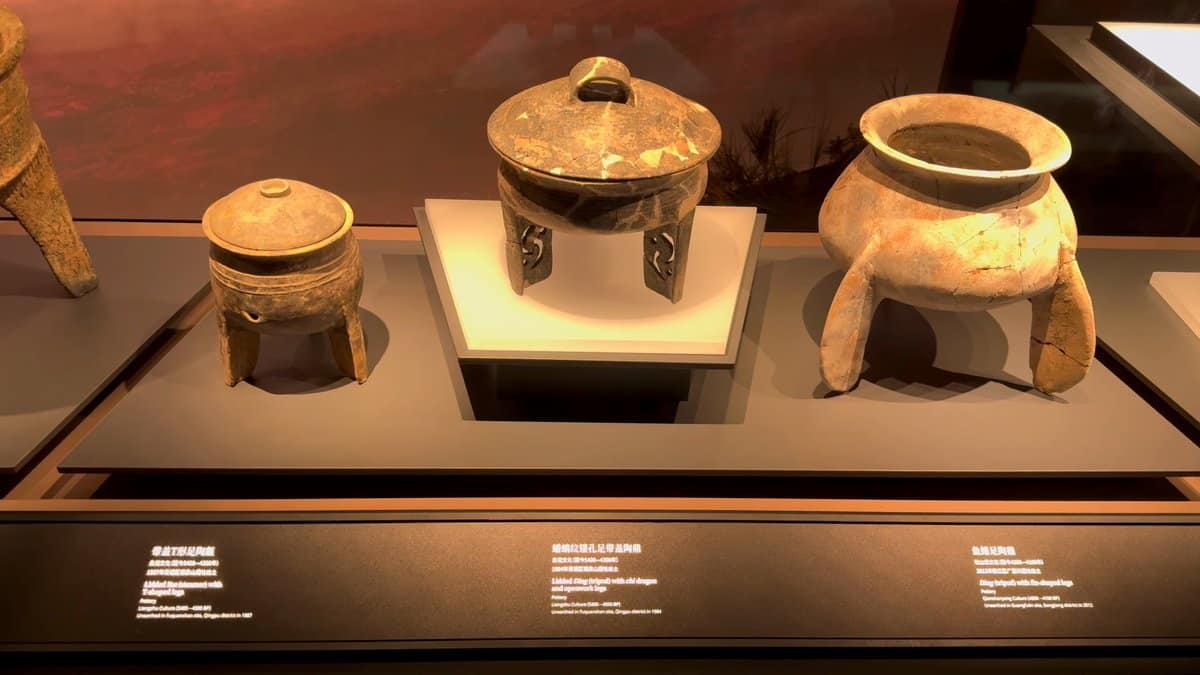
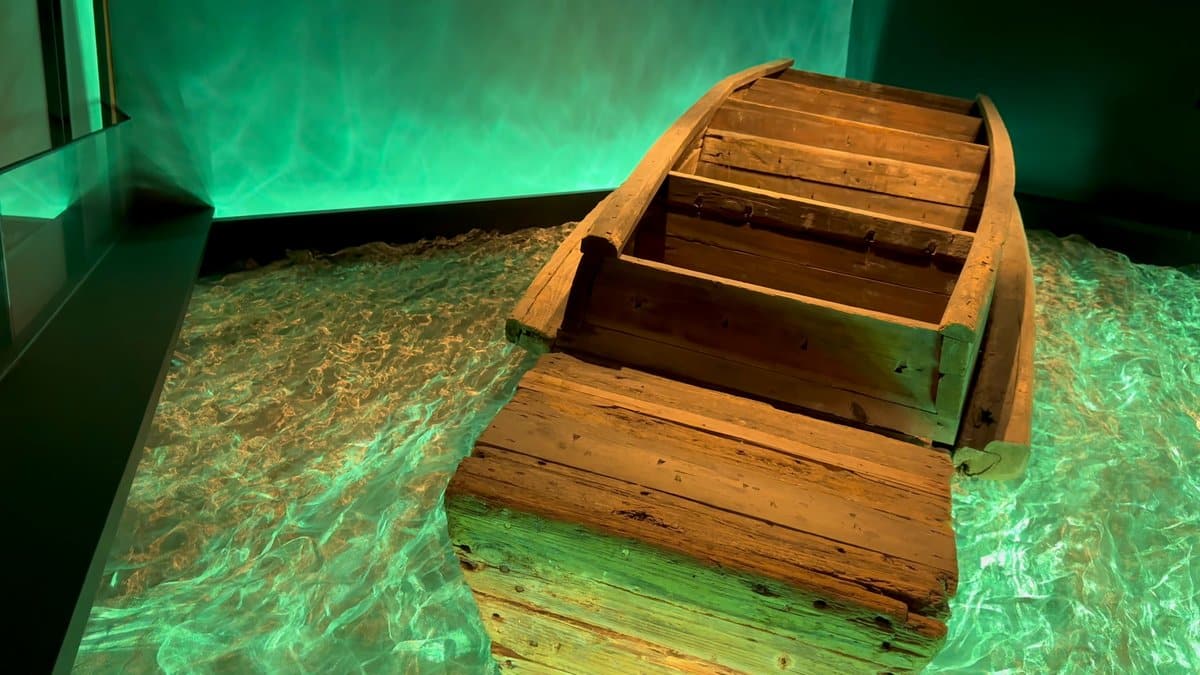
A completely different mood prevails in the Archaeology Gallery. The lighting is dim, the excavations are spotlit, and it’s hushed, on purpose. Exhibits include pottery tripods, a reconstructed wooden boat and simple clay vessels depicting what everyday life was like thousands of years ago.
Surprisingly, the boat is quite long, and there’s something sobering about seeing the grain of ancient timber illuminated by the gallery lights.
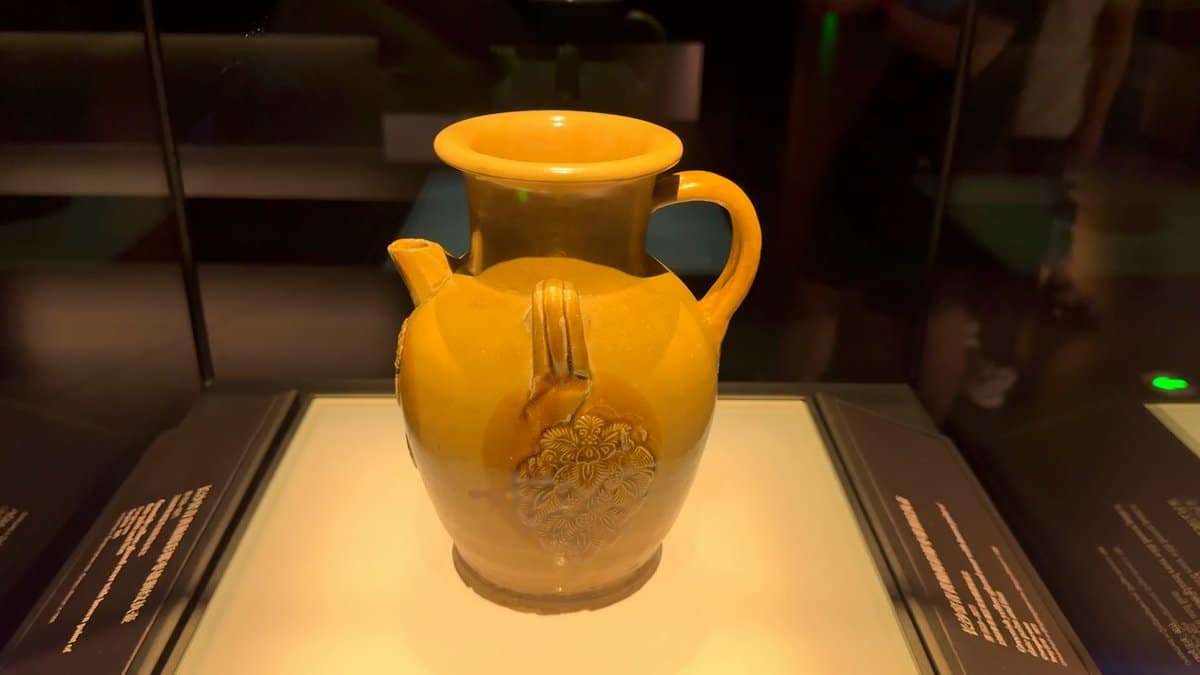
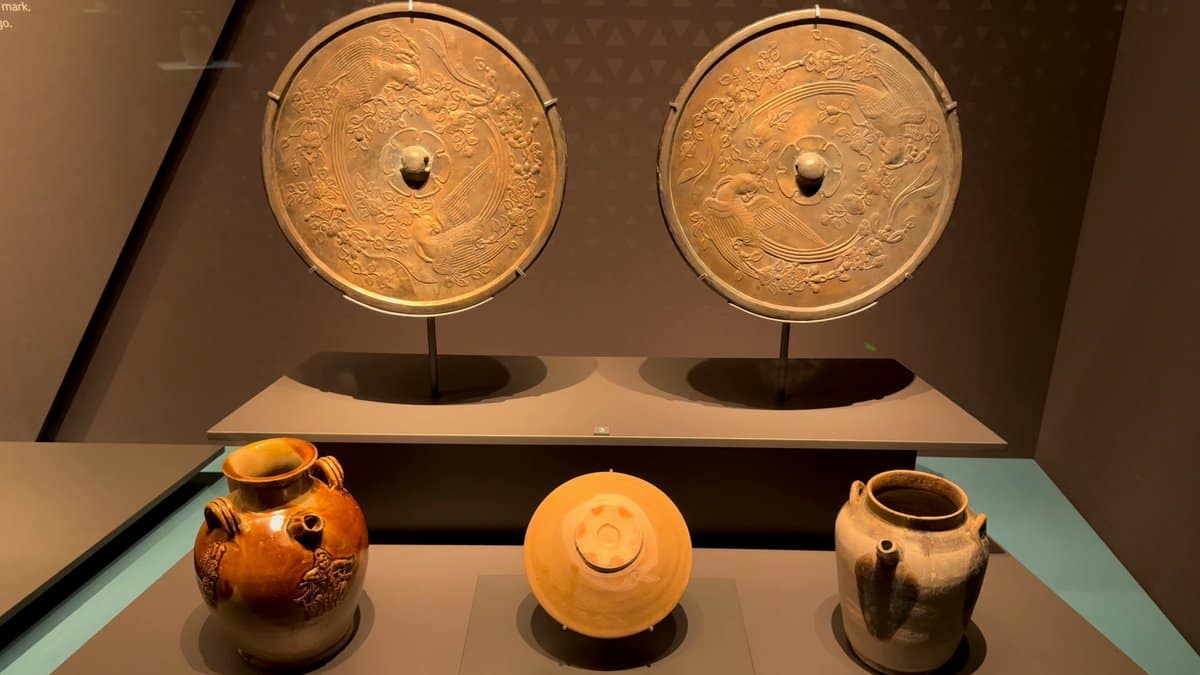
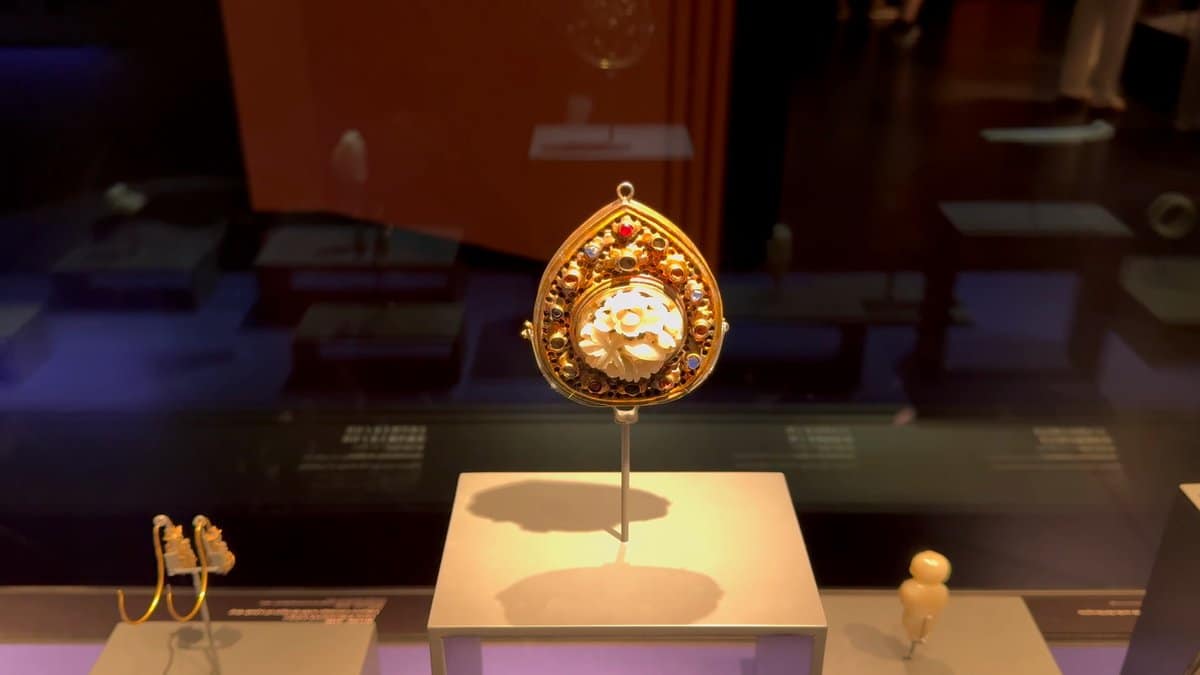
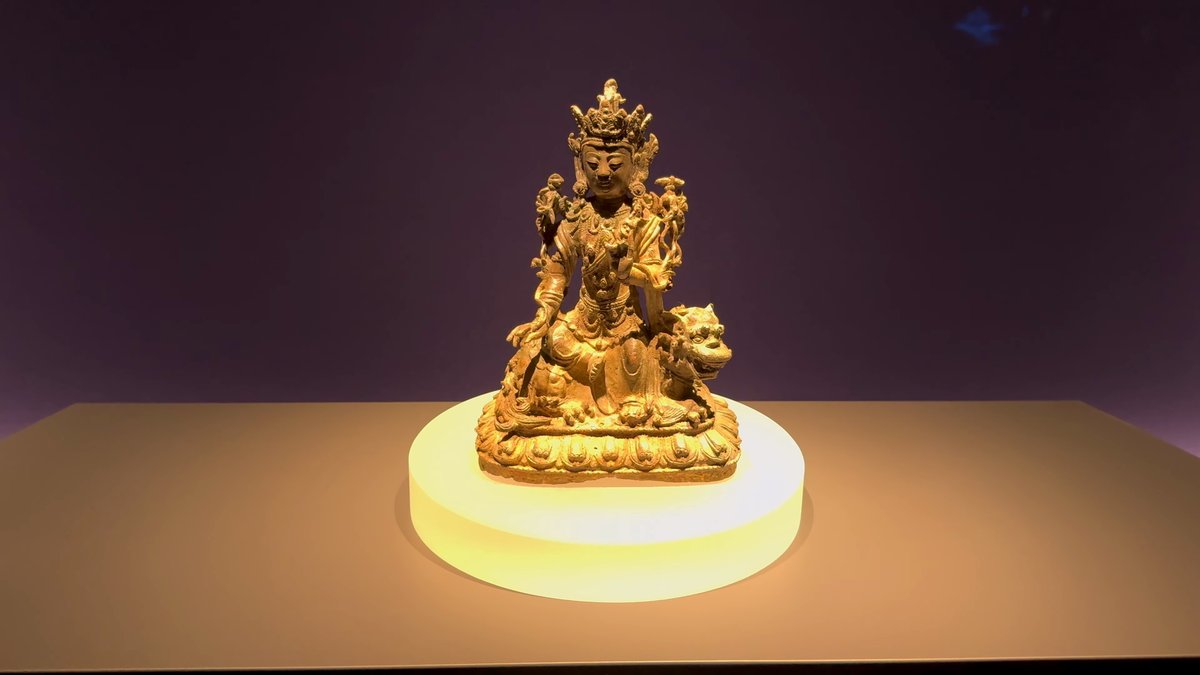
Later periods are represented by a gilt Buddha, a pendant, bronze mirrors and glazed ewers. The range is enormous, and while this is part of the museums strengths (you get breadth) it’s also its weaknesses, sometimes you don’t get depth.
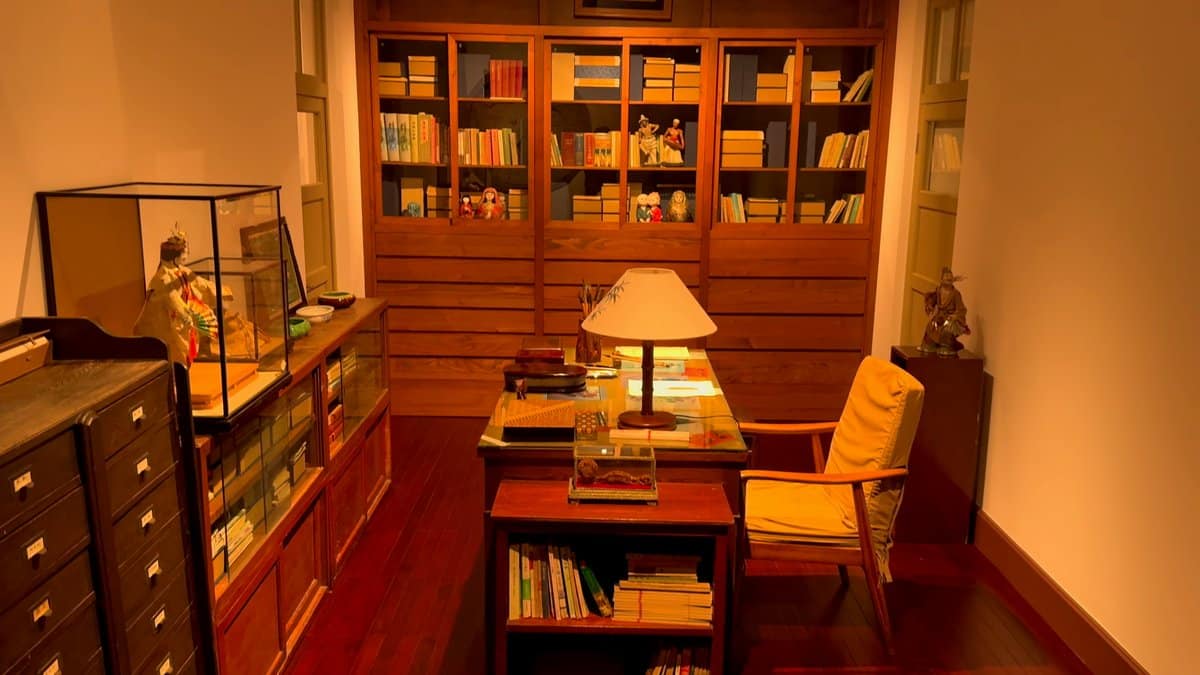
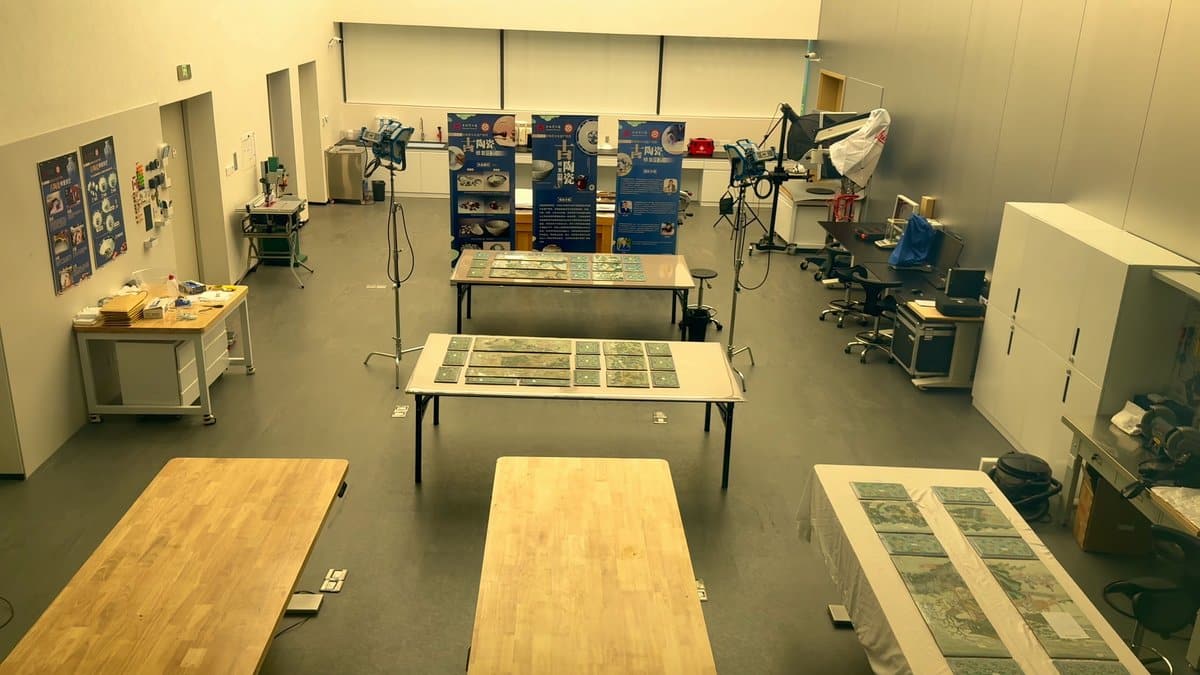
Behind glass is a reconstructed scholar’s study, including scrolls and a desk. Nearby, the conservation lab offers a peek at restoration work in progress, assuming anyone’s actualy at the benches when you pass.
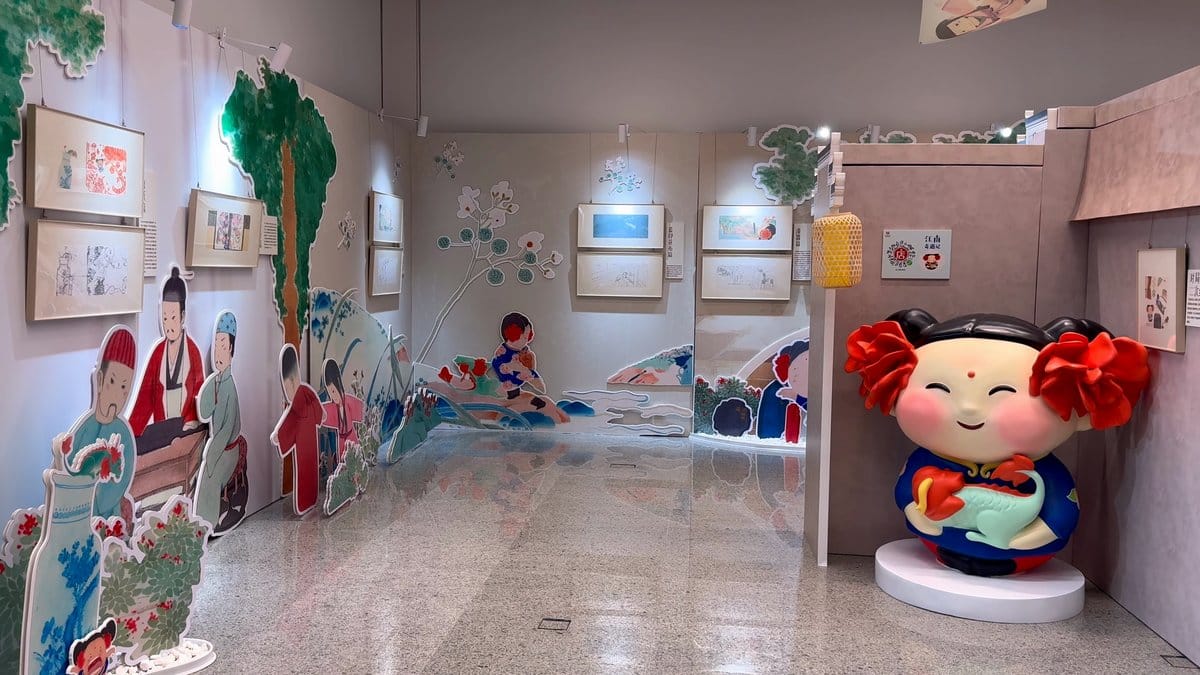
There’s also the Art Space, a hands-on area that includes painted walls and activity tables for families with kids. It gets loud in here, so skip ahead if you’re chasing quiet contemplation.
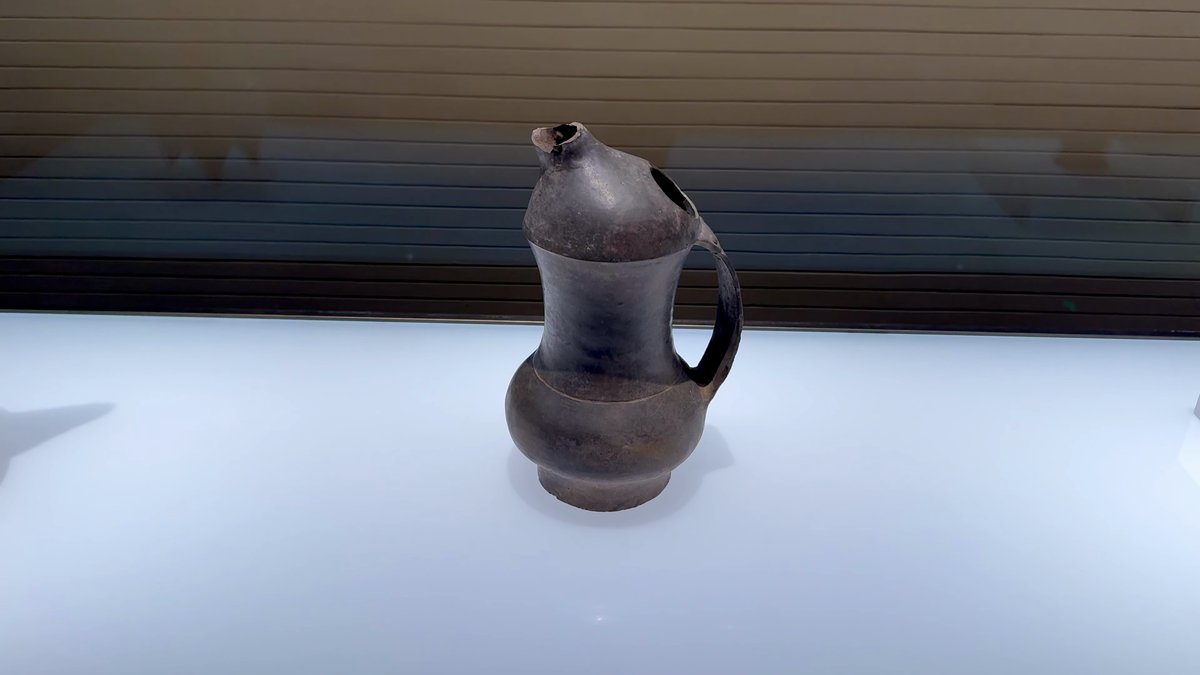
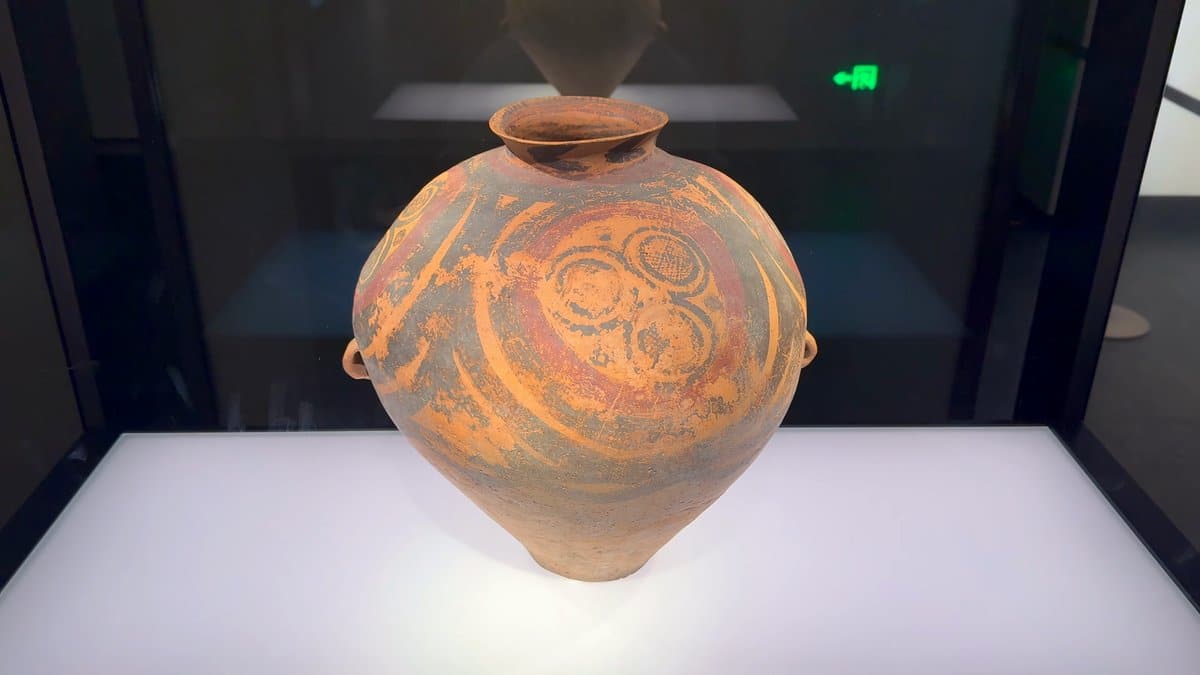
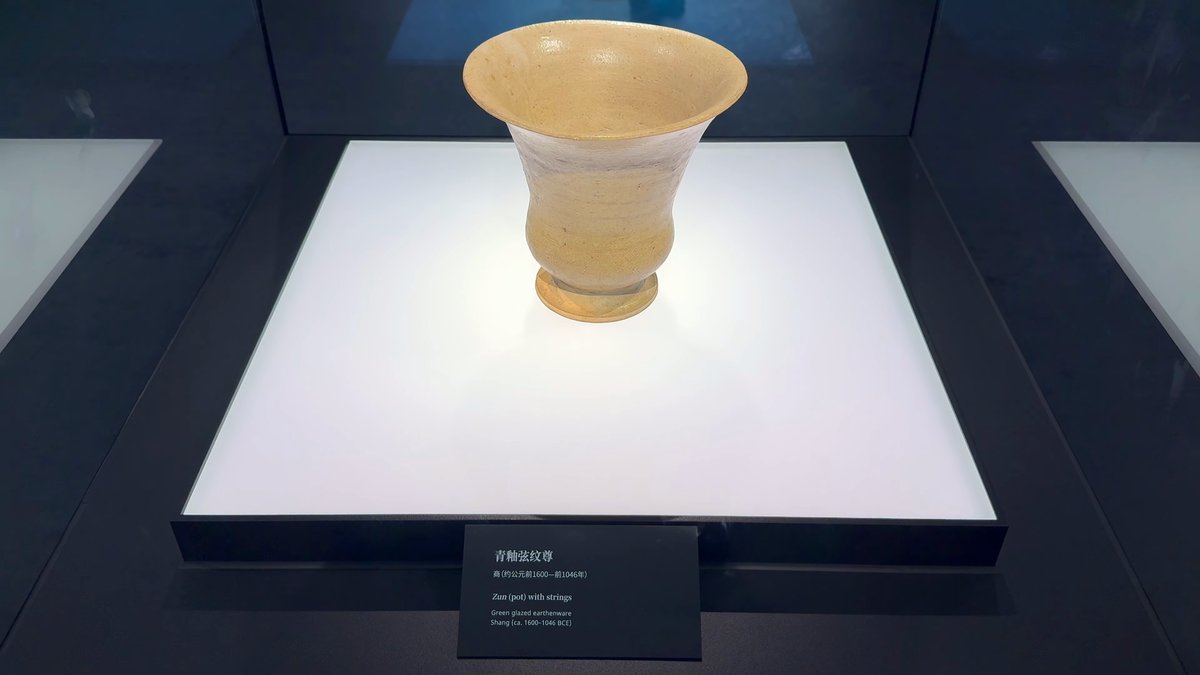
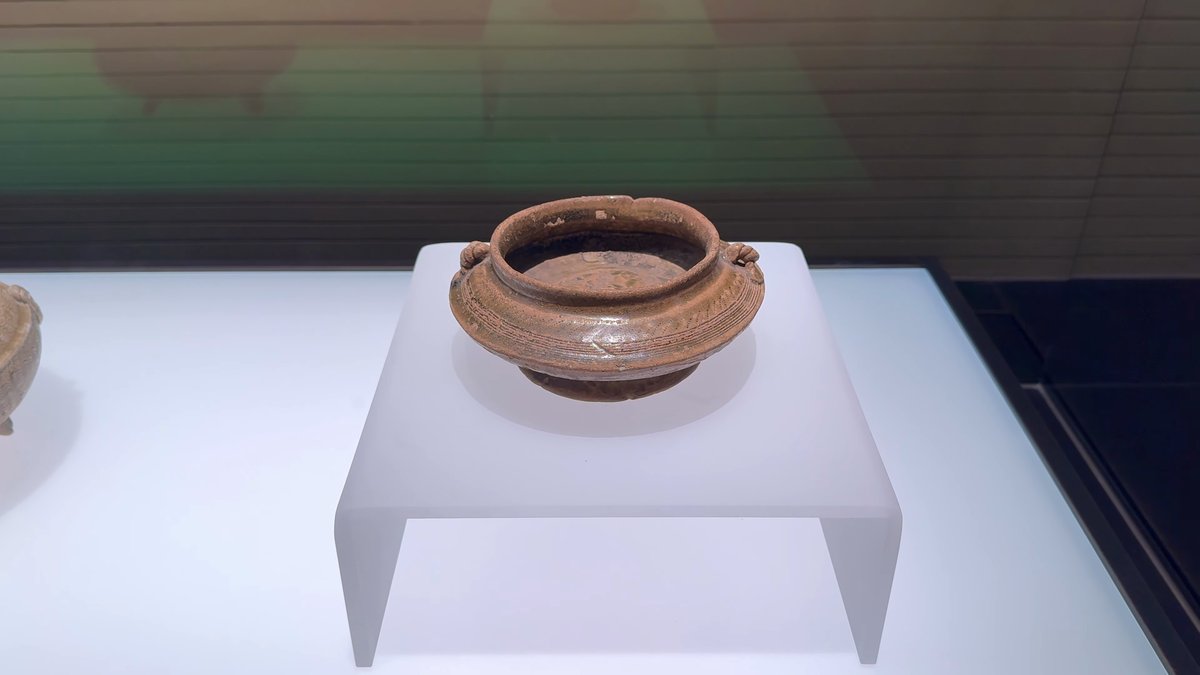
Pottery fills the walls here too, from various dynasties. It shows how techniques developed and forms evolved. There are jugs with curved spouts, pale glazed vessels, painted jars, and simple bowls.
If ceramics aren’t your thing, the differences starts to feel subtle after a while.
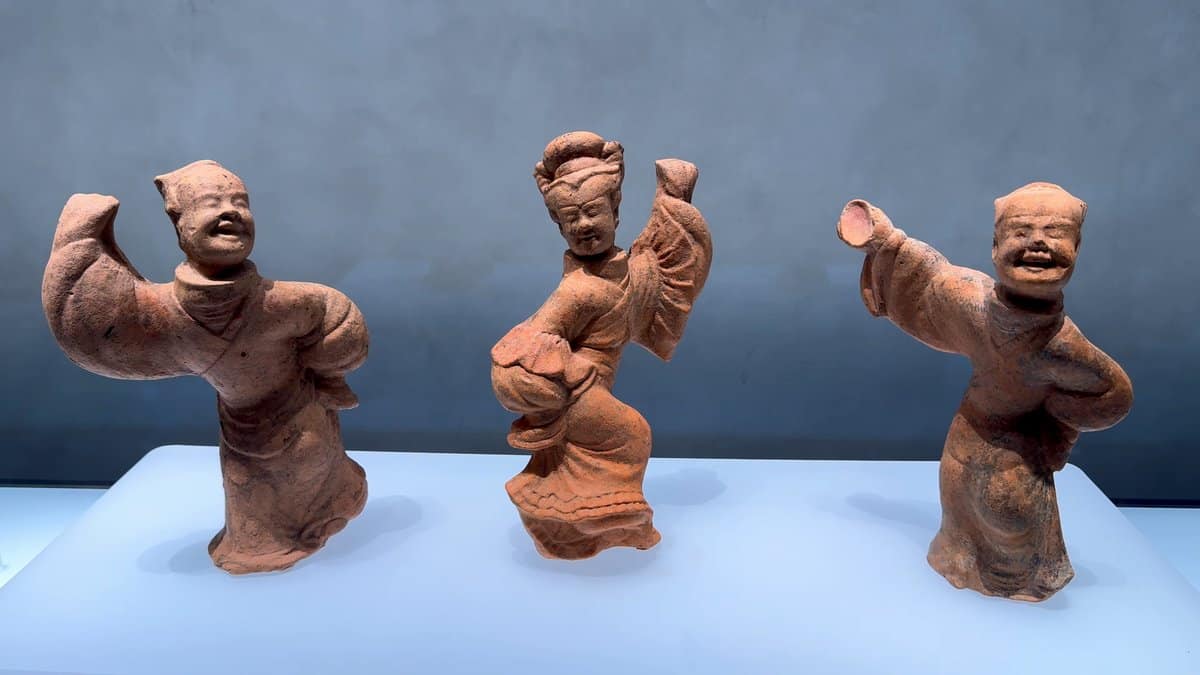
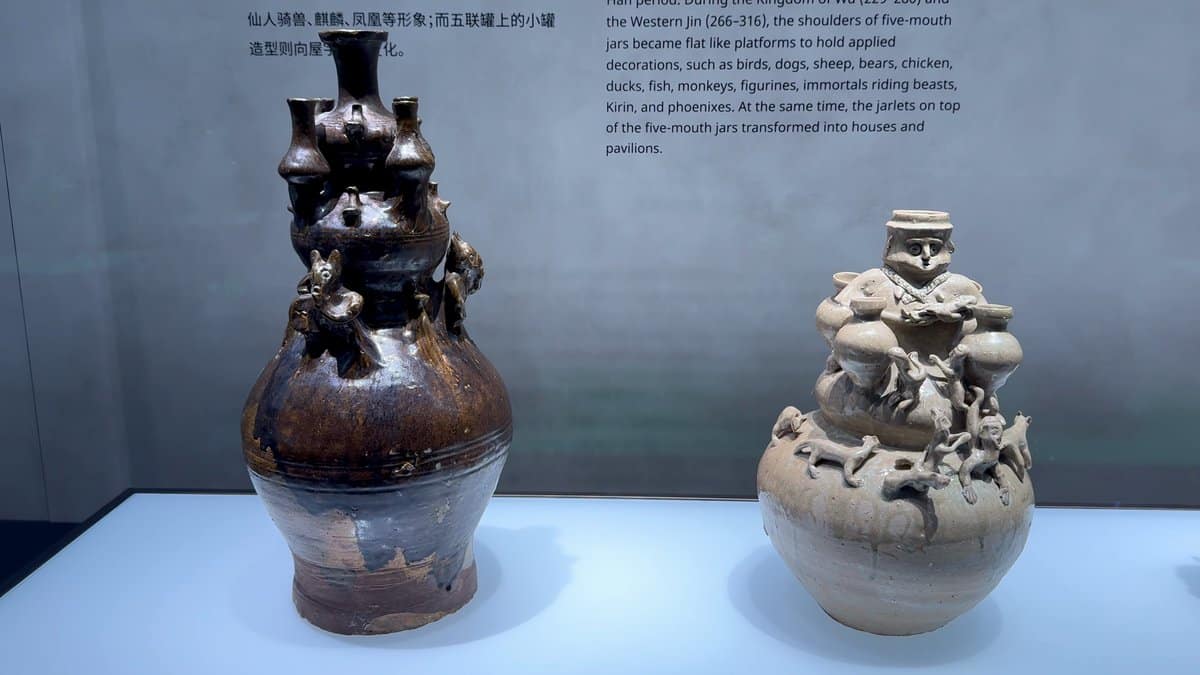
There is some more dramatic funerary stuff. Model jars packed full of little figures and terracotta dancers frozen mid-step give a look into old burial traditions.
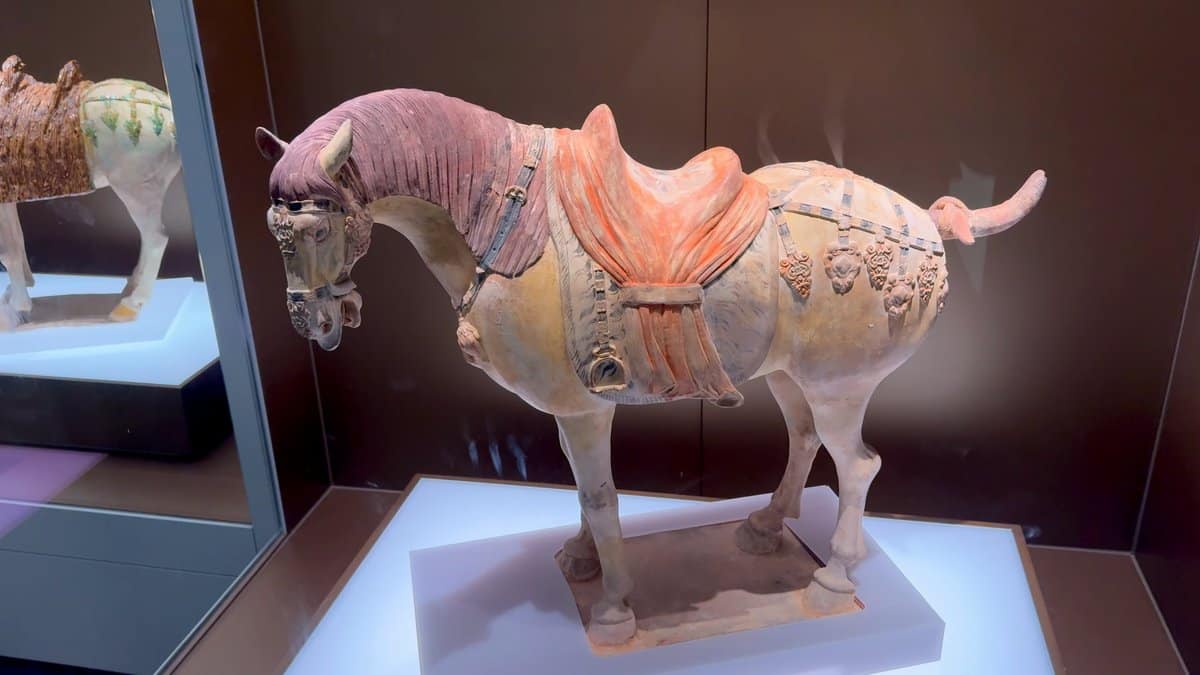
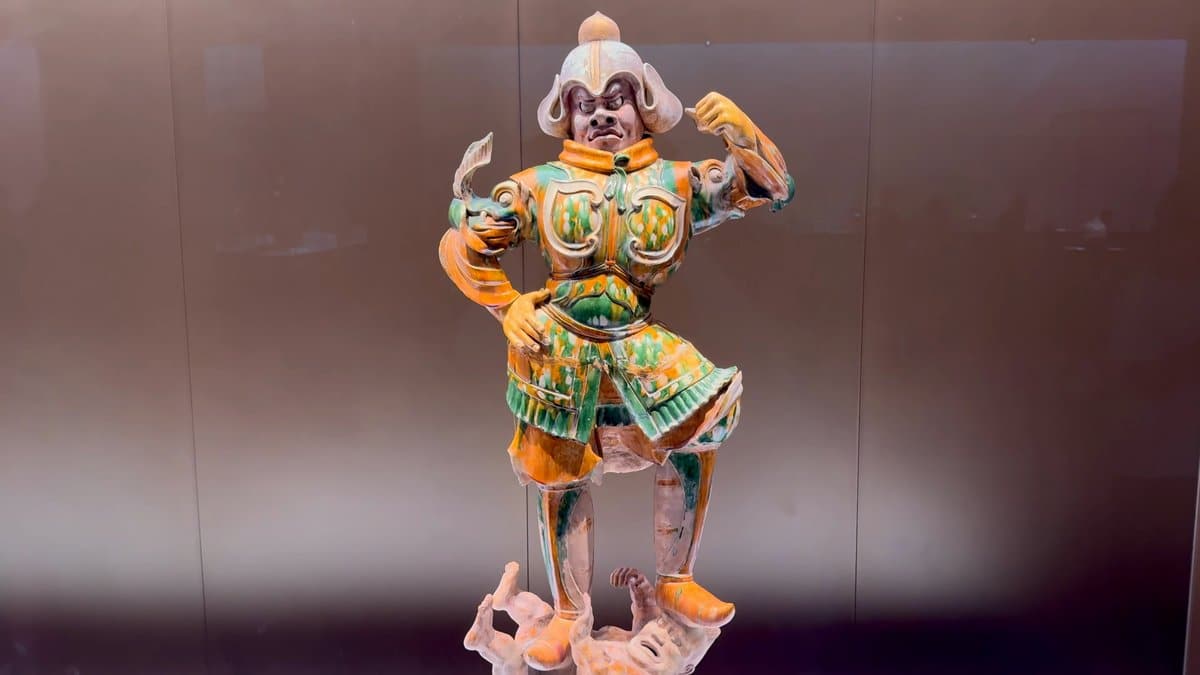
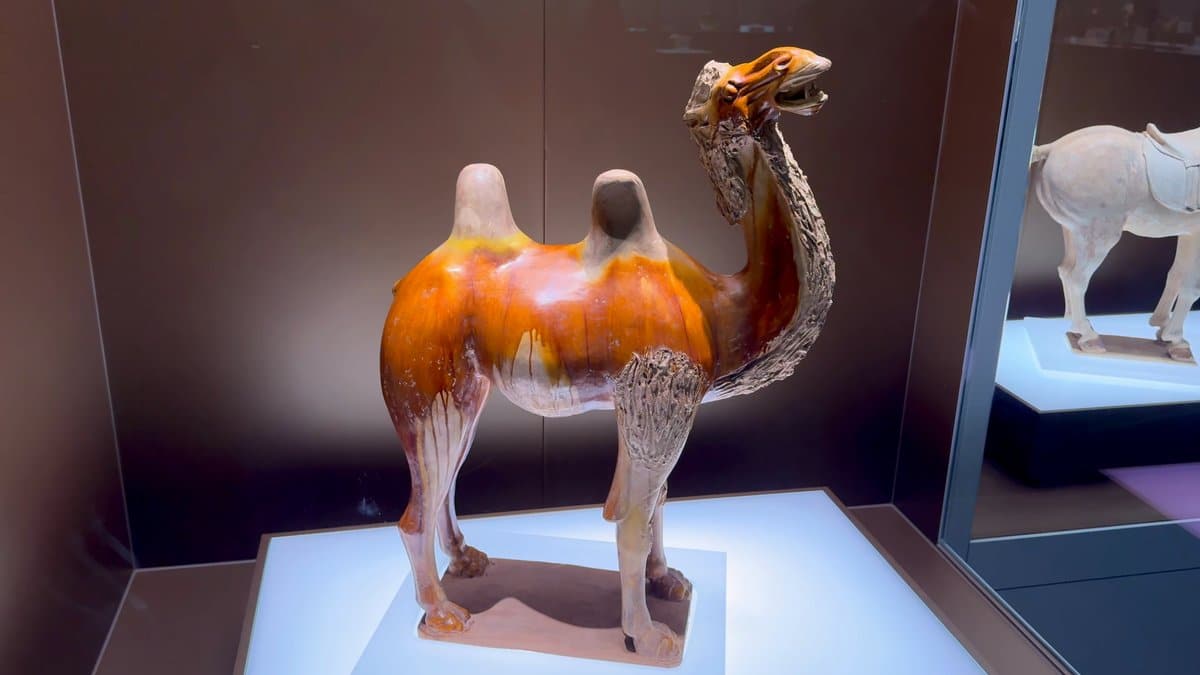
Crowds love the tang sancai pieces; a camel, horses, guardians. Even if you’ve seen them in books before, the glazes really stand out.
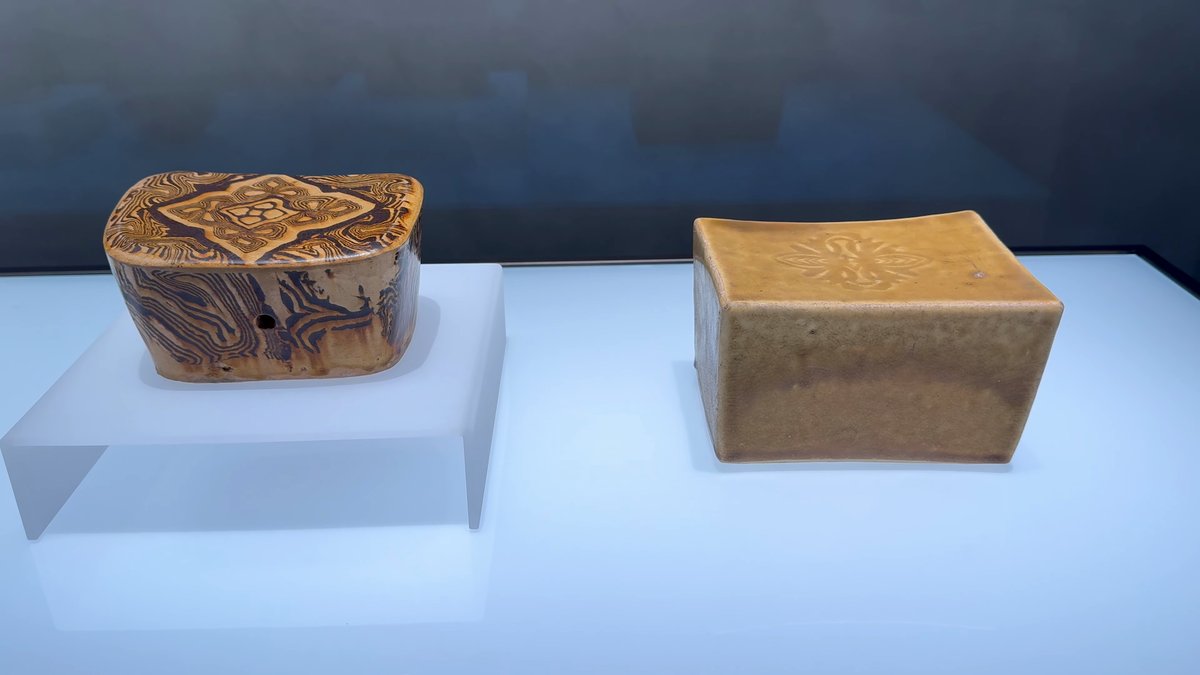
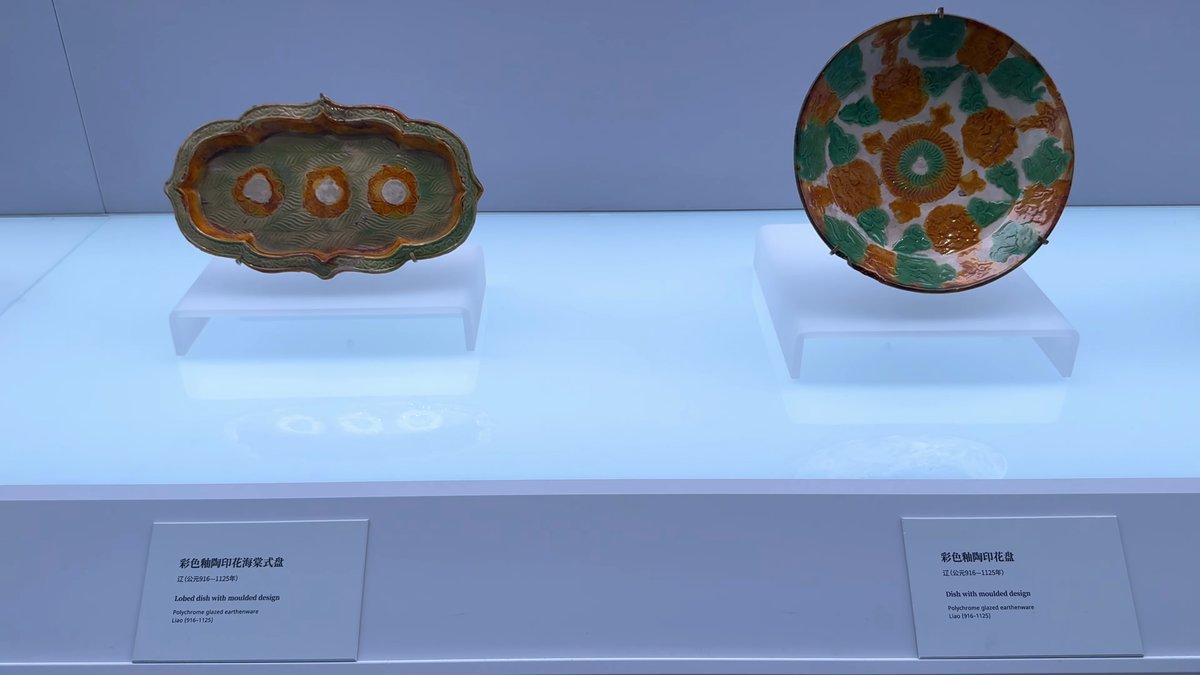
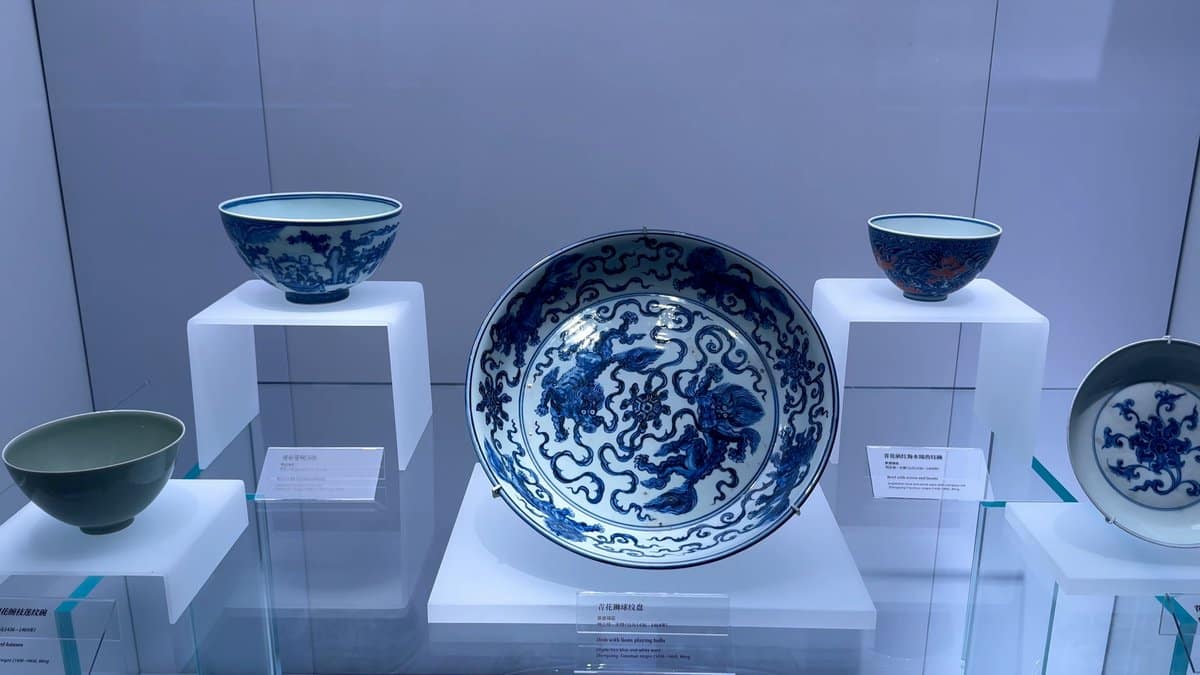
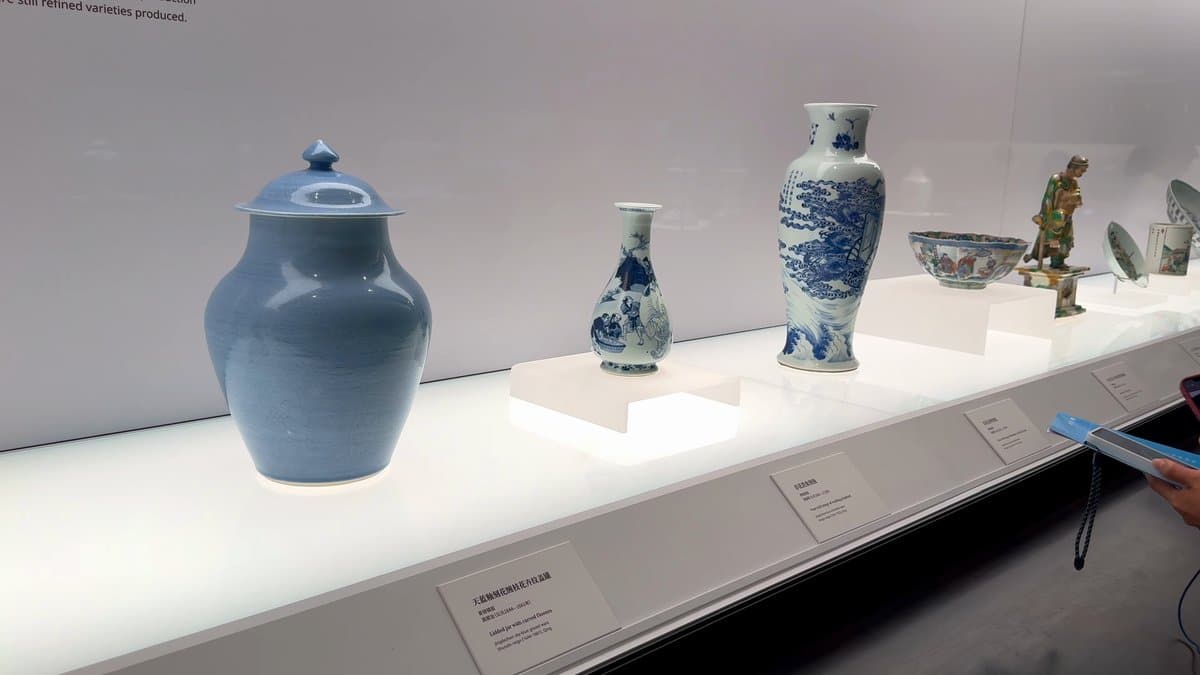
Case after case are filled with ceramic pillows and lobed trays. There is dragon-painted porcelain and rows of pale-glazed vases. By now you may be experiencing museum fatigue, and there’s no shame in skimming.
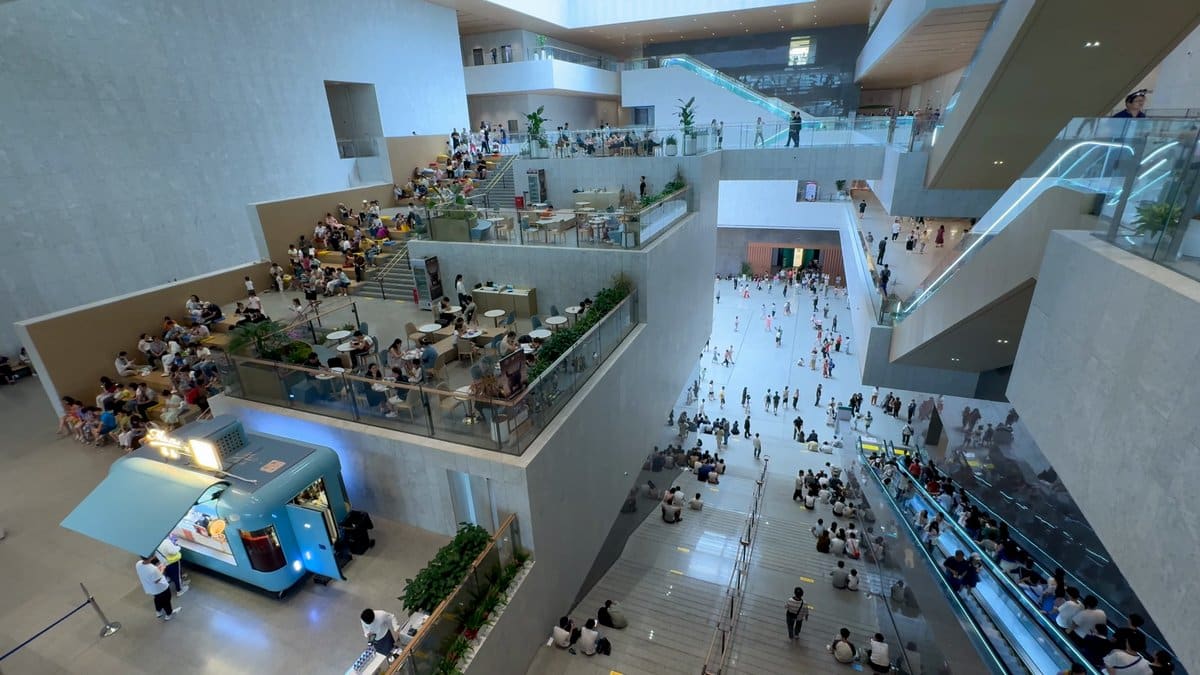
From the upper floors it’s worth taking a glance down at the atrium’s terraced levels and crossing escalators. the movement below offer a welcome break from staring into cases.
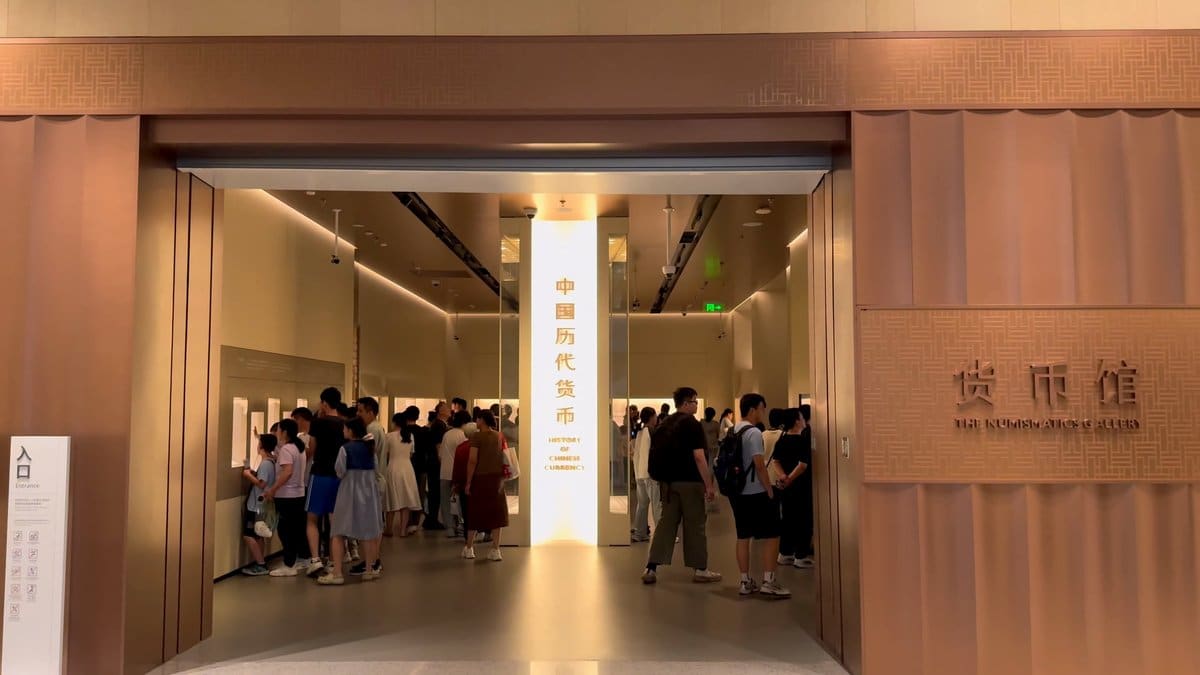
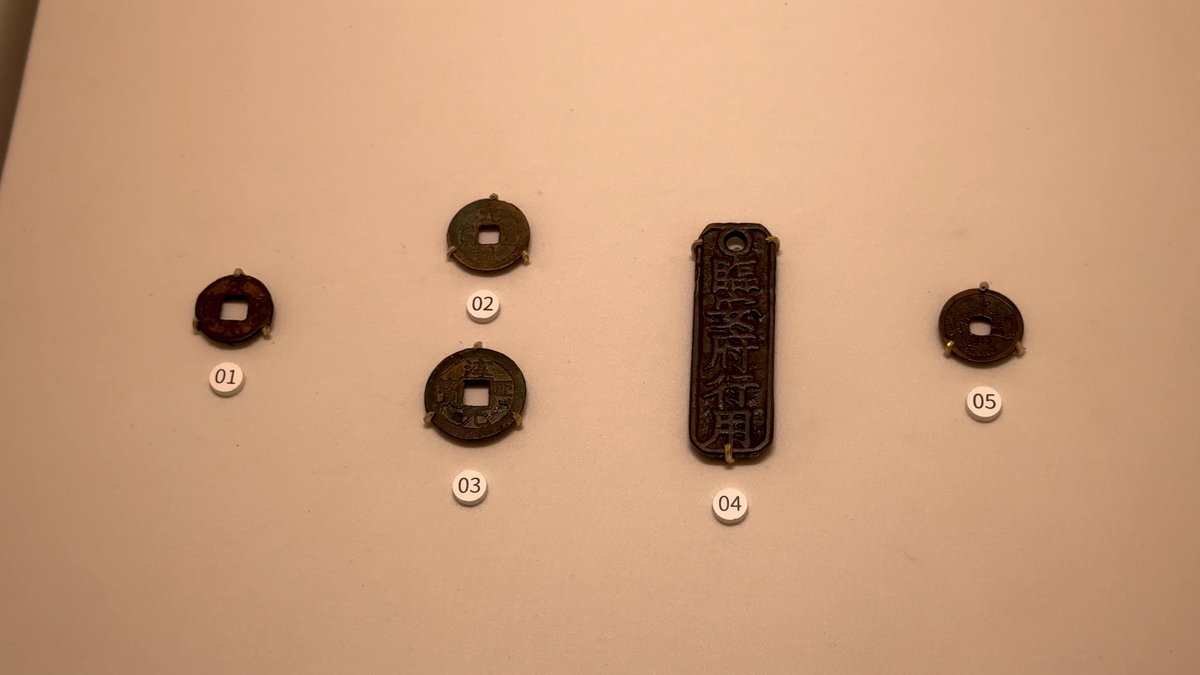
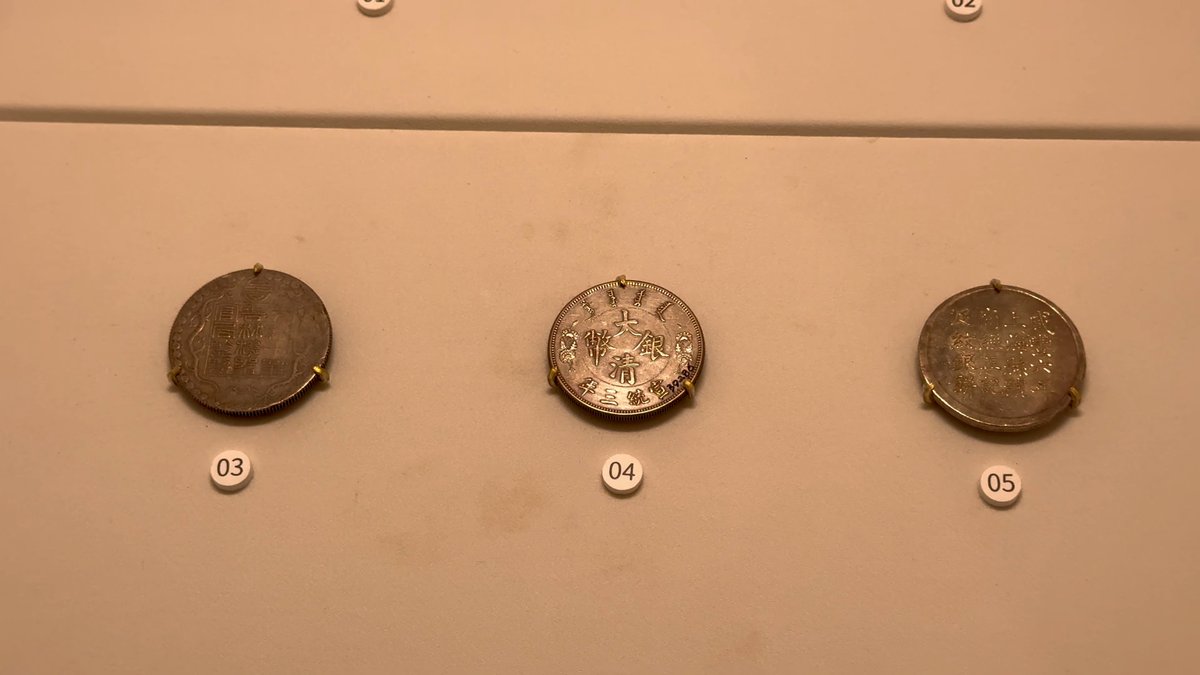
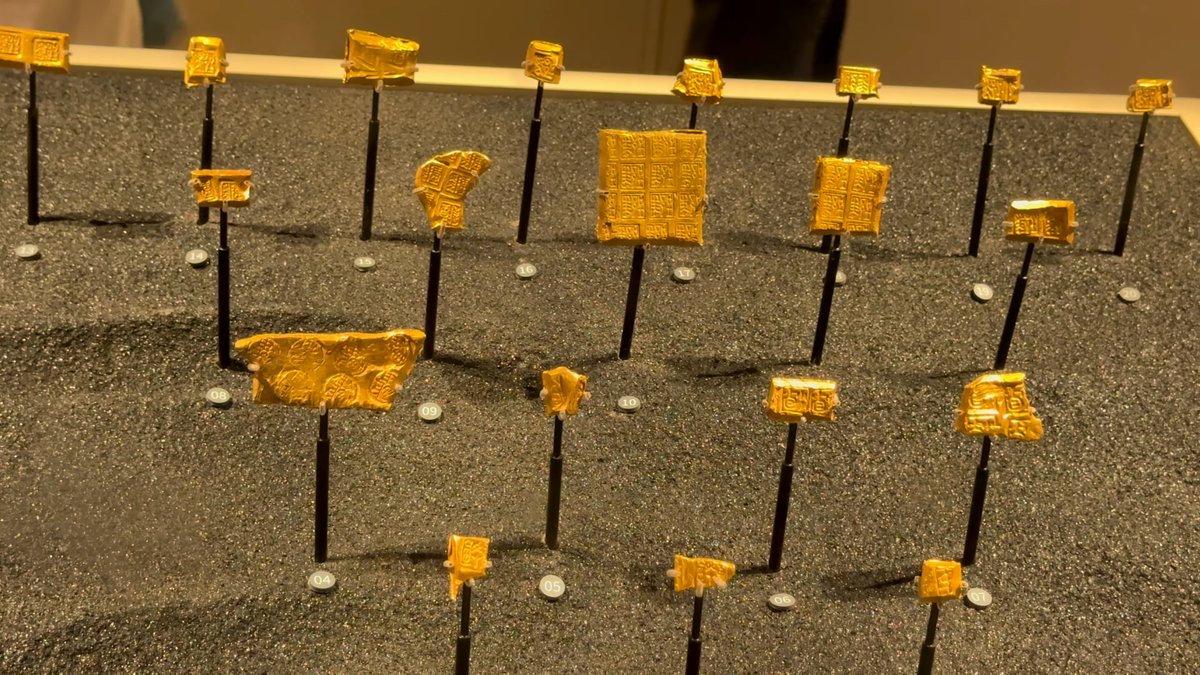
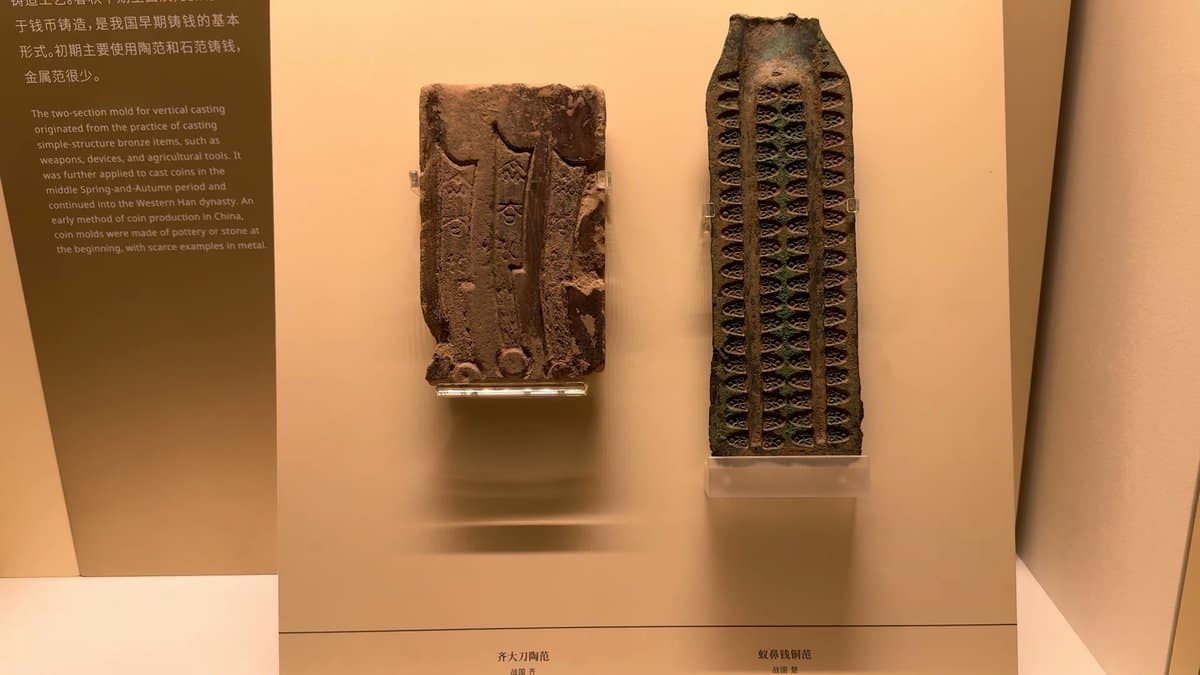
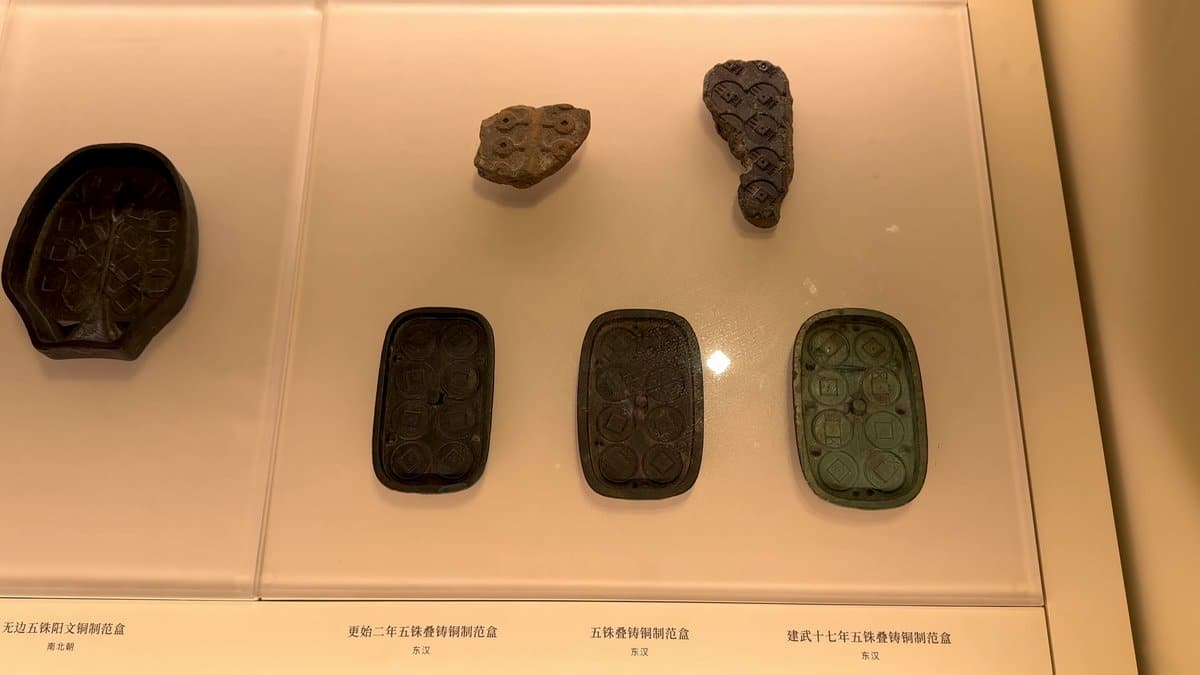
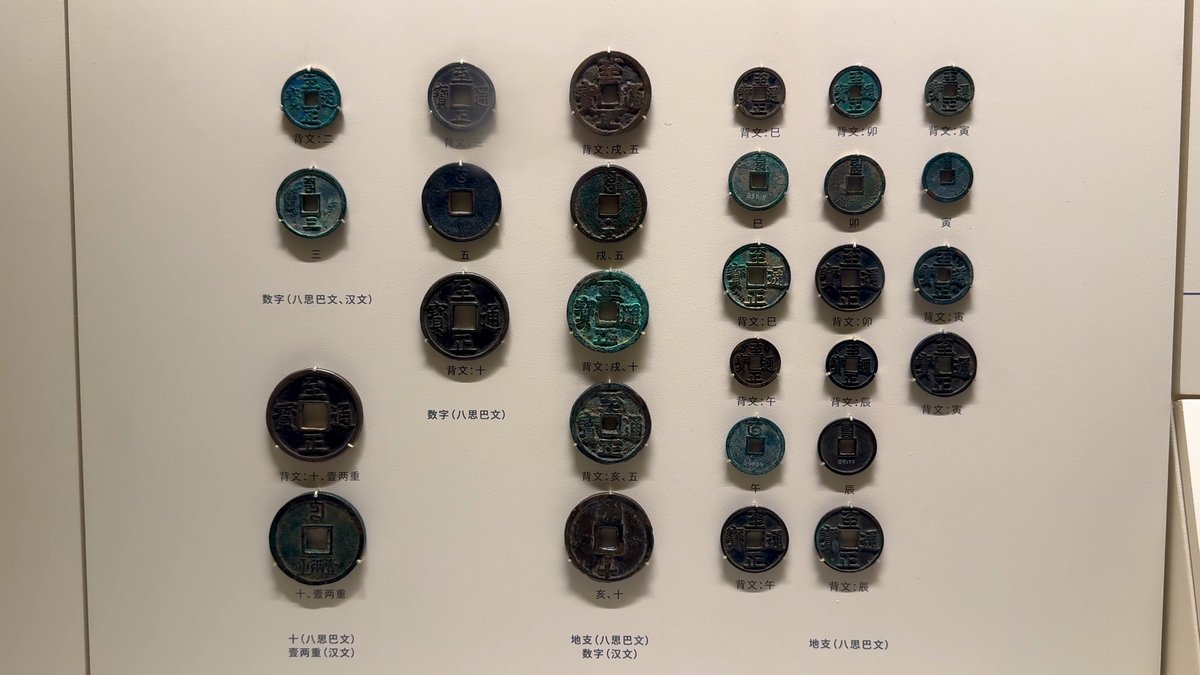
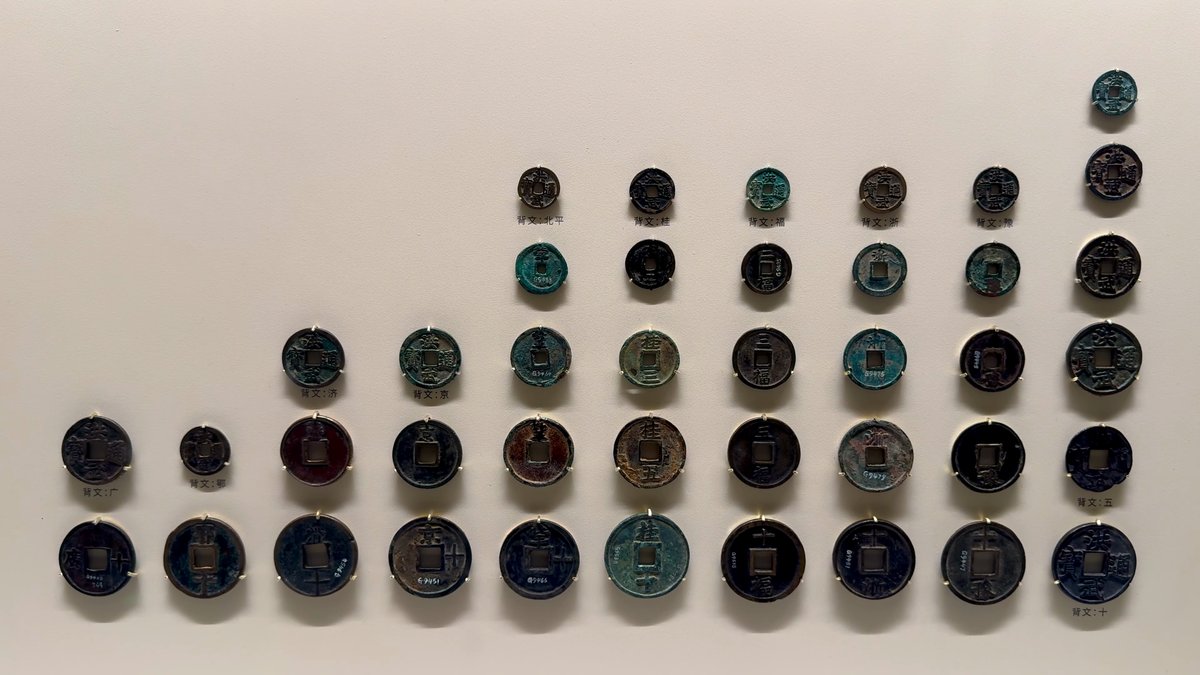
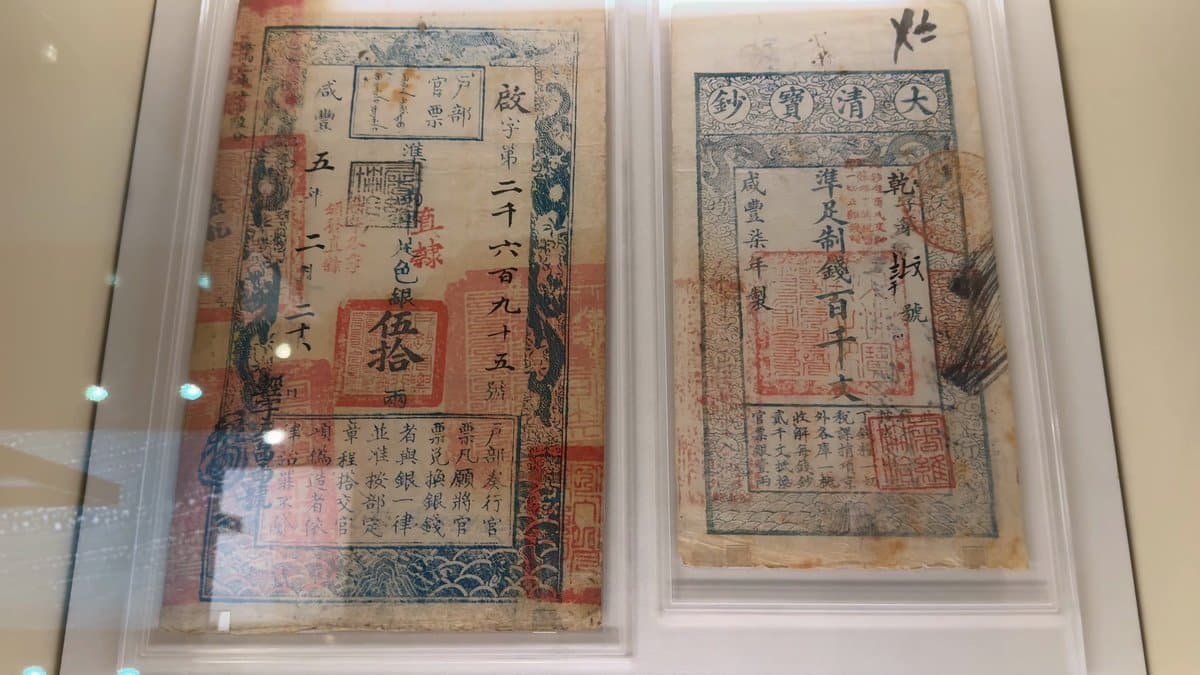
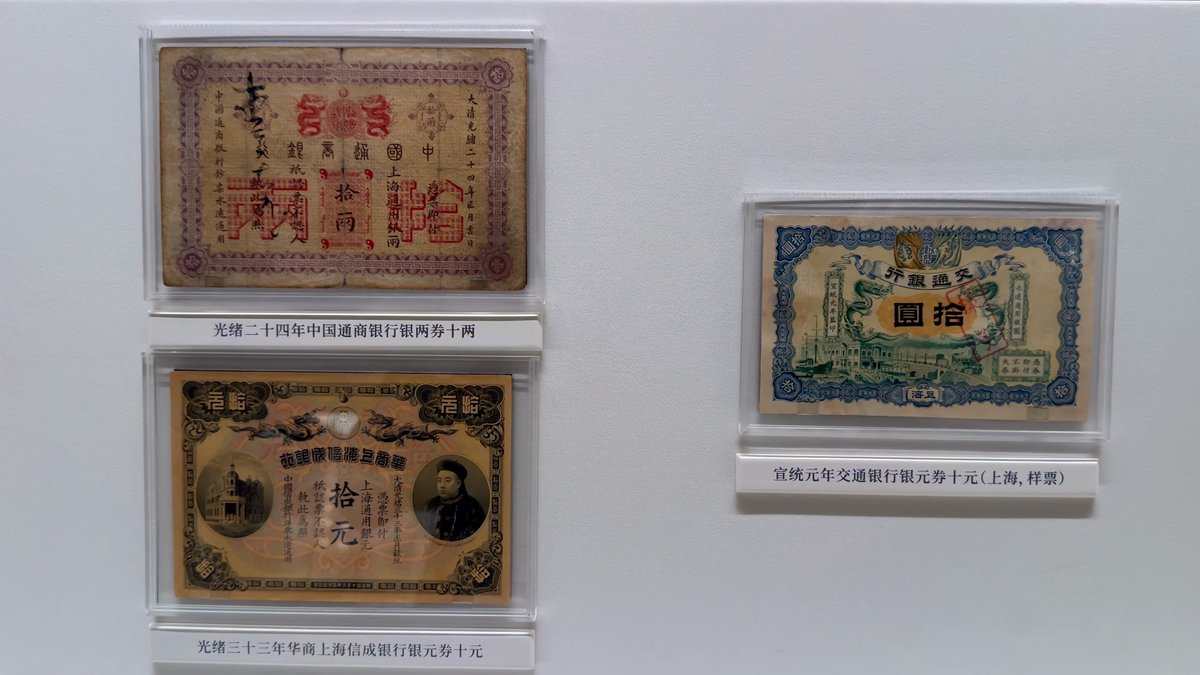
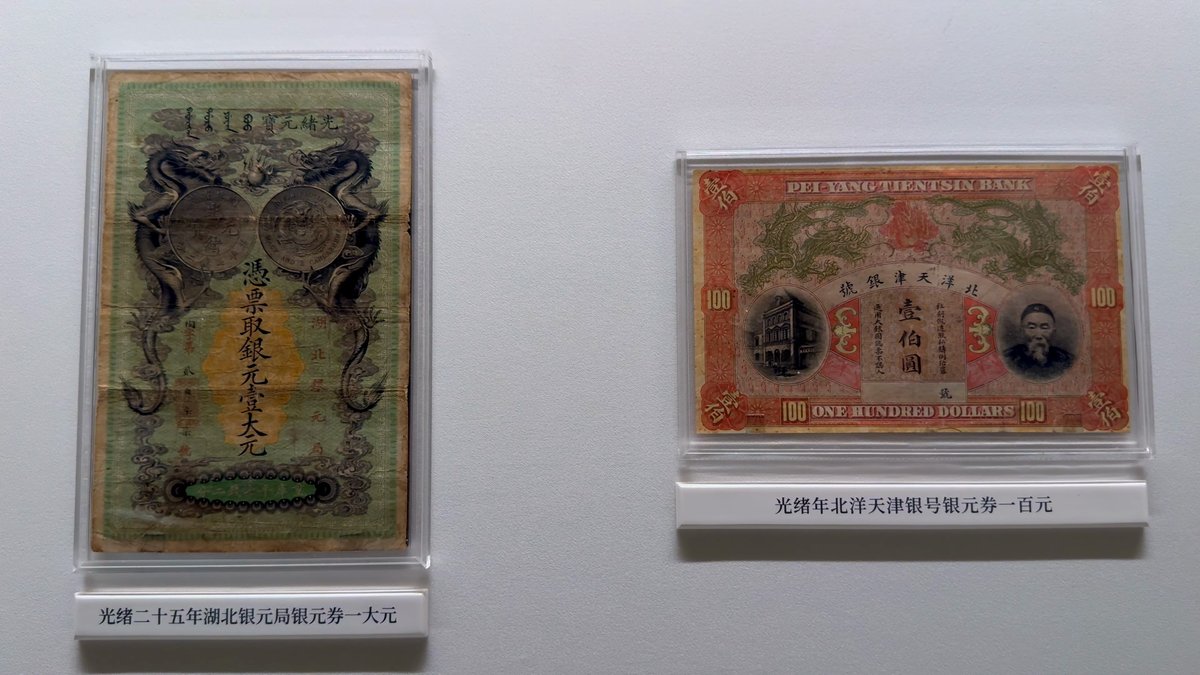
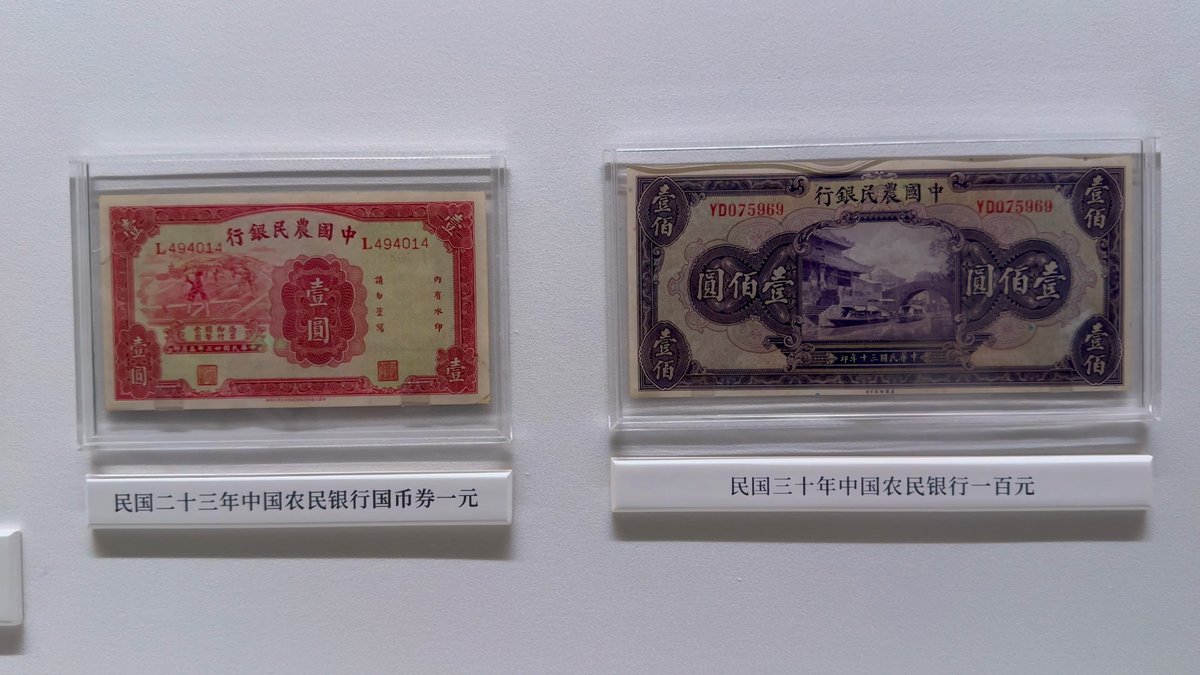
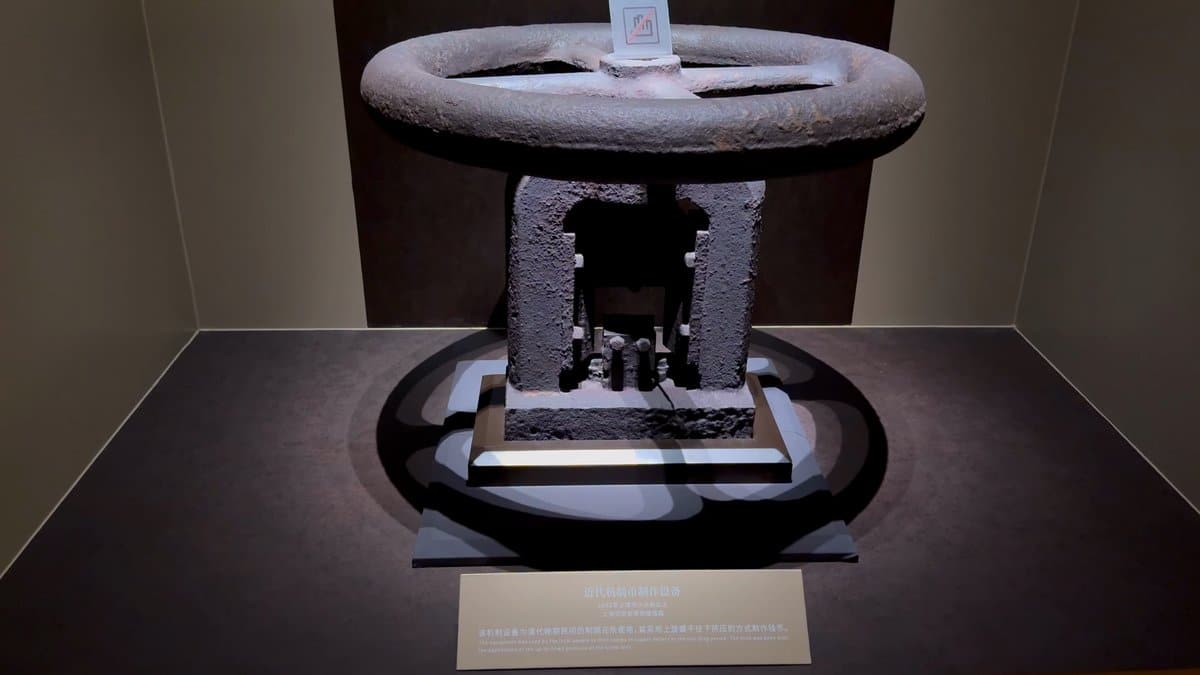
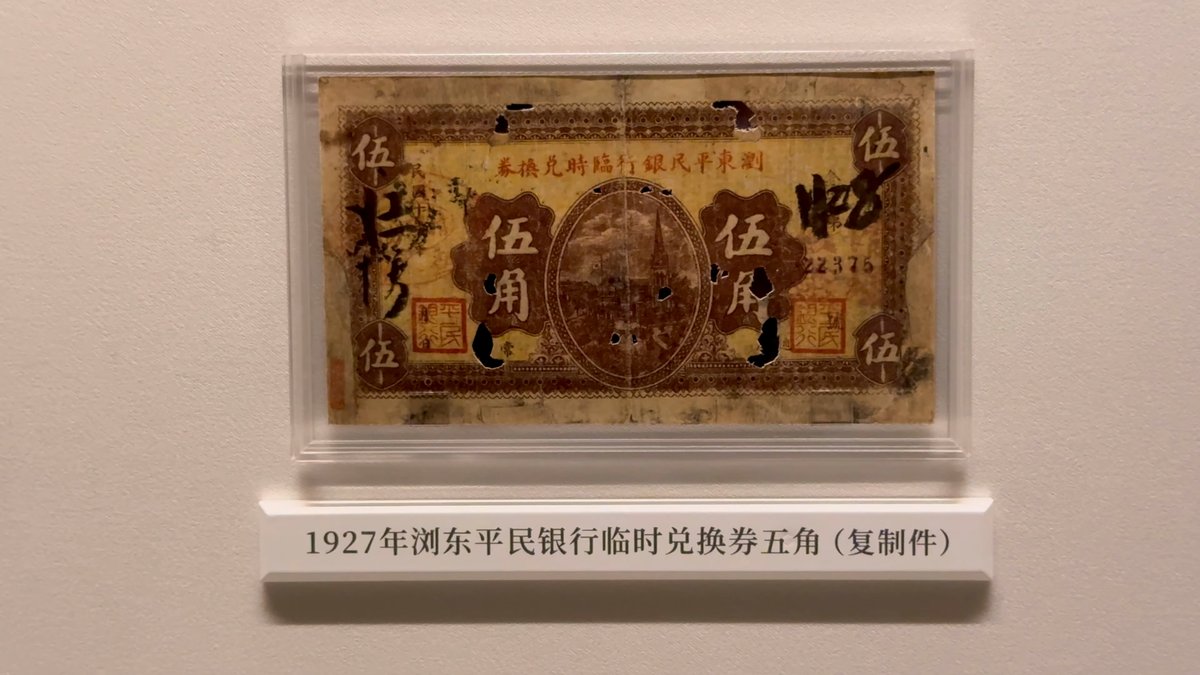
If you can stomach it, though, the Numismatics Gallery is worth giving a shot because it’s surprisingly absorbing. From the ancient to the Republic period, this gallery traces the evolution of Chinese money with spade-shaped coins, silver ingots, casting moulds, old paper notes and a heavy coin press. There’s a lot of variety here and the display isn’t condescending; it doesn’t presume any prior knowledge on your part.
The section is also one of the more cohesive ones in the entire museum. You’ll learn about the evolution of banknotes, what different shapes of coins mean and how they were made.
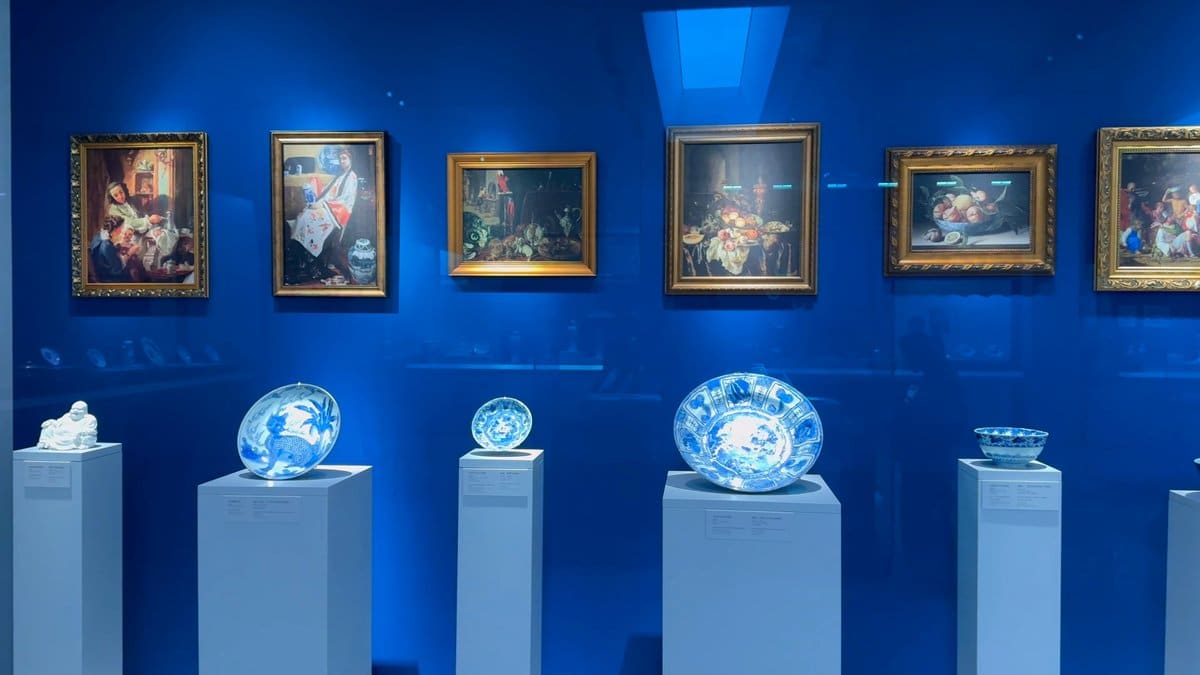
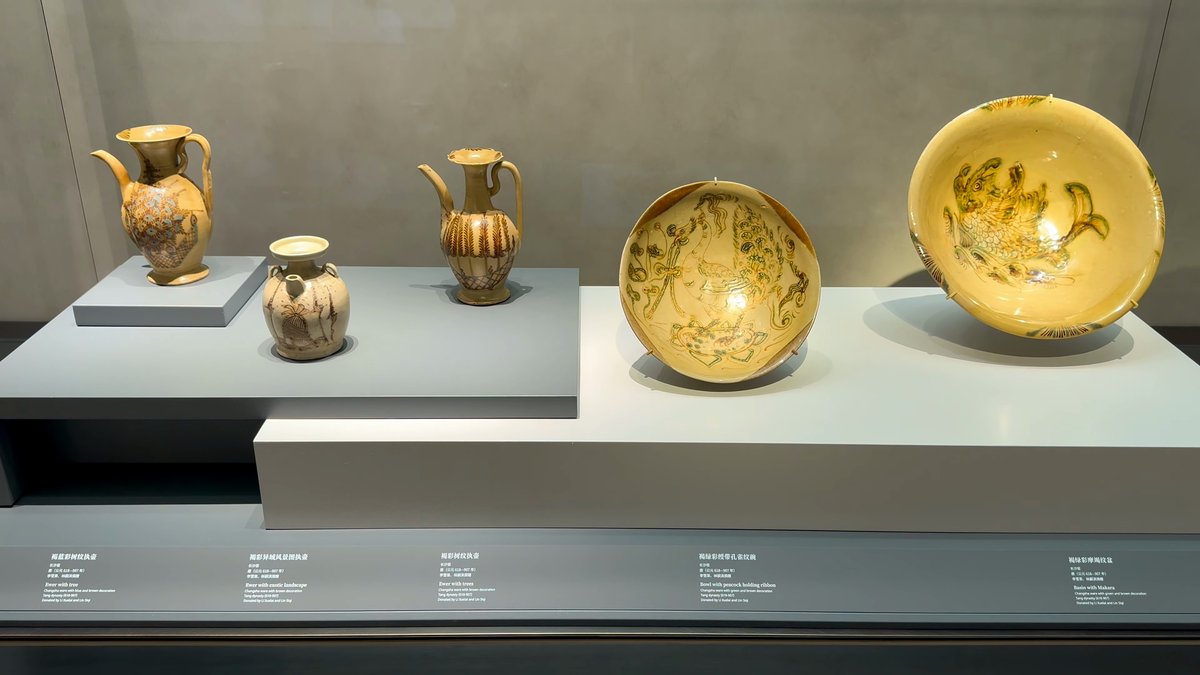
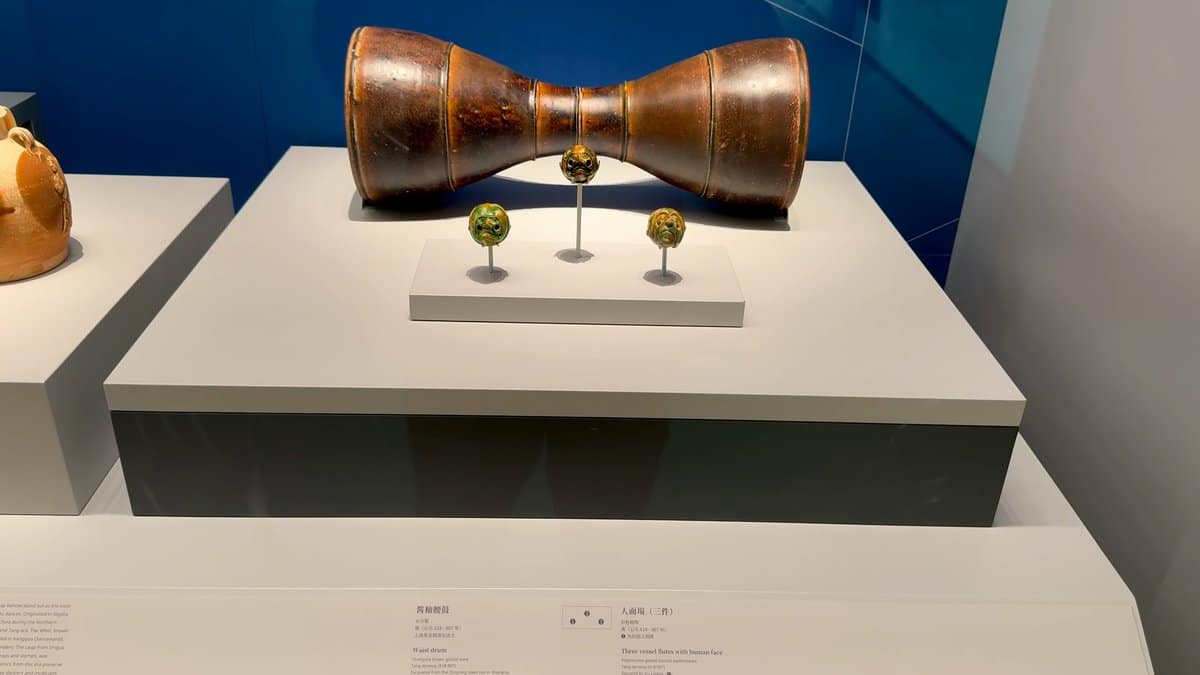
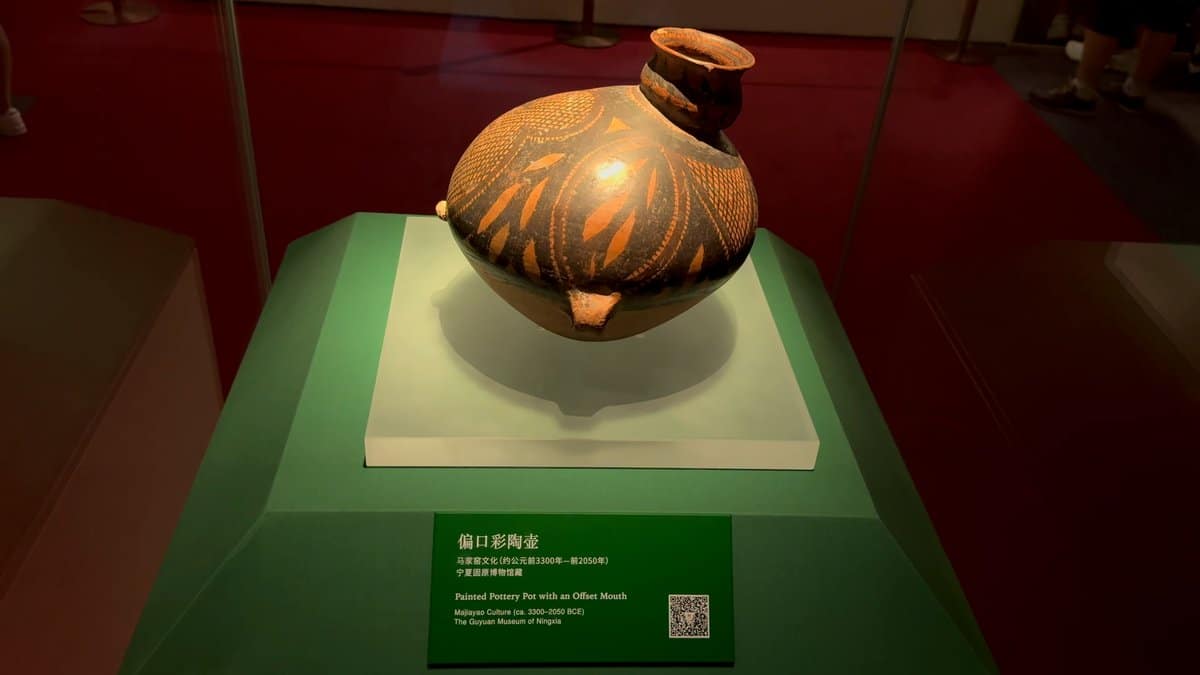
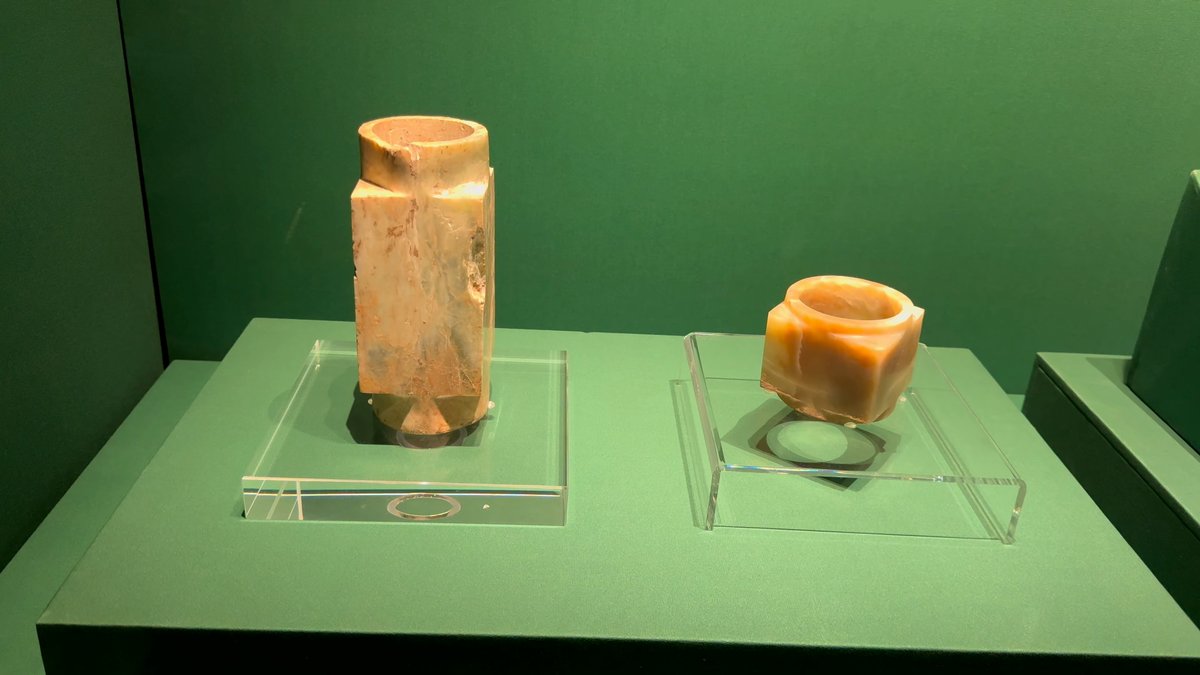
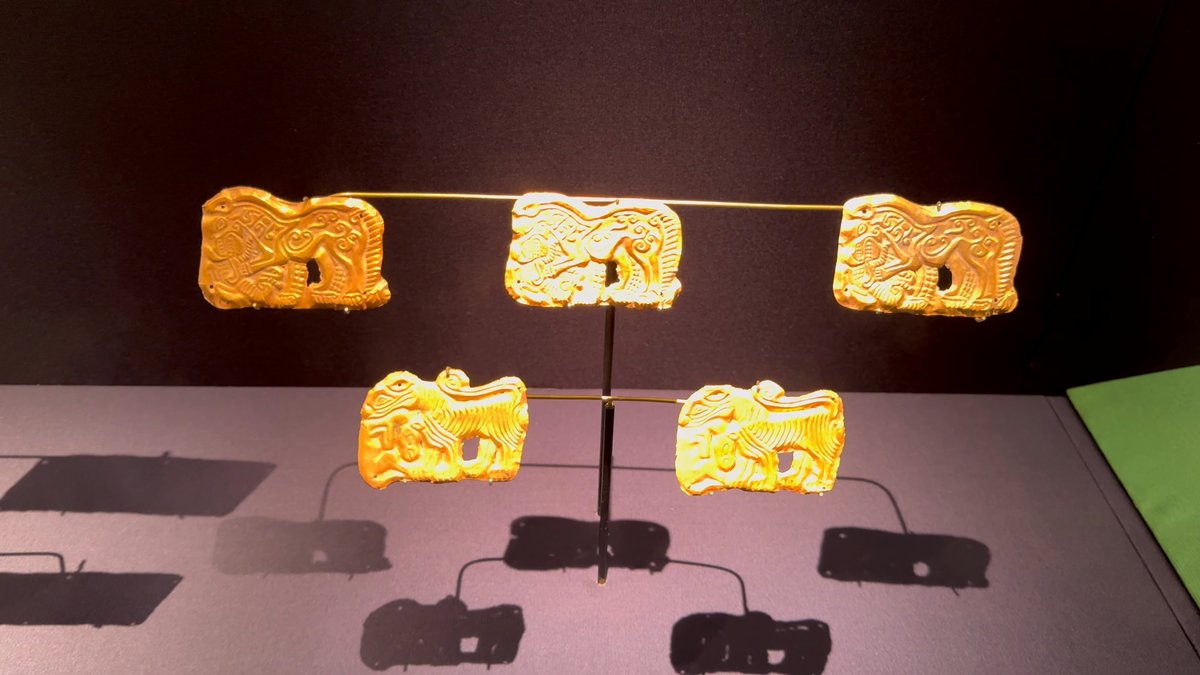
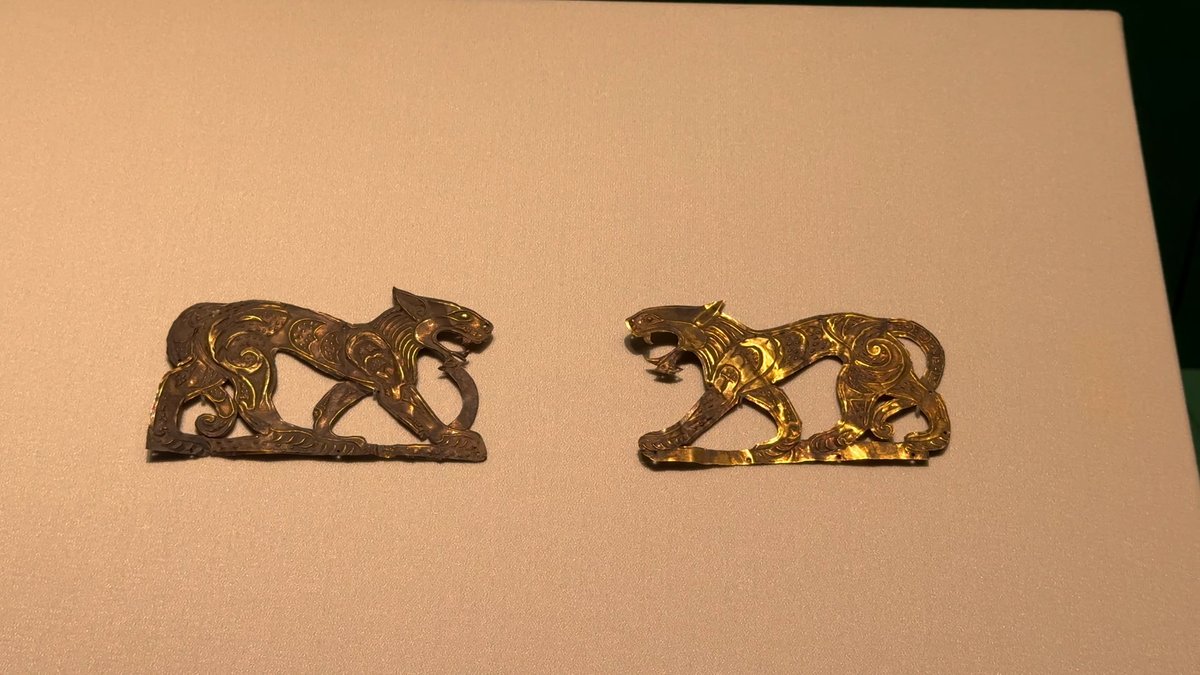
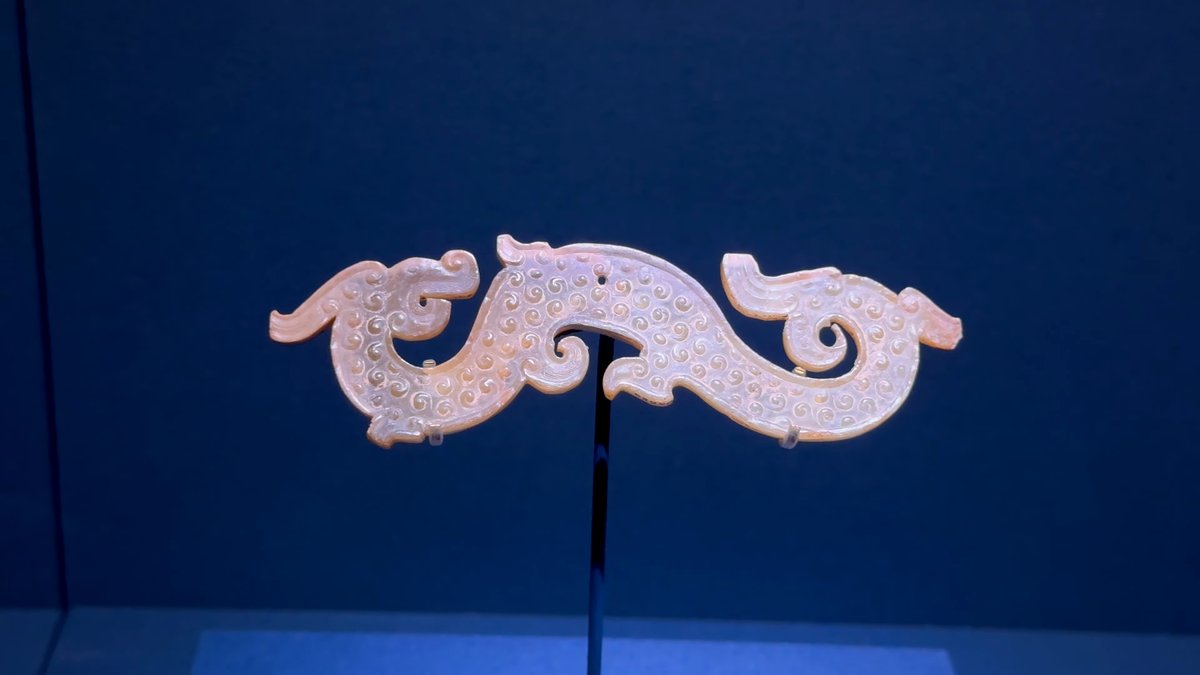
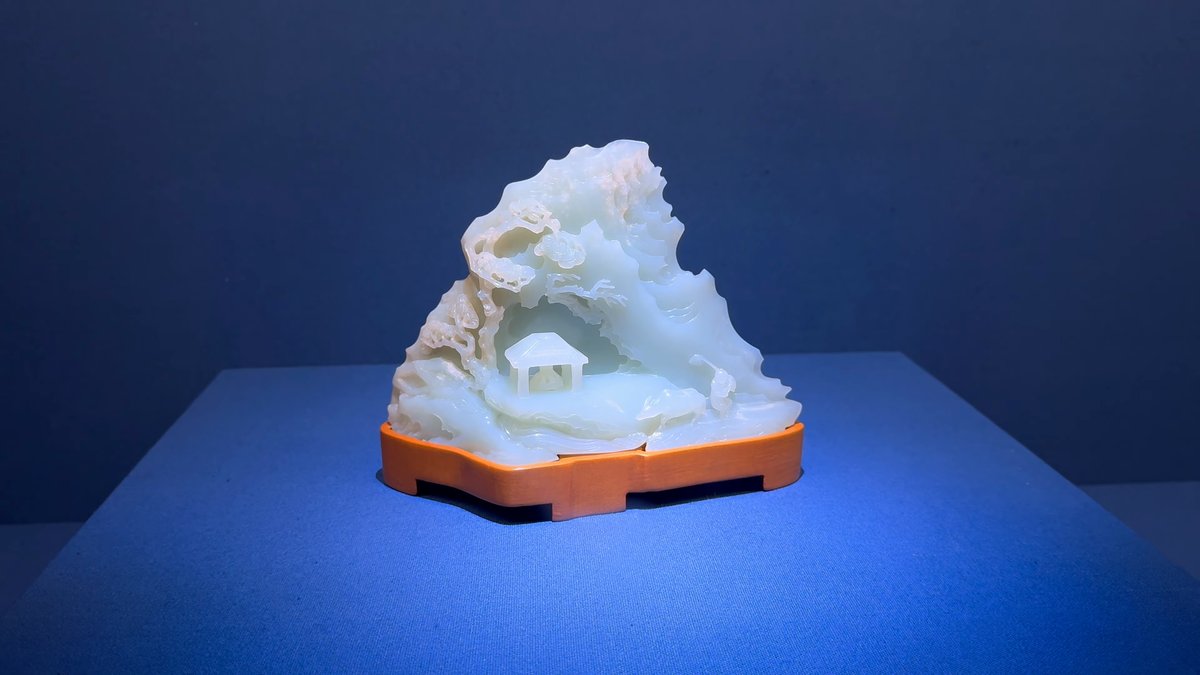
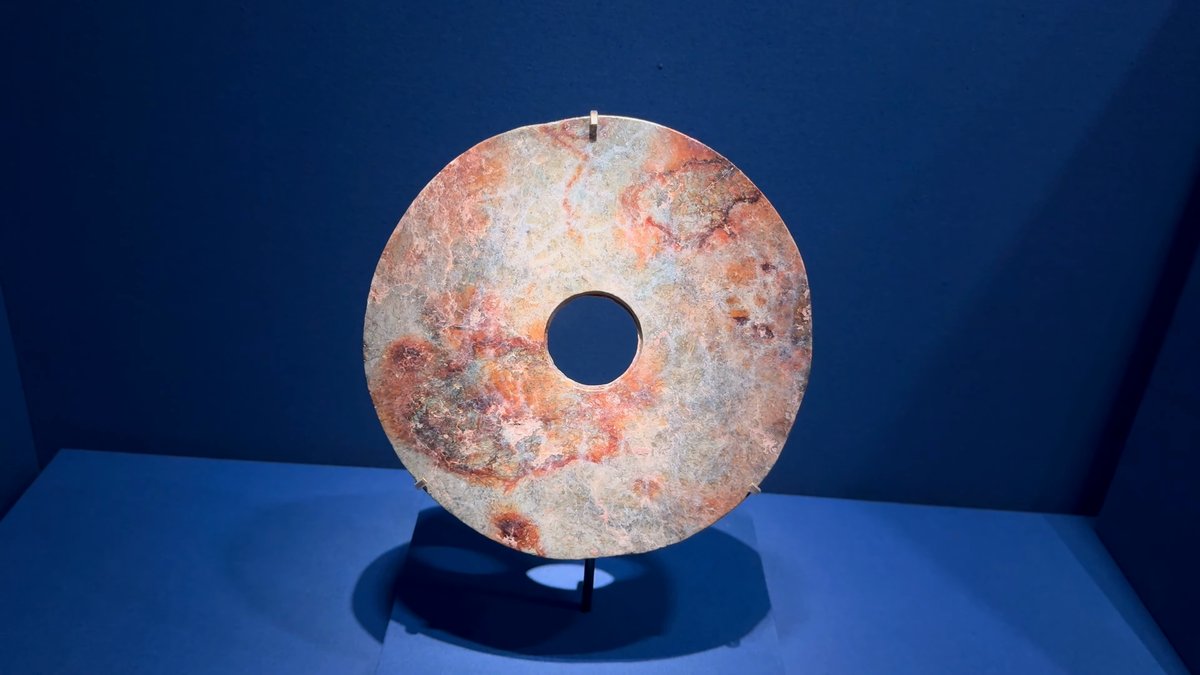
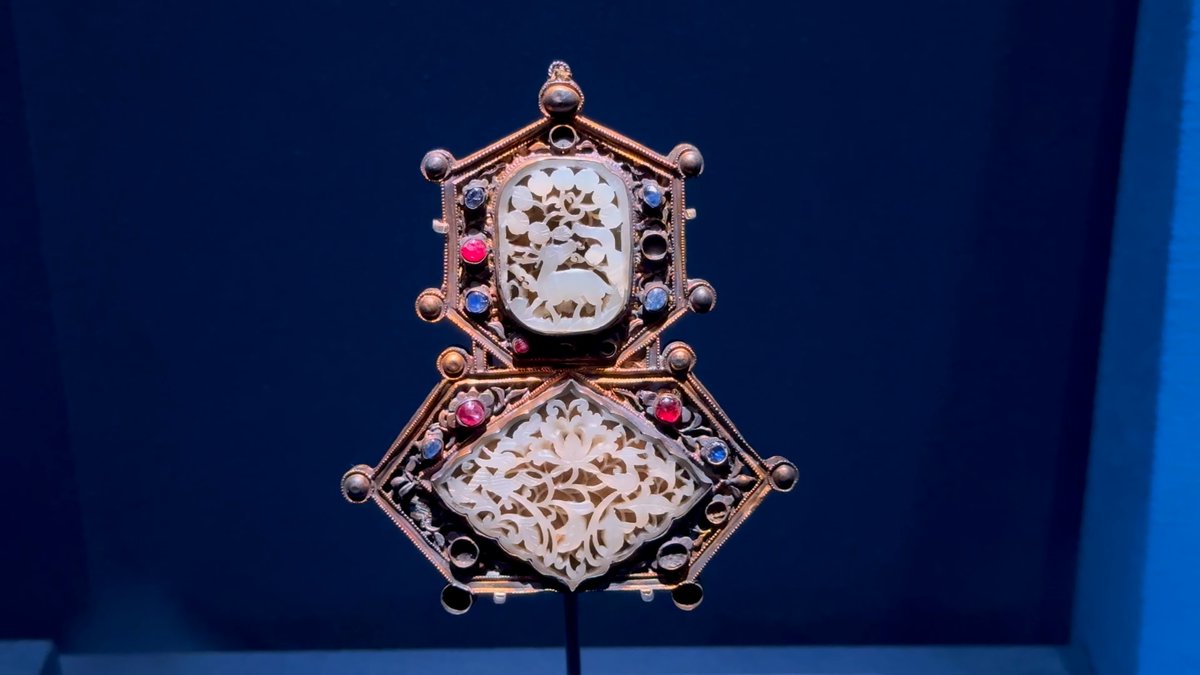
As you make your way up the floors, there is more ceramics and jade. Animal plaques, jade tubes, hourglass vessels, painted pottery. They’re all given their moment.
The exhibition is thorough, bordering on being too thorough.
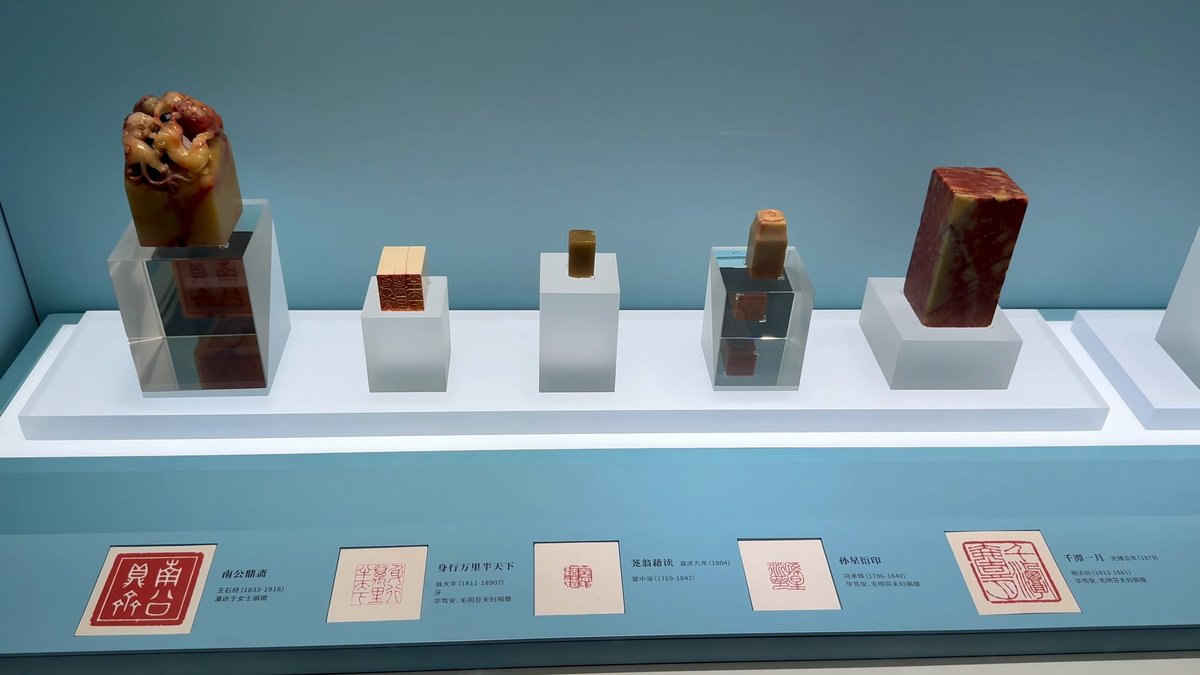
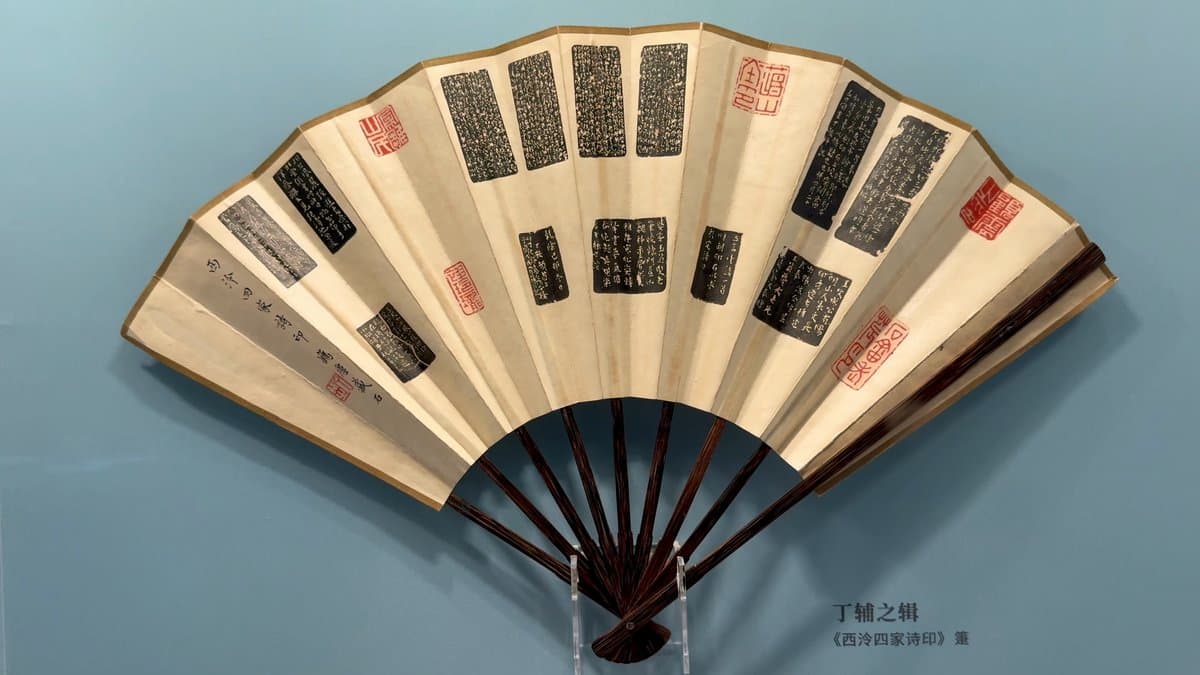
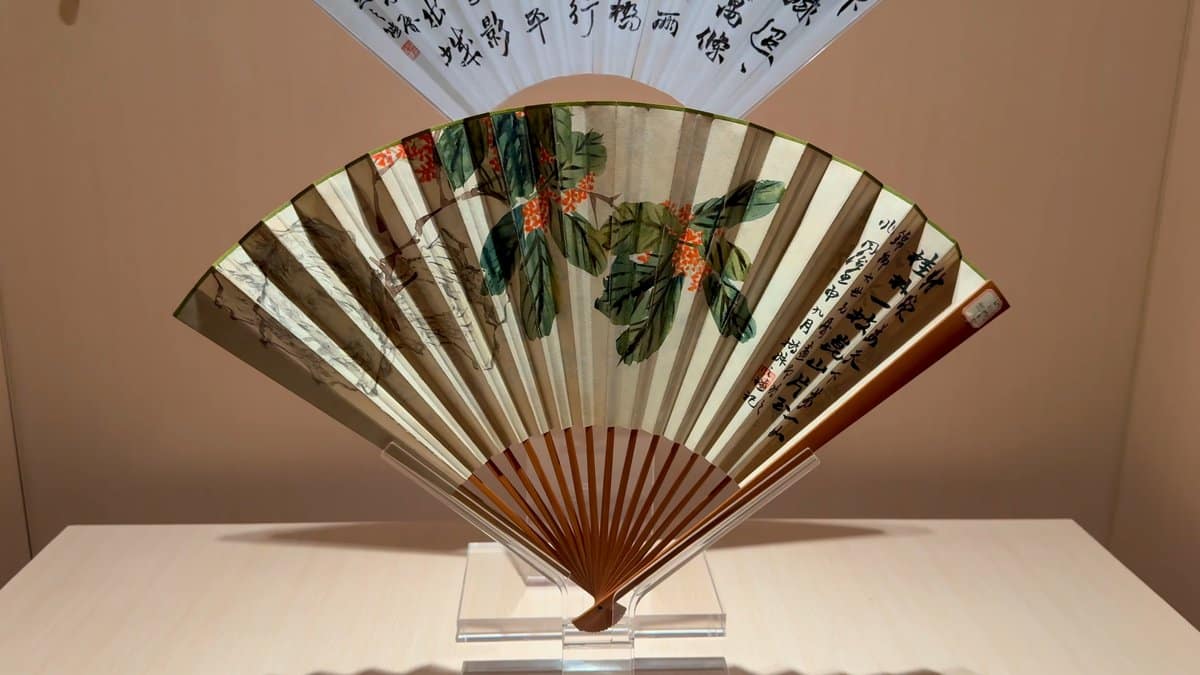
In a short detour from the art, there are some calligraphy fans, carved seals and a painted fan that bring you into the world of scholar arts.
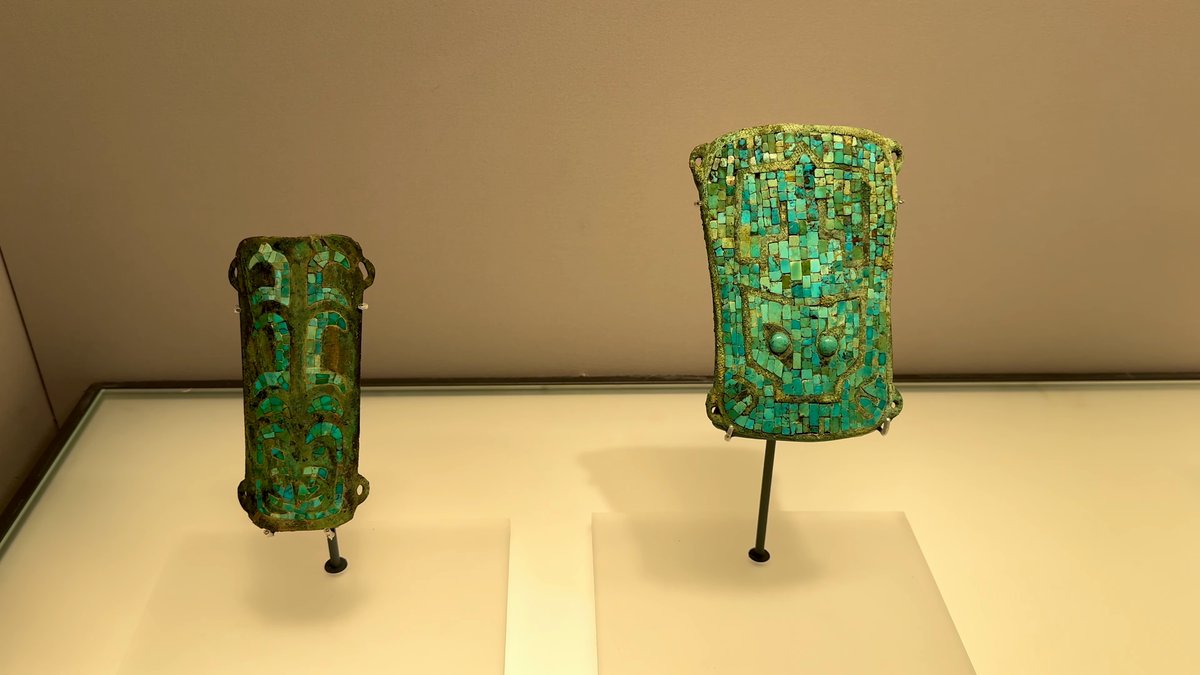
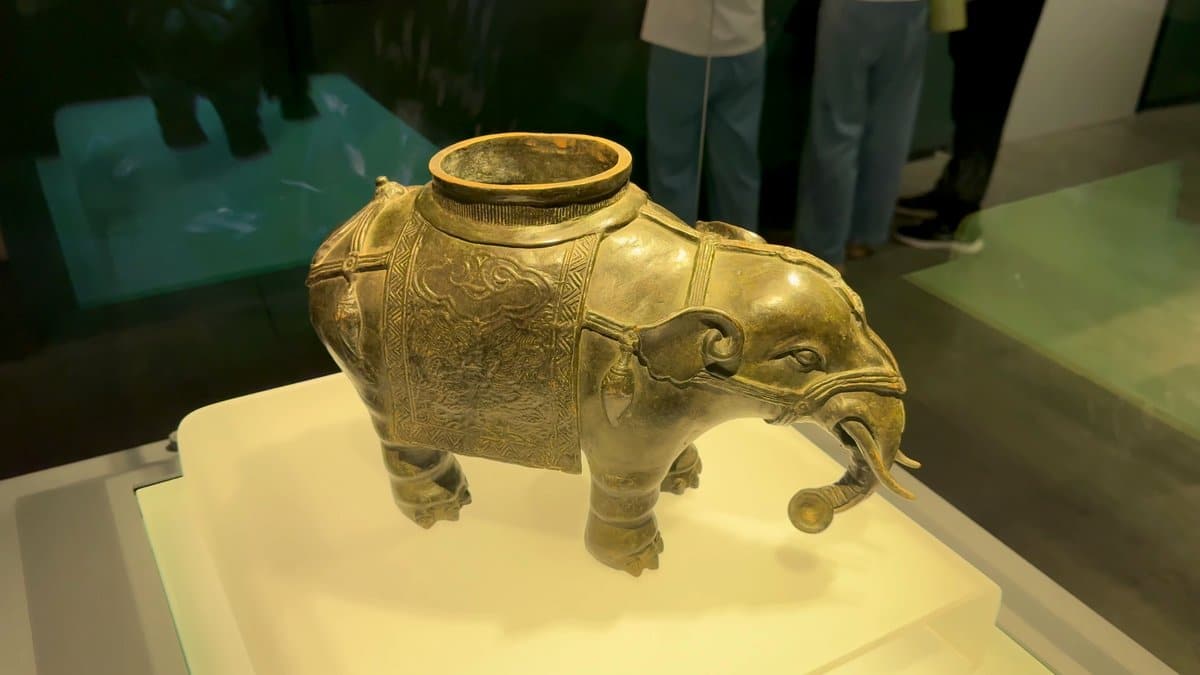
The ancient China galleries are anchored by bronze ritual vessels, one of them shaped like an elephant. They have real historical and actual importance behind them.
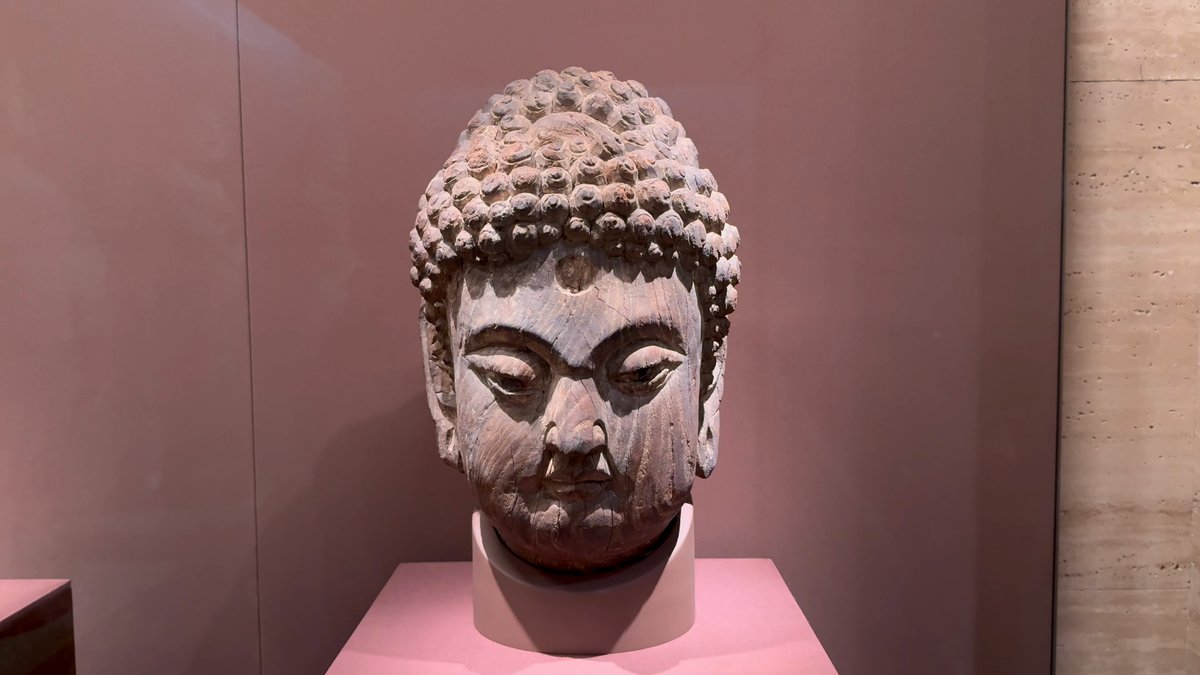
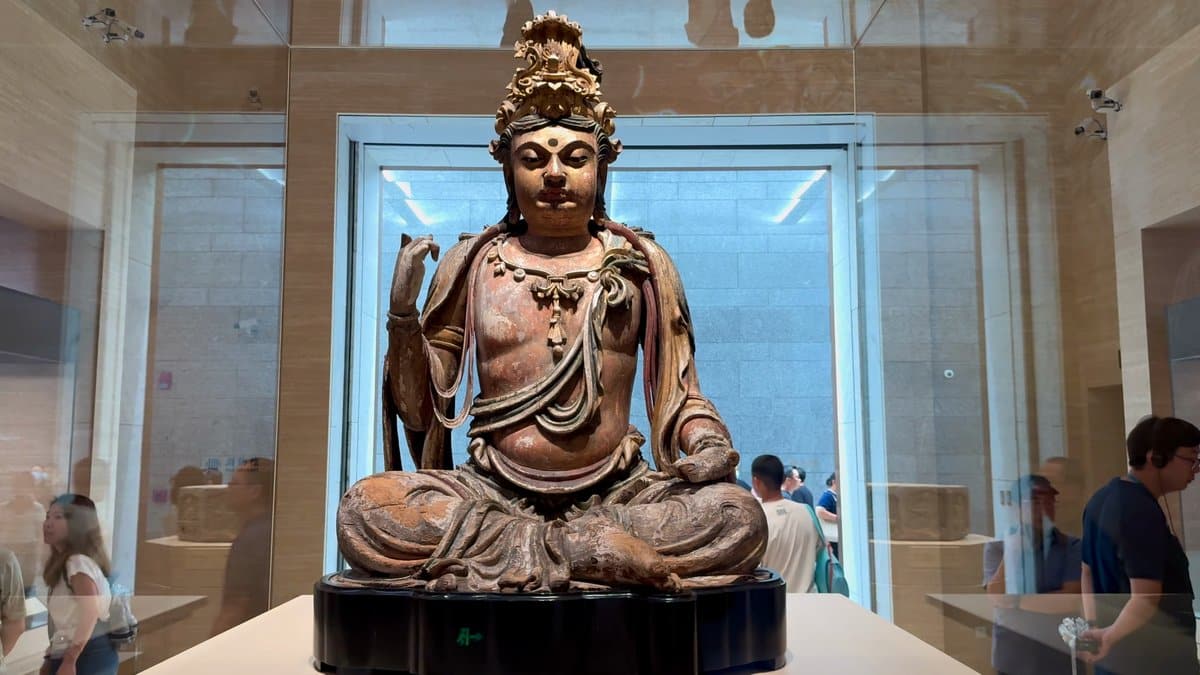
Finally, the tour is rounded out by Buddhist sculpture. A painted wooden Bodhisattva and stone Buddha head sits quietly in their cases, providing a moment of stillness before heading towards the exit. You’ll come away with aching feet and your head stuffed with pictures (which will likely get all run together in your mind within a couple of days).
And that’s not meant as a knock, there really is so much here, and some of it is bound to wash over you if you’re not a specialist. If you go, you have to keep in mind what the museum wants to do: show you Chinese history and art, on a big scale. How interesting that is for you is up to your level of stamina and willingness to skip things that don’t grab you.
Have you visited Shanghai Museum East? Do you plan to? What sort of collection would interest you most in a museum such as this one?