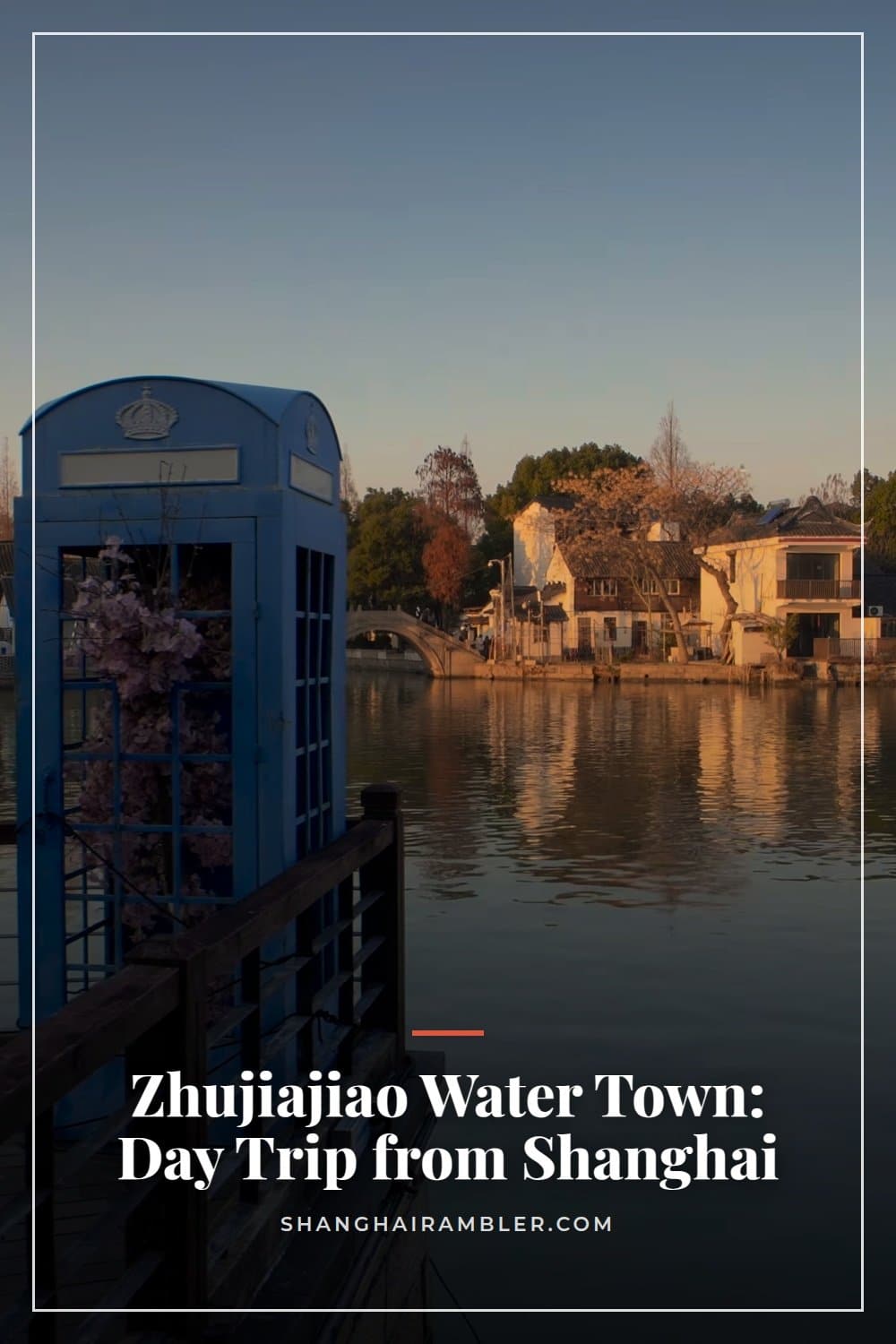
Zhujiajiao Water Town is a perfect day trip from Shanghai. Zhujiajiao is located roughly an hour outside of downtown Shanghai. It is far enough to feel like a world away, yet close enough to visit on a day trip.
This old town has canals running through it, stone bridges that arch over the water, and shops lining the lanes selling tea, snacks, and other thing you may or may not need but will buy anyhow. If possible, go in the late afternoon… The sun drop, the light improves, and the tour groups dissapears.
Mostly, though, you’ll wander. There’s not really a path to take through town, and it’s not particularly large either. Choose a street, and see where it leads.
If you’re tired of walking, boats will give you a ride down the canals. There are plenty of places to sit and eat so you don’t has to hurry.
What to See and Do in Zhujiajiao
Zhujiajiao Water Town
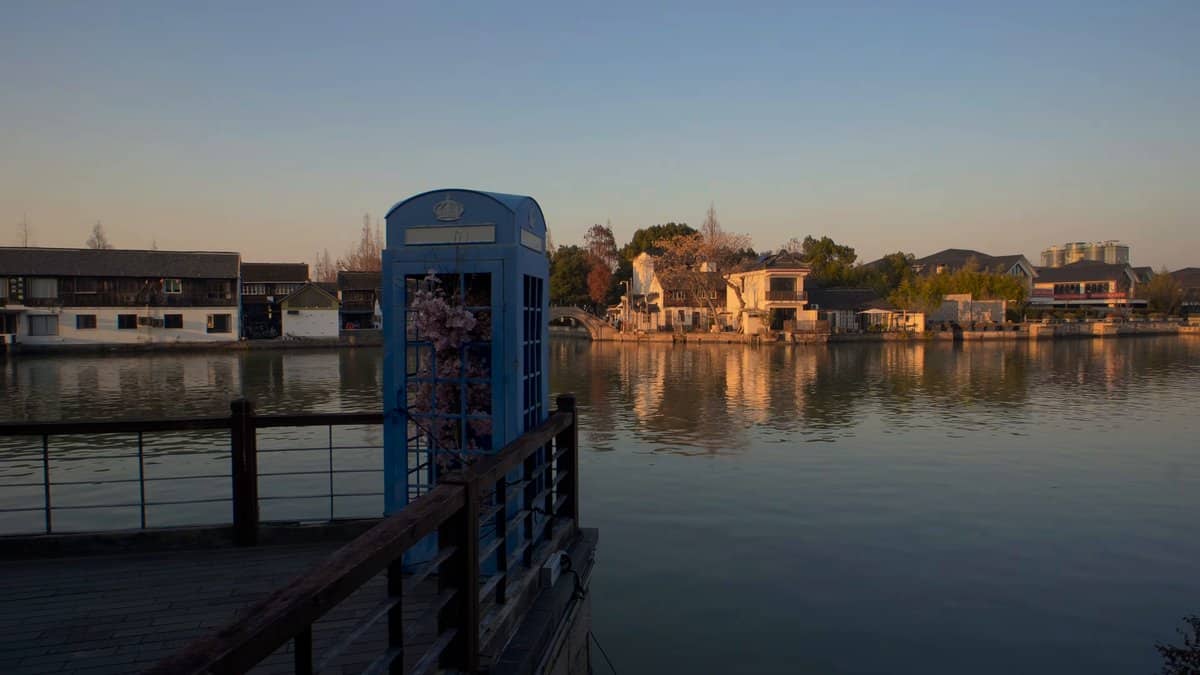
It’s all about water here. Towns grew up around canals centuries ago, and they cut across the city, wide in one area and narrow in another. Moored along their sides are boats with fabric canopies waiting for passengers.
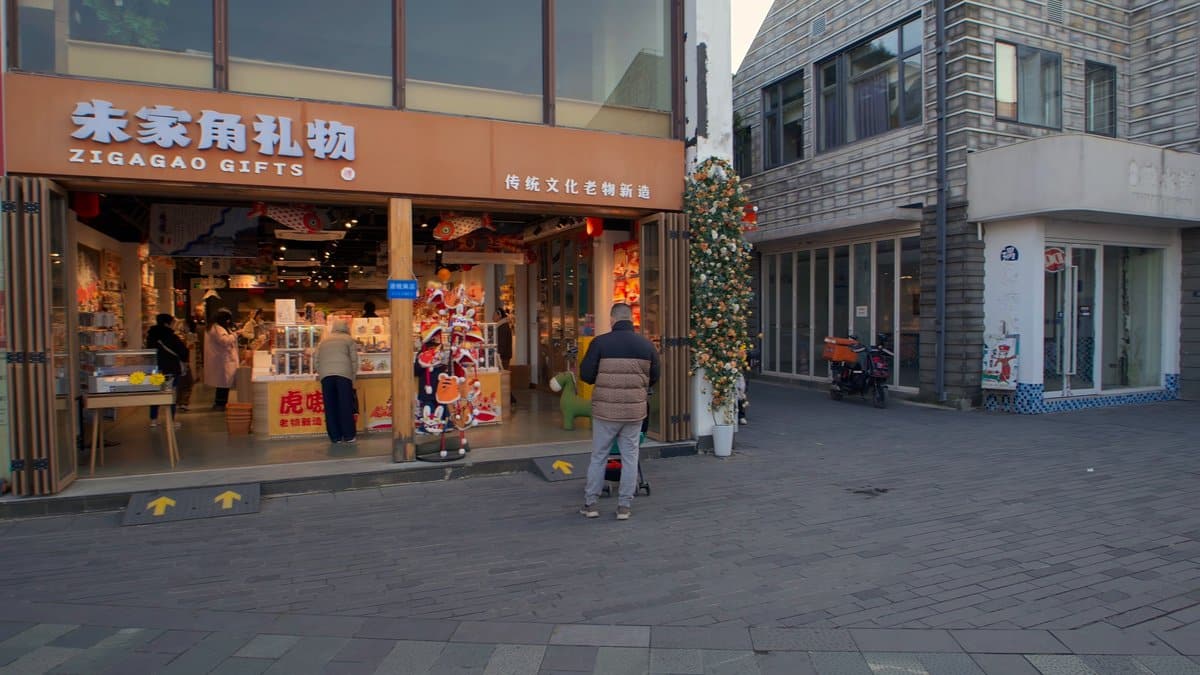
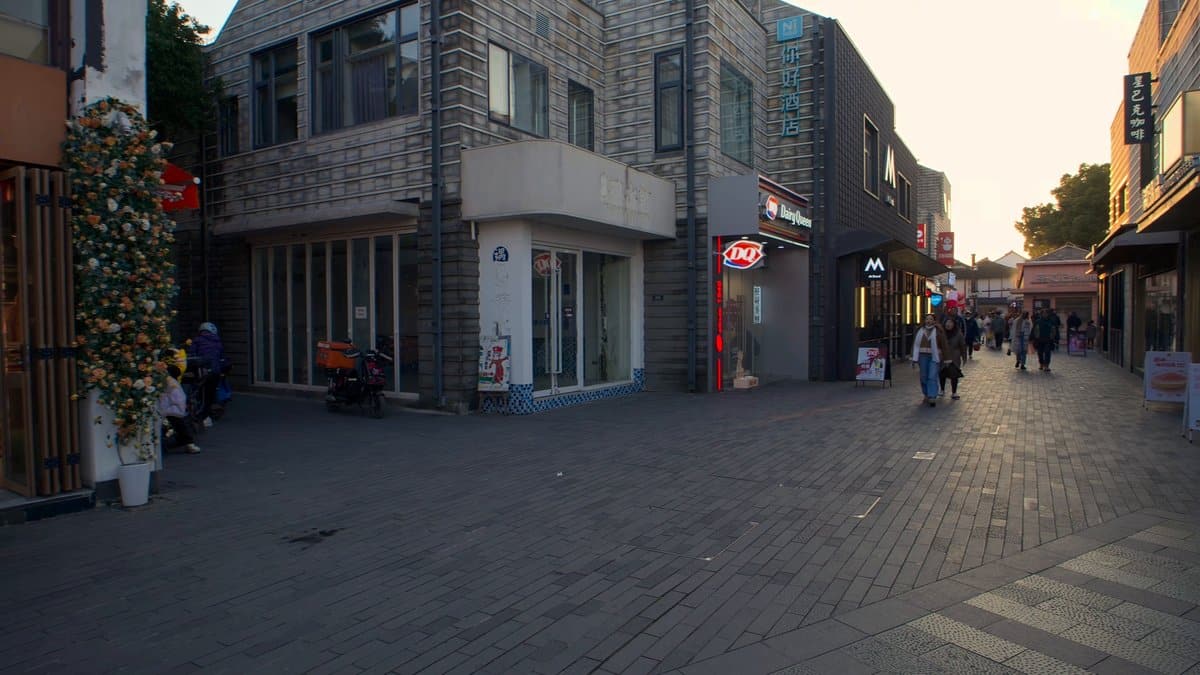
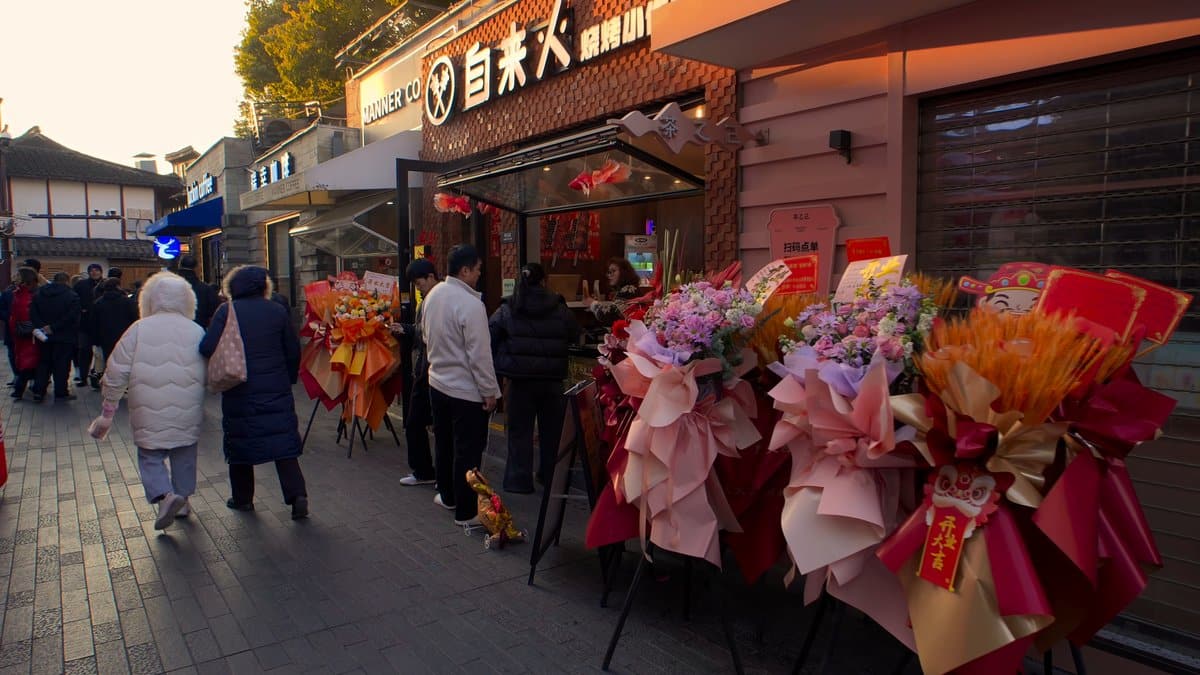
On the weekend it gets crowded in the main lanes. You’ll be pushing your way through crowds of tourists around the most popular stalls while shops spill over onto the paving stones. Locally made pastries, packaged sweets, flowers, some shops sells all of these things. If you don’t know what something is until after you buy it, some stores offer free samples.
And prices are reasonable: a lot cheaper then you would pay in Shanghai itself.
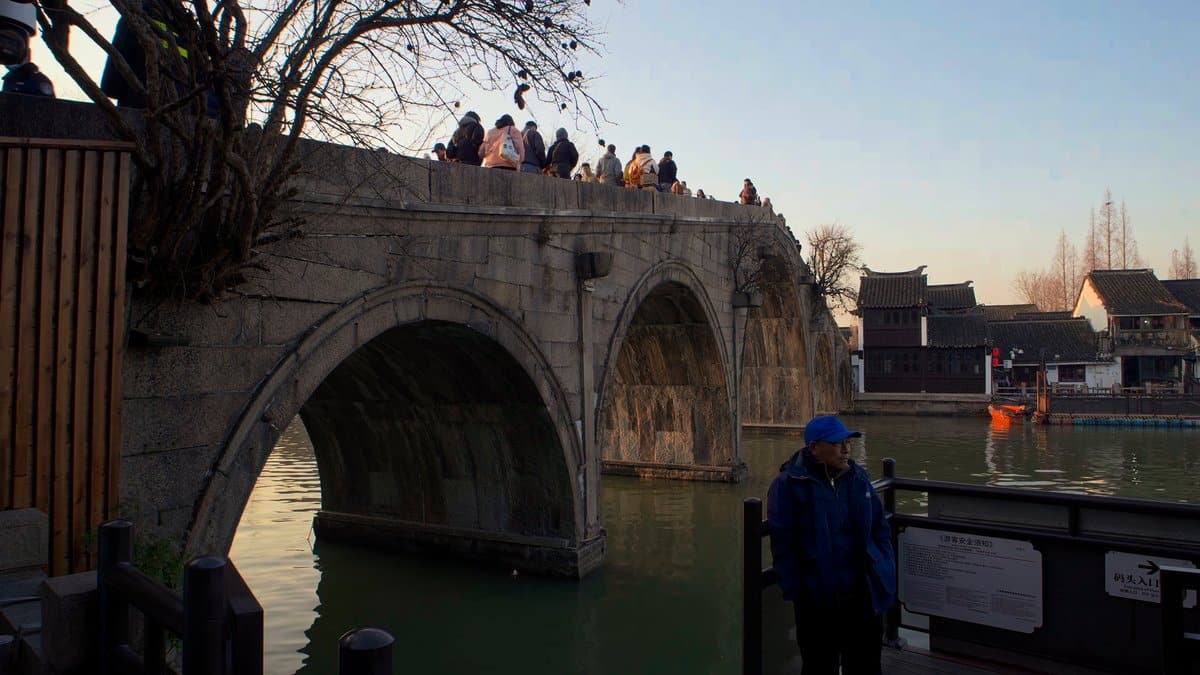
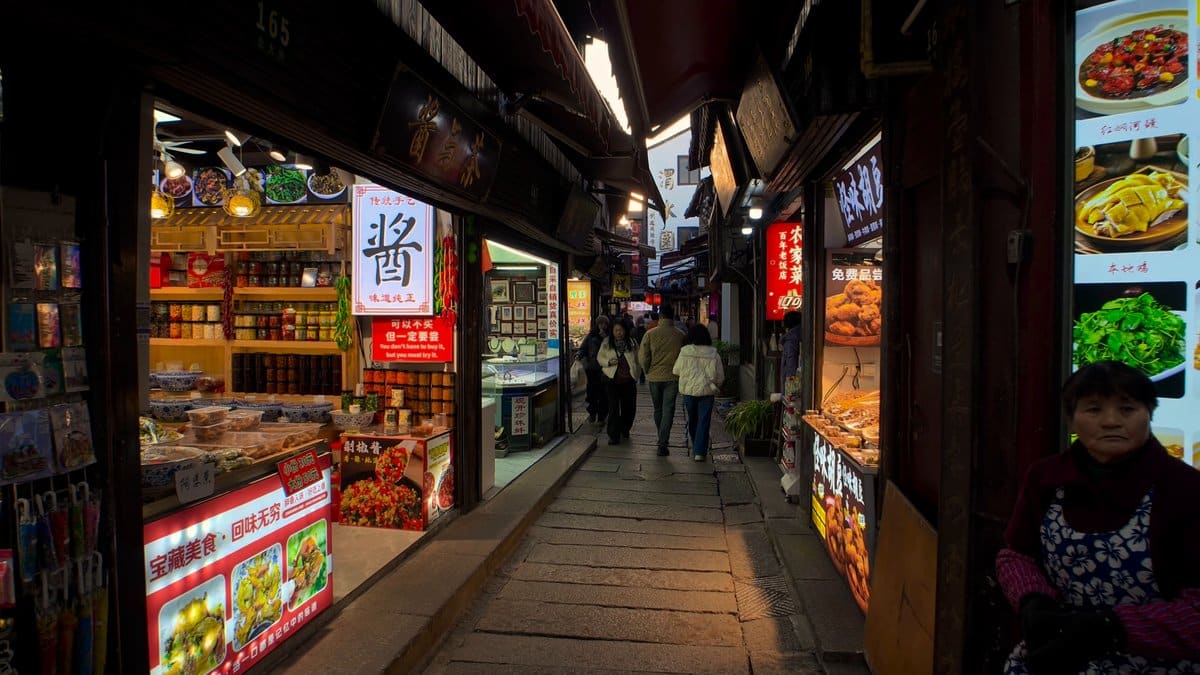
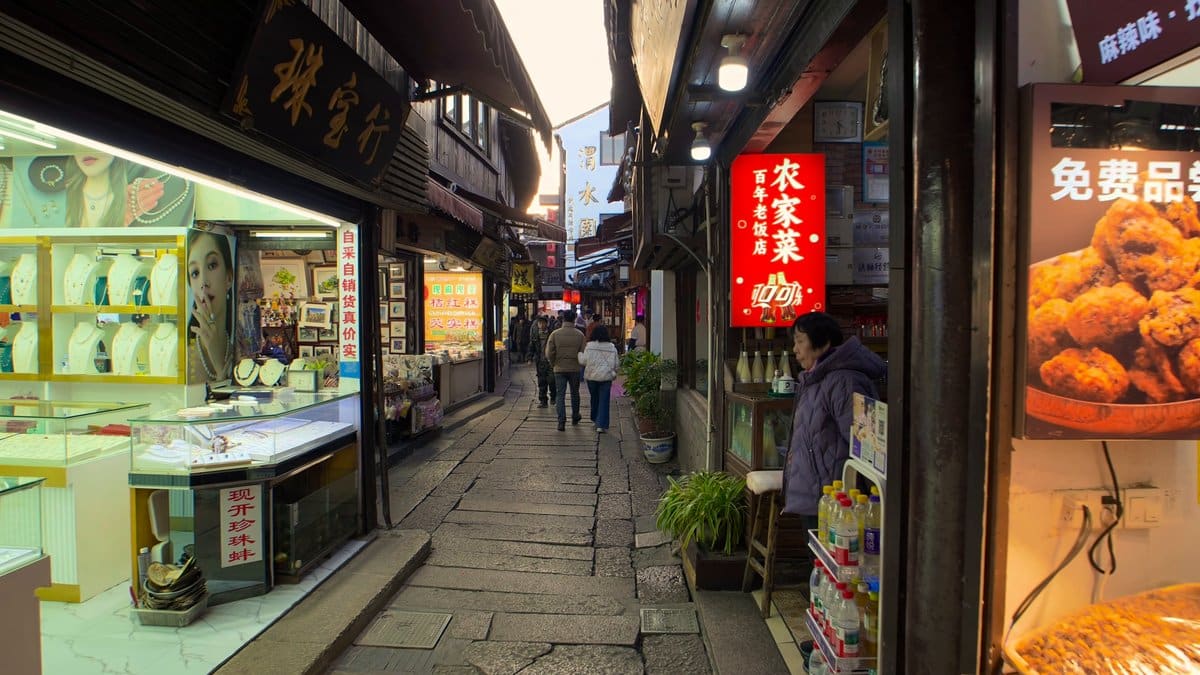
Every couple of blocks there’s a canal that’s crossed by a stone bridge. These are good places to stop and gaze into the water, they’re steep ones, too, the kind with stairs going up on one side and down the other.
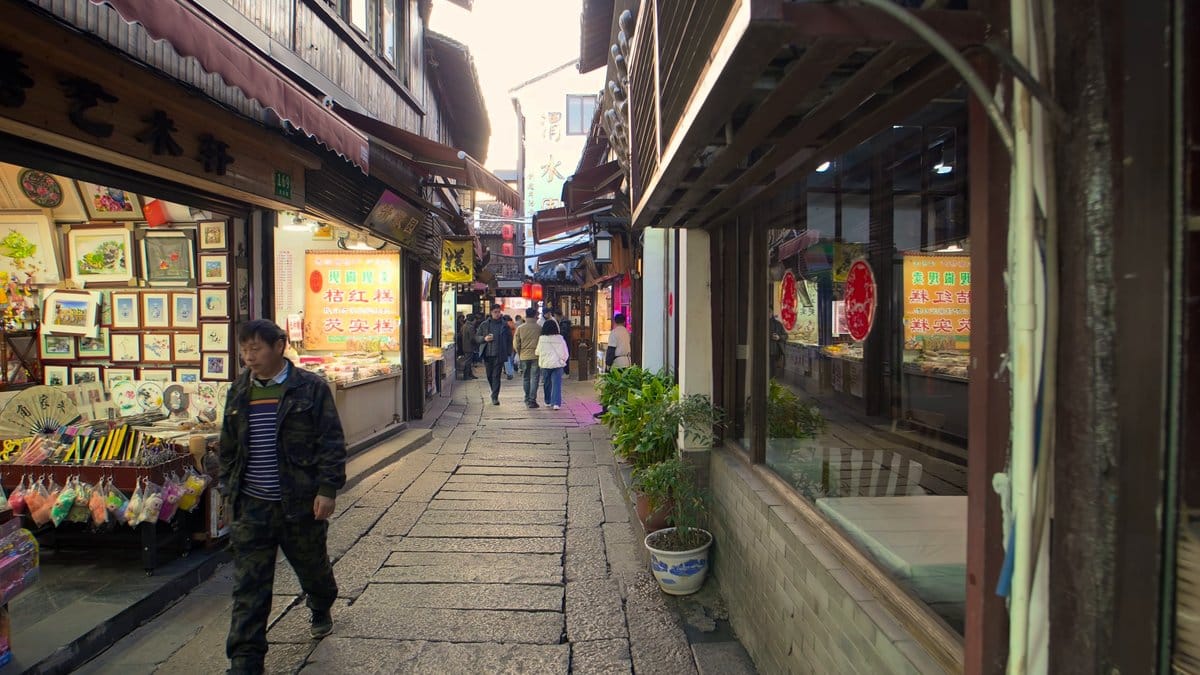
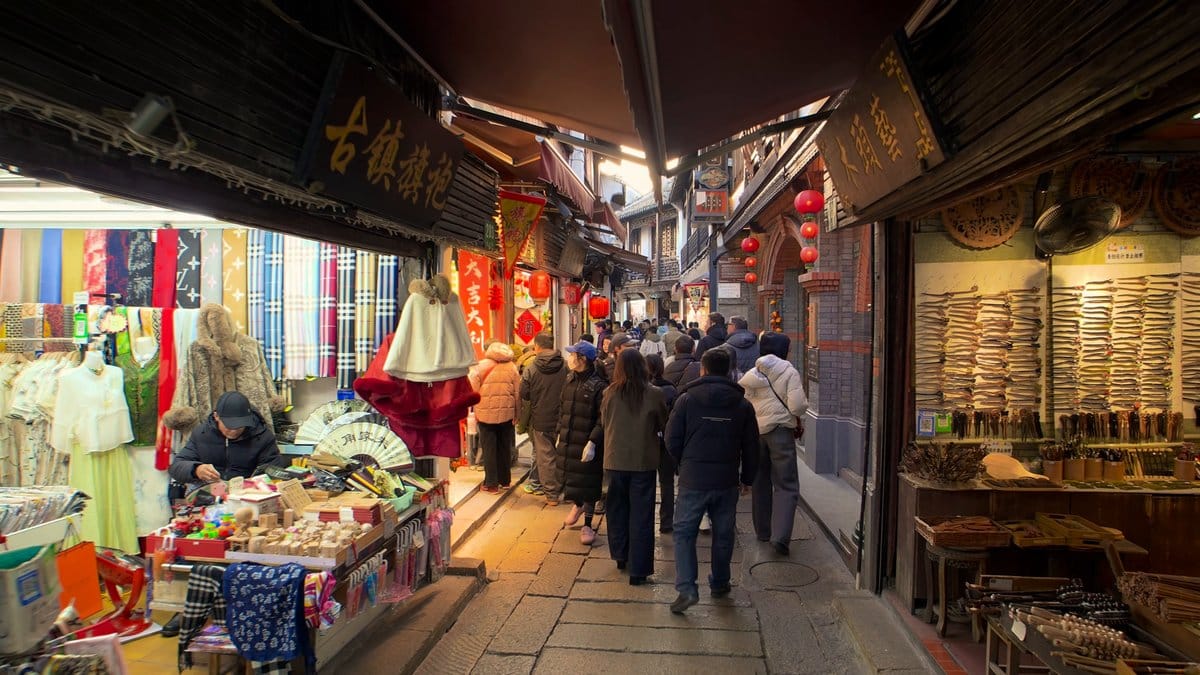
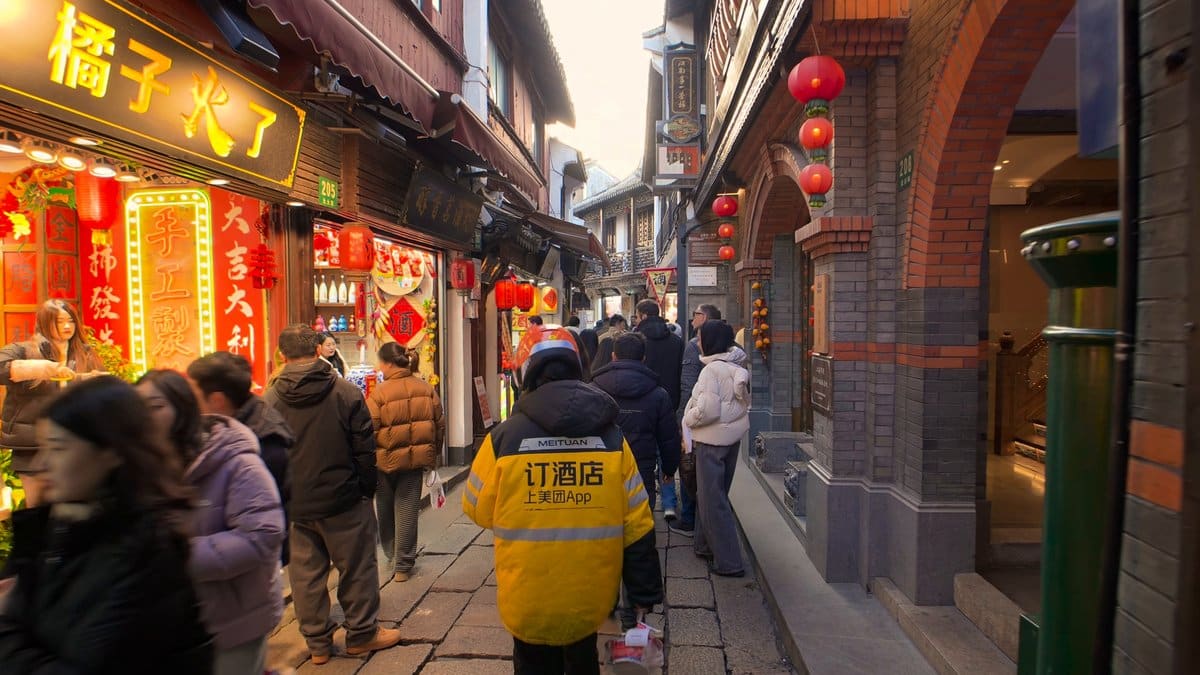
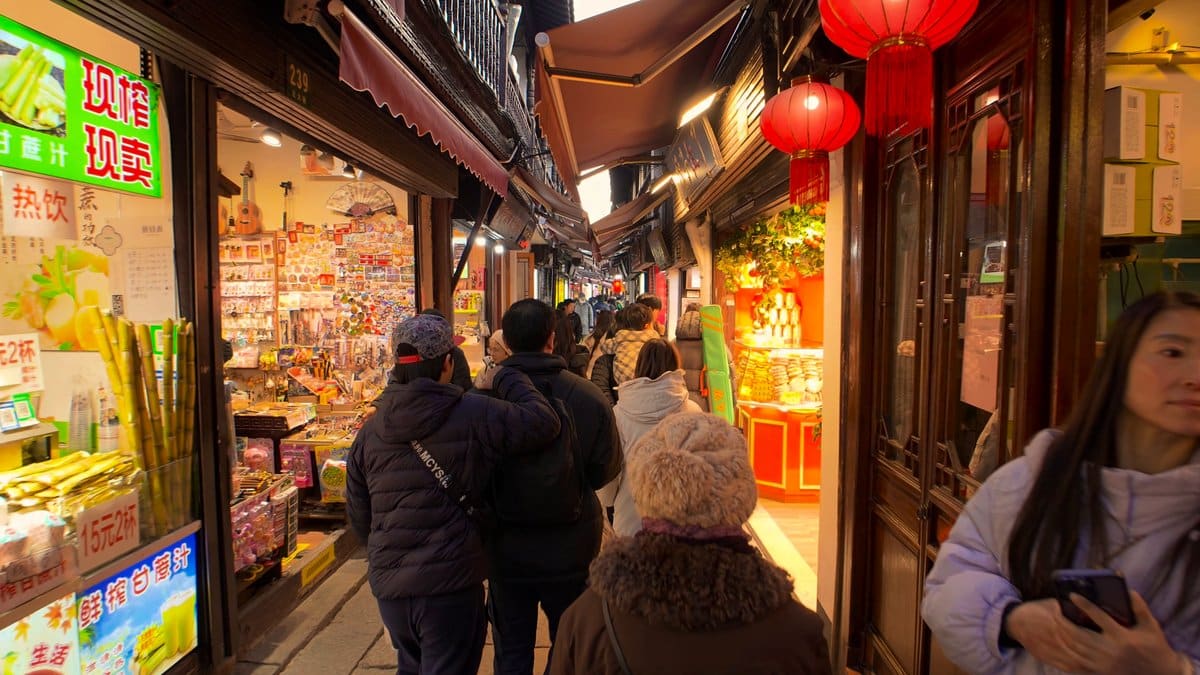
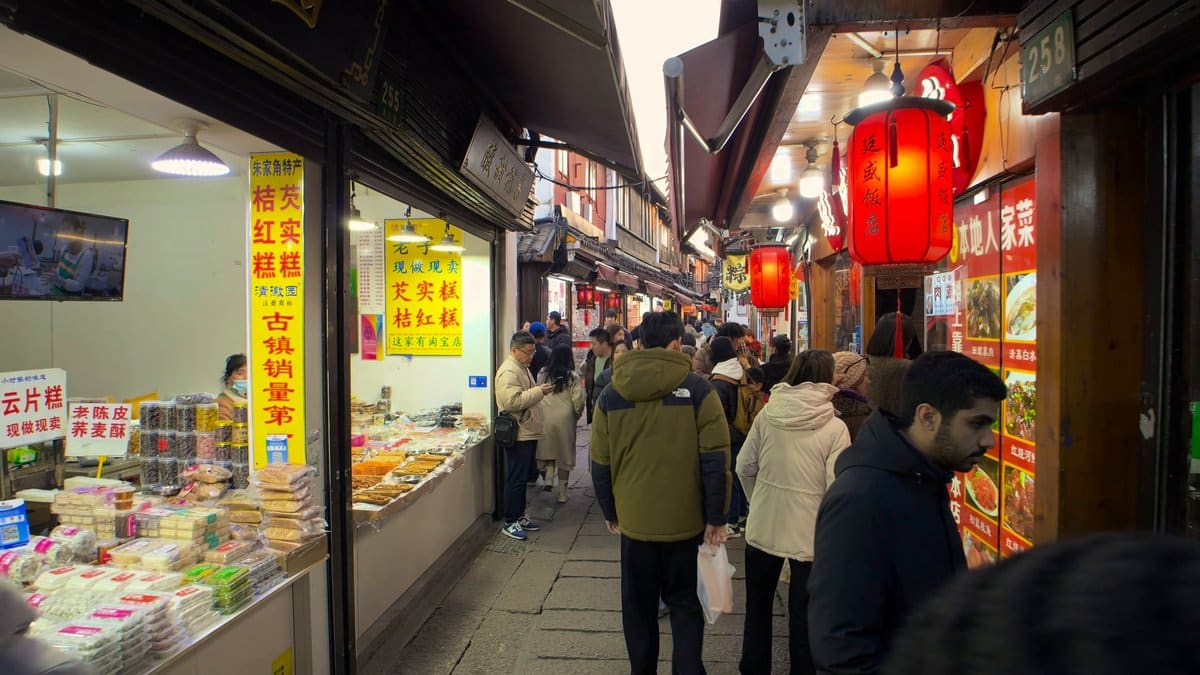
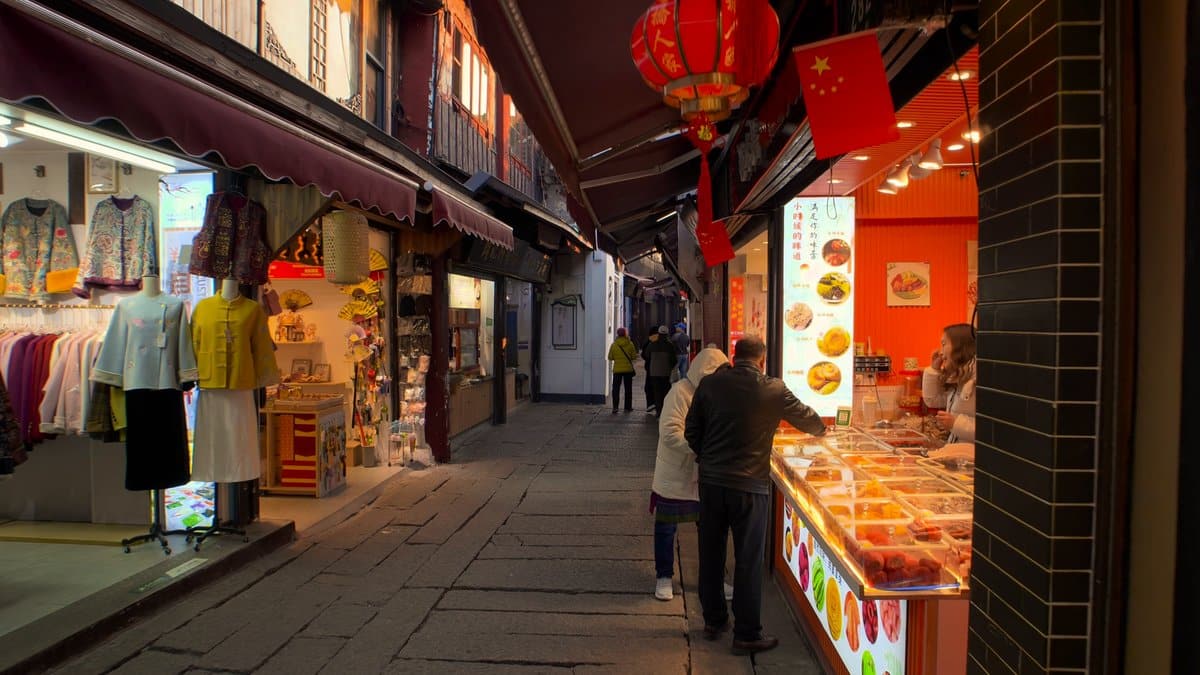
By day you weave in and out of tiny art galleries, cafes, tea vendors, and gift shops as you walk down the lanes. As night falls lanterns are strung across the eaves. On the shop counter there is stacks of packaged goods, bolts of fabric, and framed prints.
The shops are mostly the same, but that is not the point.
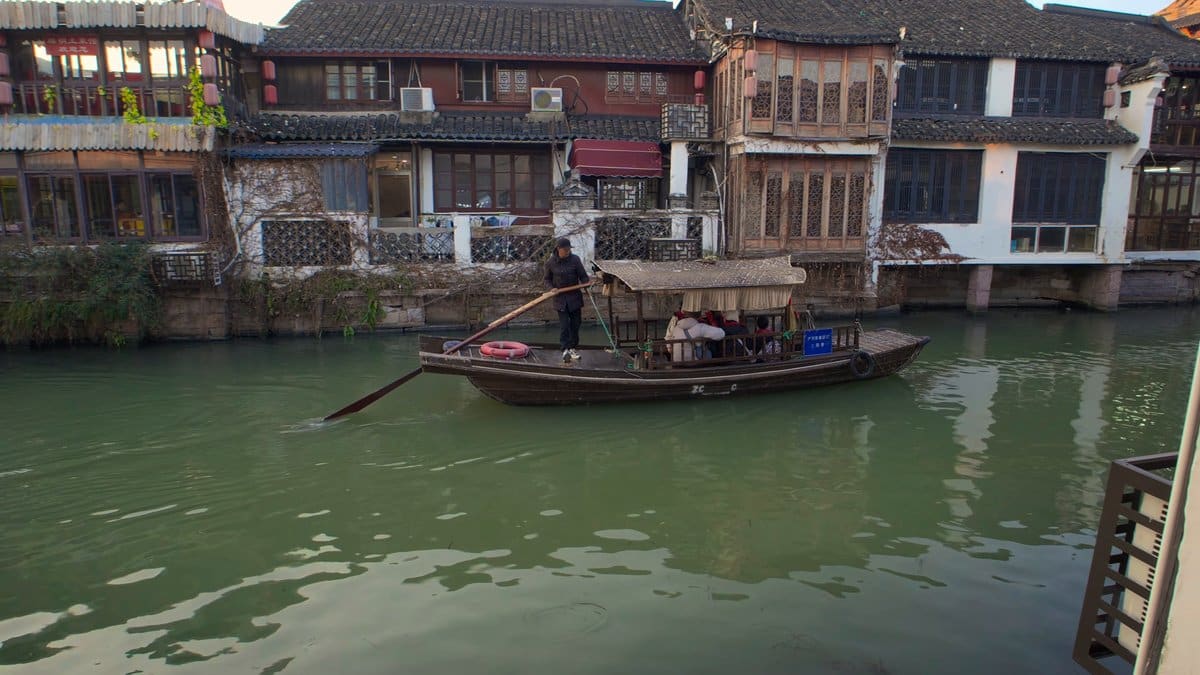
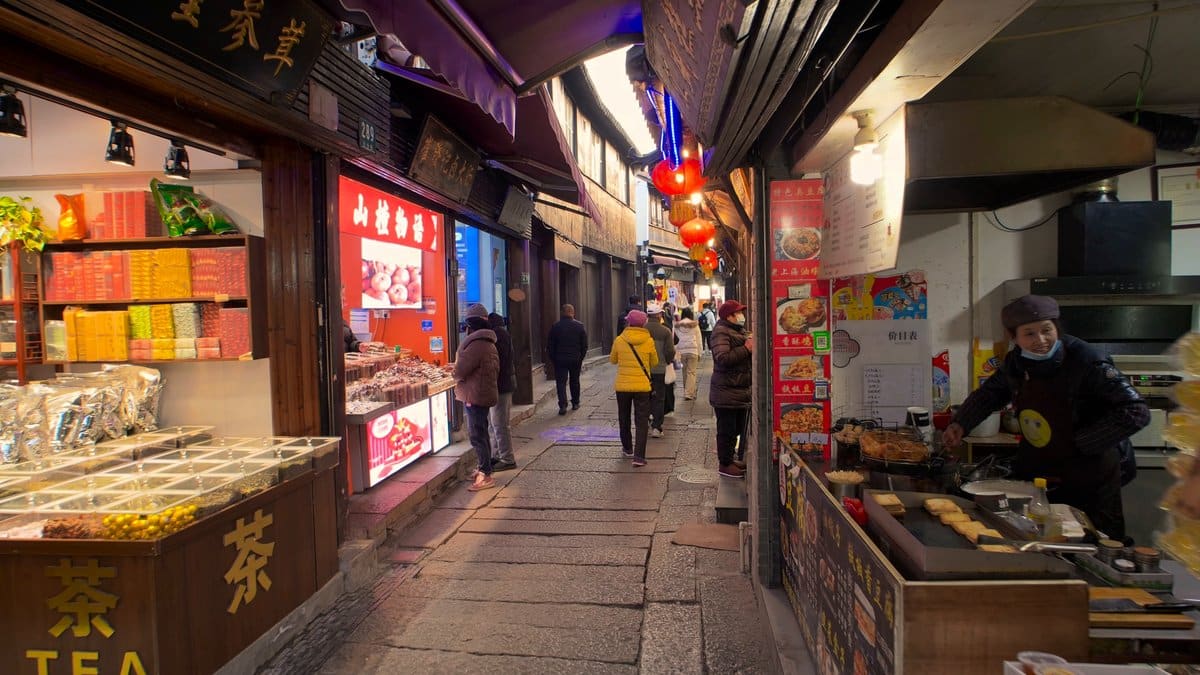
A ride in the boats cost roughly 80-120 yuan for a trip; longer trips will be more expensive while shorter ones less so. You’ll get picked up by a boatman who stand at the back of the boat and works one oar, moving you along. If you prefer to sit back and watch people walk by, there are tea shops lining the lanes.
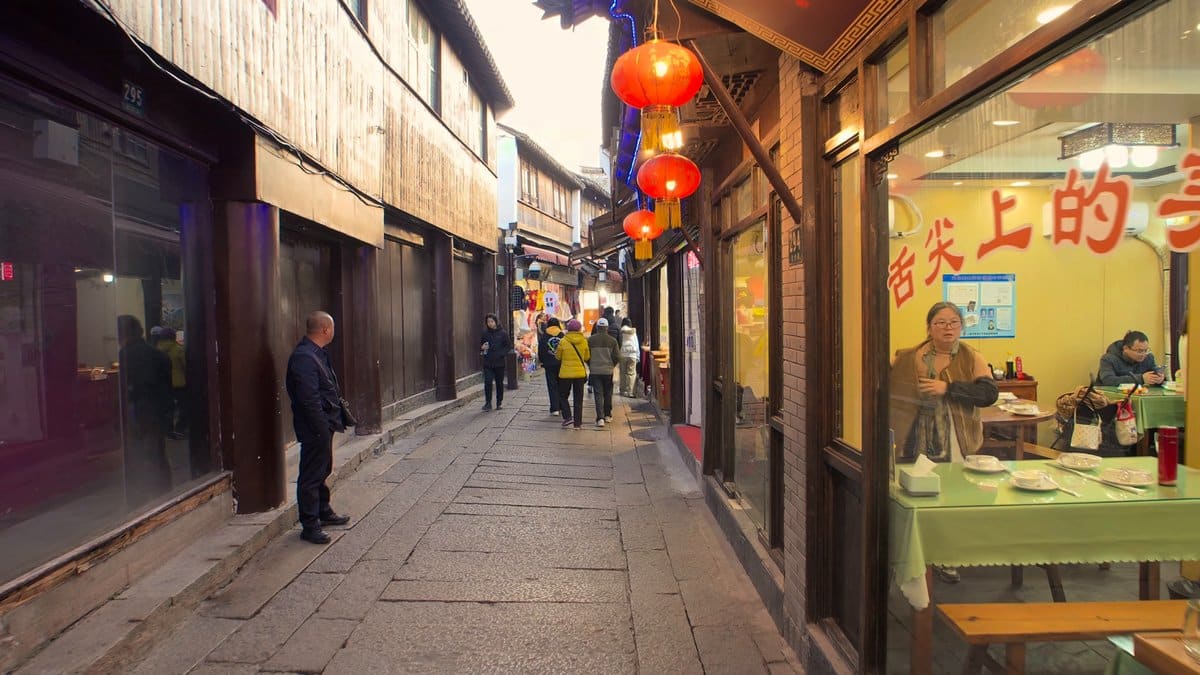
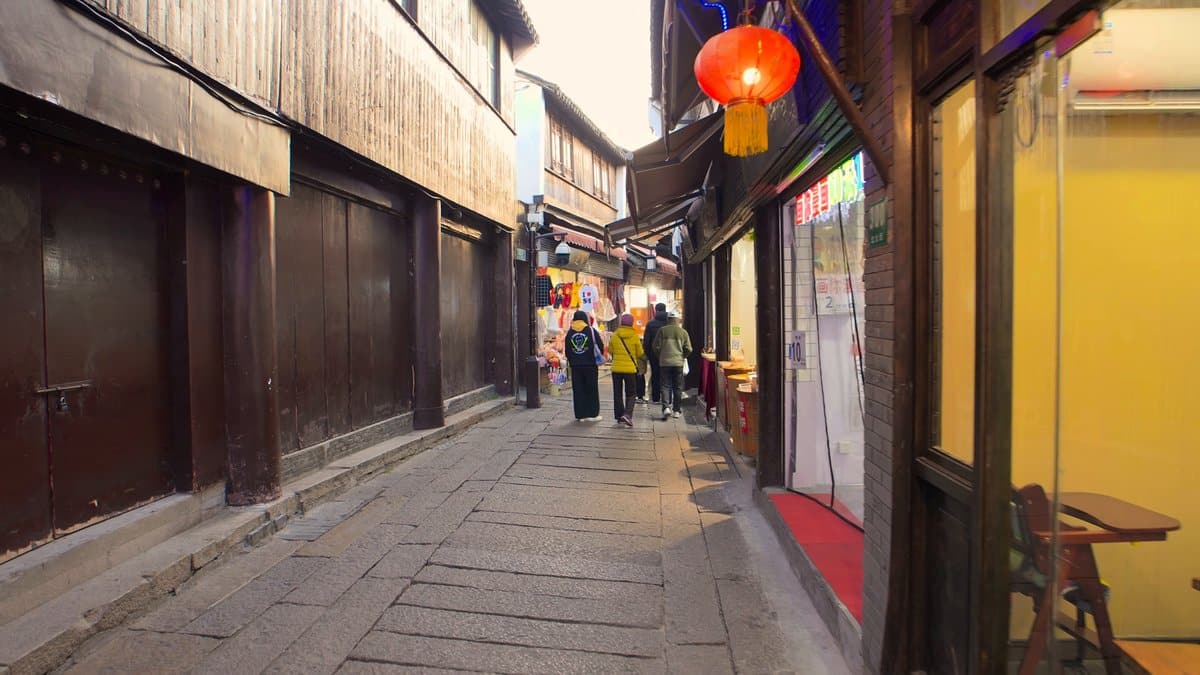
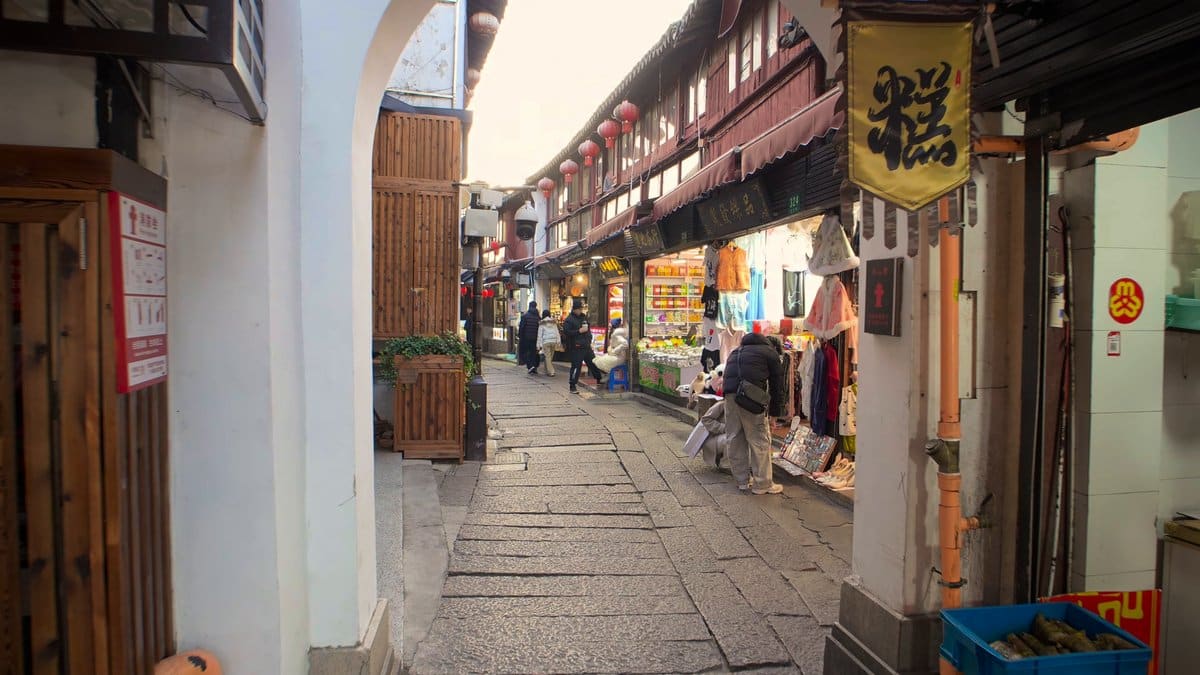
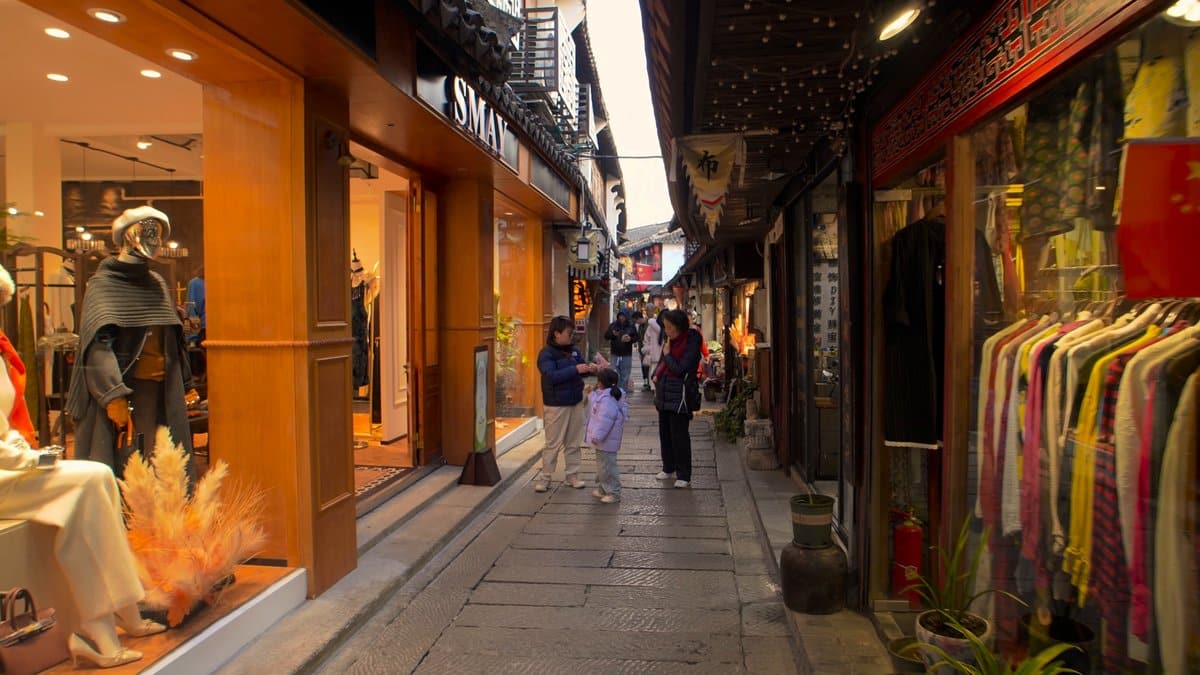
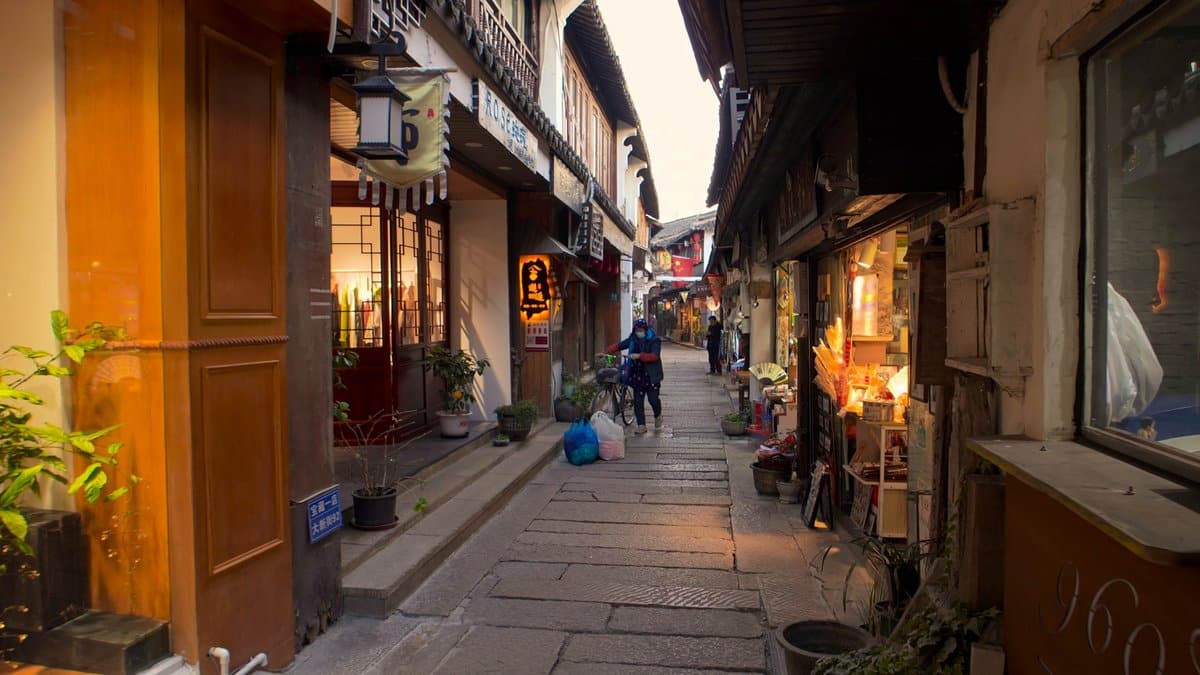
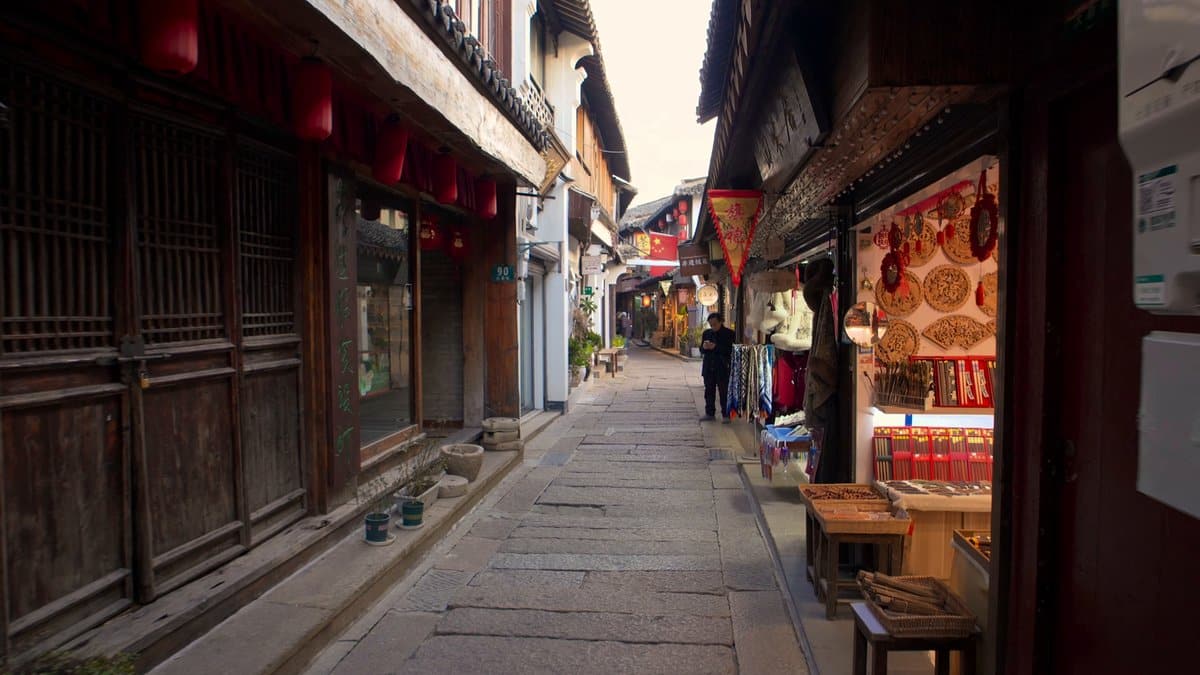
Turn off the main drags, though, and there are quieter stretches. The crowds thin, the timber shopfronts close up for the night, and cafés provides window seats to gaze at the lanes below. There are a few shop selling cosmetics in old-fashioned packaging or crystal ornaments.
And then there’s what draws people here: the buildings (timber frames), latticed windows, narrow doorways that don’t appear to have changed much in decades.
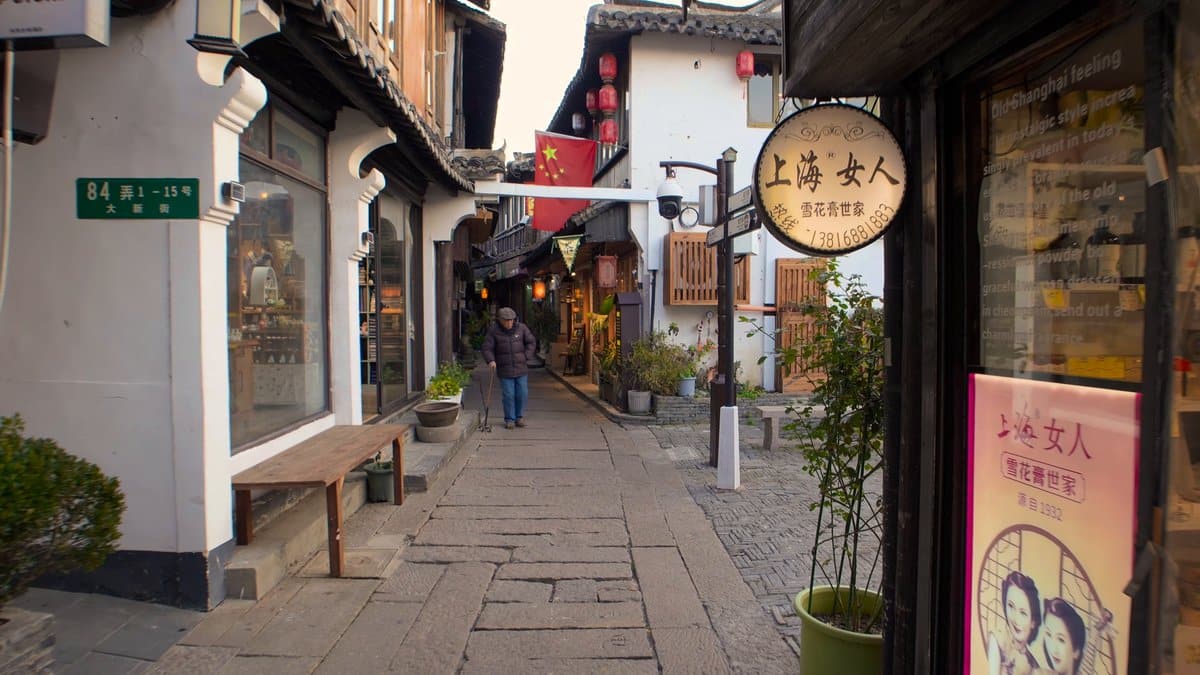
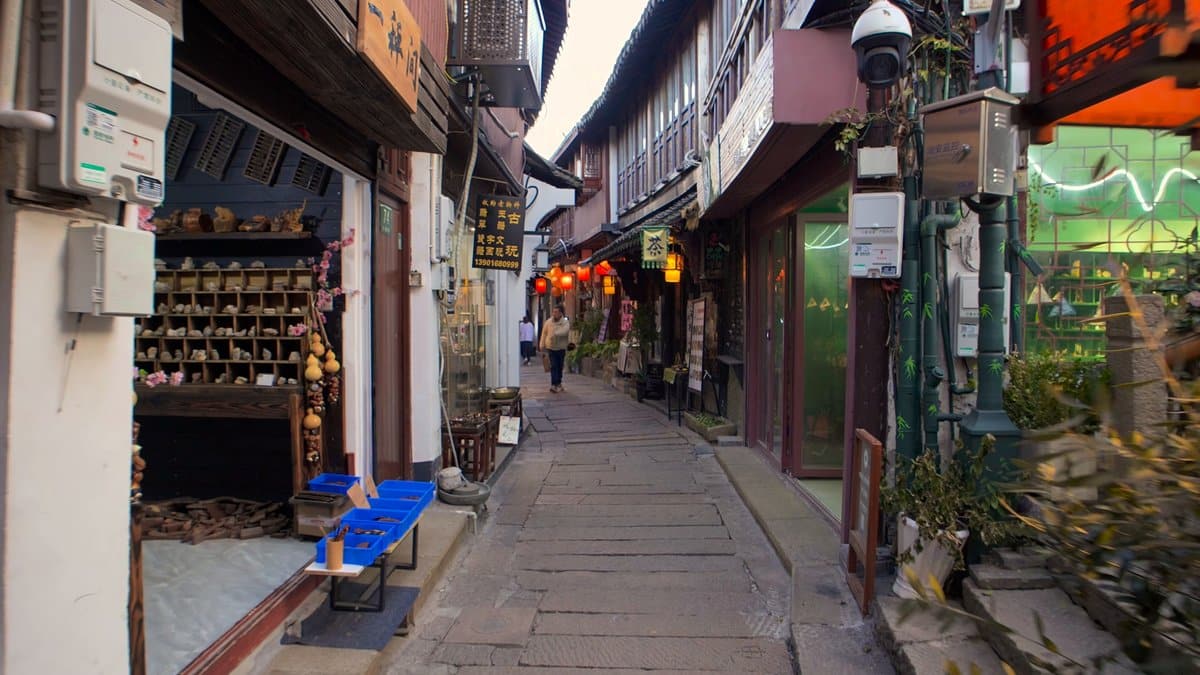
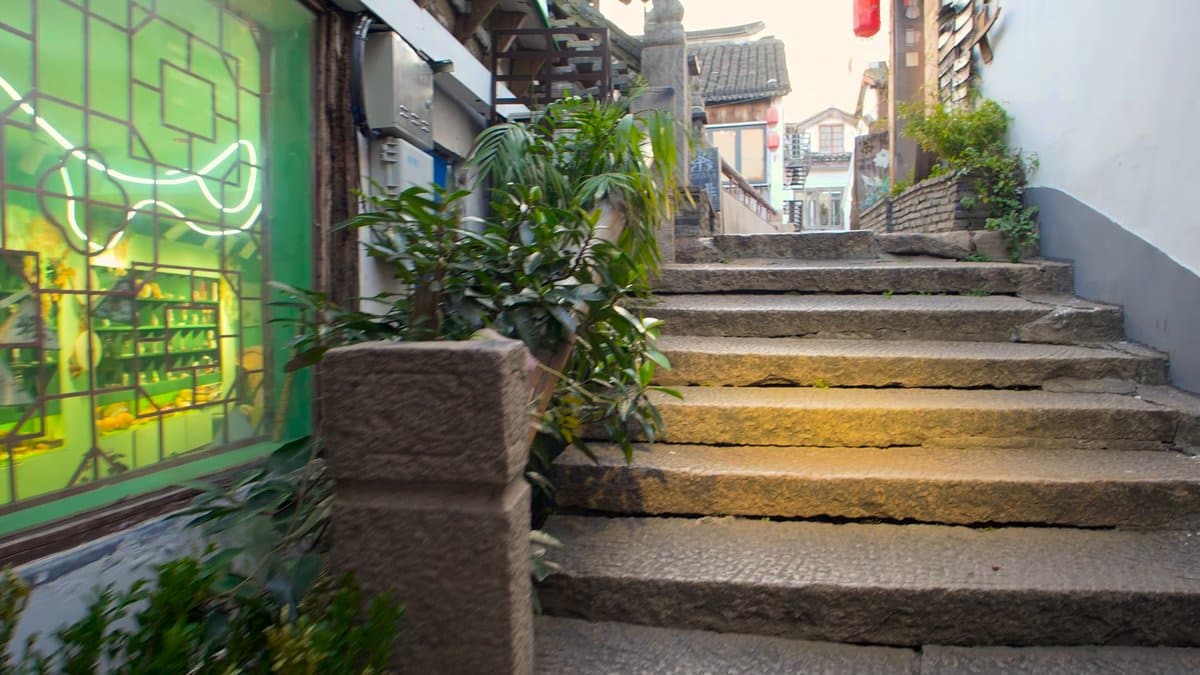
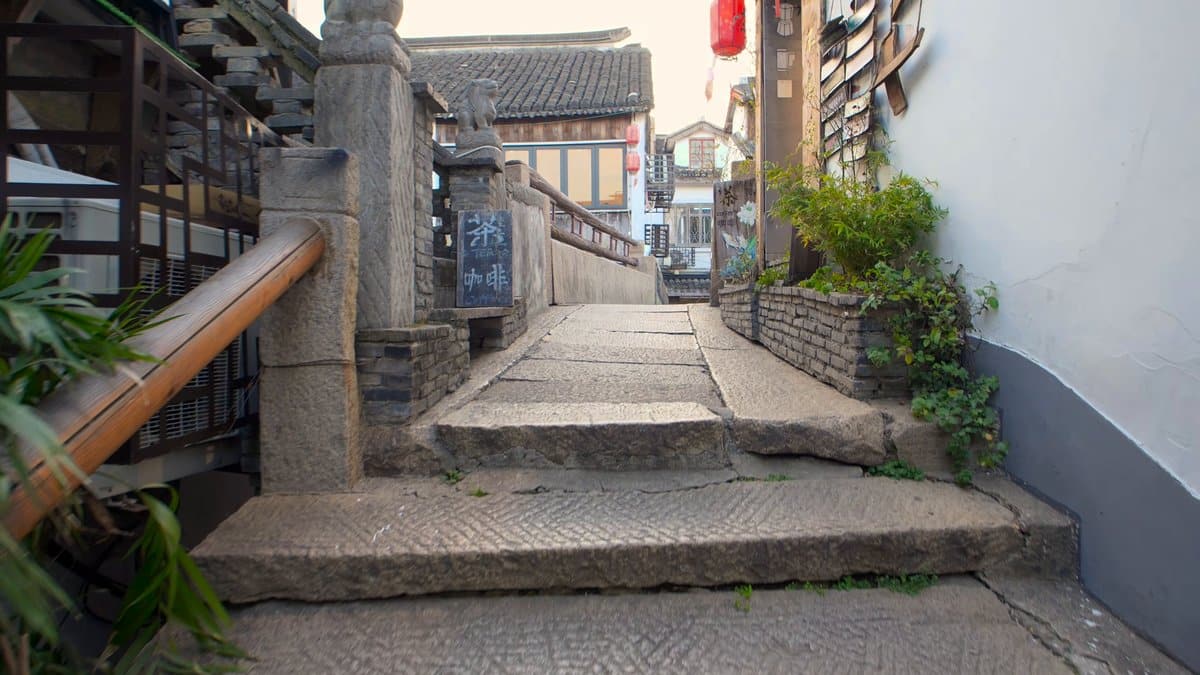
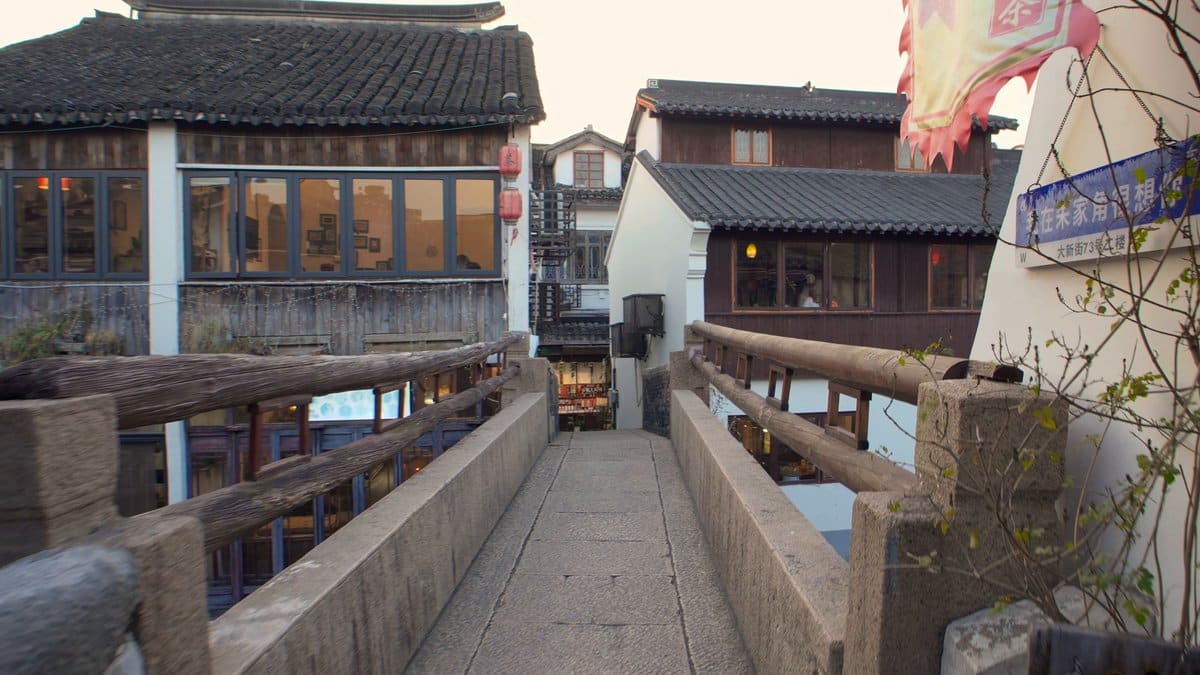
Over the years, bridges is worn smooth by feet. People climb up and down the stone steps until they dip in the center from all those footsteps. Looking down the length of a canal, you can see past the houses that step down to the water and the boats moored there.
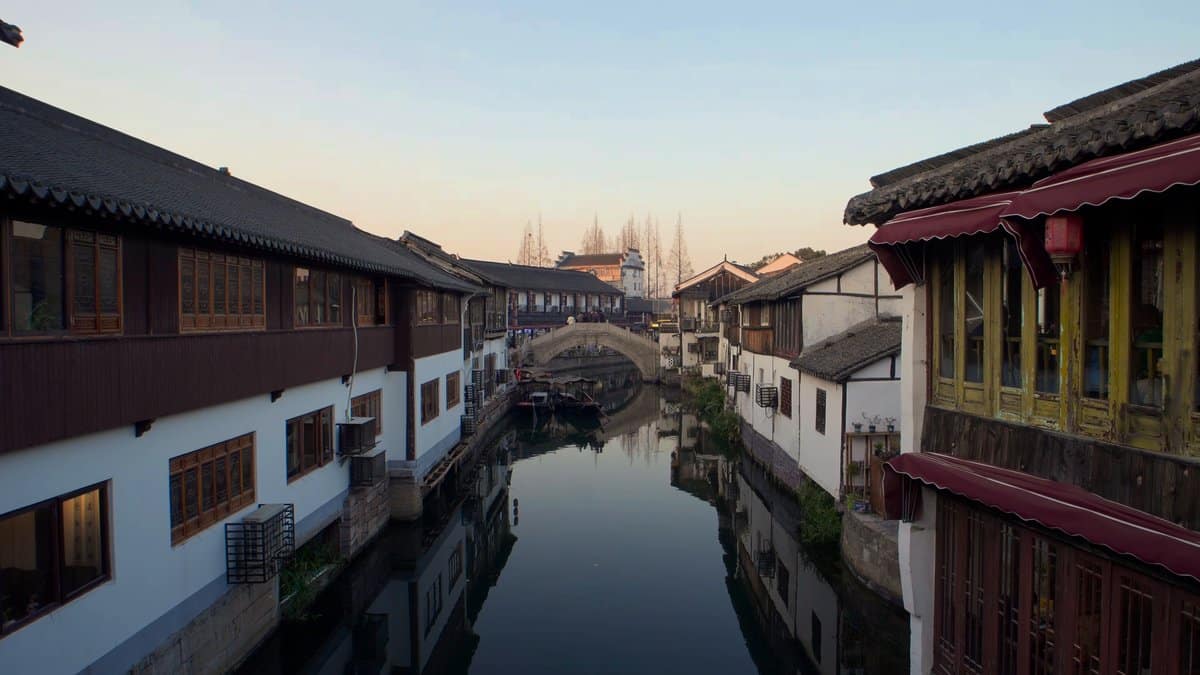
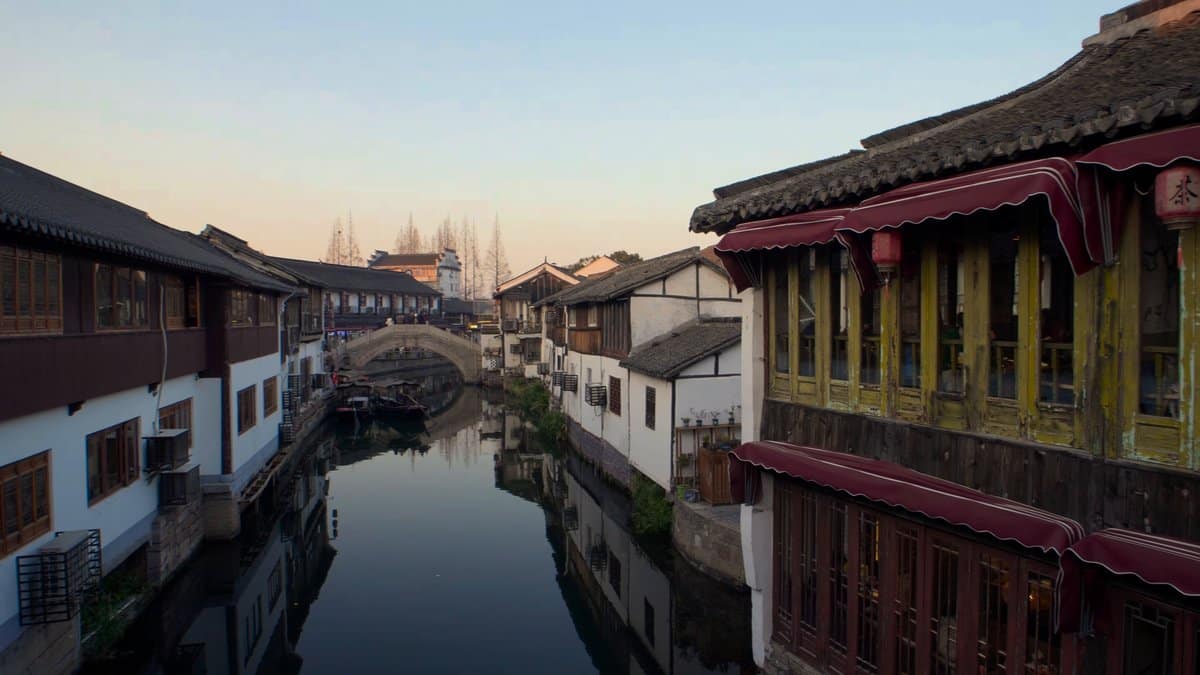
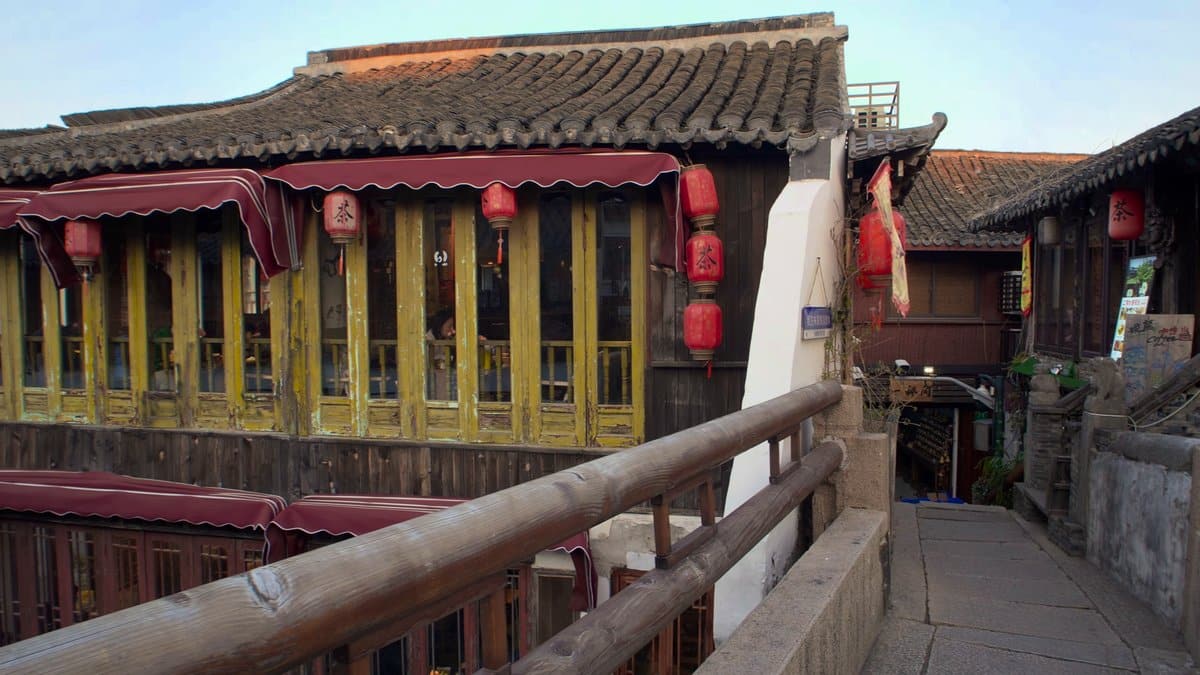
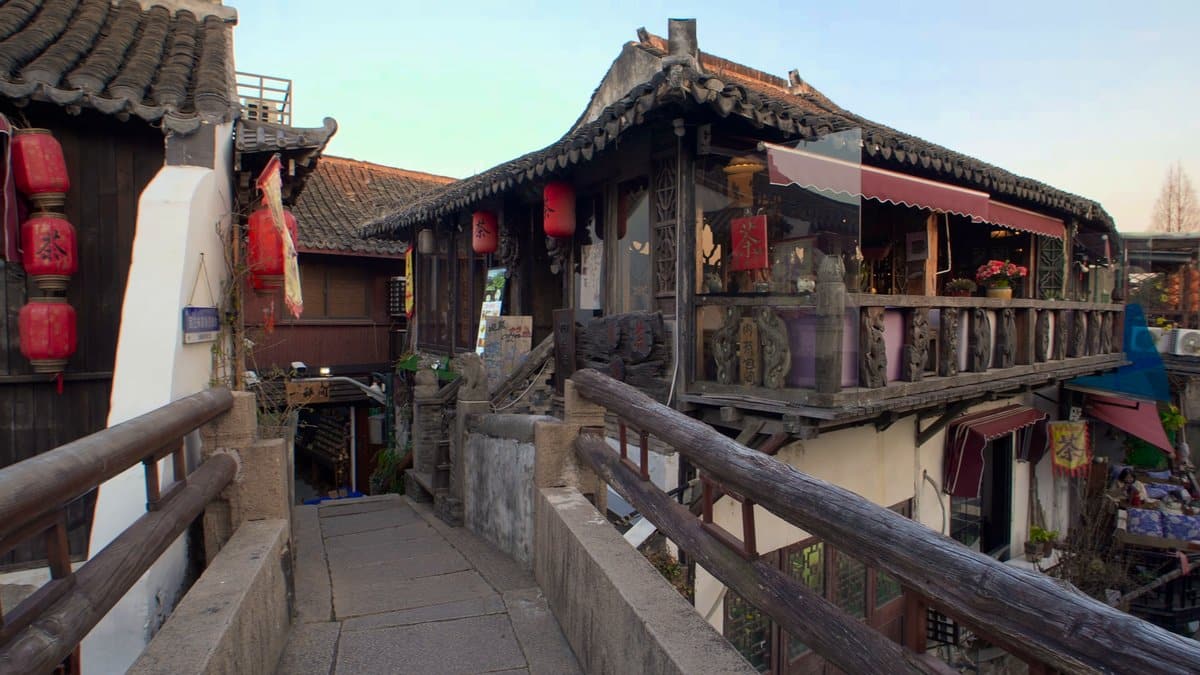
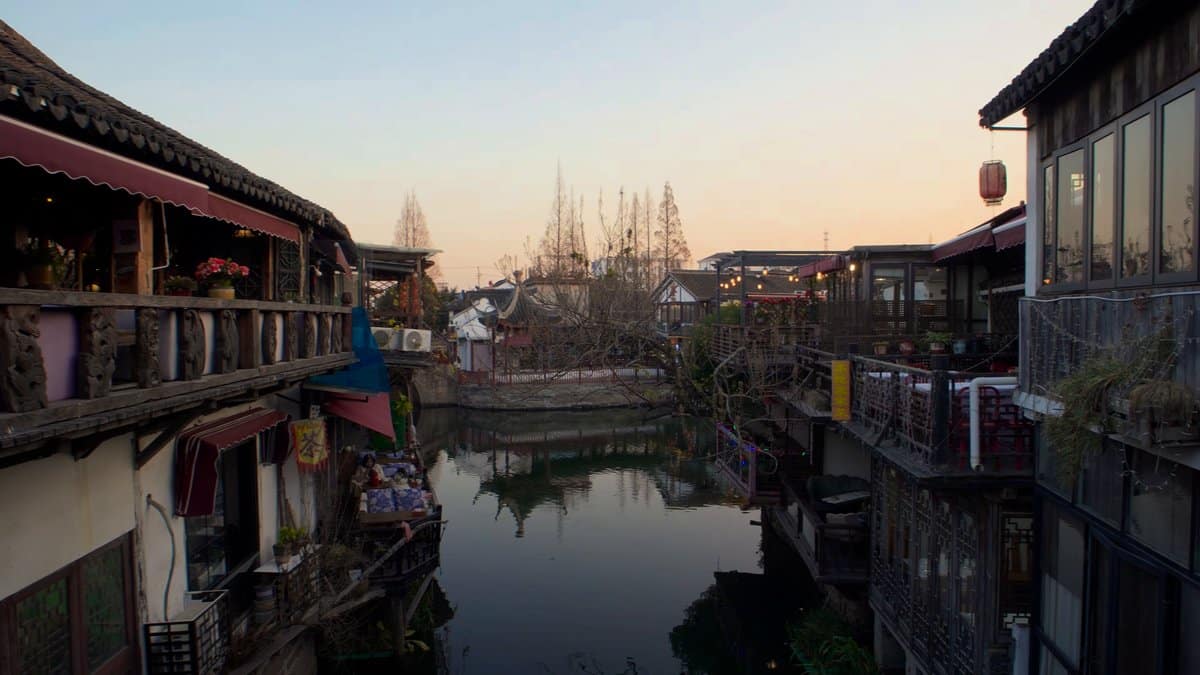
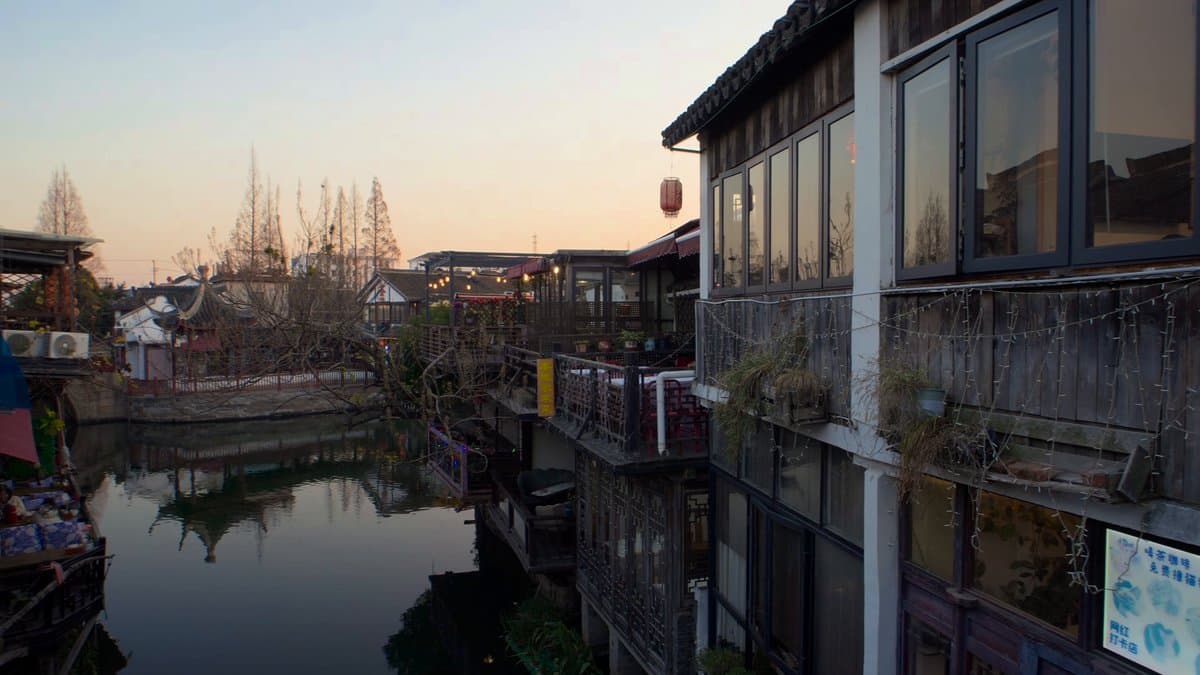
In spots, timber galleries extend over the canal, creating covered walkways along the water’s edge. Houses line the banks so closely they’re practically touching; some have lanterns strung outside. This is the place to be at dusk, then the light softens and the water reflects what’s become of the sky.
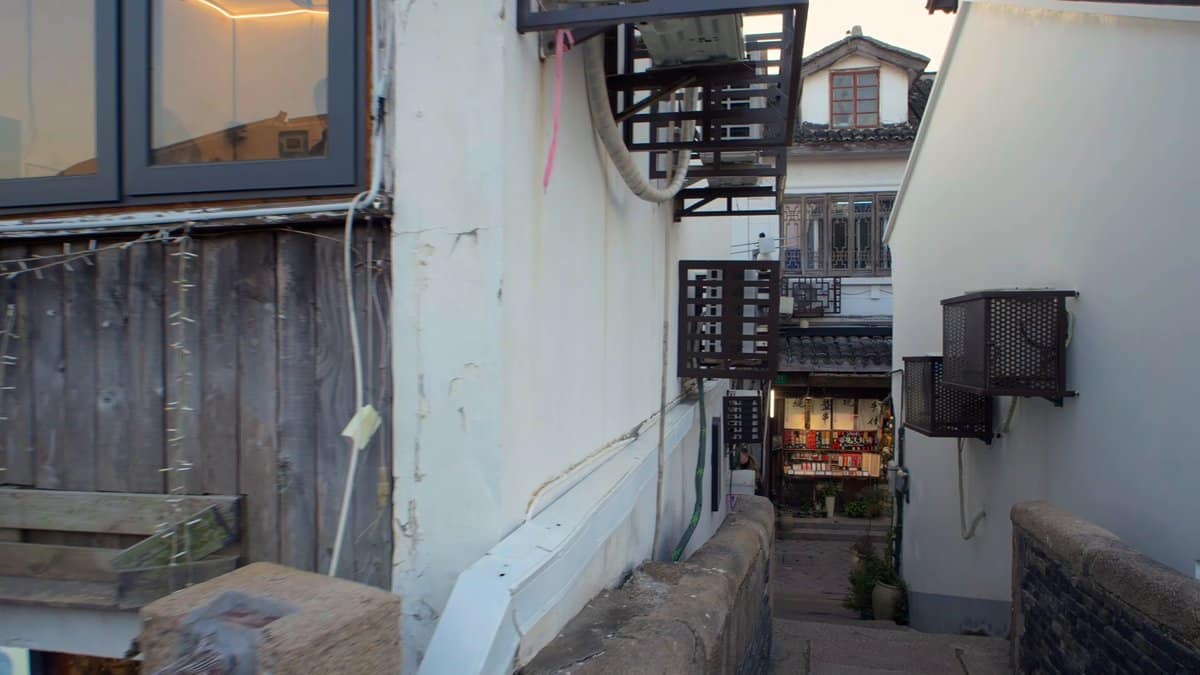
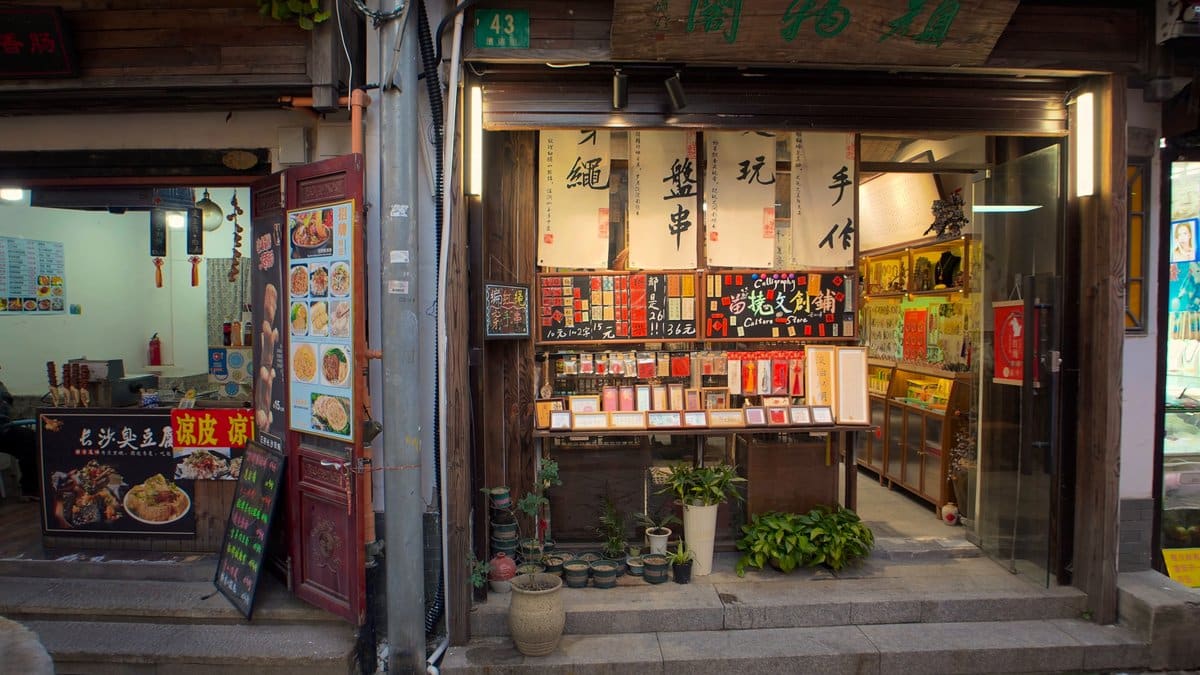
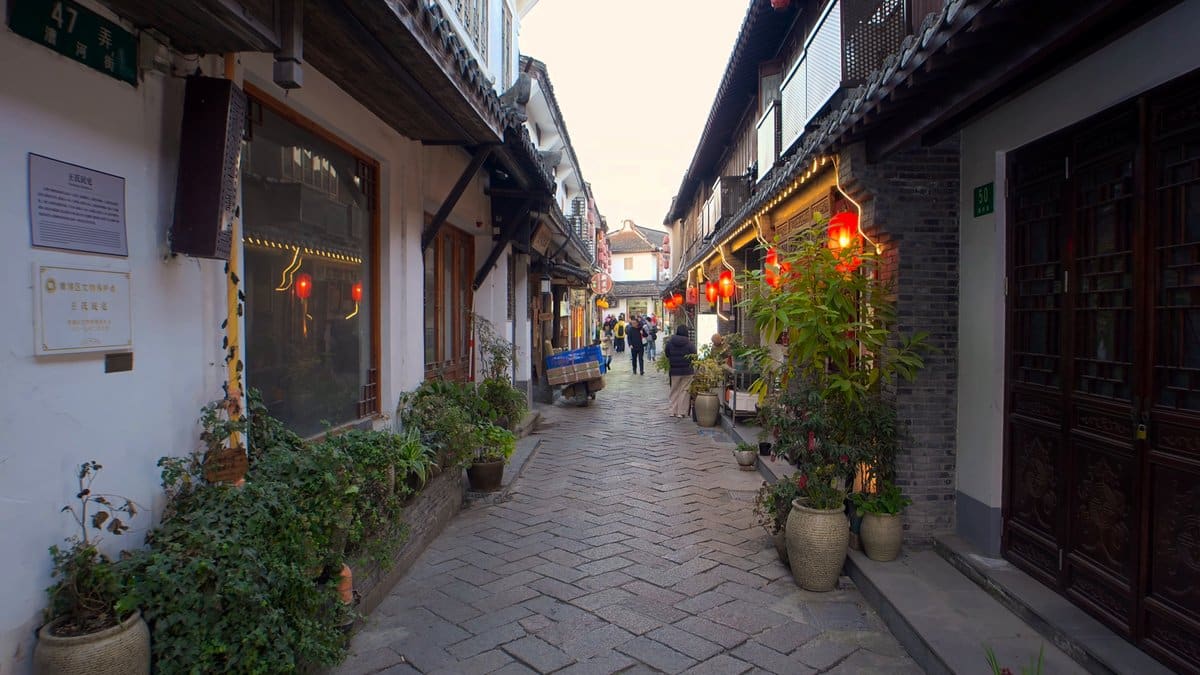
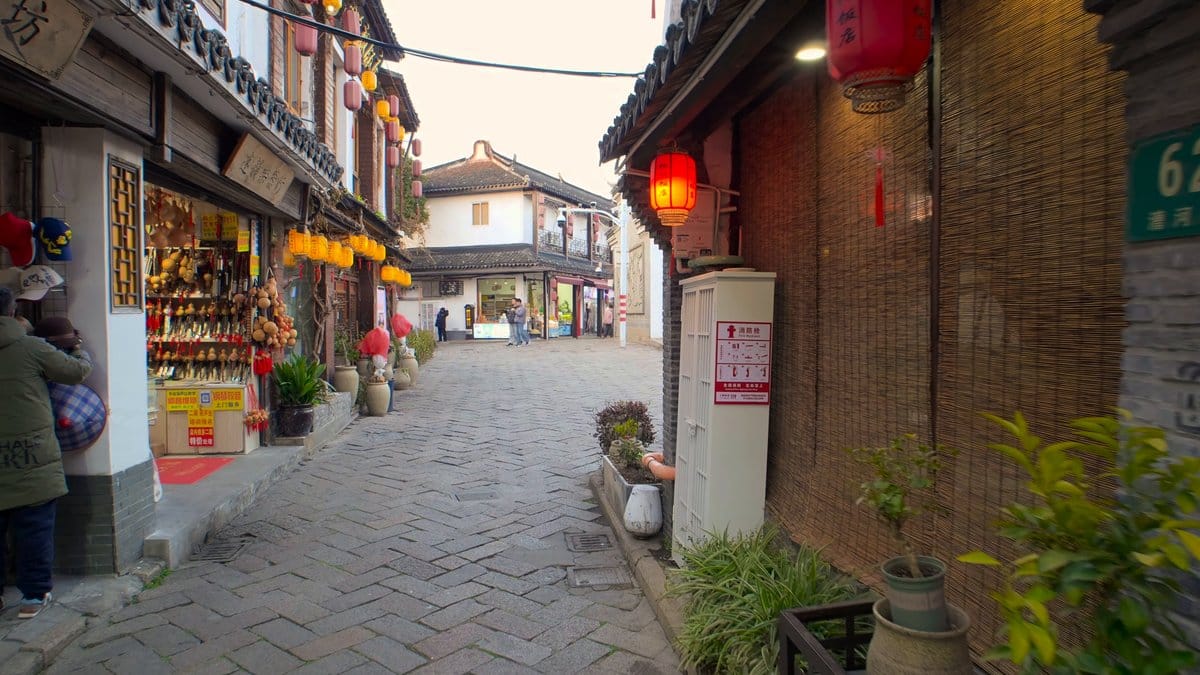
The main lanes give way to alleys branching off, passing by older buildings not yet converted to shops. Some is still lived-in. Here and there, lanterns mark doorways, glowing when the evening settles in.
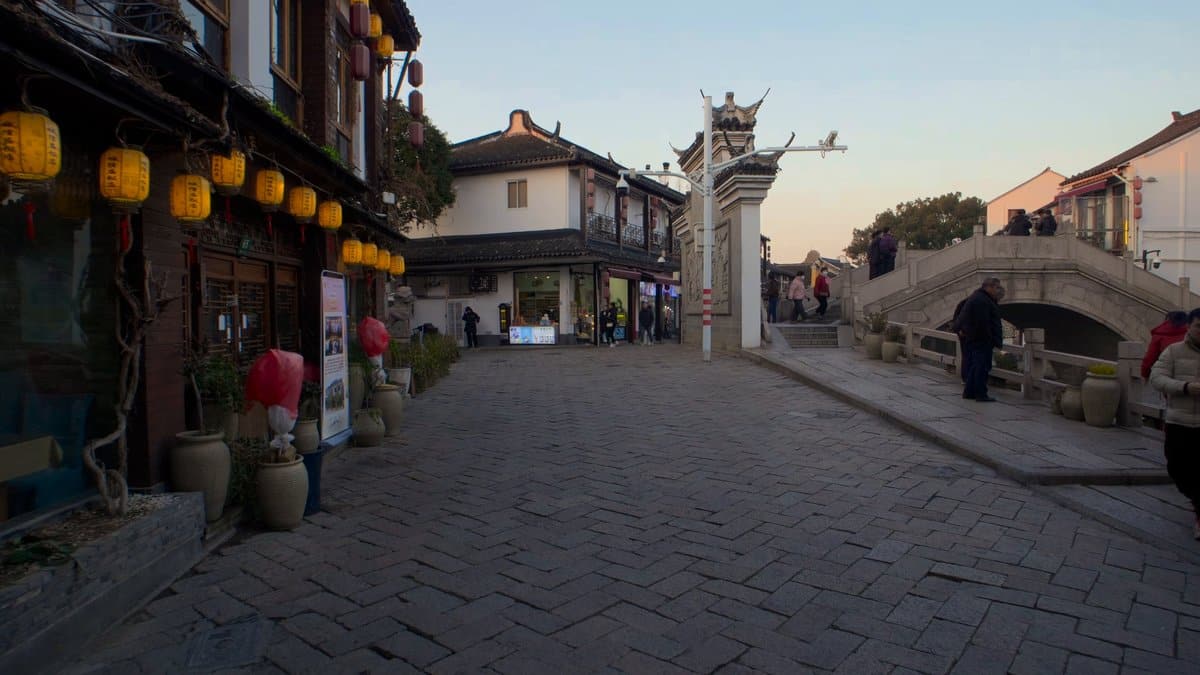
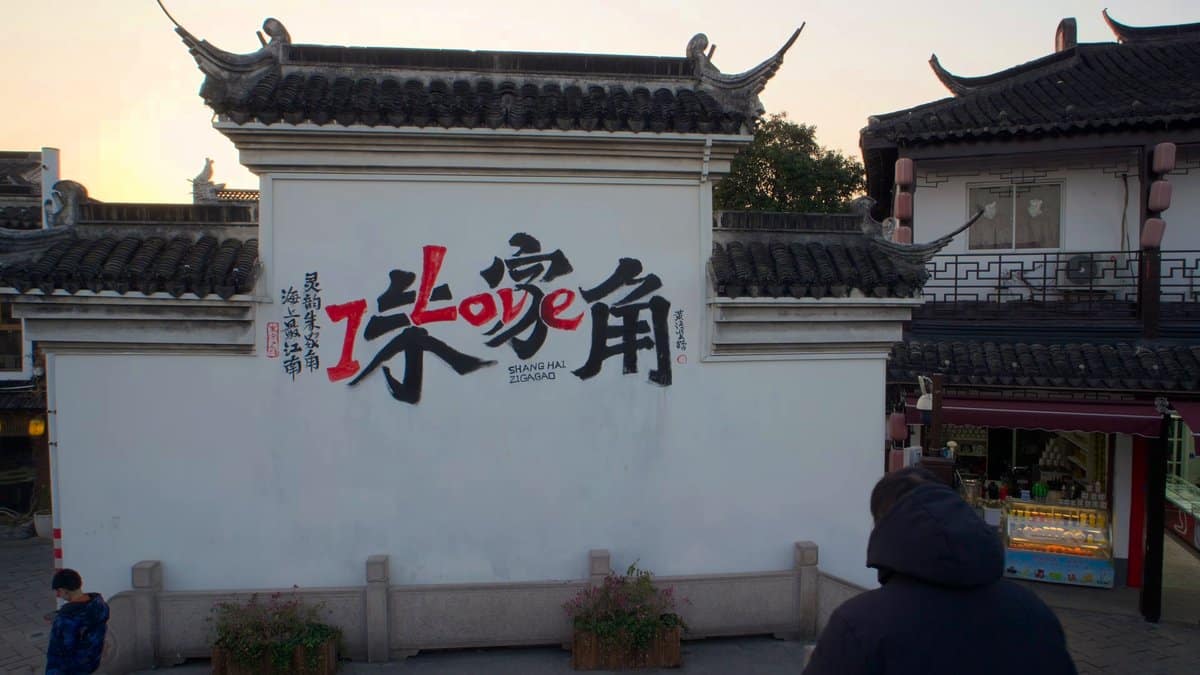
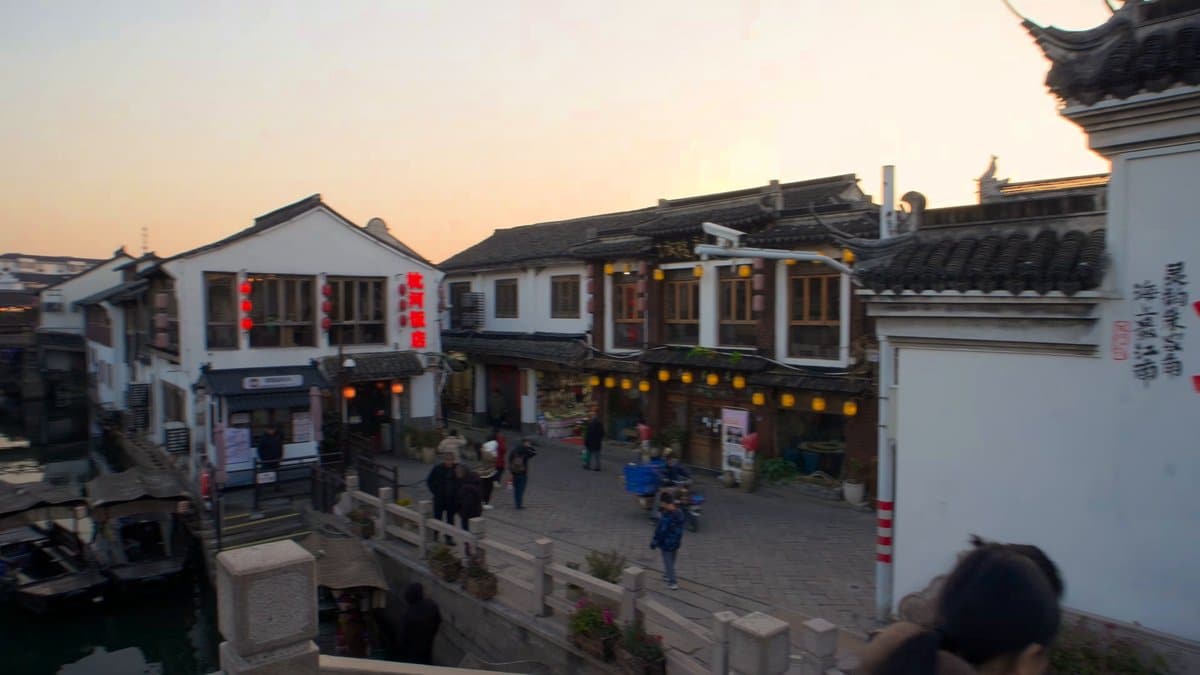
There are also stone gateways to mark changes in areas within the town. Near the water, little squares pop up so that you can stop and not block foot traffic. Walls has signs pointing out the name of the town (by now you’ll know just what it is).
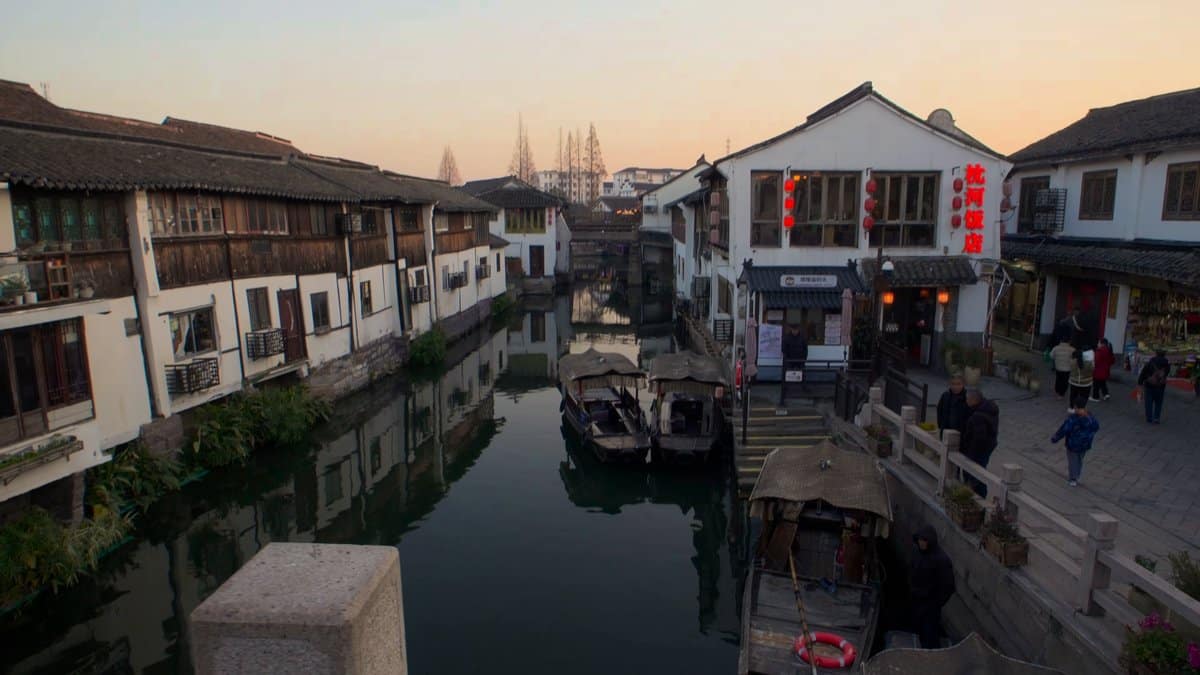
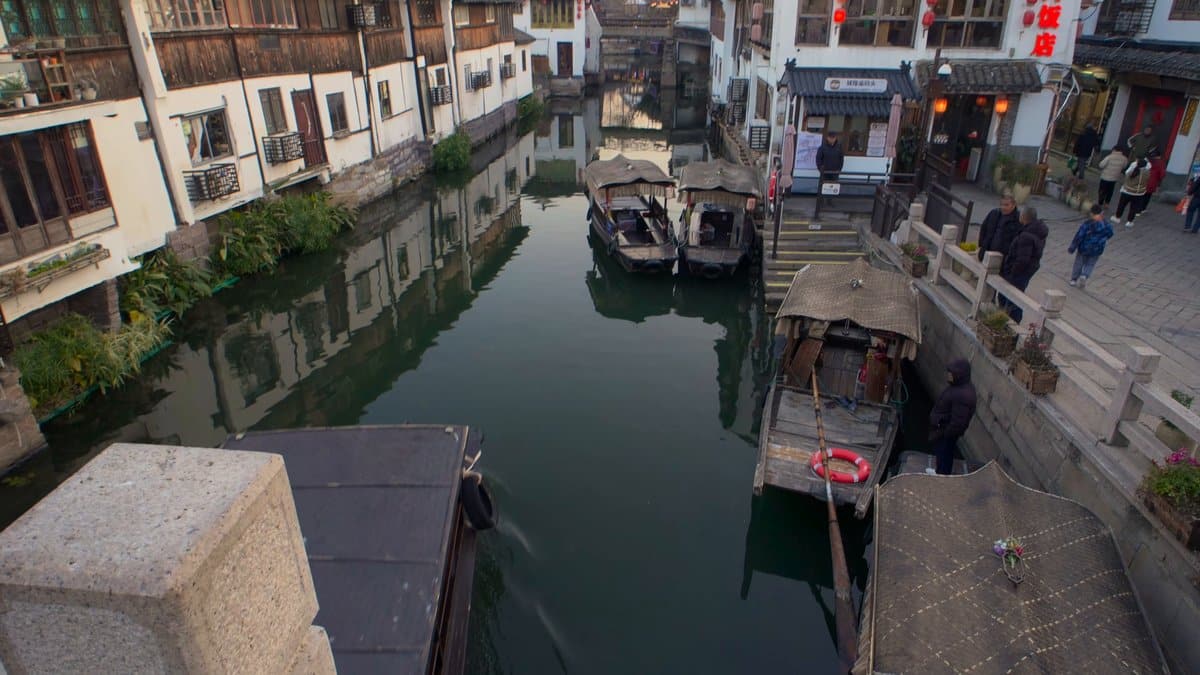
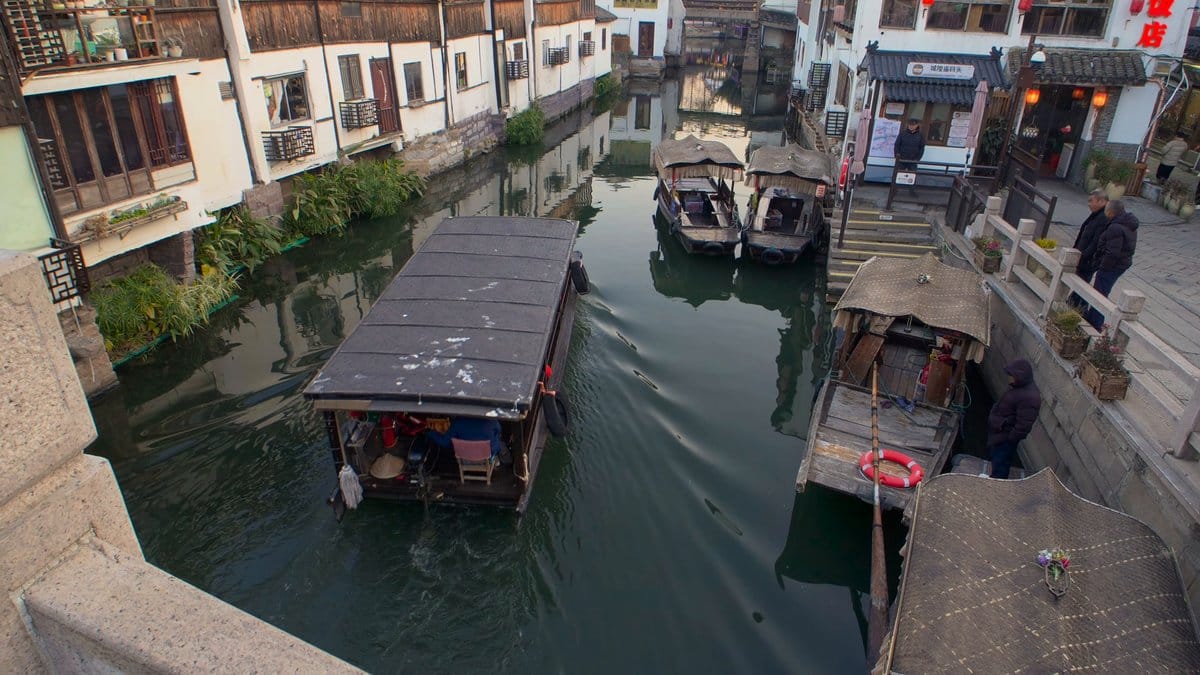
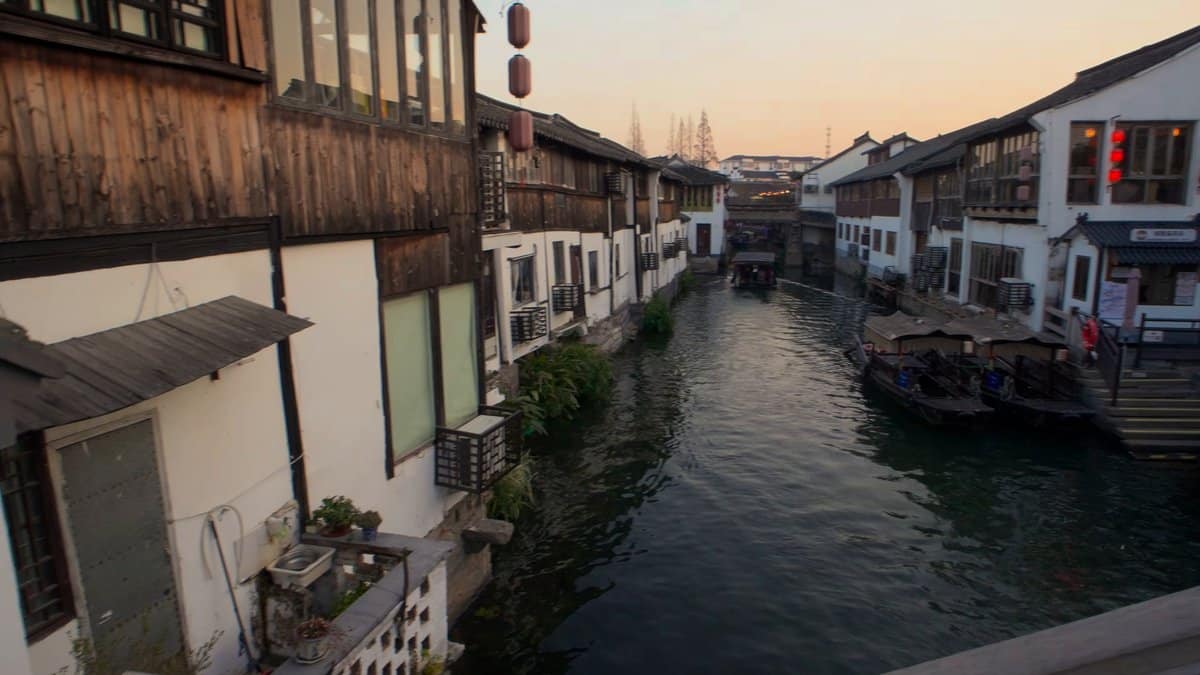
A row of boats lines up along the canal walls. Canopies stretch overhead, blocking the sun from the water. Some idle; some move.
That’s as exciting as it gets for sightseeing around here, and that’s okay. On each side, houses lean in tight, their images rippling with each passing boat.
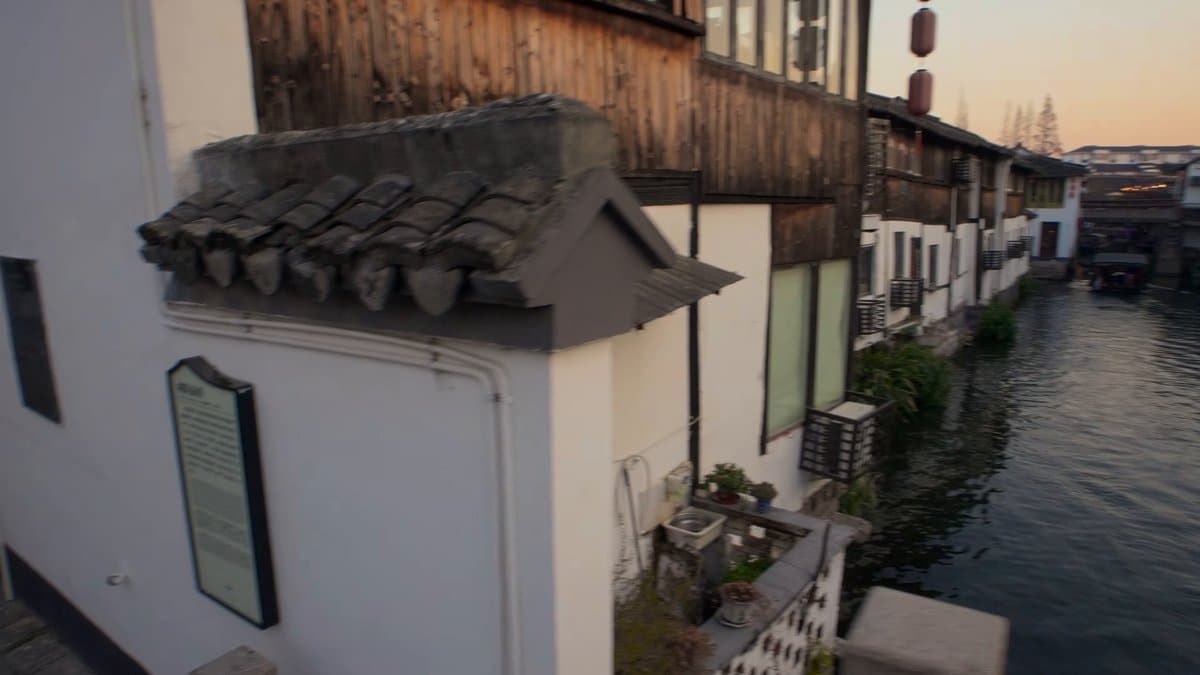
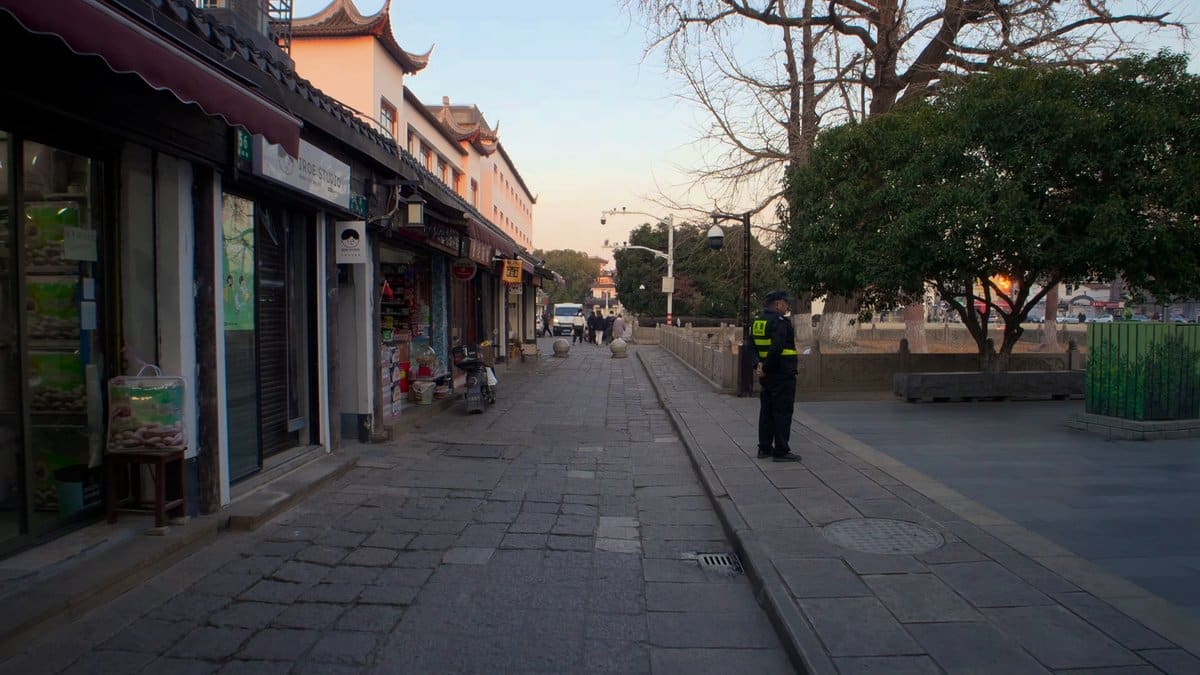
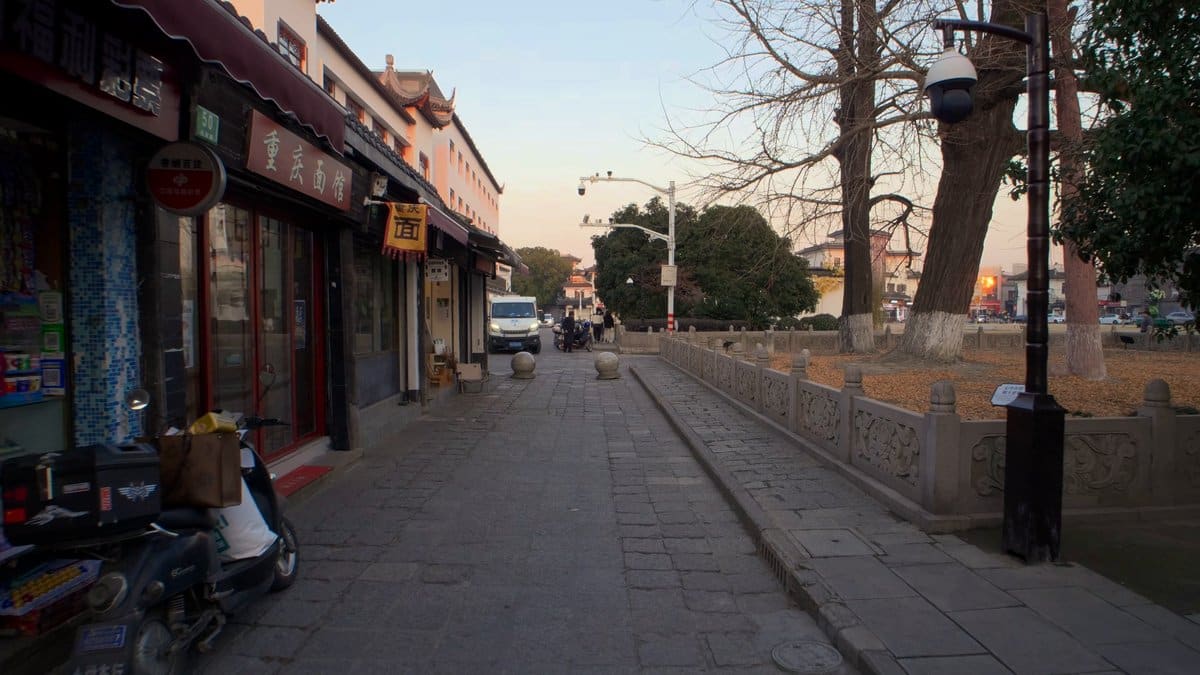
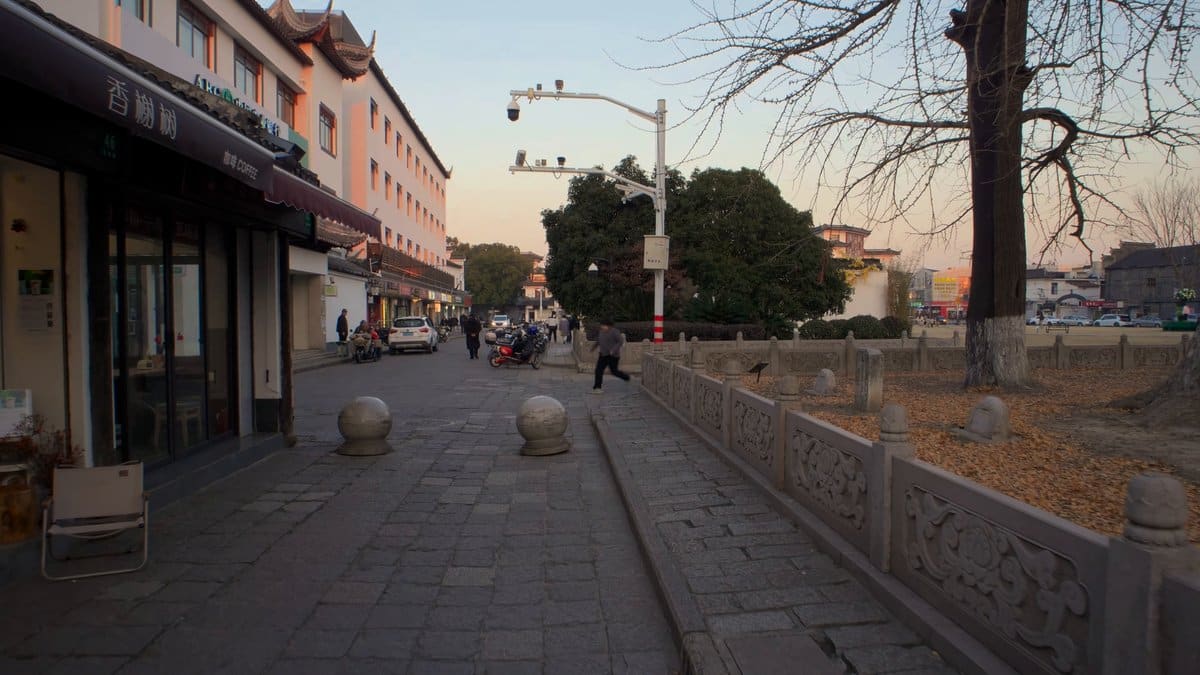
Newer streets meld with the older ones at their edges. The waterside paths are lined with stone railings; follow them, and you’ll find quieter walking routes, away from the shops if you’re fed up of them all.
If you plan to spend more than a few hours poking about, Zhujiajiao makes a good day (or half-day) trip. There’s regular bus service from Shanghai, or you could take a taxi if you’re traveling in a group. Don’t forget cash for boat rides and snacks (not all vendors accept cards).
Have you visited Zhujiajiao, or do you have plans to go there? What would of the thing you most want to see?