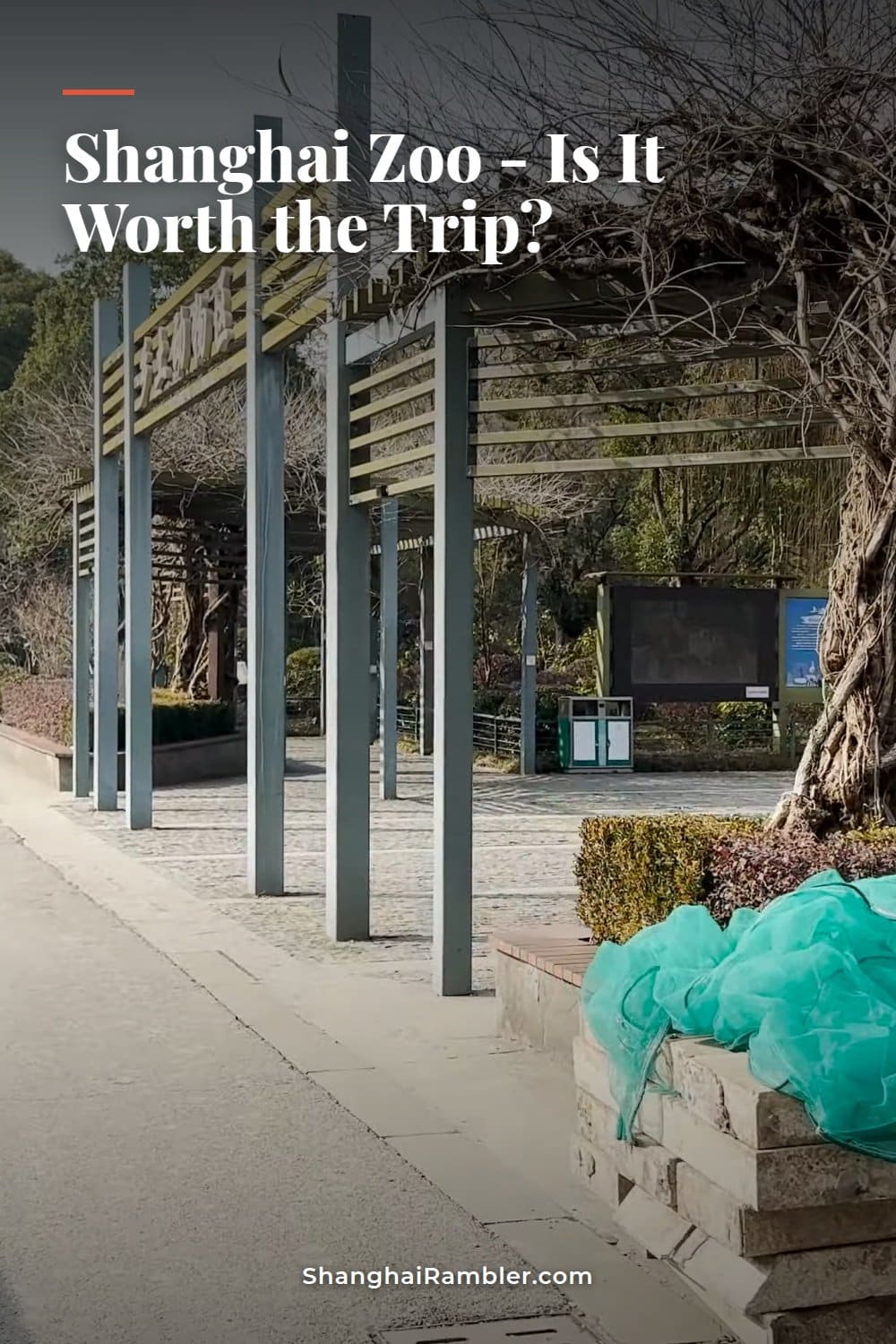
Shanghai Zoo is located in the far-flung Changning district, a good half hour west of the city centre on the metro. The zoo sprawls over an area of land where, for once, the subway line finally rises above ground and the roads expand into residential neighborhoods. If you’re like most people who visit Shanghai, you’ll spend your time in the French Concession, Xintiandi and the Bund.
A trip to the zoo is quite literal a detour. Is it one worth making? The answer?
Spoiler alert: If you’re a patient animal lover, or traveling with kids, then probably yes. It’s surprisingly large, well laid out, and there is pandas, big cats, and plenty of other animals here. But it’s also a classic city Chinese zoo, so just go in with those expectations.
What to See at the Zoo
Shanghai Zoo
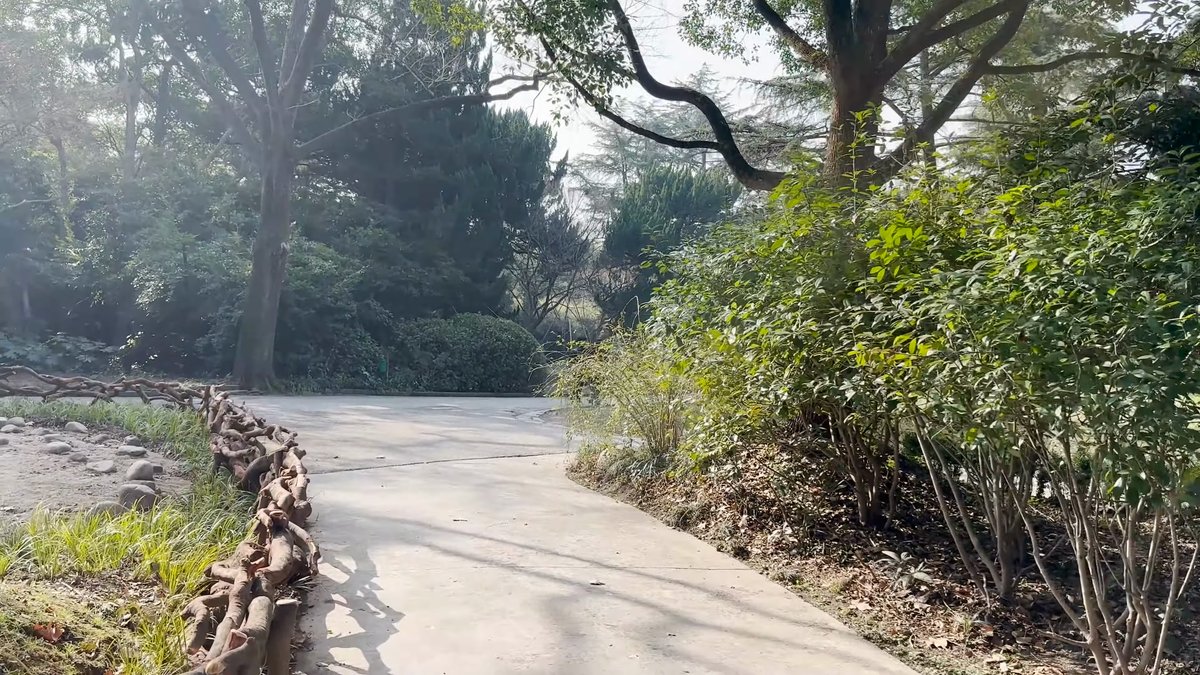
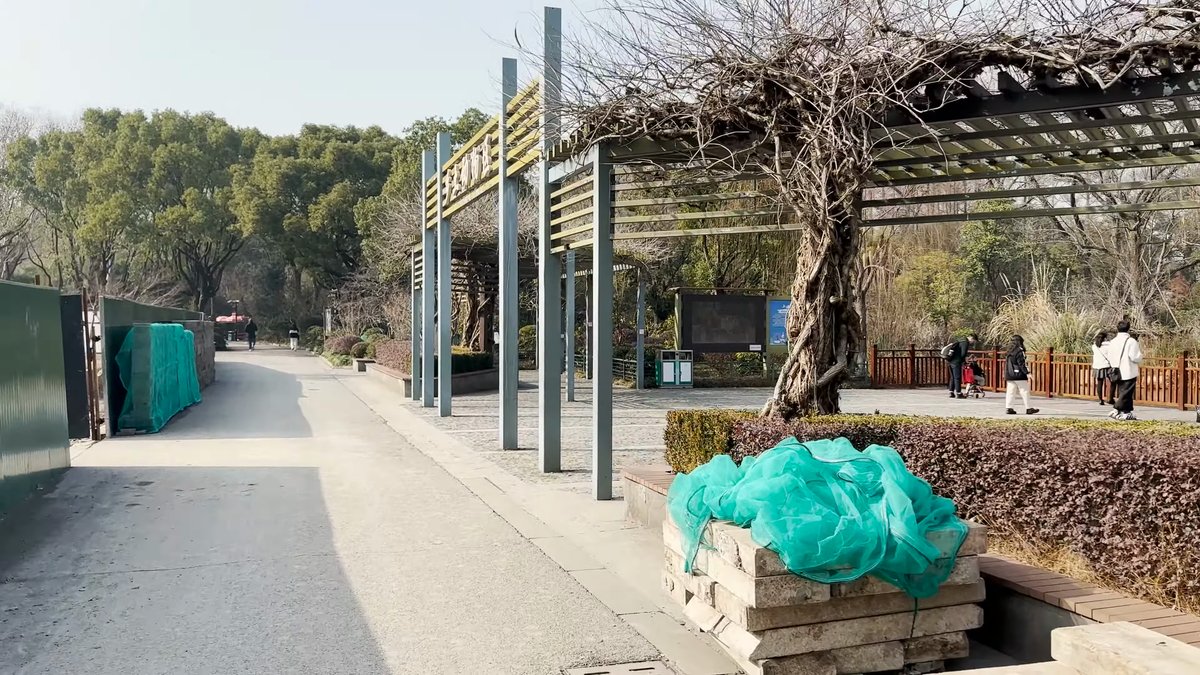
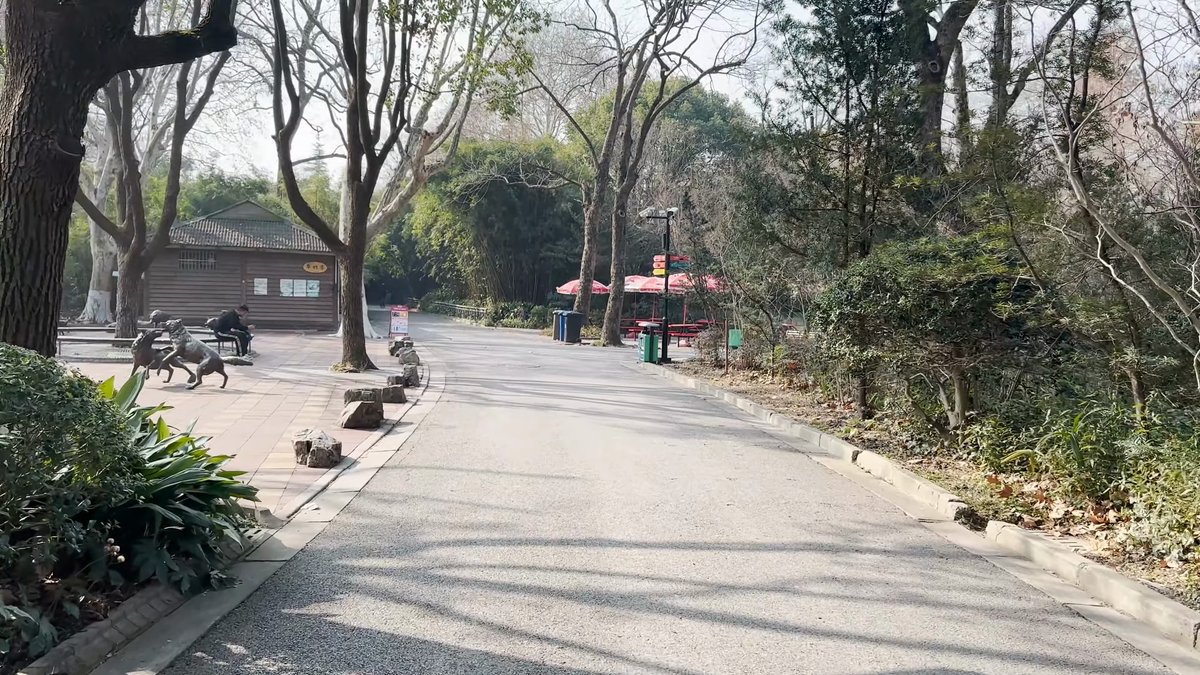
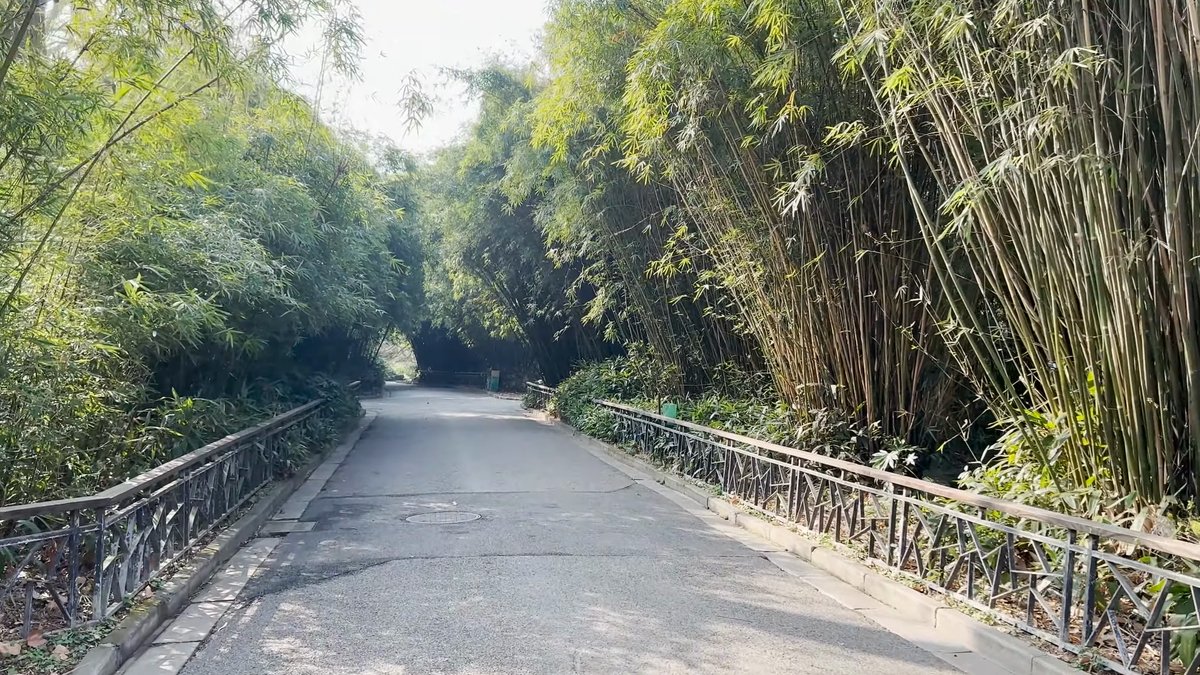
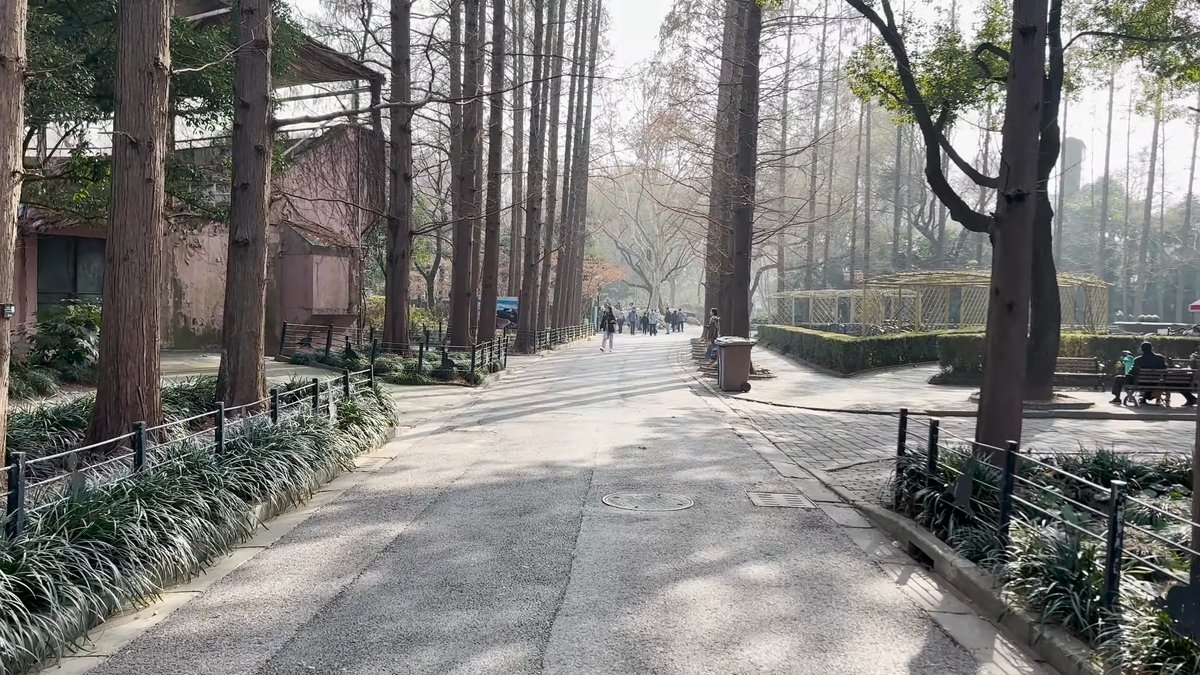
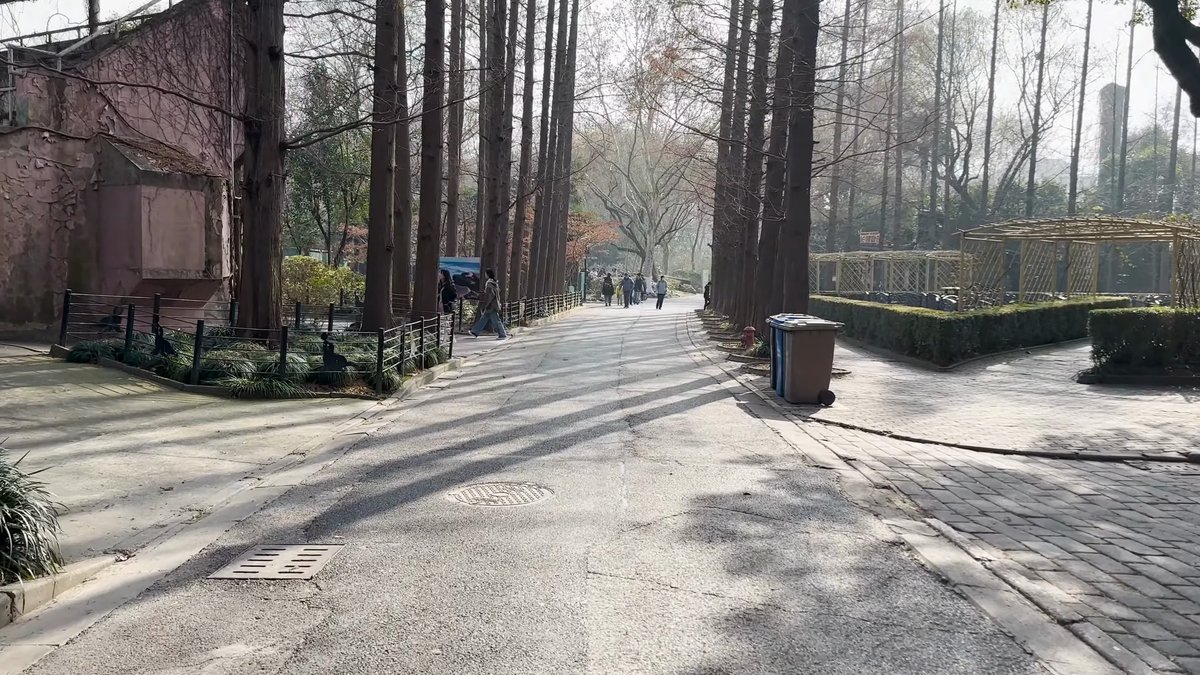
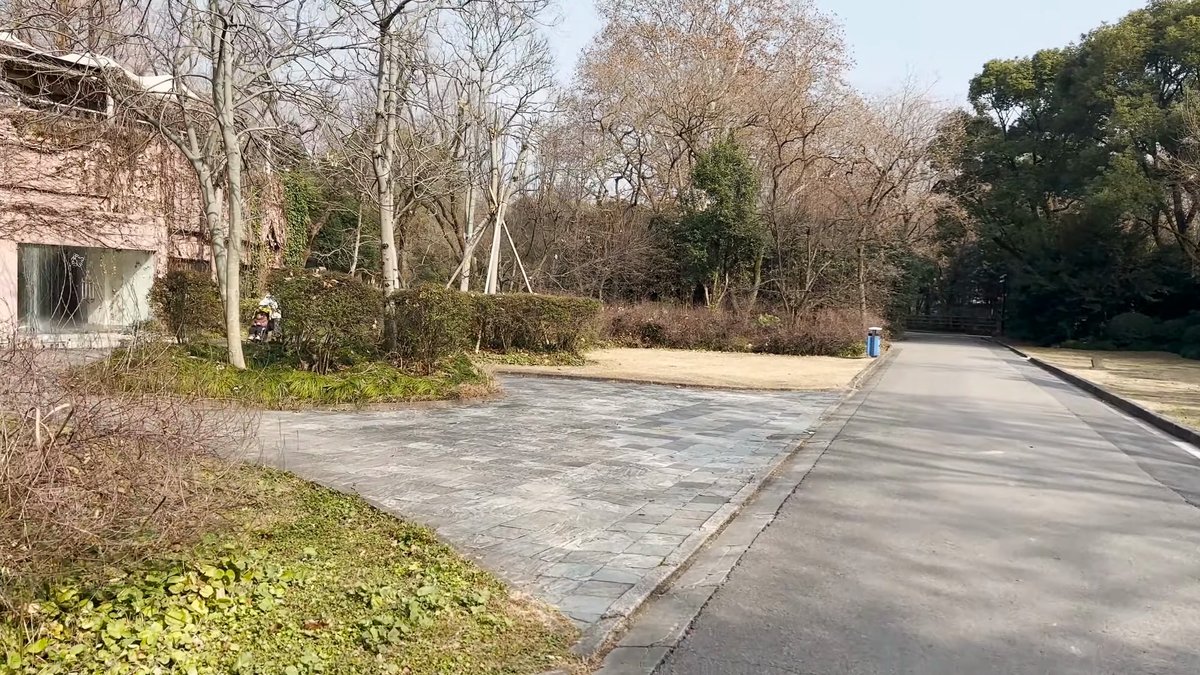
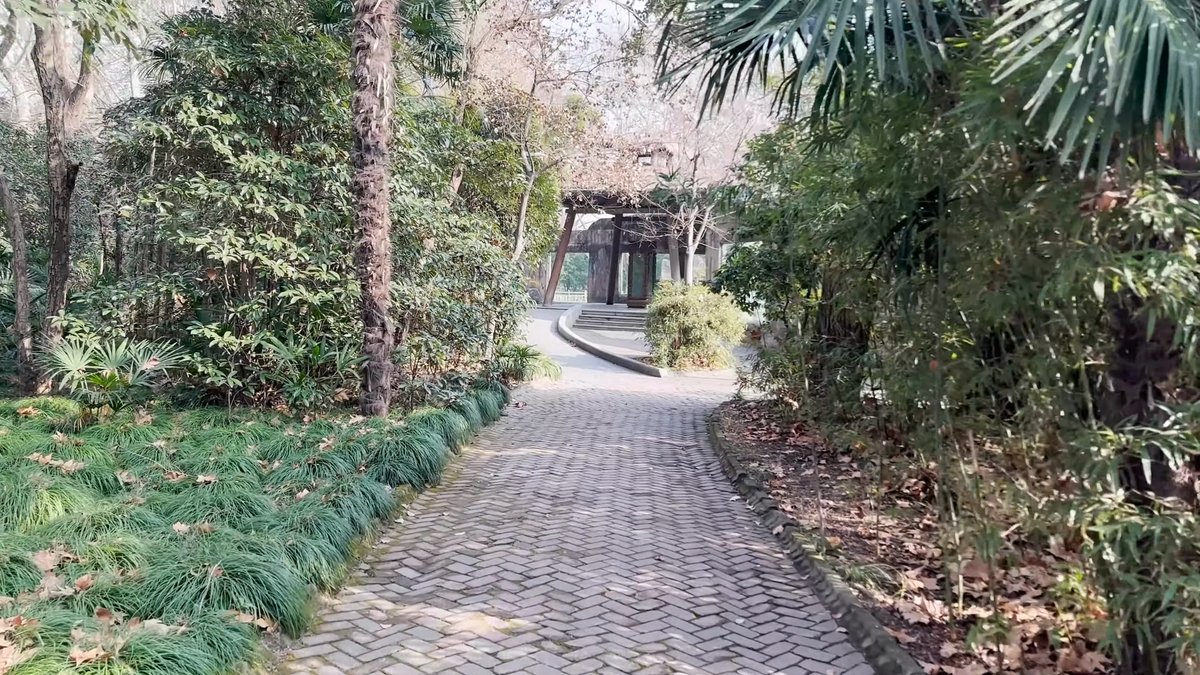
There’s also a lot of ground to cover (and I mean “cover” literal: there is plenty of tree cover), expansive pathways that wind between enclosures. The bare branches allow for ample sunlight in winter; during the warm season, the canopy provides shade. Along the way you’ll see bamboo groves, open field, and the occasional pergola where you can take a break.
It honestly feels more like a municipal park then a contemporary zoo, calm, slightly dated, but not difficult to navigate after you’ve got your bearings.
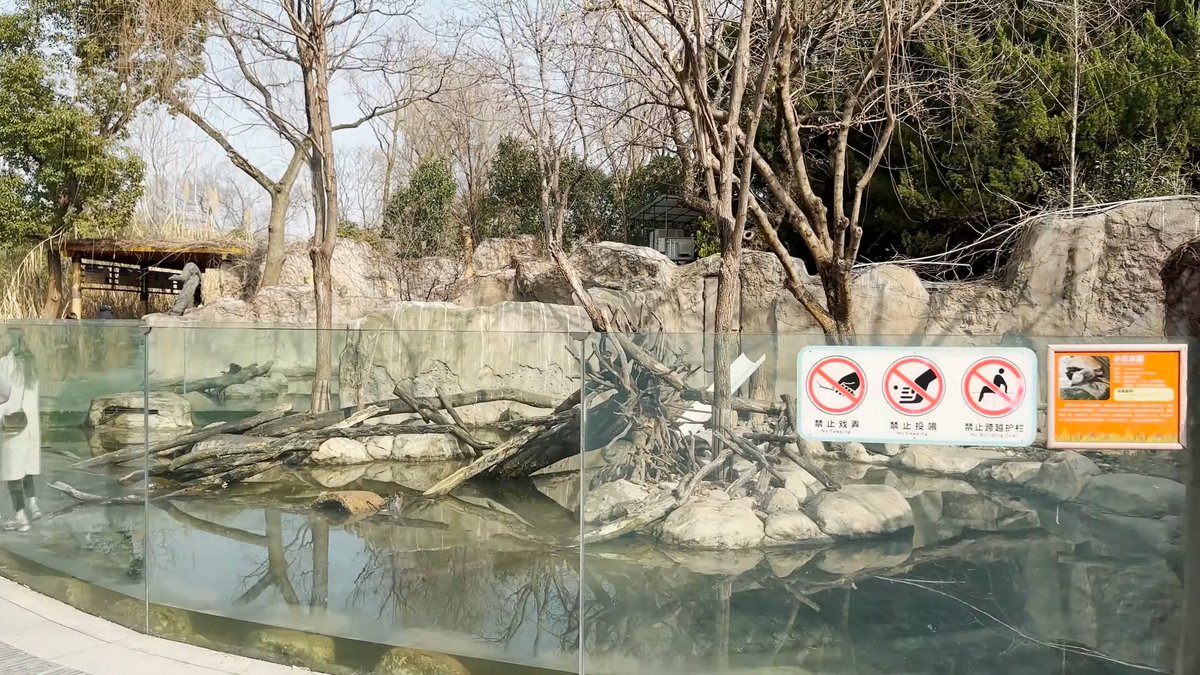
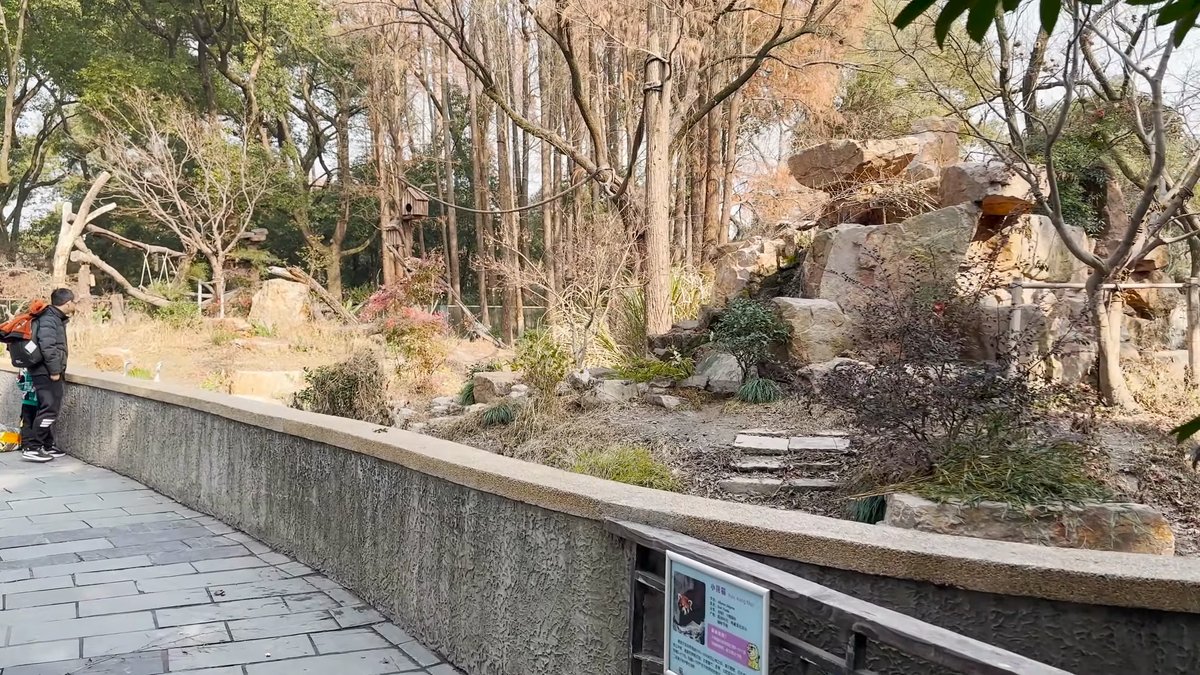
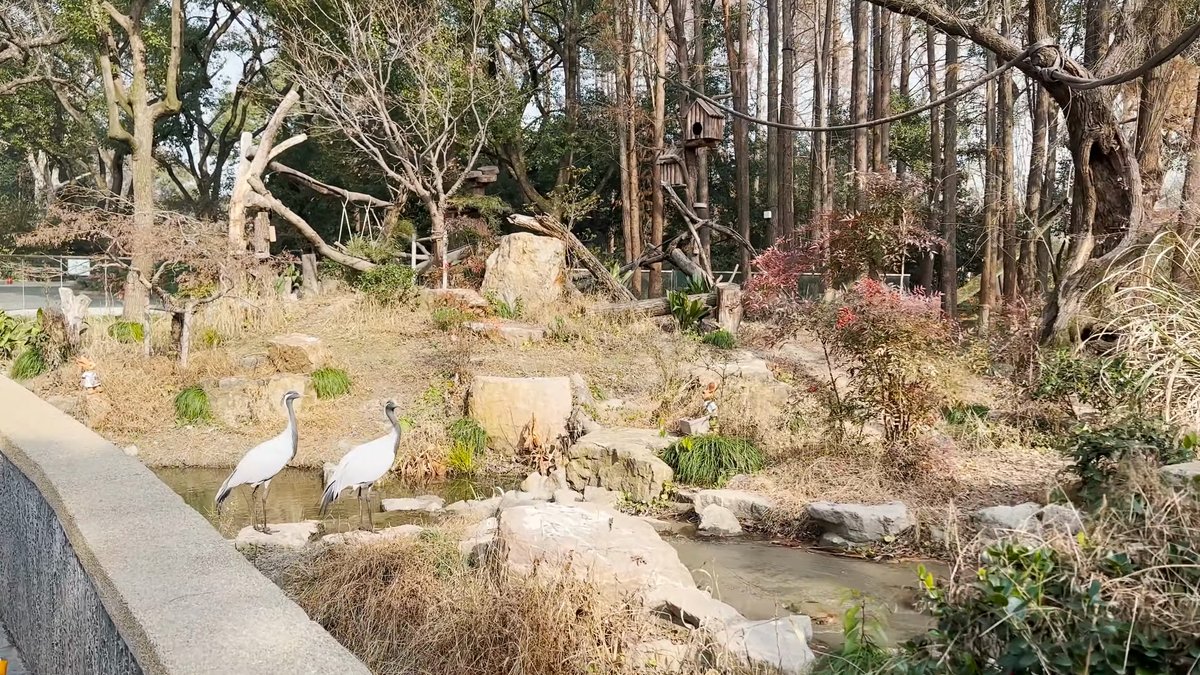
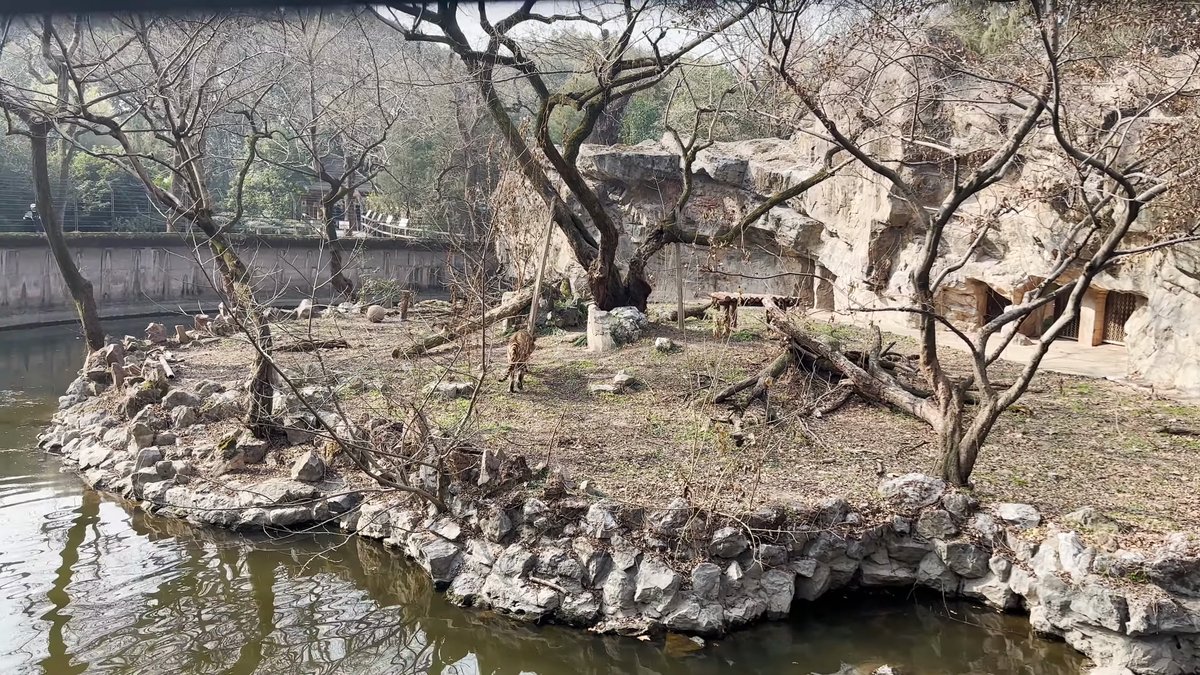
The enclosures come in all shapes and sizes. There are natural-looking rock gardens with water features and shrubbery. There are glass-fronted pools, with warning signs posted at the entrance.
Further down the loop, there is moated islands where the animals can hide from view. There is even a rocky habitat with cranes standing around.
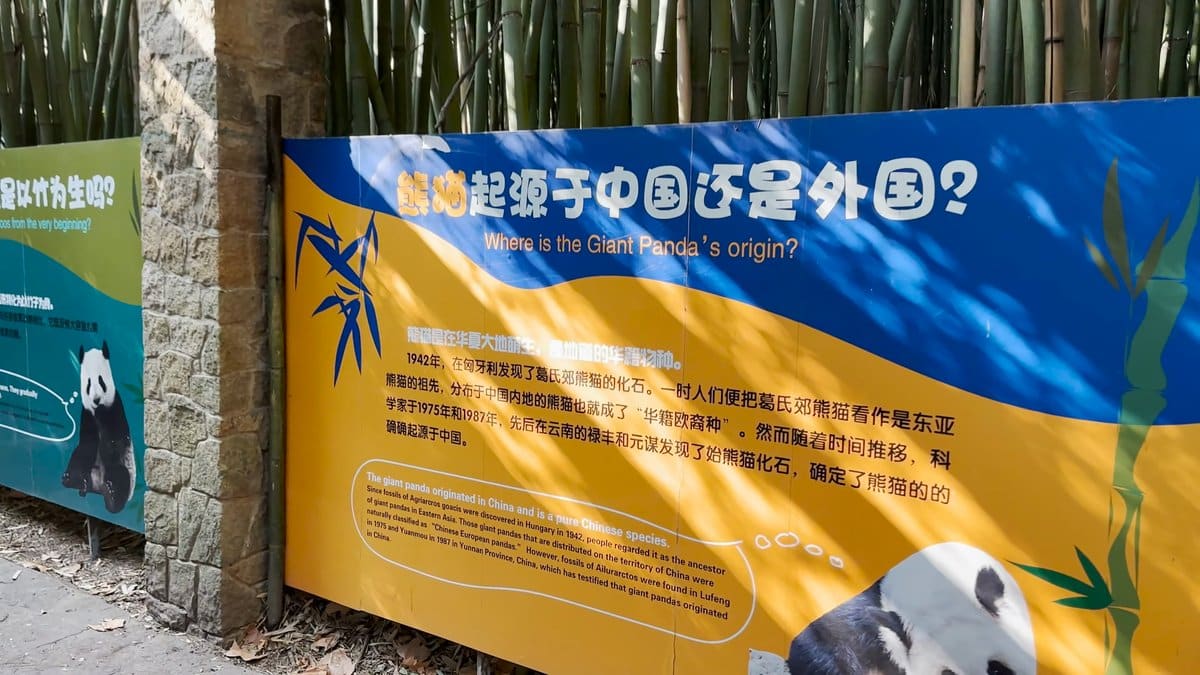
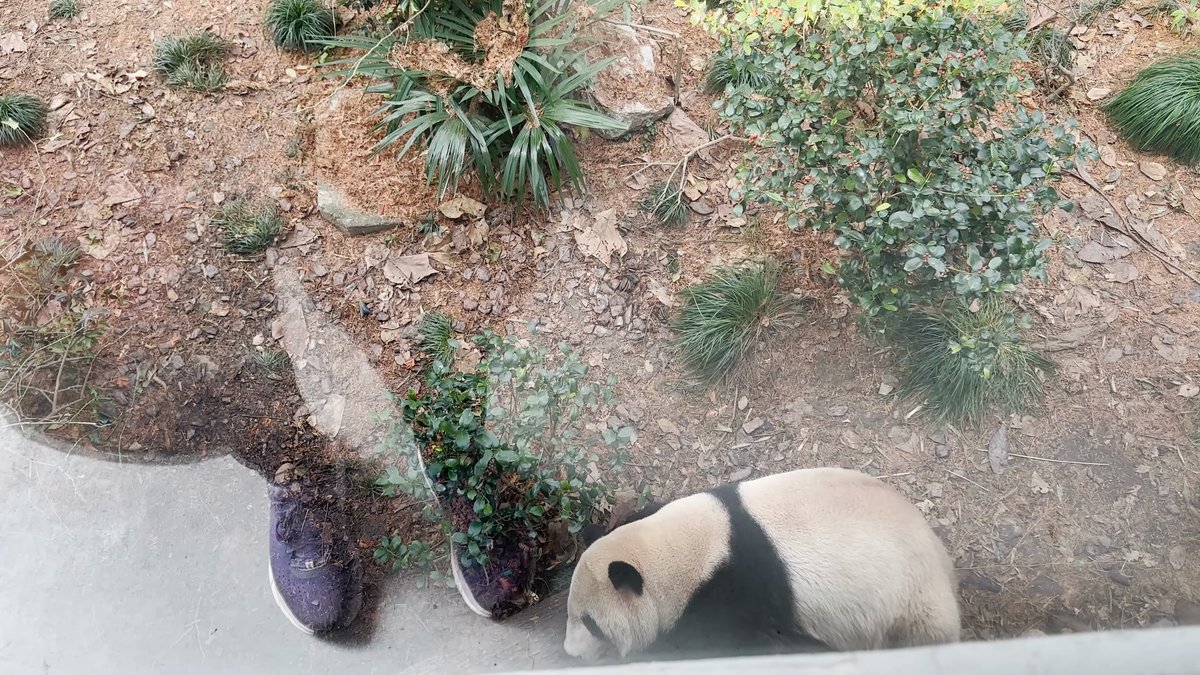
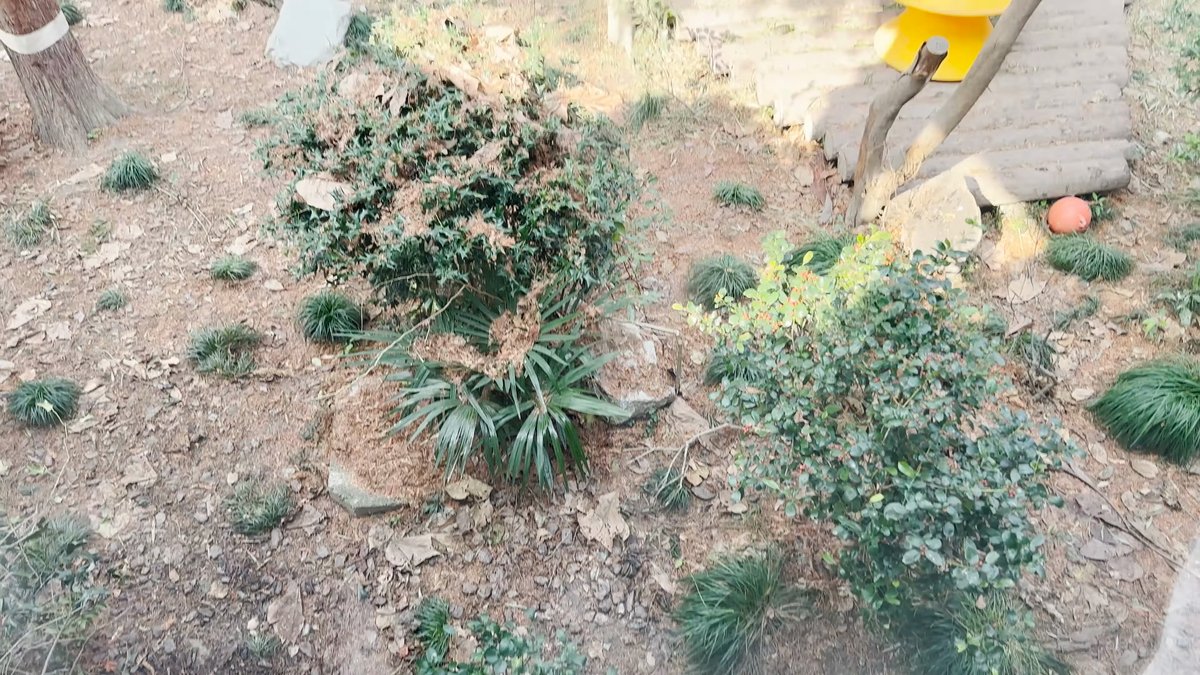
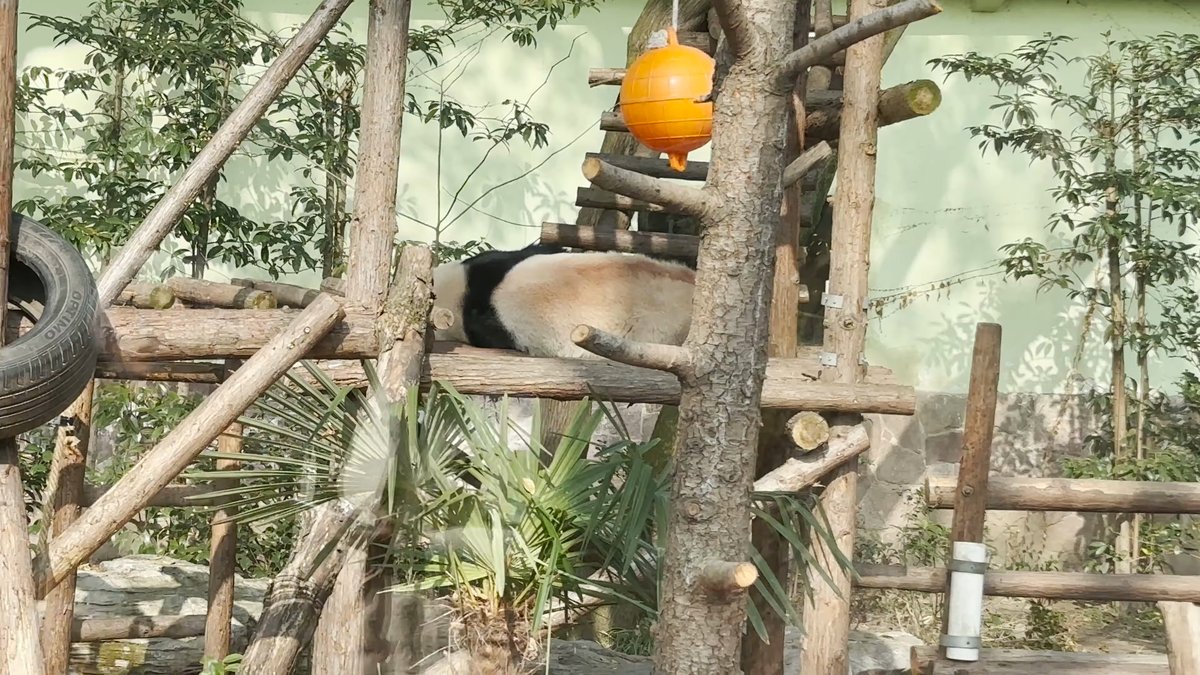
And then there are the exhibits that has seen better days; but then again, others look roomy and well-planted. The pandas, of course, are what everyone comes for. They tend to draw a crowd in the panda house.
You’ll have one lying out sleeping on a platform amid the trees. Another will be strolling along right next to the glass so you can get an up-close view of all their details.
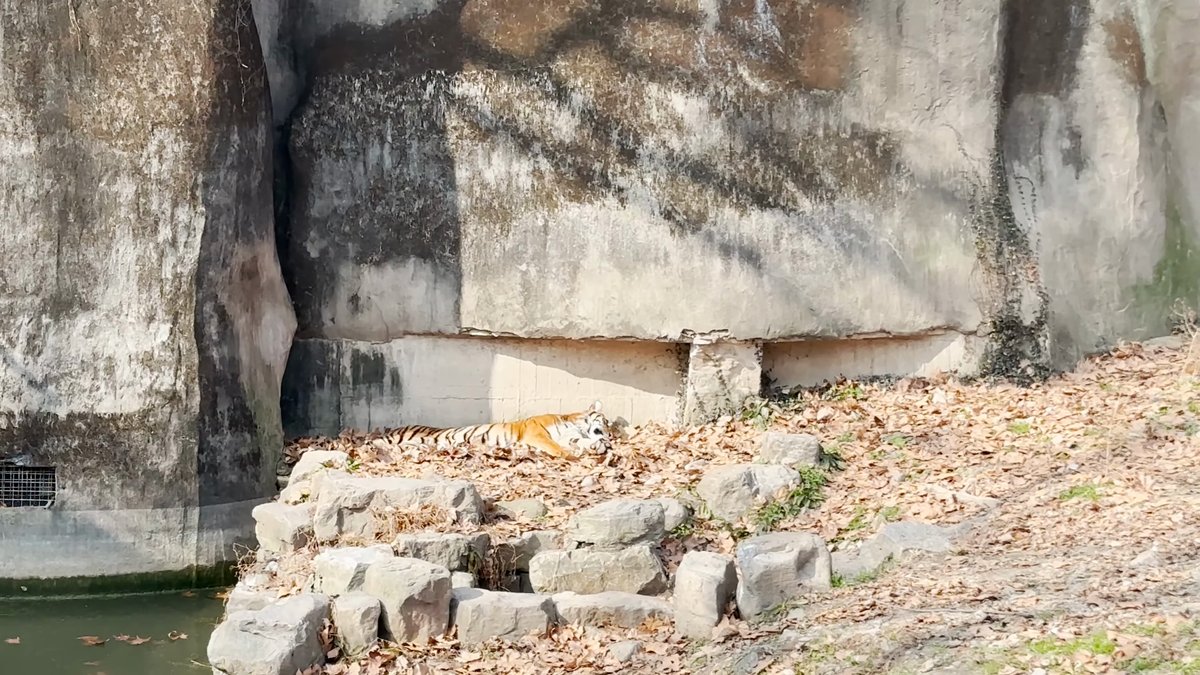
There’s some good info about their conservation and origins on the information boards, though most people here come hoping for a good shot. If you go on a weekend, expect a little jostling, but there’s plenty of room to stand back and wait until you’ve got a clear line of sight. There’s ample room for big cats.
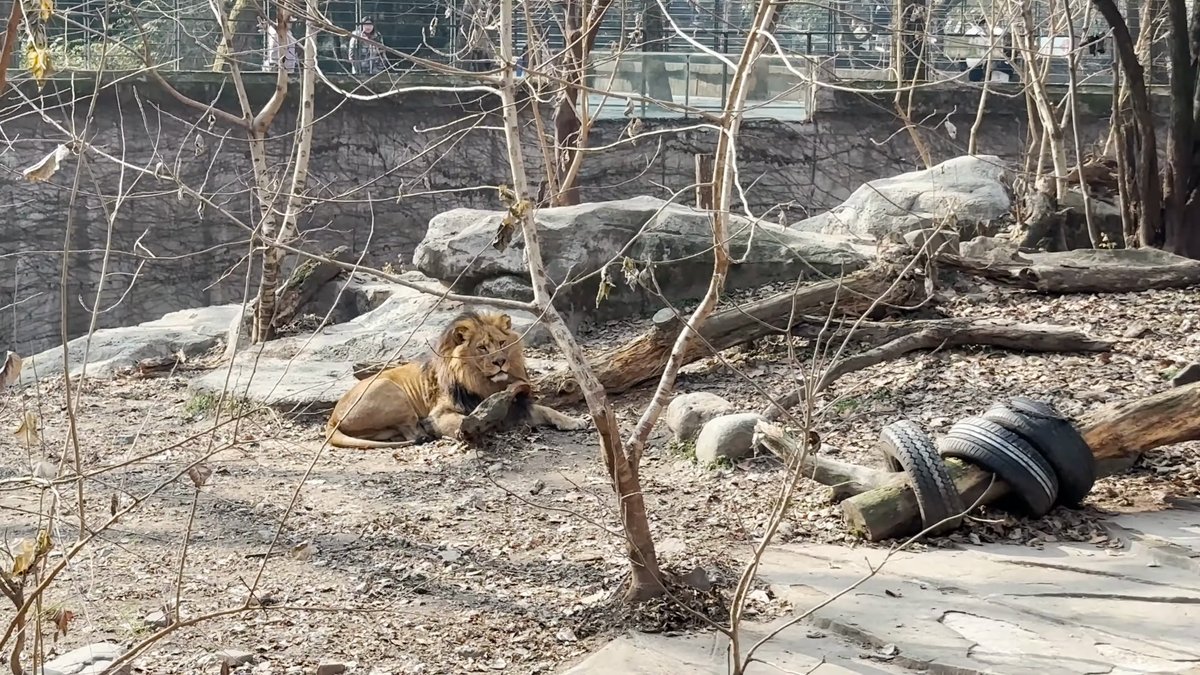
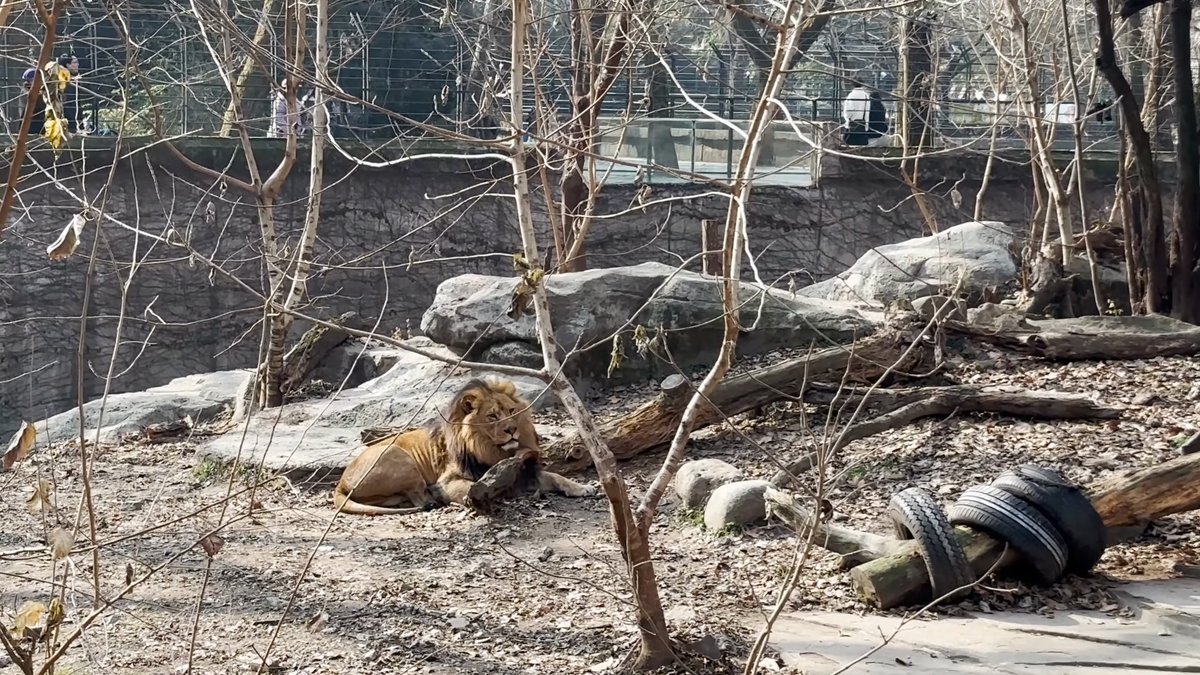
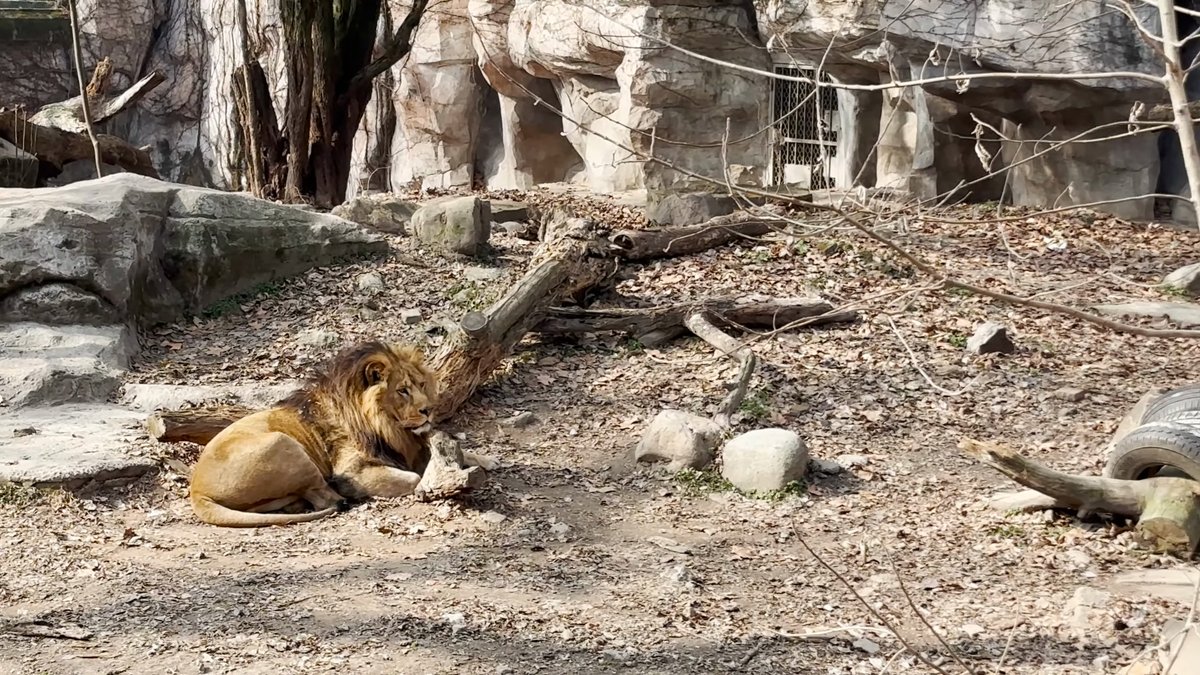
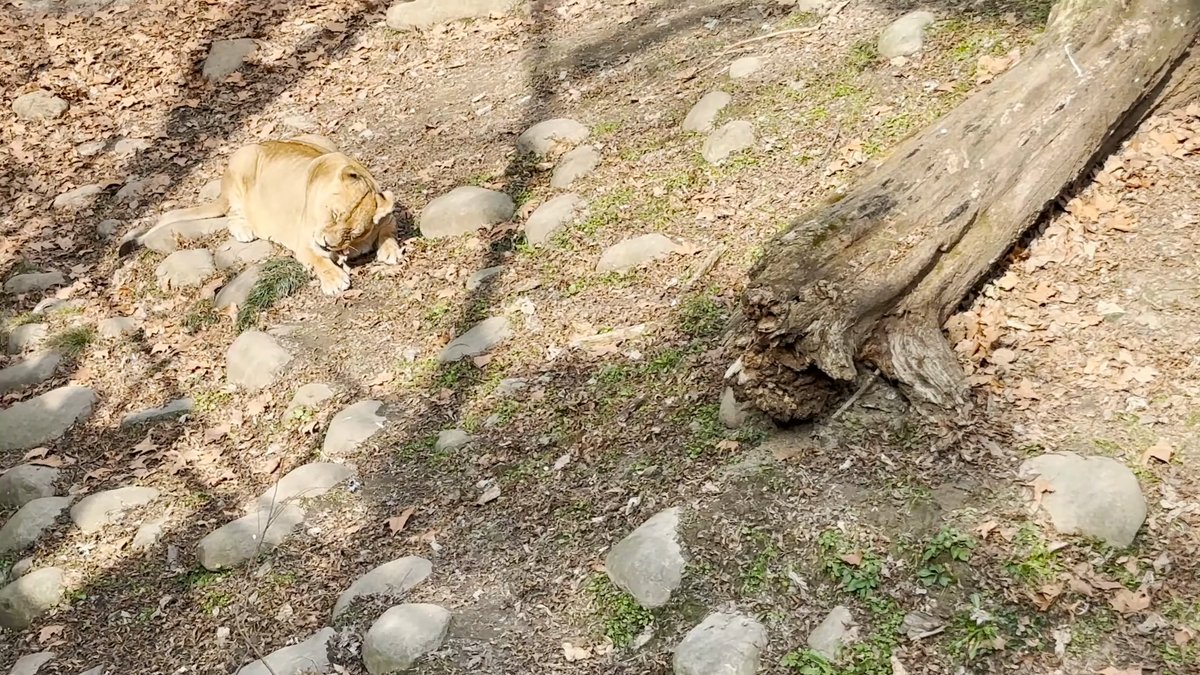
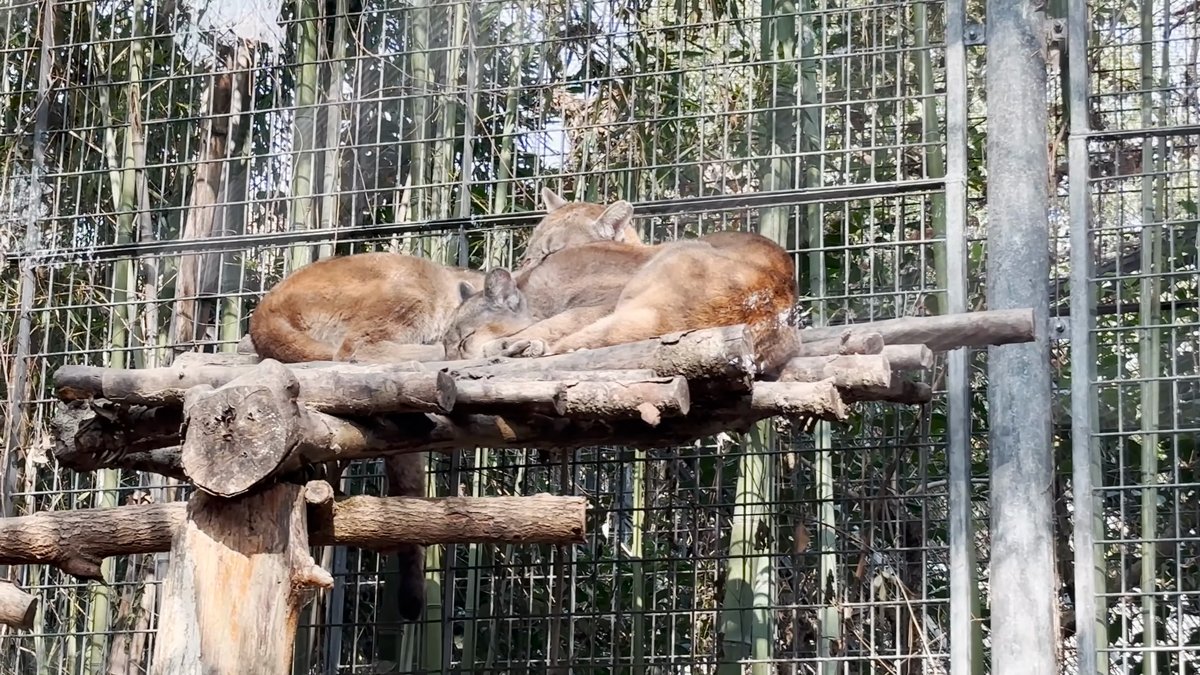
When it’s warm, lions will laze around in the shade, or stretch out next to a fallen log or even sunbathe on some rocks.
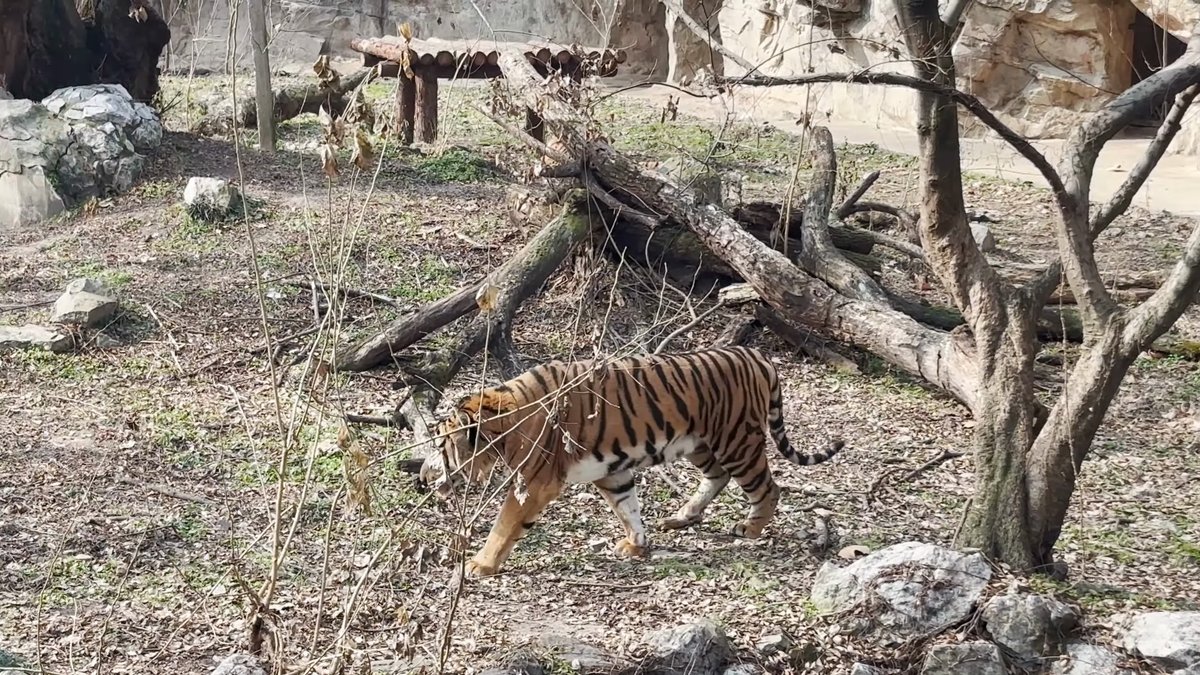
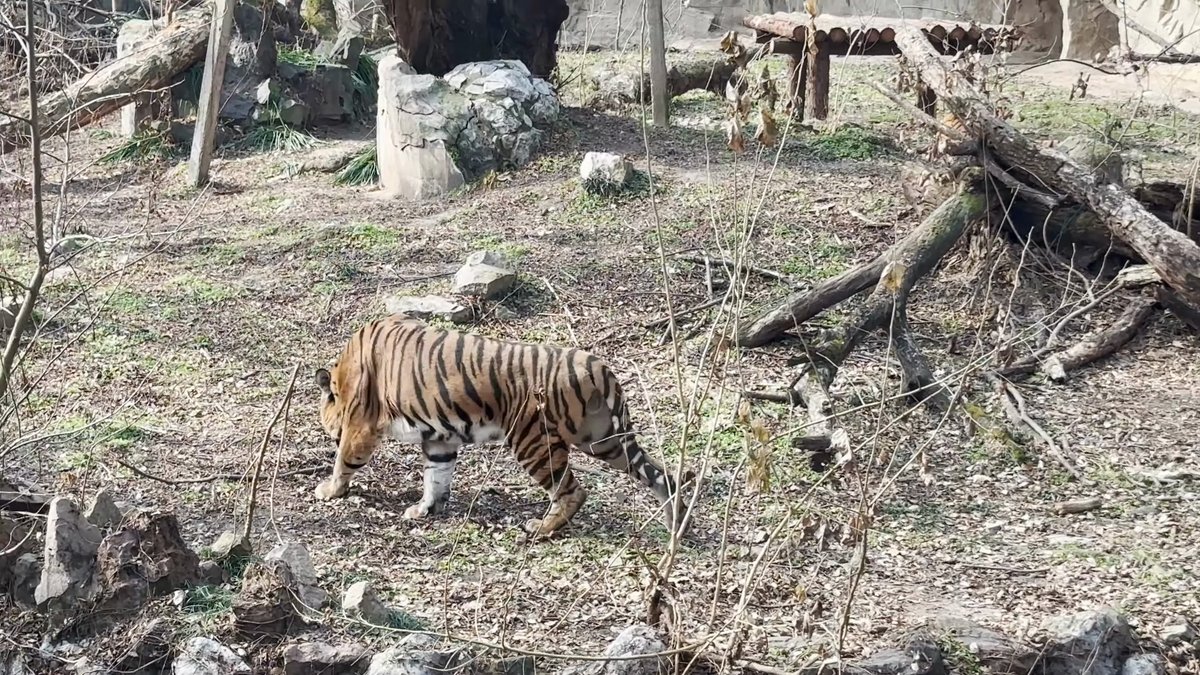
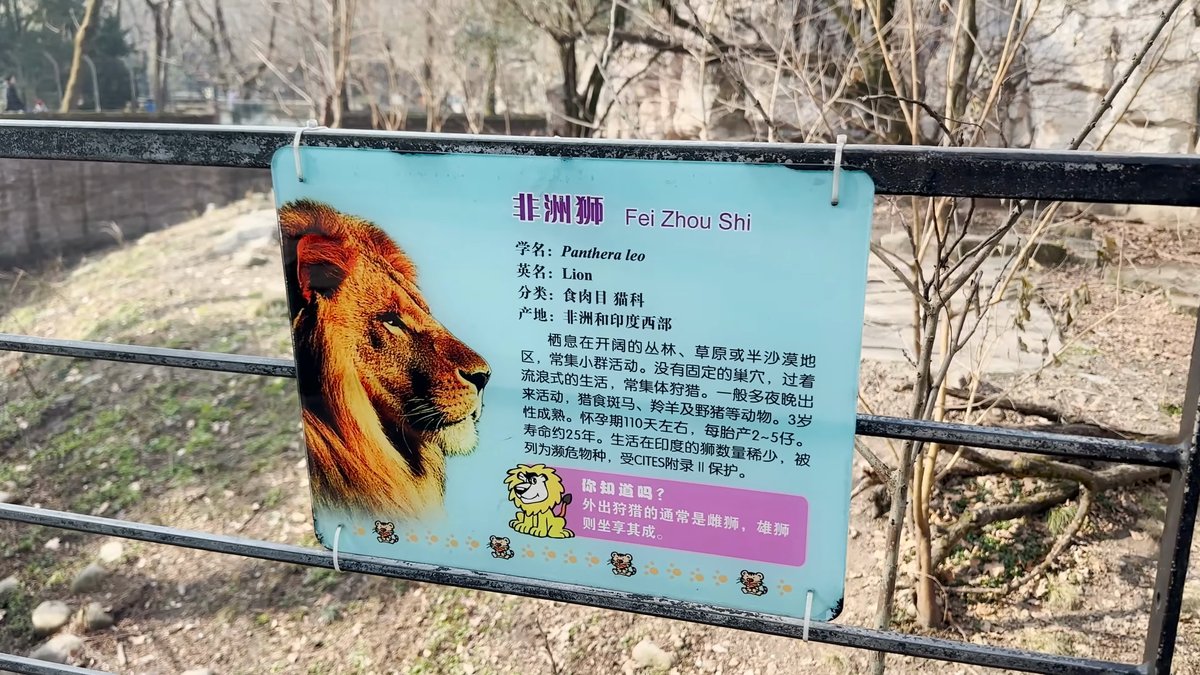
The enclosures aren’t so narrow that the animals won’t go way off camera if they want to. Each species has signage identifying them, and chances are good there will be a lion stretched out on a hillside doing precisely nothing. Because, really, that’s what lions do.
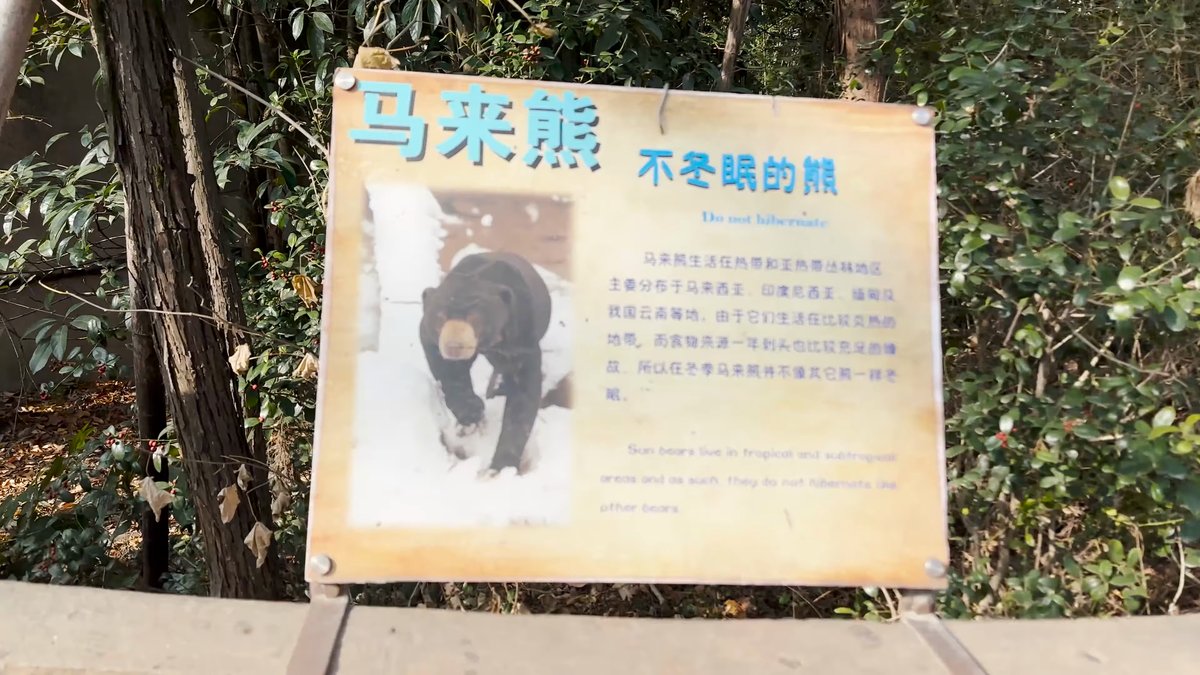
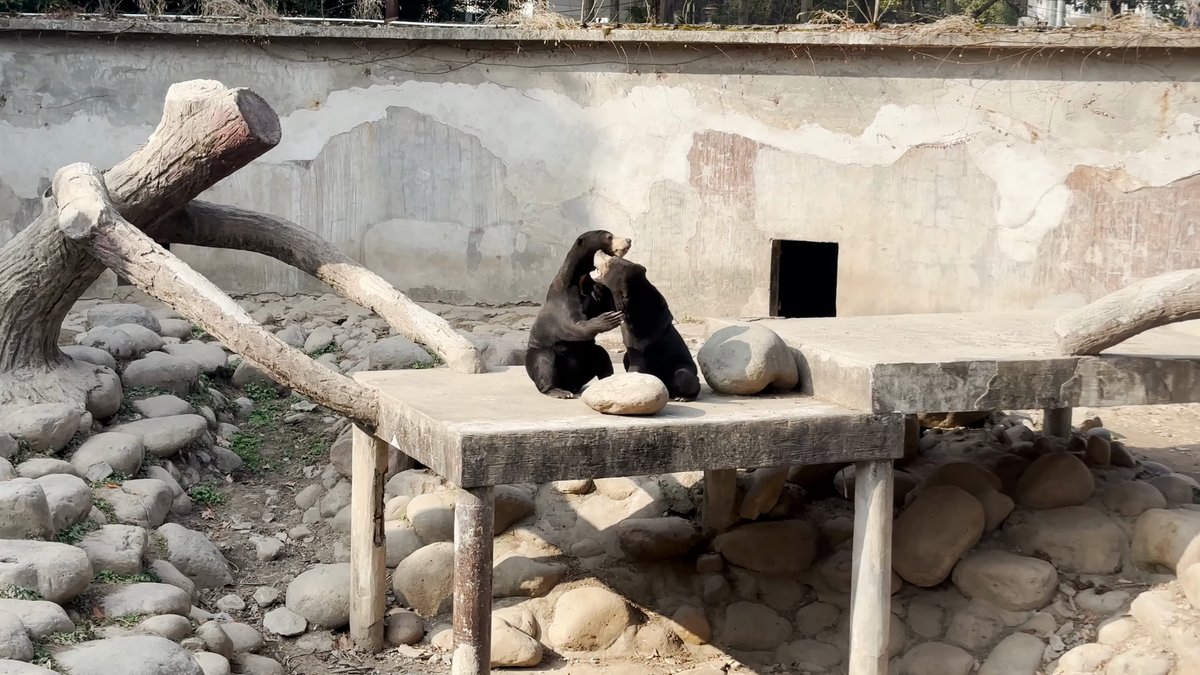
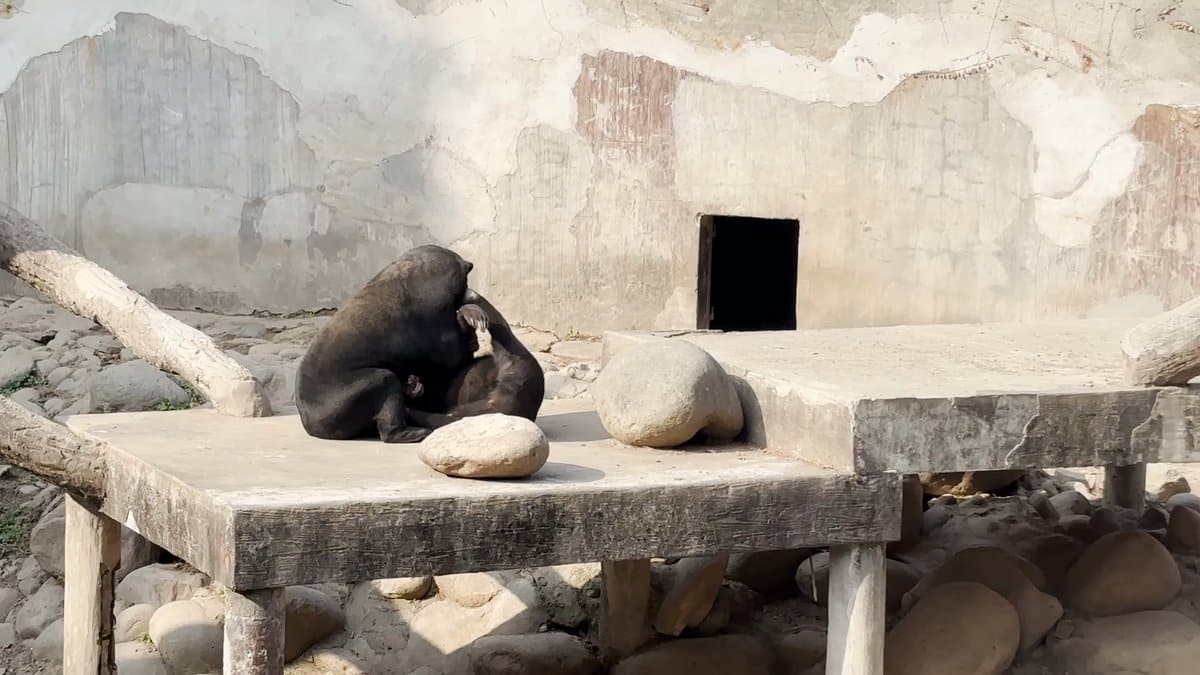
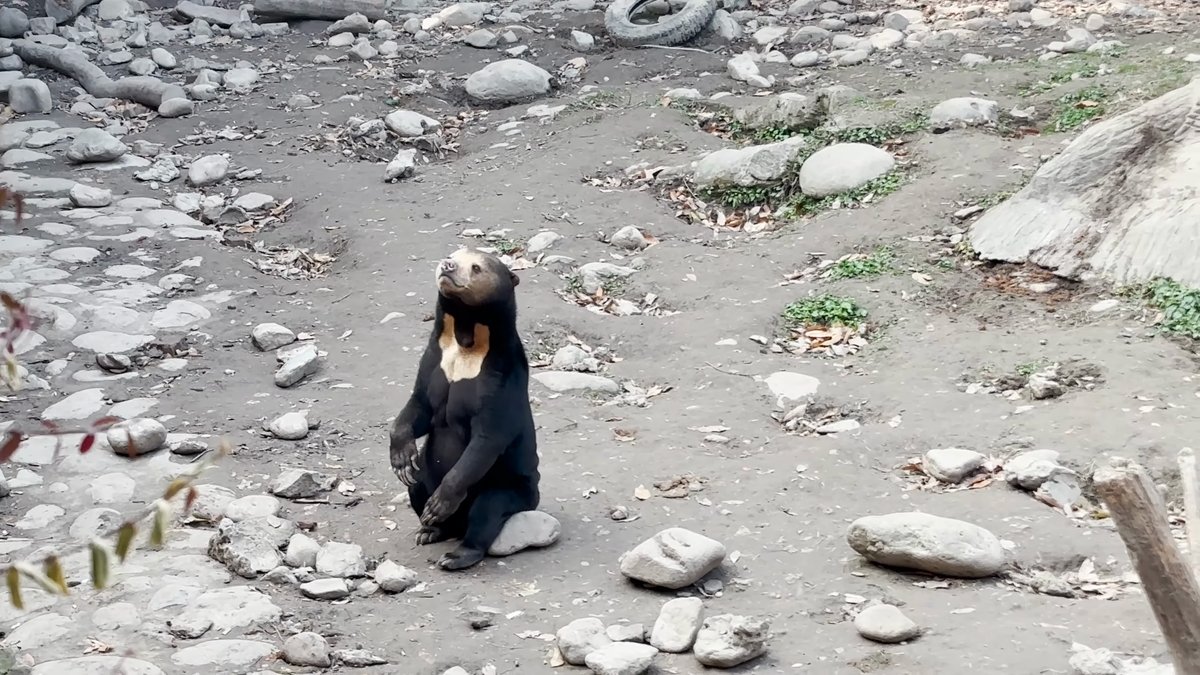
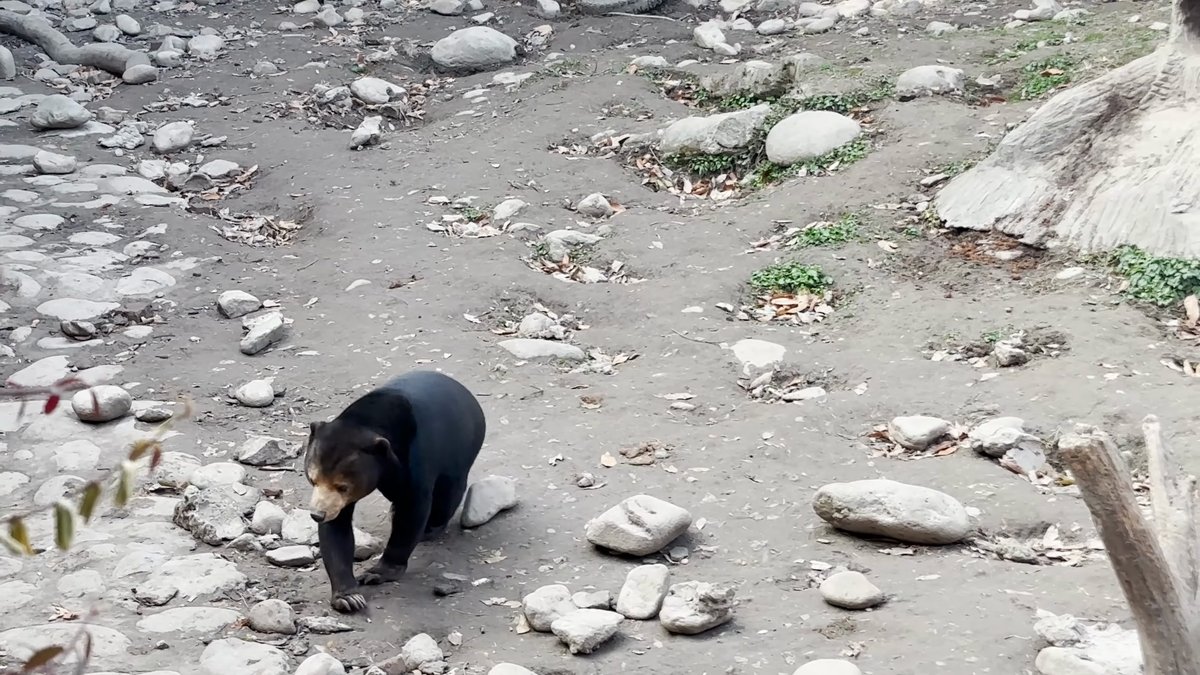
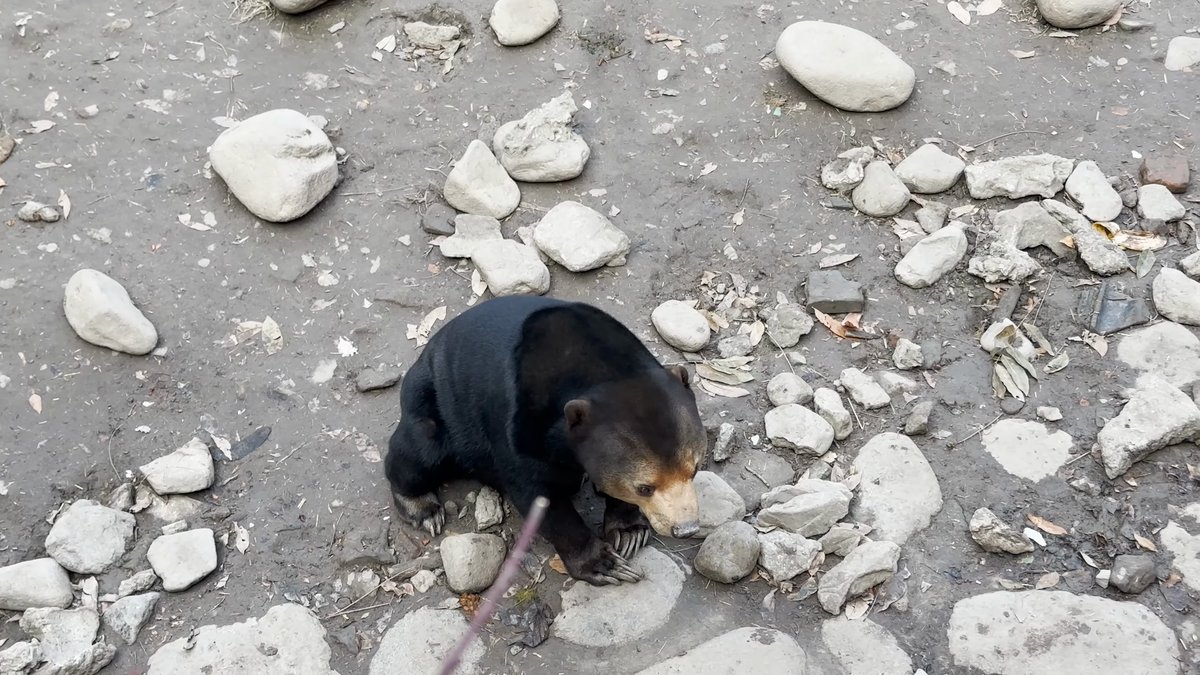
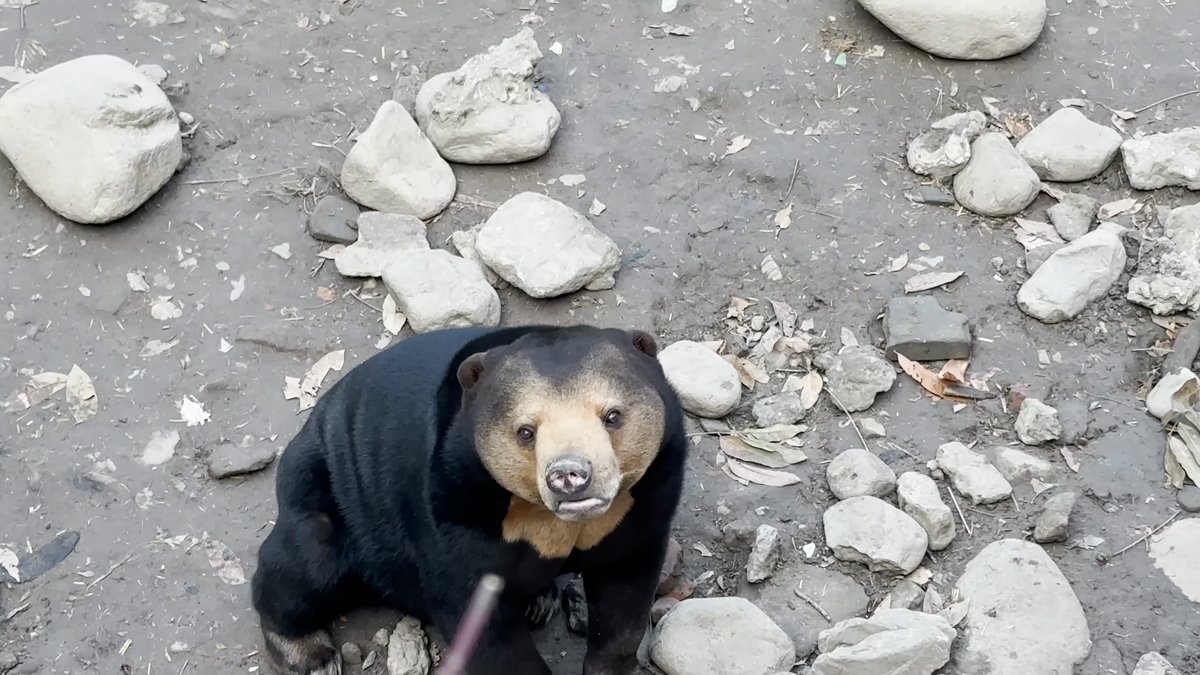
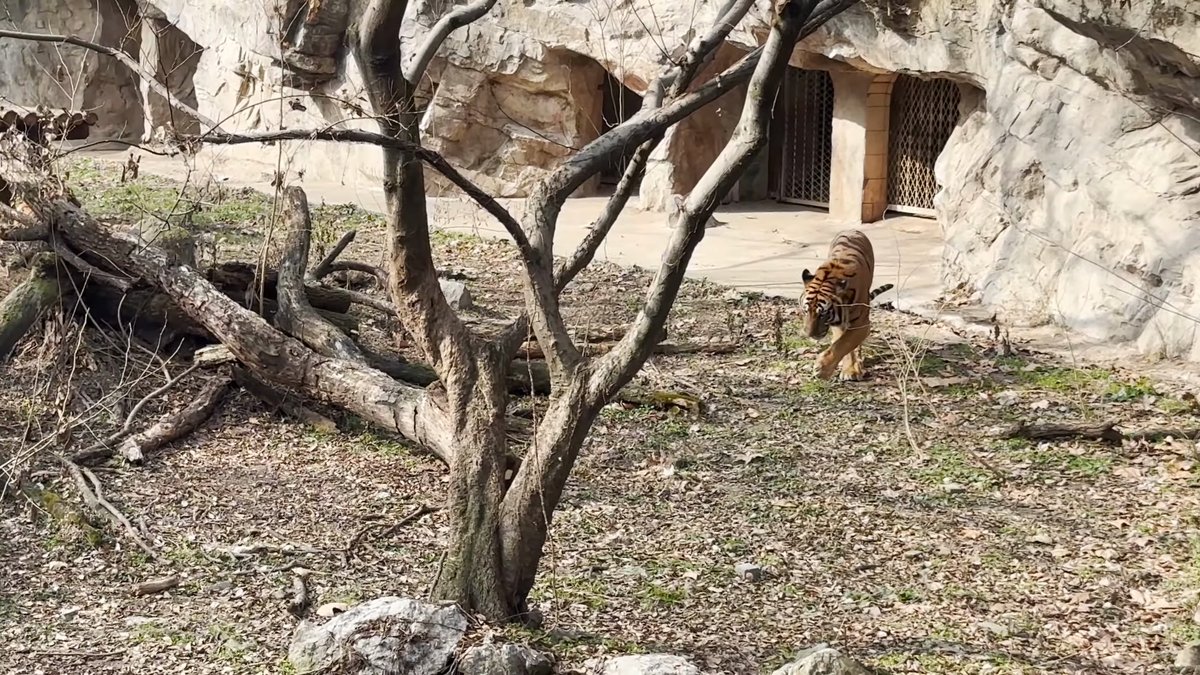
) Sometimes you’ll spot one strolling under the naked trees or across an exposed area in broad daylight, pausing to look over the gathering before continuing on. There’s also an enclosure for sun bears, who incidentally prove to be pretty entertaining creatures to observe. They’ll pair off, snuggling on the platforms, or lying curled up in the rocks, or walking around outside grazing for food.
Every once in a while one will pop up on two legs and look out at you with its ears pricked. The sign says that they aren’t hibernators. That is why they are awake even though it is wintertime.
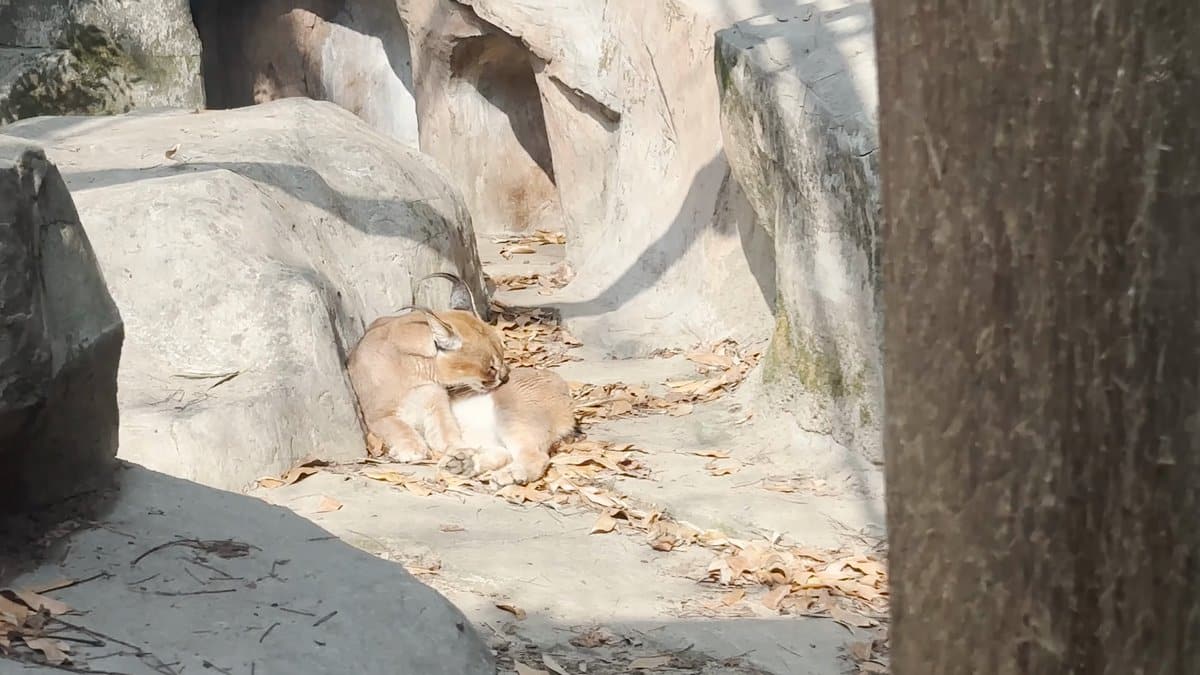
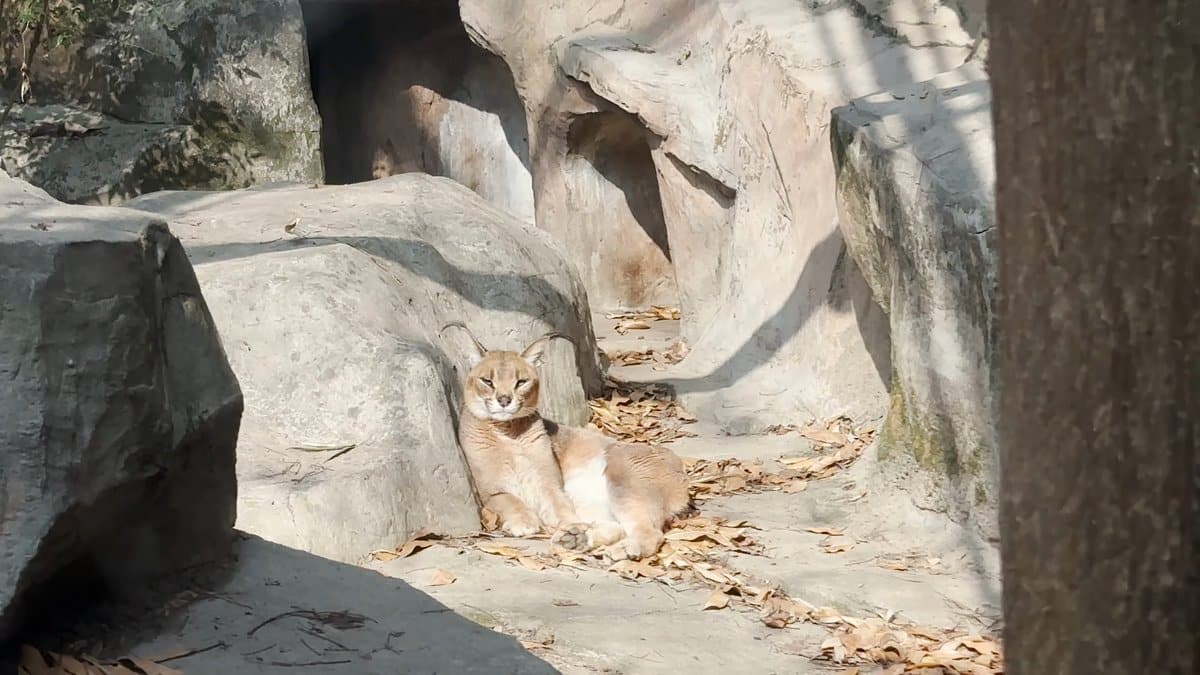
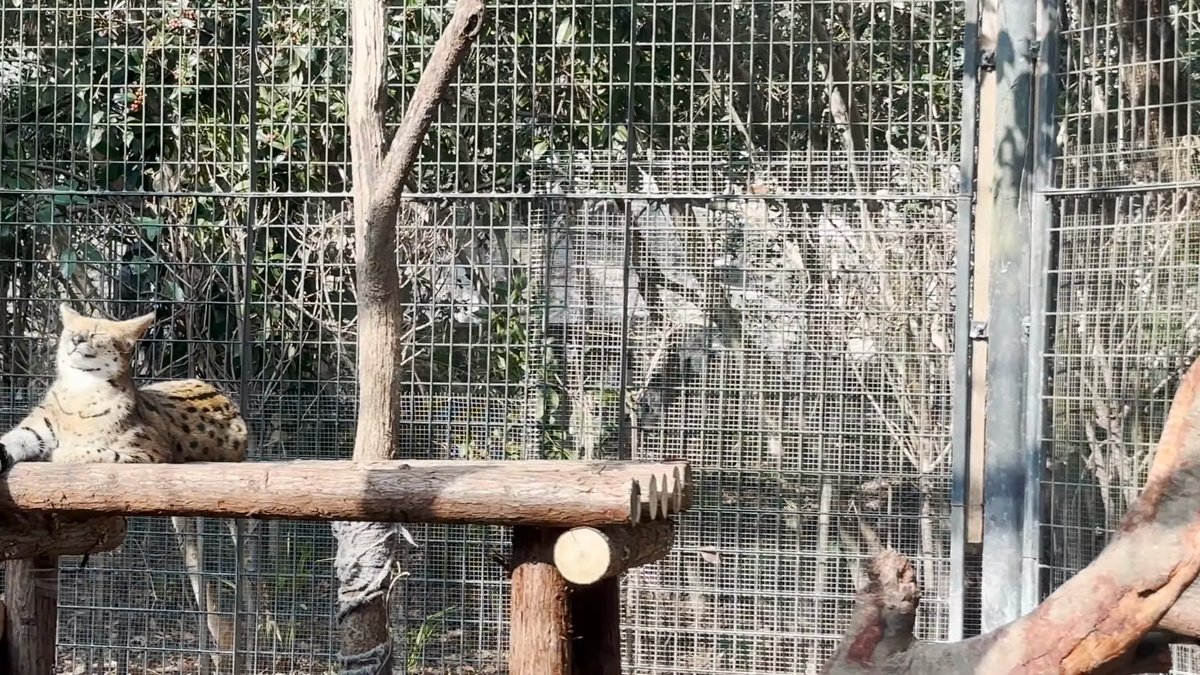
The zoo is also full of smaller cats that live in the quiet parts of it. Tufted-ear caracals sleep with one eye open, their presence revealed despite being mostly asleep behind the mesh. The wild cats perch, alert and watchful, behind the wire or lie in a drowsy heap.
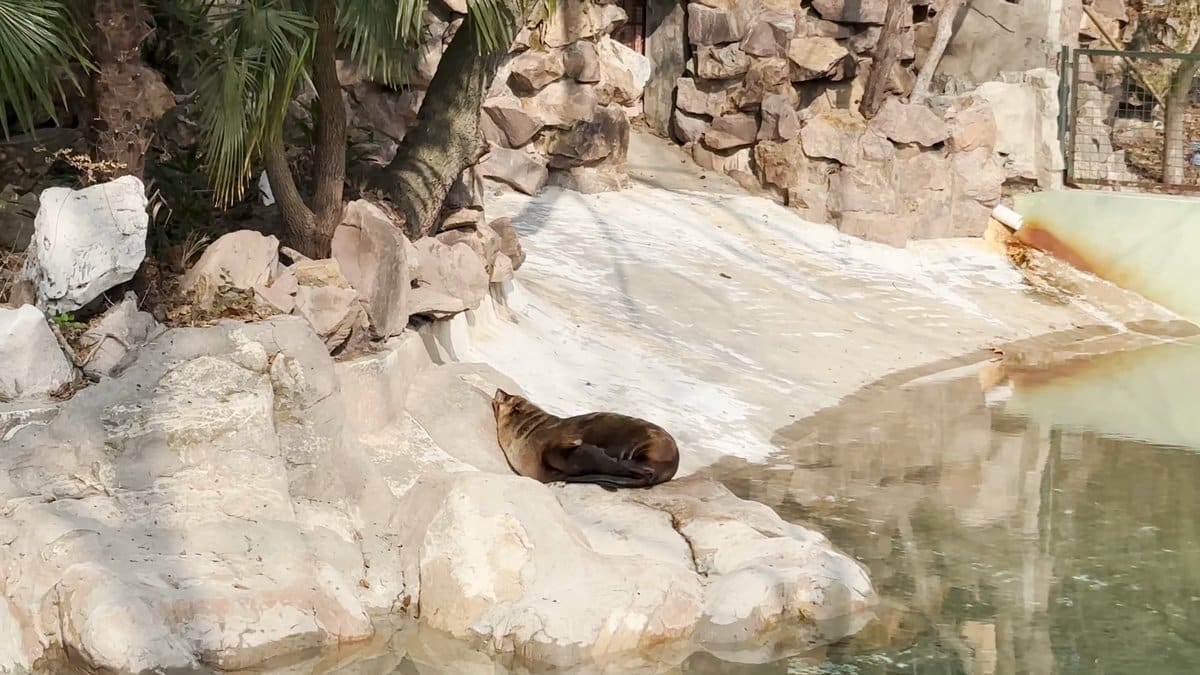
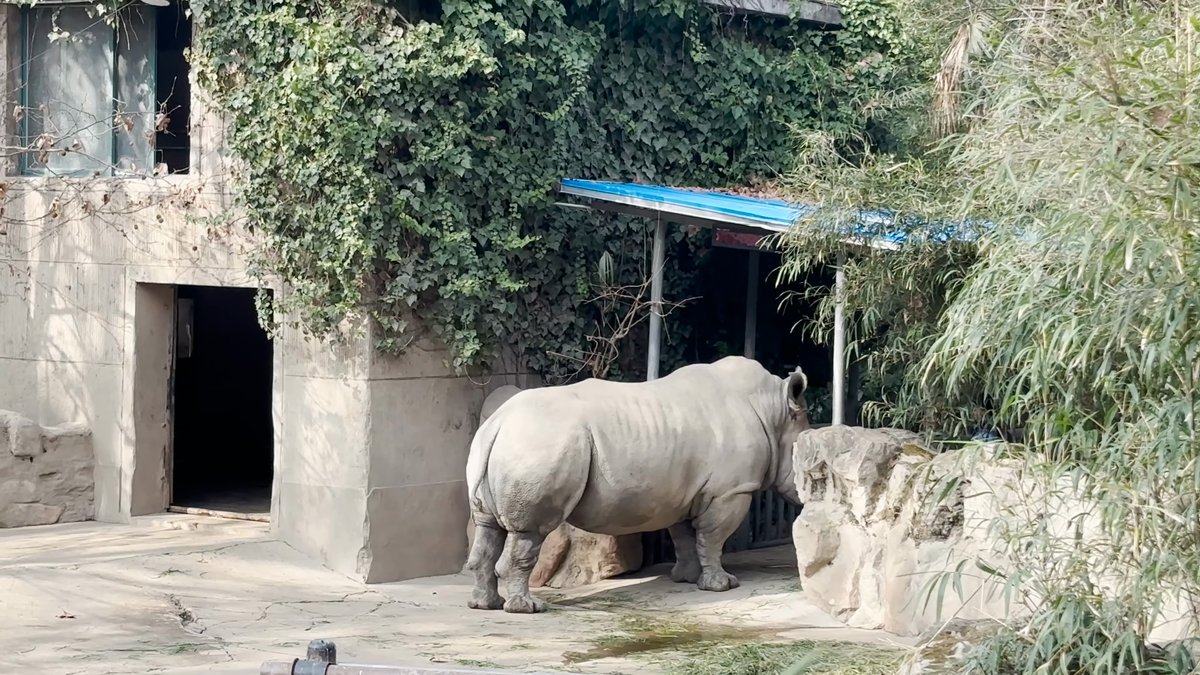
These areas are generaly not as busy, allowing for a more leisurely pace. Nearby, a white rhinoceros looms motionless next to its shelter while sea lions nap peacefully on the bleached rock surrounding them, completely unconcerned about human spectators. The exhibits themselves are uncomplicated and require little explanation, here are the animals; here is what they do.
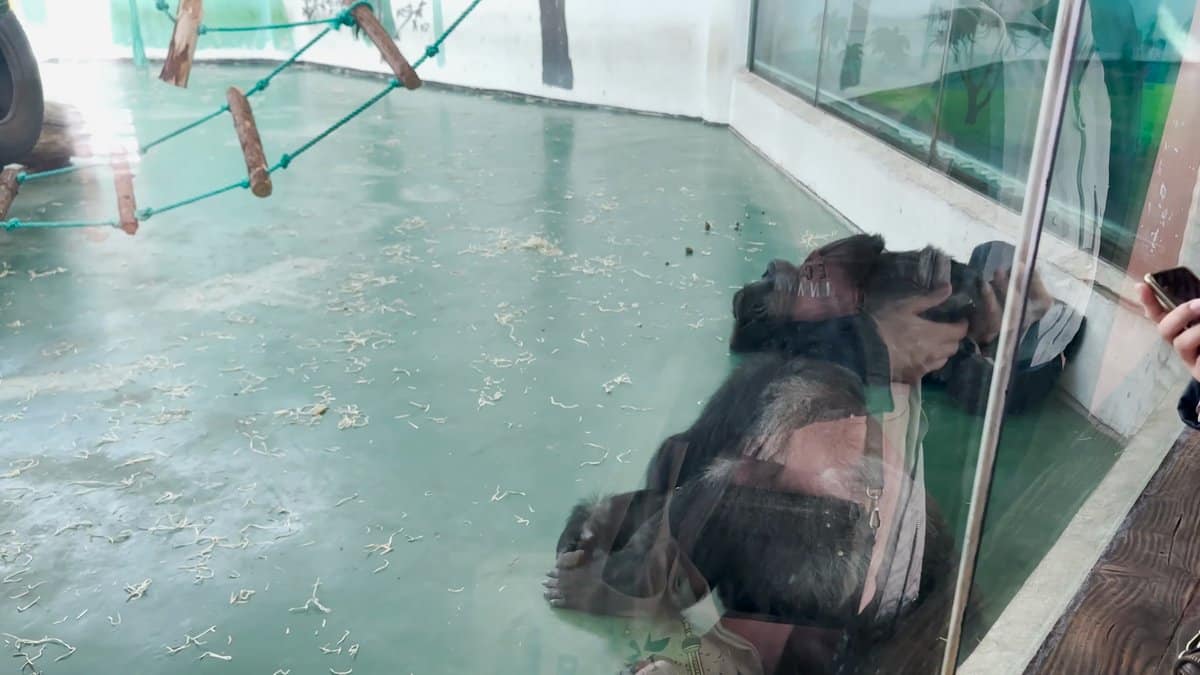
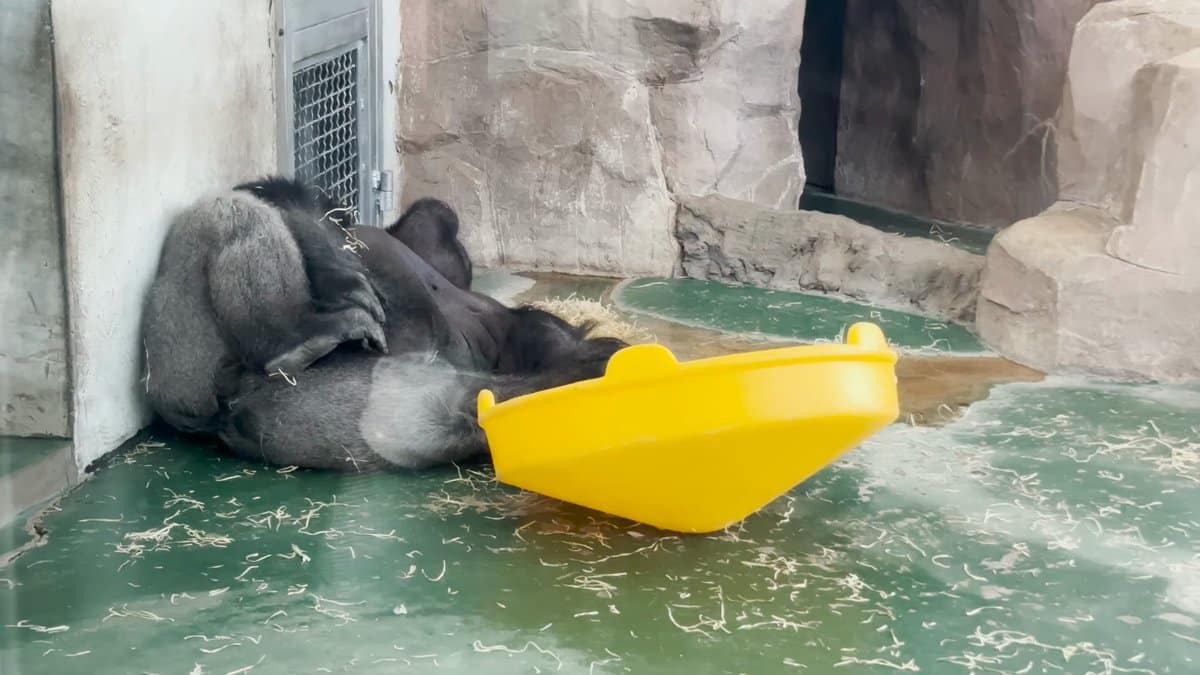
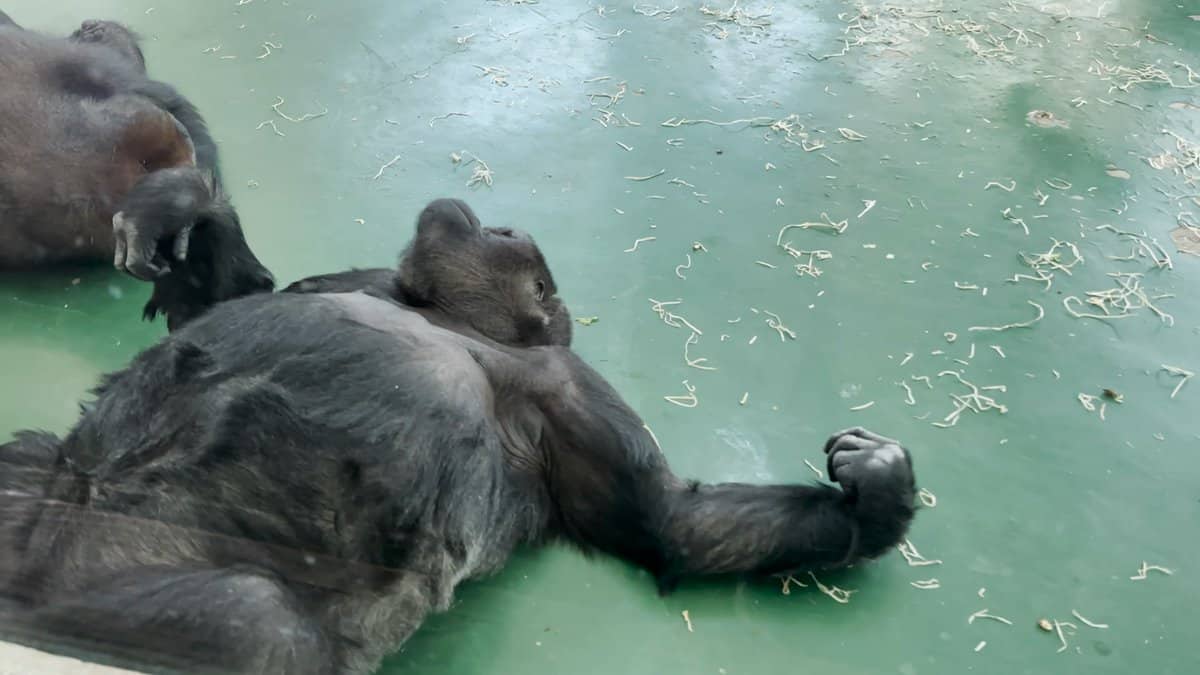
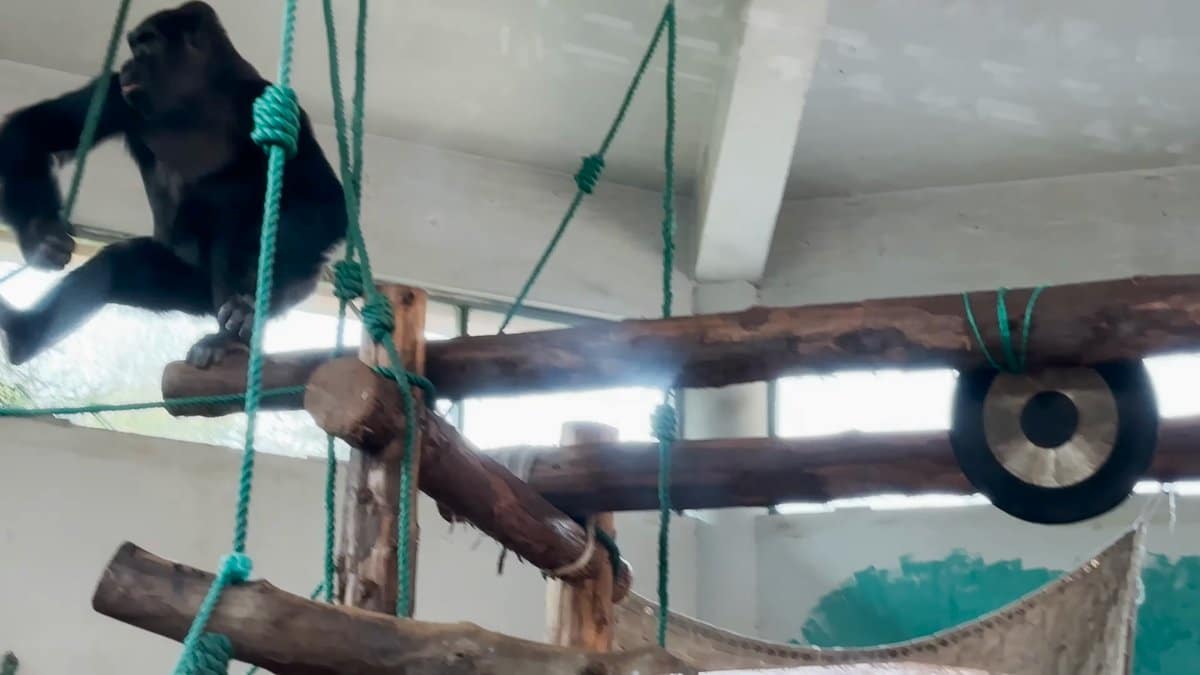
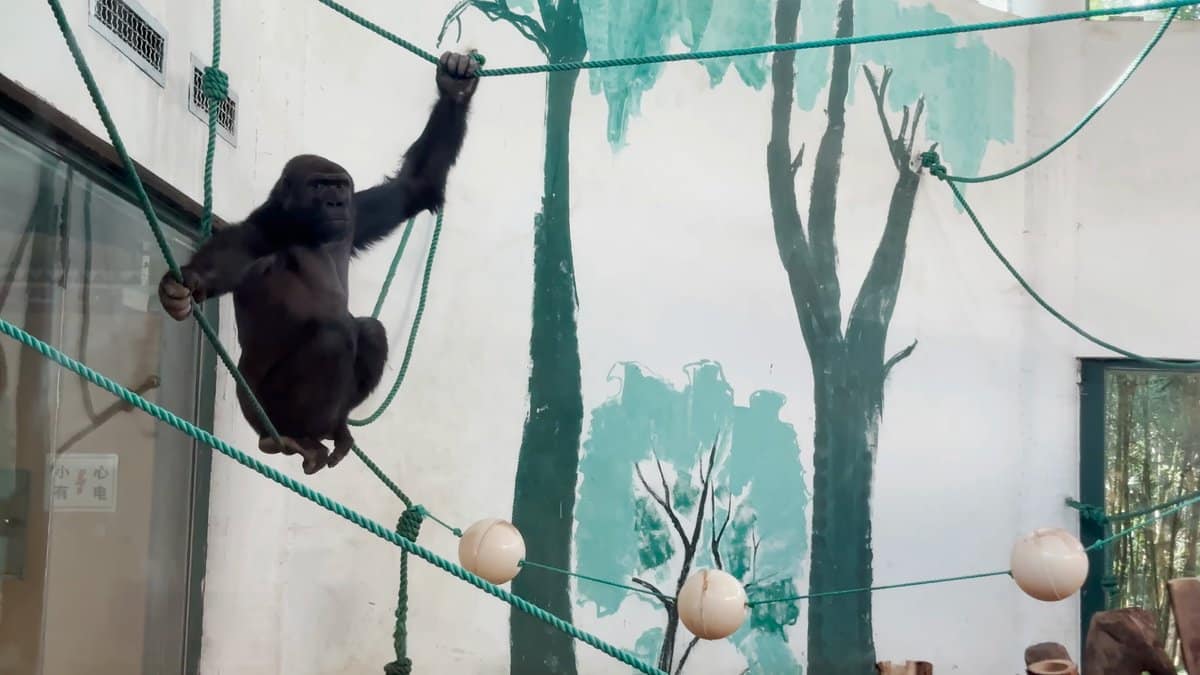
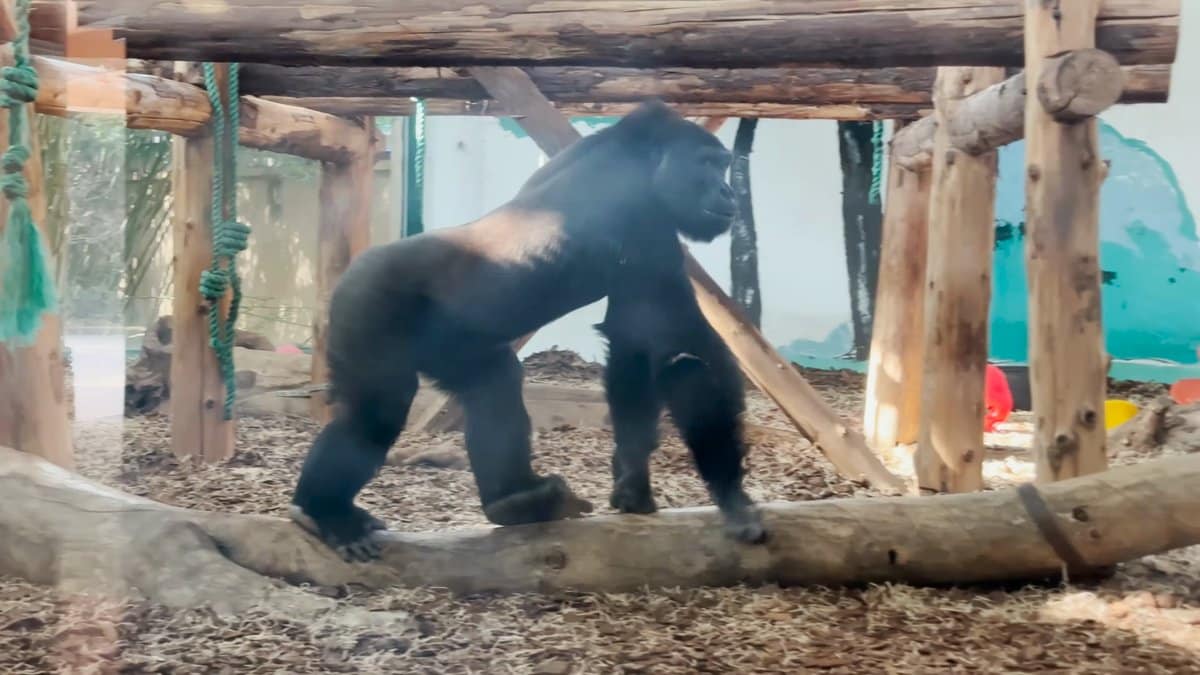
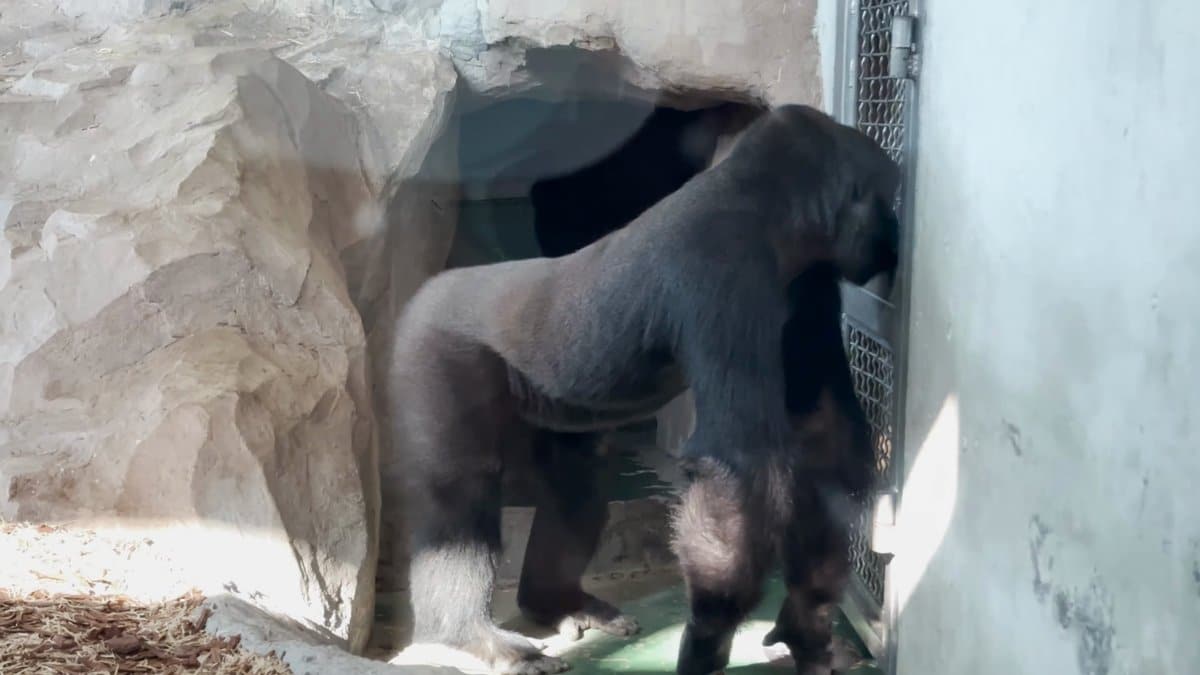
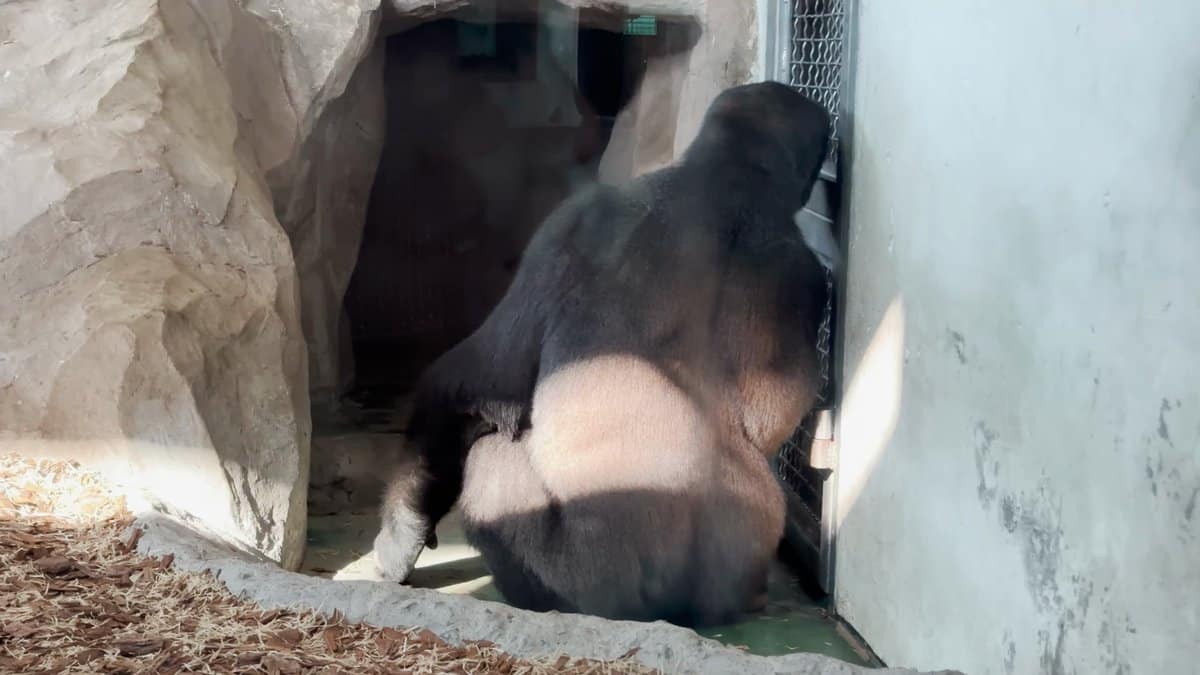
Inside there are glassed-in indoor-outdoor enclosures for gorillas and other apes. One is curled up on the floor; another climbs around some timber frames and ropes above you; another is lying next to a plastic tub. They will knuckle-walk across the space, stand in a rocky doorway or swing from ropes, and then turn their back on you.
It’s hot and crowded here sometimes, but the range of behaviour on show generaly keeps your attention.
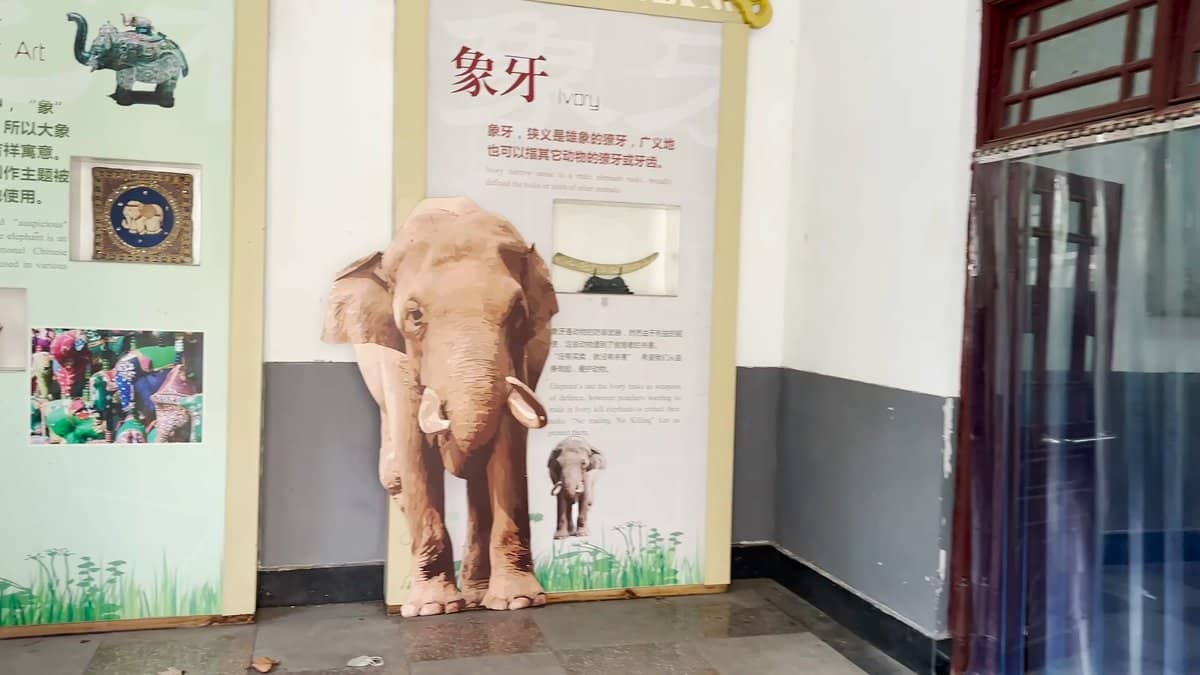
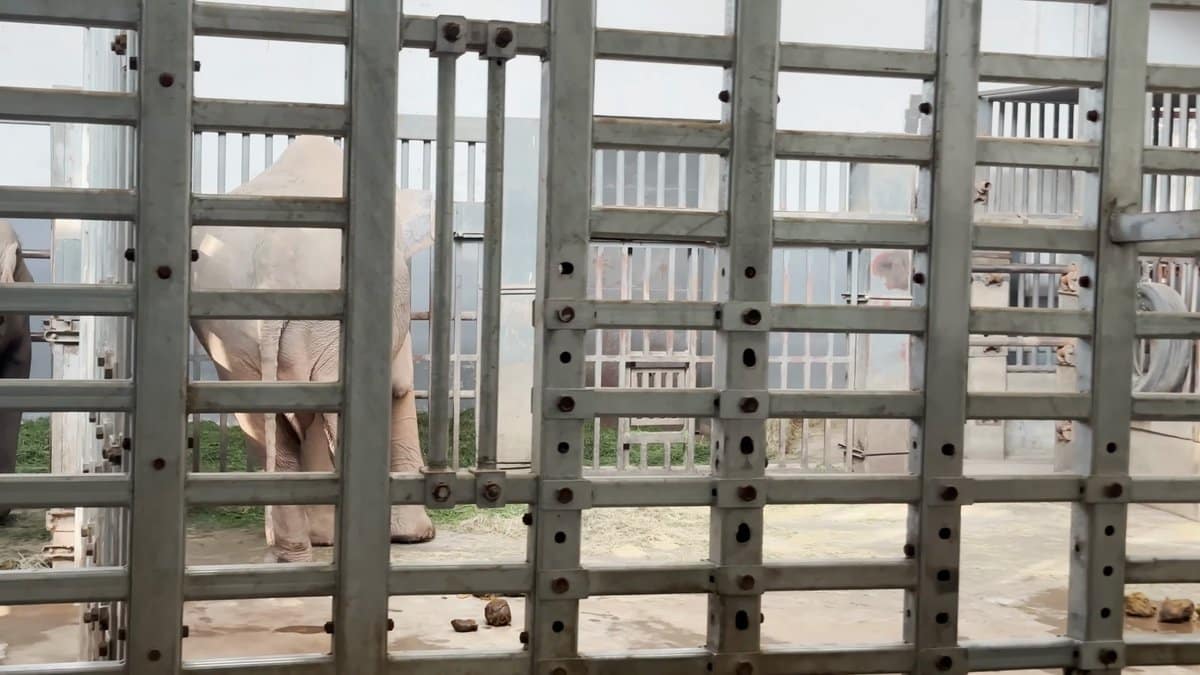
The elephant house is older, with steel bars and informational panels about elephant biology and tusks. While you can see the elephants, they are far off and not set up to encourage close inspection like the glass enclosures does elsewhere. Is it worth visiting?
Definitely, if you’re in the area or have a full day planned out west. Animal lovers will enjoy the variety of species here, while families with kids will find something that keeps them entertained for several hours. However, if you’re on a tight schedule and just passing through Shanghai, then the zoo likely won’t be at the top of your list.
While it’s a nice way to spend a low key afternoon, it’s not a headliner attraction. Have you visited (or plan to visit) Shanghai Zoo? What are you most looking forward to seeing?