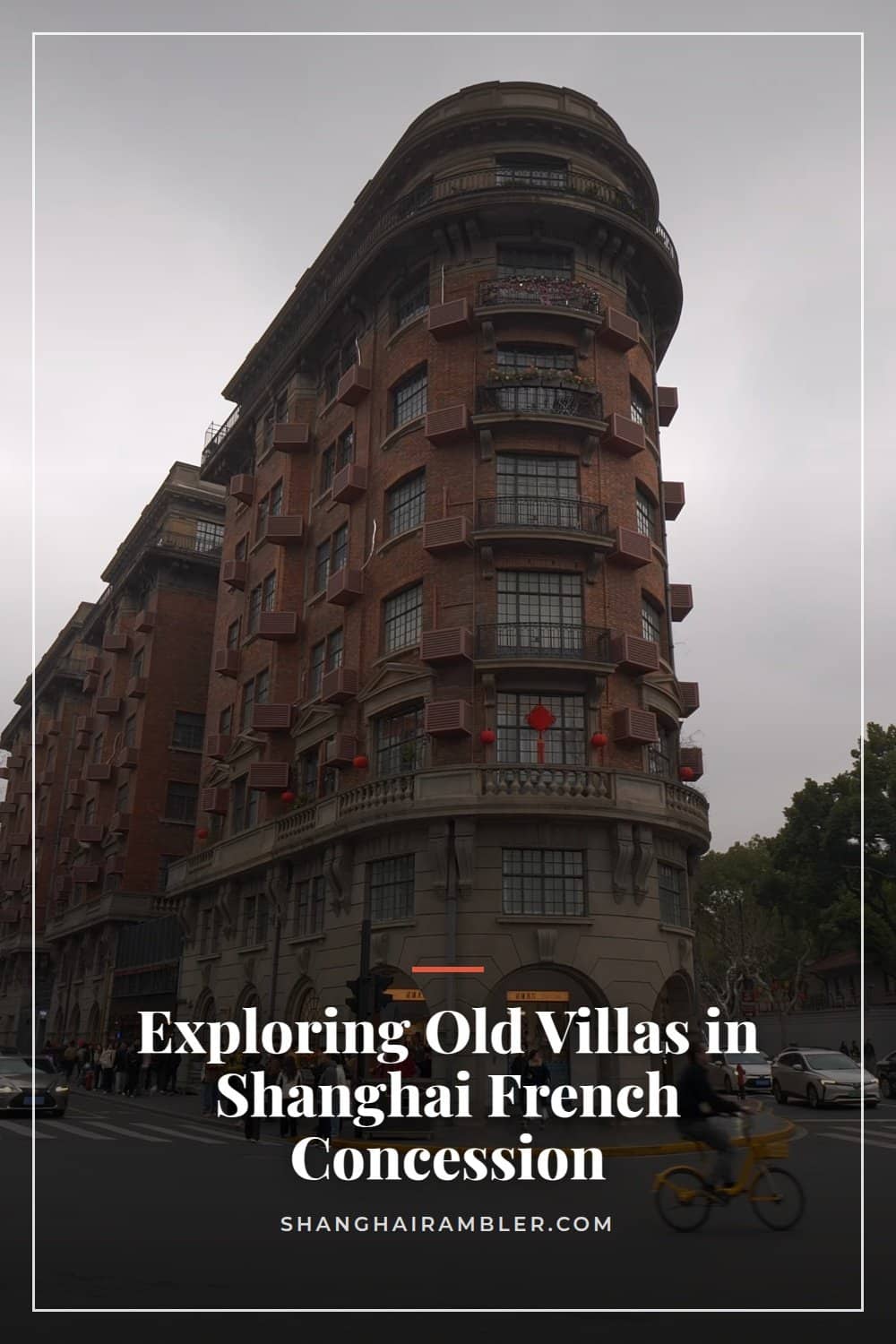
There’s no one thing to ‘tick off’ in an afternoon in the French Concession. This isn’t some sight. Instead, it’s a few square kilometres of central Shanghai where a century ago the bones of Europe and China met, and those bones is still visible today.
Walk around for long enough here and you’ll see the layers: tree-lined streets, iron railings around old compounds, low-rise brick buildings. You’ll walk those streets with me, visit the villas that define this place, and find your way to the ordinary corners where locals still get their groceries and go about life. There are no major sights here, and there won’t be a whole lot of sitting down.
Walking Around the Old Streets
French Concession Shanghai
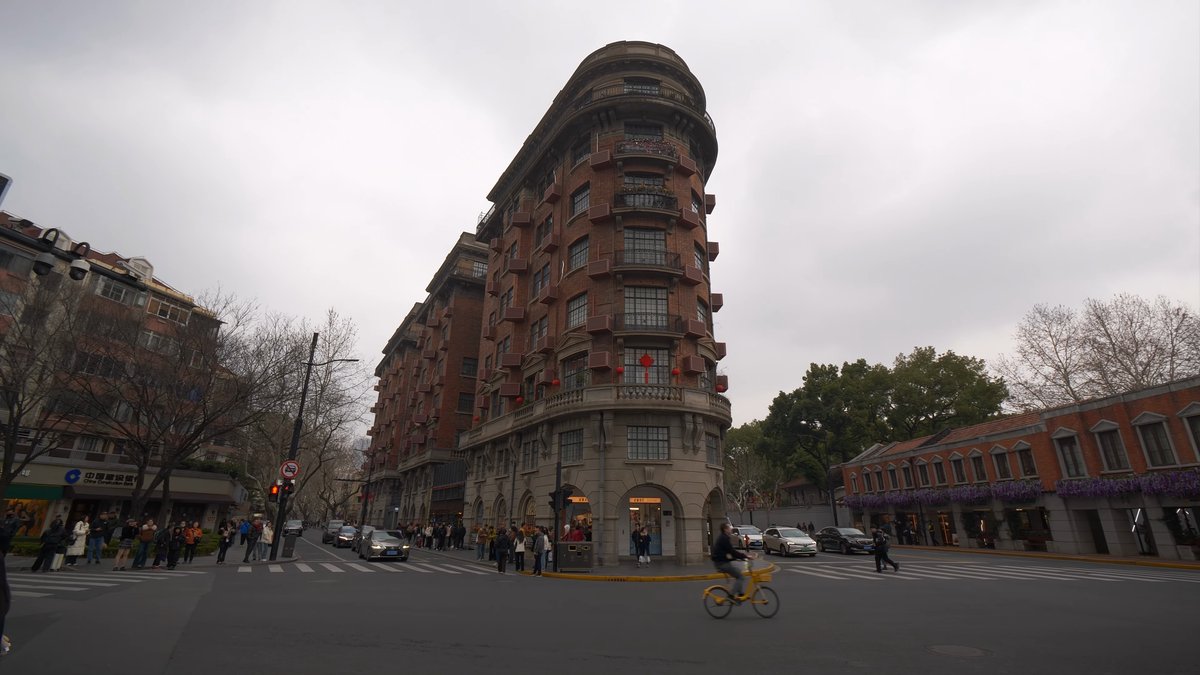
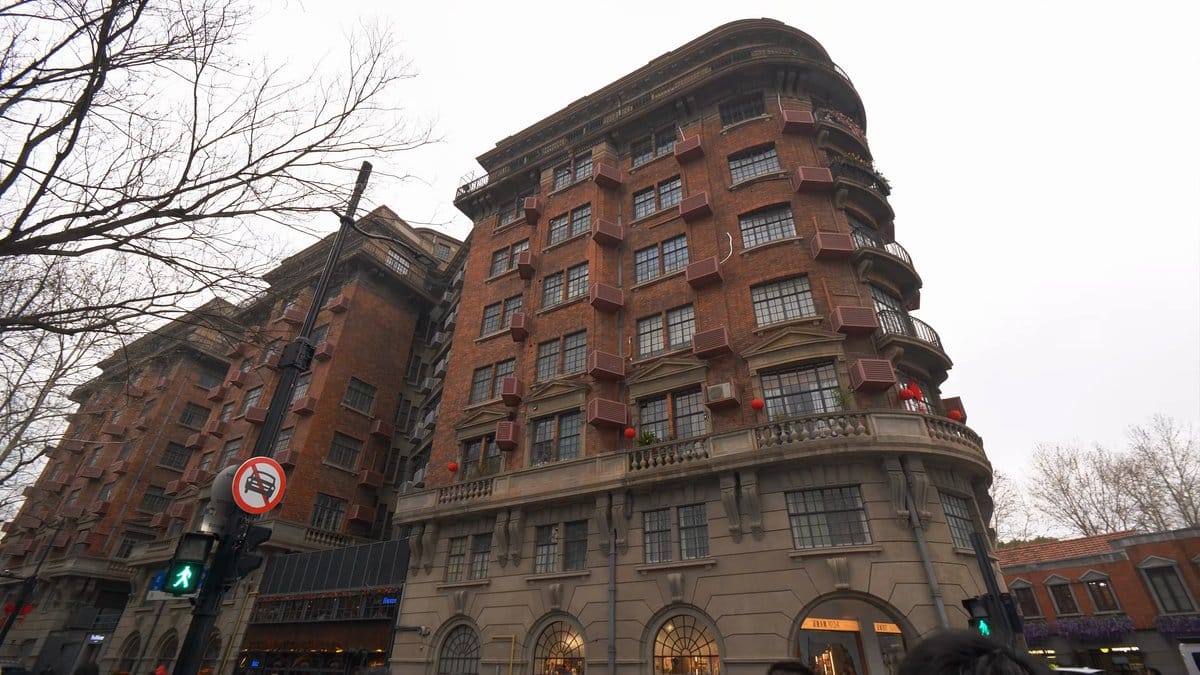
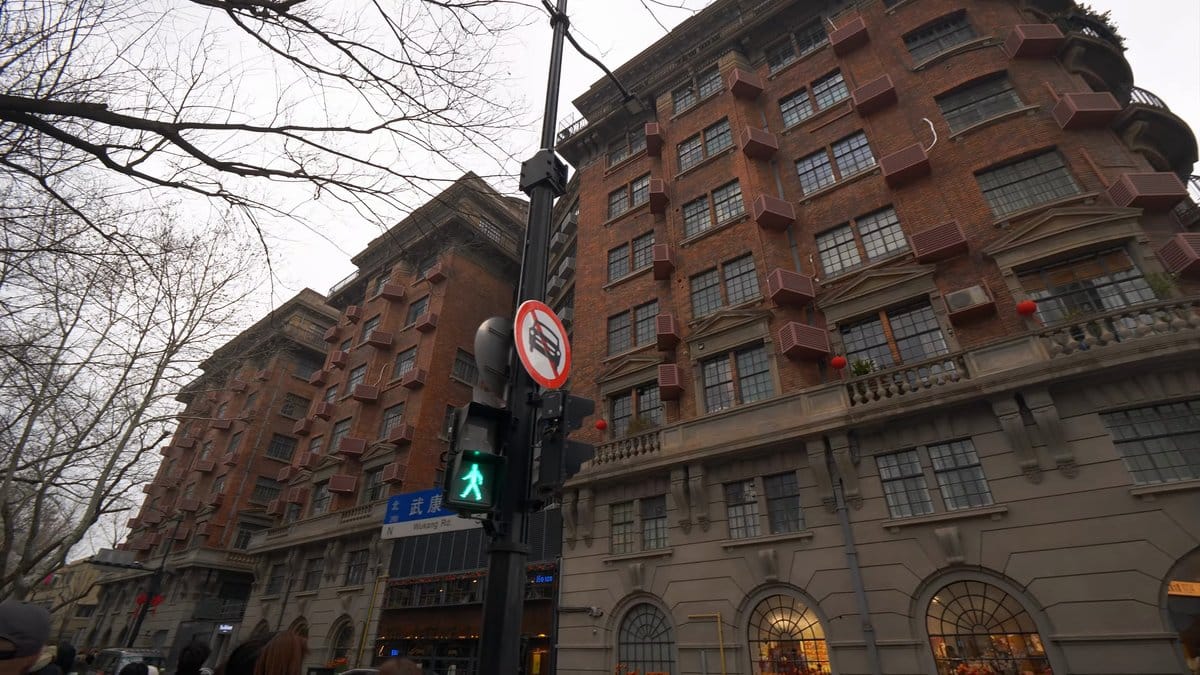
Unlike other parts of Shanghai, the streets aren’t on a strict north-south grid. The buildings is right up against the pavement, the blocks are tiny, and corners intersect at strange angles. Everything you see was built between the 1920s and 30s. This was when the French ran this section of town, and the only people who could of afforded anything were those who wanted an apartment or villa that looked European.
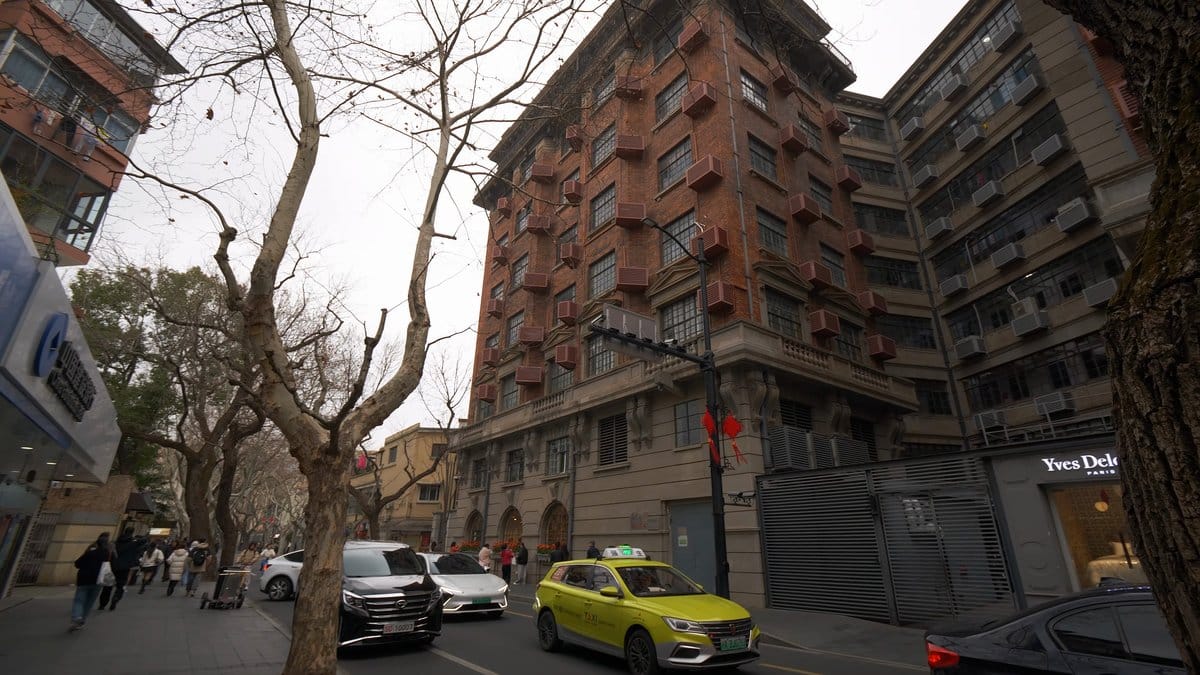
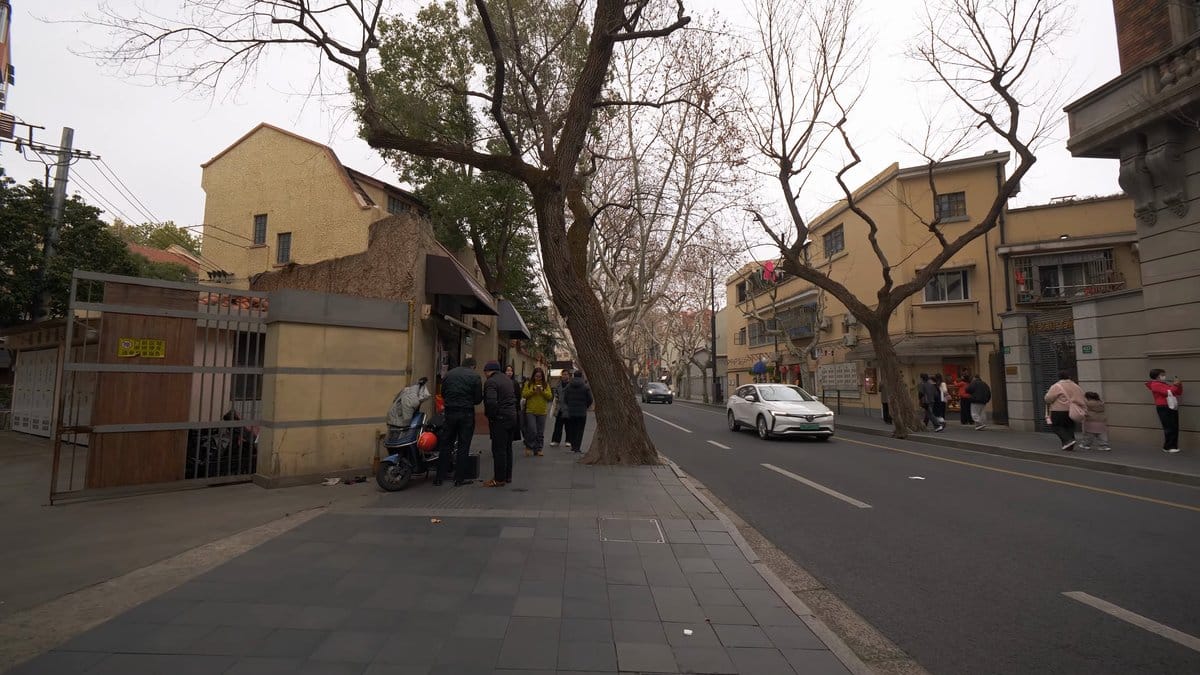
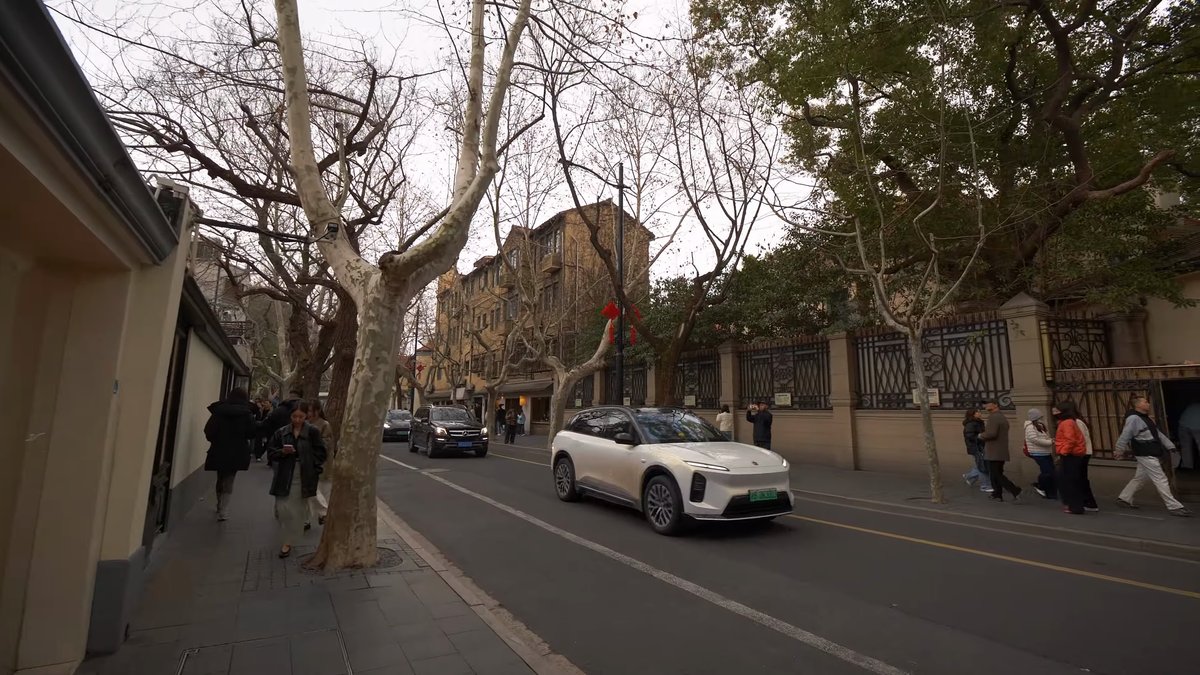
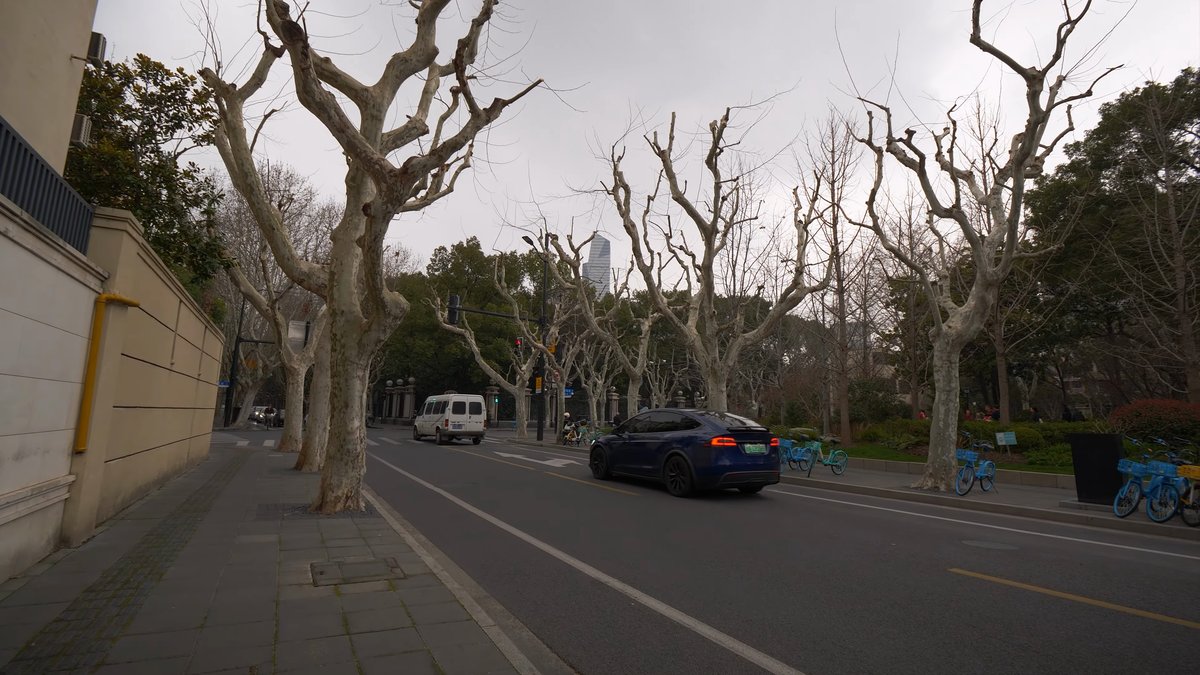
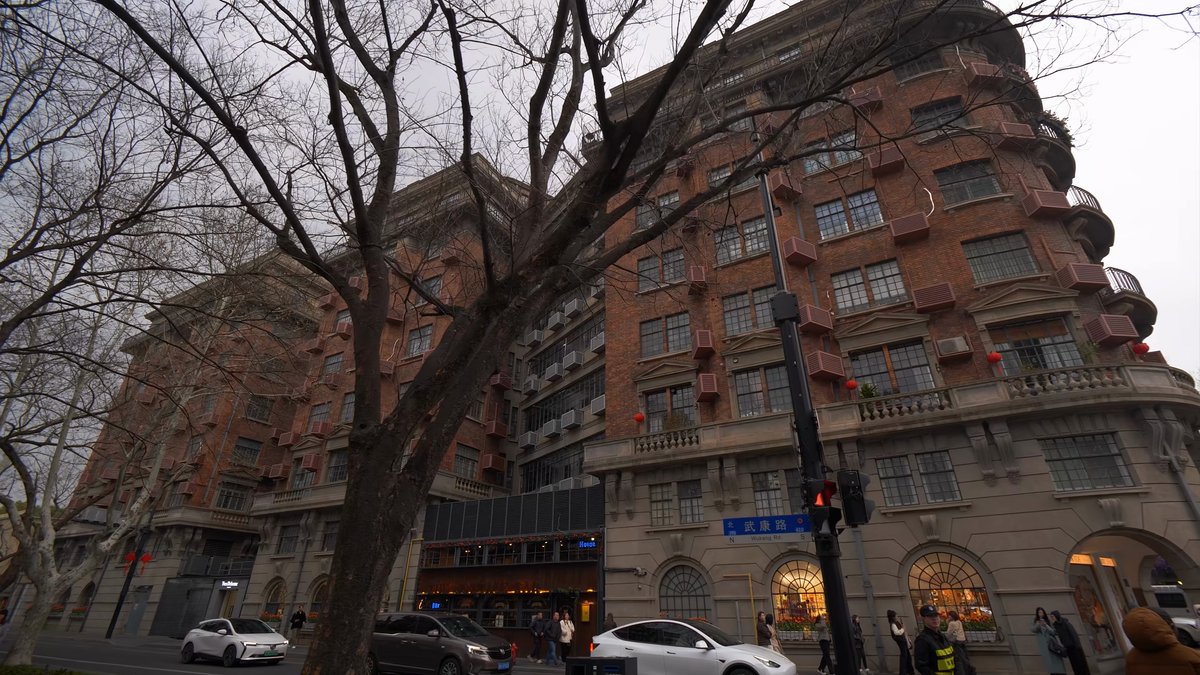
There are plane trees, on every main road, and on every side street too. They was planted by the French, and now they’re grown tall enough that their branches create a canopy overhead, covering the tarmac beneath. In summer months, the shade makes the streets cool ten degrees different than the rest of the city.
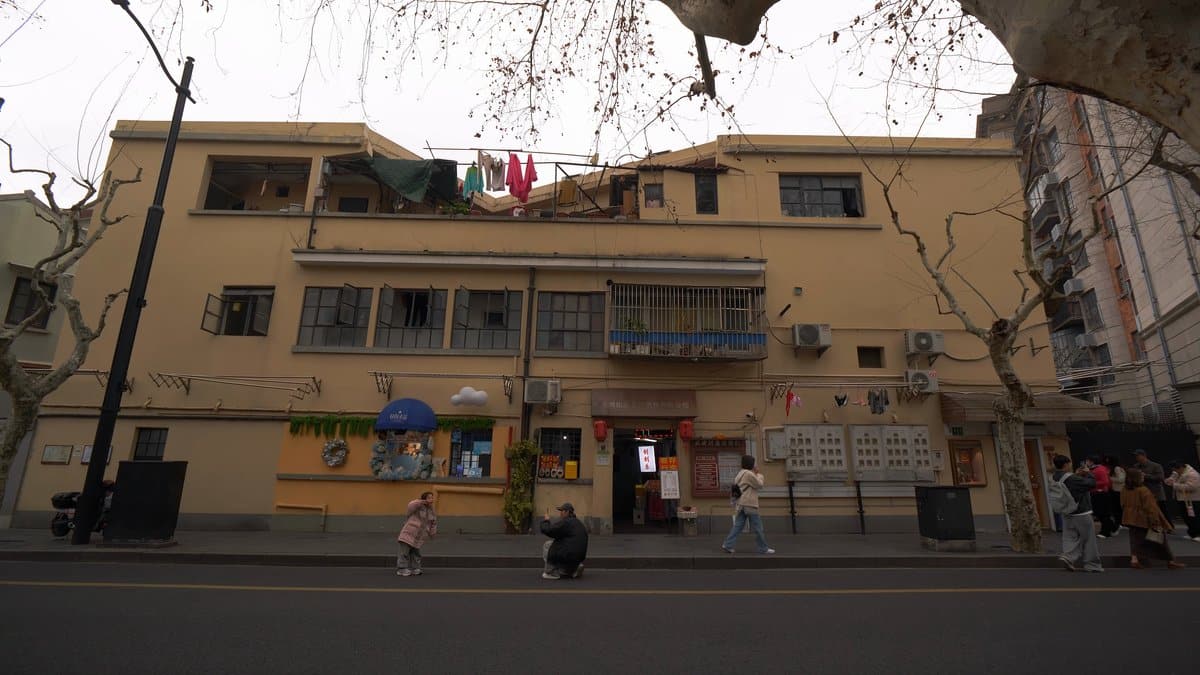
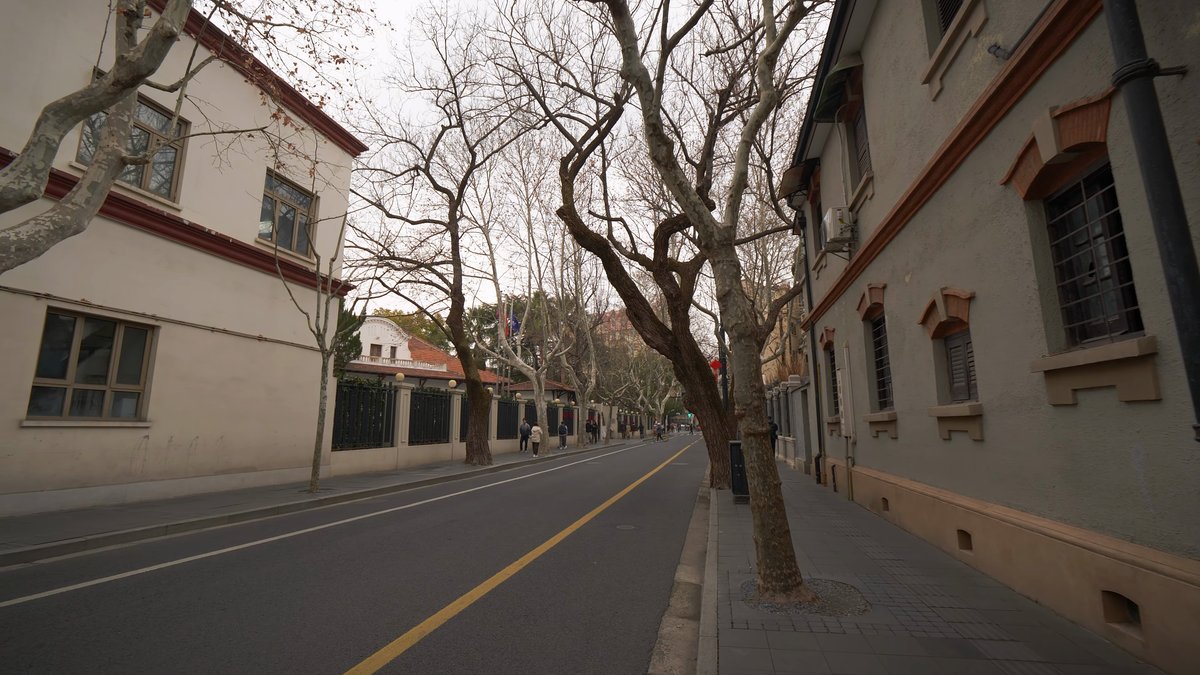
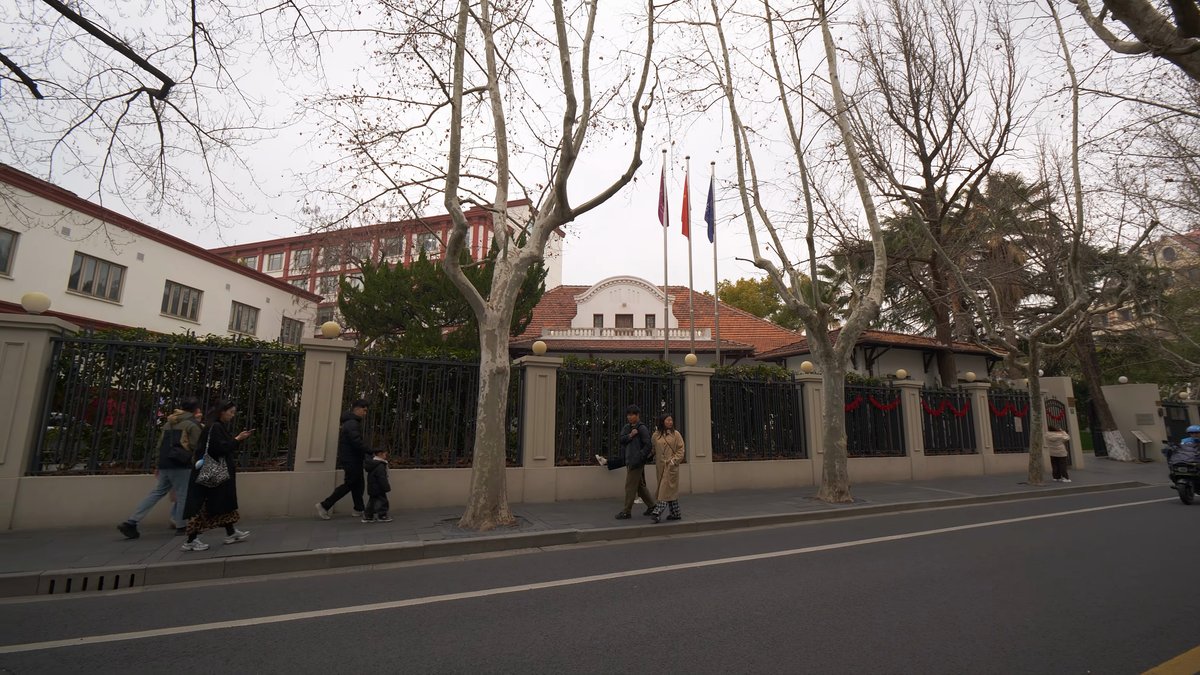
In winter, the branches are bare, and you can see right through to the buildings beyond. Built to accommodate Chinese families unable to afford a standalone villa, the lane houses… Long terraces of two or three-storey brick homes, is where you’ll find tricycles parked in the alleys and laundry hanging from the upper windows.
Some lanes are open and you can walk through (as long as you don’t get too loud about it), while others are gated and you can’t go in.
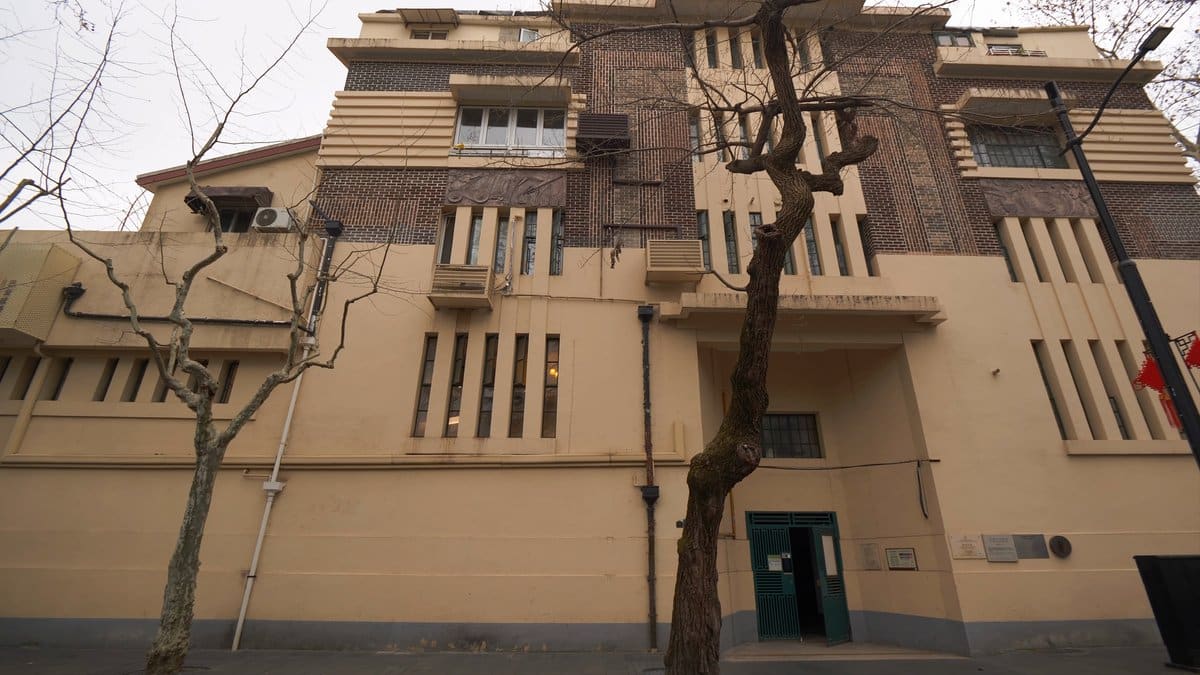
Behind their railings and walls sit villas. Some are still lived in, some have become offices or had been cut up into flats. They all has wrought-iron balconies and some Art Deco detailing around the doorways.
Some have been painted and restored, some remain scuffed and cracked, which only makes them more interesting to see.
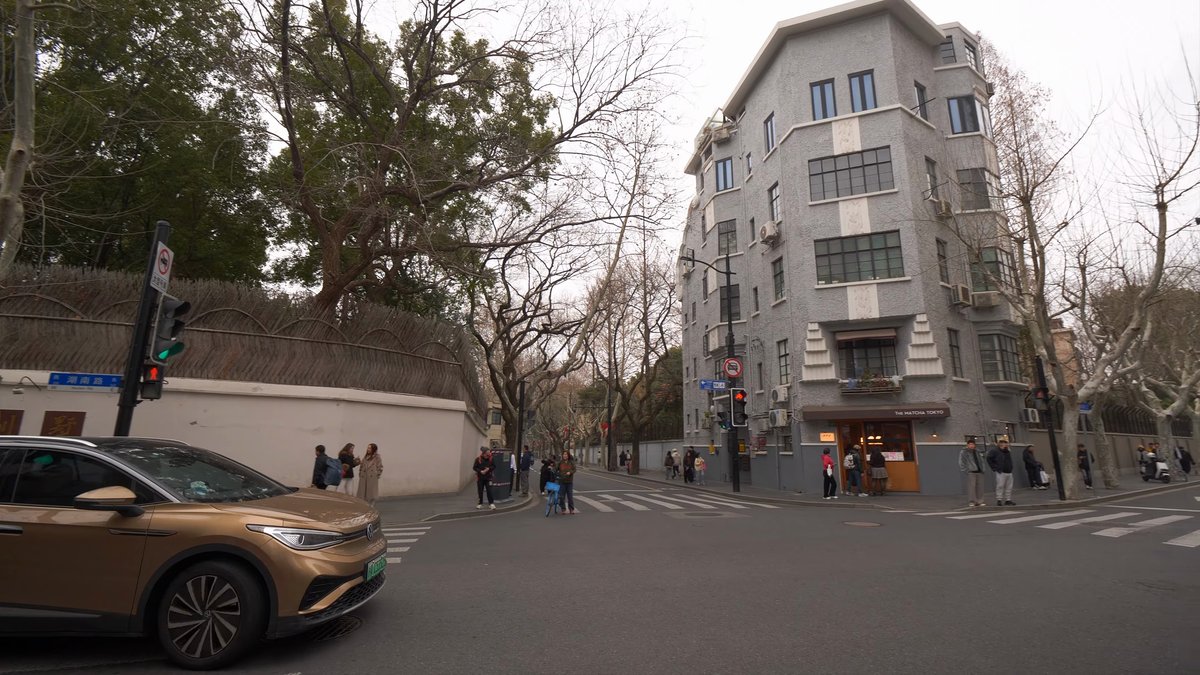
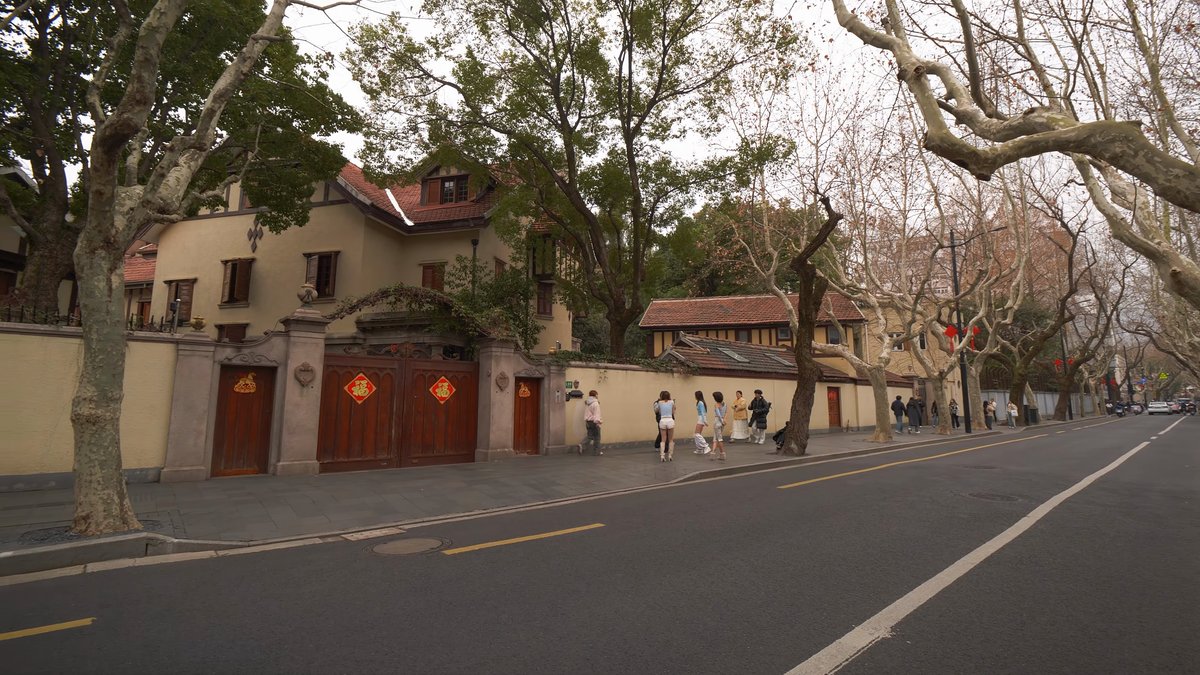
It’s not all straight-up any one type of architecture. There are English bay windows with Spanish arches. Chinese roof tiles sits alongside French windows.
No-one was attempting to create a carbon copy of Lyon or Paris, it’s all just a mix-and-match of what seemed like the most expensive and moddern thing back then.
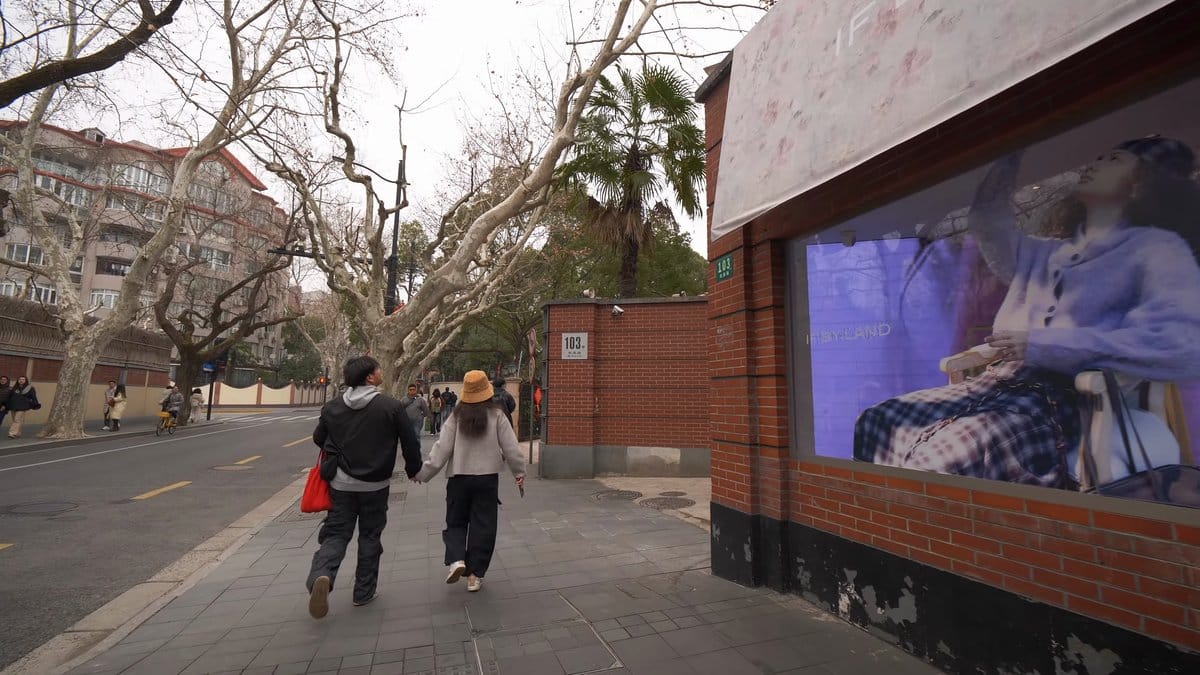
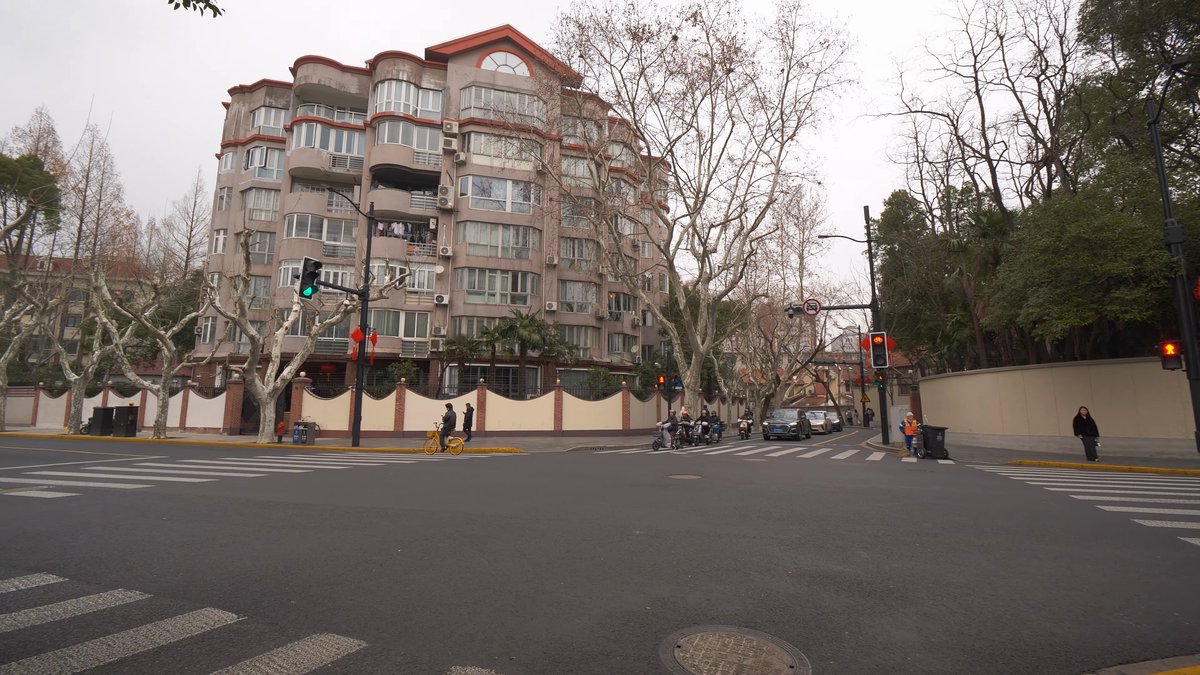
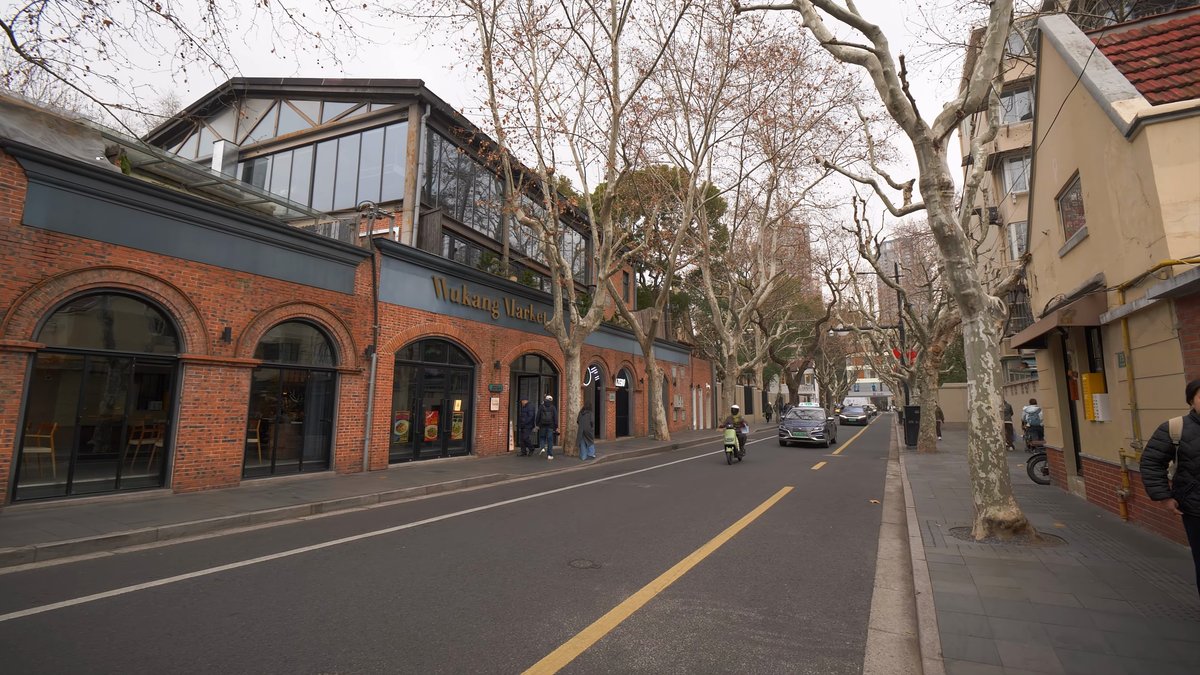
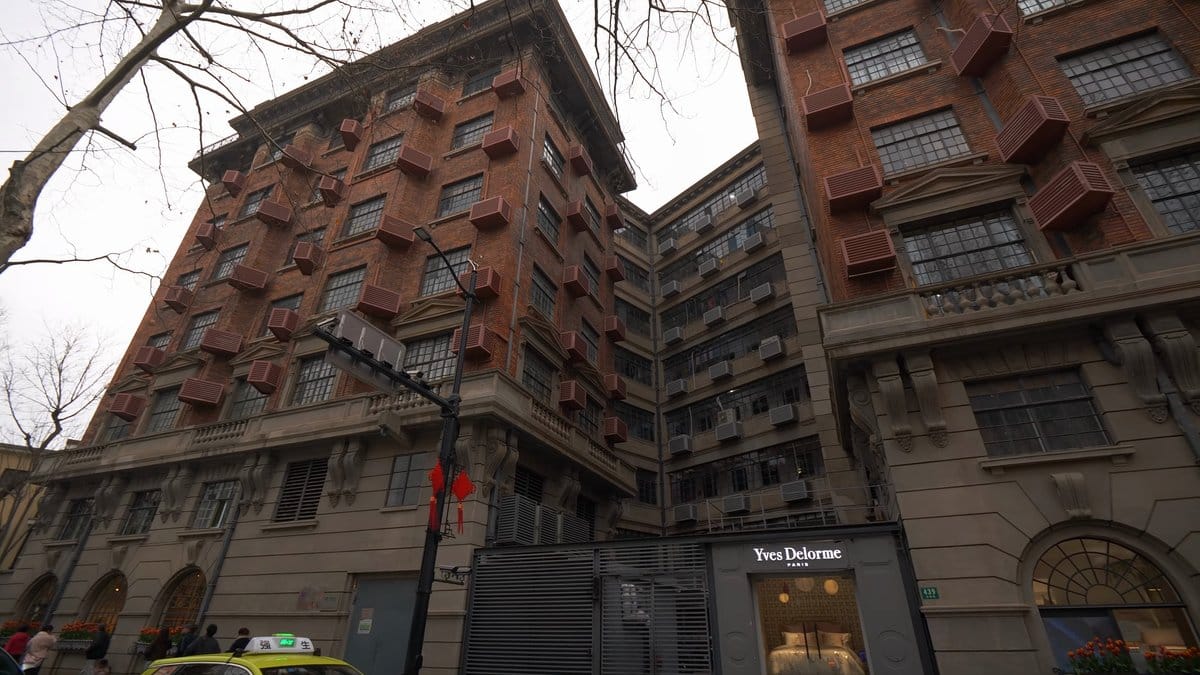
Yes, not all the streets are pretty. There are plenty of blocks of peeling-paint, mid-century apartment buildings with rusting AC units bolted to their fronts. But the thing is, even the ugly buildings are set back from the road and low-rise, making the streets themselves feel walkable.
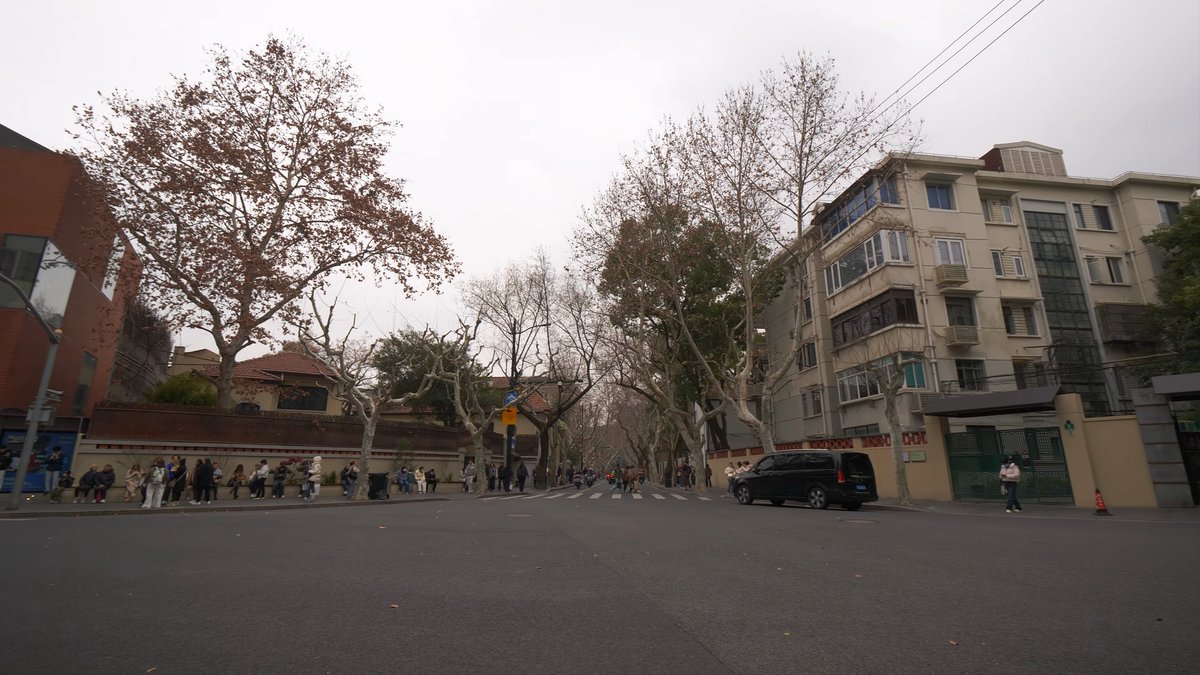
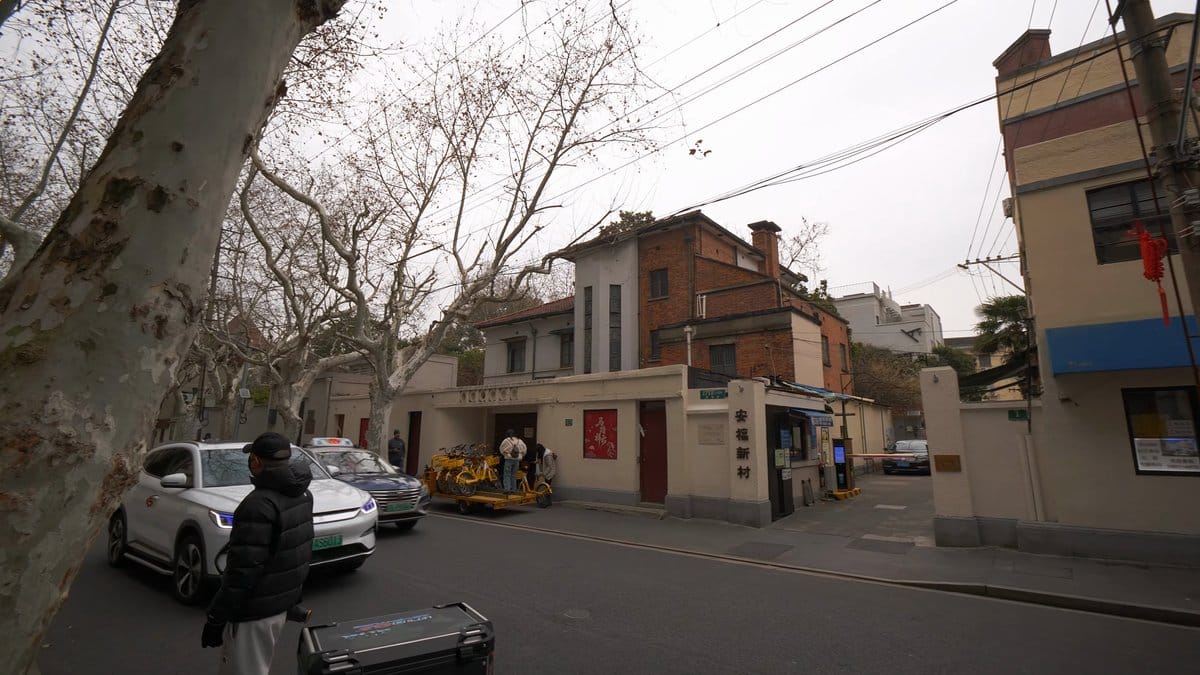
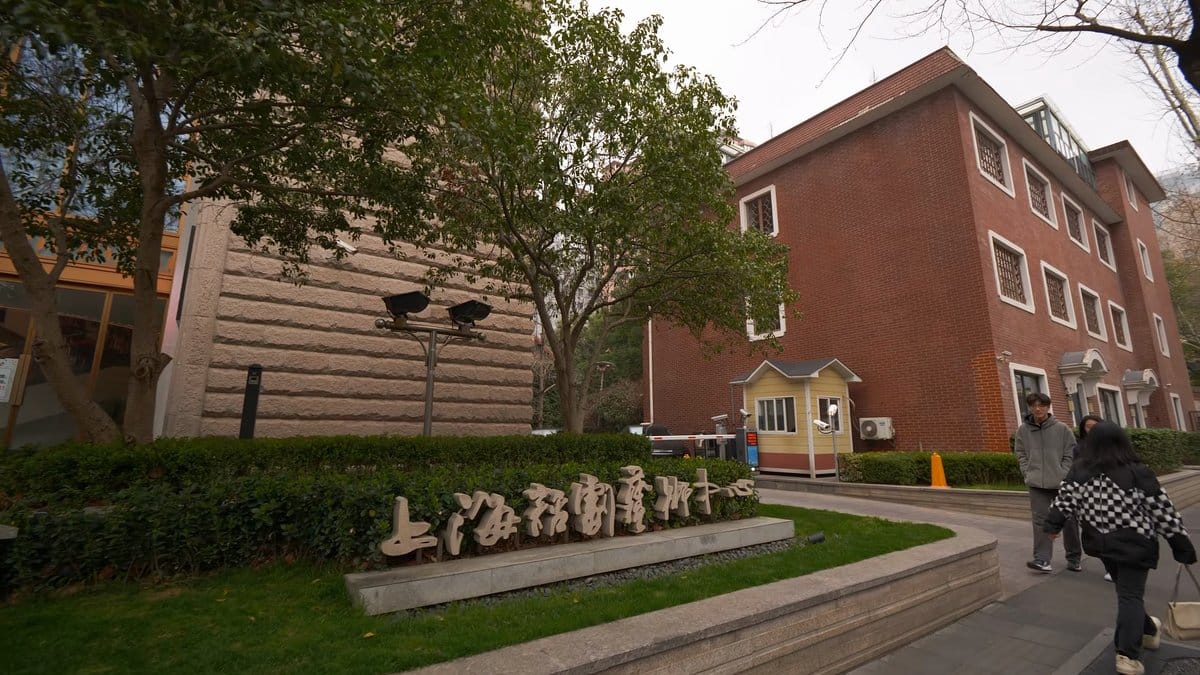
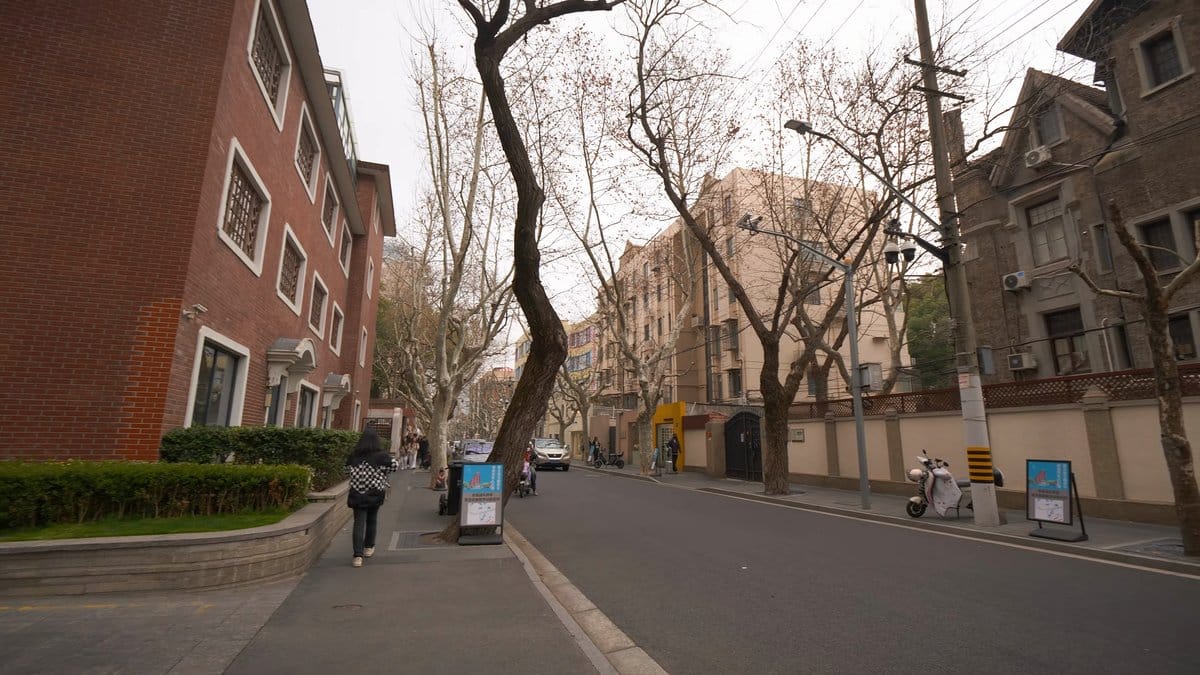
There are also pockets of new development (mostly built during the 80s and 90s). While not beautiful, at least these isn’t glass towers that dominate the skyline like those found in Pudong, they’re still just six or seven storeys high.
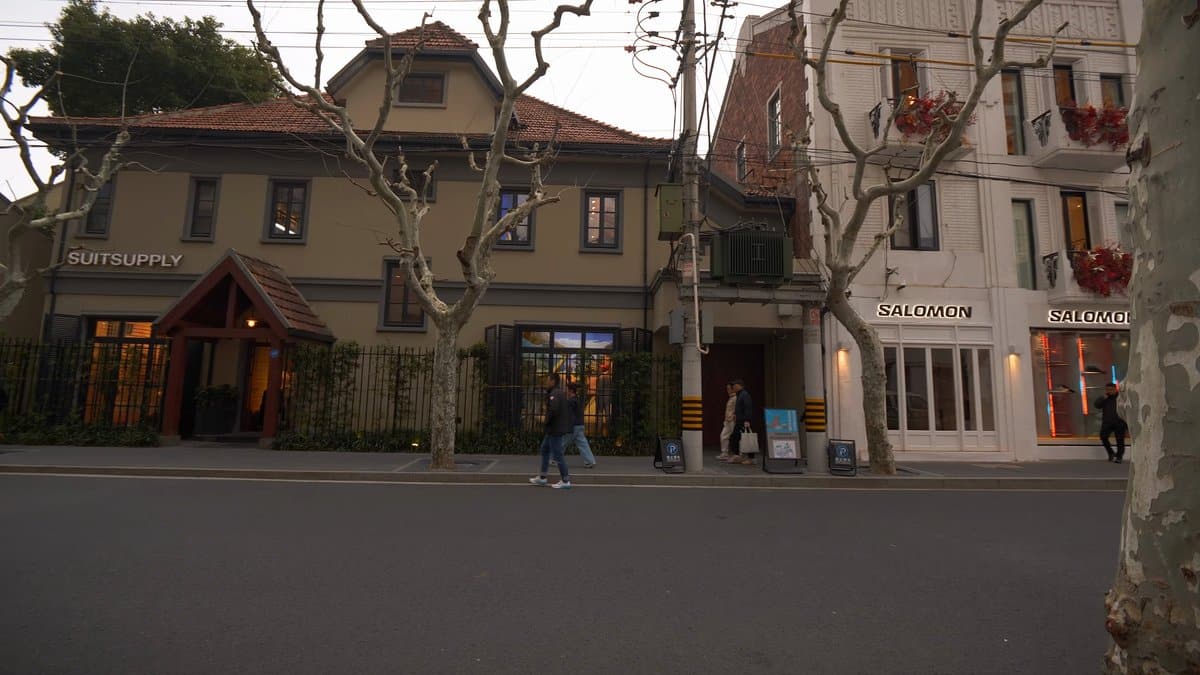
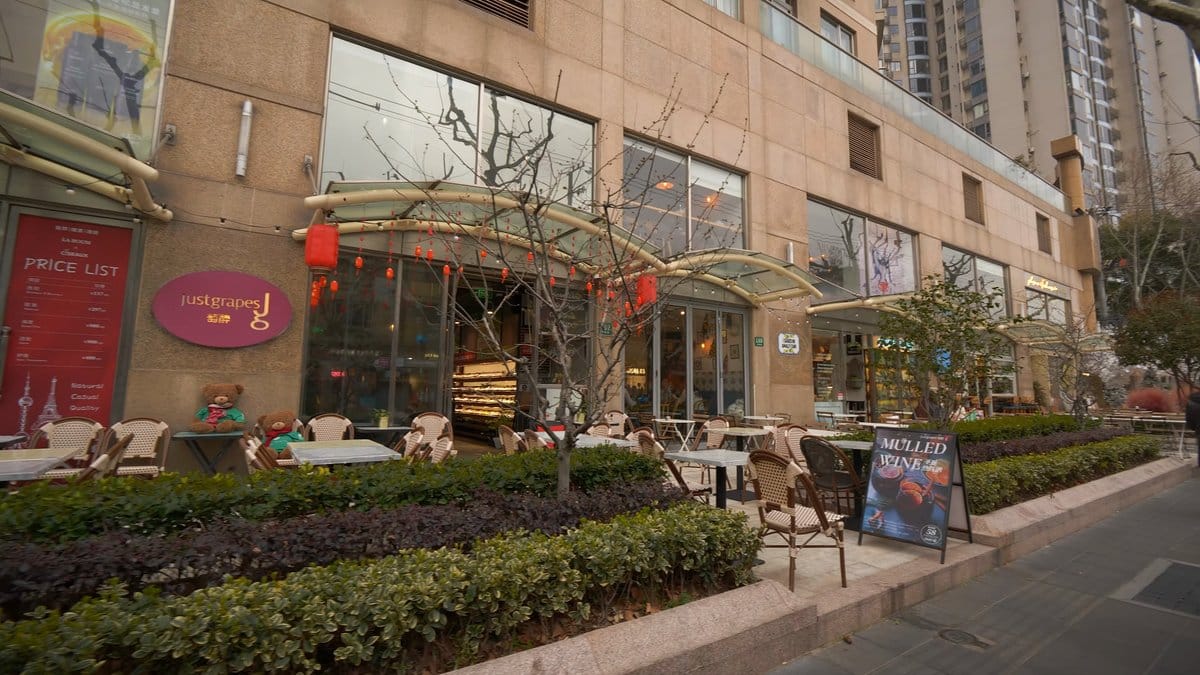
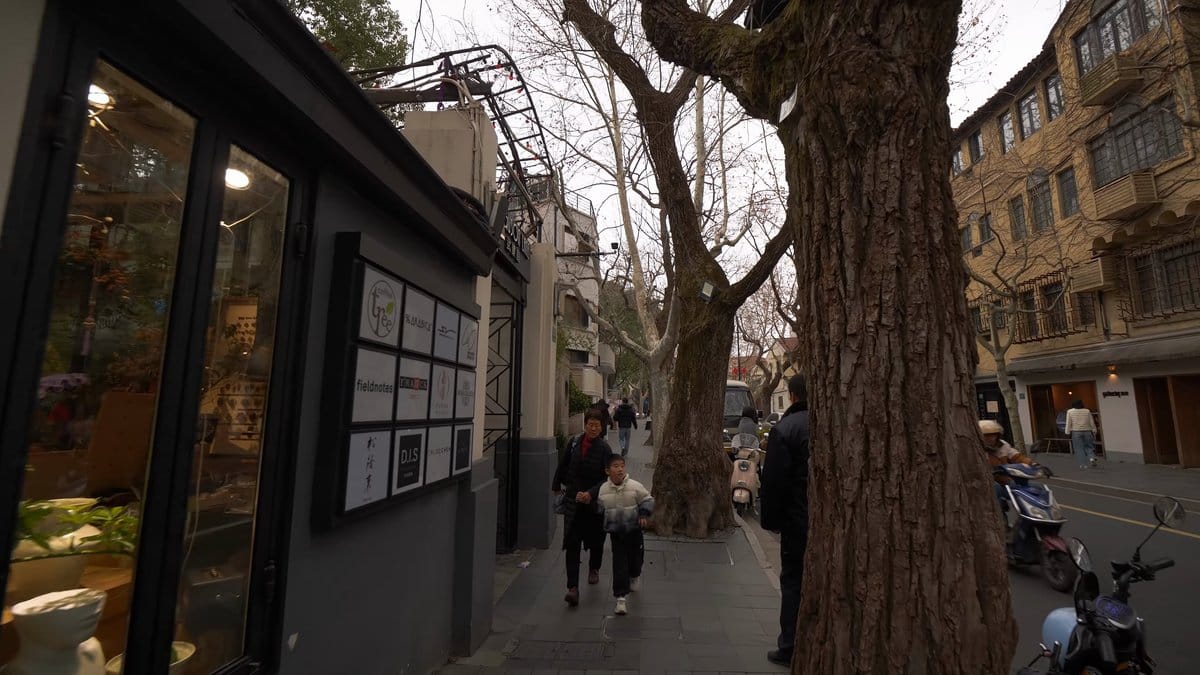
It’s the ground floors that bring a neighbourhood to life. These include pharmacies, dry cleaners, hairdressers, cafés with pavement tables, and corner shops that sell instant noodles and vegetables. Street by street the mix varies.
Some roads are lined with brunch spot and boutiques for young Shanghainese and expats; others are quiet and residential.
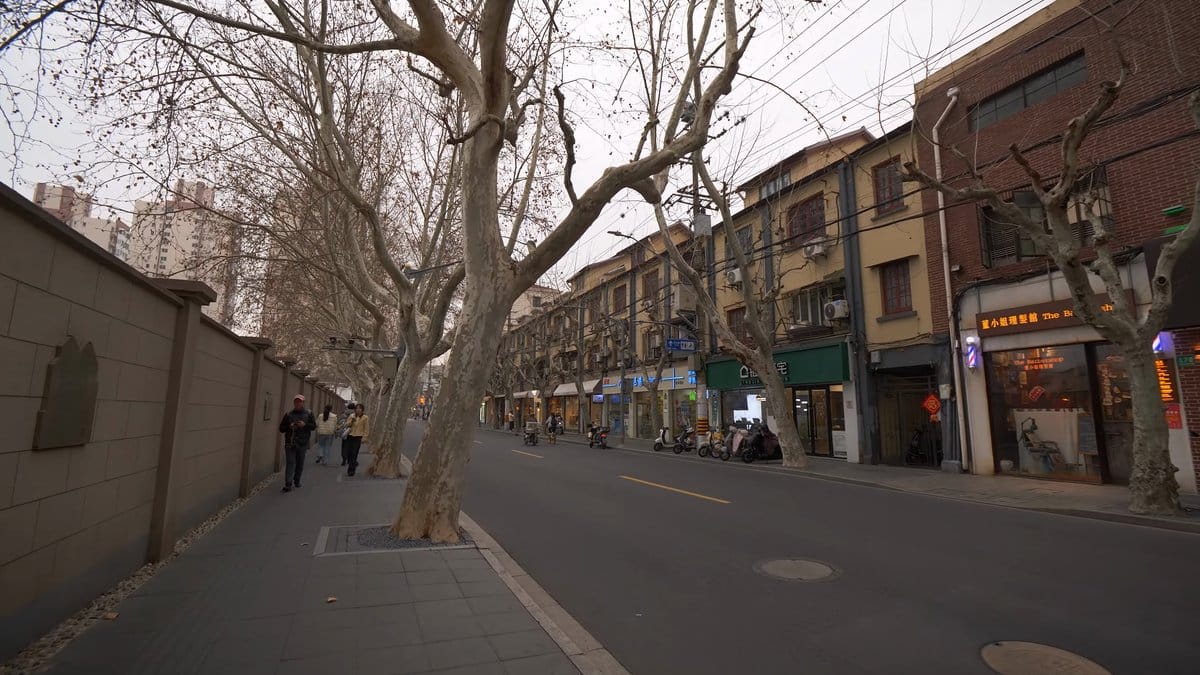
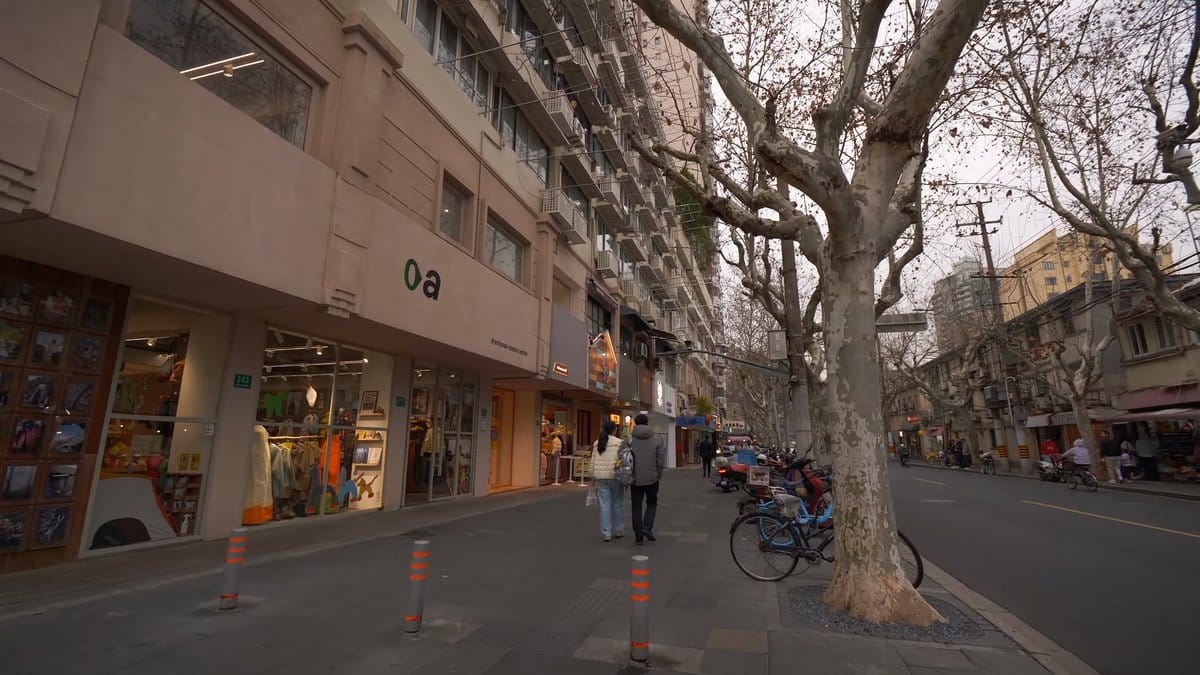
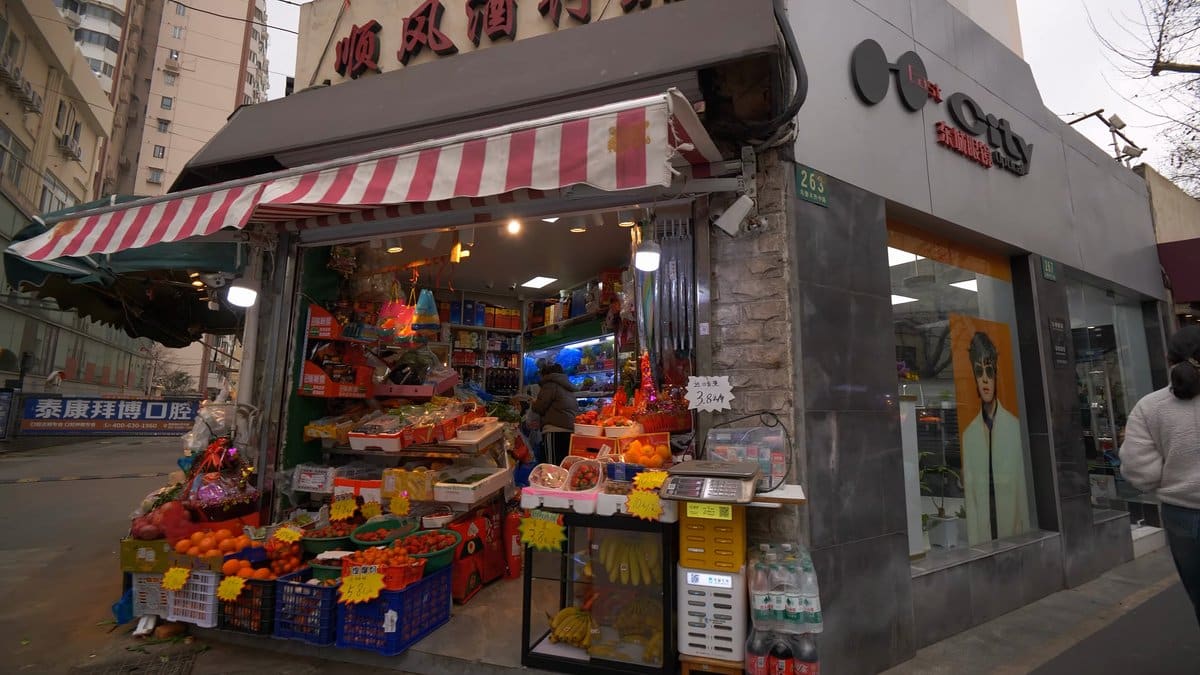
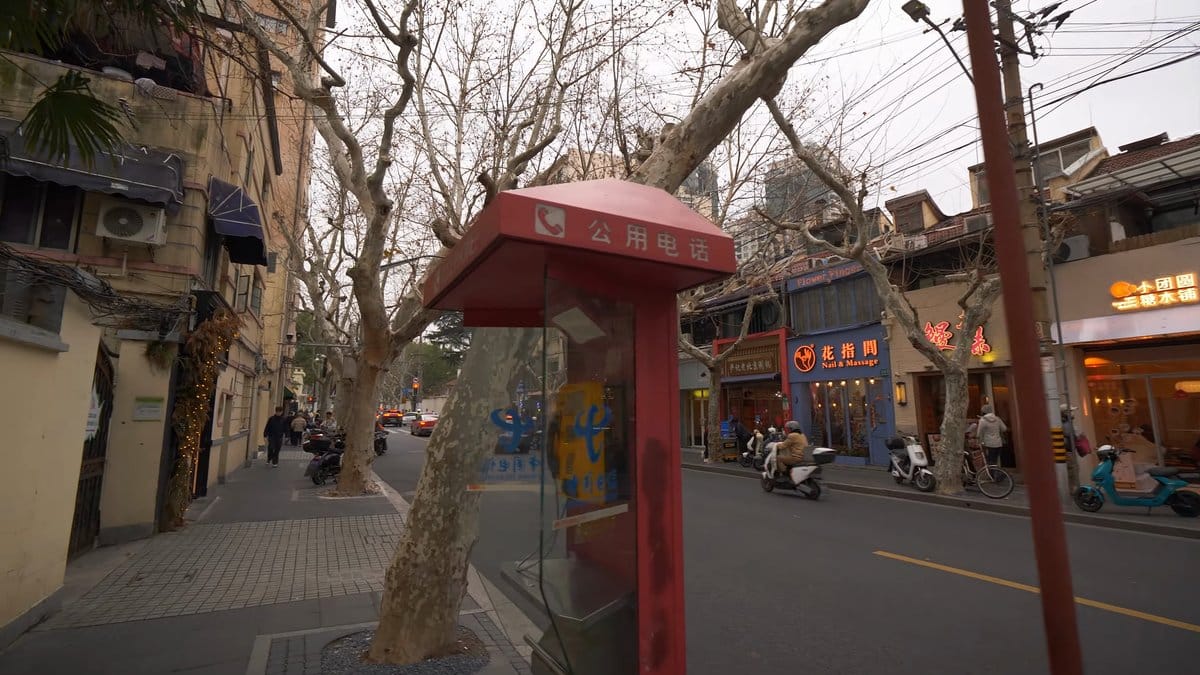
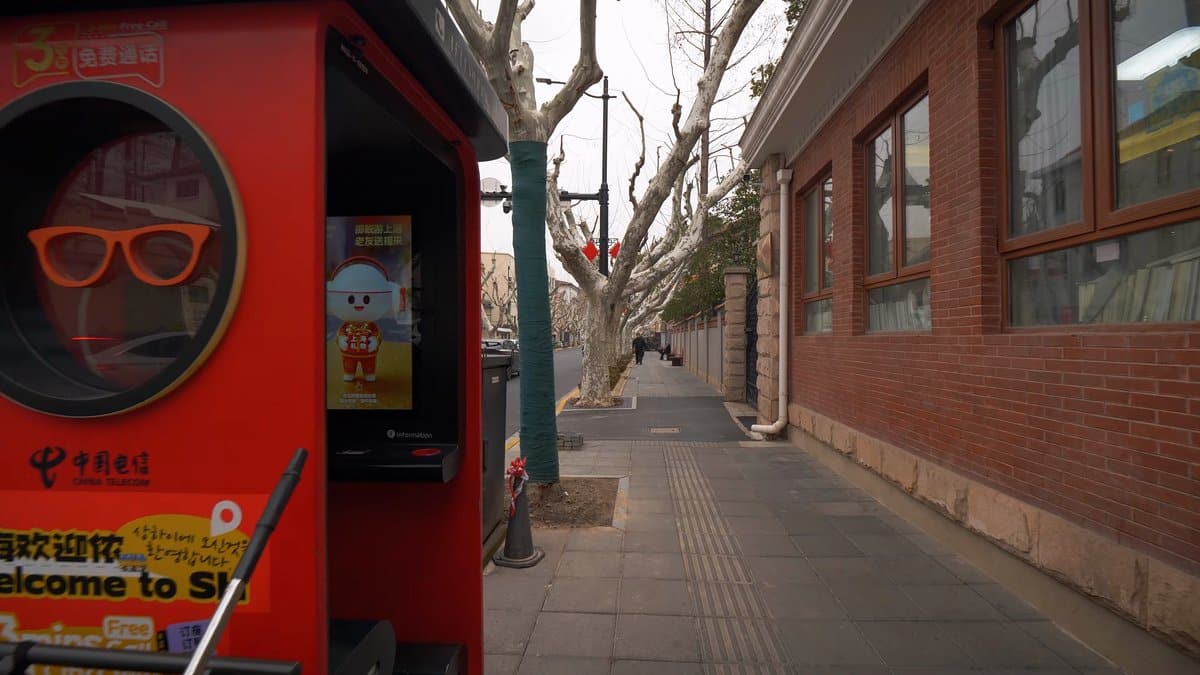
The larger roads has boundary walls which screen off the compounds beyond. Some gates are locked, while others is open during the day. The kiosks that you pass on street corners usually sell drinks, cigarettes and baozi, convenient places to get a snack or a drink as you walk around.
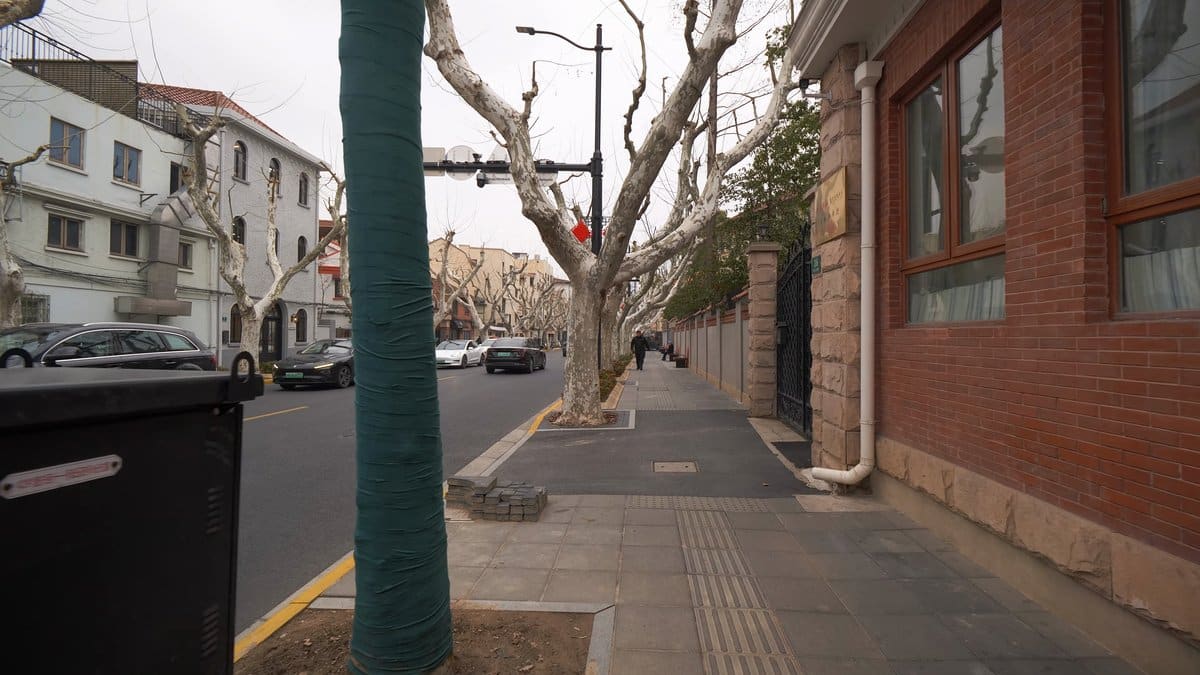
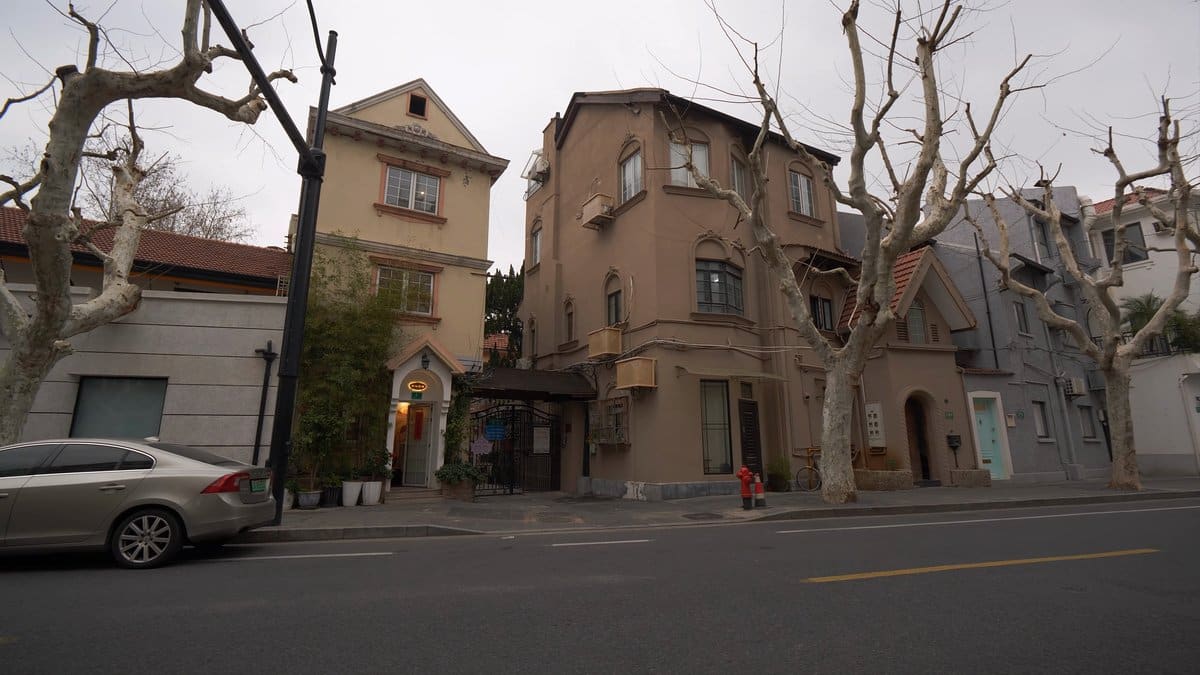
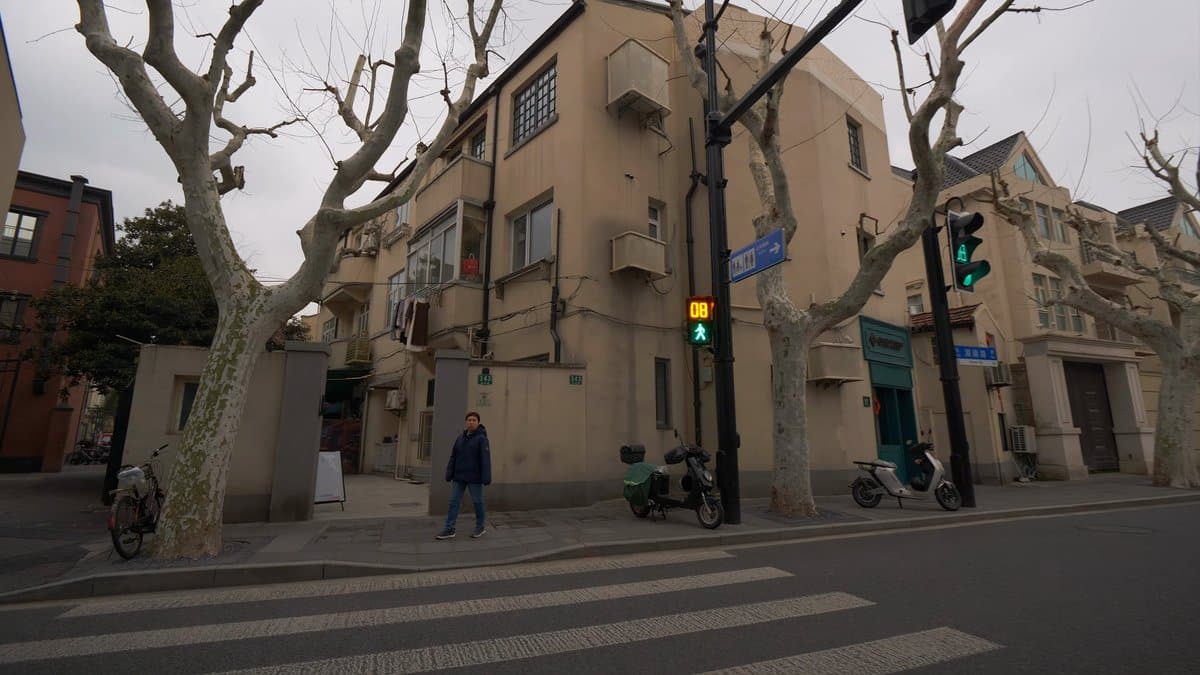
On the more quiet roads, there are some of the best villas. Though not all will let you get near, they’ll have security guards and fences up, you can at least see what’s up top from the street. Winter is actualy a good time to visit because the bare trees don’t block the view.
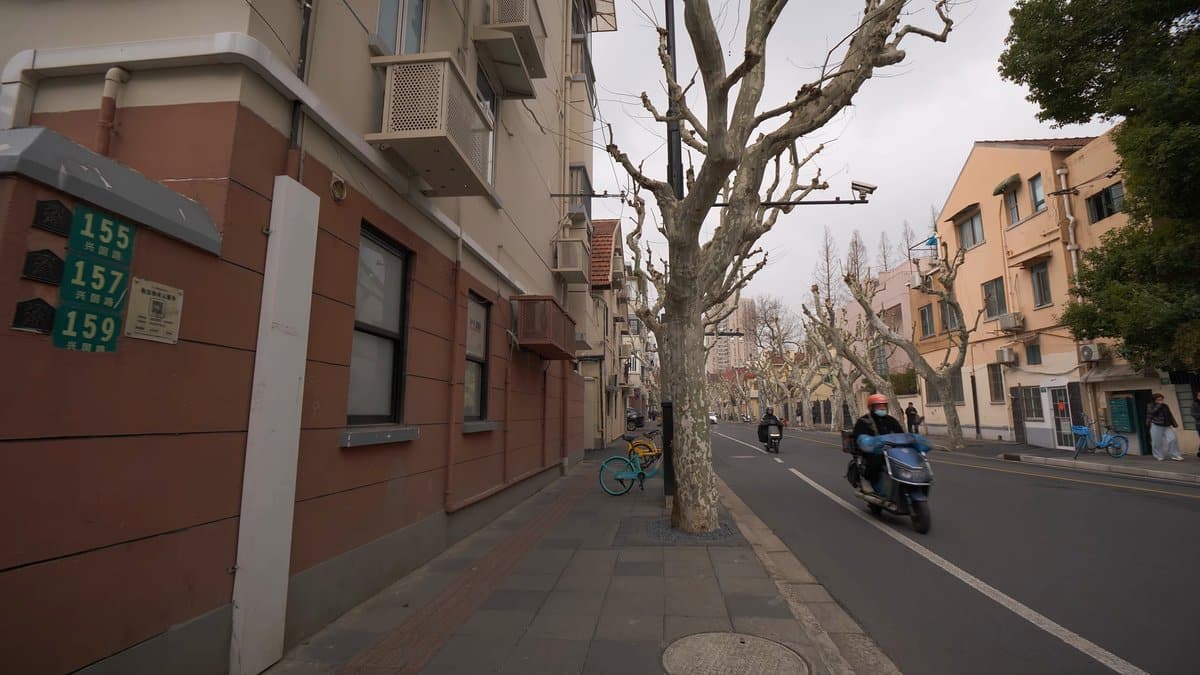
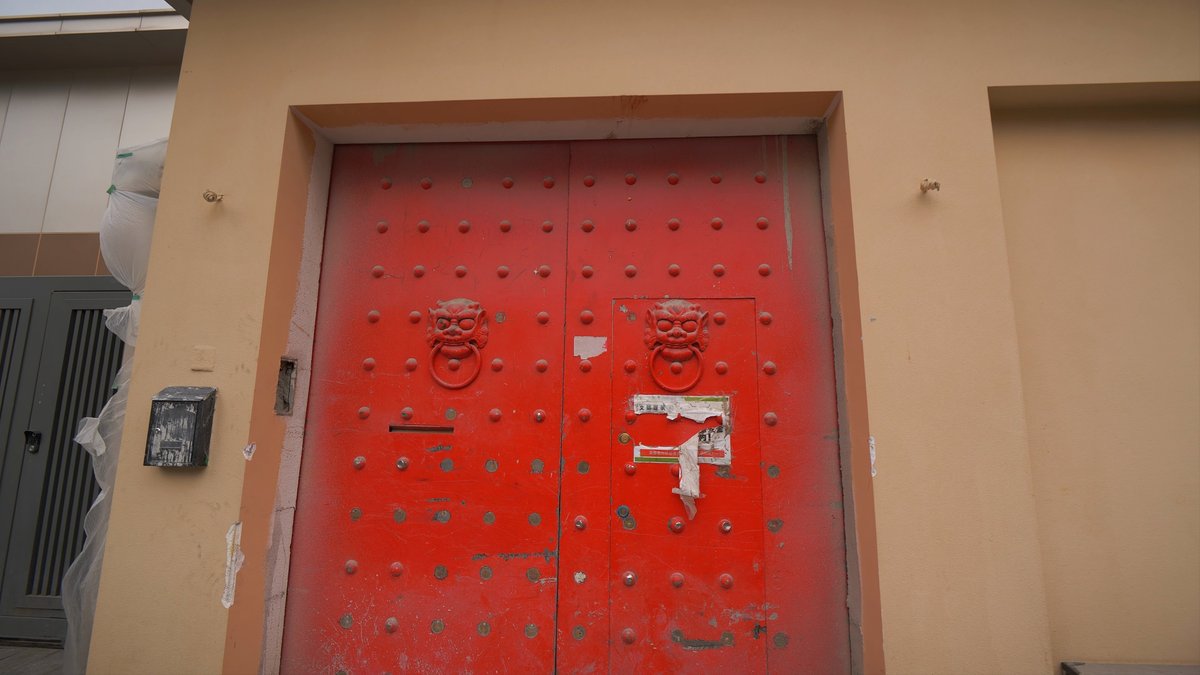
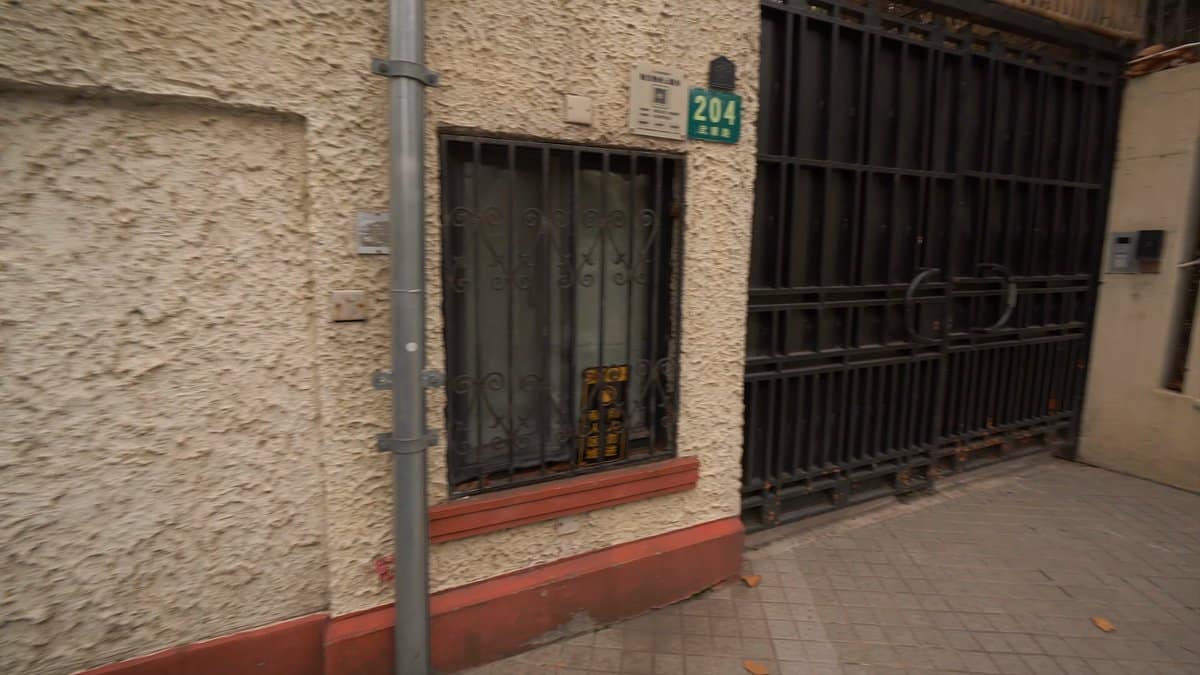
There are also street signs, which are typically hung on the walls, in both pinyin and script. Sometimes there are still the old street numbers, in green enamel, on the older buildings. Many of the gates into the larger compounds is made of timber, with carved panels, although they’re typically closed.
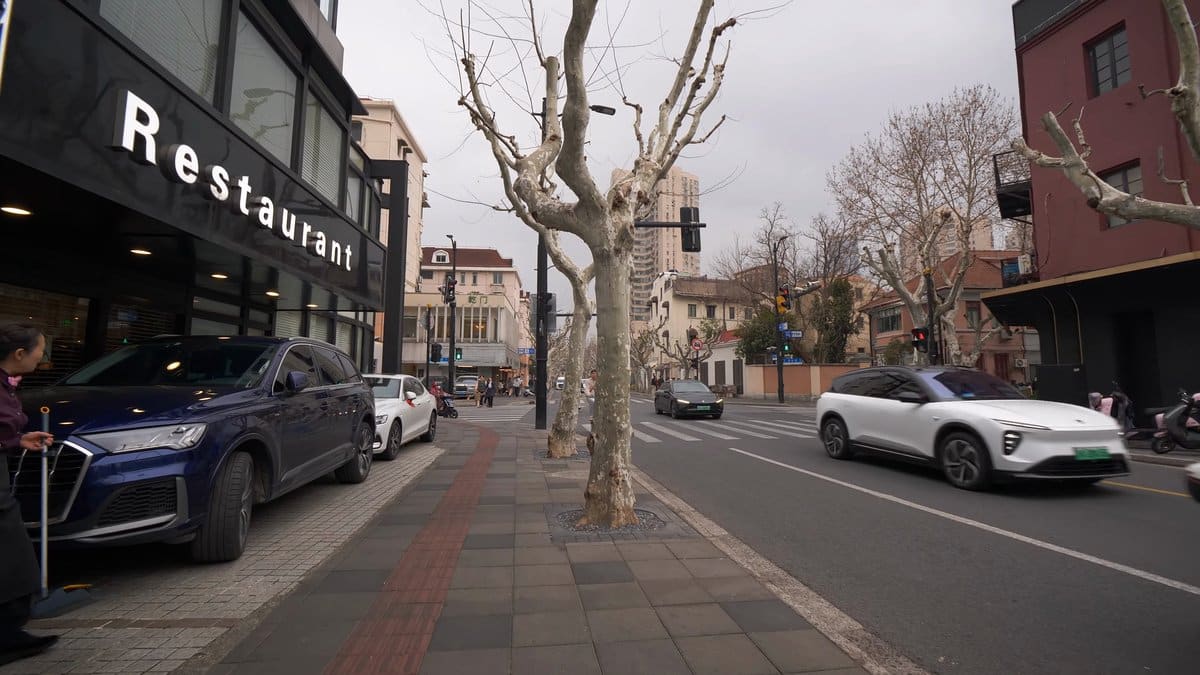
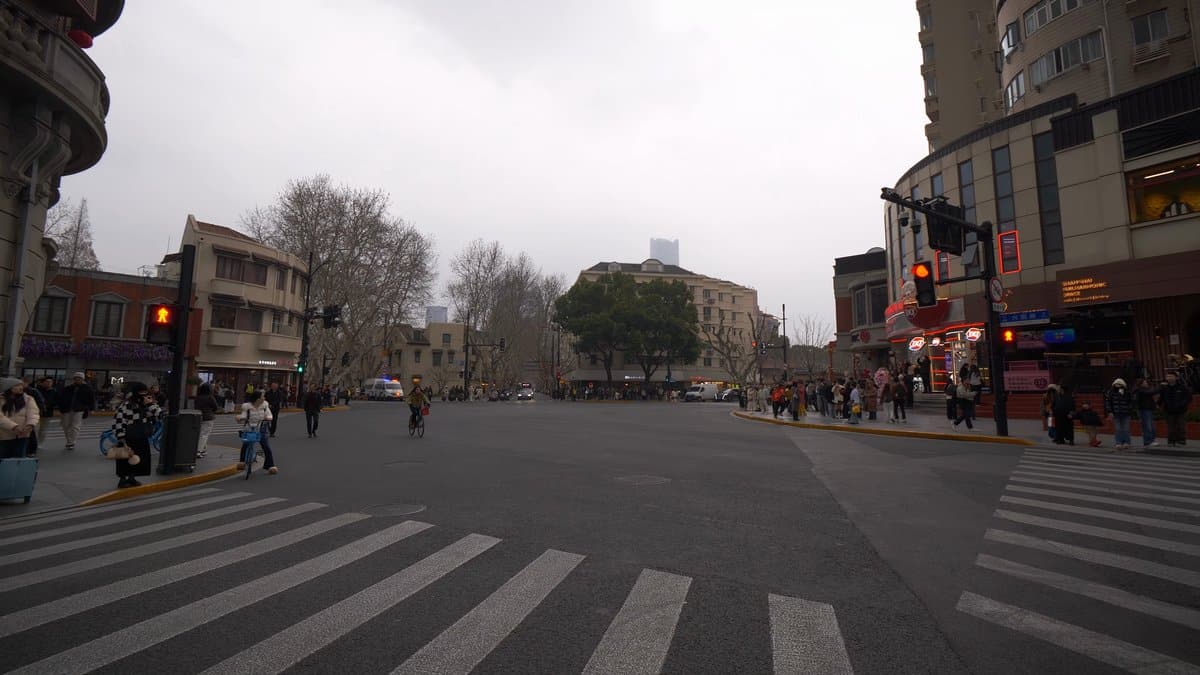
Traffic is heavy on the main streets but the side ones is quiet enough that you can stroll around without needing to avoid dodging any scooters every ten seconds. Drivers does not always stop at zebra crossings, so wait until there is a break in traffic or go as a group.
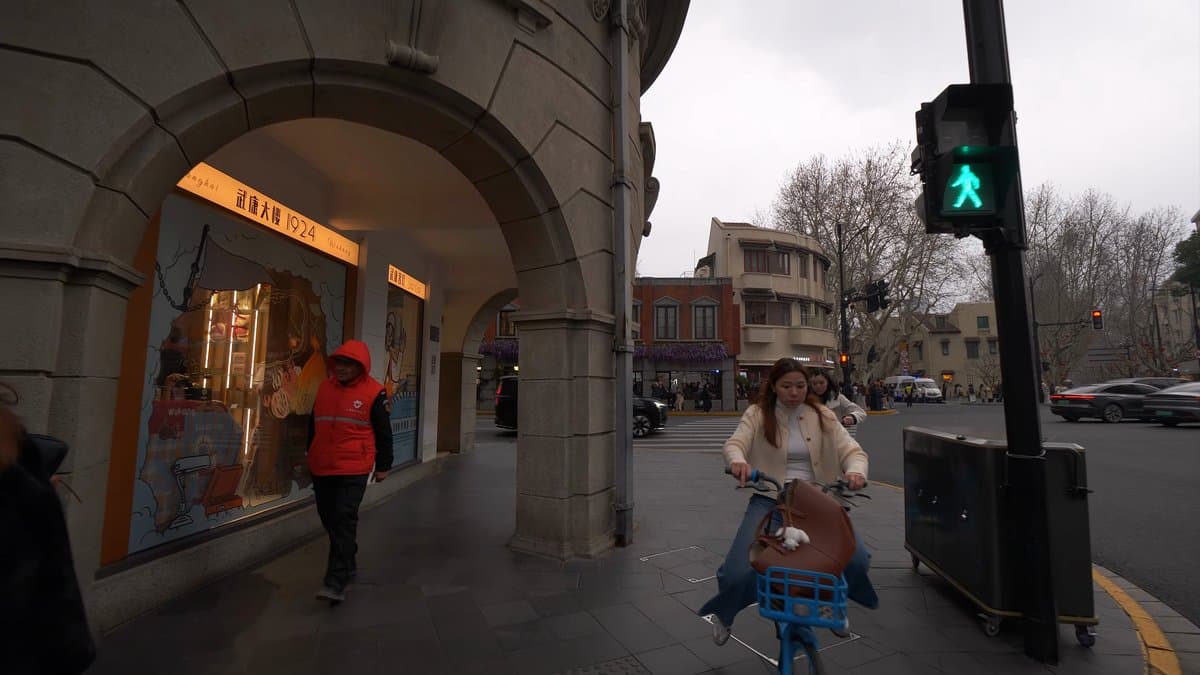
Here and there you’ll find arcades and covered walkways, which typically lead to clusters of shops or little courtyards. Duck inside if you spot an open one… They’re often quieter and cooler than the main street.
That said, the French Concession is not stuck in time, nor does it aspire to be. Rather, it’s simply one of those areas of Shanghai where the buildings and street layout survived long enough to shape the neighborhood as it is today. If wandering streets and gazing up at buildings is your thing, then you’re going to have lots to do here for either an afternoon or a morning.
Have you been to walk around the French Concession (or plan to go)? What are you most interested in seeing?