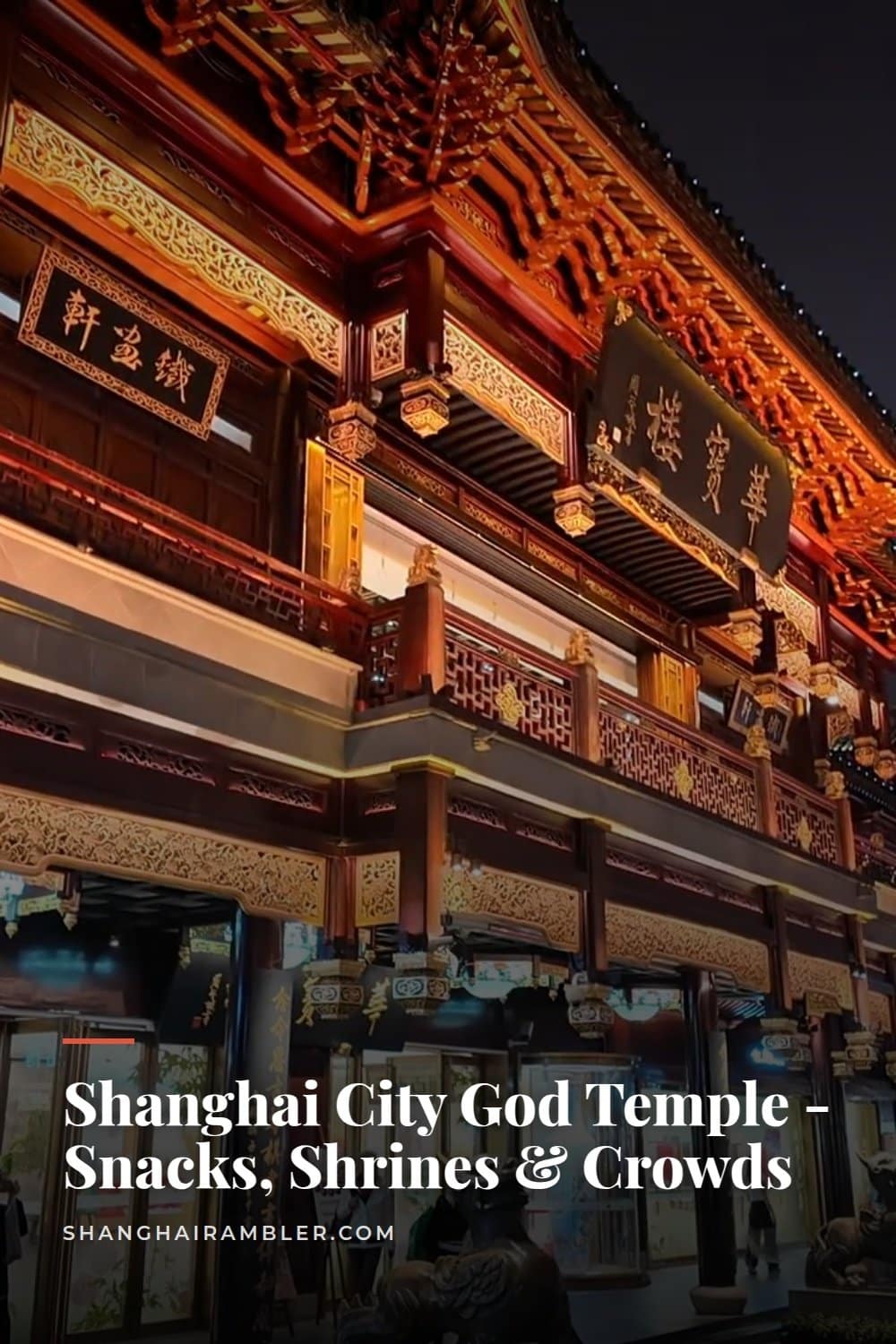
Shanghai‘s own City God Temple district is somewhere between a sprawling outdoor food court, a tourist magnet, and a working temple. For hundreds of years this has been a neighbourhood that pull in the crowds, and even today it draws locals as they snack their way through the lanes, alongside throngs of camera-toting tourist. Foot traffic hums at all hours of the day and night, rain or shine; people zigzag over bridges, past pavilions, through dumpling stalls until your head spin.
So here’s a glimpse of what you’ll realy see if you show up. You’ll see the temple halls and the bazaar that winds around them. You’ll also feel the energy from a couple of thousand folks racing after some xiaolongbao in an awfully small area.
What to See and Eat at the City God Temple
City God Temple Shanghai
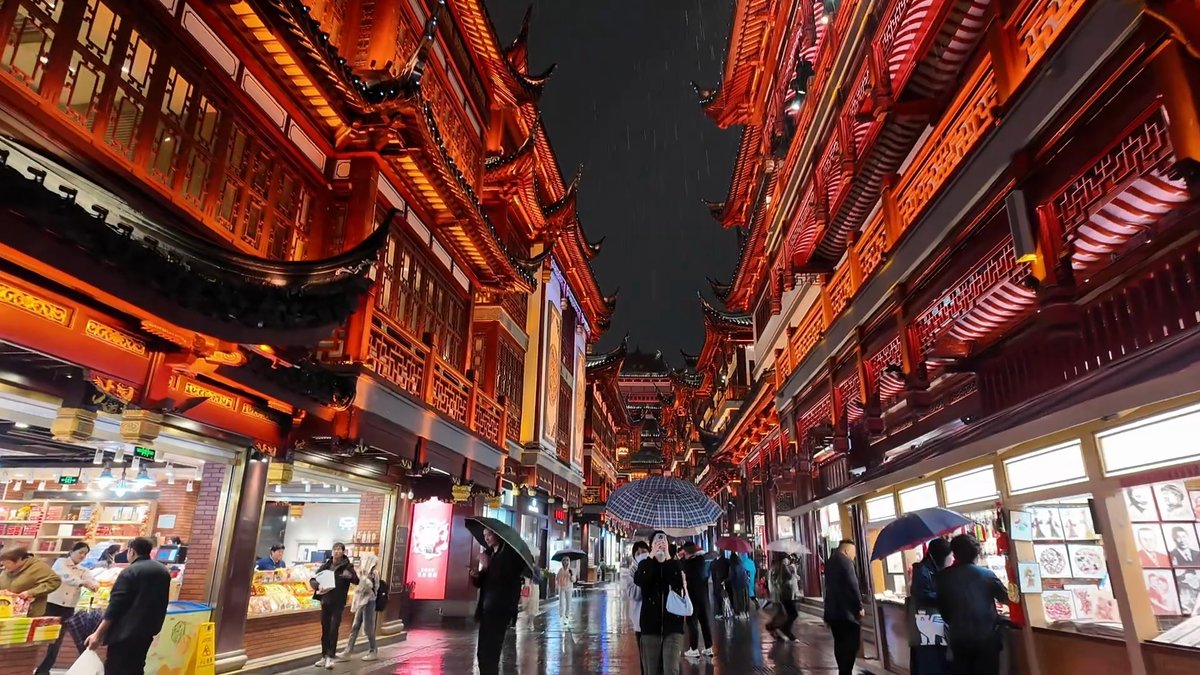
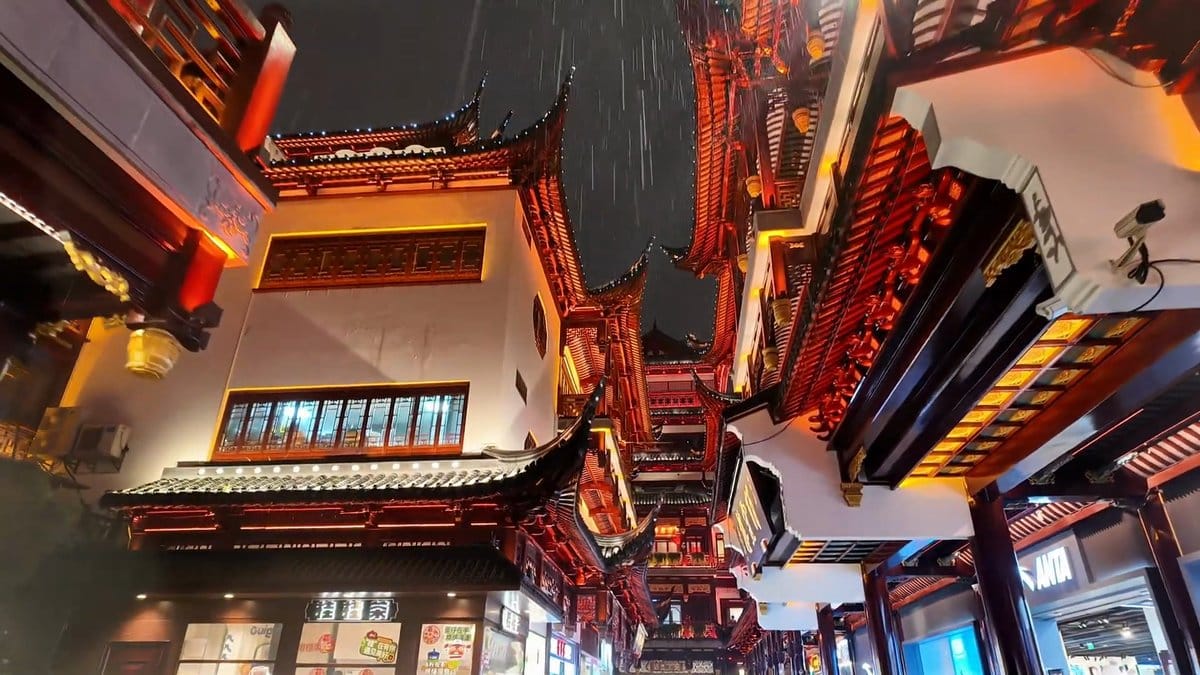
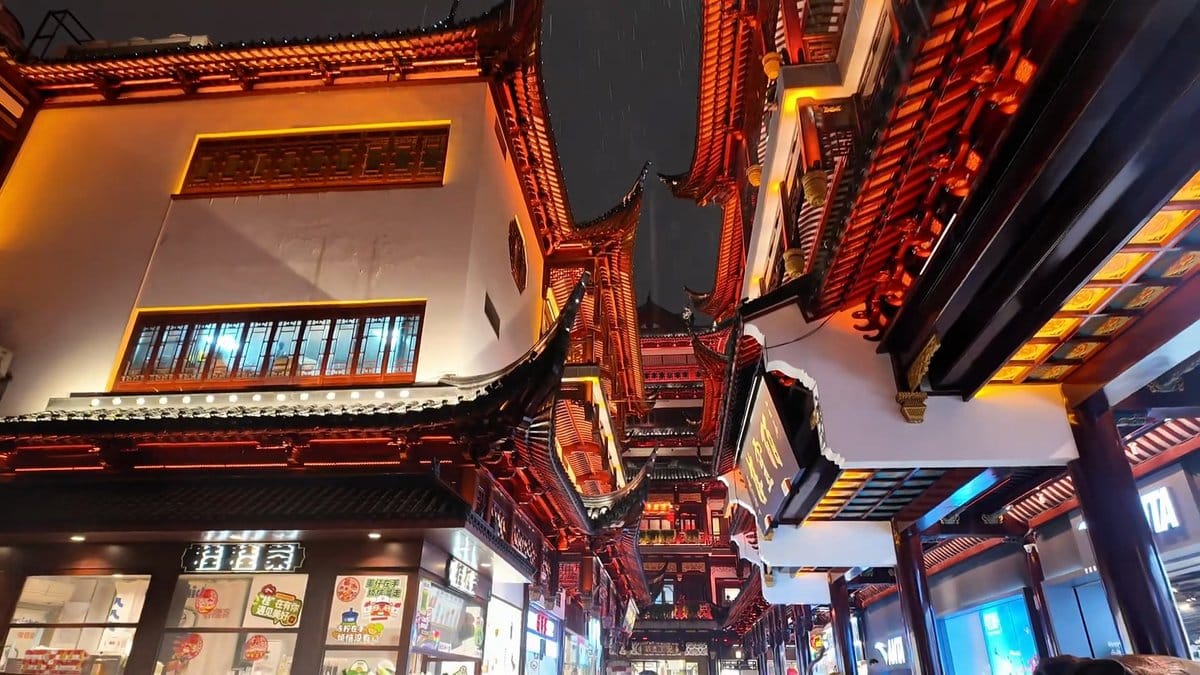
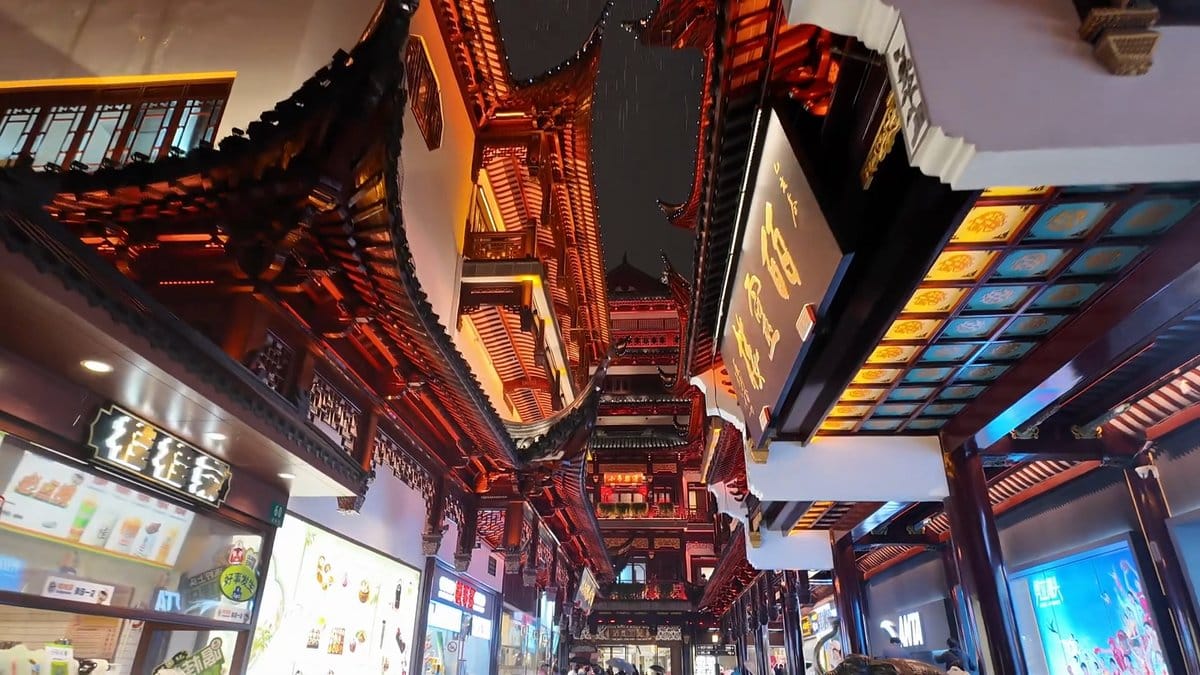
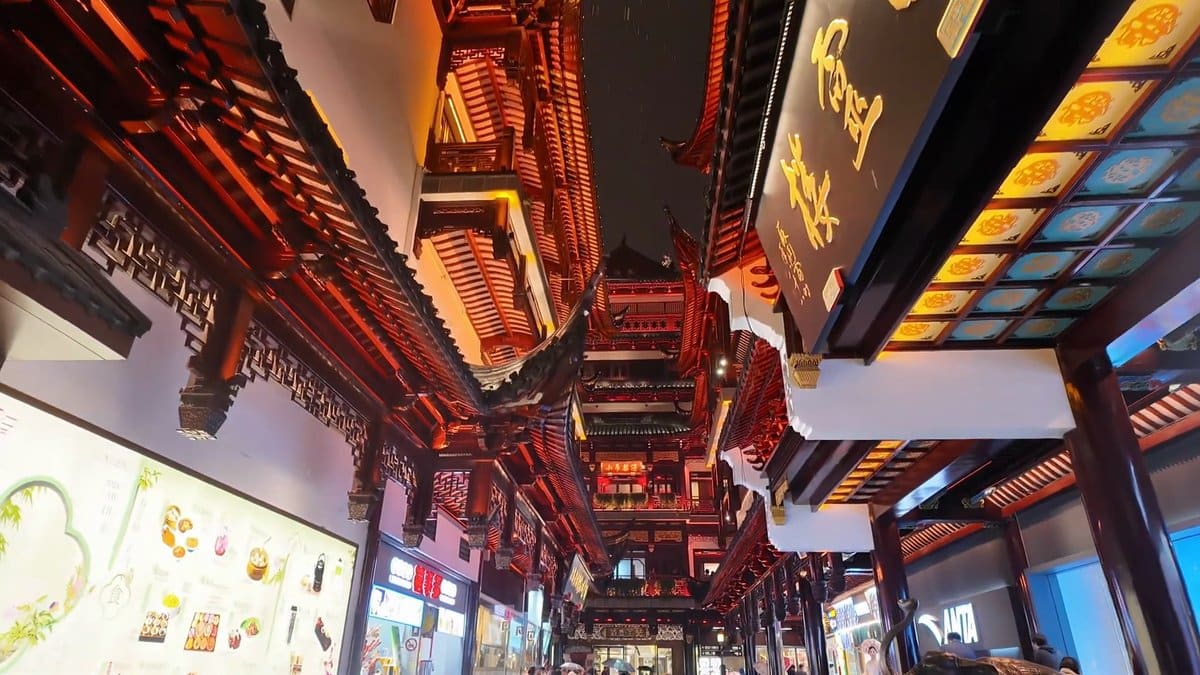
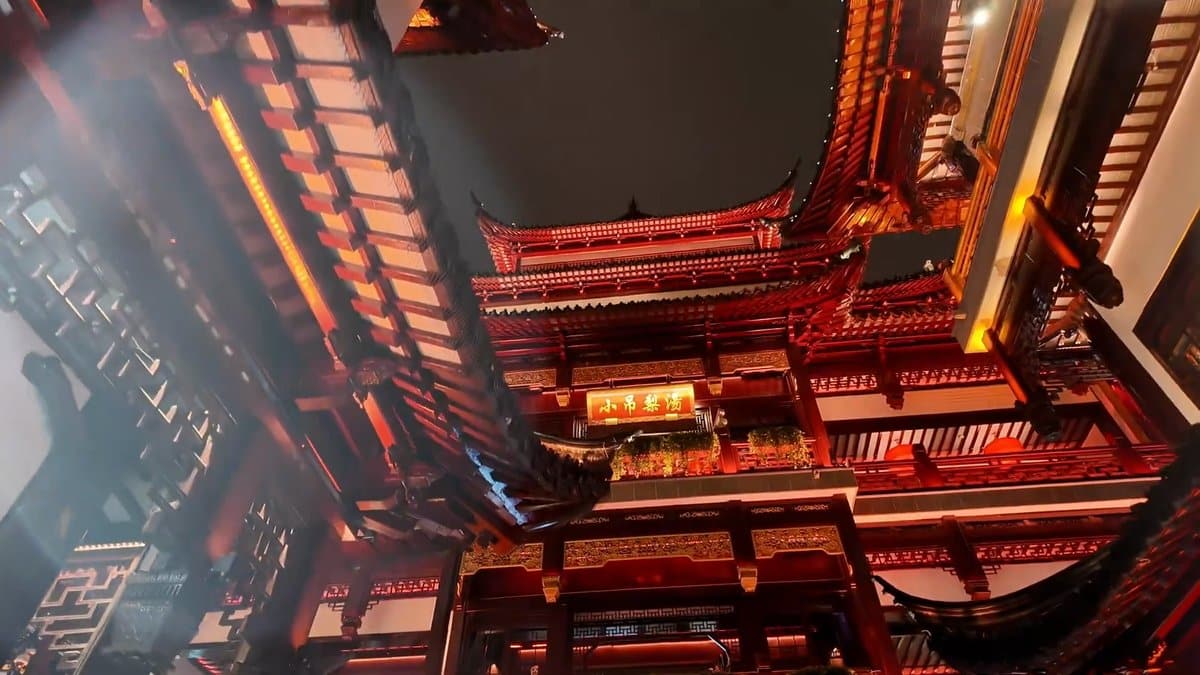
The temple district on a rainy night is completely different than the daytime rush. Vendors huddle beneath their awnings, temple eaves drip steadily in the wet, and the glow of shop windows catch on the wet paving stone. With fewer people around (and no need to dodge selfie sticks at every turn), the architectural details, the hanging signboards, carved set of bracket; jump out with greater clarity.
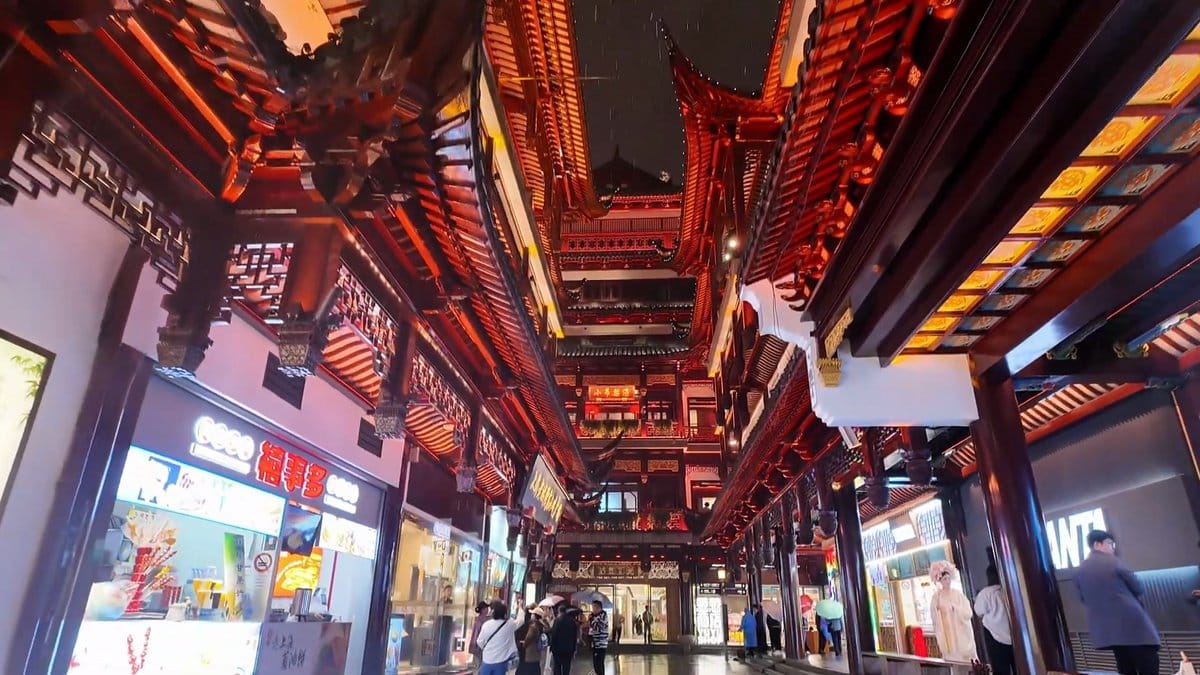
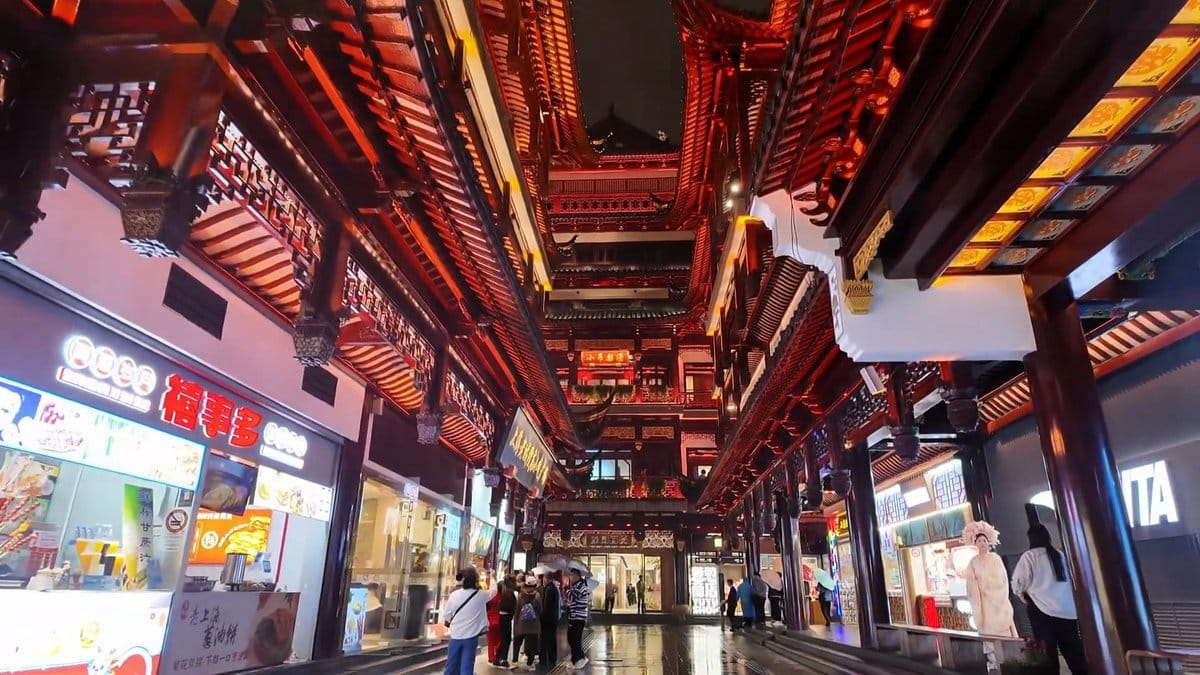
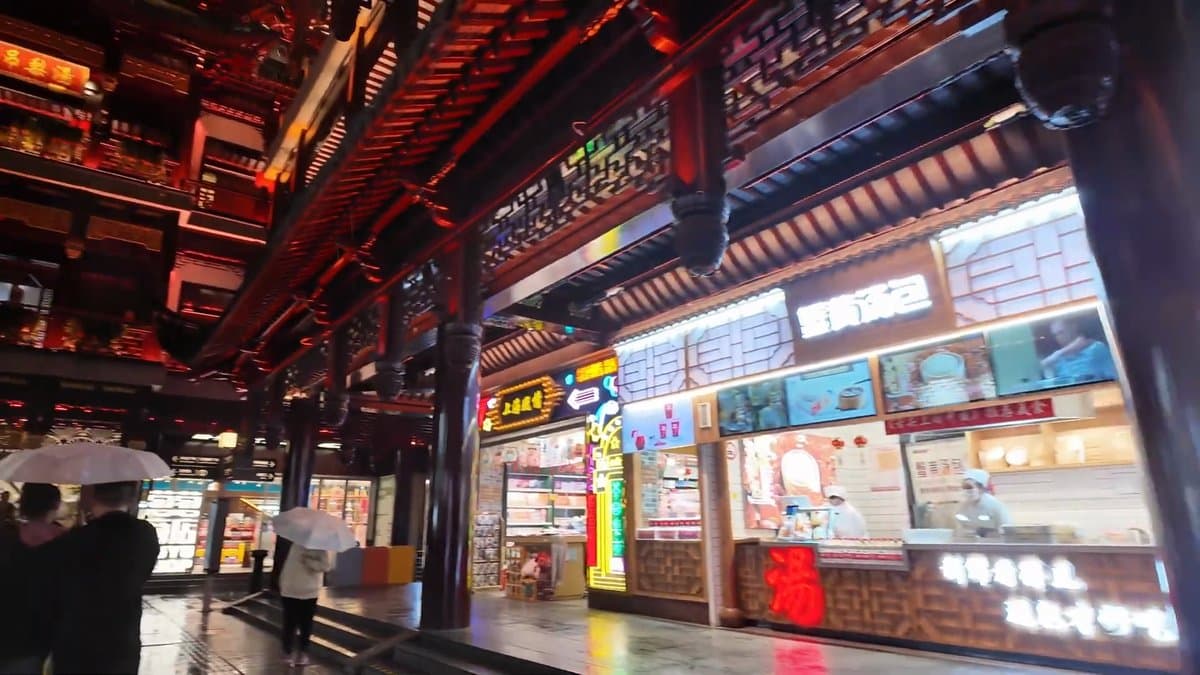
Every spare inch of pavement are lined with snack stalls. There are skewers of meat grilled on charcoals; steaming basket full of xiaolongbao; sesame ball rolled in sugar; fried dough in some half-dozen different forms. Even late into the night, the line form at the most popular stalls.
Fill your basket with whatever catches your eye, then stand somewhere (there are always low walls or railings to lean against) and eat like everybody else.
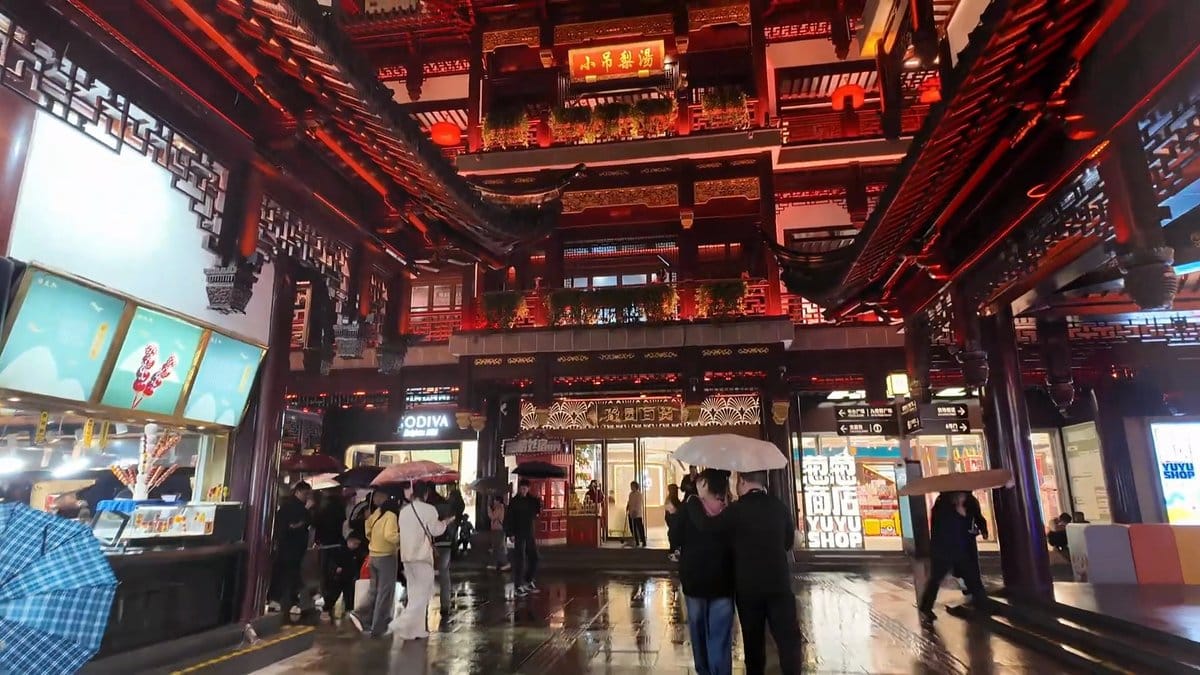
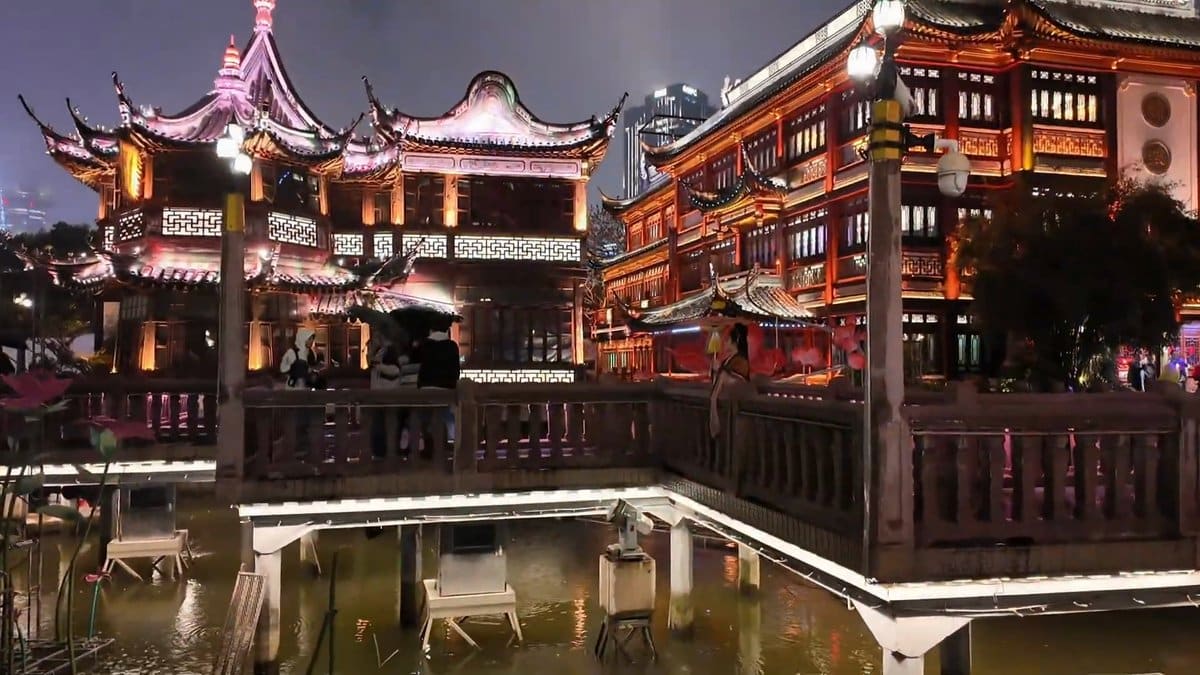
A zigzag bridge leads to the teahouse that’s set out on the pond in the square with the actual temple complex. This design is meant to shake off any evil spirits, who apparently can’t make corners. Nowadays, the bigger problem is trying not to run into tourists as they stop right in the middle of the bridge to take their picture.
Inside, the temple hall remain open to worshippers. Incense smoke waft through the courtyards as people wander inside snapping shots of the roof details.
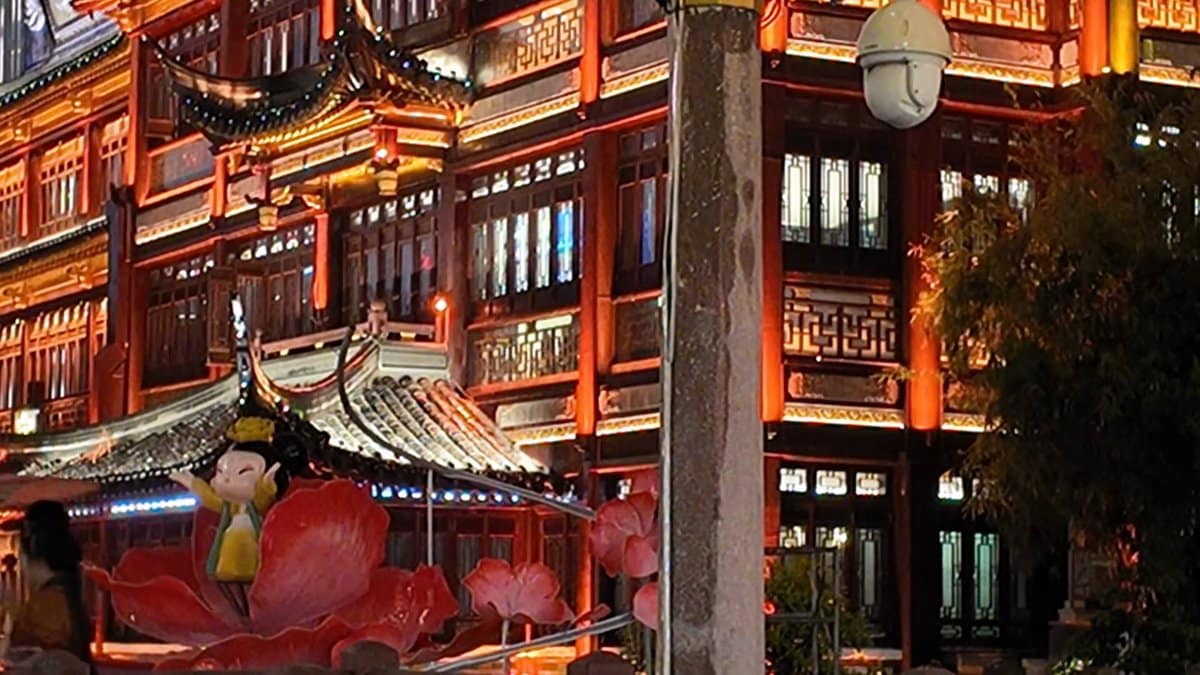
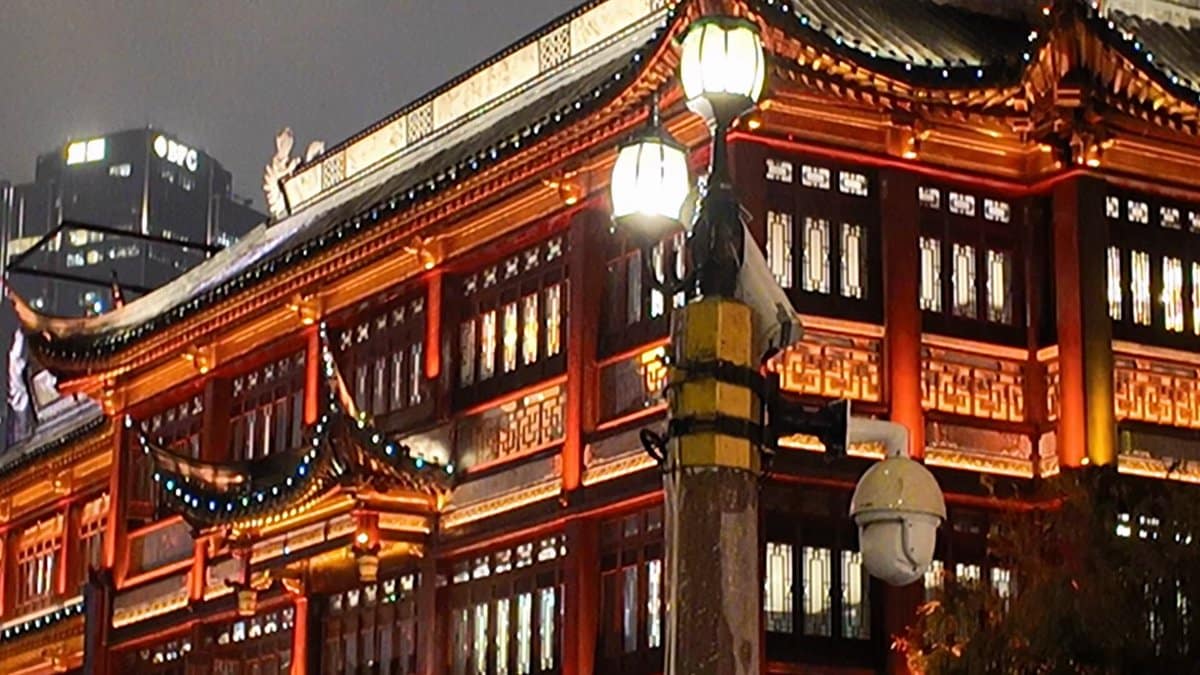
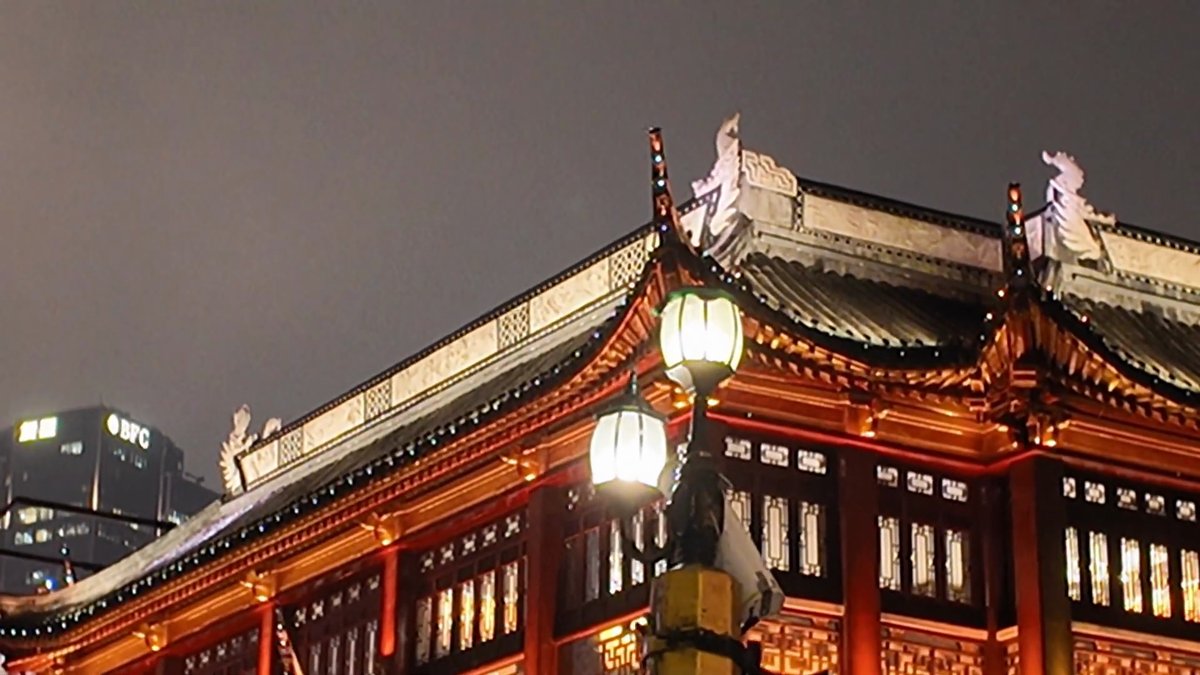
It’s not pretending to be peaceful, honest. centuries-old timber frames is placed next to moddern displays and lighting rigs, and that’s just fine by me. Some pavilions has been converted into gift shop or exhibition spaces; some still serve as active shrines, with offerings stacked on their altars.
You take it as you find it.
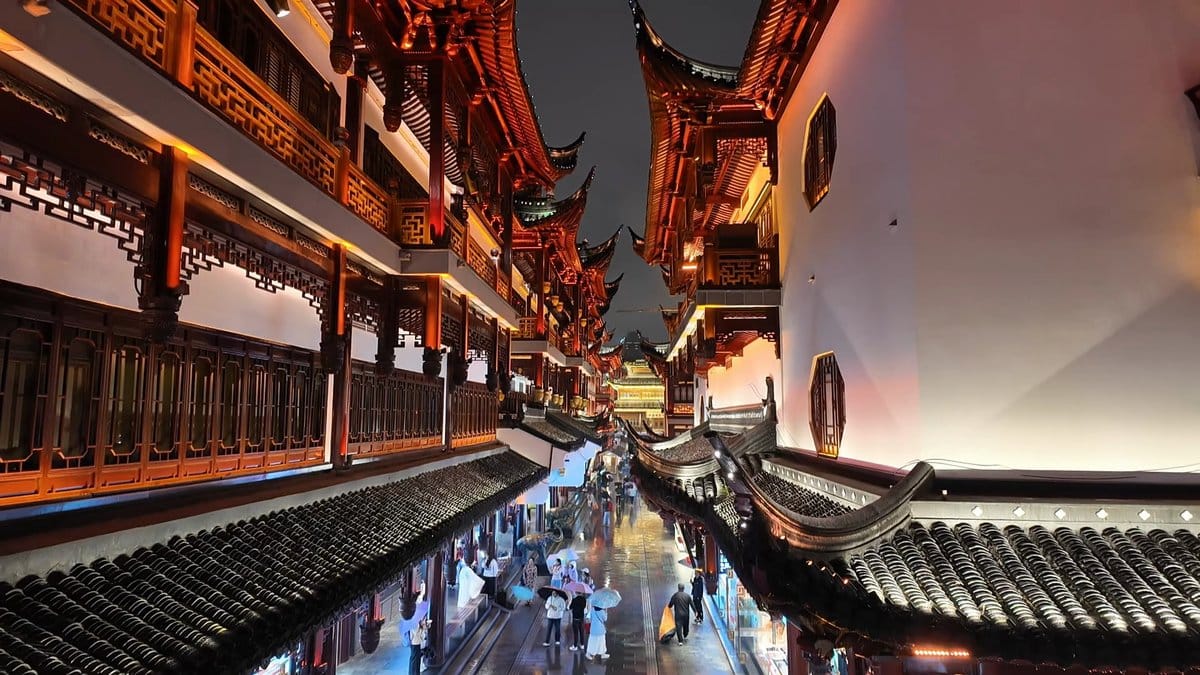
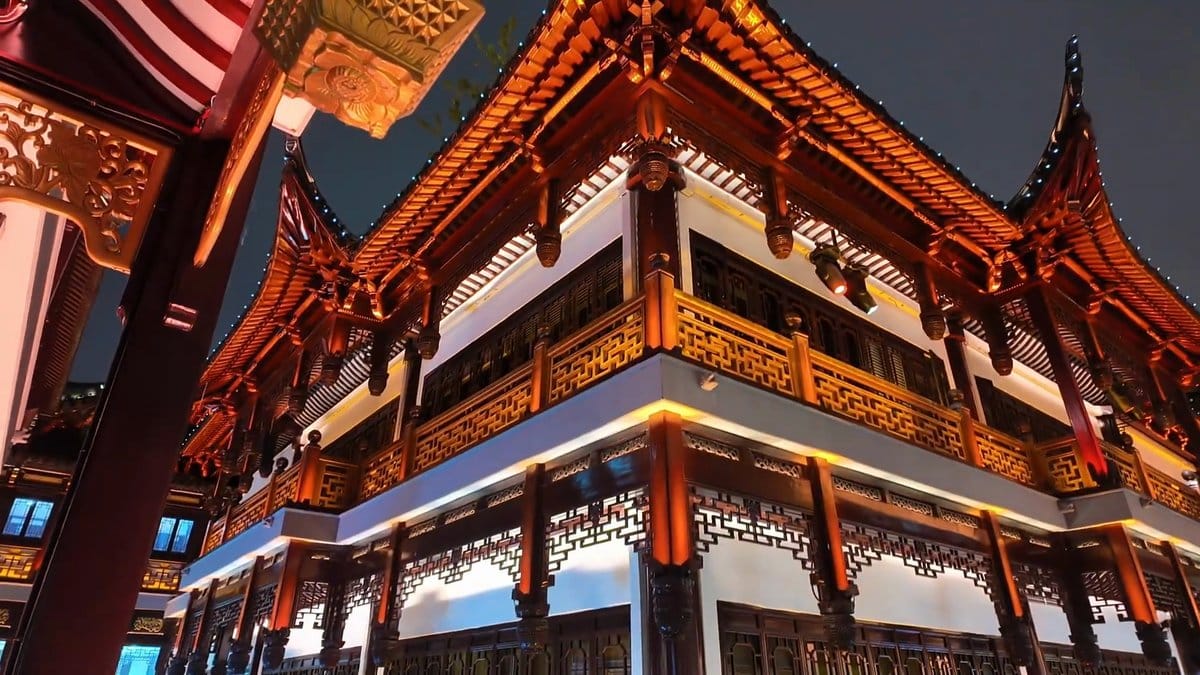
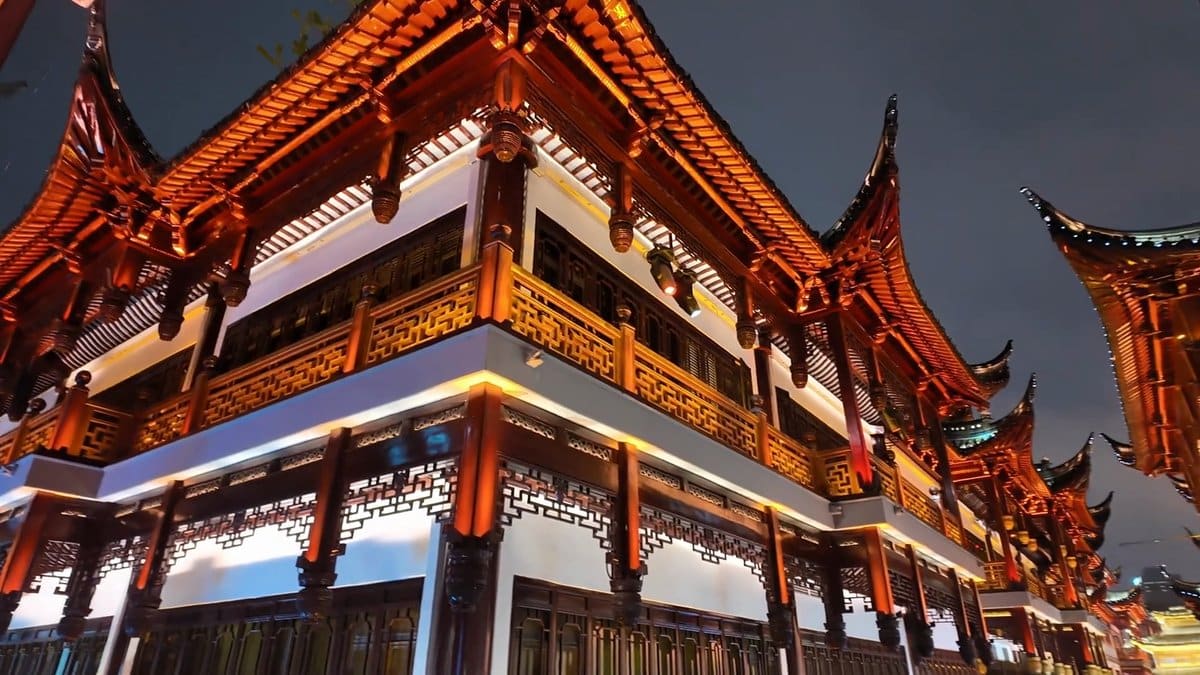
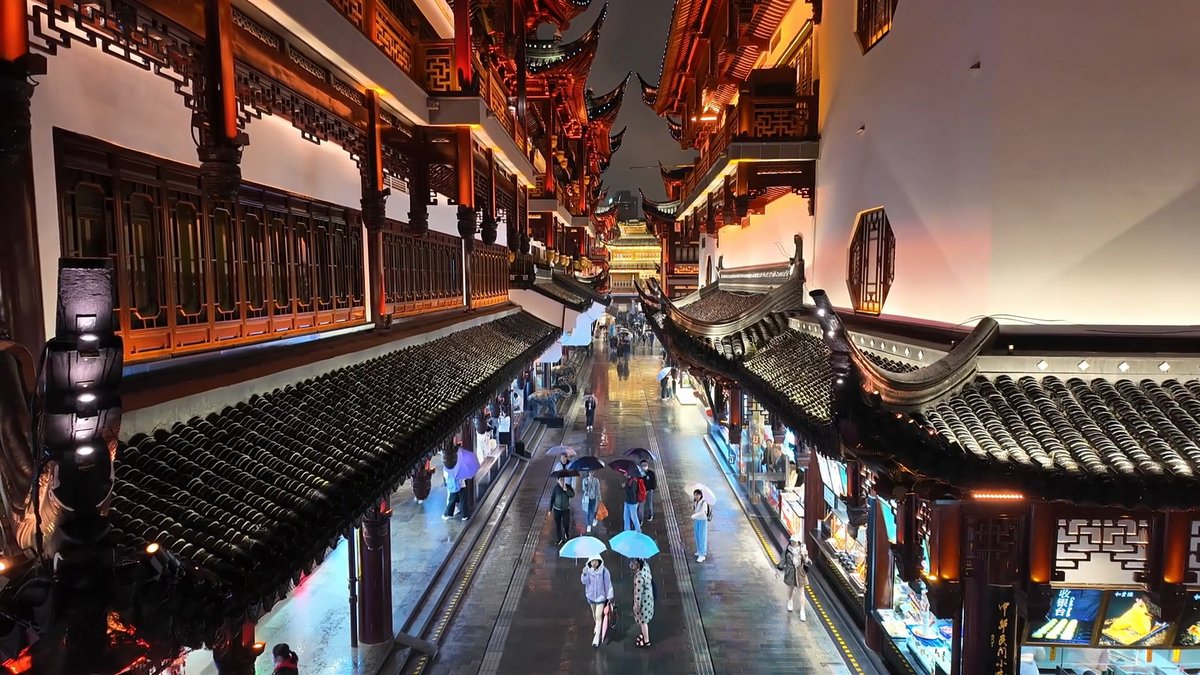
Upstairs, there’s a balcony/galley where you can gets a good view of the bobbing head in each alley and also get a break from the crush below. It’s laid out with deliberate windings that twist back on themselves (you’ll find yourself passing the same snack cart twice before you work it all out).
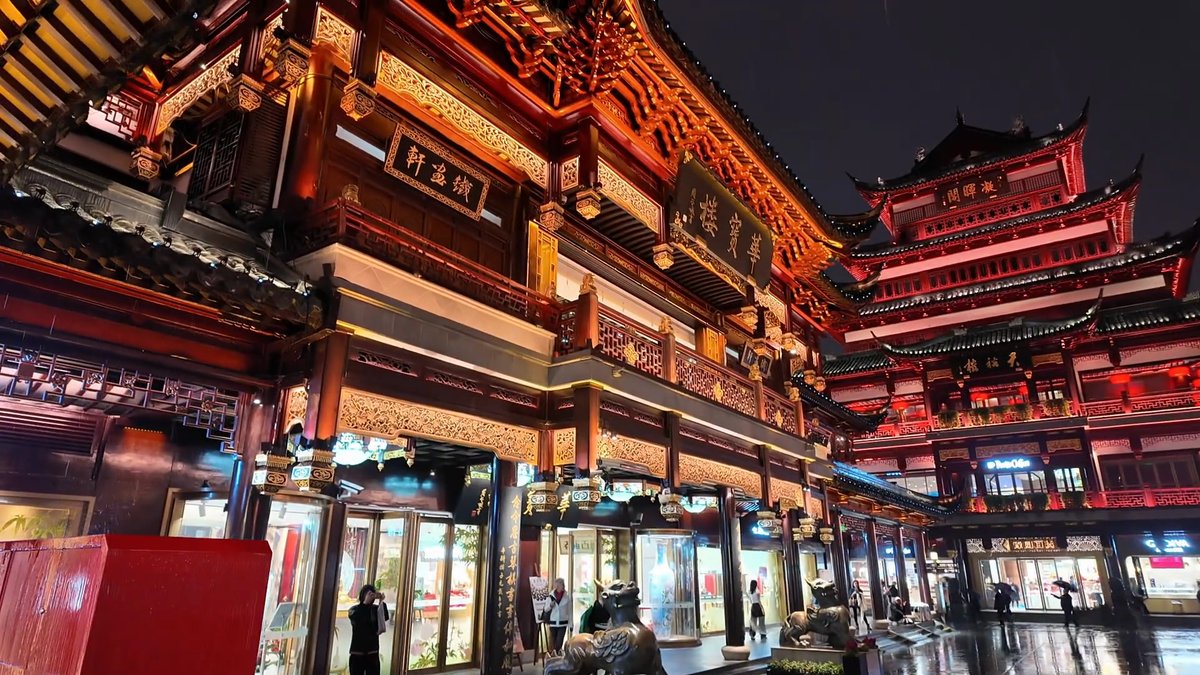
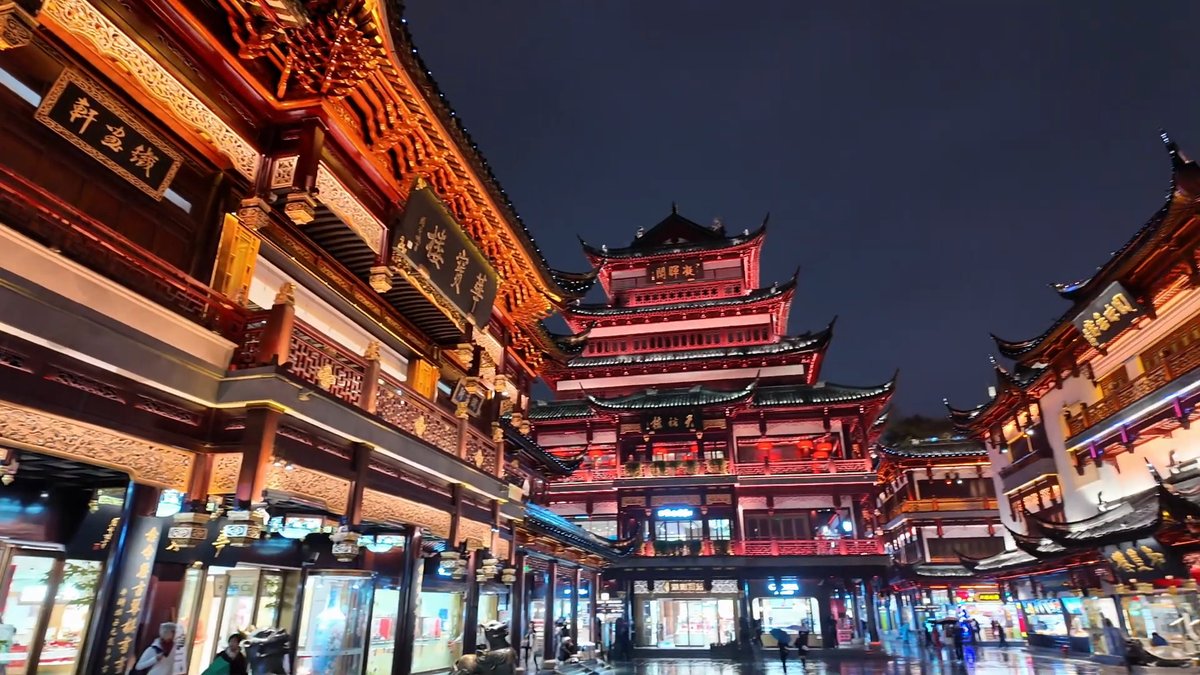
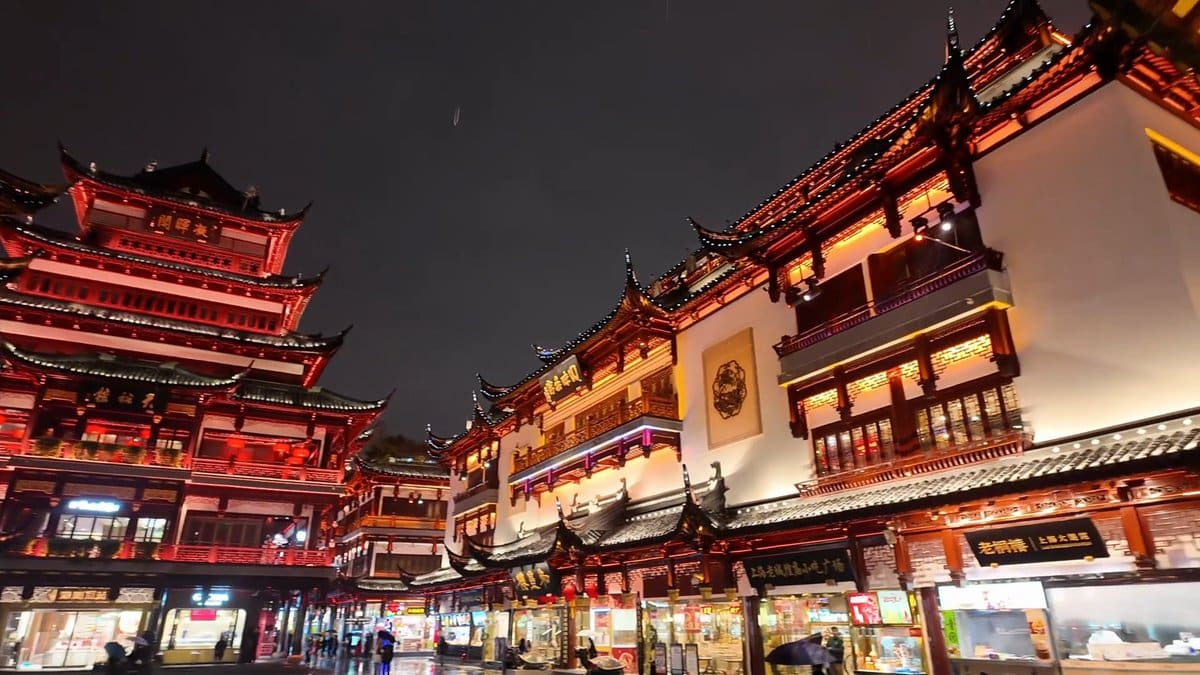
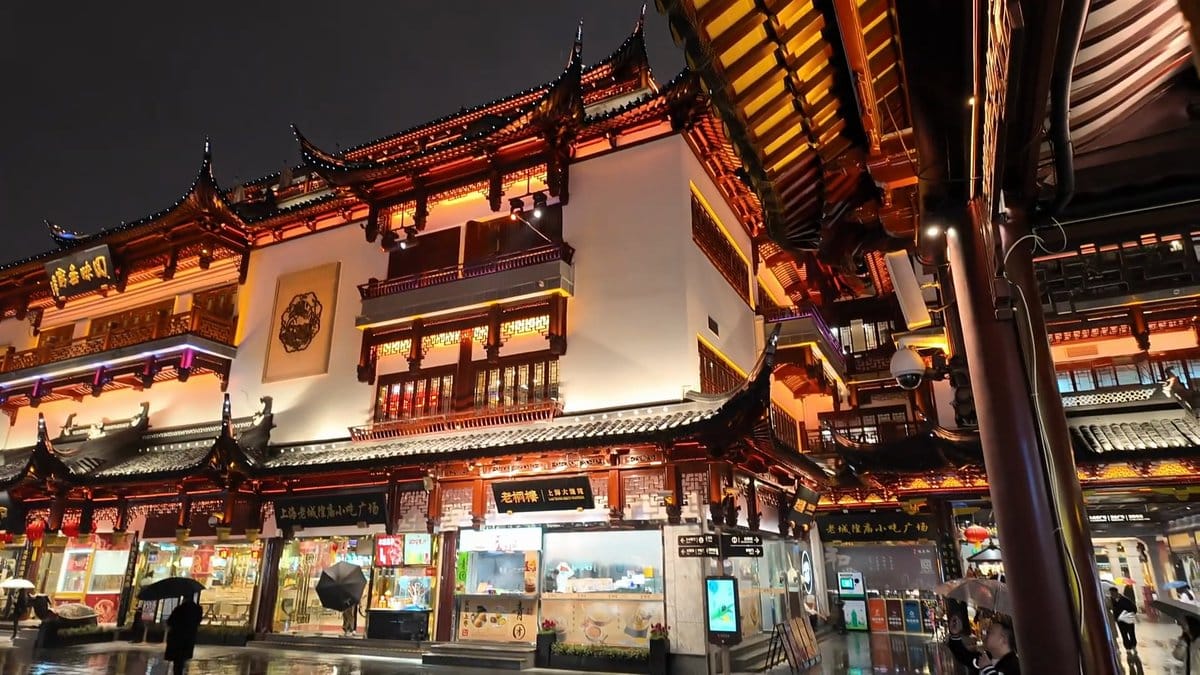
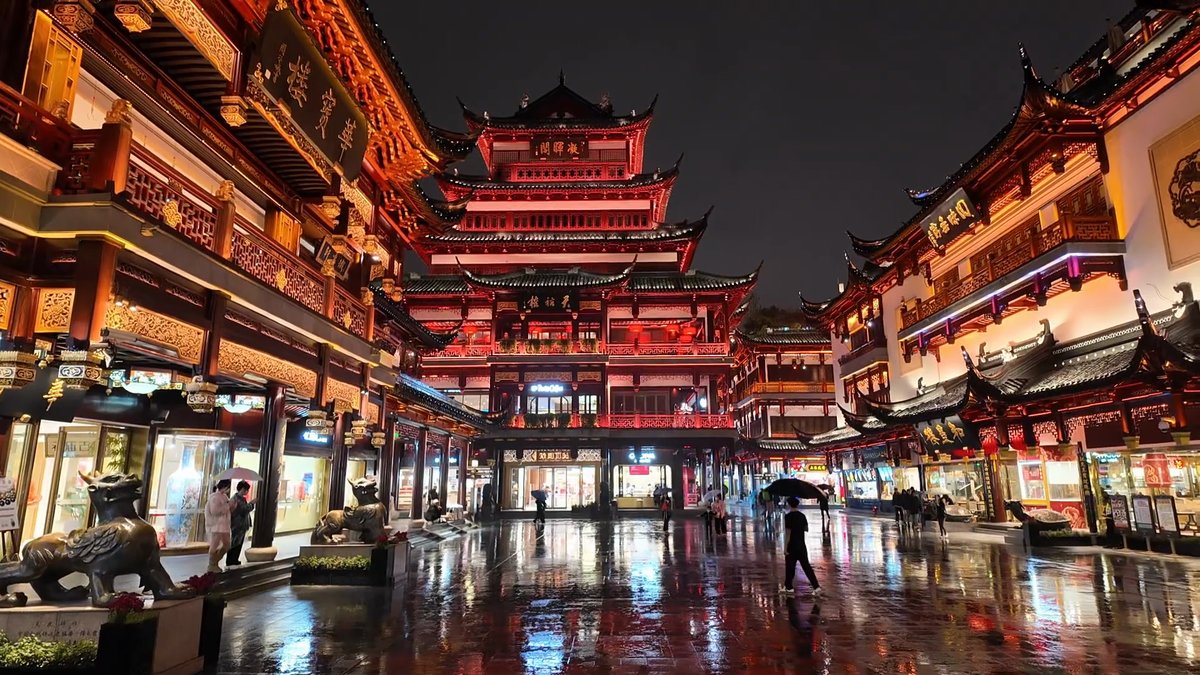
A jumble of pavilions, covered walkways, and temple gate pull everything back into the central plaza, which is more chaotic than orderly. The drama’s amped up at night, fixtures cast beams across glazed tile and carved ridges (but so is the number of visitor). Holidays and weekends makes the square a slow river of people.
For elbow room, try to visit on a weekday afternoon or late evening when most of the tour bus have cleared out. The City God Temple area is old-school Shanghai, with plenty of ancient building, working temples, and an extra-large side of commercial hustle. There’s no place for quiet reflection here, just some pretty good dumplings and a crowd of folks having a grand ol’ time amidst the chaos.
Did you survive the temple bazaar? And how many snack did you come home with?