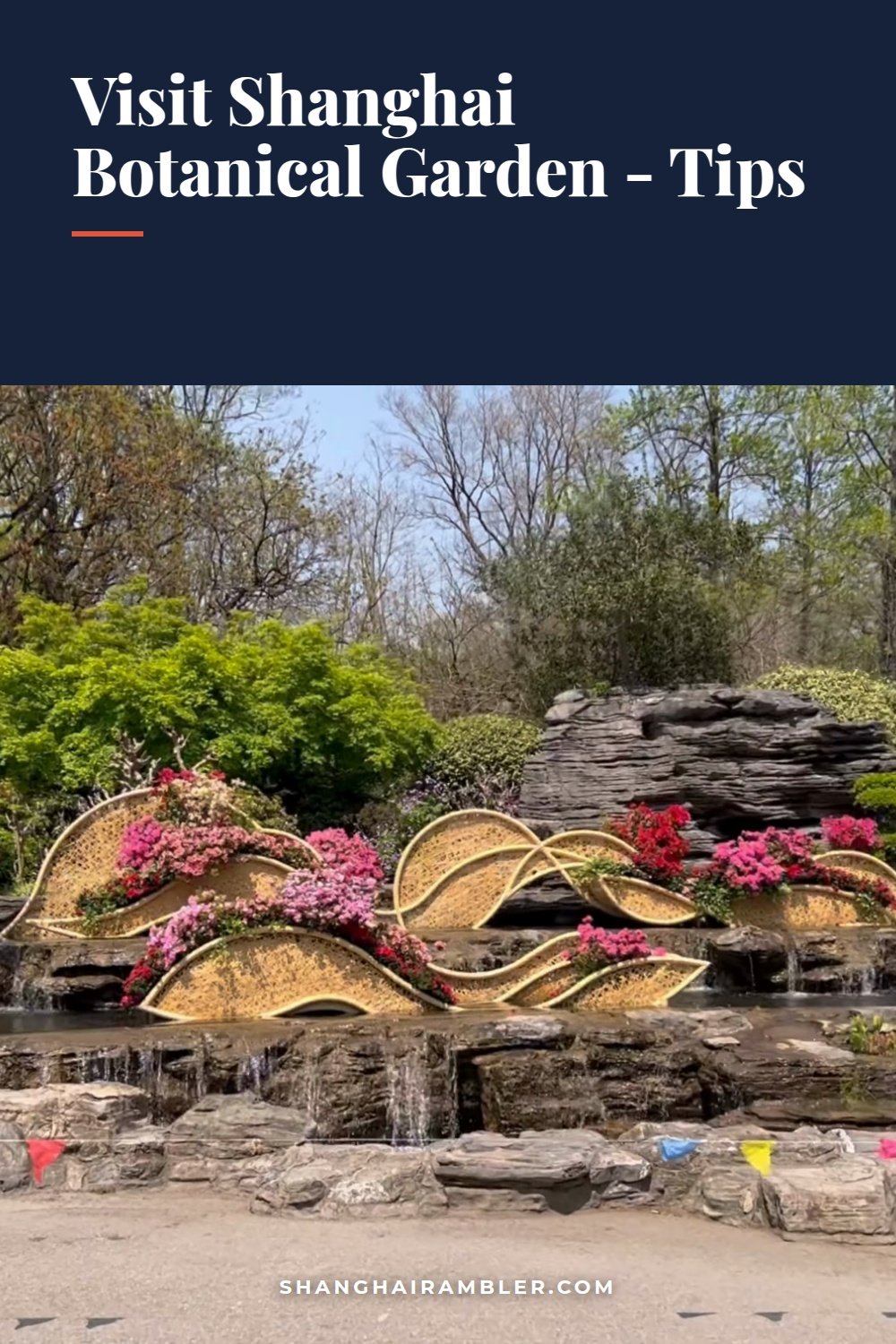
Spread across several different themed areas (from naturalistic woodland to formal bedding displays), Shanghai Botanical Garden are a serious chunk of ground in the city’s southwest corner. Most parts cost ¥15 entry while a couple of specialist glasshouse have separate prices. On weekend mornings you’ll spot local families out walking, retirees doing tai chi beneath the plane trees, and the odd saxophonist staking out a path corner.
There’s a year-round sequence of plants in bloom here. Spring: tulip and cherry-blossom season; early summer: peonies at their best; fall: maple time. In between all those splashy floral events are specialty garden devoted to magnolias, bamboos, even a pretty large bonsai courtyard.
It’s spread out enough that a half-day visit feel about right if you want to cover the highlights without rushing.
What to See and Do at the Garden
Shanghai Botanical Garden
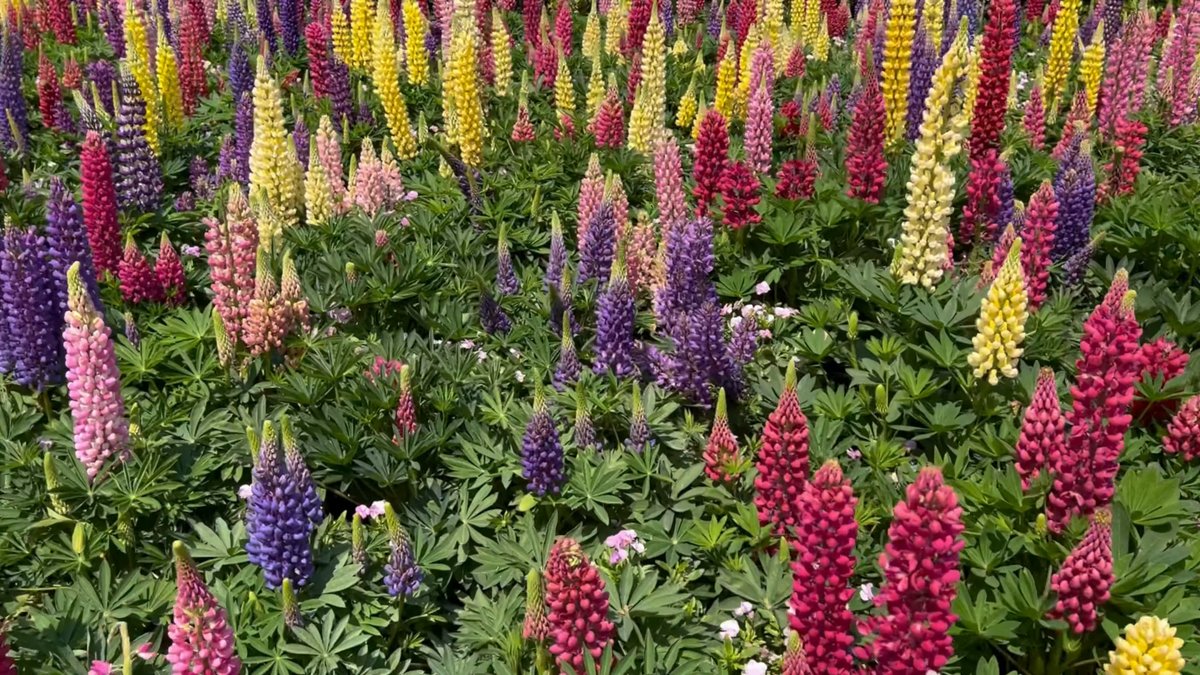
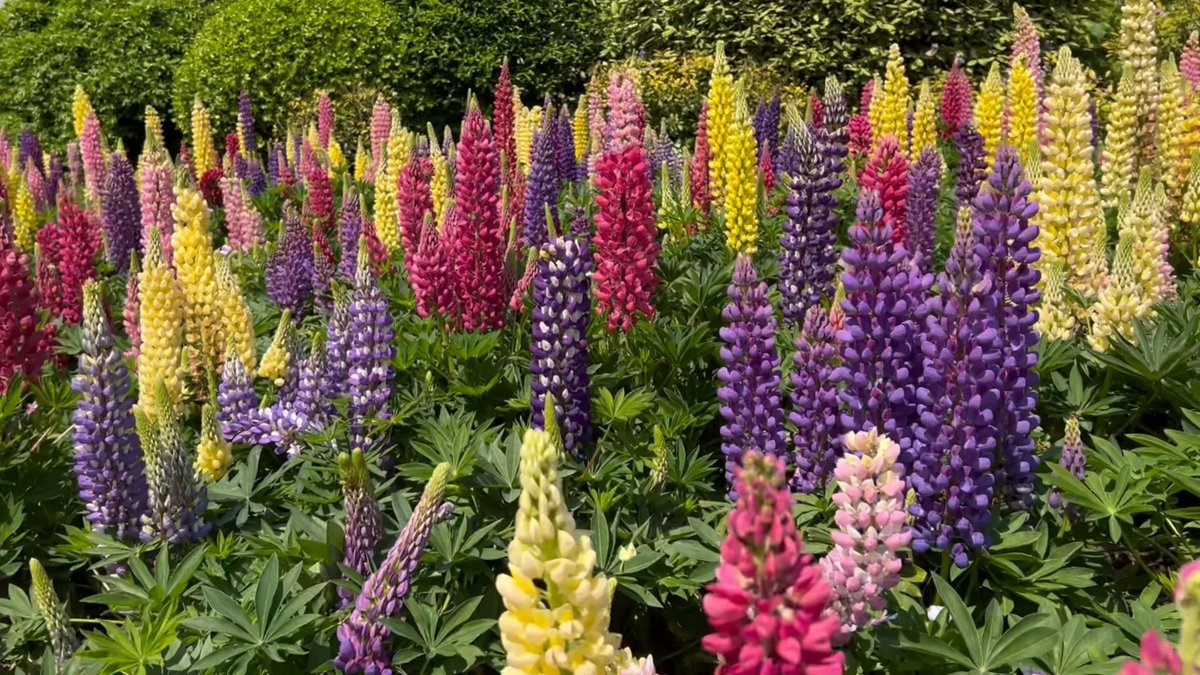
One spring bed is carpeted in lupins, in such a thick drift that you can’t tell where one stem begins and their individual presence dissapears. That’s how they’re sown, and it lasts a couple of weeks in late April (weather willing). Nearby a rock garden combine weathered limestone with judiciously spaced specimens of evergreen trees and shrubs…
The type of thing that looks natural only after many years of settling-in.
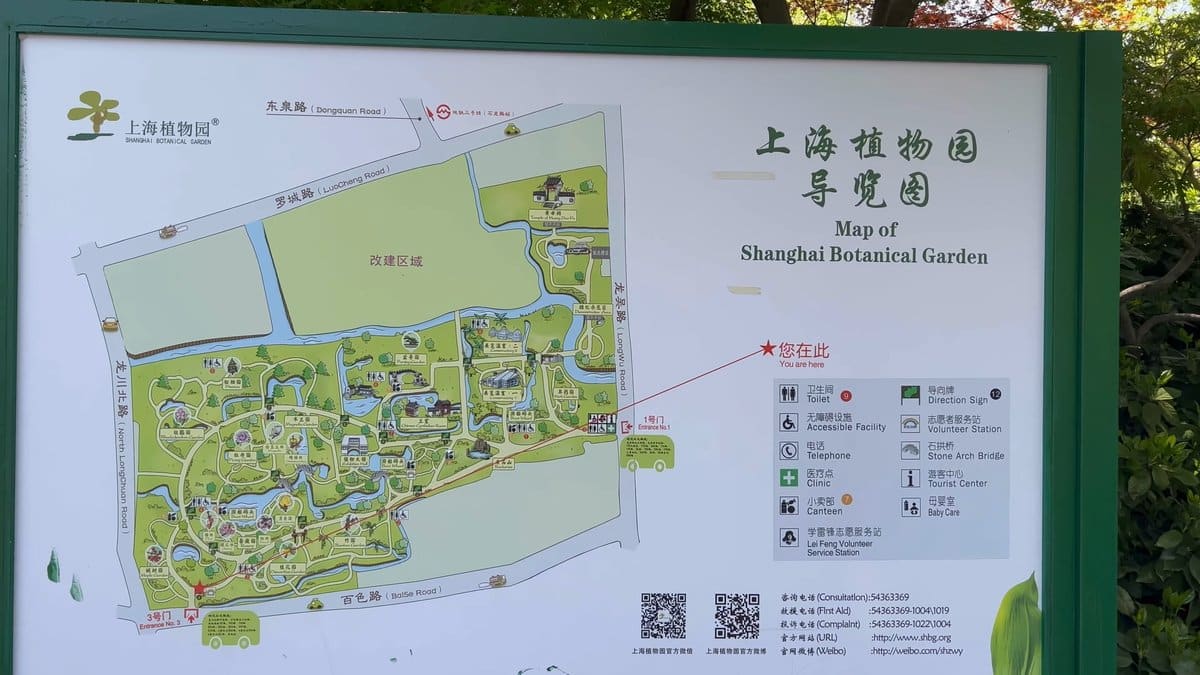
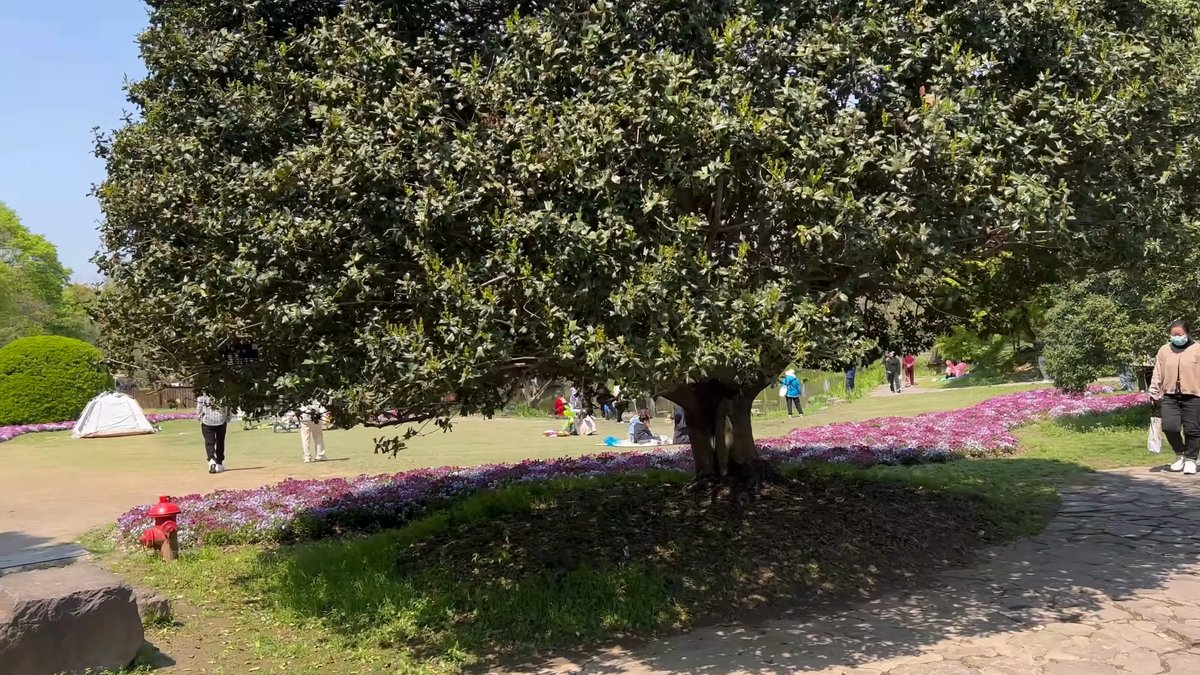
Orientation boards are at most intersections, which come in handy because the site plan includes several branch, creating multiple paths. Surrounding the main entrances, lawns is kept cut all year round, with large and mature conifers providing some welcome summer shade.
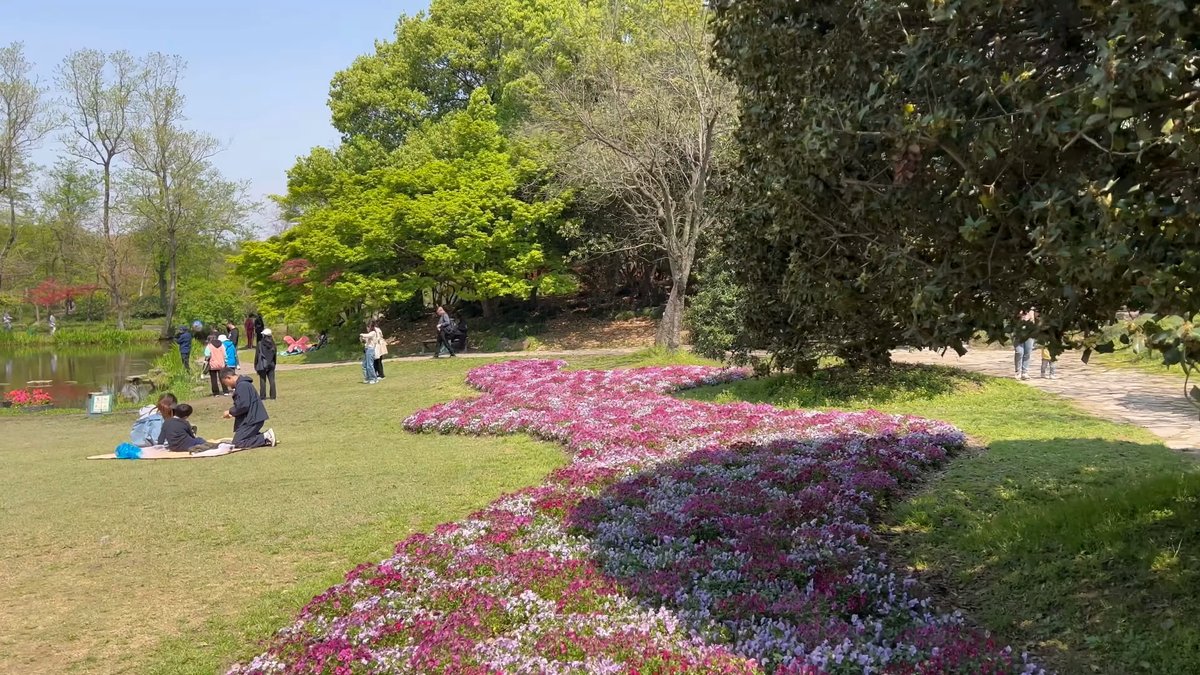
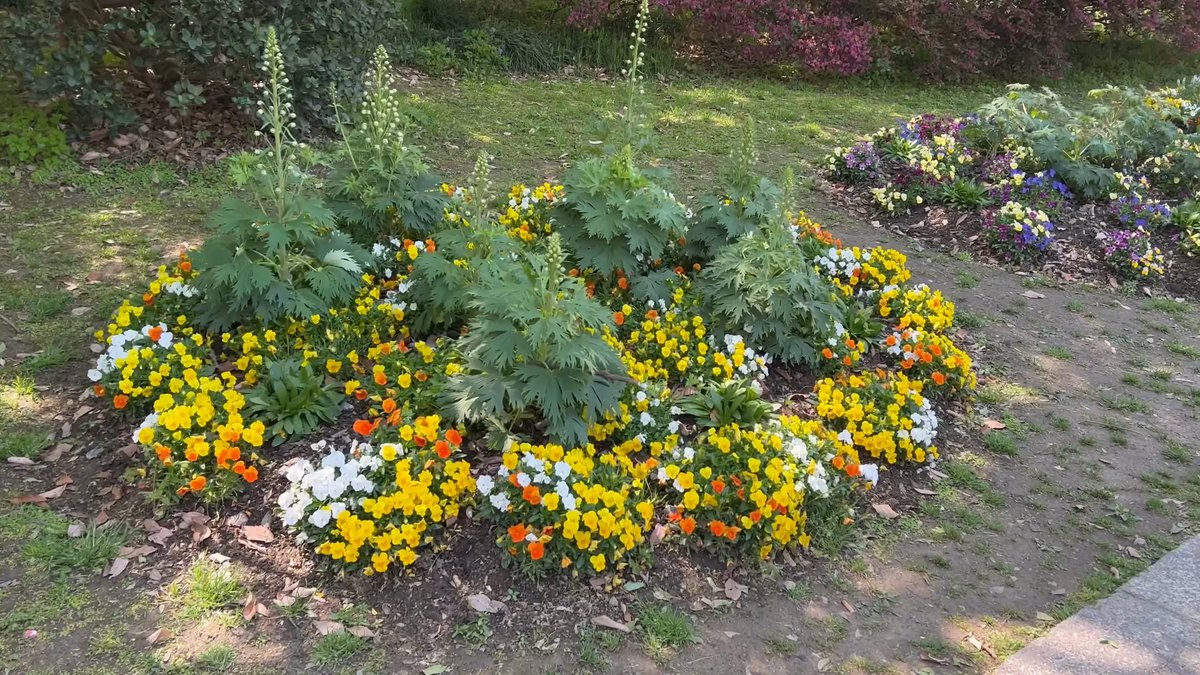
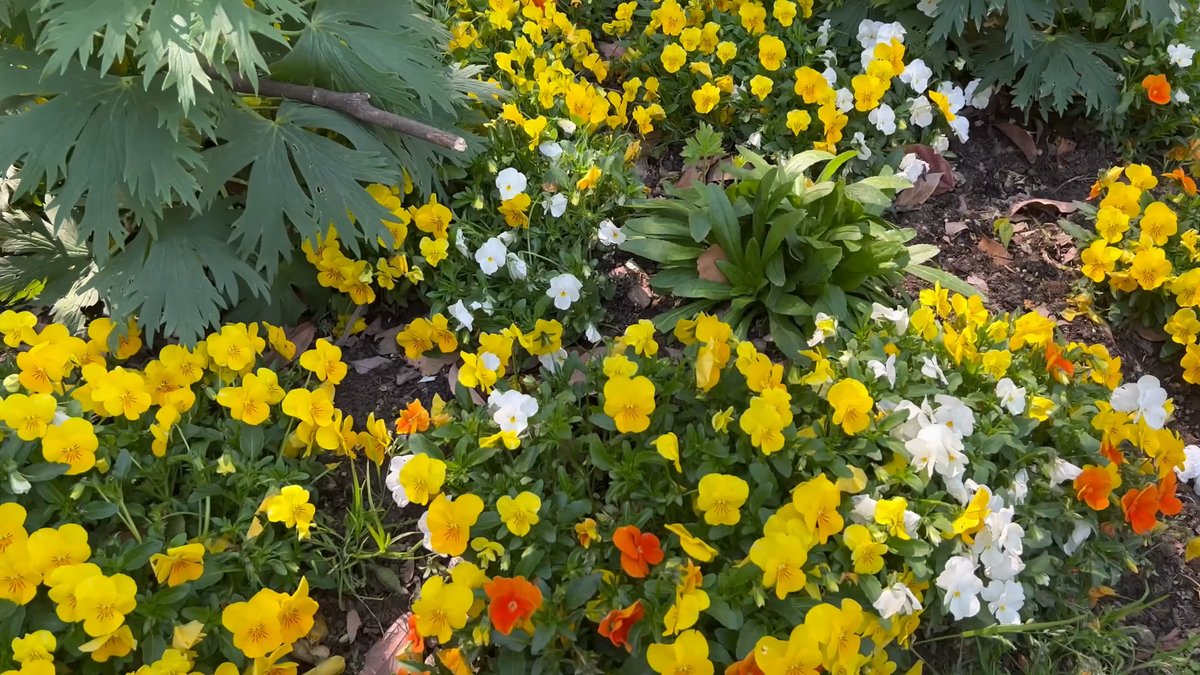
Seasonal formal bedding is also rotated: pansies in spring; petunias later. Beds adjacent to the central plaza rely heavily on repetition: same plant massed in concentric rings. It’s unapologetically decorative rather than subtle.
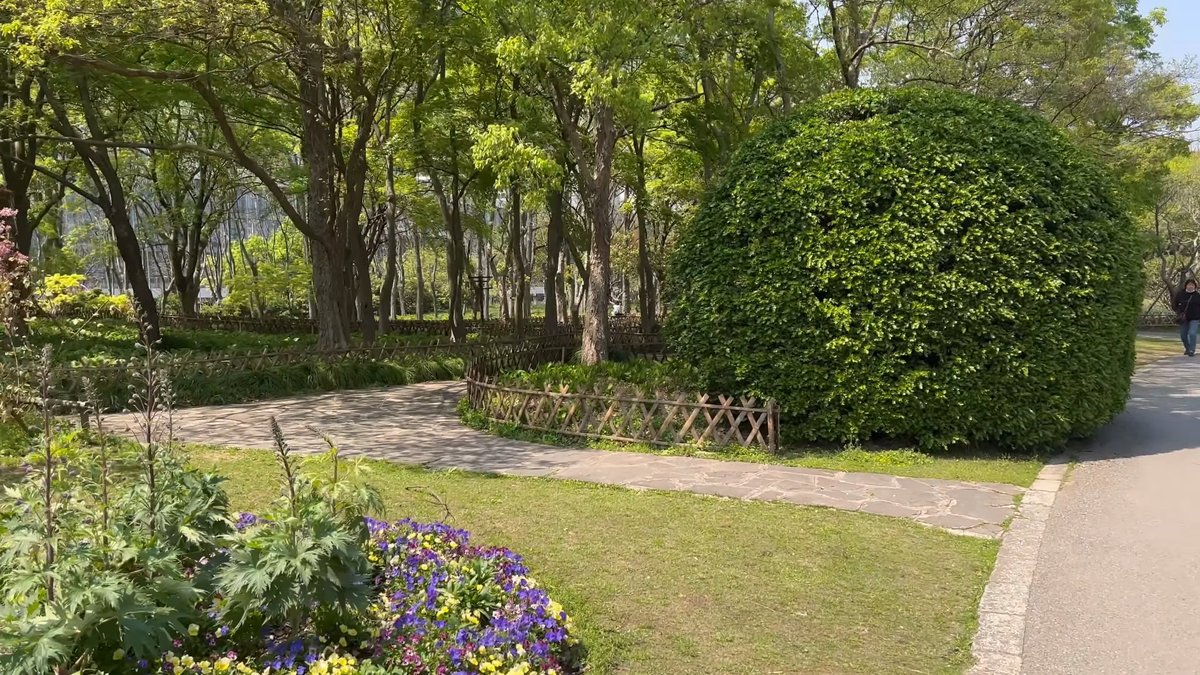
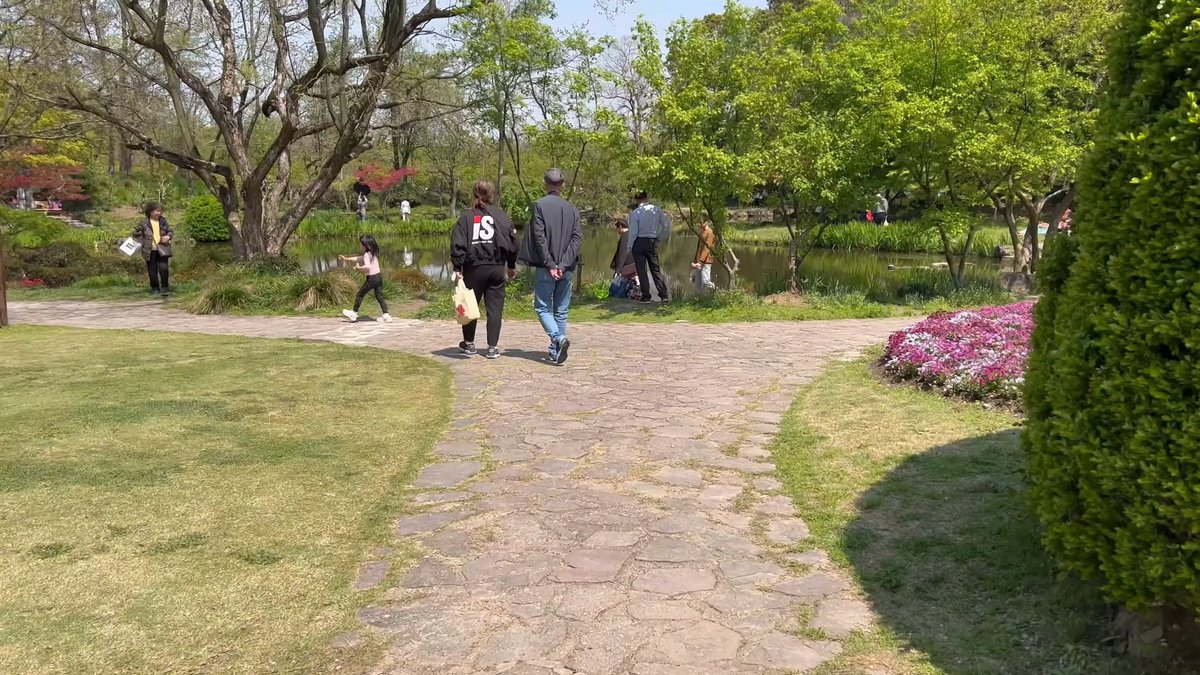
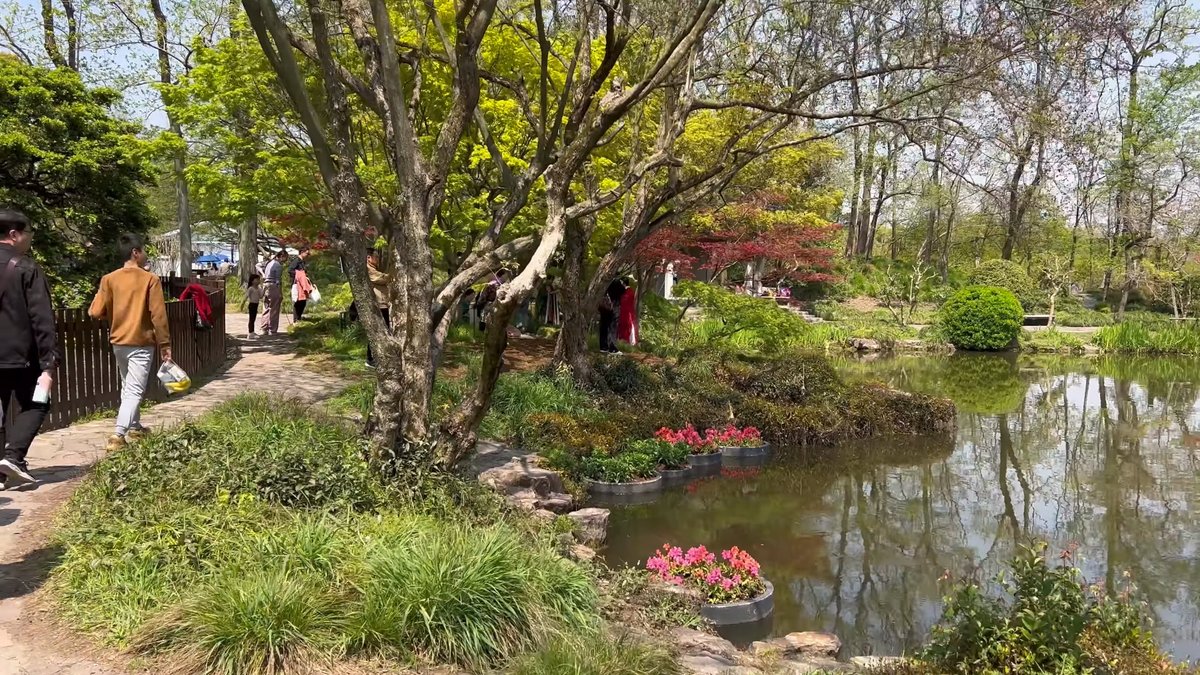
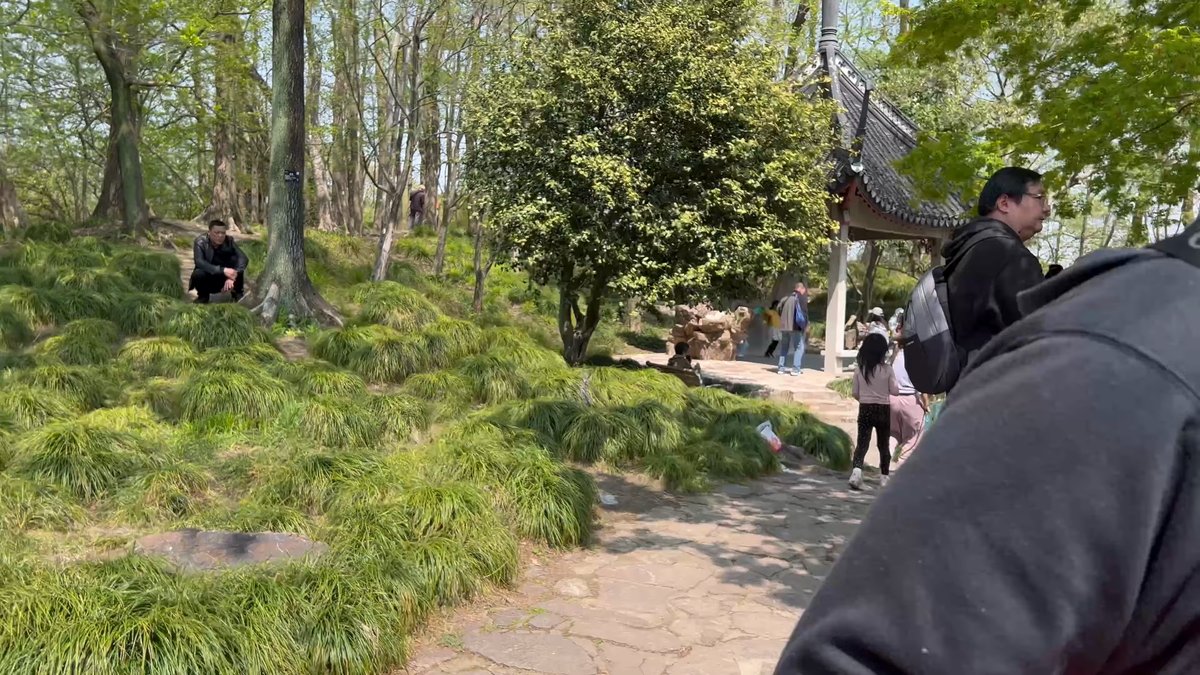
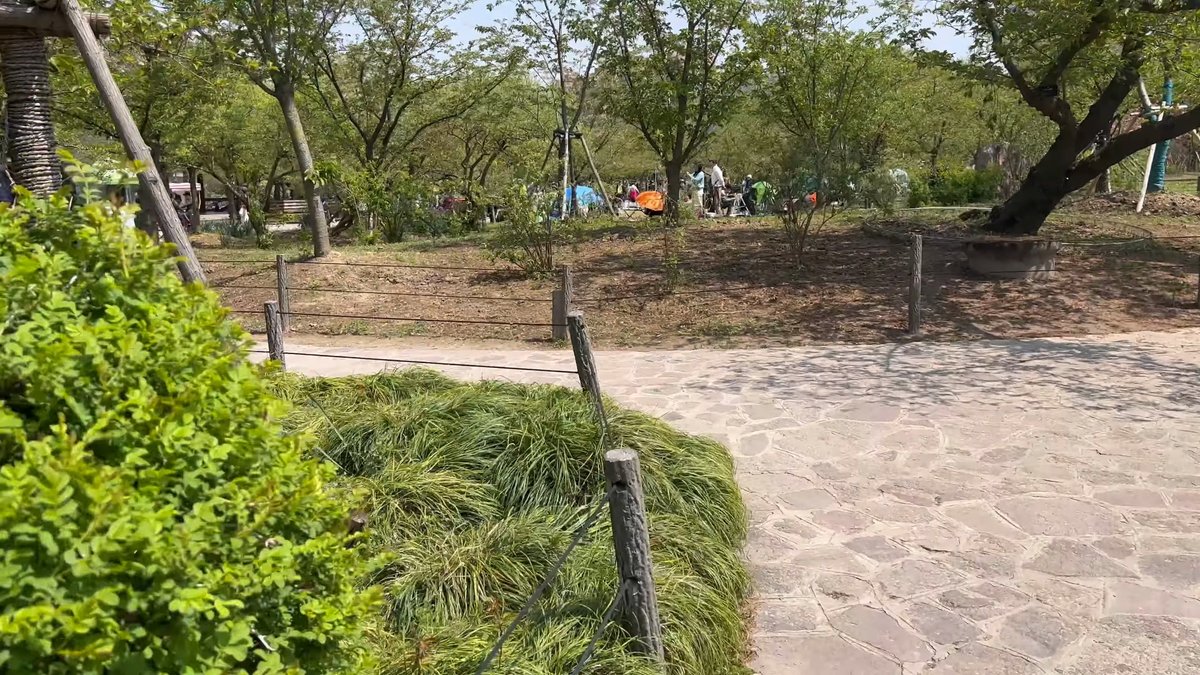
Some of it is more structured: Box hedges create frames; they’re clipped low so as not to block sightlines but still define edges. There are stone path weaving in the quieter corners. Maples hang overhead, and there is a pond to watch from.
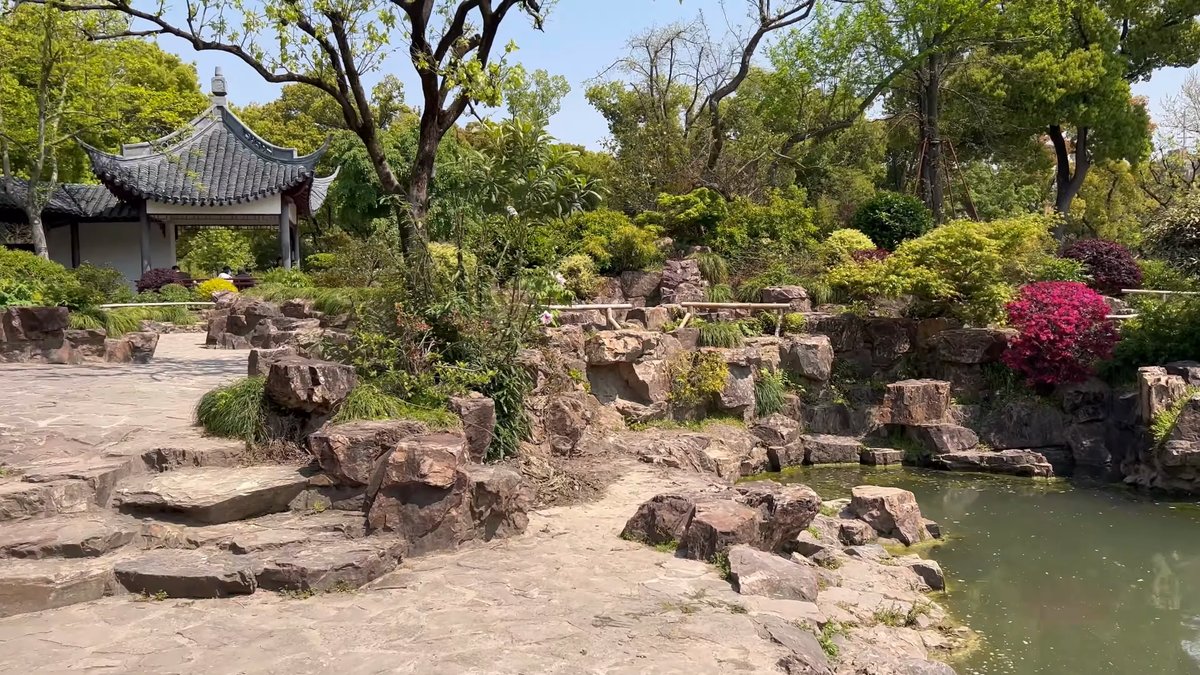
Here and there you’ll see a pavilion tucked into the landscaping. The older corner are less manicured, more about sitting and watching the water.
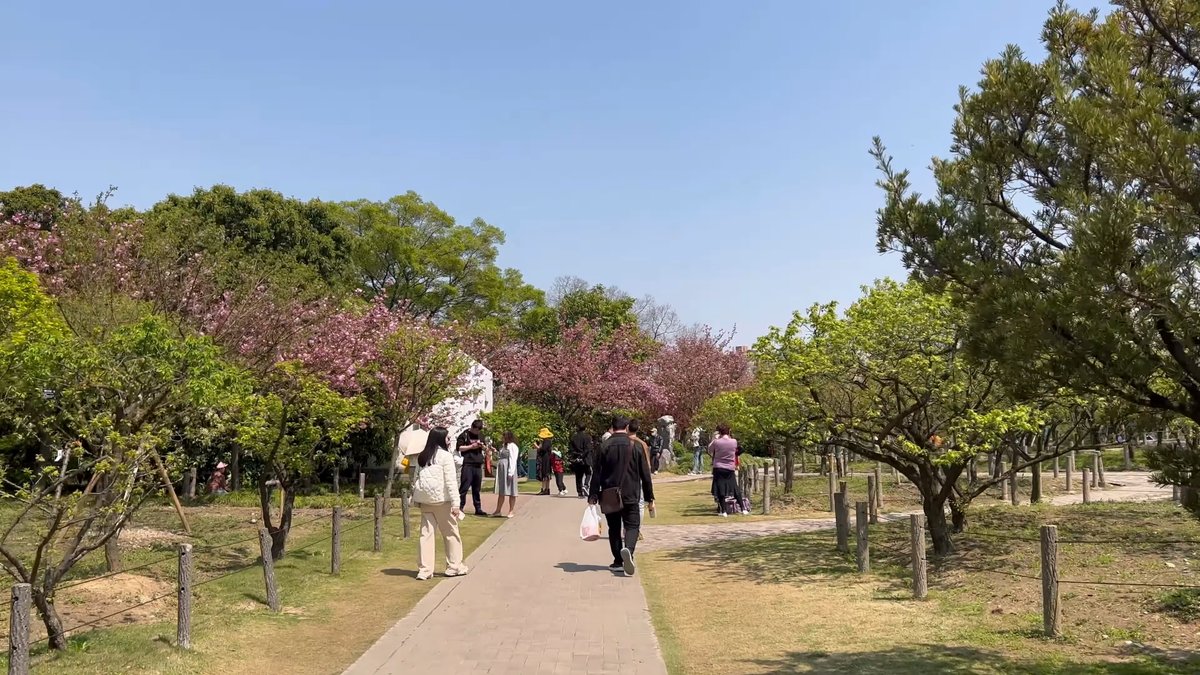
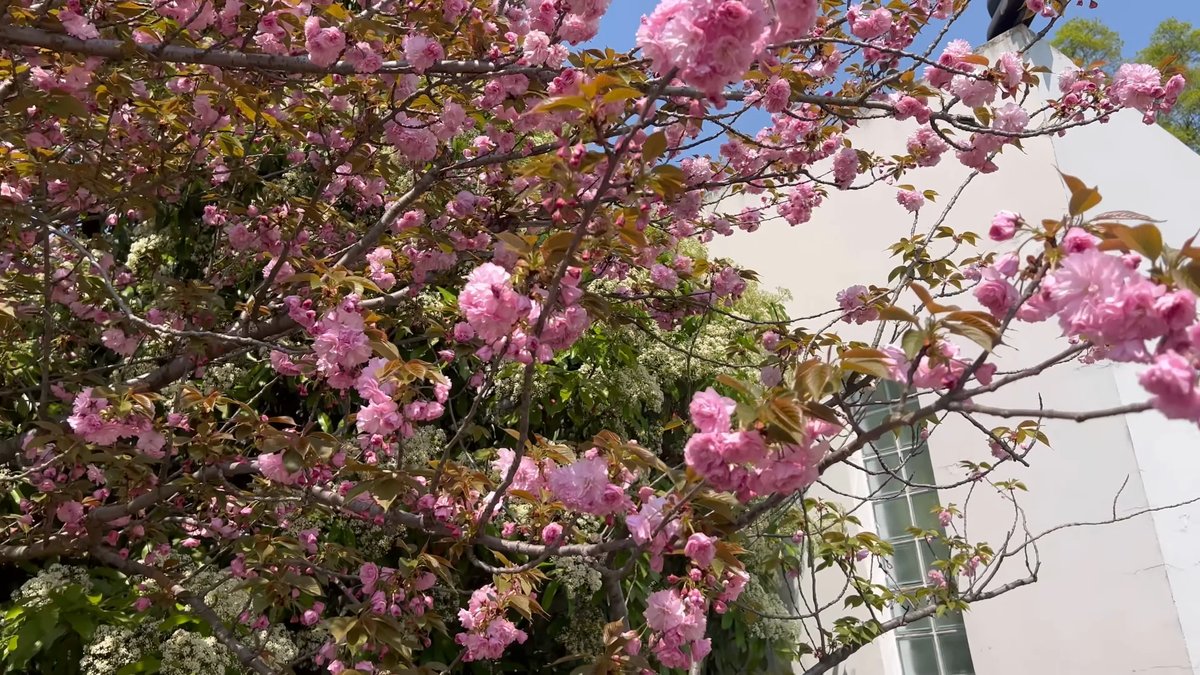
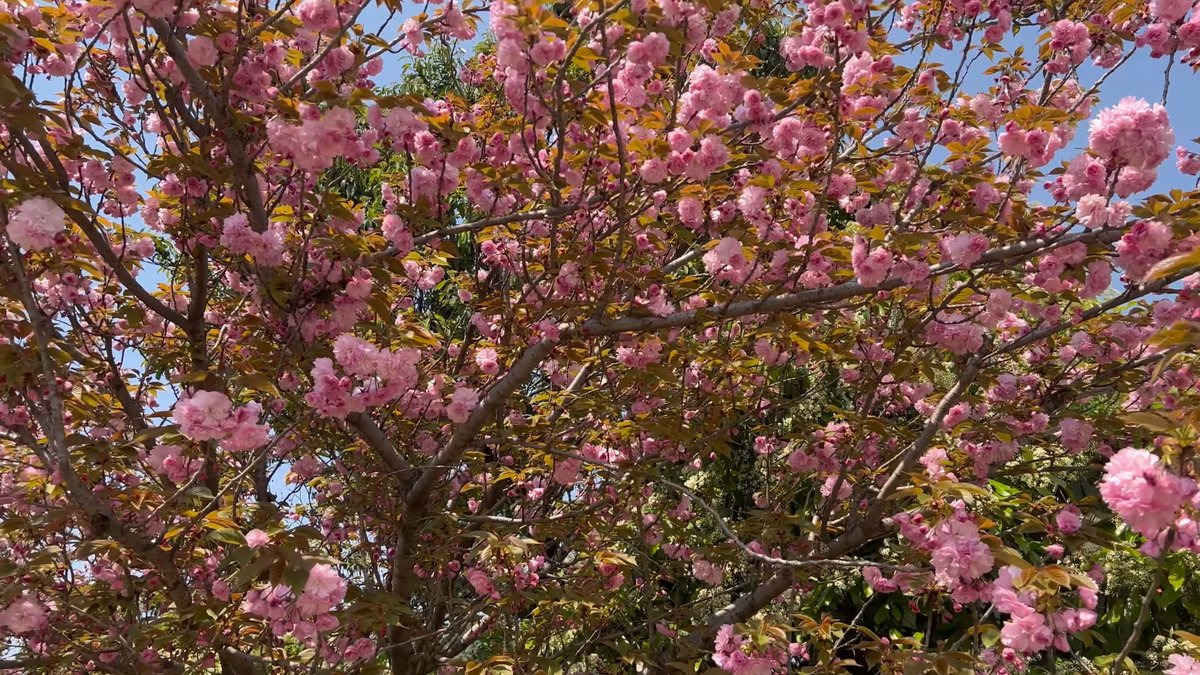
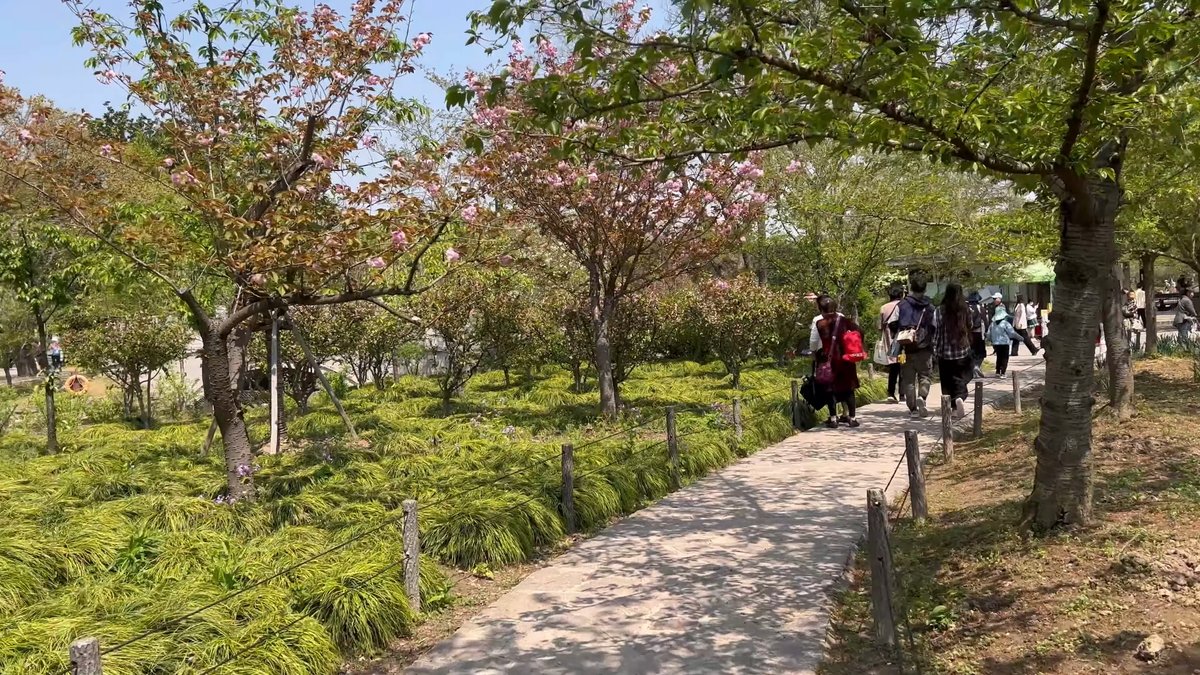
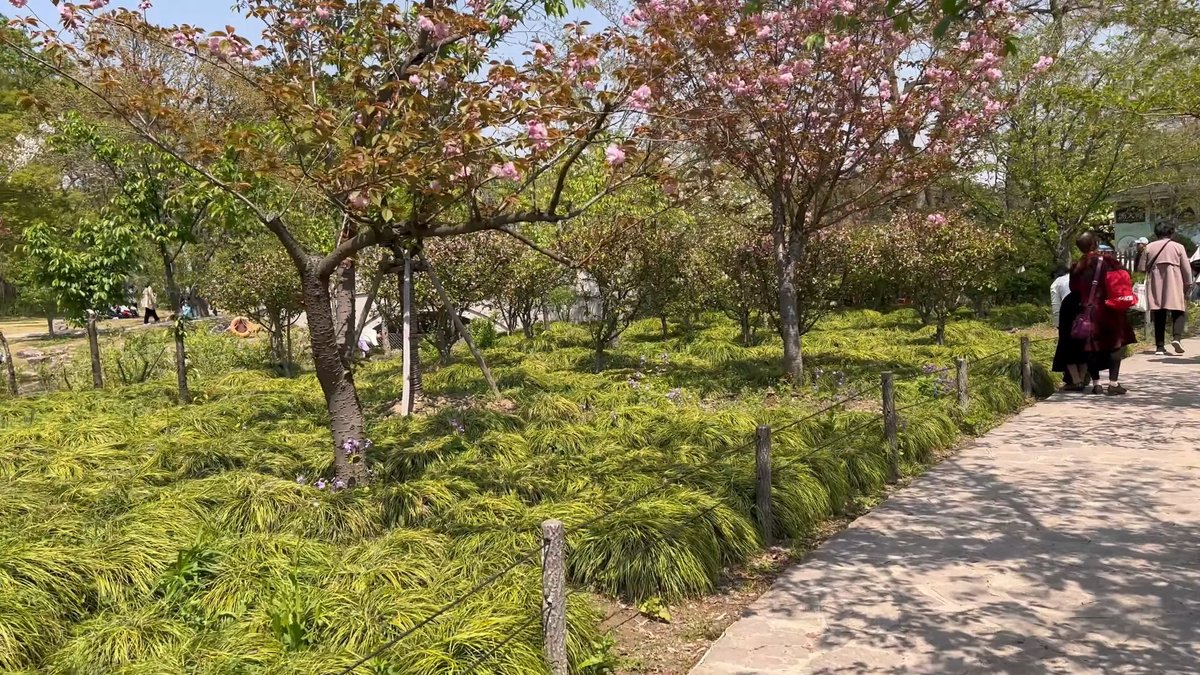
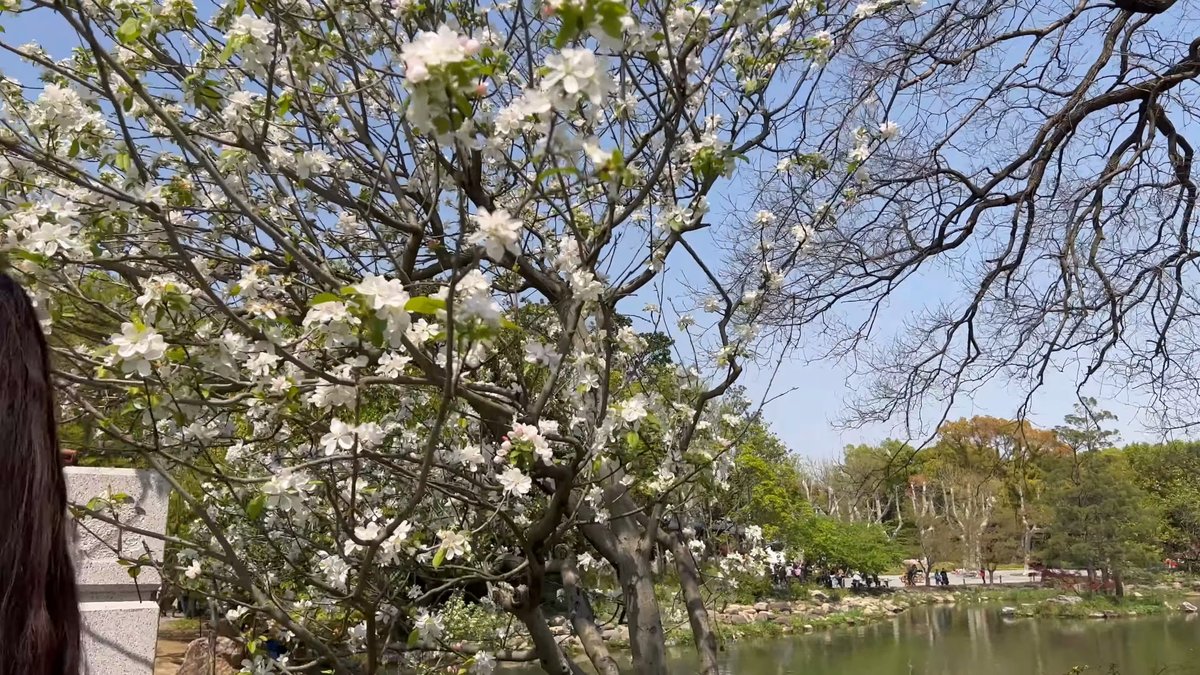
The crowds come out during cherry blossom time. In early- to mid-March, all is usually in bloom, with long avenues lined with rows of trees whose branches arch over your head. People set up their tripod, and there are lots of them taking pictures.
If the weather is calm, the blossoms will be good for a week or so. A hard wind comes through and takes most of them down in the afternoon.
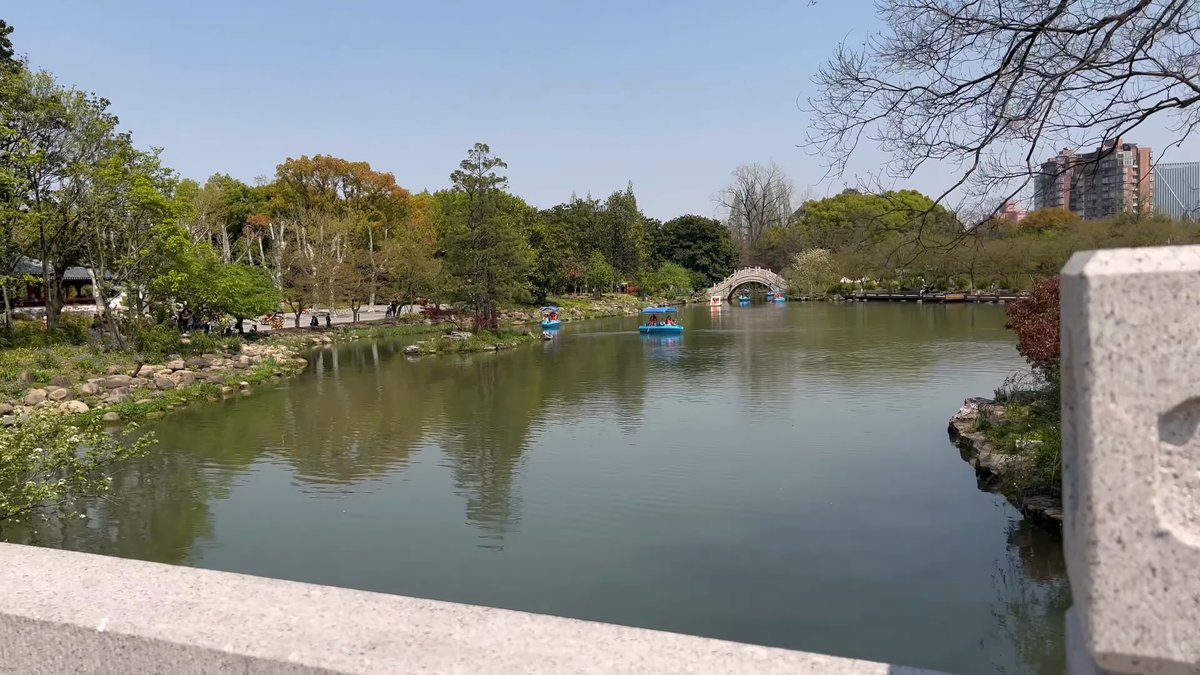
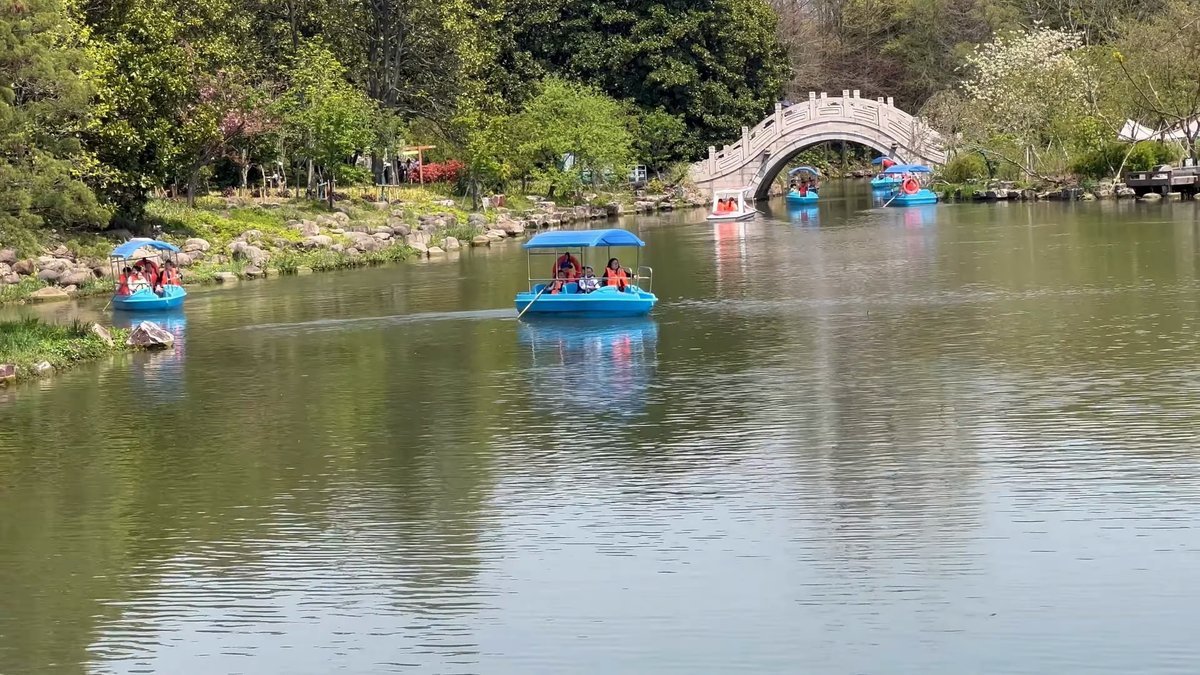
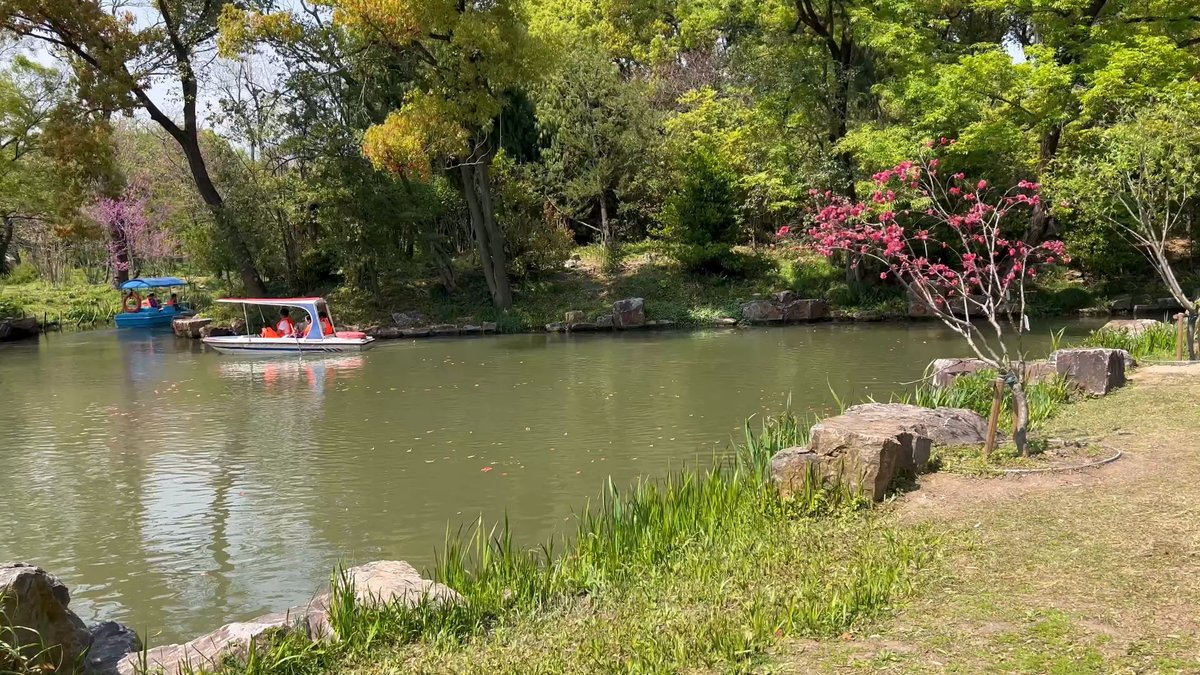
In summer there are pedal boats (¥30 for 30 minutes) on the main lake. On a Sunday the queue builds up by mid-morning. At one end is a stone arch bridge visited by anglers at dawn when the garden isn’t yet busy.
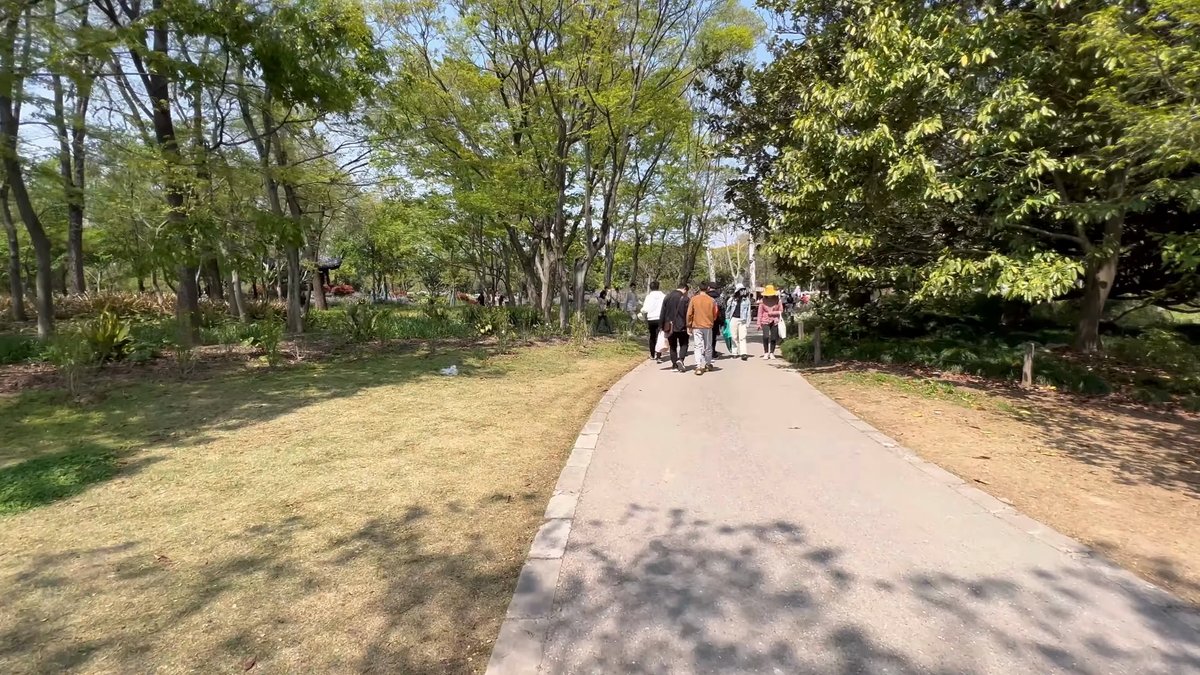
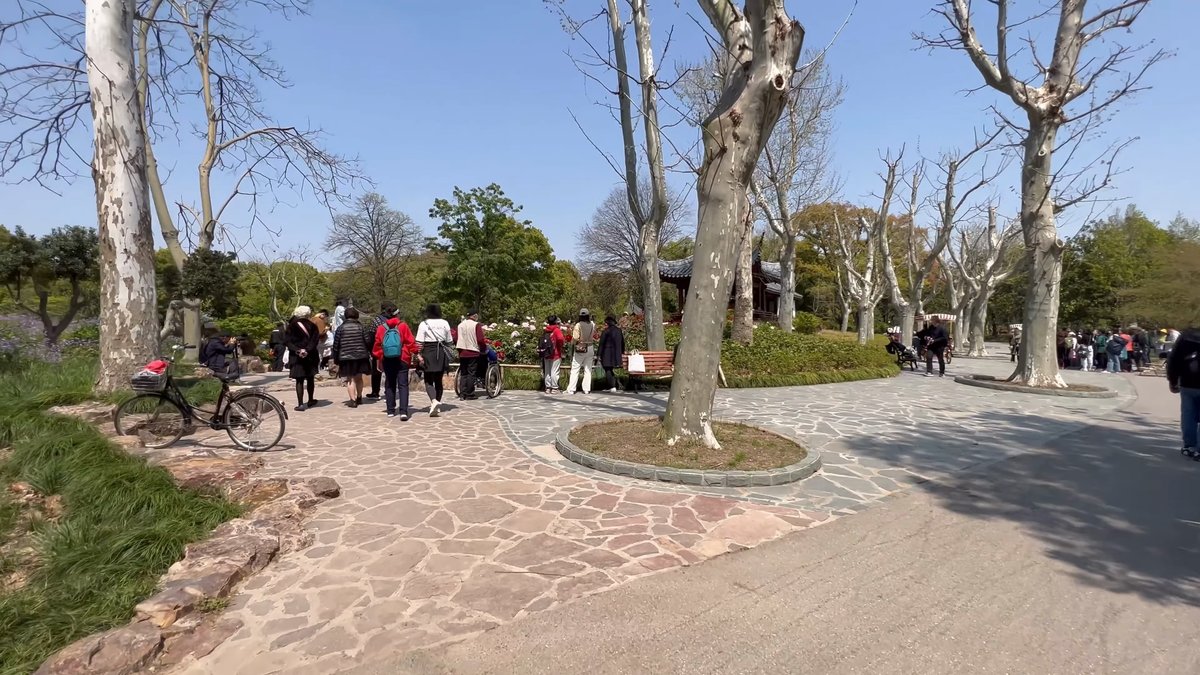
The parkland areas has broad pathways curving around, wide enough for cyclists (though bikes are technicaly prohibited). Some of the older paths are lined with plane trees whose trunks are so massive that the summer canopy offers actual shade. A couple of times there are paved plazas opening out, usually deserted save for the moment when a tour group stops for a head count.
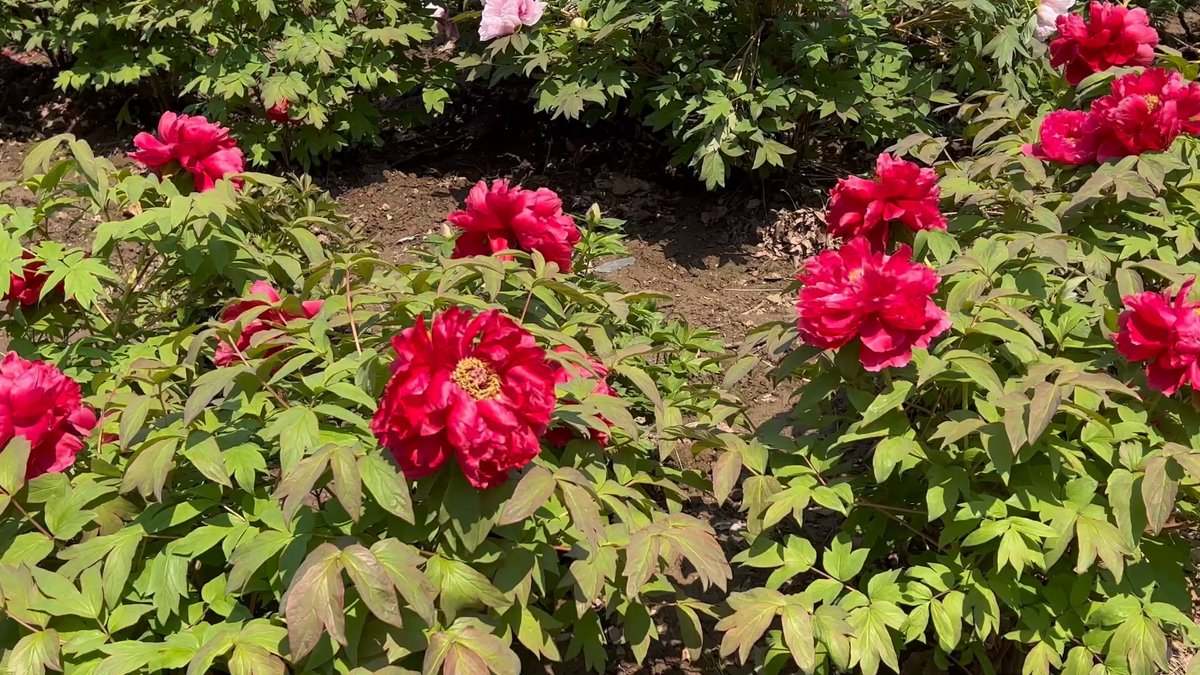
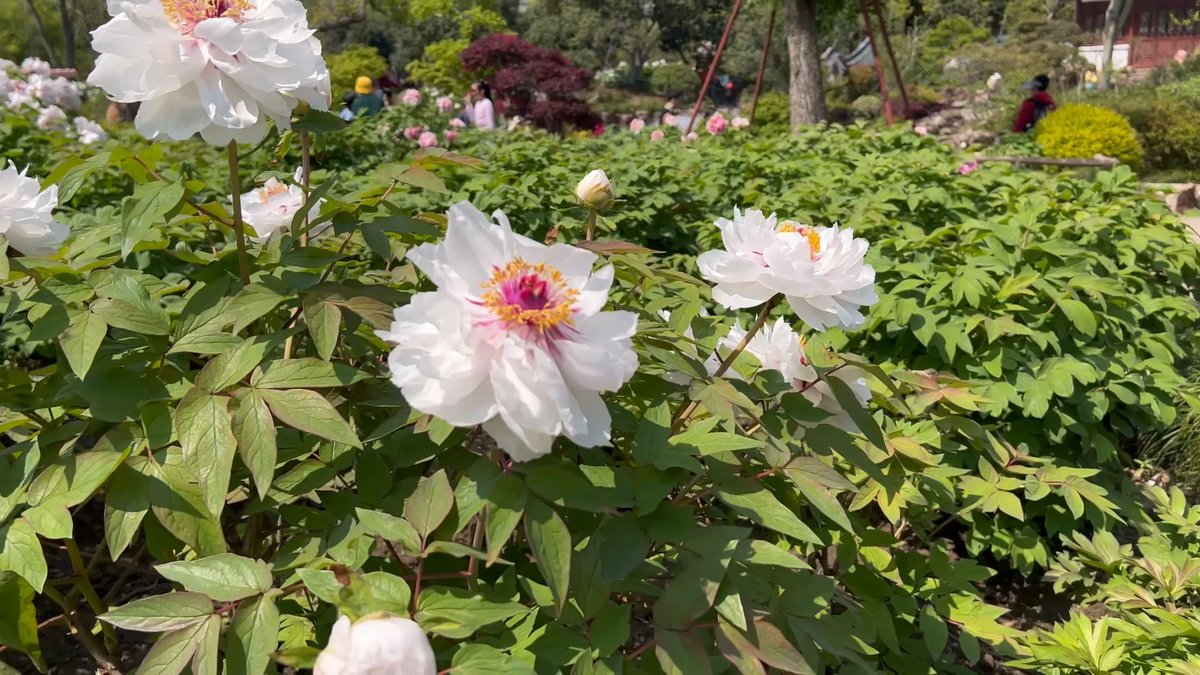
In late April, tree peonies push, just ahead of the herbaceous ones. Each is tagged in its own bed, as the garden has a number of special bed set aside for various cultivars. They only last a week or two, and then the petals begin to fall.
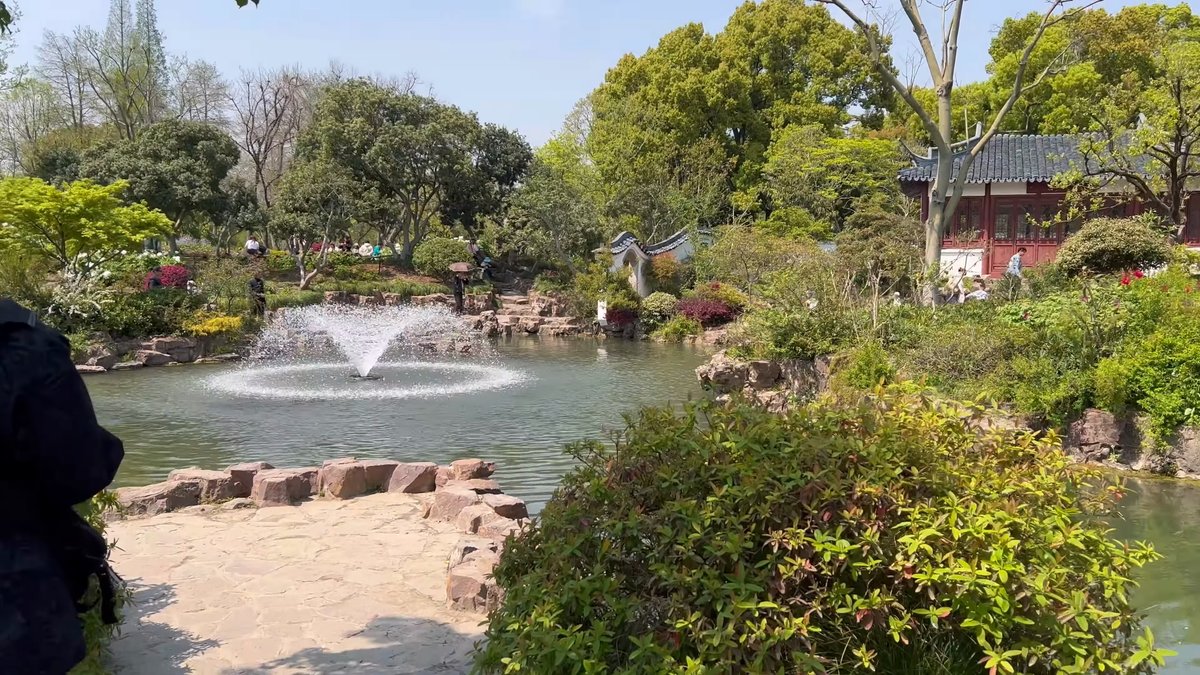
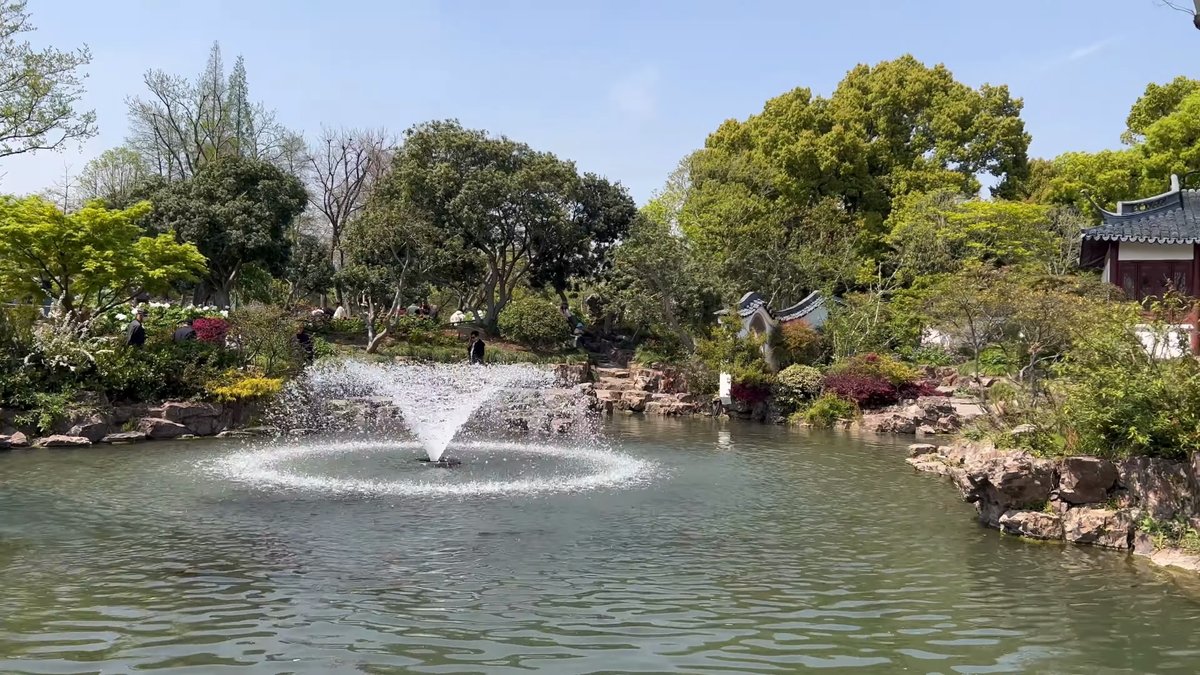
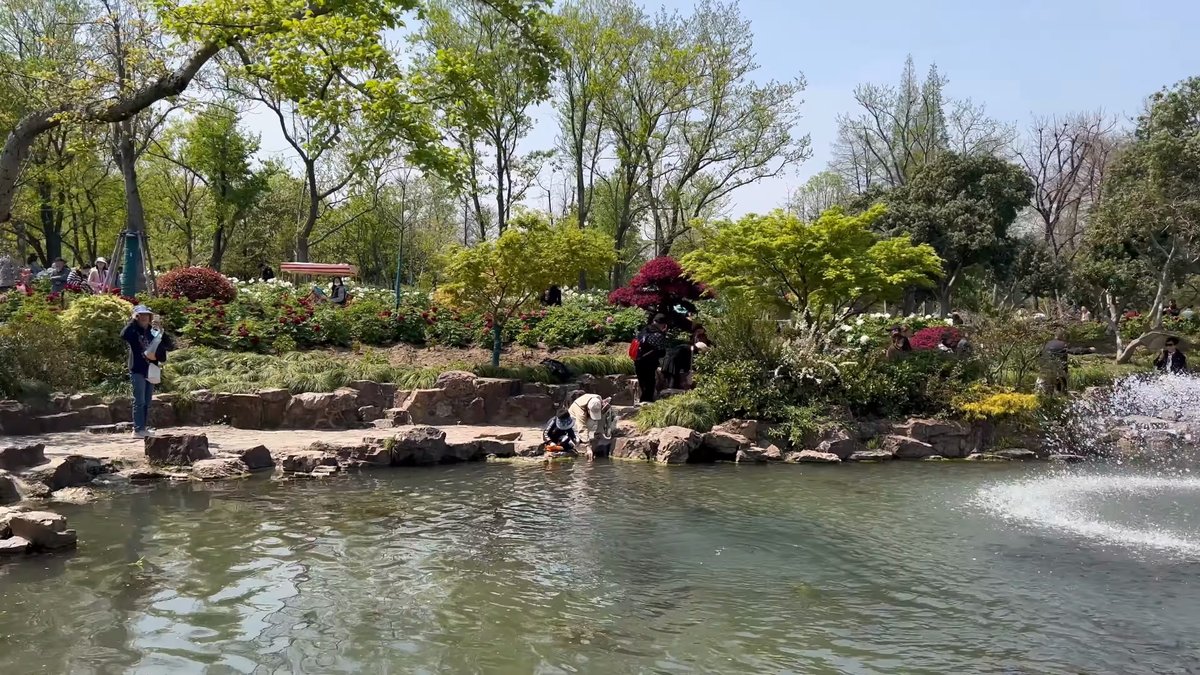
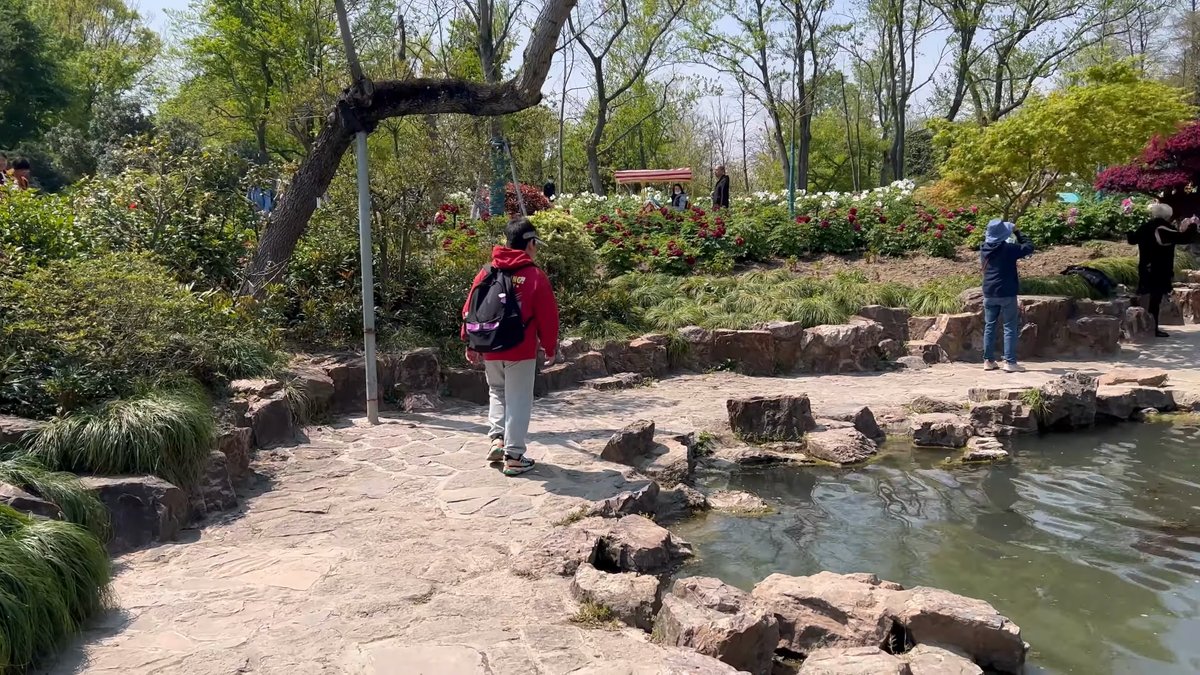
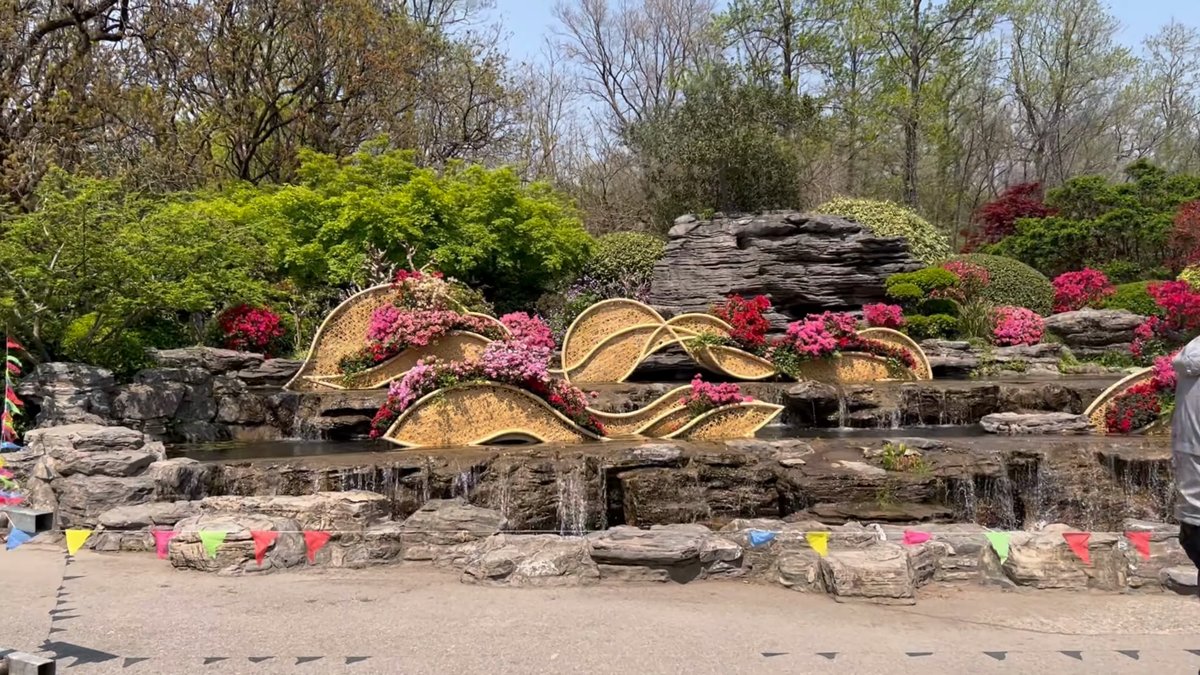
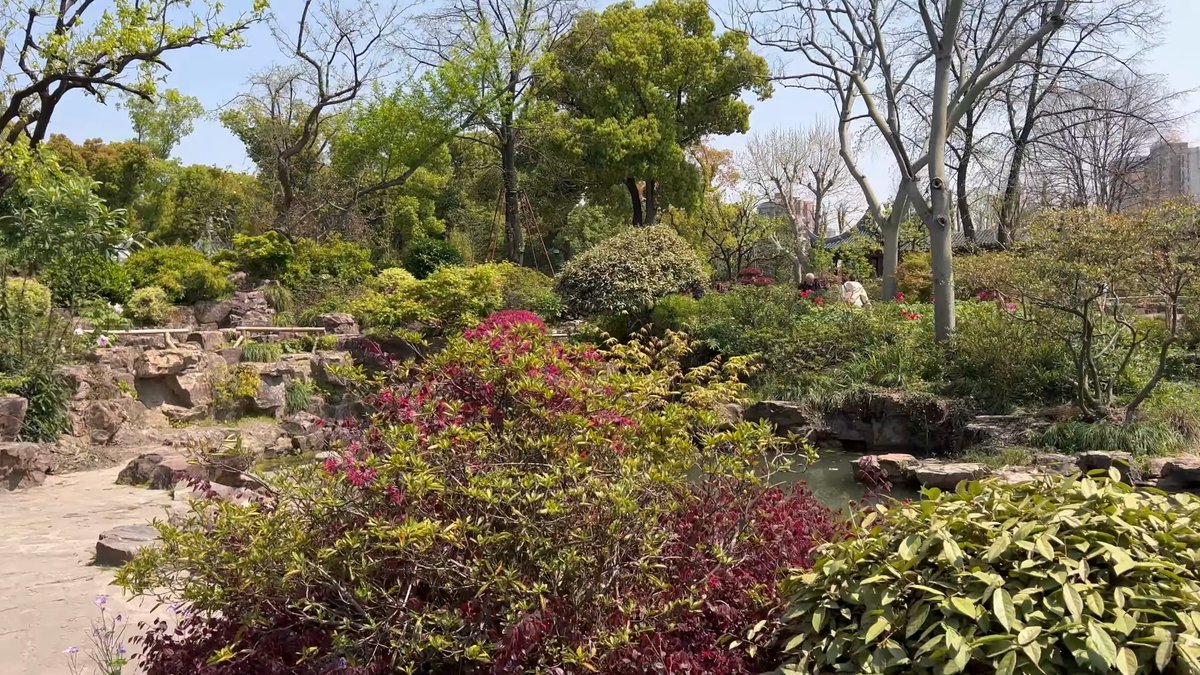
The larger ponds are dotted with fountains, set on timers so they aren’t running all the time but just every once in a while. In some spots, rock gardens line the water’s edge, created from limestone slabs and filled with azaleas that wave into bloom throughout the spring. People will be picking their way down the waterside pathways, pausing to take pictures of the reflections if the water ever settles down.
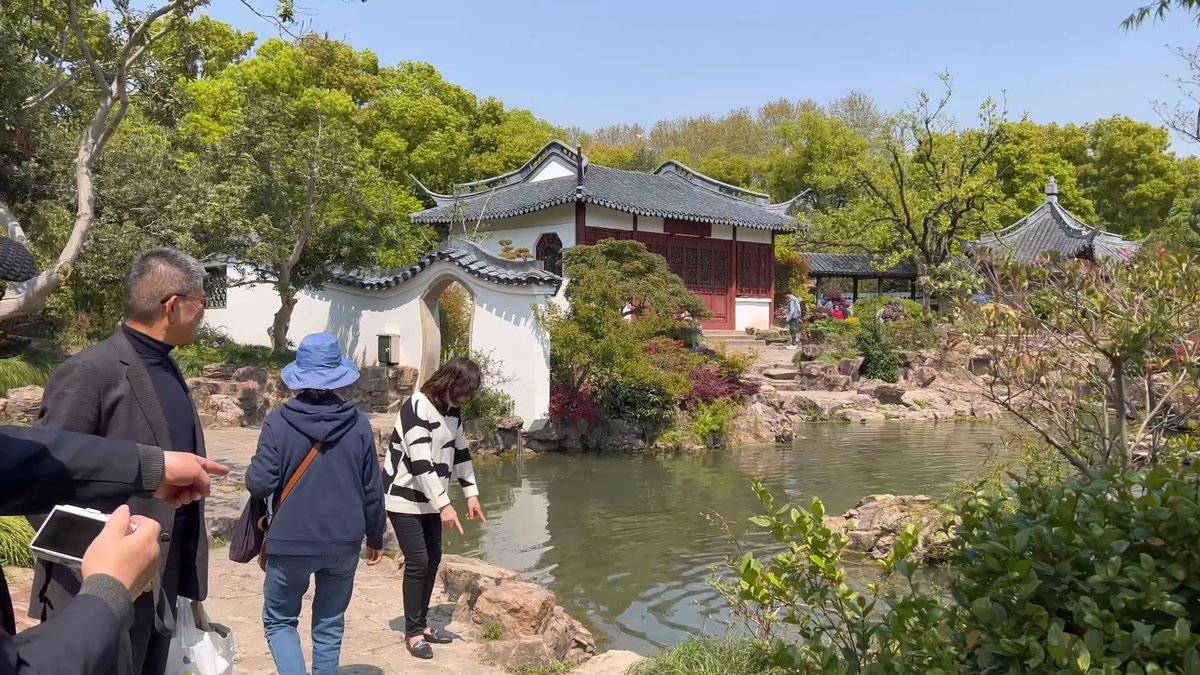
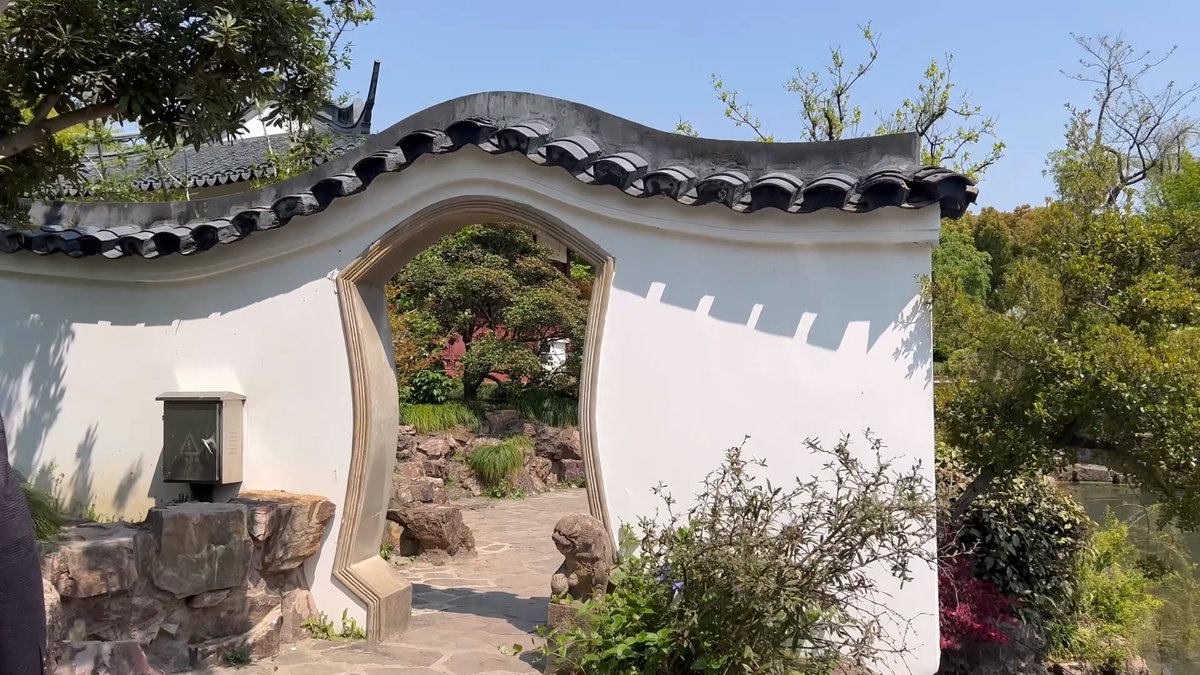
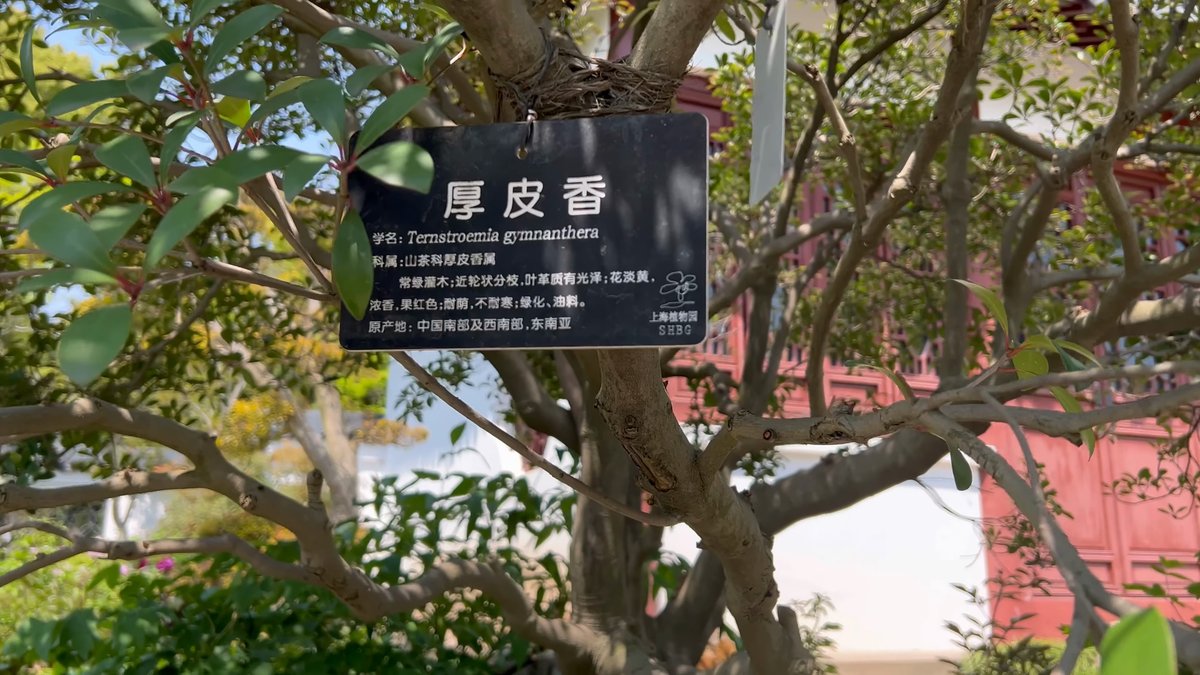
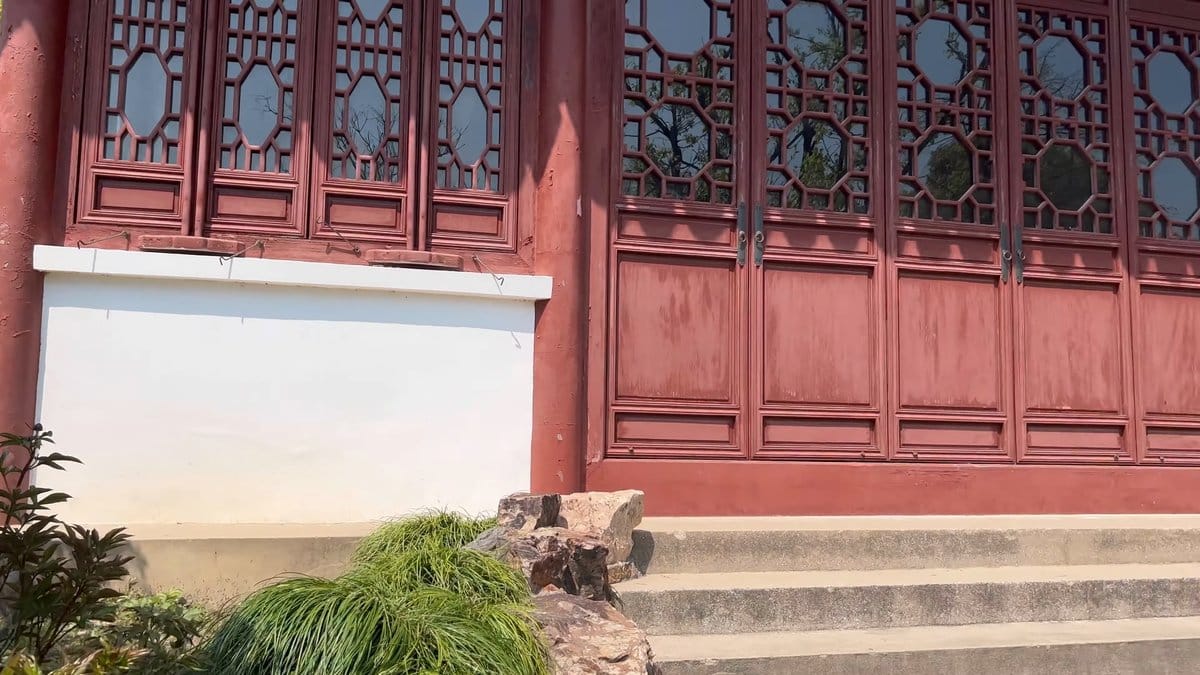
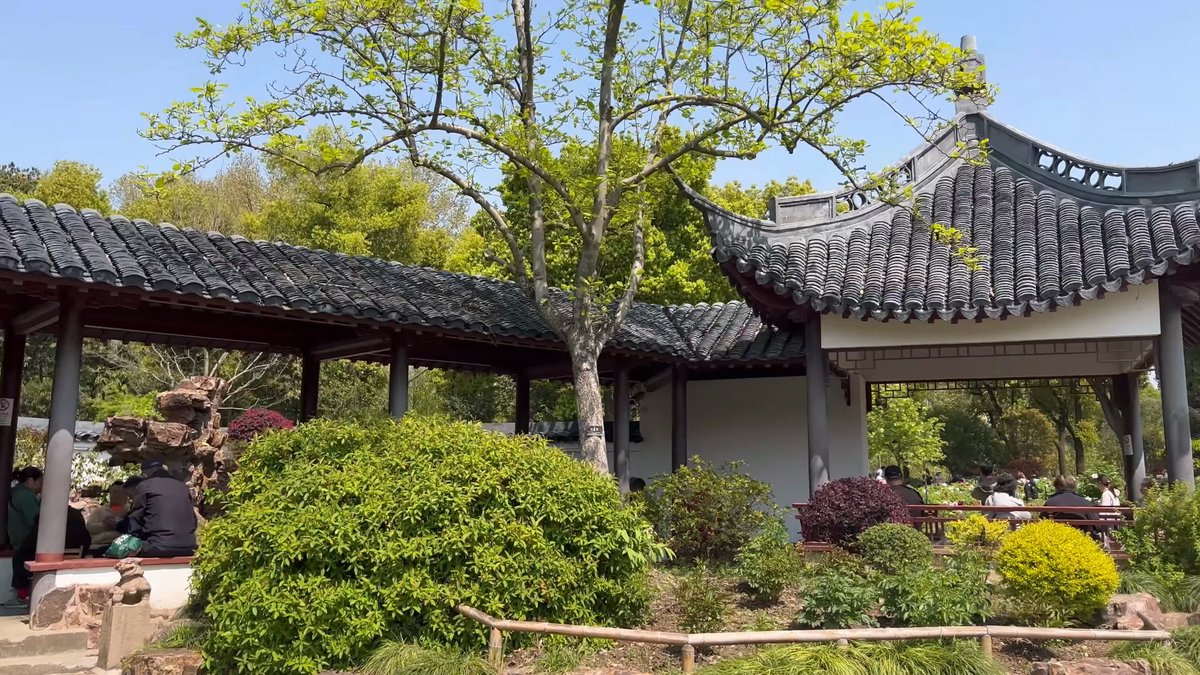
Traditional garden touches are found throughout, such as lattice screens, tiled pavilions, and vase-shaped openings cut in the walls of courtyards. Beneath most plant are small stands for mounting plant labels (handy if you want to know what it is). A lot of foot traffic occurs in the formal parts closest to the peony beds, particularly at peak display times.
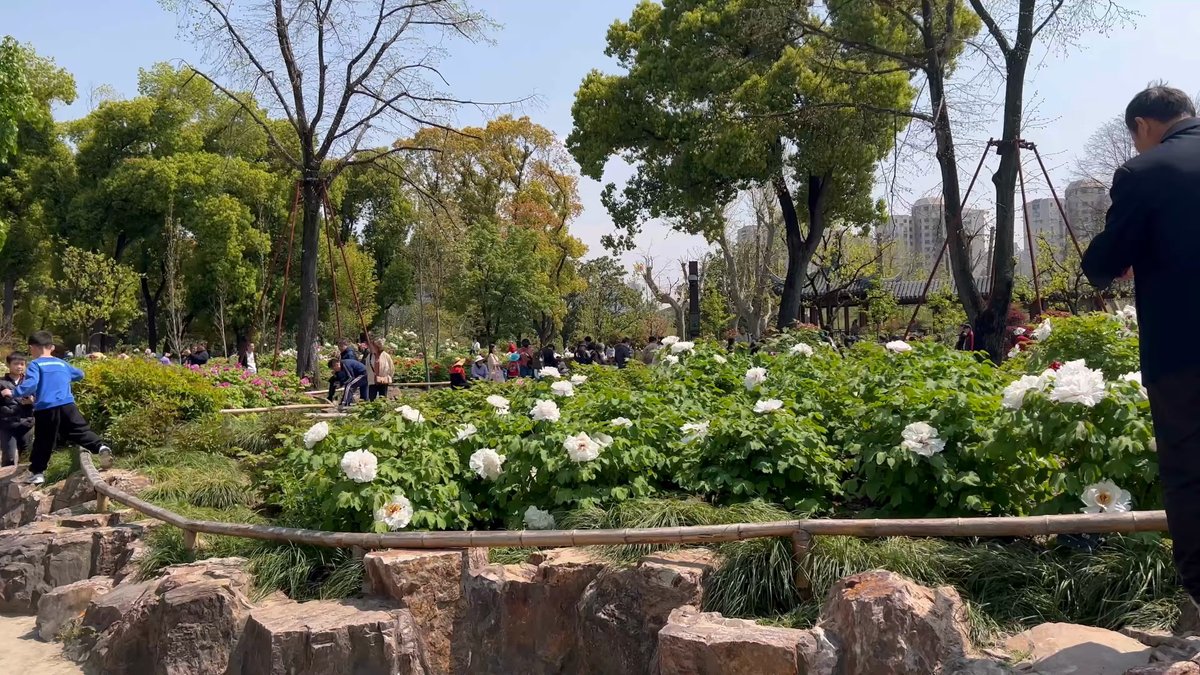
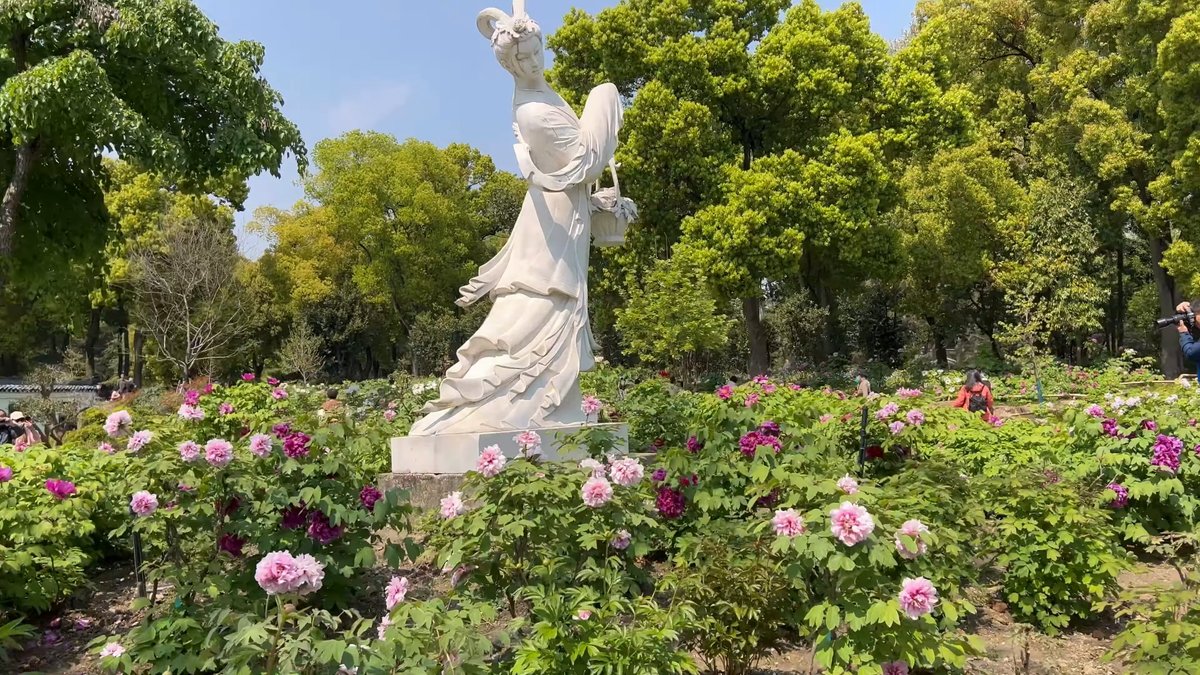
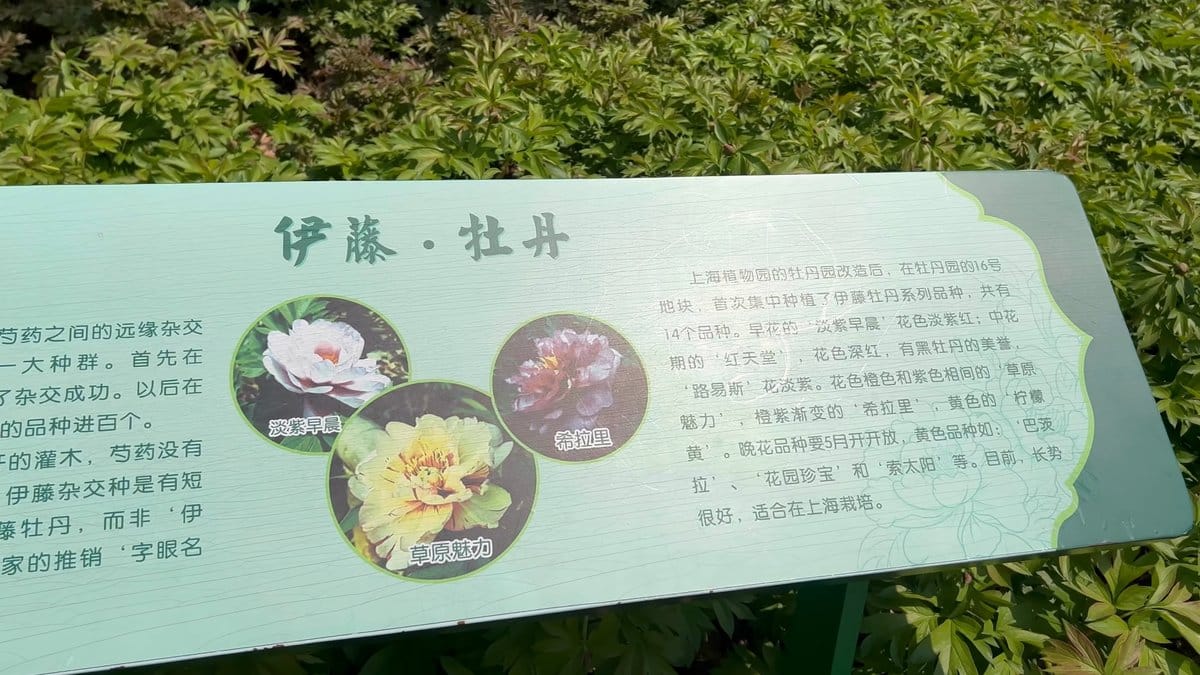
Another bed is devoted to Itoh peonies (with an interpretive sign explaining the crossbreed). Their blooms fall between the herbaceous and tree types. Their foliage also holds up better in summer heat.
When they open, expect company, this part of the place attracts serious peony enthusiasts, armed with serious camera equipment.
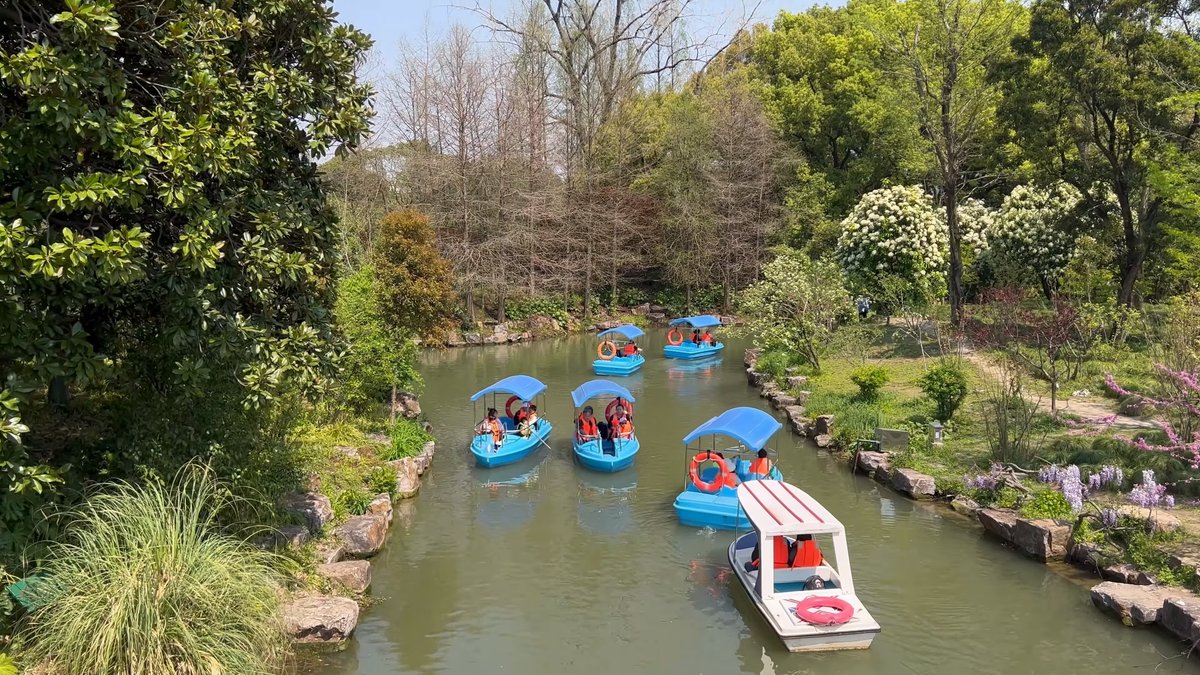
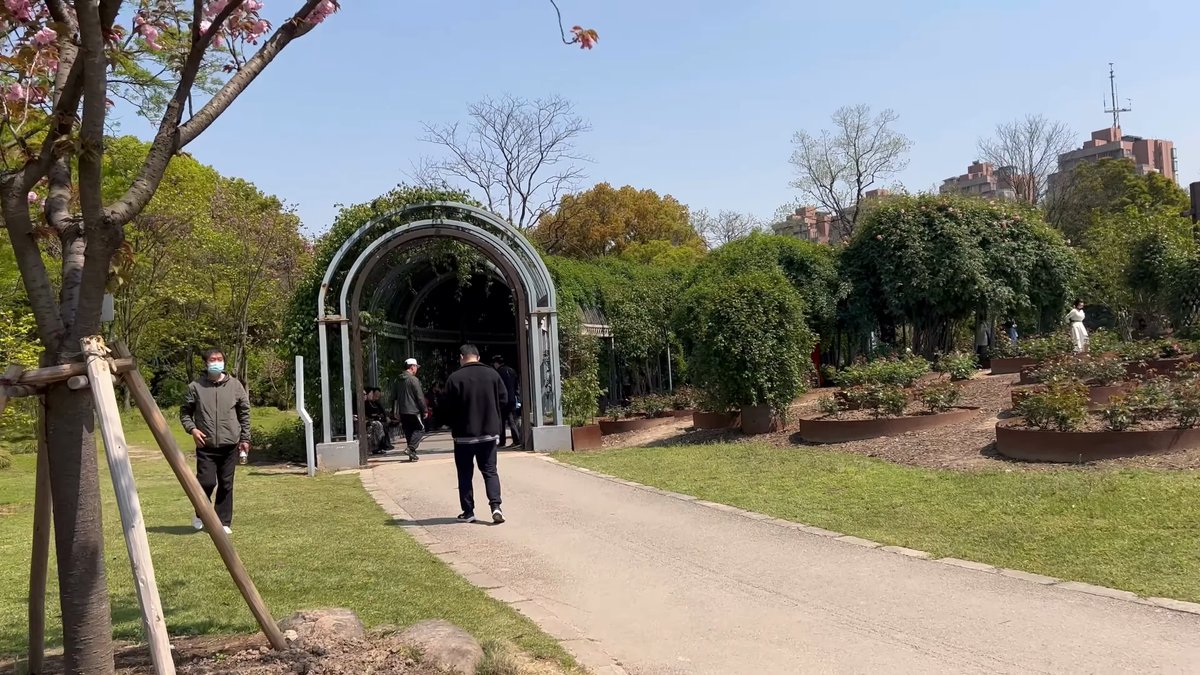
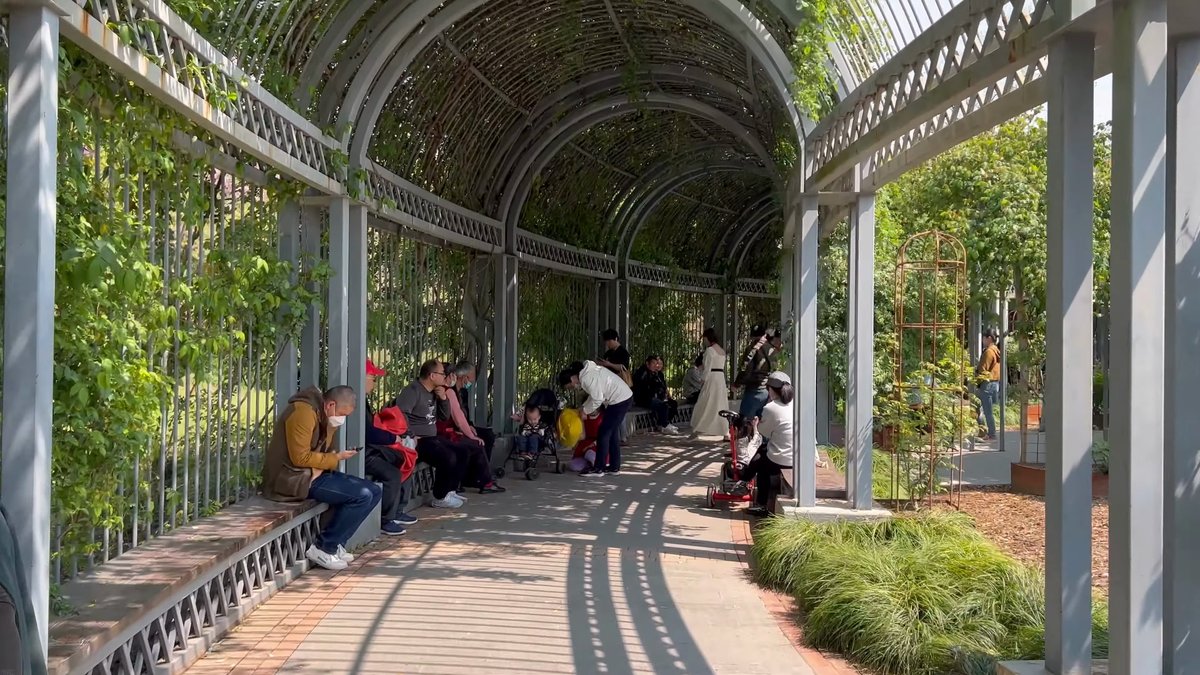
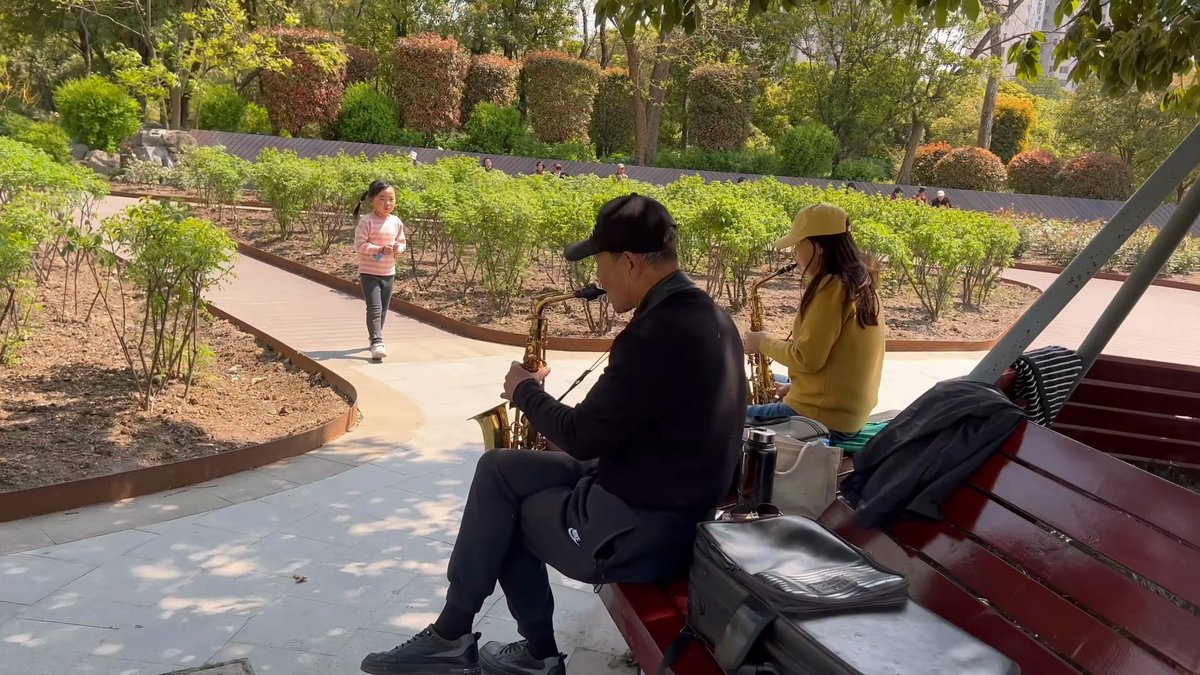
The pedal boats tether themselves between the boat-jetty lines that run down the north side of the lake. Paths connect them, some framed by metal arbors dotted with climbers that will (eventualy) fill out nicely. There are benches every so often, most occupied by mid-morning.
On a Saturday you may find a musician practicing their scales. Saxophone players and erhu players alike like the acoustics close to the water.
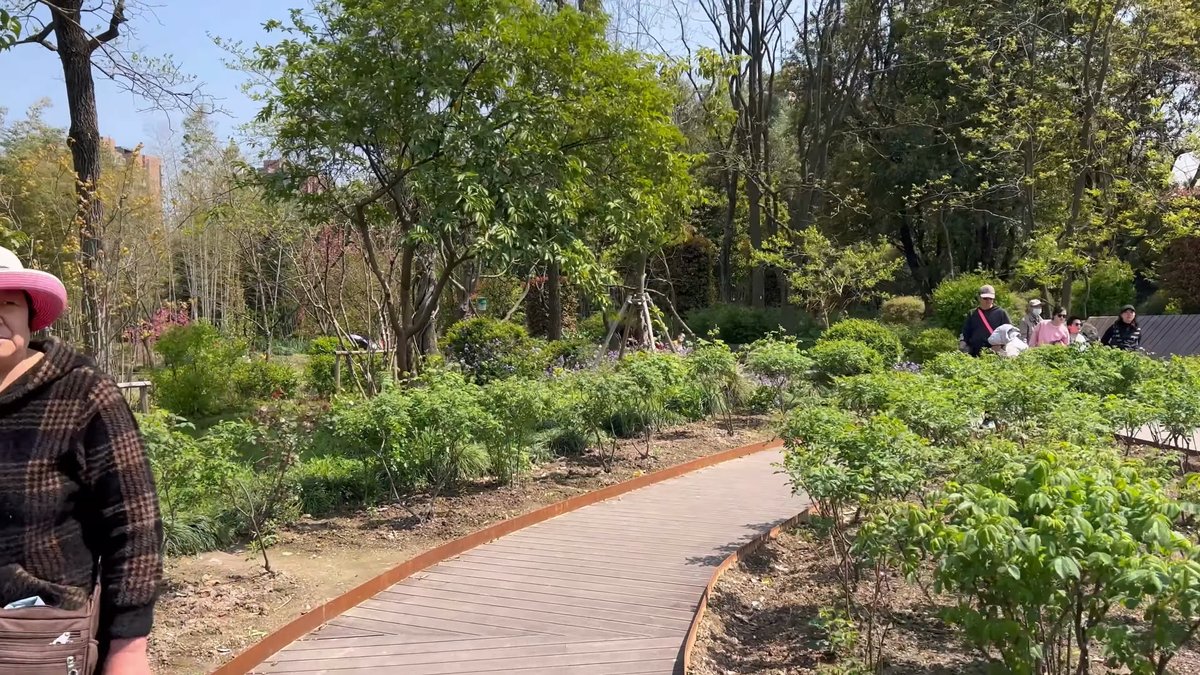
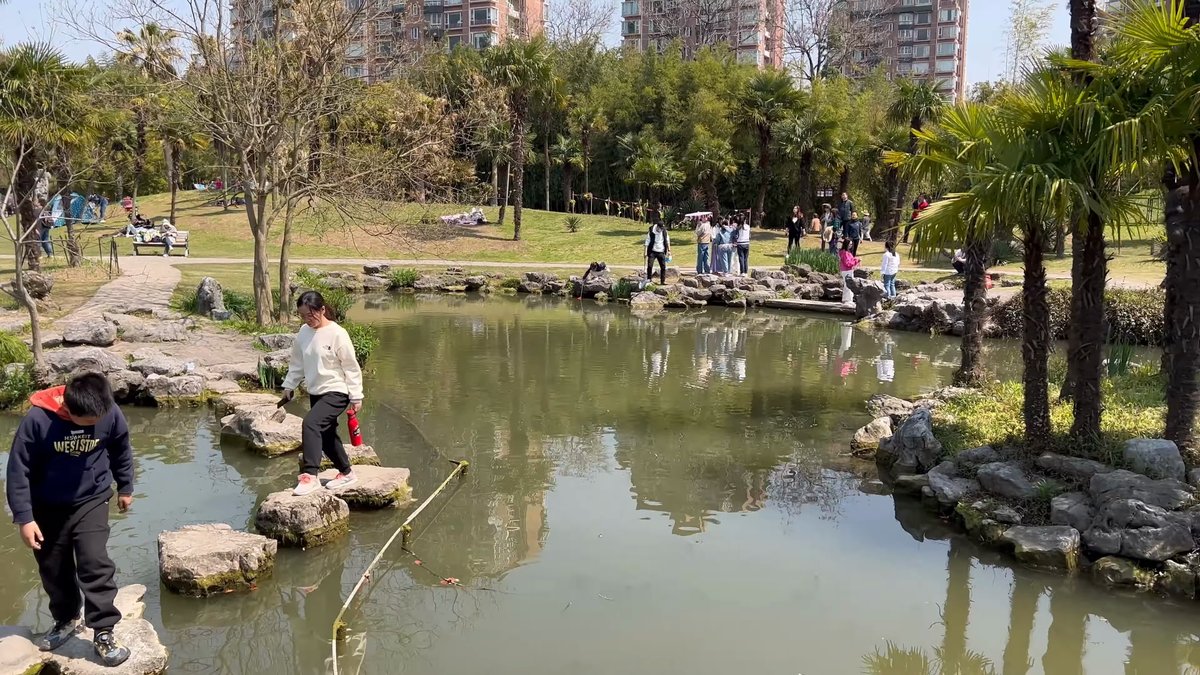
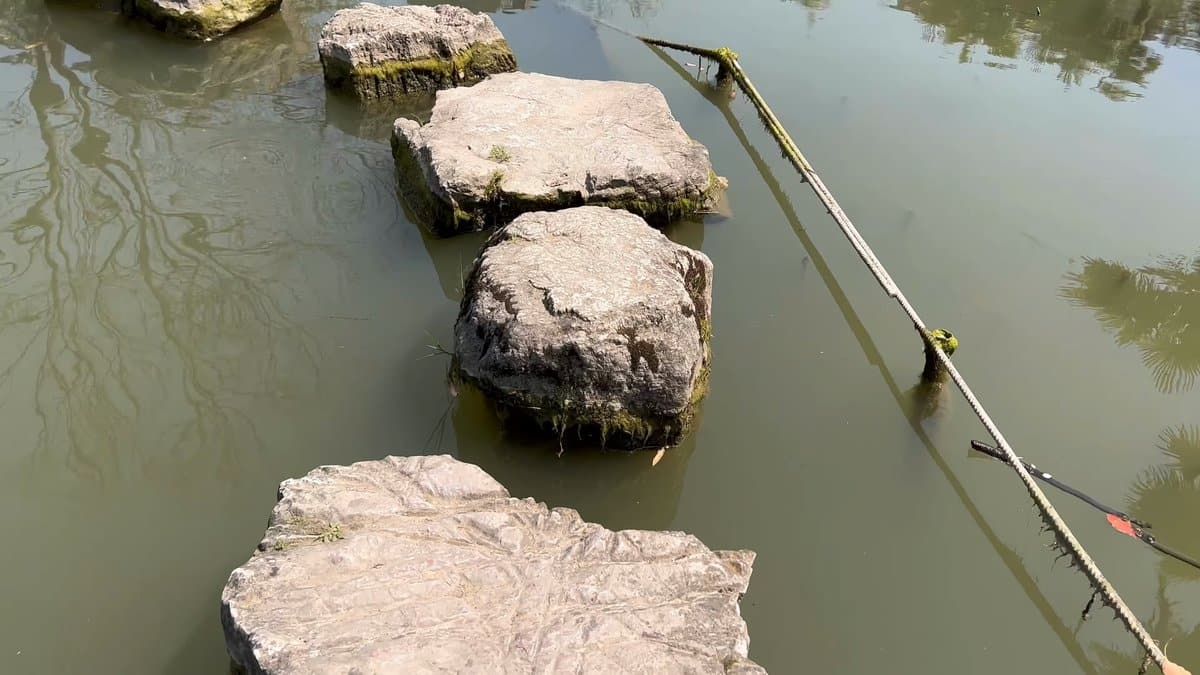
Near the west end is a wedge-shaped area planted in rose beds, connected by curving pathways. One of the smaller bodies of water has stepping stones across it, set just wide enough apart so you have to pay attention. During periods of higher water, the stones is level with the surface.
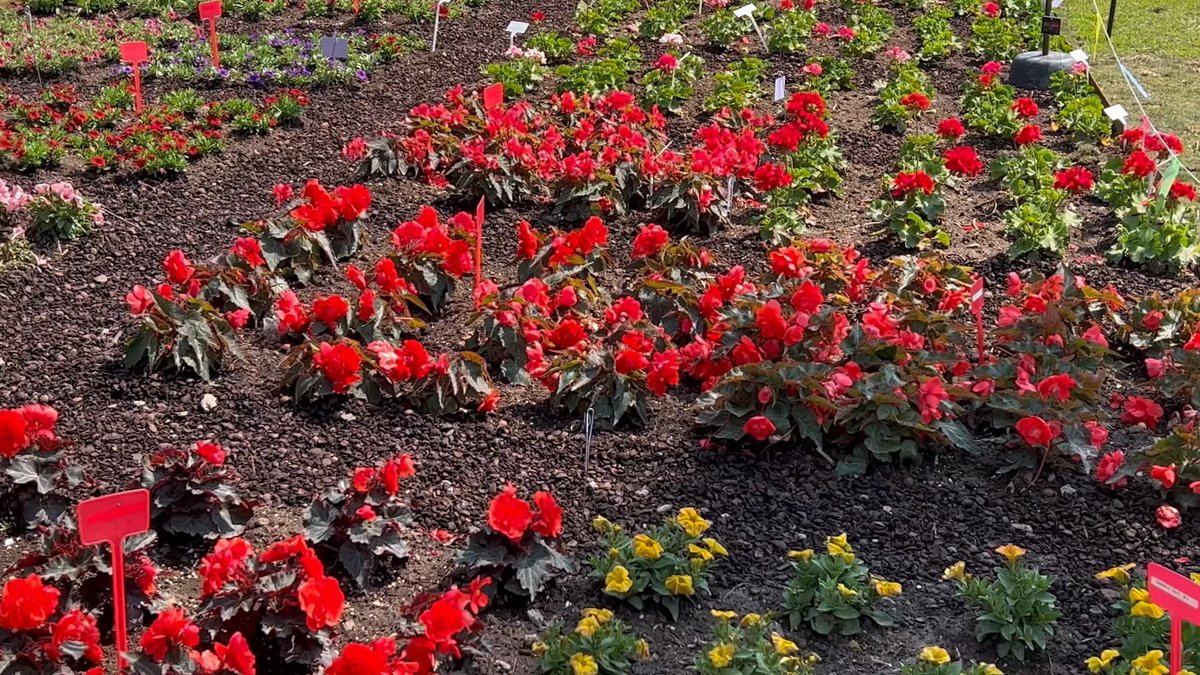
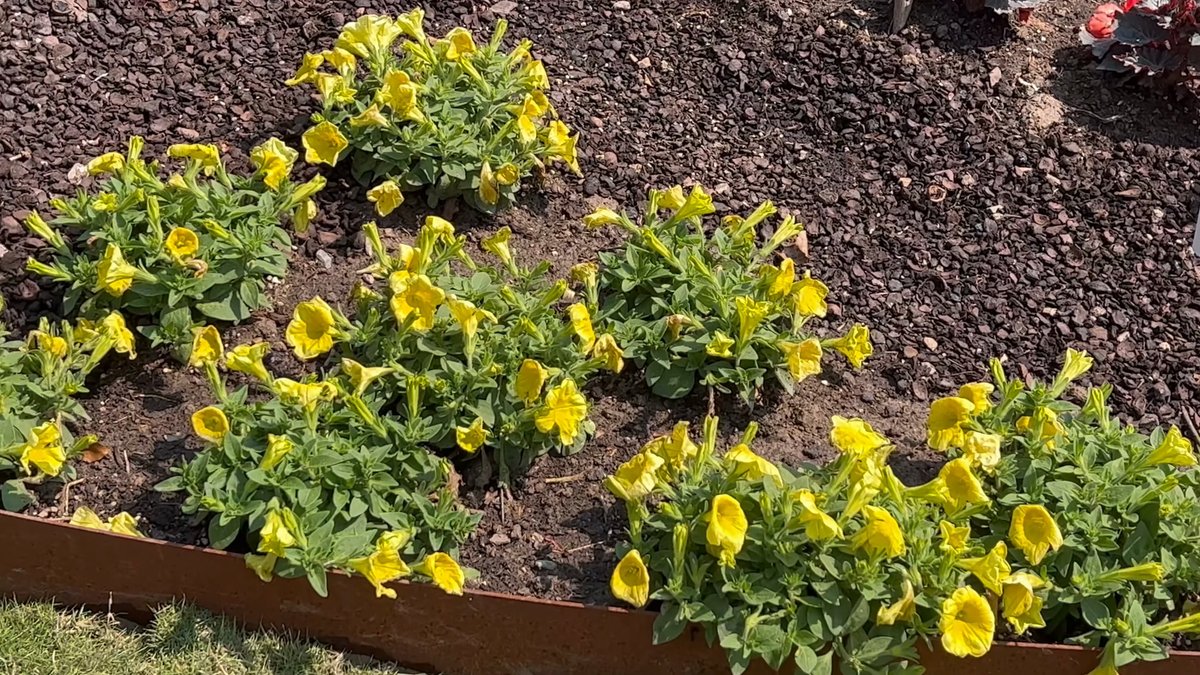
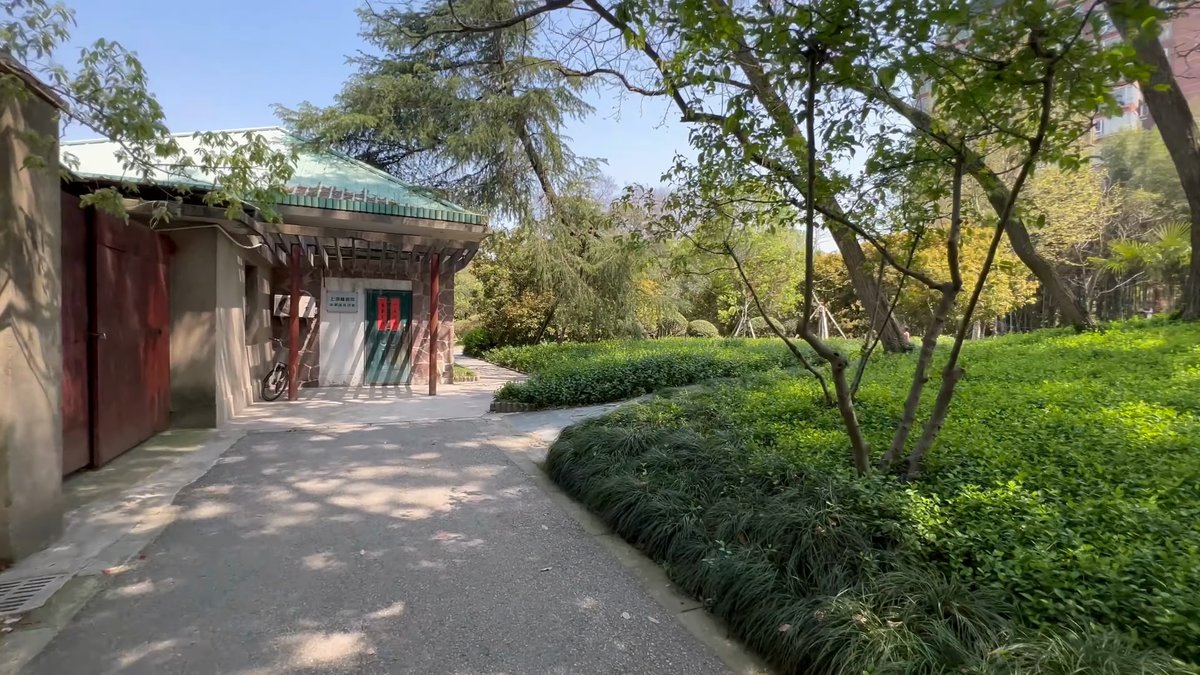
Every few months, the maintenance crew rotate bedding schemes, keeping colour running throughout the growing season with annuals. Sections are marked off by garden gates; some are originals, their weathered timber frames topped with ceramic-tile roofs.
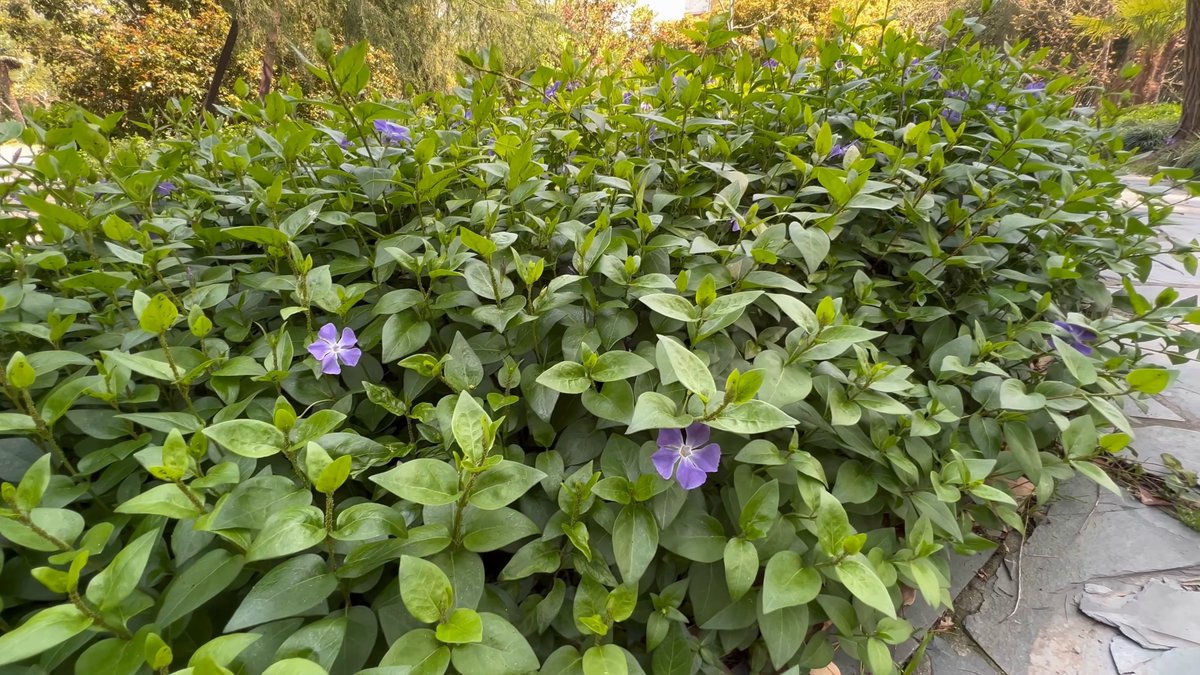
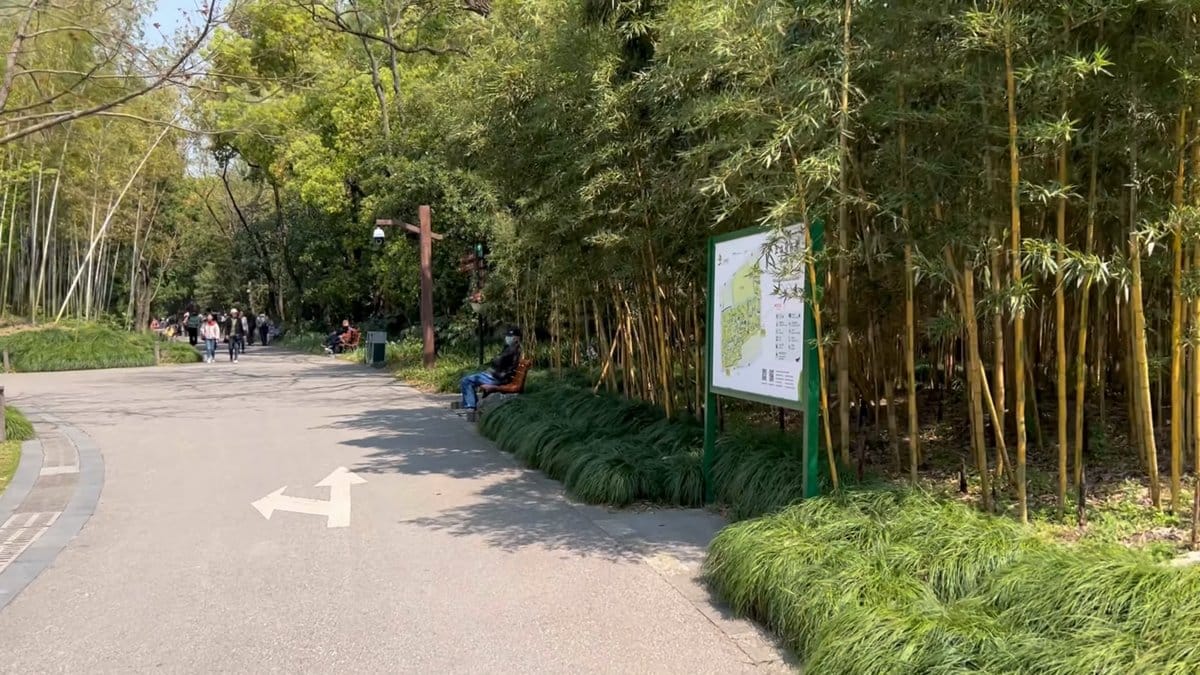
In the east, bamboo groves gather into clusters, their paths tunnelling through stands that rattle in even the slightest breeze. Where the canopy closes out overhead, the undergrowth is sparser, mainly leaf litter and an occasional seedling making its way up.
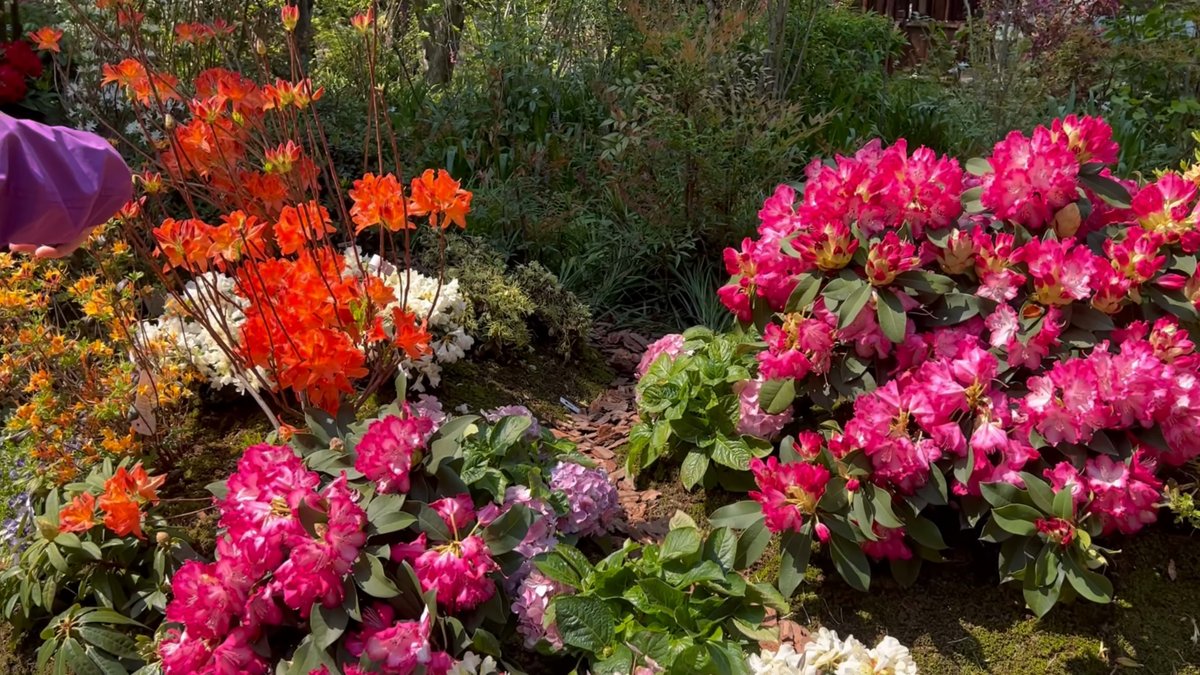
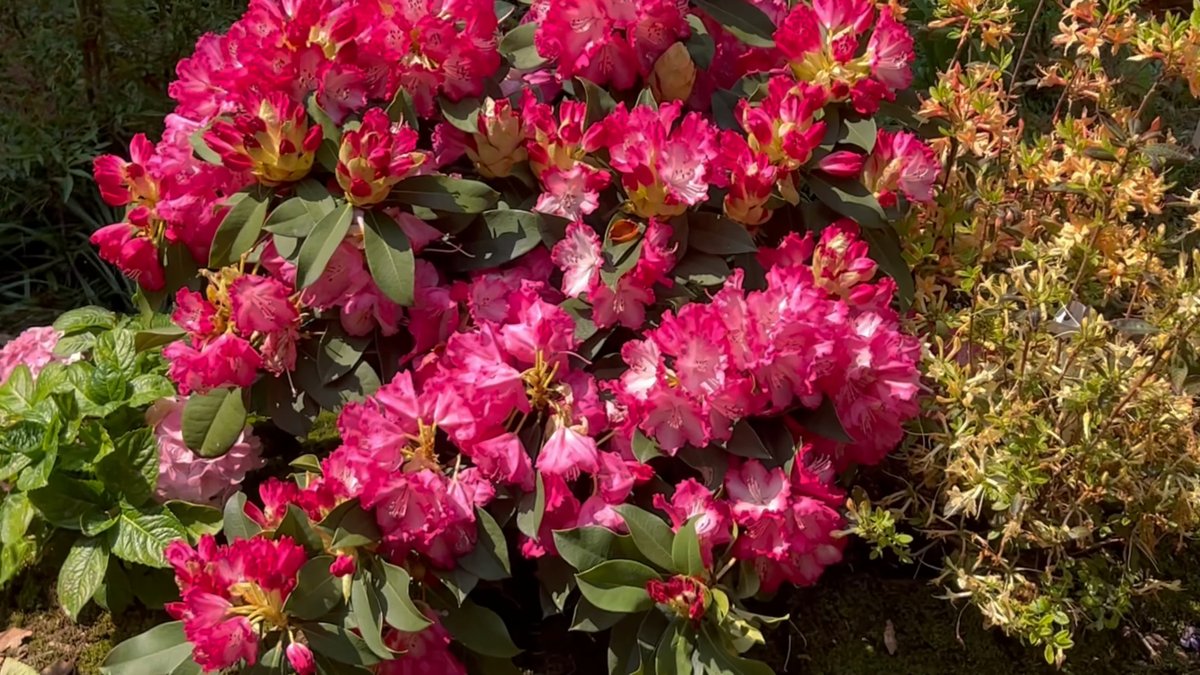
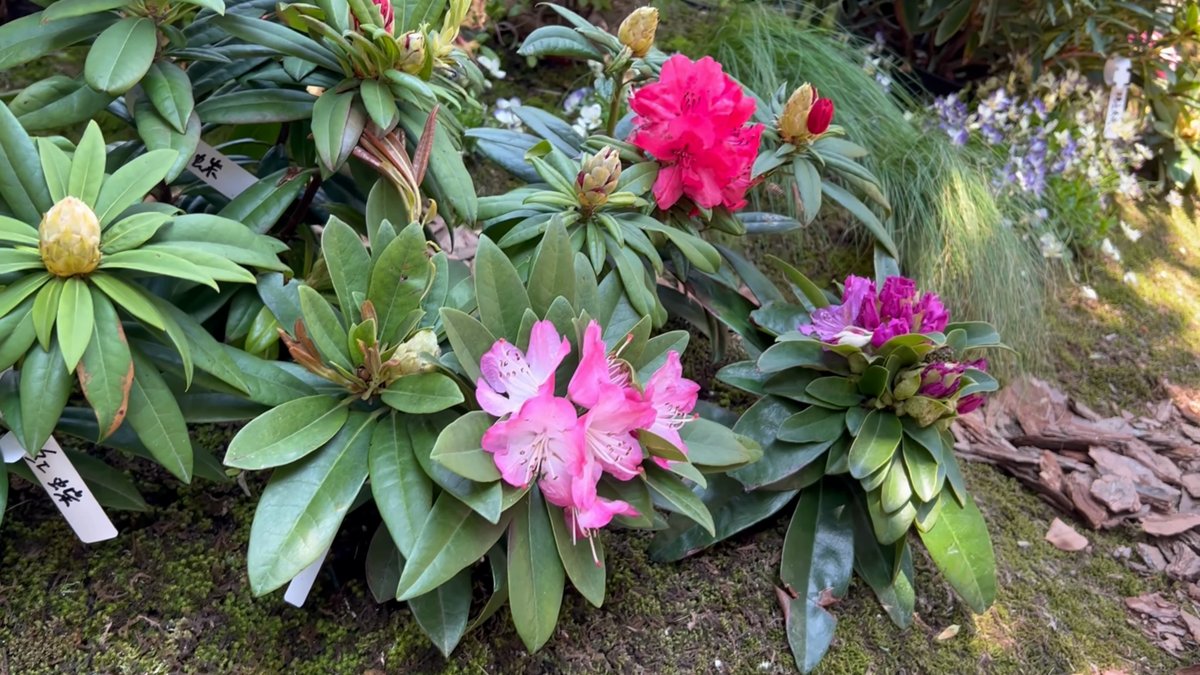
Nearby, on a series of sloping beds near the rock garden, azaleas and rhododendrons is planted in drifts to bloom from March through May. Each individual truss lasts a couple of weeks, then the petals go brown and must be deadheaded. Some plants are large shrubby specimens that has been here decades; others are compact alpines.
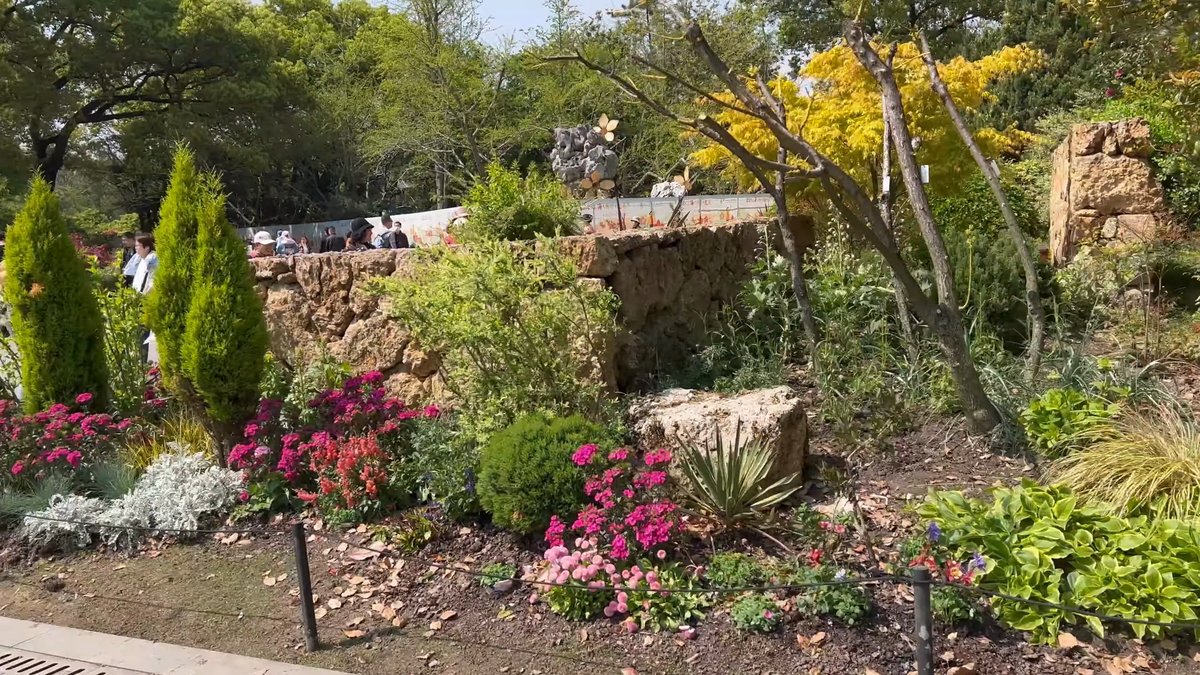
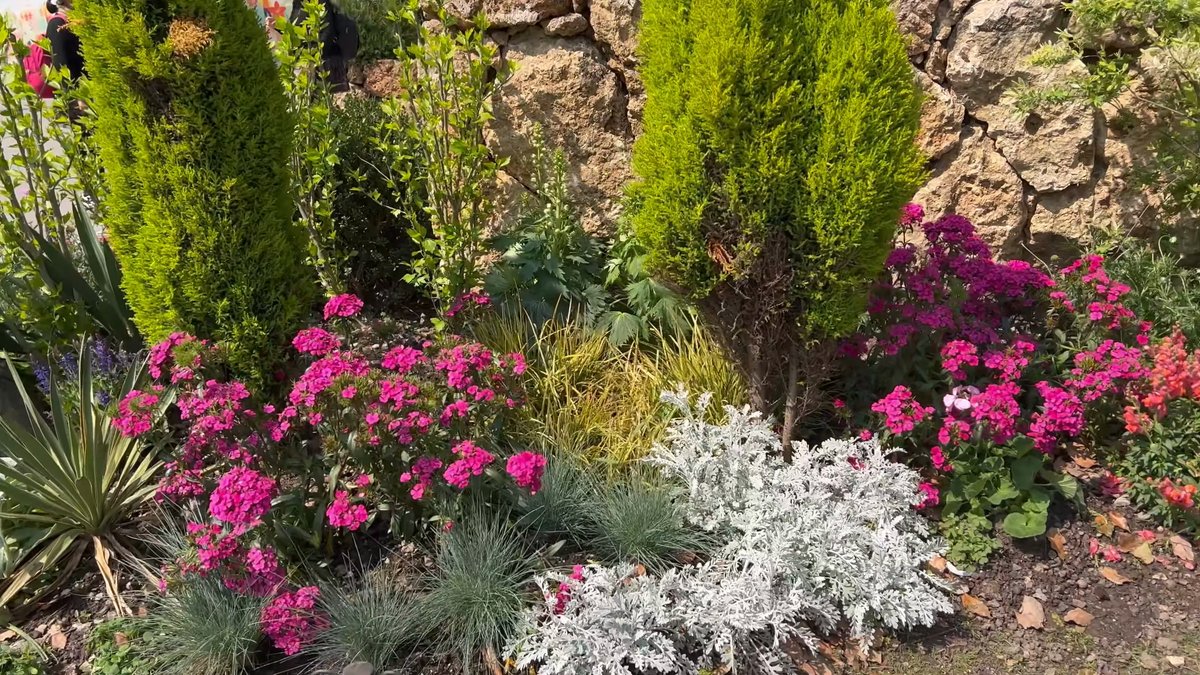
On the other hand, there are alpine rockeries, showcasing creeping groundcovers and smaller conifers built up in a sharp-draining soil and planted to get full sun. Here, the plantings incline more toward the architectural than the flowery, low junipers that spread slowly over the stone, dwarf pines, silvery artemisias.
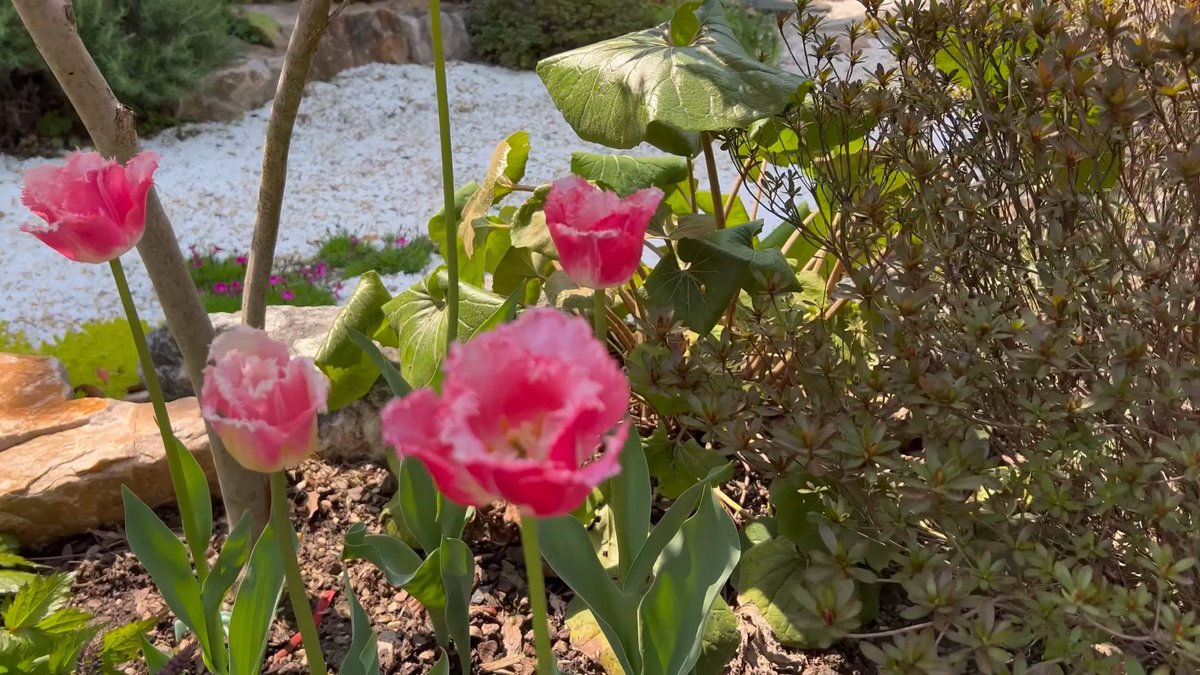
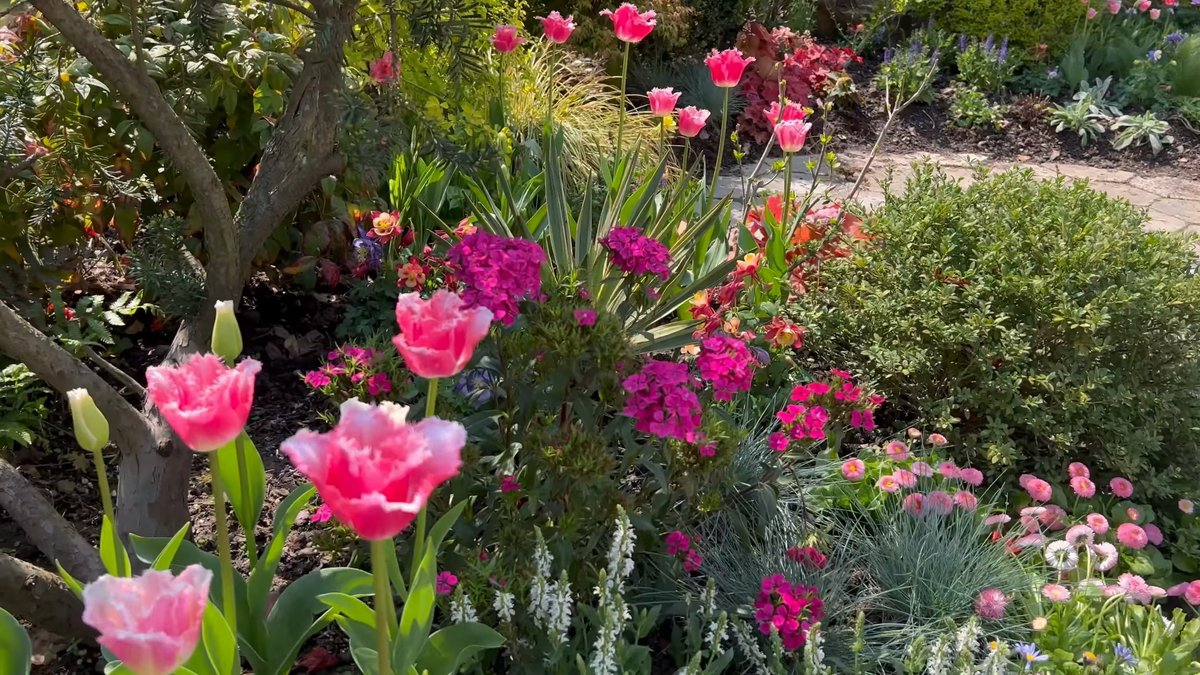
In spring, the pansies is joined by tulips planted in blocks along the edges of the ponds. Then there are all sorts of things, like single-colour masses instead of mixed beds, as is the garden’s tendency. This looks better from afar, but may look a little municipal up close.
A better strategy at Shanghai Botanical Garden is not to try to tick everything off in one visit. Choose a season, concentrate on what’s in flower, and allow some time to perch beside the water for awhile. If you are really into one of the specialist collections, then repeat visits will be rewarded; otherwise, frankly, most visitors come for the peonies (or cherry blossoms) and that’s it.
Are you here in peony time? Or do you like the garden quieter in autumn?