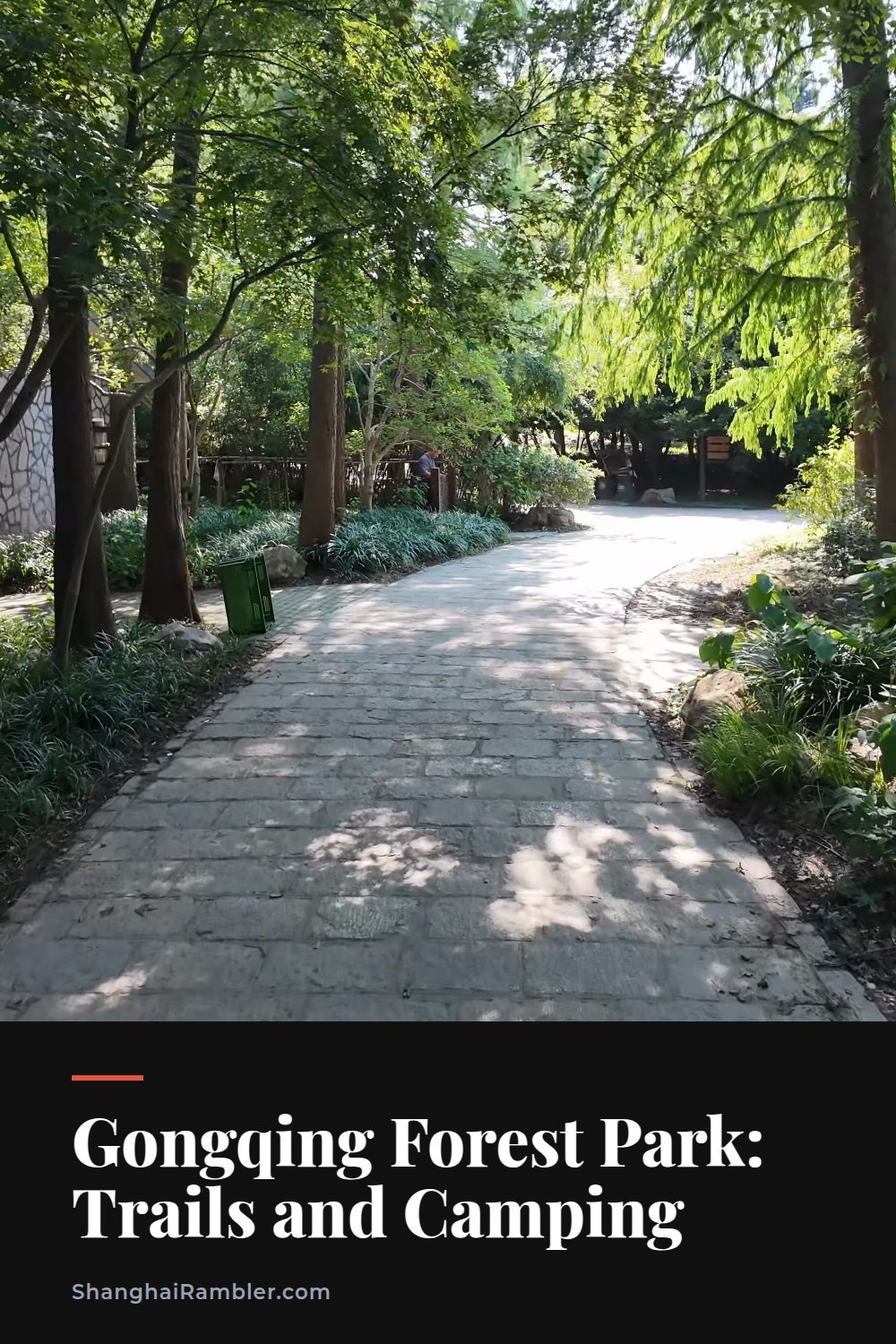
Located in the far northeastern corner of Shanghai, Gongqing Forest Park covers so much space that you shouldn’t attempt to see it all at once; just choose your spots. This is the sort of park where you do a little of everything. You can stroll through proper forests, have a picnic on an open lawn, rent a paddle boat on the lake, or visit a tiny amusement park hidden amidst the trees.
On weekdays, joggers take over the more peaceful trails during morning hours, while weekends bring out families who sets up tents and portable grills. Entrance is just a small cost (about 15 yuan), but after that it’s open and you can explore different sections of the park that have their own personality. There are some that are very manicured, with neat hedges and flowers, while others are quite wild by Shanghai standards, with mossy paths meandering under stands of dawn redwoods.
Here’s what the various parts of the park actualy look like.
What You Can See and Do in the Park
Gongqing Forest Park Shanghai
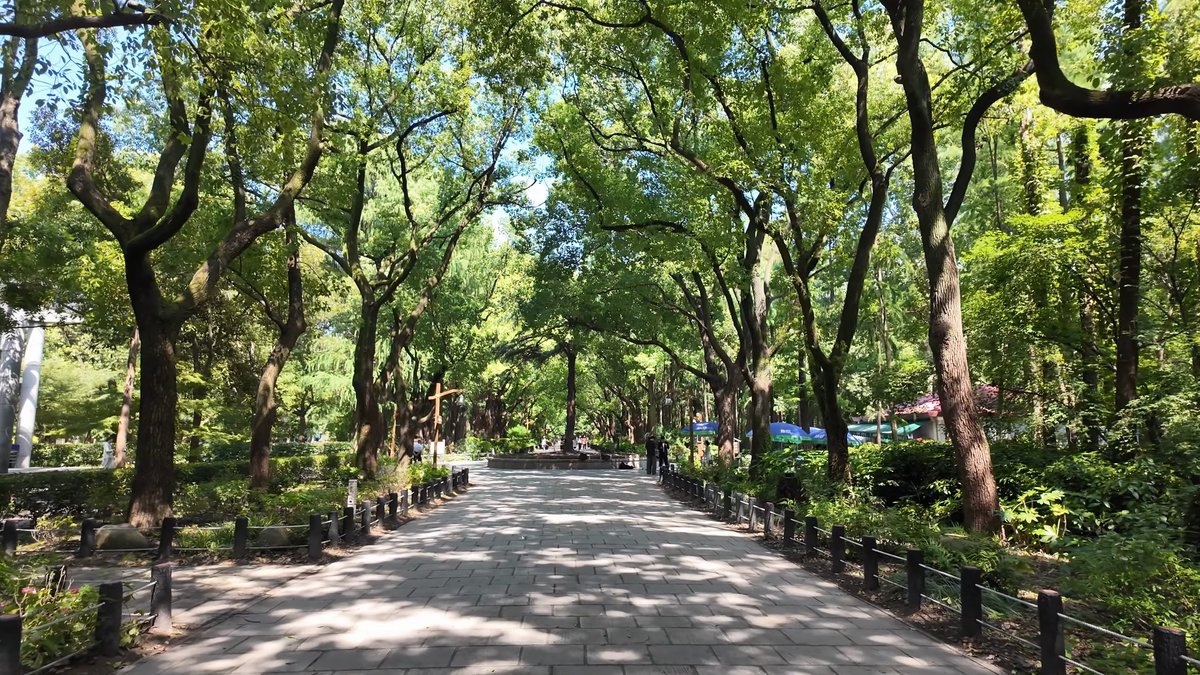
They are planted densely so they form a canopy over the major thoroughfares, which are lined with plane trees that reach across the road like a tunnel in the middle of the park. The broader paths link the various areas and provide more direction if you’re lost as you attempt to get from the amusement rides to the lake.
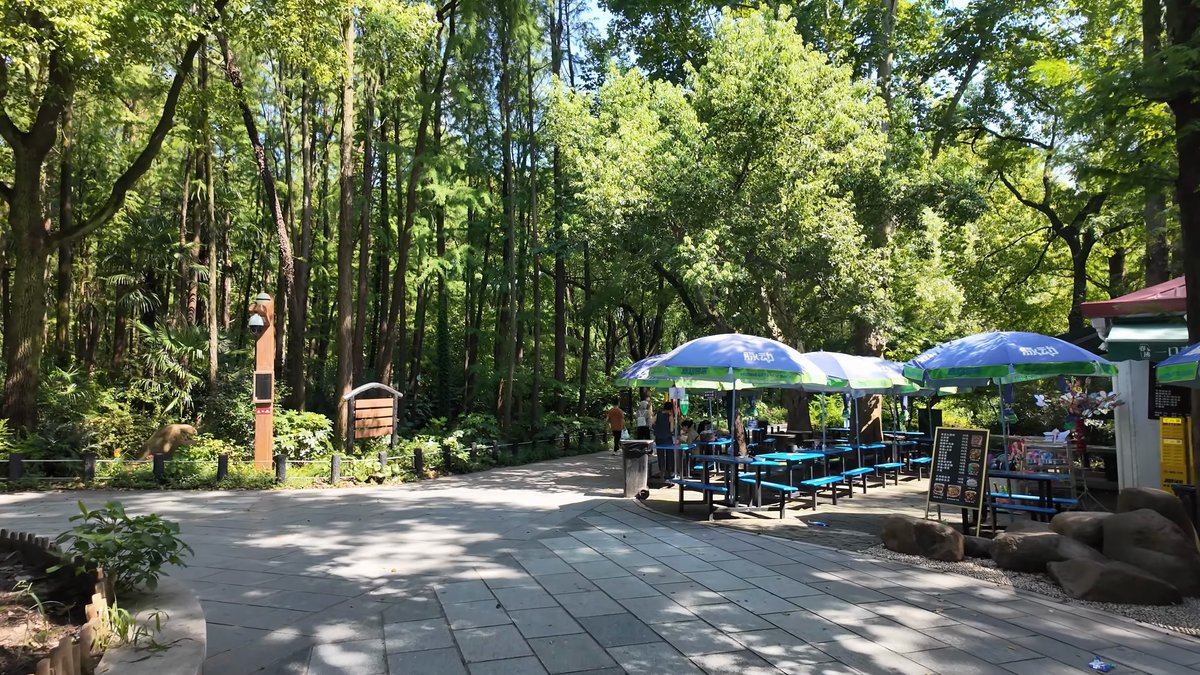
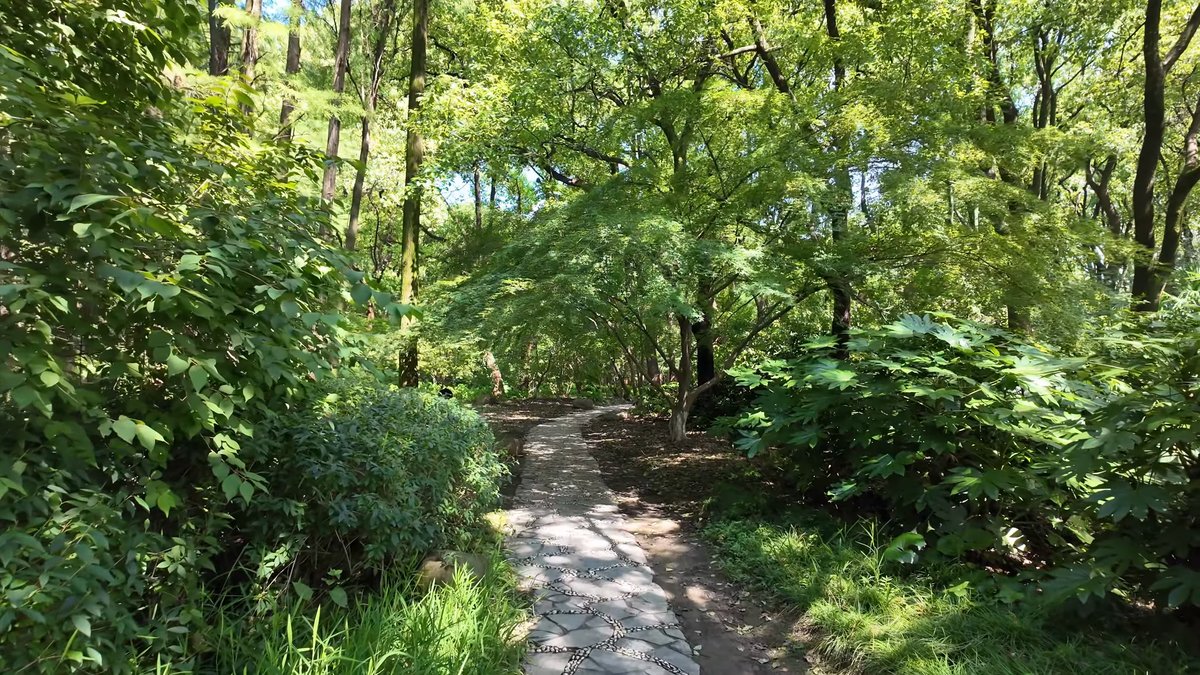
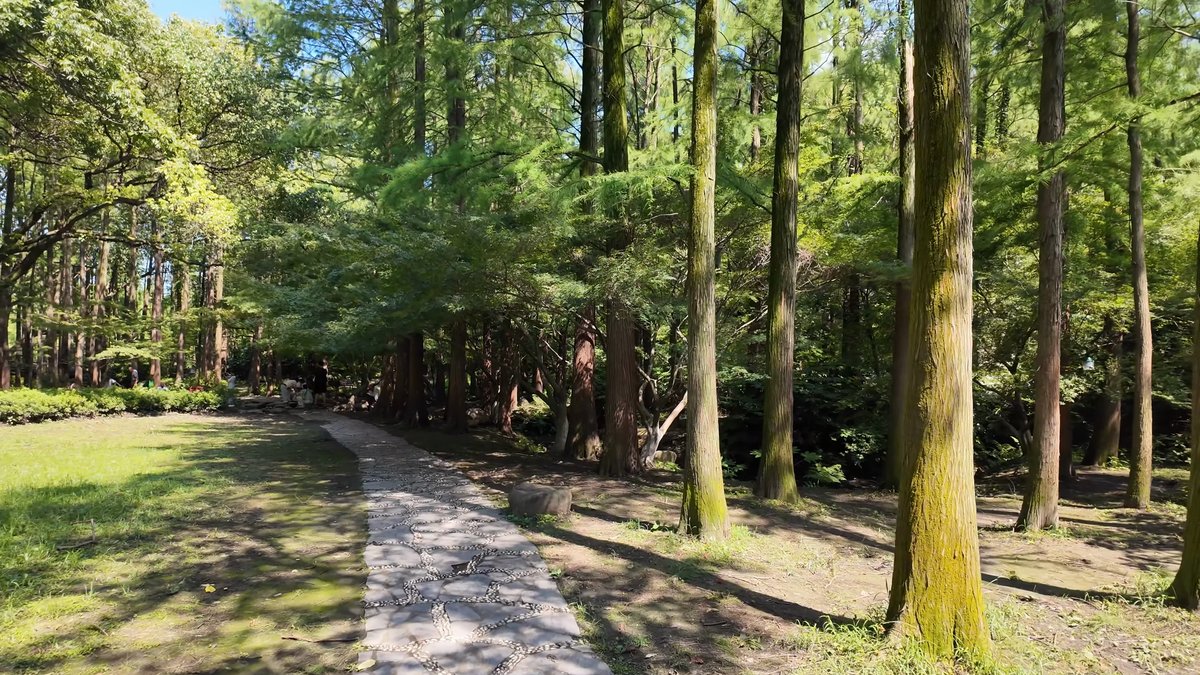
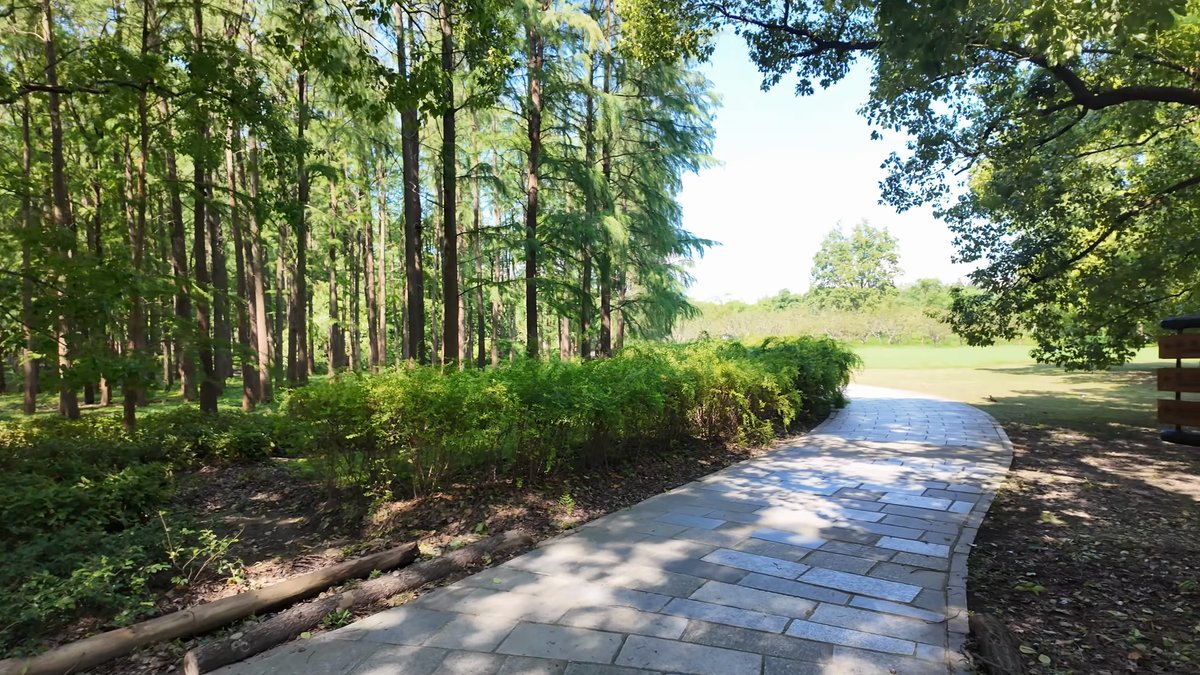
A lot of the major paths are lined with picnic tables (most of which is shaded with those parasols you’ll see from far away). The pavement and the dirt trails narrow quickly, plunging into undergrowth that’s truly wild in spots. And then there’s the groves of dawn redwoods, where the trees are all straight trunks, and the ground is soft and covered in moss that creeps over anything that doesn’t move out of the way fast enough.
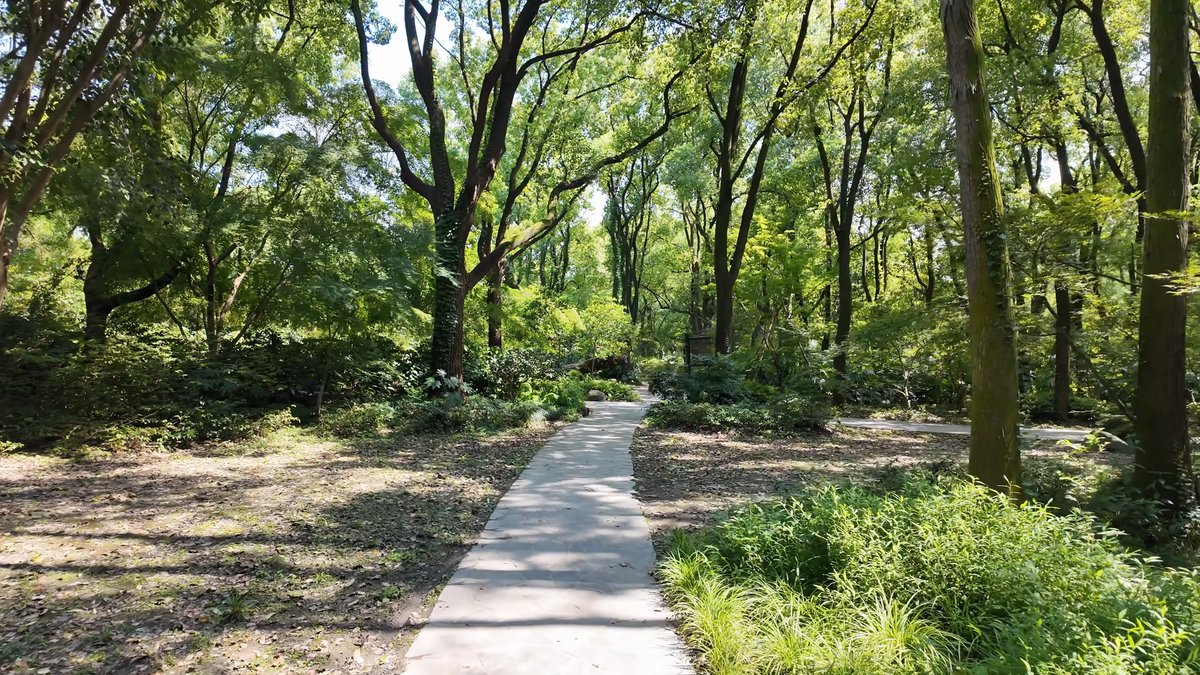
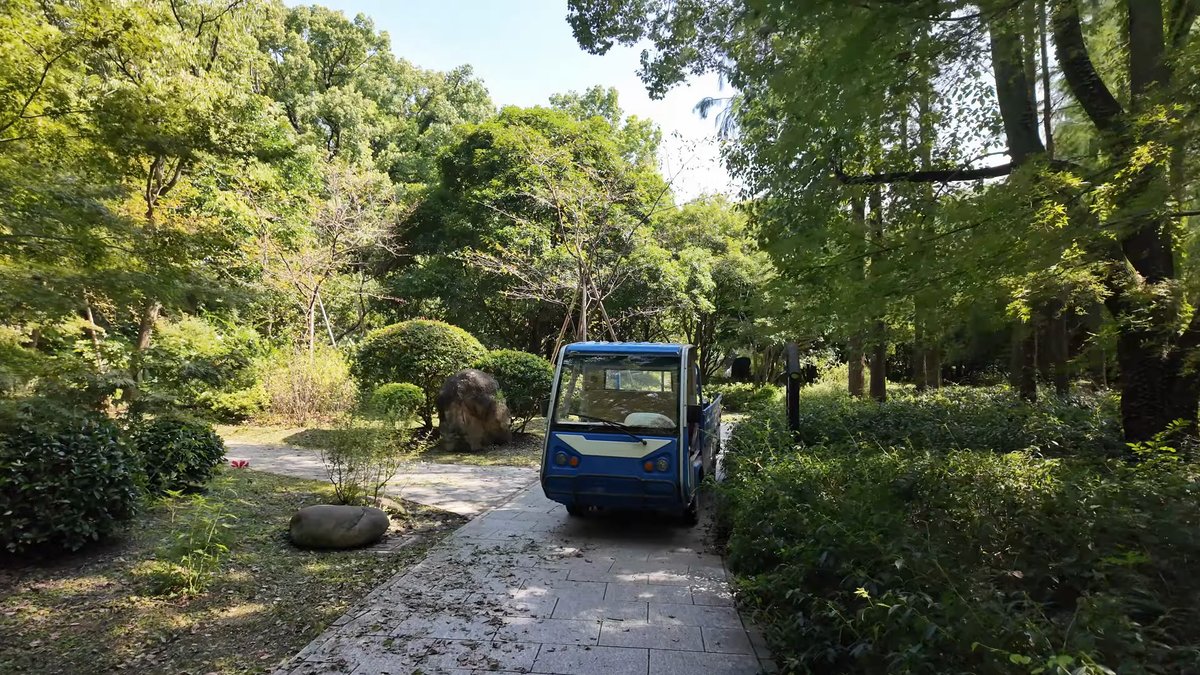
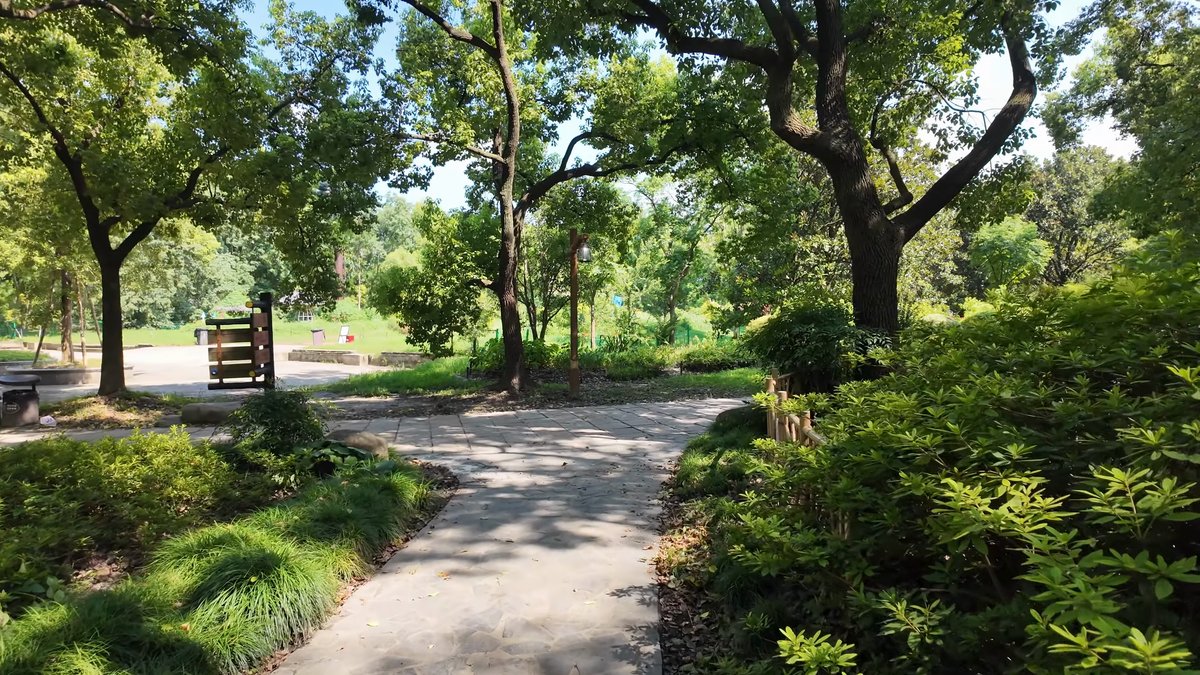
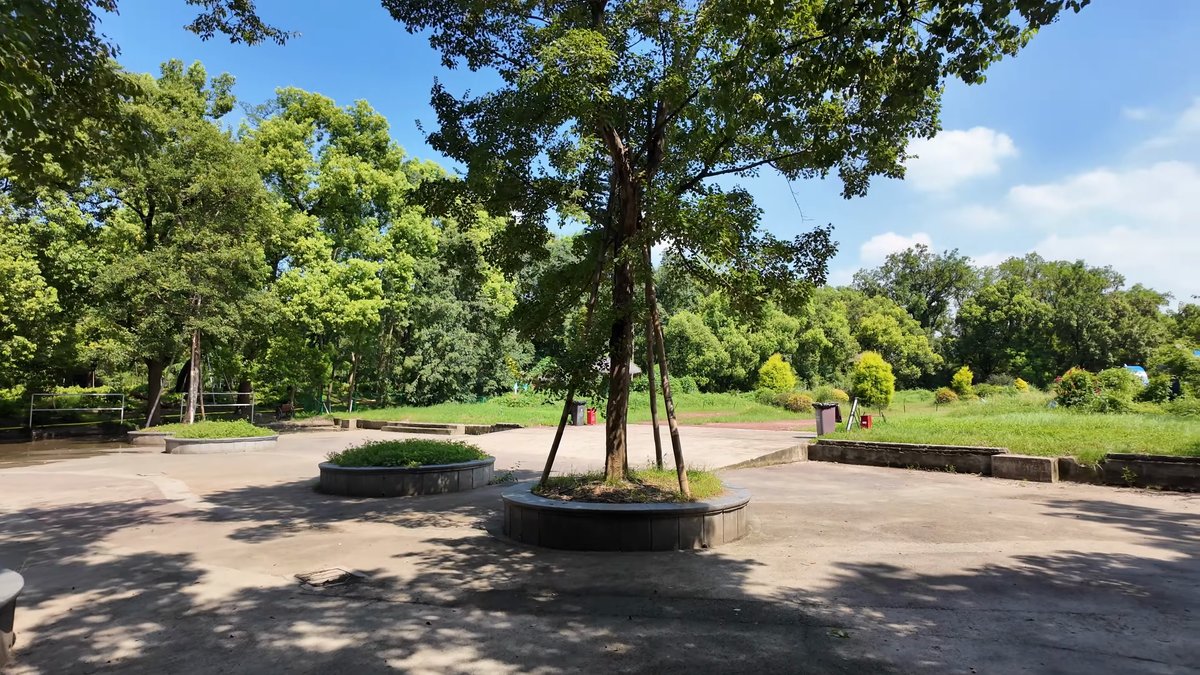
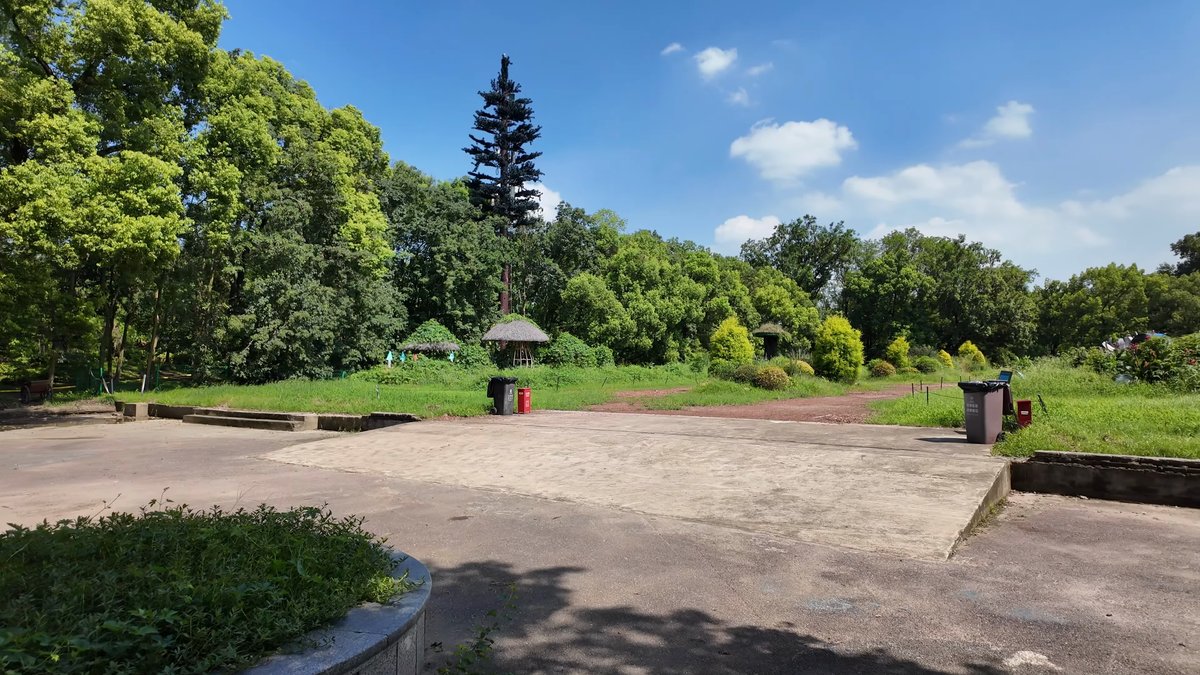
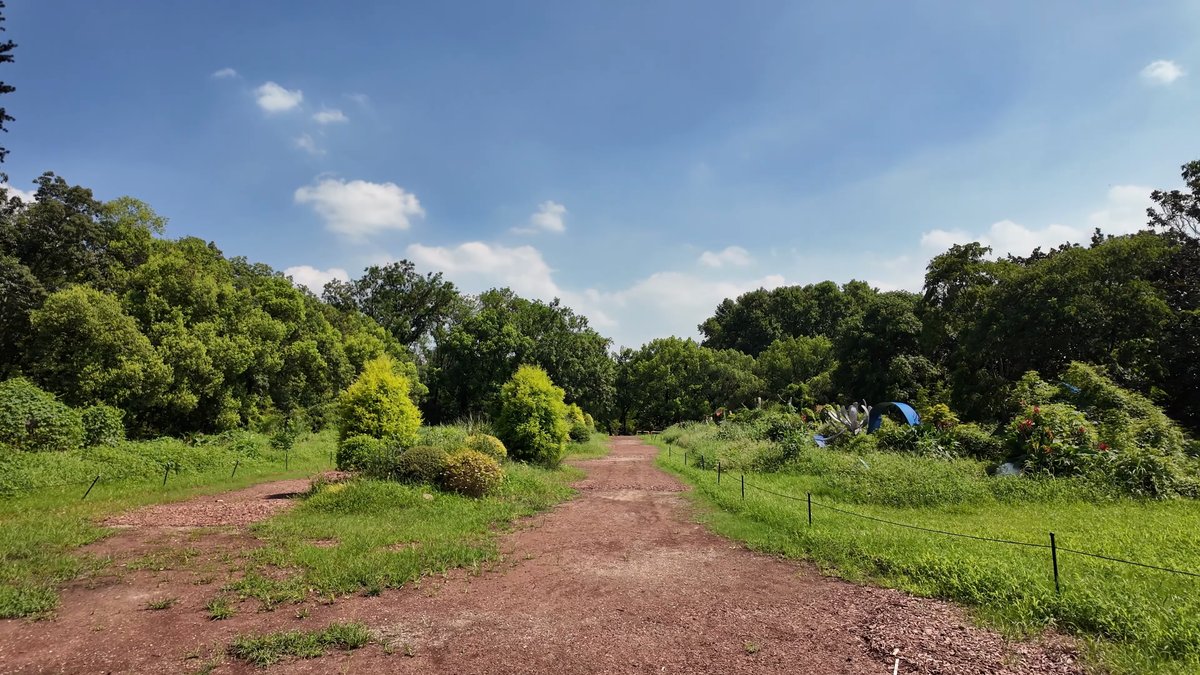
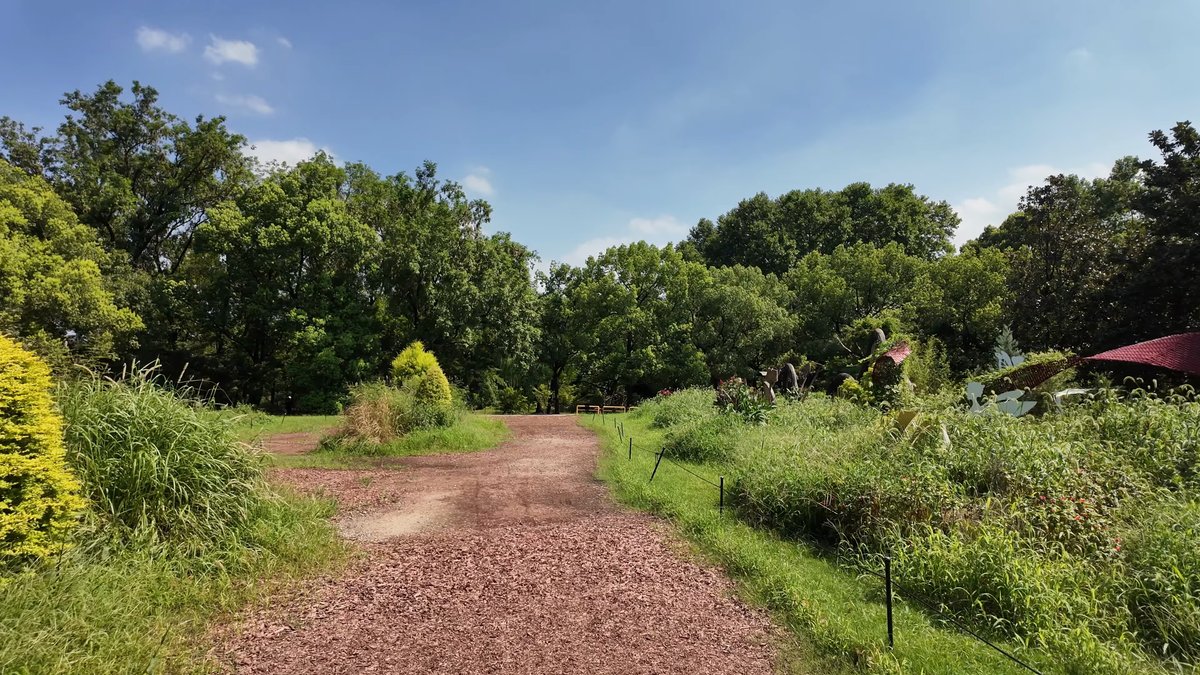
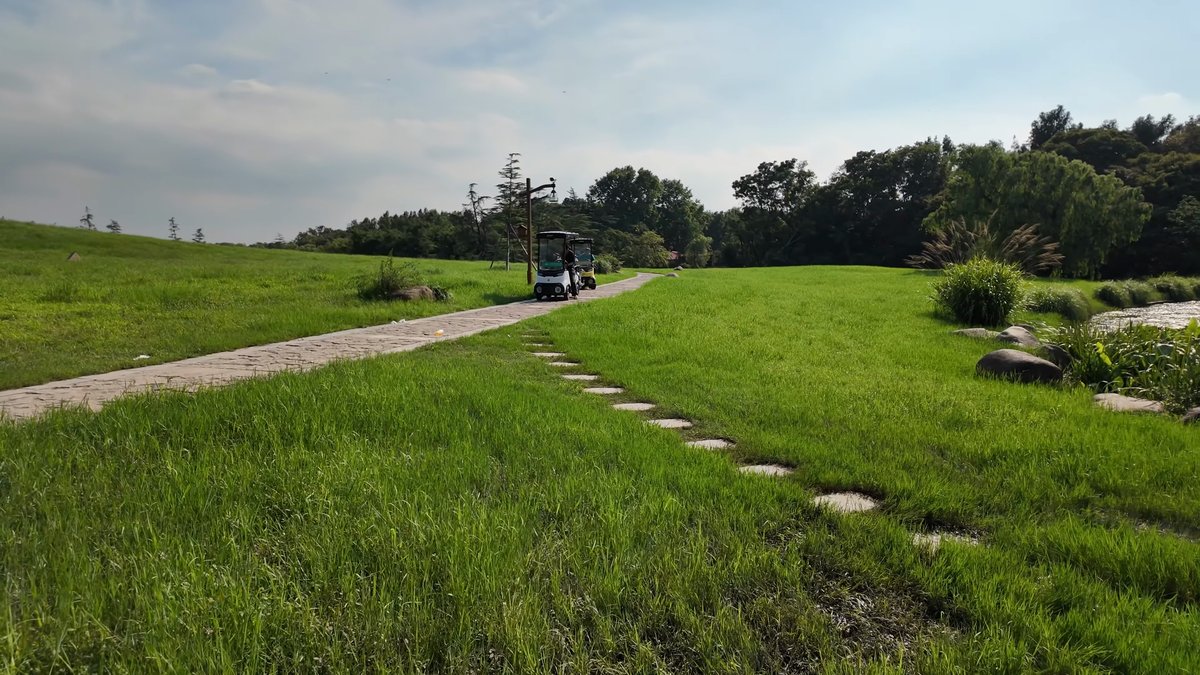
In the better-maintained parts, paved pathways wind their way among the shrub borders. They even has parking spots for the electric shuttle carts, which make loops of the main sights if you don’t feel like walking. There are also jogging tracks, look for the reddish surface, that branch out into scrubland areas where the landscaping steps aside and lets nature take its course.
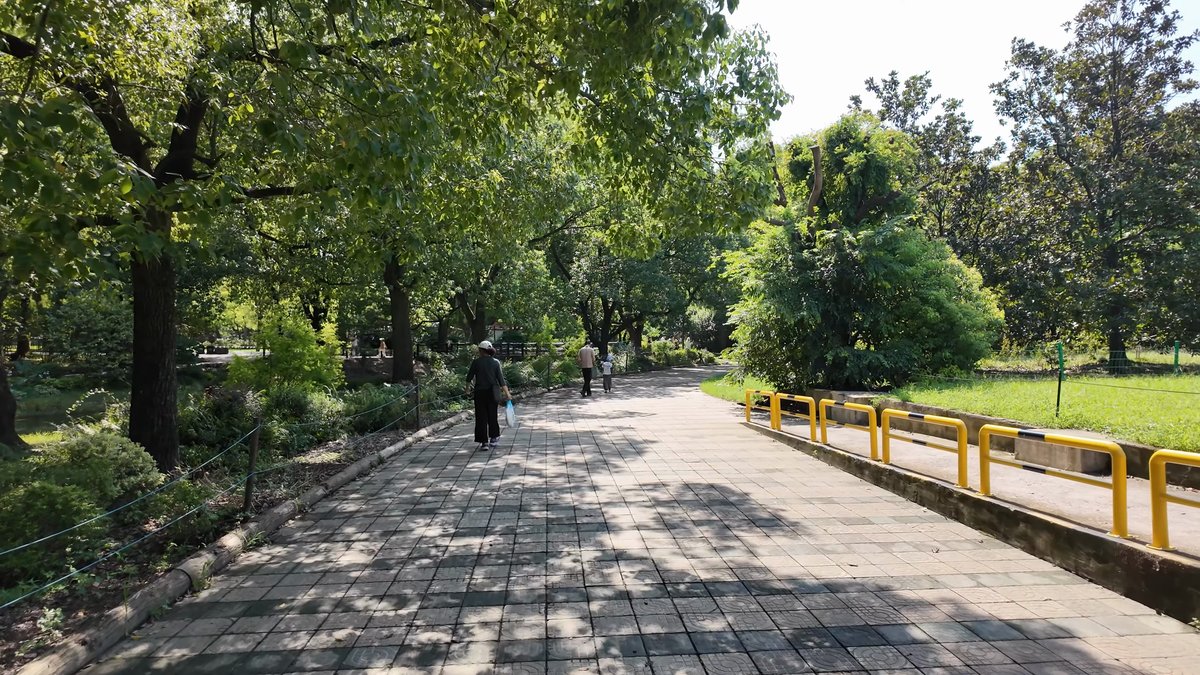
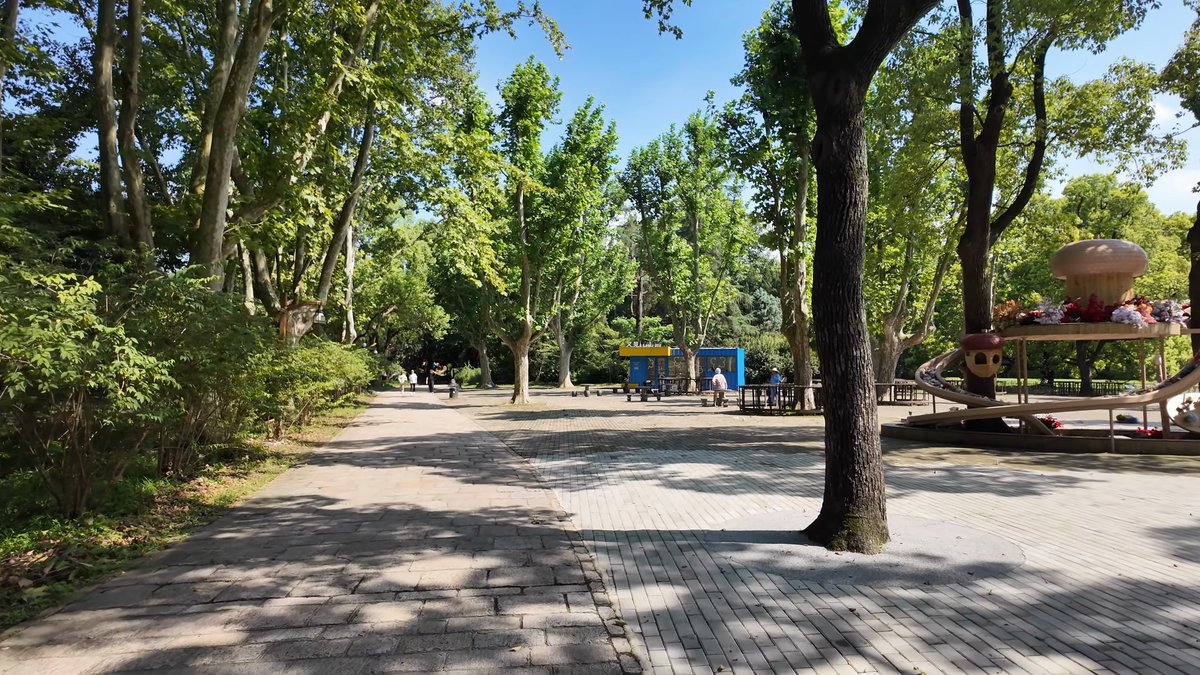
There are a few smaller playgrounds for little ones that pop up here and there beneath the larger trees. The various activities areas is connected by those same tiled paths with painted markings (though truth be told, you’ll spend more of your time on the plain dirt/asphalt if you’re actualy exploring).
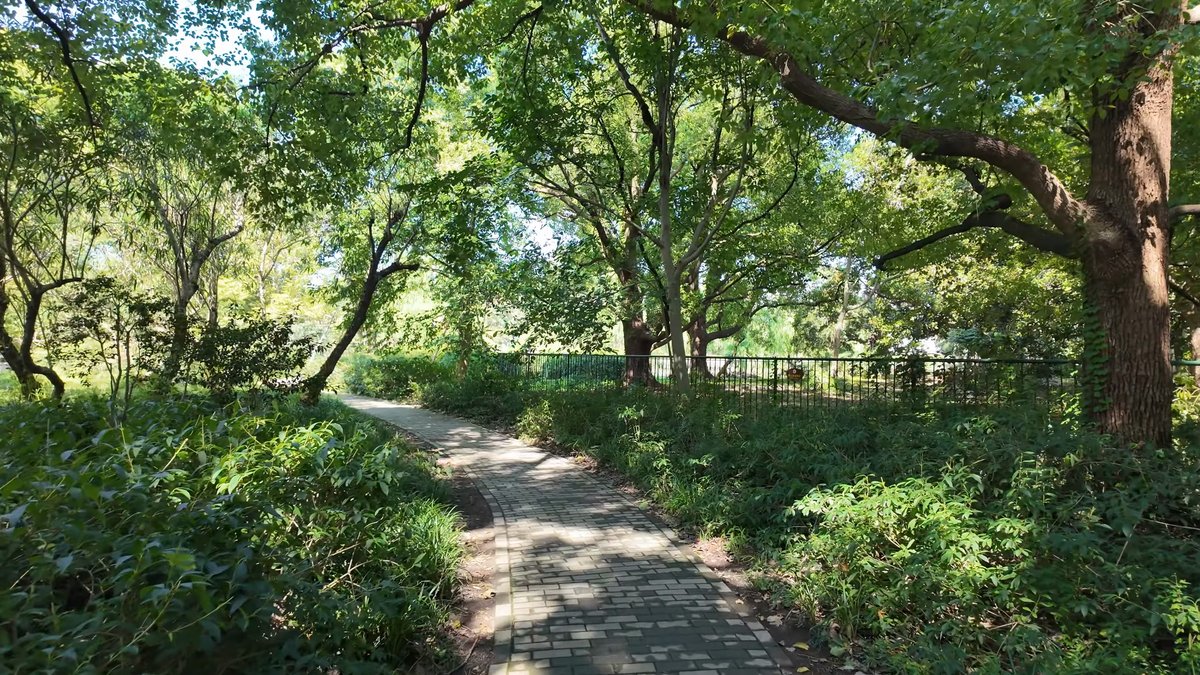
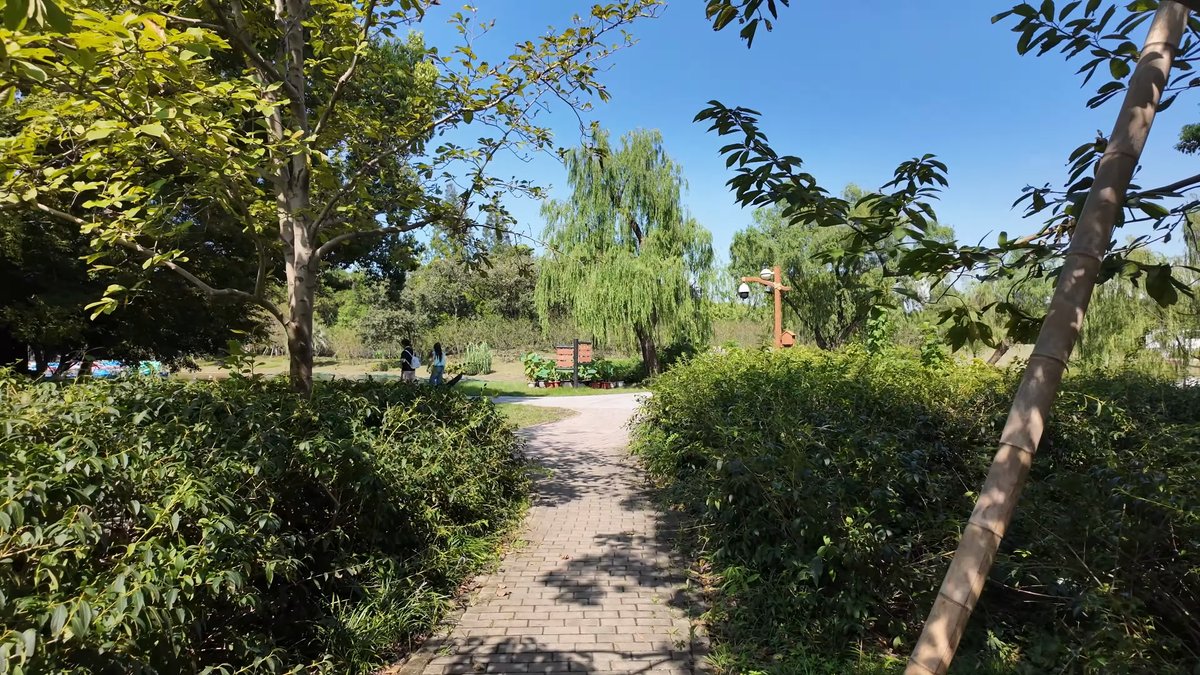
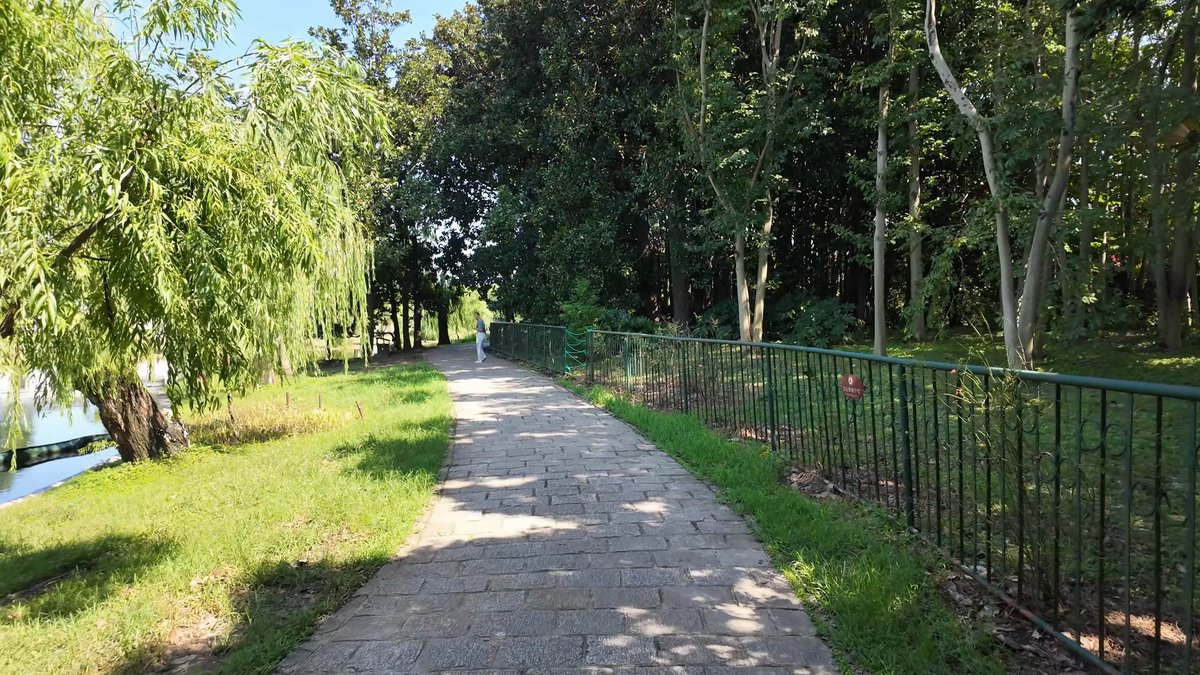
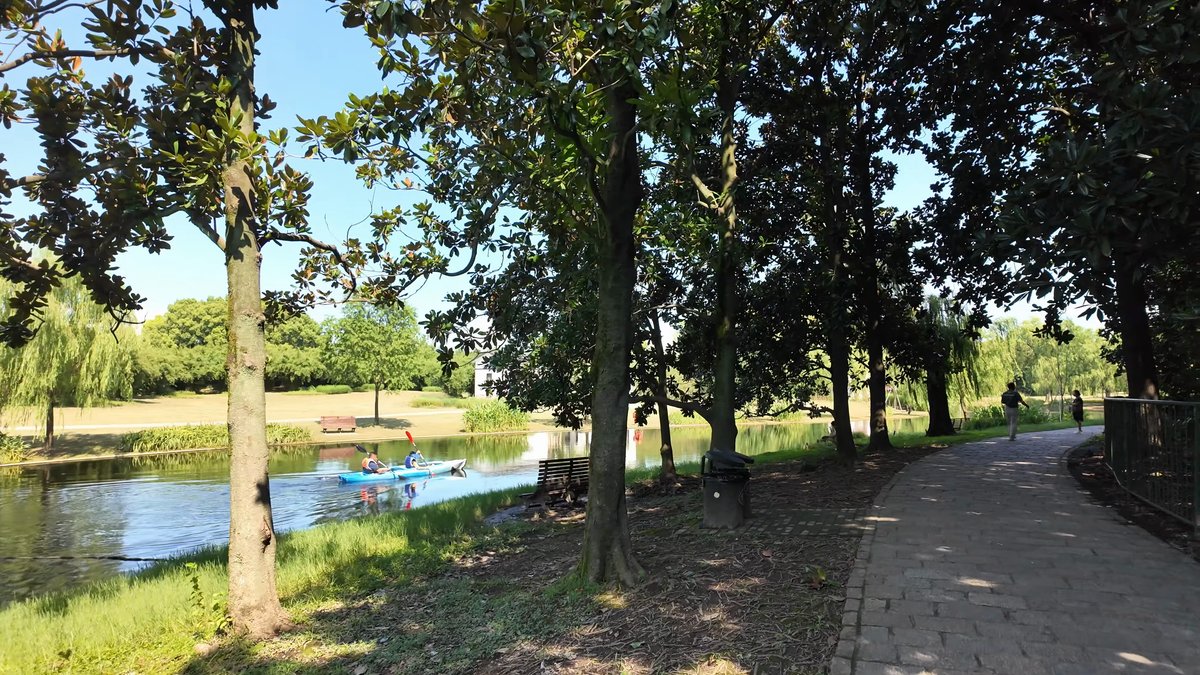
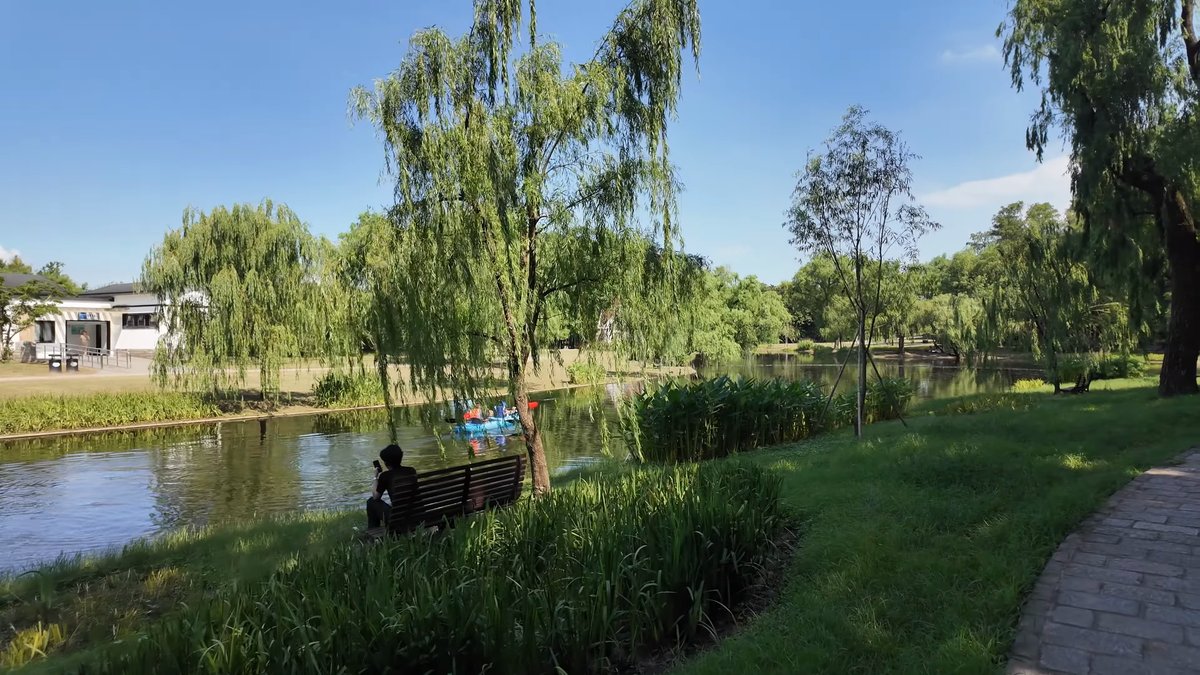
The paths is narrow in places, and planted thickly; elsewhere they’re more open, with willows and other clipped hedges defining space. As you stroll, the lake gradually opens up, first glimpses of it from the shore where boats is moored, then little ponds dotted with reeds and maybe a bench or two. This is a working lake (decorative but not just that), so don’t be surprised to find folks really out there on most decent weekends.
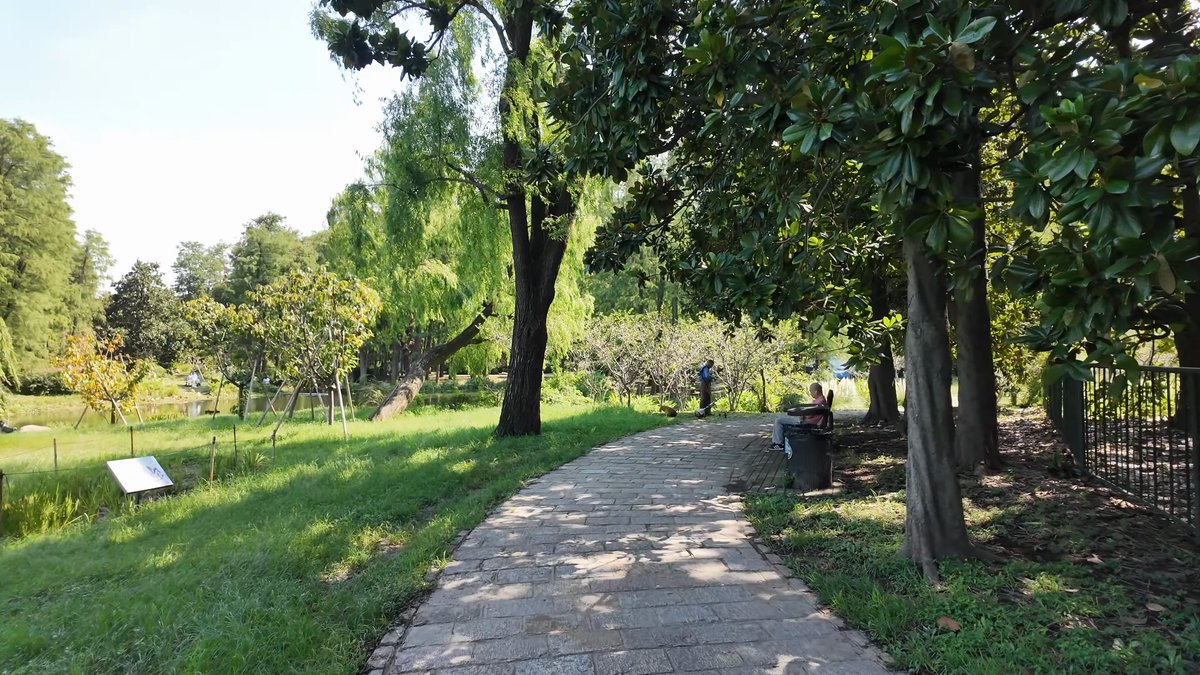
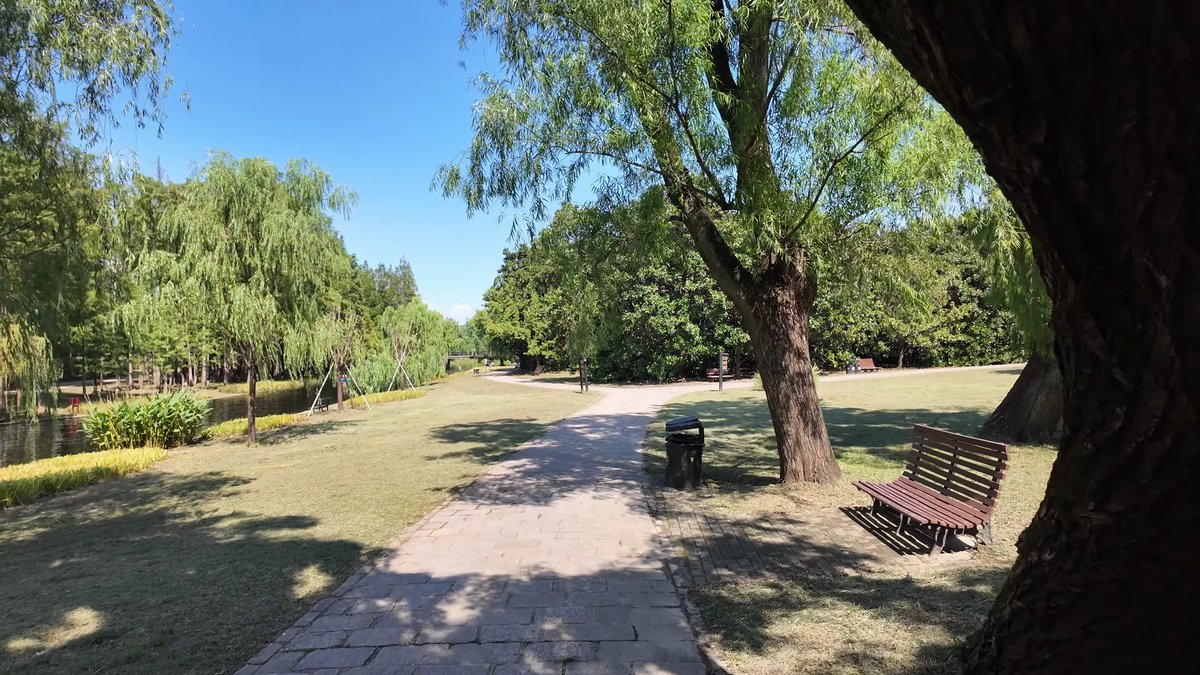
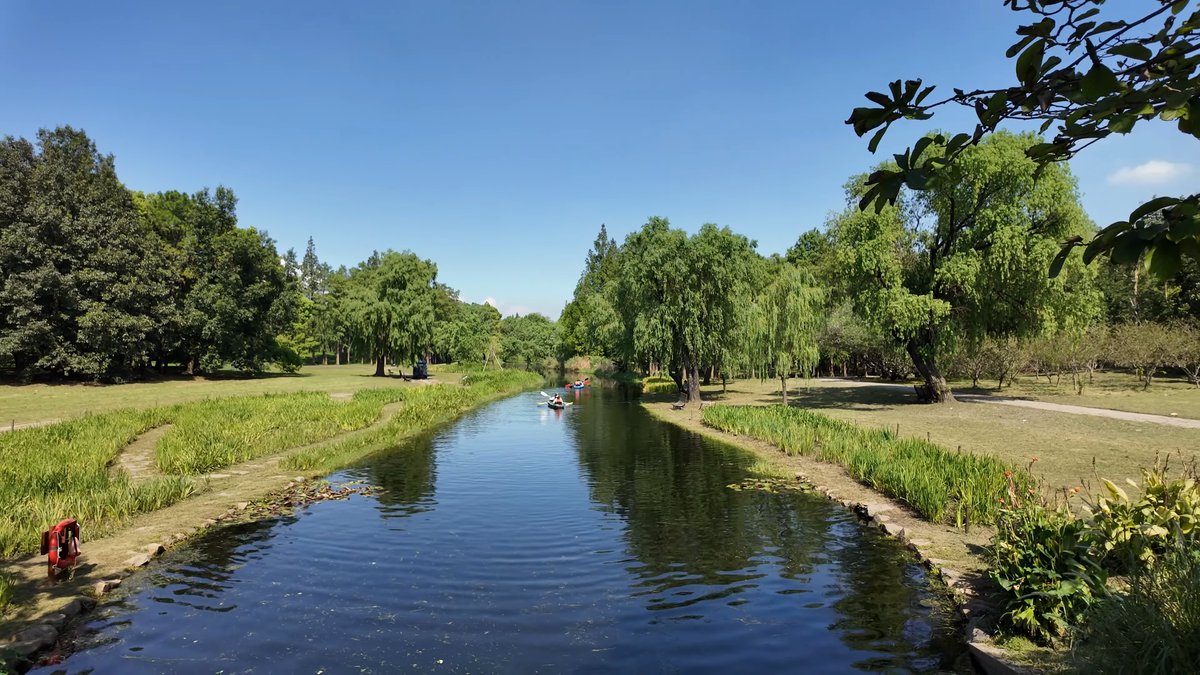
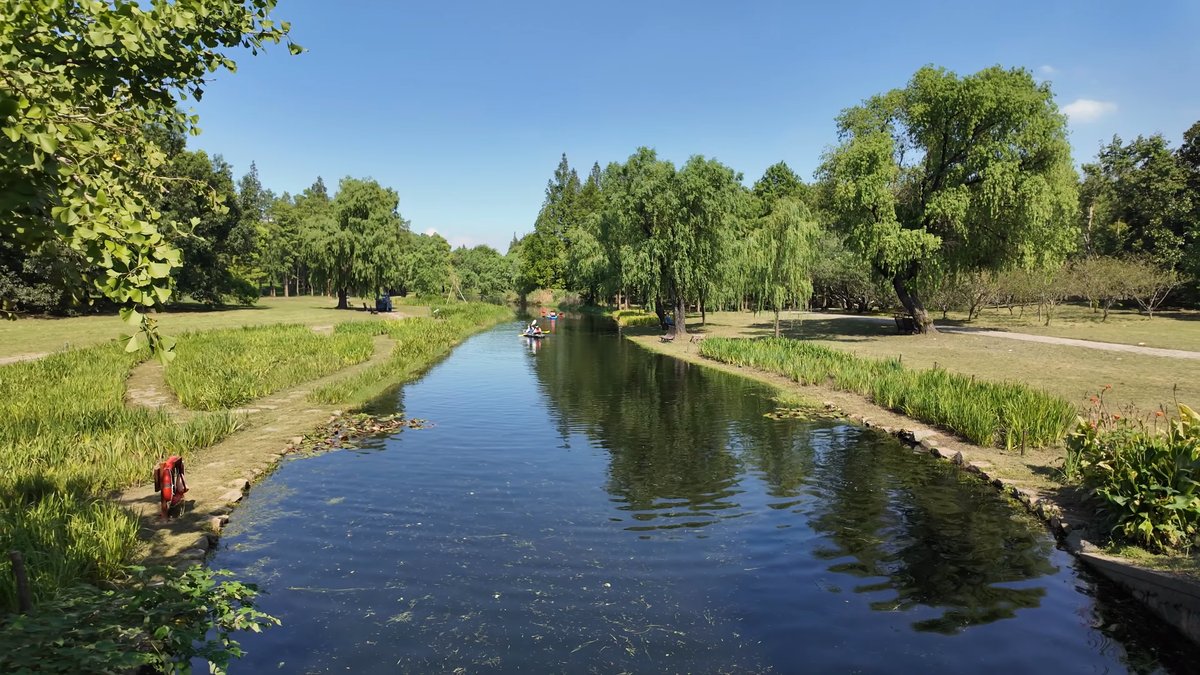
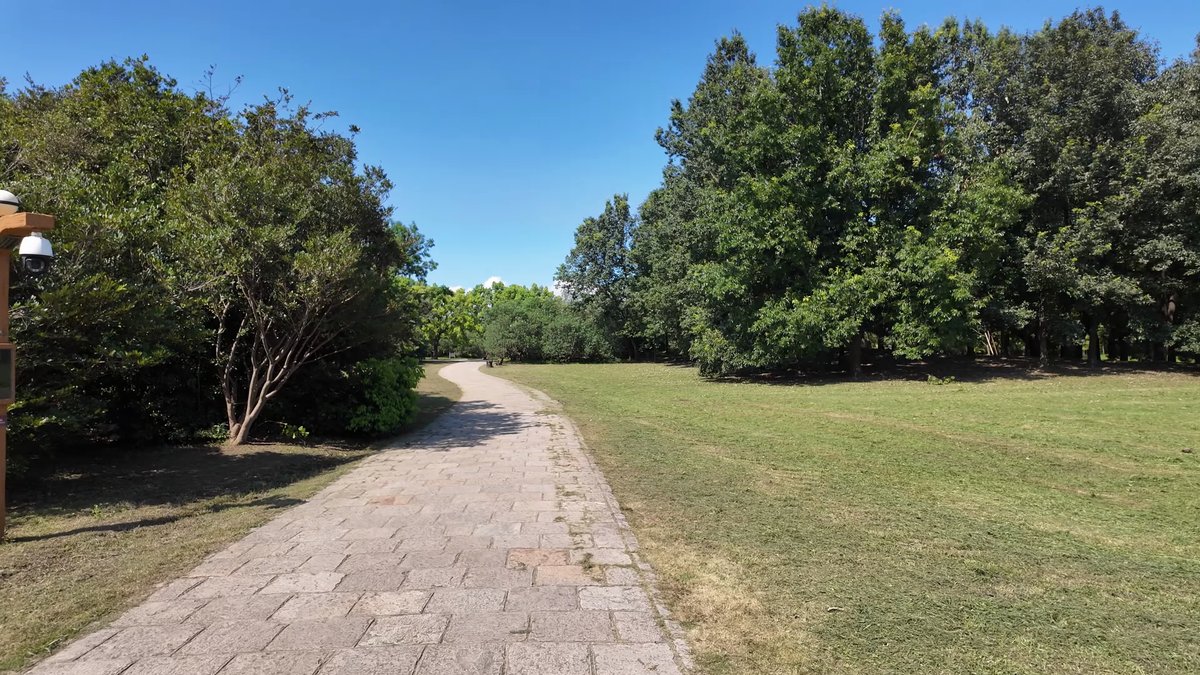
The lakeside is filled with weeping willows whose lawns stretches out below them. When the wind dies down, the canals that cut across those areas reflect the sky in their still waters. It’s a favorite place to lay out a tarp and spend an afternoon, which is why the open expanses of grass here get so busy.
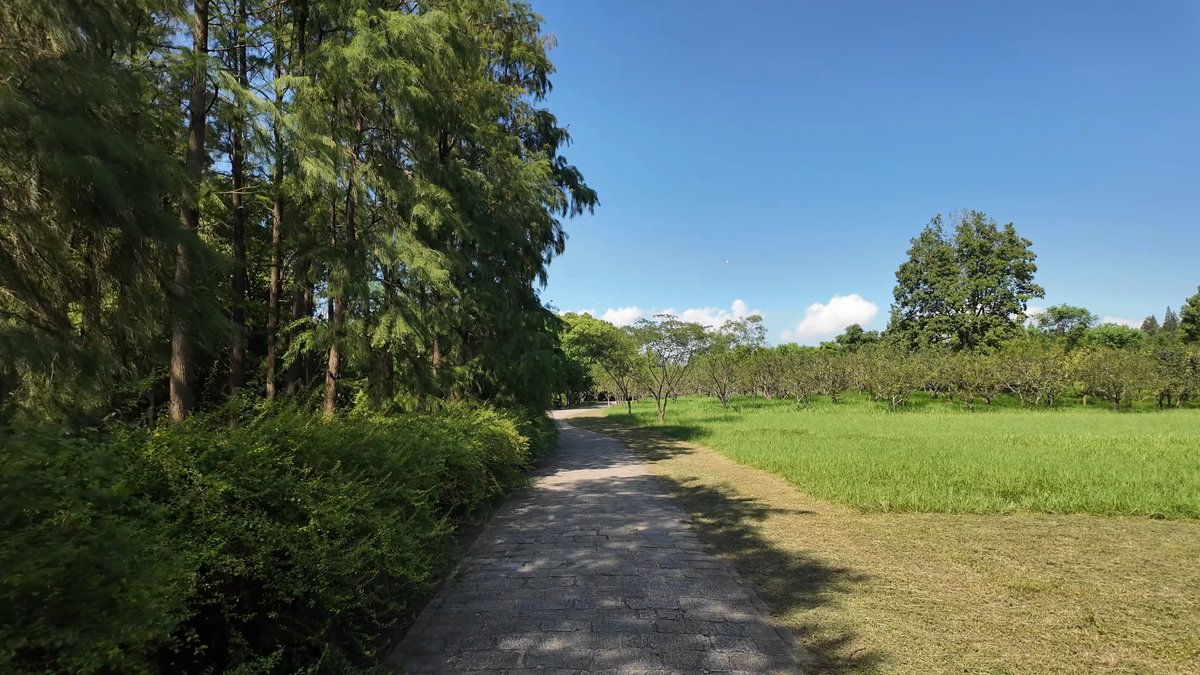
The paths connecting the lawn patches take you through stands of towering conifers where the light shifts dramatically from sunny to shady.
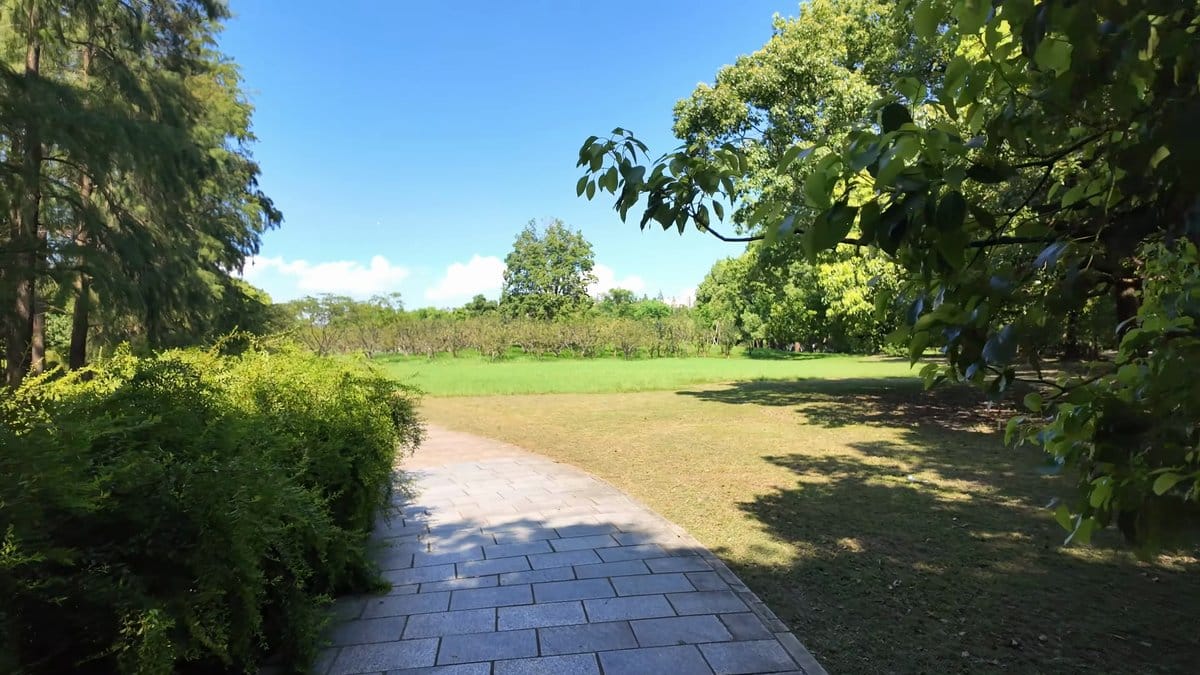
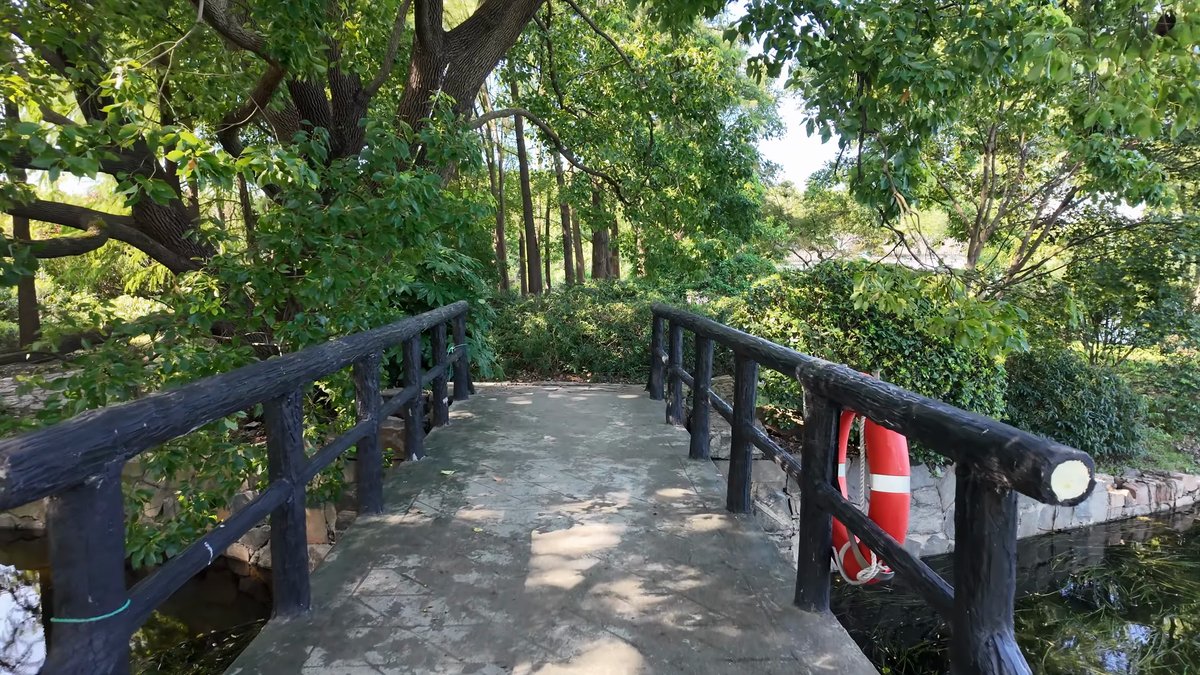
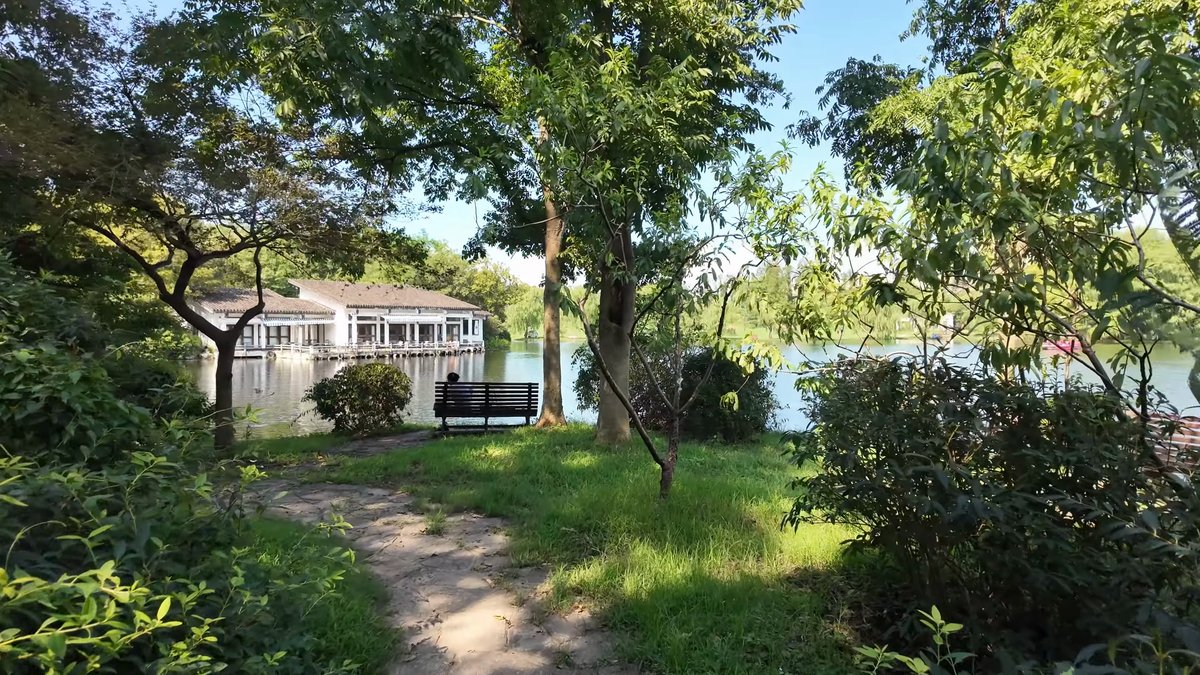
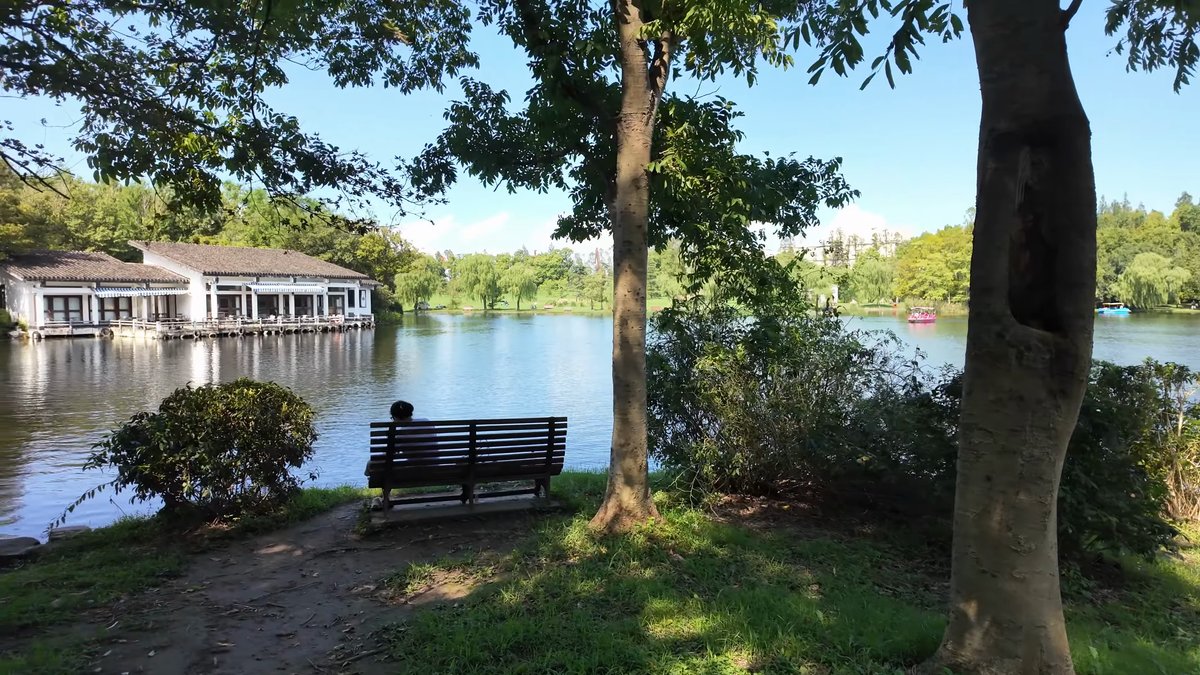
The smaller waterways are crossed by timber bridges, some of which have lifebuoys indicating that someone has misjudged their step here before now. If you’re feeling energetic there are boathouses along the lakeshore where you can hire a paddle boat (expect to pay about 30-40 yuan for half an hour).
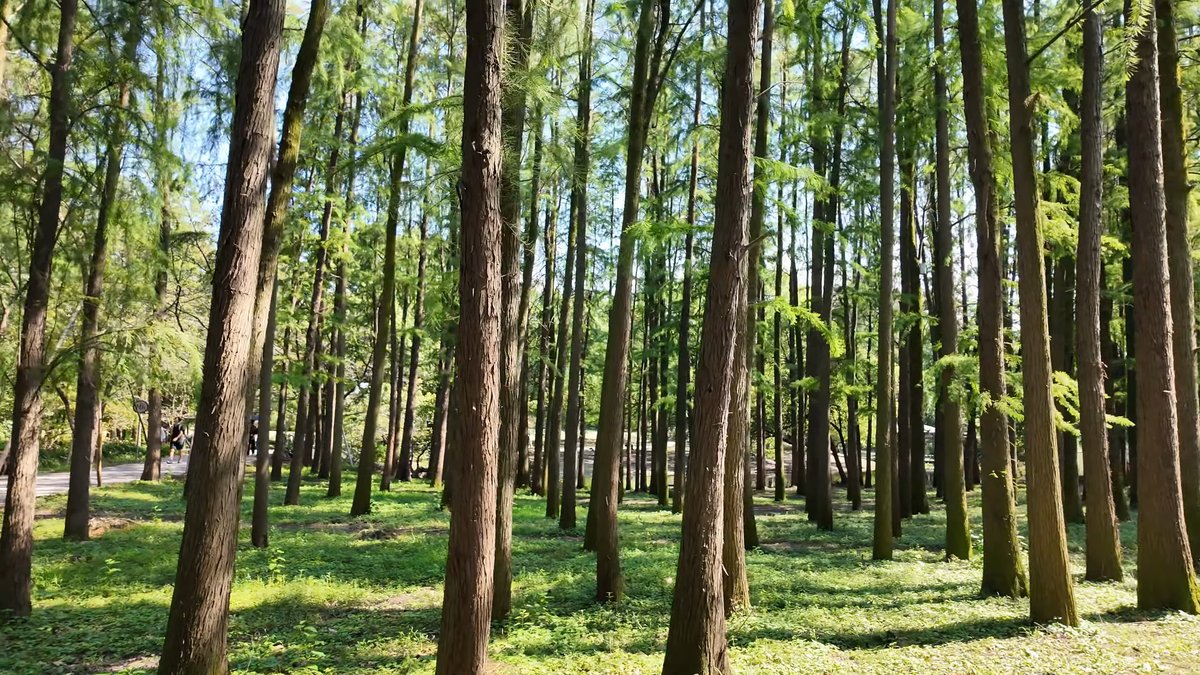
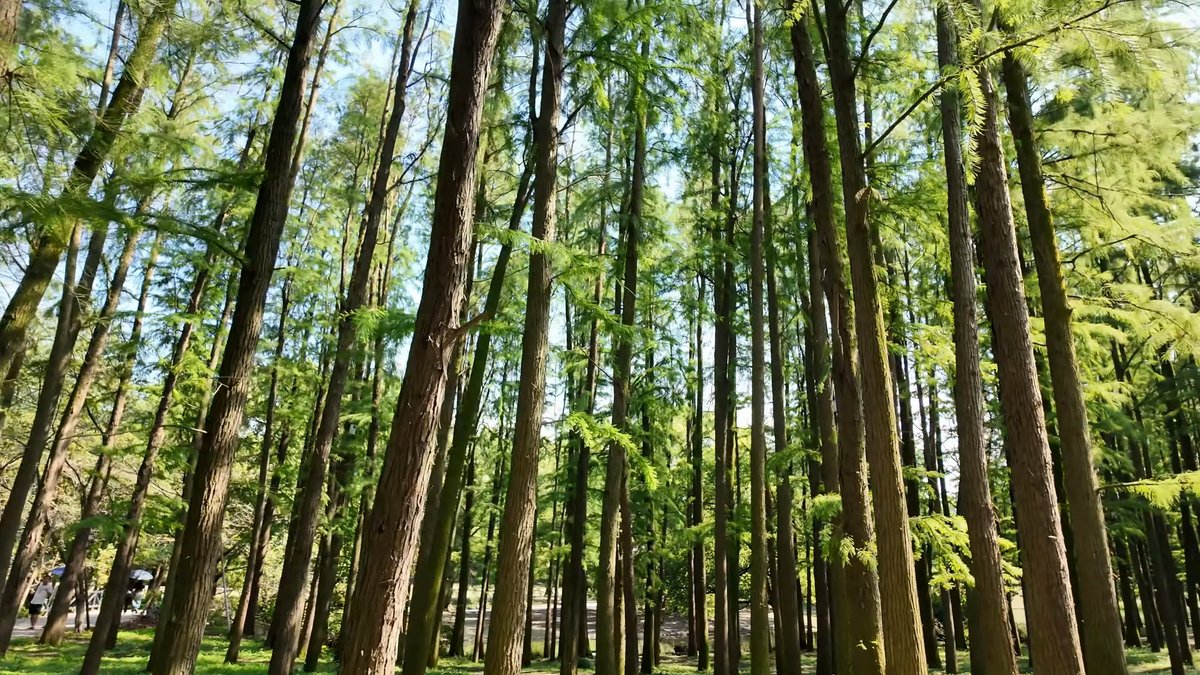
In particular, look out for the redwood groves. The canopy above appears extremely tall when viewed from beneath these trees. Even on a hot day they remain cool, and the light filters down in shafts that change position as you move.
If you prefer a garden of blooming things, you’ll find signposts pointing to the way of the Hydrangea Garden. It’s laid out in circles that work reasonably well at eye-level, though they probably look best from above.
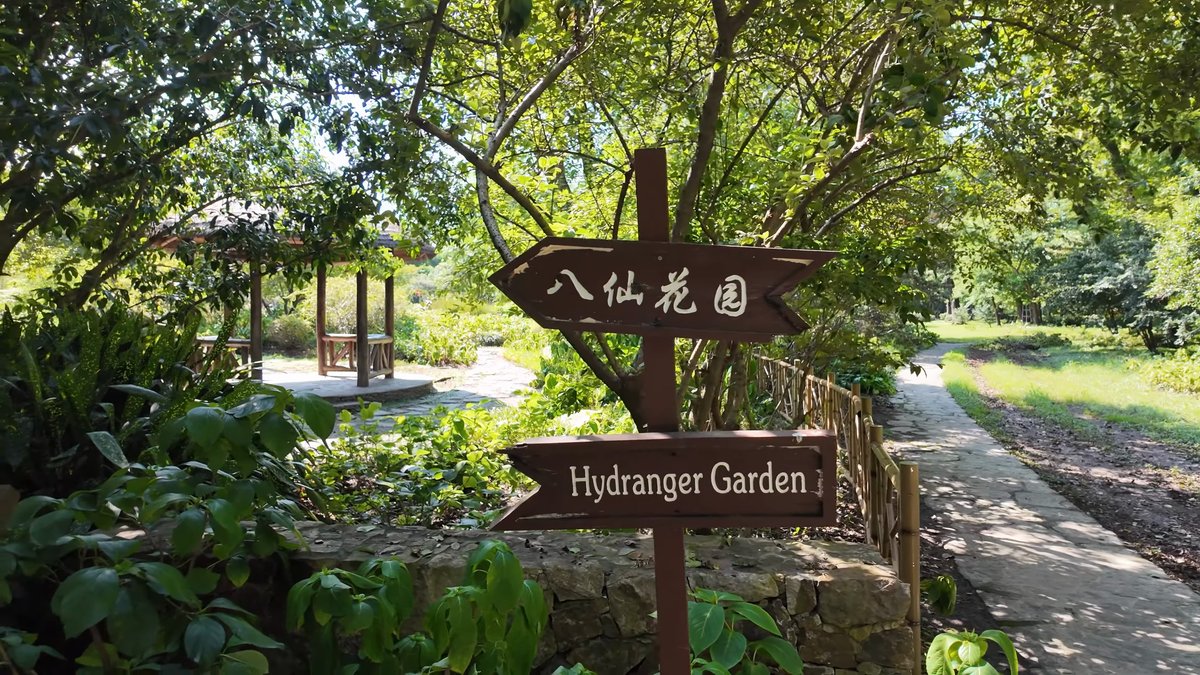
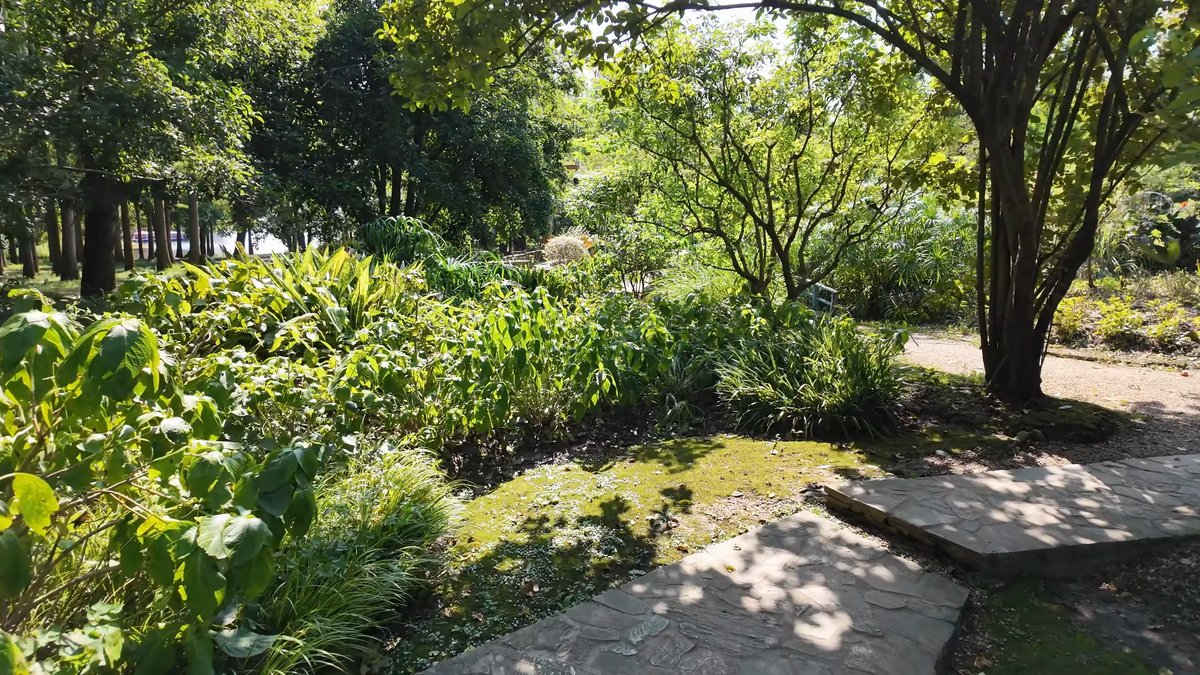
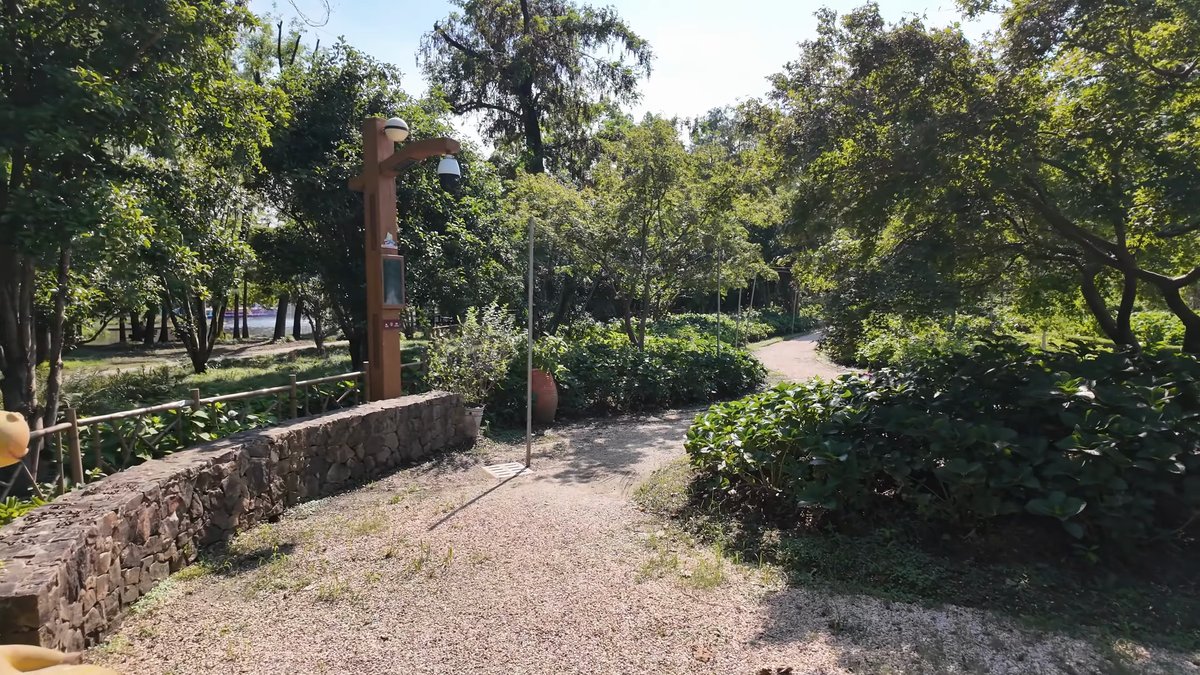
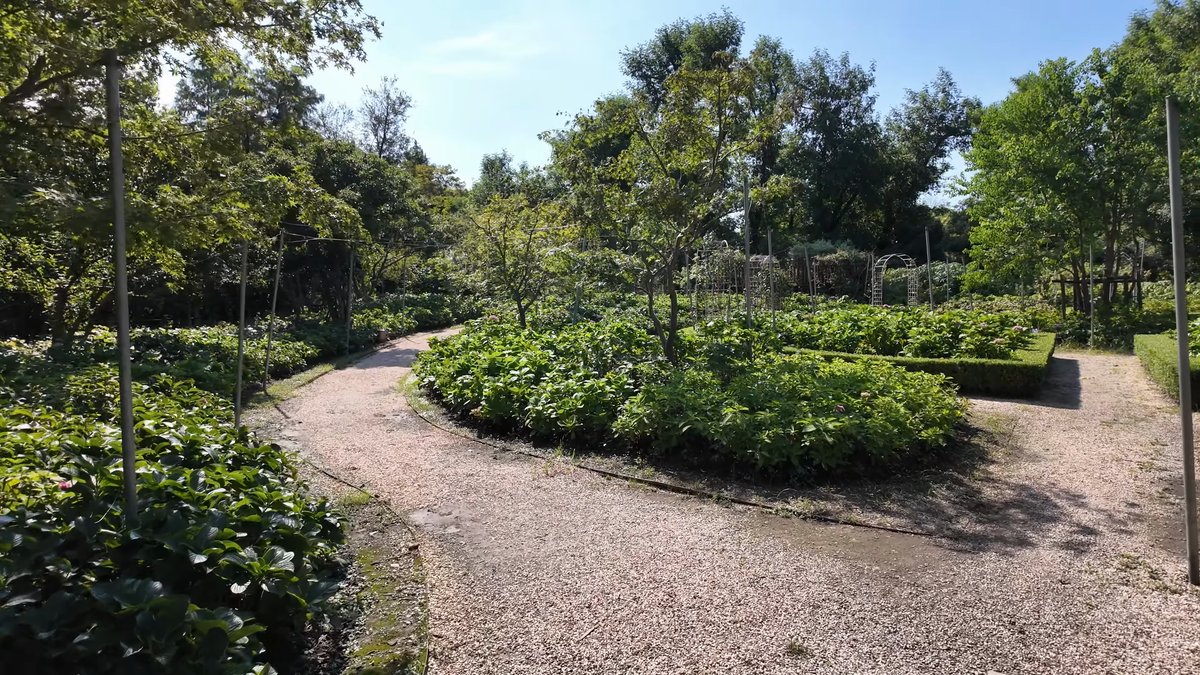
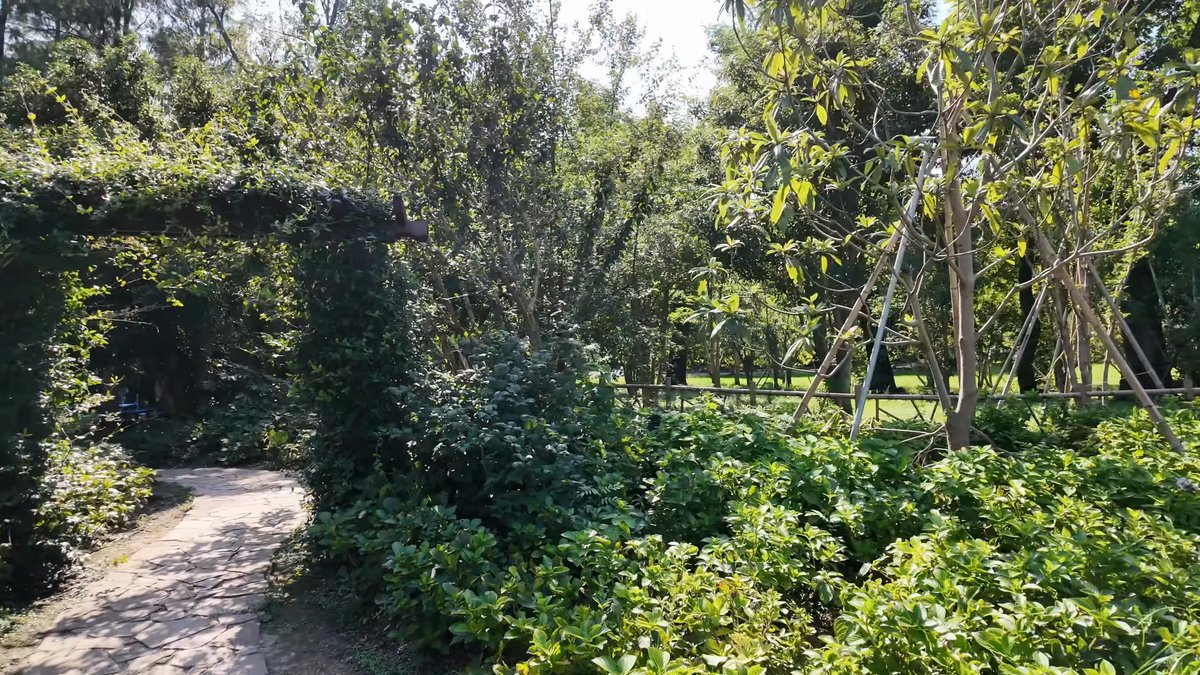
Each one is packed with shrubs, and curves along gravel pathways. The peak time is late spring through early summer.
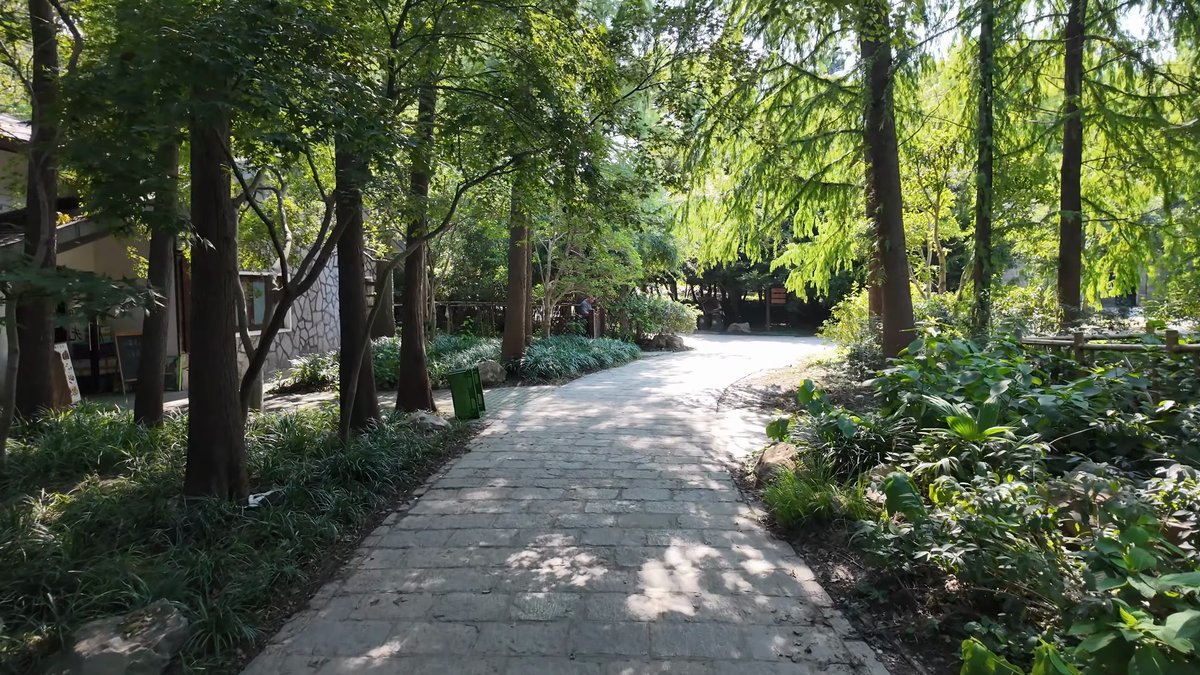
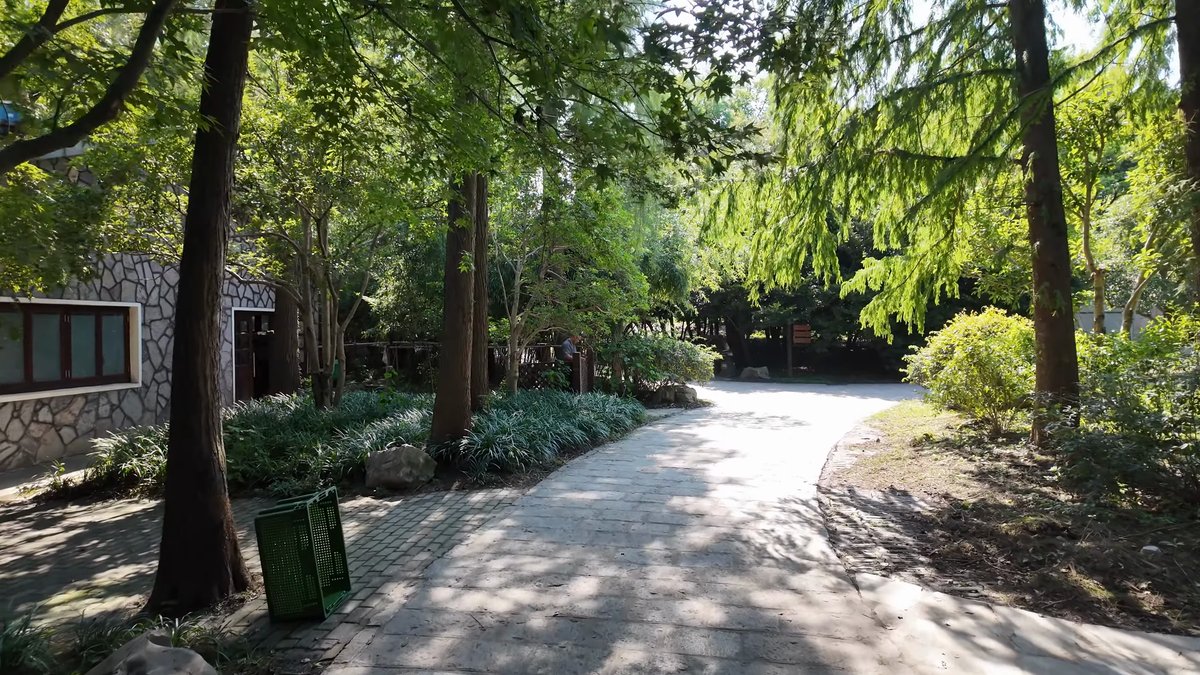
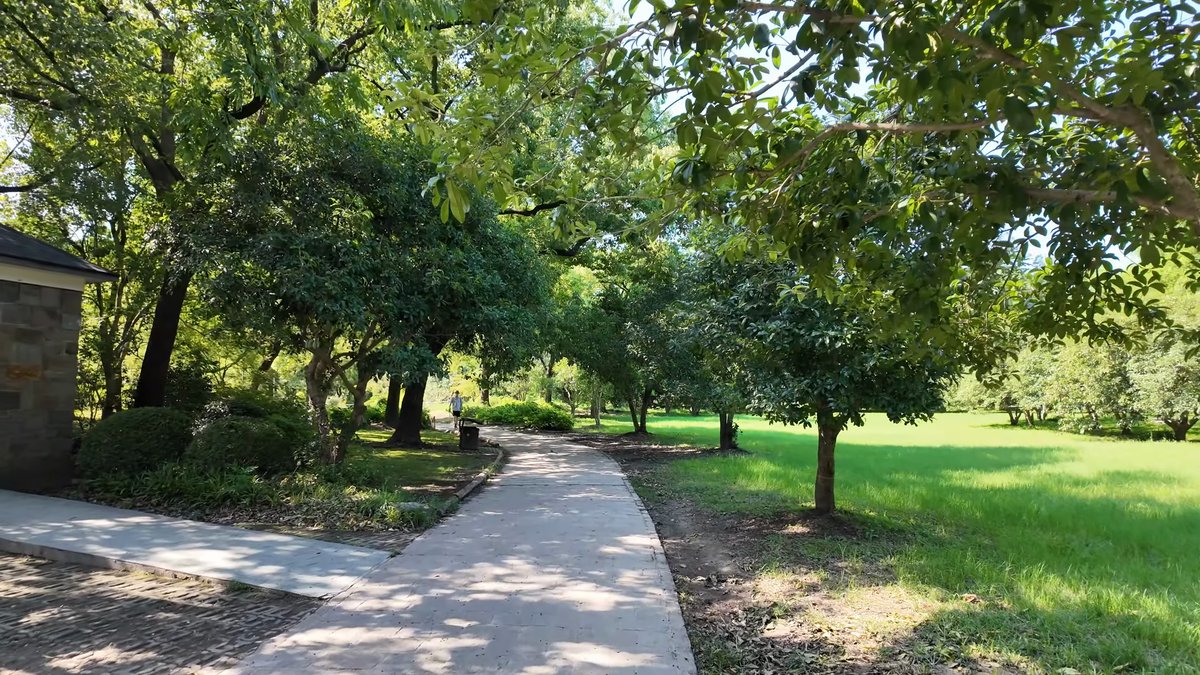
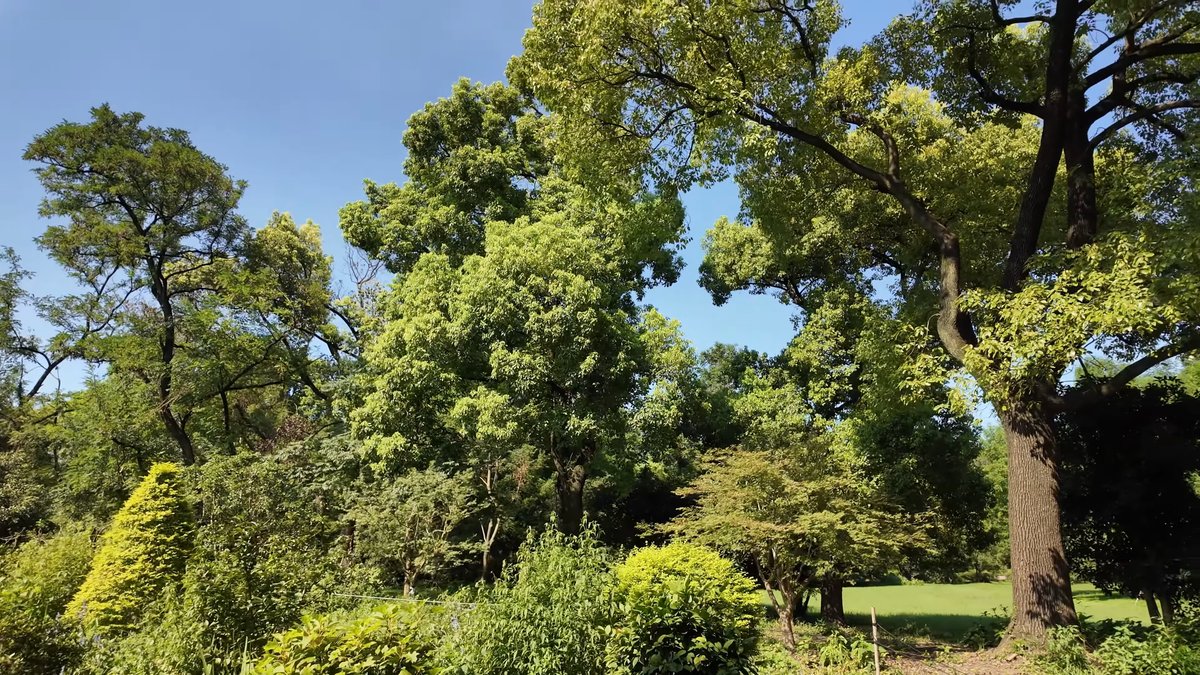
The paved paths is dotted with park structures. Not fancy stuff, mostly little refreshment stands and service buildings. There are some of those old trees whose canopies are so huge that they take over whole clearings, creating natural pavilions under them.
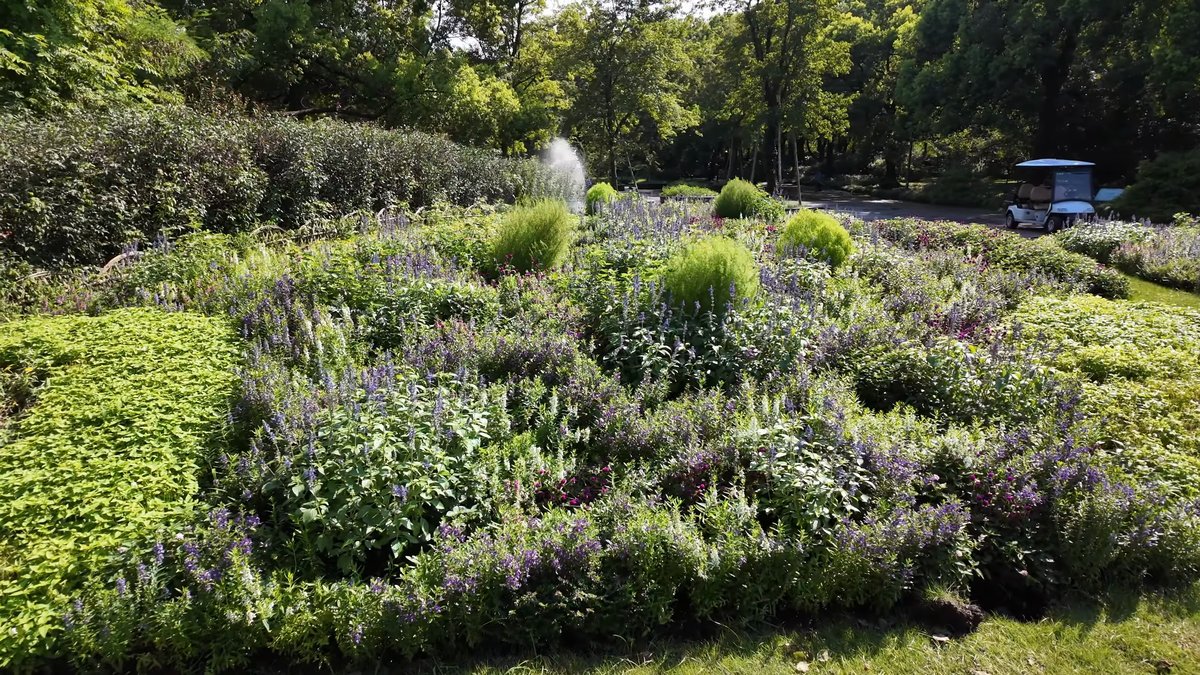
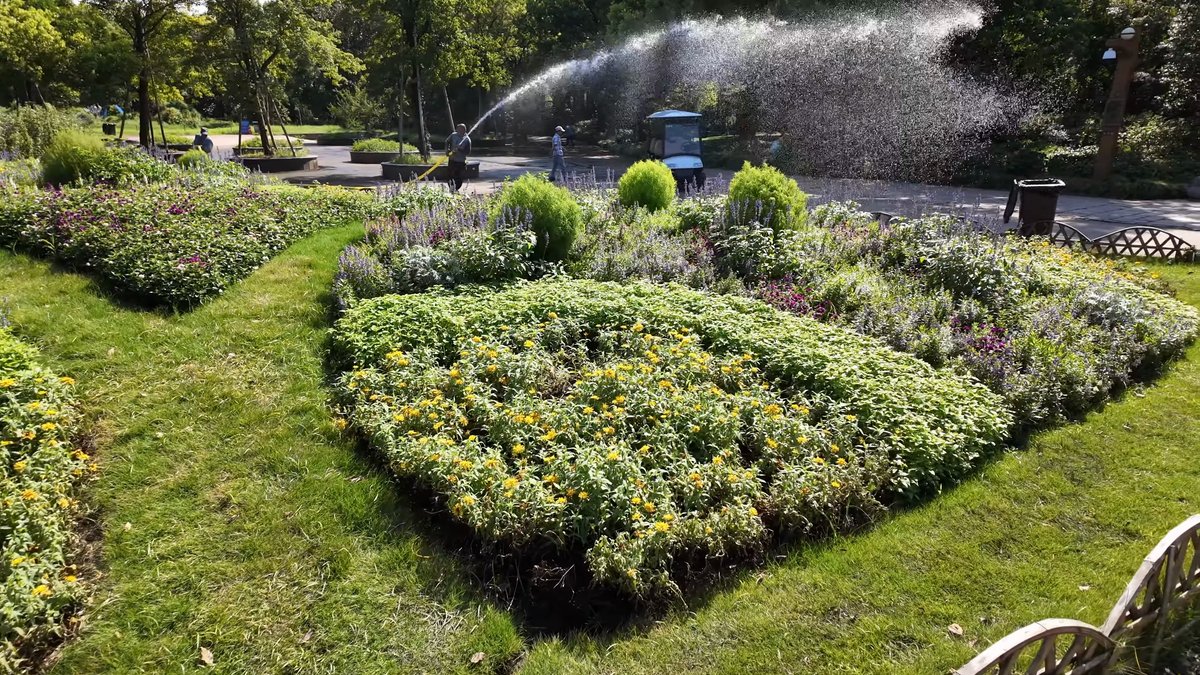
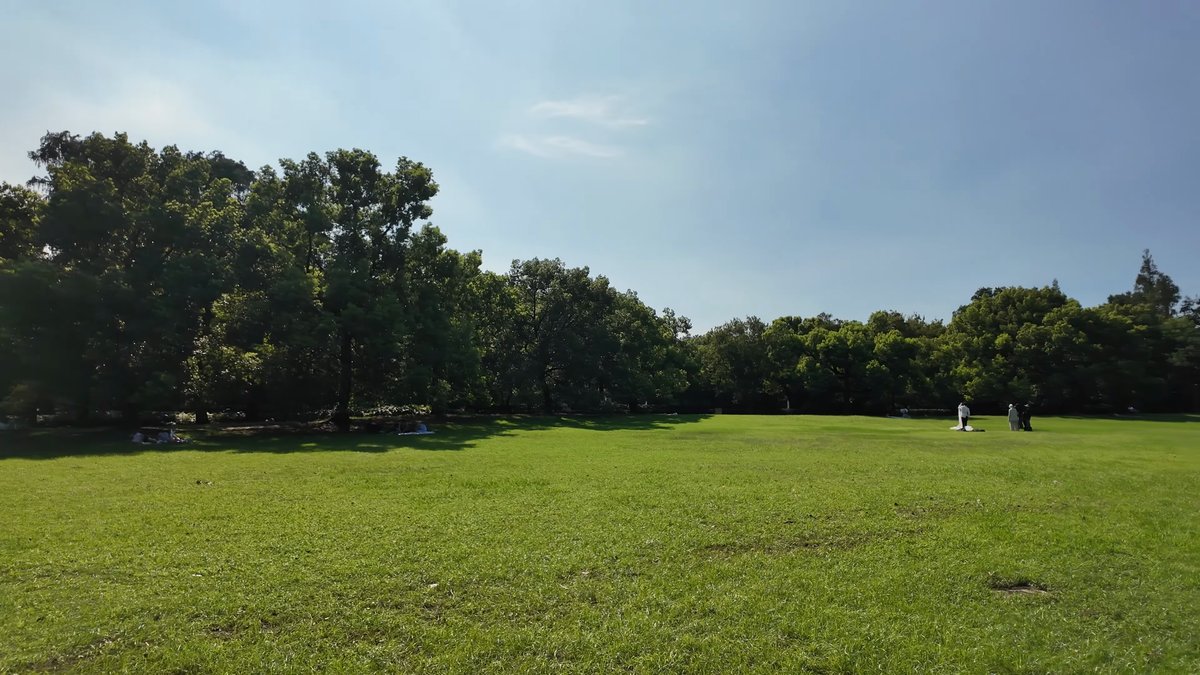
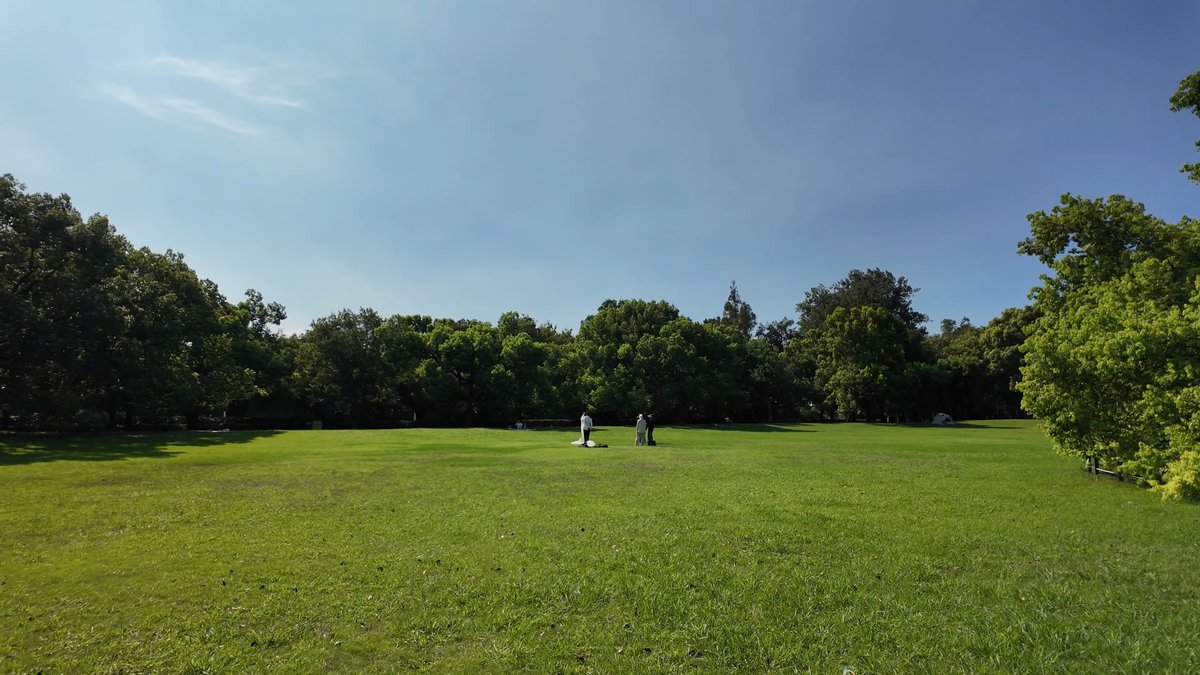
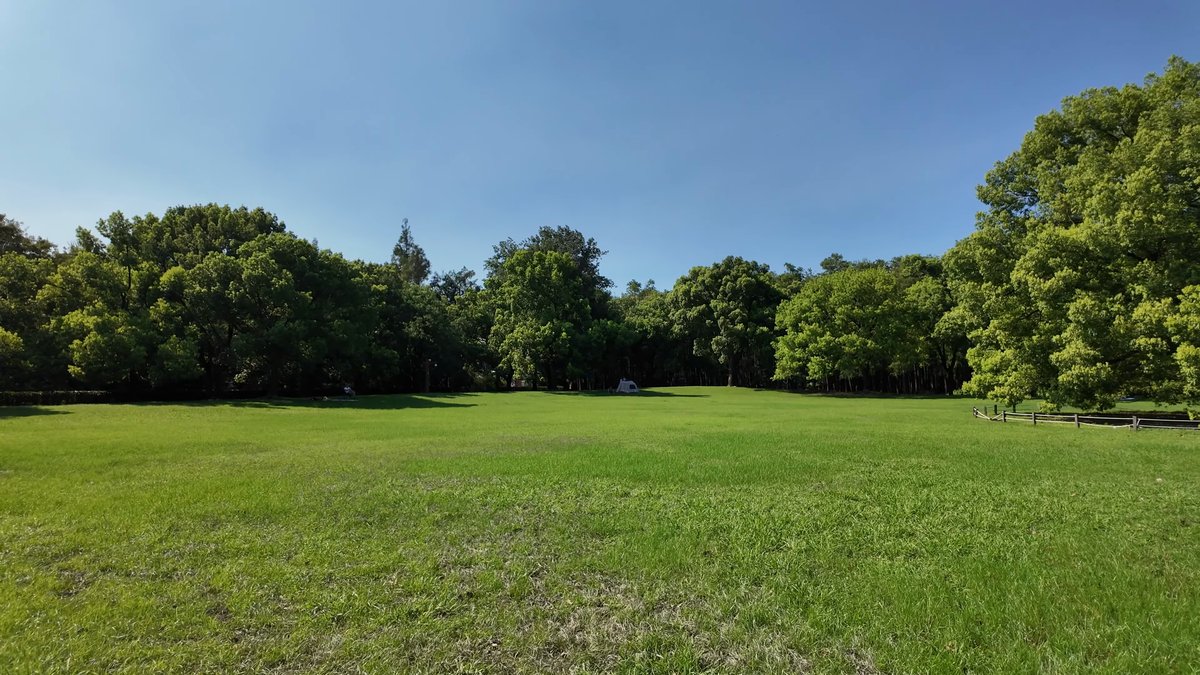
Sprinklers go into overdrive on dry days, and the groundskeepers takes special care of flower beds so they look presentable. For many visitors, however, it’s the wide open lawns that are the heart of the park, most days you’ll see people scattered around the grass, just sitting or flying kites. They stretch out as far as the eye can see, right up to the low tree lines in the distance, creating a sense of scale that is rare in Shanghai parks.
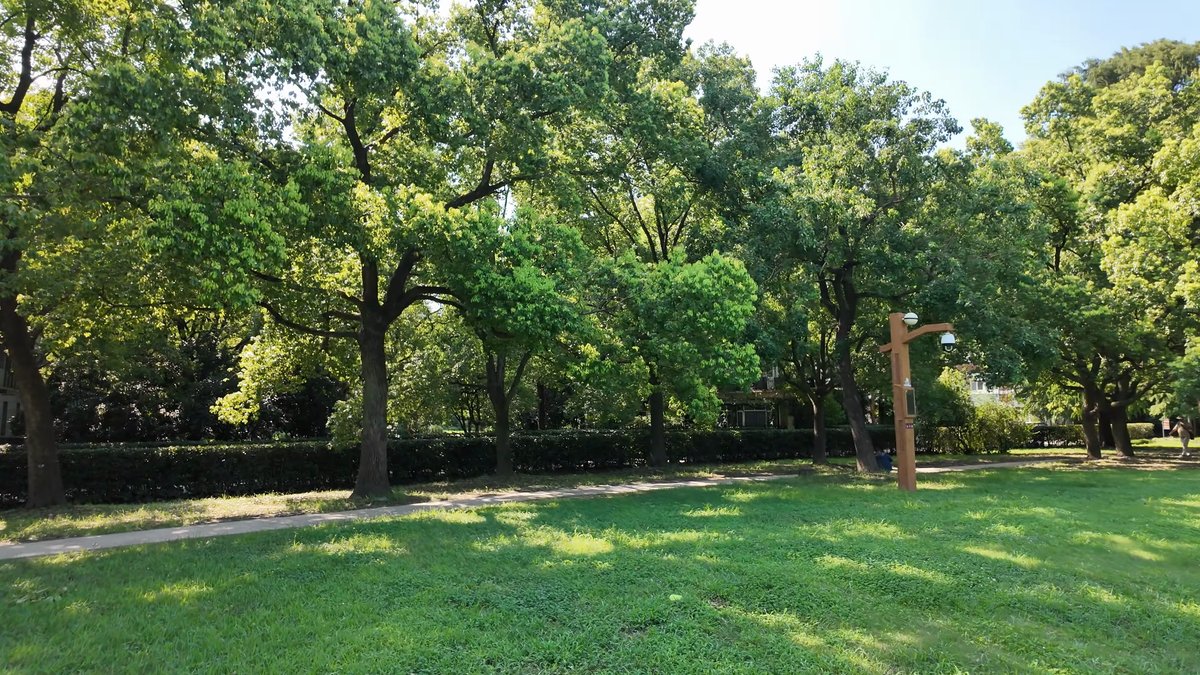
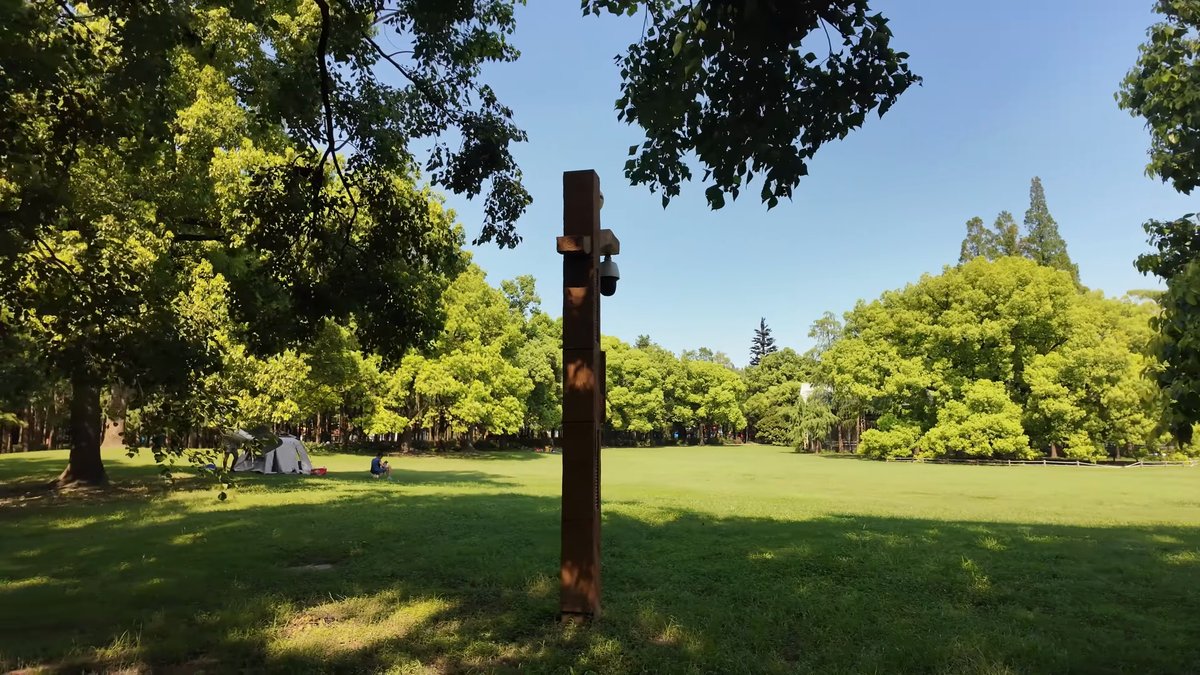
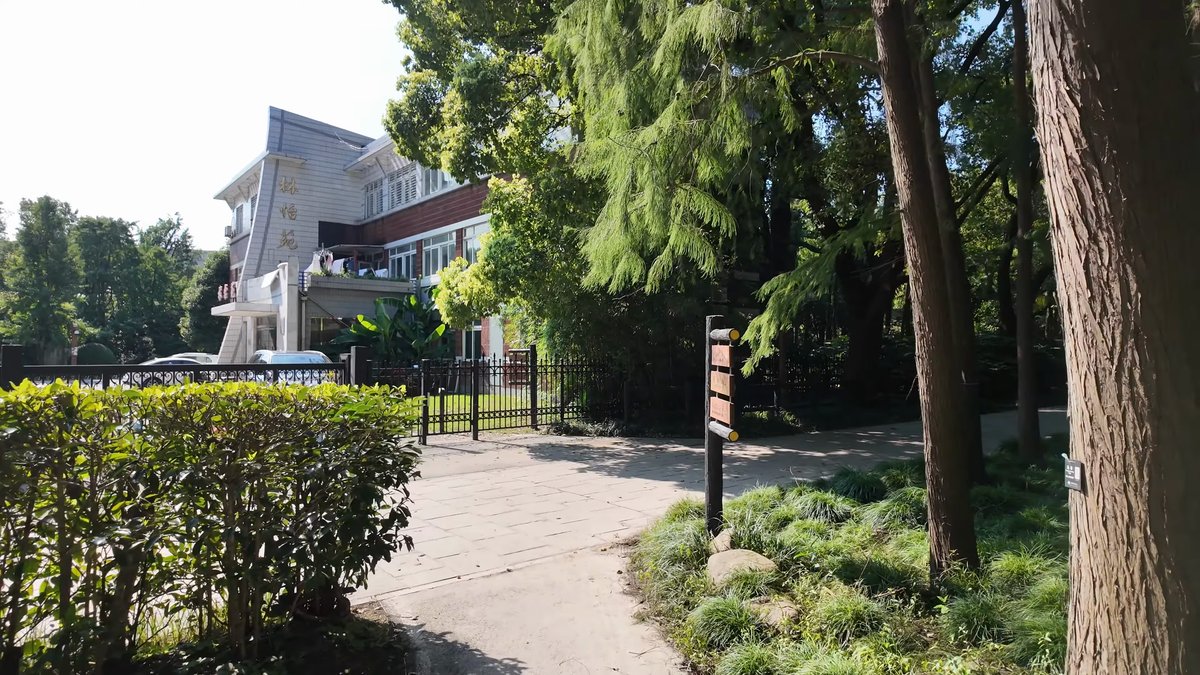
Shaded areas under the old trees make for a nice place to cool off during the middle of the day. At intervals, carved wood posts indicate different locations, such as distances or trail markers, but the system is not always clear. At key intersections, there are information boards with maps outlining the area.
This is helpful because it is very easy to get lost if you go far enough in.
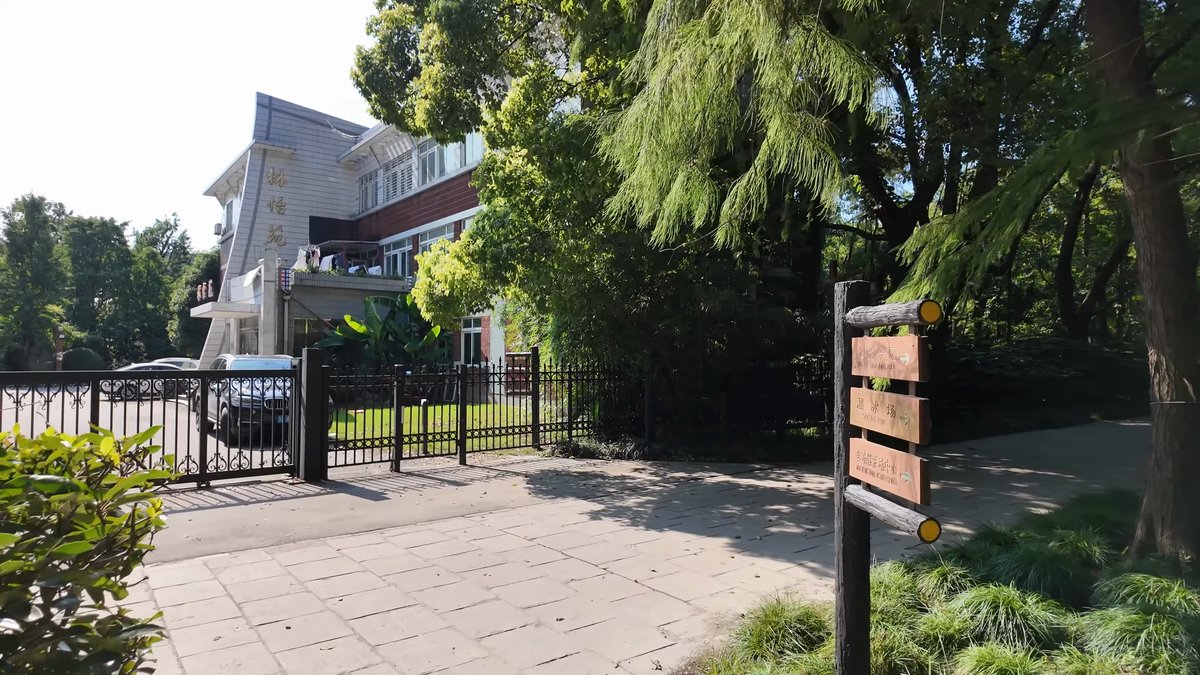
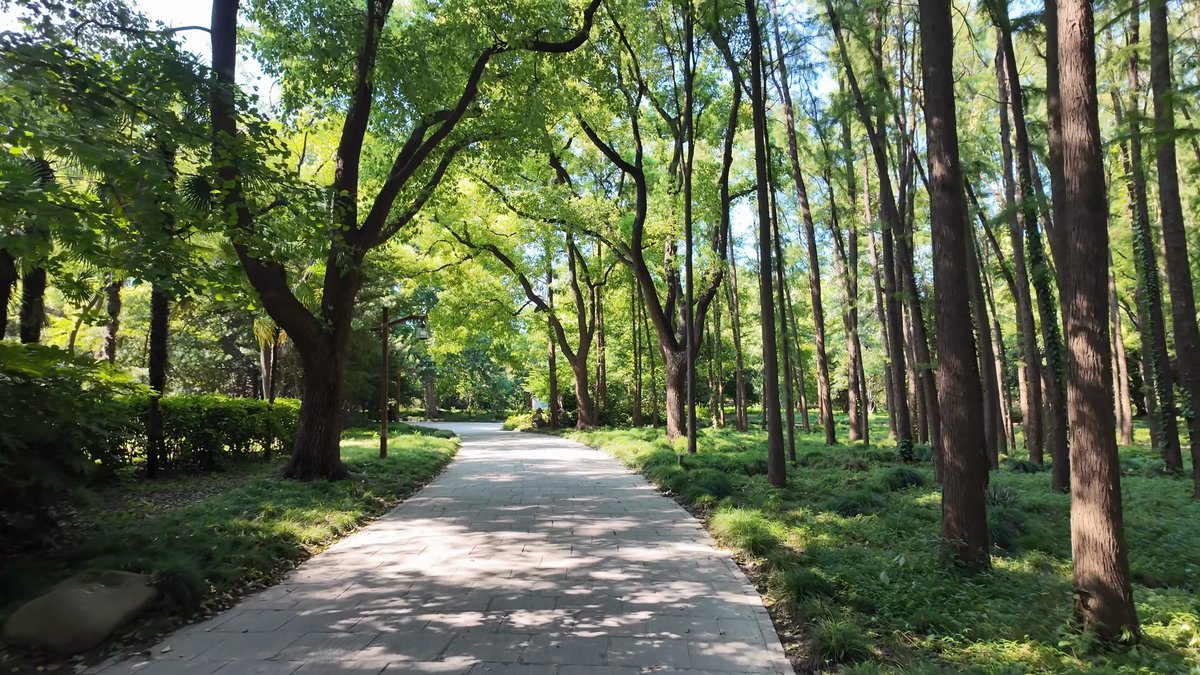
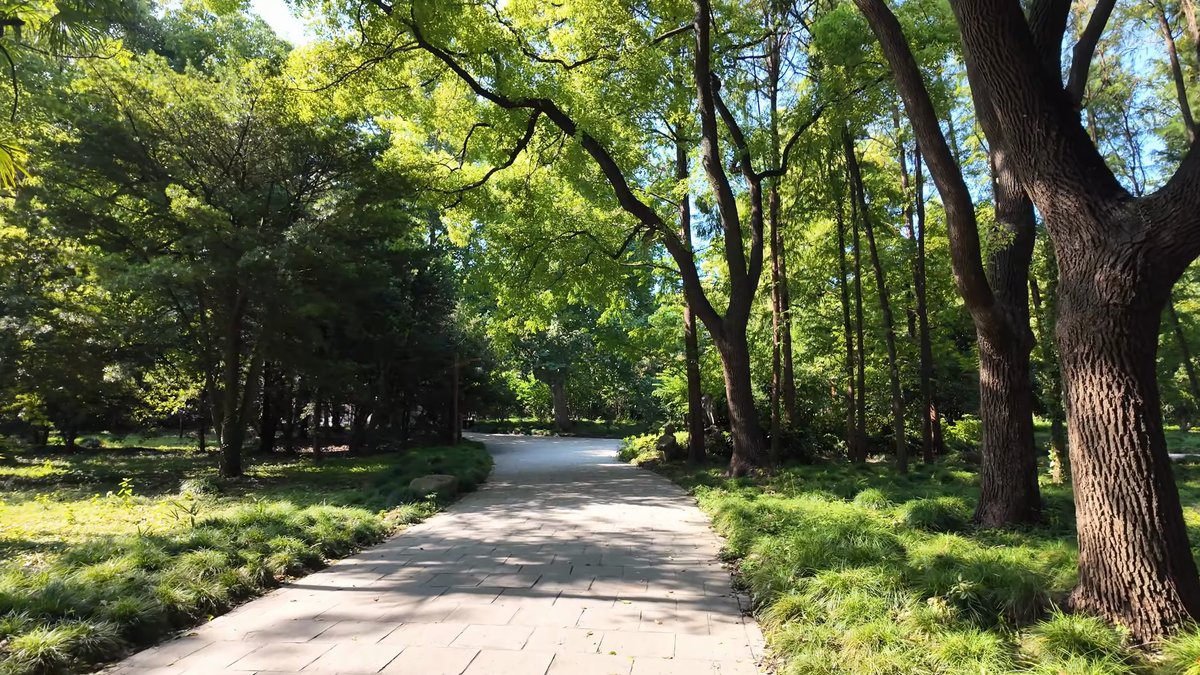
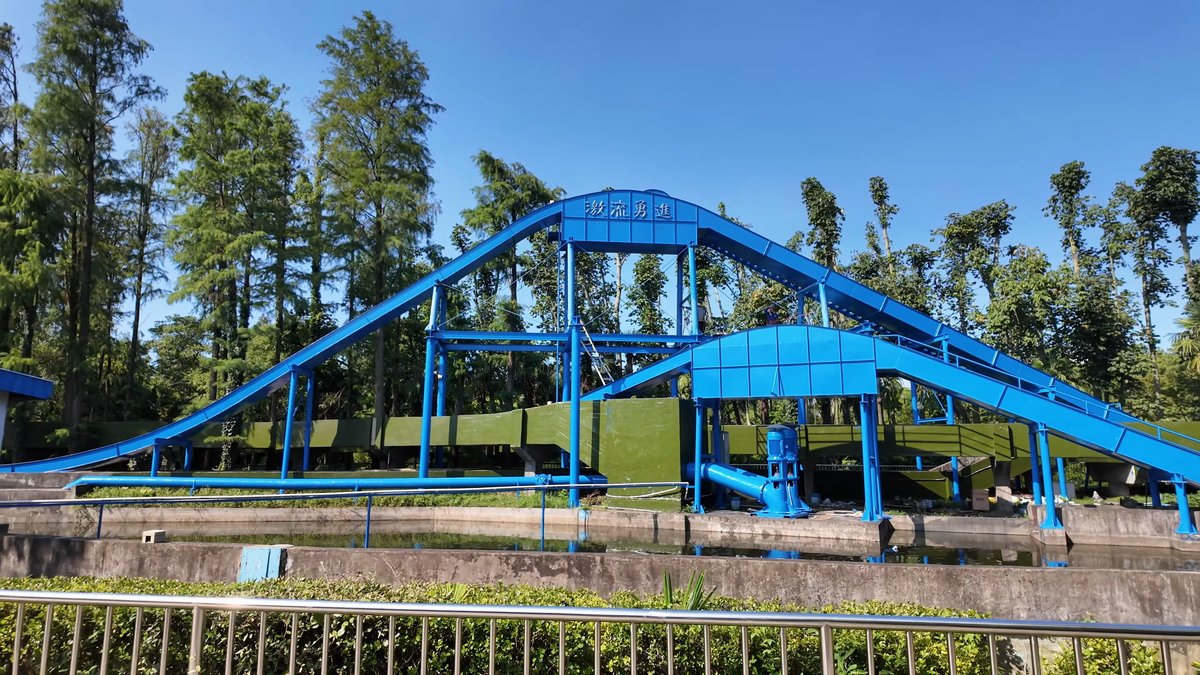
Some have groups of tall trees forming natural corridors; others are wide enough to handle weekend crowds but not so much so as to feel cramped. At one point, you may catch sight of the water flume from the amusement area peeking over the treetops, it’s bigger than you’d think for what seems like a pretty low-key set up.
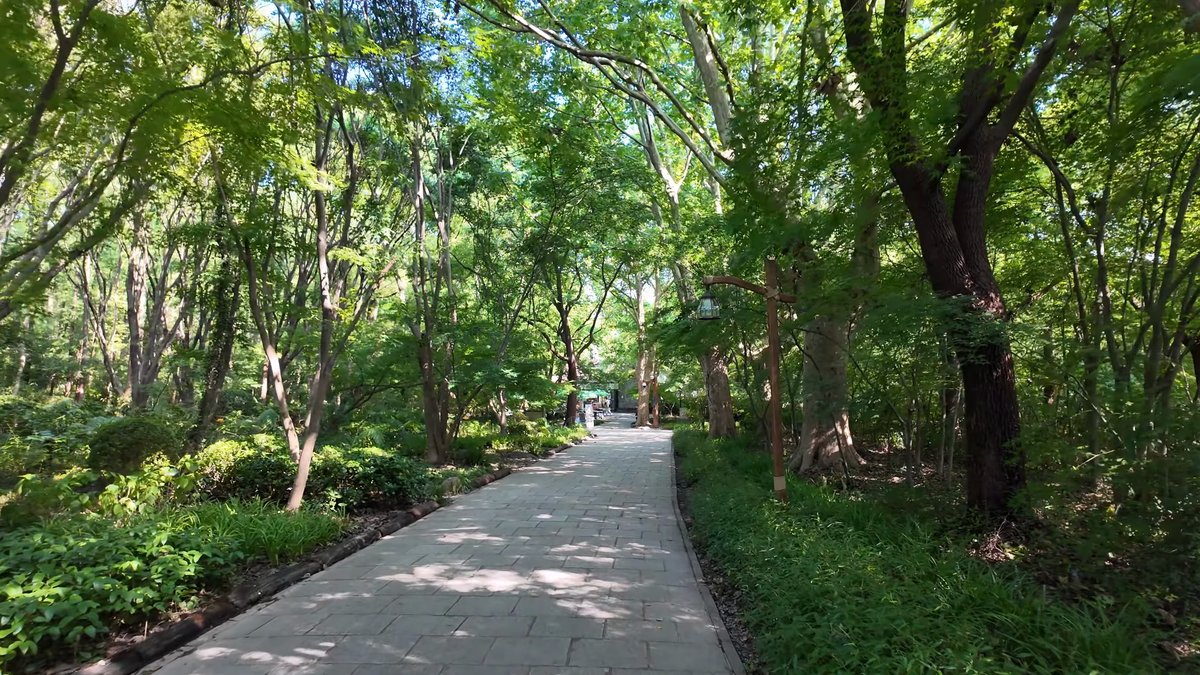
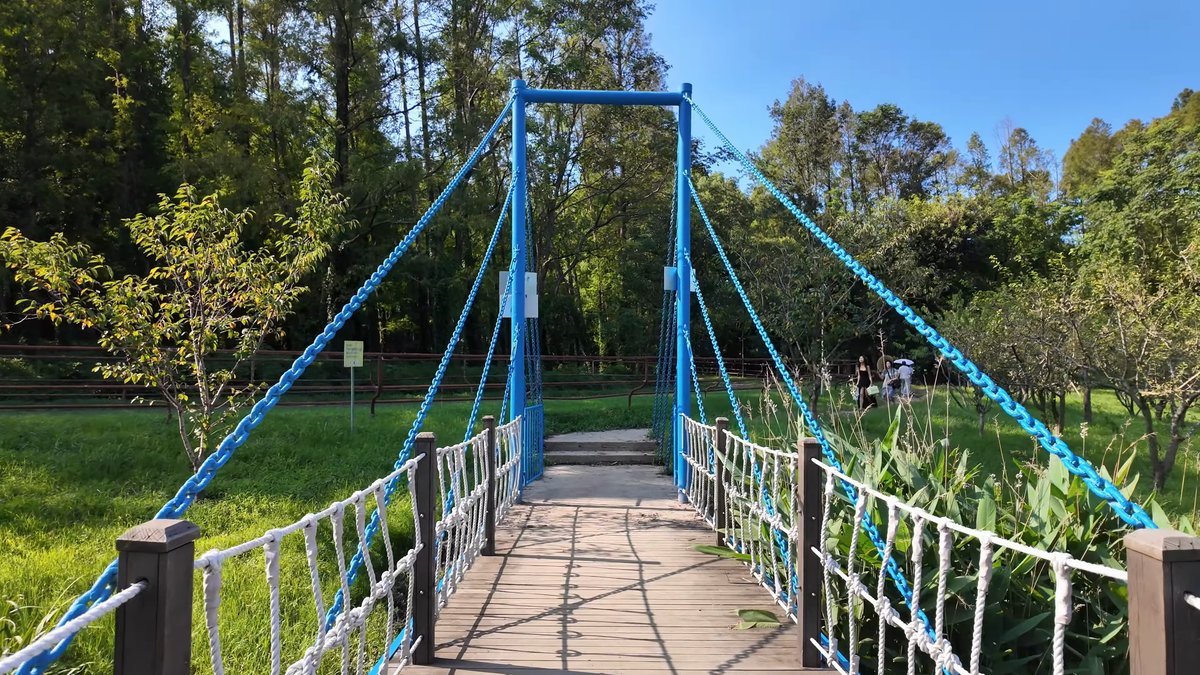
One stretch is crossed by a suspension bridge painted in that special color you’ll find all over Chinese park infrastructure, which sways ever-so-slightly if more than one person crosses at a time. It is nothing scary, just enough to take note.
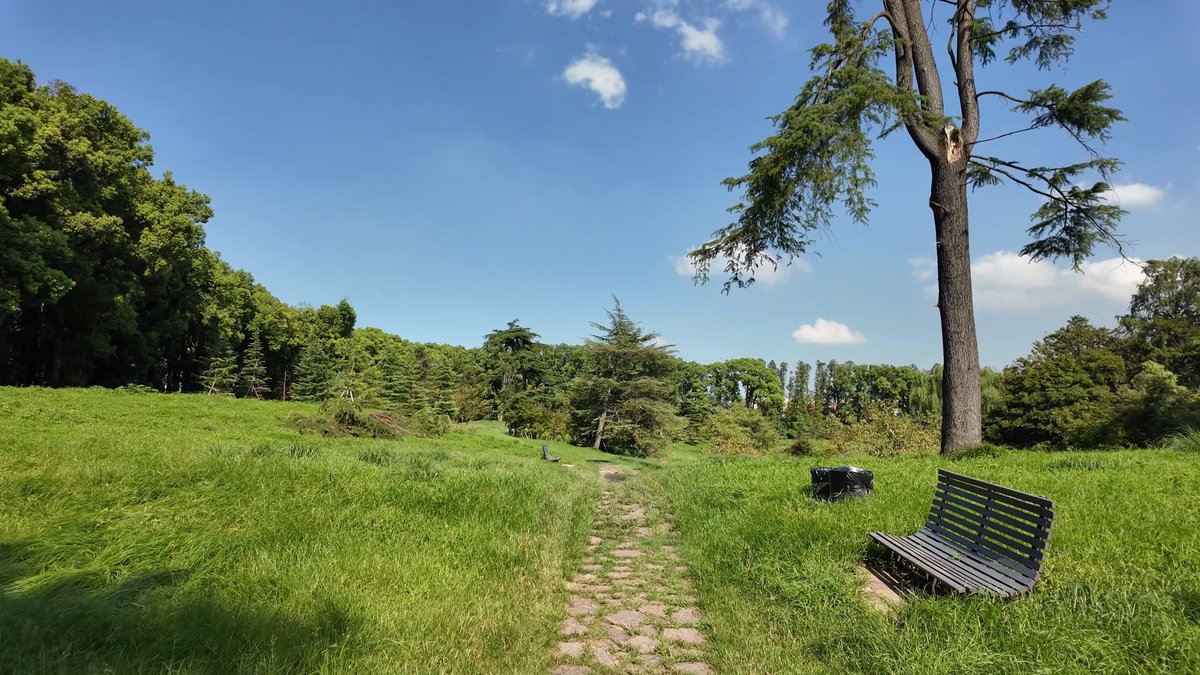
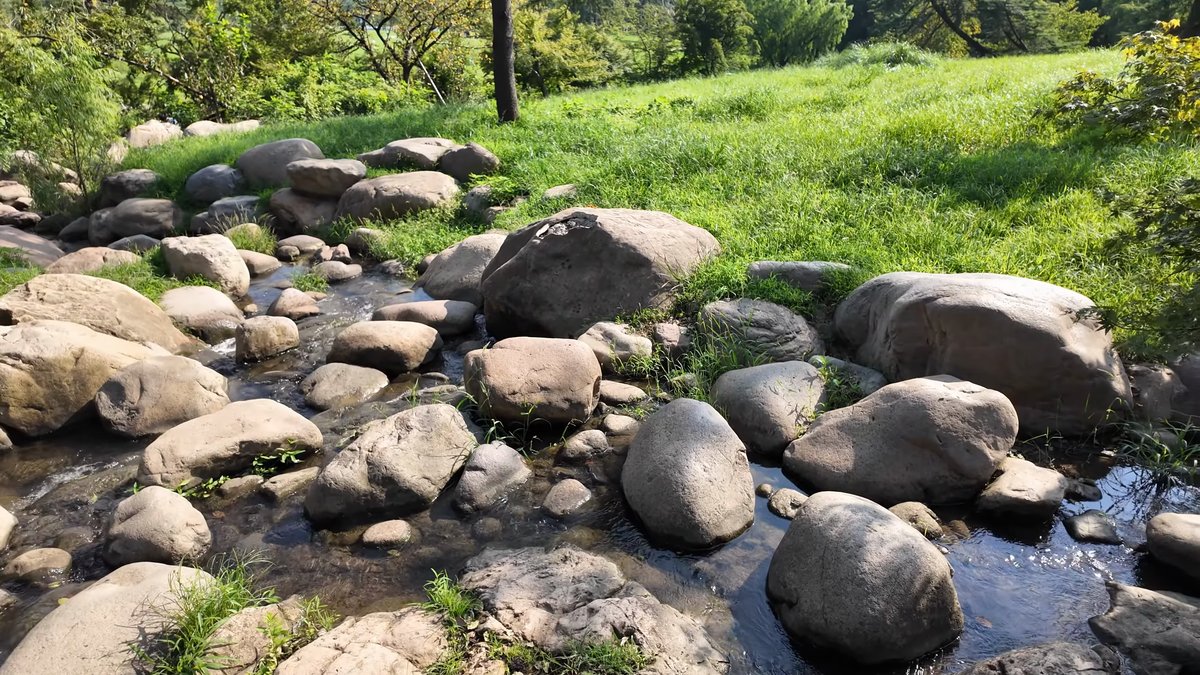
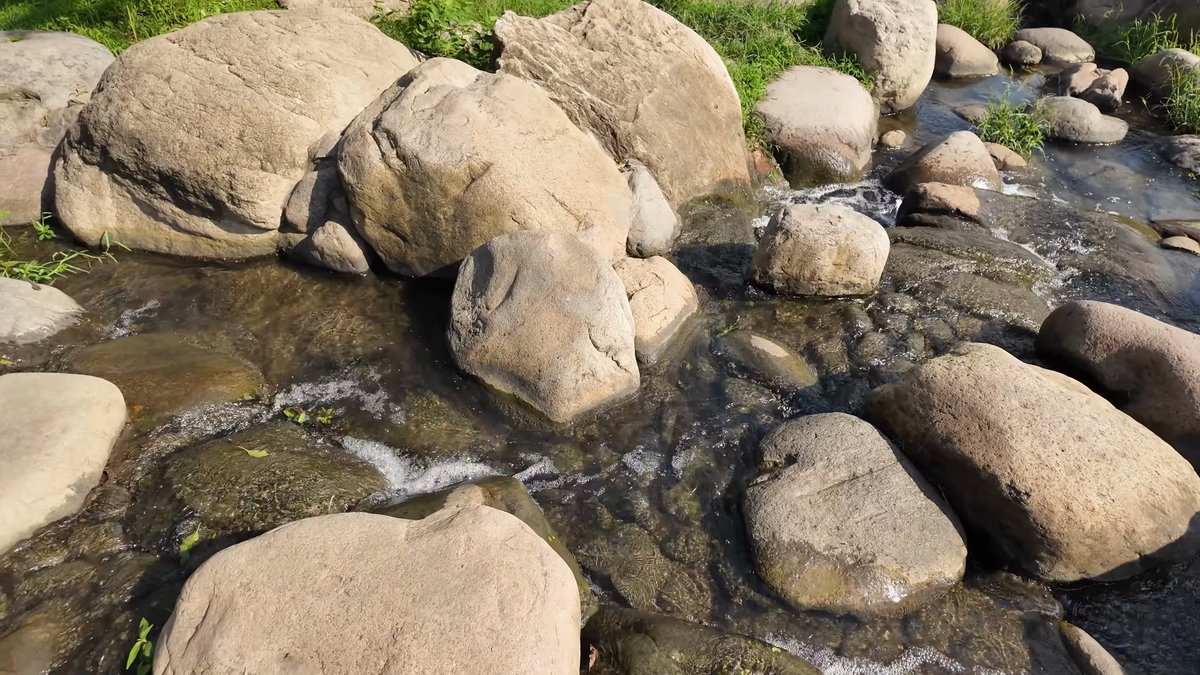
There are also grassy mounds with benches situated in strategic places that allow for a view of various areas of the park. One area has a stream running through it, where boulders strewn throughout form little cascading falls. It’s clear enough to see down into the rocks below the water, and there are even stepping stones embedded on the sloped areas nearby so you can cross without wetting your feet.
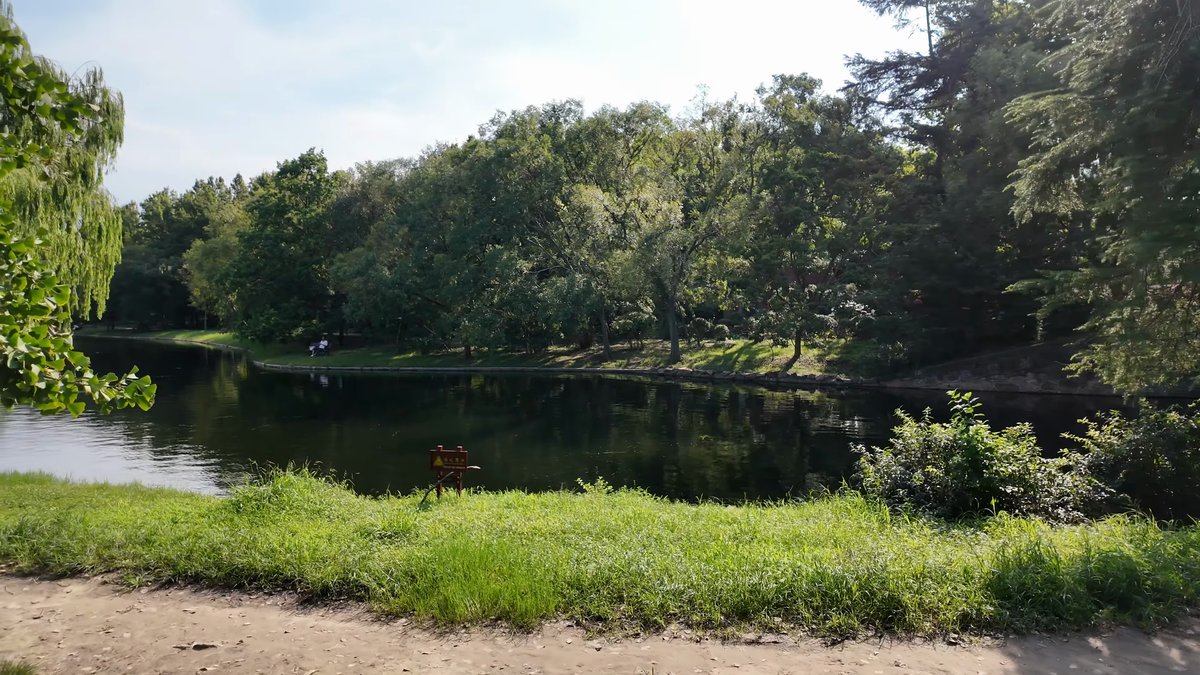
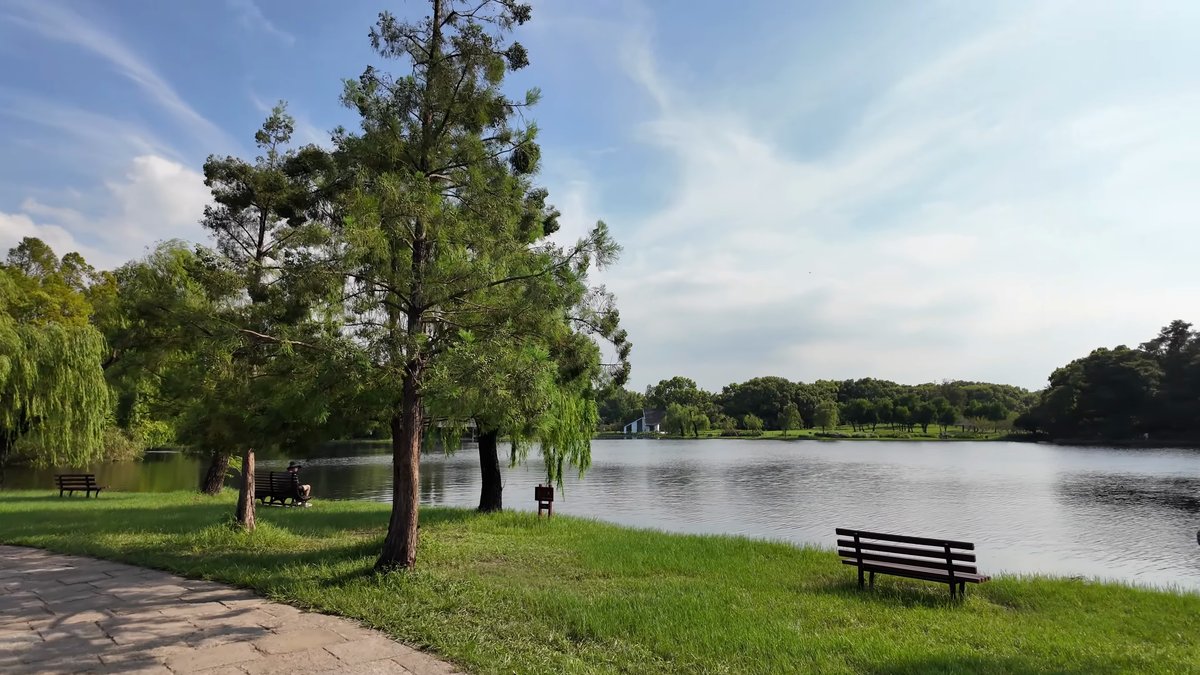
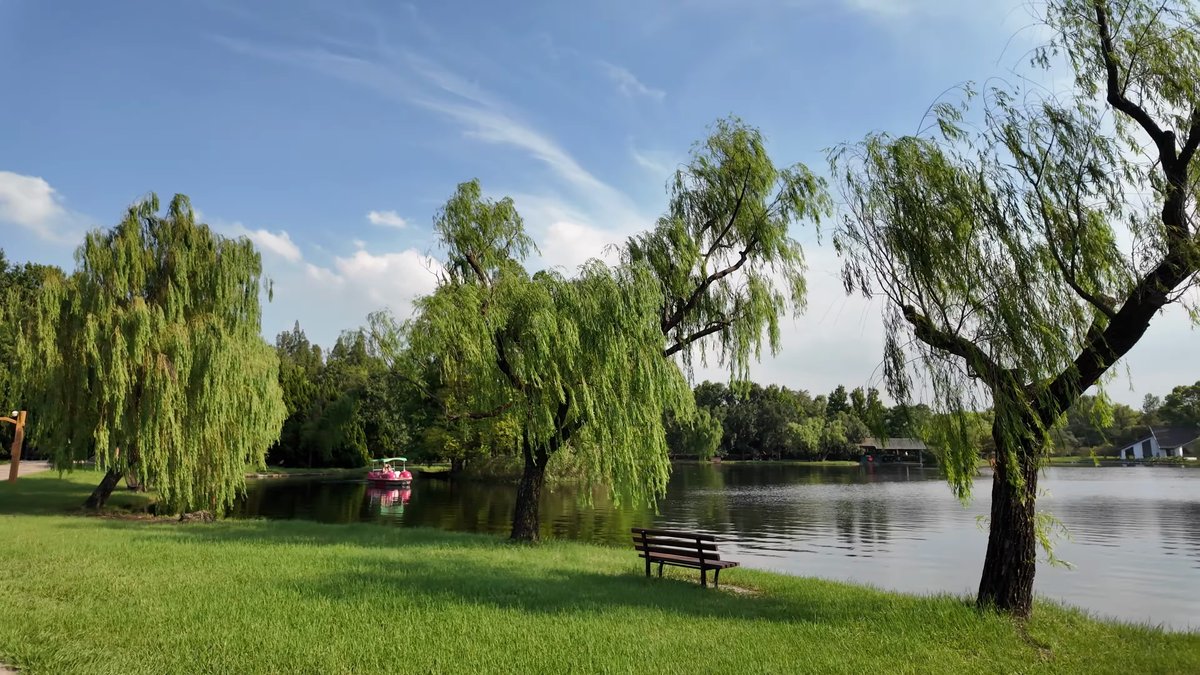
In some areas, the willows extend all the way to the lake. In others, overhanging trees cast shade on the water and create little pools. These pools become practically black in the deeper parts.
If you’ve been on your feet for a while, there are benches nestled among the dawn redwoods near the water that make for good rest stops.
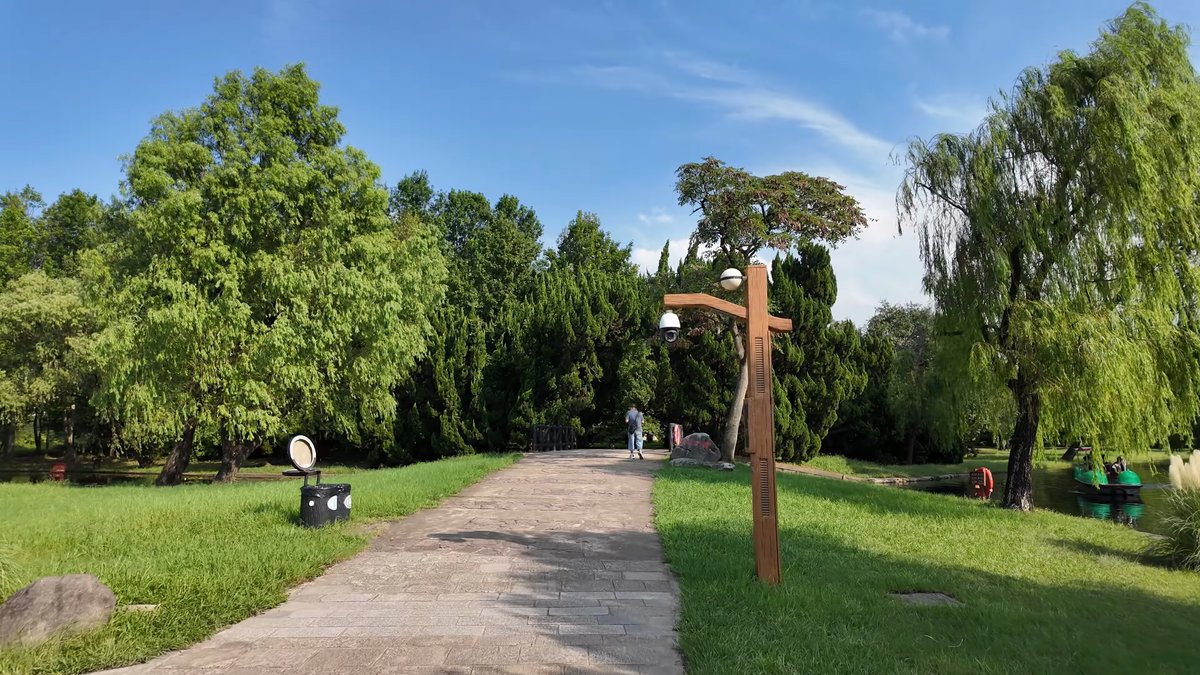
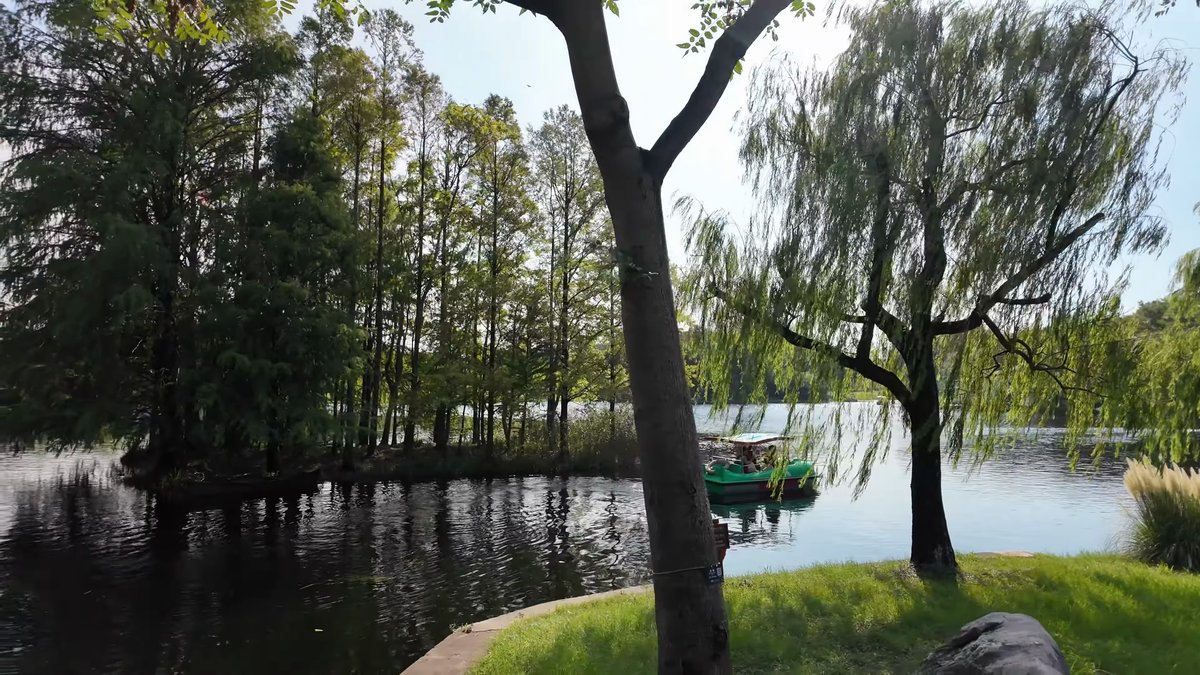
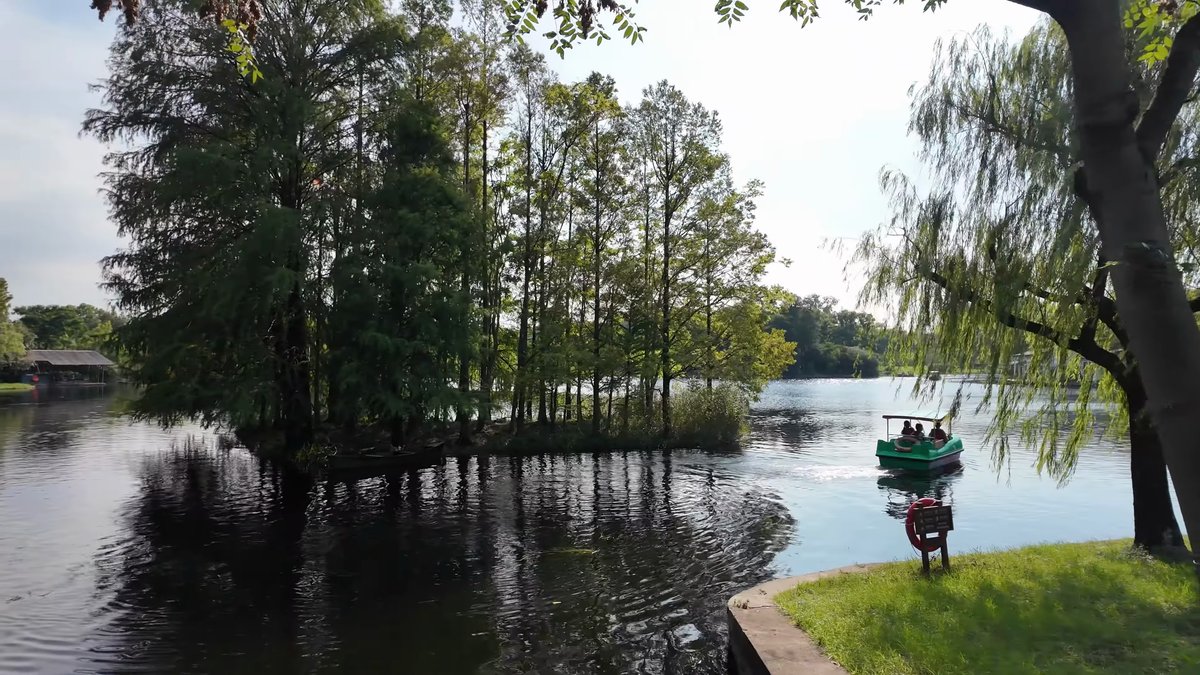
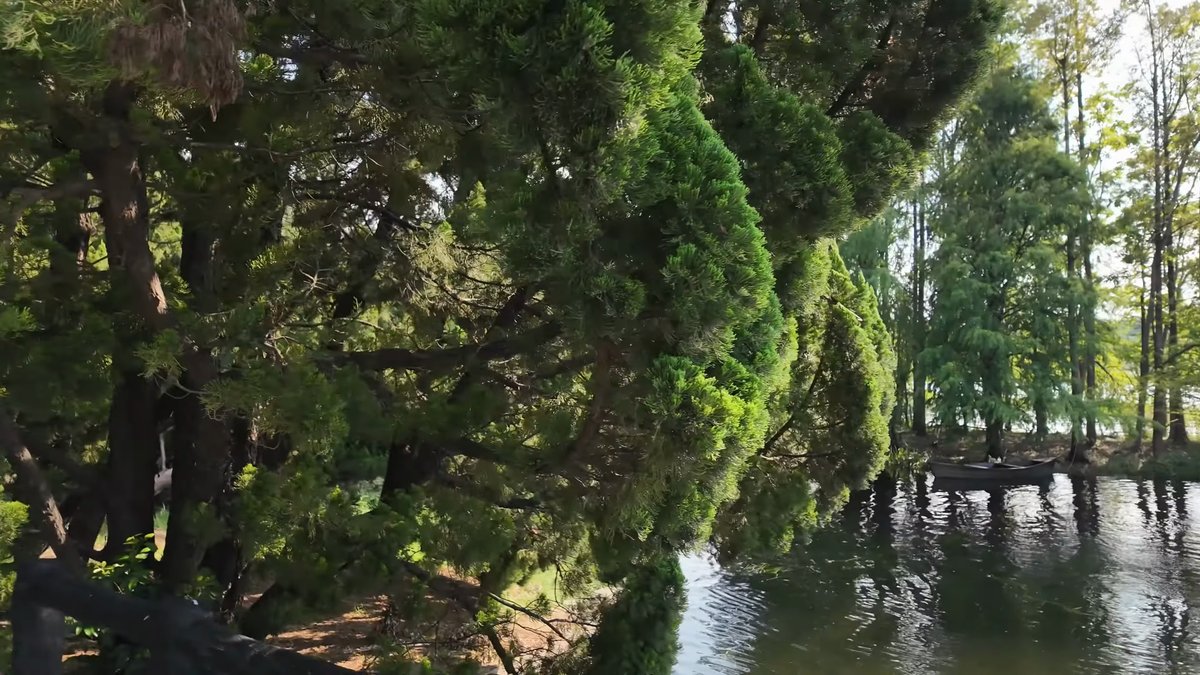
There are more carved posts along the lakeside, maybe indicating a fishing spot or just decorative elements of some long-ago garden design. Sometimes you catch sight of small boats drifting in and out from behind the screen of willows. Along some reaches of shoreline, the redwoods stand in impressive rows, and where cuts in the water divide them, everything is doubled in reflection.
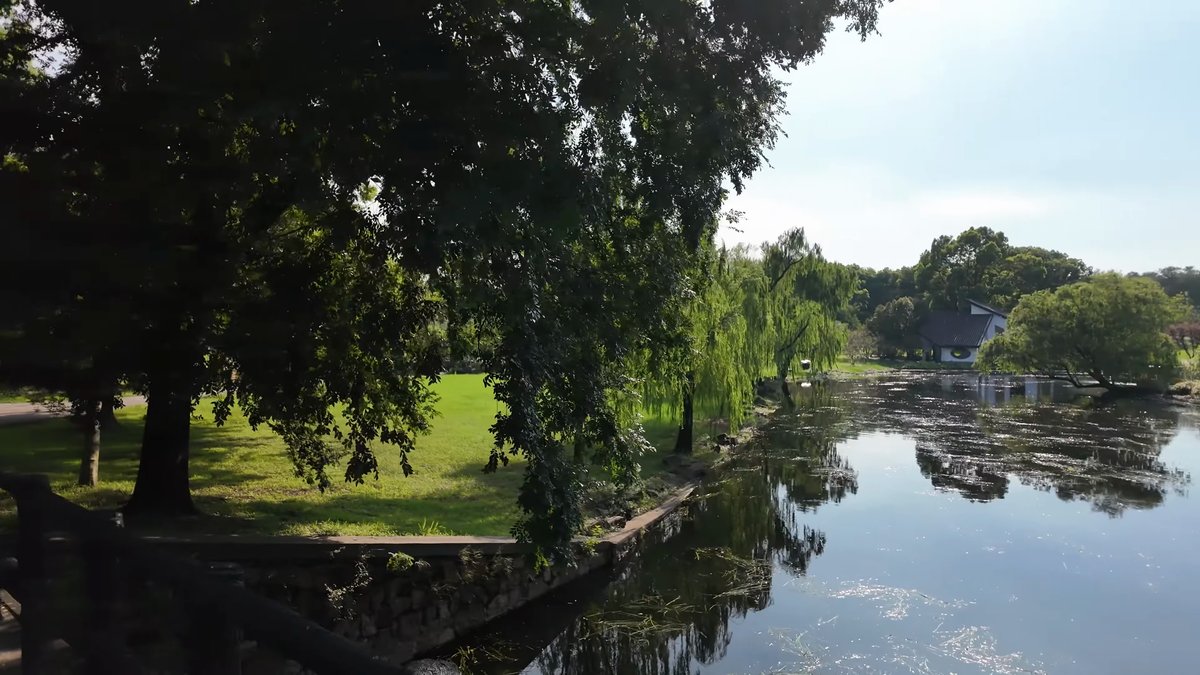
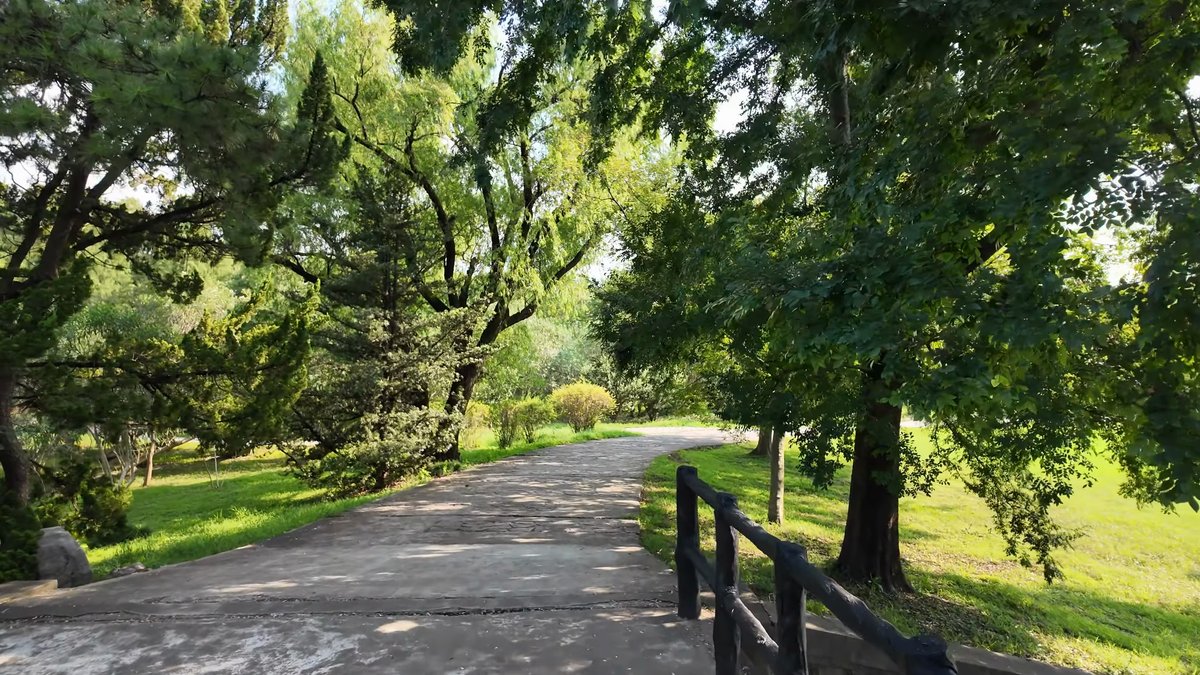
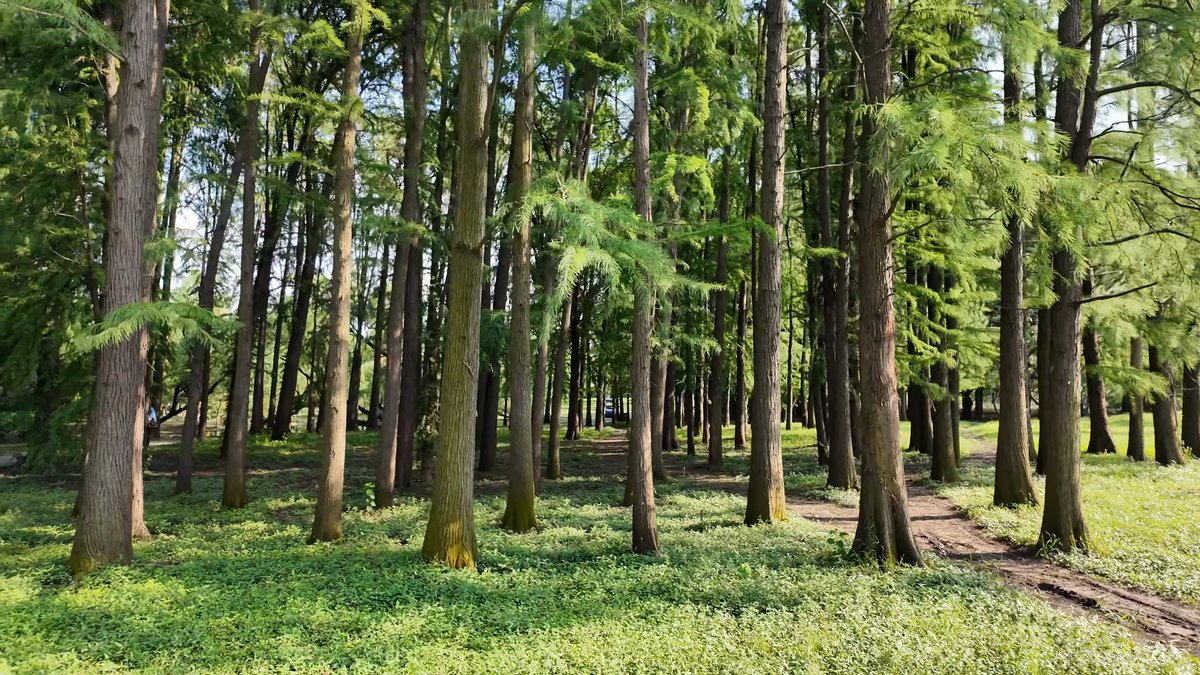
In the quieter corners, there are mirrored ponds crossed by stepping-stones. Timber-railing paths curve off into tree cover.
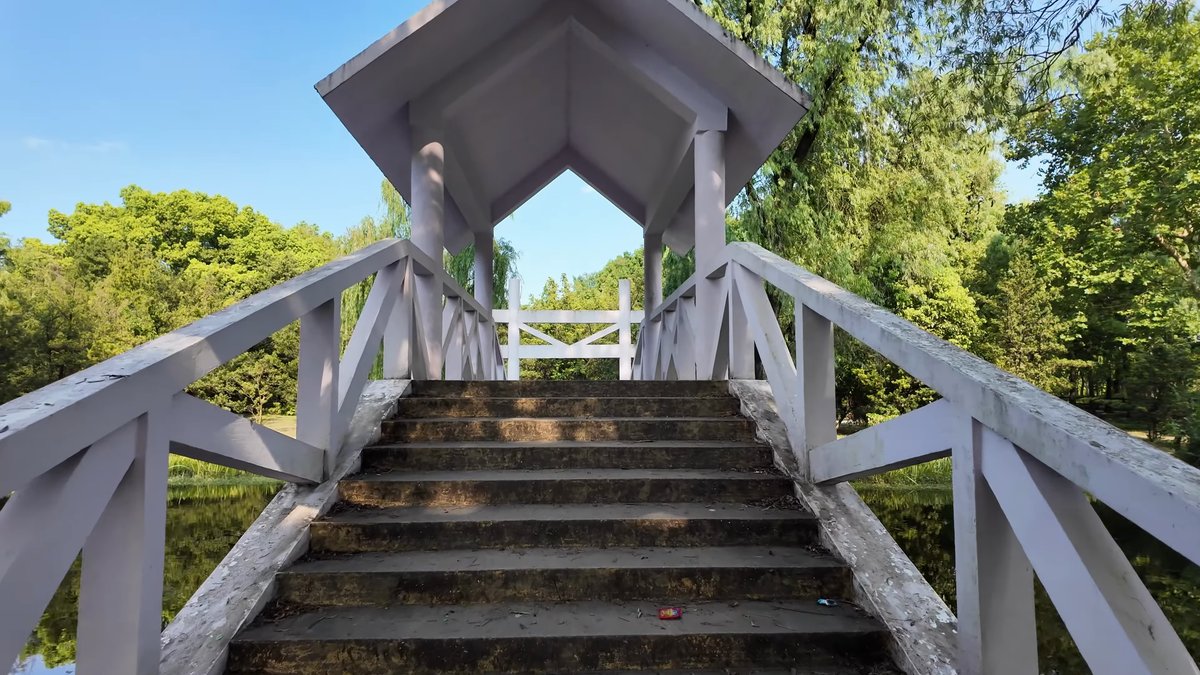
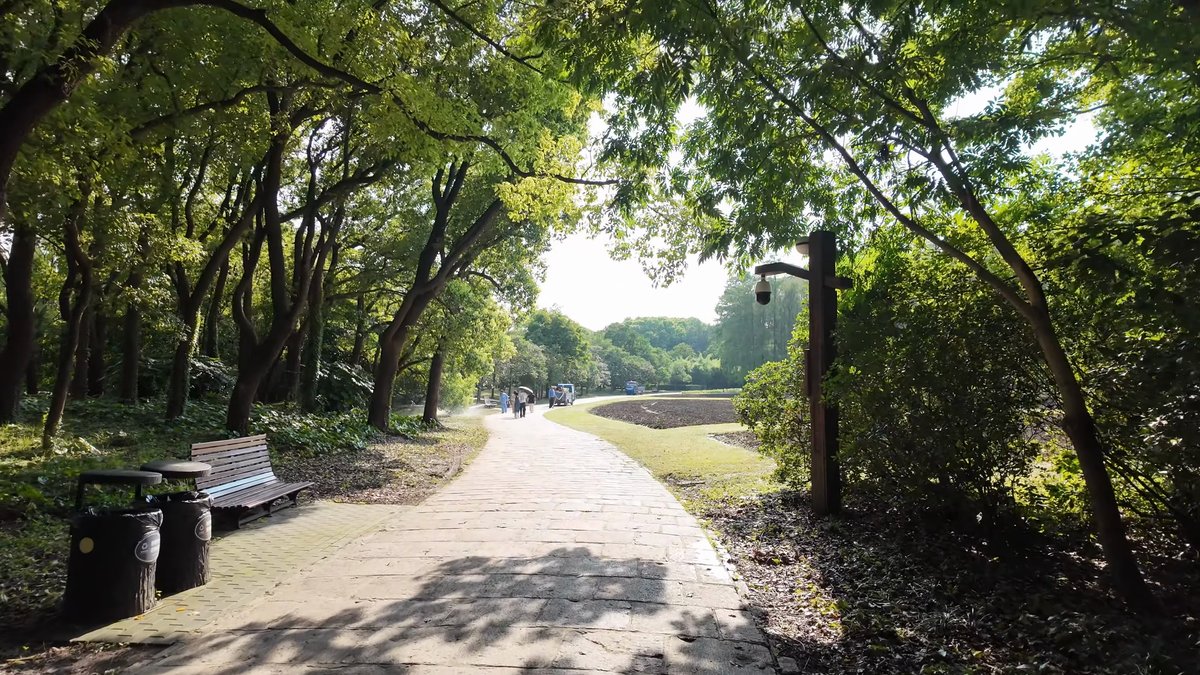
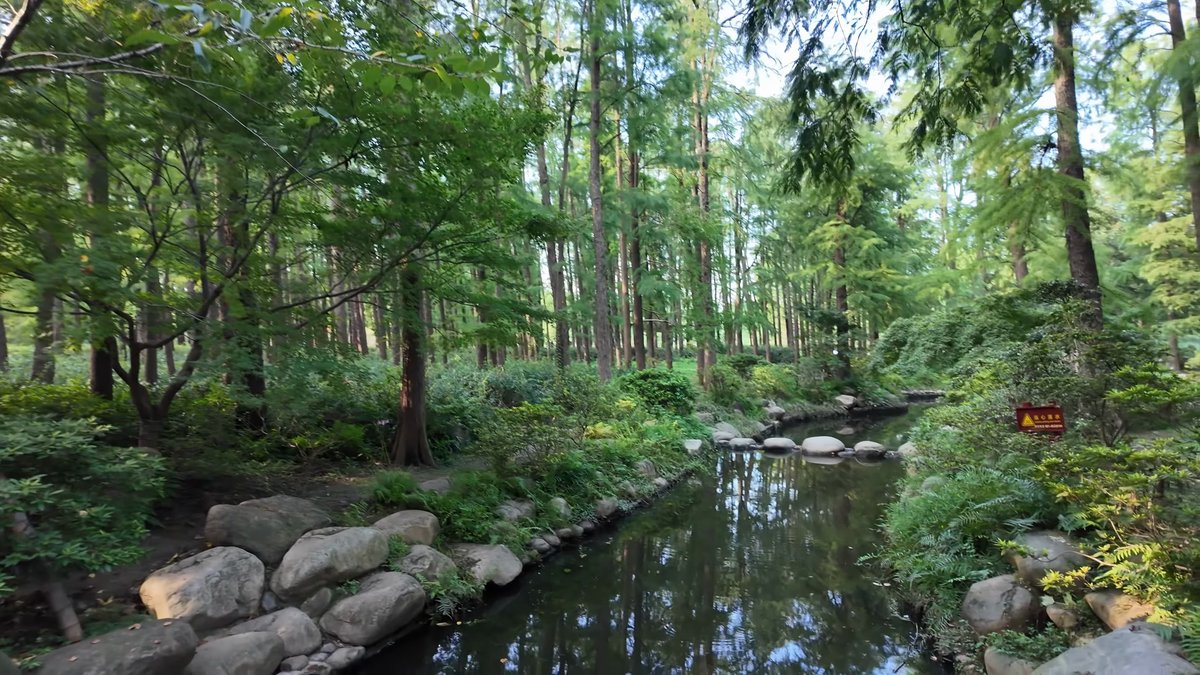
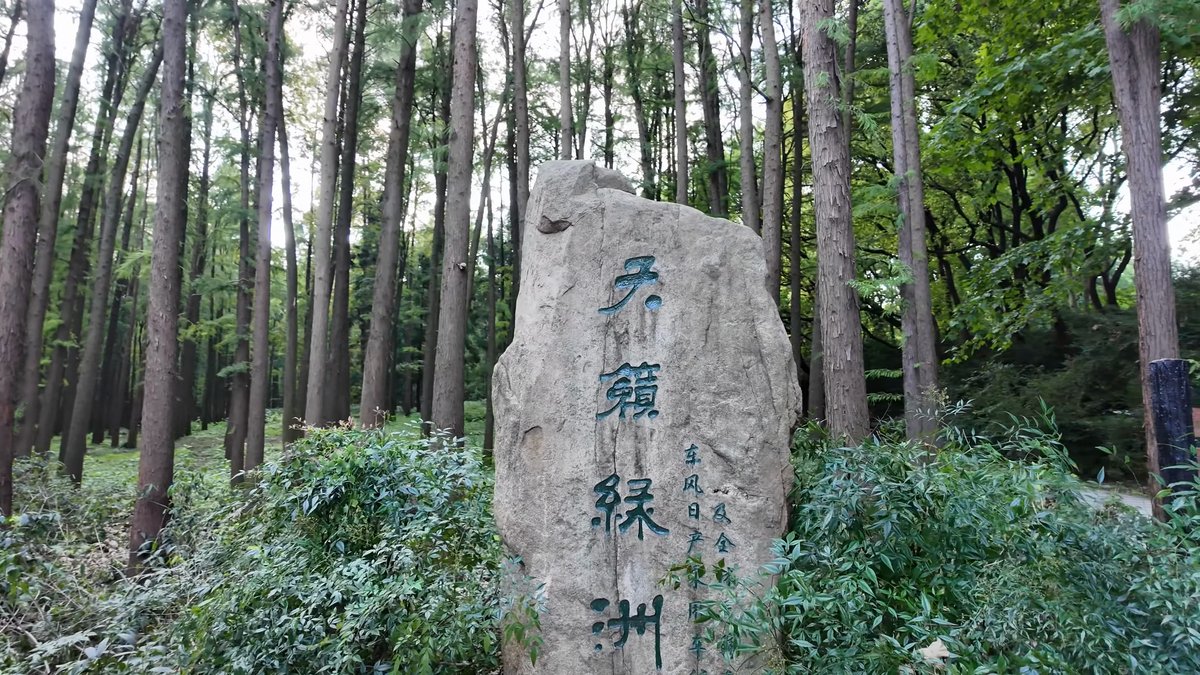
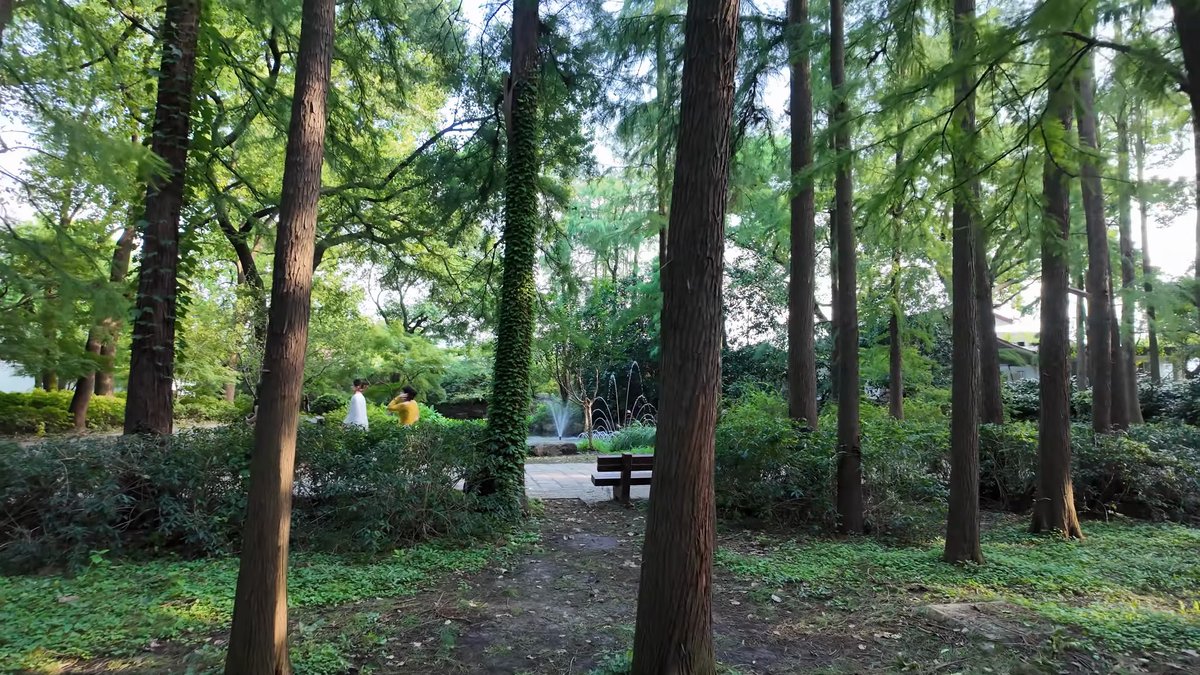
The dark tree cover highlights timber bridges painted white. Still water pools in the forest reflect whatever patch of sky filters through the trees, edged by boulders. Here and there are stone carvings, and benches set in especially quiet groves provide a place to sit undisturbed.
If you want some real forest atmosphere (not just picnic facilities), these redwood sections may be the park’s best feature.
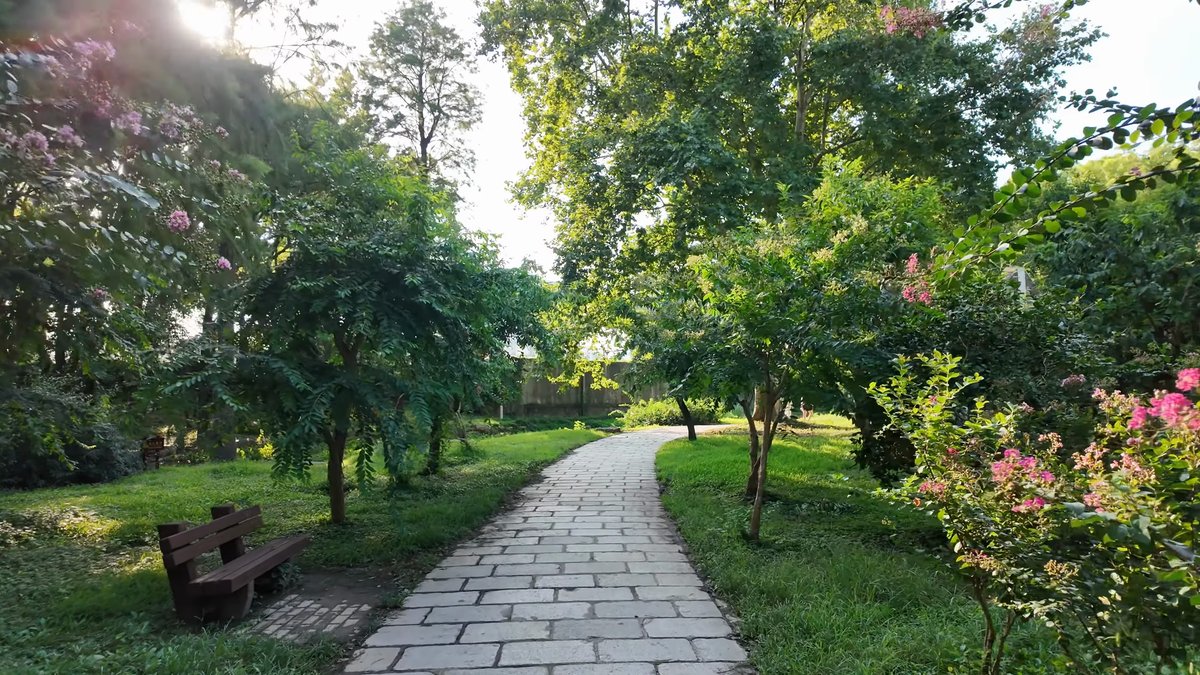
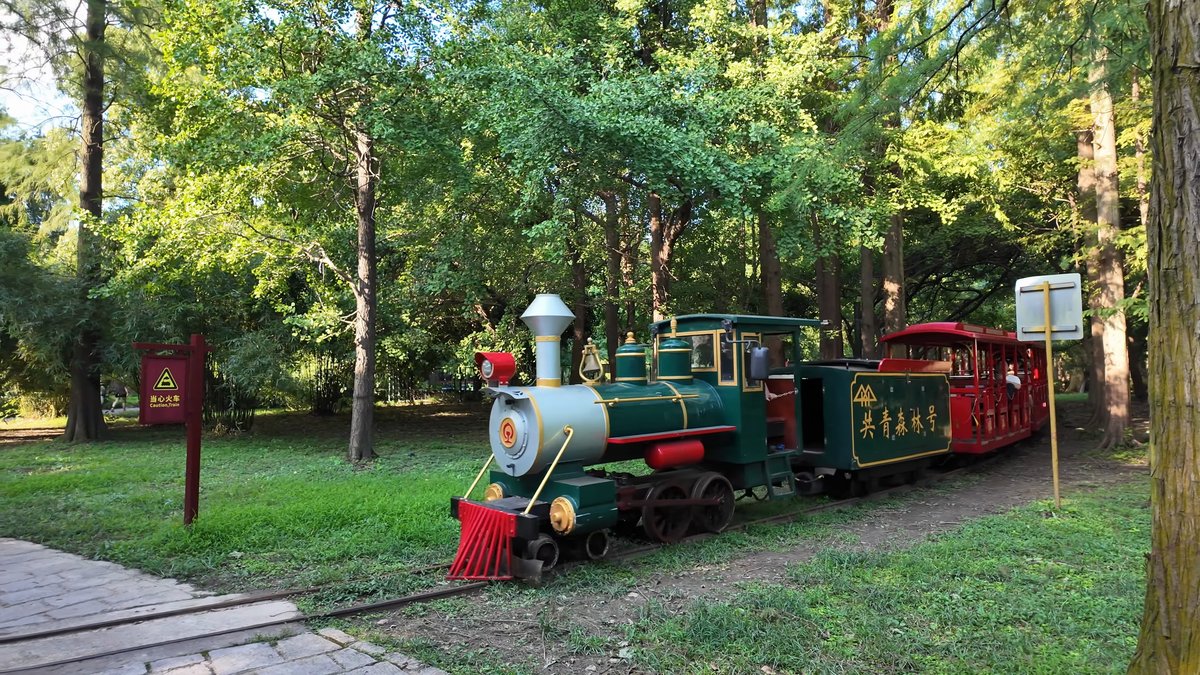
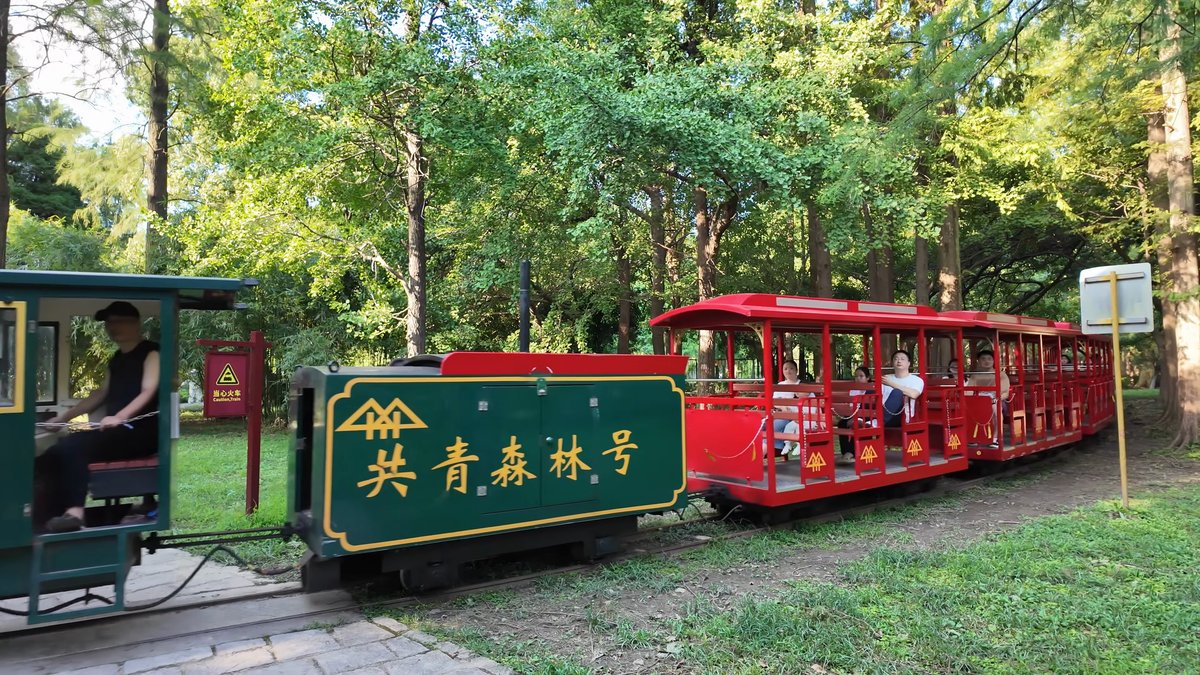
Paths weave among flowers that change from season to season; flower gardens bask in the sunlight in clearings. A narrow-gauge railway carries mostly children around wooded areas on its little train, though you can ride it too if you’re willing to pay more. It is a scenic trip, not really a way of getting anywhere.
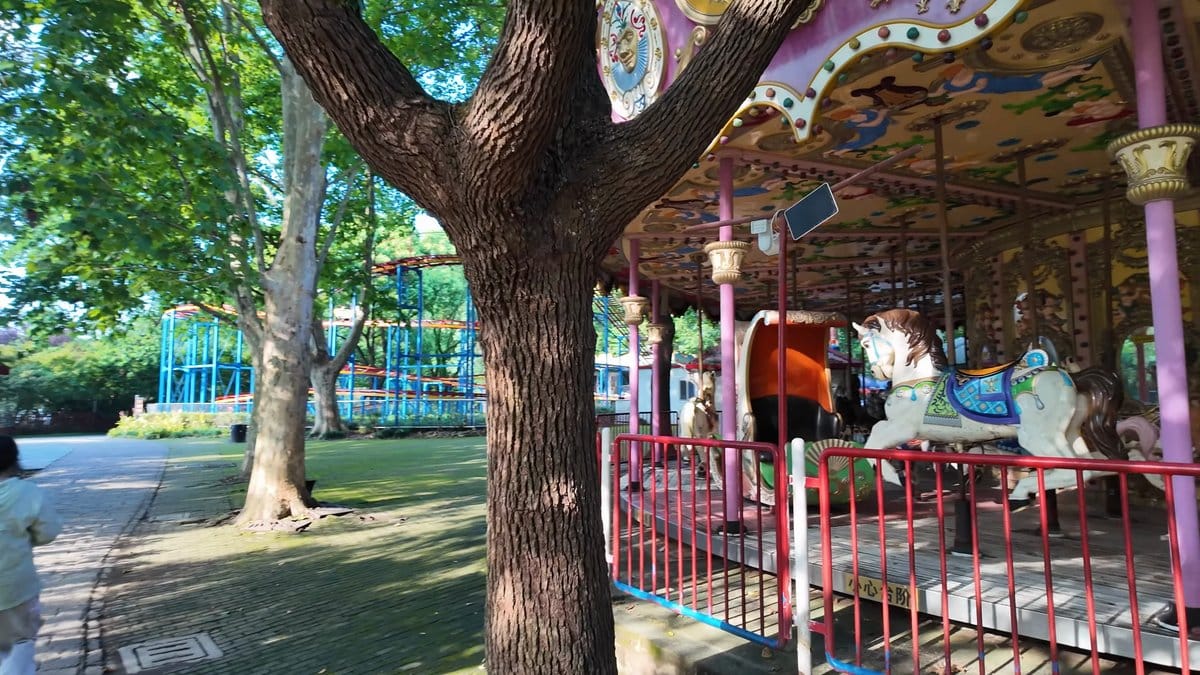
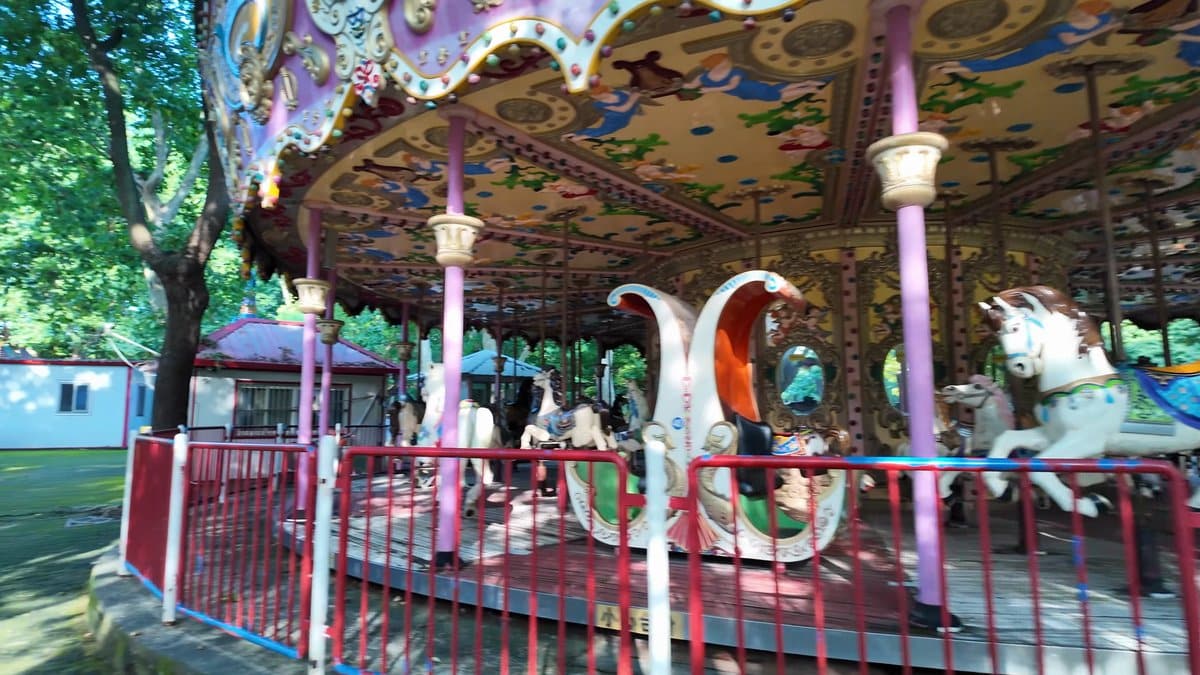
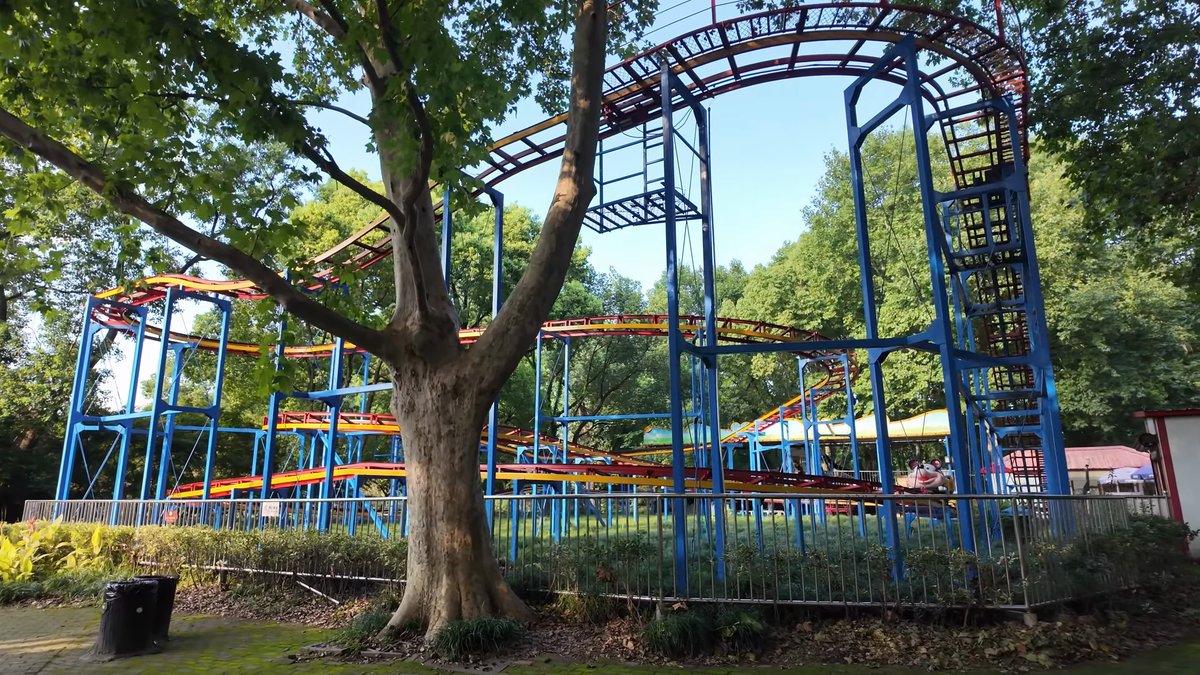
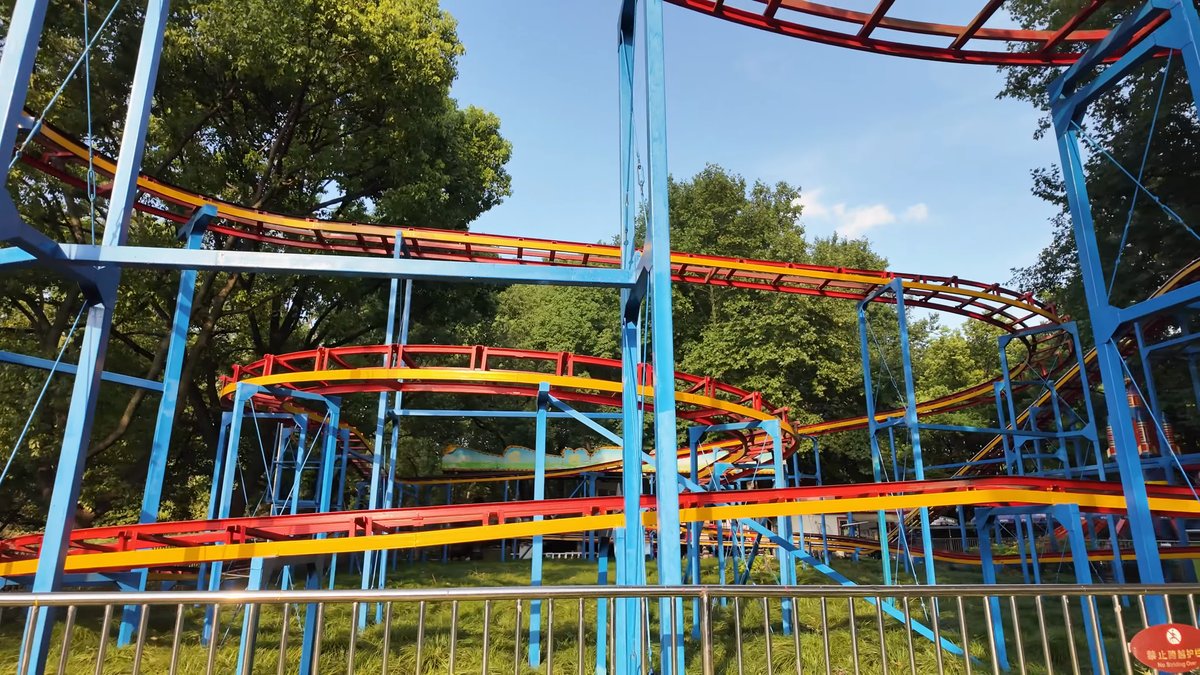
Towards the northern end of the park, however, is where the amusement area clusters. The horses on the carousels are a little weather-worn, but they work, spinning beneath their painted canopies. And up in the trees towers a roller coaster, not an enormous thing, but it makes for some good screaming.
If you’ve got kids with you, it’s a welcome change from all that tree-and-path stuff, and even if you don’t, by this point you might be craving something mechanical after so many trees and paths. While there is plenty to see at Gongqing Forest Park, it works best if you don’t try to tackle it all in one visit. Choose a section according to your preference, the lakeside for open views and boats, the lawns if you’re lugging a picnic basket, the redwood grove for shade and quiet.
Younger visitors can keep themselves busy with the amusement rides for an hour or two. The park gets much more crowded on weekends, and mornings are ideal here for seeing the forested areas before the sun gets to high. Do you know of any other large parks in Shanghai?
Would you go to Gongqing Forest Park?