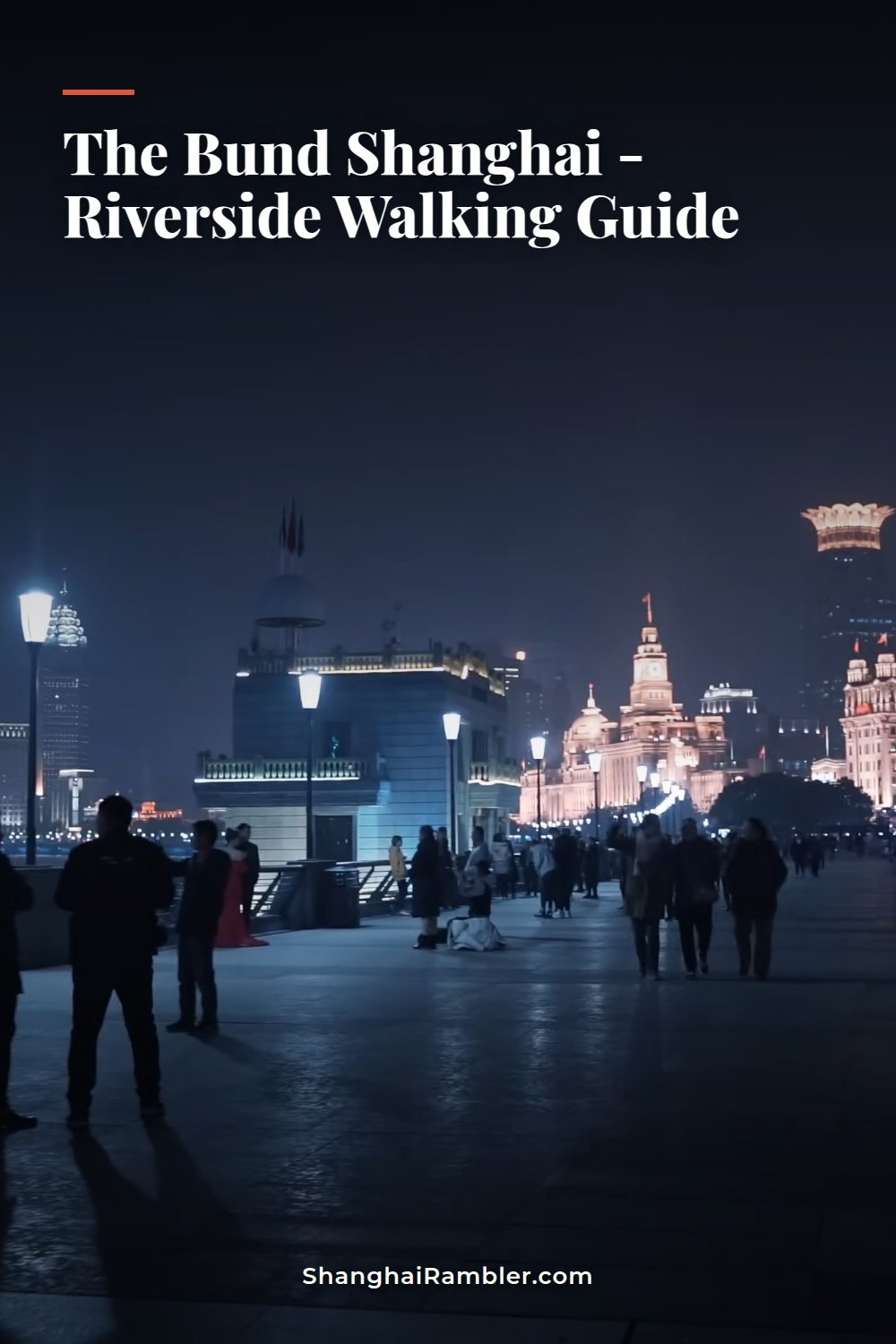
No place in the city capture Shanghai as well as the mile-long riverside strip known as the Bund. A line of early twentieth-century treaty-port buildings, including trading houses, banks, and hotels, face off against the Huangpu River on one side. On the other side, the Pudong skyline pile up, a city from a different century all by itself.
every night, people comes here, both visitors and locals… To stroll the promenade between them, and somehow, the contrast still doesn’t seem real. Here is what it look like when you visit.
You can expect to see everything from the northern end to the most crowded parts at night.
A Walking Tour of the Bund
The Bund Shanghai
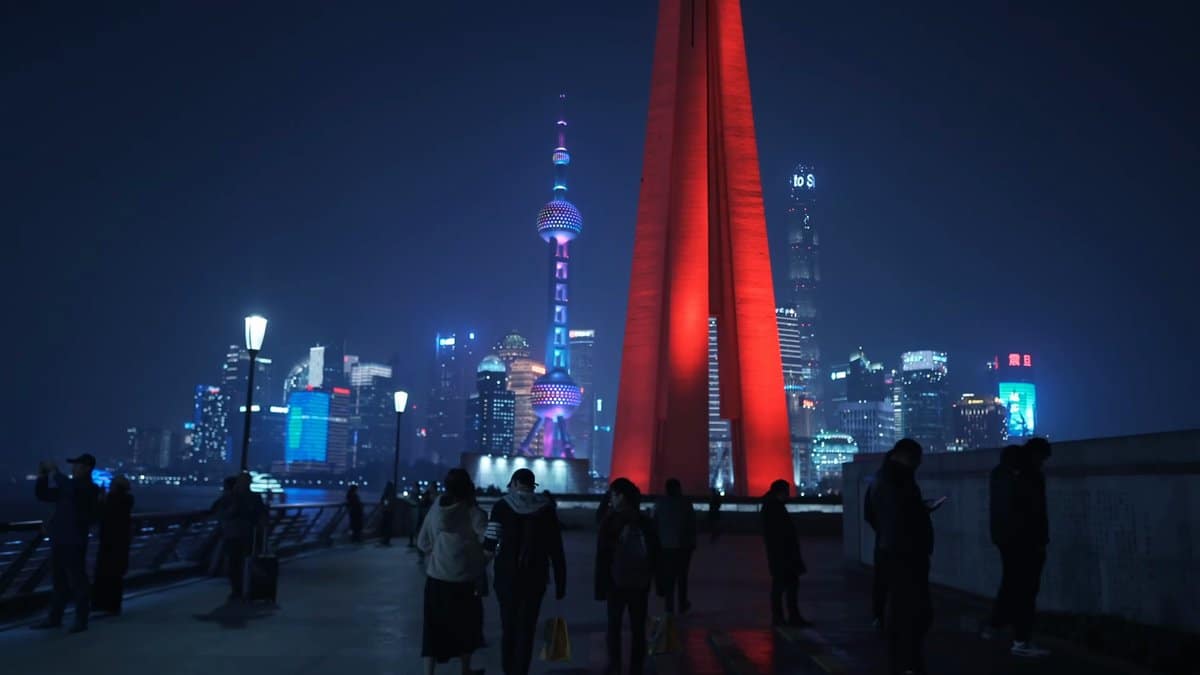
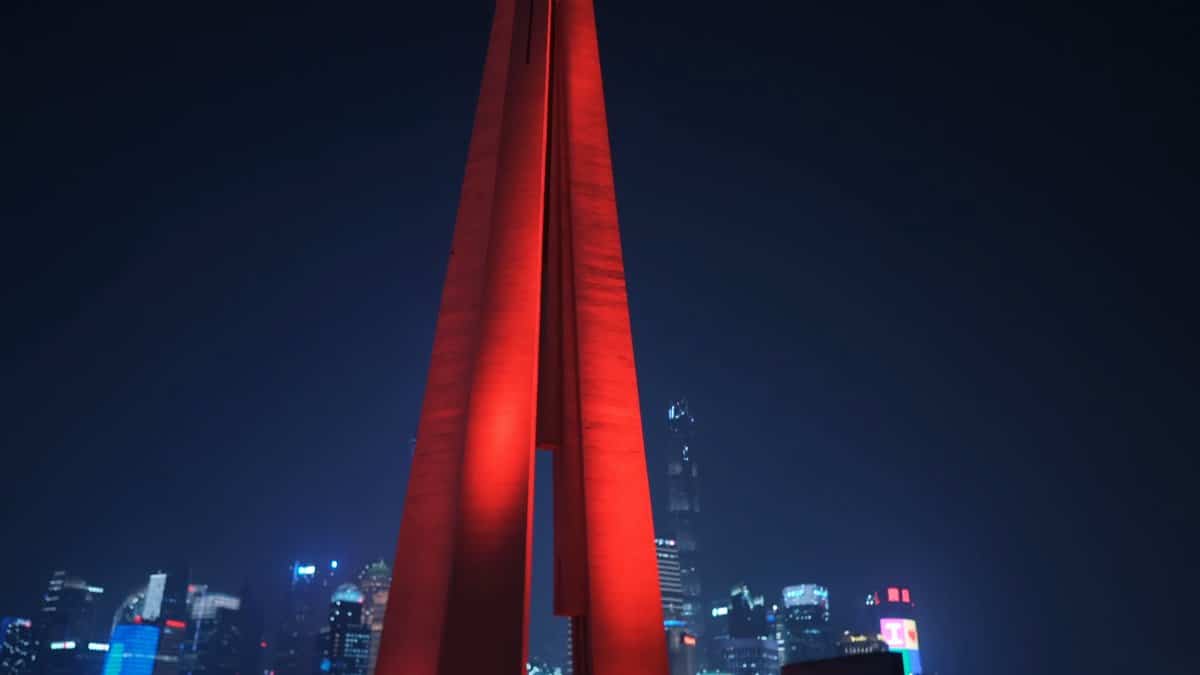
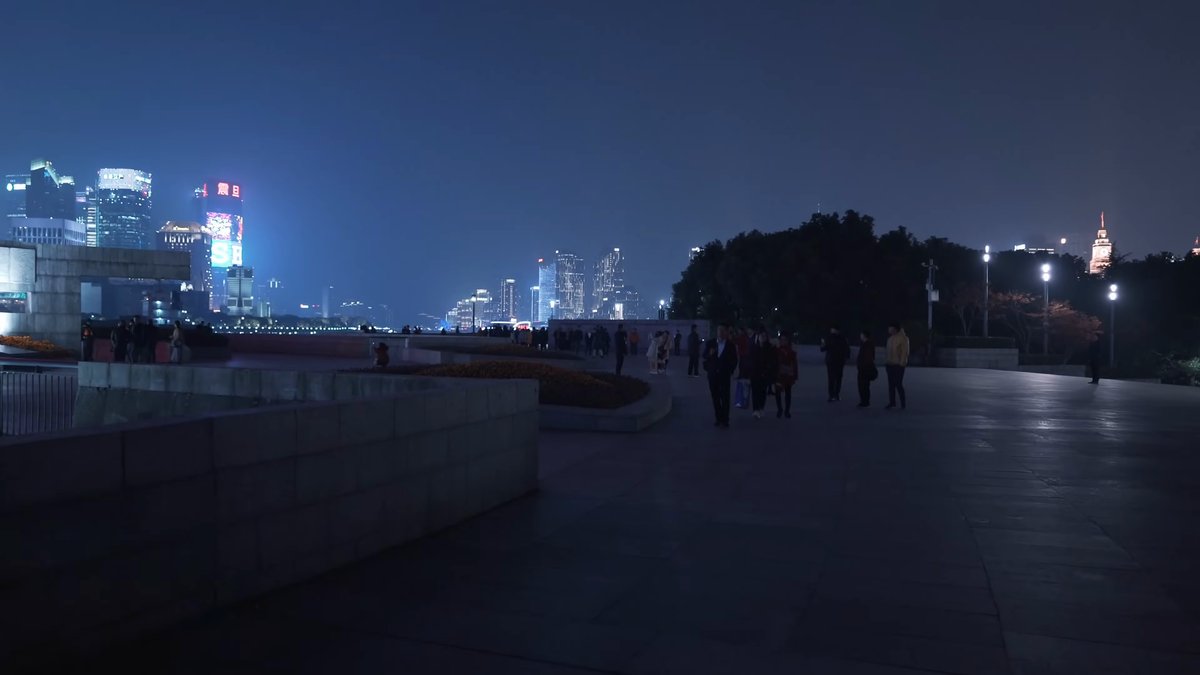
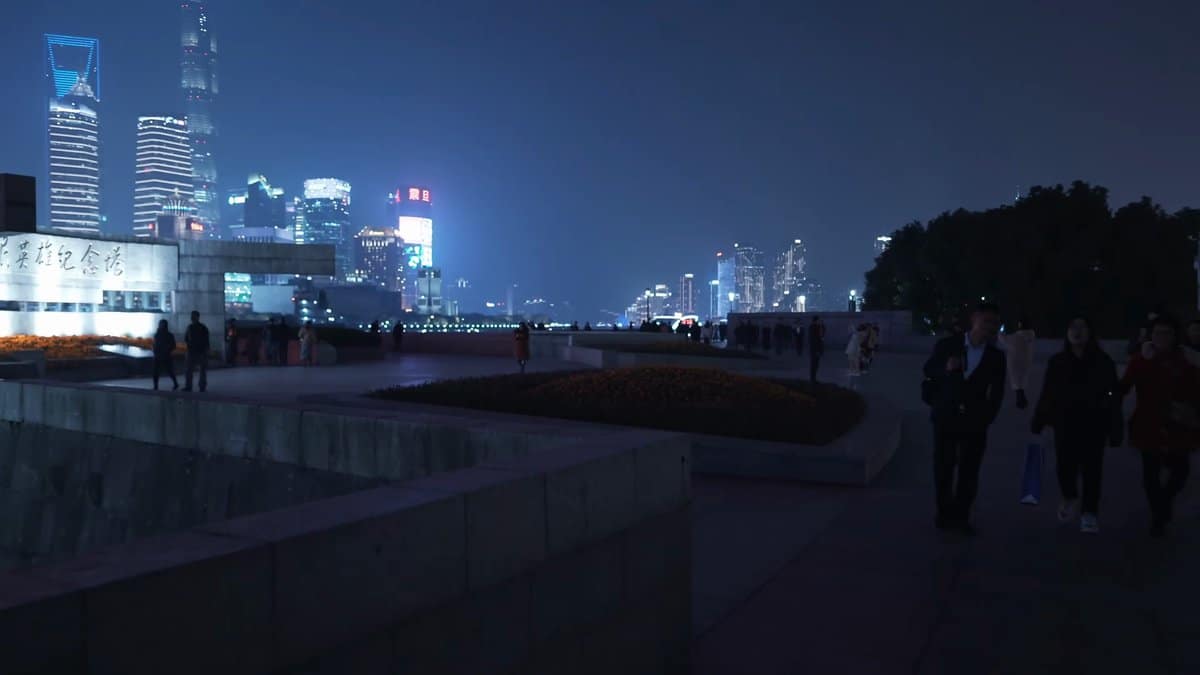
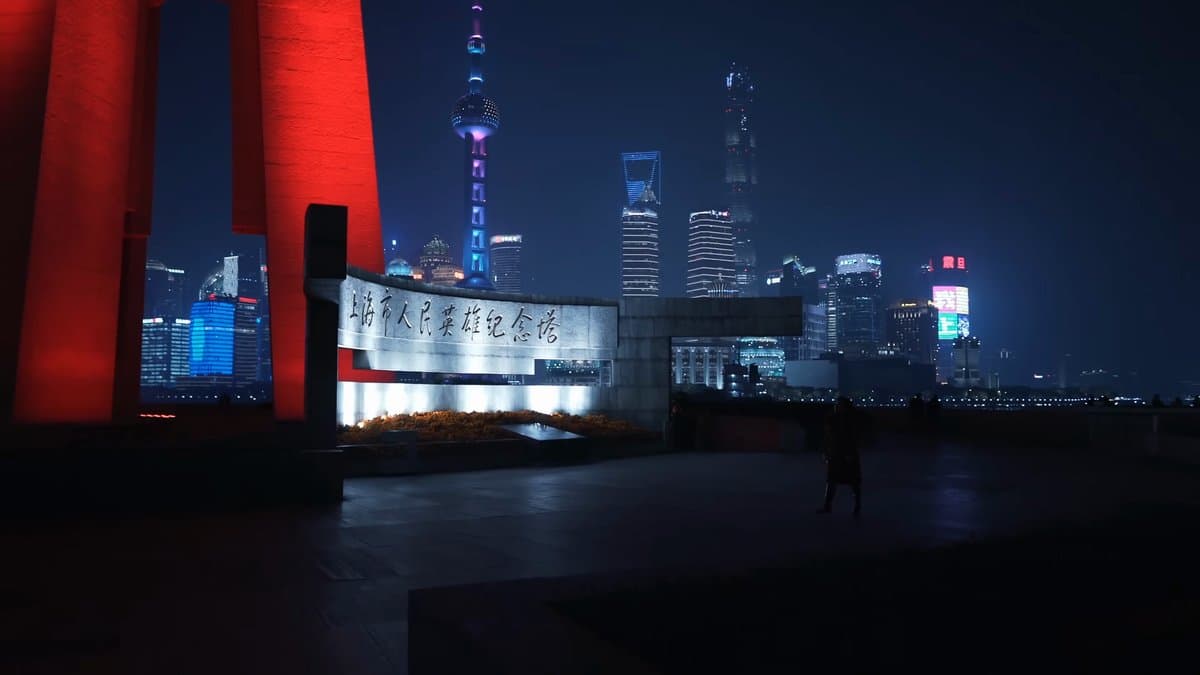
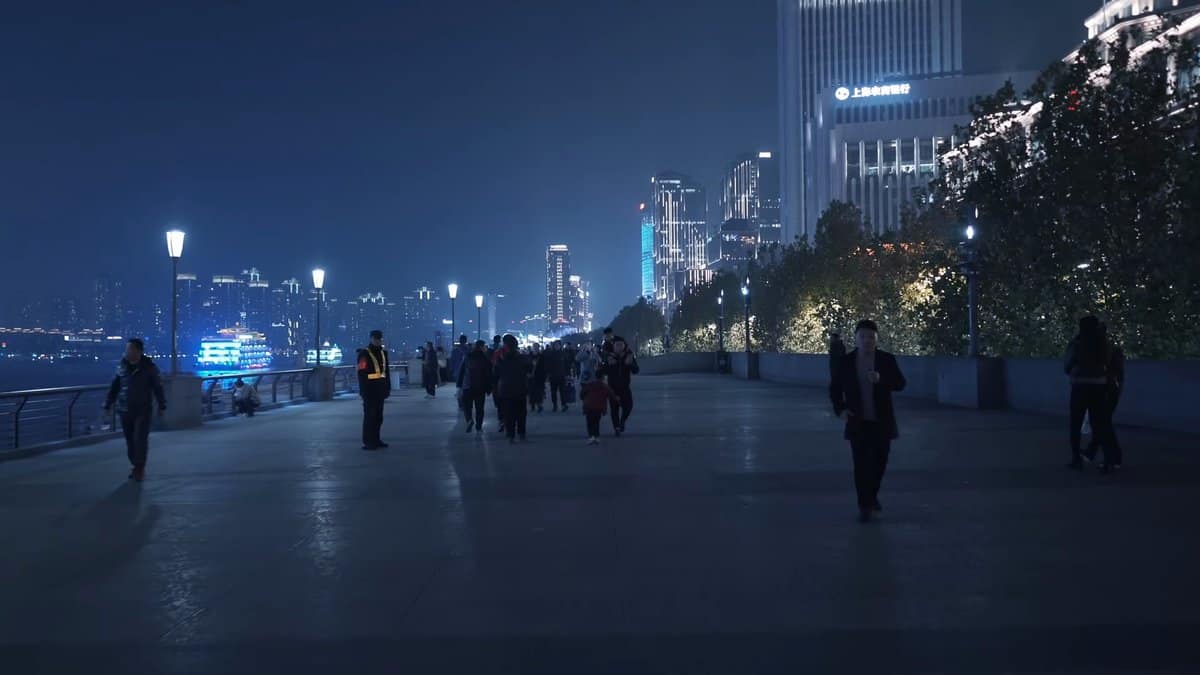
The northern end is where you want to start: Here, at least for awhile, you’re a step or two ahead of everyone else. The promenade is wide and even; the lamps are hung on the balustrade, and the granite beneath your feet is smooth. Along the way, you’ll pass the Monument to the People’s Heroes, a large, obelisk-like structure set off by itself in a little plaza of formal gardens.
It’s not showy right now (it’s winter), just neat rows of low shrubs, but the space itself is open and unfussed. The river is held back by a curving retaining wall, and the path follow suit, tracing its way southward in a long, easy curve.
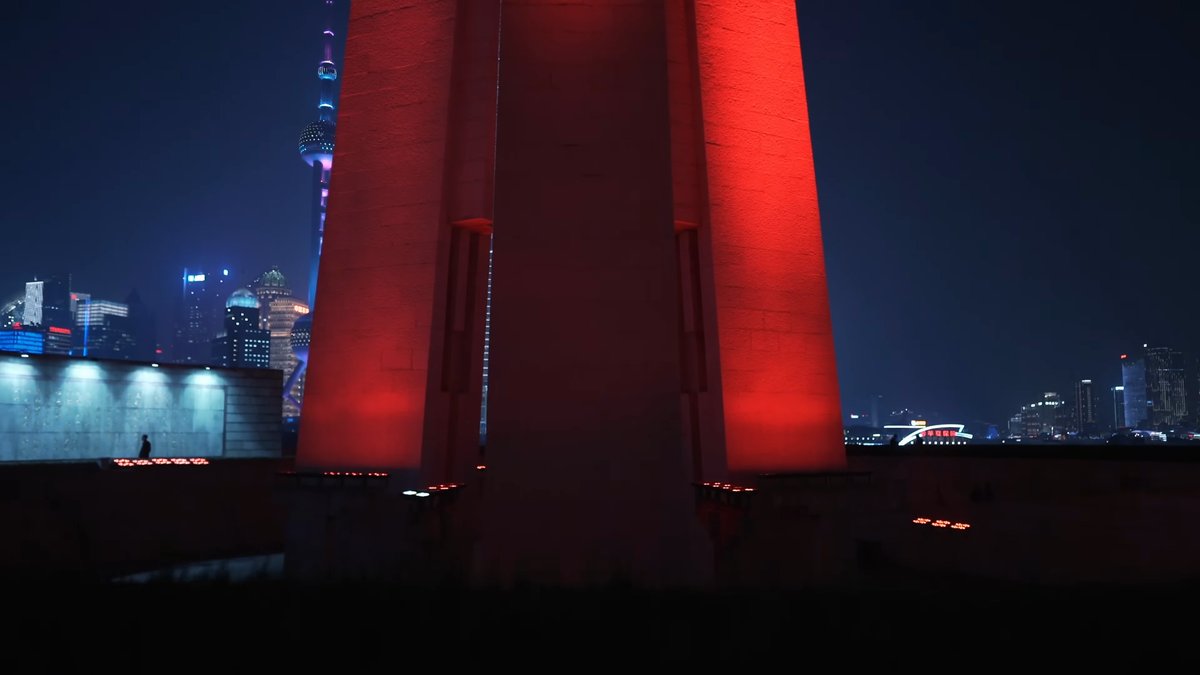
The view is framed by columns. Directly across the water is Pudong’s spherical television tower: the Oriental Pearl Tower. You will pass this over and over again as you stroll around.
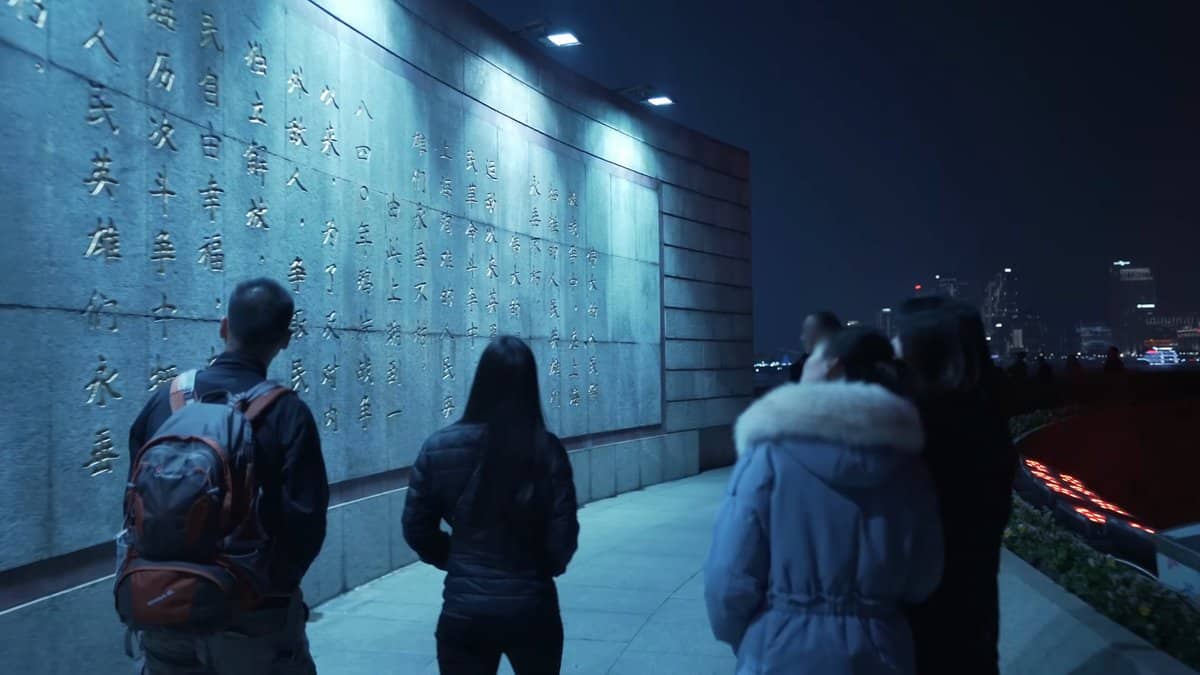
Beside the monument is a memorial wall where people stands around reading plaques or simply stopping for a moment to soak up the river.
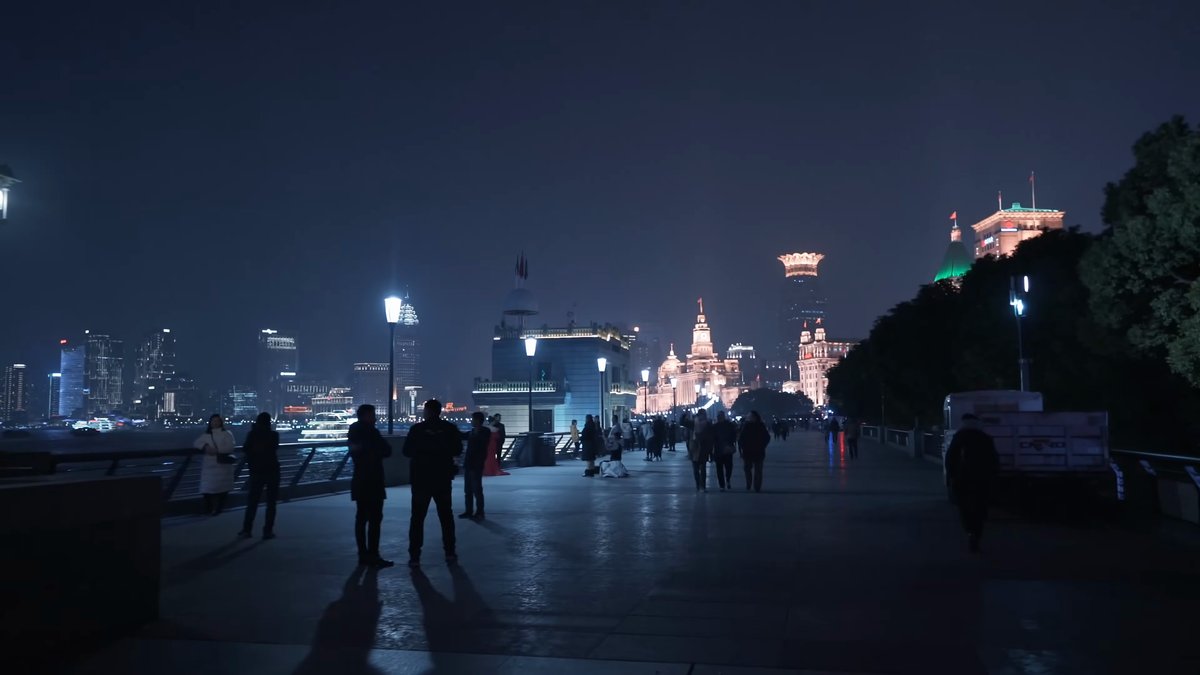
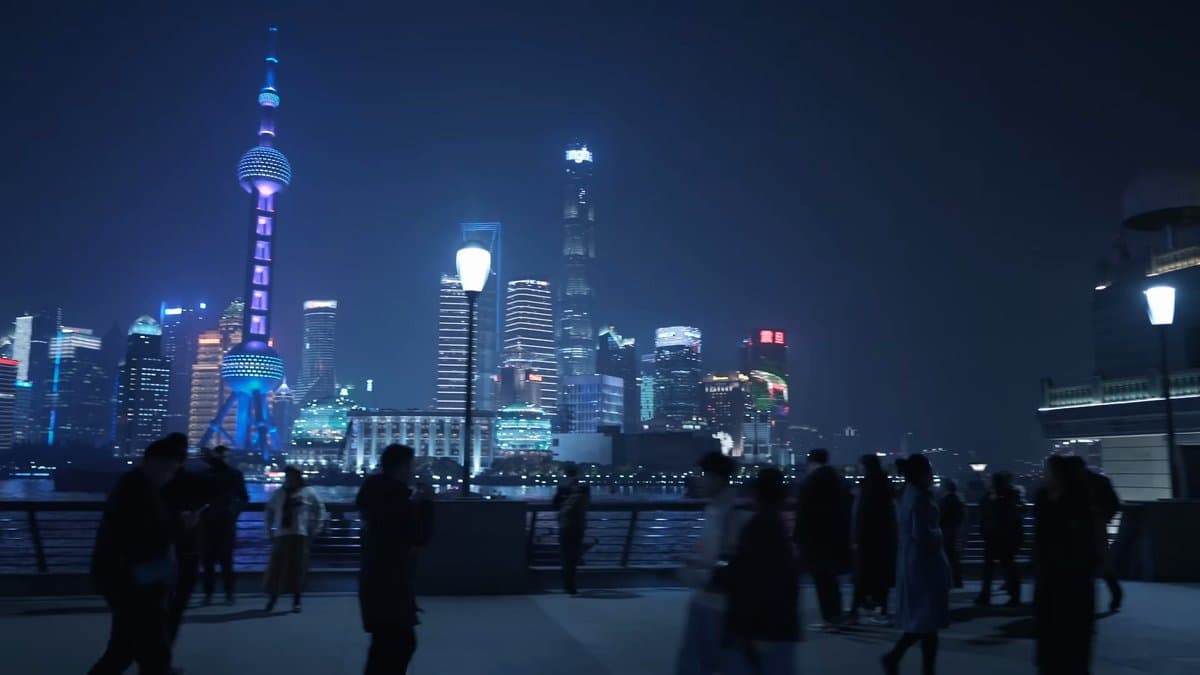
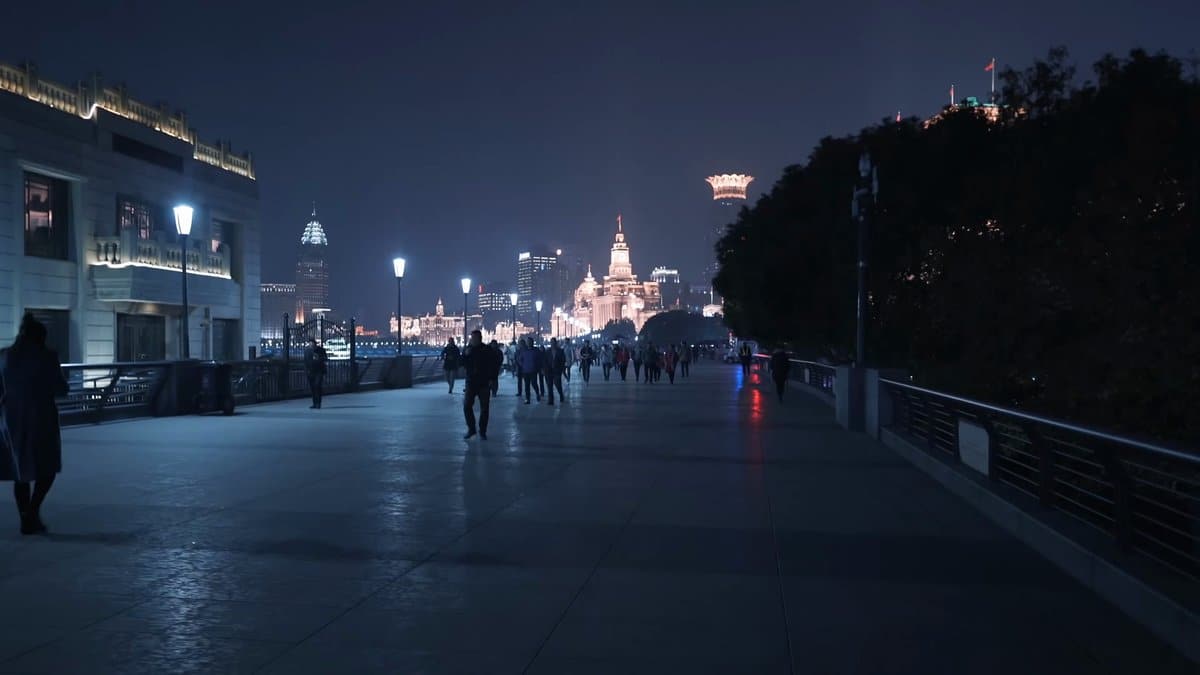
On the west side of the promenade, however, things gets serious, and this is where the heritage buildings truly begin. These are the buildings that gave the Bund its fame: stone facades topped with columns, cornices, and pediments, all lit carefully at night so the detail stand out. Some are now luxurius hotels; others are banks; some are flagship stores.
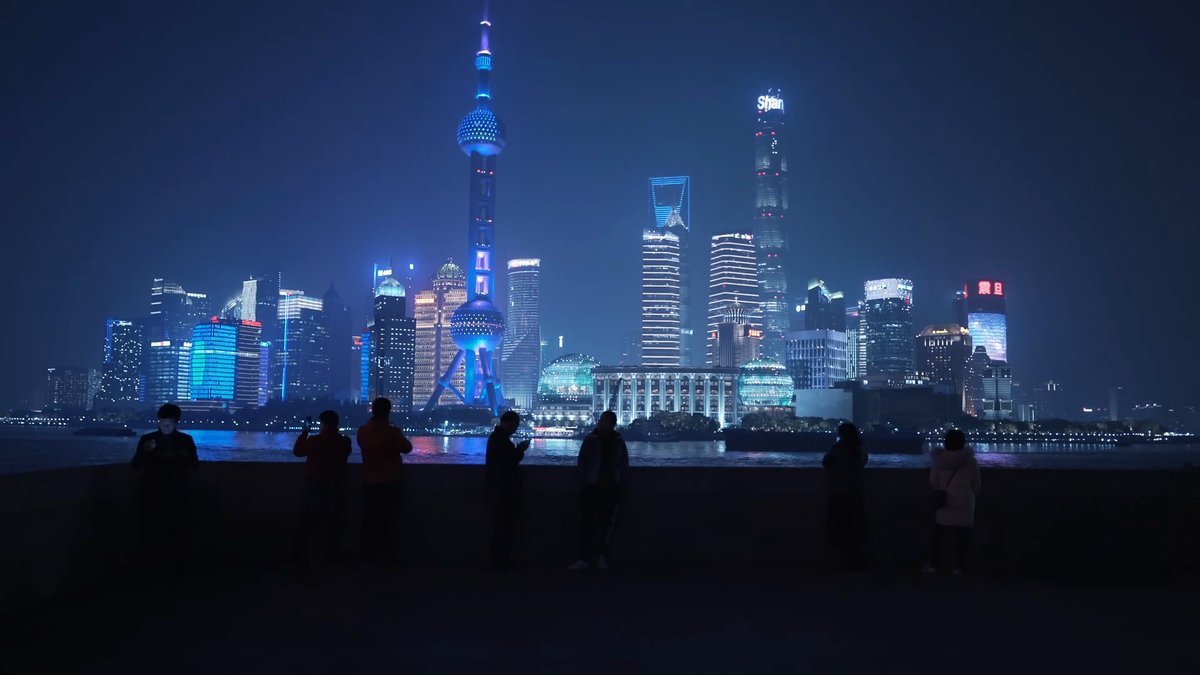
Across the river, looming like a wall of steel and glass, is the Lujiazui skyline. It’s almost uncomfortably near. And, really, that’s what makes the Bund tick.
Neither side would of been half as compelling without the other.
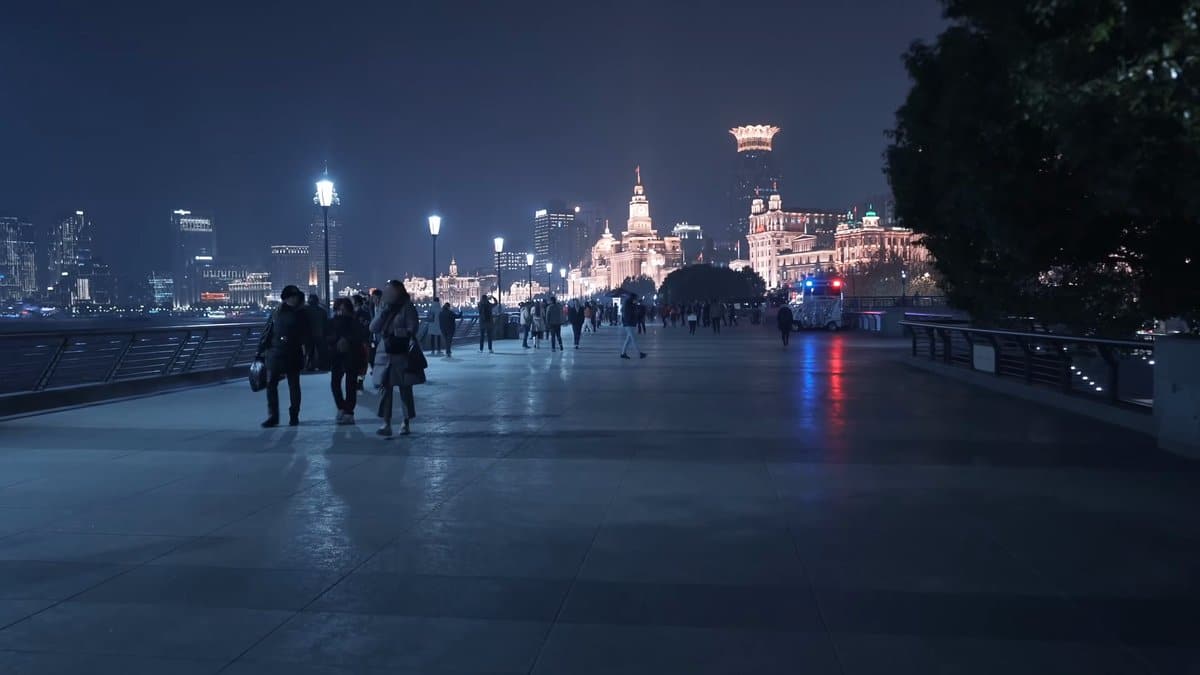
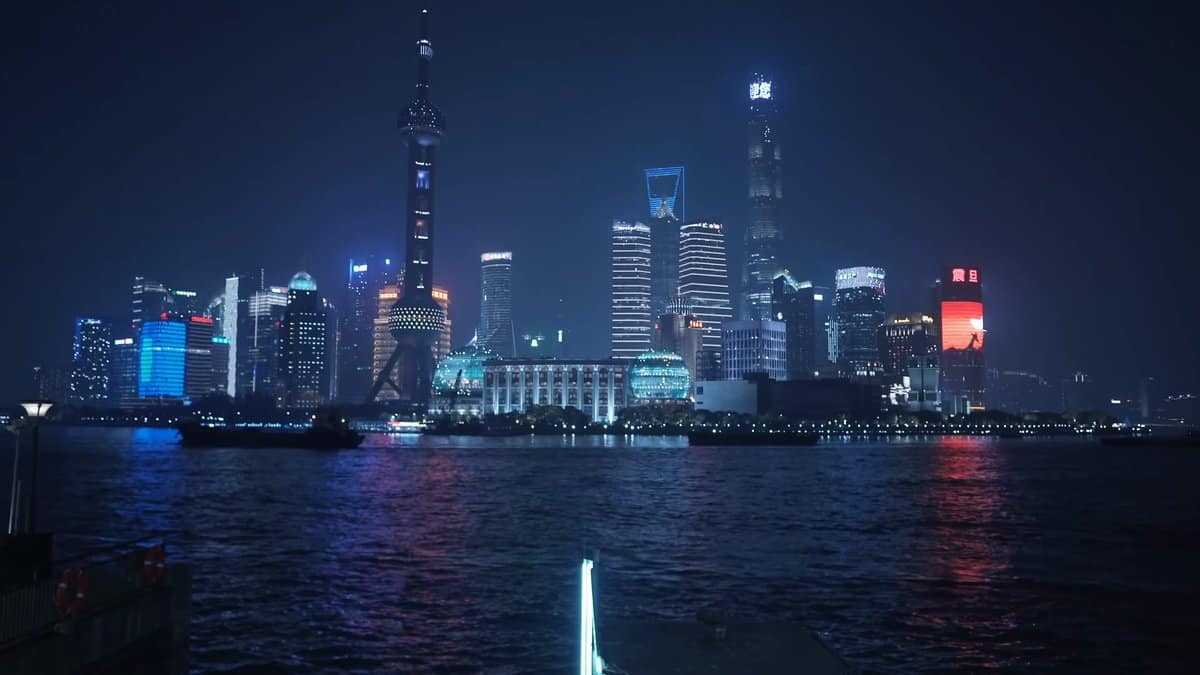
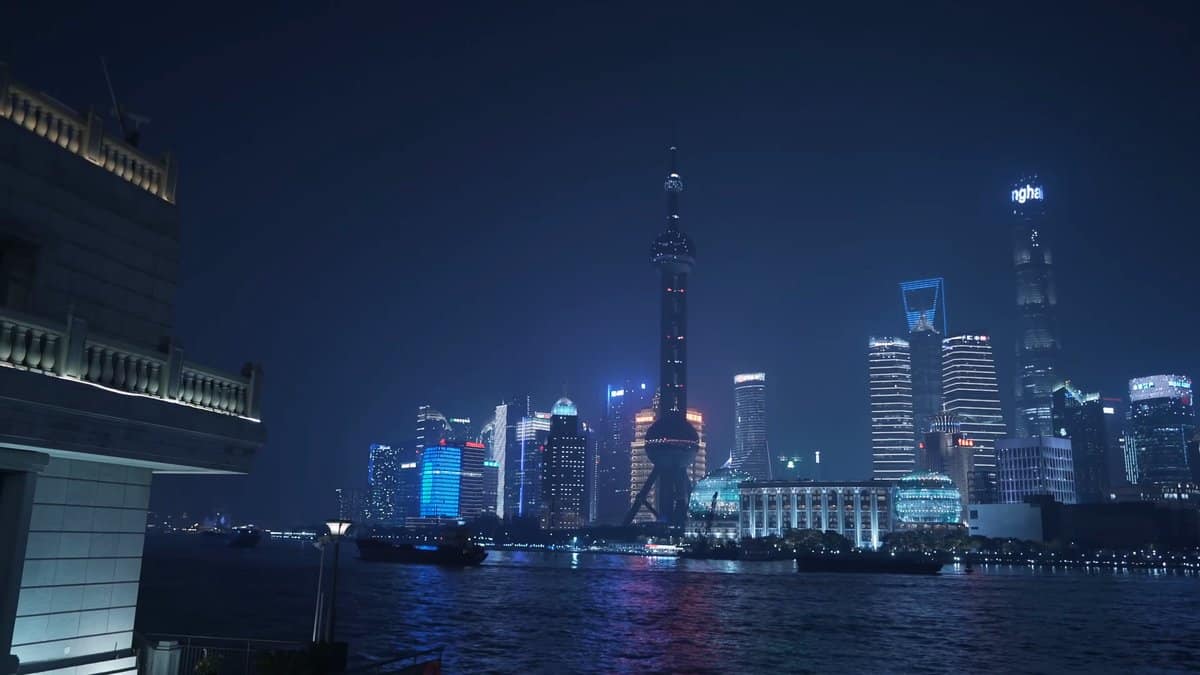
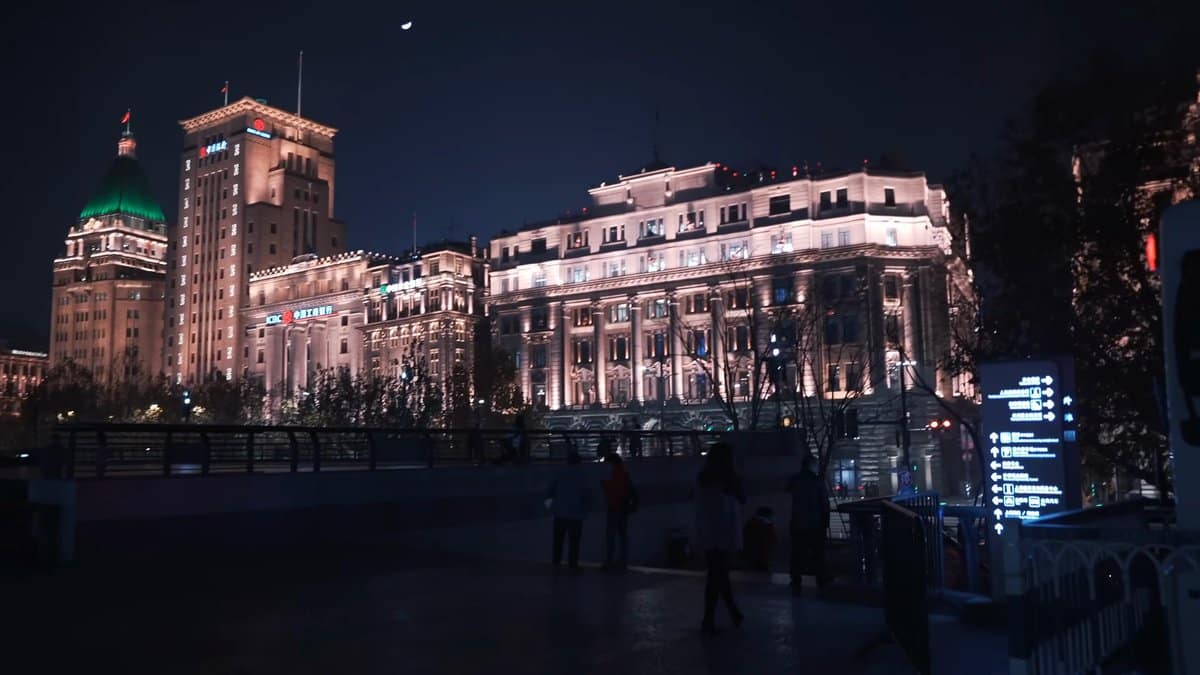
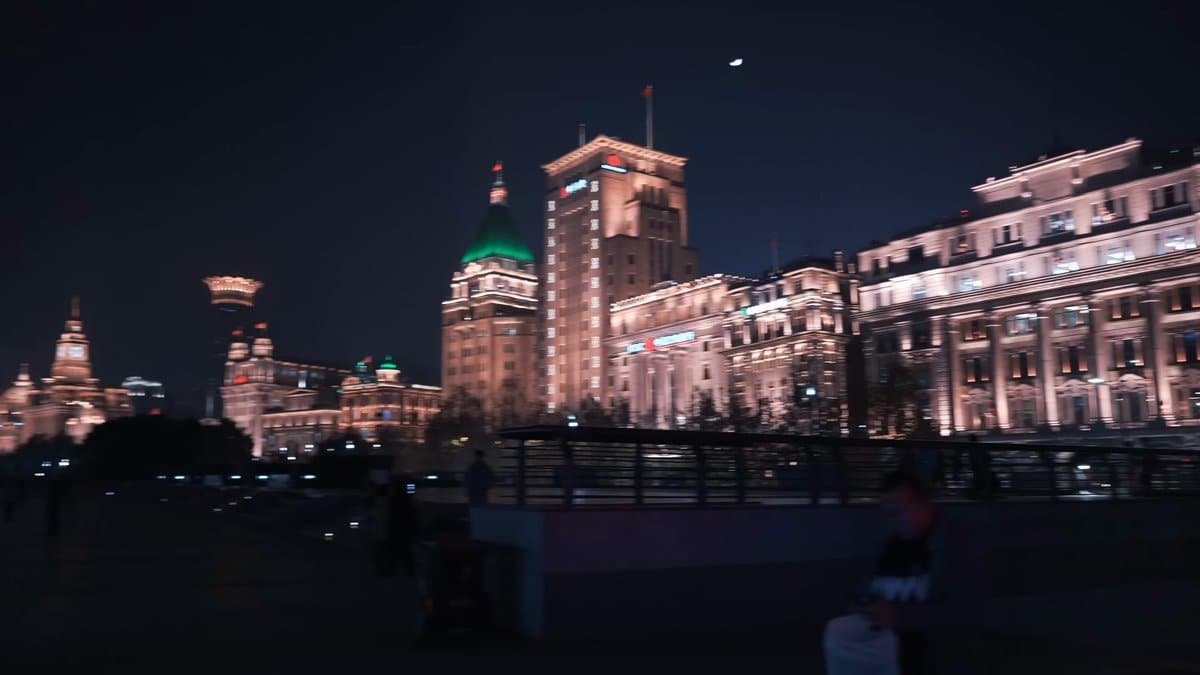
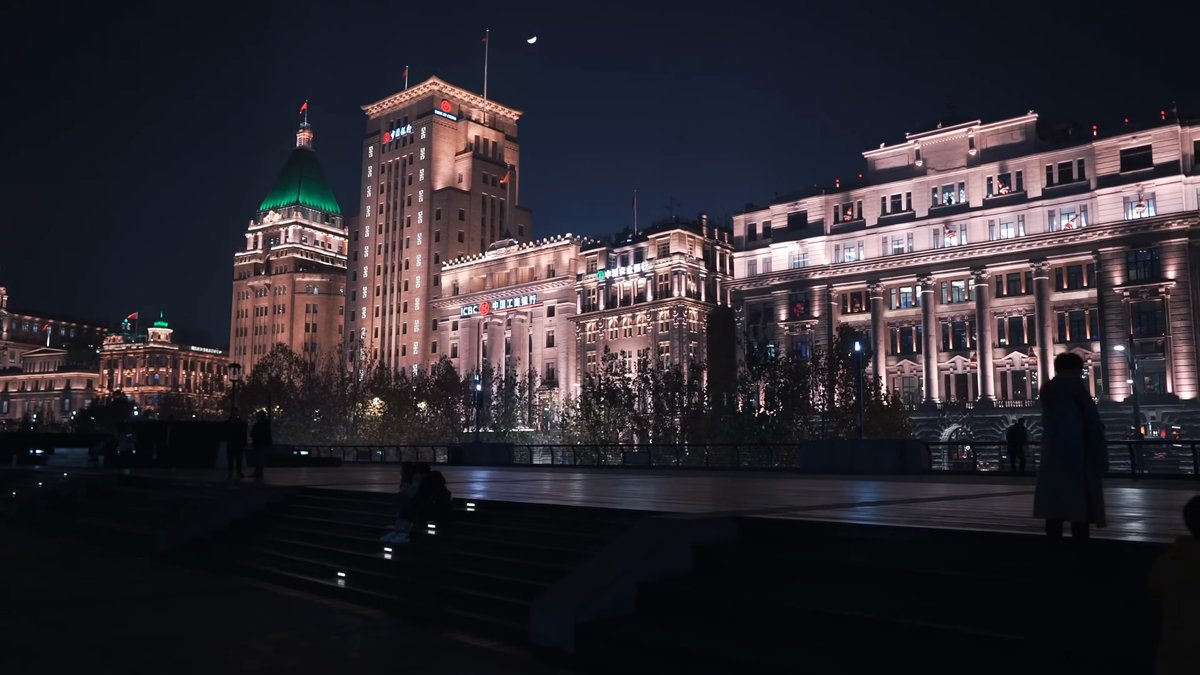
By night, the promenade becomes packed with pedestrians, although it never gets truly gridlocked (unless it’s a holiday weekend). The walkway is wide enough not to be claustrophobic, and you’ll end up weaving around people, but it’s not unpleasant. The floodlighting highlights the variations in each of the buildings along the heritage row, such as different types of stonework, copper roofs, and clock towers.
Pudong keeps pace across the river on the other side, with the Shanghai Tower tapering up into the haze. The crowds gathers on the raised terrace sections for photo ops, so they’re better spots from which to look over the balustrade. The crowds really get going in the evening.
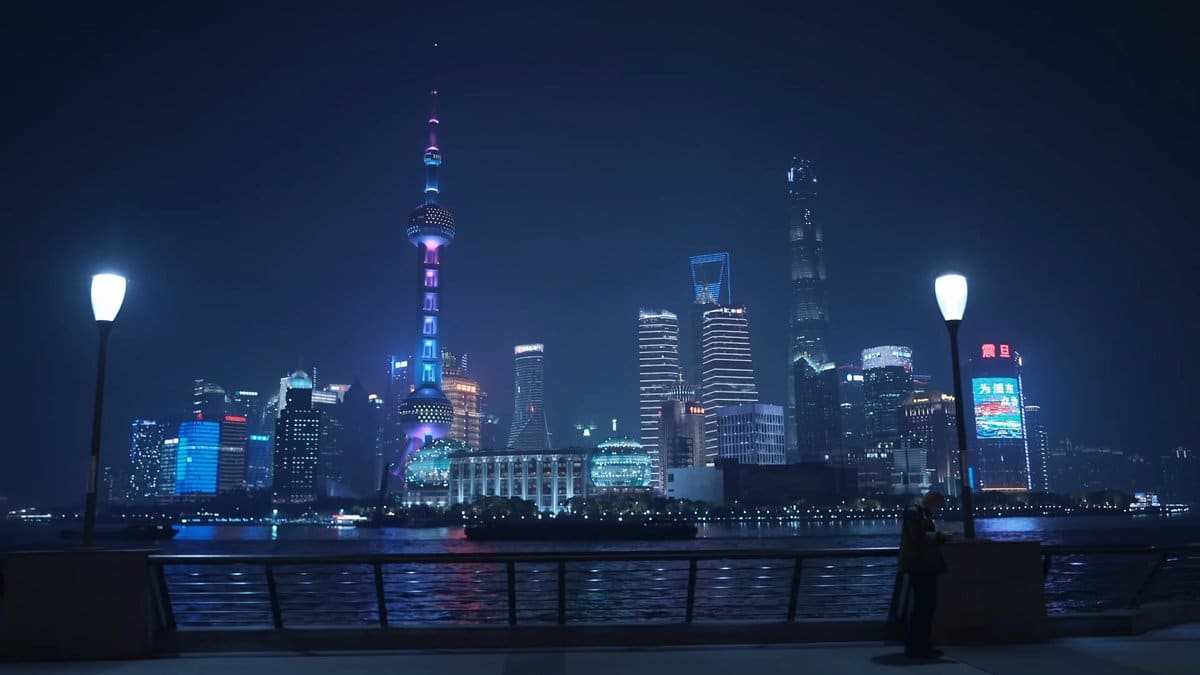
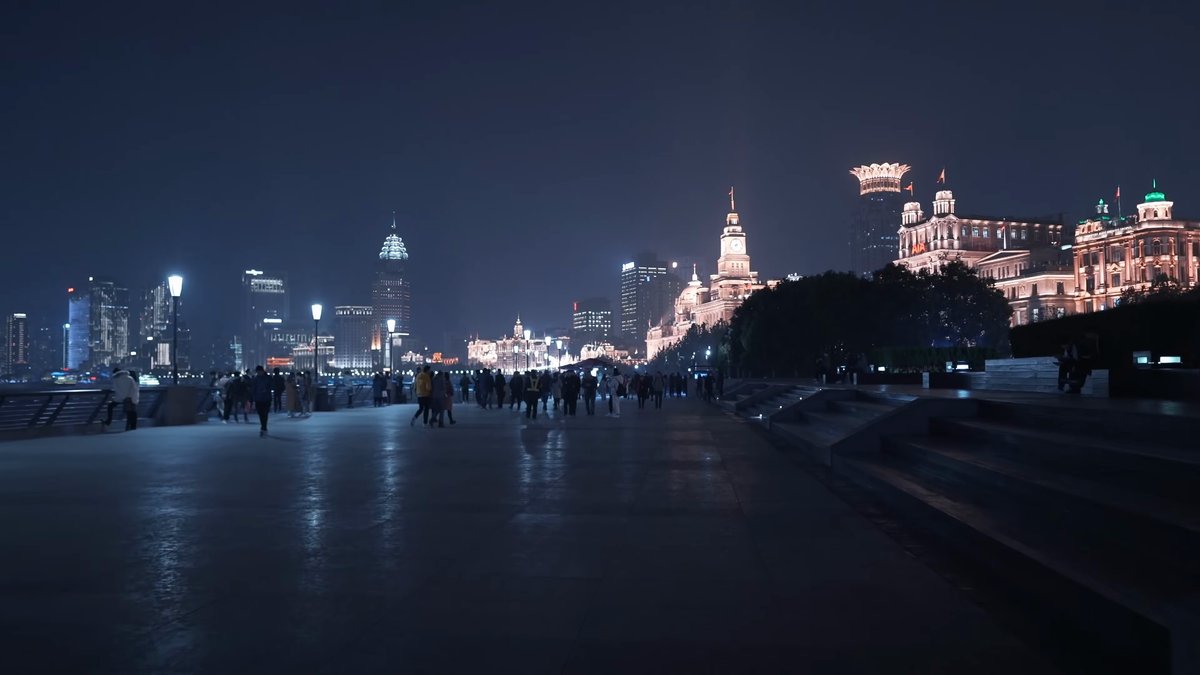
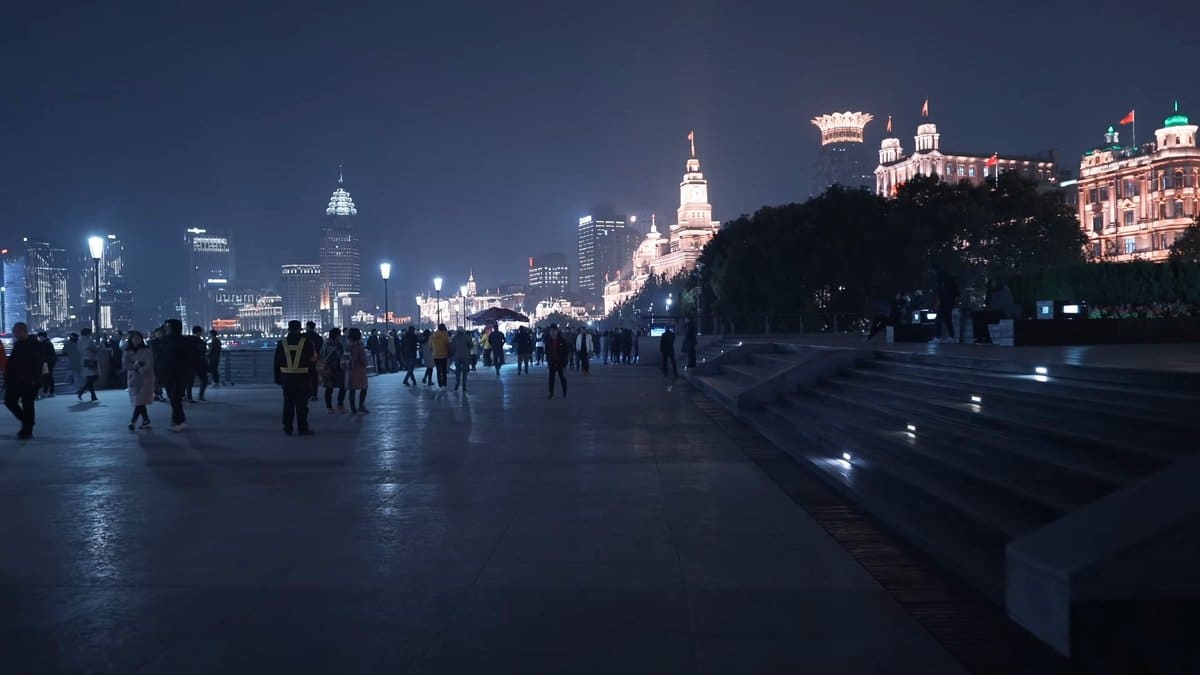
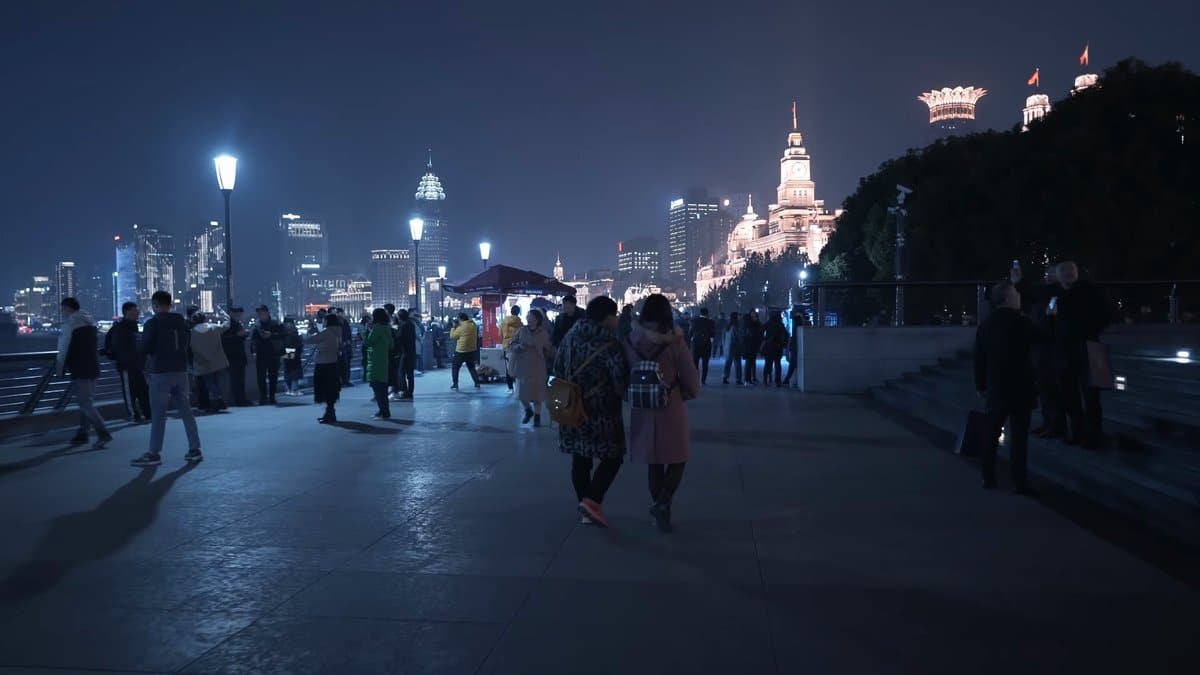
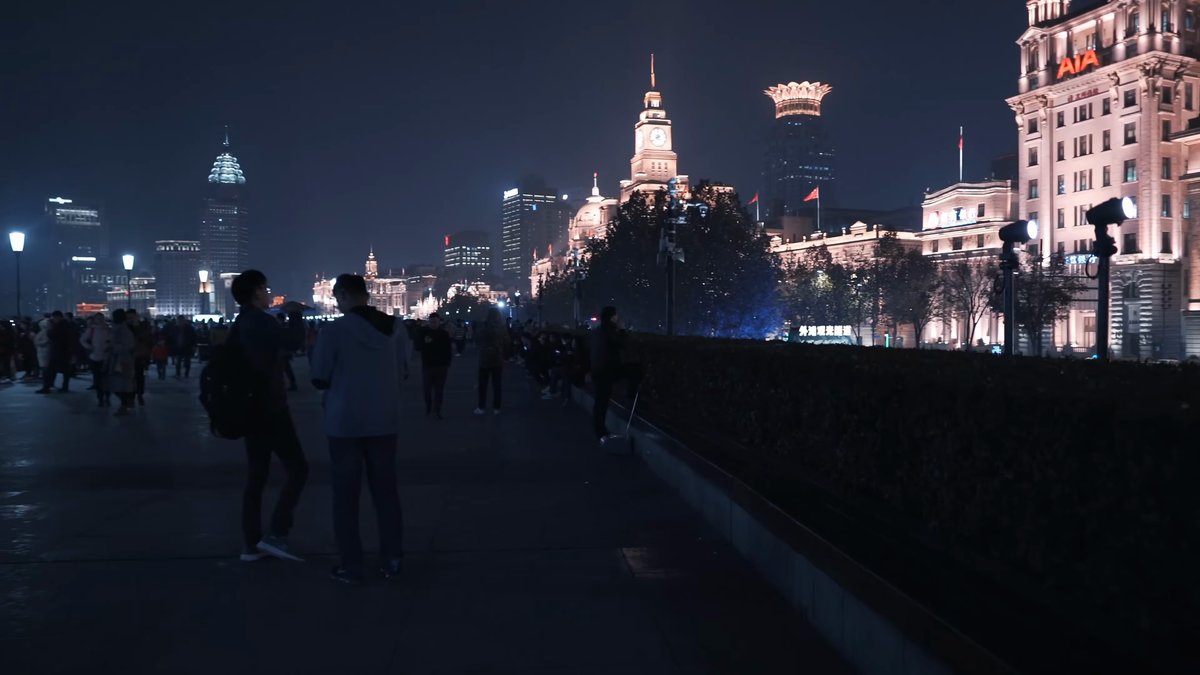
Especially south of Waitan Boulevard, where the most famous buildings all compete for their spots in your selfies, the streets gets packed in front of the major entrances. You’ll pass street vendors selling glow sticks and selfie lights before hearing a dozen different languages in the space of a minute. But here’s the thing: the crowds are part of the atmosphere.
the Bund at night is a promenade in the truest sense of the word. It is a place to look good and be looked at just as much as it is to appreciate the architecture. come on a drizzly weekday afternoon if you’re looking for elbow room; come at dawn.
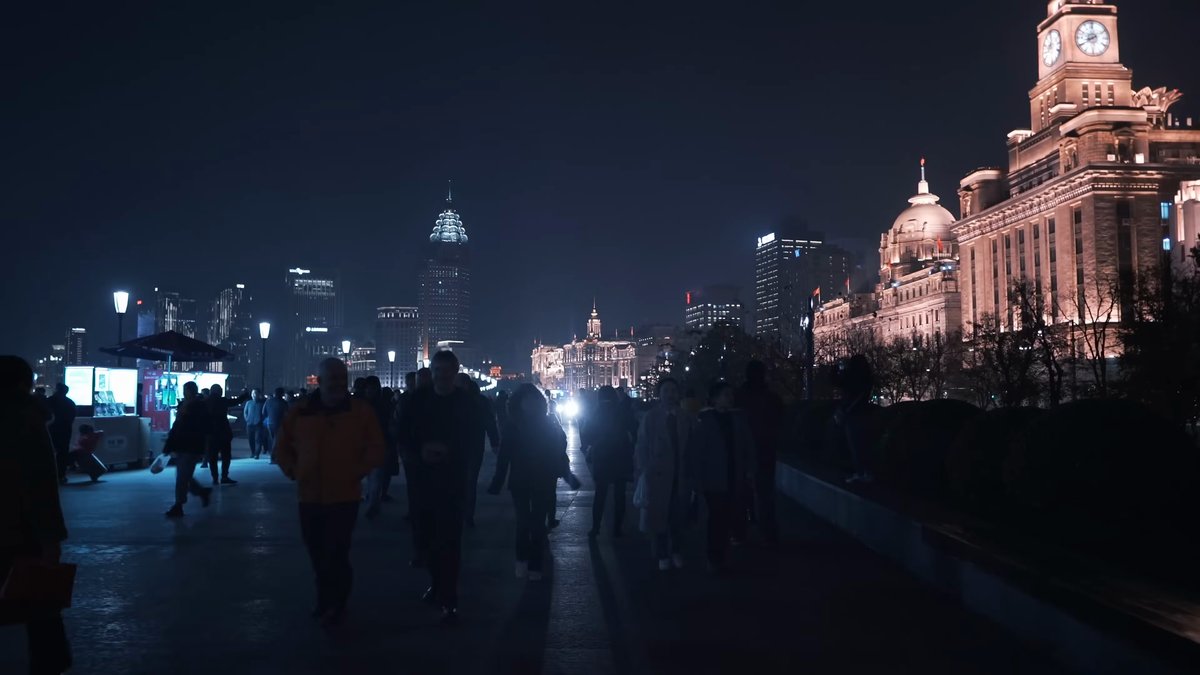
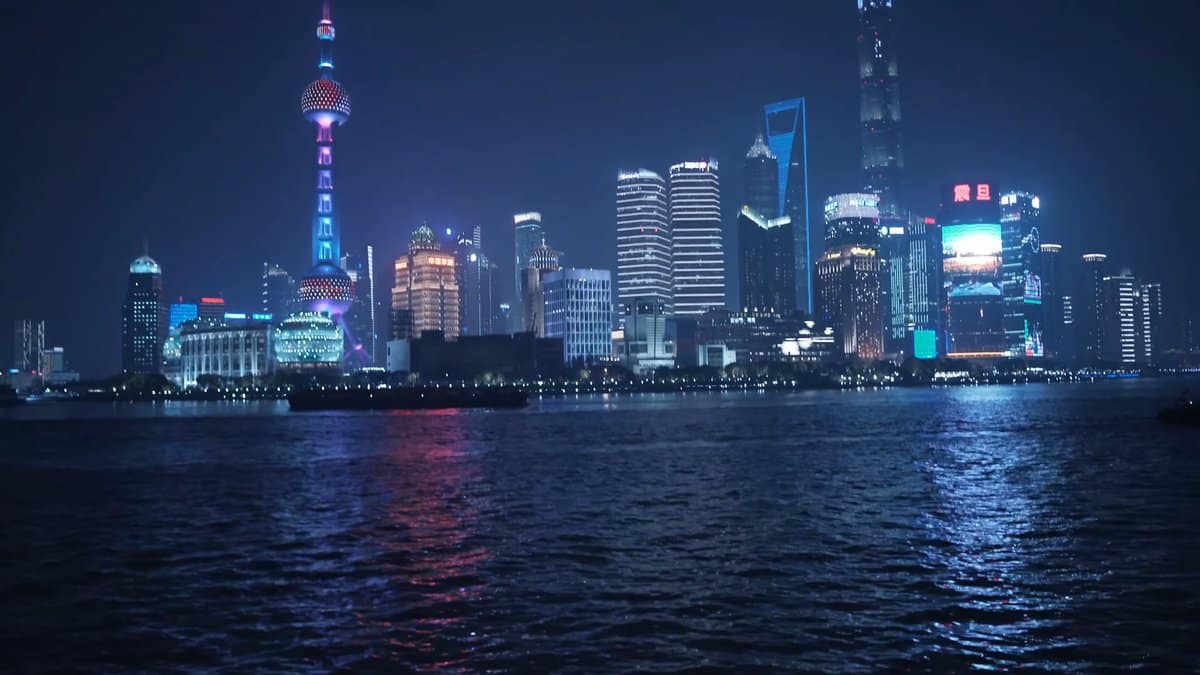
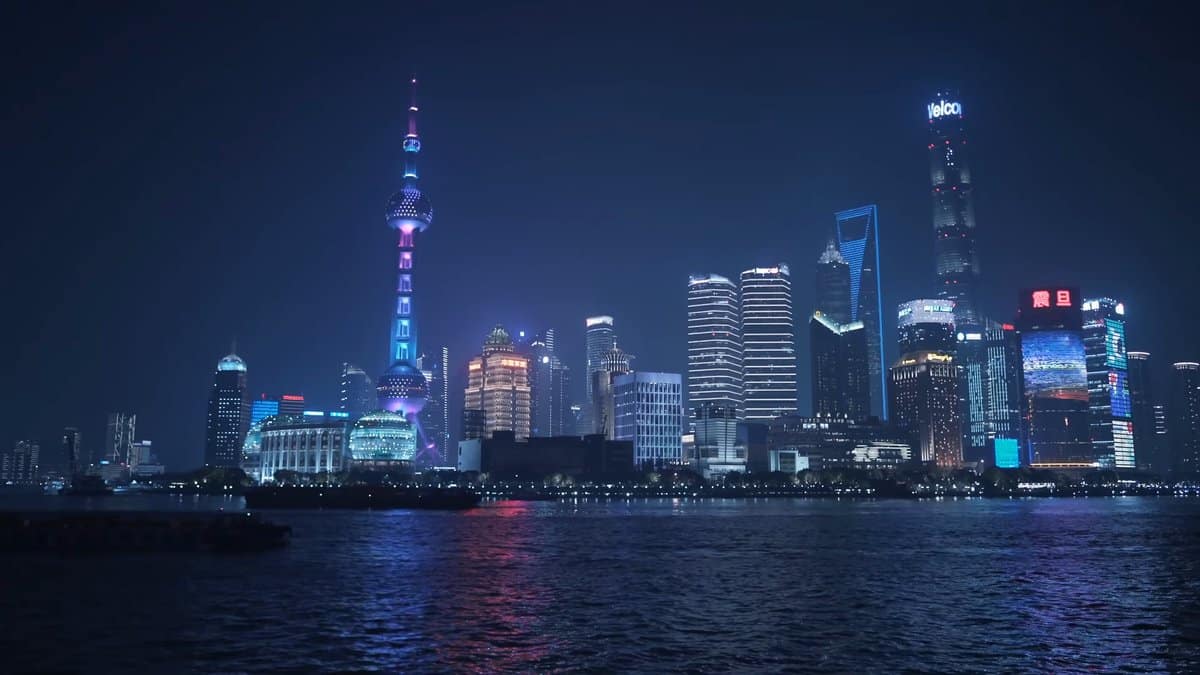
Continuing further south brings you to the Customs House (with its clock tower), which have the best views of the entire skyline. From up here, you can get the entire Lujiazui cluster in your frame, just far away enough for it all to be impressive. However, walking around doesn’t really do anything different: the same towers across the river, the same river, the same buildings.
It gets repetitive, but in an enjoyable way. After all, that’s the whole point: the wide view.
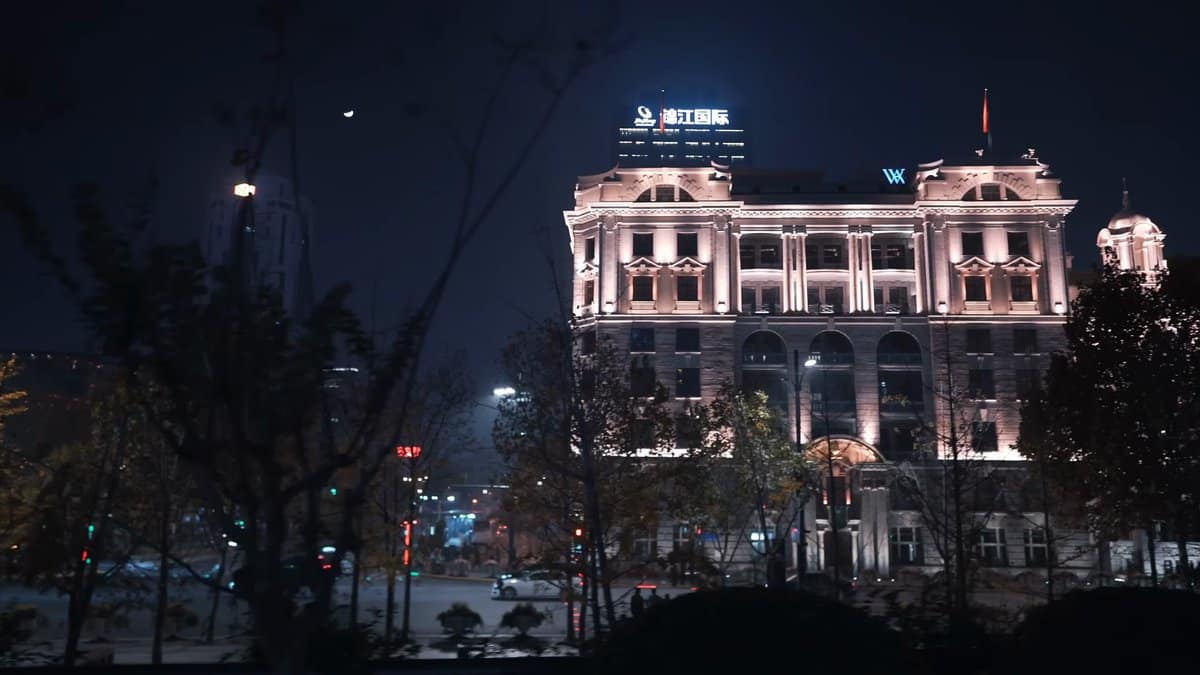
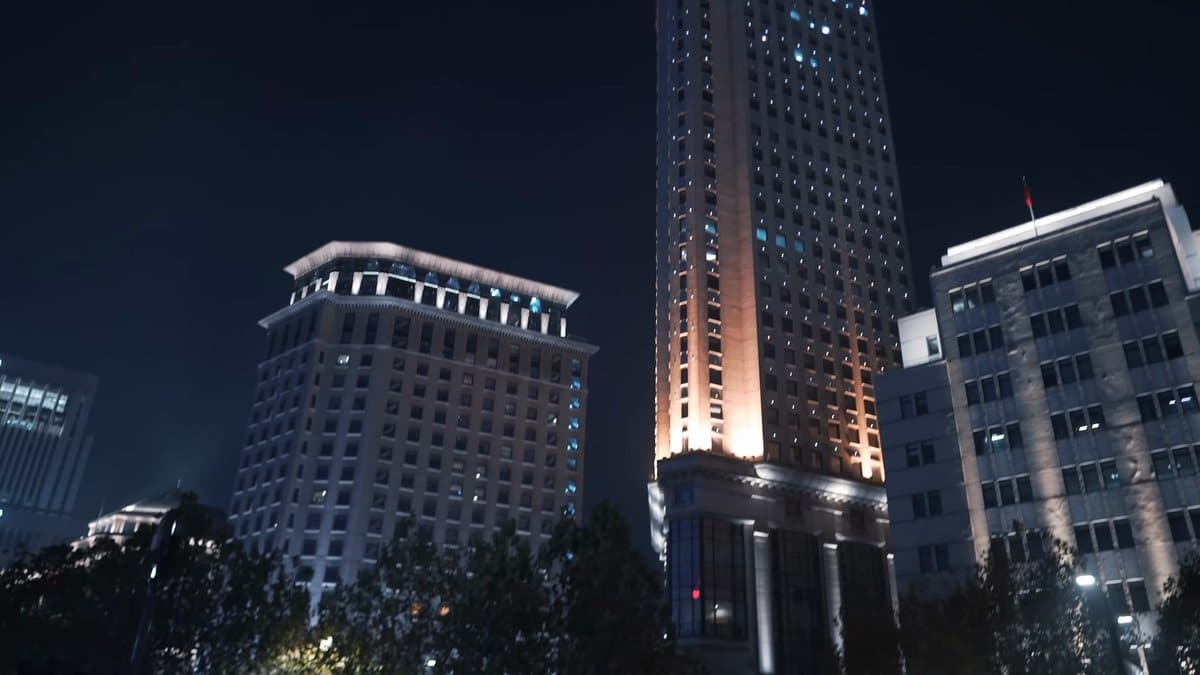
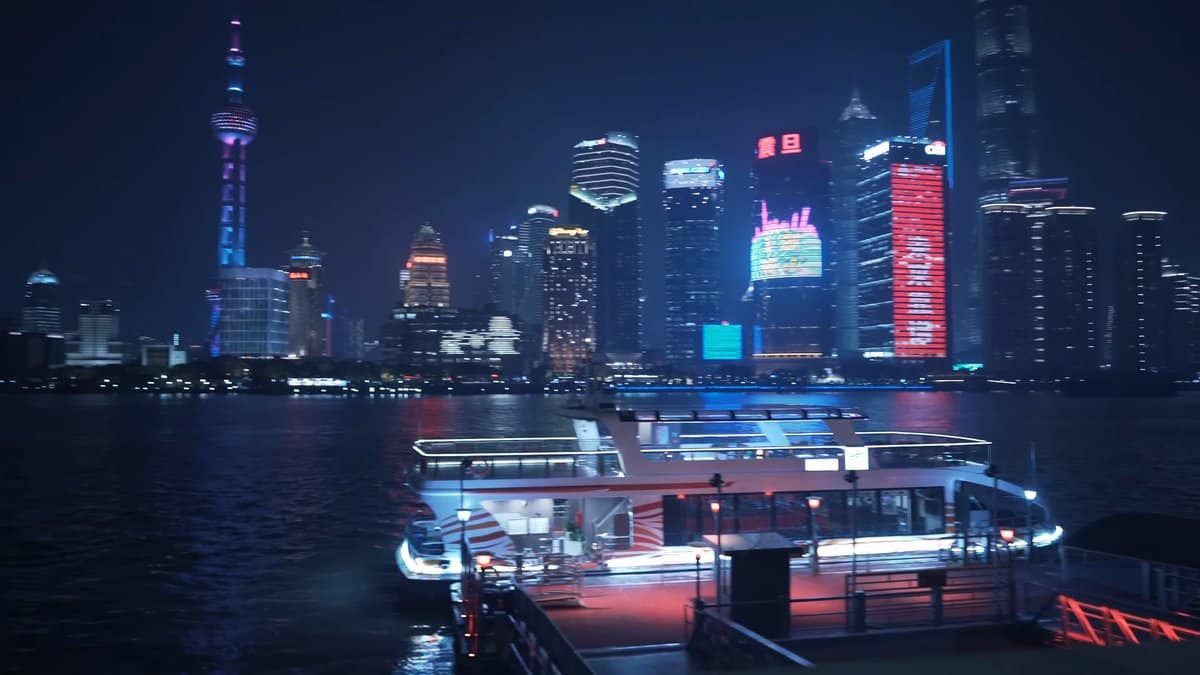
The main row of heritage facades on the Bund is softened by trees, while a couple of moddern towers have crept into view behind them over the years. All along the Huangpu, ferries chug up and down, ferrying sightseers and commuters back and forth from Pudong to Puxi. If you’d like the river perspective, you can take your own ferry; most people are here for the promenade view.
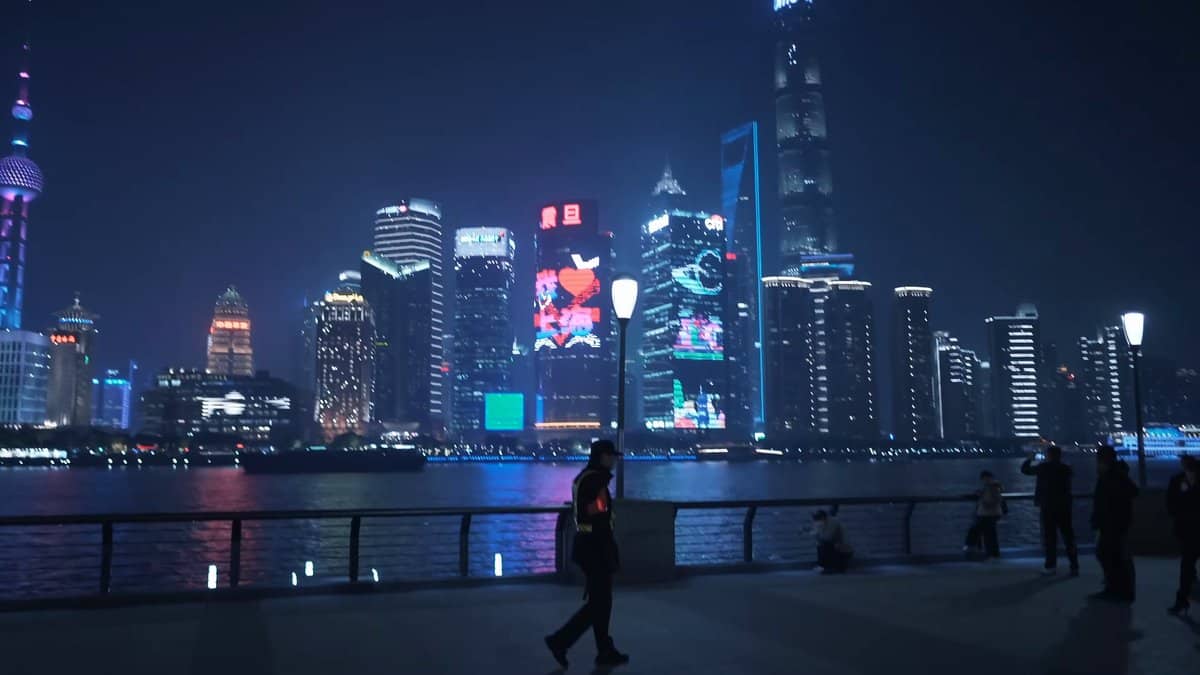
At night, when you stroll the Bund beneath its lamps (and occasionally see an LED light show flicker across the riverfront on Pudong), you understand why this strip has survived. it’s never quiet, and it’s certainly not subtle, but it accomplishes what it intends: it puts two versions of Shanghai right beside each other and allows you to walk back and forth. If you’ve seen photos, the Bund isn’t going to shock you (but it delivers nonetheless).
plan to spend more time here than you expect, wear comfortable shoes, and expect crowds. just stand around and watch the buildings and river trade places in the foreground for a while. What time of day did you walk the Bund?
Was it different than the typical evening crush?