Between 1937 and 1941, when persecution was at its blackest for Europe’s Jews, some 20,000 found refuge in China, with Shanghai taking in more than anywhere else (without visas). They mostly congregated in Hongkou, a densely packed district north of Suzhou Creek. Here they lived out their days short of everything except time: food, warmth, space, and, later, freedom as the Japanese imposes curbs on life.
That story is told in hushed tones by the Shanghai Jewish Refugees Museum, which has been created in specially constructed galleries and an old synagogue. It’s all quite deliberate and detailed. It isn’t done justice with a rushed walk-through.
Objects is so ordinary they seem hardly worthy of the weight they carry: school certificates, typewriters, teapots. But they tell the story of arrival, adaptation and making a community. Allow at least two hours for lingering, and plan accordingly.
What to See Inside the Museum
Shanghai Jewish Refugees Museum
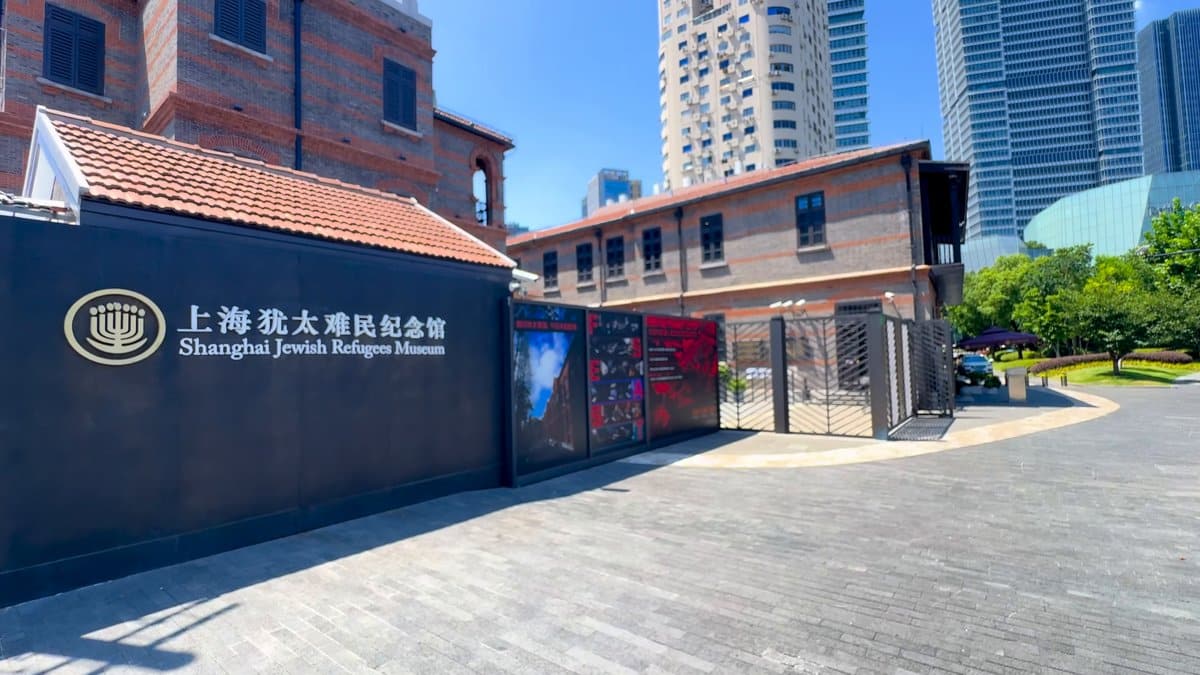
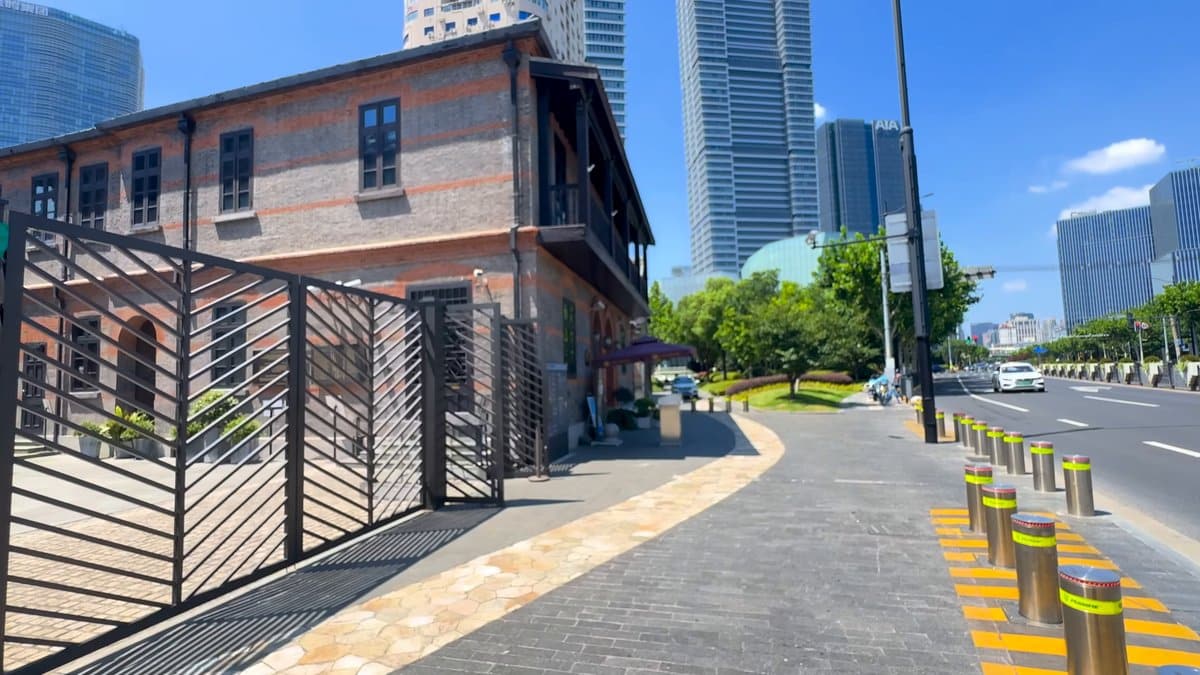
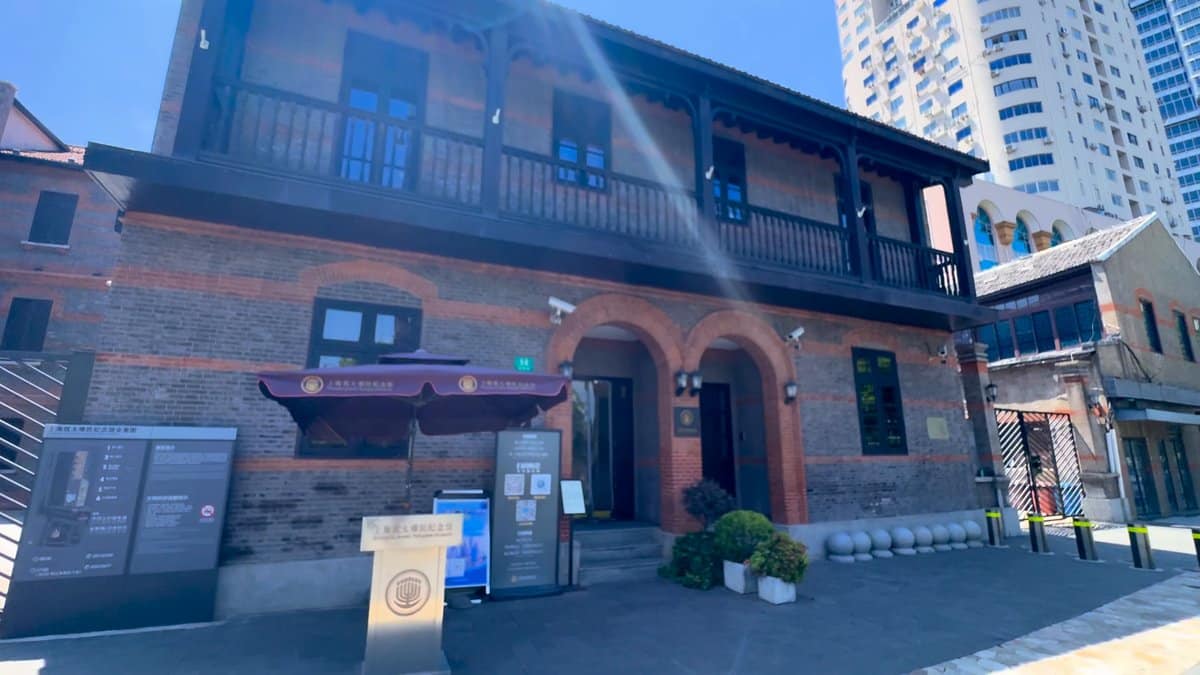
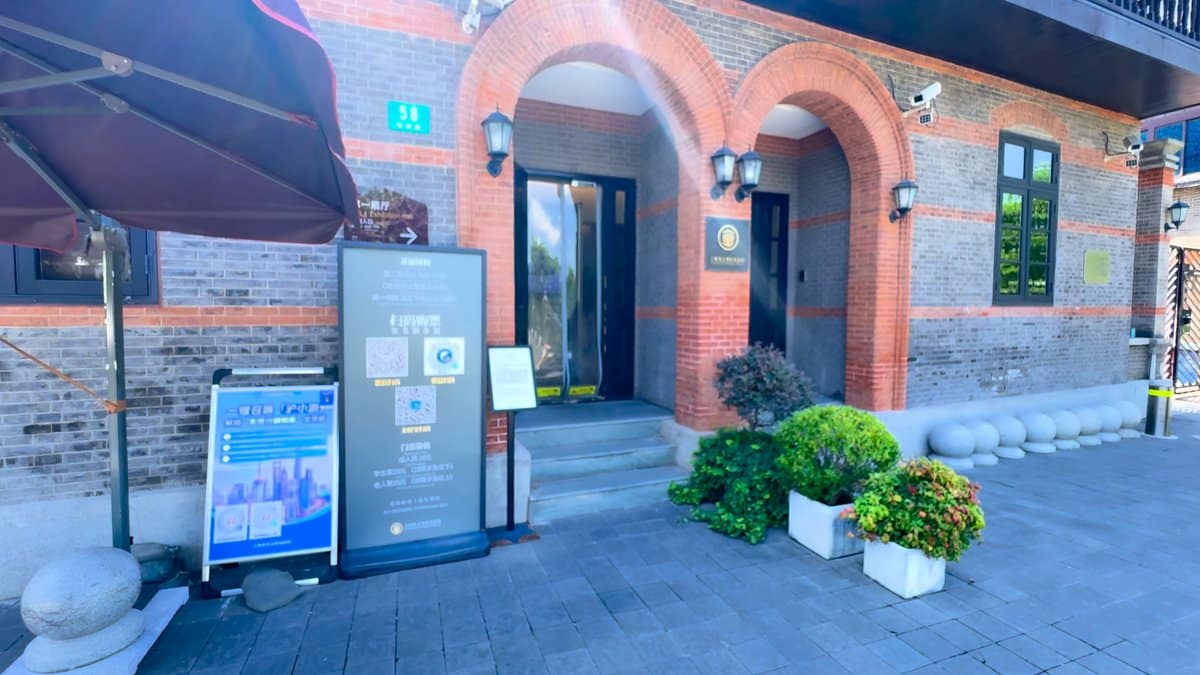
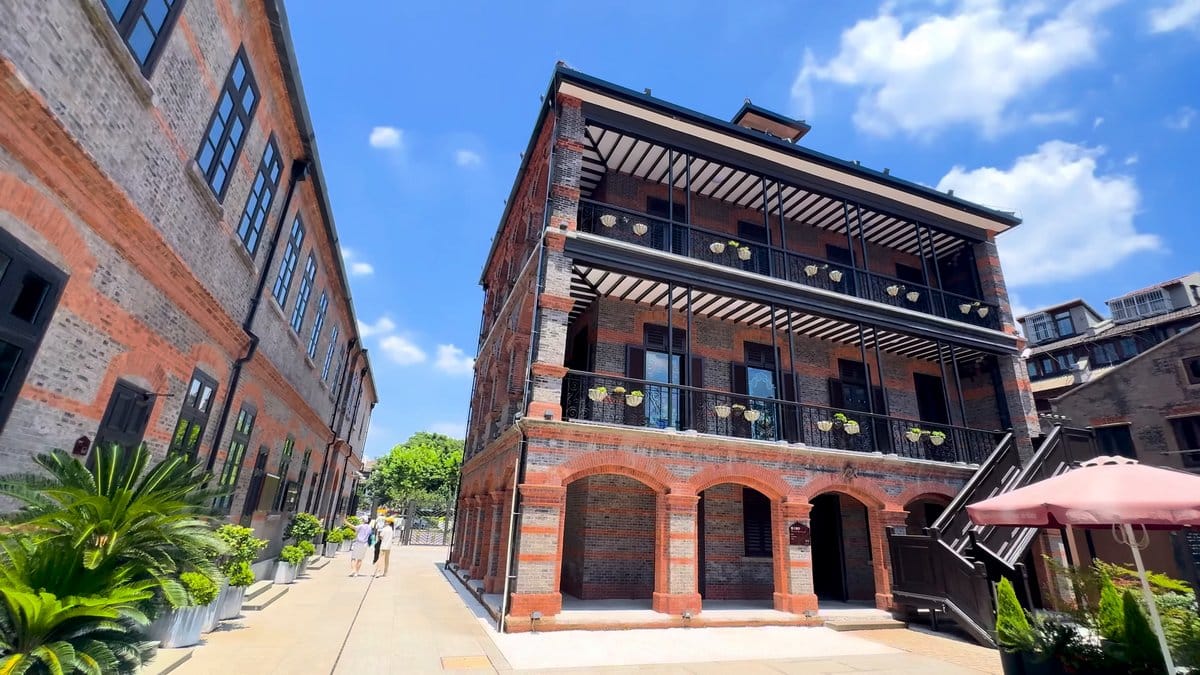
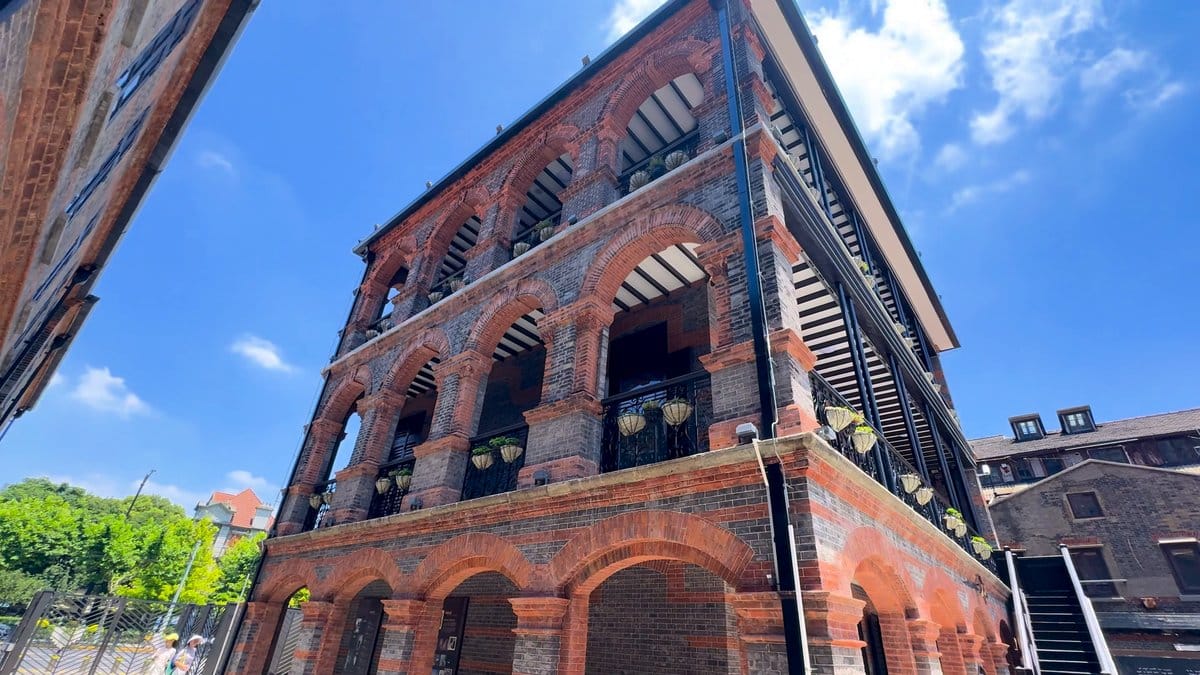
The museum occupies the former Ohel Moshe Synagogue (1927), a handsome red-brick building that belonged to the Russian Jewish community prior to the arrival of the European refugees. Outside the synagogue, the surrounding road keeps some of the old feel. It’s amazing how well the archway has held its shape after almost a hundred years of use.
It’s free to get in; just register your ID at the gate.
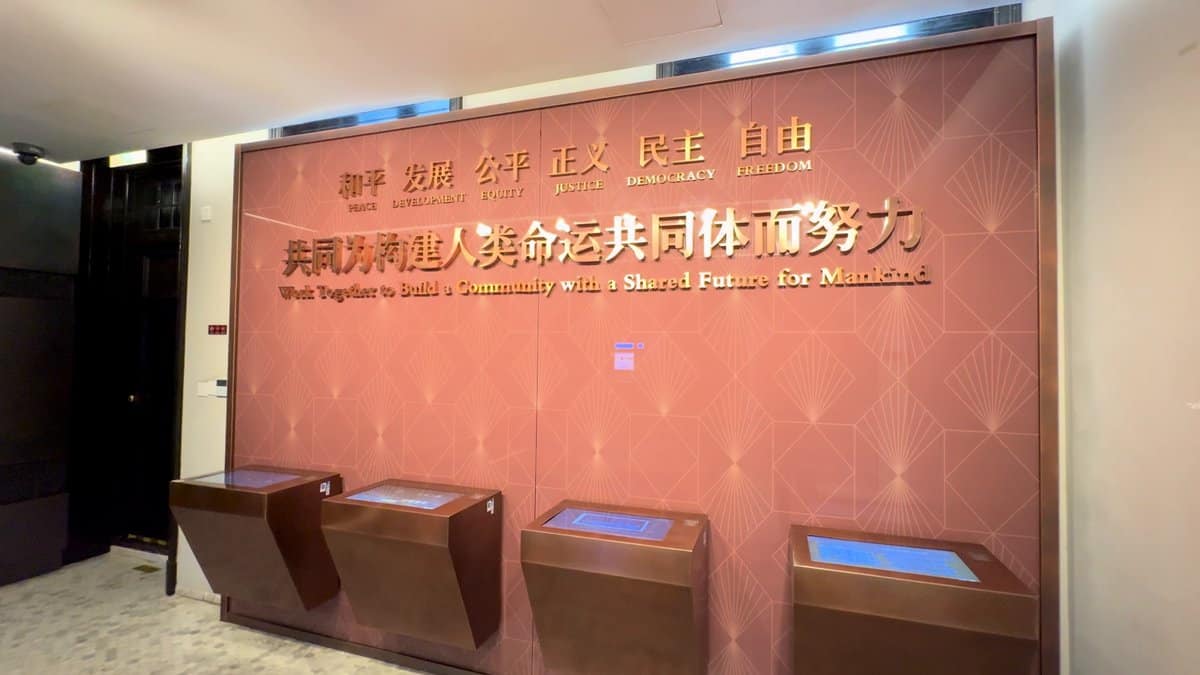
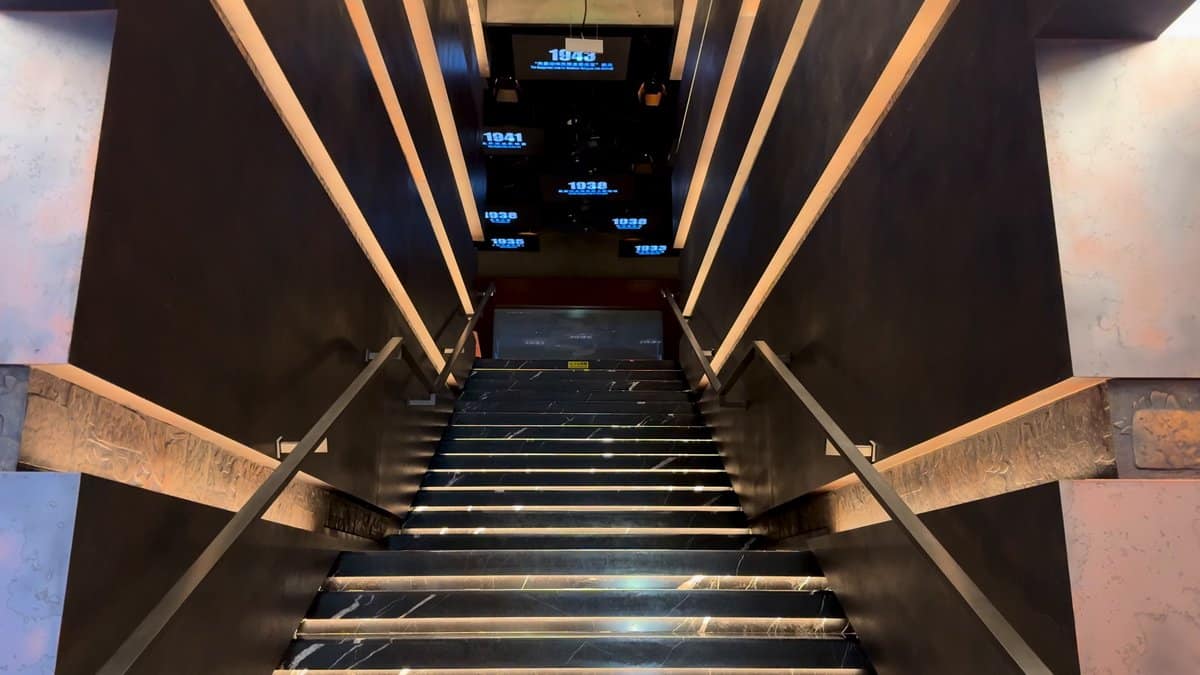
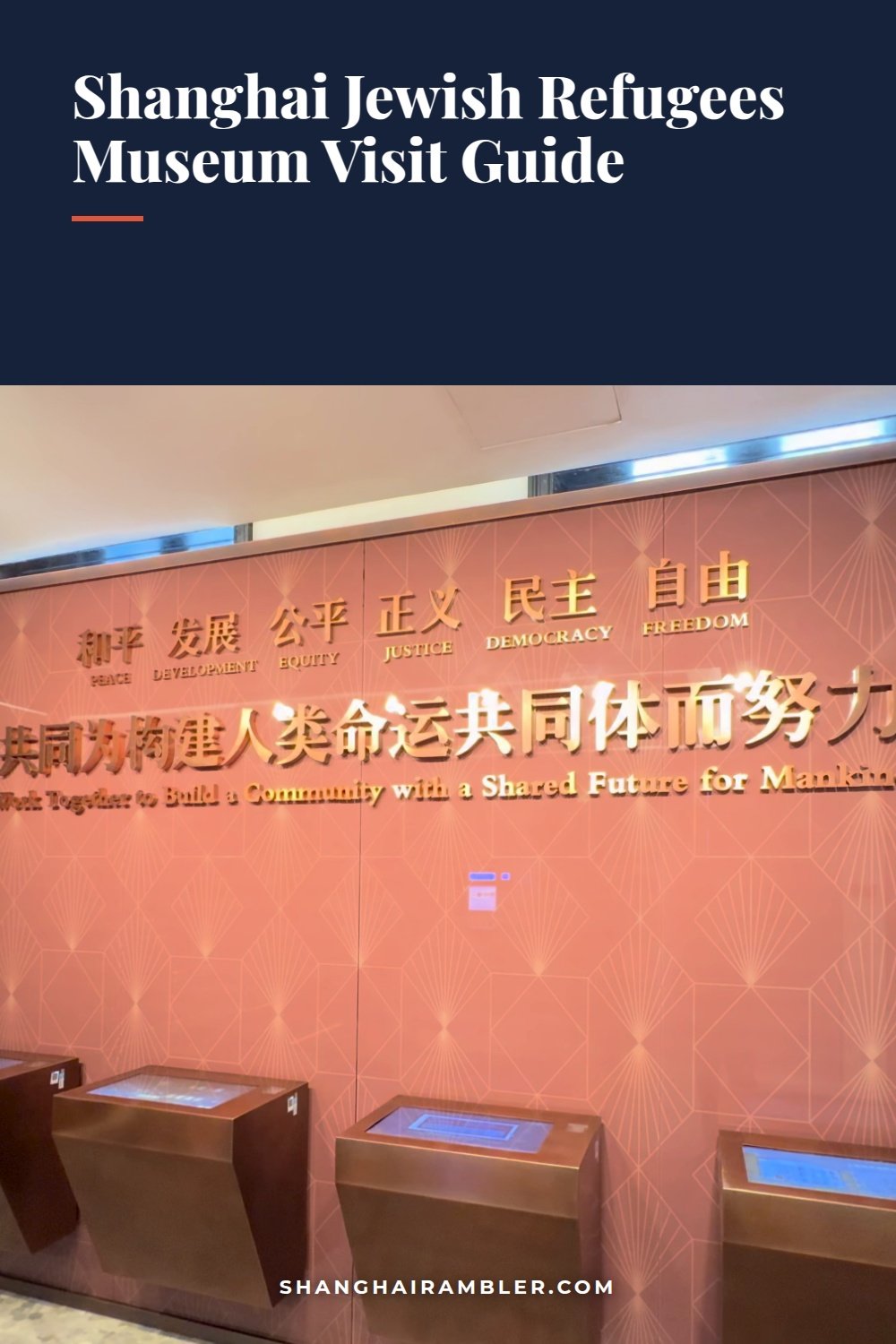
A moddern extension wraps around the original synagogue. The lobby makes it clear what the museum is about, and they designed the stairwell with light strips that lead people up into the permanent galleries. It’s all about stepping back for the story to come through, nothing showy about this architecture.
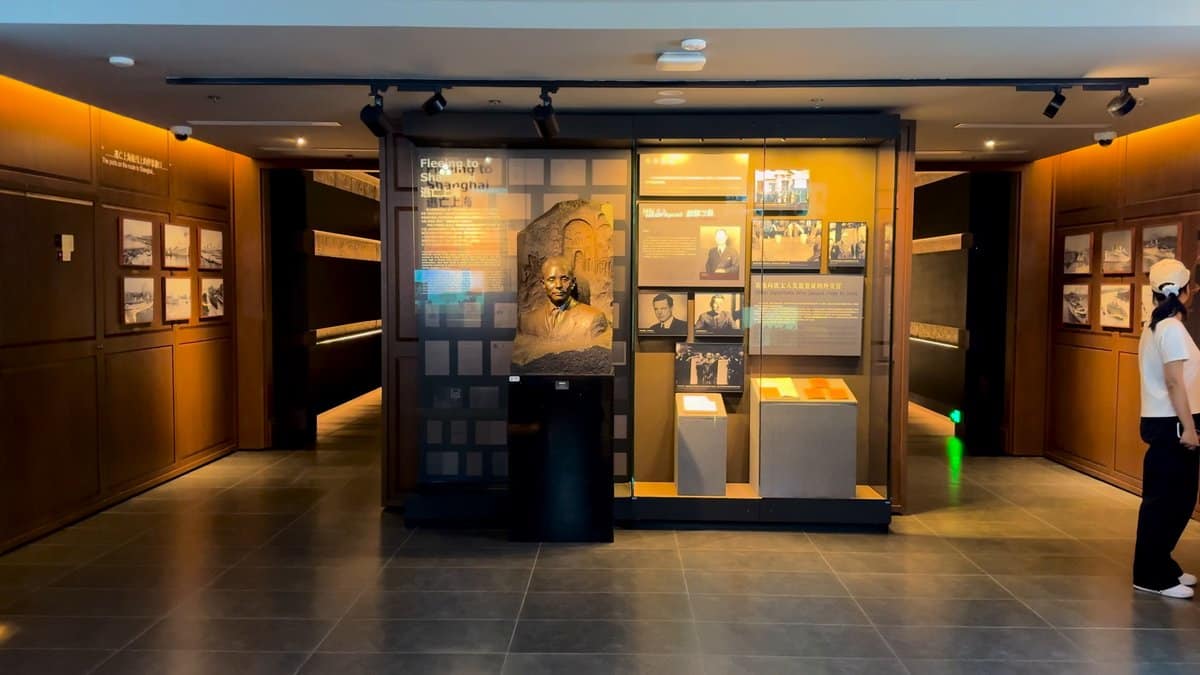
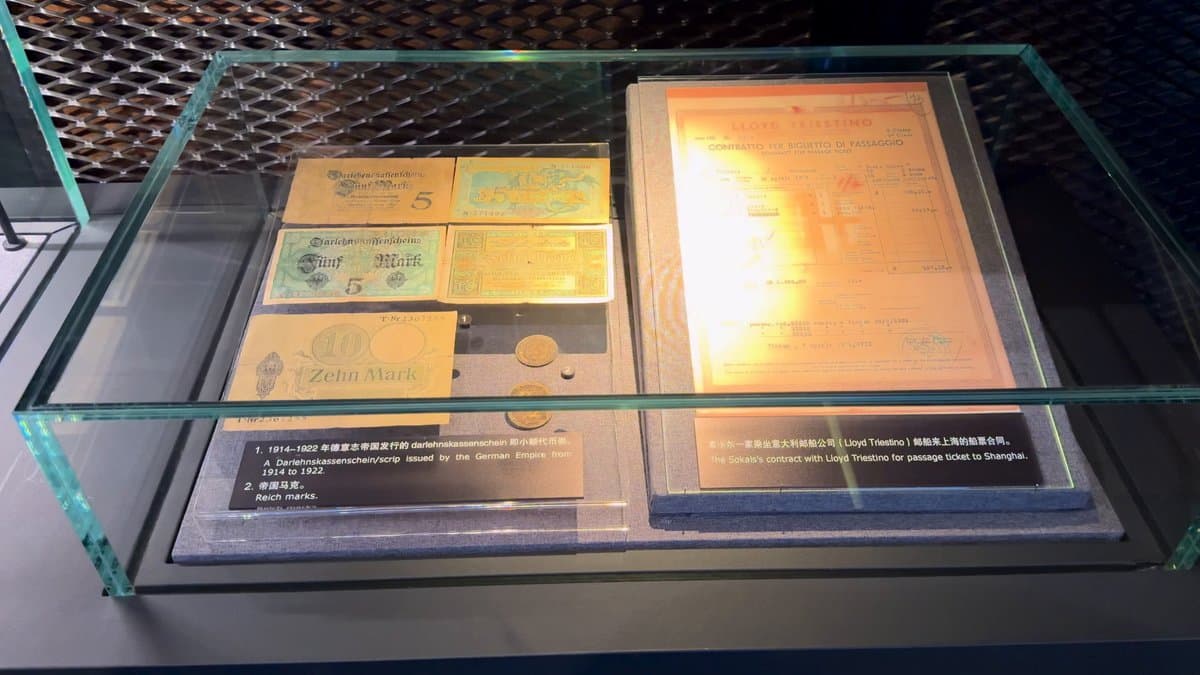
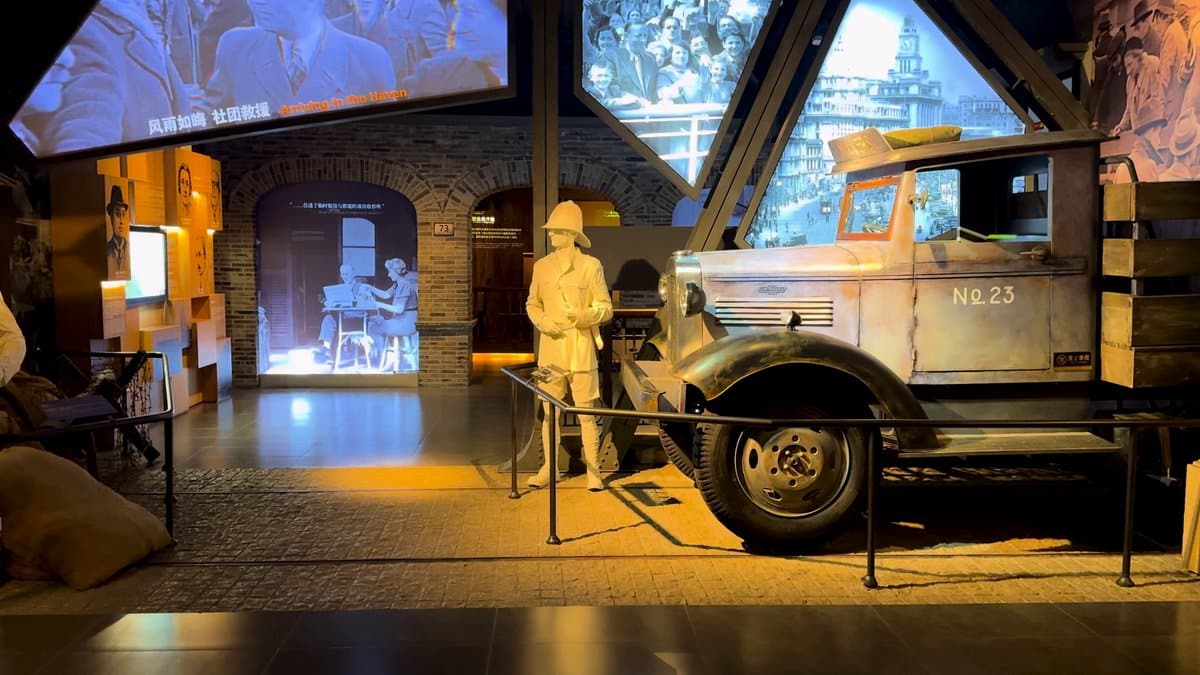
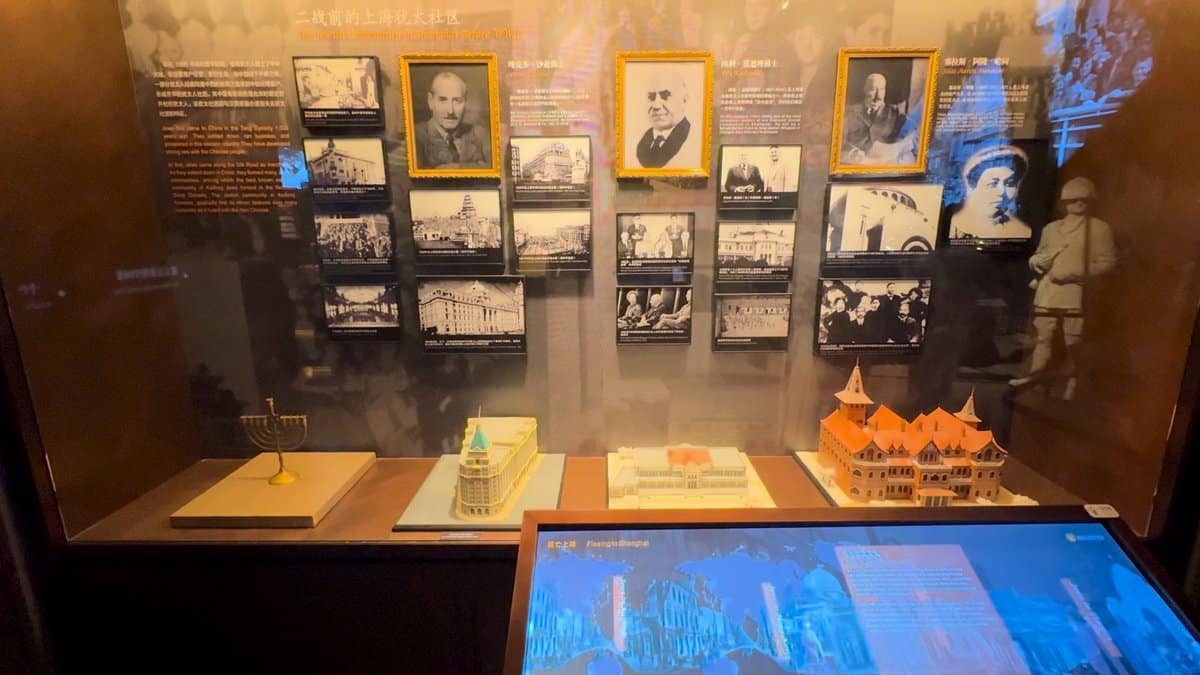
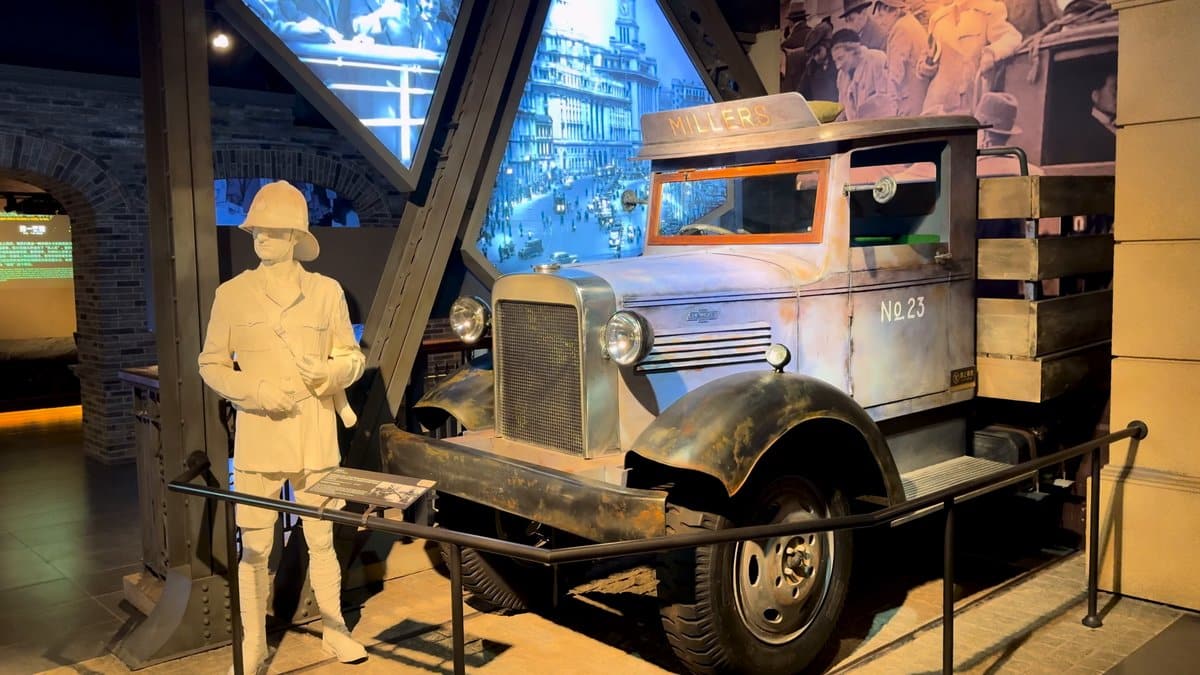
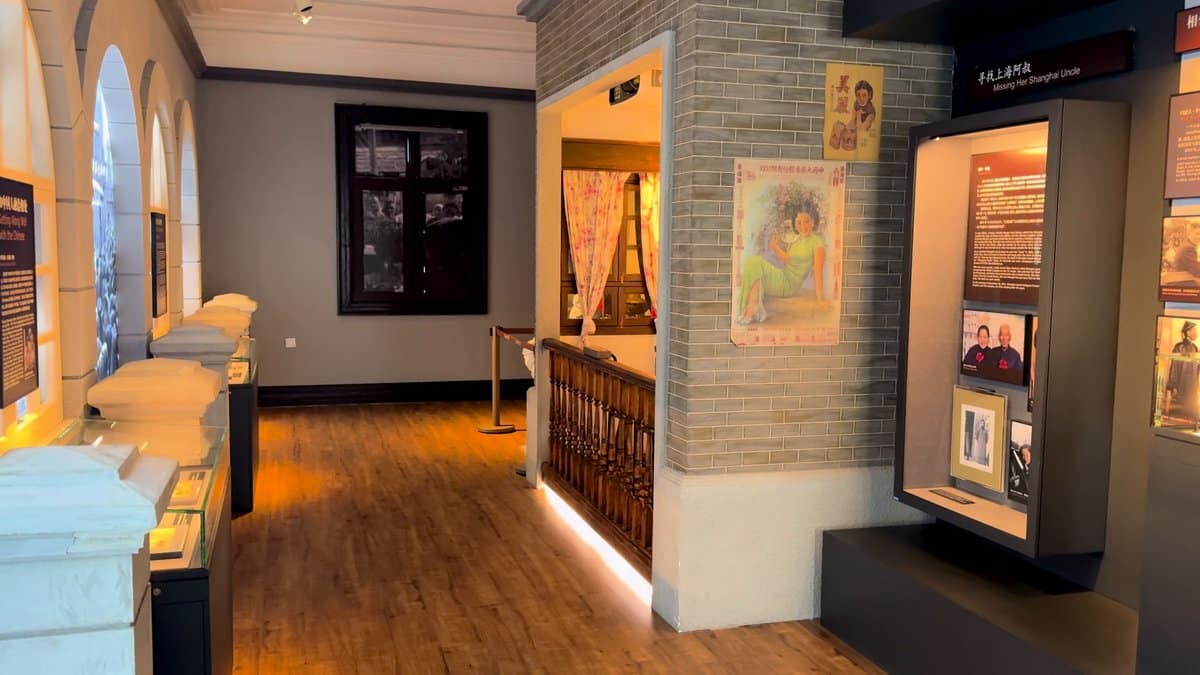
Upstairs, galleries trace the refugee journey in chronological order. Passports, permits and ship manifests that made all the difference between life and death is housed in glass cases. Uniformed figures stand around a period truck as the machinery of war-time bureaucracy is acted out in Shanghai.
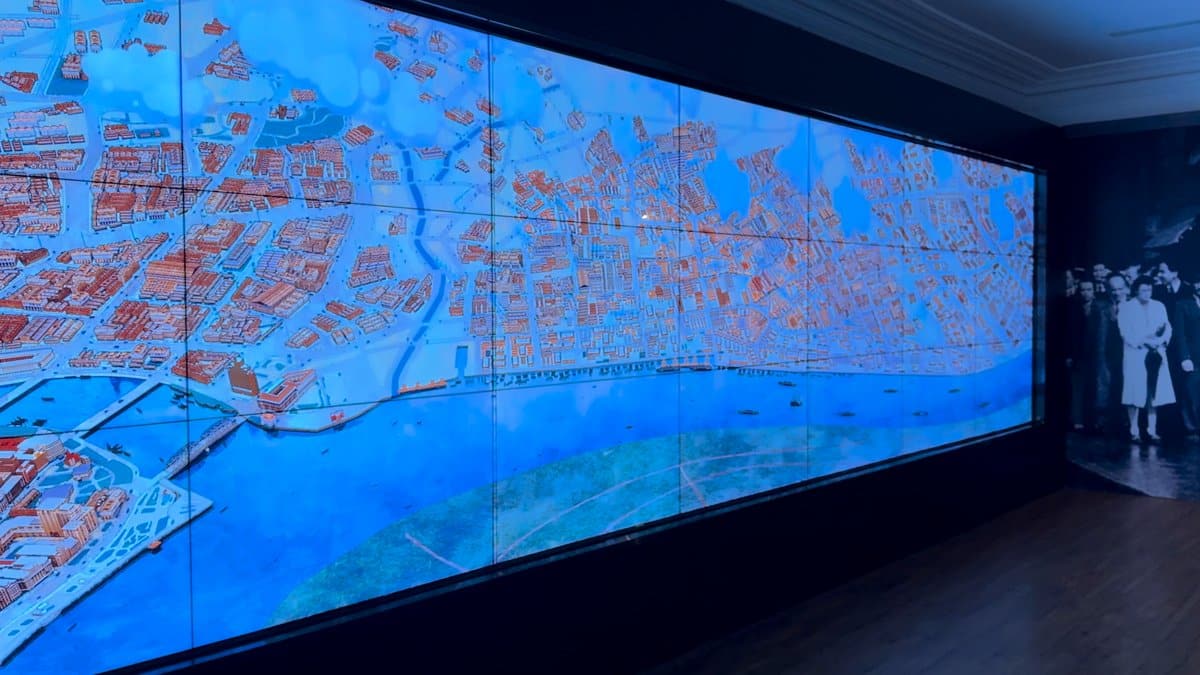
The refugees’ world was reduced to just a few square kilometres, represented by a scale model of the area designated for them from 1943 onwards.
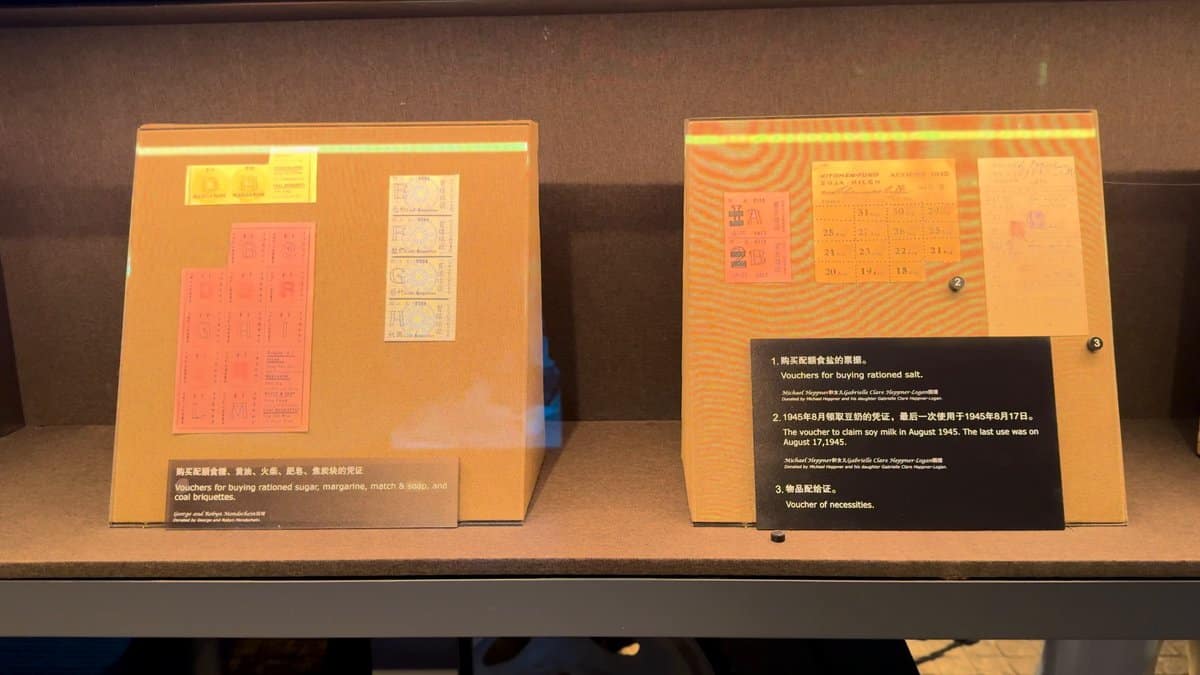
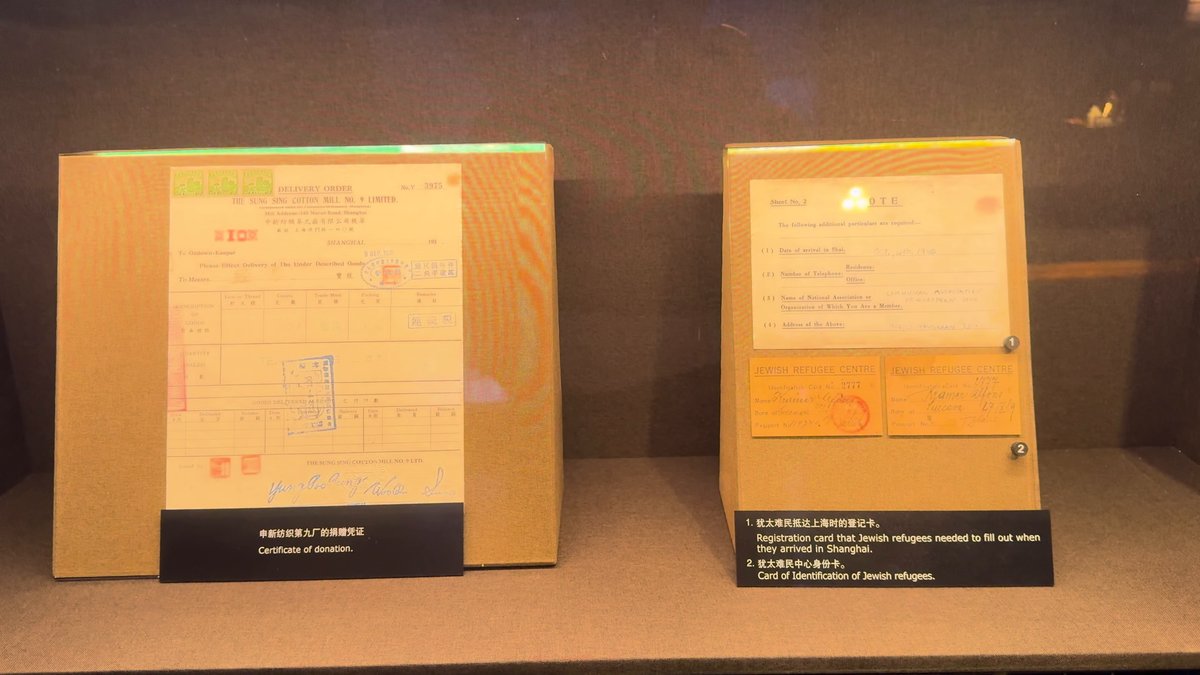
There is careful lighting and generous space for documents. They’re copies because the originals is too fragile. But that doesn’t matter.
You can still see the details: the hand-inked address and the visa stamp.
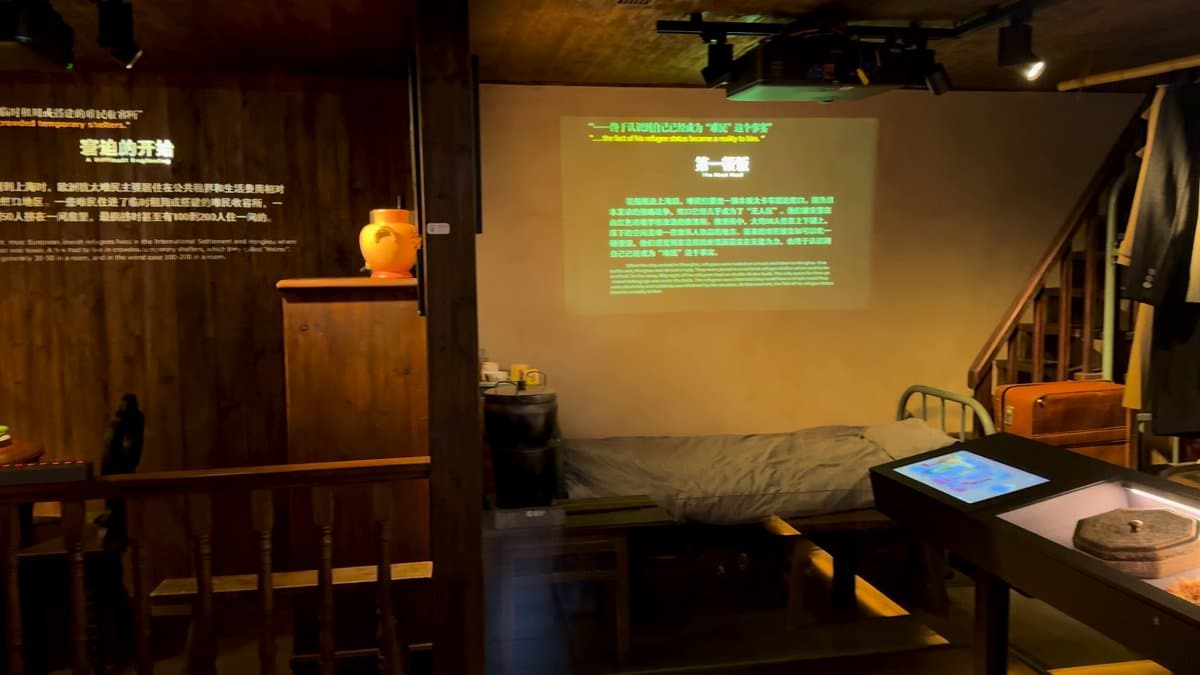
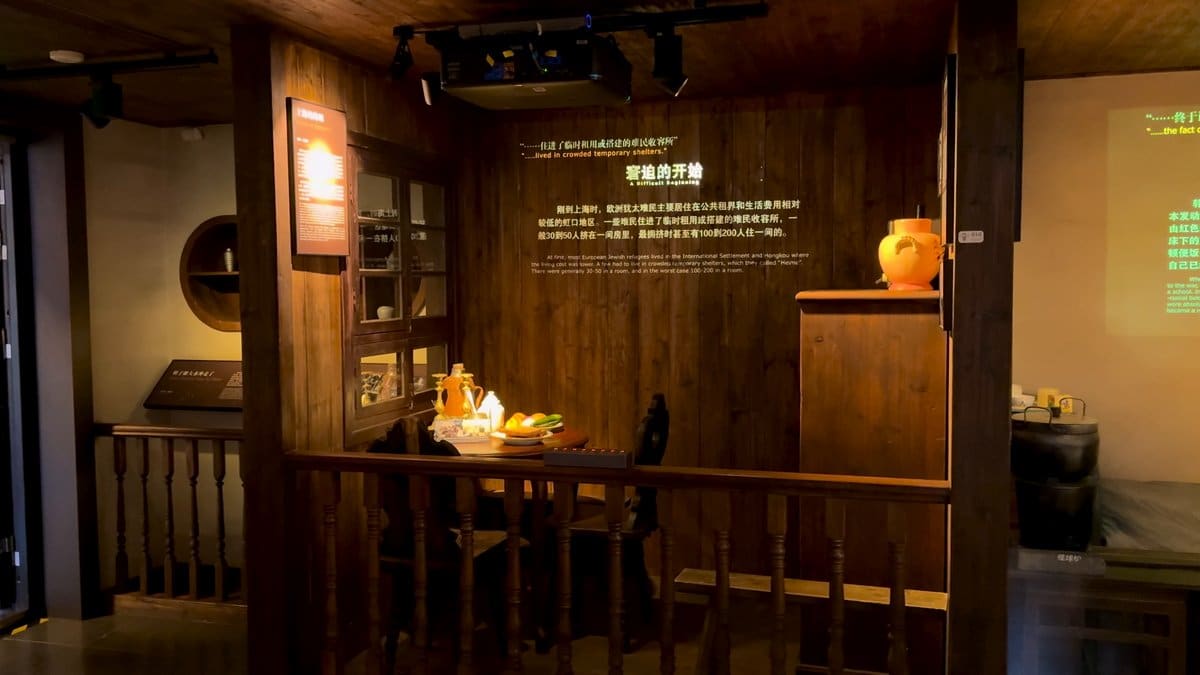
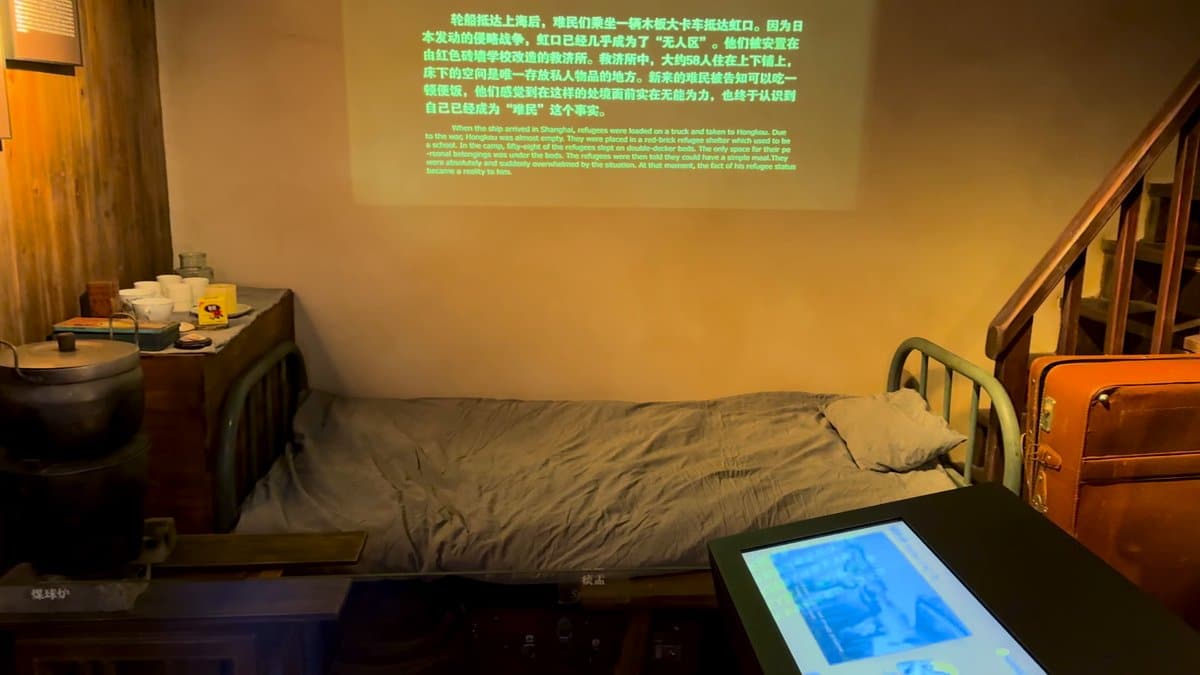
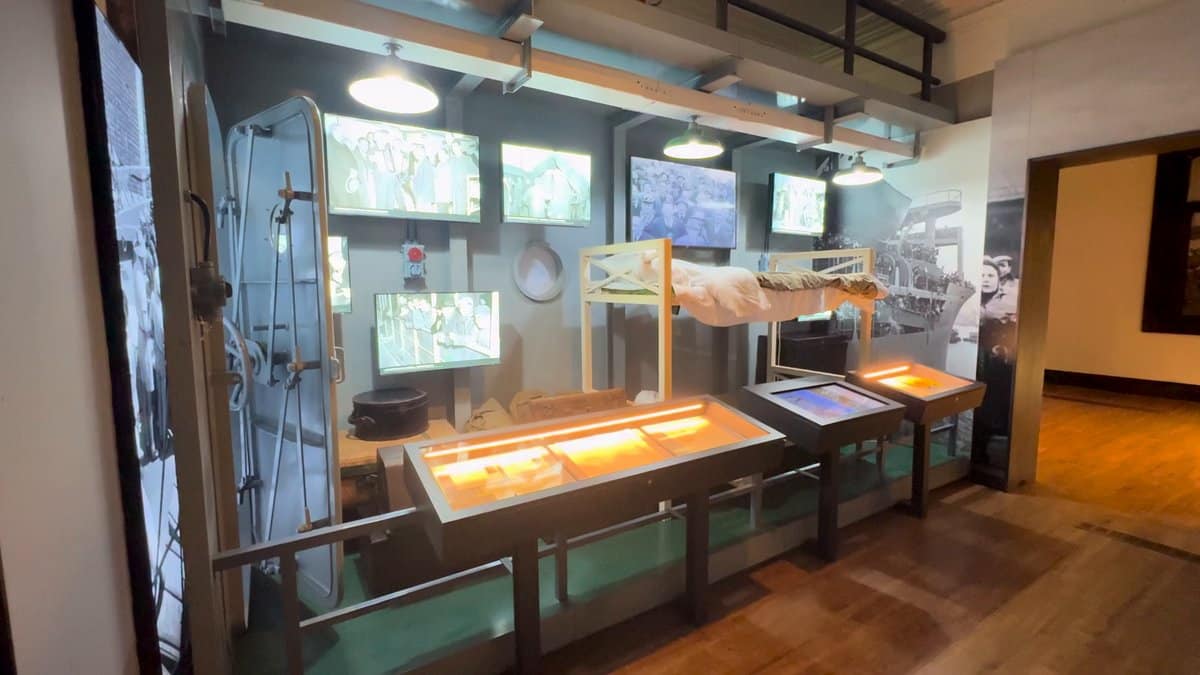
You can even see where a pocket creased the paper or where ink seeped through over the years. The domestic side of things comes into focus in recreated interiors. The staircase is steep, the bedroom tight.
Survivor testimonies appear on touch-screens by the bed, but there’s plenty to convey without them in the room itself. Privacy was scant, furnitures even scarcer. Families made do.
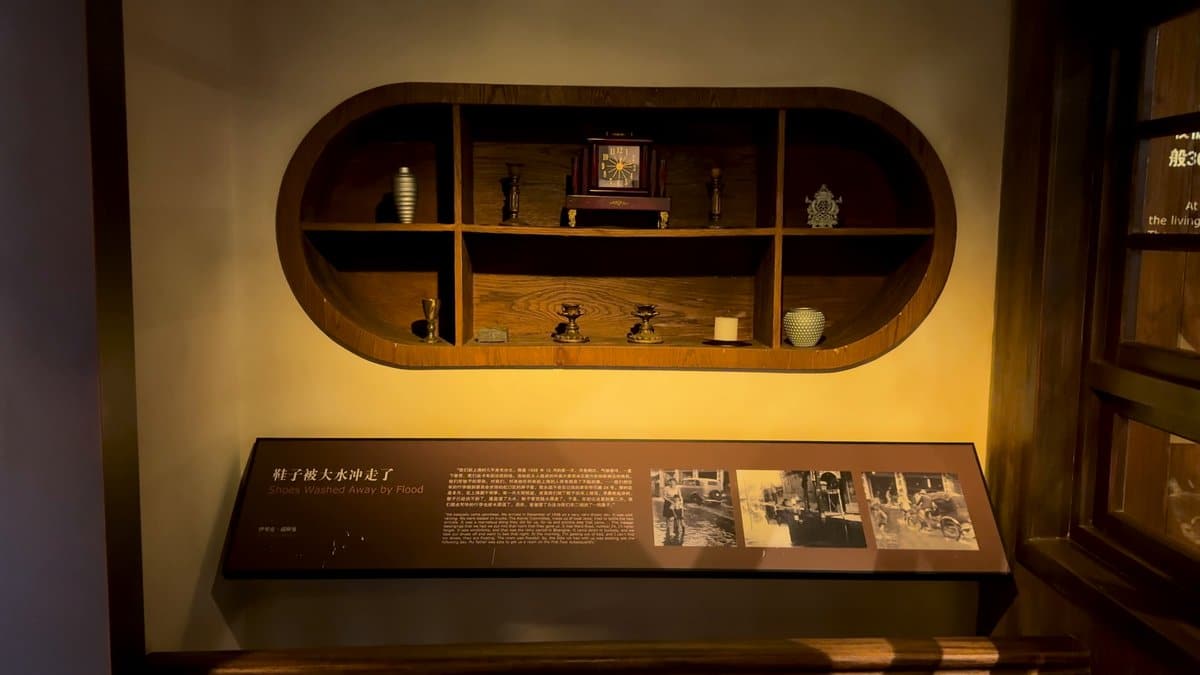
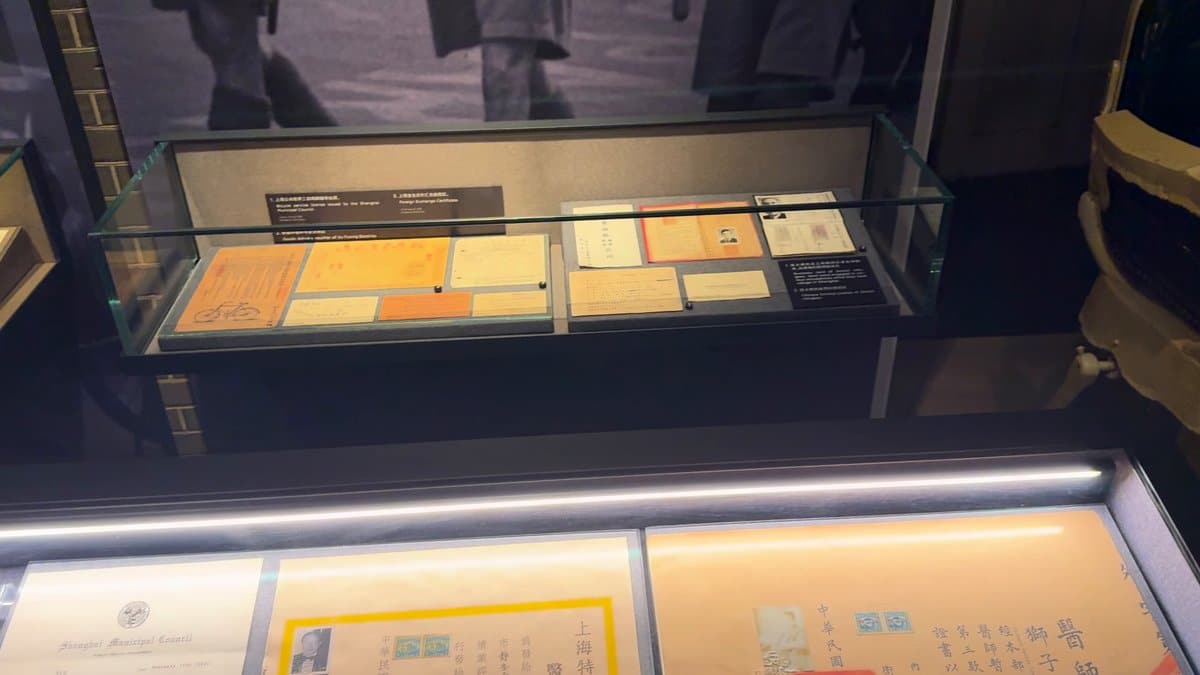
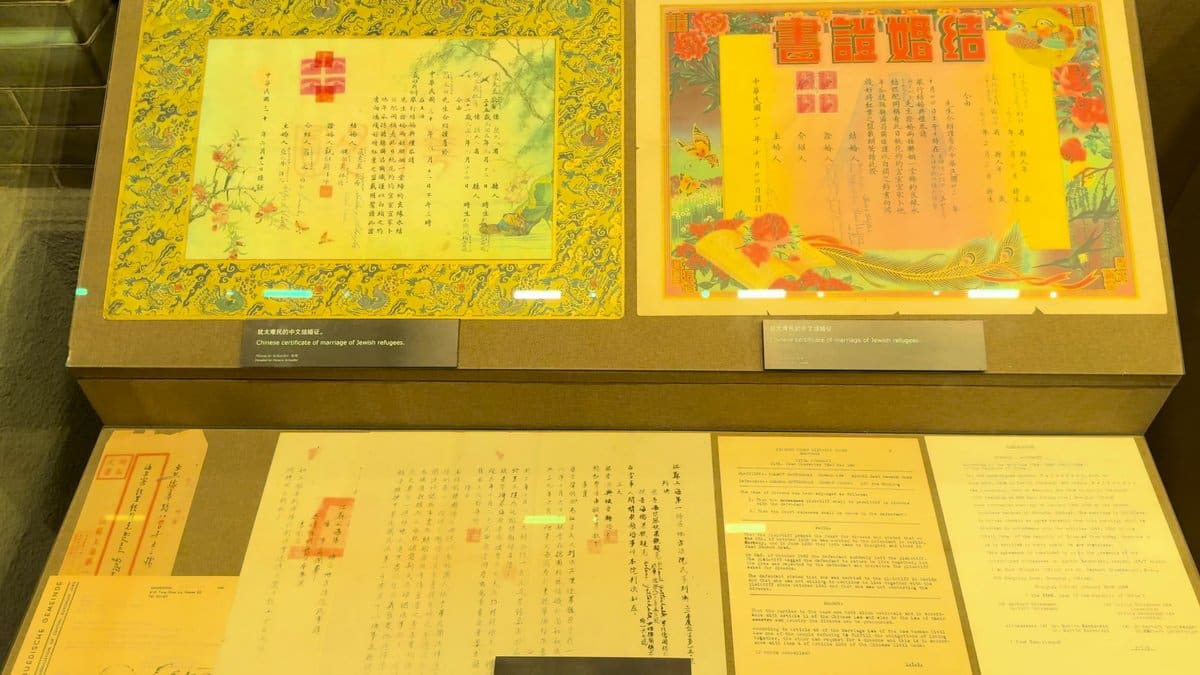
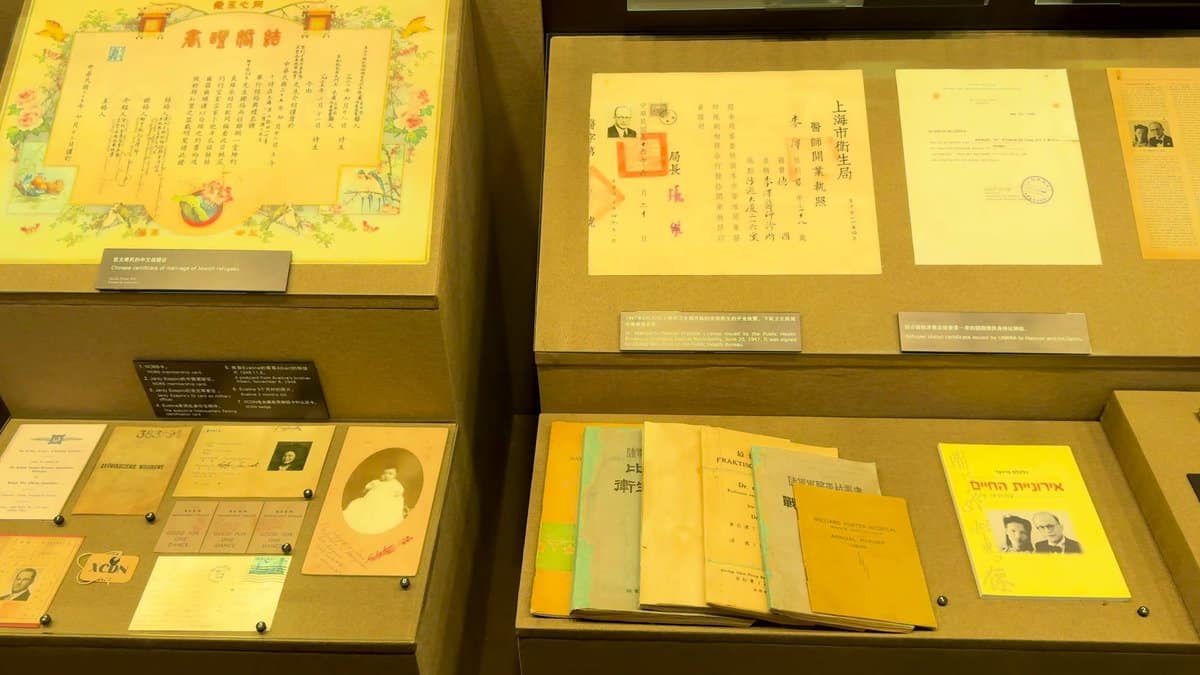
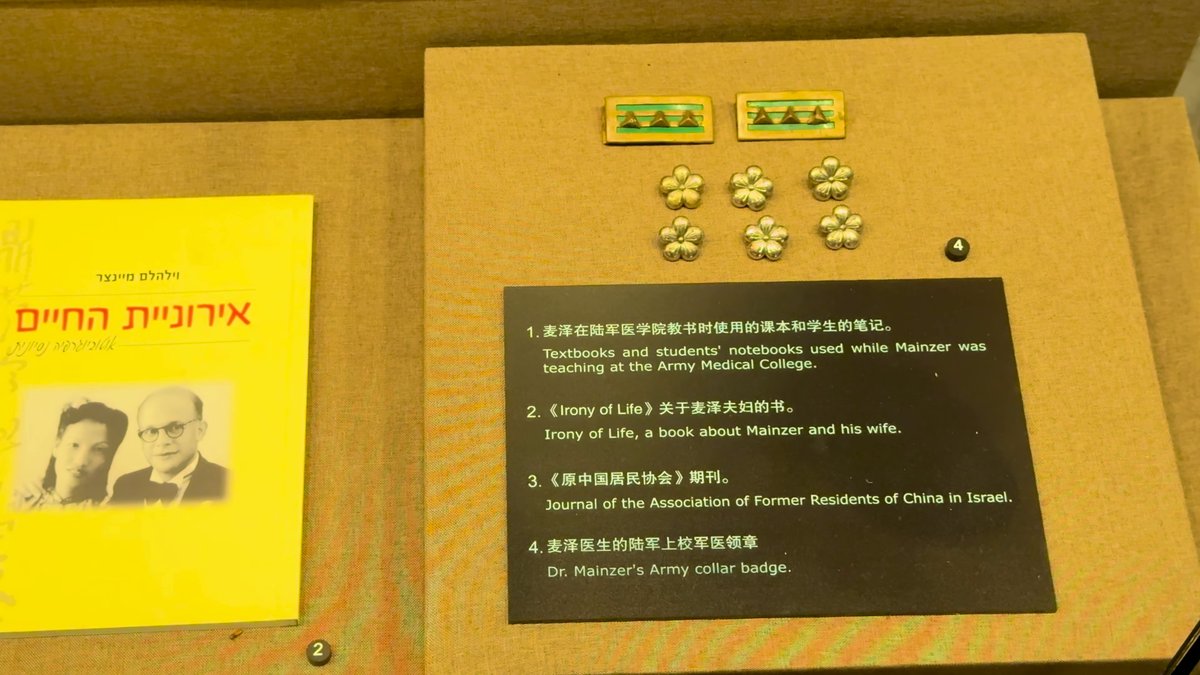
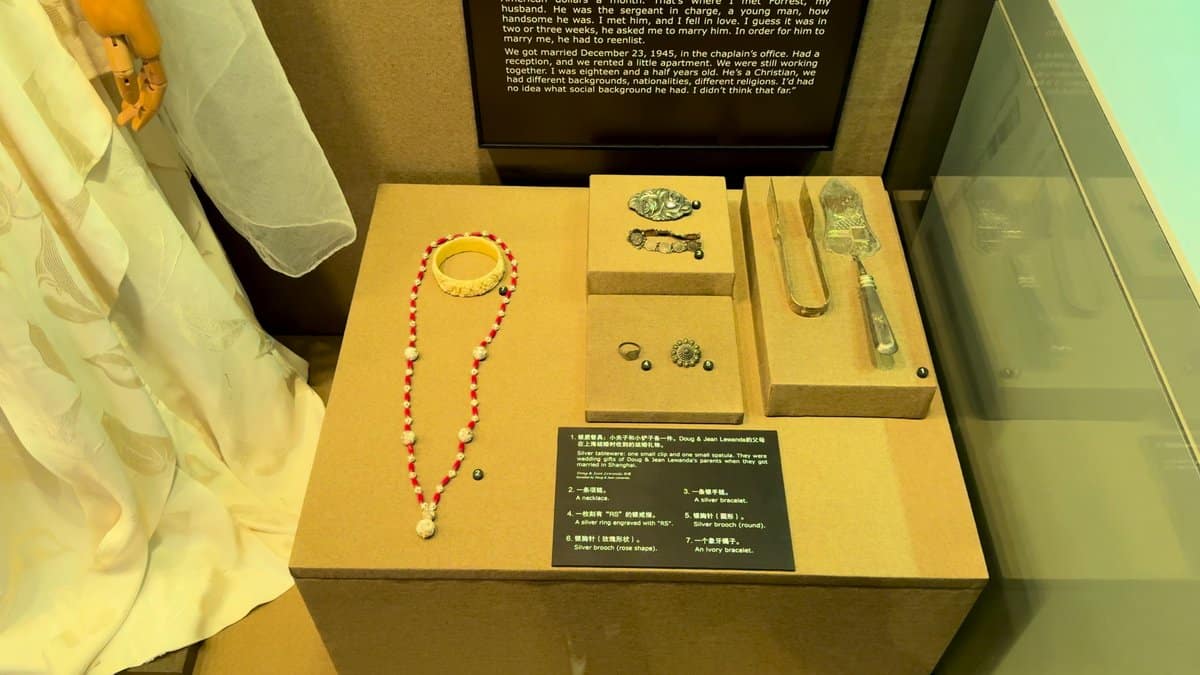
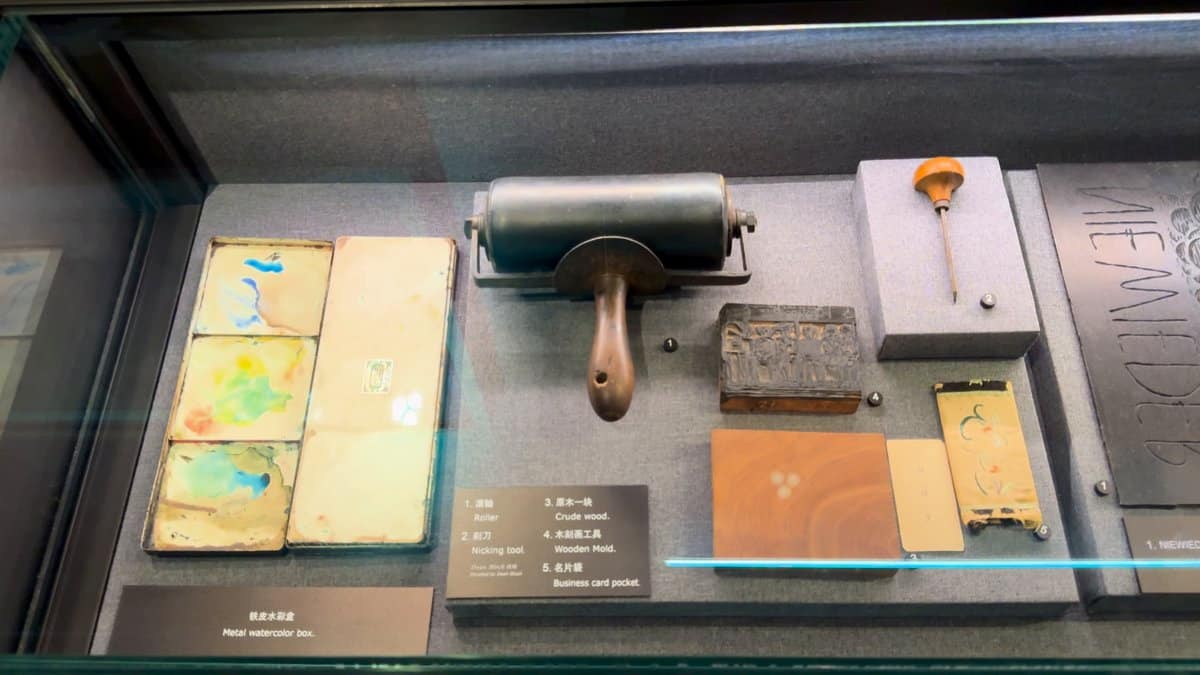
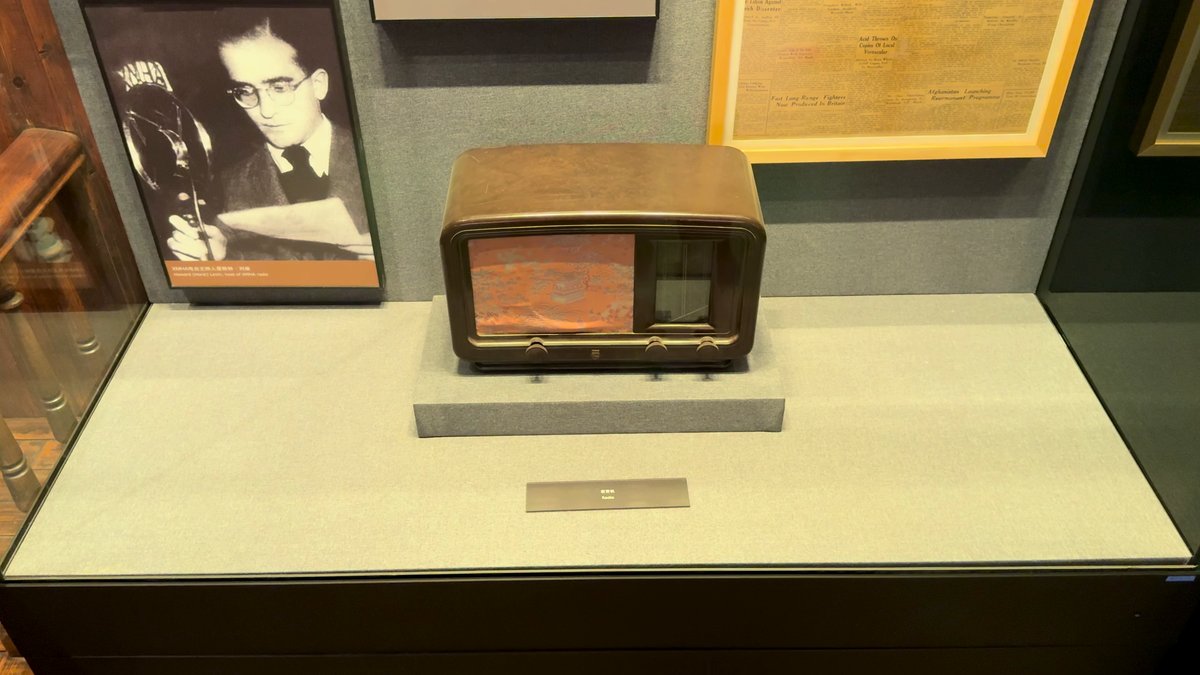
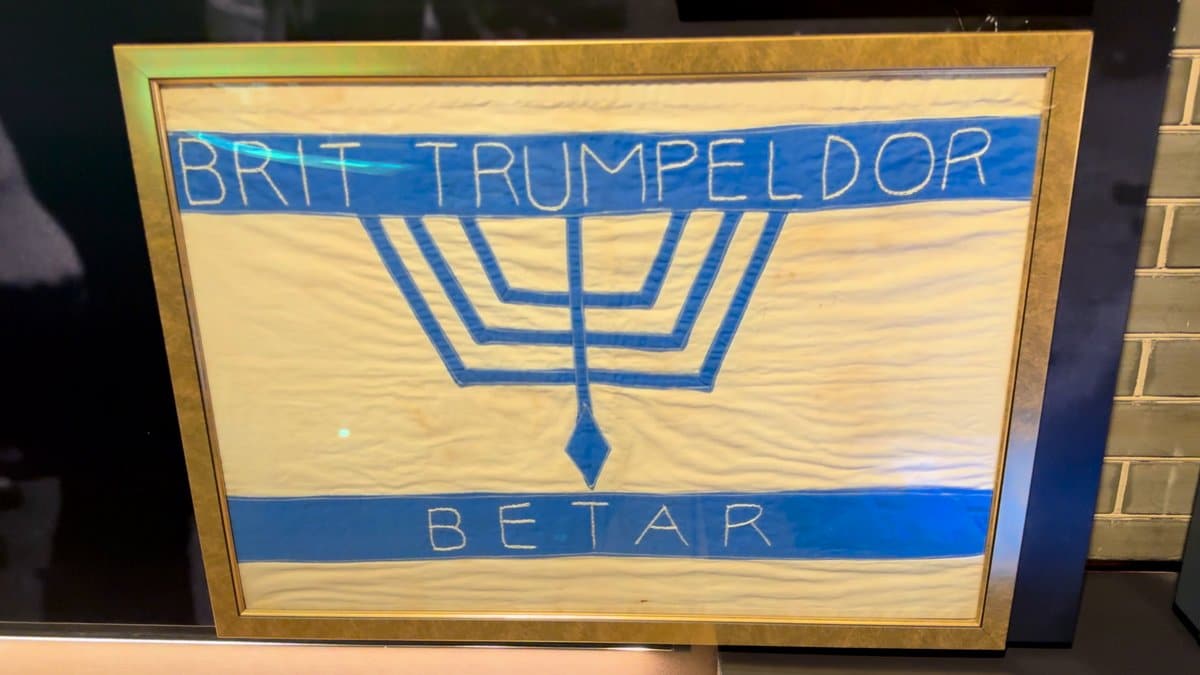
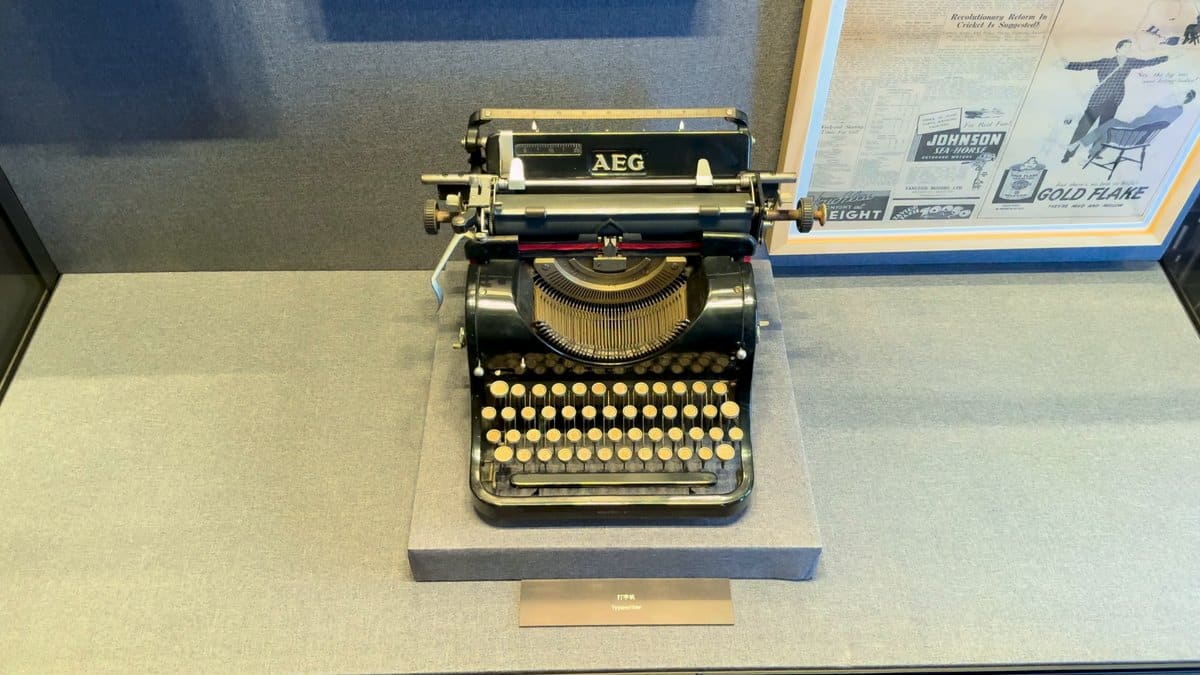
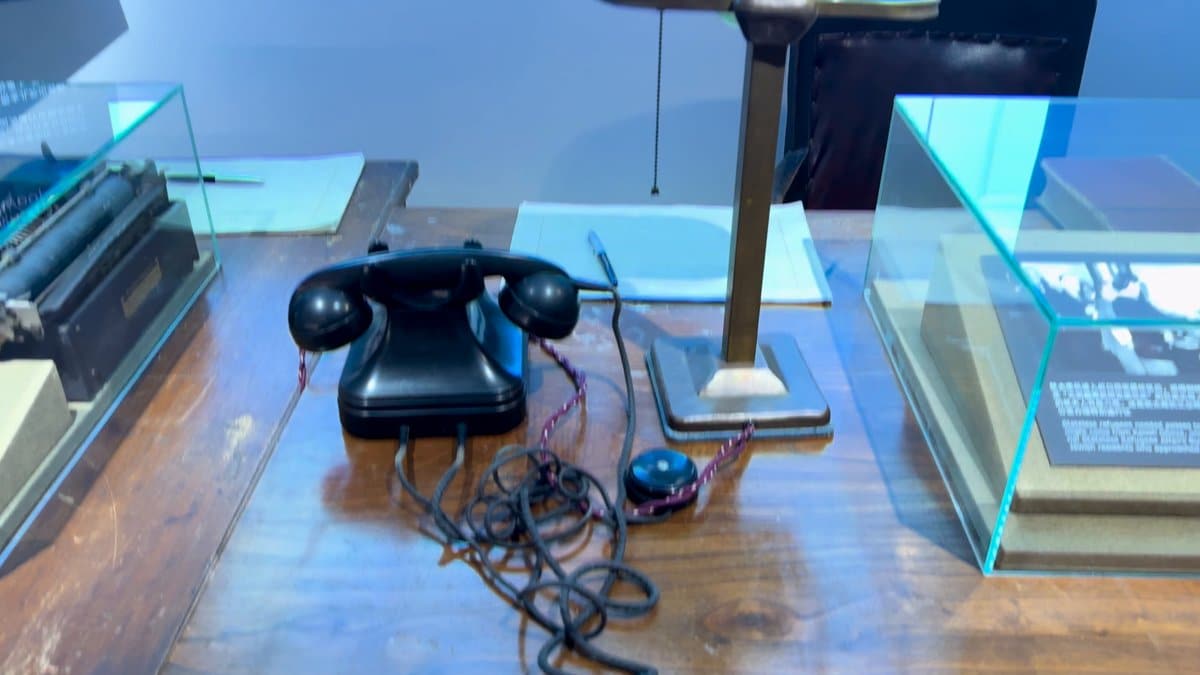
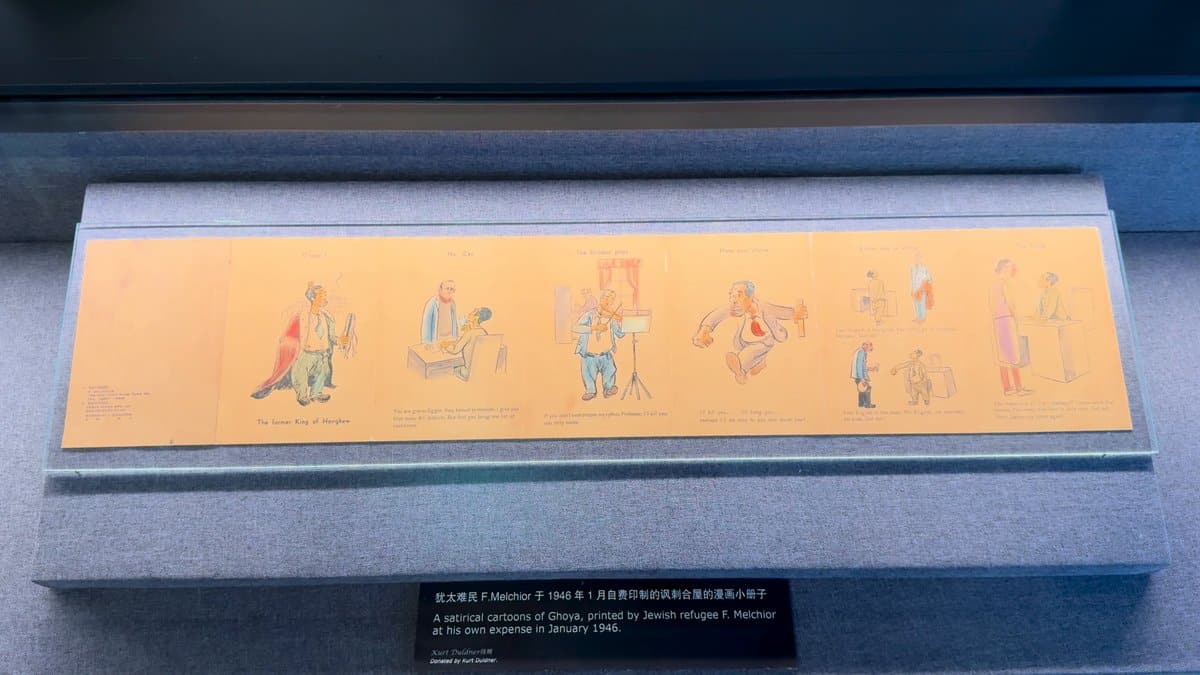
Case after case contains personal items: certificates from school for the refugee kids who learned alongside their Chinese peers at the Kadoorie School. Youth organisation badges, attempts to maintain a sense of European identity. A necklace.
A printing roller from the tiny press run by members of the community. An old AEG typewriter. A rotary phone that would of brought both good and bad news.
Maps detailing how the ghetto was delineated in 1943. All told, the impact of all these objects is stronger then any individual dramatic display, they speak of perseverance as much as of heartbreak.
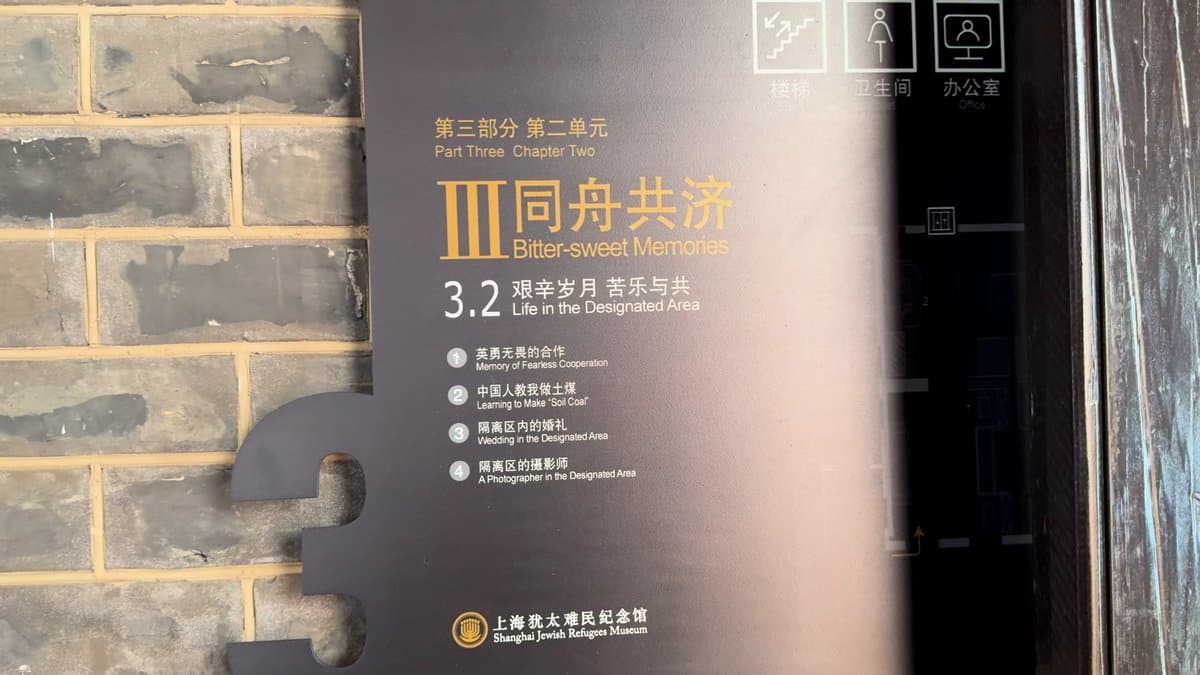
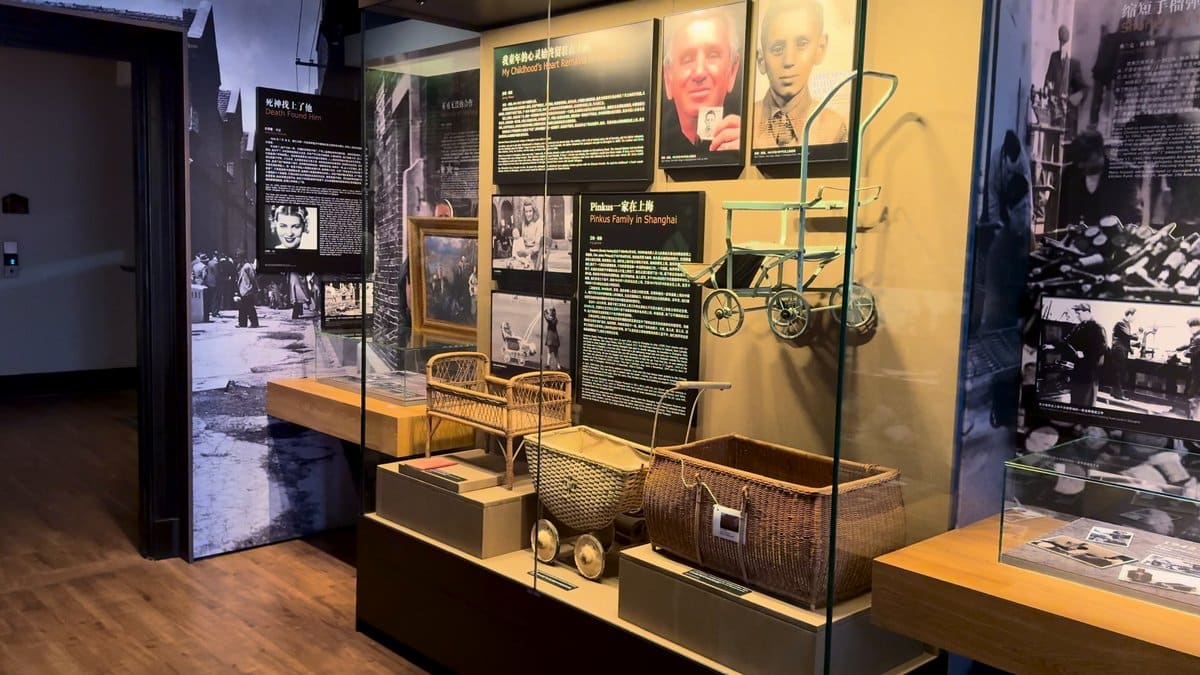
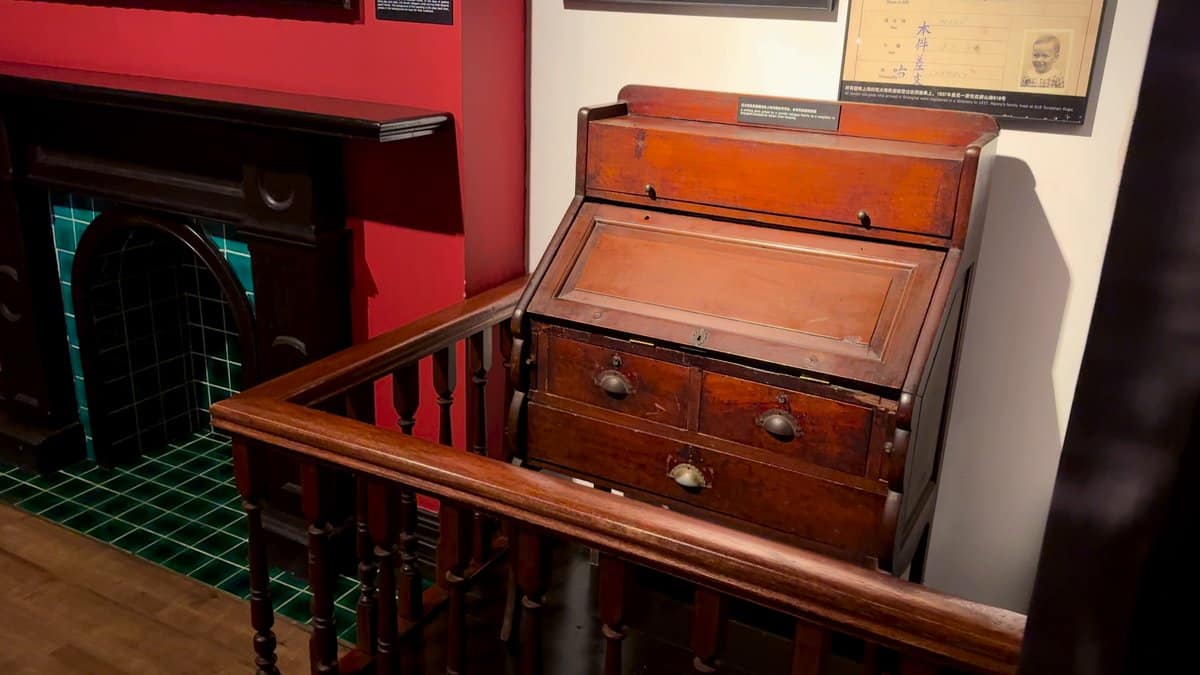
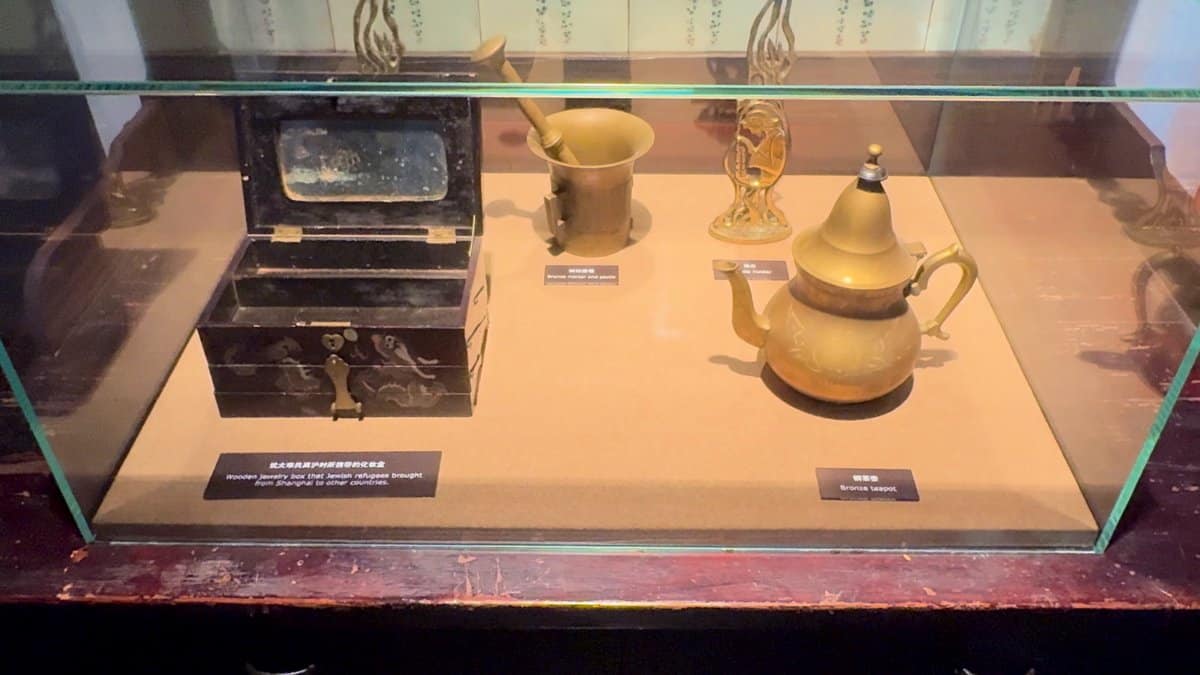
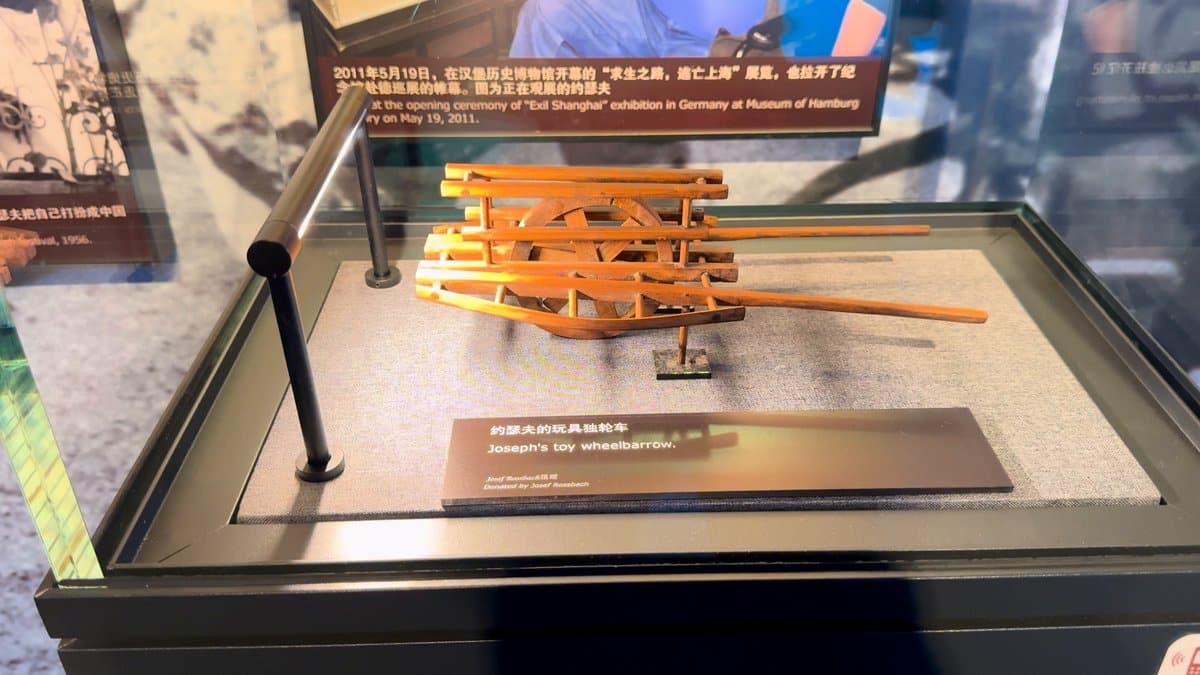
Section three is titled “Bitter-sweet Memories,” which focuses on coexistence. Refugees pulled these kinds of handcarts along Hongkou’s lanes. Desks was once covered with ledger books.
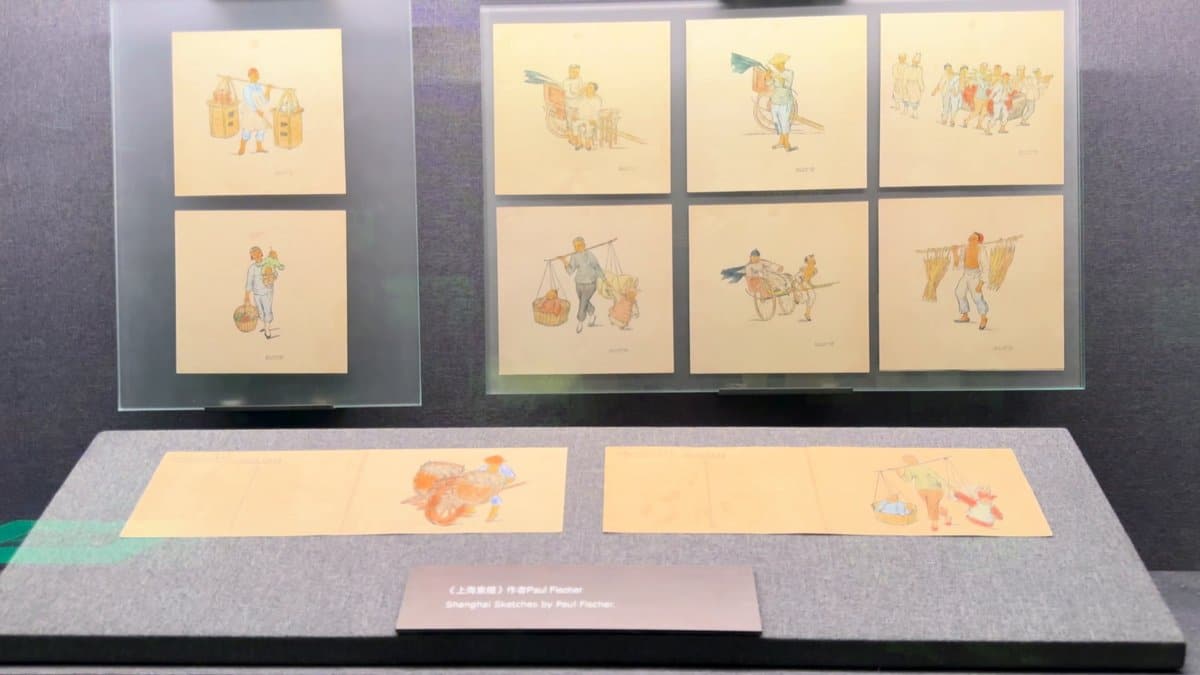
It was a teapot that might have sat on any Shanghai table. Refugee artists’ drawings capture the streets with equal parts affection and frustration.
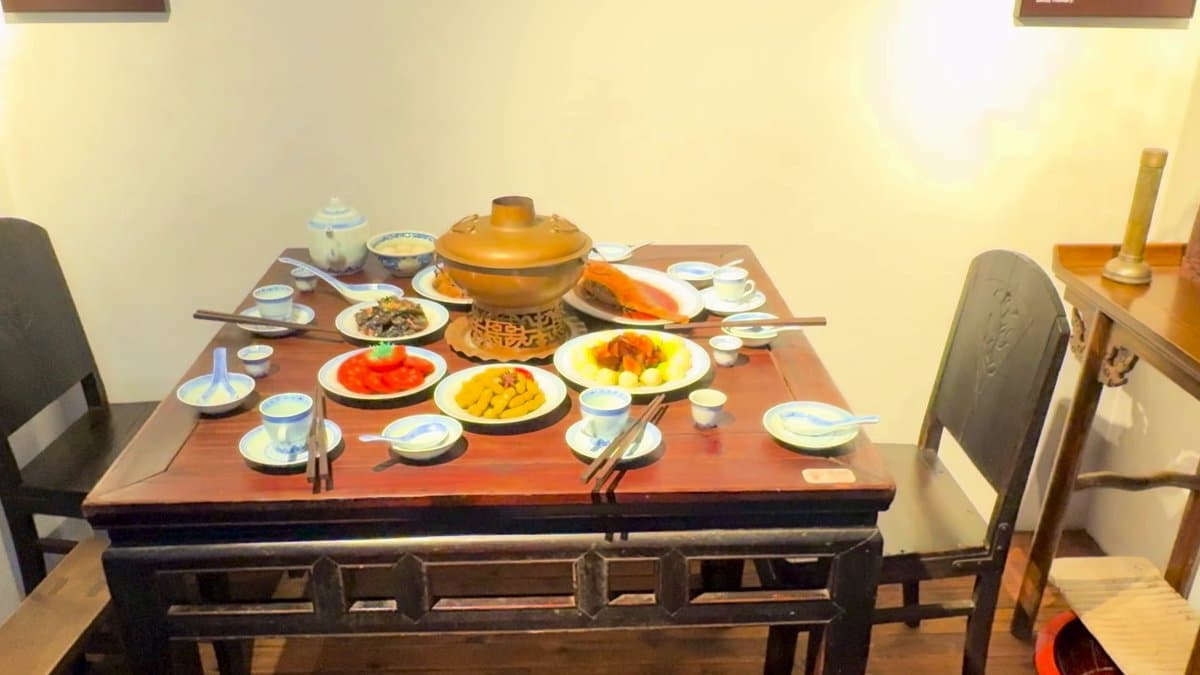
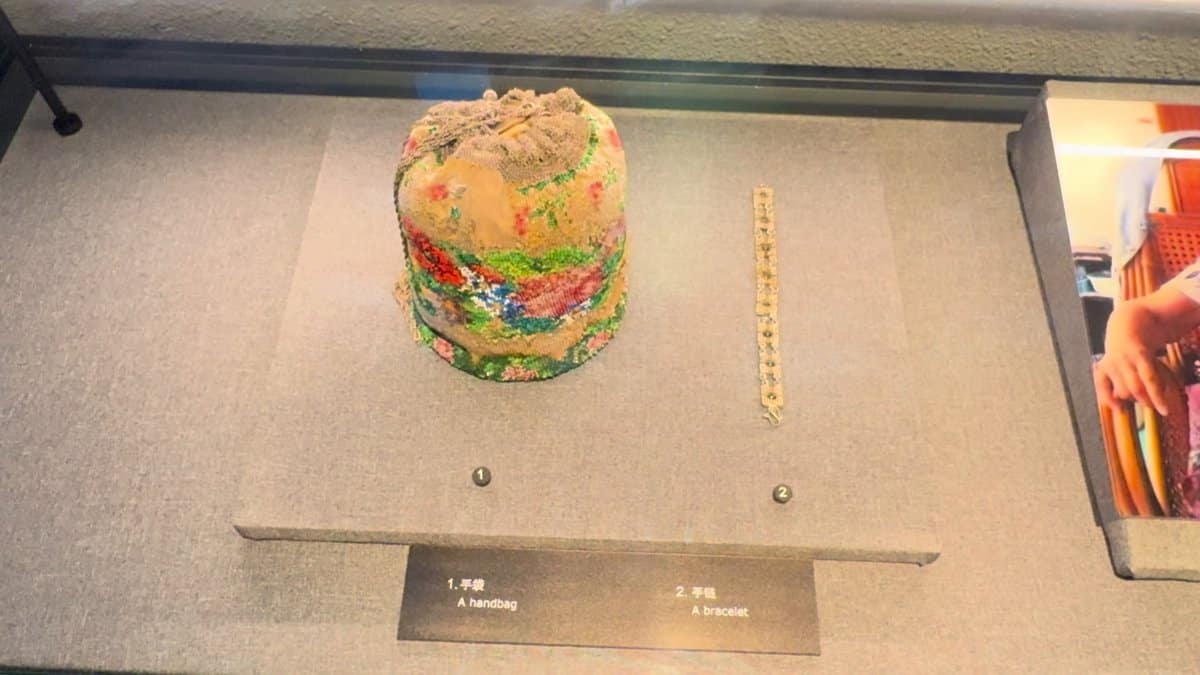
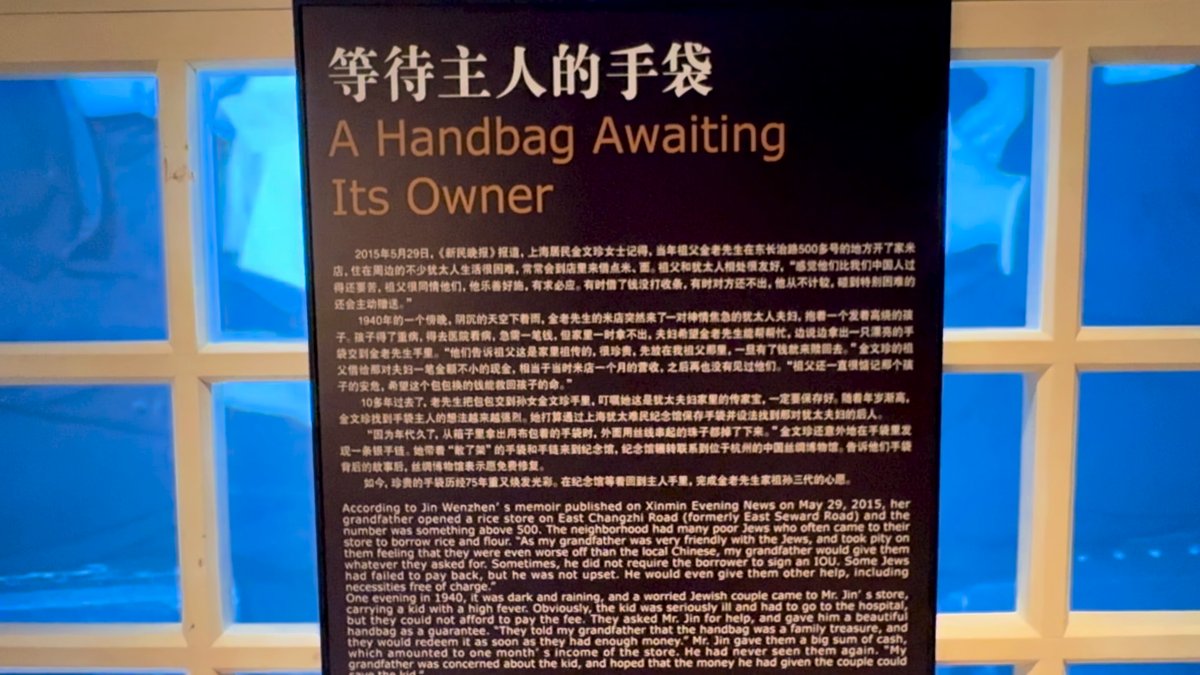
Then there are more recreated settings, like a dining table set with simple dishes. A single handbag is left behind, its owner implied but not present. Its label says simply “awaiting its owner”, and the rest is left to the imagination.
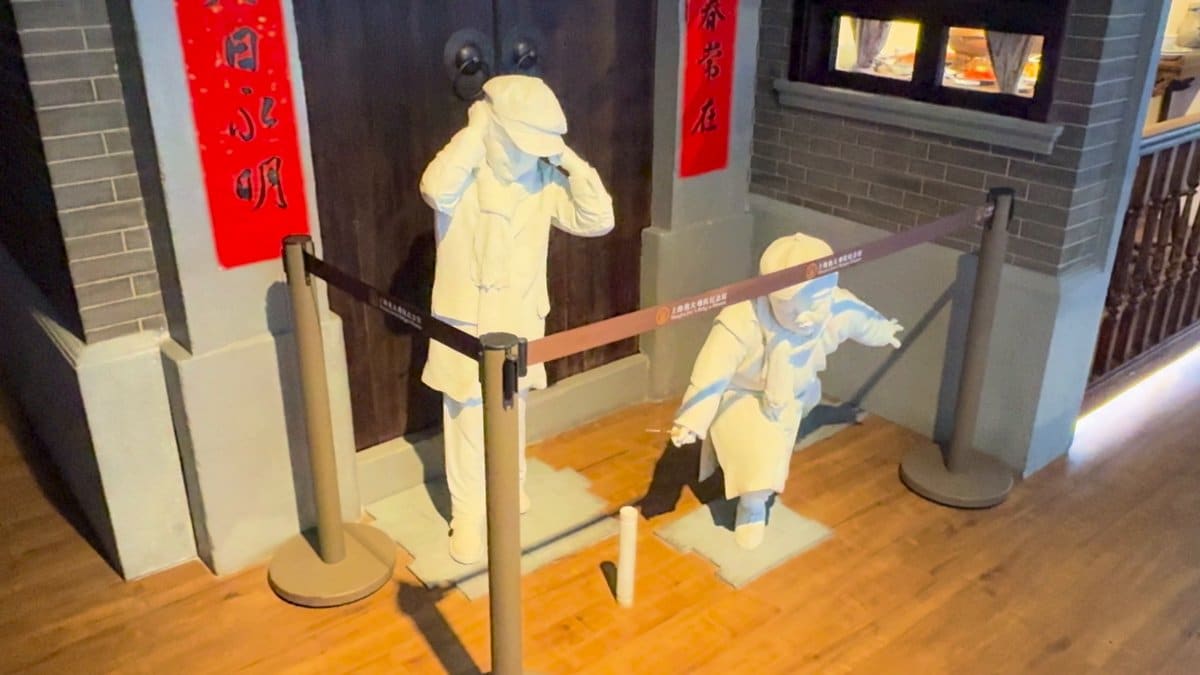
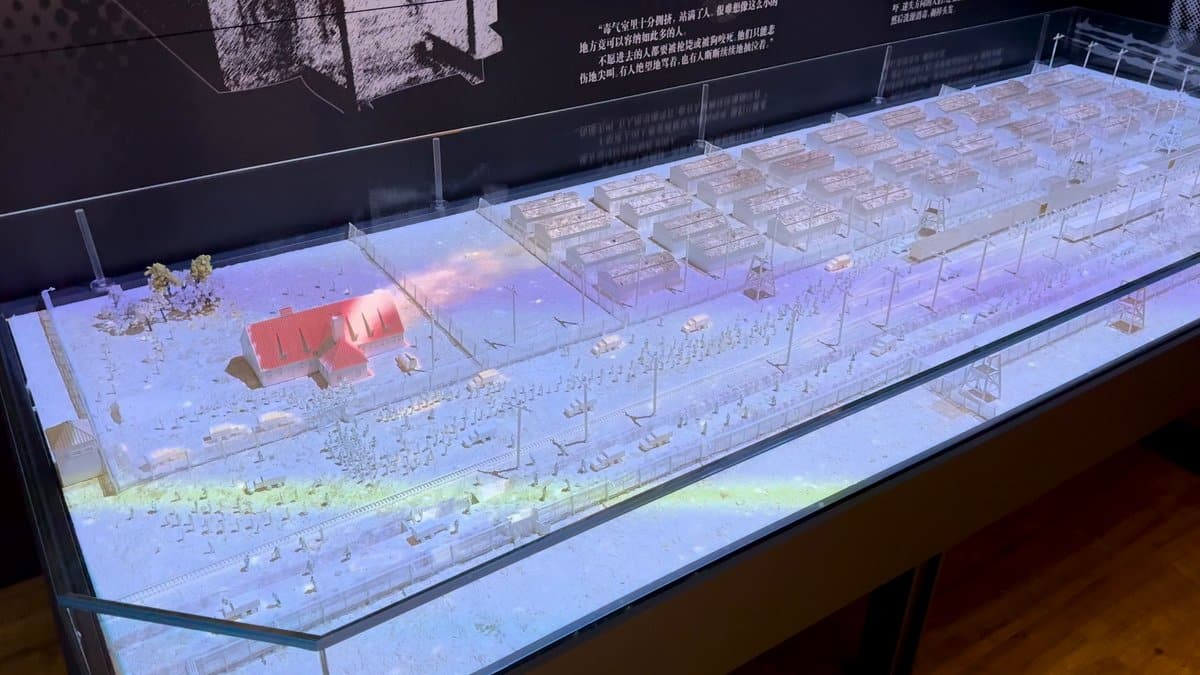
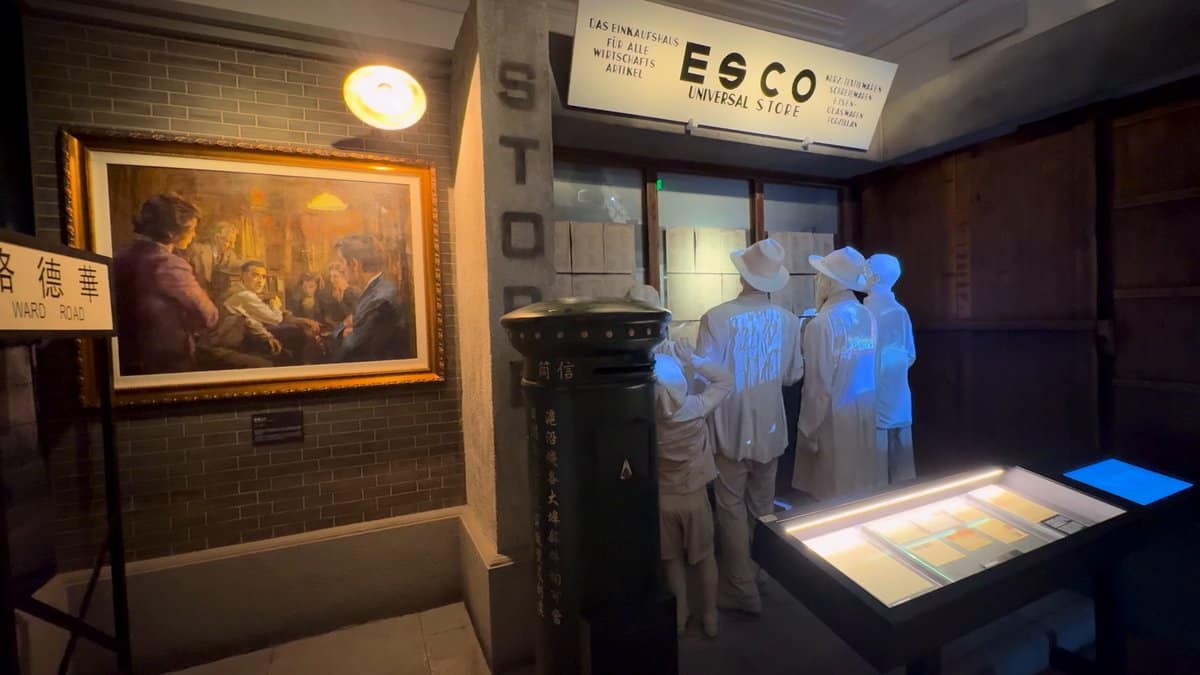
Shopfronts from Zhoushan Road and Huoshan Road, where refugees operated small shops and tailors and cafés, are full-scale recreations. Figures is placed in mid-conversation in the ESCO street-corner scene, forever frozen. Nearby, the district model helps orient you to how tight the layout was in this quarter.
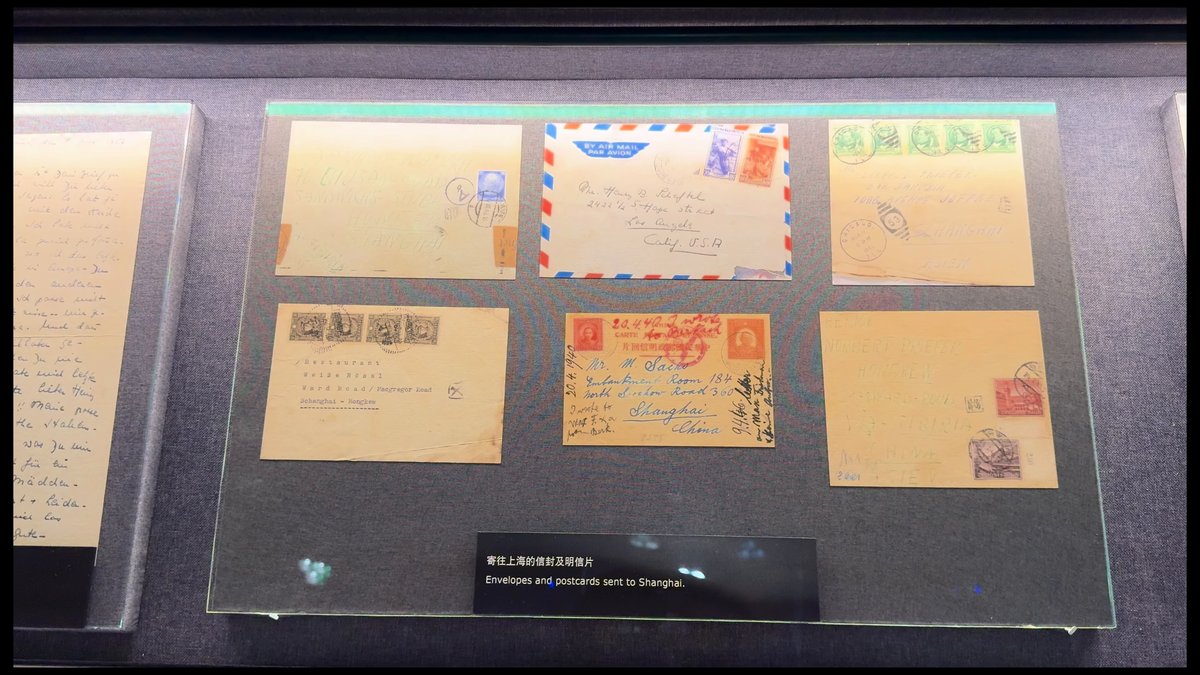
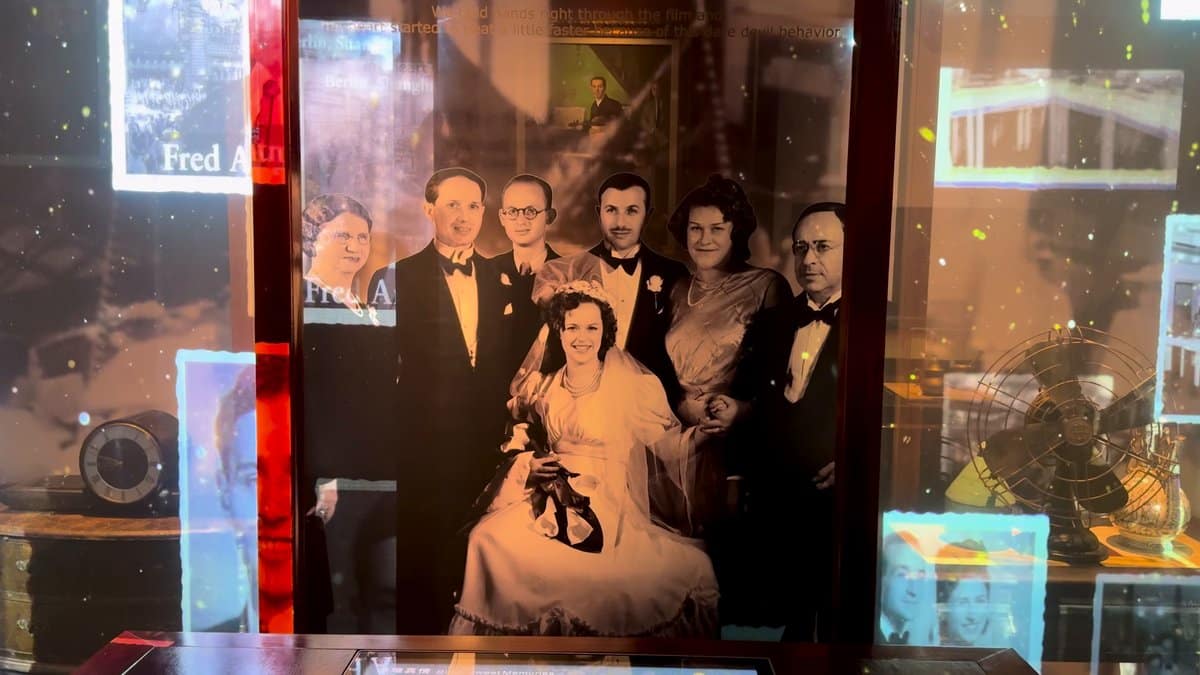
In later galleries, photographs and correspondence take over. Postcards were sent home to loved ones on other sides of continents. There are stamps from half a dozen countries.
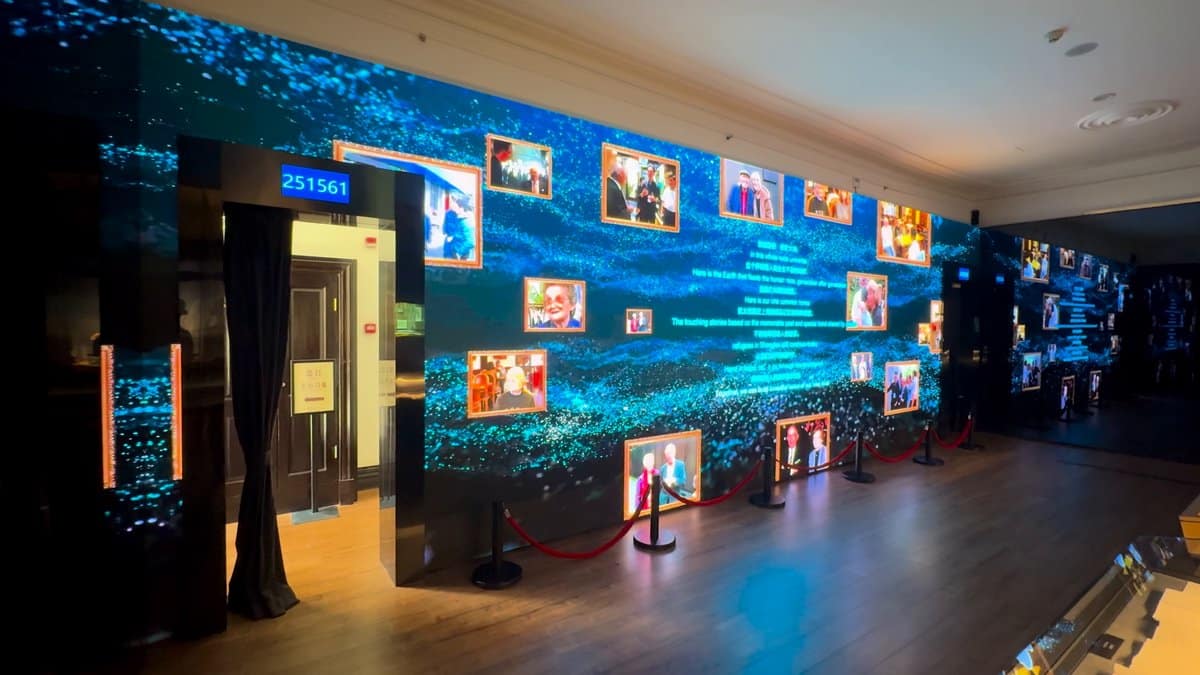
Corridors is filled with framed portraits (hundreds of faces), most without names. It’s repetitive, but it becomes its own sort of memorial.
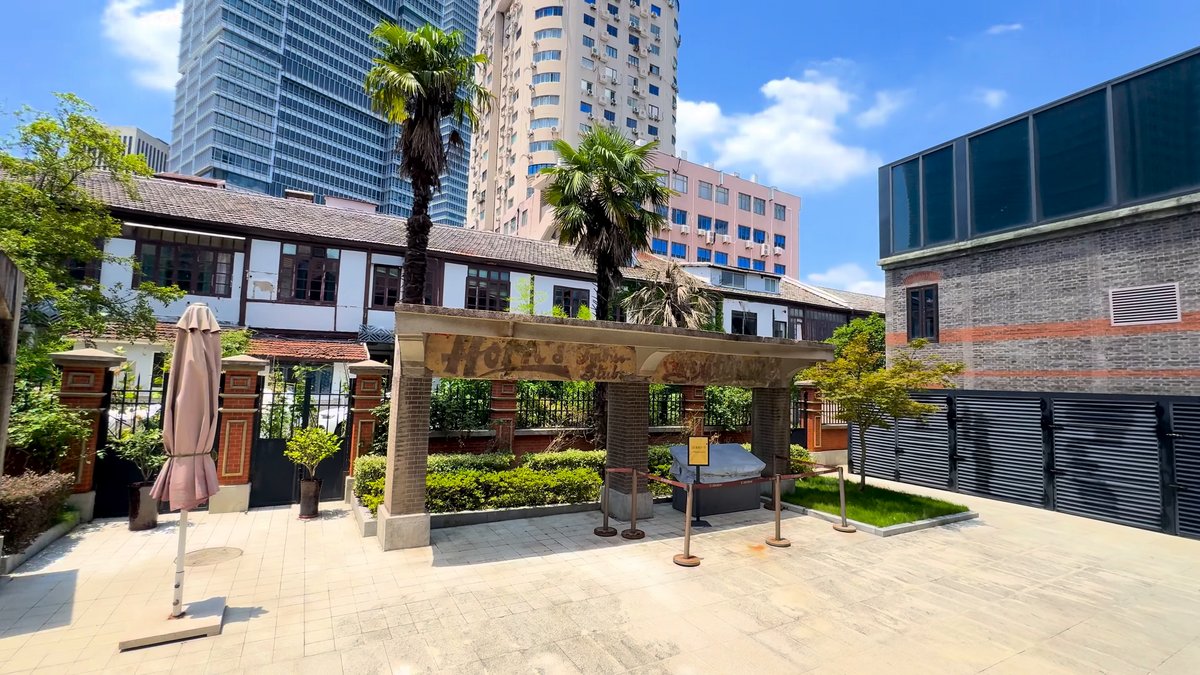
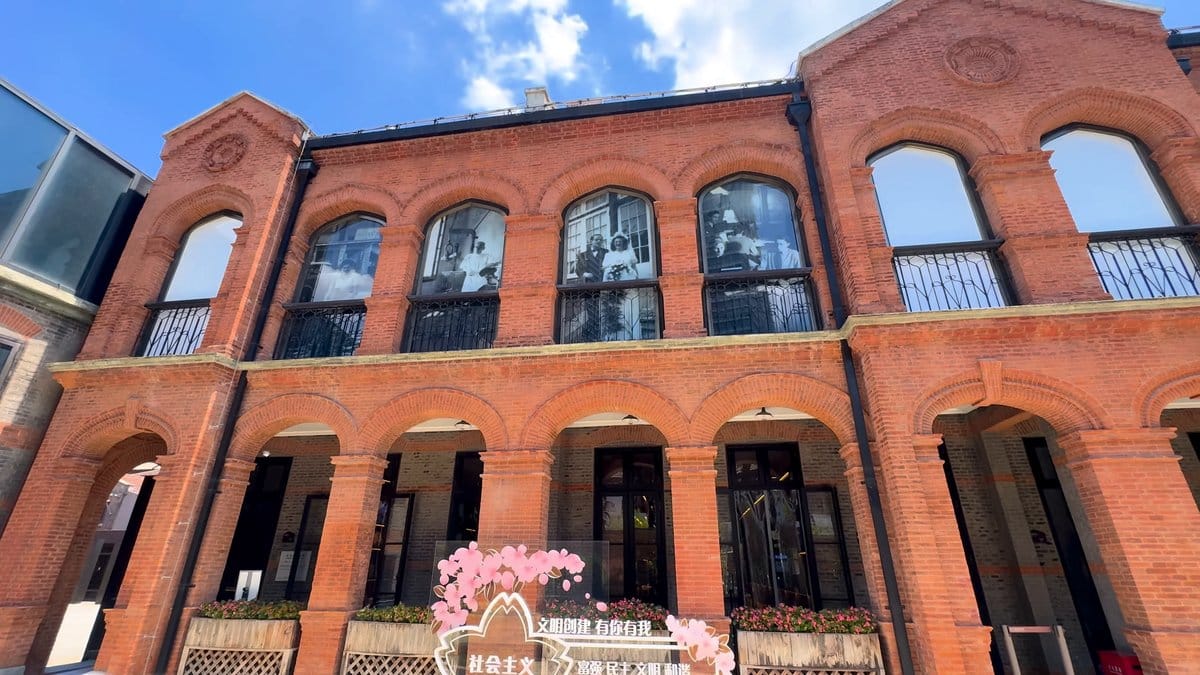
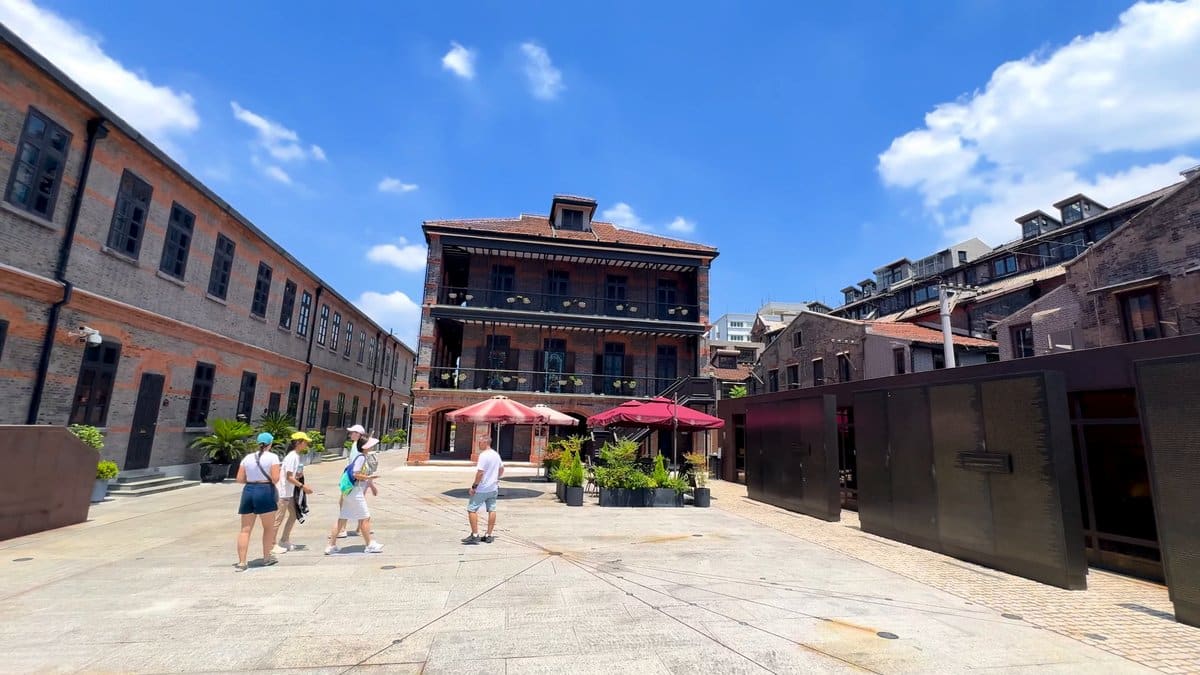
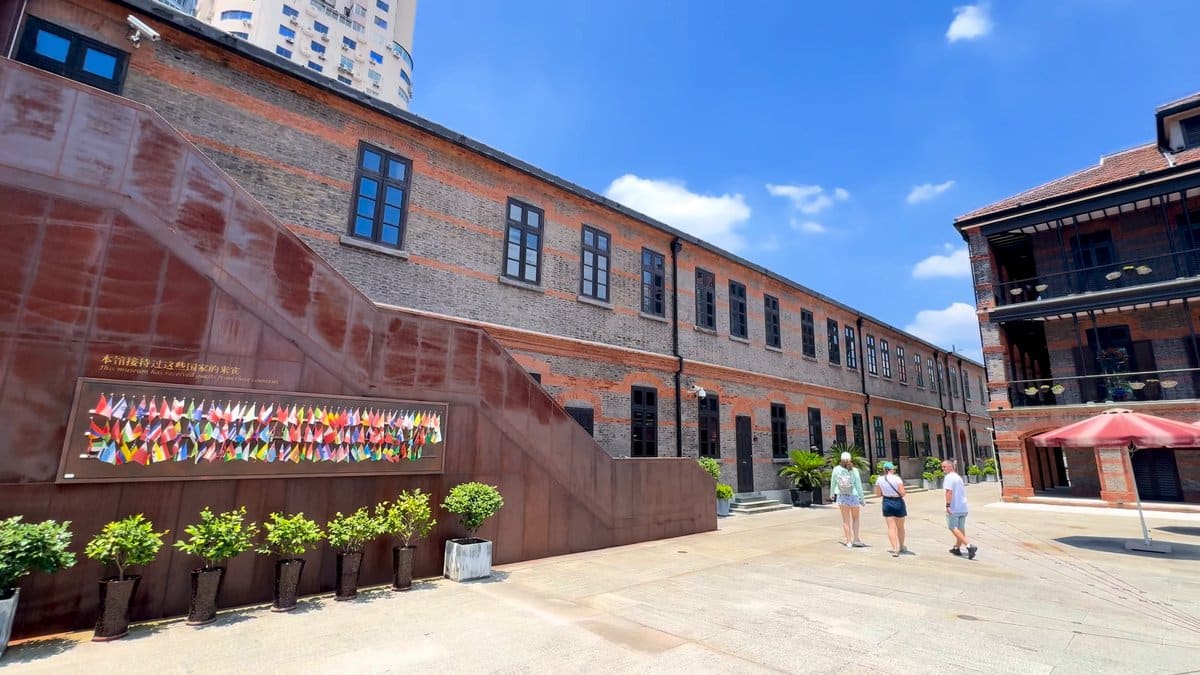
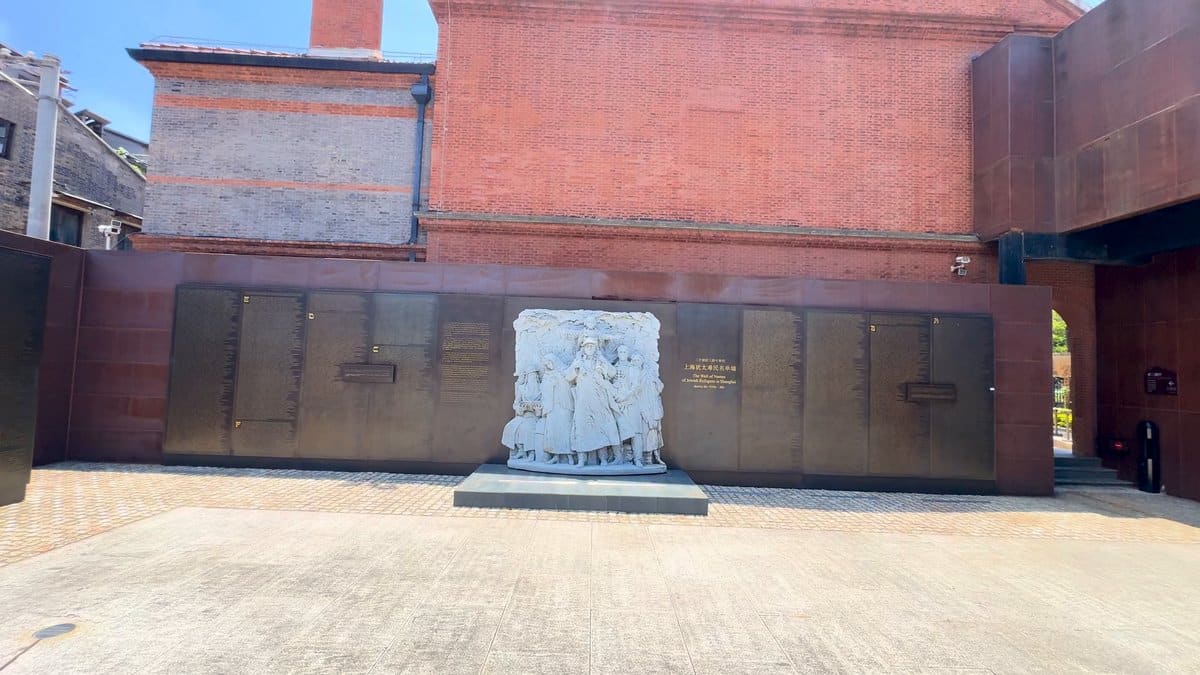
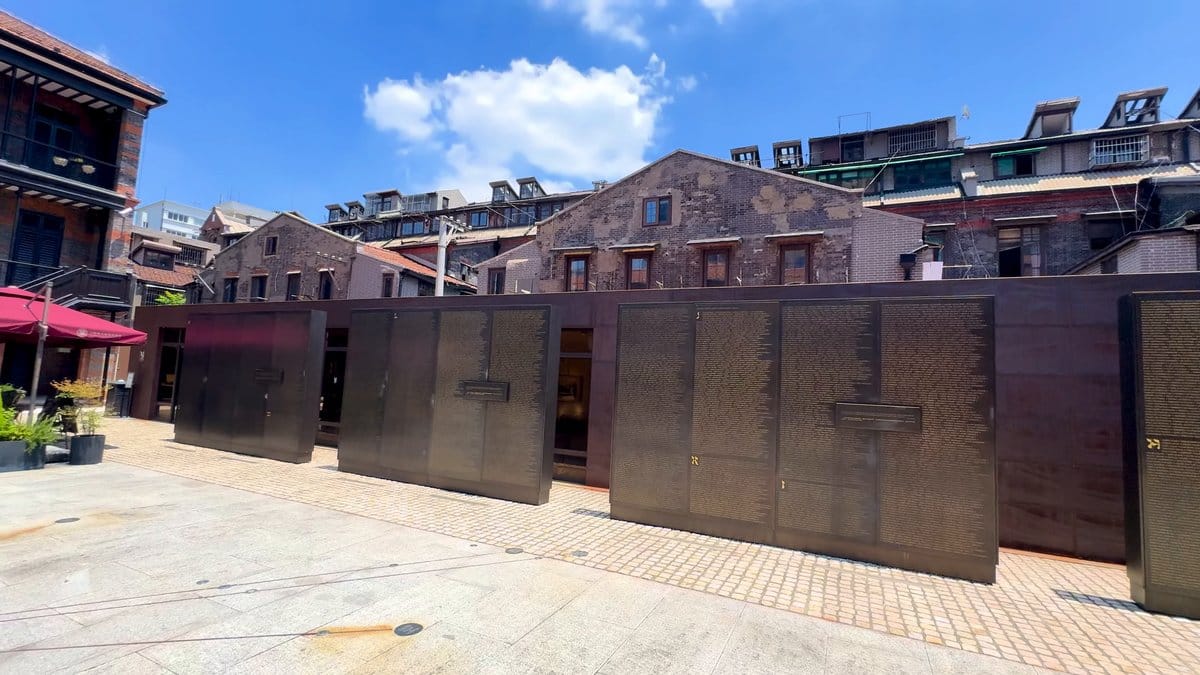
Move out to the courtyard separating the wings. Shade comes from timber pergolas; the memorial panels are on the brick walls. Names of people who came through Hongkou are on one darker metal wall.
It’s a thoughtful space, a break in the exhibits. Look up; the sky is framed by arched windows.
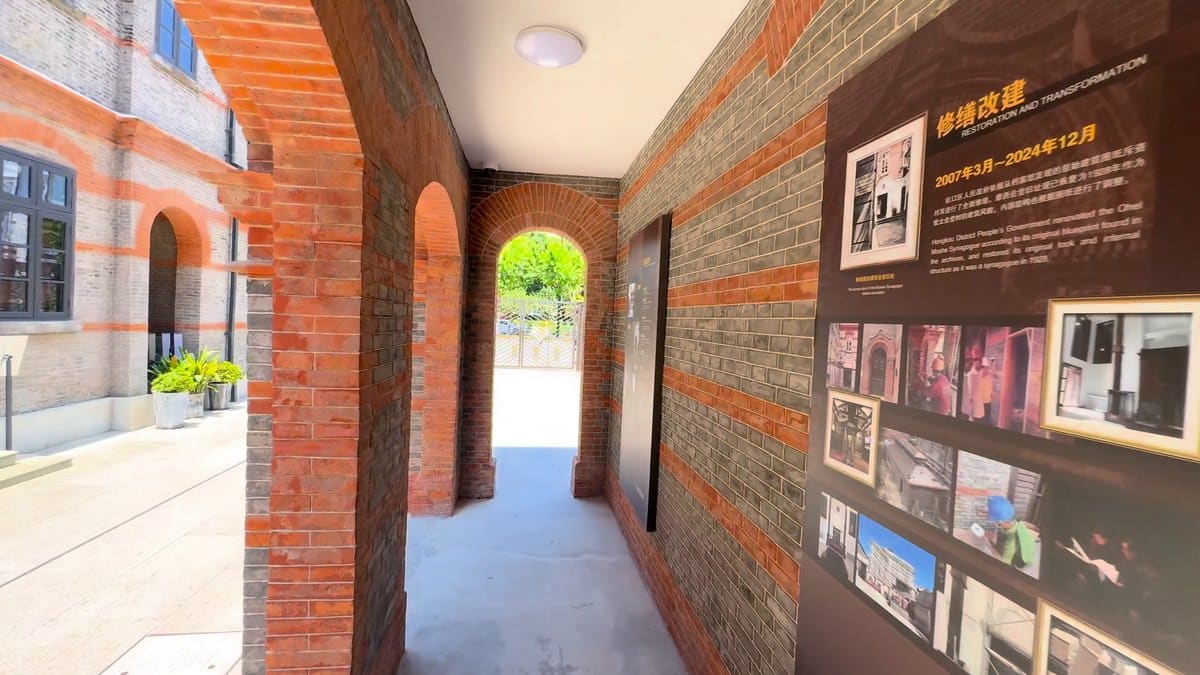
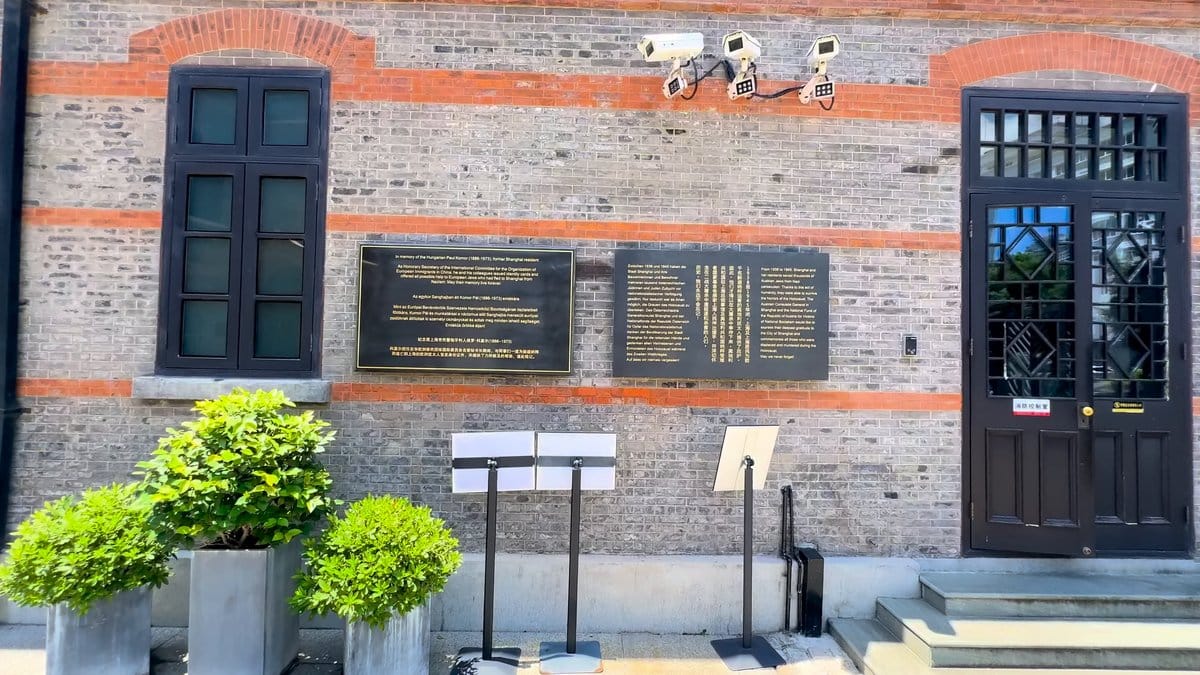
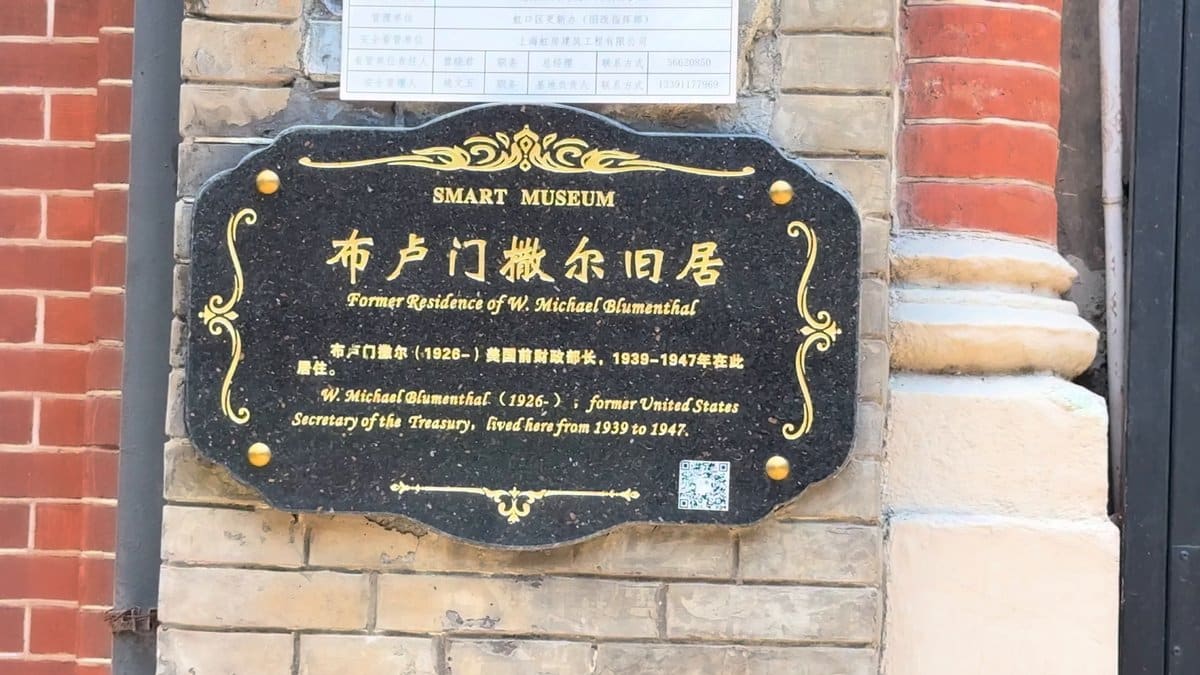
More plaques and photos is displayed along passageways connecting buildings. Some are dedicated to particular businesses or families. Others remember streets that have long since been erased.
Take your time, there’s plenty of information here, and it’s all worth reading.
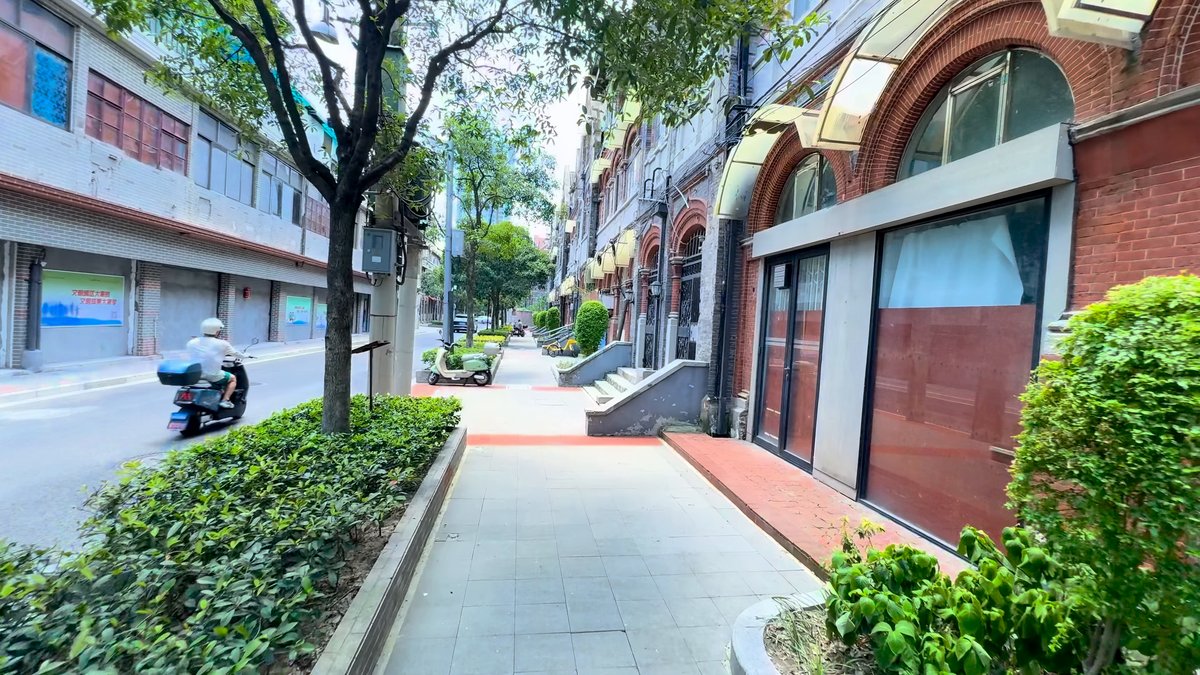
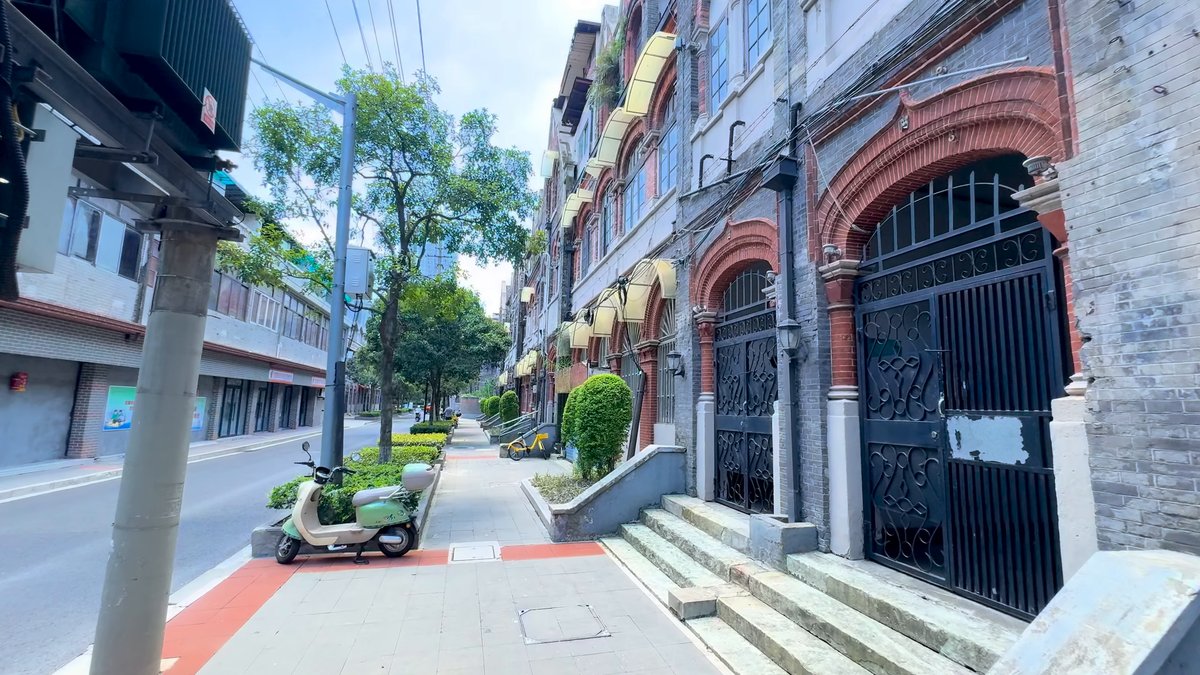
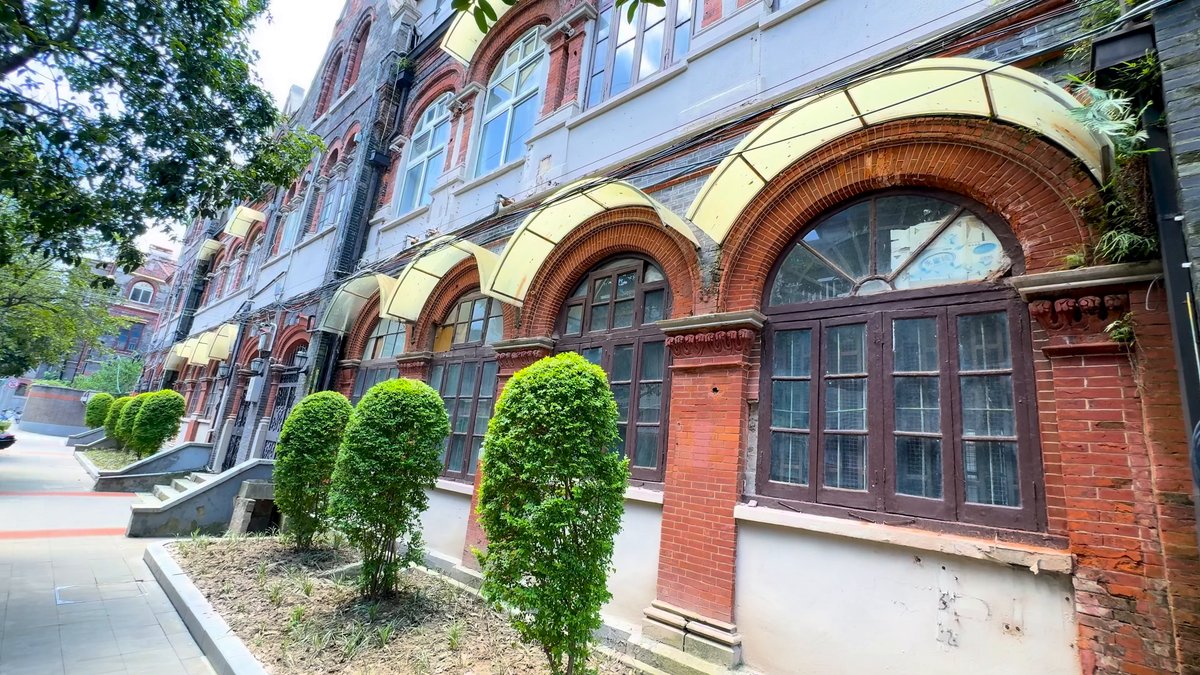
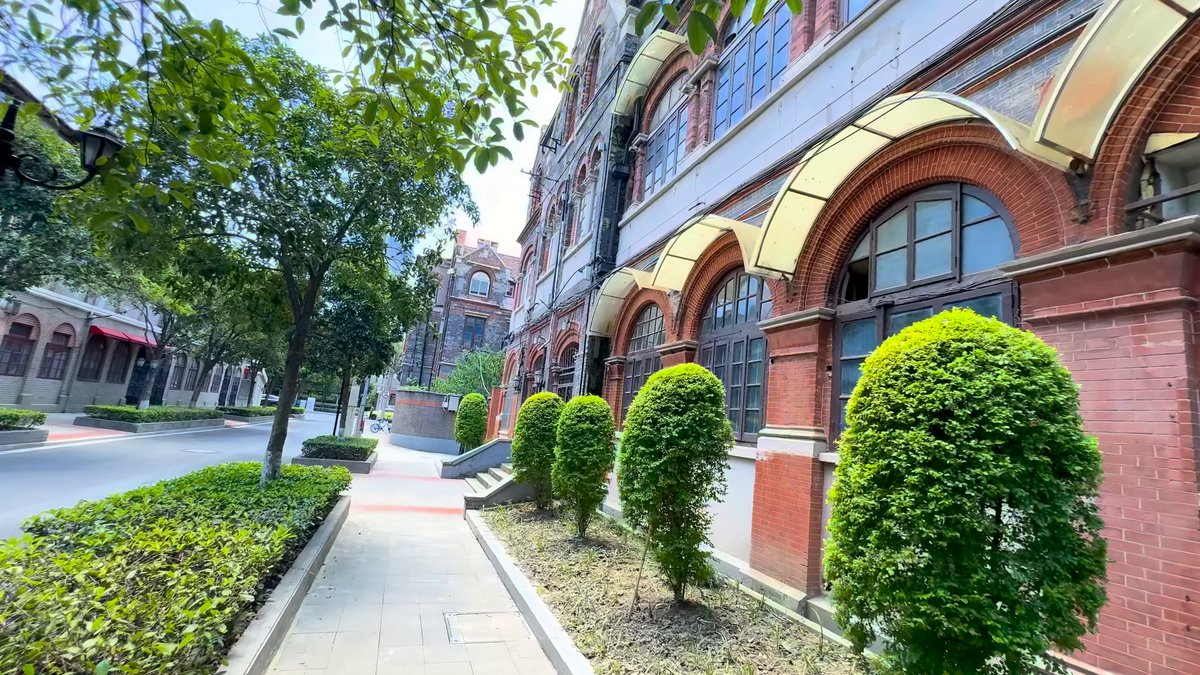
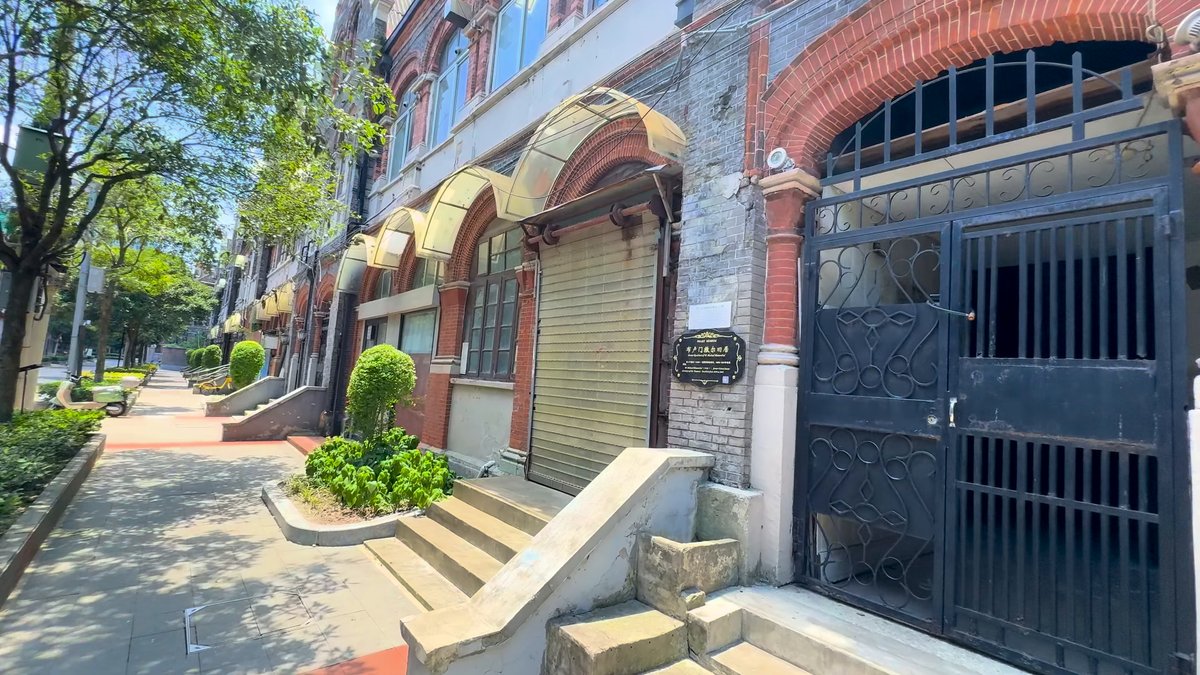
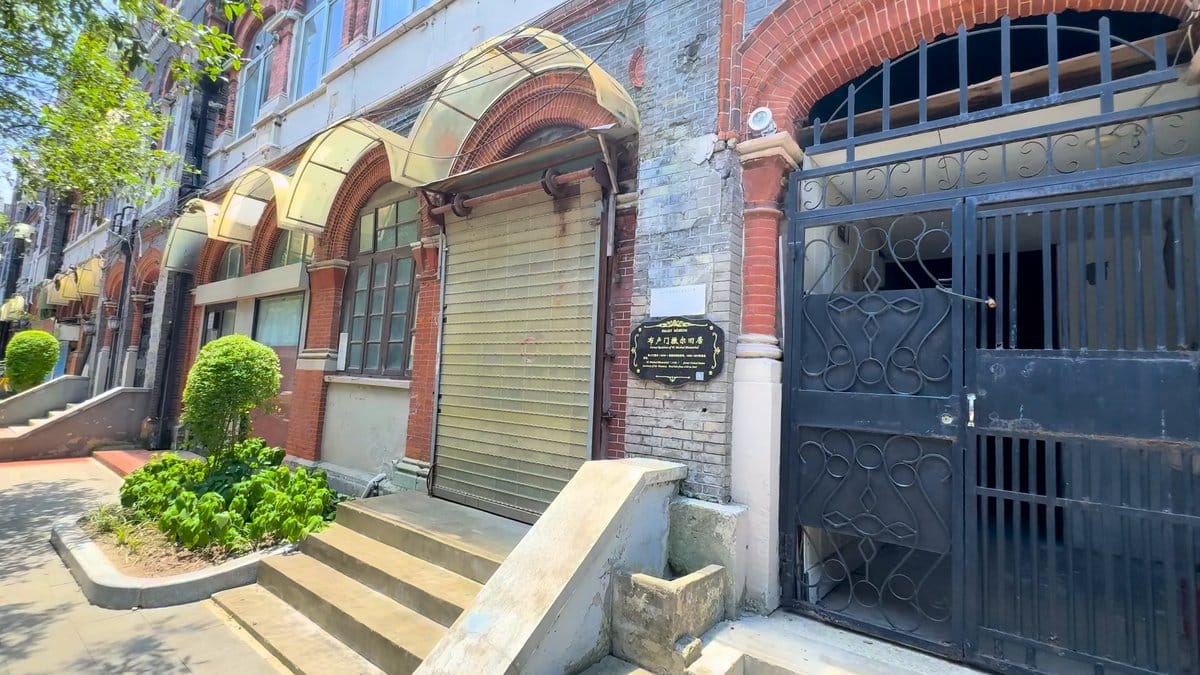
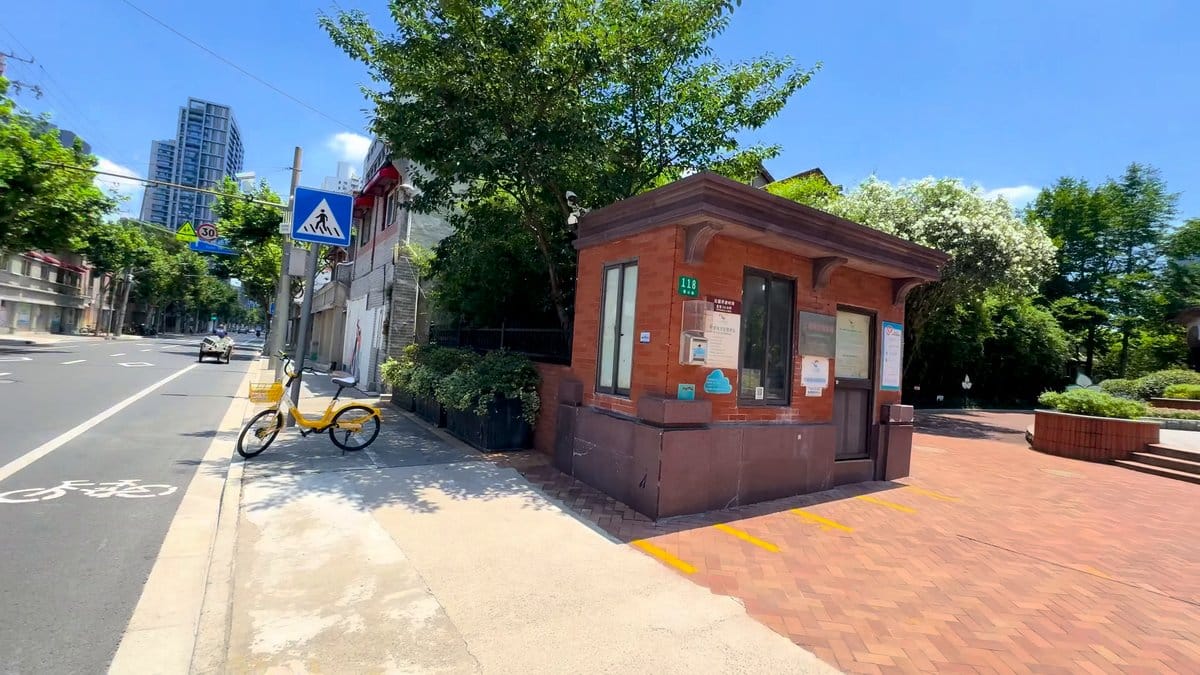
Outside again, the streets around you still reflect the old quarter. Most of the buildings today contain modern apartments or shops, but the pavements is lined with brick arcades. A handful of originals remain, their weathered facades and arched windows suggesting what prewar Hongkou was like.
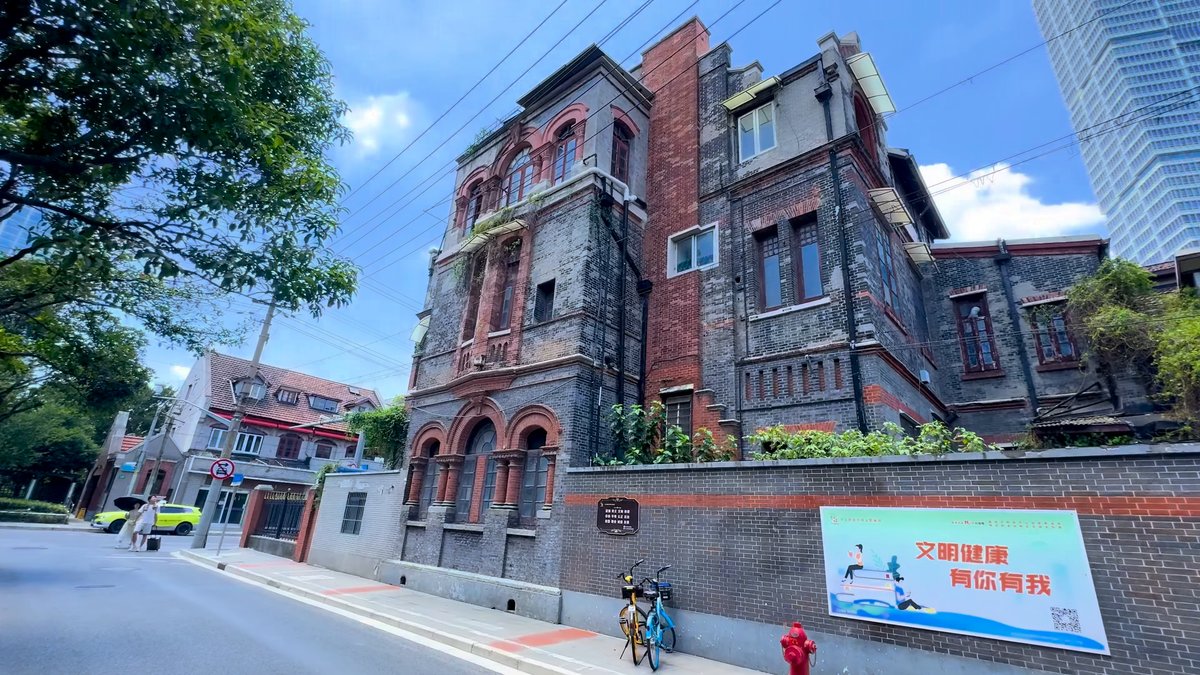
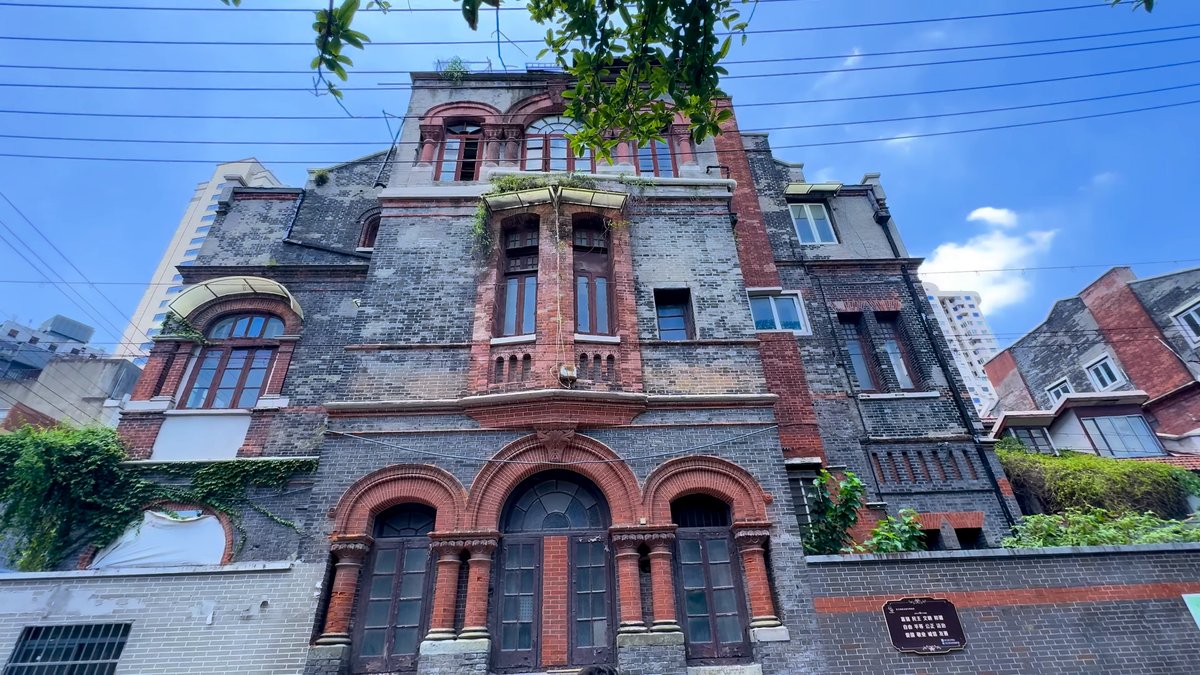
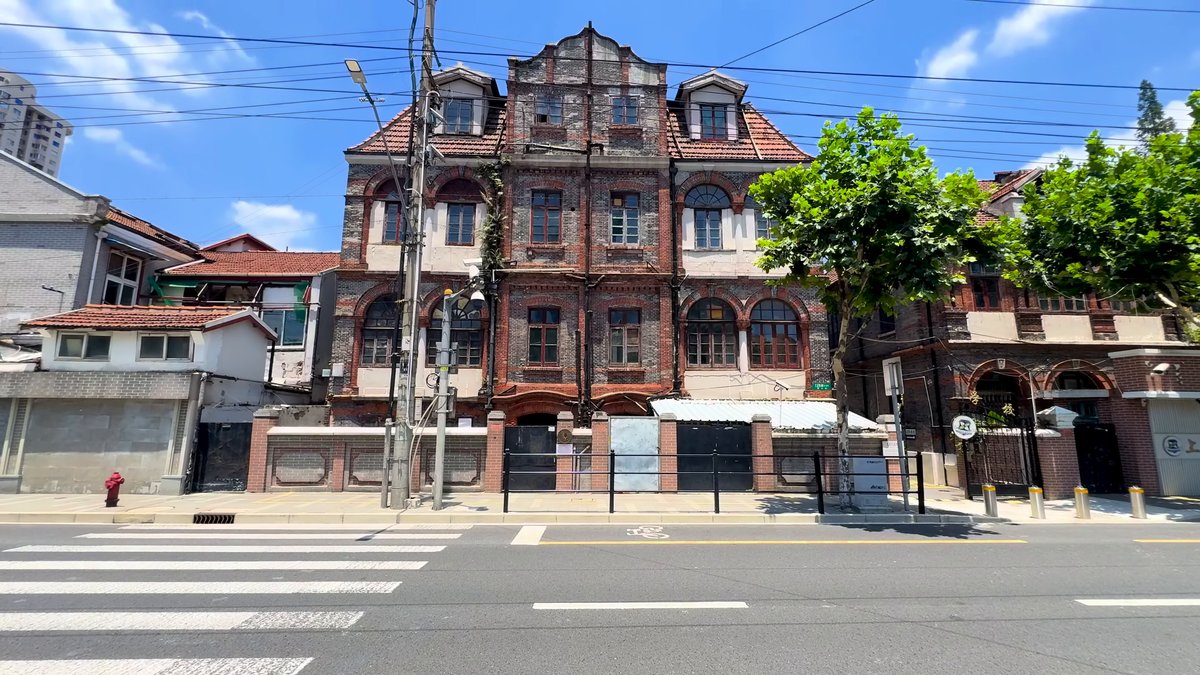
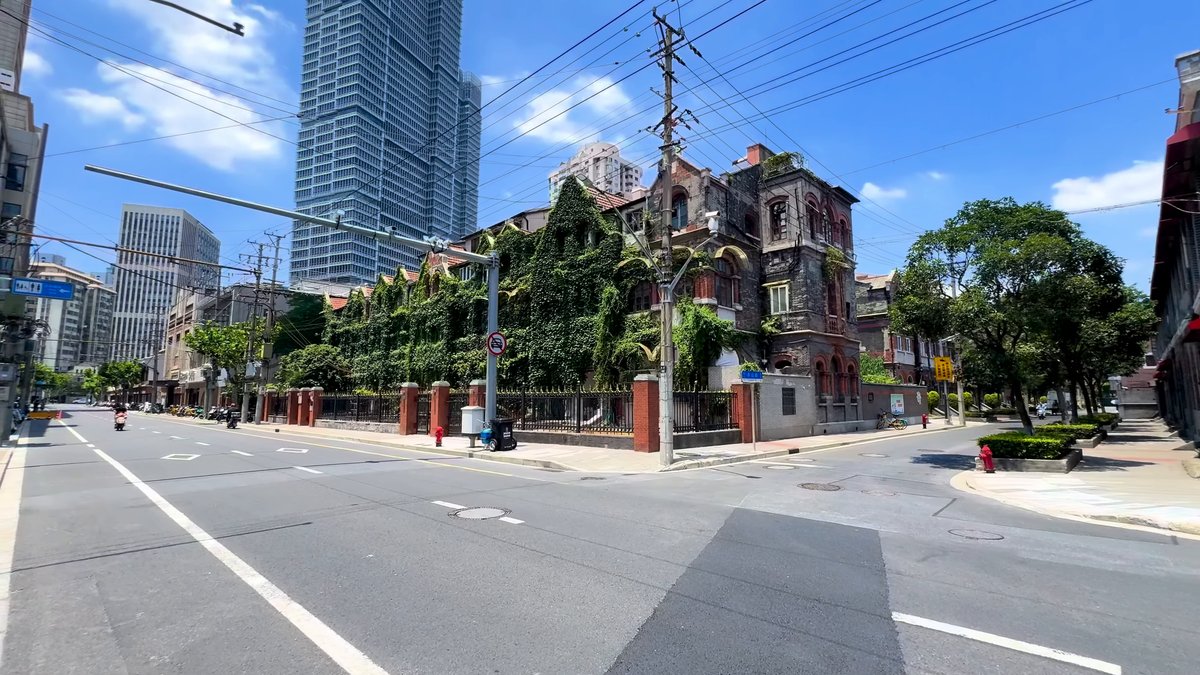
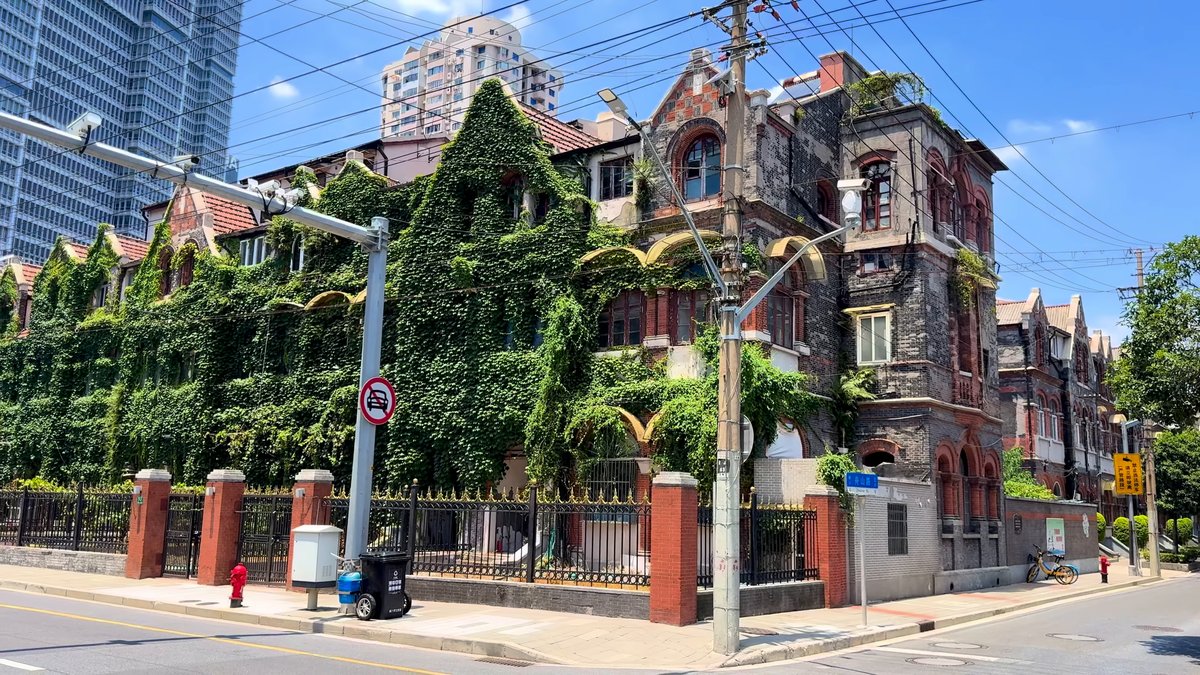
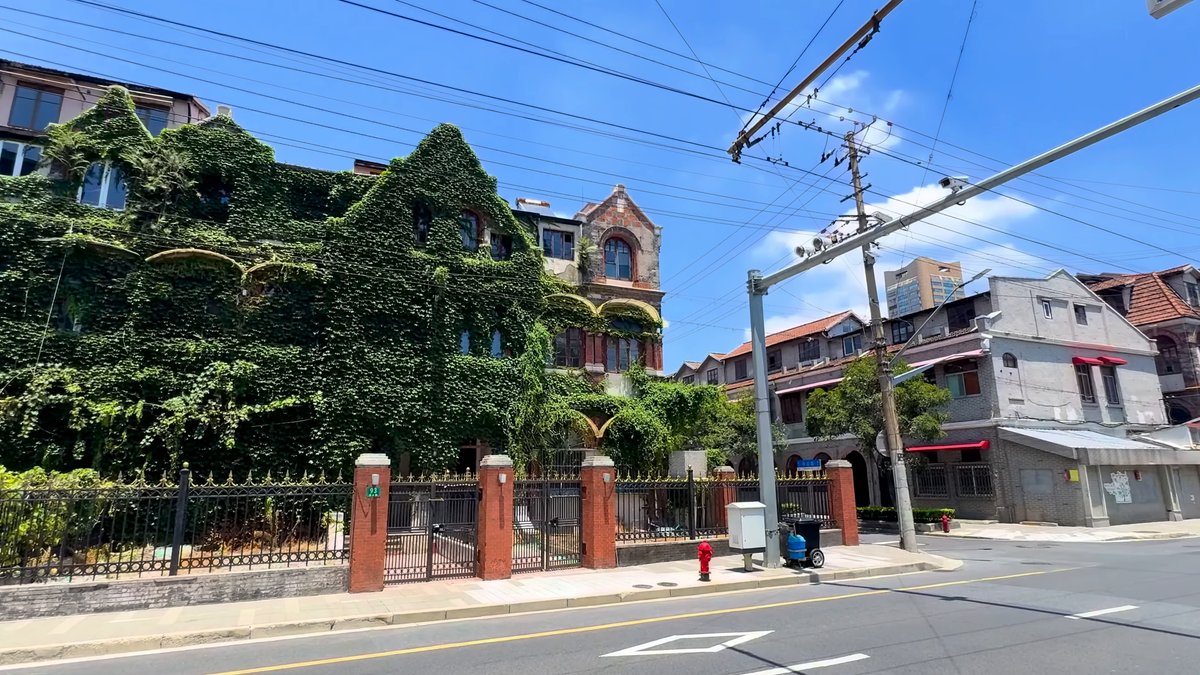
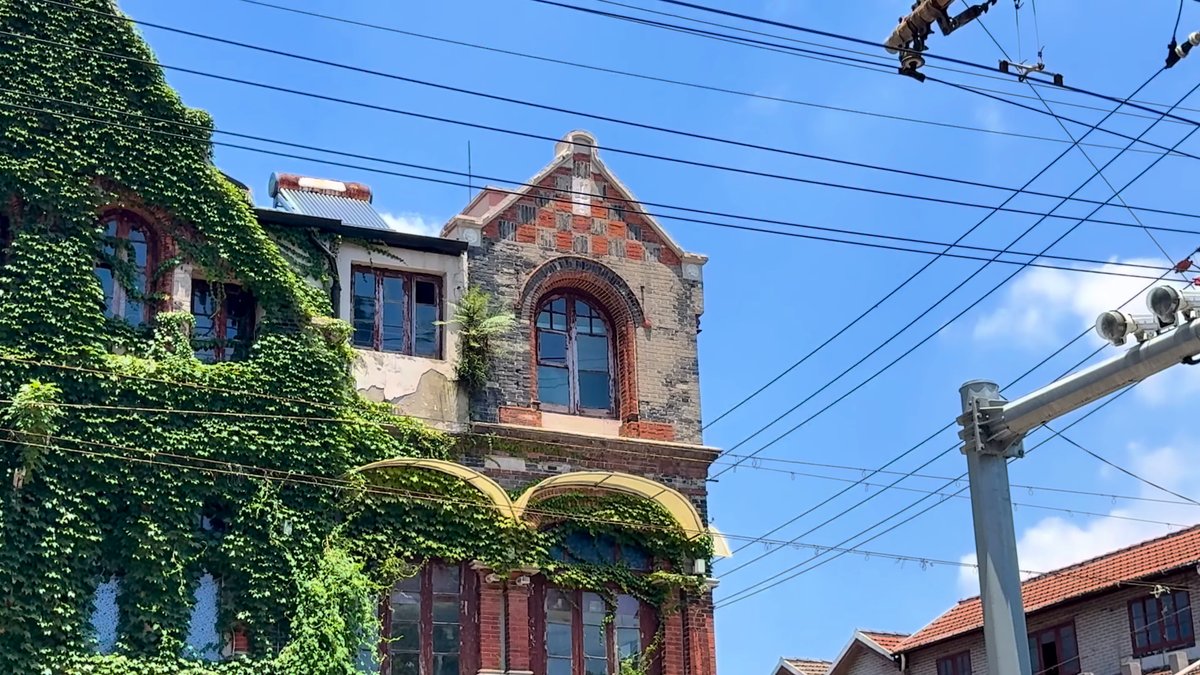
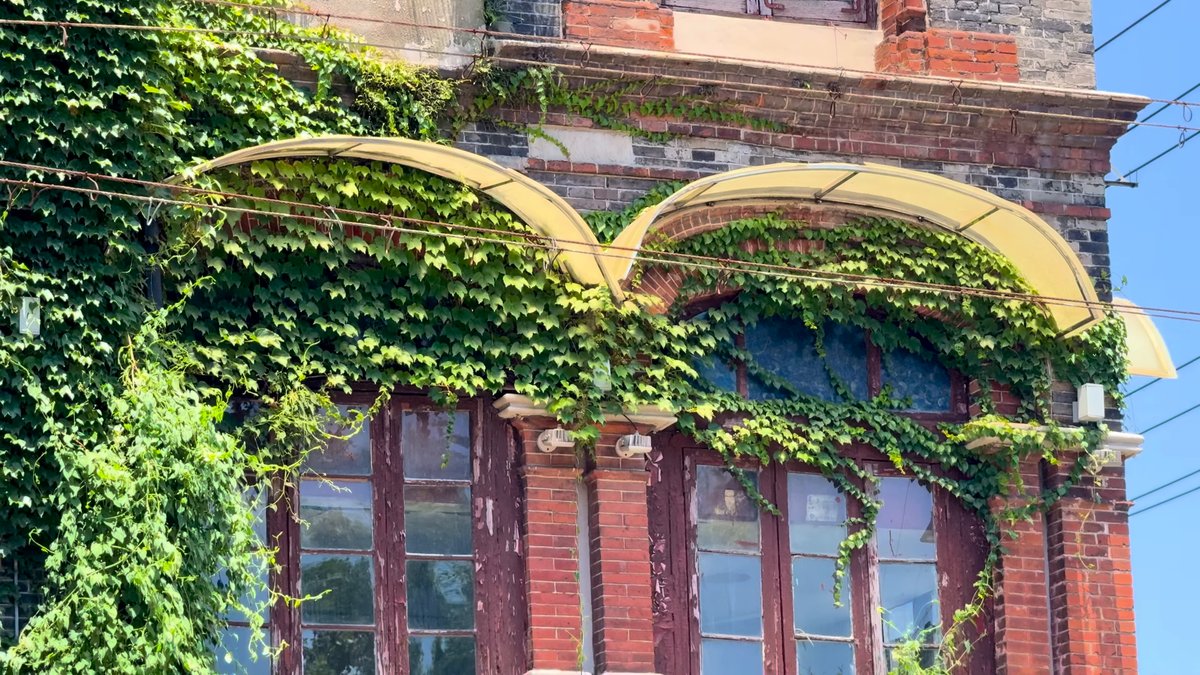
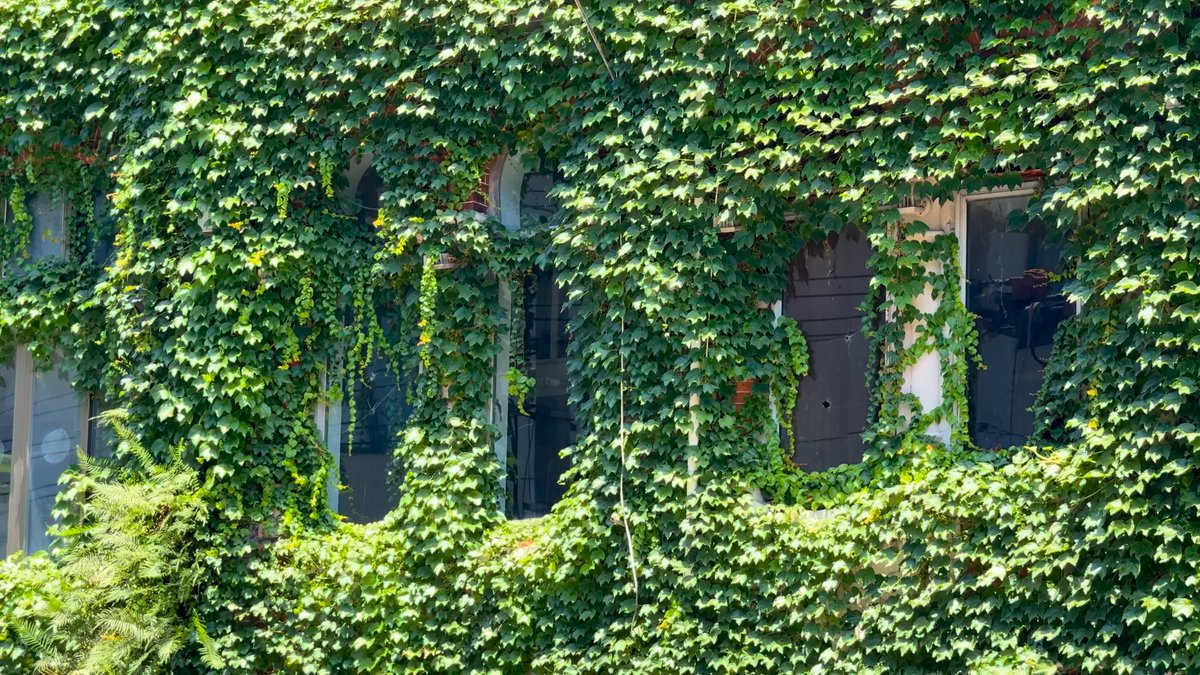
Go for a wander a few blocks and you’ll see 1920s and 1930s mansions. Some crumbling behind their railings; others swathed in ivy. They’re not museum pieces.
People still live and work inside them. And while the district never became a heritage zone, it hasn’t been restored either. There are no funds nor fanfare to make the past and present come together.
In fact, that unpolished coexistence seems fitting. Hongkou didn’t greet its refugees with grand plans or open arms. It just absorbed them, and the neighbourhood’s modest resilience reflects that history better than any monument could.
This isn’t simplification. Life in Shanghai was tough, cramped and uncertain, yet it provided shelter from a world that shut its doors. And the museum pays tribute to both truths without glossing over them.
If you’re in Shanghai and interested in learning about a less-well known aspect of the war years, this is the place to begin. Have you been to the museum (or walked around the old streets of Hongkou)? What did you find most interesting?