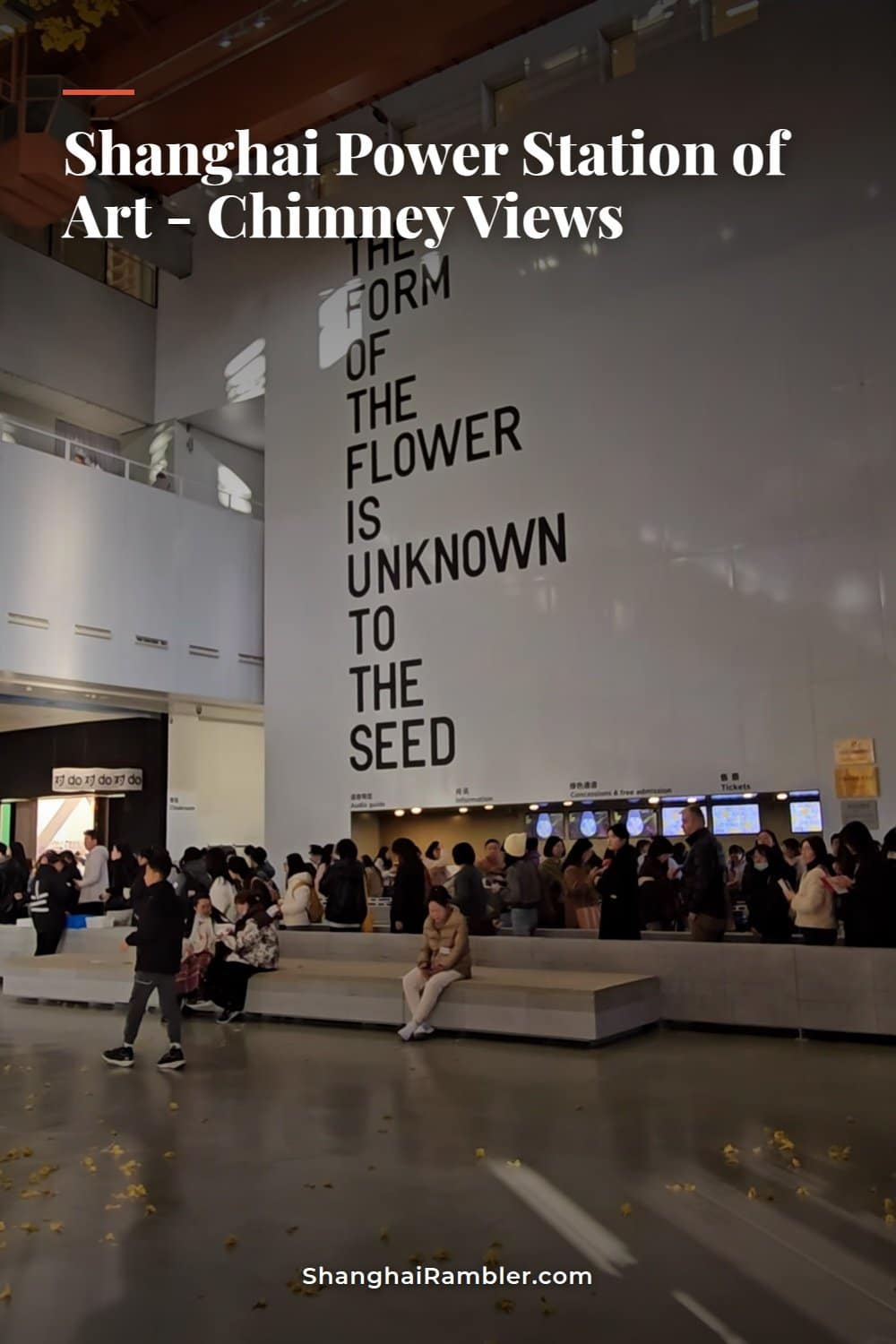
It is free. This is one of only a handful of large contemporary art museum in mainland China that’s operated by the city itself. It’s located inside a converted former thermal power plant on bank of the Huangpu River in Shanghai.
The building was construct back in the 1890s, and its towering brick chimney remain standing next to the museum (it’s illuminated at night and visible from across the river). Five floors of galleries occupies the old boiler rooms and turbine hall, with some of the building’s original industrial bones included as part of the experience. The permanent collection isn’t large.
The exhibitions rotate, with new ones coming in every few months. The building and its architecture remains the same. It feels like being inside a power station that has been scrubbed clean and opened up for visitor, though not totally smoothed over.
Inside the Old Power Plant Museum
Power Station of Art
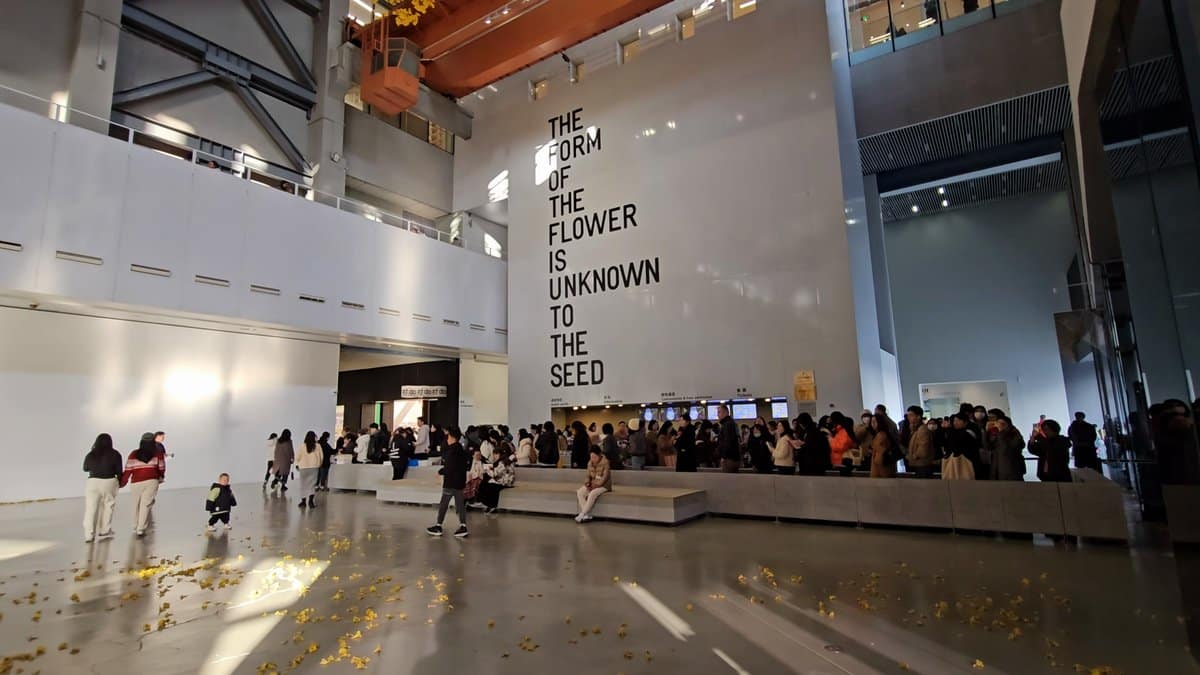
Once inside, then comes the big moment: the ground floor turbine hall. The hall is long and wide, with a concrete floor and steel roof trusses spanning above. Depending on what’s being exhibited, it could be home to some large scale installations, or simply a place for visitors to cut across as they head up in the other galleries.
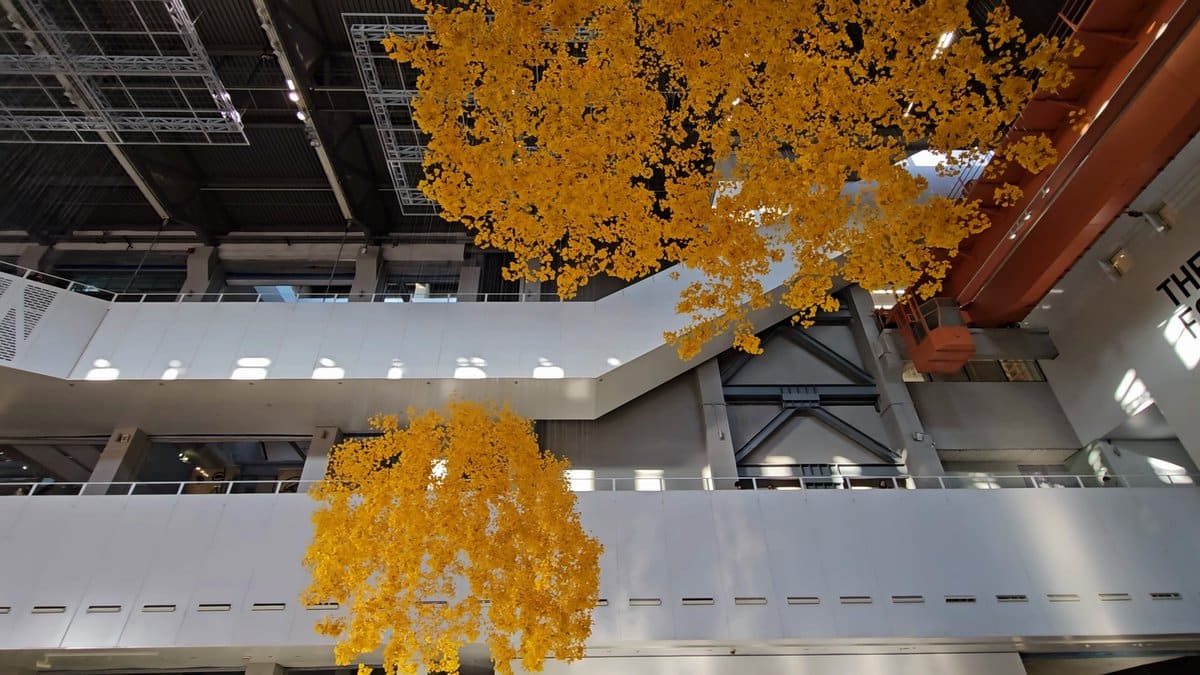
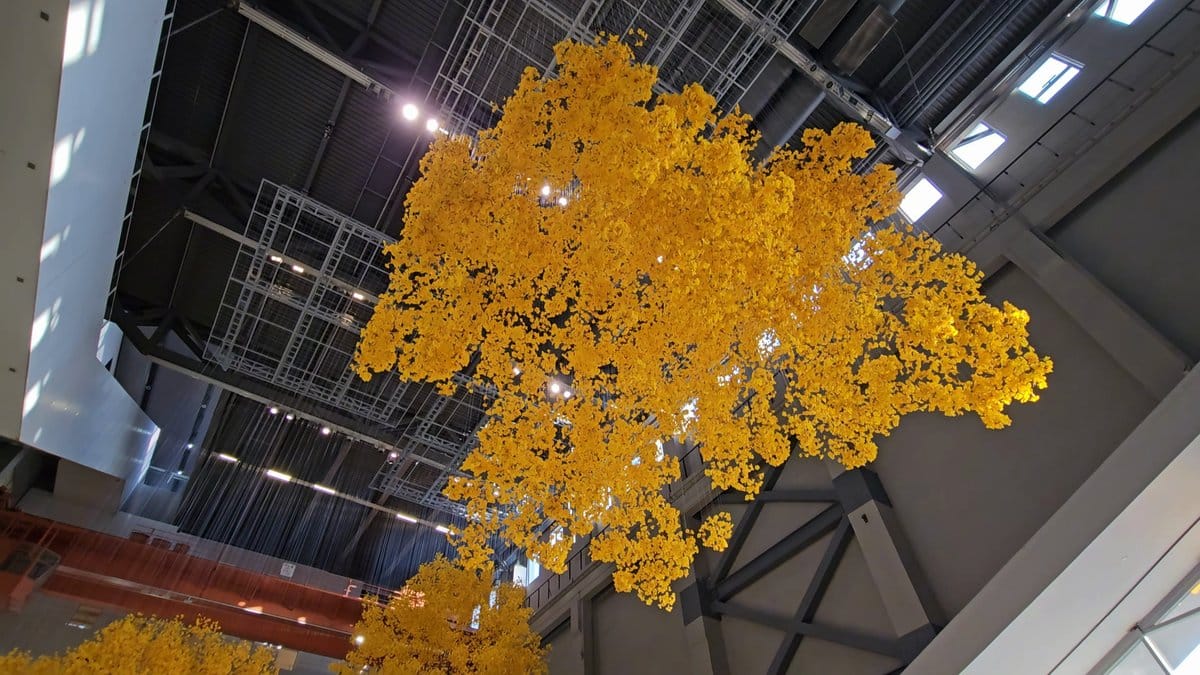
One recent installation brought in whole trees (in fall color); row upon row beneath the industrial ceiling. It’s obviously jarring, but it works too: steel and leaves; concrete and dirt. The harsh surfaces and height of the space are use for exhibitions such as this, which couldn’t be accommodated in a typical white-cube gallery.
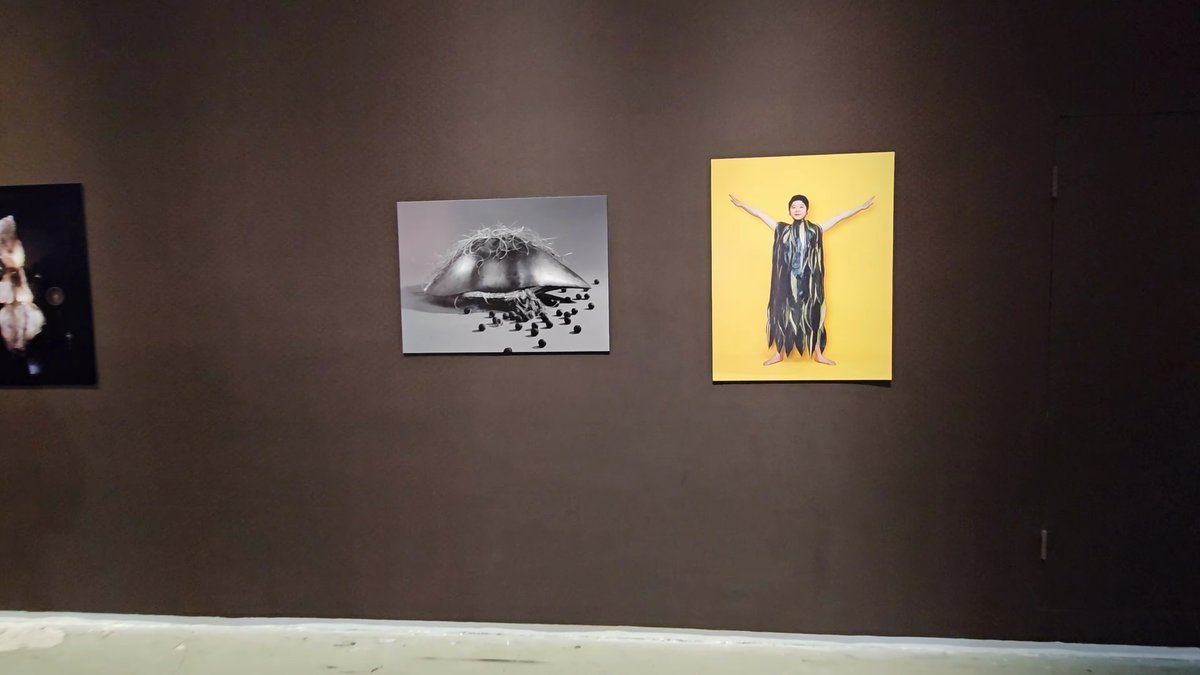
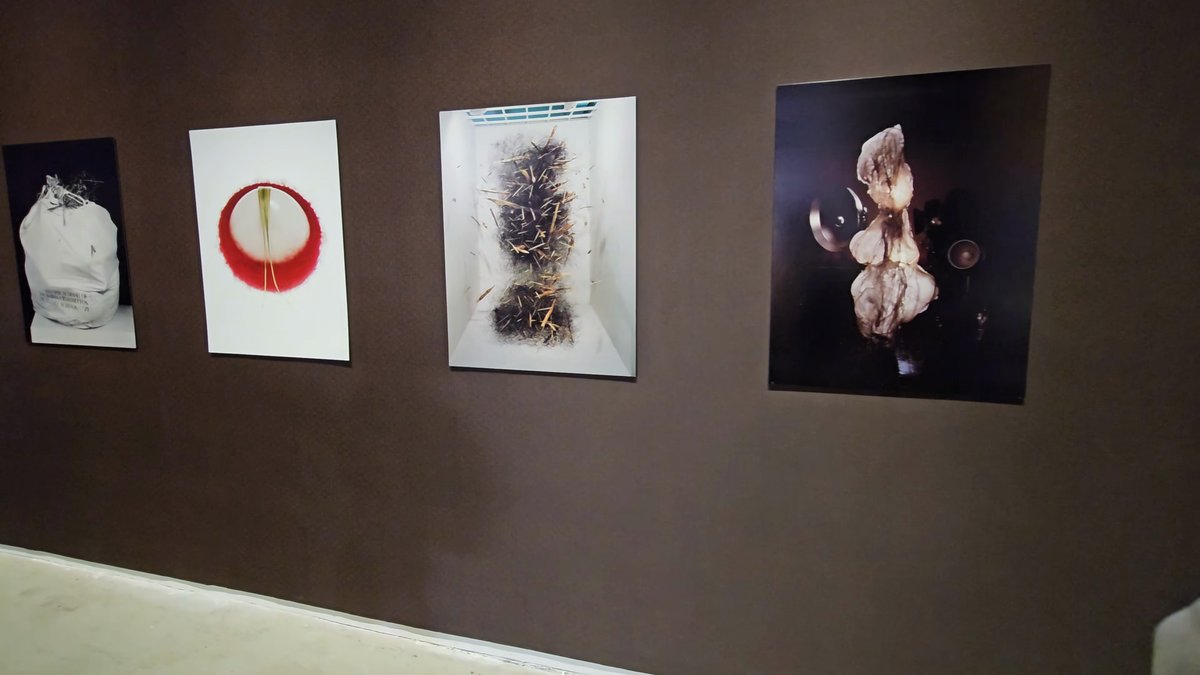
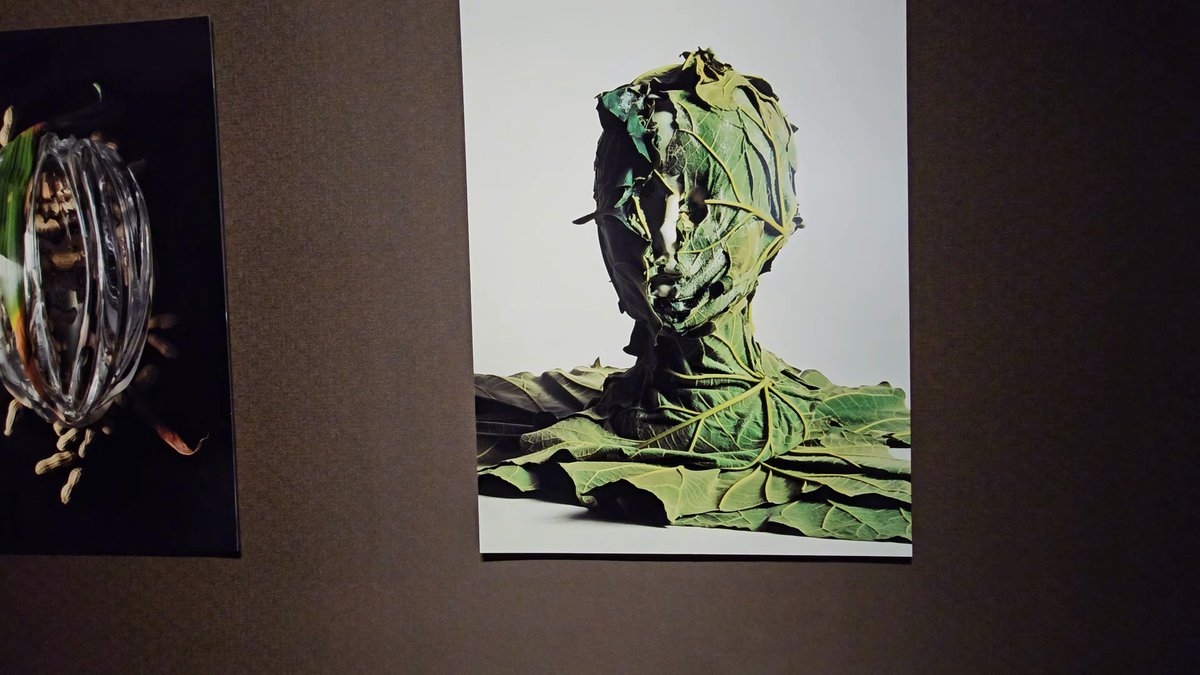
Whole walls is taken up by photography. Sometimes floor to ceiling, prints is mounted large. They get room to breathe in the galleries.
Raw or painted, the old power station walls does a decent job of holding the work without fuss. Lighting is even and fairly neutral. There’s not much text, no velvet ropes either.
Just the images and enough space to stand back.
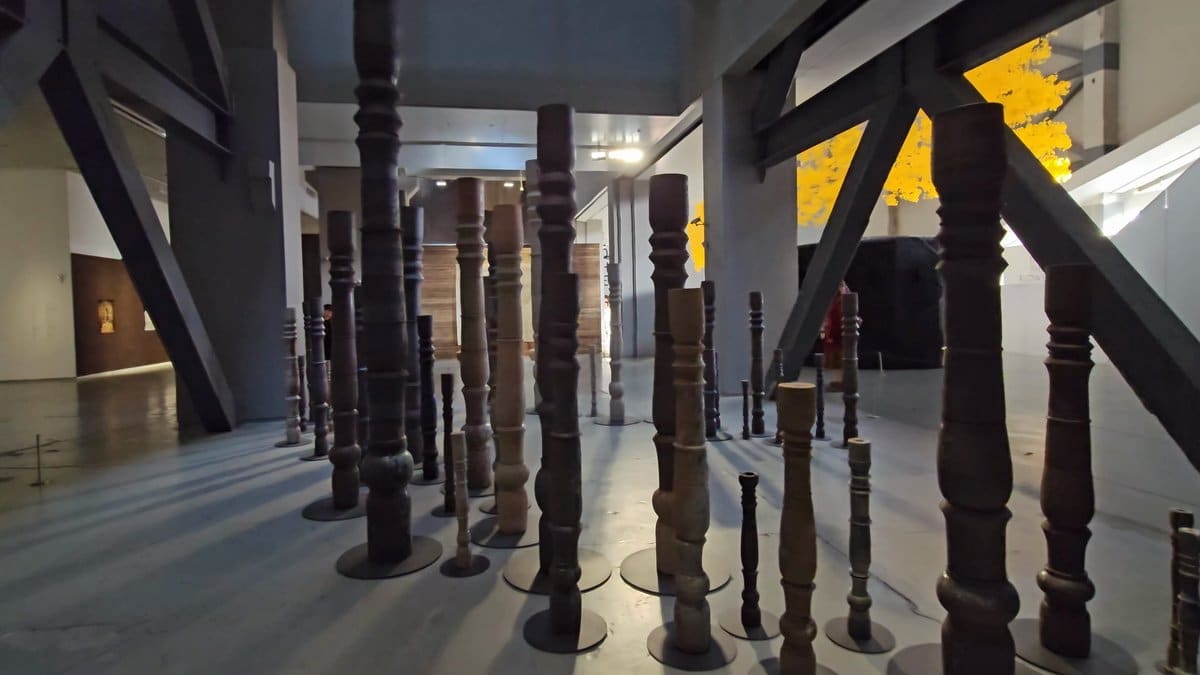
Sculptural installations can be architectural or more spare. Materials vary: timber, metal, fabric. Some pieces fill out the room; others seem to test it.
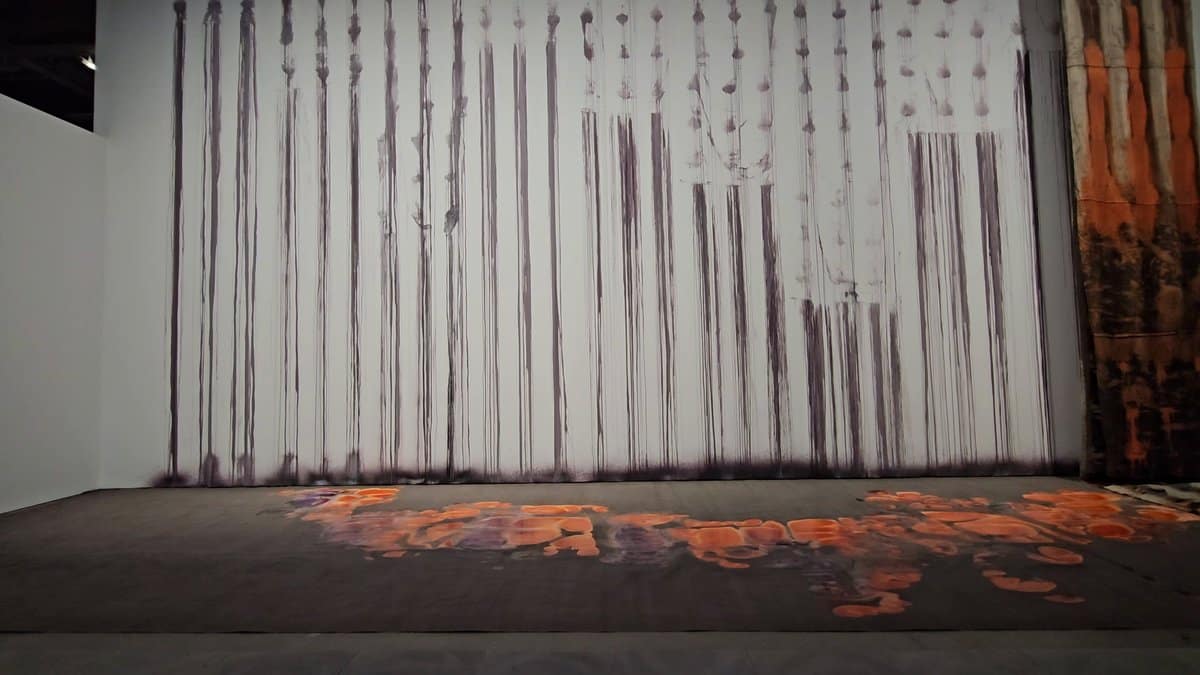
Pale and fine, thread installations hangs from the ceiling and shift slightly as people walk past. These kinds of works plays with the vertical space the building offers.
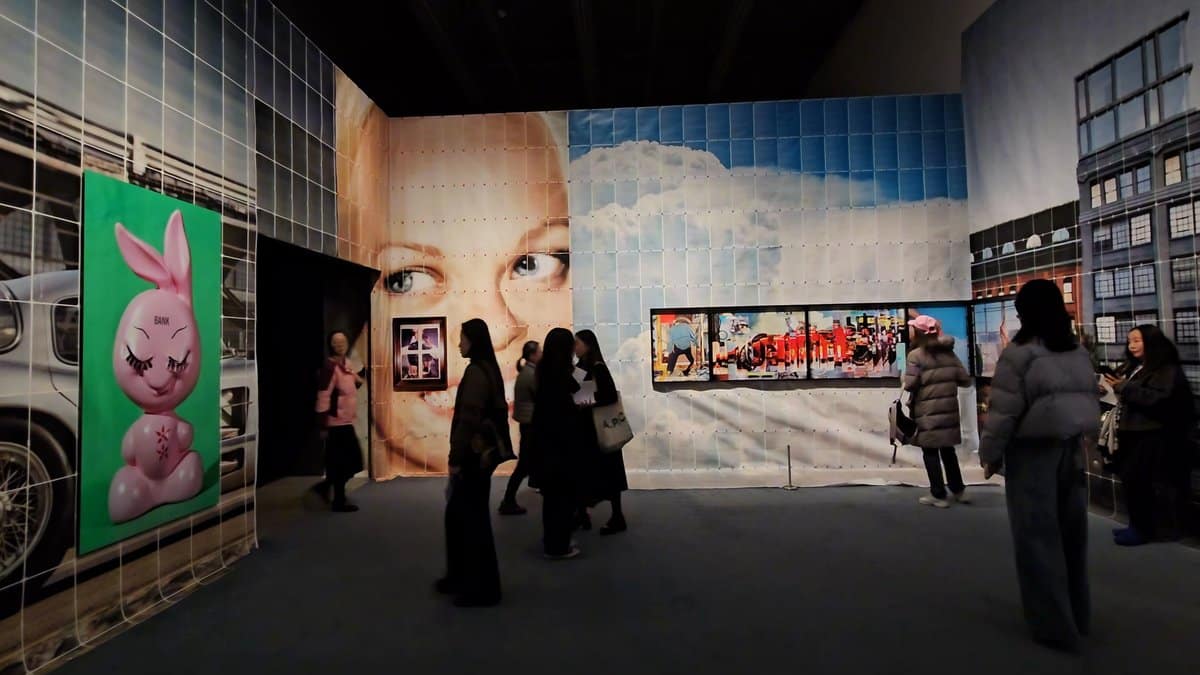
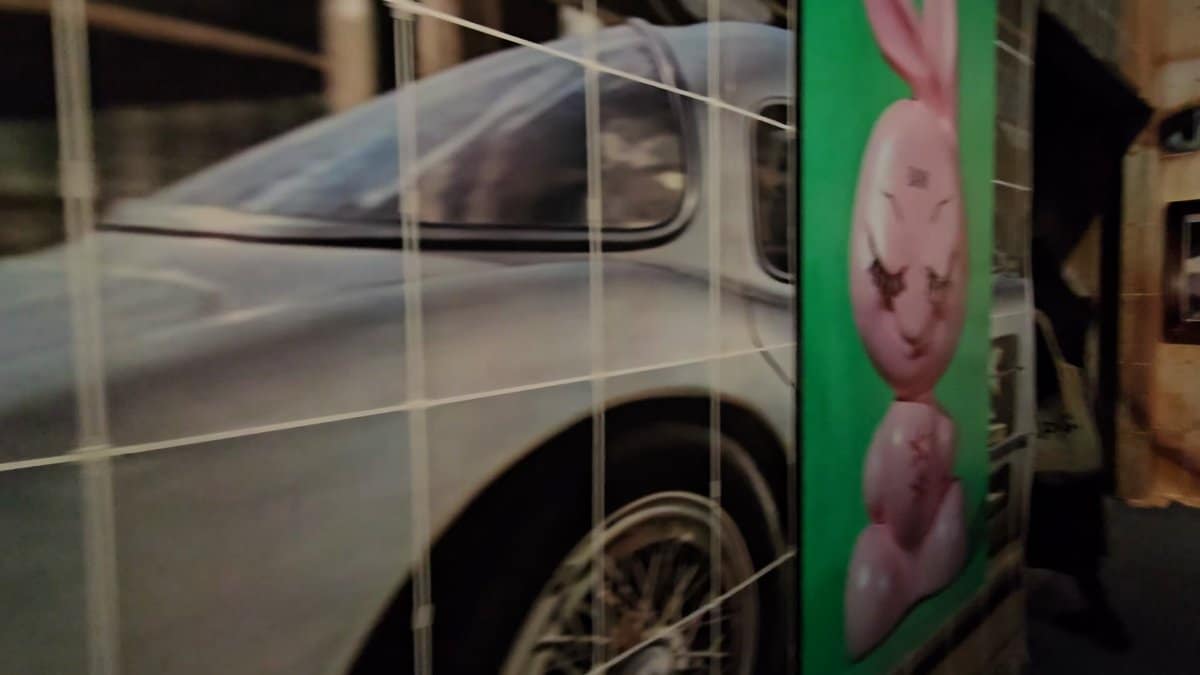
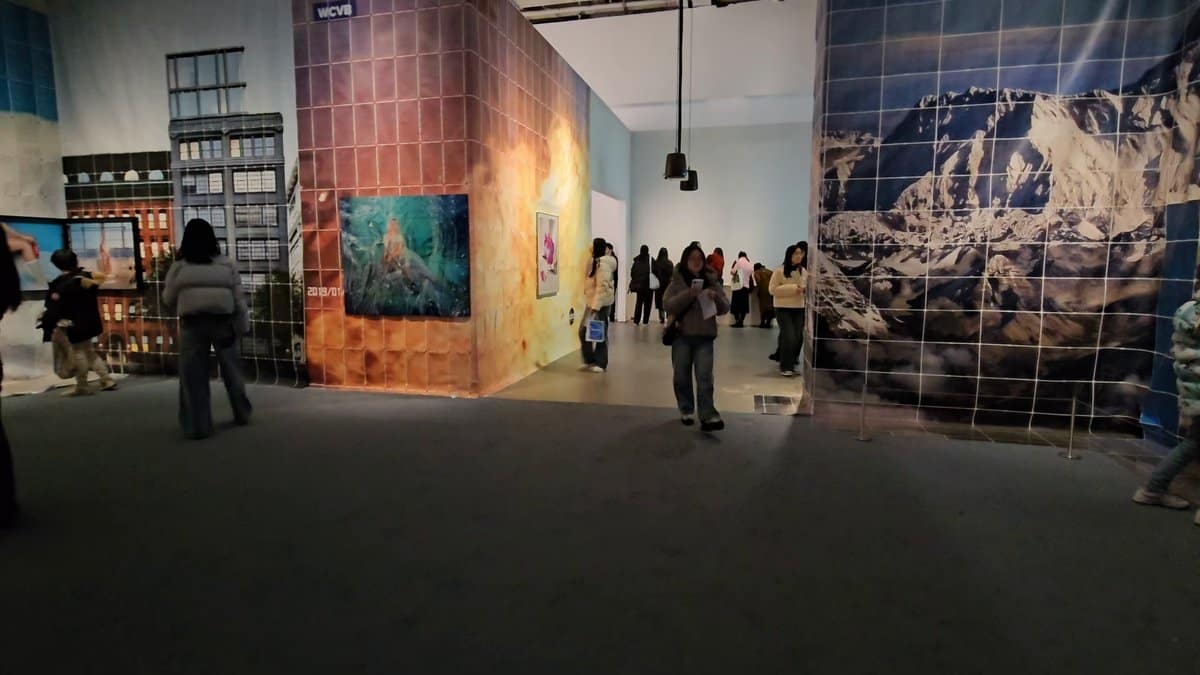
Sometimes all the walls is covered with printed photo panels (either murals or grids). Details come to light upon closer inspection, a stretch of landscape, a parking lot, street scenes blown up beyond comfortabley resolution. Blur and grain become noticeable at that scale, apparently the point.
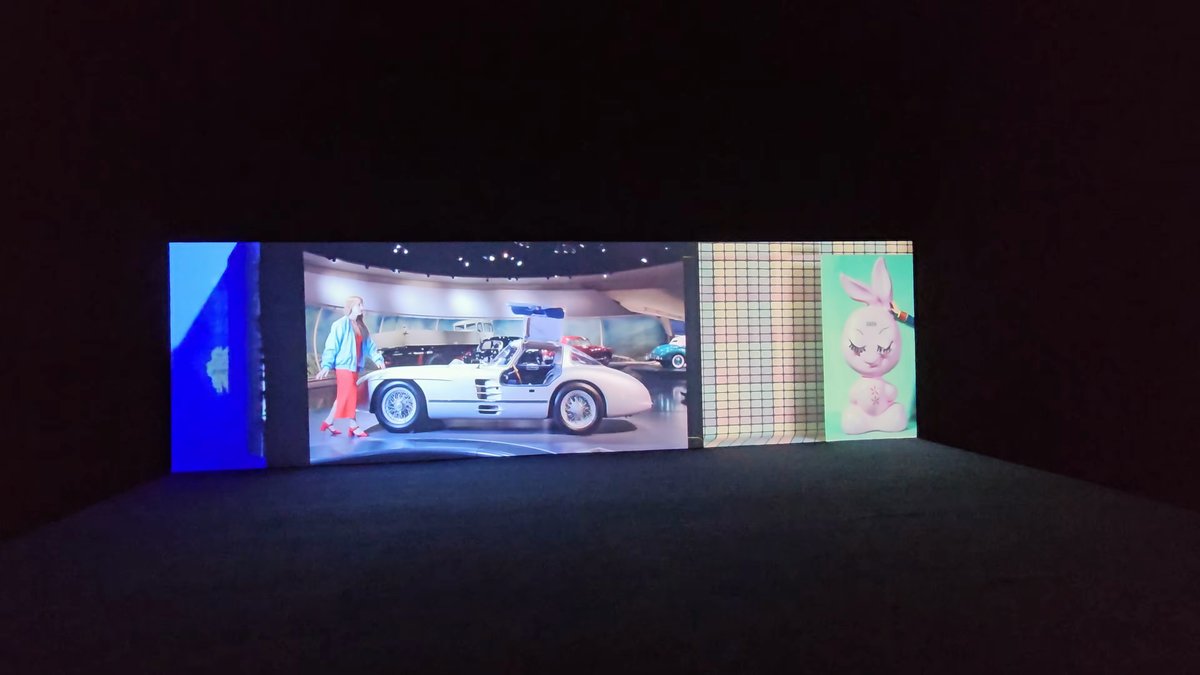
Video work has its own darkened rooms, where the projections runs on loop. If the door’s open, sound bleeds a bit into the corridors. Usually there’s bench seating.
Depending on your patience and the length of the loop, how long will you stay?
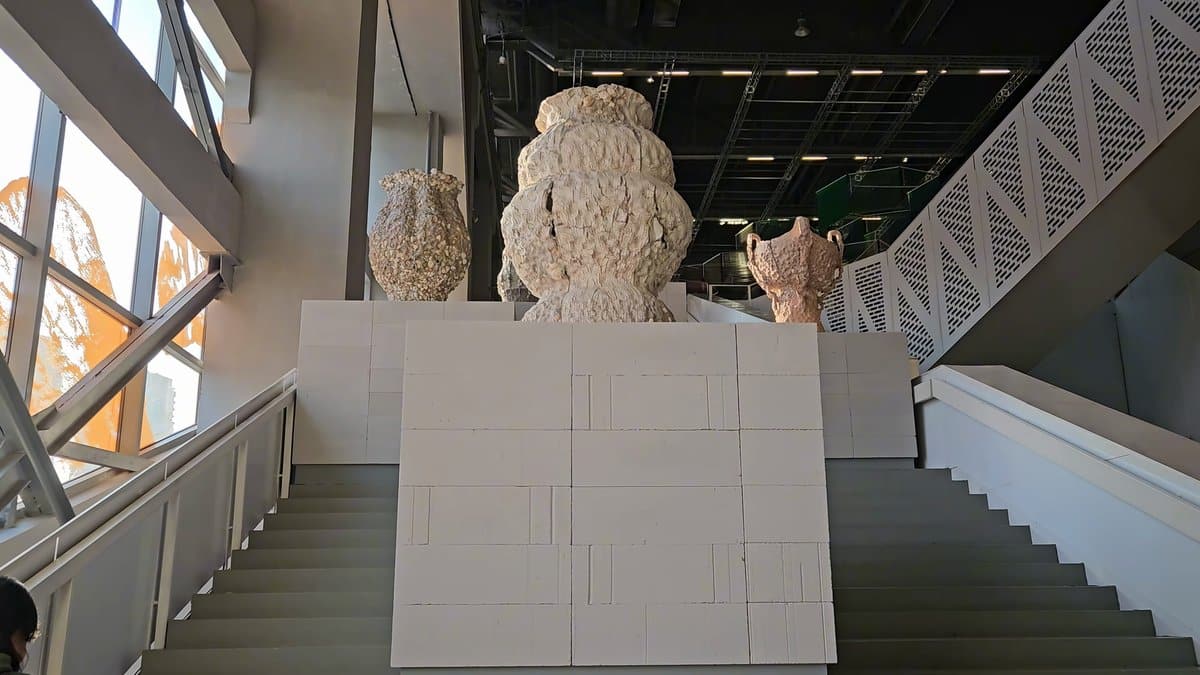
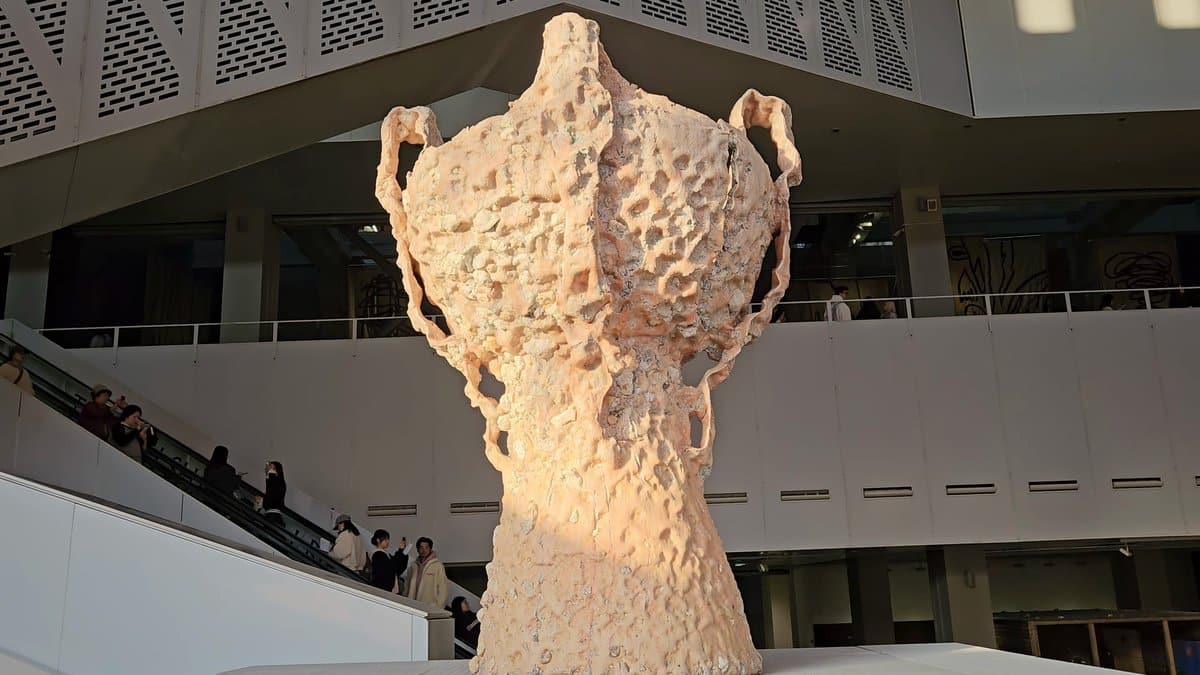
In the atrium, sculptures tends towards the large and pale. Here surface texture matter, matte, rough, pitted. Daylight from the upper floors help, and you can walk around them.
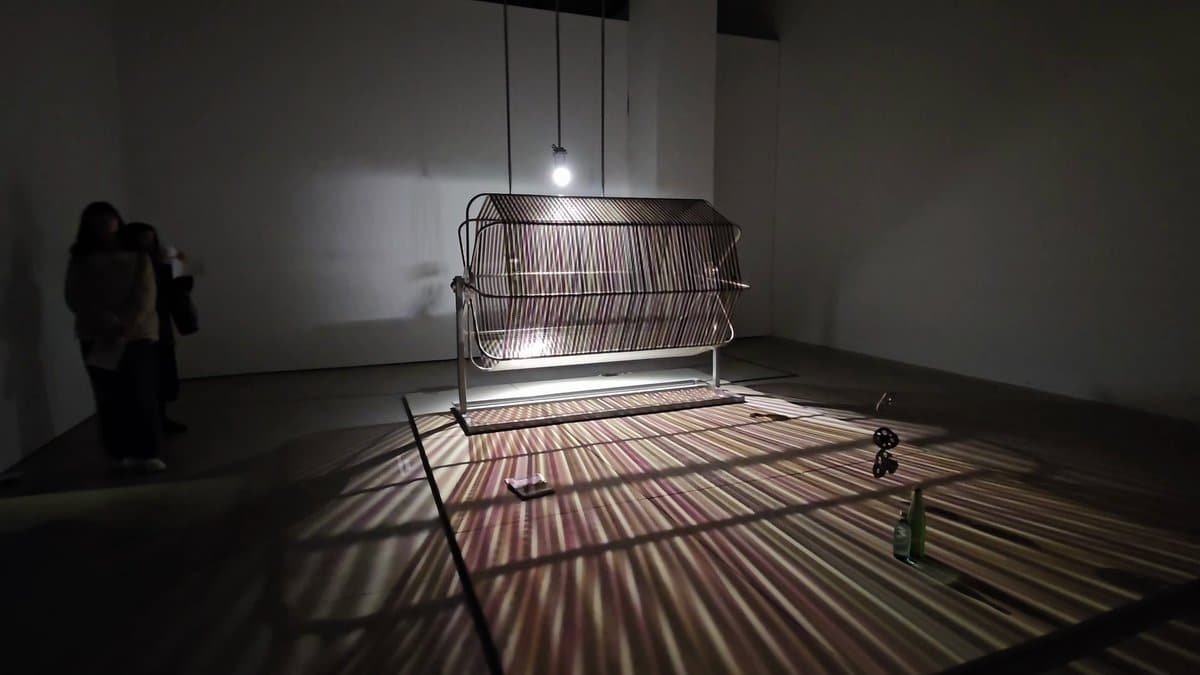
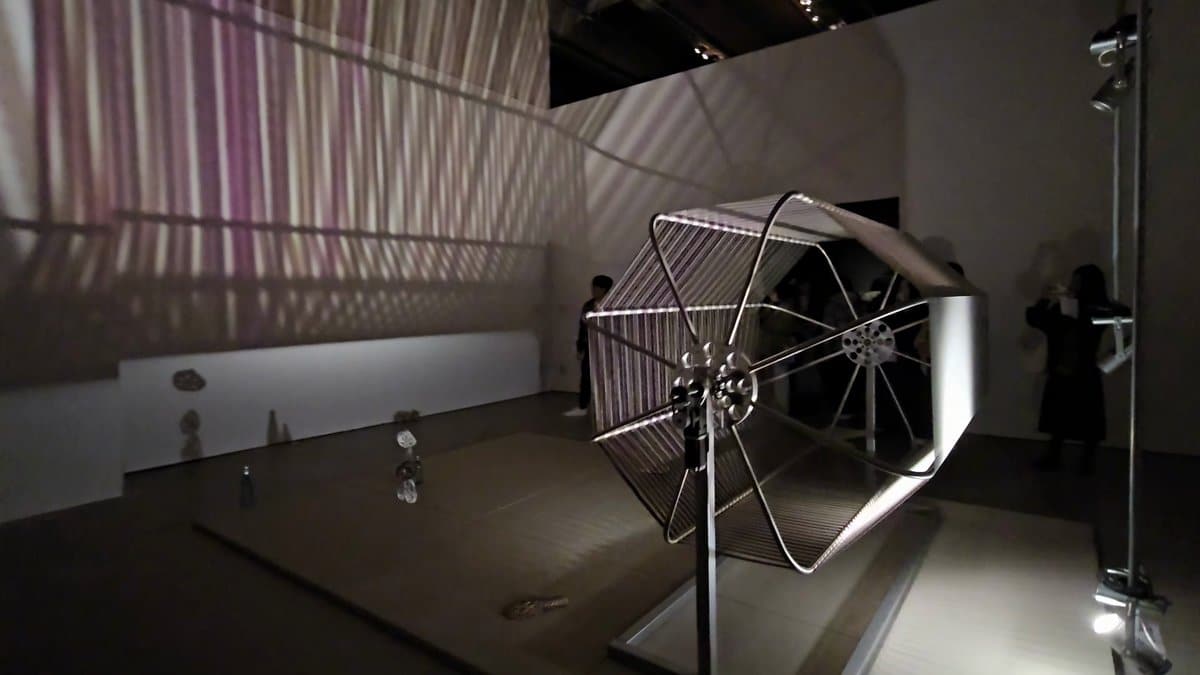
Metal sculpture vary from kinetic pieces with moving parts to static frames. Some pieces reacts to sensors or shift slowly, while others has fanned blades and hinged joints. An industrial setting are suited to such work.
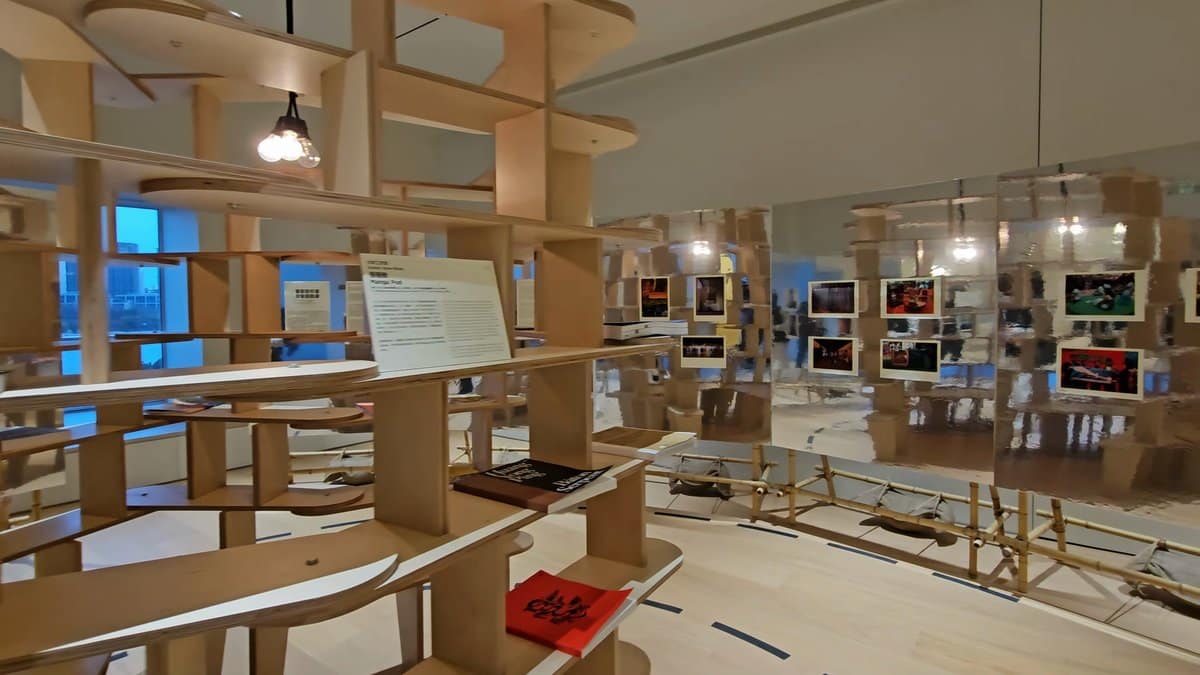
On one of the top floors there’s a little reading room with timber shelving full of art books and exhibition catalogues. There’s hardly anywhere to sit. It’s not busy and it’s quiet but useful for taking a gallery-break or digging into some background on a show.
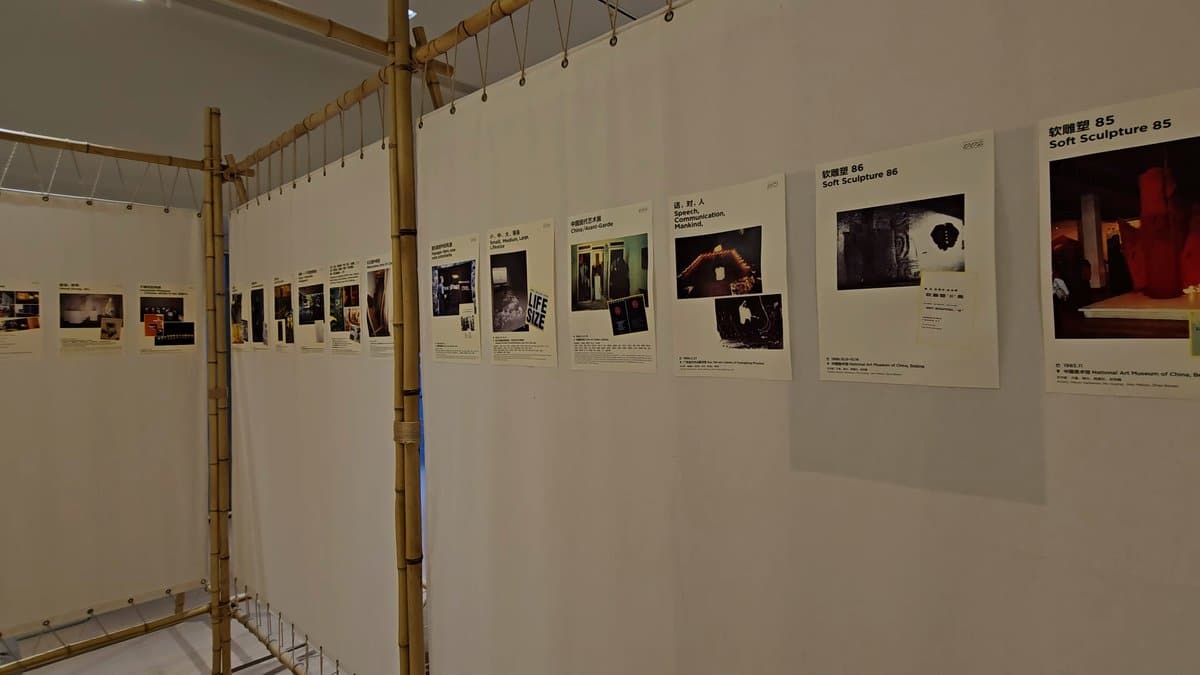
Modular structures is sometimes erected in the open spaces, along with scaffold-mounted panels that seem provisional, as though the museum is still working out what to do with each corner of the building. Sometimes these become temporary displays themselves. There’s also a basic café (sandwiches, pastries, coffee) and a gift shop selling art supplies and exhibition catalogues.
They’re fine, but nothing special. What it really has going for it is the building, which makes for an interesting visit. And since the exhibits change regularly, seeing something new every time can make repeat visits seem like entirely different experiences.
Some of the exhibits are better then others, so check out the website beforehand to see what’s up. How does this space compare with other purpose-built galleries in your experience? Have you been to any converted industrial spaces that have become museums?