The Long Museum are the heavyweight anchor in Shanghai’s West Bund, an industrial waterfront that has been transformed into one of the most ambitious gallery districts in the city. Architect Liu Yichun carved the private museum from a former coal wharf. The museum keep the raw concrete feel of an industrial building but turns it into a proper exhibition space.
It house a huge collection of traditional paintings and Chinese revolutionary art amassed by two of the country’s most active collectors, Liu Yiqian and Wang Wei. So be prepared: part of the experience is visiting a building that’s more cathedral than white cube, with soaring vaults and exposed board-marked concrete galleries. Prepare yourself for a collection that swing from ancient calligraphy to twentieth-century propaganda painting.
There’s so much stuff on the walls it can be overwhelming if you attempt to take it all in during a single visit.
A Concrete Cathedral for Chinese Art
Long Museum Shanghai
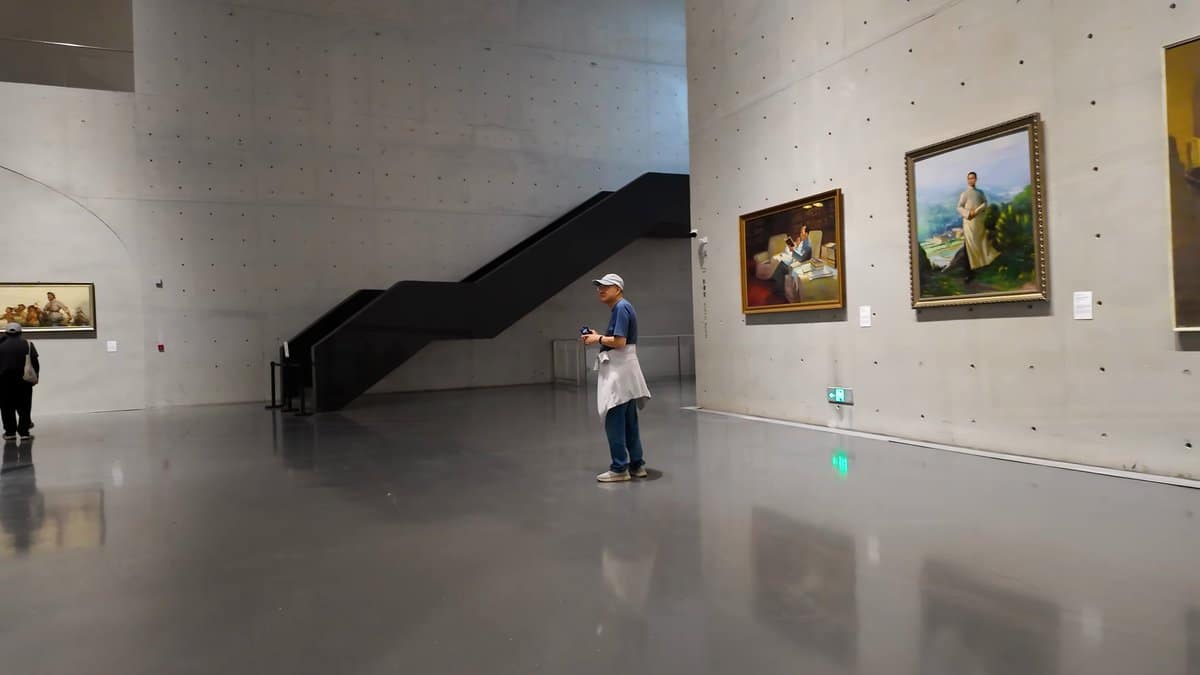
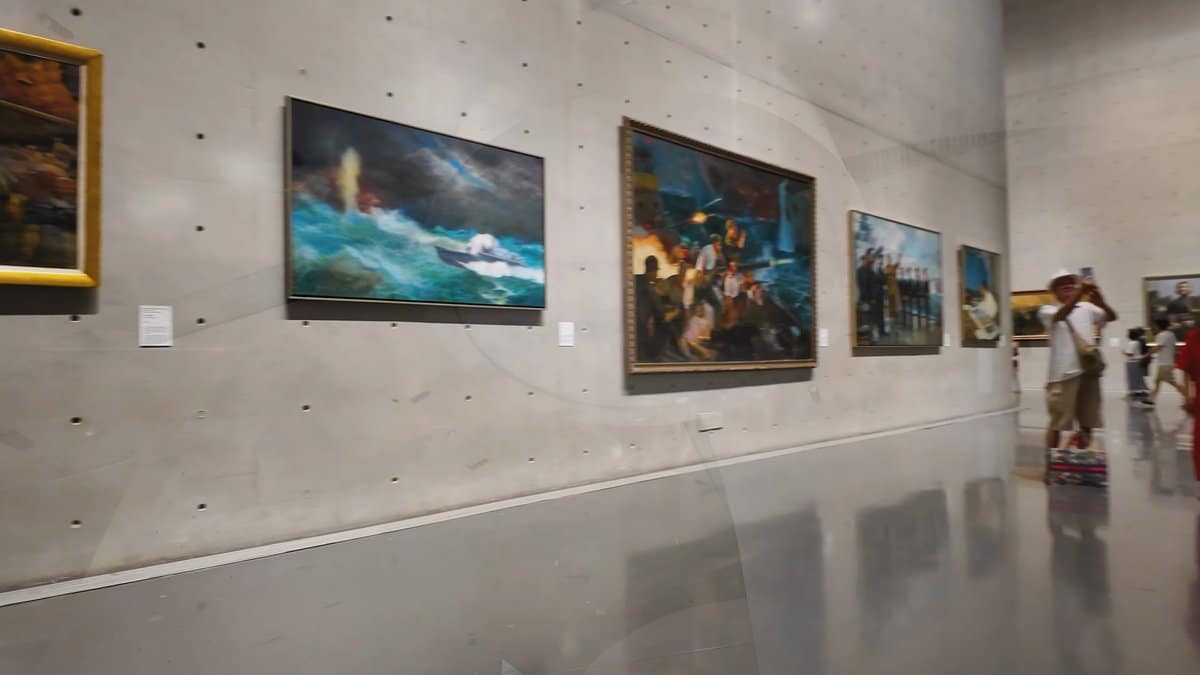
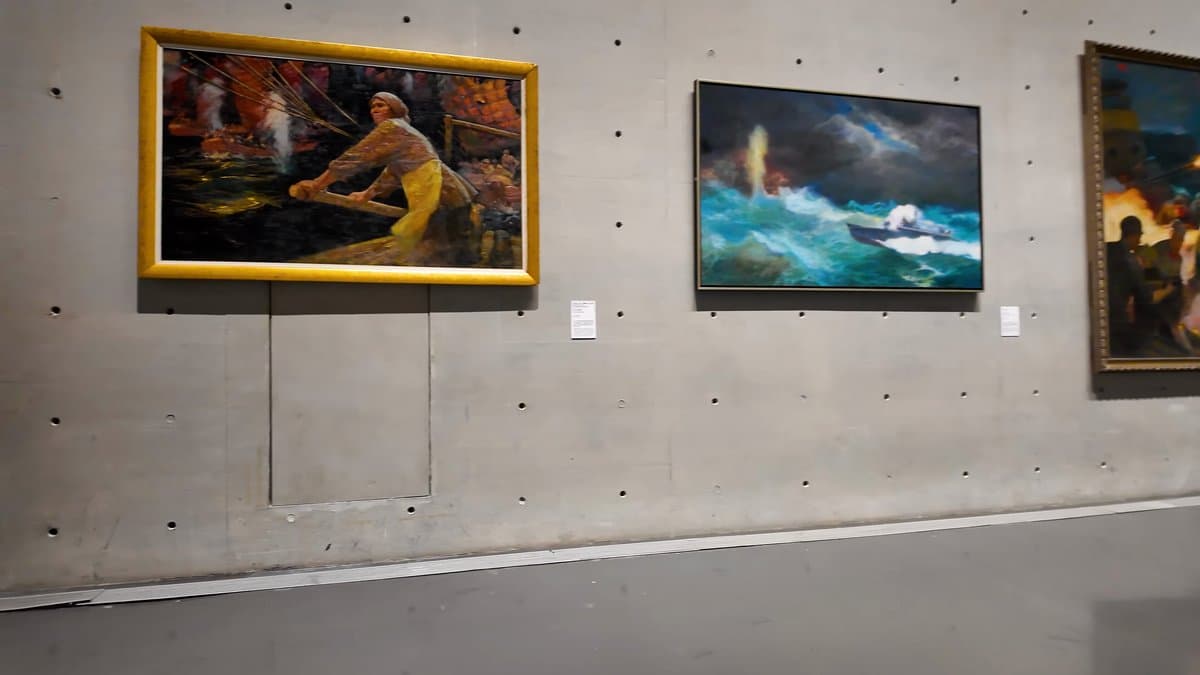
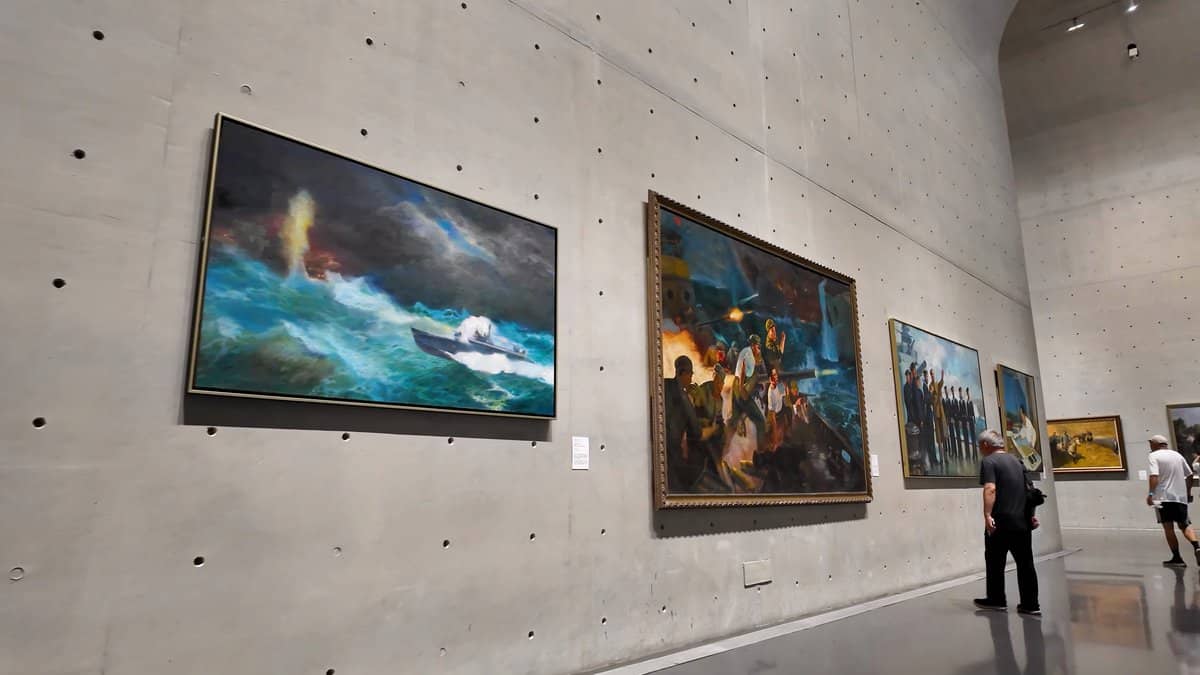
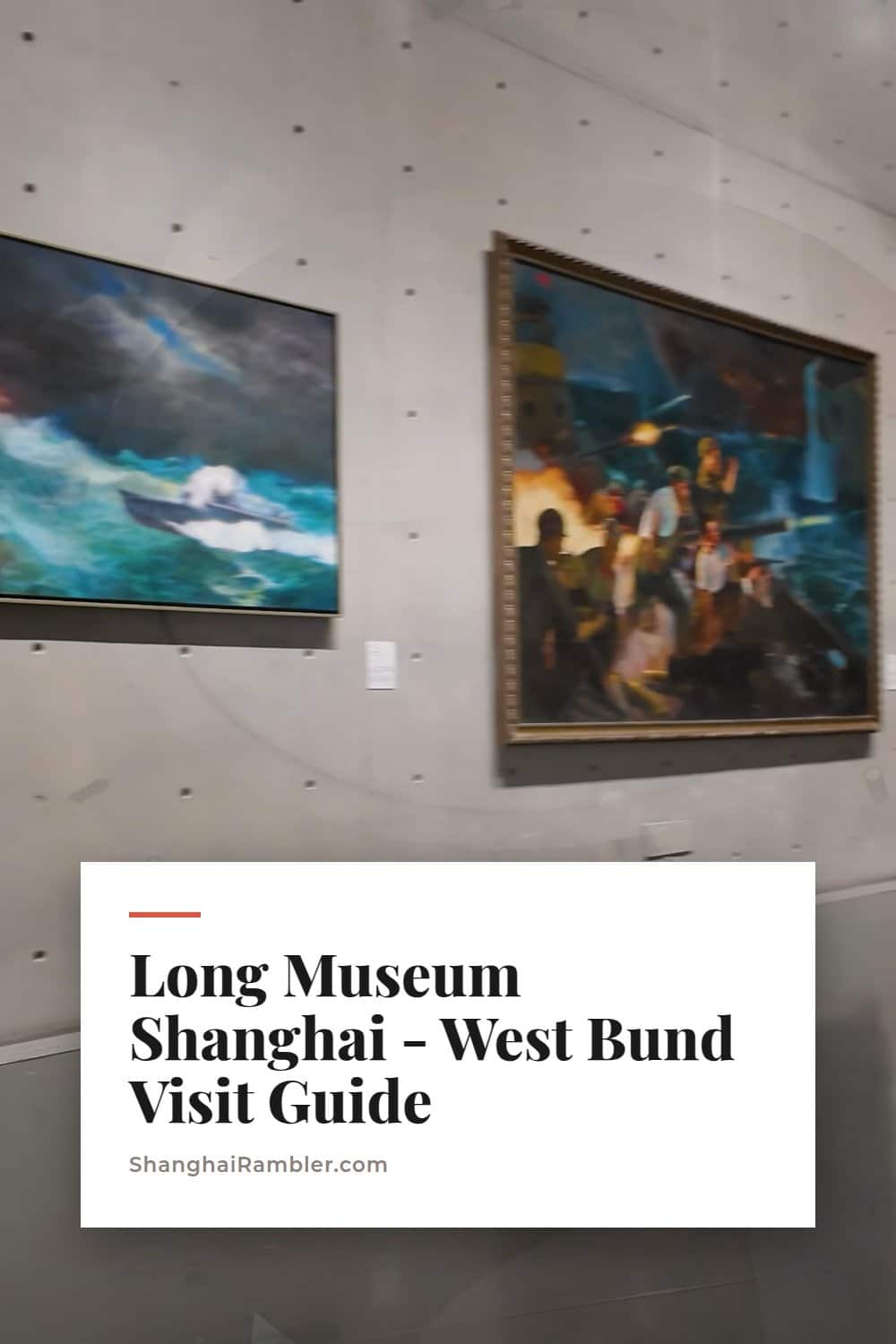
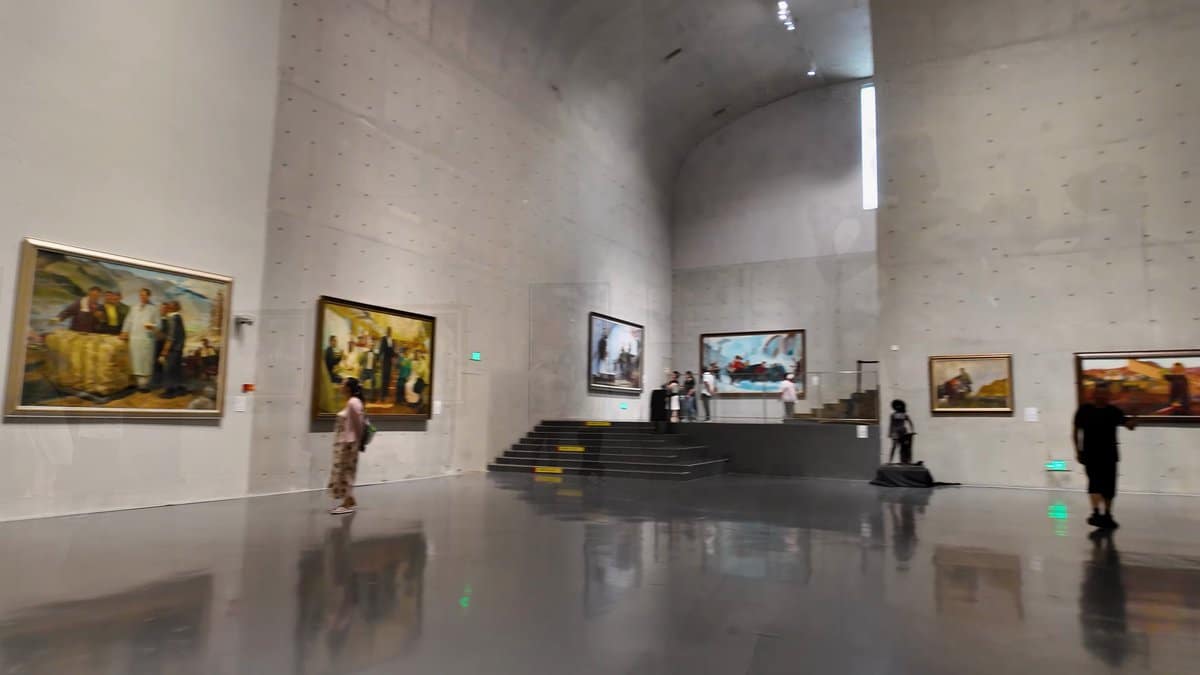
Throughout, the scale and texture of the old building is retained in the permanent galleries, which extend in a series of barrel-vaulted hall. In some rooms, the concrete walls is curving and dozens of canvases is hung salon-style, stacked from floor to ceiling. Track lighting does its best to create individual spotlights, but you can still see the board-formed concrete texture beneath the frames.
Long rows of room draw you down, with gilt frames receding to infinity; almost as if it were on stage.
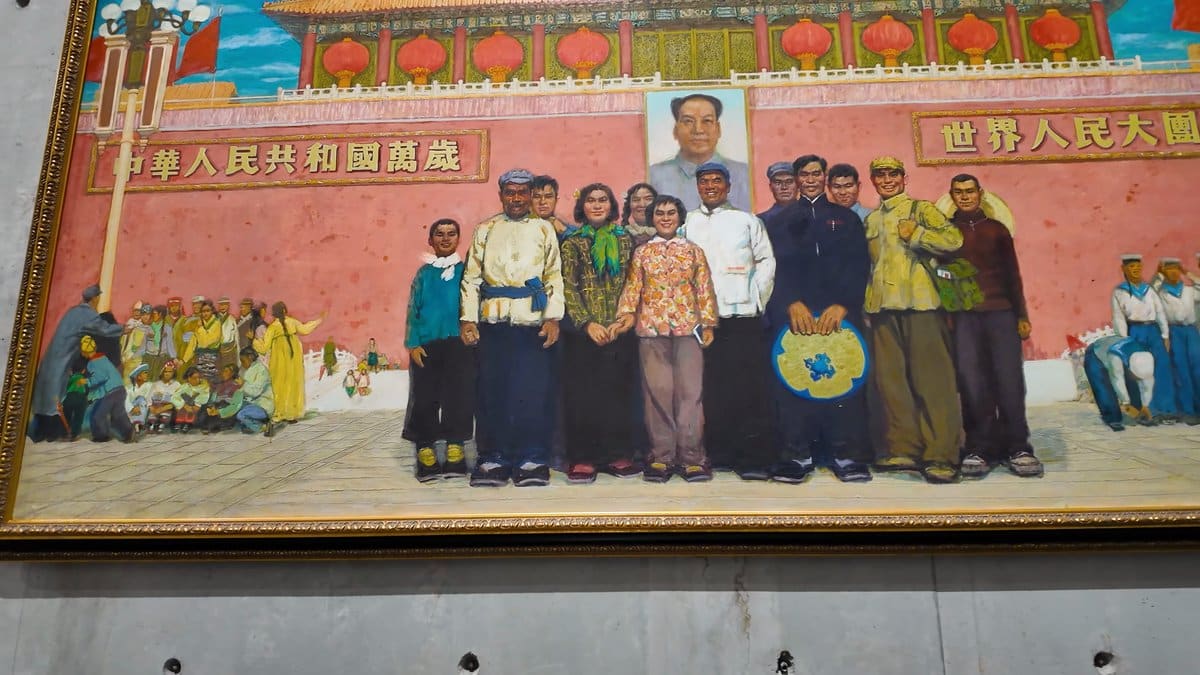
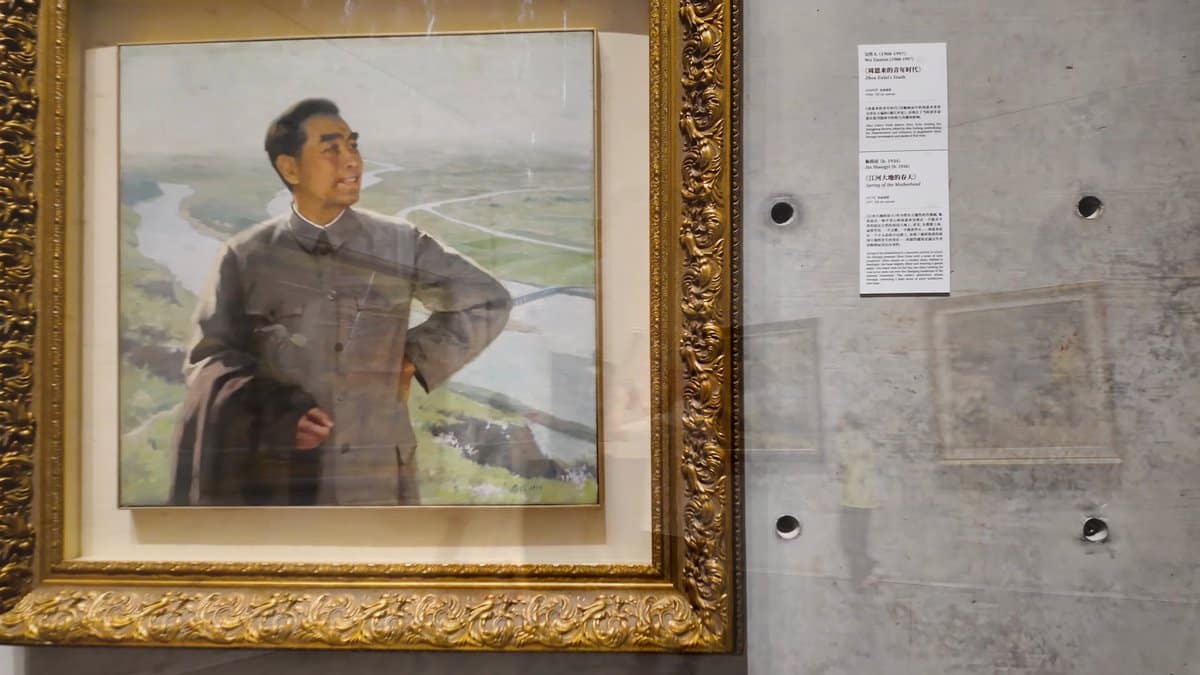
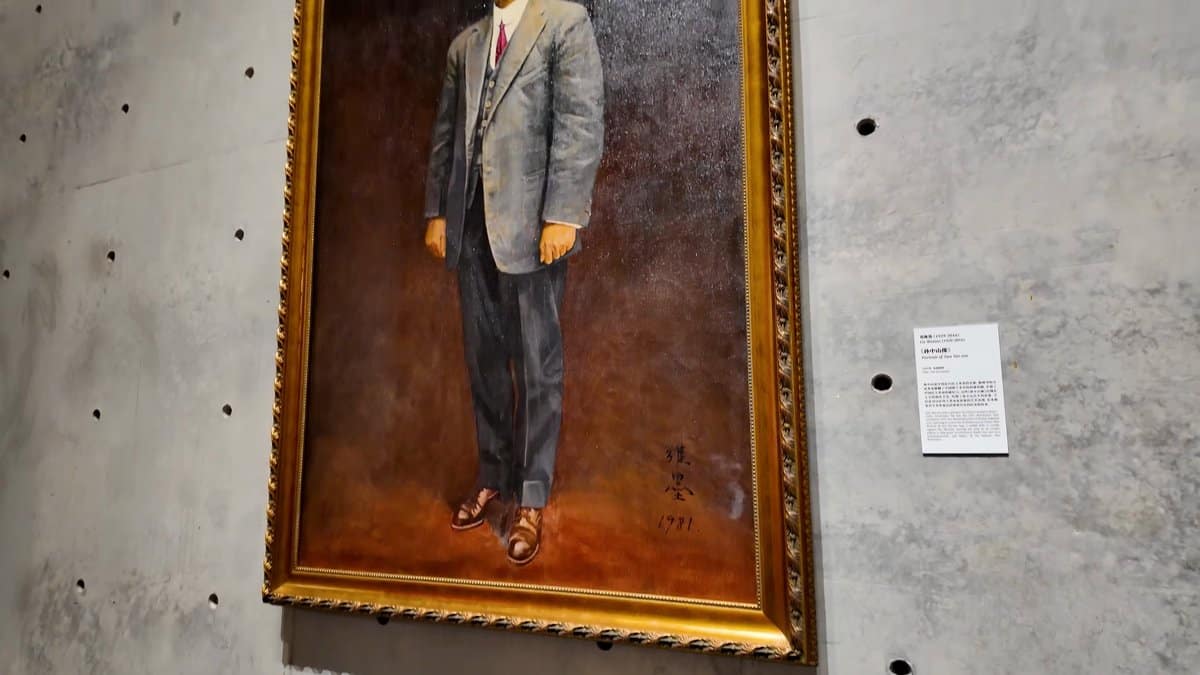
The twentieth-century collection are dominated by socialist-realist paintings. Prepare for the kind of painting that was state approved during the Mao years: heroic group compositions, formal portraits of cadres, and all that stuff. Some galleries is devoted to portraiture.
These feature full-length figures in period dress posed against a neutral background. It’s presented without much editorial distance… What you make of it is up to you.
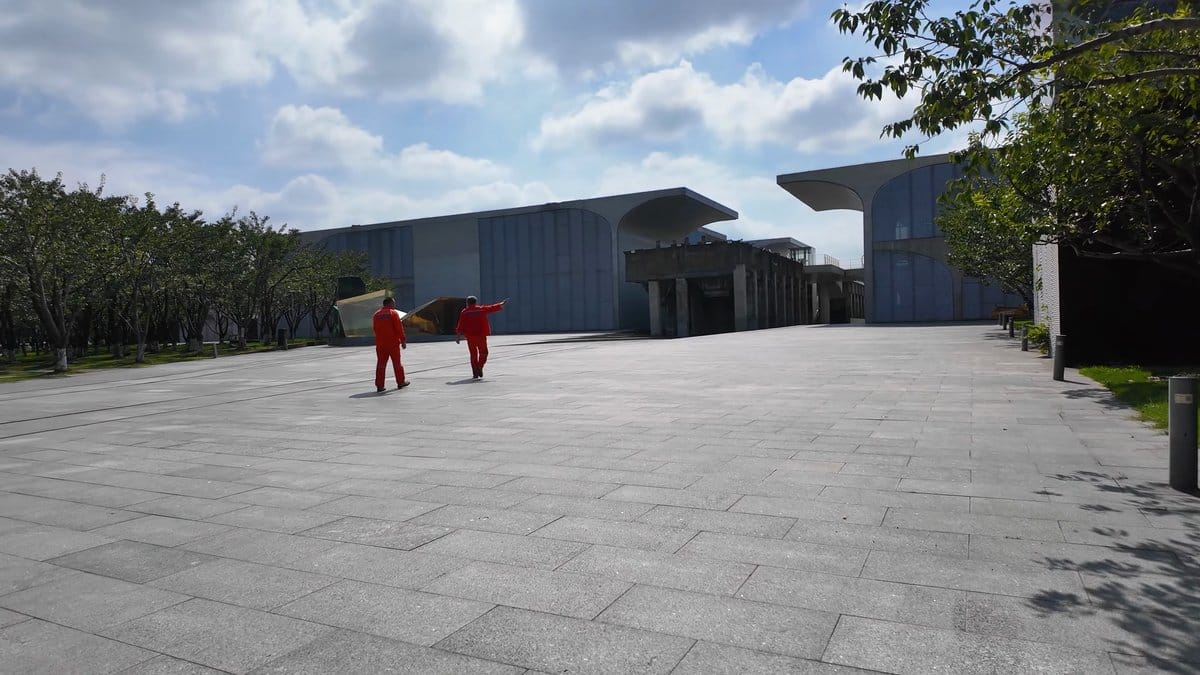
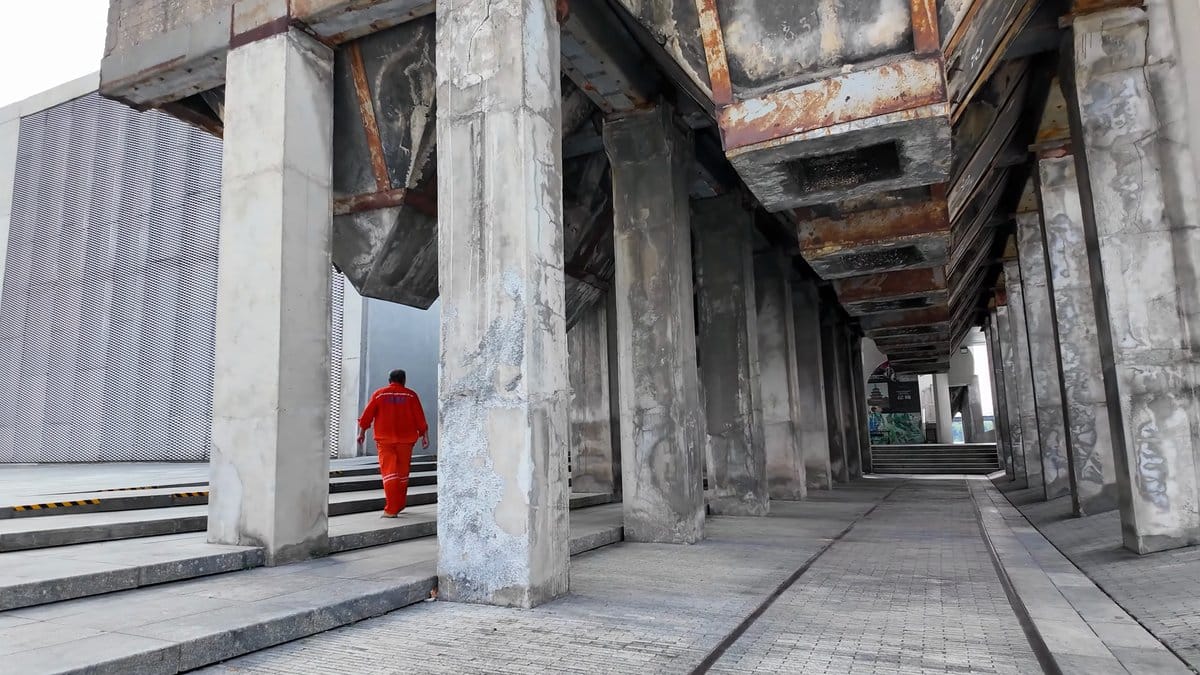
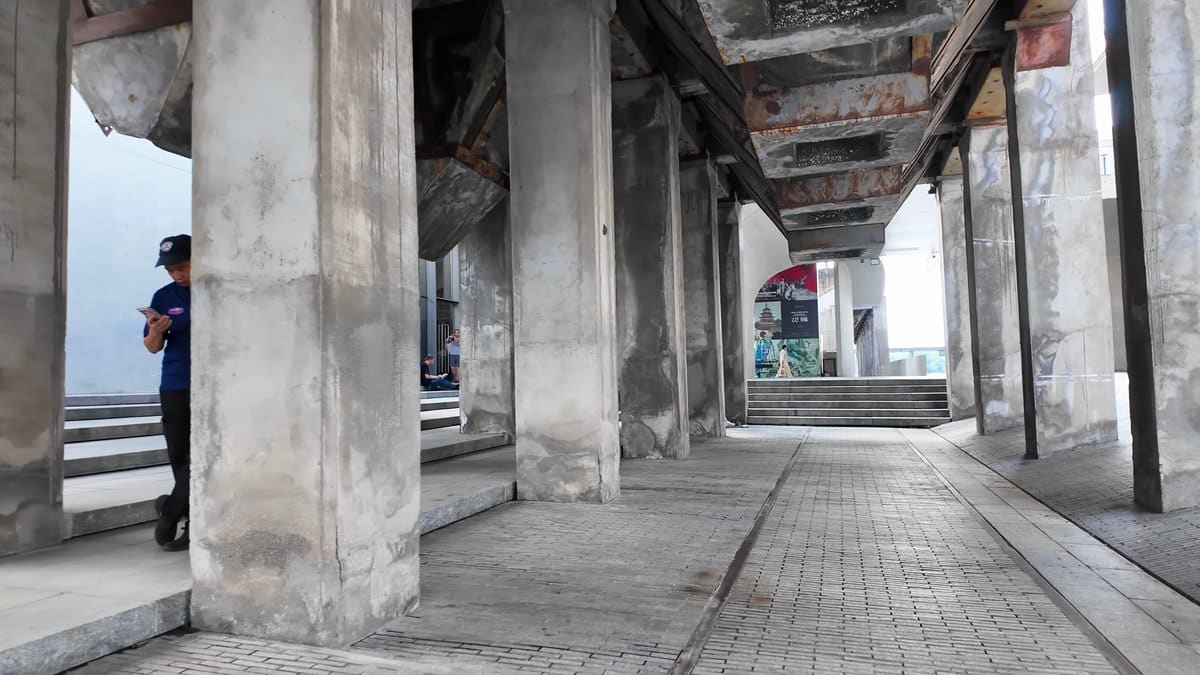
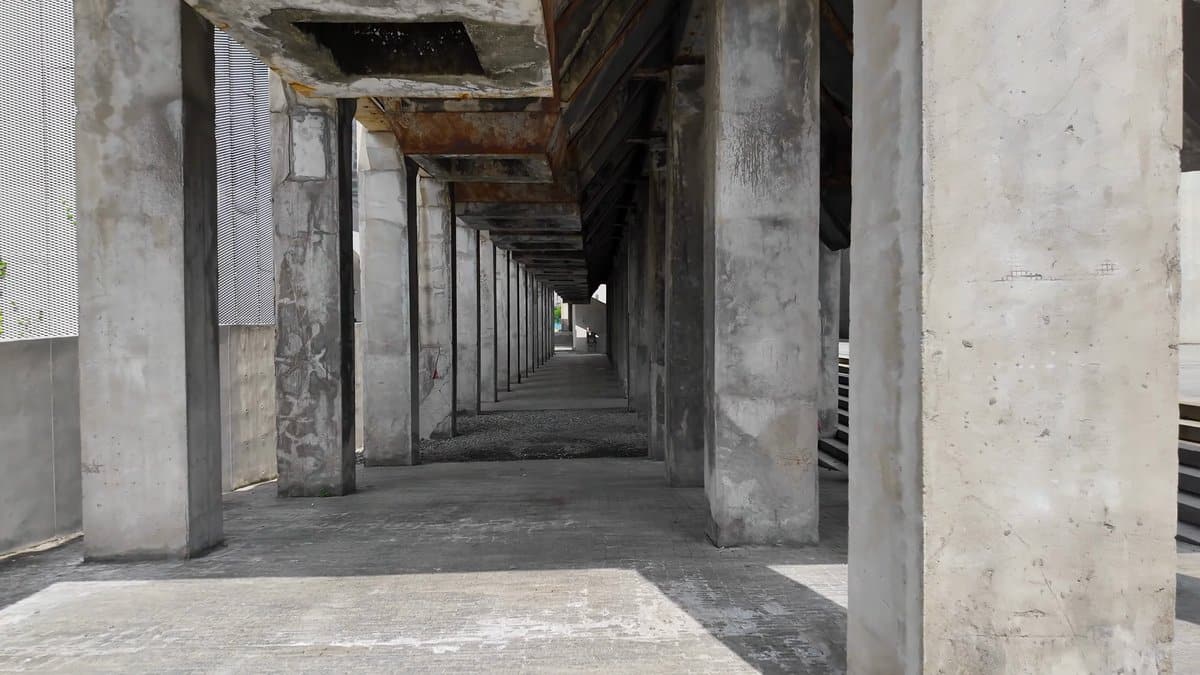
Outside, the museum keep its own profile horizontal and low along the riverfront. The main structure is actualy built over a colonnade of square concrete piers which form a semi-open plaza beneath, giving shade while framing views out across the Huangpu river. It’s monumental but not overly so, with the columns marching neatly along and the space feeling airy.
There is steps leading up to the main entrance at various angles, and the building plays around with changes in level that make the approach more ceremonial then it perhaps needs to be.
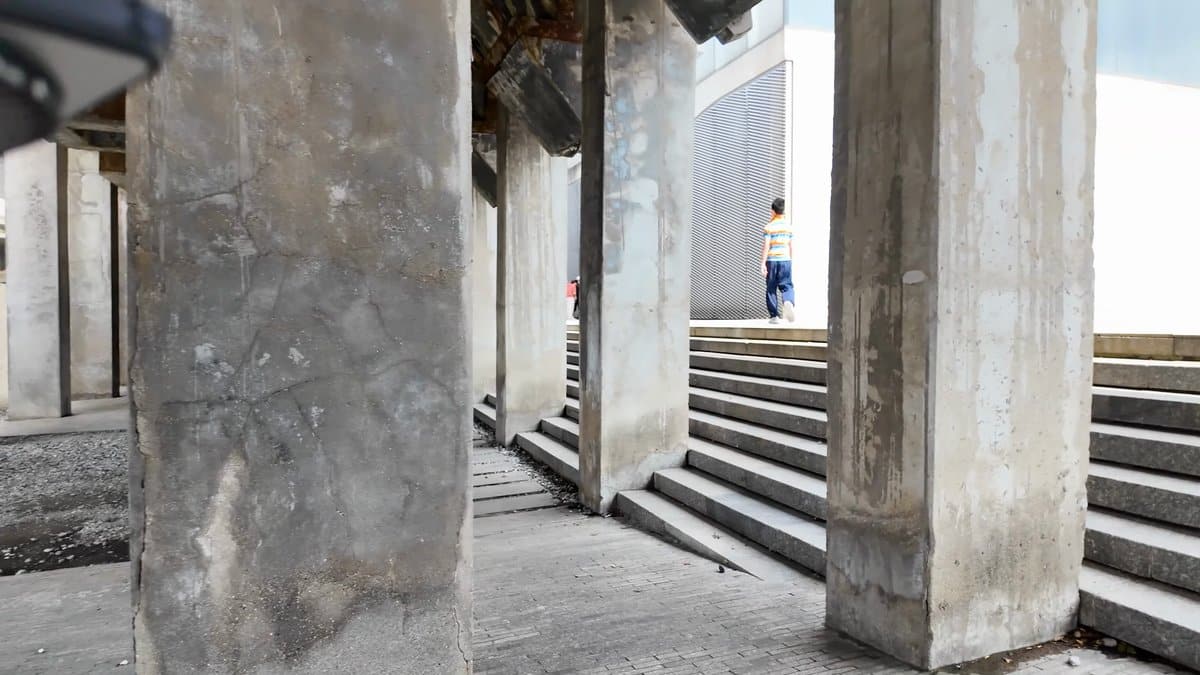
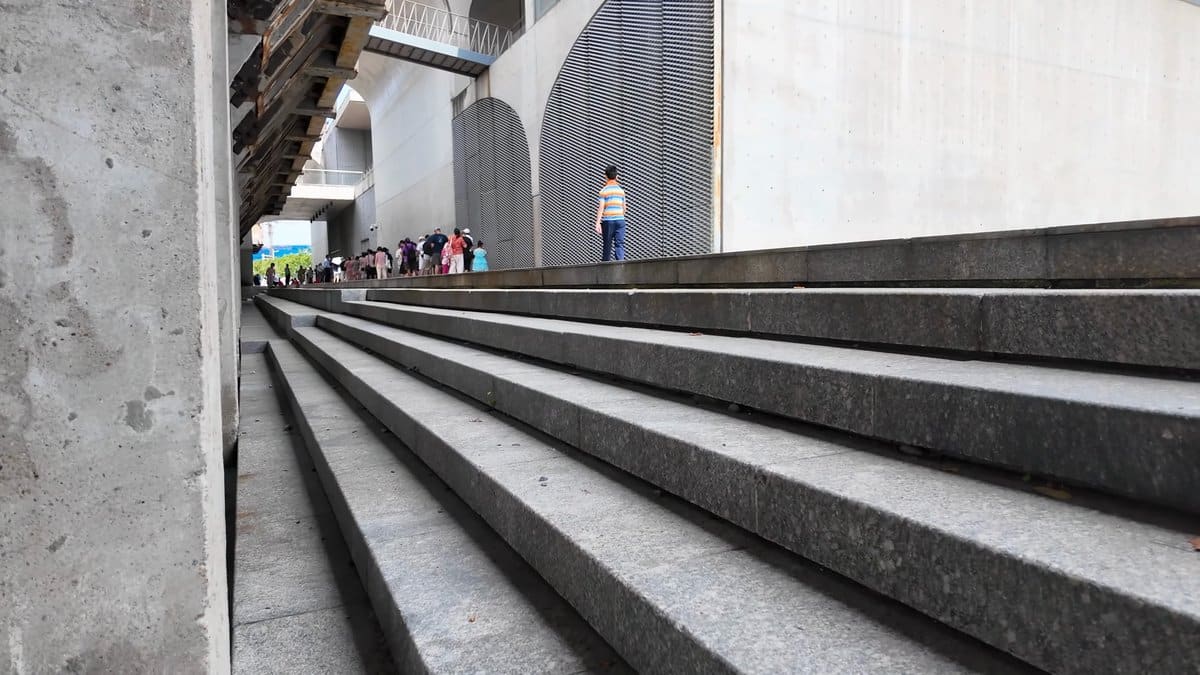
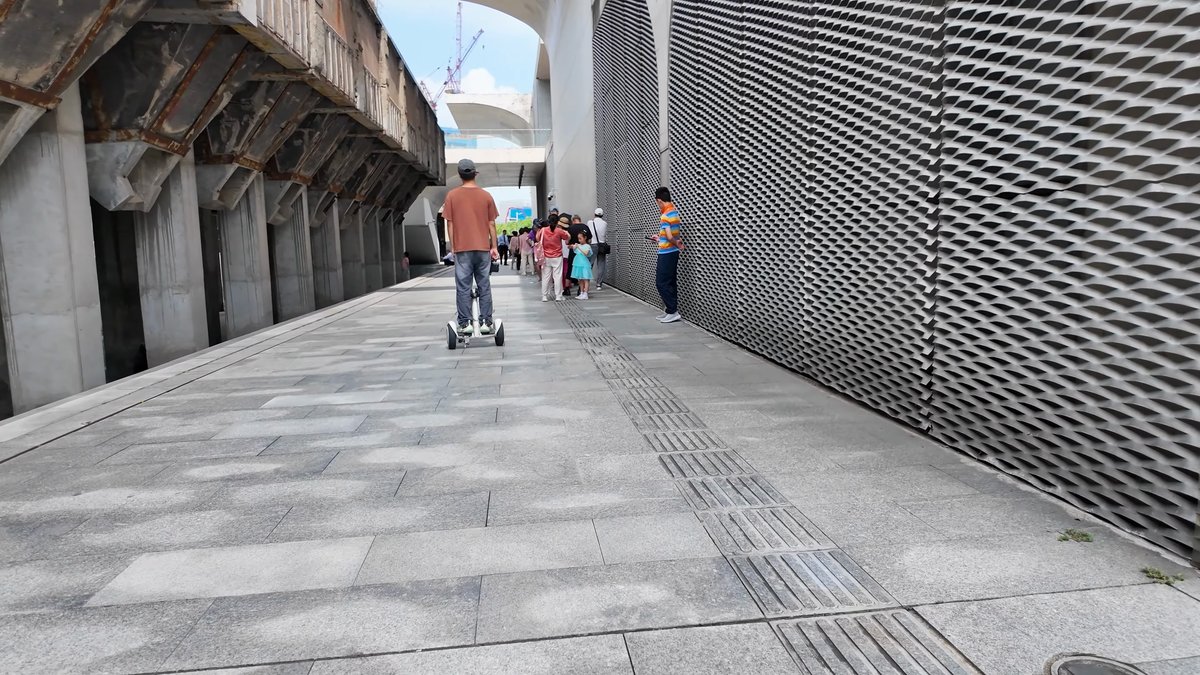
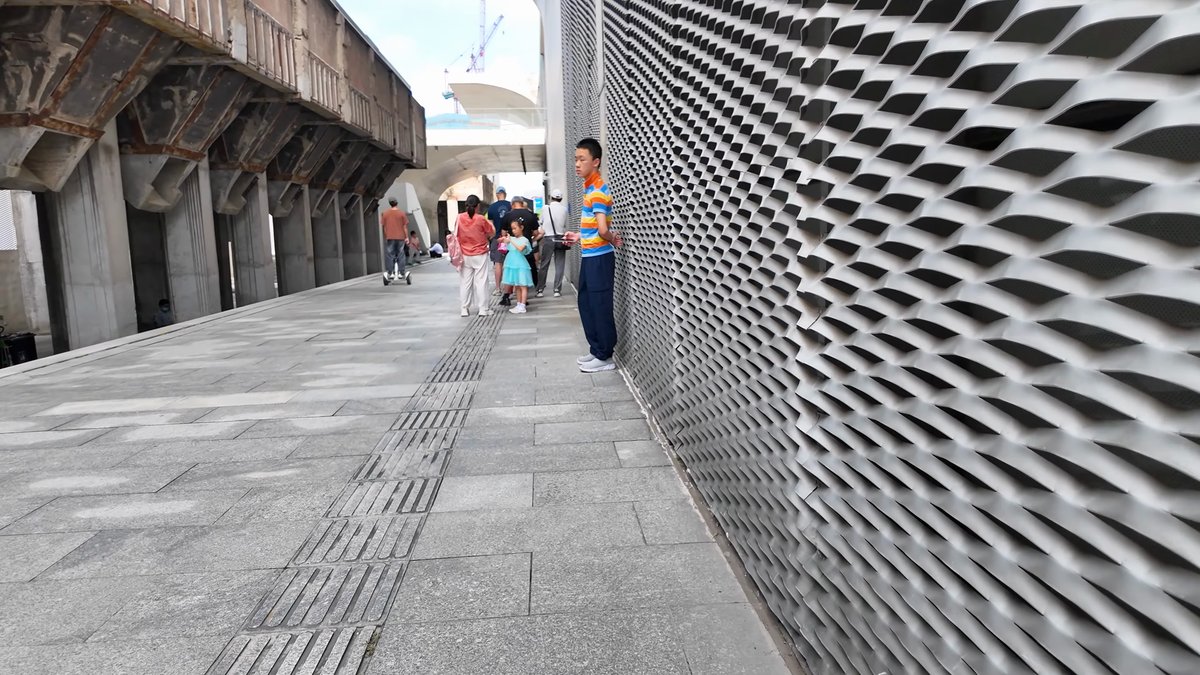
The exterior is wrapped in metal cladding, which adds some contrast to all that concrete, as do the folded panels that catch the light. On cooler days, the plaza can feel windswept, though there’s also the shelter of the colonnade if you need a breather before going inside.
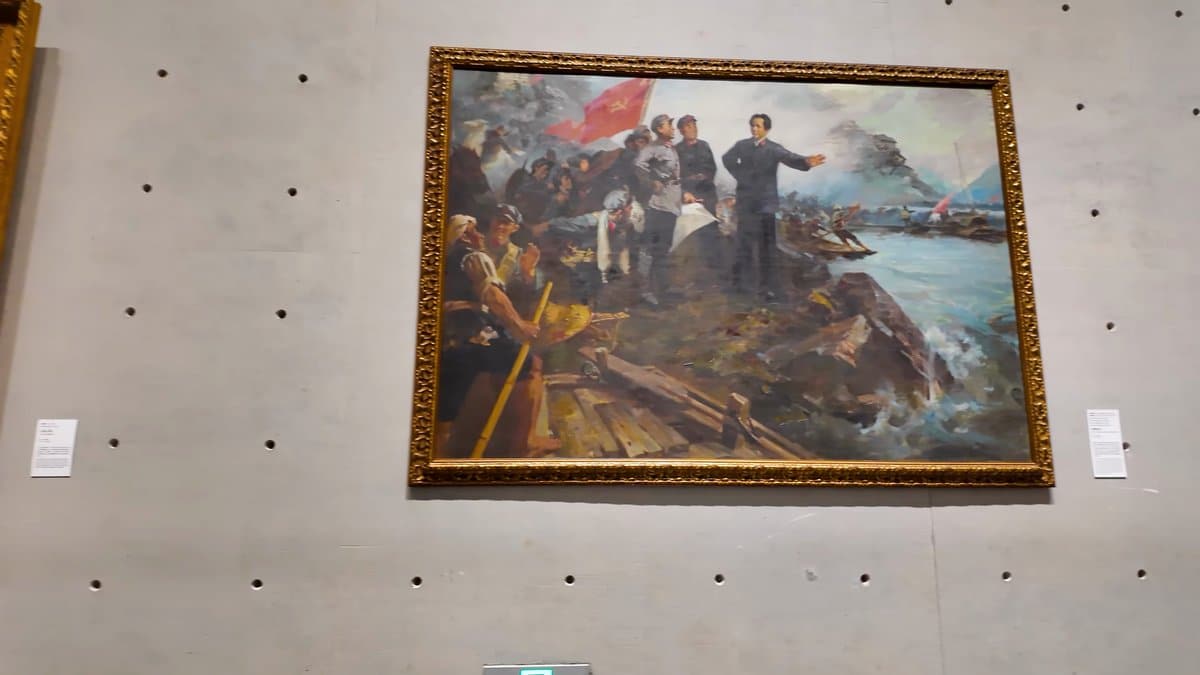
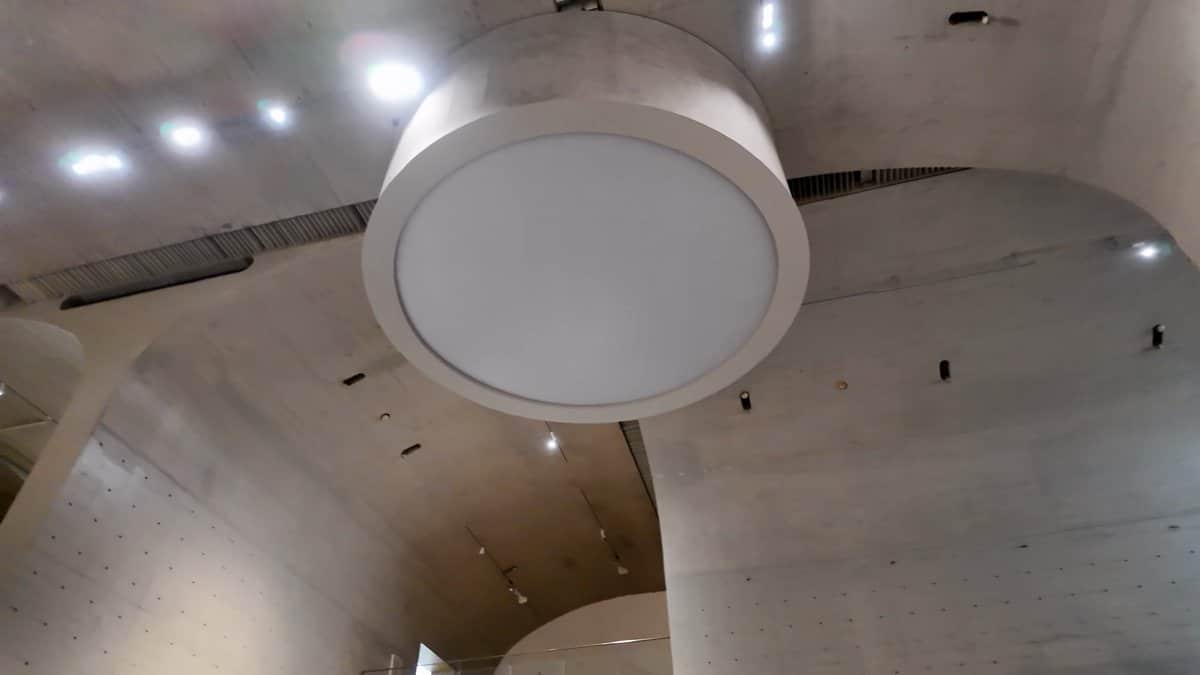
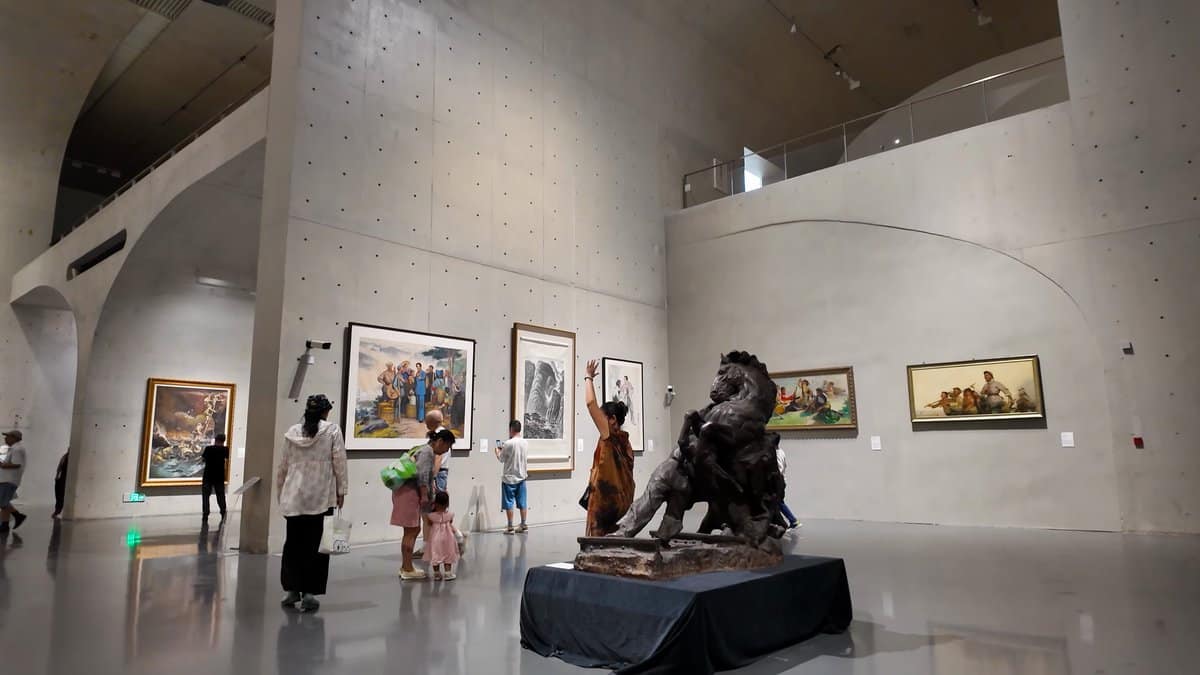
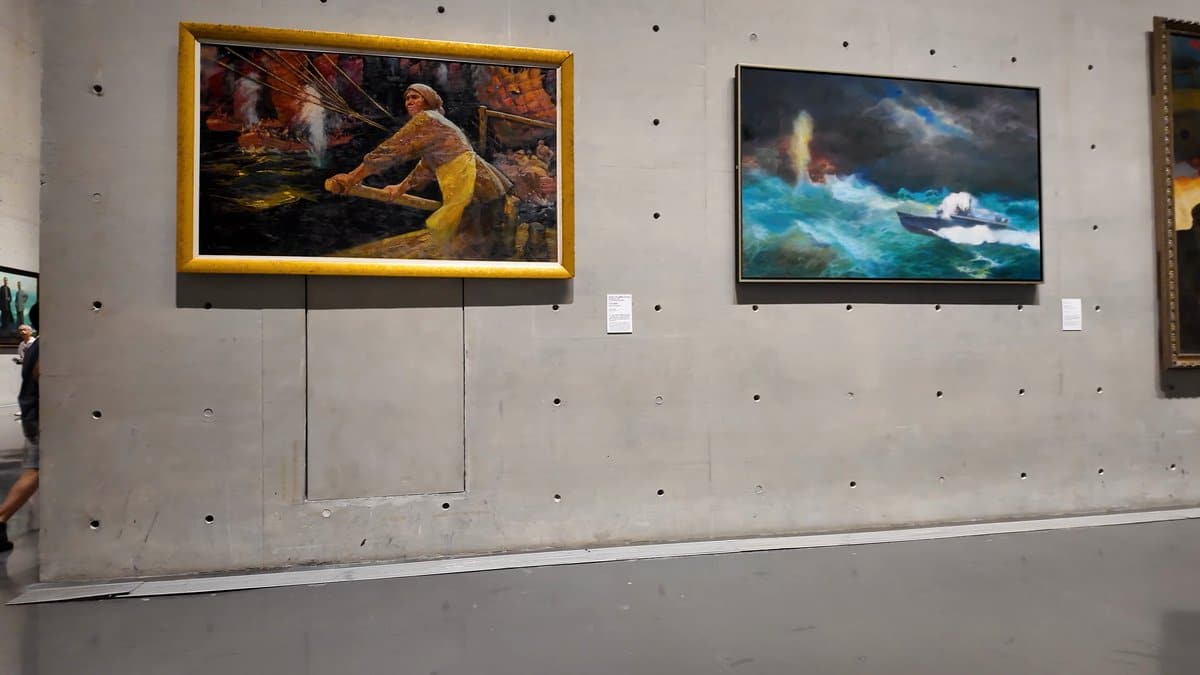
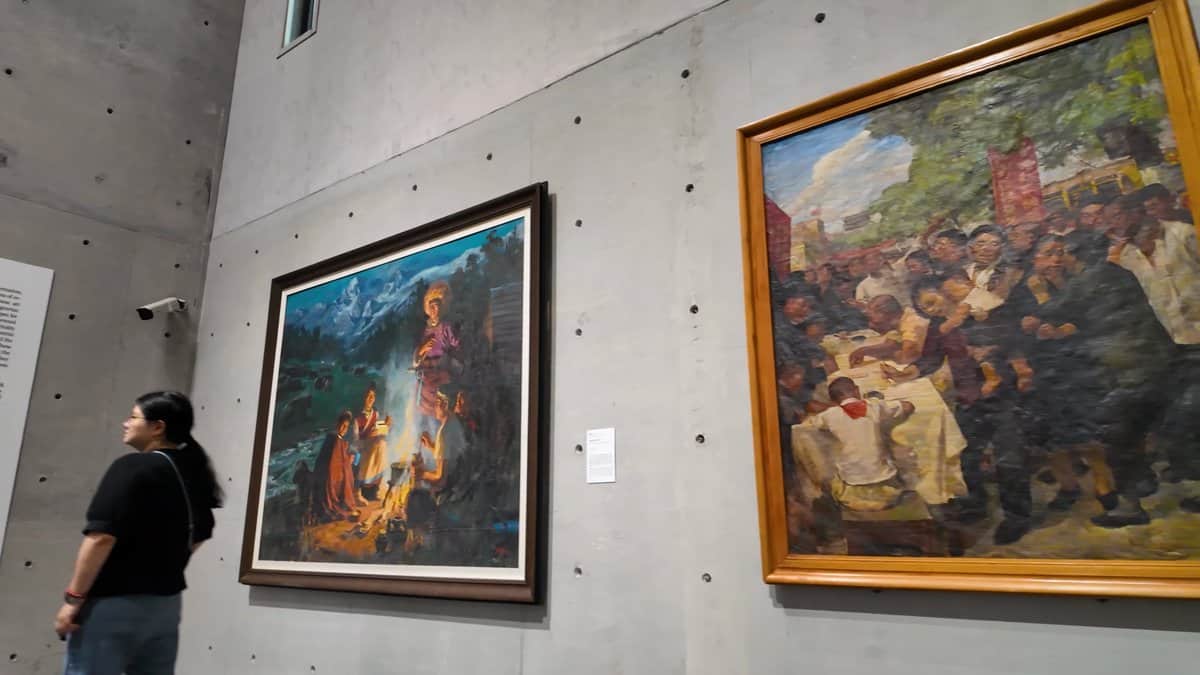
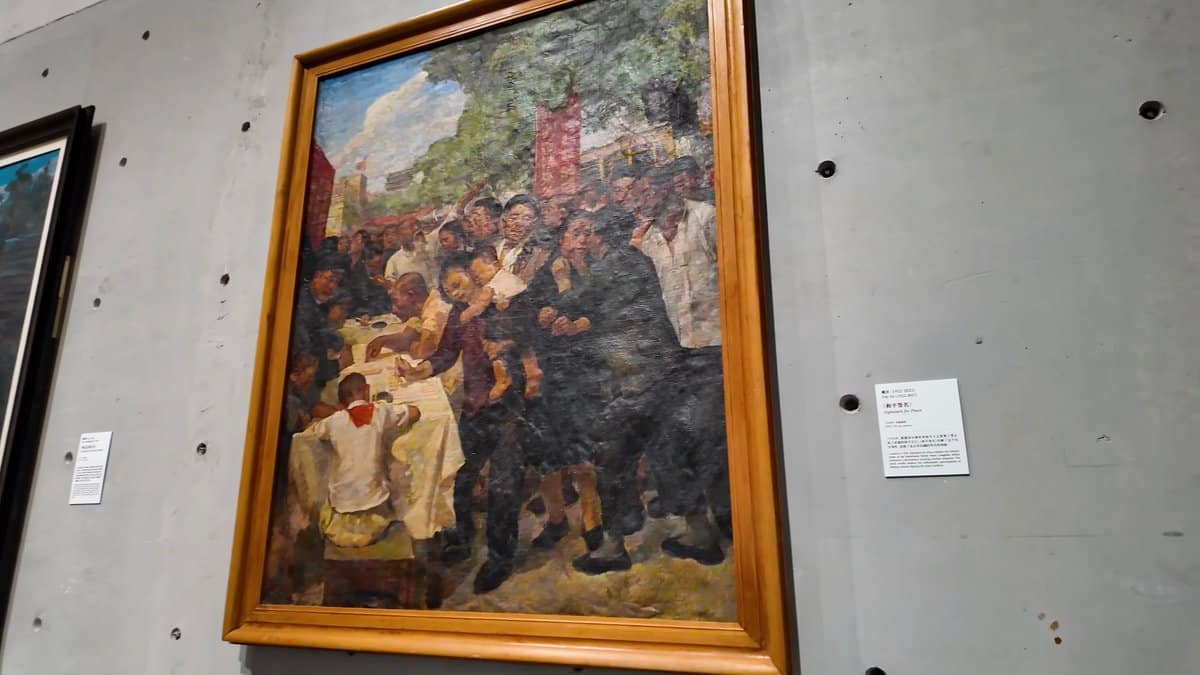
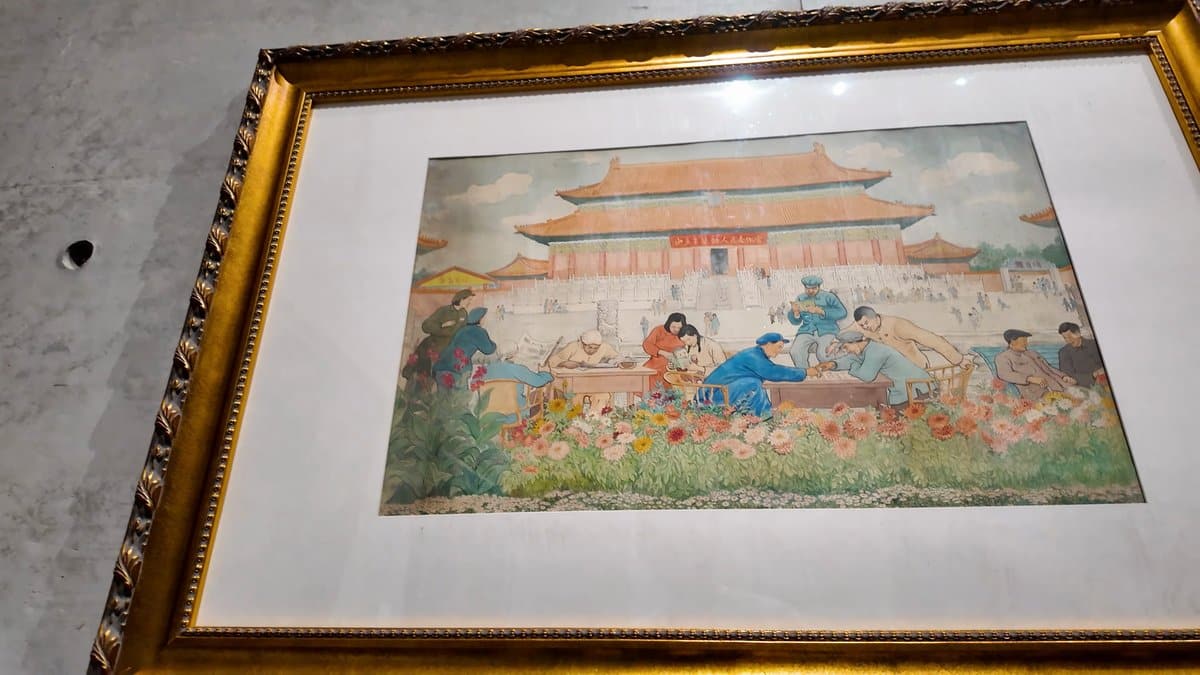
Inside again, you realize how massive the vaulted halls are: their arc over your head dwarfs even other visitor. Pendant fixtures dangle from the very top, adding nothing much to the space’s industrial bones. There is huge historical scenes; gilded-framed images of revolutionary meetings and palace interiors; seascapes; figure groups.
Some of the rooms is chronological; some are thematic. Frankly, the curation can feel a bit scattershot, and the density of hanging make it hard to give any single piece the attention it might deserve.
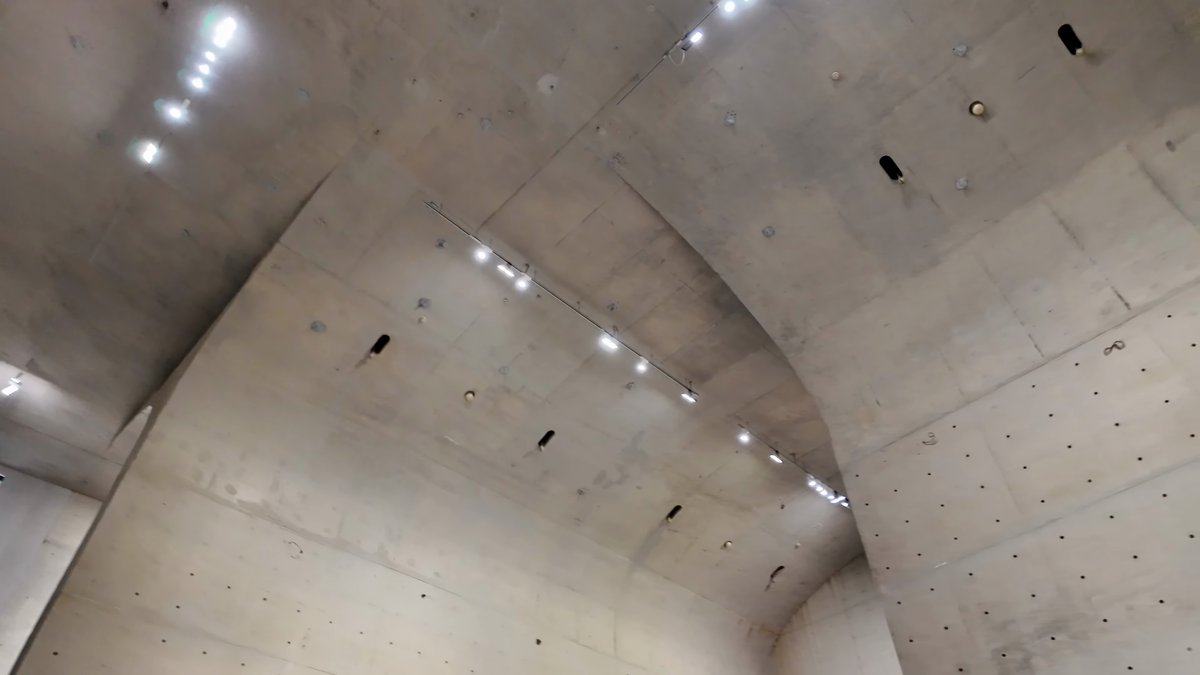
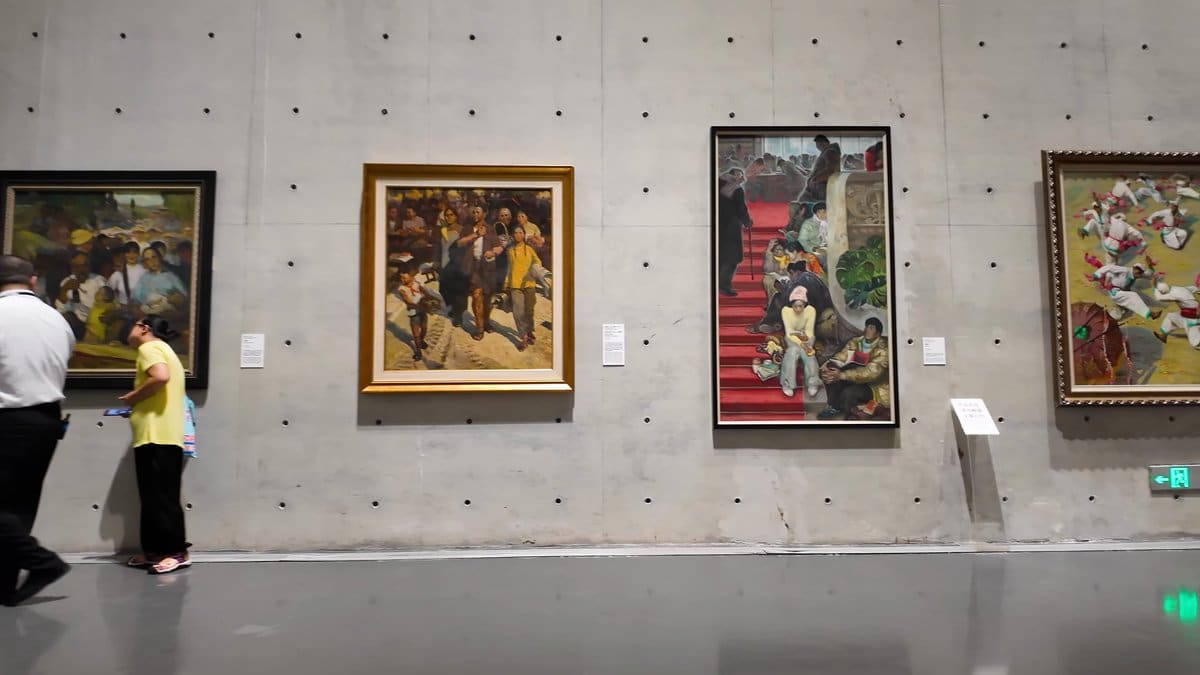
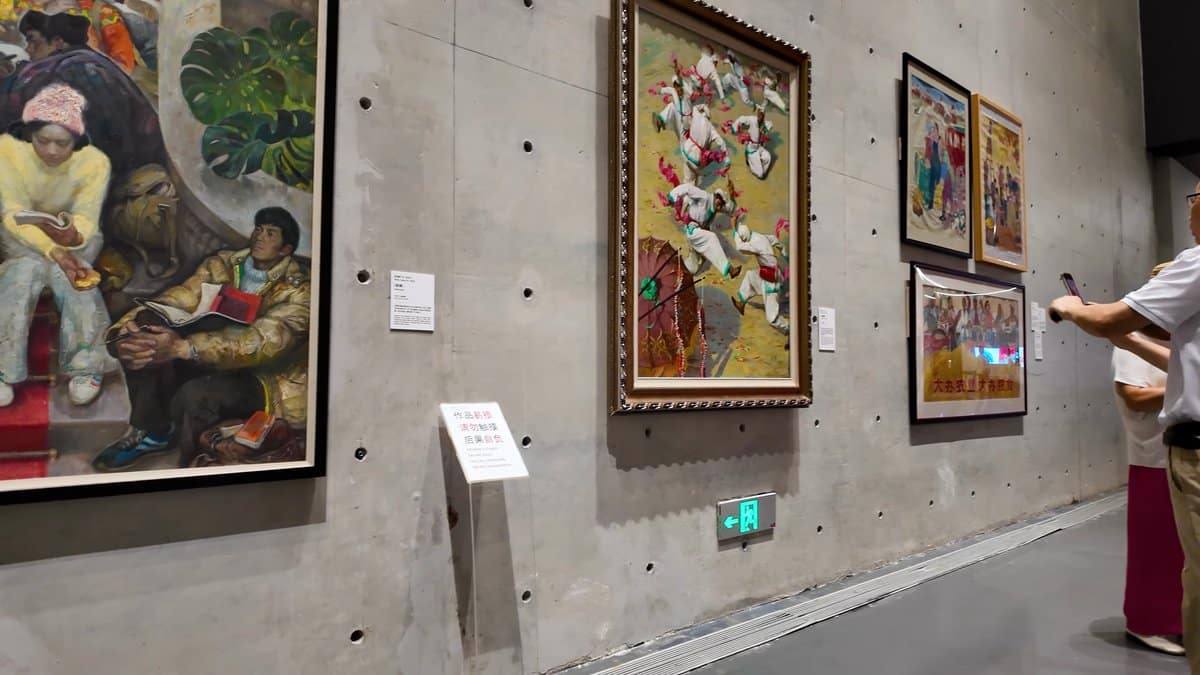
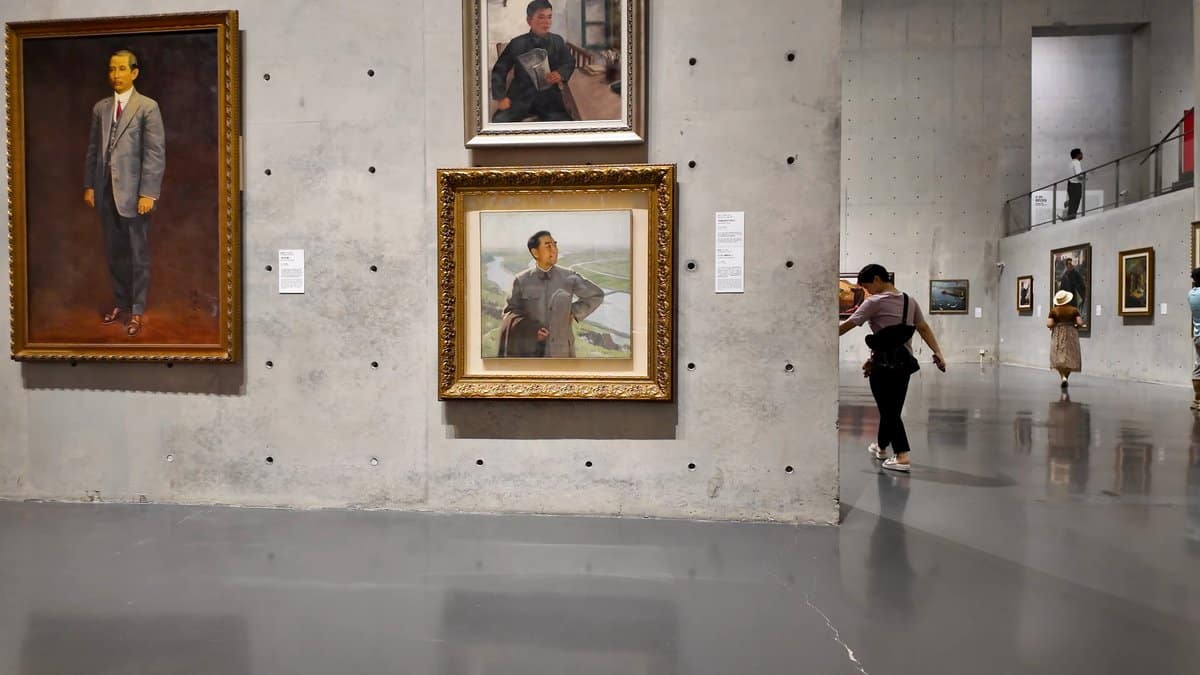
The curving concrete shells is lined with track lighting, but even on sunny days, it’s hard to get much direct light into the interior galleries. The acoustics are such that any conversation bounce around, and people cluster up to study the bigger paintings for extended periods of time. One vault will contain a dozen small pieces; another, a single full-length portrait.
It’s best to dip in and out; no need to march from room to room. Tickets cost roughly 60 yuan for adults (students gets a discount). Get there via the metro: it’s just a few minutes’ walk from Yunjin Road metro station on Line 11, or take a cab.
You should of allow at least two hours if you only intend to see the main collection; more if they has some temporary exhibitions on. There is a museum shop selling the standard postcard and catalogue fare as well as a decently equipped café on the ground floor. If you’re into contemporary art, the West Bund has a couple of other gallery in easy walking distance, so spend an afternoon here if you can.
Did you visit one of Shanghai’s new gallery districts? What did you think of the collection and the building itself?