Along the banks of Suzhou Creek is Shanghai’s M50 Art District, an area of former warehouses and textile mills that over the last two decade has transformed itself into one of the best-known centers for contemporary art in the city. Stretching out through a couple of streets and alleys, it’s home to dozens of artist studio, galleries, shops and cafes hidden within the industrial brick buildings.
It’s free to enter, but check the opening hours before you go. Push any doors and what awaits is entirely down to you. There’s a gallery or two that puts on smart shows with carefully lit, well-written wall text.
There are artists’ studios: working space where canvases lean against walls, and scent of turpentine lingers in the air. In between, there are plenty of walls devoted to street art. There are old shops selling prints and vintage goods.
What to See and Do in the M50 Art District
Shanghai M50 Art Park
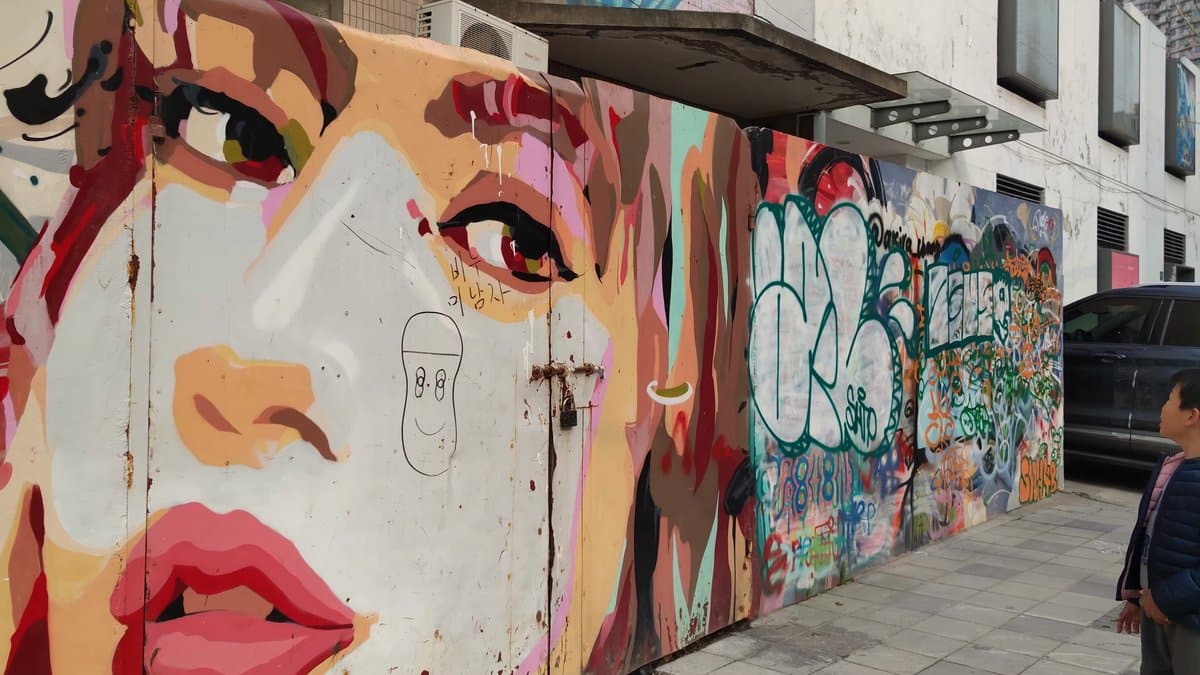
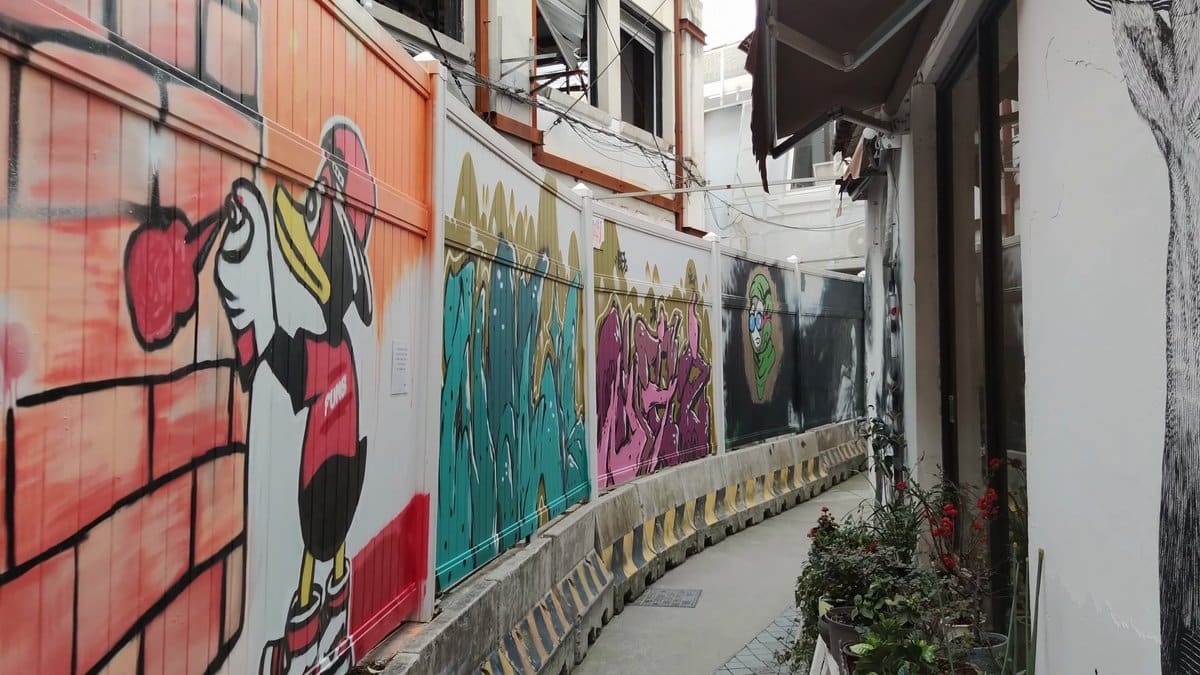
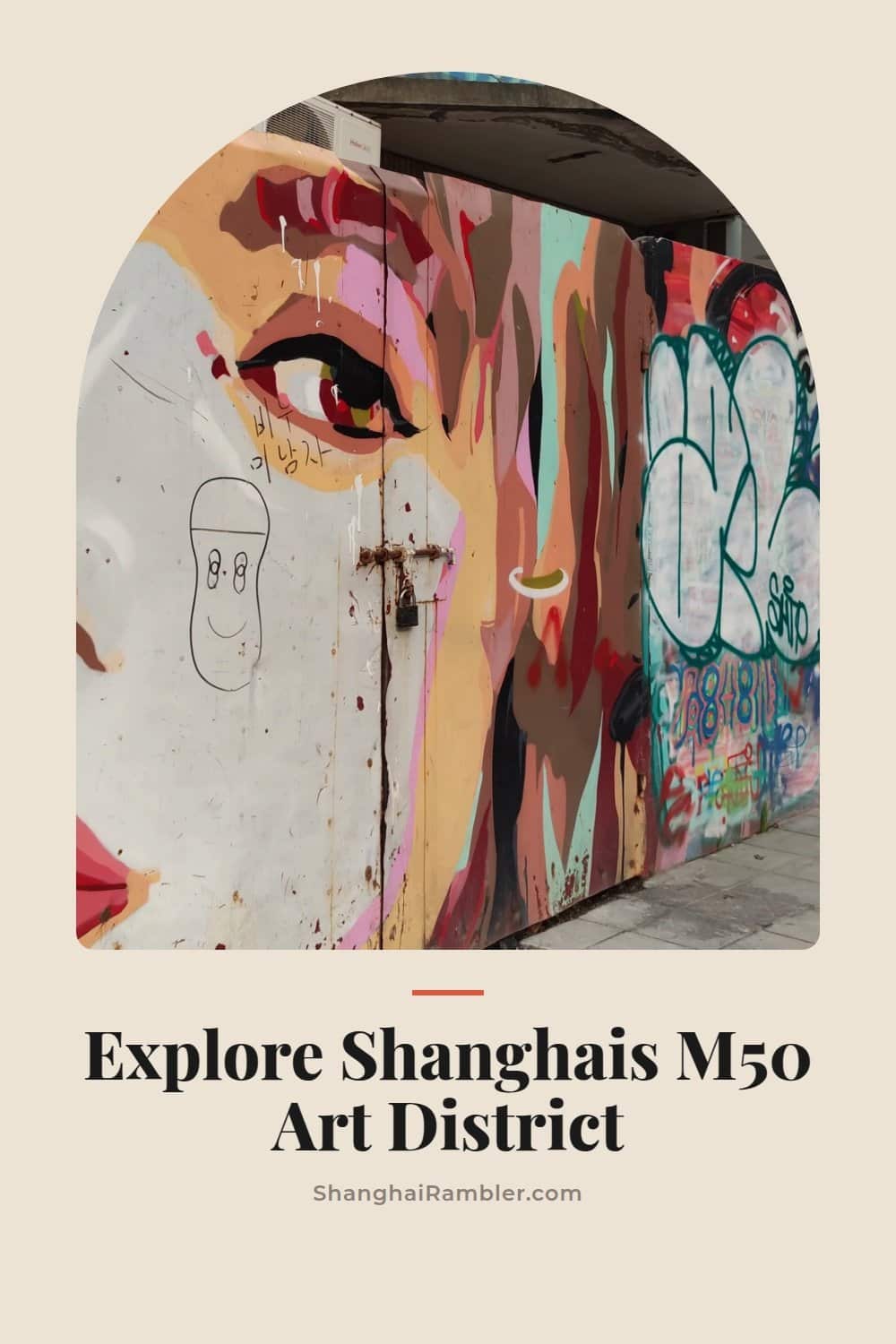
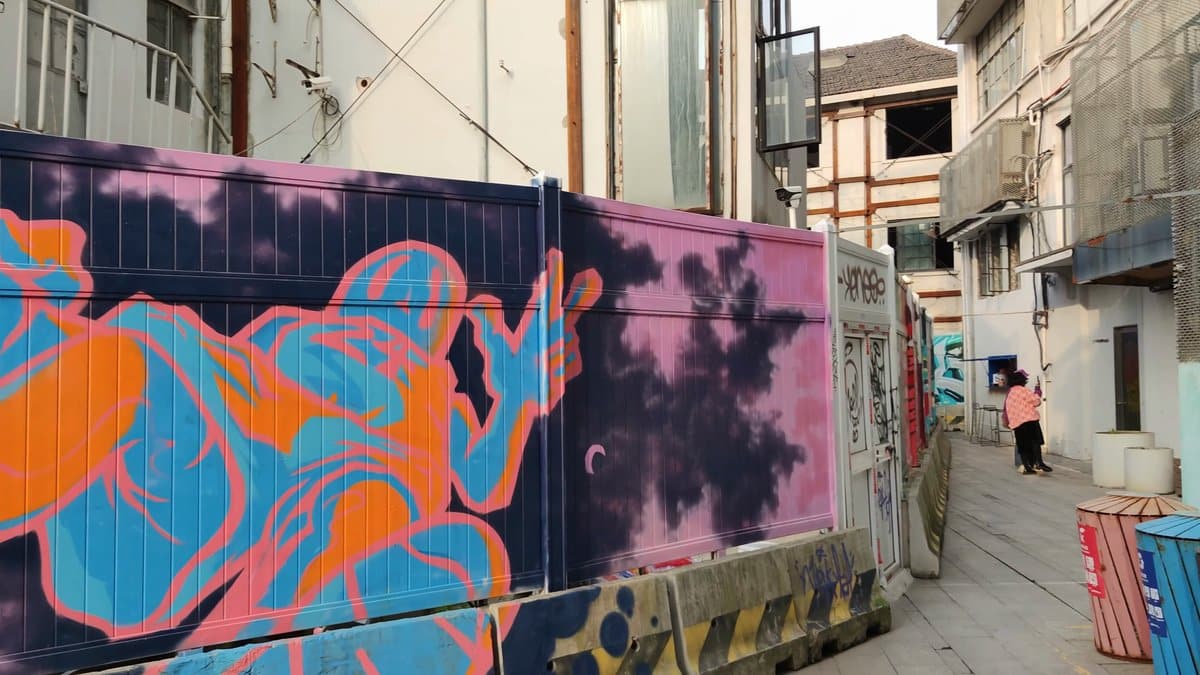
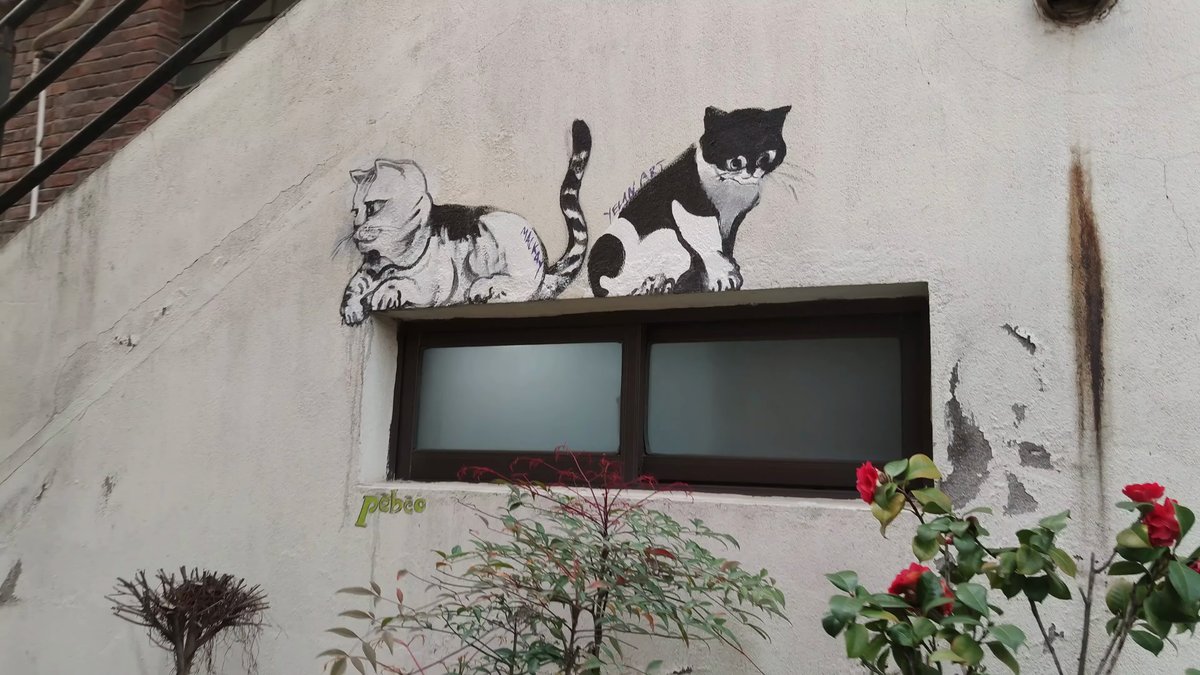
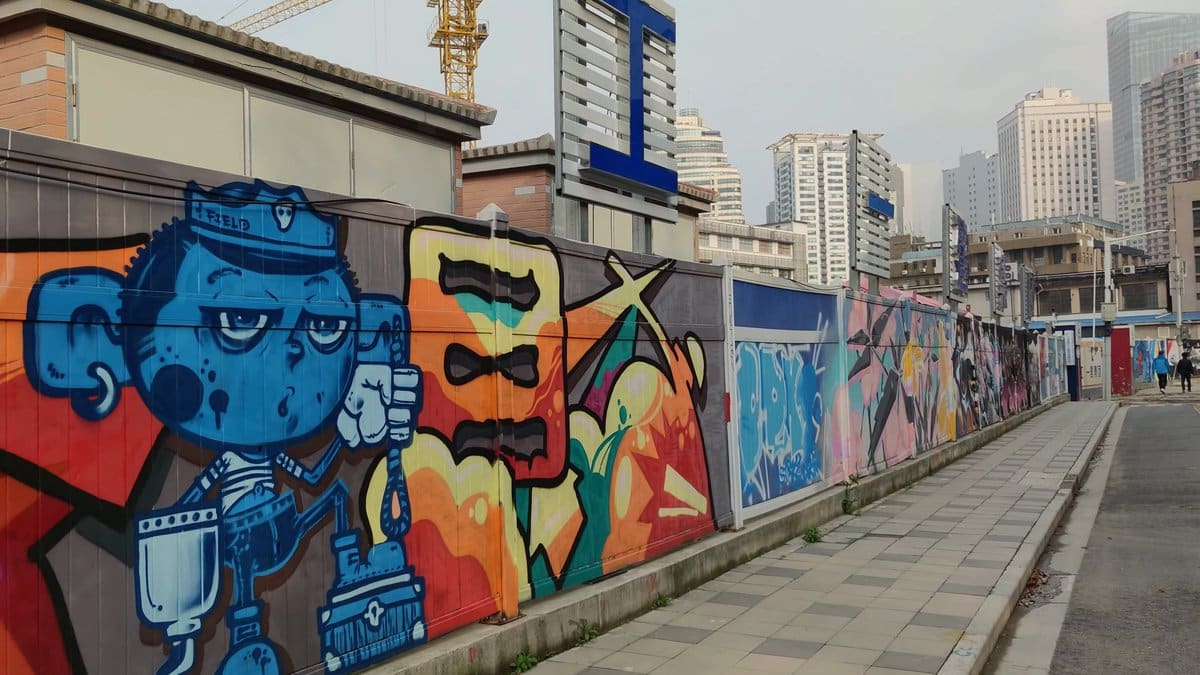
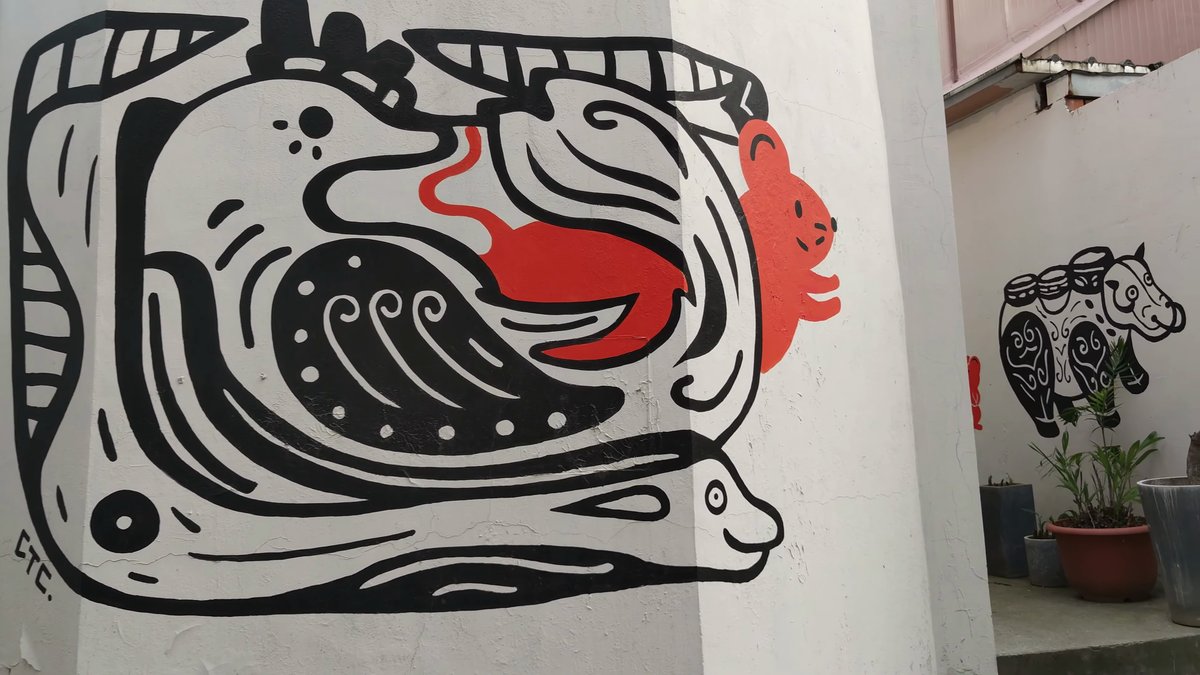
Wandering the lanes is like navigating a patchwork quilt of styles. Graffiti covers hoardings and shutters. Stenciled figures hang above doorways and windows.
Pop-art murals wrap around corners. Some murals are so old they’ve faded into the background, while others come and go often enough that you’ll always see something new if you visit more than once.
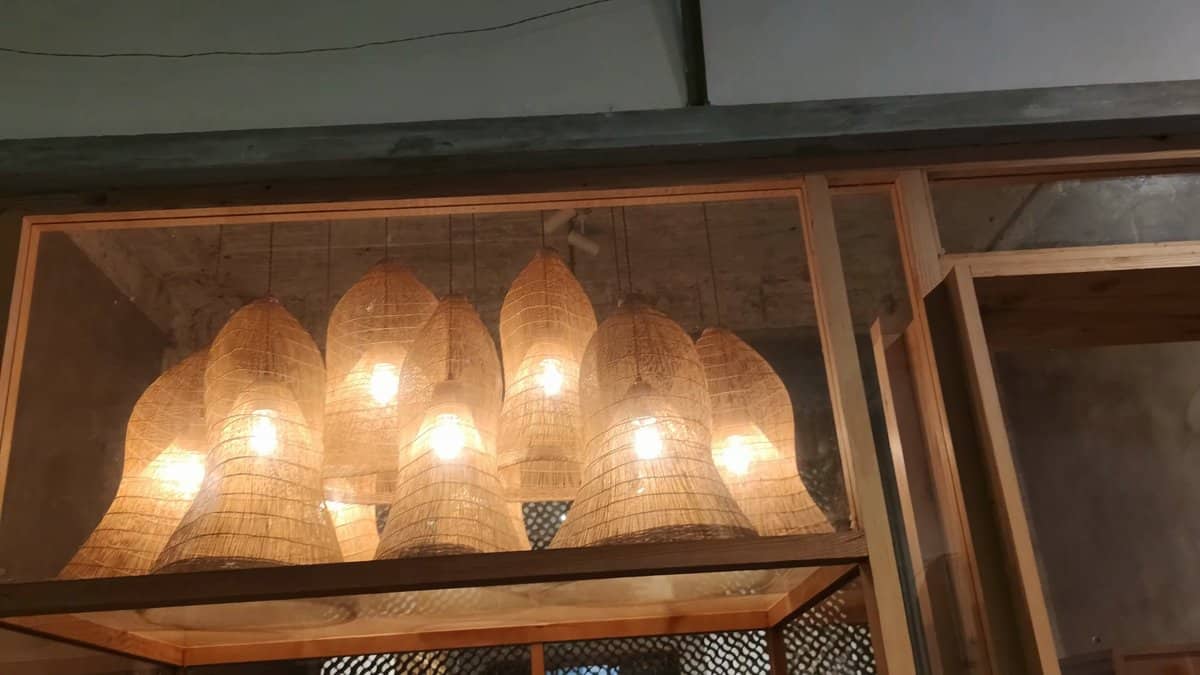
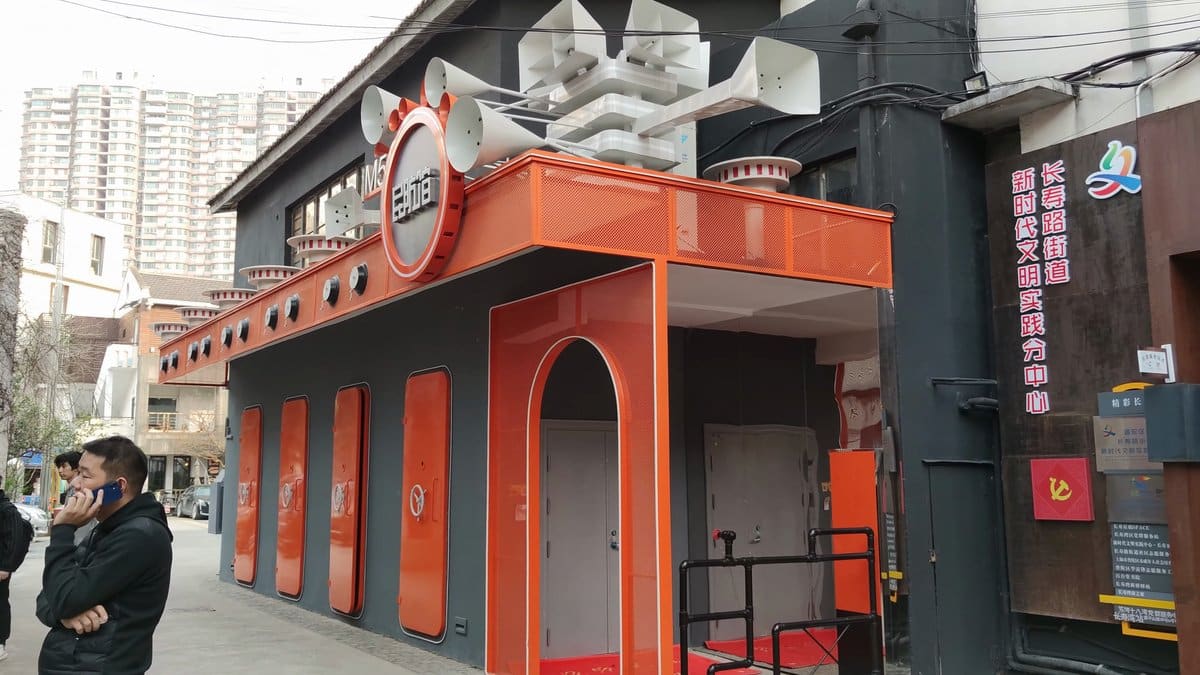
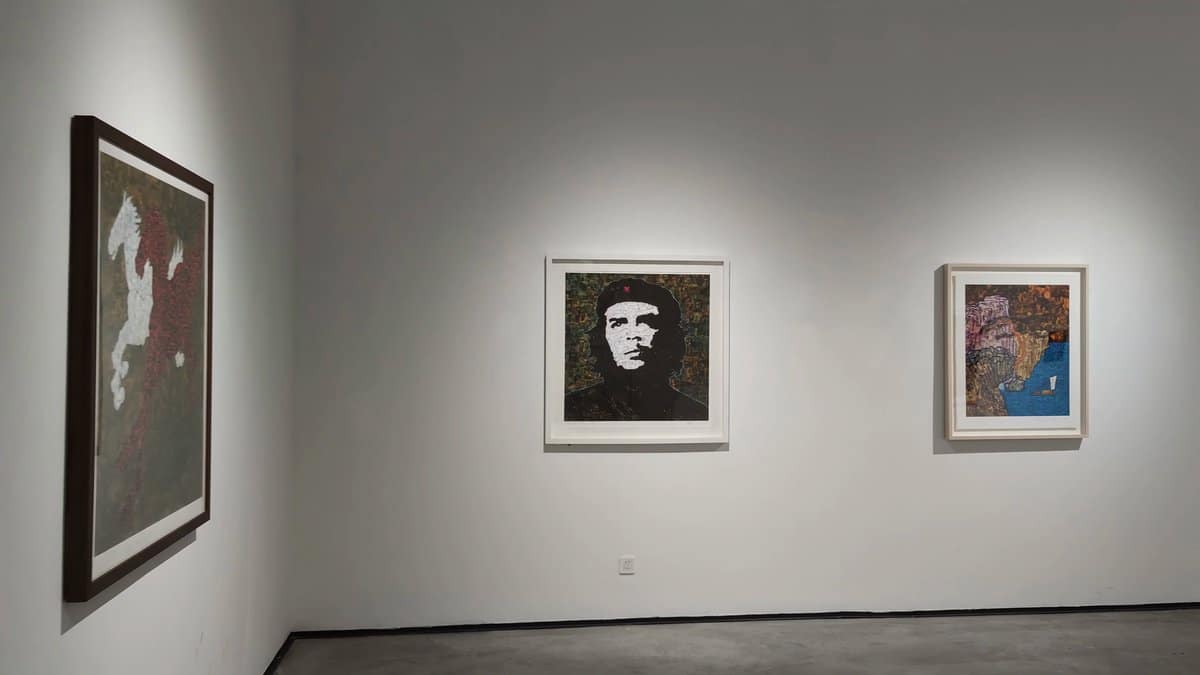
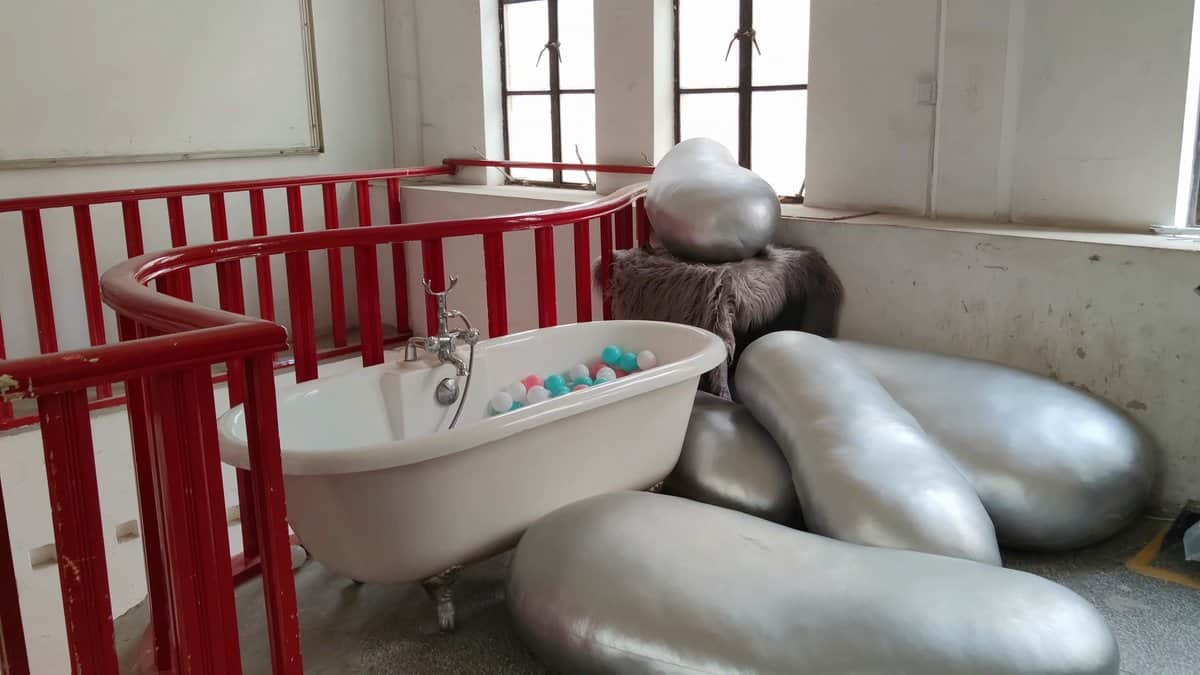
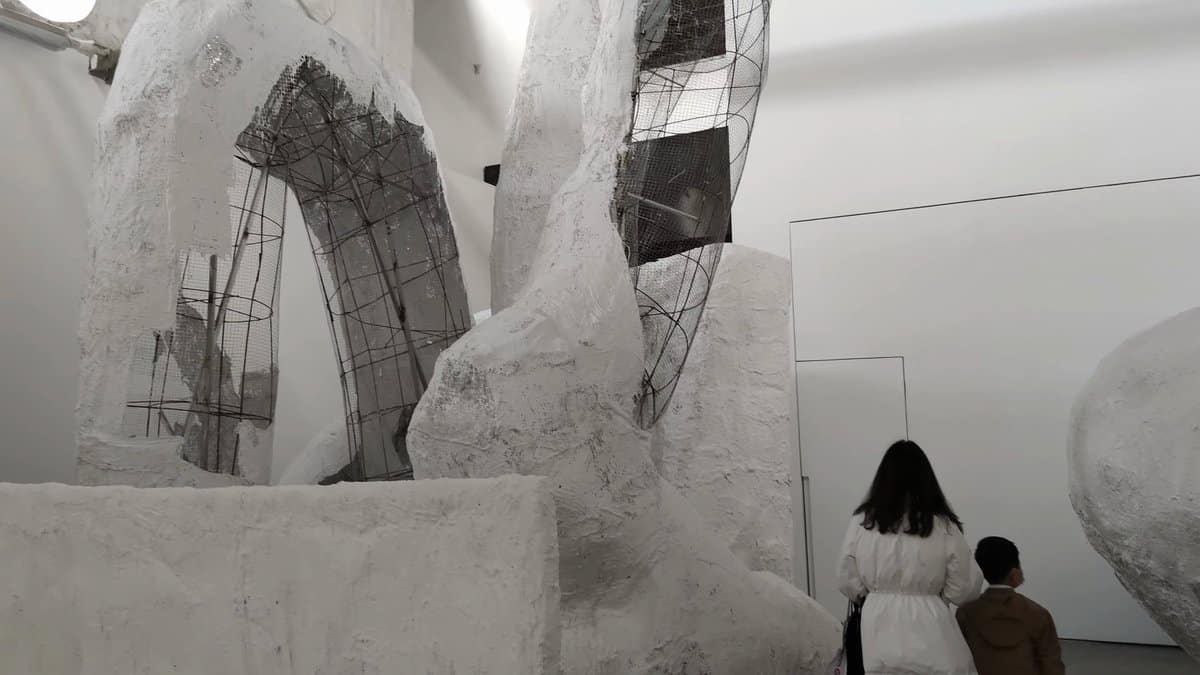
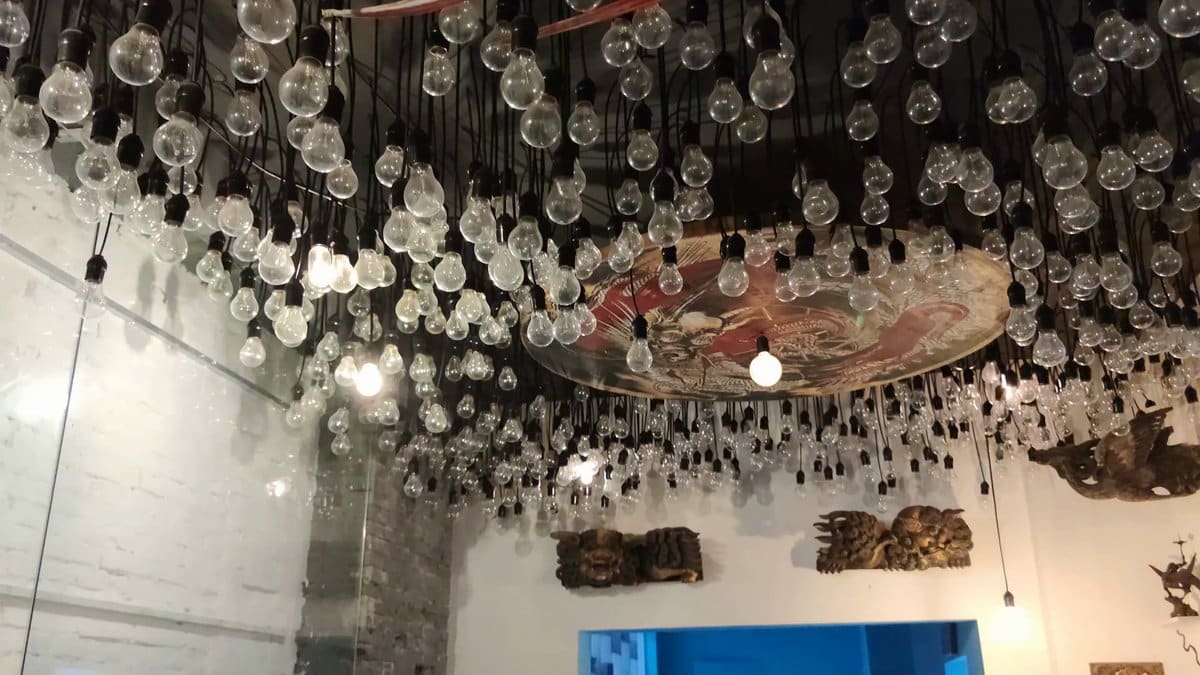
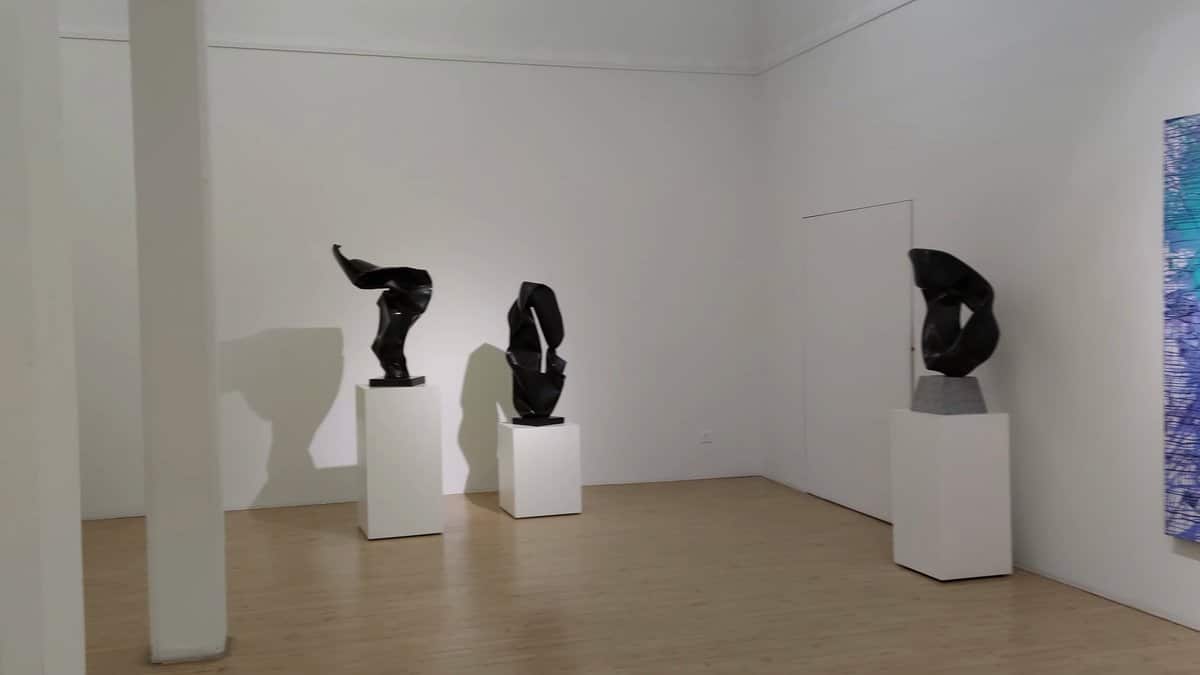
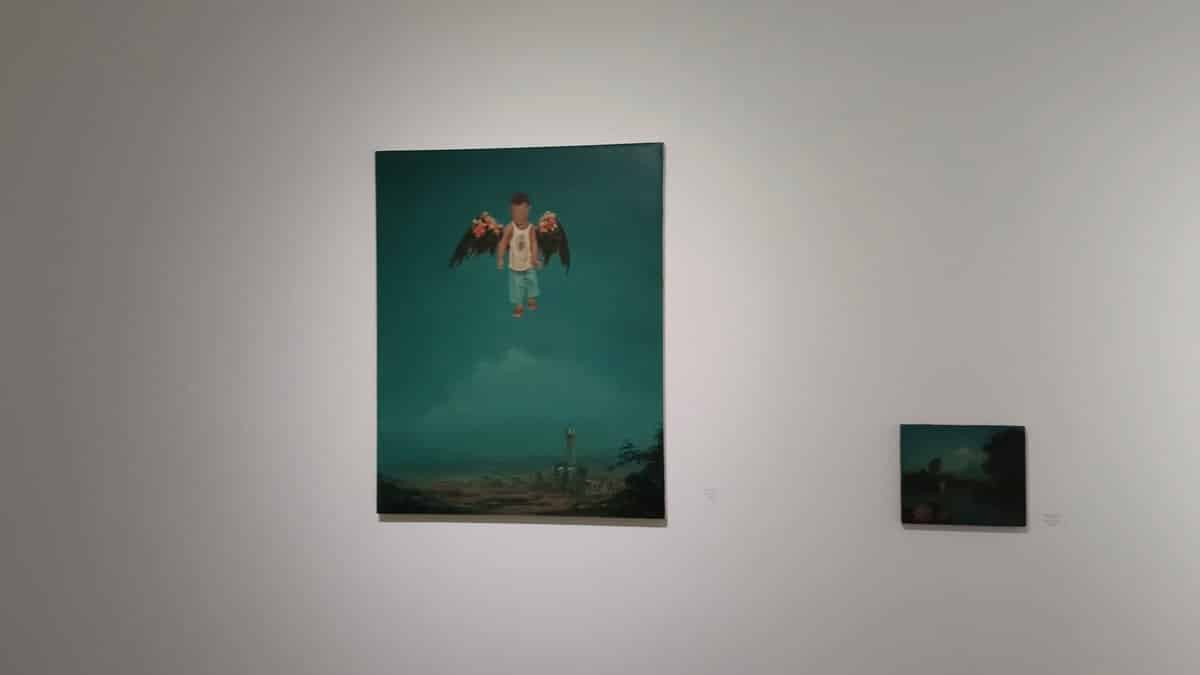
The galleries is from the calm white-cube space of minimalist installation to tiny rooms stuffed full of baskets and prints. You’ll see abstract sculptures on plinths; glasswork dangling from ceilings; a bathtub hung in a frame. There’s enough there that will interest everyone but also plenty that won’t.
While most galleries are happy for browsers who aren’t pressured into buying, a couple feel more shop-like. The whole place feels like a jumble.
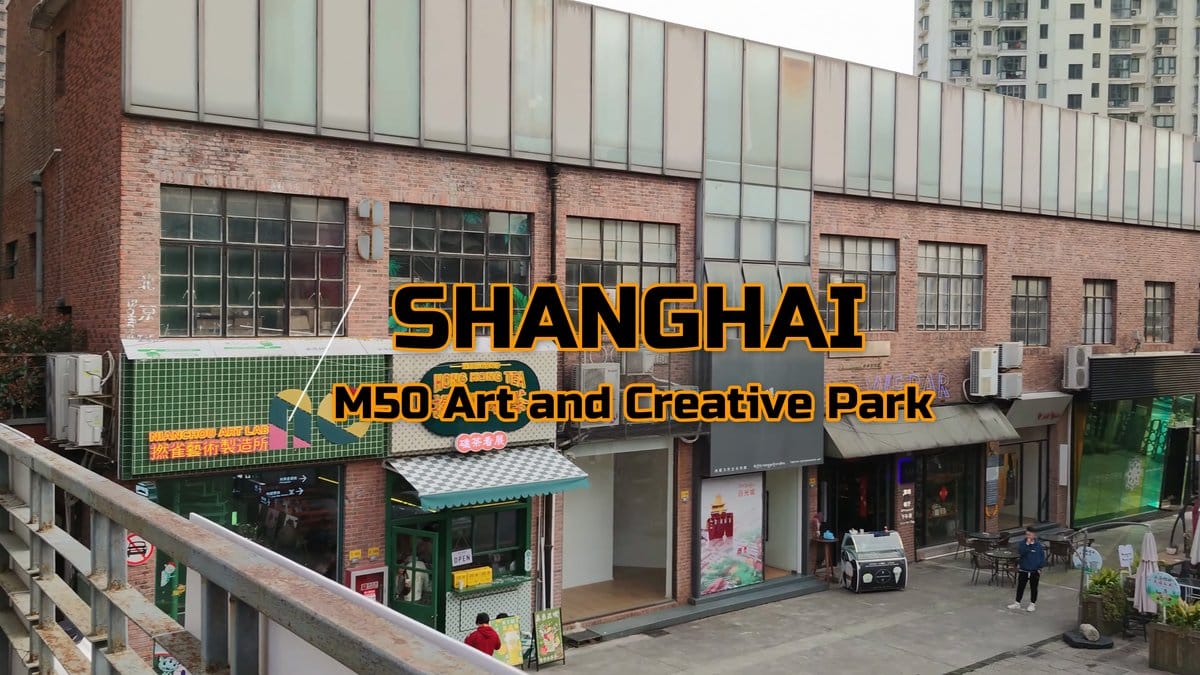
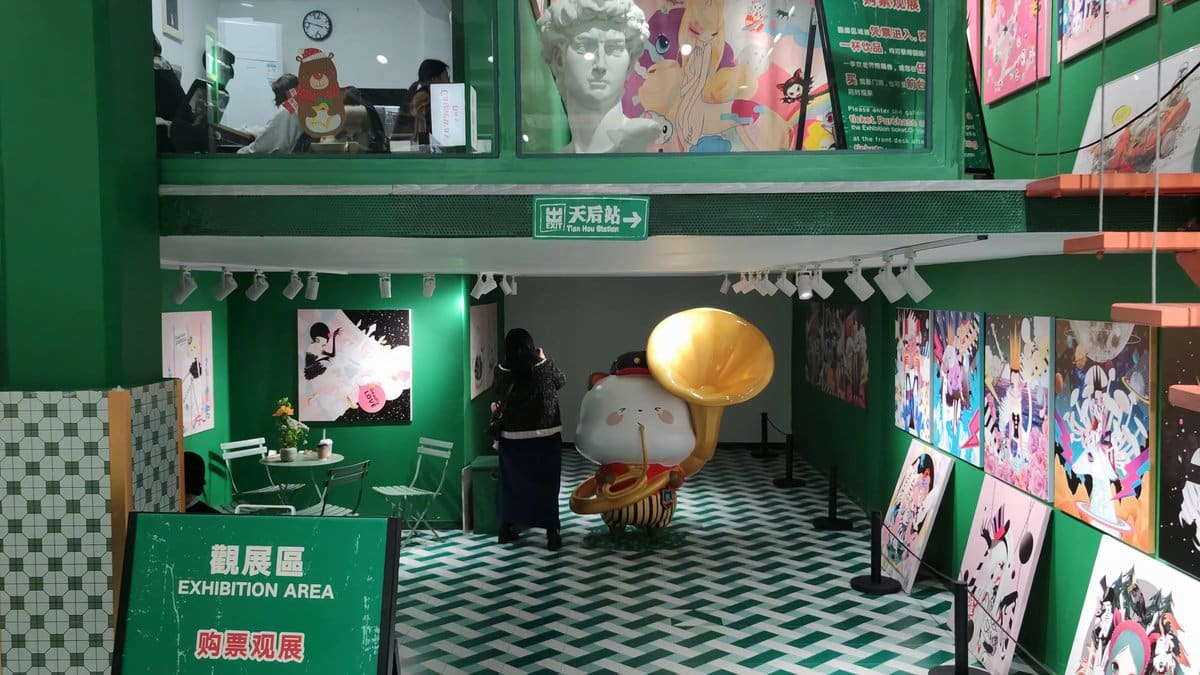
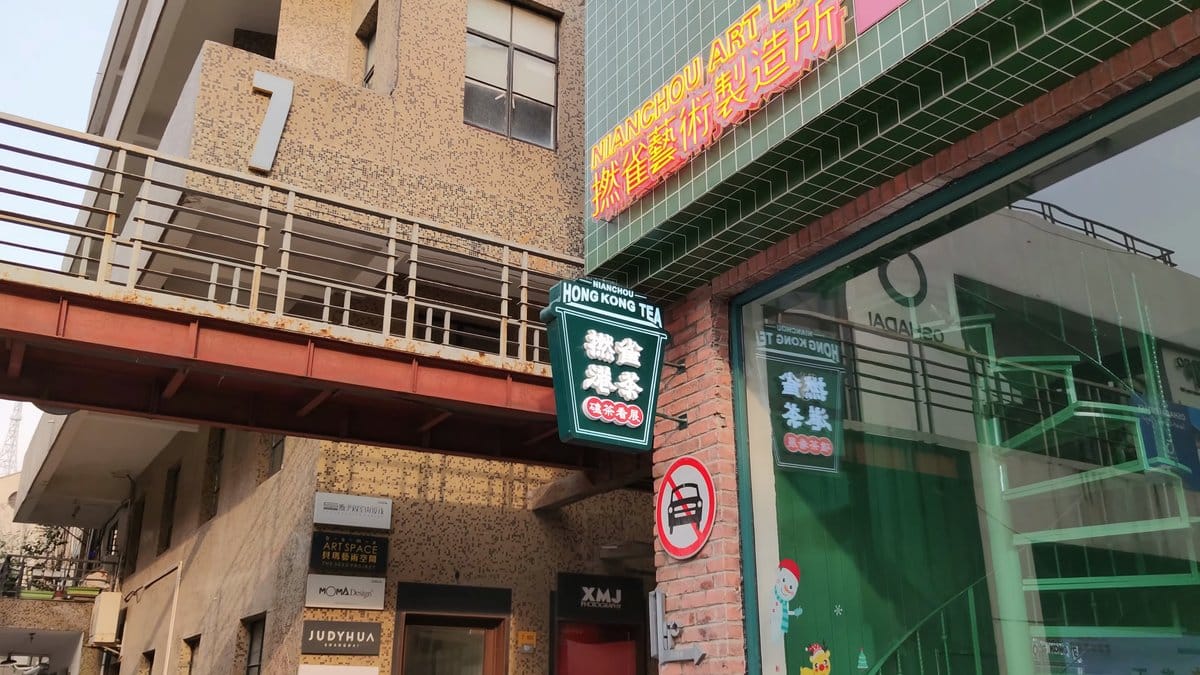
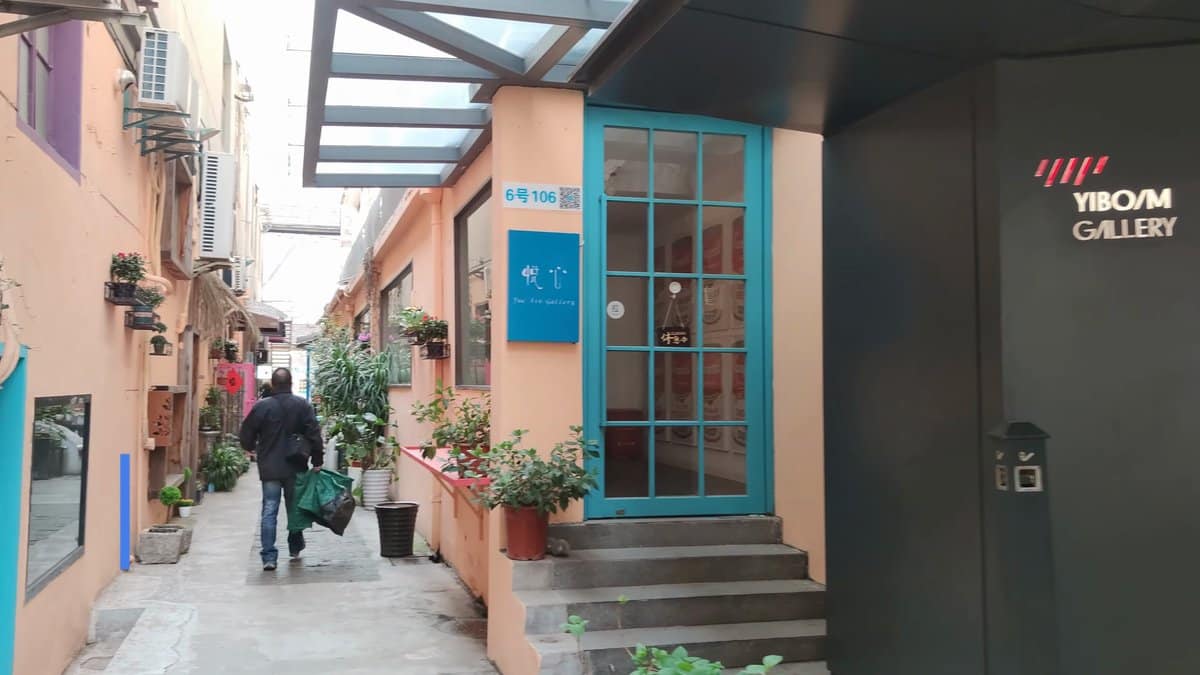
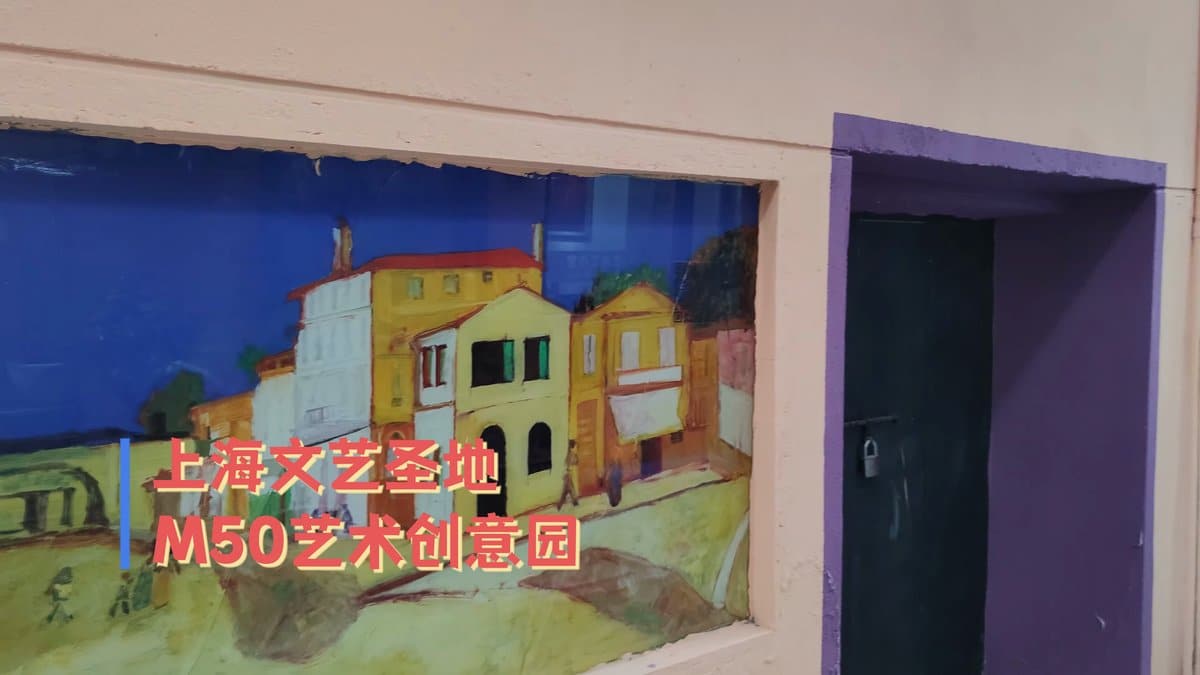
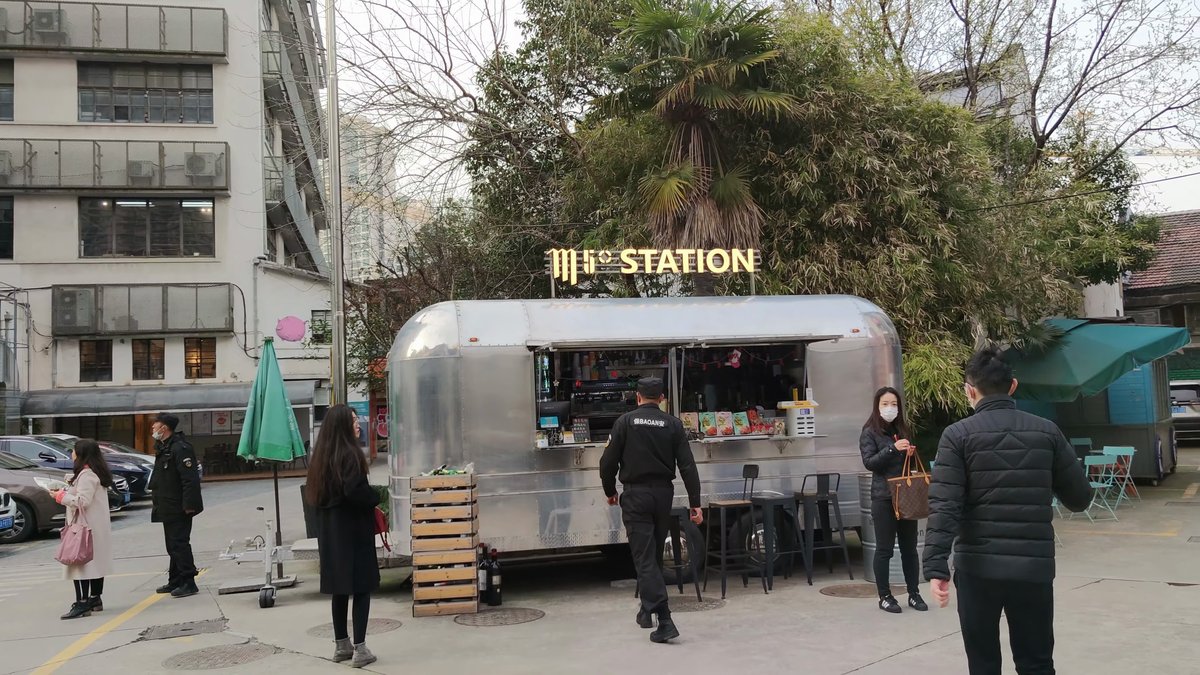
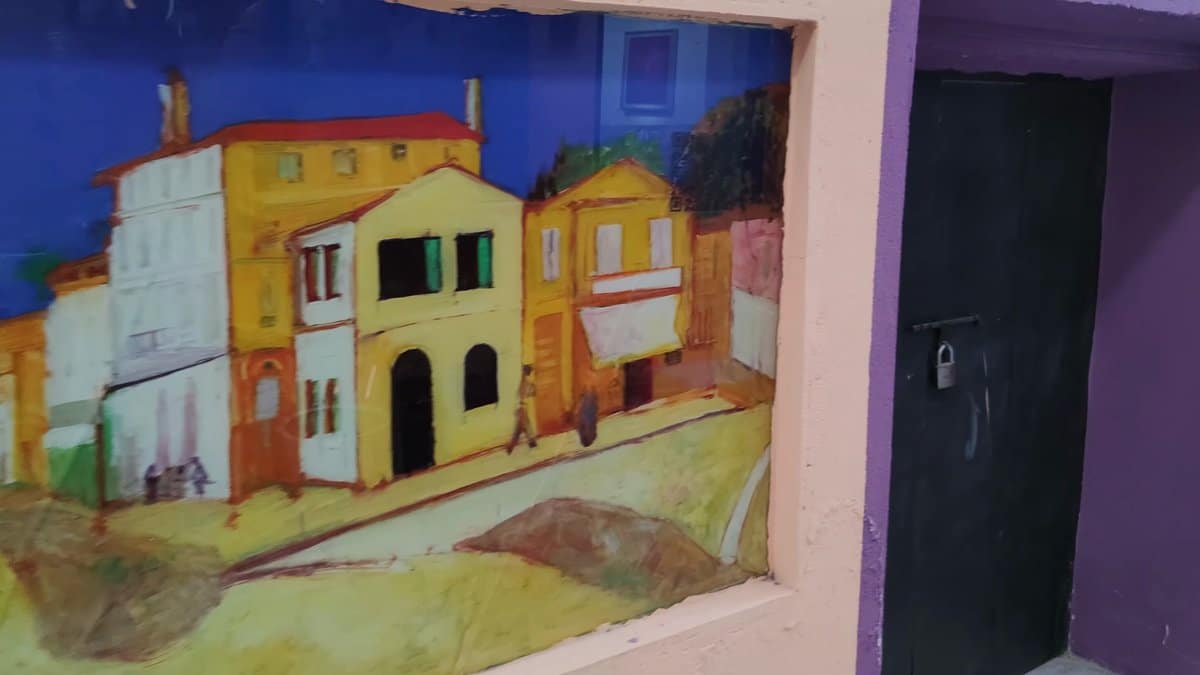
Buildings is connected by raised walkways, and signs point into tiny alleyways. Entrances to inner courtyards are marked by painted walls, or sometimes an entire scene from a Mediterranean village that you’d otherwise overlook. At one corner, there’s an Airstream trailer selling coffee.
And all those signs themselves become part of the landscape: Wooden boards and enamel discs cluster together, pointing the way to specific studios, named for their owners.
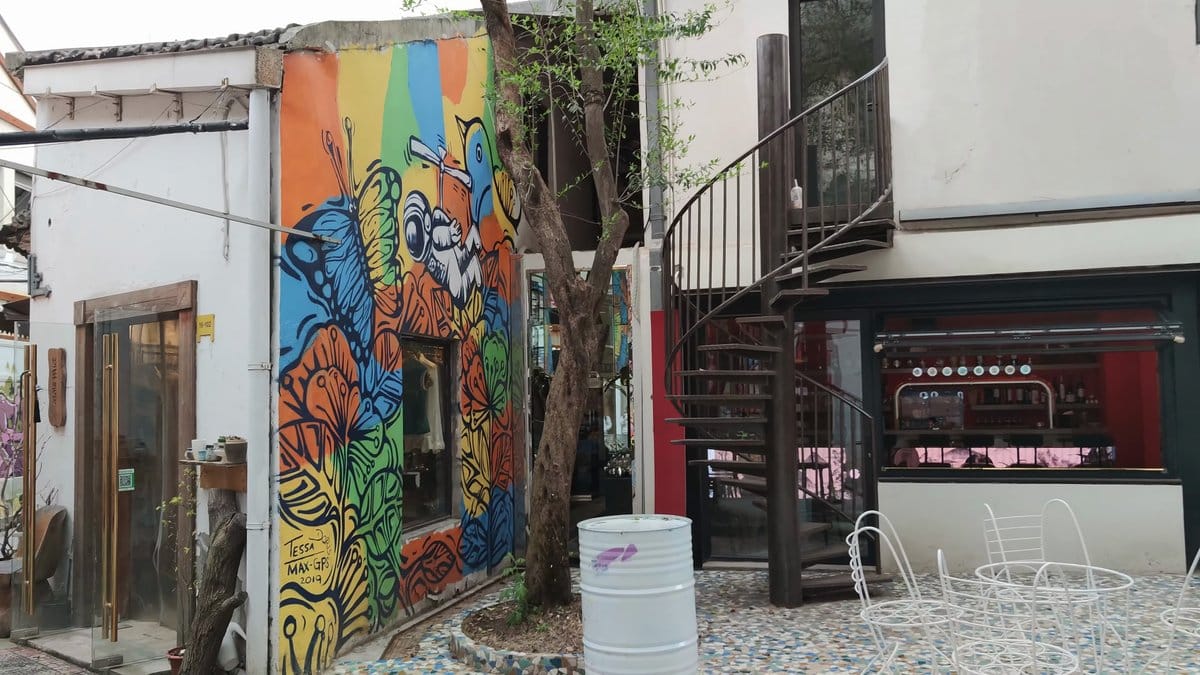
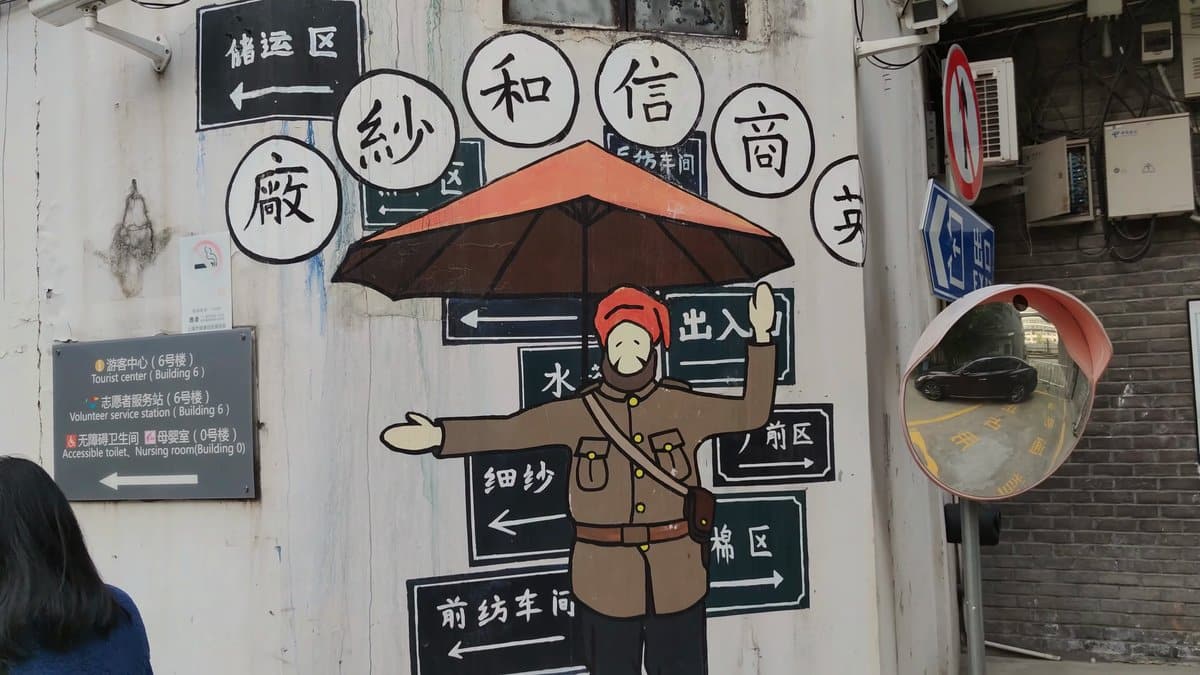
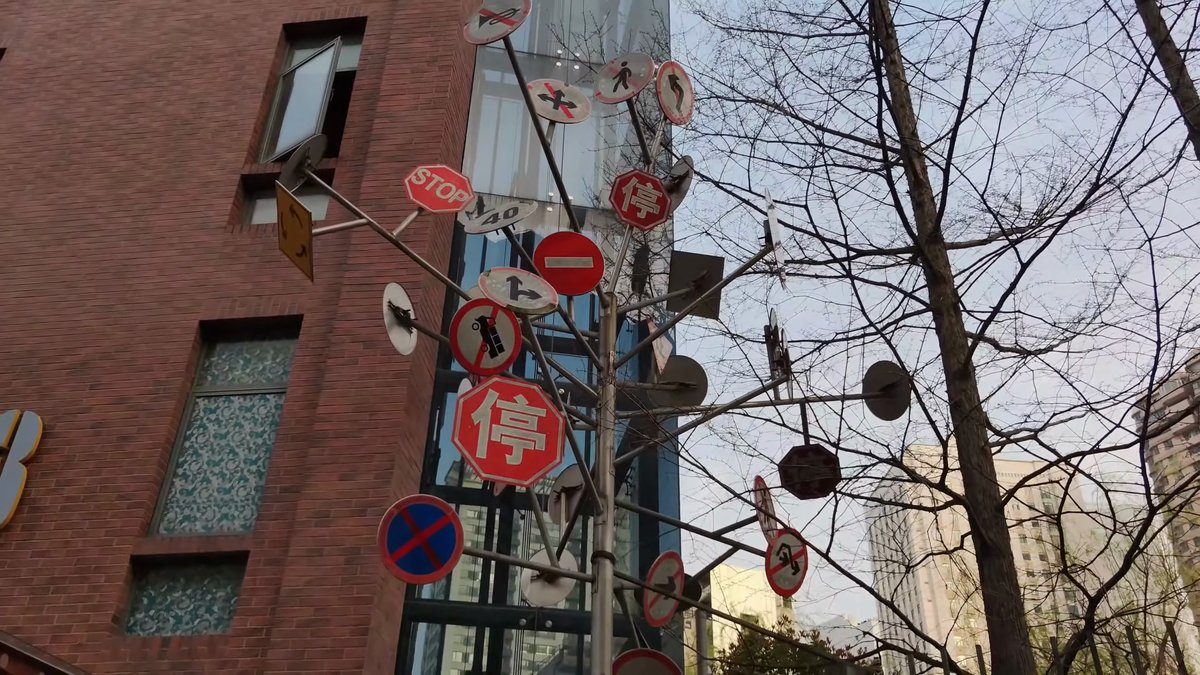
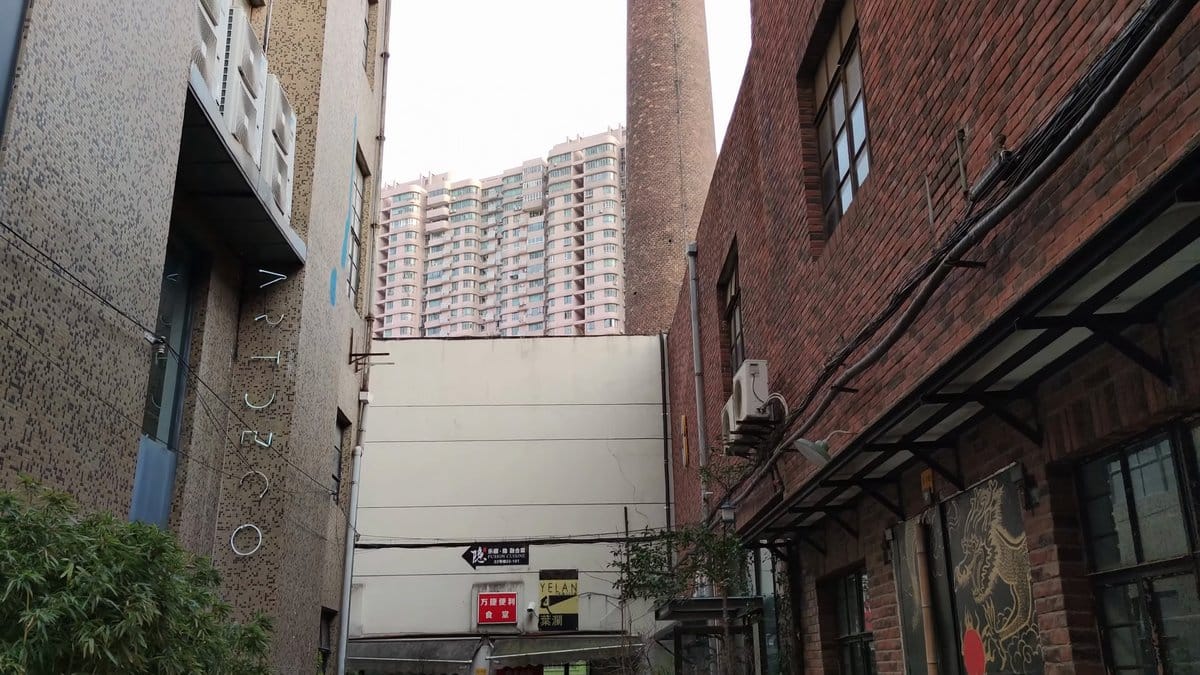
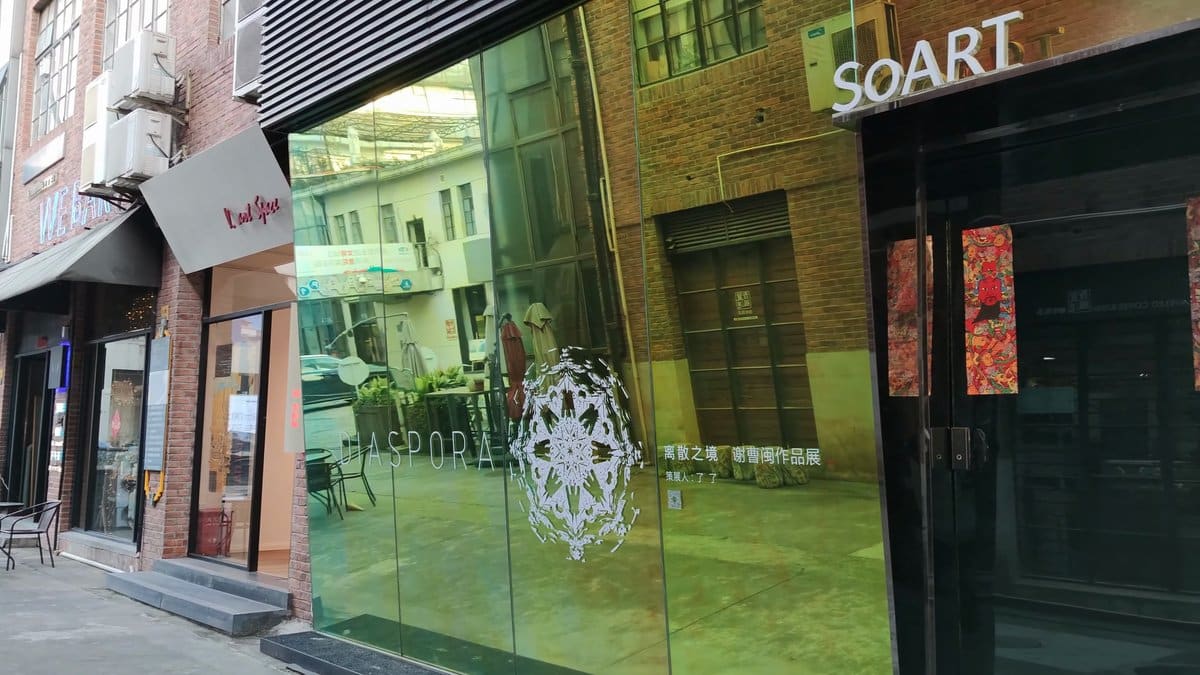
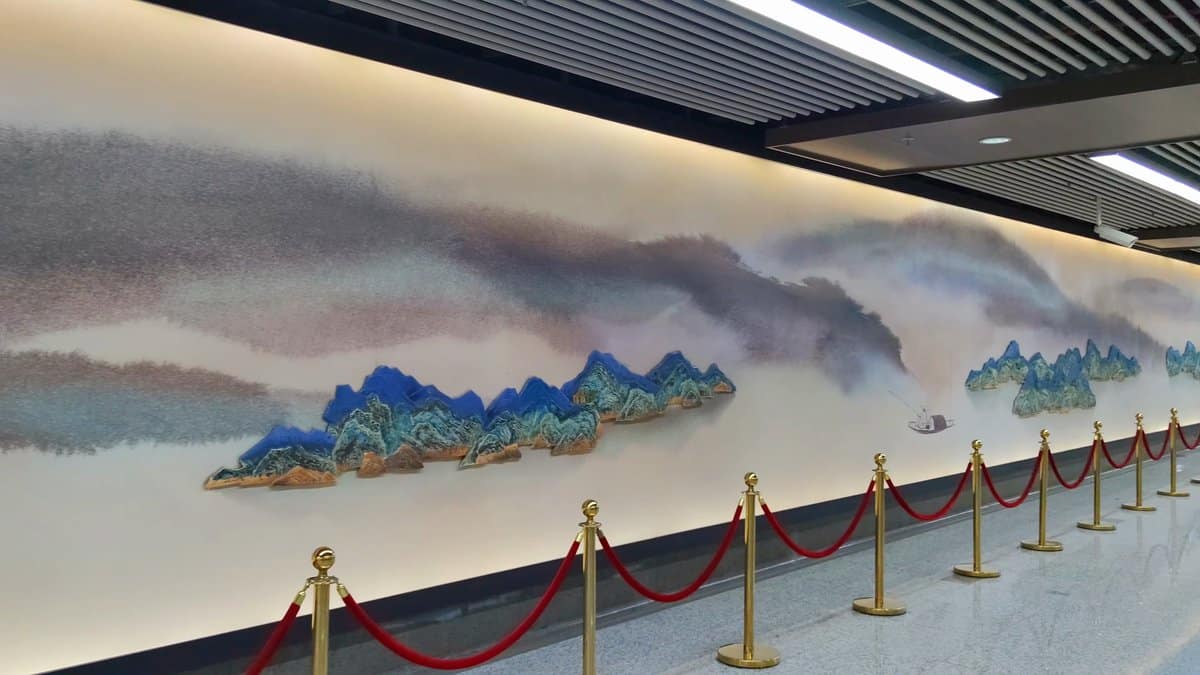
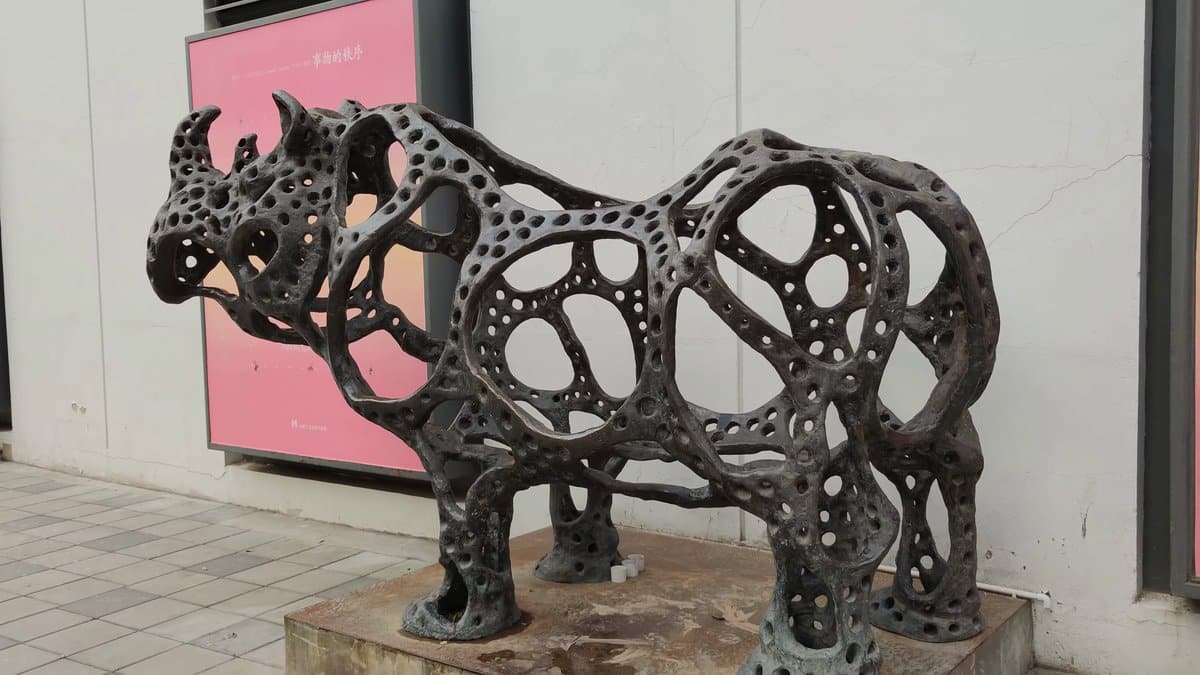
This is wandering: strolling past what’s open. One minute you’re at a shop featuring printed garments and textiles; the next there’s a long landscape mural. Outside another gallery is a bronze horse sculpture.
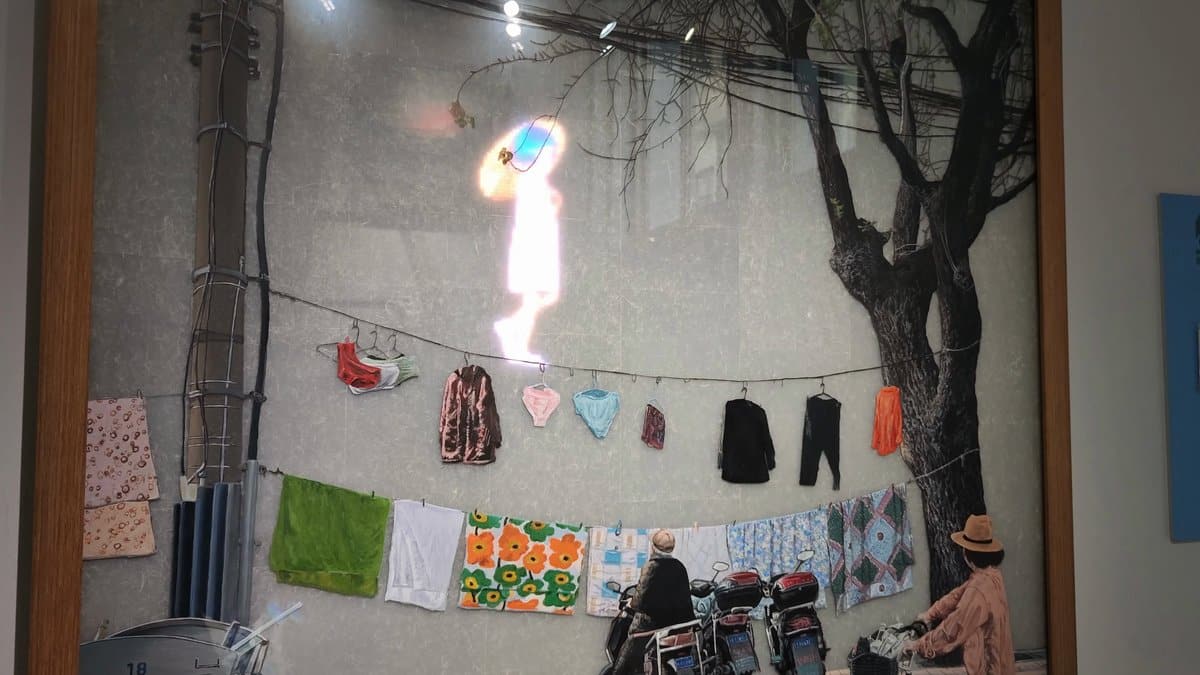
Commercial and artistic spaces blend on purpose. Working studios has their doors open, where you catch a glimpse of an ink work-in-progress or oil paintings stacked against walls. The odd cafe pops up.
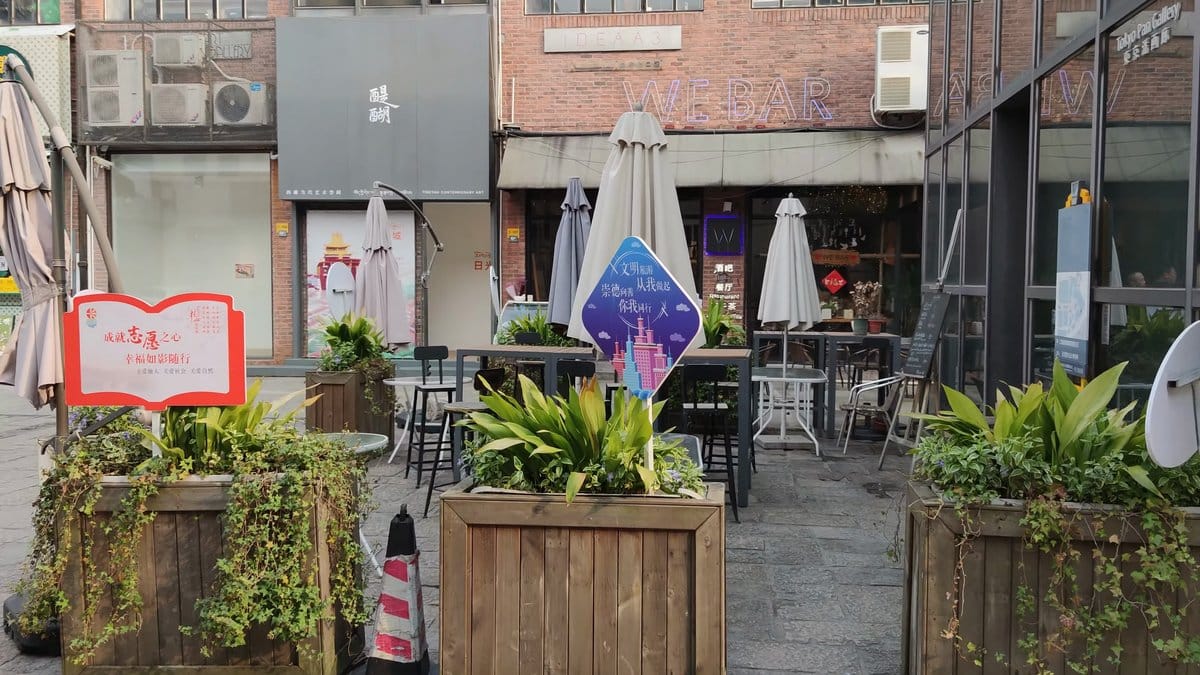
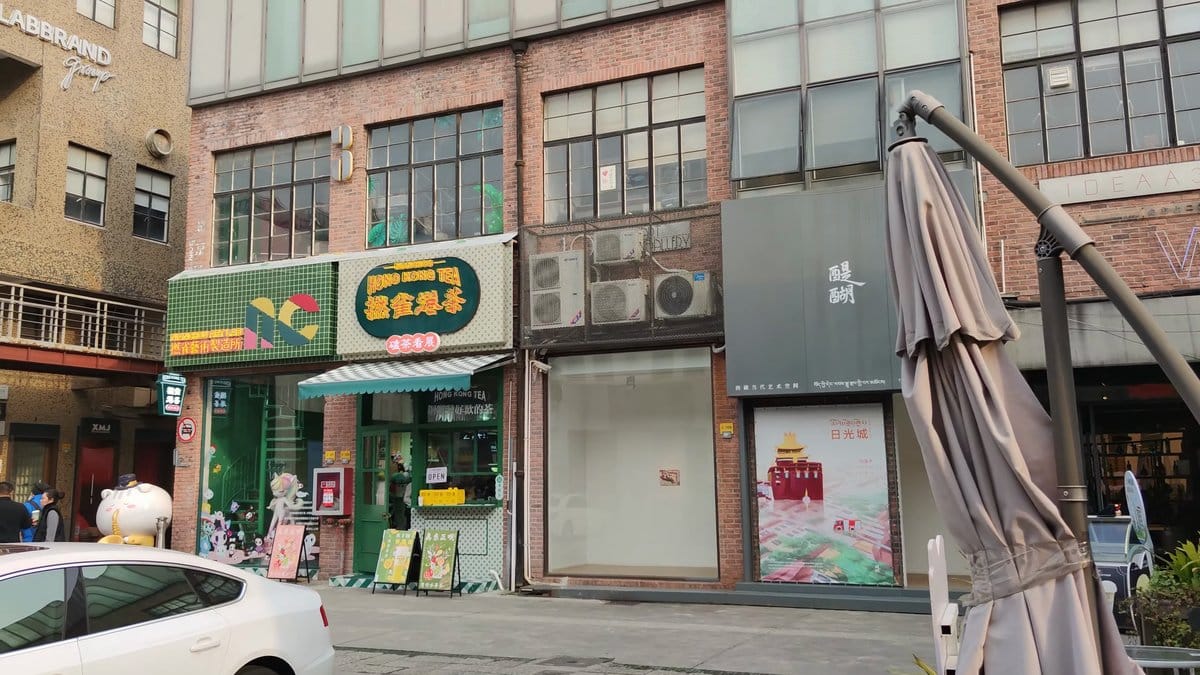
These are tiny affairs, often just a couple of table squeezed into a corner space or courtyard. These are useful places to grab a break but nothing that’s going to be the highlight of your visit. For anything more substantial head down the street outside the main gate where there’s a line-up of shops and eateries.
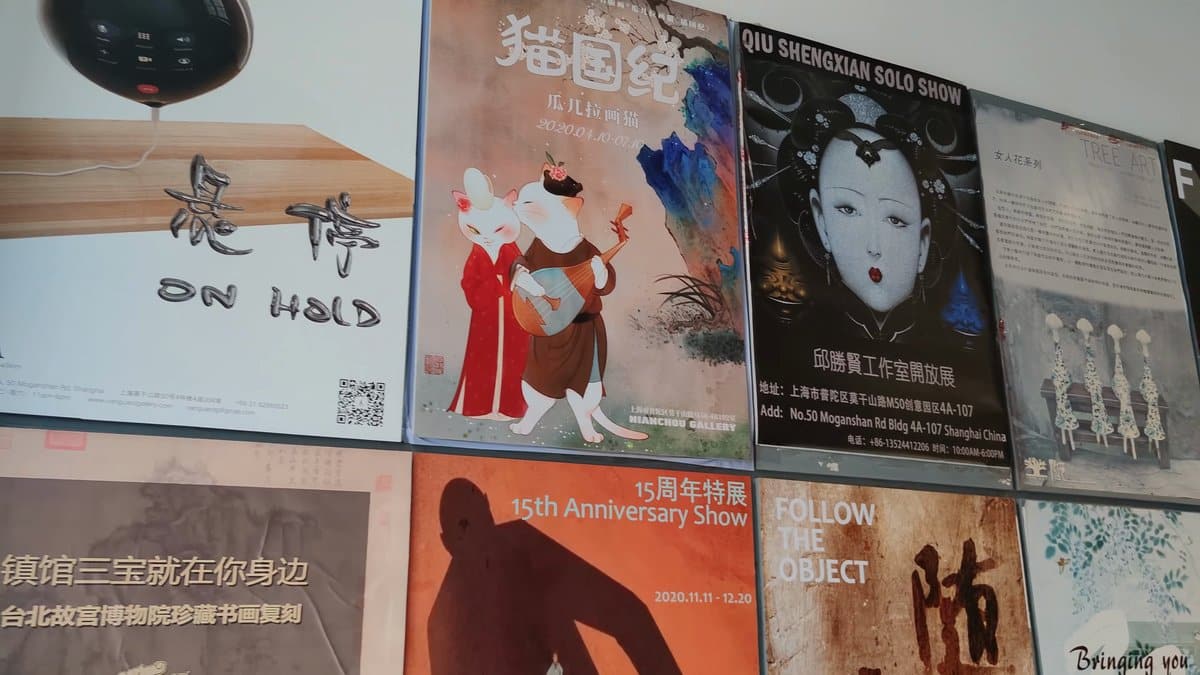
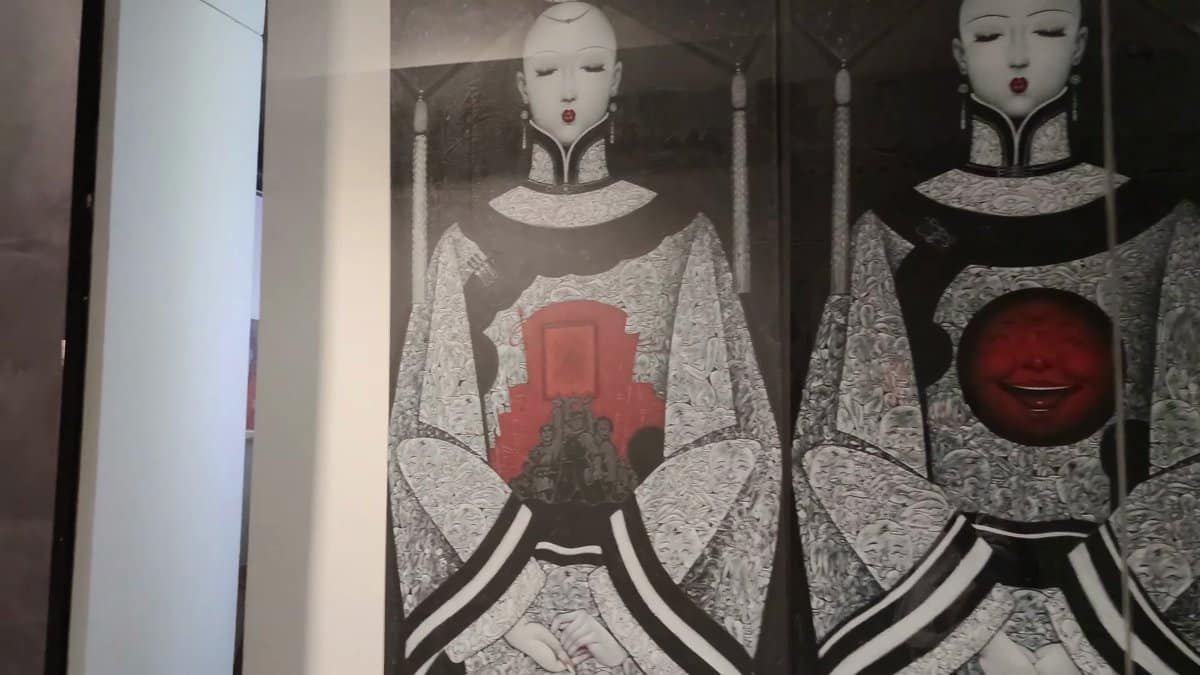
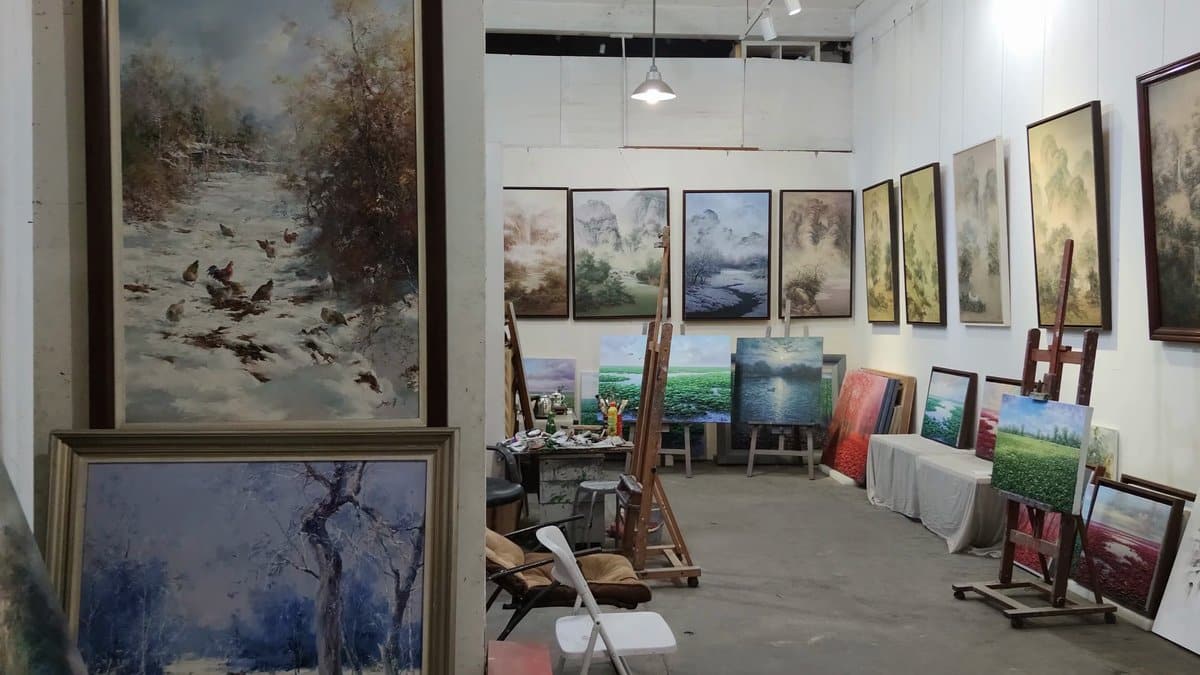
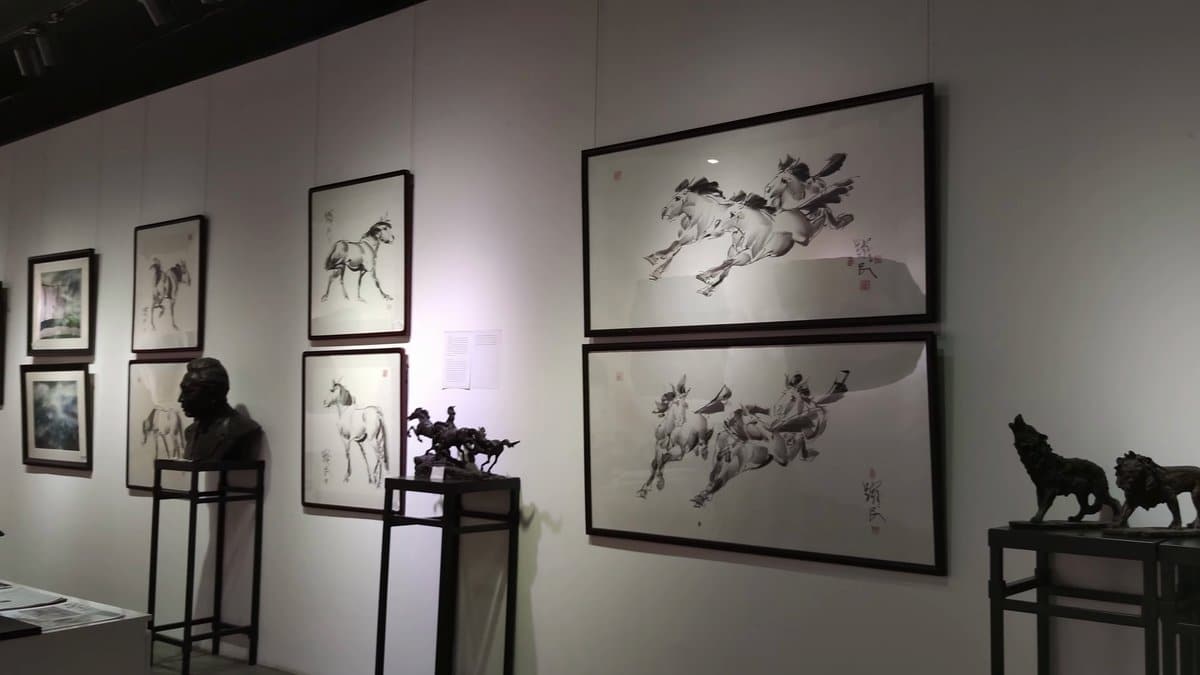
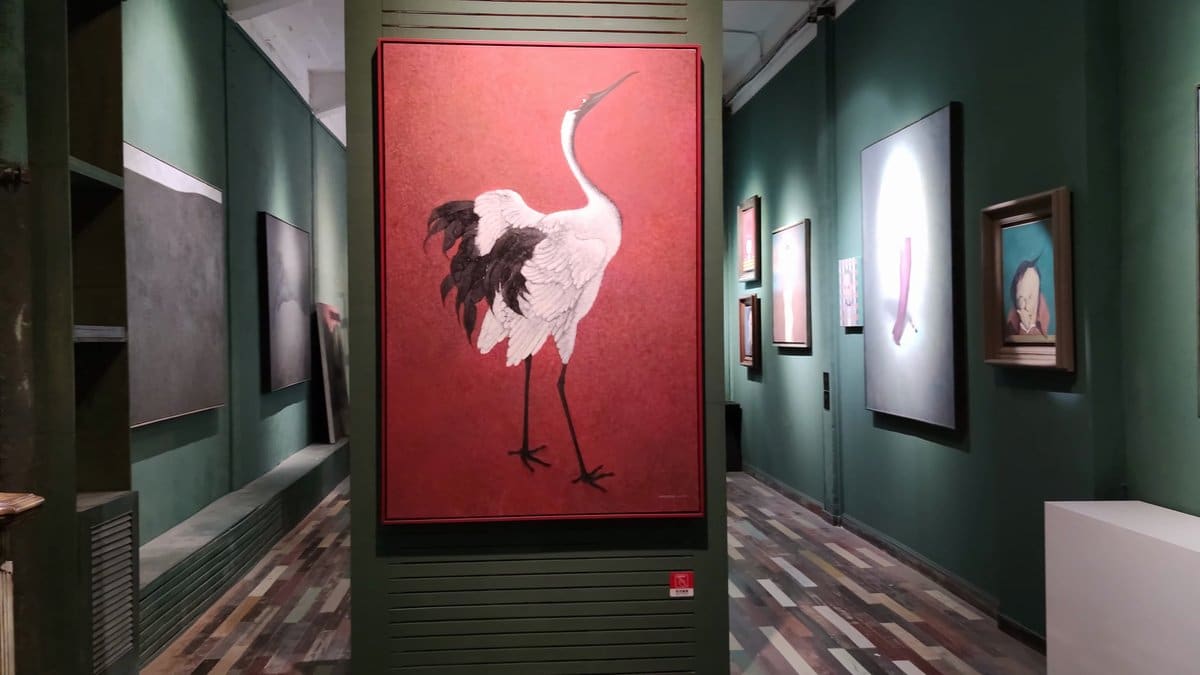
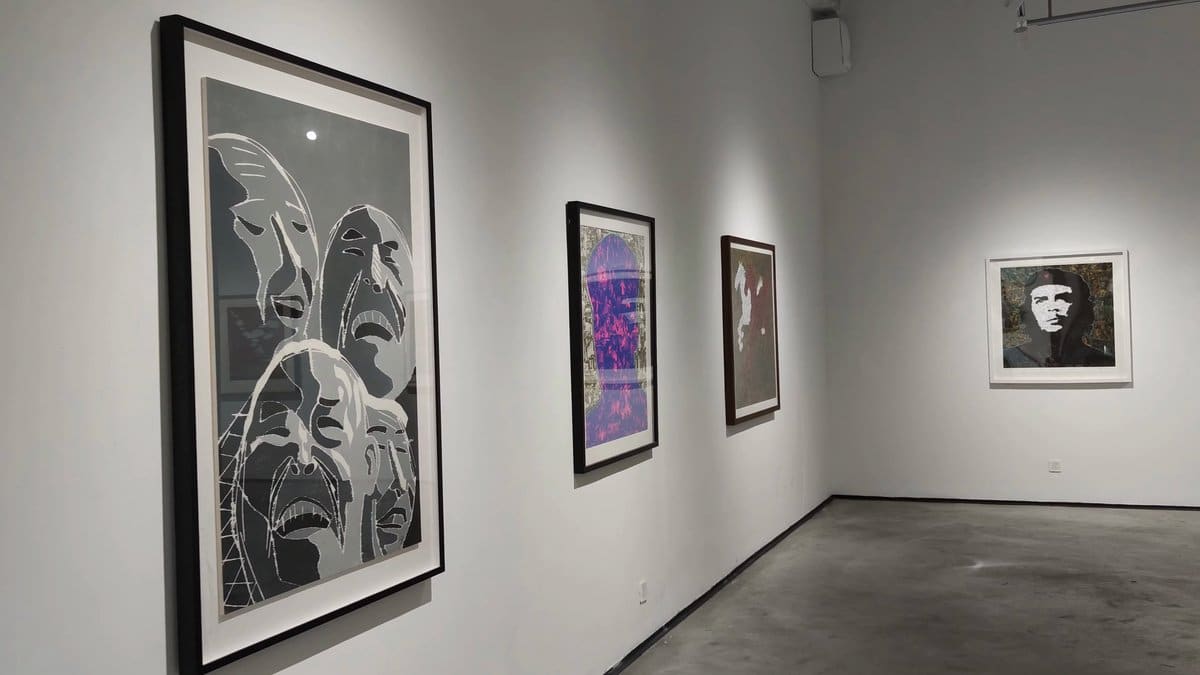
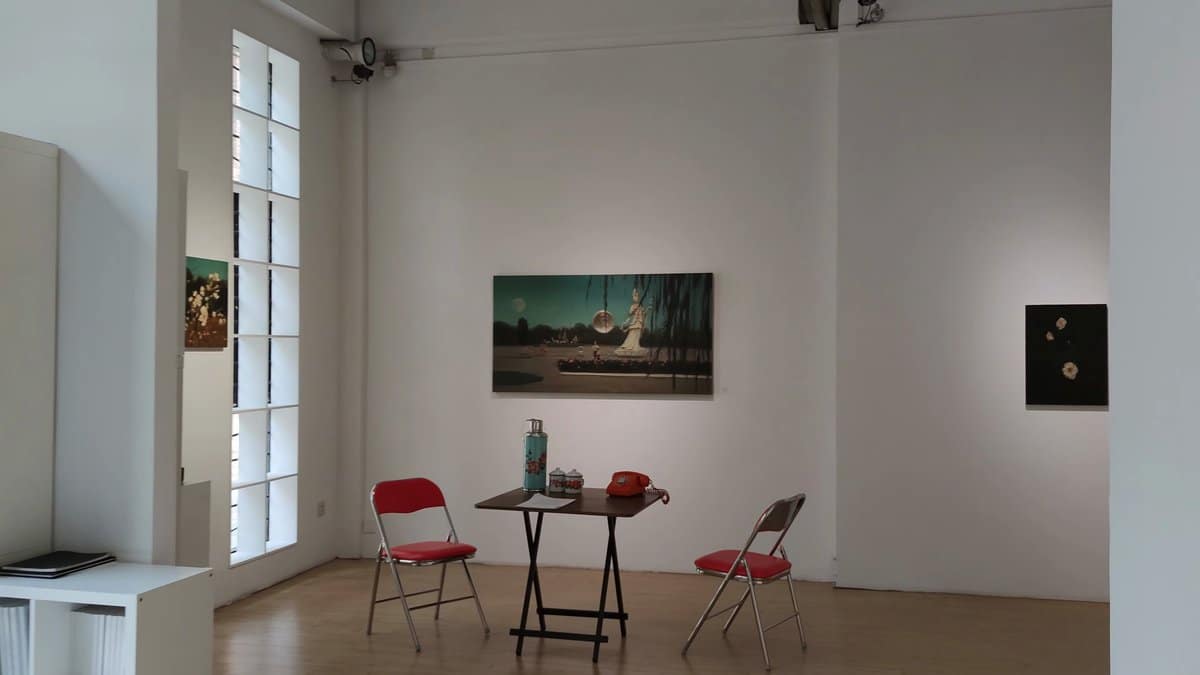
From abstract canvases hung crookedly in corners to more figurative paintings and equine ink work inside the galleries themselves. Some are as carefully curated as any gallery; some are storage rooms that just happen to have art hanging on them. Walls is layered with exhibition posters.
A few galleries go for atmosphere by painting their walls or using dramatic lighting.
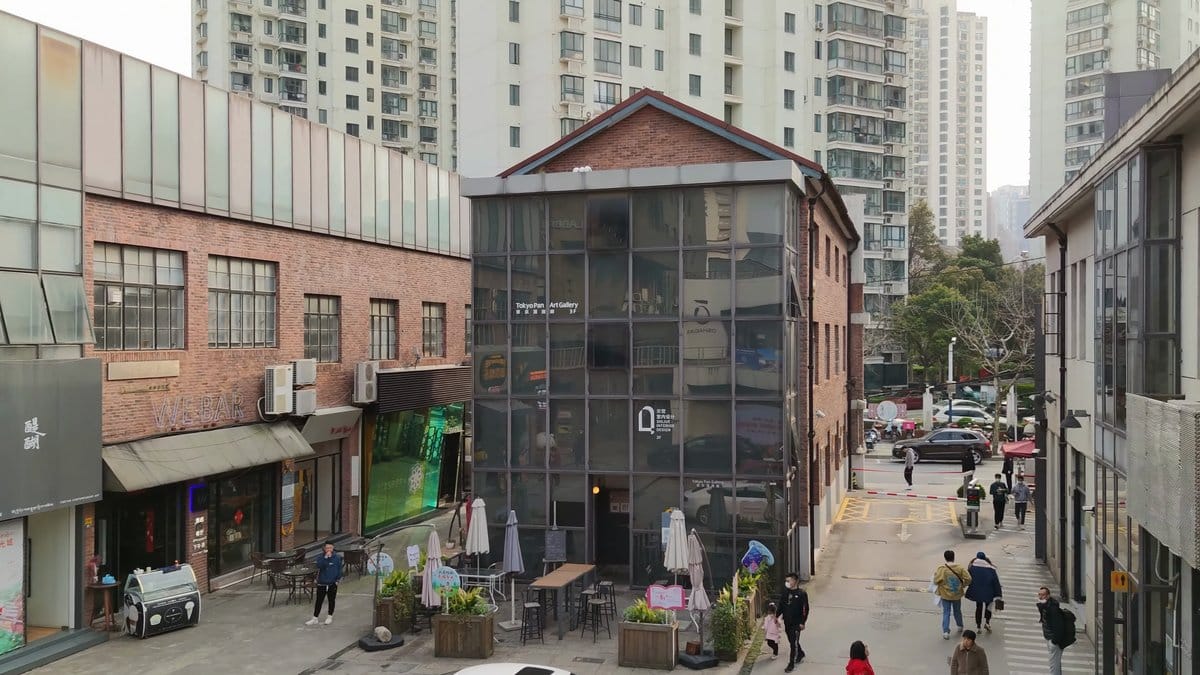
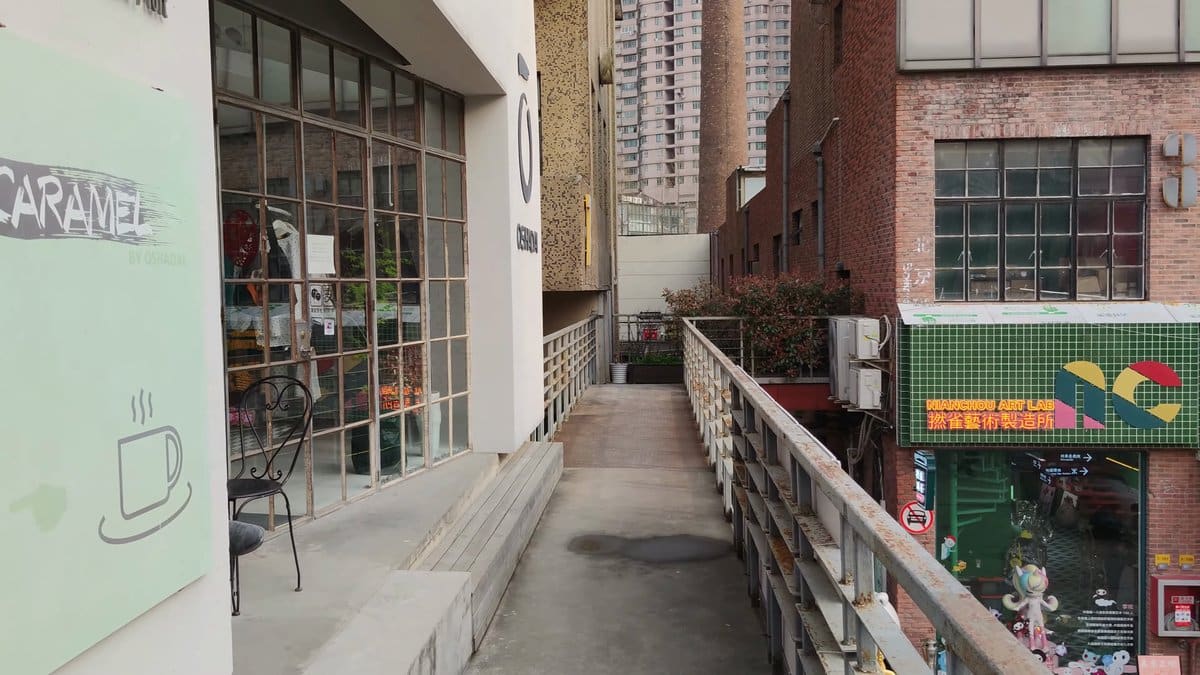
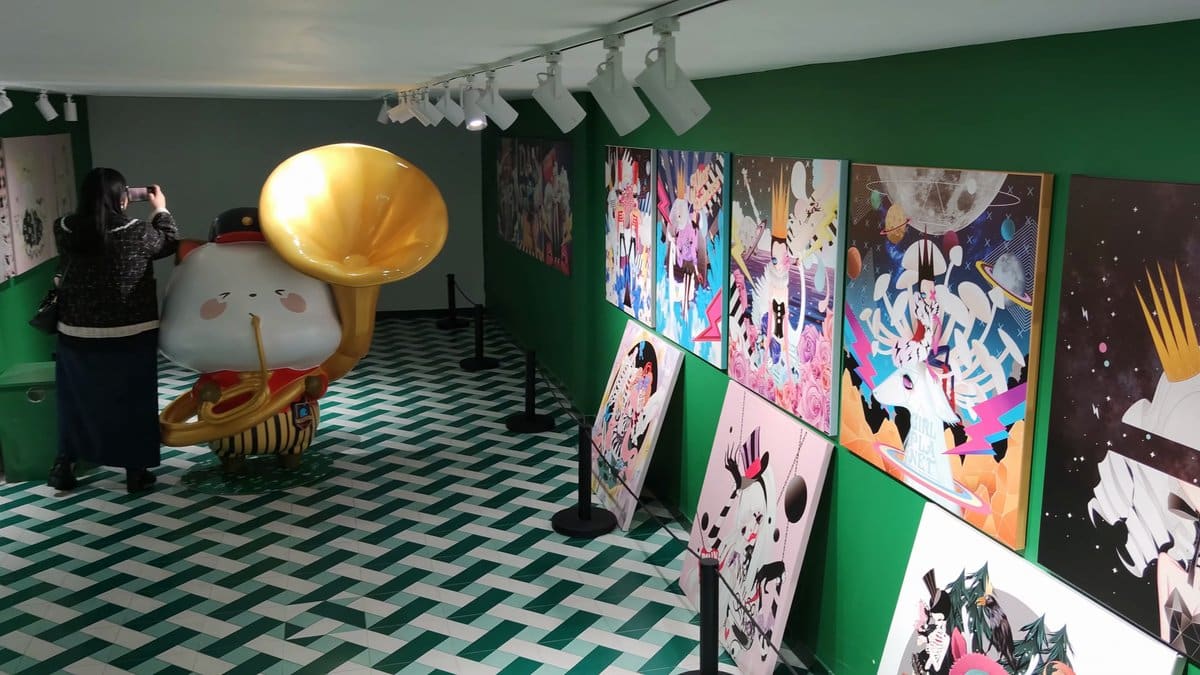
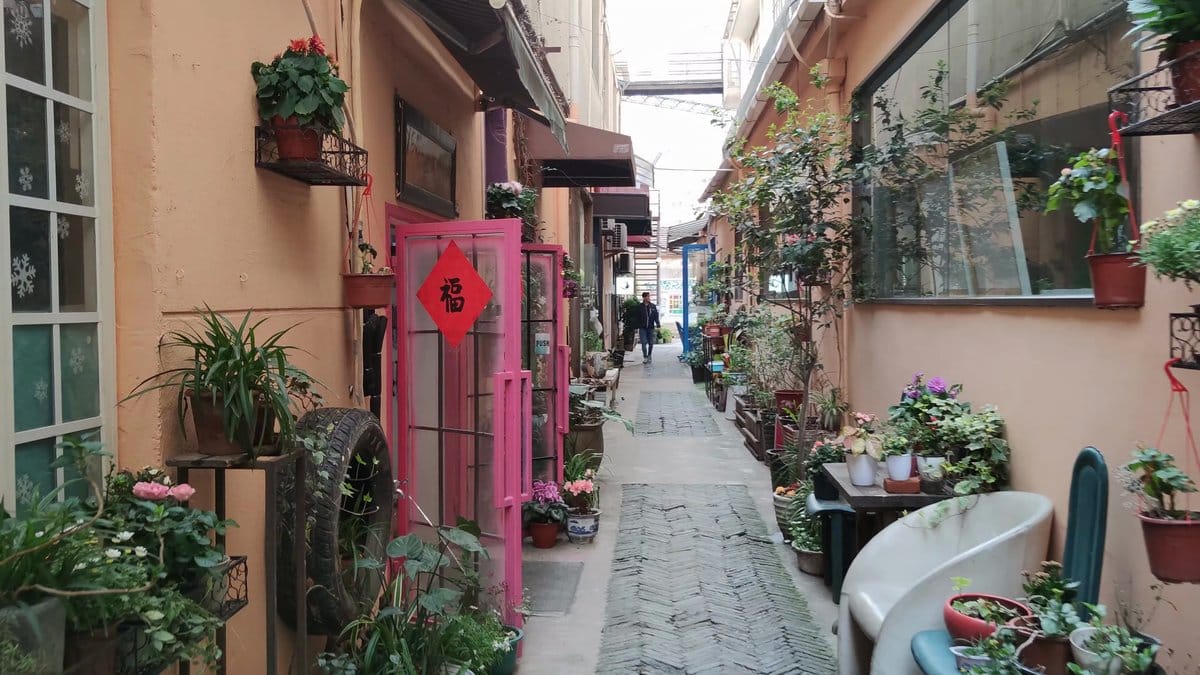
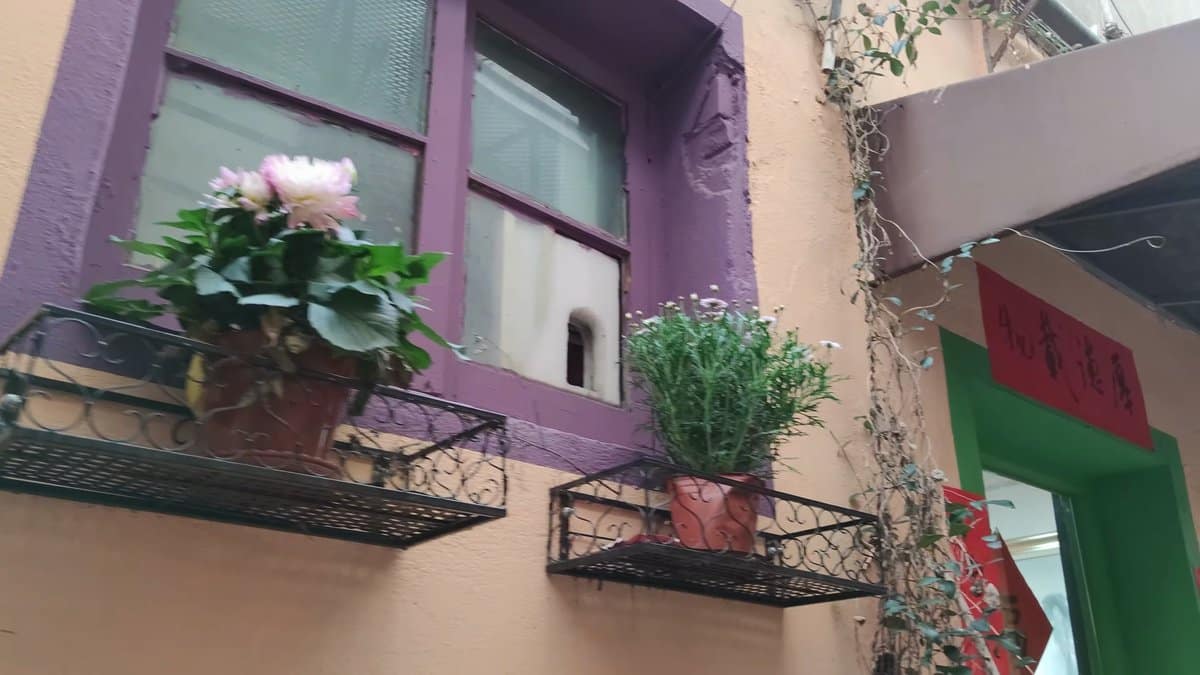
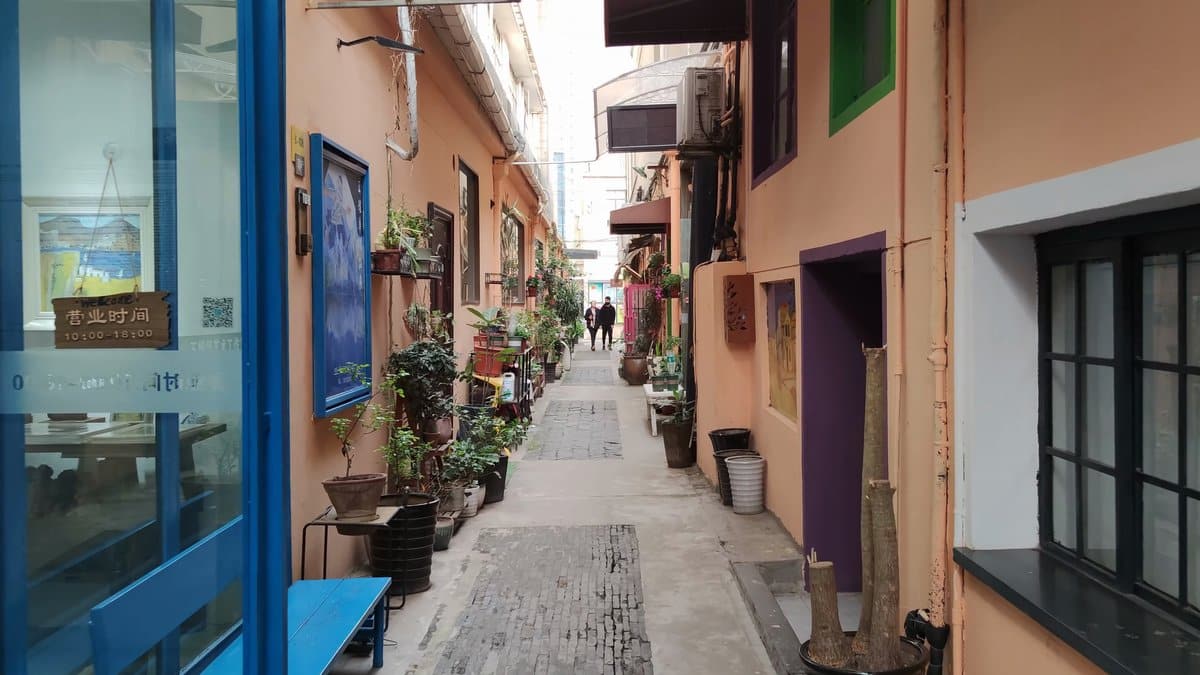
What gives the district its character are the buildings themselves, old brick mills, whose high windows and exposed beams look like they were built yesterday. Some of their facades have been repainted and patched, while others has been allowed to weather naturaly. In spots, planters and potted plants make the industrial edges softer but the overall feel is still raw.
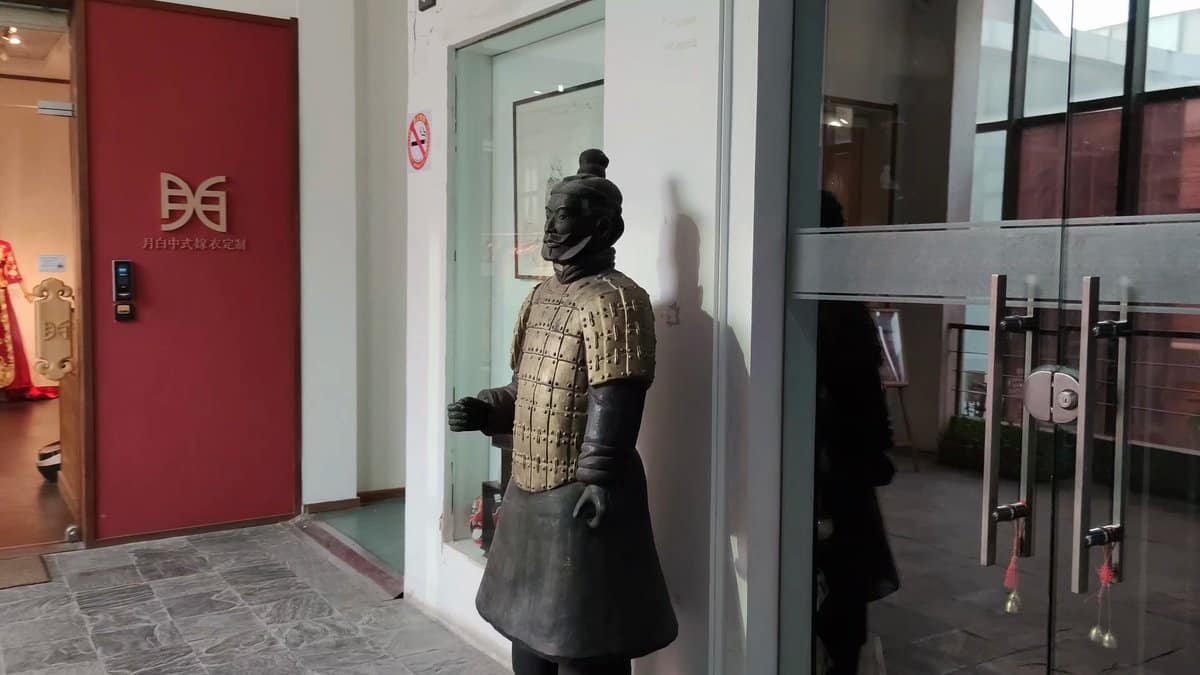
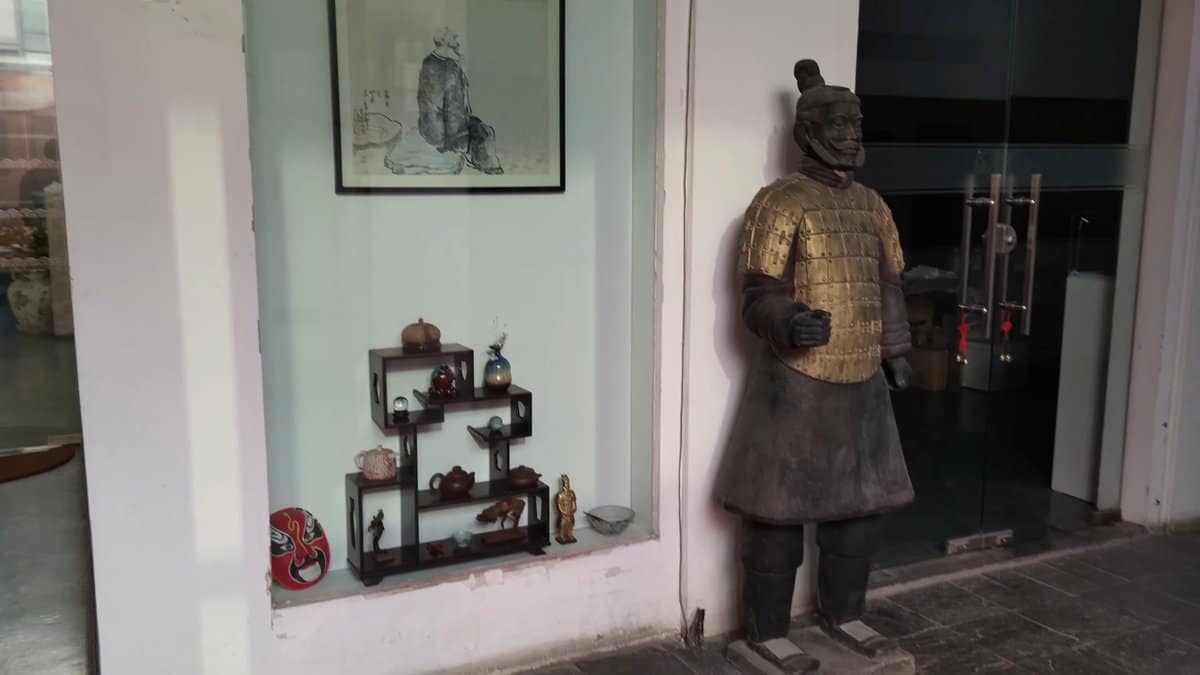
A quirk that keeps popping up here is the terracotta warrior replicas that act as sentinels outside doorways: it’s more kitsch than meaningful.
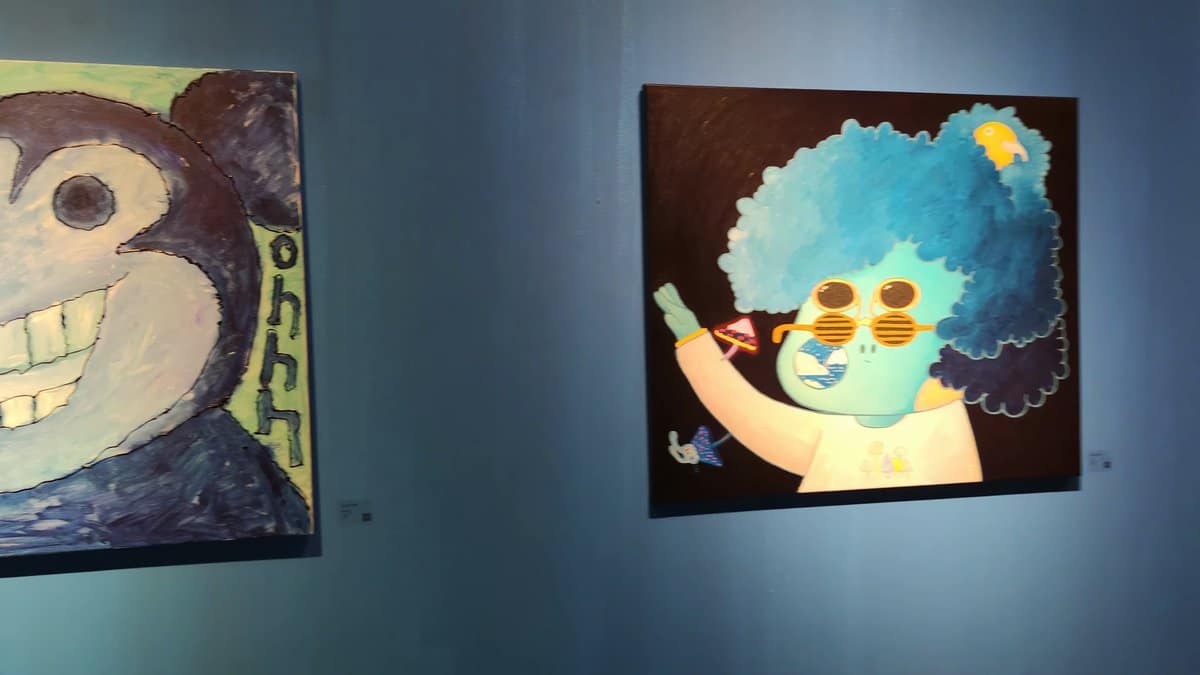
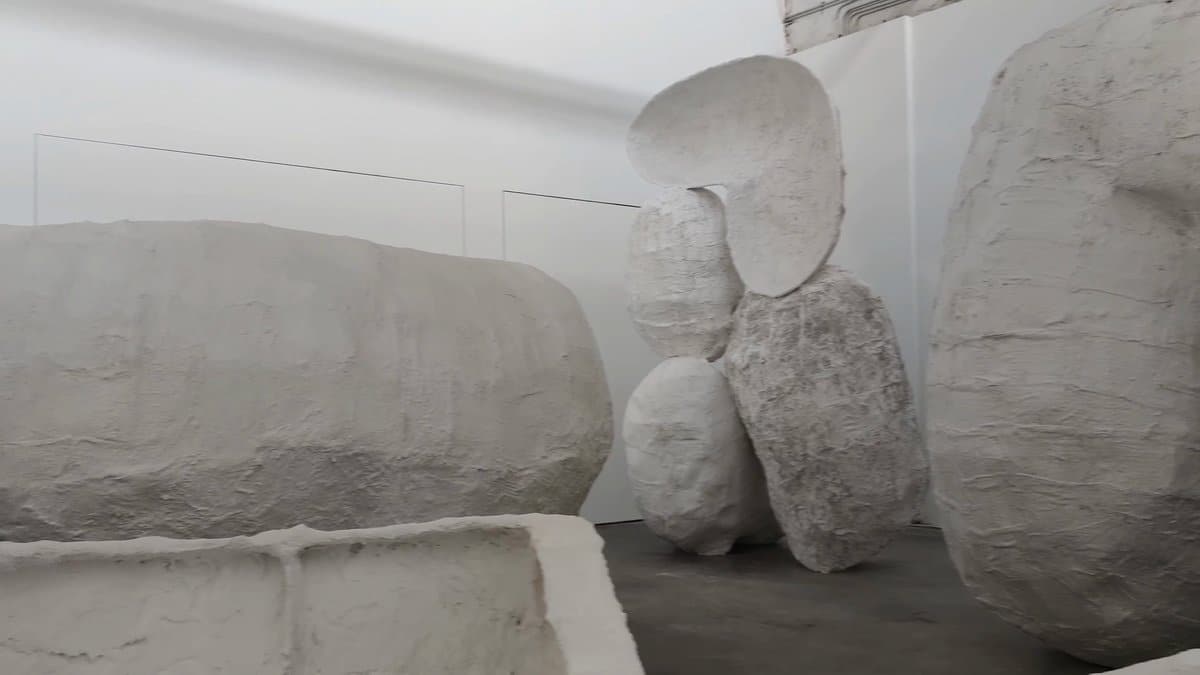
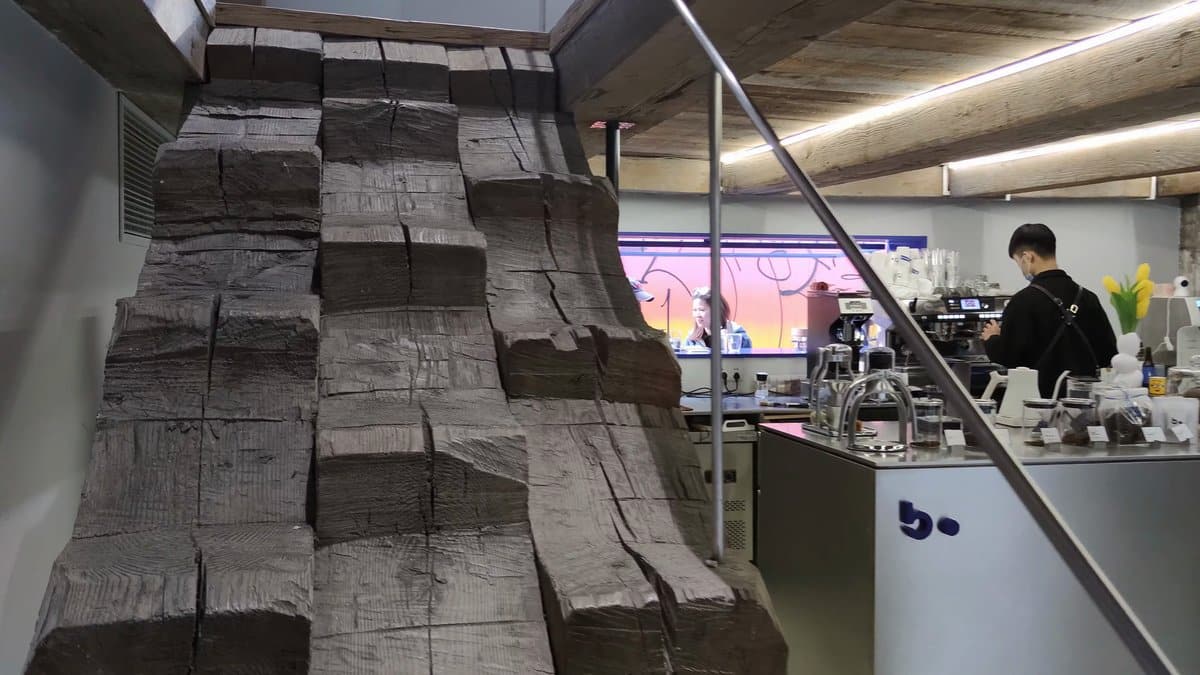
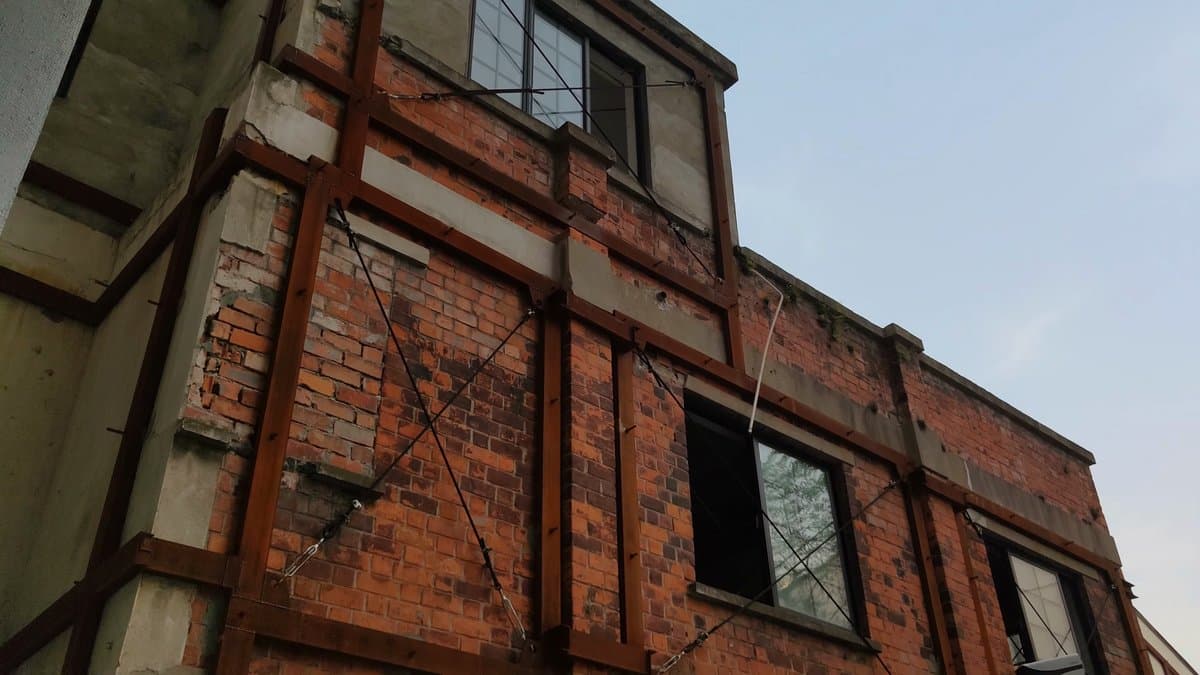
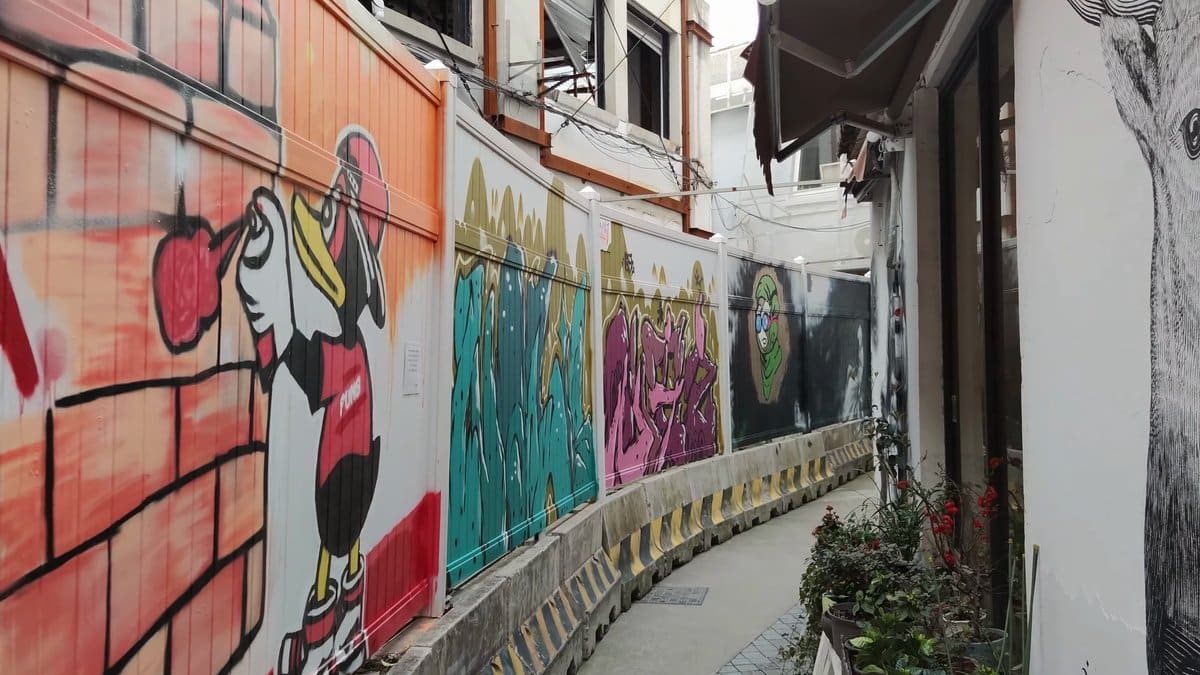
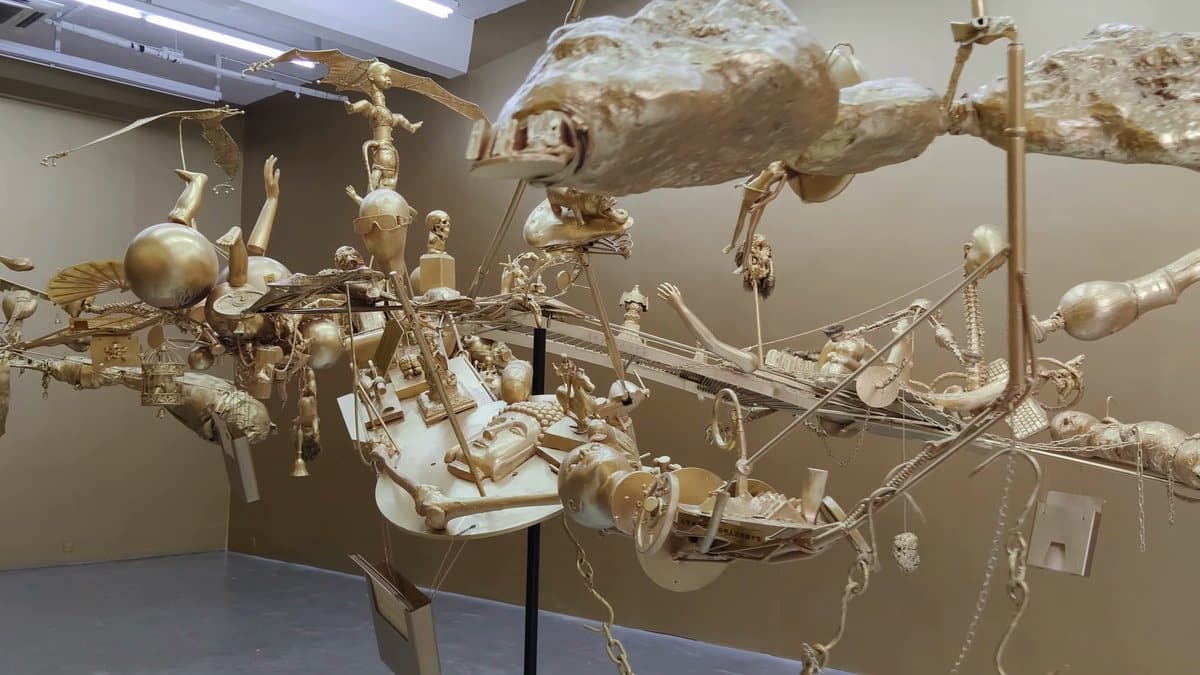
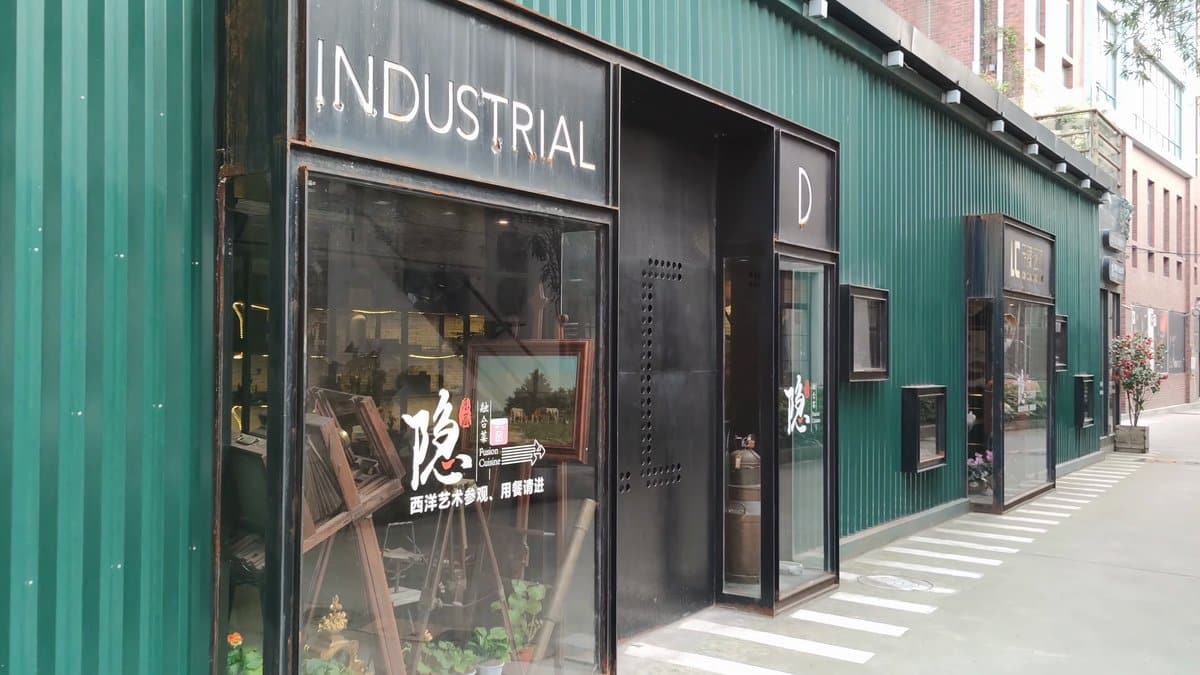
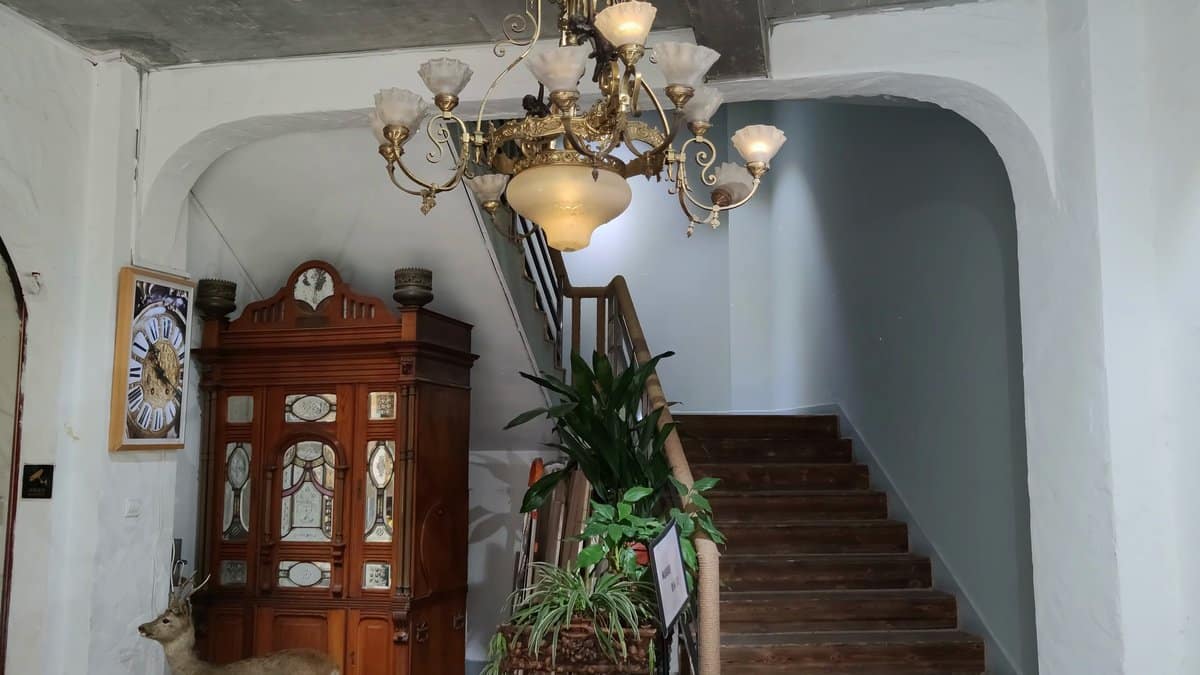
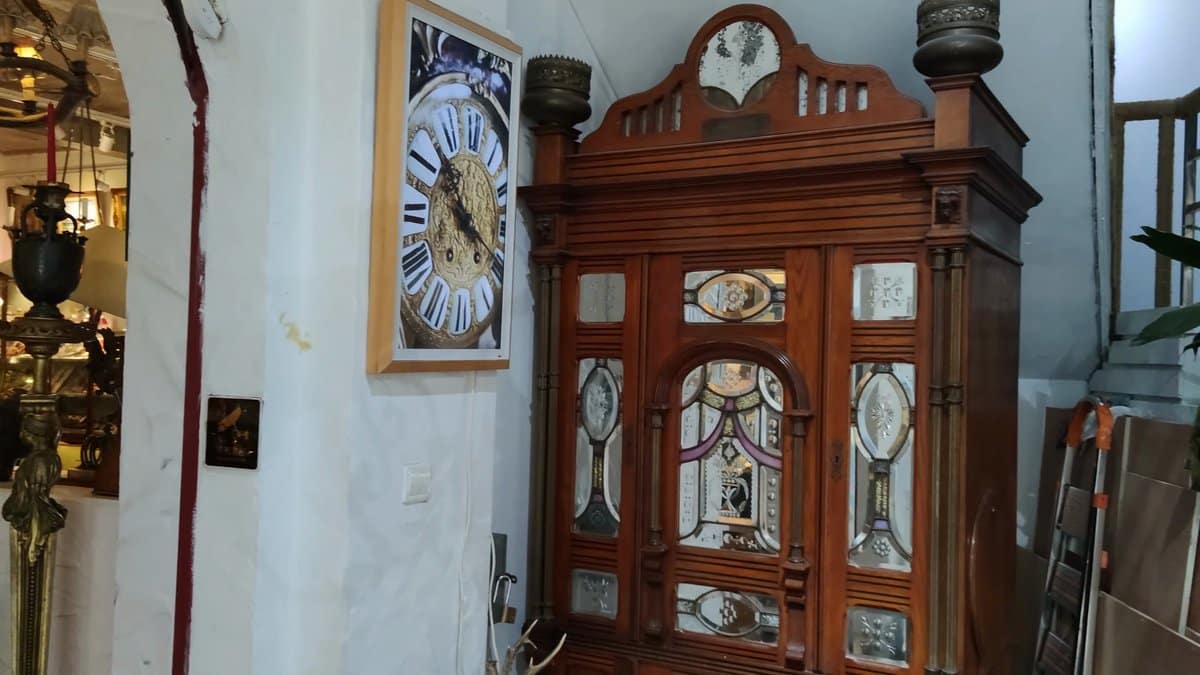
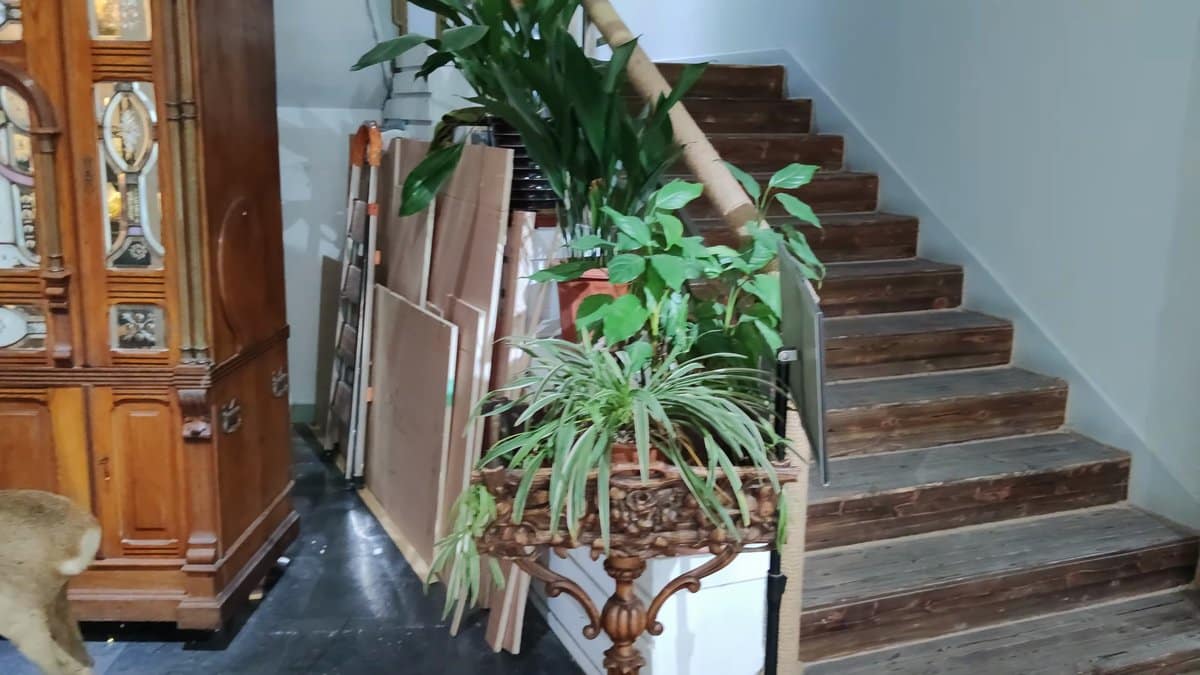
Venture further inside and you’ll find more moddern interiors, with corrugated metal facades and hanging installations, next to antique stores stuffed with chandeliers, carved cabinets and piles of vintage clocks. It may not be a pretty contrast, but then that’s the nature of the district: pieced together over years.
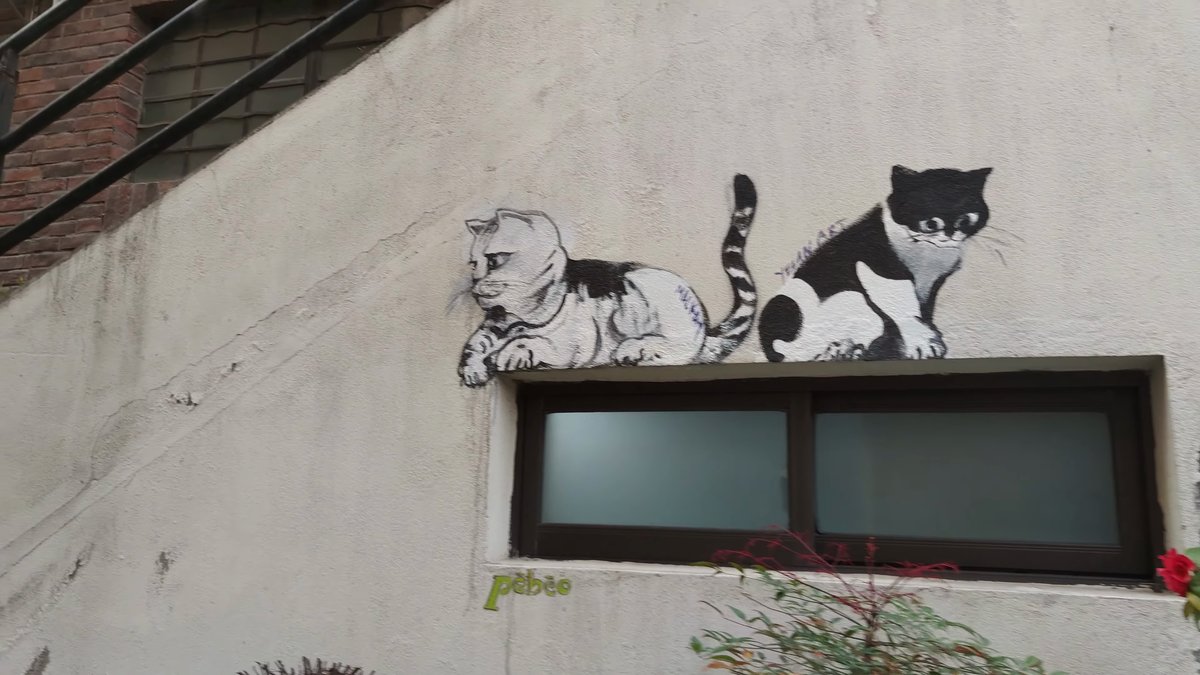
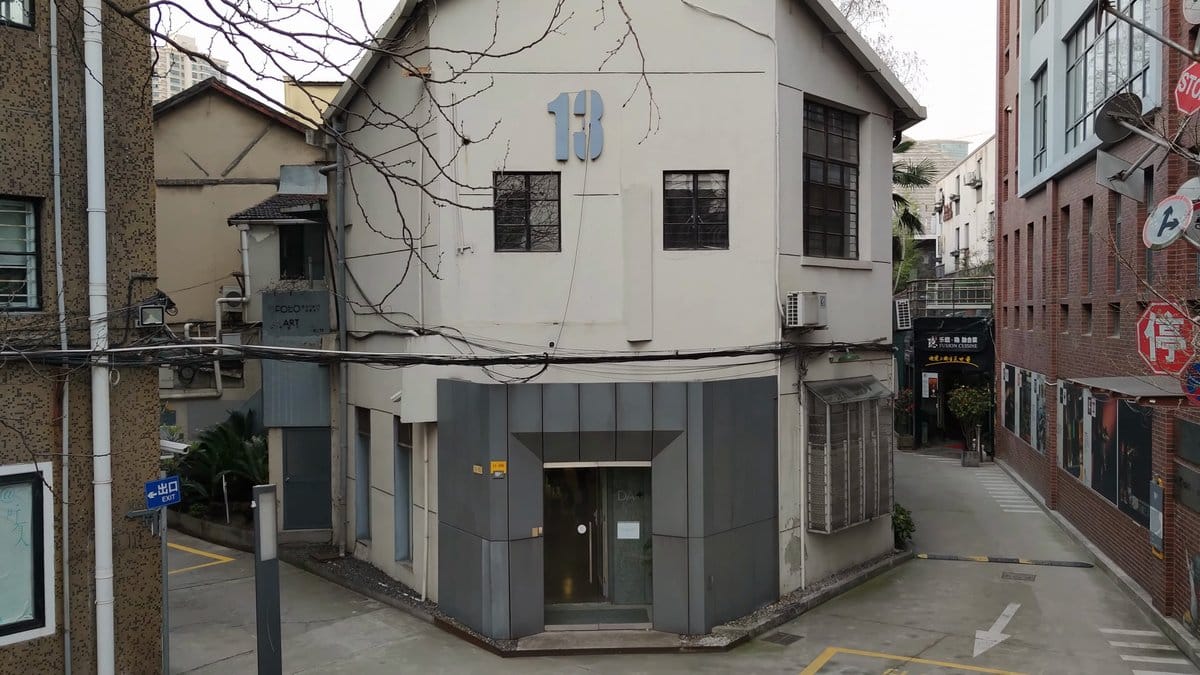
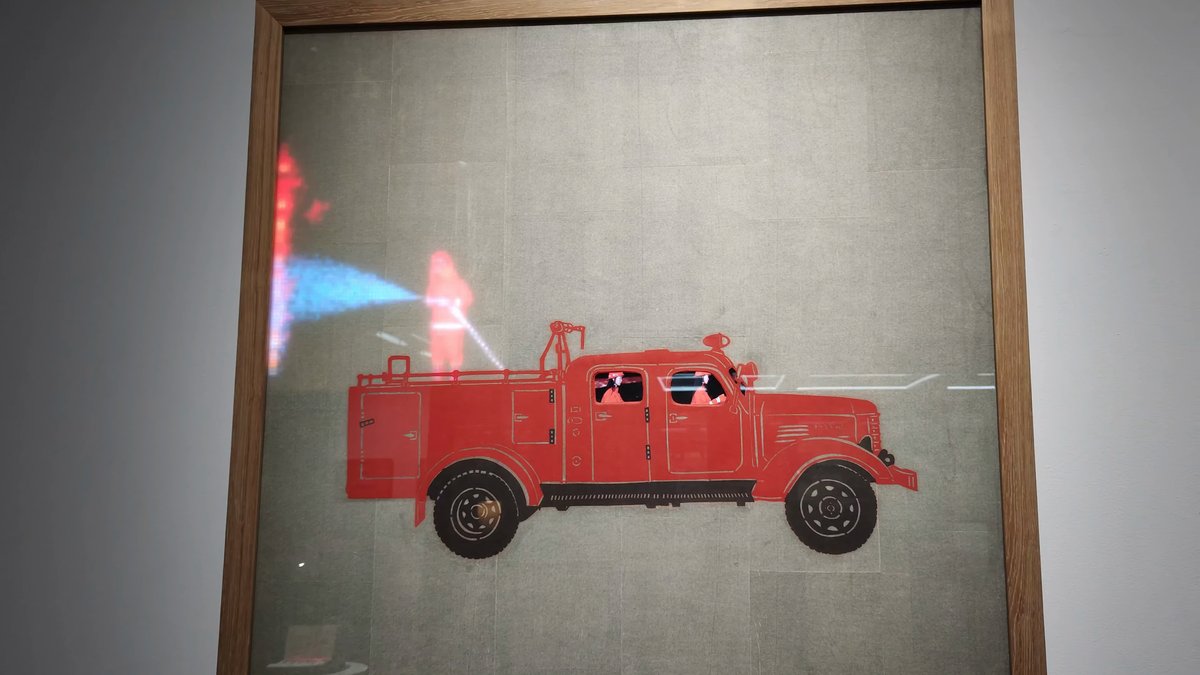
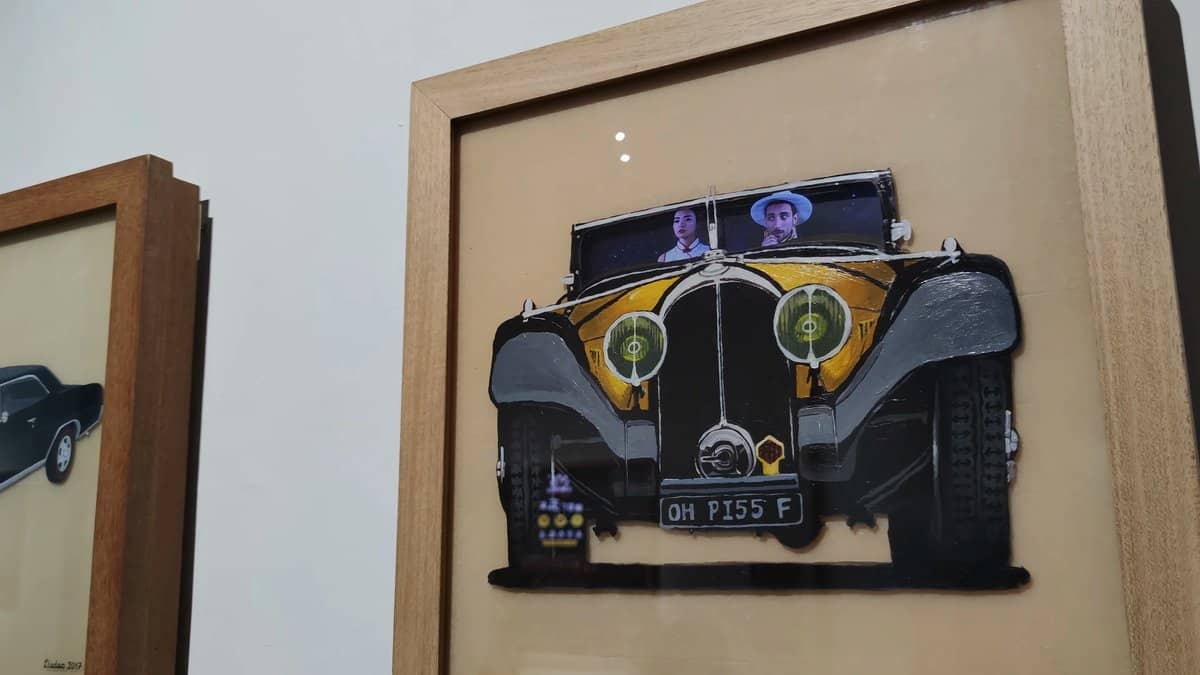
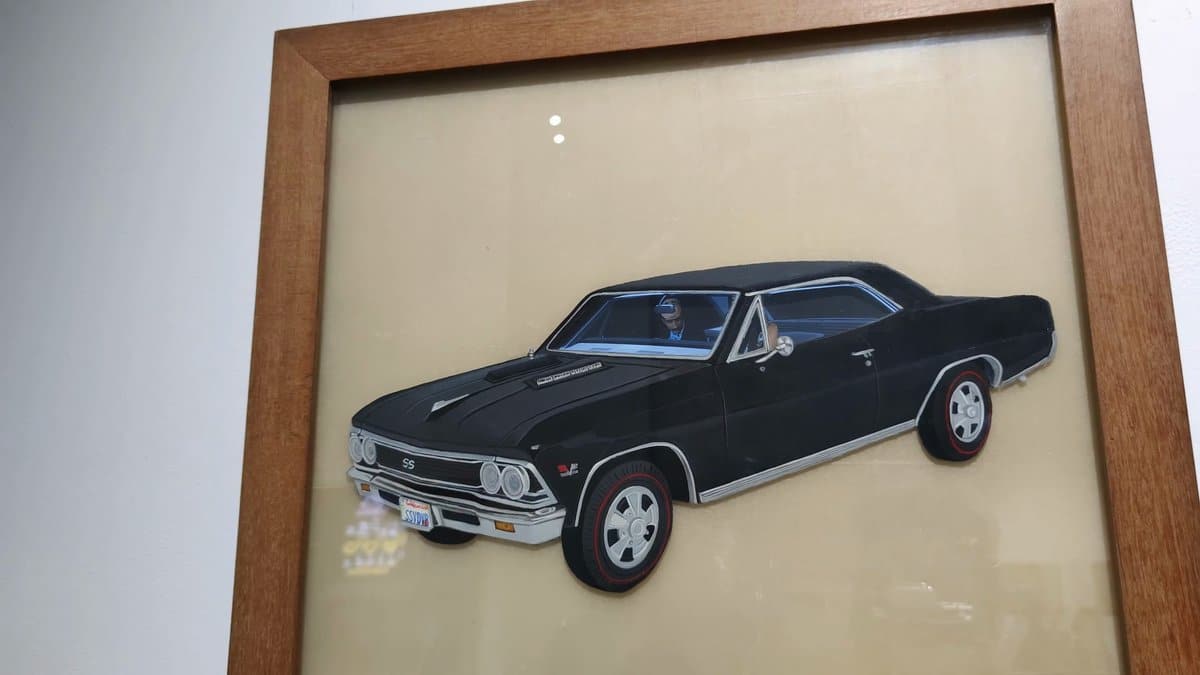
Big painted numbers appear on street corners, and fire engine- or car-themed relief artworks pop up in unlikely locations. These additions feel like they have piled up over time rather than being part of a plan. As rents have gone up, some galleries has shut down and the area has lost some of the initial scrappiness, but it is still less shiny (and more open) than Shanghai’s pricier art areas.
The area is quieter during the week and you’ll have a higher chance of viewing the galleries without a crowd (as well as some time to browse). There are more people on weekends. However, there is also the possibility of visiting an exhibition opening.
It is definitely worth planning if you want to meet the gallerists or artists. If contemporary art isn’t realy your thing, you could of blow through here in an hour or two but it’s worth giving yourself a few hours to wander without a destination. Just outside the warehouses is Suzhou Creek itself where you can take a quick stroll by the river to get away from all the buildings.
Ever been to another repurposed industrial art district? How was it similar/different?