If you know where to look, Shanghai‘s history is all over the place, some of it more carefuly tucked away than other bits. Unless you’re looking for the tiny sign on the street, you’ll walk right past the Shanghai Propaganda Poster Art Centre, which occupy a basement apartment in an otherwise residential block in the former French Concession. And what’s down there?
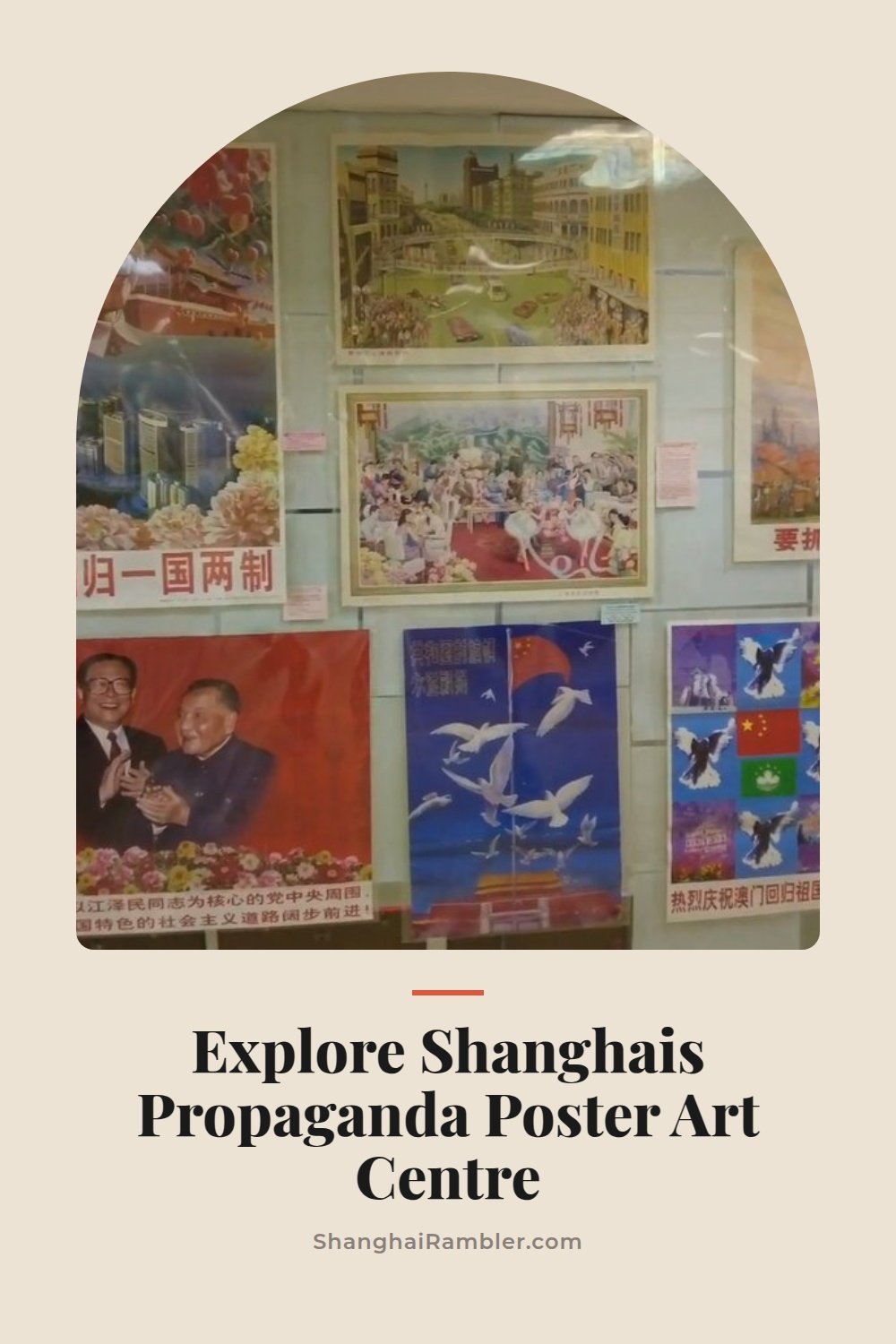
It is exactly what the name promises: room after room of original propaganda prints from the People’s Republic era, collected over decades and mounted floor to ceiling in a space that feel more like someone’s obsessive archive than a polished museum. You can look forward to friendship banners from the Soviet era, lots of calendar girls in silk dresses, some heroic workers and employees, and many political slogan (complete with quotations from Mao and Marx). You’ll see everything from the very beginnings of the PRC up until the Cultural Revolution and beyond, so you get a pretty blunt look at how the messaging change over time.
It’s cheap to enter, the staff will let you wander around as much as you want, and there are prints and postcards for sale on the way out if you spot something that catch your eye.
Inside the Shanghai Propaganda Poster Art Centre
Shanghai Propaganda Poster Art Centre
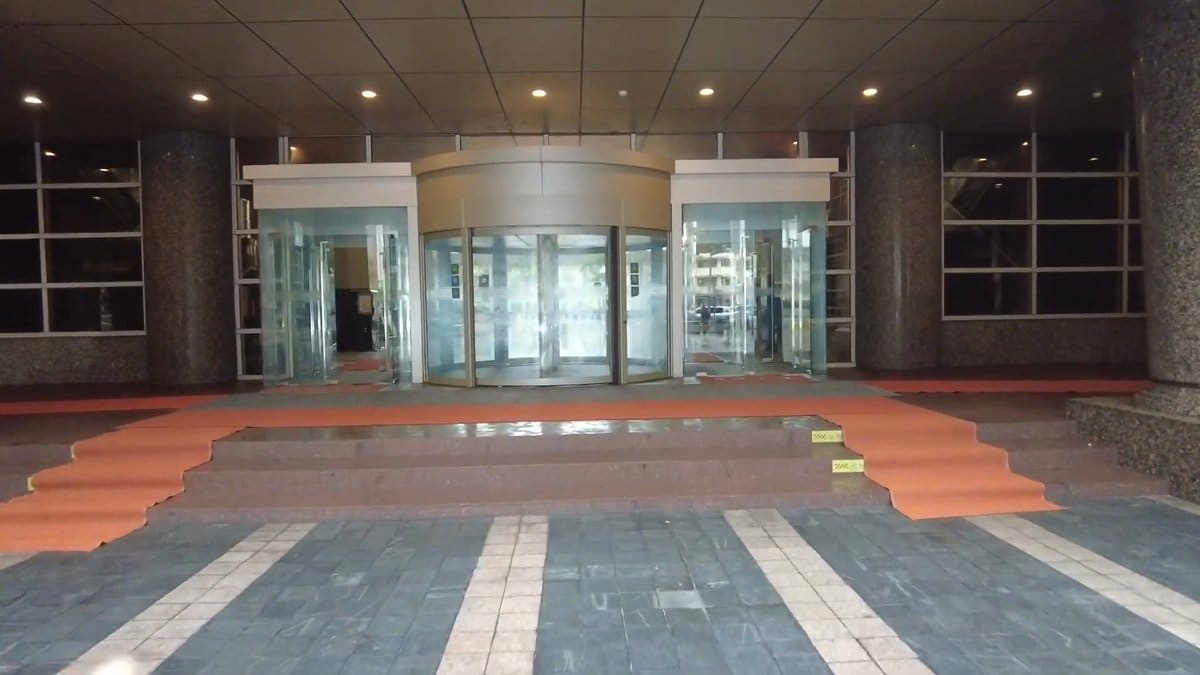
You enter as if visiting a friend’s apartment, because that’s essentially what it is. The door on Huashan Road lead into an ordinary residential building. From there, you walk through to a tiled arcade that might be part of any mid-century Shanghai apartment block.
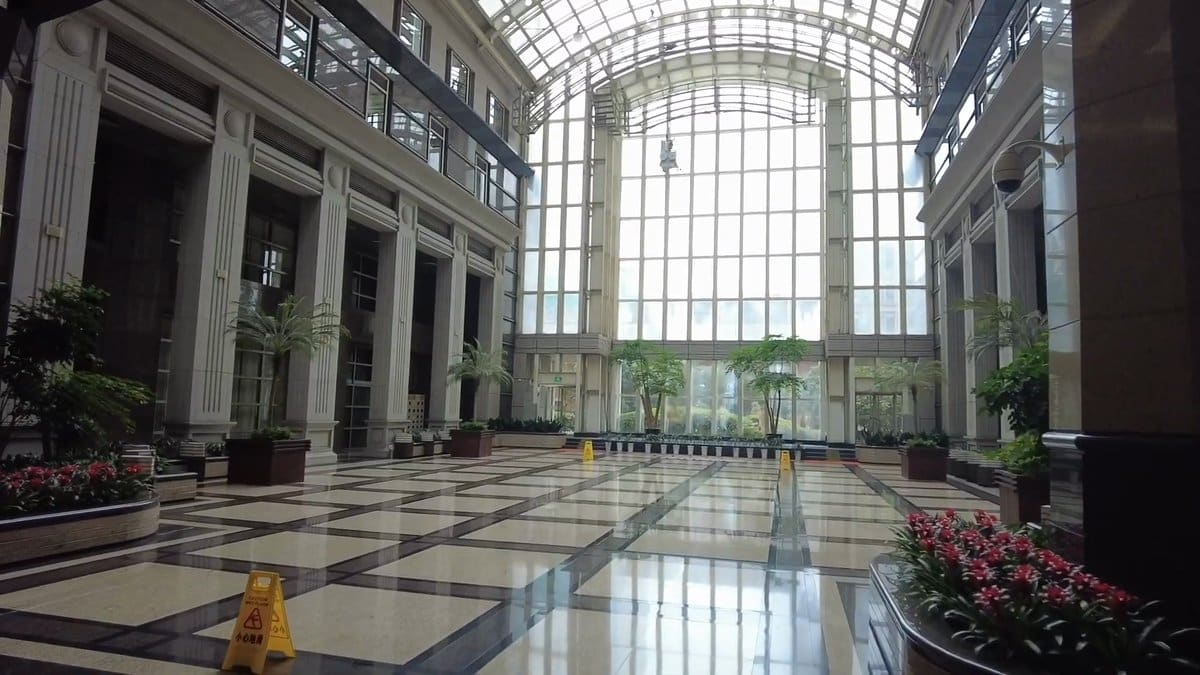
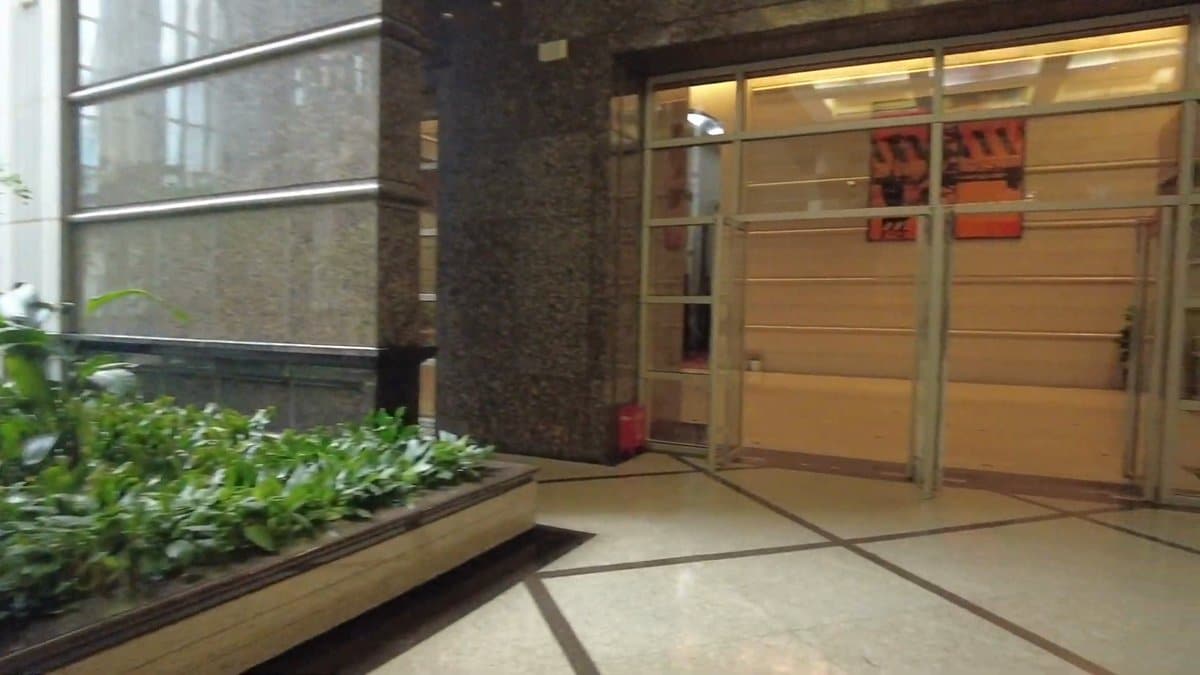
The real entrance to the gallery is actualy down the stairs, where there are glass doors at the bottom. After passing through those, the space expand into several interconnected rooms in the basement that is lined with posters, both pinned to boards and under glass. Some spots are dimly lit, which fits the mood but makes it hard to read some of the smaller captions.
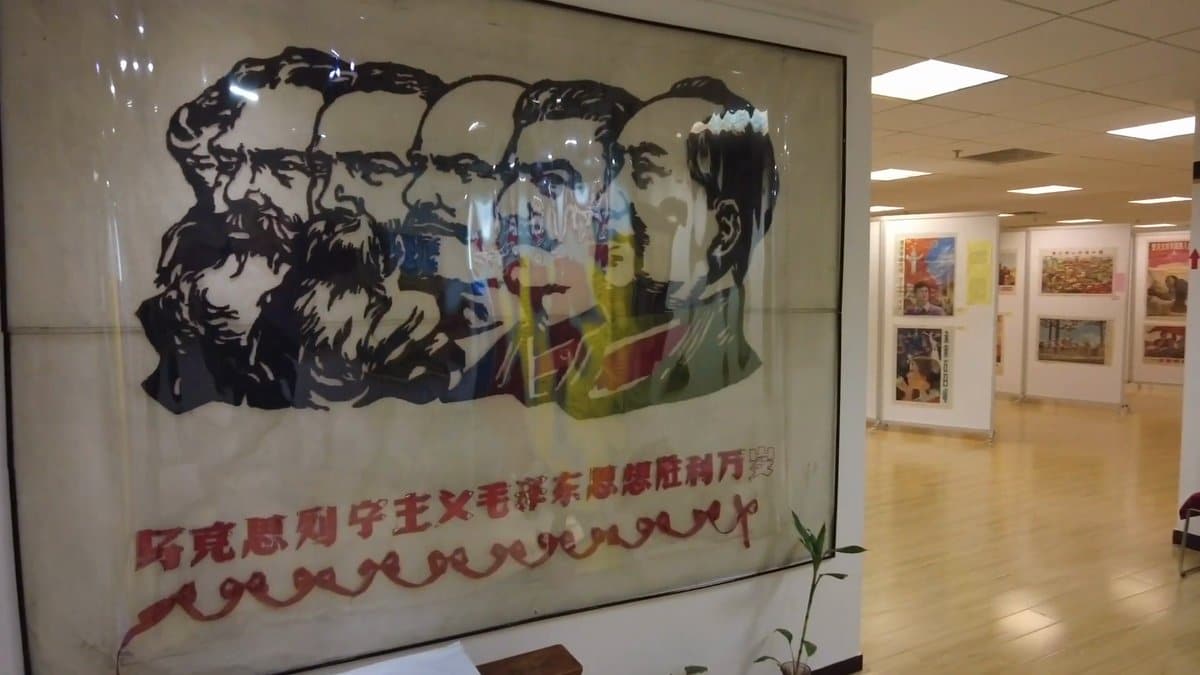
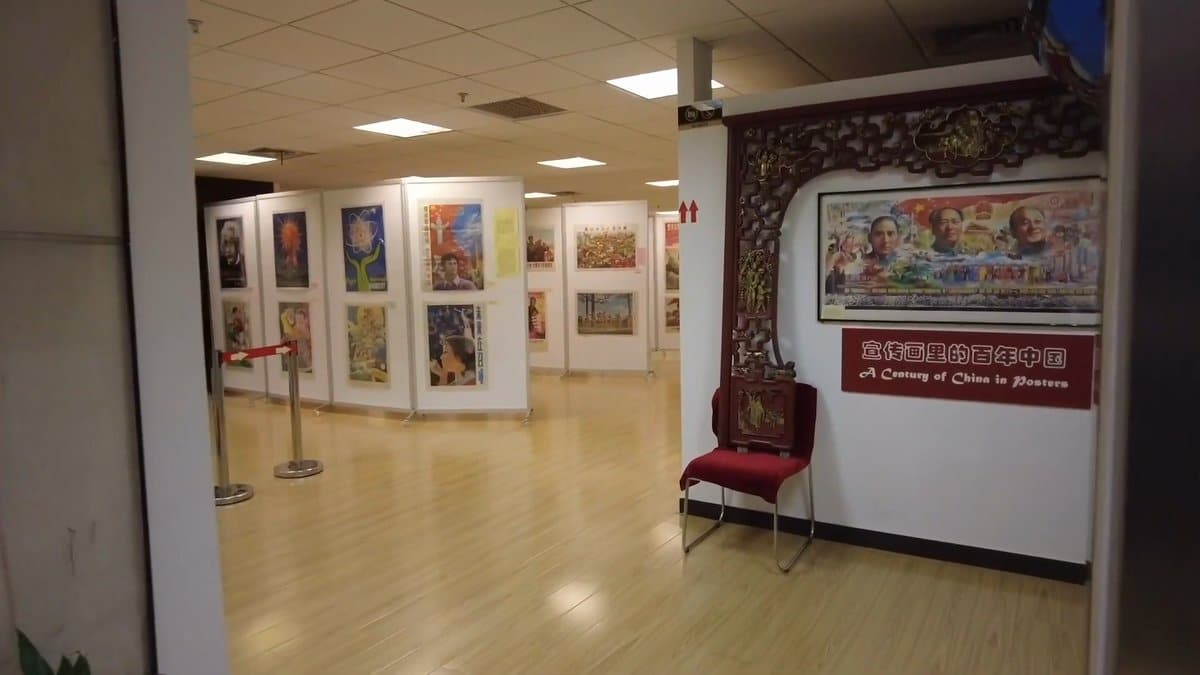
Title panels and banners frame the collection as a century of visual history, setting the tone at the entrance area. The owner, a private collector, began acquiring these prints in the 1990s, back when most folks was tacking over them or throwing them out. Now he’s got thousands.
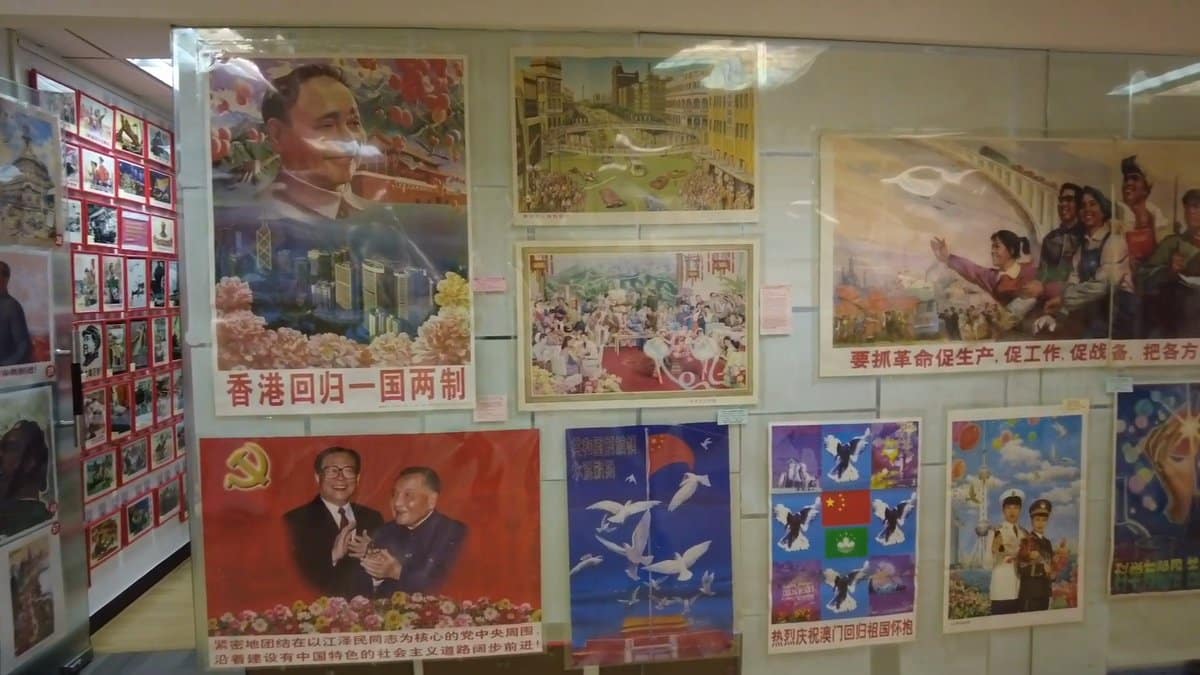
Others celebrate particular political events. Most major state events has their commemorative prints, from the 1997 handover of Hong Kong to other major milestones. Some are more generic; patriotic slogans, calls to study and serve the people, industrial production targets.
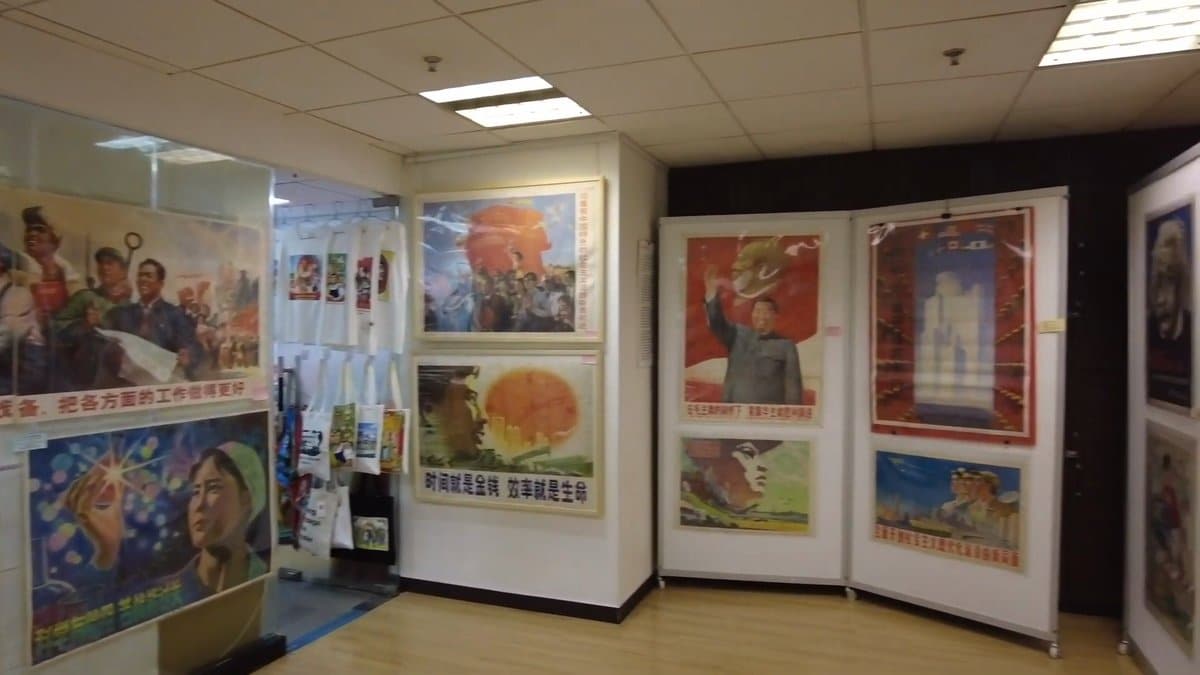
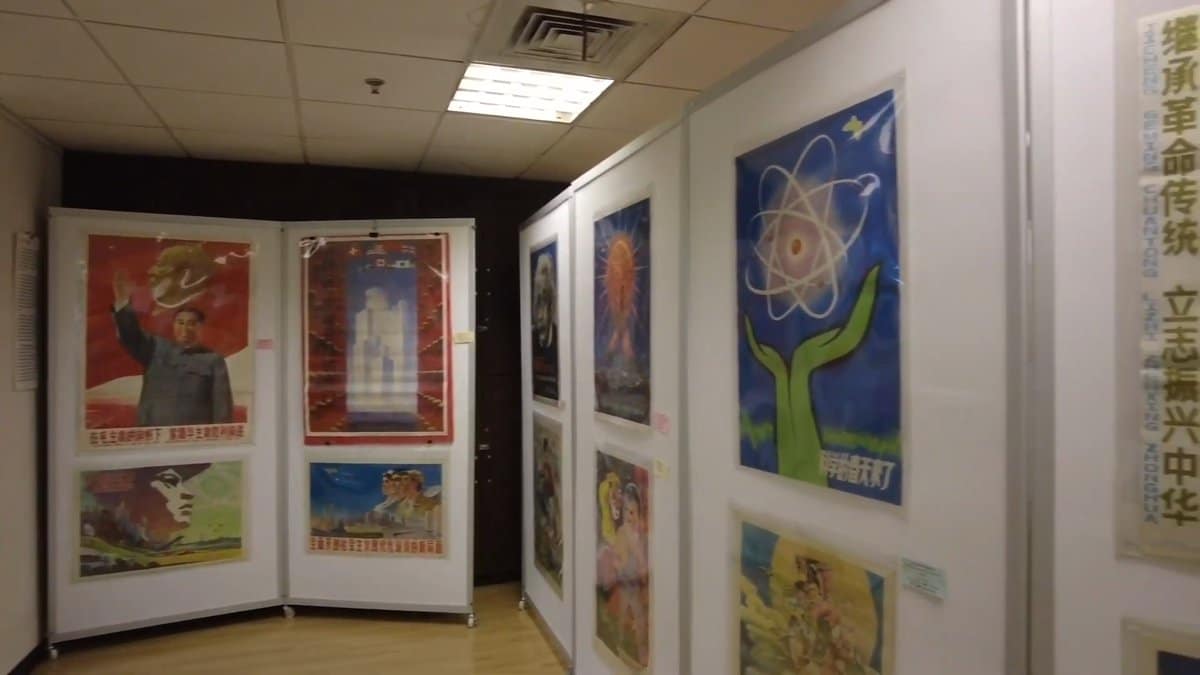
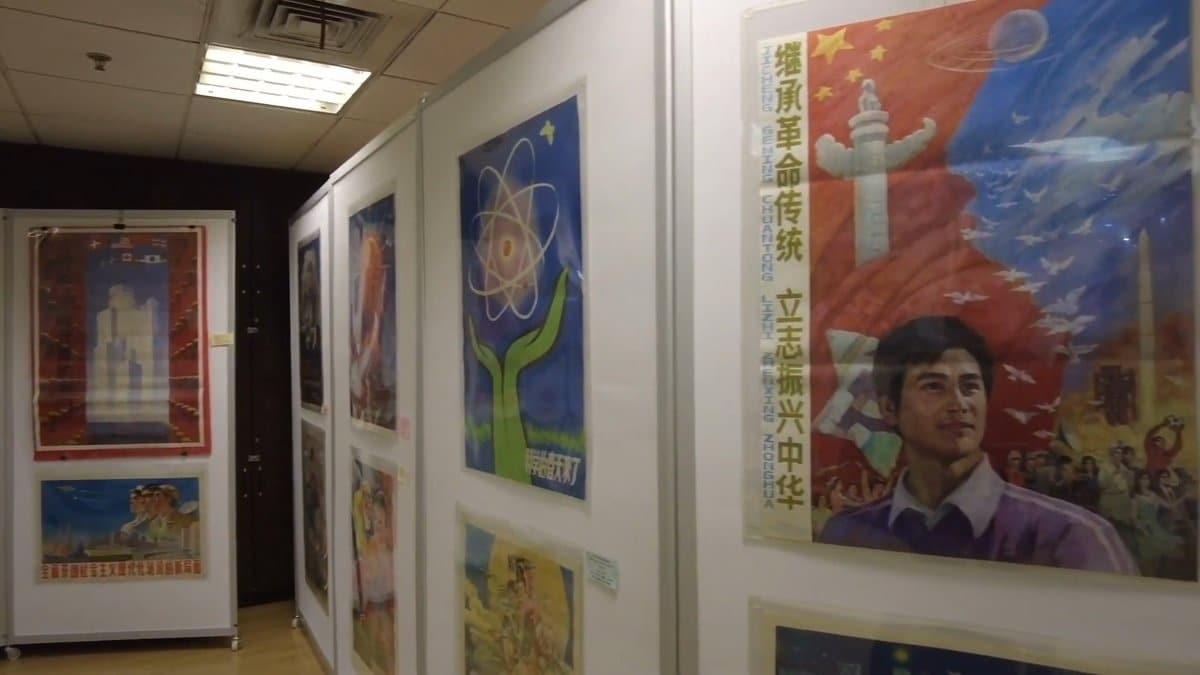
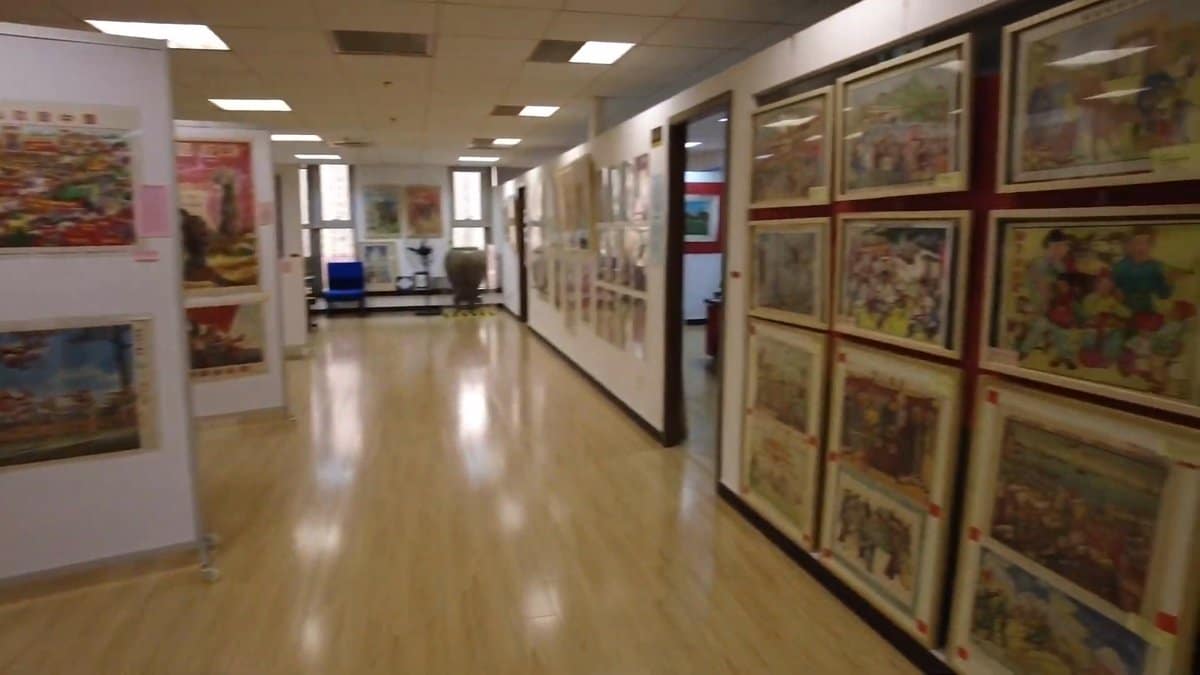
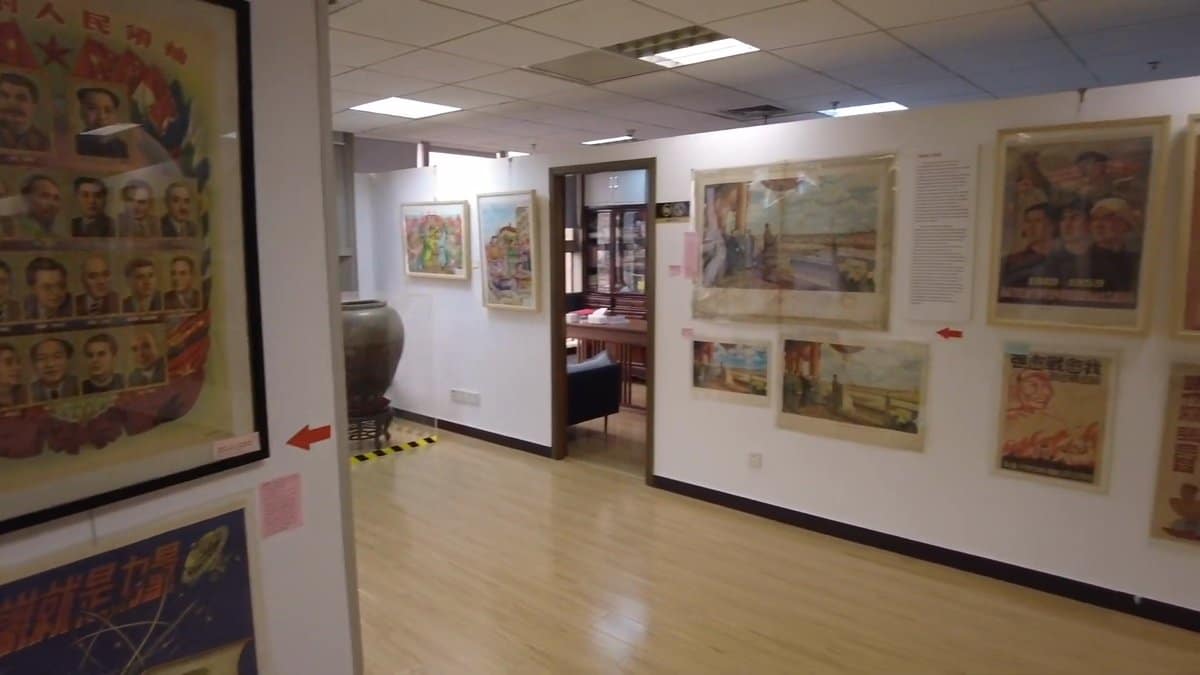
Follow the central corridor through and you will find that rows of framed prints covers every available wall. These are dominated by the stuff of the Mao era: simple figures drawn in typically socialist realist style, bold graphics. Each poster has a clear message, this is scientific achievement; this is military readiness; this is agricultural output.
Nothing about any of it is subtle. The thing is, though, the artwork itself is often striking. Even if the slogans sound heavy-handed today, the choice of colours, the compositions is sharp.
The space is organized to help you appreciate that density.
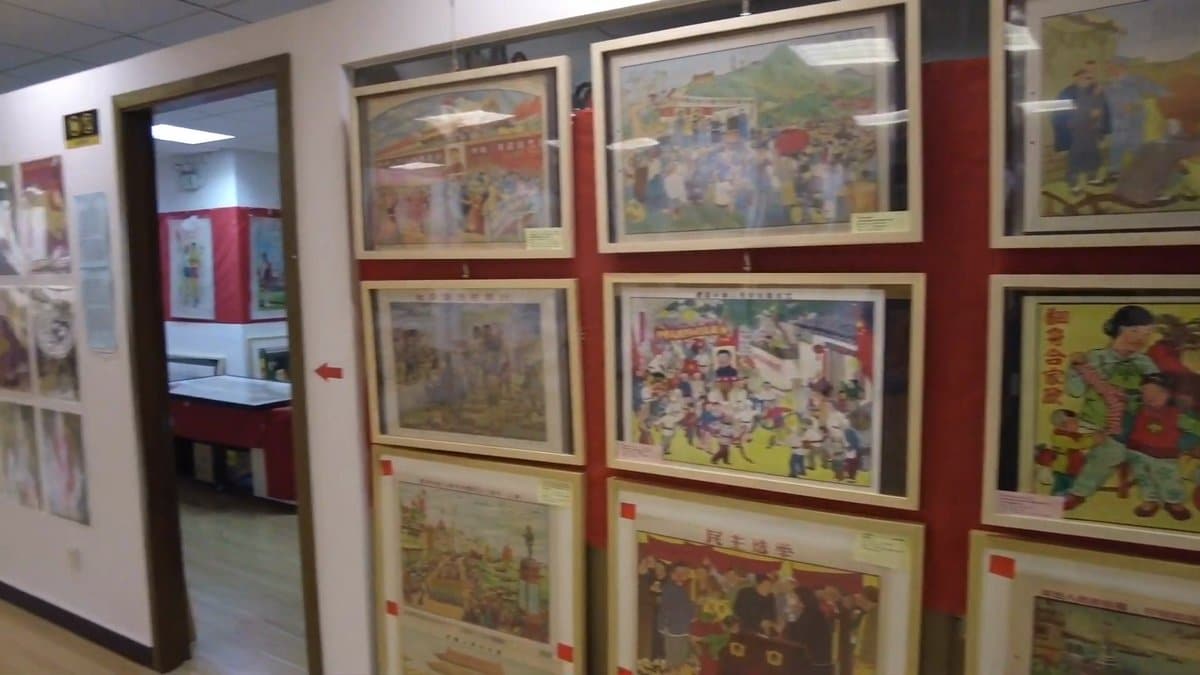
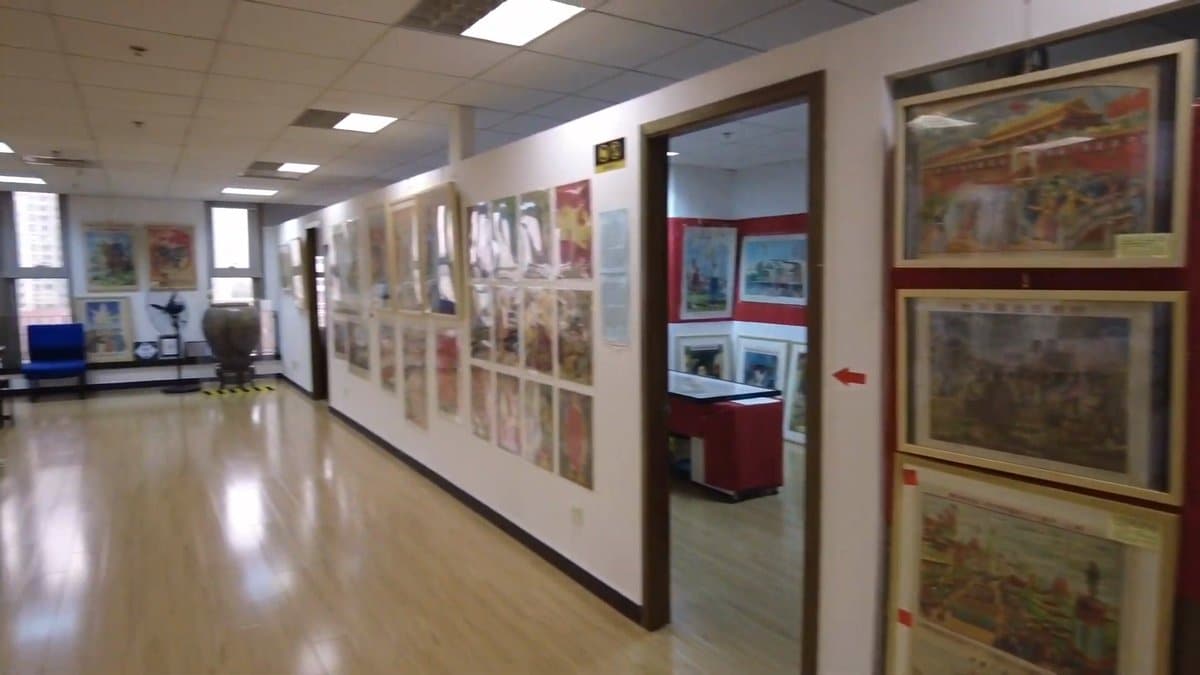
Some areas feature the posters hung salon style, as close together as possible, making it easy to contrast their themes and styles. It’s overwhelming (and that was the point). These weren’t just some niche art; these prints was everywhere, taped up all over school and office walls and distributed freely.
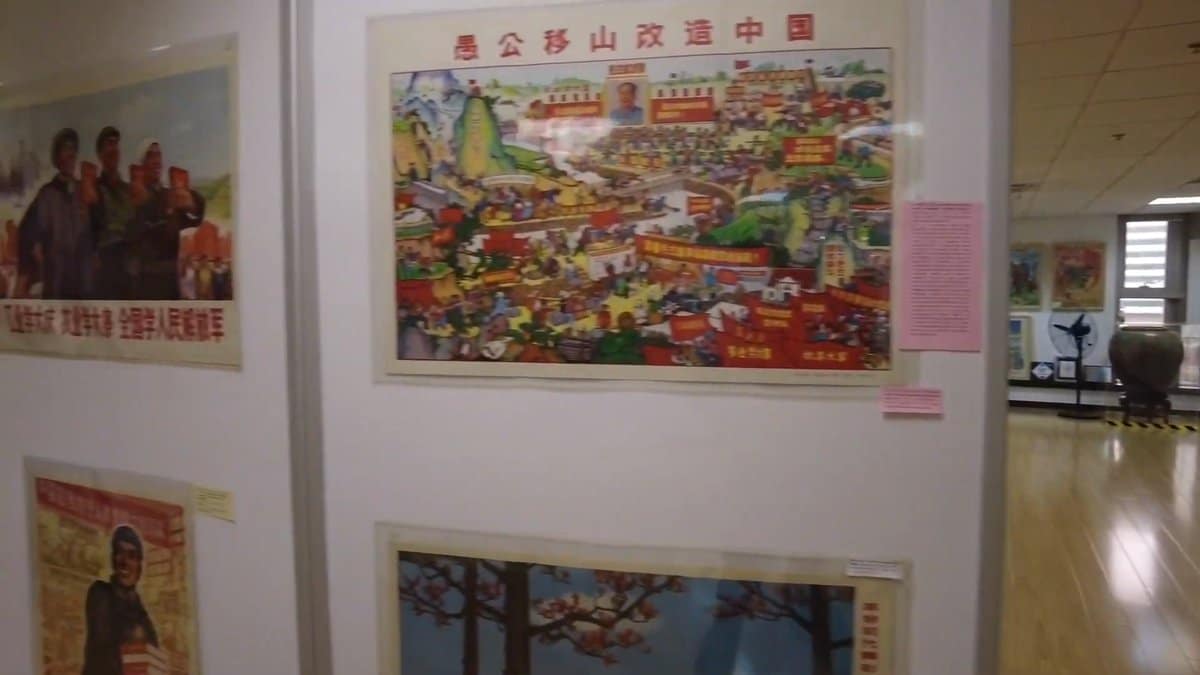
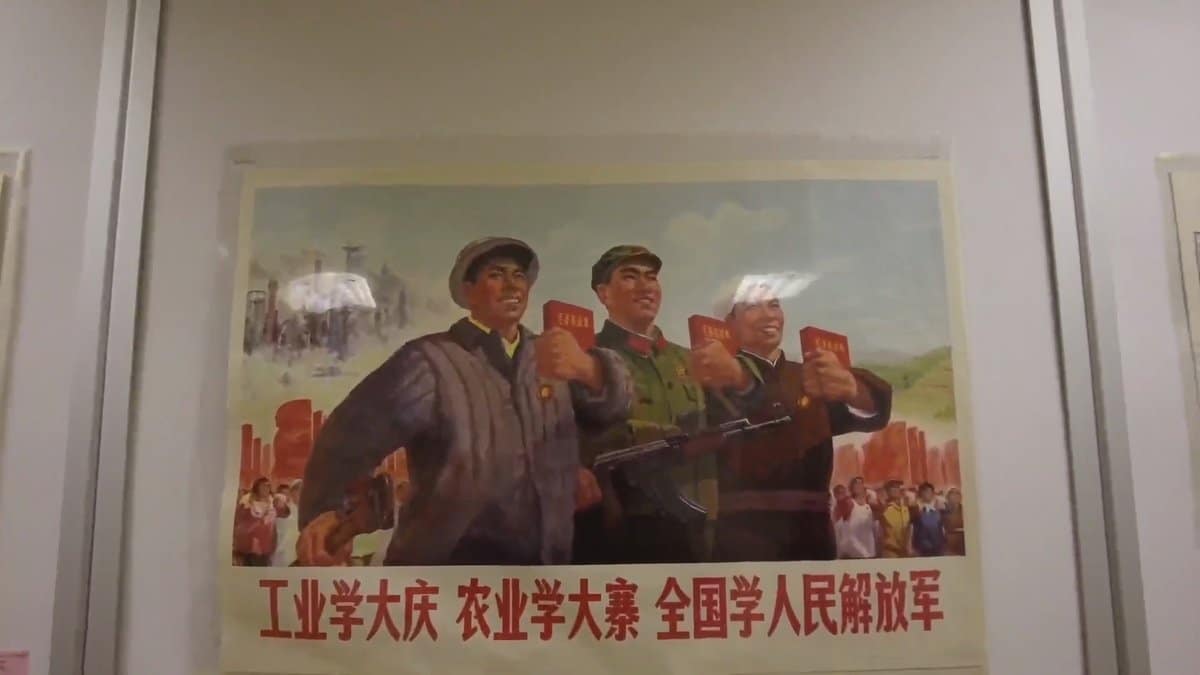
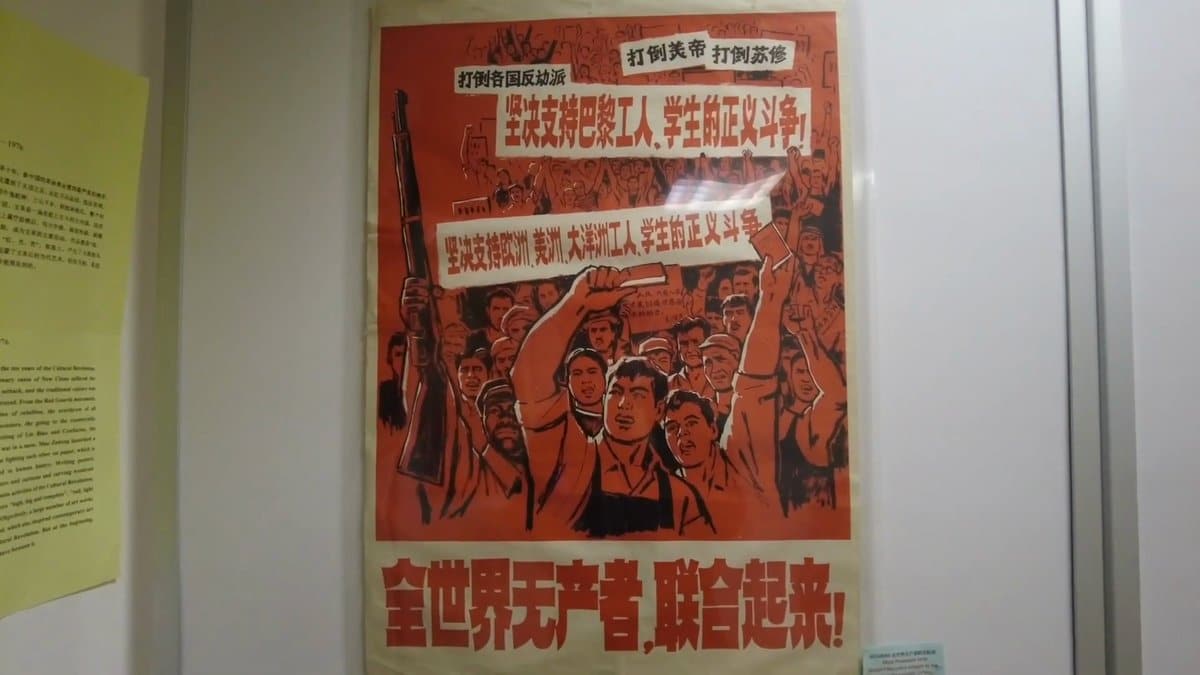
Some of these posters are iconic. There’s an image of “The Foolish Old Man Who Removed the Mountains” in multiple iterations. Another says, “Learn from Daqing and Dazhai.” This is a reference to model agricultural and industrial communes.
There is also a repeated appearance of the workers’ slogan: “Workers of the World, Unite,” sometimes with groups of people marching or their clenched fists raised.
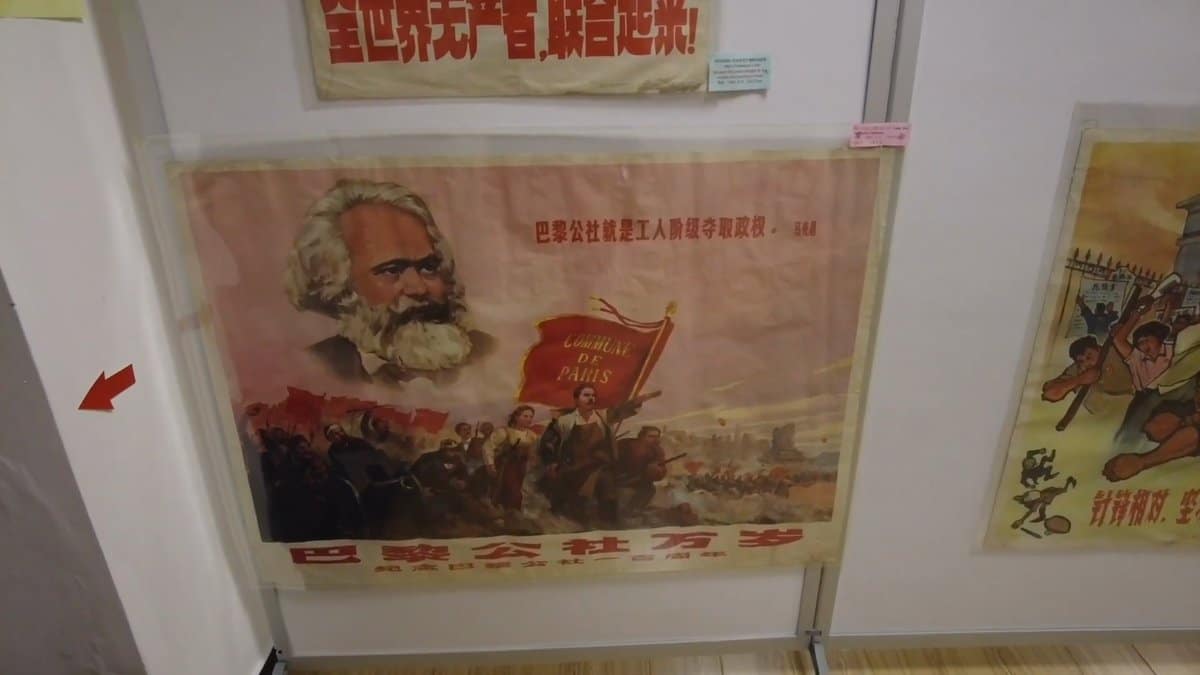
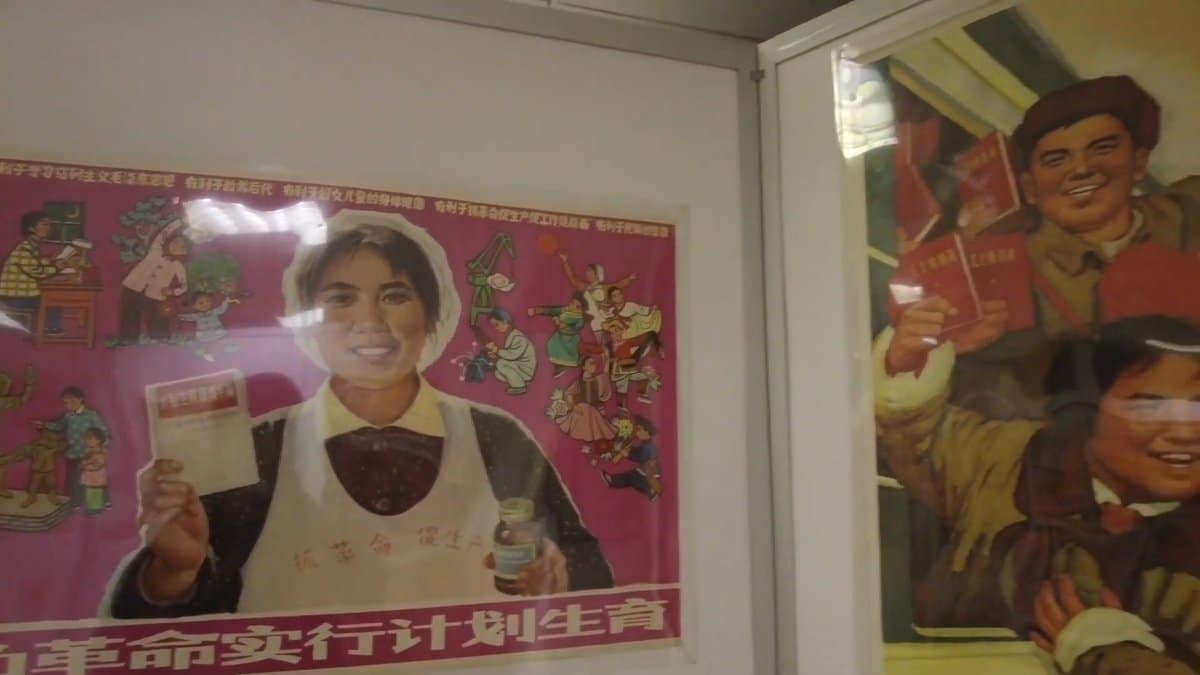
There’s a portrait of Marx himself, serious and bearded. And then there is a series of family planning posters from the one-child policy days, which take on a more domestic, softer note; happy parents with a healthy, well-fed child.
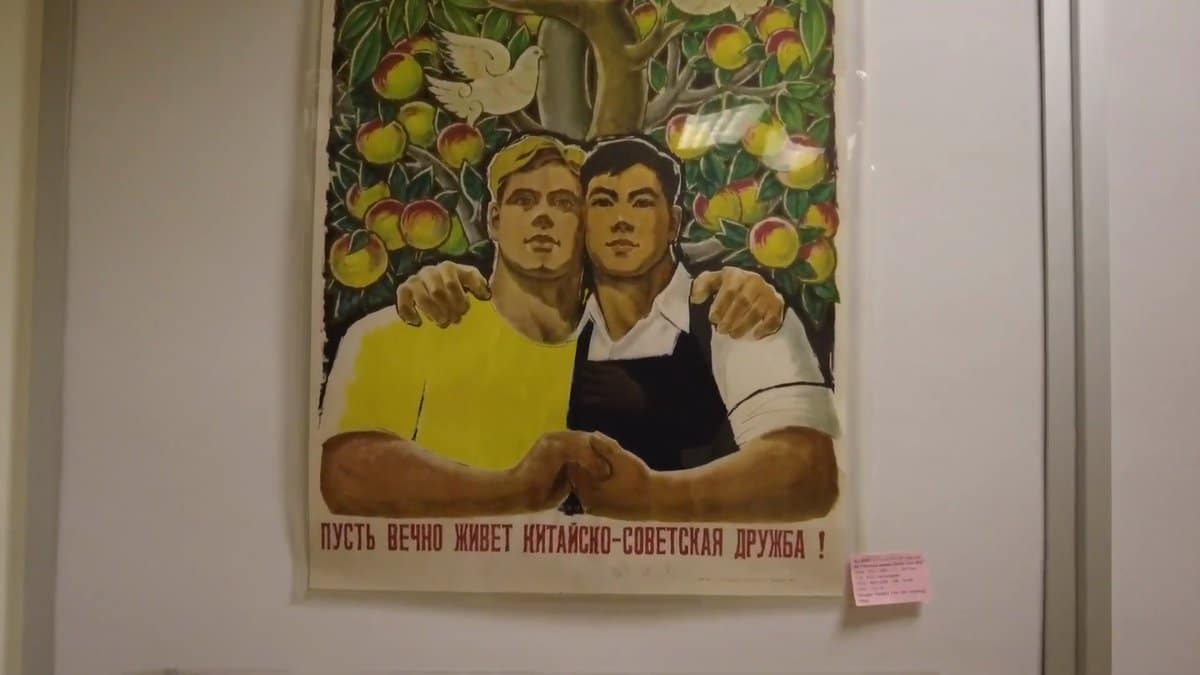
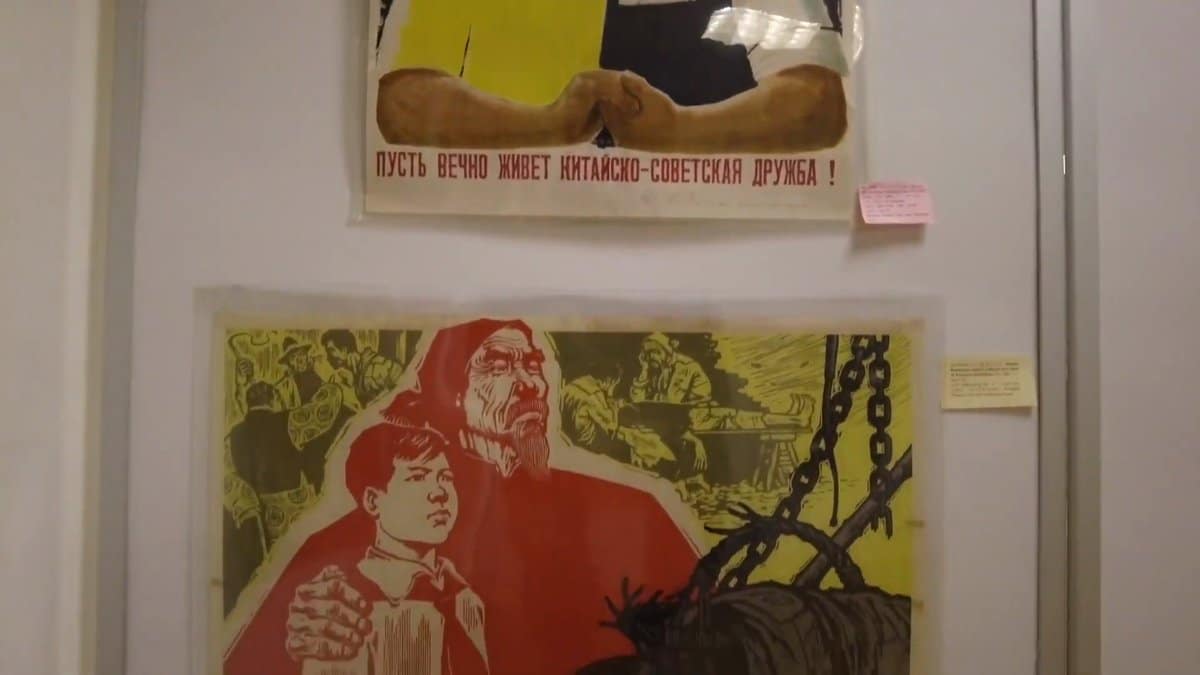
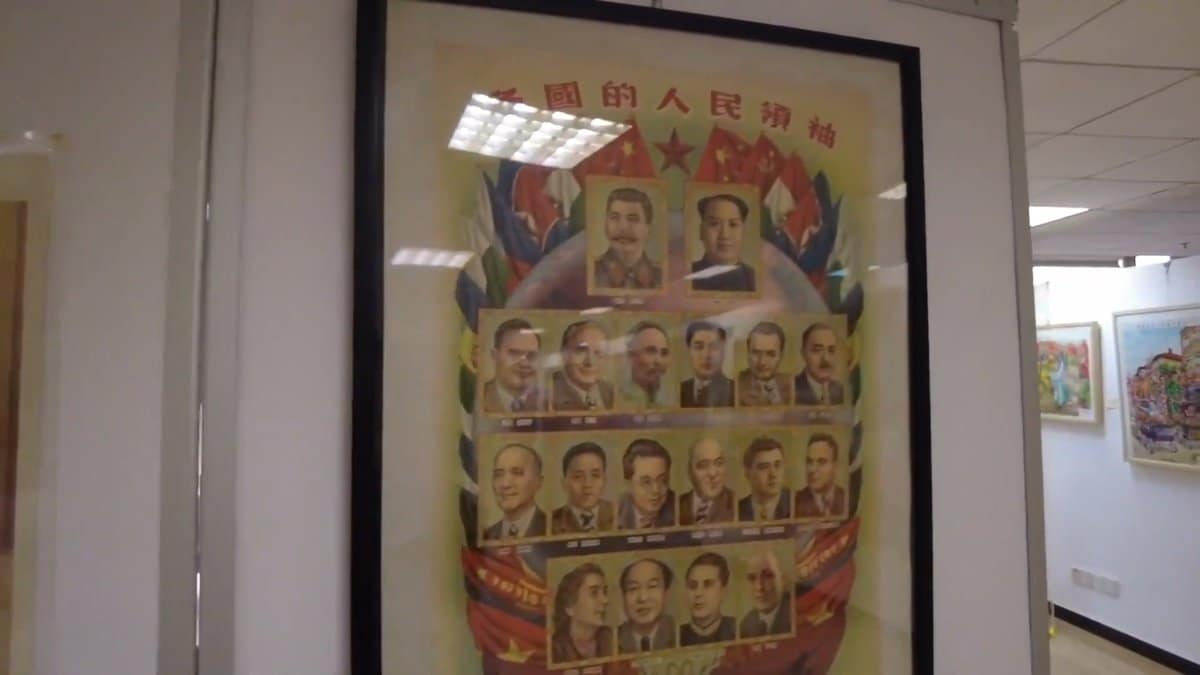
And then there’s a whole category devoted to the Sino-Soviet friendship posters. There are pictures of Stalin with other world leaders. Lenin look out at you from his picture frame.
Workers in different countries clasp each other’s hands across borders. All of these are printed in Russian. This stuff is from the 1950s, when the two were friends (before the split), and it reminds me that friendships don’t last very long.
Most of this stuff got hidden away or destroyed once the relationship fall apart.
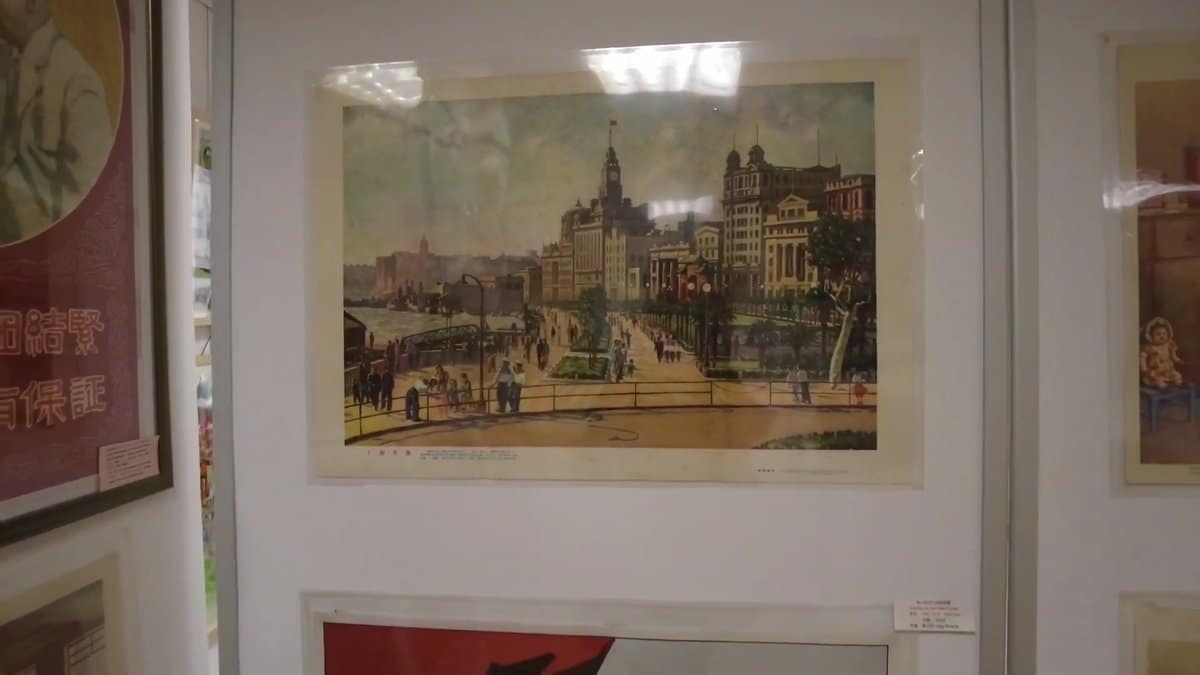
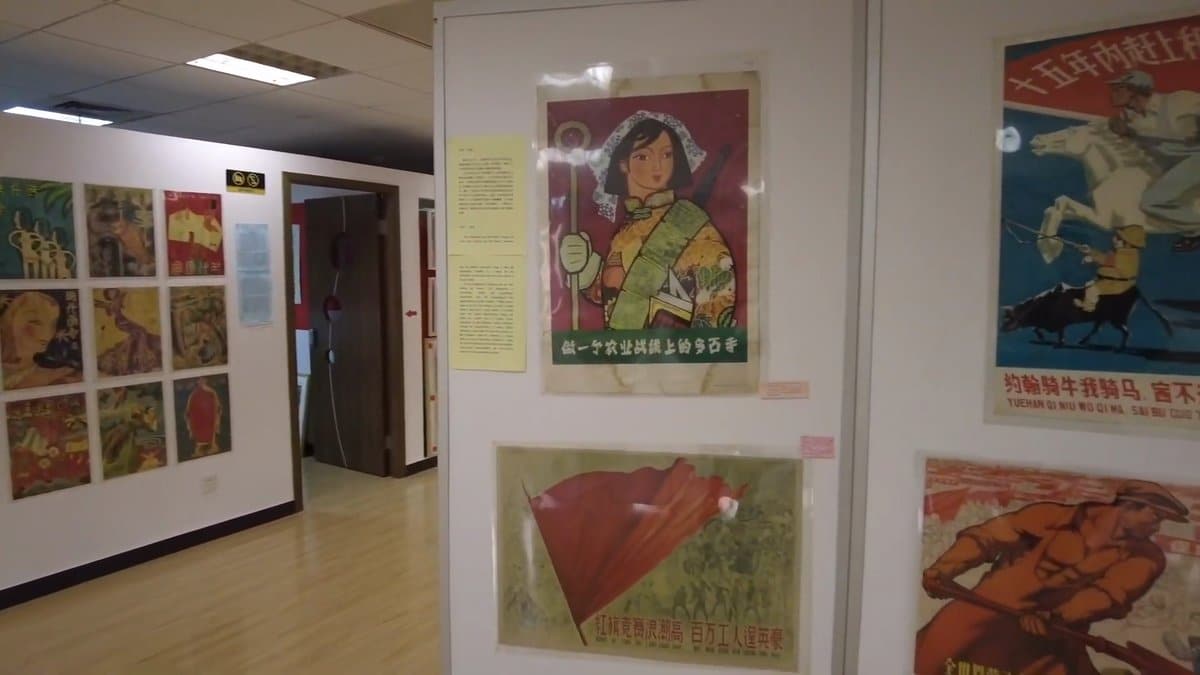
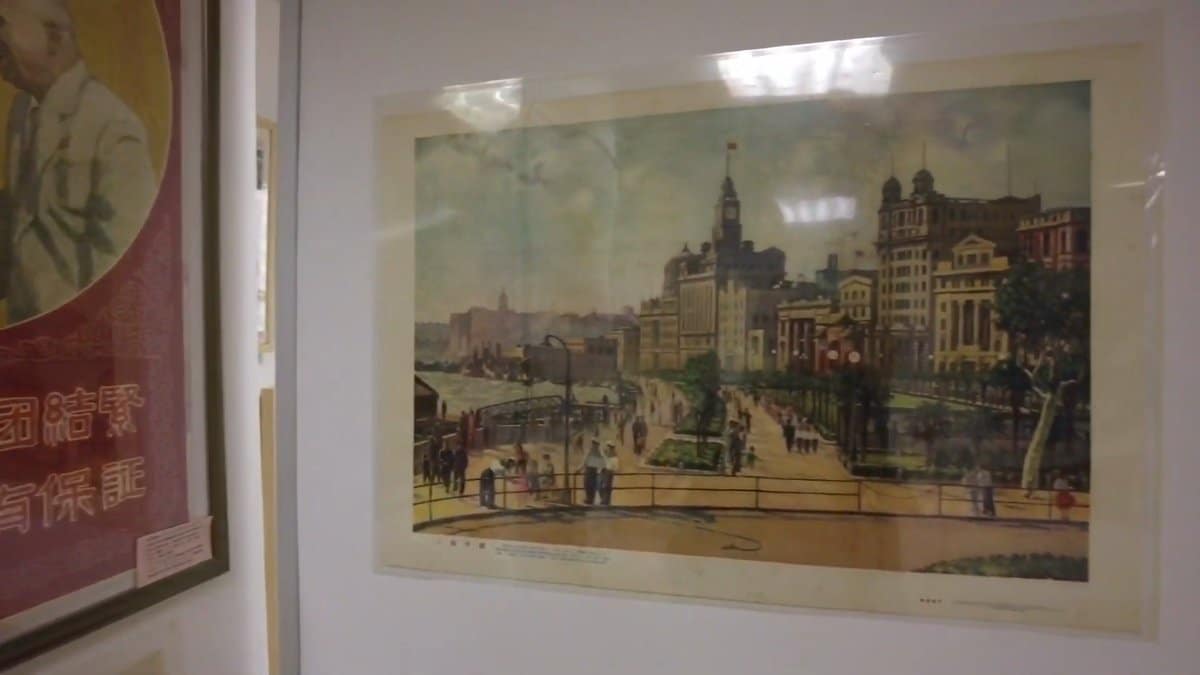
There’s also commercial and propaganda artwork scattered throughout. There are posters promoting agricultural know-how, such as model farmers with their prize crops, and even a painting or two of the Bund framed on the wall.
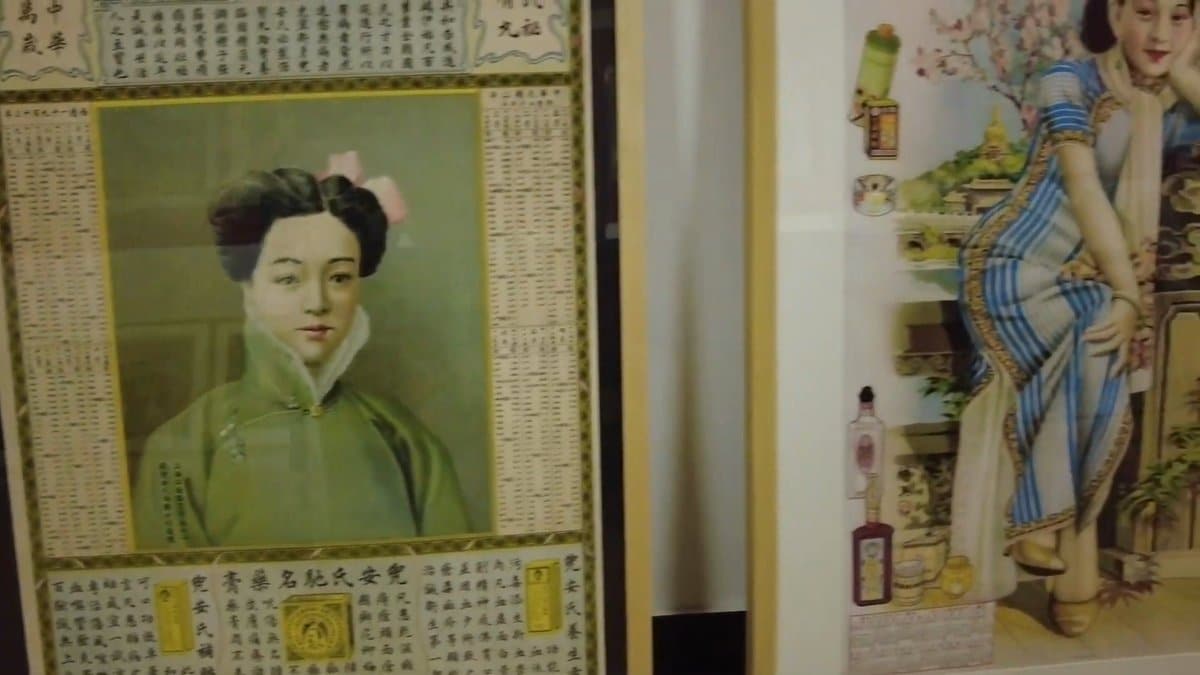
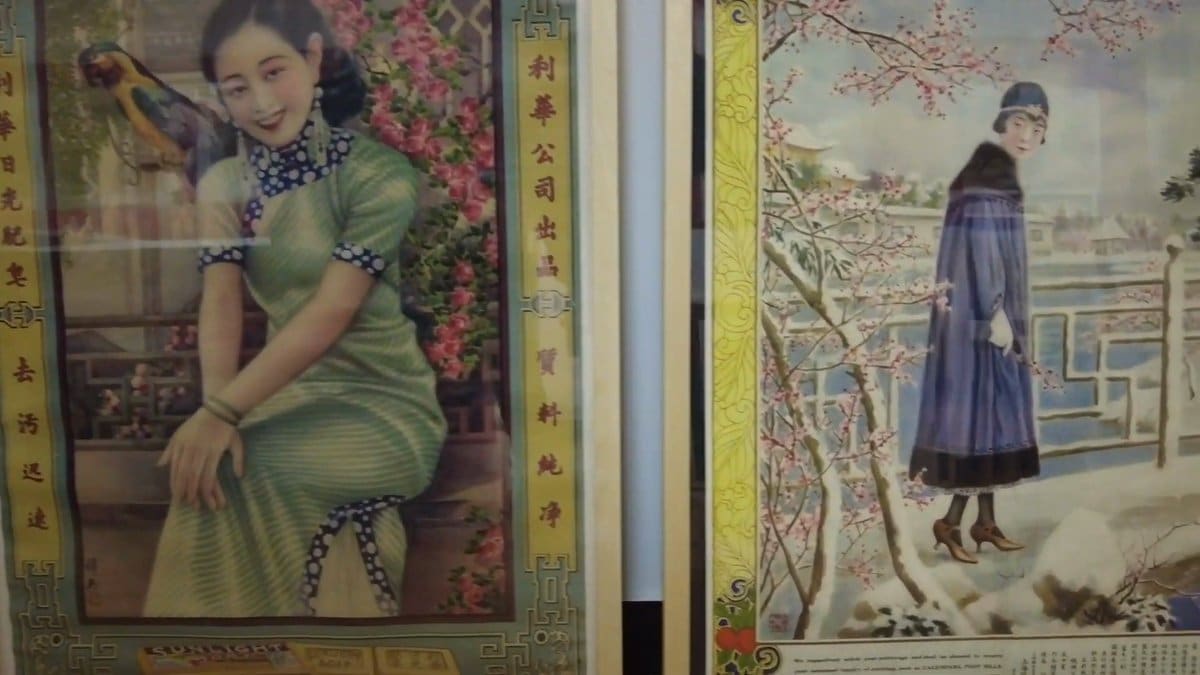
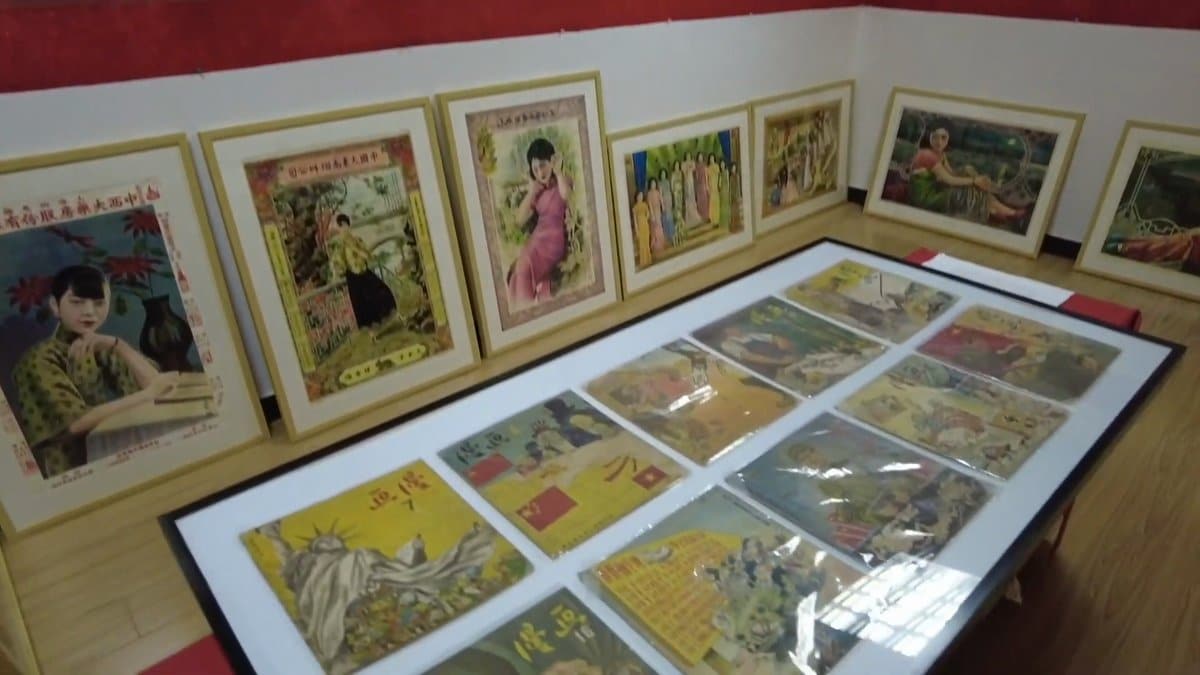
) And then there are the calendar girls. A whole other look: these posters date from before the Communist period, mainly dating back to the 1930s. They has hair pinned up, wear cheongsam dresses, and sometimes hold fans or flowers. Printed by shops and tobacco companies, they were advertising images, and have a sort of commercial, glamorous polish that contrast sharply with the propaganda prints around them.
They are part of the larger story of print culture in Shanghai and are in the middle.
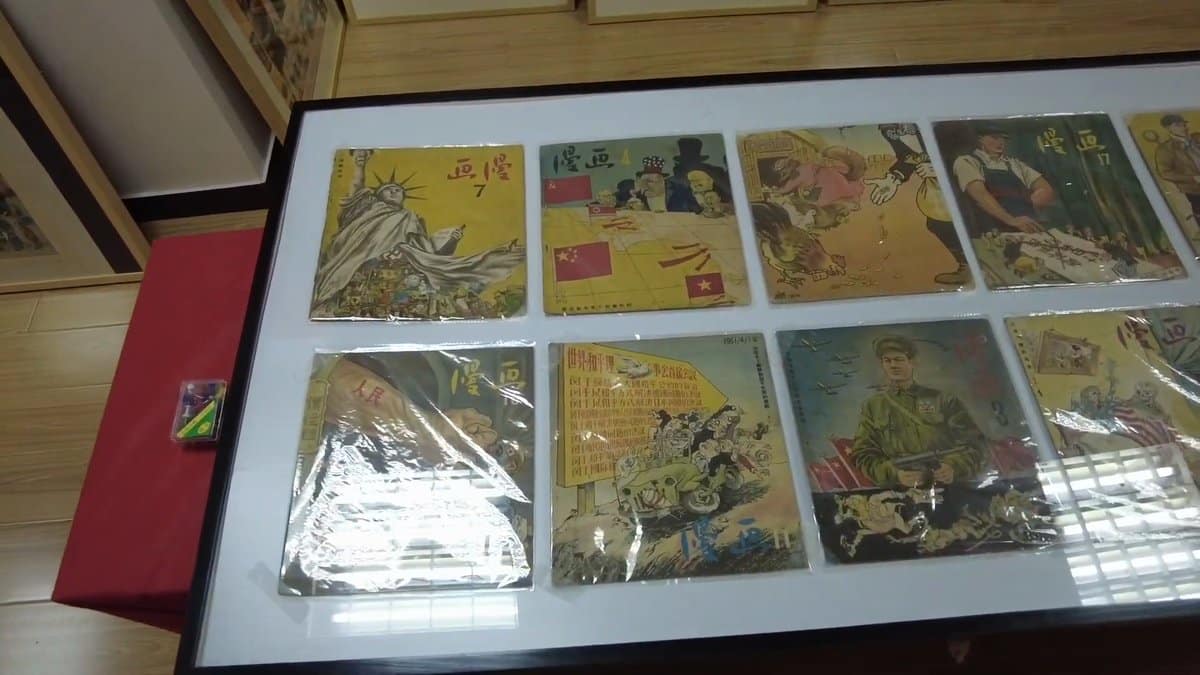
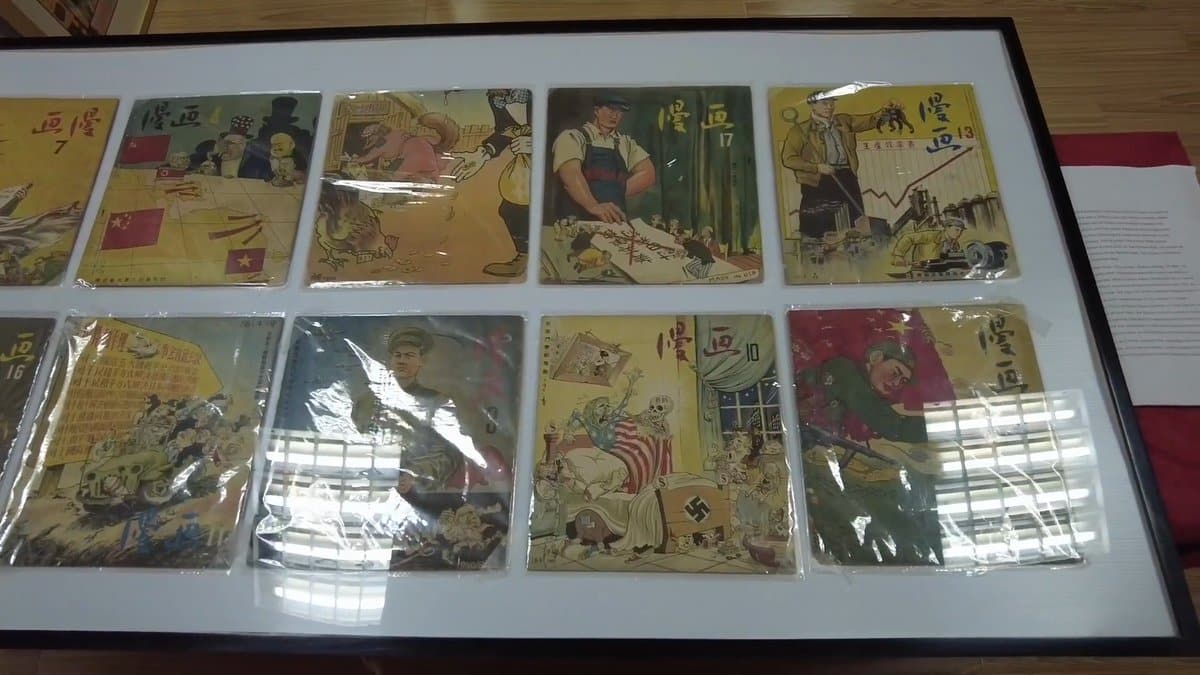
Smaller items are also on display; magazine covers, cartoon booklets, illustrated pamphlets. These was all cheaply printed and mass-produced, meaning it’s rare to find any in decent condition. The covers are lively, often showing revolutionary heroes or folk tales designed for children.
It’s a little haphazard, and the space itself is cramped. There are no audioguides or interactive displays here; this isn’t some sleek moddern museum. It’s a collector’s basement: too much material for not-quite-enough room, and that’s part of its appeal.
This is someone’s personal obsession laid out before you, not a sanitised version of history approved by committee. There’s no extensive critical commentary on the posters themselves, the captions stick to the basics. So you’re free to draw your own conclusions about what you’re looking at.
It’s open most days and entry will cost about 20 yuan. Hours can change a little, so if you’re visiting, check beforehand. If you want to bring back a souvenir there’s also a gift shop at the exit which has some books on poster art, postcards, and reproductions.
They also have originals available, but these range from very cheap (for really crappy ones) up to sky-high depending on condition and rarity. This isn’t going to be everyone’s cup of tea, and that’s okay. A roomful of political posters can seem like a lot of slogans and not a whole lot more if you have no interest whatsoever in graphic design or mid-century Chinese history.
That said, it’s worth the diversion if you are interested in the Mao years, particularly how art and politics intertwined. It is also worth it if you are simply a fan of old paper and bold prints. It’s a truly special collection, shown in a low-key space where you won’t get rushed by tour groups or crowds as you take your time to look around.
Ever been to a museum that felt more like someone’s personal collection than an actual museum? How’d you like it?