Central Shanghai is not an easy place to find breathing space, but if you take a few Metro stops out into Pudong, you’ll reach Century Park, with its 140 hectares of real-life greenery. The park opened in 2000 as part of an attempt to provide the fast-developing east bank with something beyond shopping malls and office blocks, lawns large enough for lying down on; proper cycling paths; a decent-sized lake; and plenty of trees so that at times it feels like you’ve escaped one of the world’s most densely populated cities. Admission is reasonably priced at 10 yuan during the week and 20 yuan on weekends and holidays, so it remains fairly decent even when crowded.
It’s large enough that you can easily spend a couple of hours making a leisurely loop around it all. Most people will choose one area, the meadow, the lakefront, or the wooded west side (and simply hang out). Here’s a stroll around the park: what to see there, how the seasons change things, and where to go if you don’t have much time.
A Walk Around Century Park
Shanghai Century Park
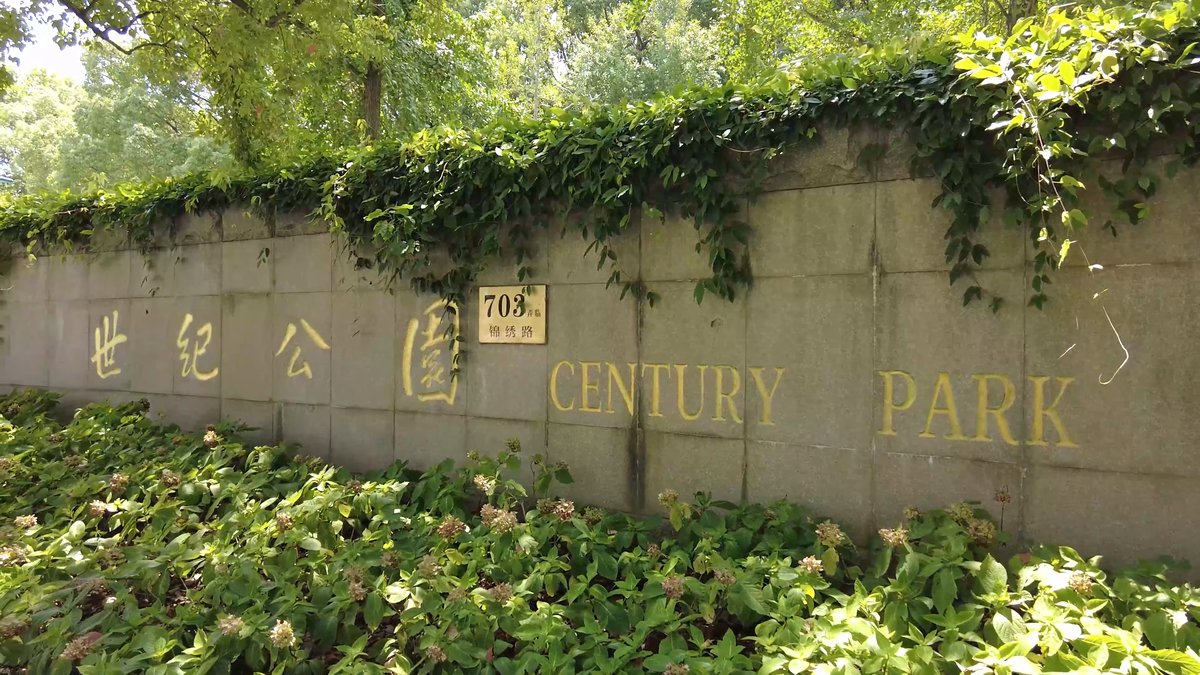
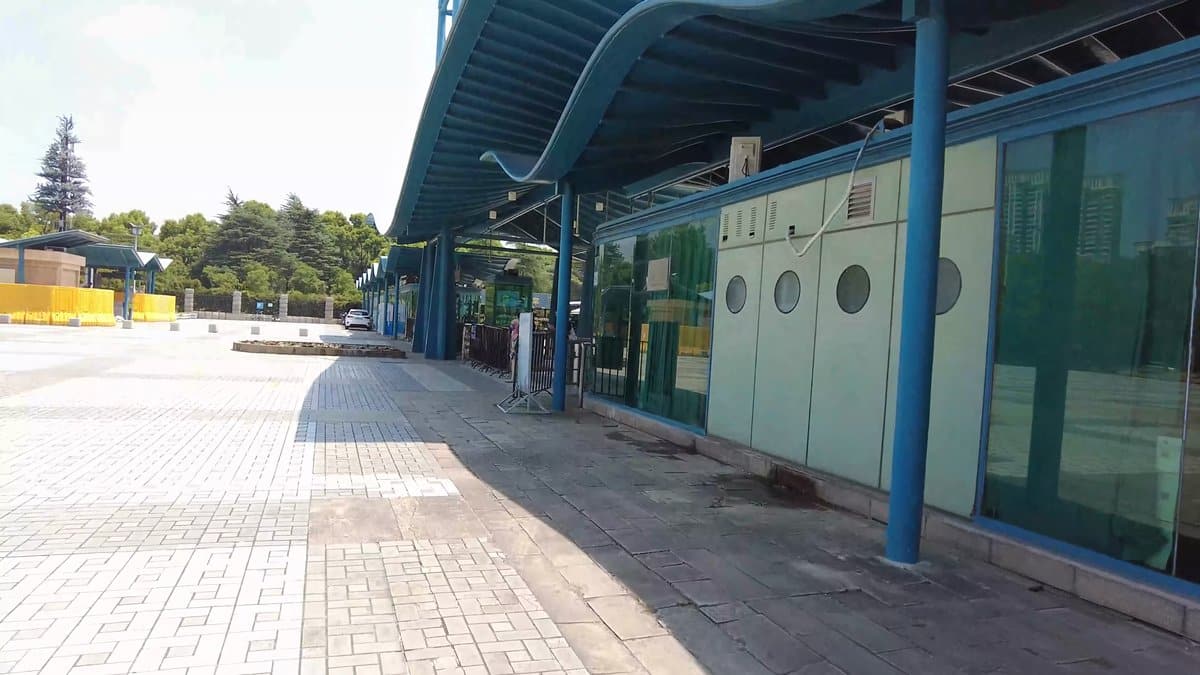
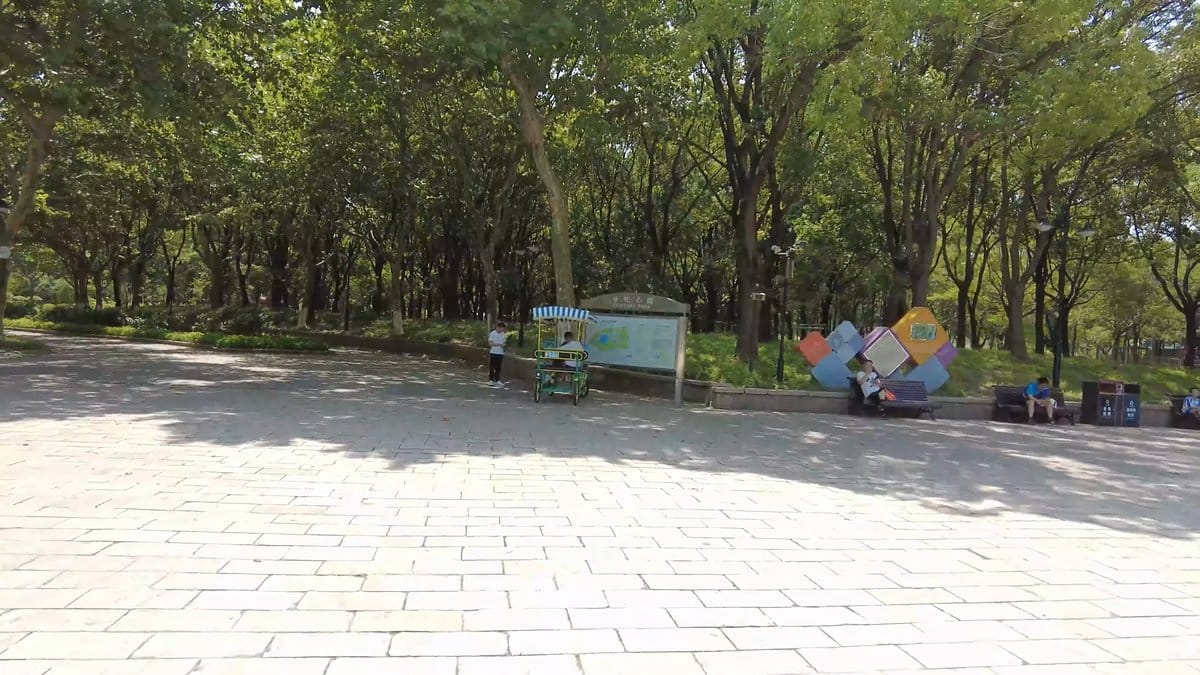
From the main entrance on Century Avenue, things get off to a great start, with oversized gates framing a wide plaza that feeds everyone into the orientation boards right inside.
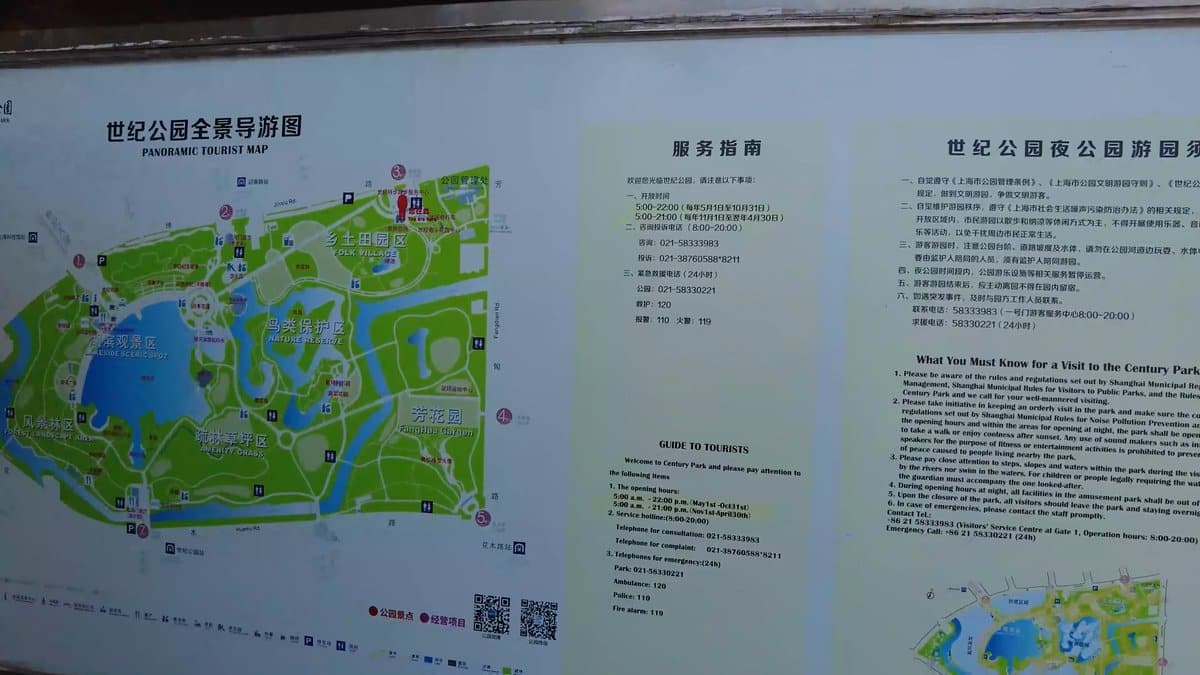
If you intend to wander around, grab a picture of the park map here, it’s bigger than it appears from the entrance, and the different lakeside paths and themed gardens can start to blend once you’re beneath the trees.
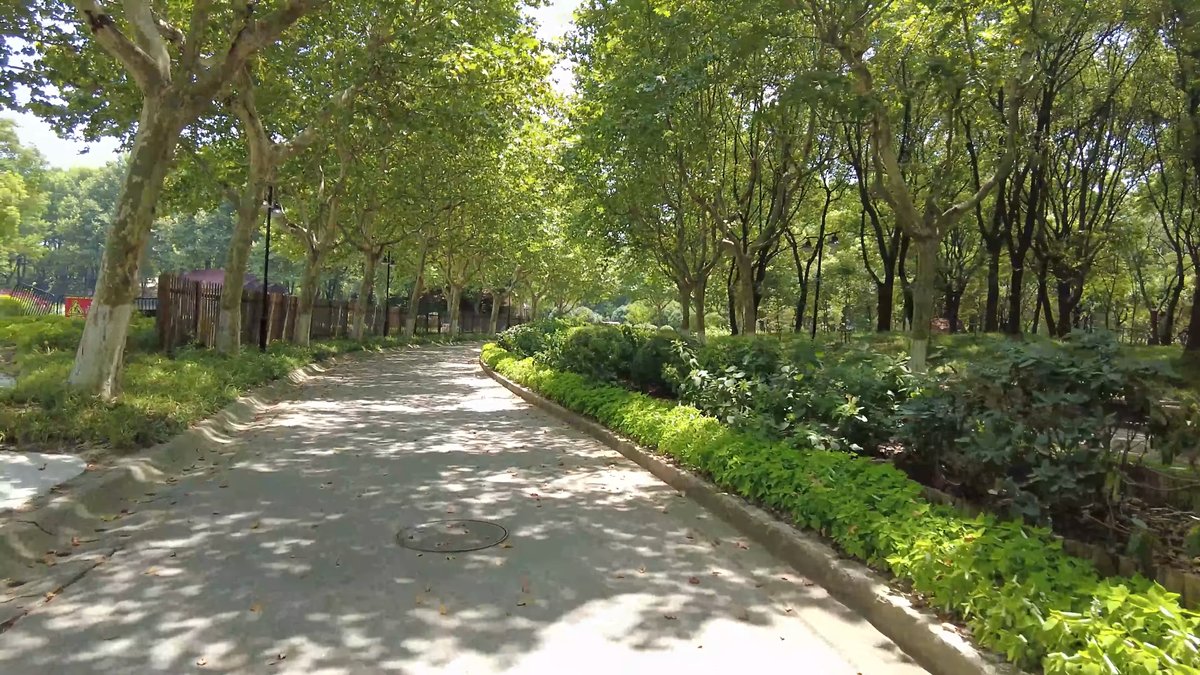
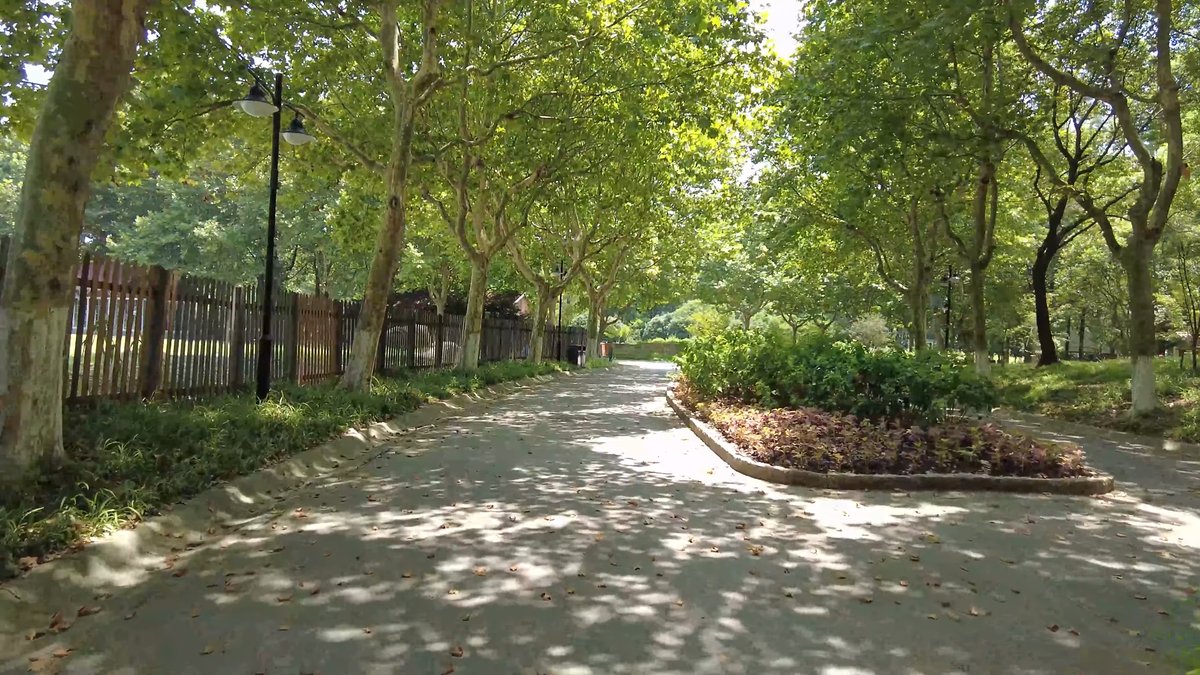
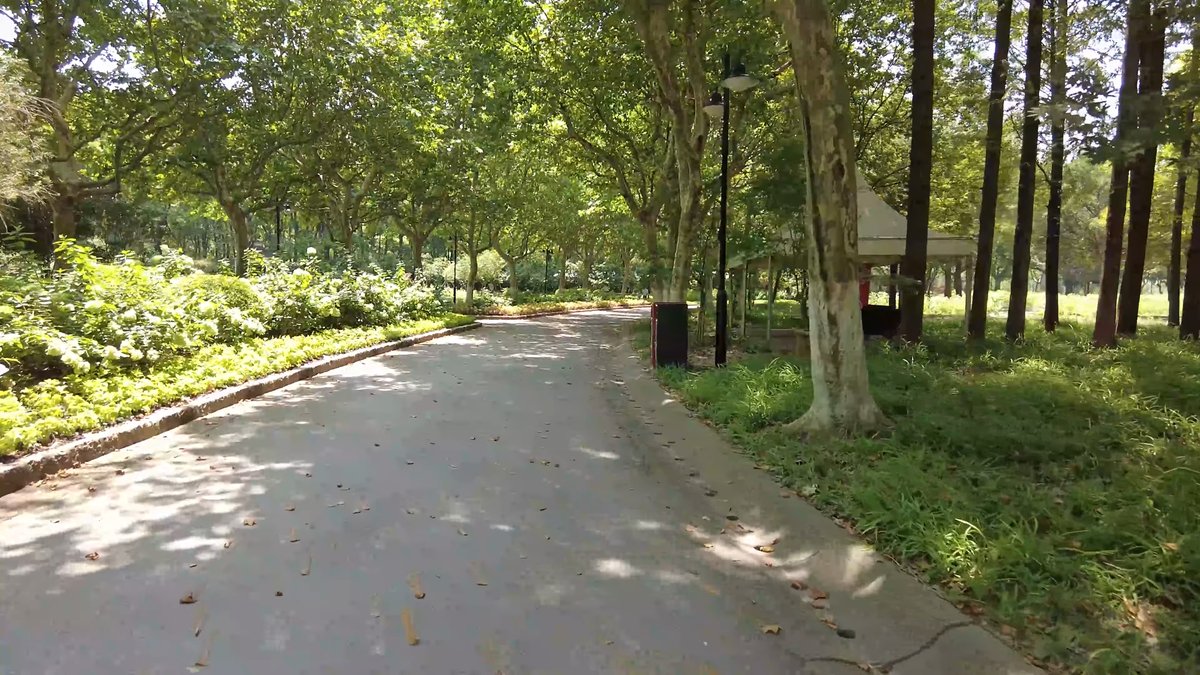
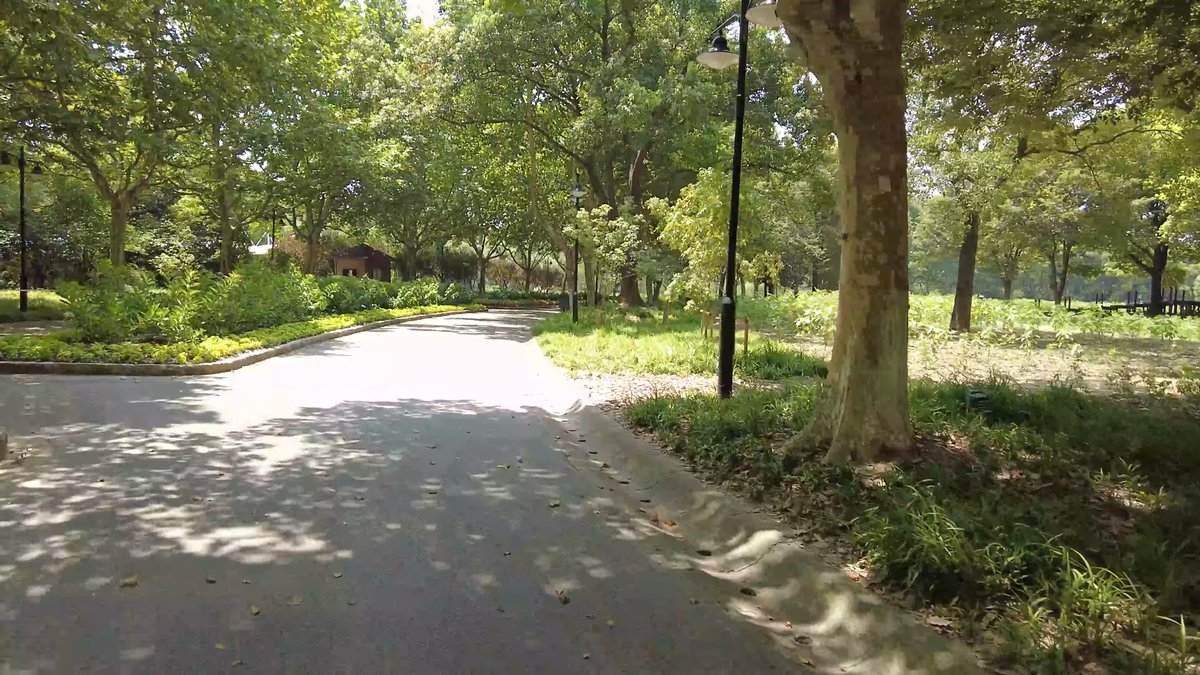
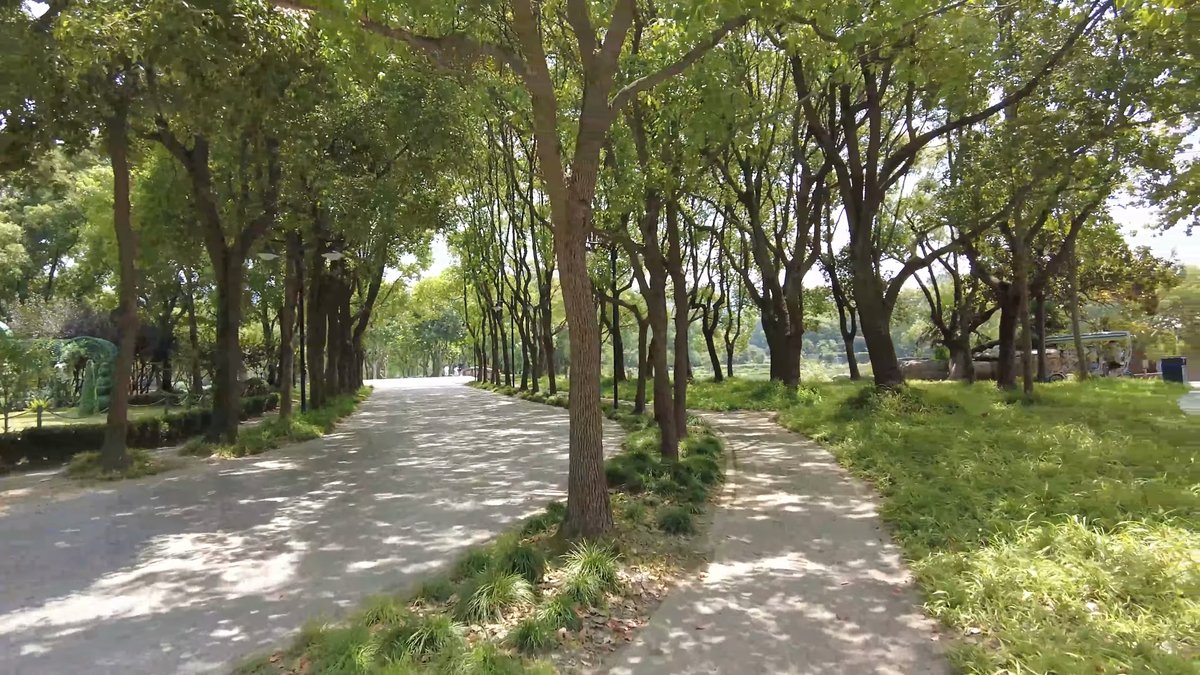
This area is dominated by plane trees along the western paths, the dappled shade of these makes them the go-to area on a summer afternoon. The paths here are wide enough for joggers, cyclists, and dawdlers all to have space without jostling each other. Sightlines is broken up with hedges and raised beds, so despite its popularity, it never feels crowded in this part of the park.
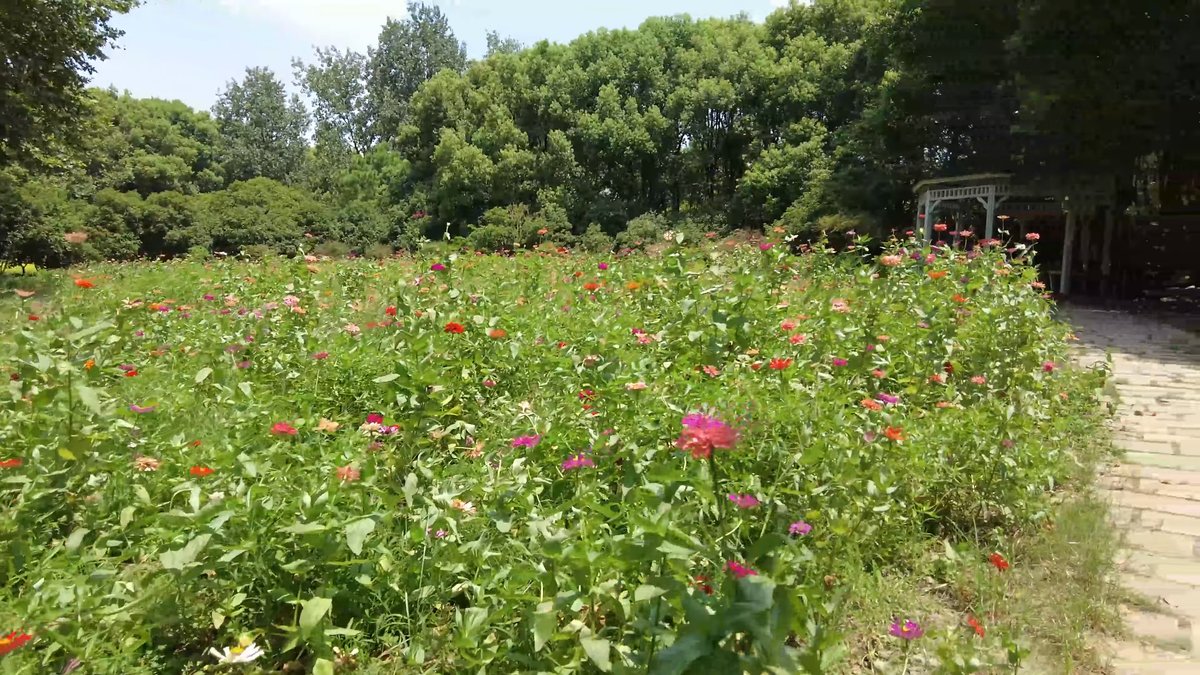
In late summer, come find meadows of zinnias tucked away between the formal paths, an odd touch for a Chinese park that otherwise keeps most things neatly clipped.
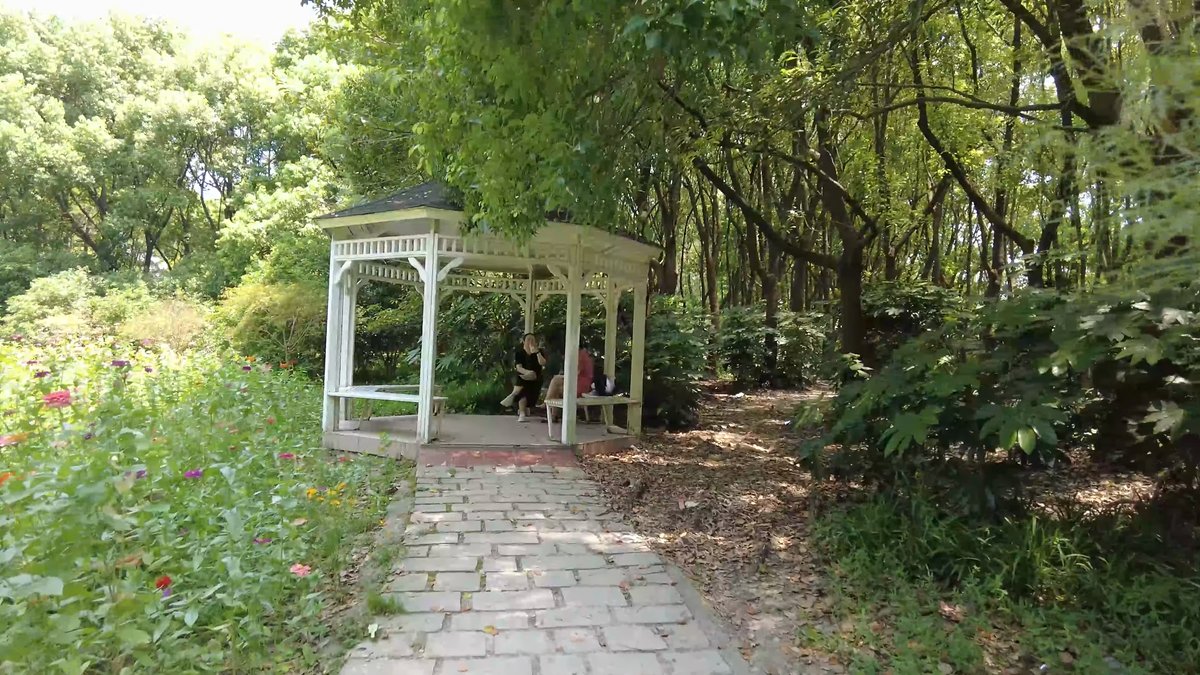
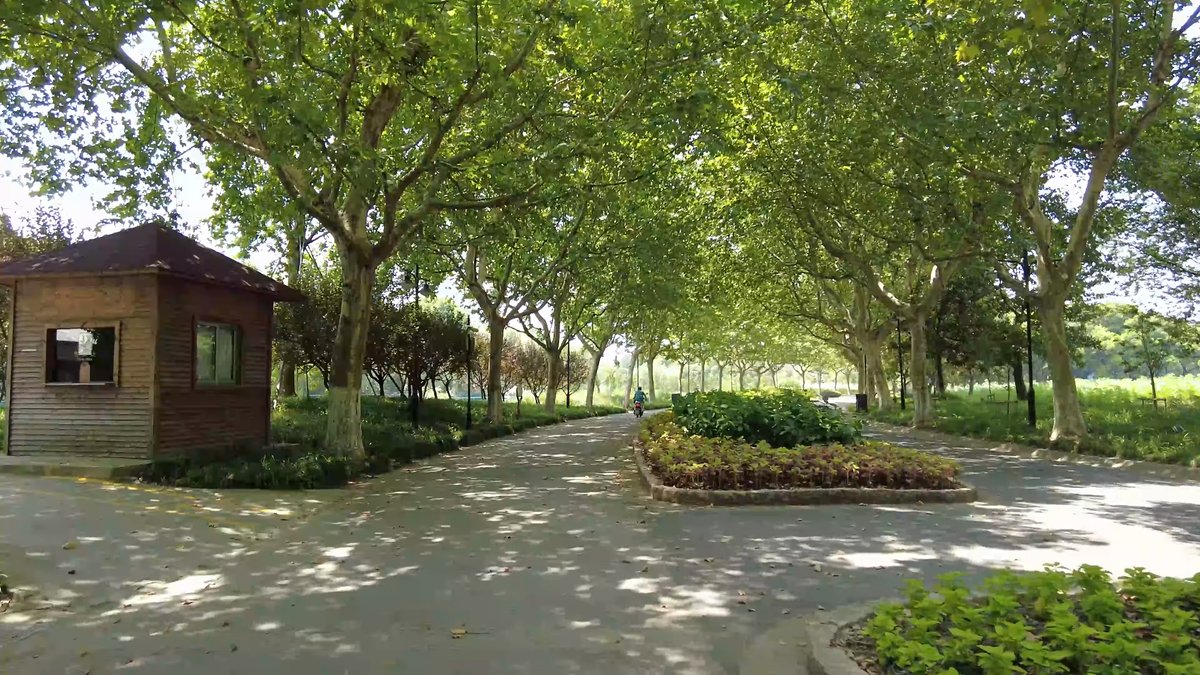
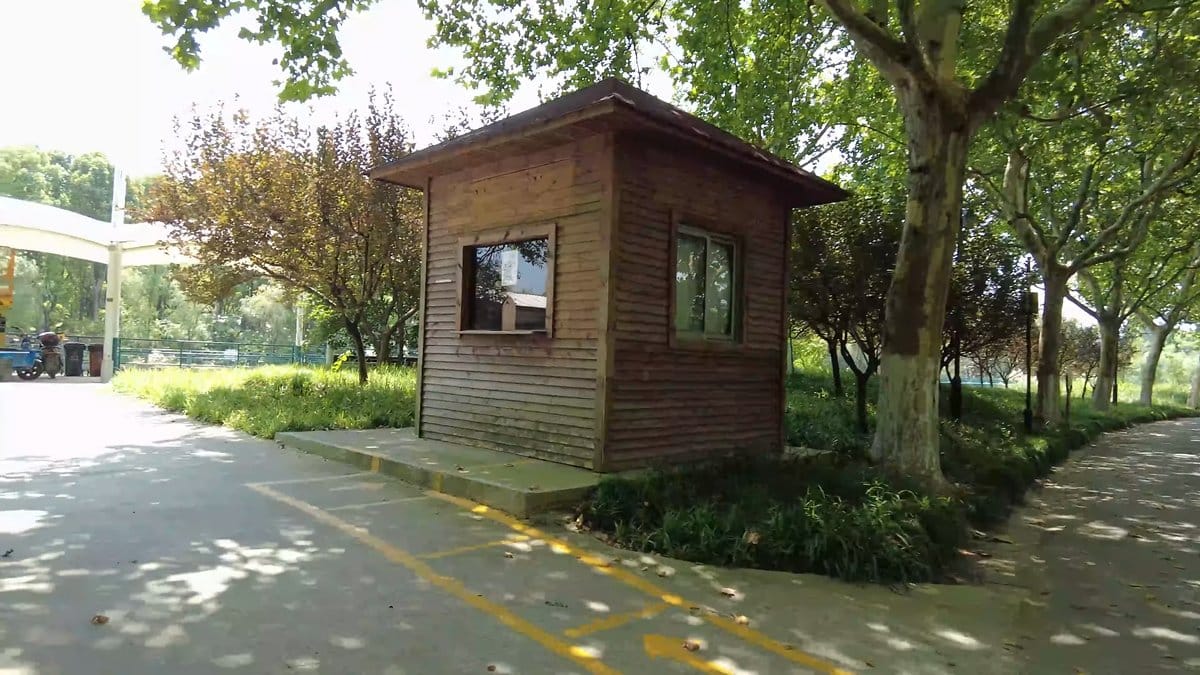
The cycle routes are dotted with timber kiosks and pergolas that provides benches and some shade for anyone who has overestimated the weather. There is also a bike rental place near the entrance of the park if you’d like to cover more ground (but walking around is just fine if you don’t feel like seeing every corner in one go).
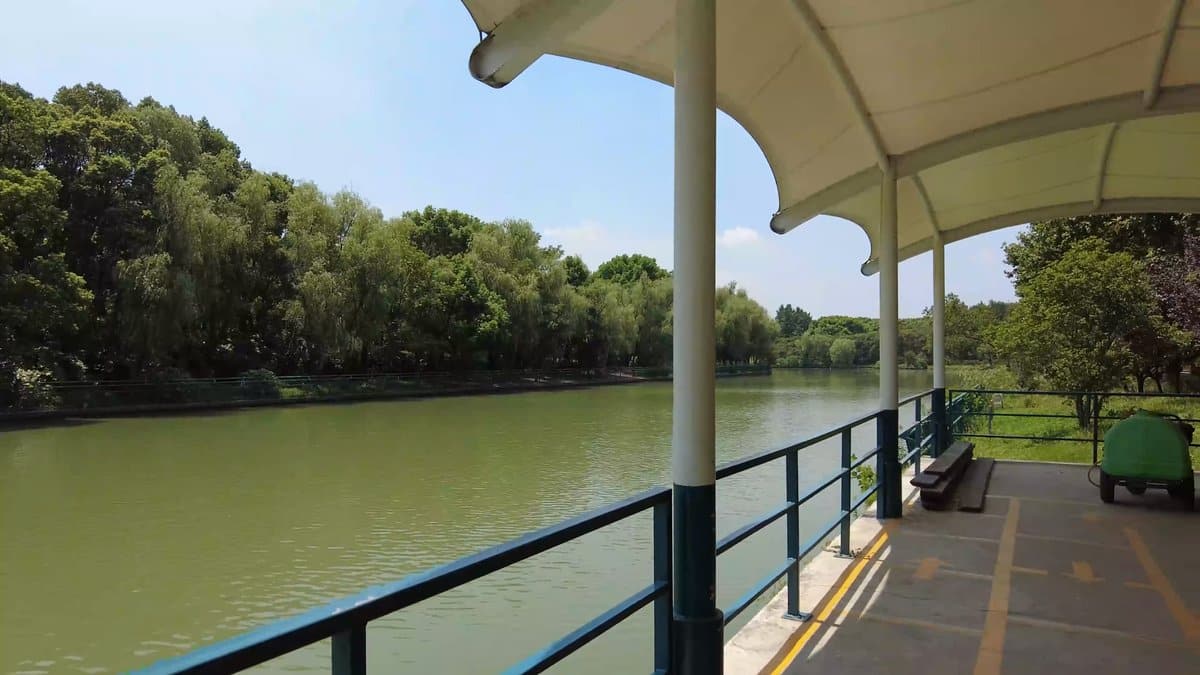
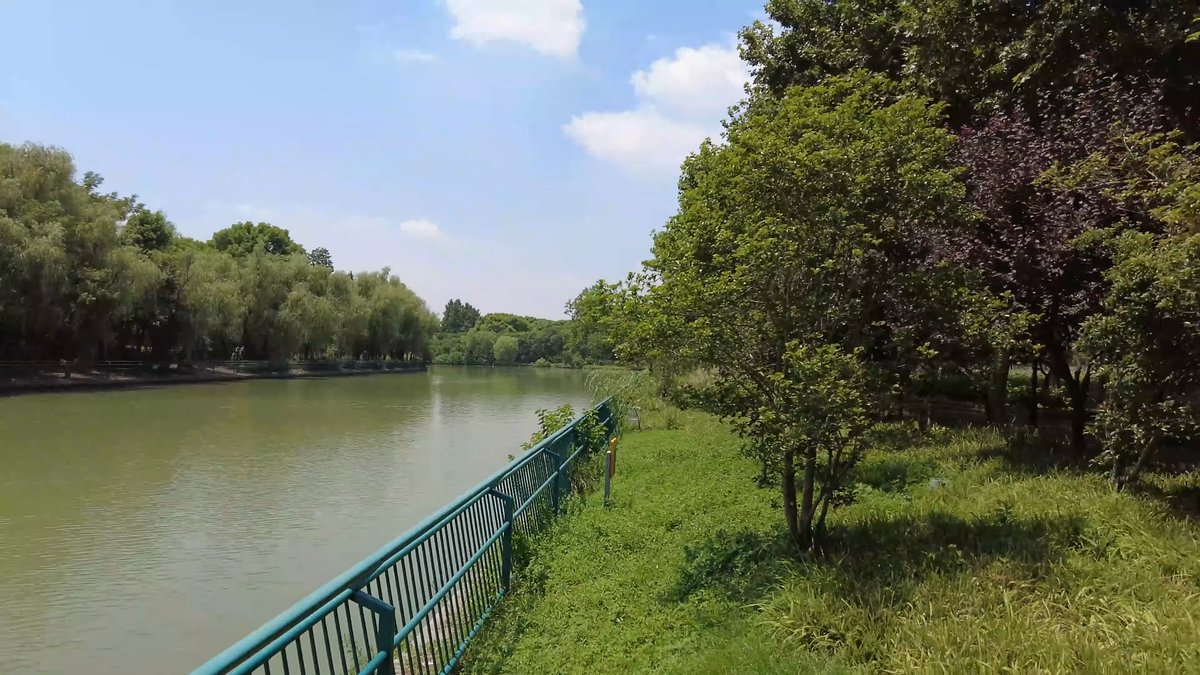
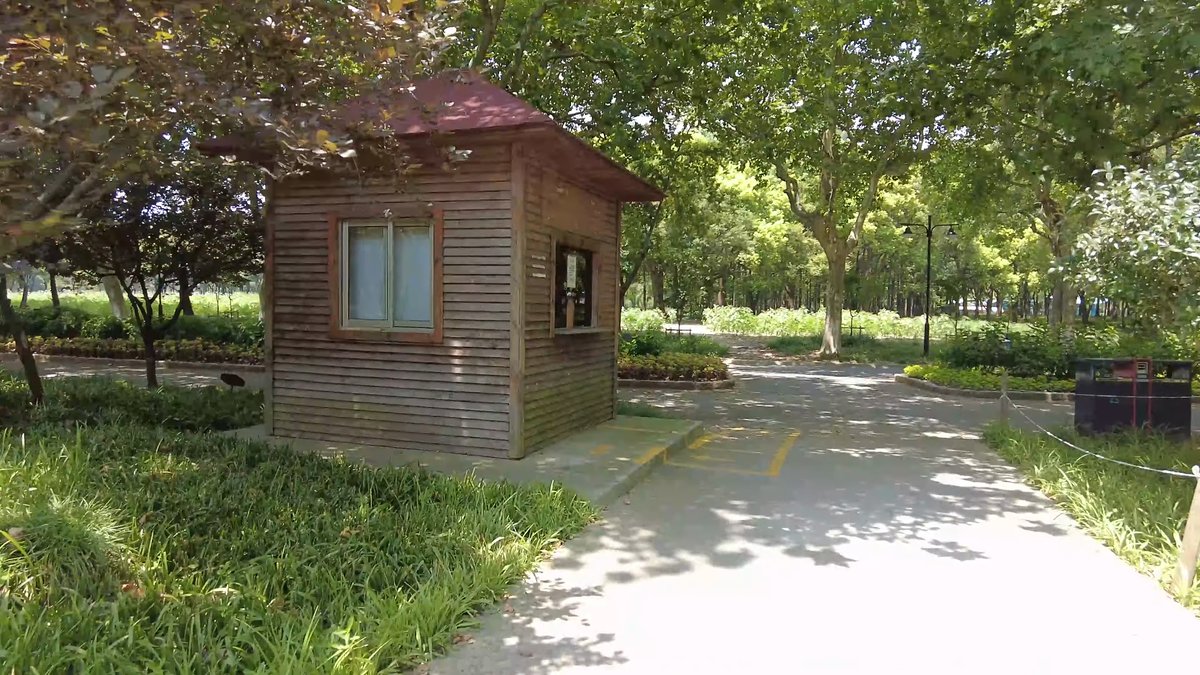
Most of the shore is lined by a paved promenade that runs the length of the east side of the park, which is dominated by the lake itself. Along the busier sections are tensile canopies offering some shade. There will be signs saying no one should fish from them, but they always do anyway.
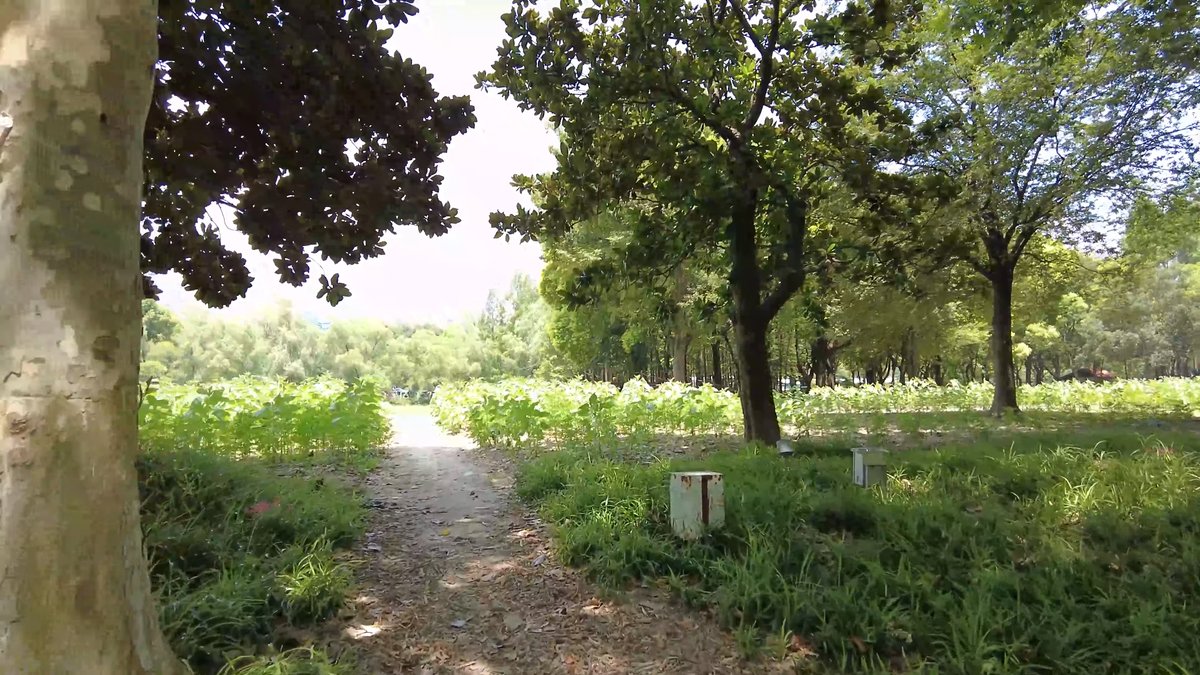
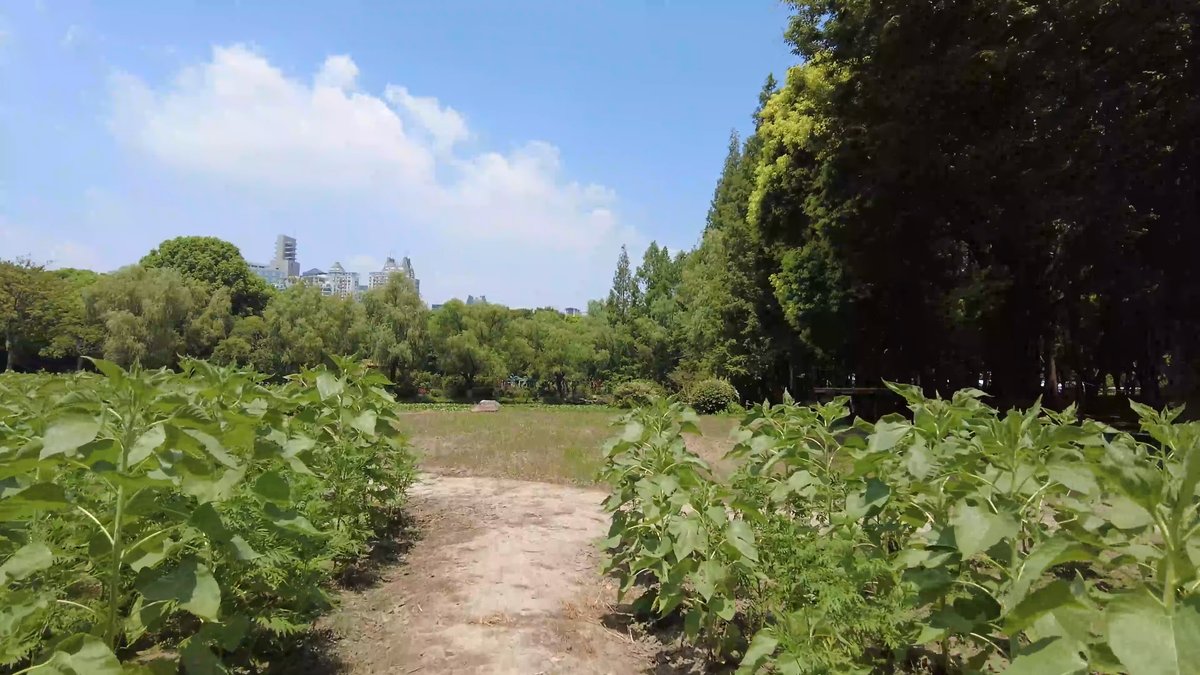
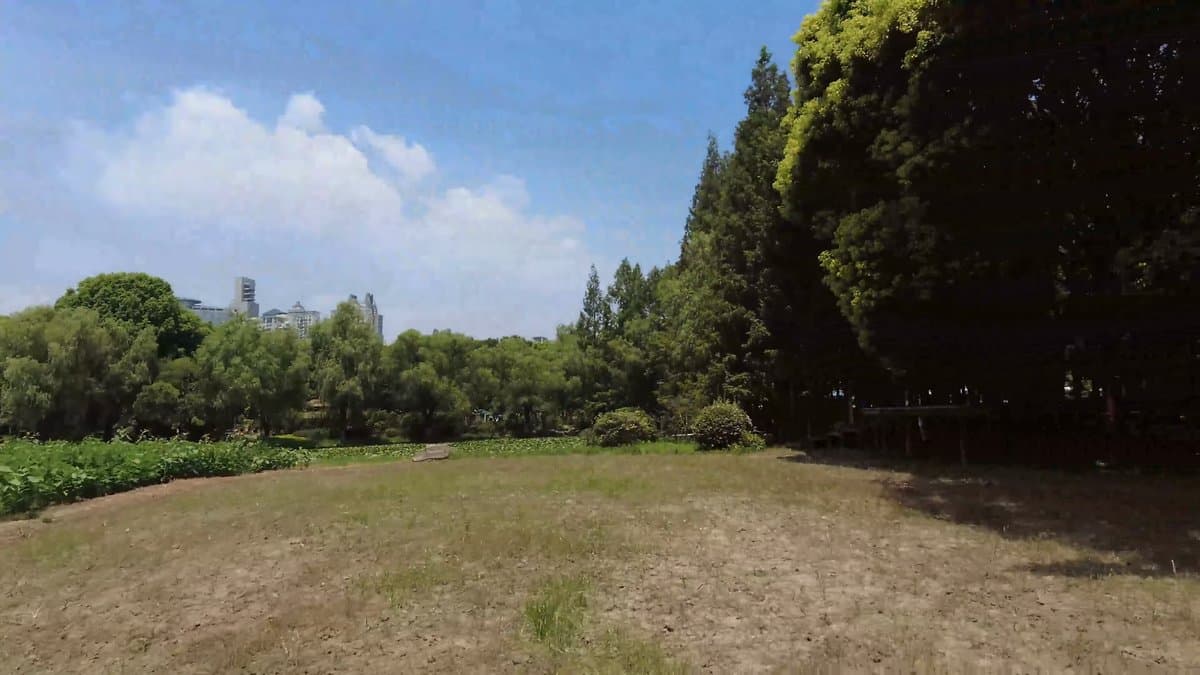
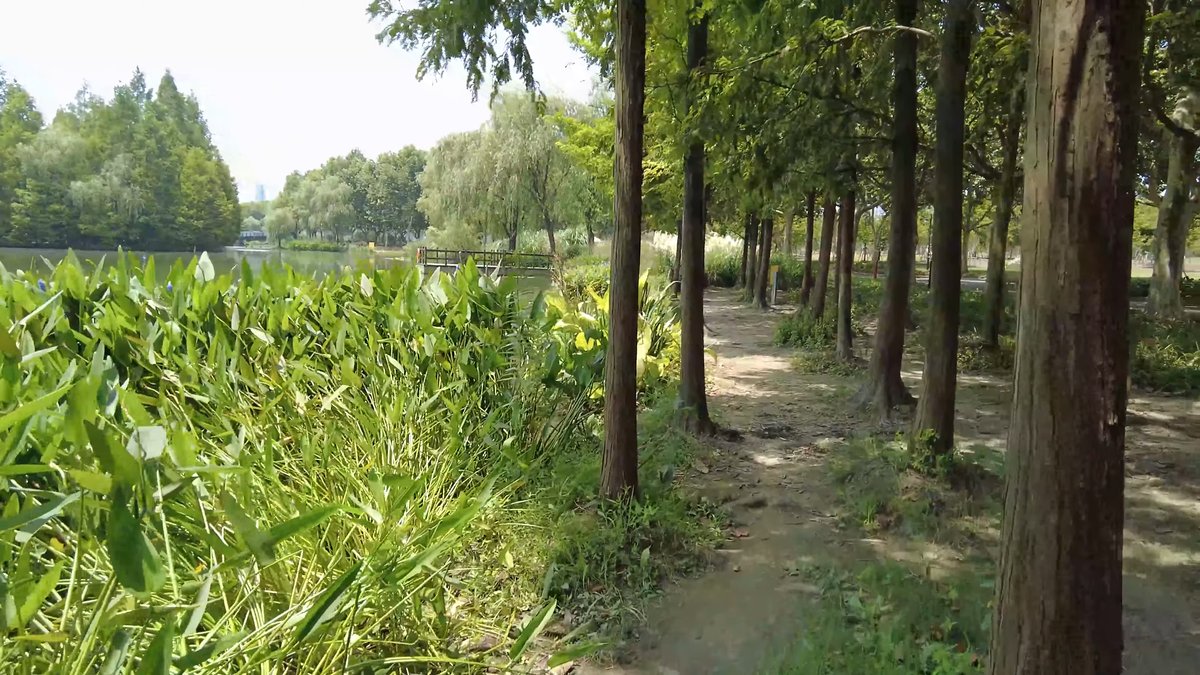
Get off the beaten path and you’ll discover the rougher patches of open grassland, groves of trees here and there, and meadows where the groundskeepers obviously don’t mow as frequently. You will also see worn dirt tracks cutting across these less manicured sections. Locals head to these scruffier areas to let their kids run loose (no worry about trampling formal beds) or fly a kite.
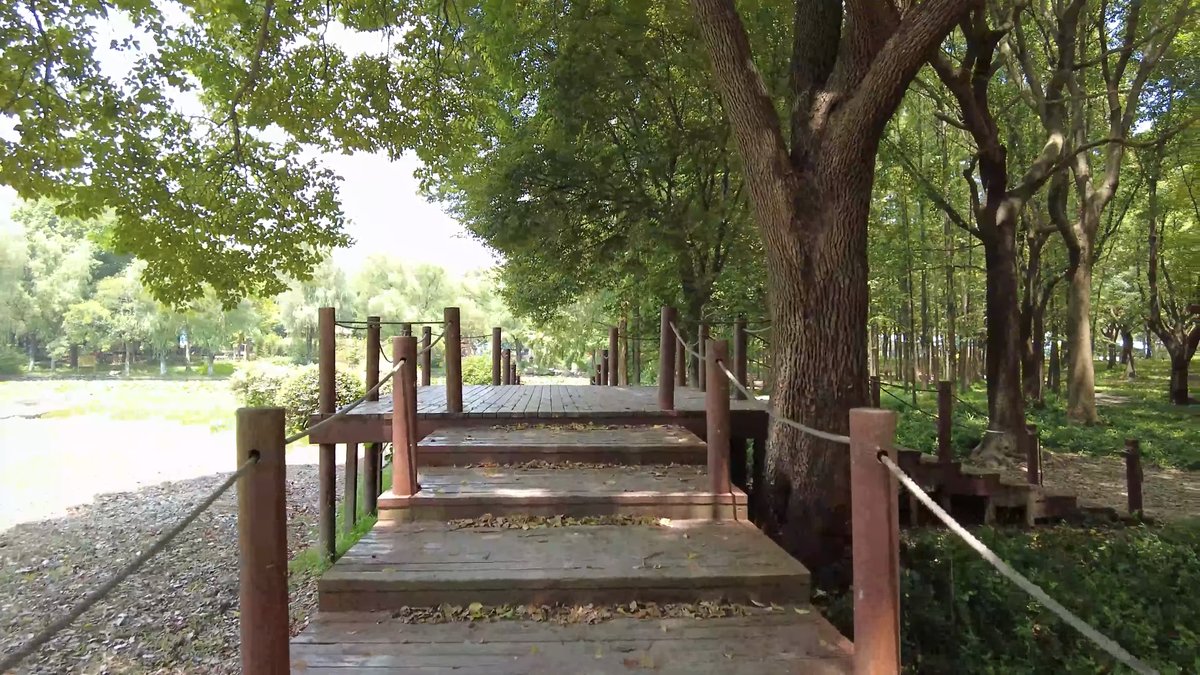
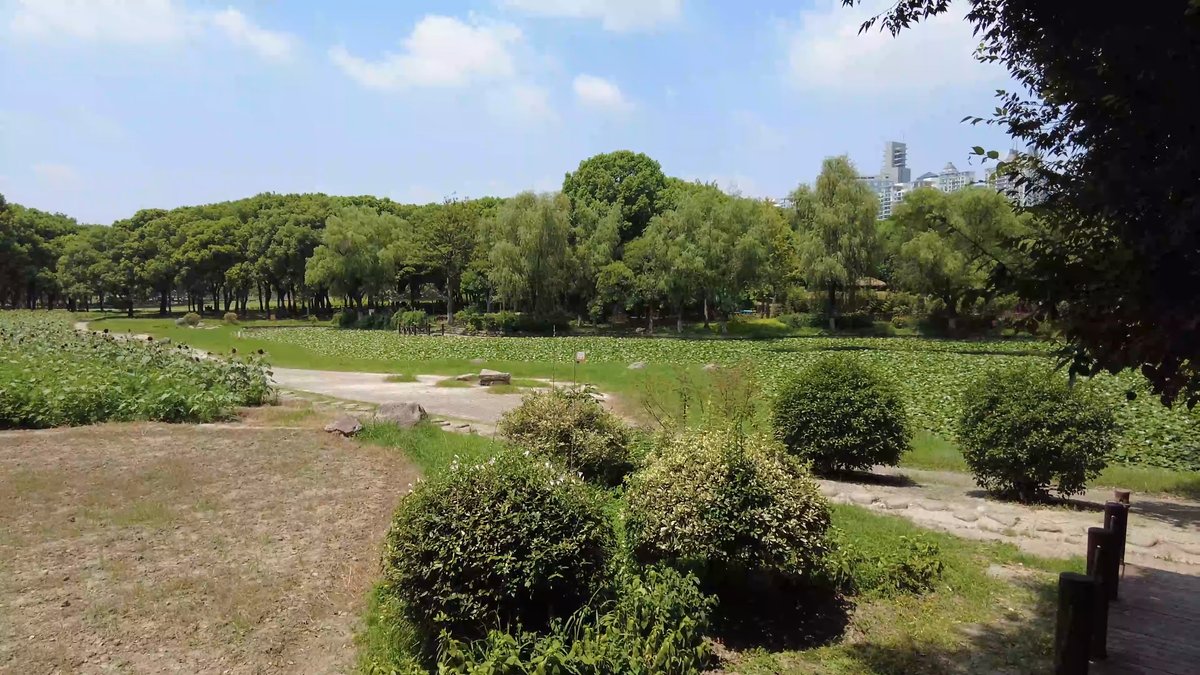
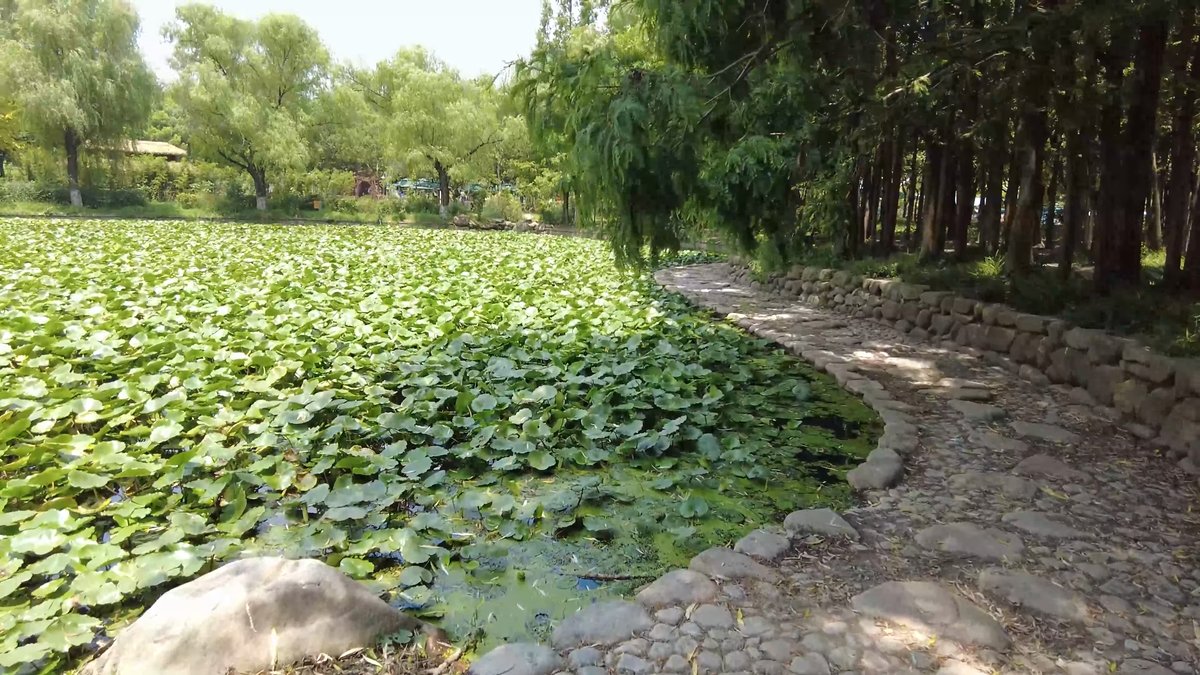
Further south, along the wooded edge, boardwalks wind past lotus ponds that thicken with leaves in high summer. Quieter than the lakeside promenade, fewer photo ops, more real birdlife, the pond zones lie beyond.
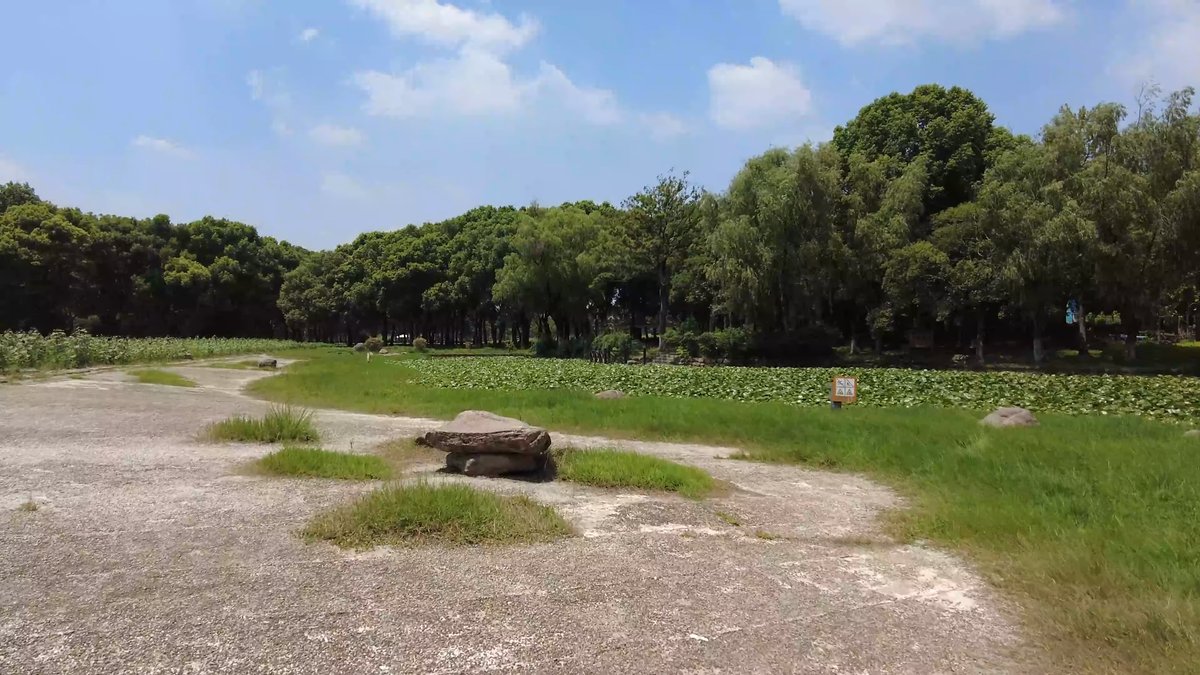
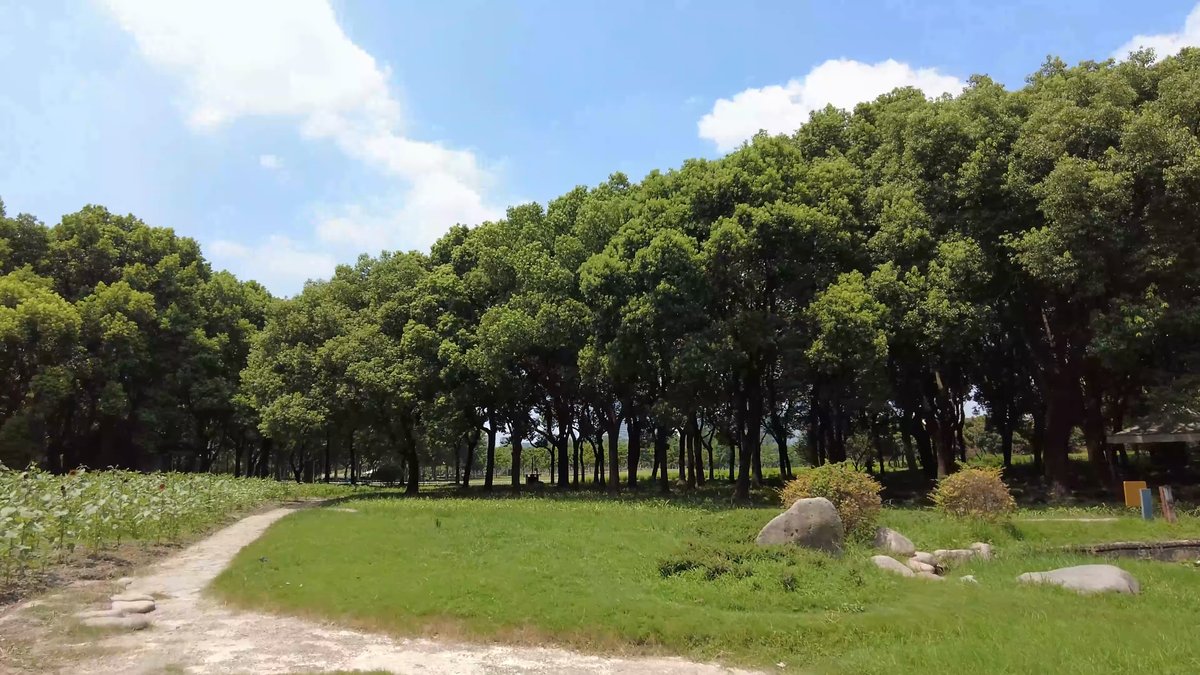
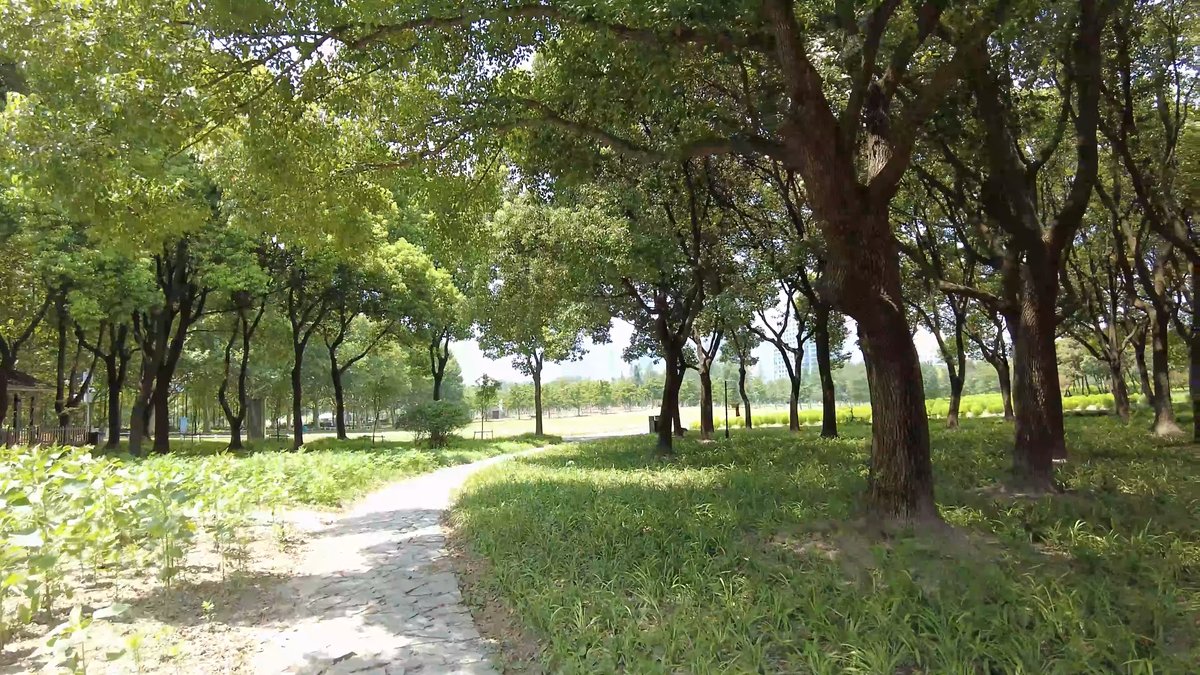
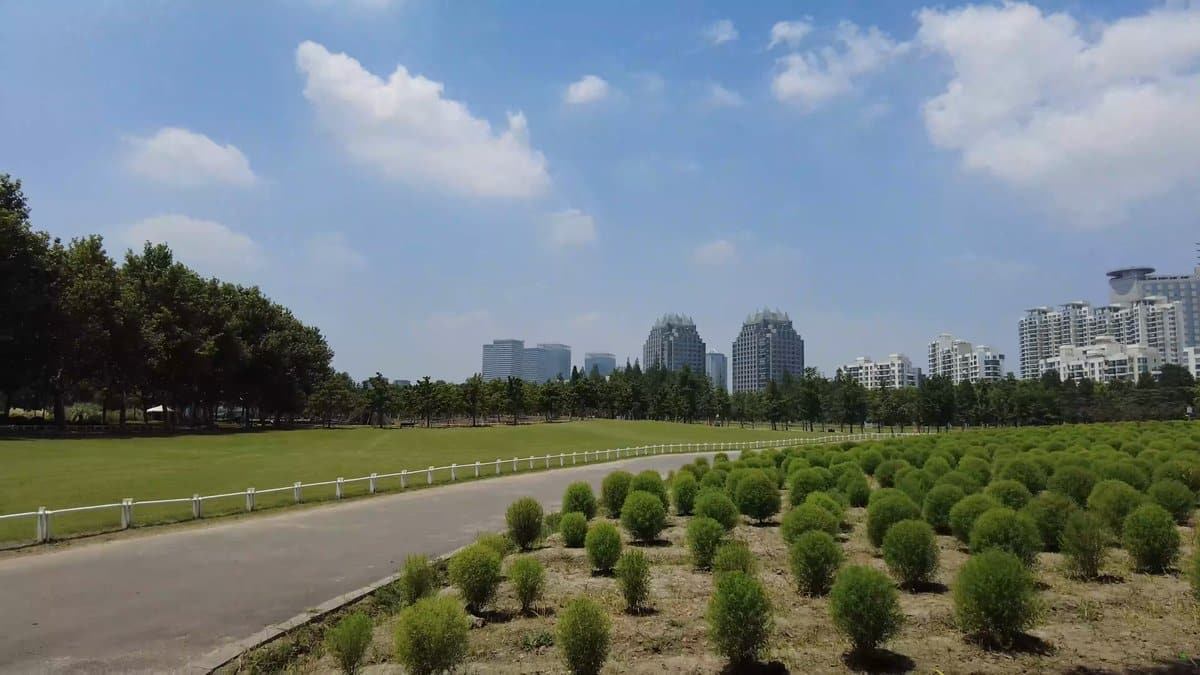
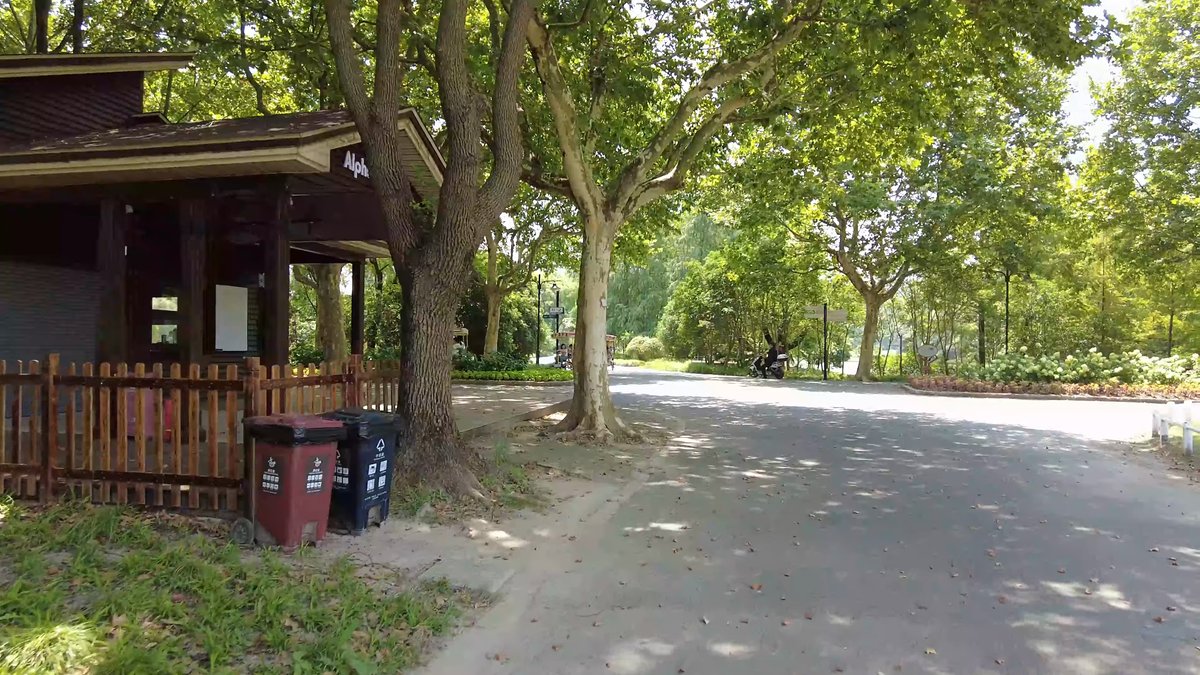
As you make your way around the park, be prepared for a patchwork of microclimates: lawns lined by clipped shrubbery that feel like they were borrowed from someone’s European garden; shaded groves that remain cool even in July; exposed slopes baking in the afternoon sun.
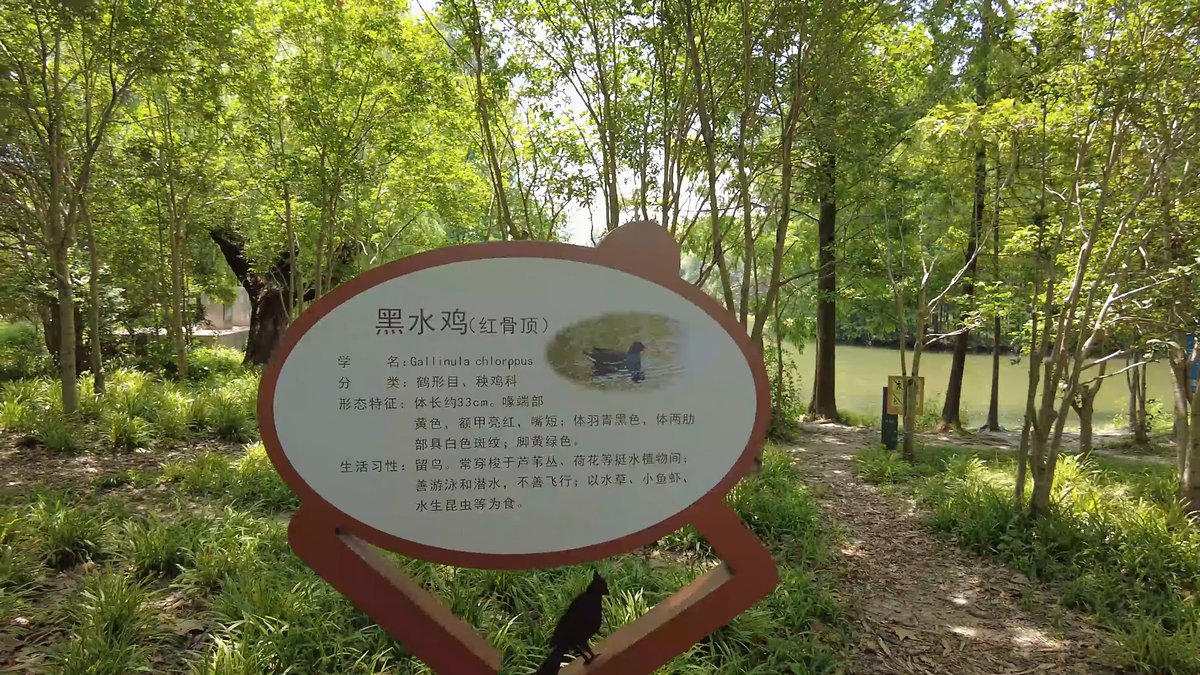
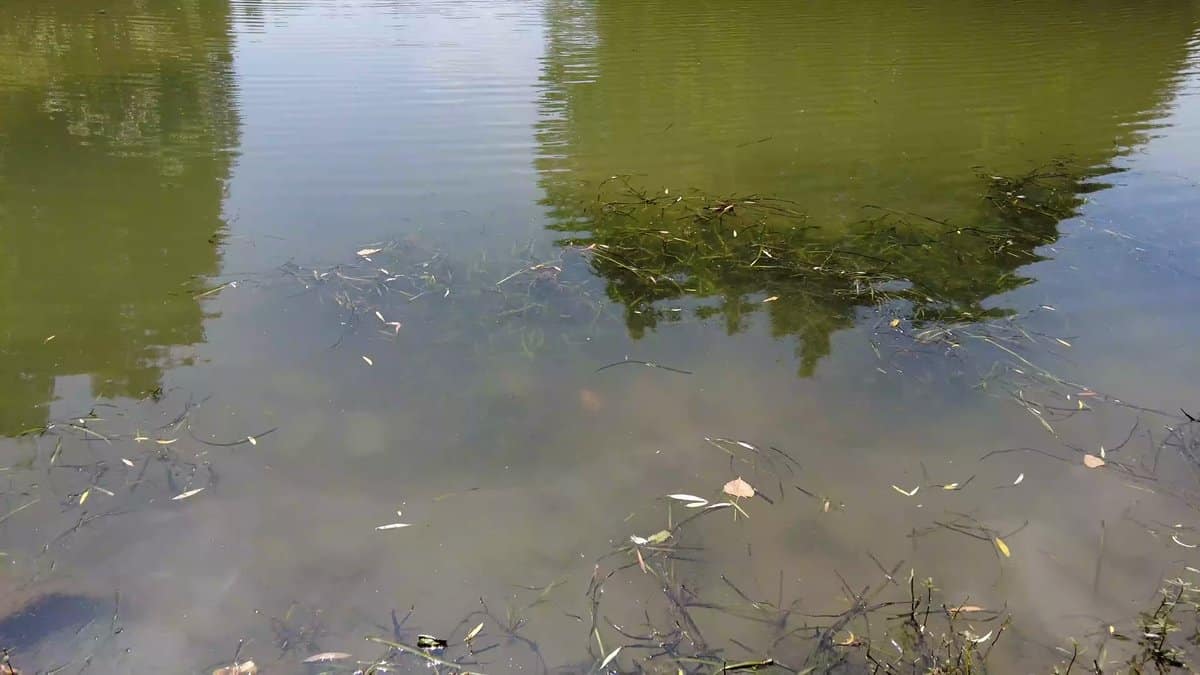
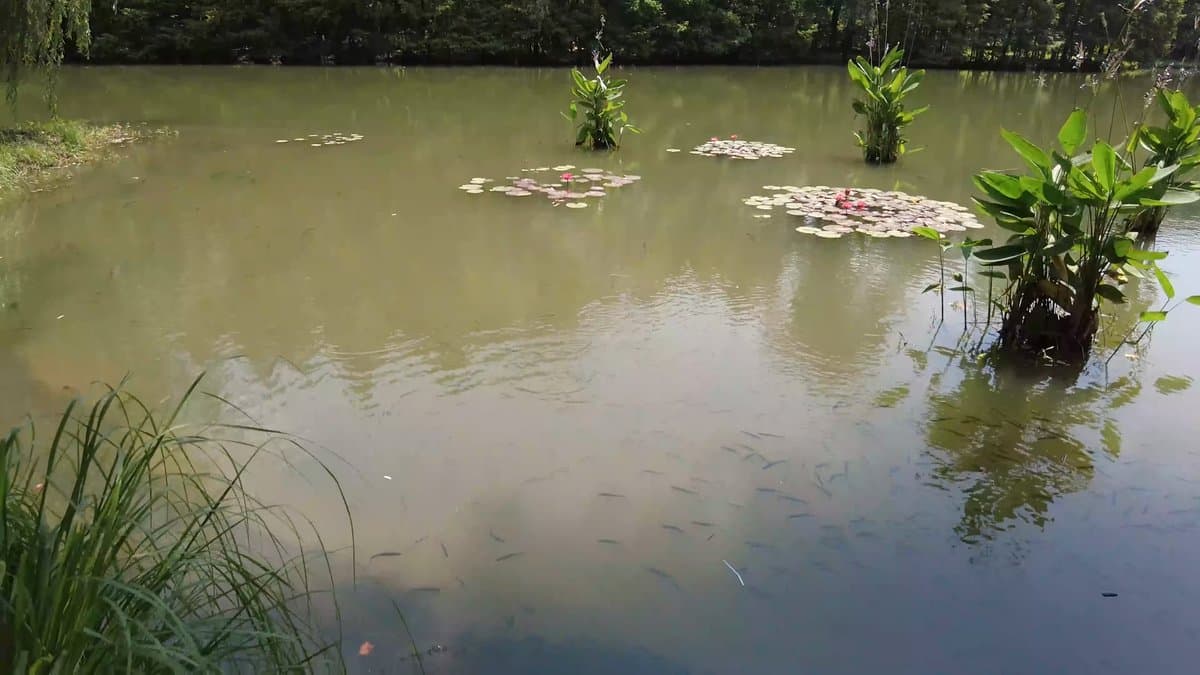
Resident species (egrets), moorhens, the occasional kingfisher if you’re patient, are pointed out at intervals along the trails via interpretive signs. ) On the calmer sections of water, the roots of bald cypress trees protrude from the pond bed. In spring, marsh flowers form clusters along the shore; by August, the lily pads has grown so dense you hardly see the water.
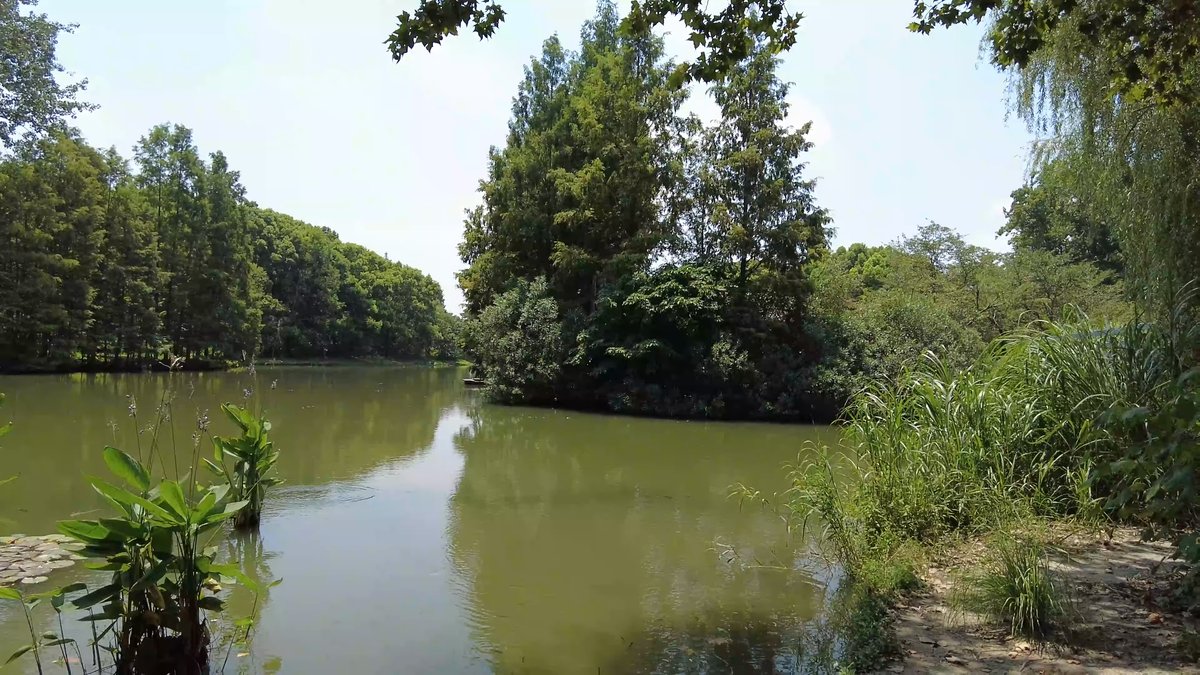
Narrow waterways link different parts of the ponds.
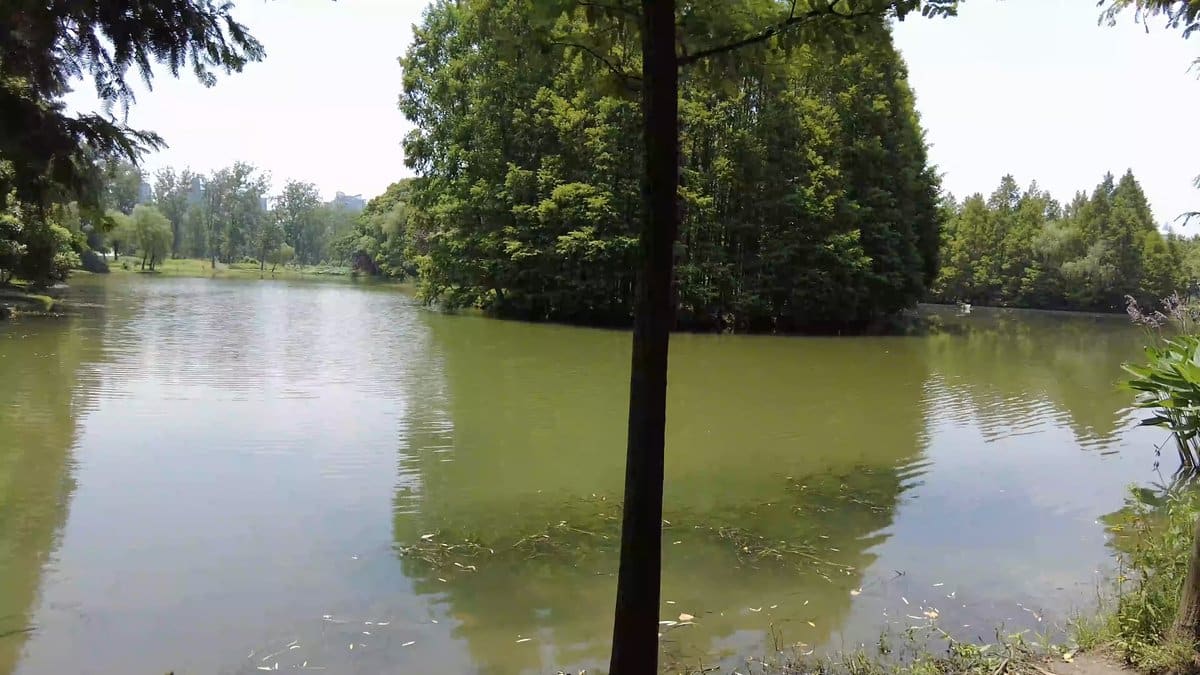
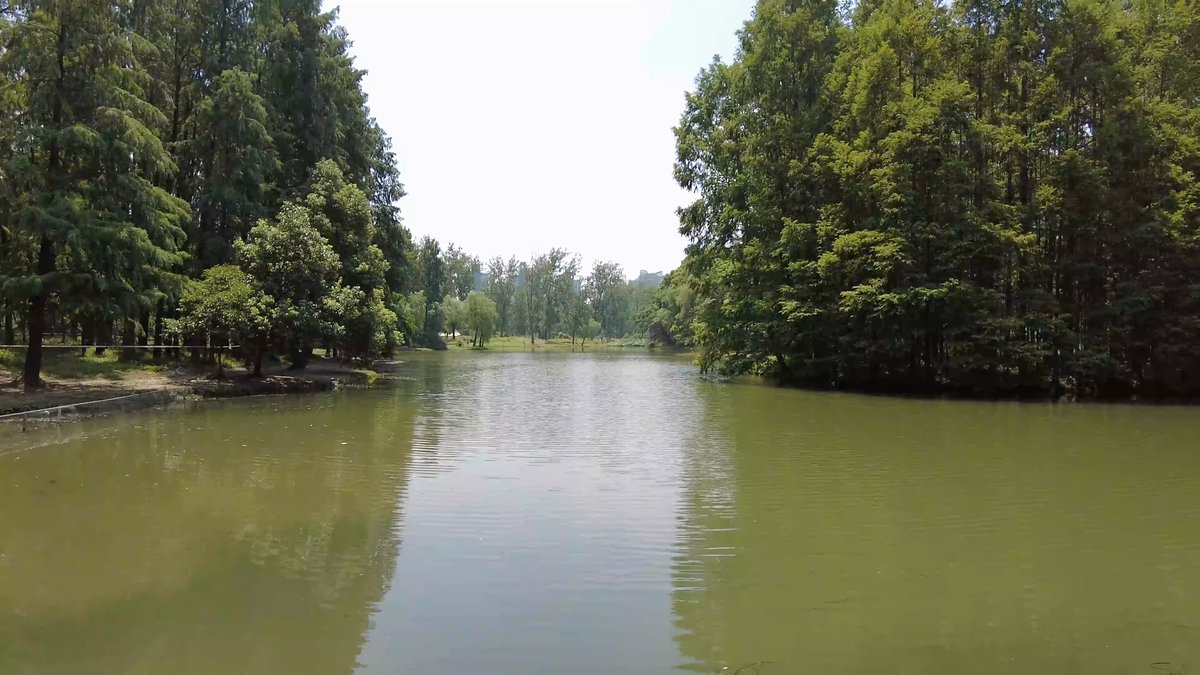
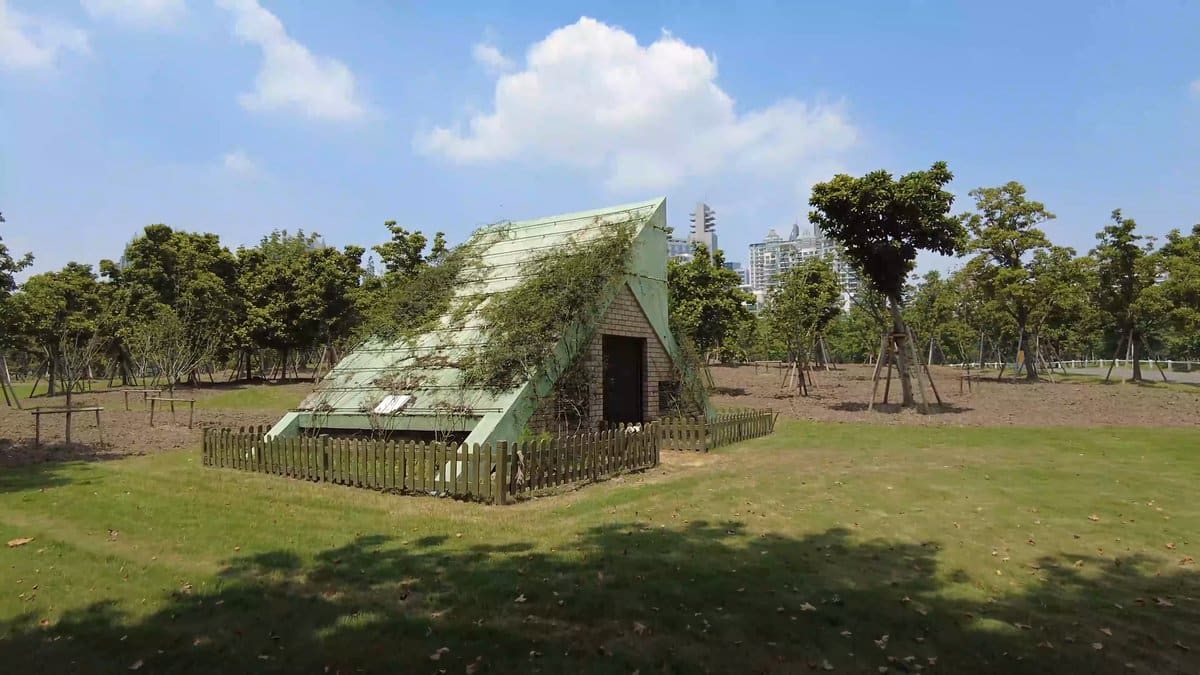
In certain corners, there are odd installations like a moddern sculpture or a pyramidal pavilion. They look as if they were afterthoughts of other planning committees.
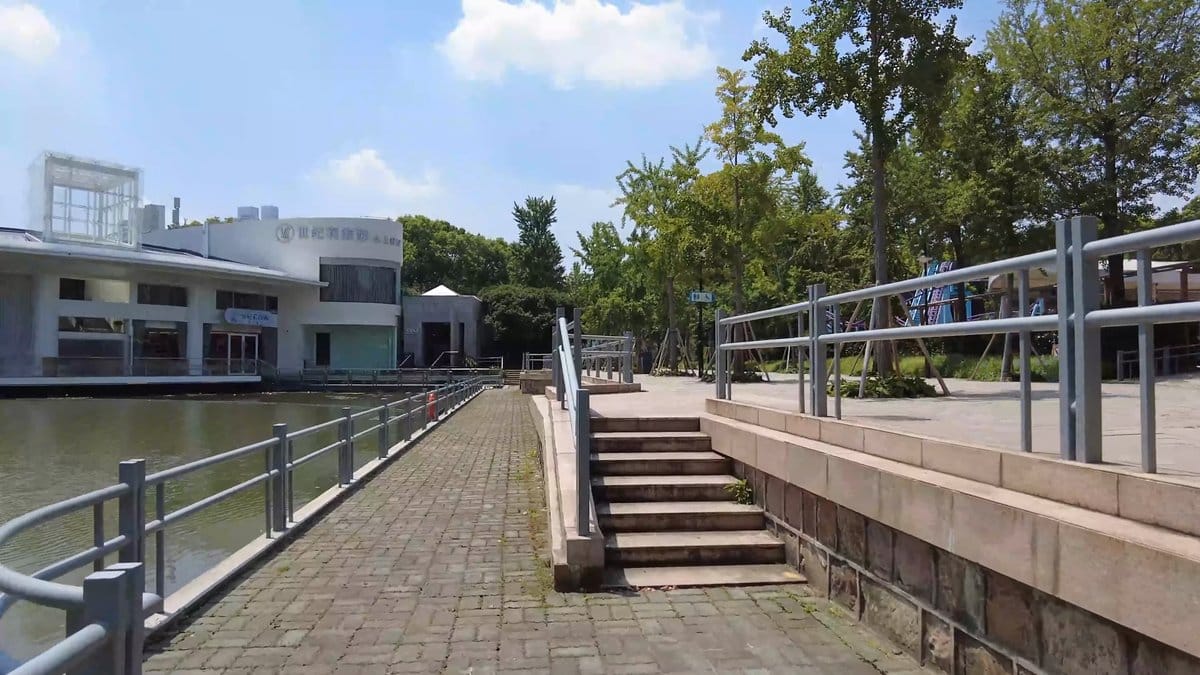
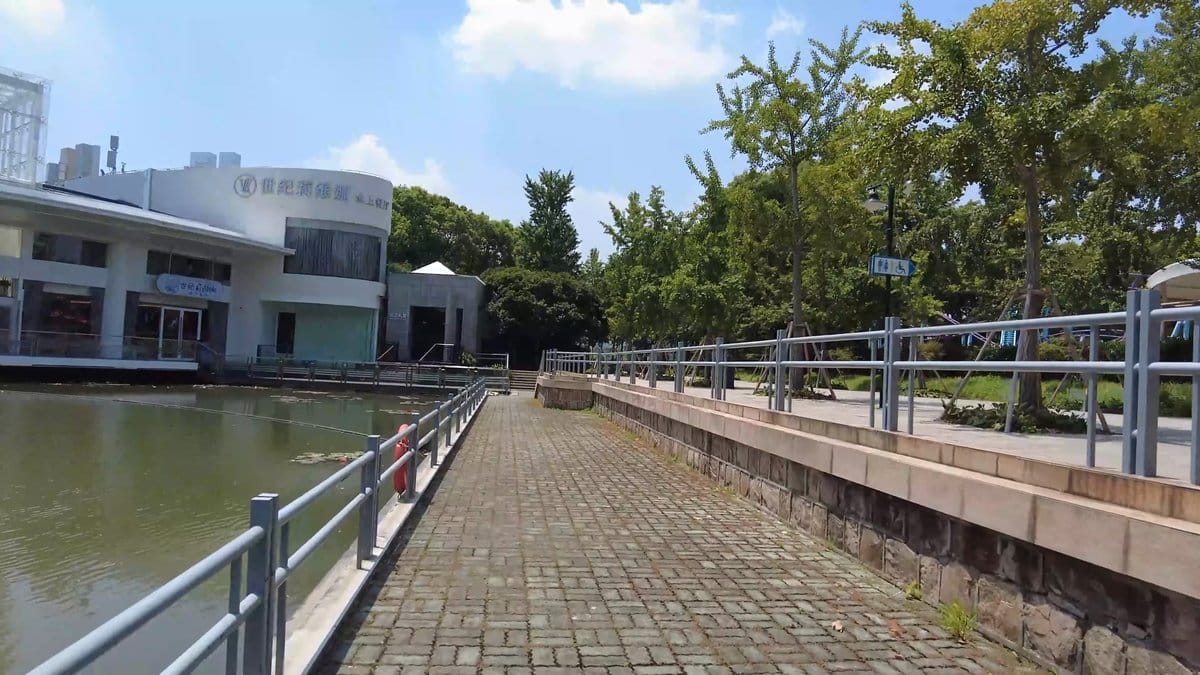
Even with the heavy rains, the park’s modern facilities (ramps and raised walkways) ensure that the promenade remains accessible at all times.

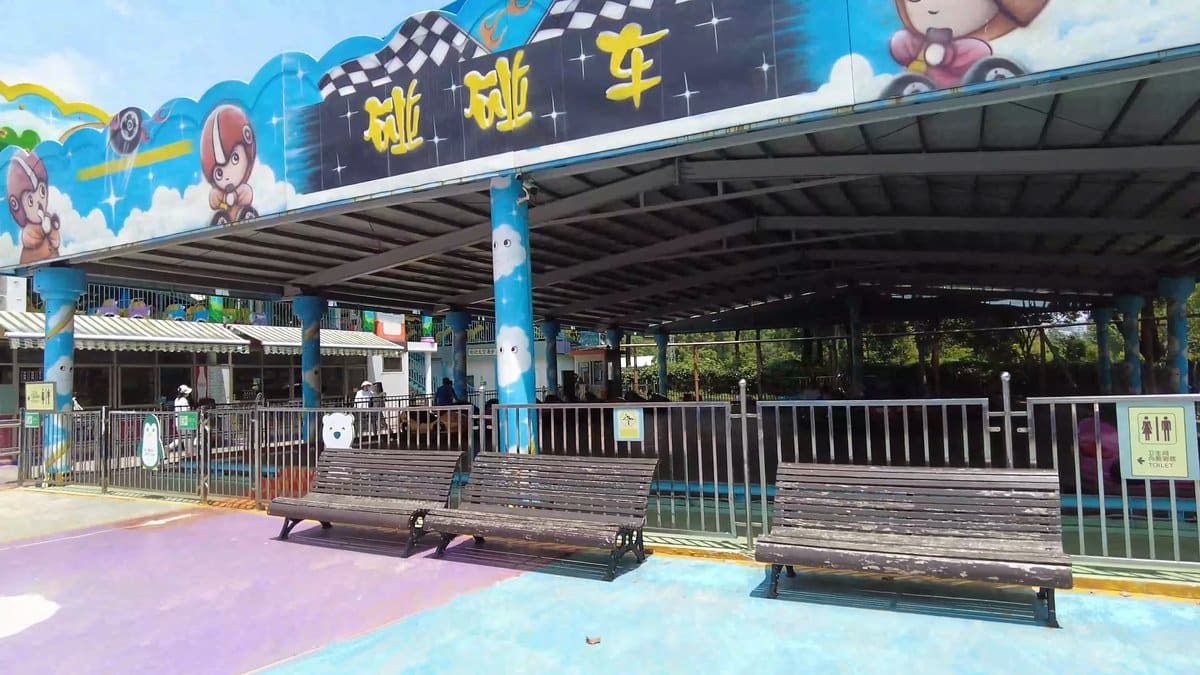
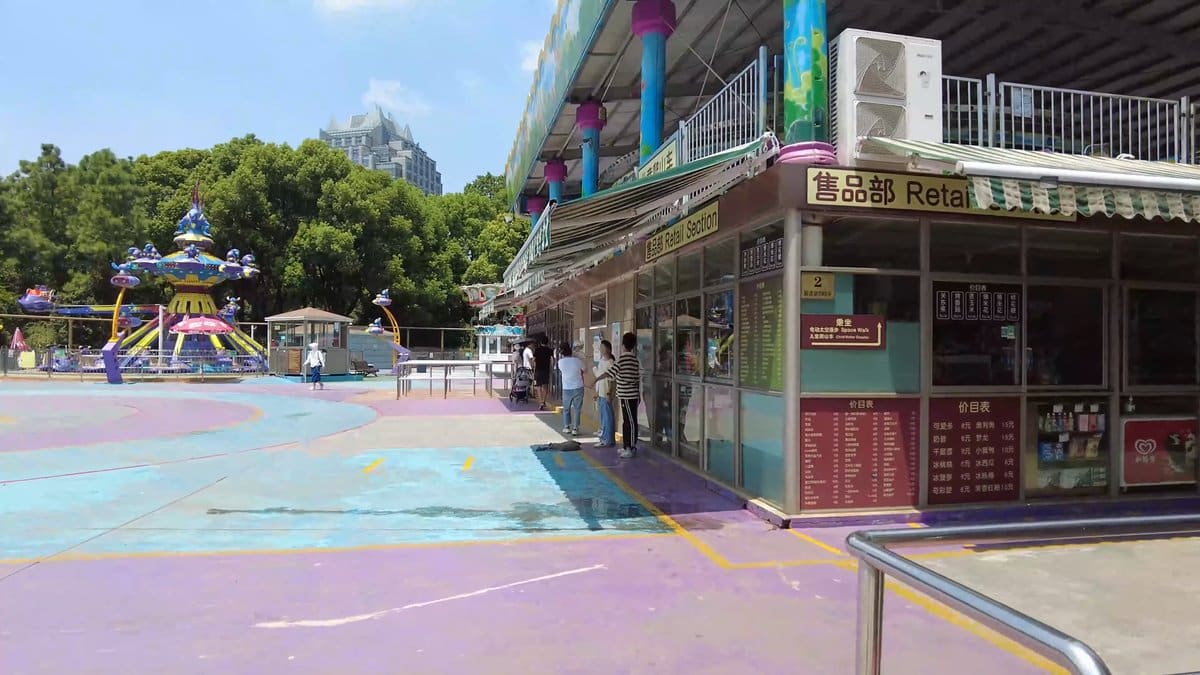
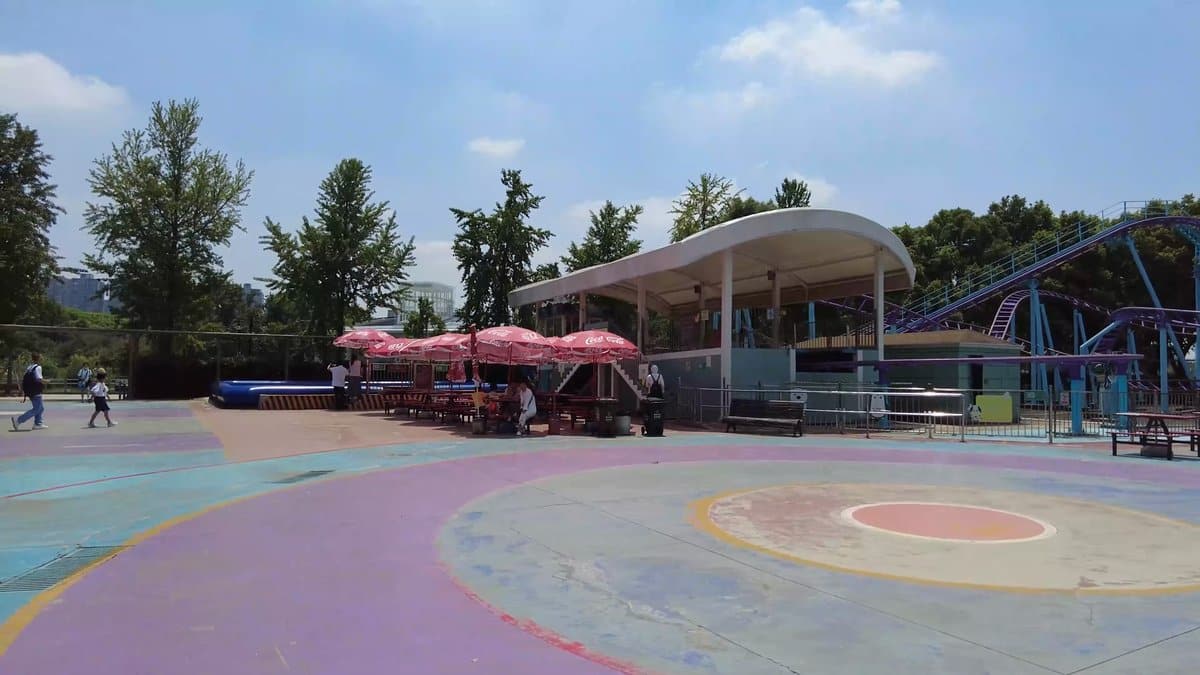
There’s also an amusement zone tucked away in the northeast corner for families with small kids… A couple of low-key rides, a splash pool, and snack shop. It’s self-contained enough that you can avoid it completely if you’re looking for quiet.
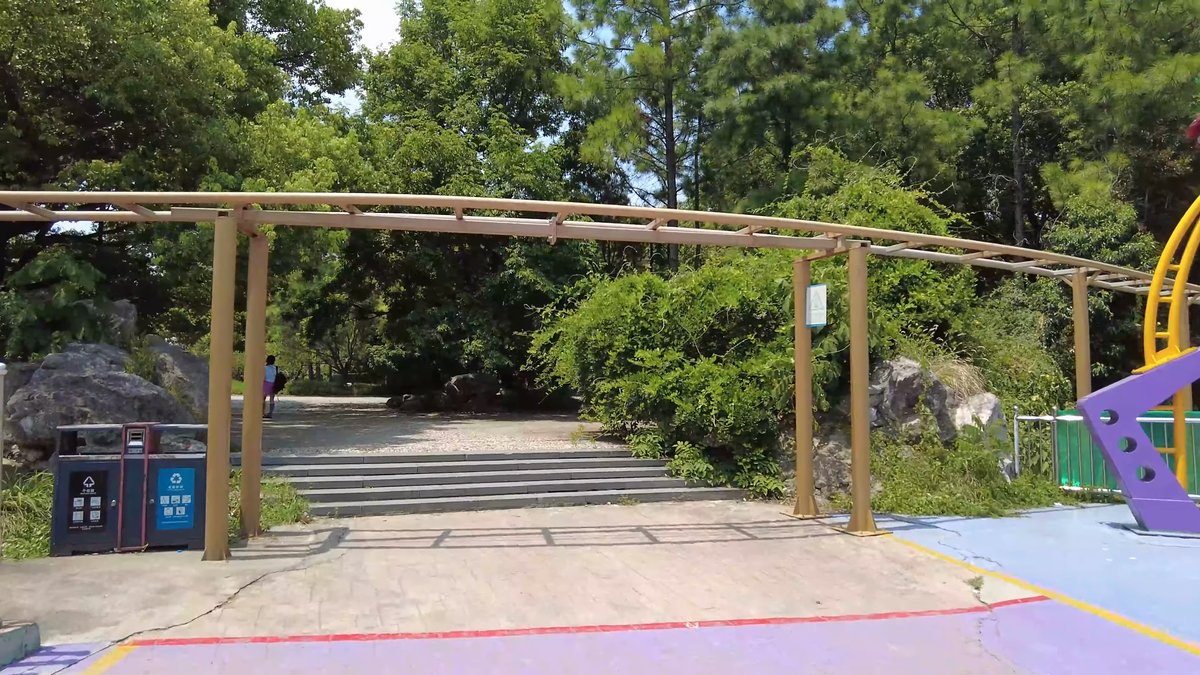
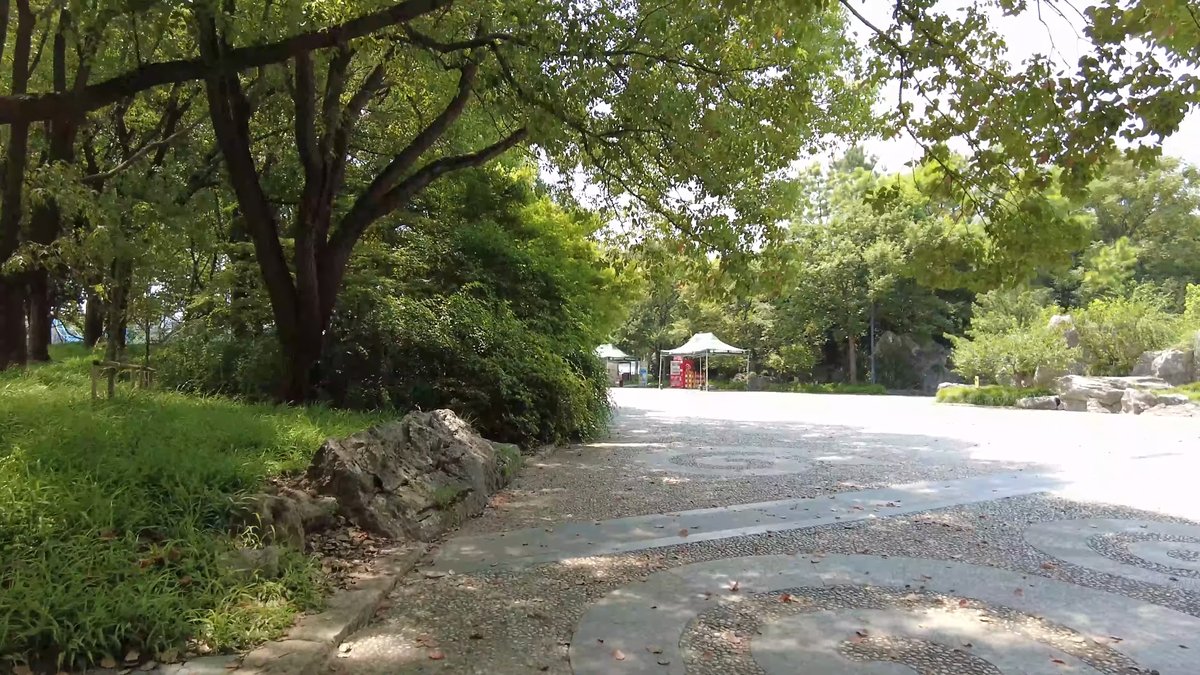
Transitional zones between the wooded areas and the lake are marked by pergolas and pavilions. Some of them lean modern timber; some lean faux-classical. The park’s design doesn’t commit to a single aesthetic.
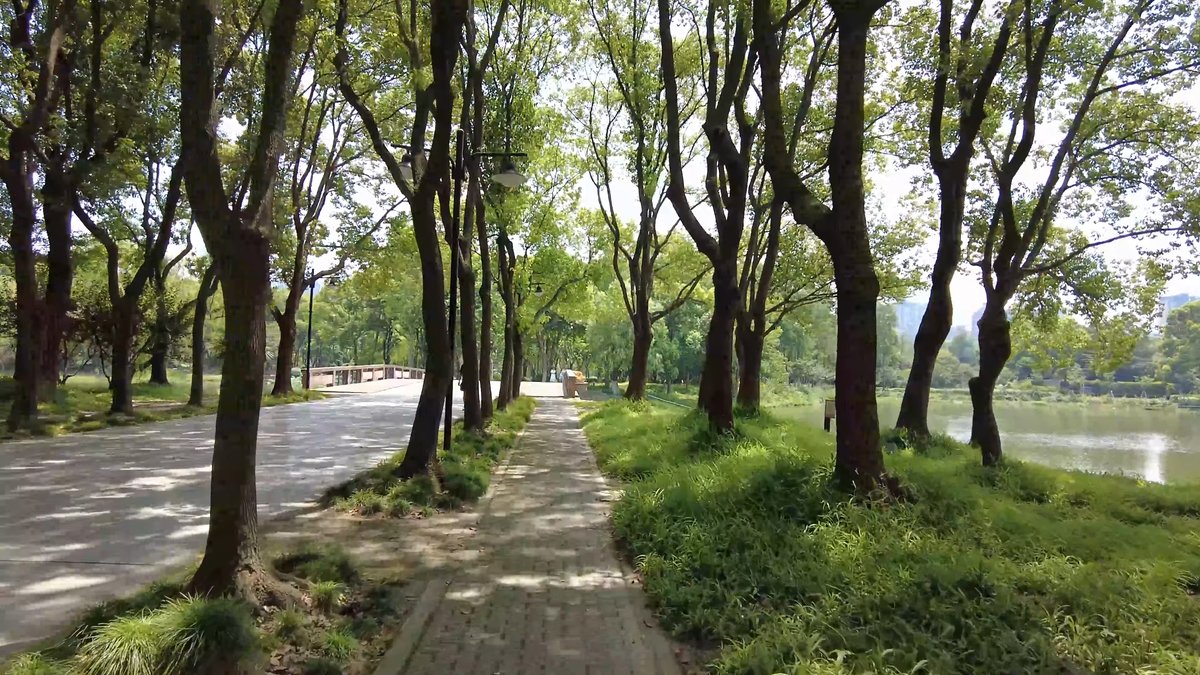
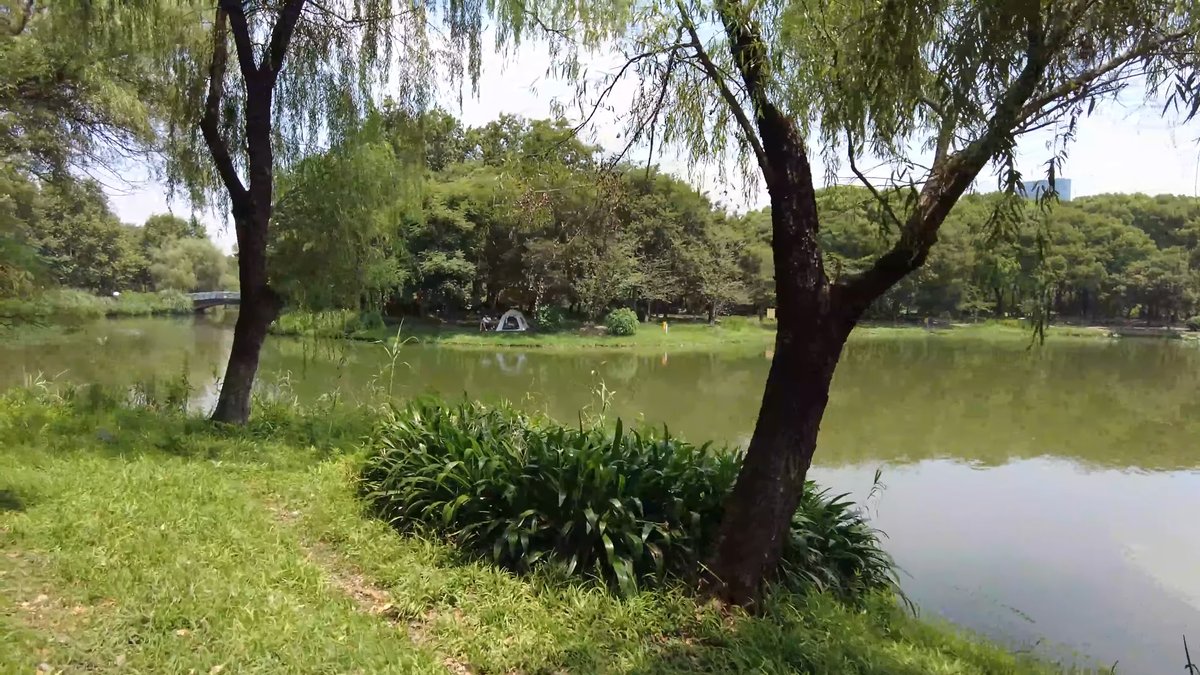
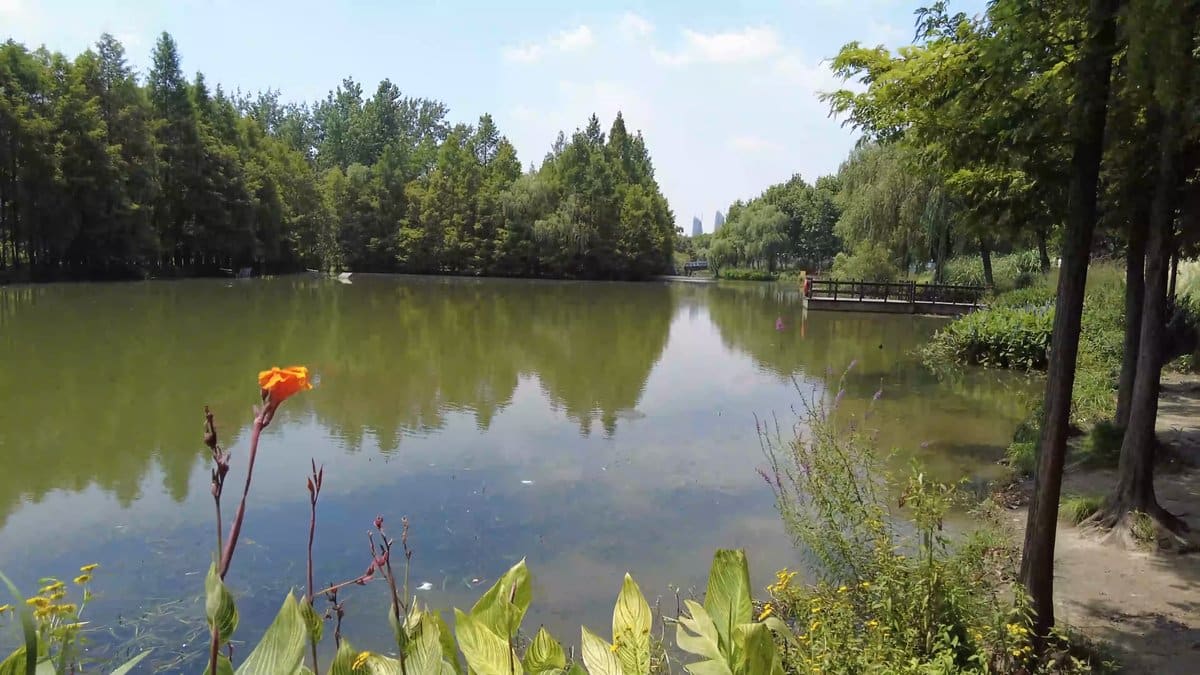
In most directions the lake is framed by willows whose branches trail low enough that you sometimes have to duck to get a clear shot of the water.
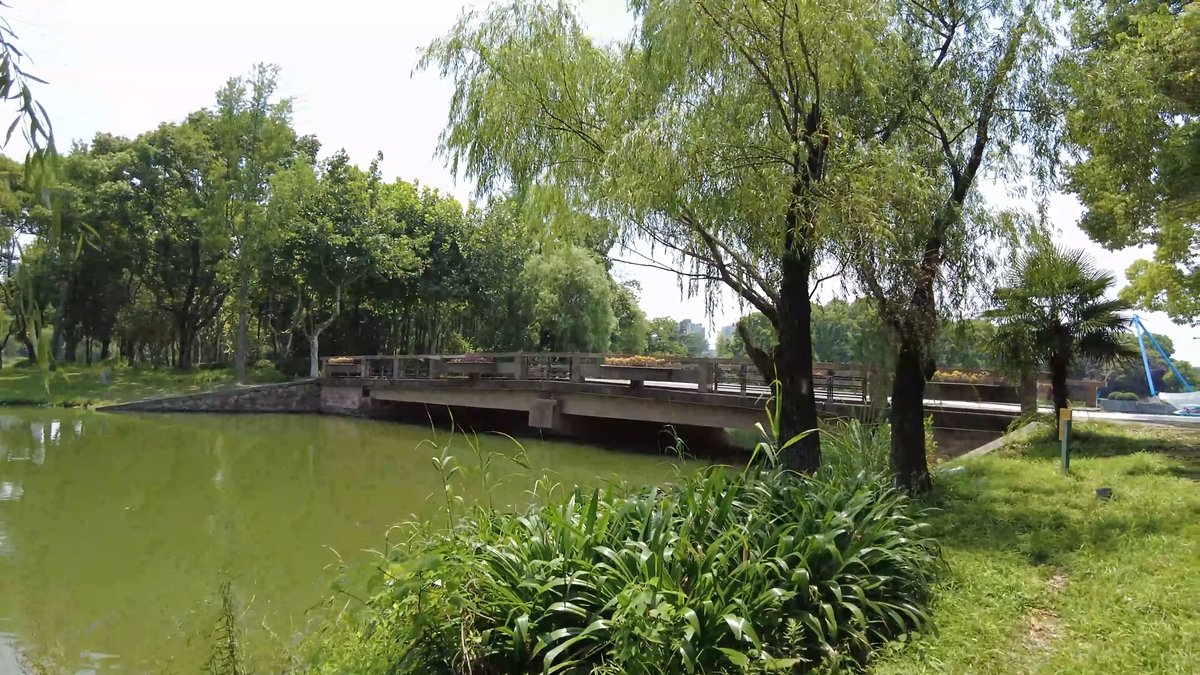
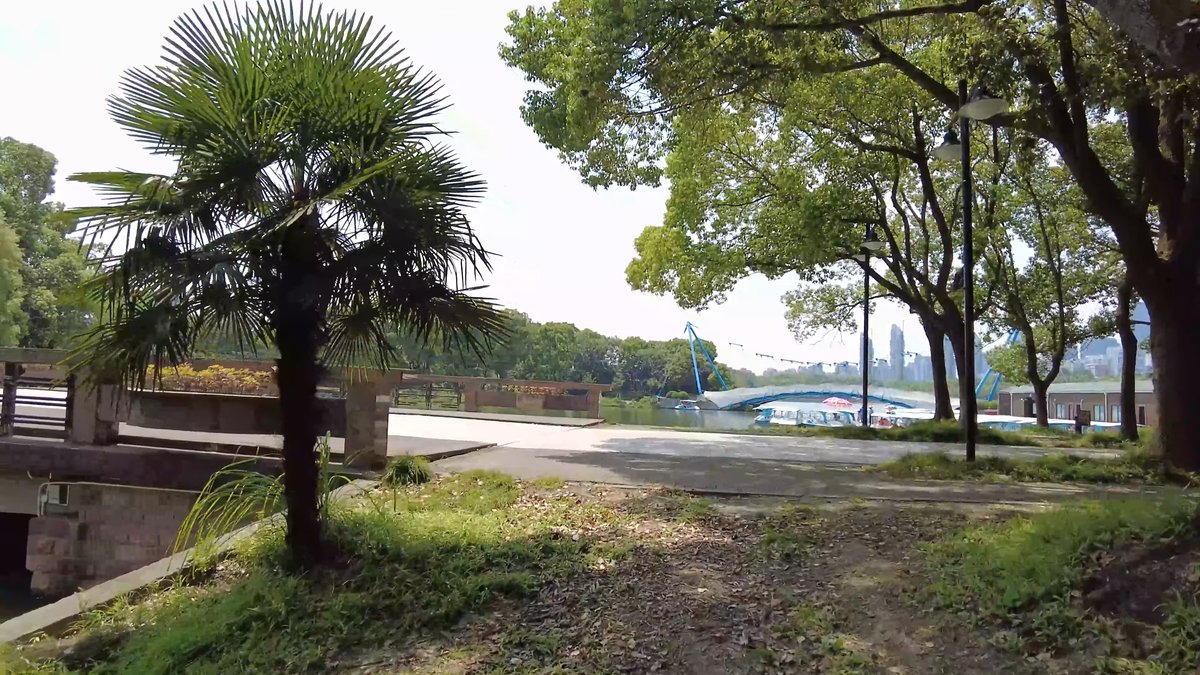
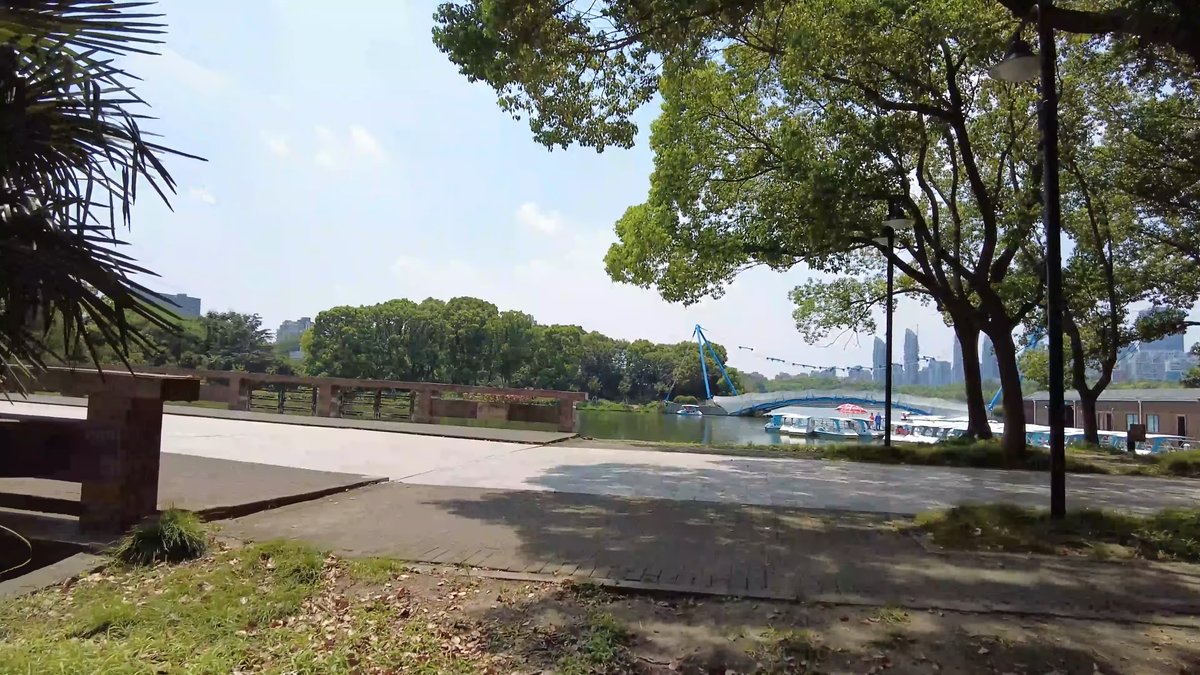
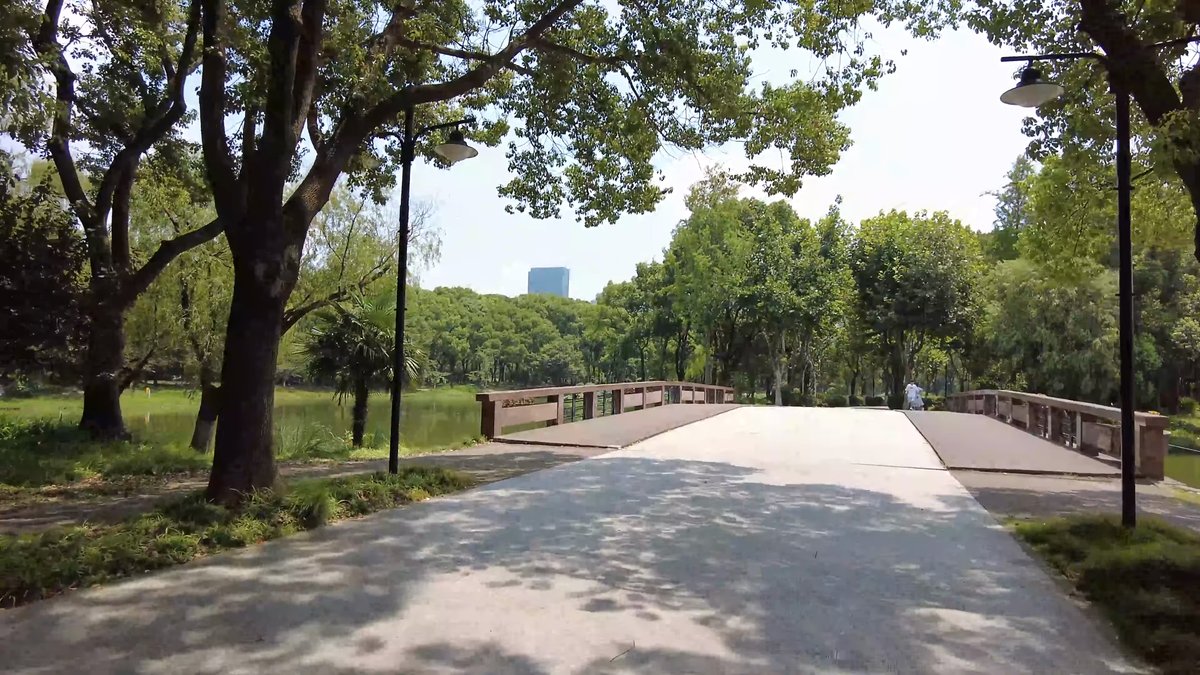
The narrowest section of the lake is spanned by a pedestrian bridge, which gives the best view across the entire expanse. On the far side is a lakeside terrace, there are a few palms and plenty of benches, so you should be able to get a seat even on weekends.
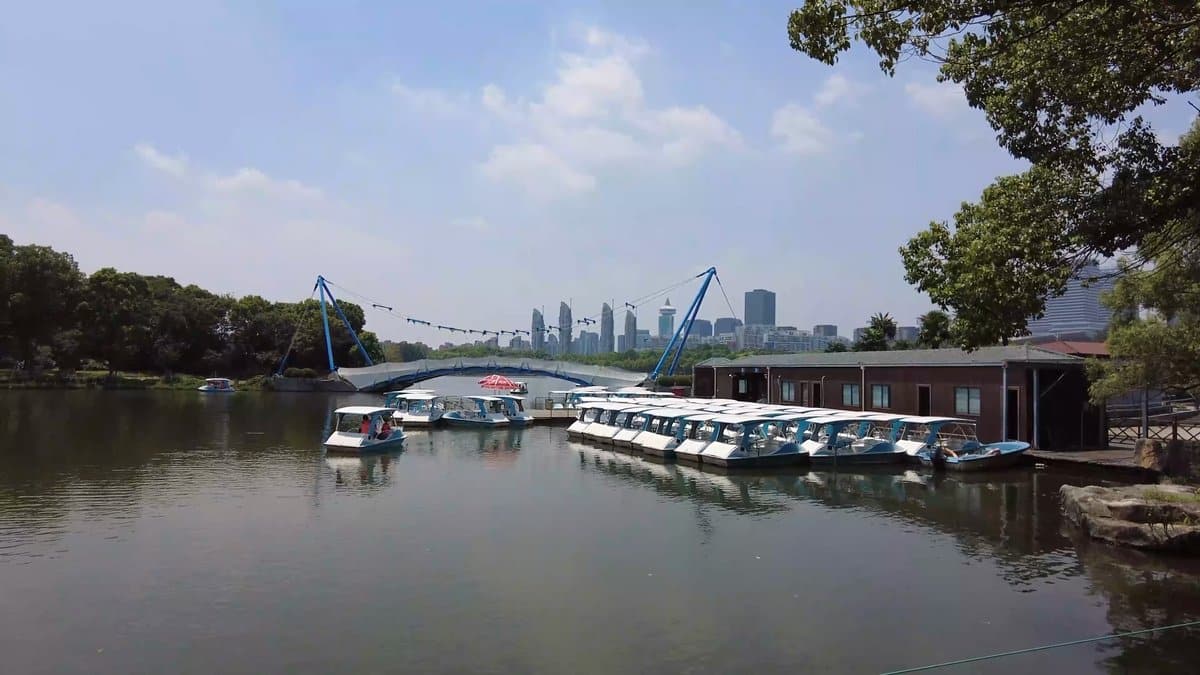
There’s also a dock on the east side from which pedal boats run, 30 yuan for half an hour, and yes, the Pudong skyline looms straight behind you as you’re out on the water.
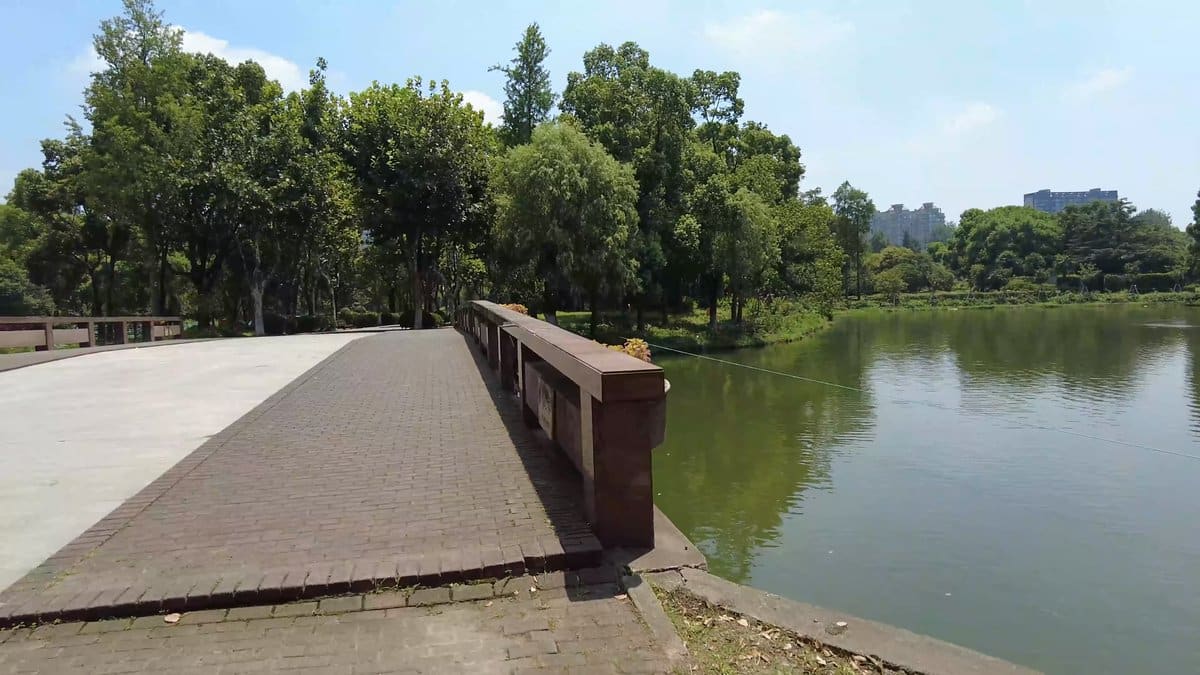
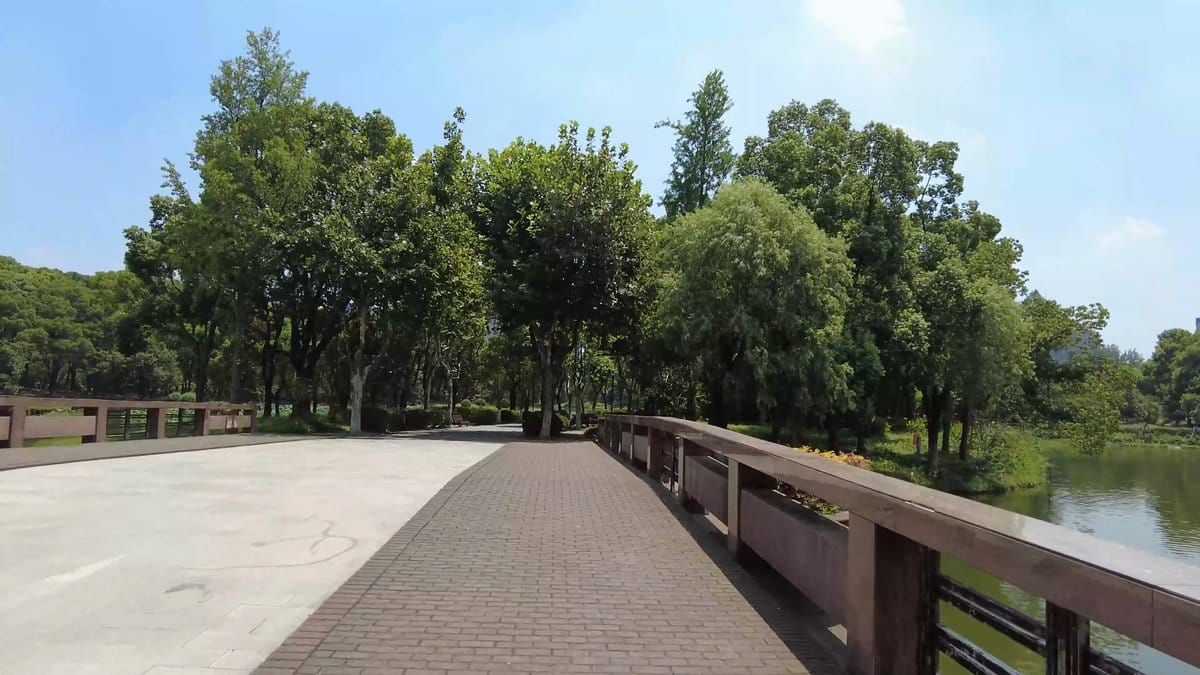
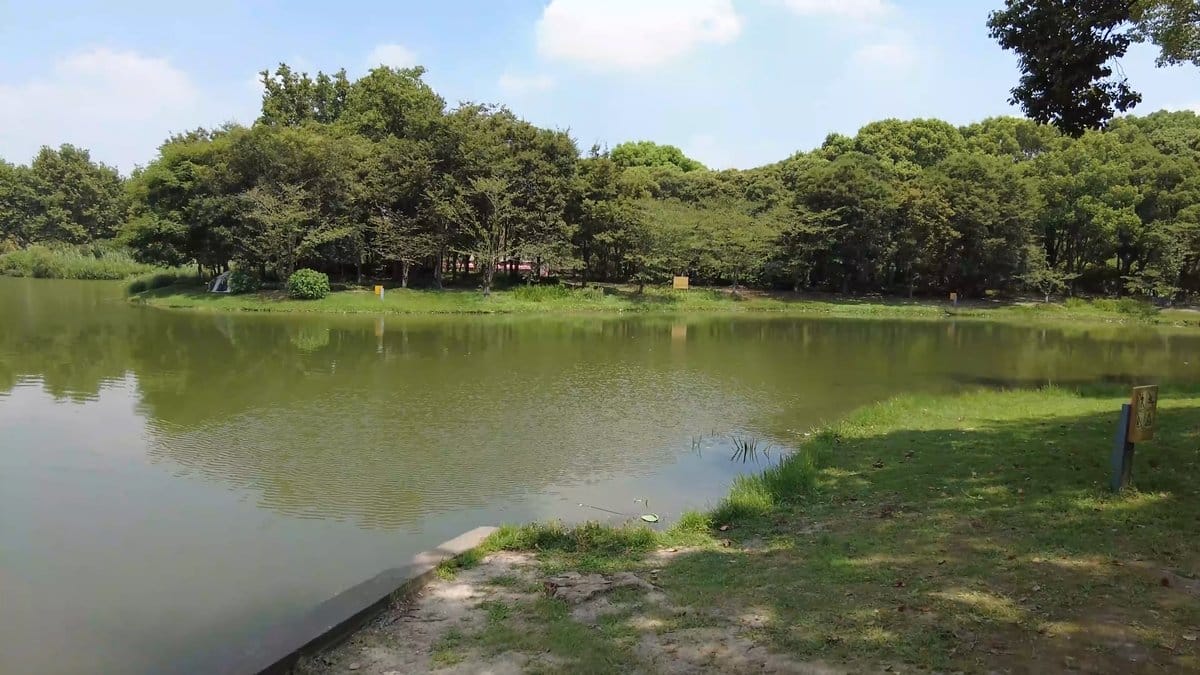
Near the north end there’s an arched bridge. It is more decorative than functional because the paths on both sides are flat, but it does cross near the edge. This is a popular picnic zone, with the grassy banks remaining open.
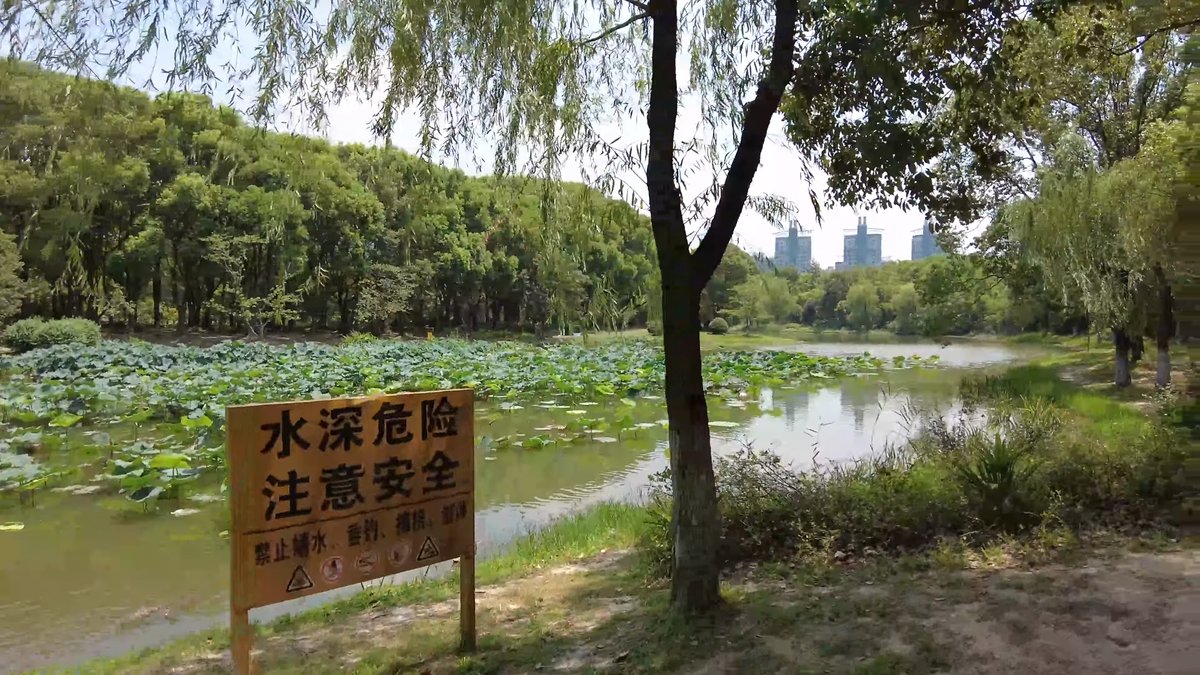
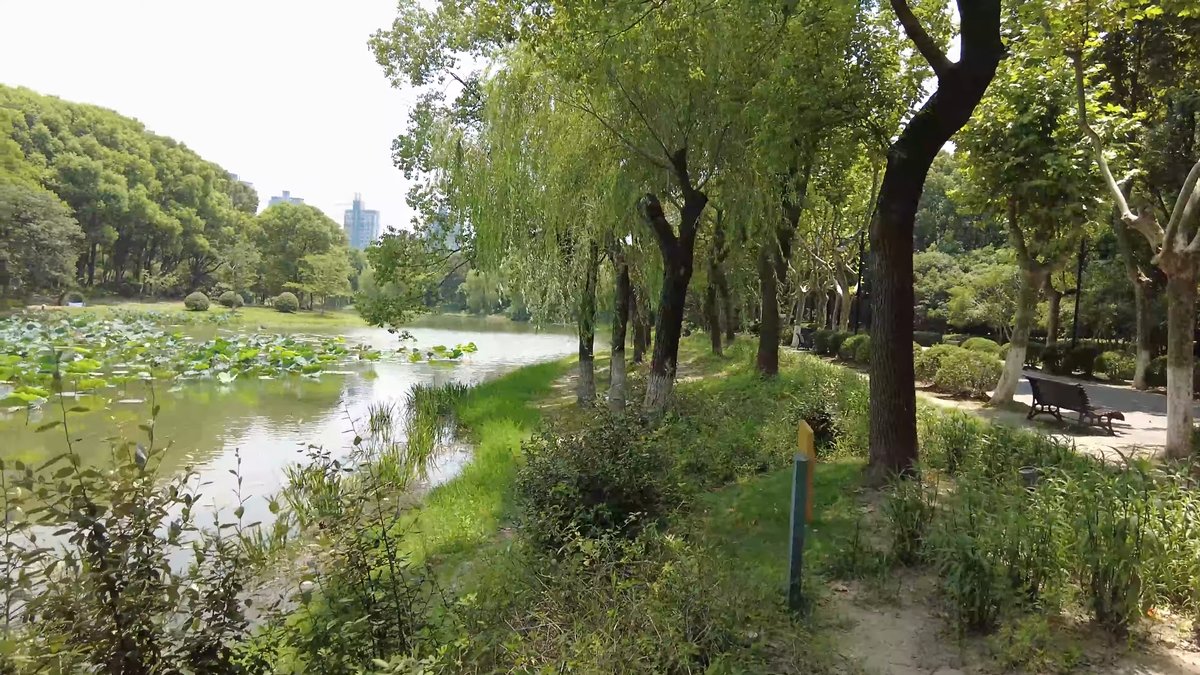
Inlets filled with lotus plants break up the main lake. Warning signs remind visitors that they shouldn’t wade in. If you come early before the crowds, you can do some of the best bird-watching in the park along the willow fringe around the quieter arms.
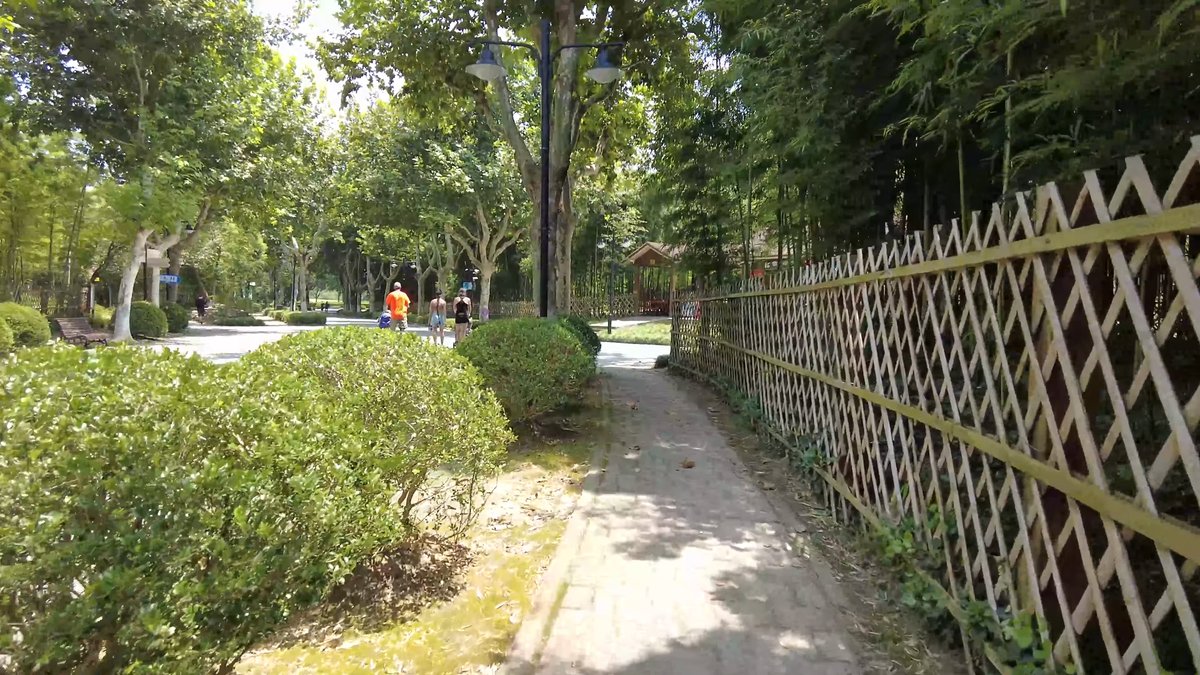
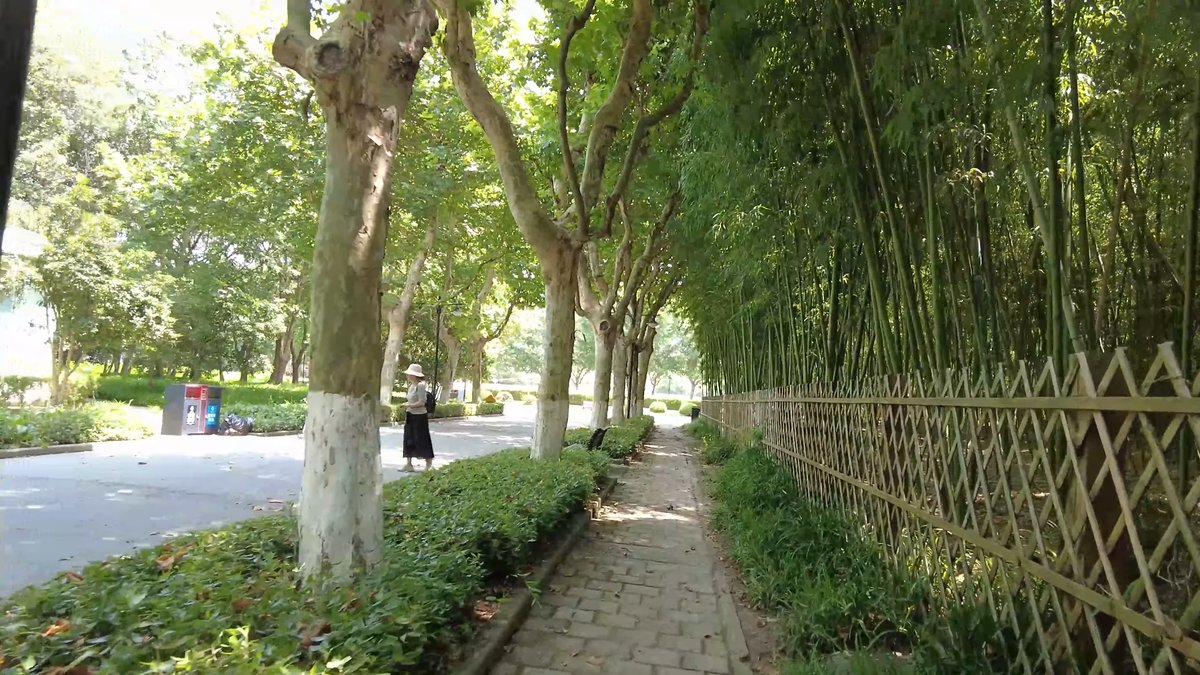
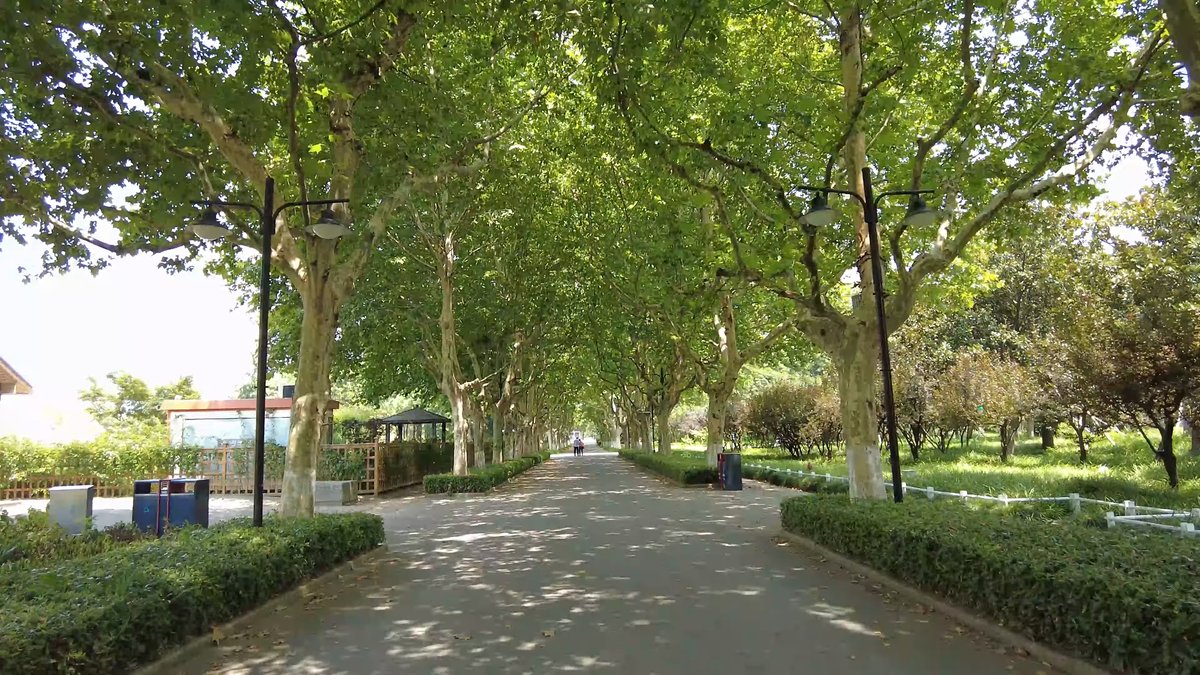
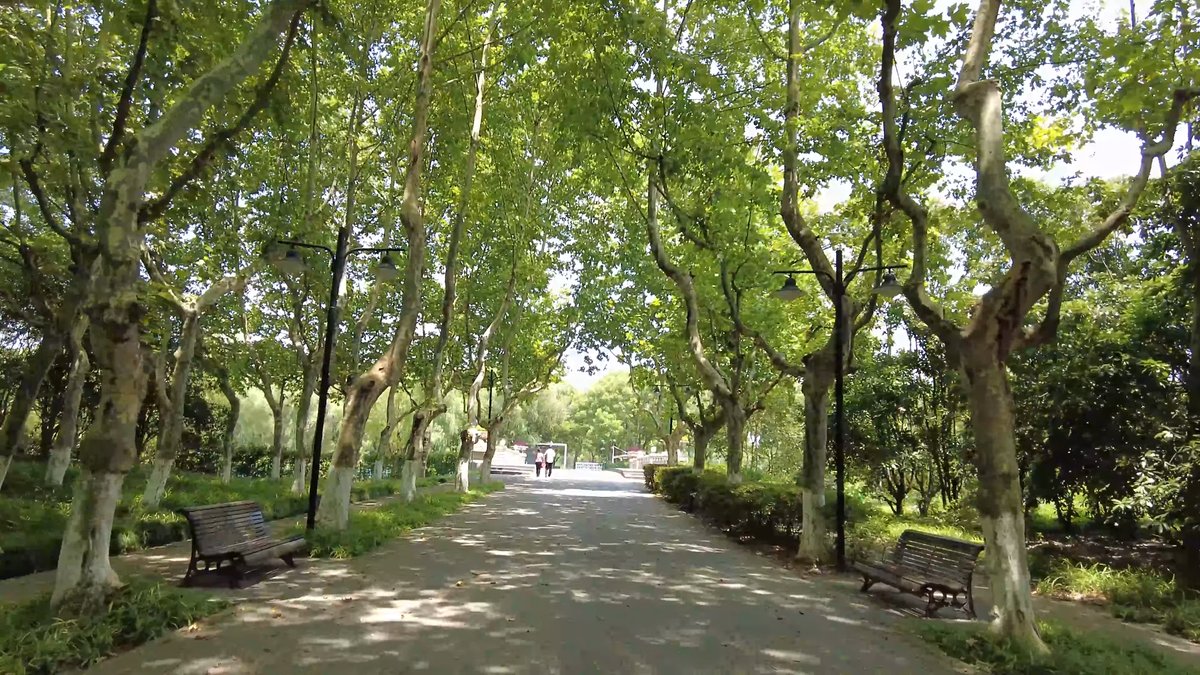
Running north-south through the centre of the park is the most formal feature, a plane-tree avenue, lined with benches and with a sense of symmetry that’s missing from much of the rest of the park’s layout.
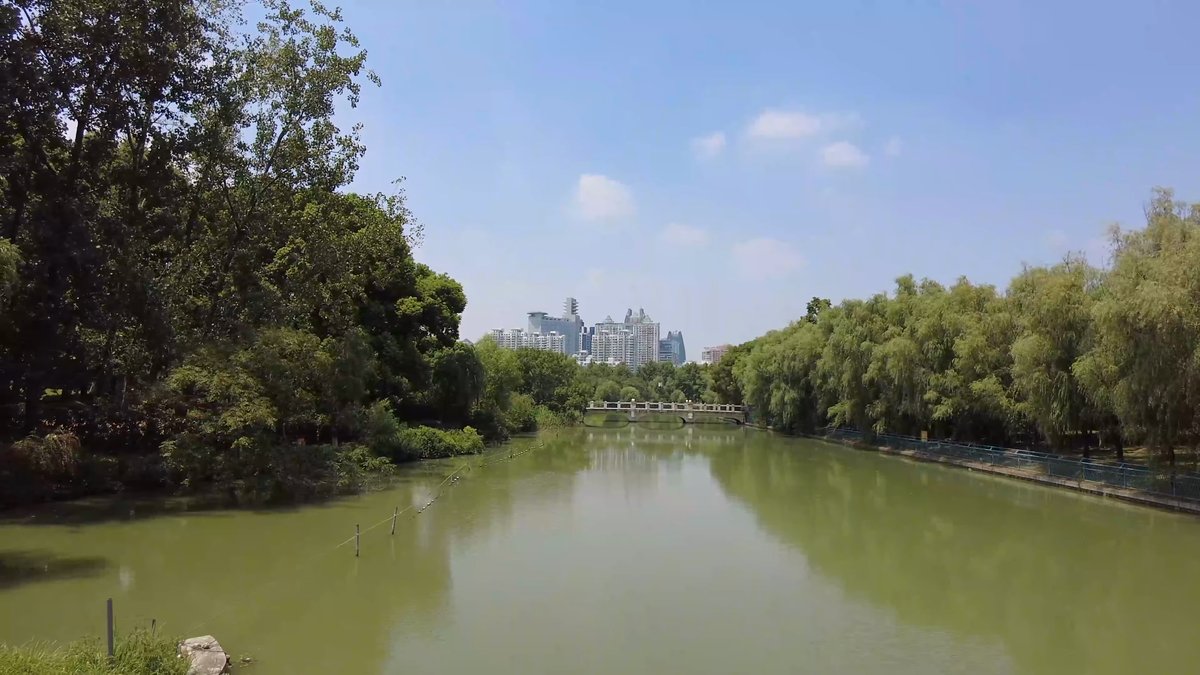
Beyond the northern edge of the park, residential towers press right up against the boundary, sometimes making it seem arbitrary. The edge is marked by a narrow canal lined with willows. Beyond them hovers the city’s vertical sprawl.
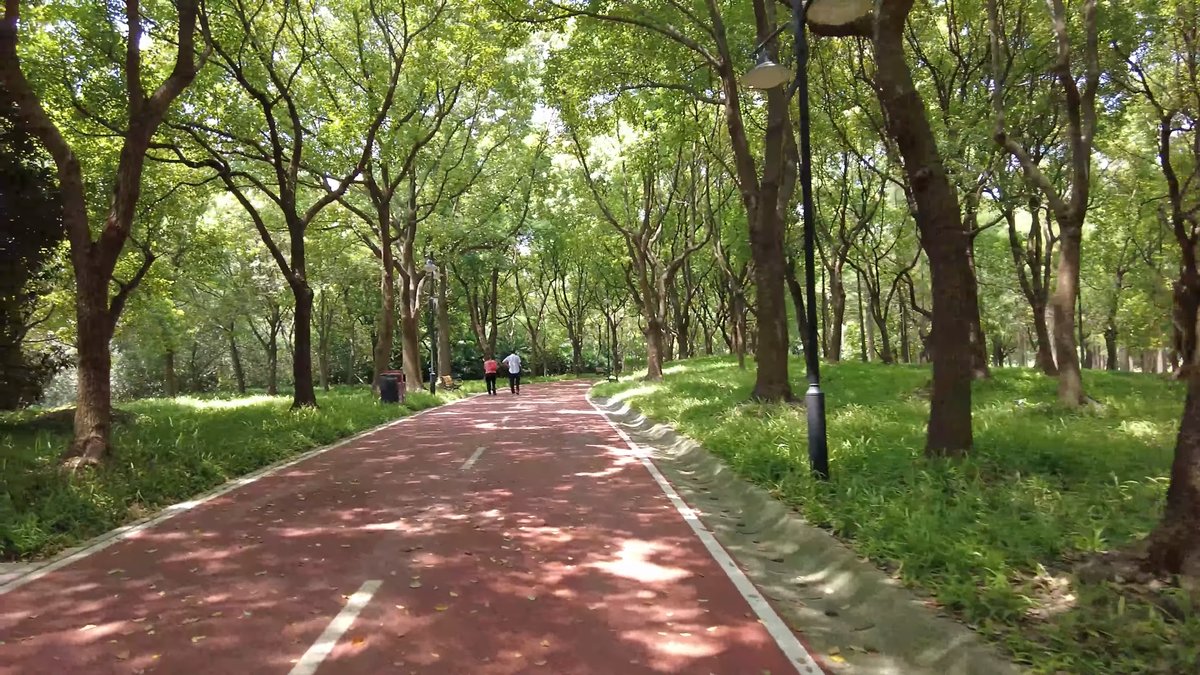
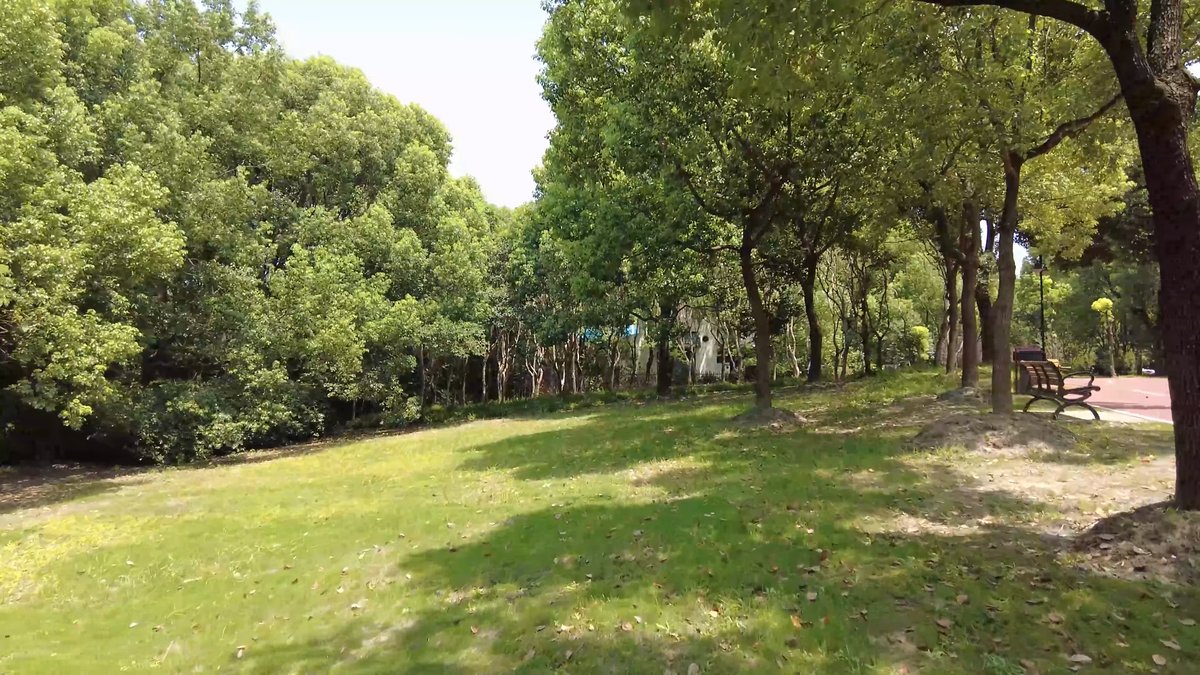
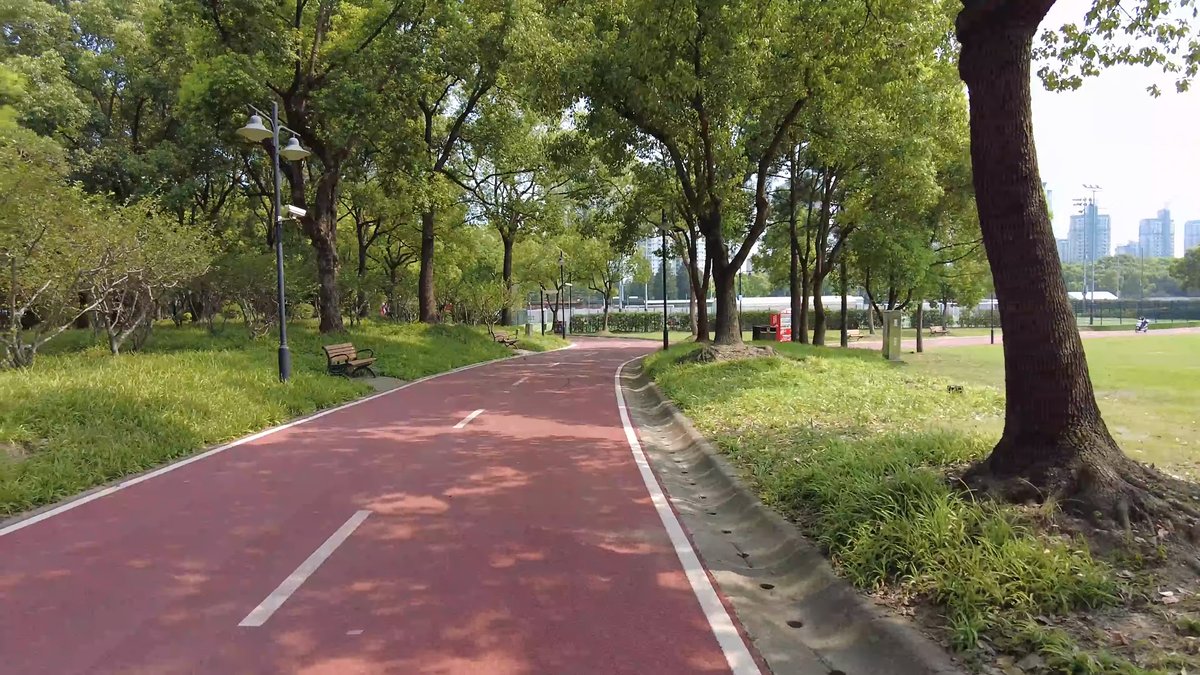
A dedicated running track loops the park’s perimeter, made of a bright red synthetic surface popular with morning joggers. Open lawns alongside the track provide somewhere to sit or stretch out, although there’s little shade in this part of the park.
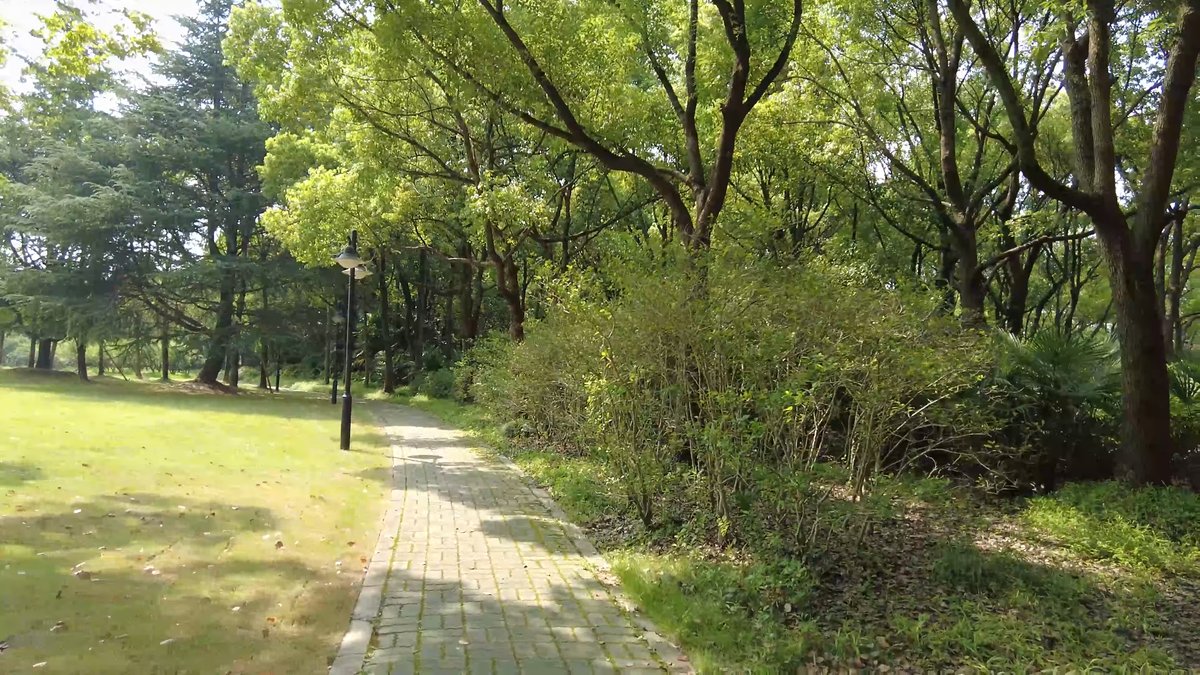
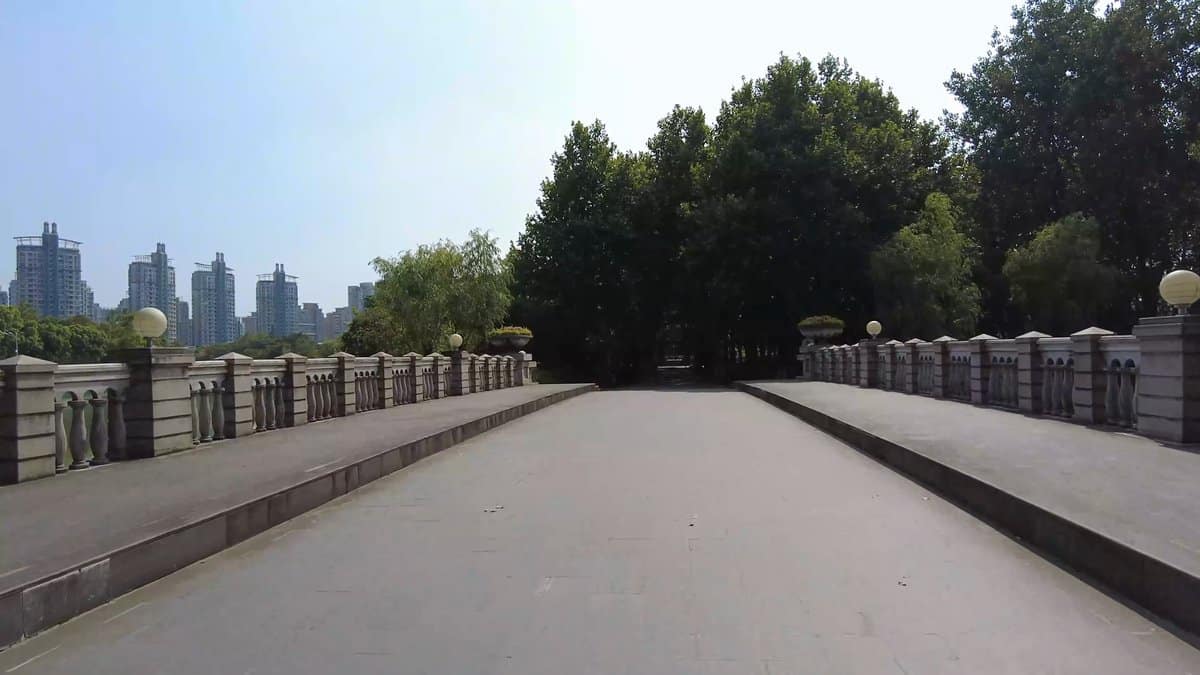
Further in, paths wind through dappled groves where the formality falls away. Old-fashioned globe lamps and weathered stone balustrades feel as if they’ve been left over from another era.
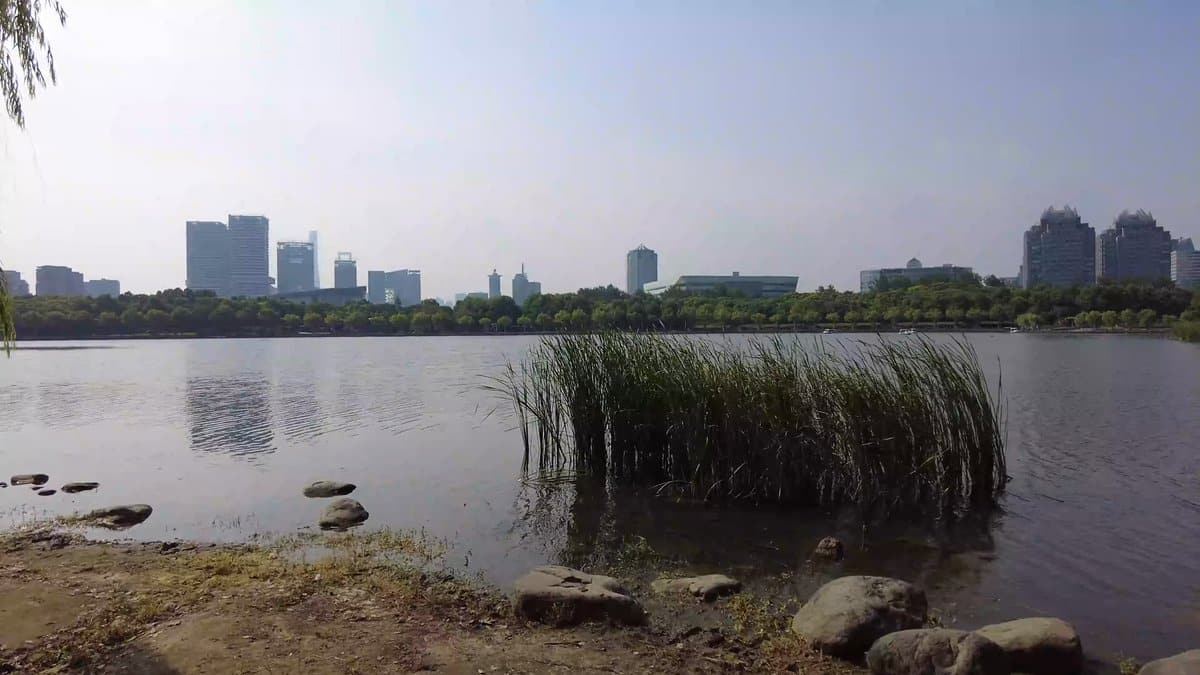
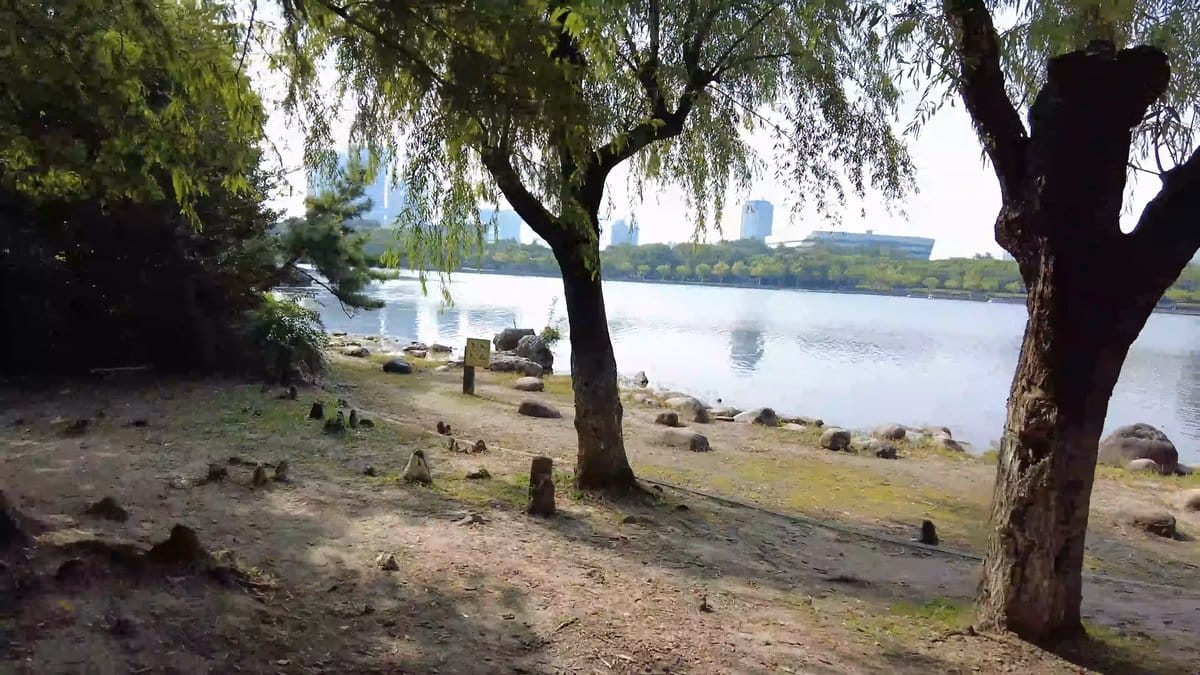
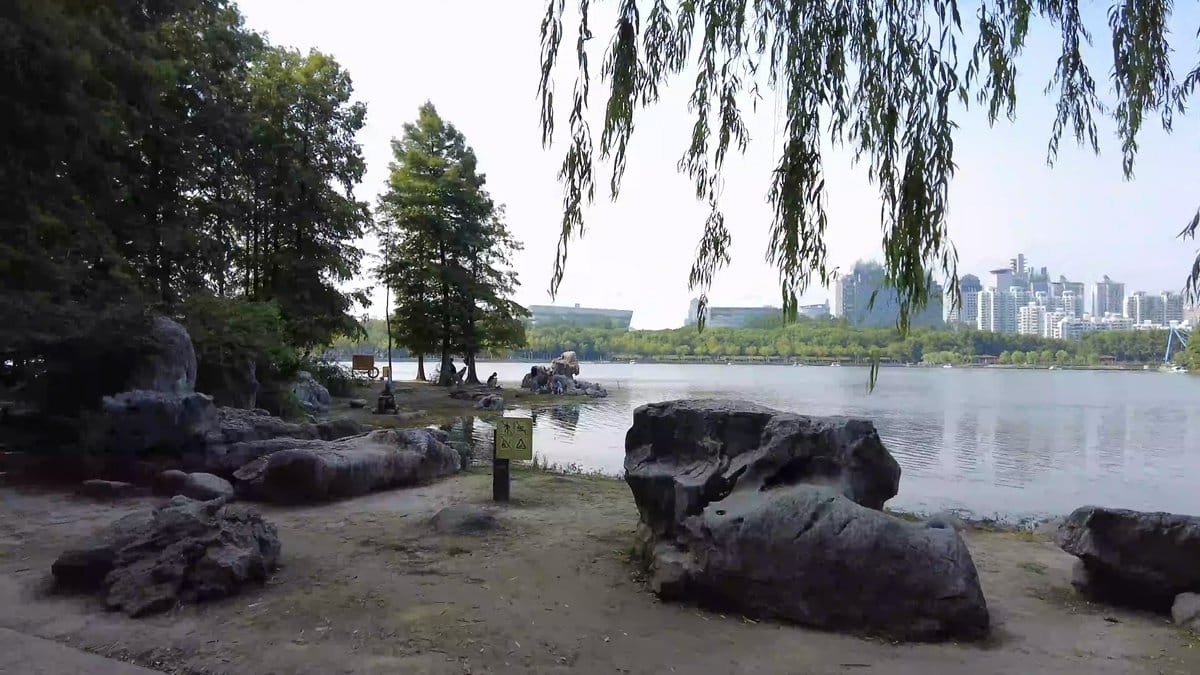
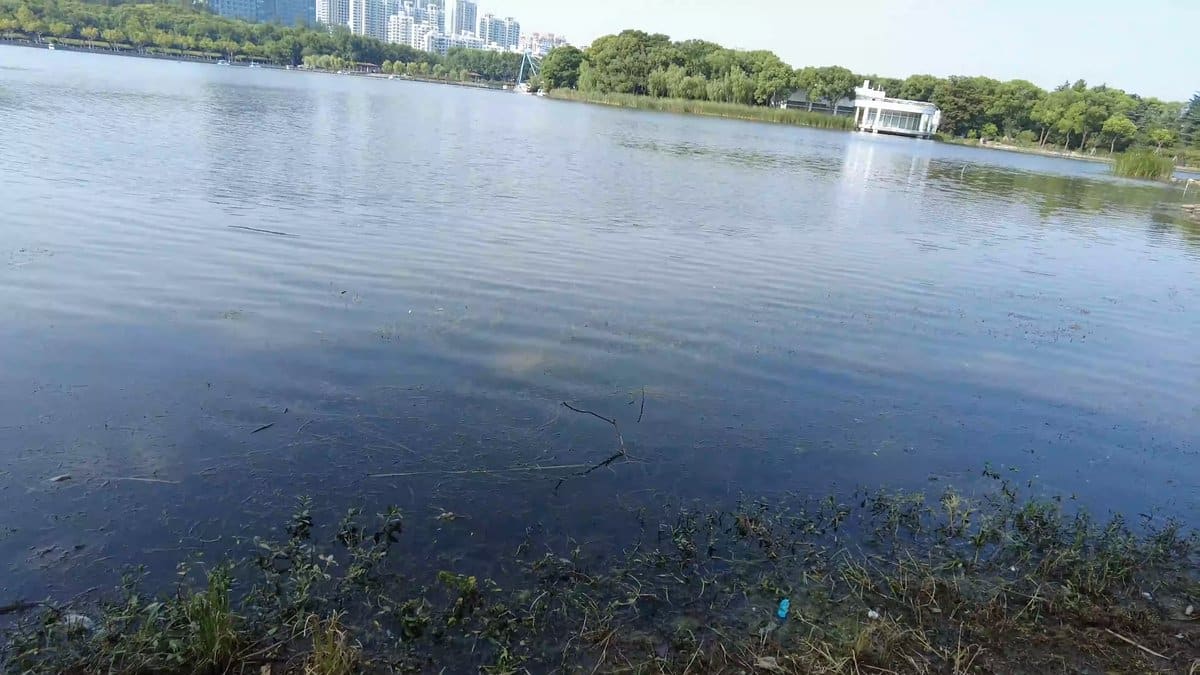
Standing on the south shore, the lake opens wide, with the Pudong skyline stacked up behind the rocks and willows. It’s a sharp contrast: rough boulders and gnarled trees in the foreground, glass towers filling the middle distance.
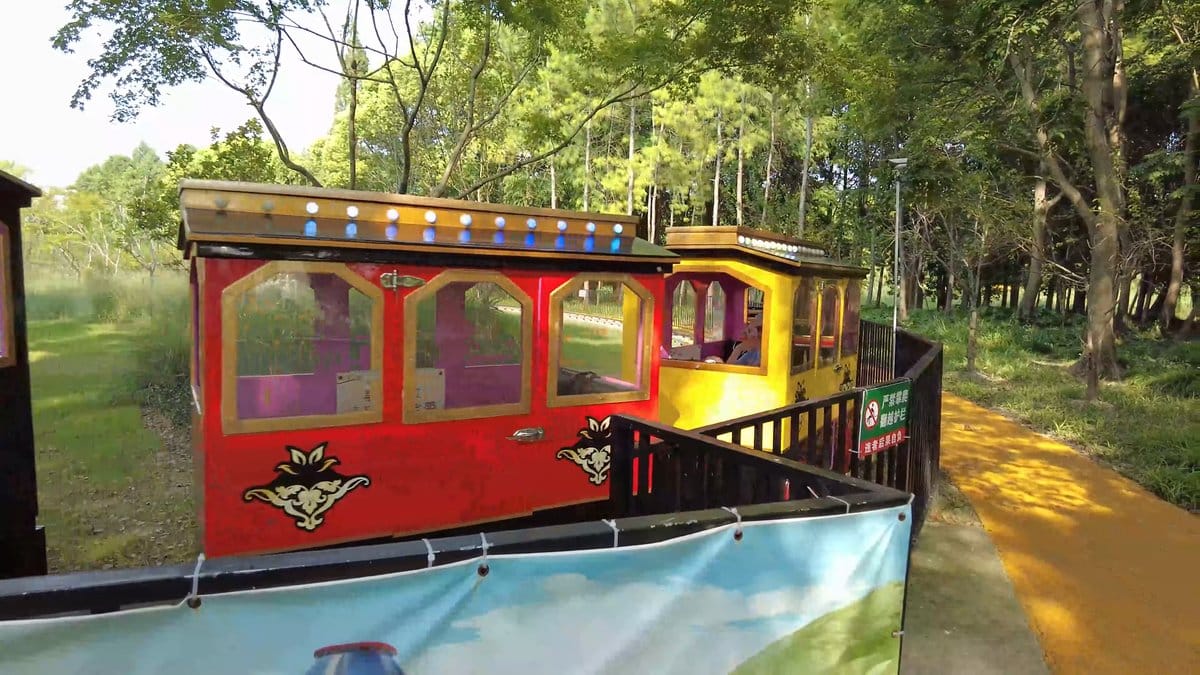
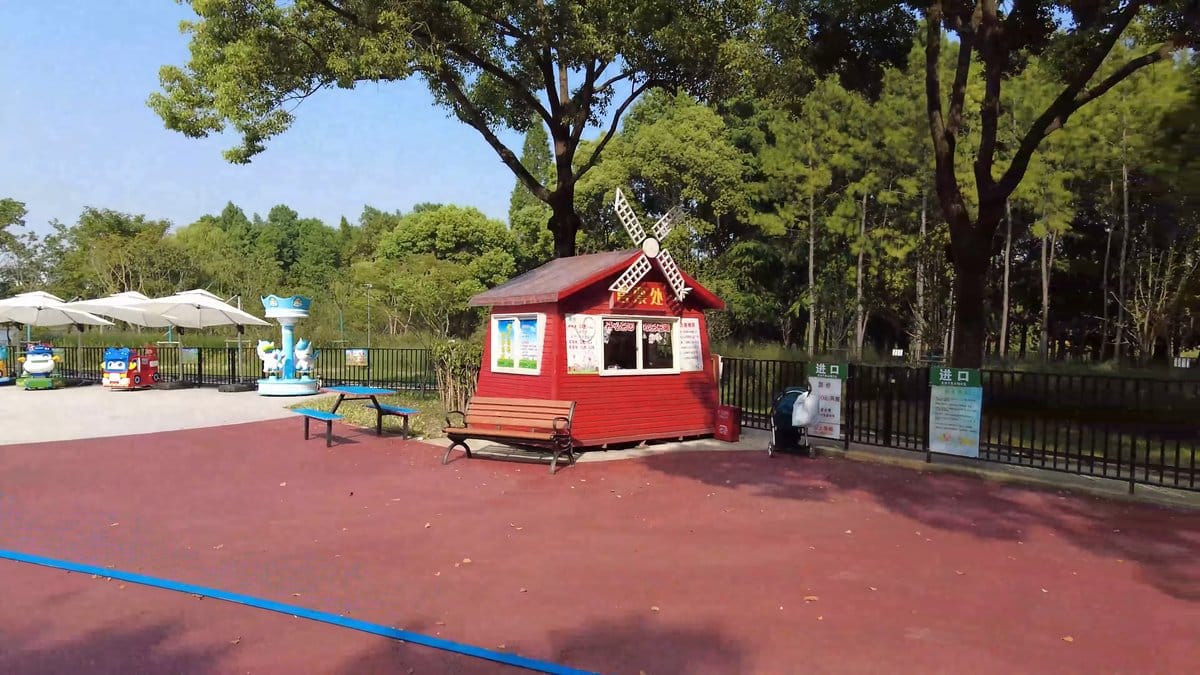
Closer to the family zone, a miniature train rumbles round a short loop, while a play area decorated with windmills draws the under-six crowd. Skip these corners if you want a quieter visit.
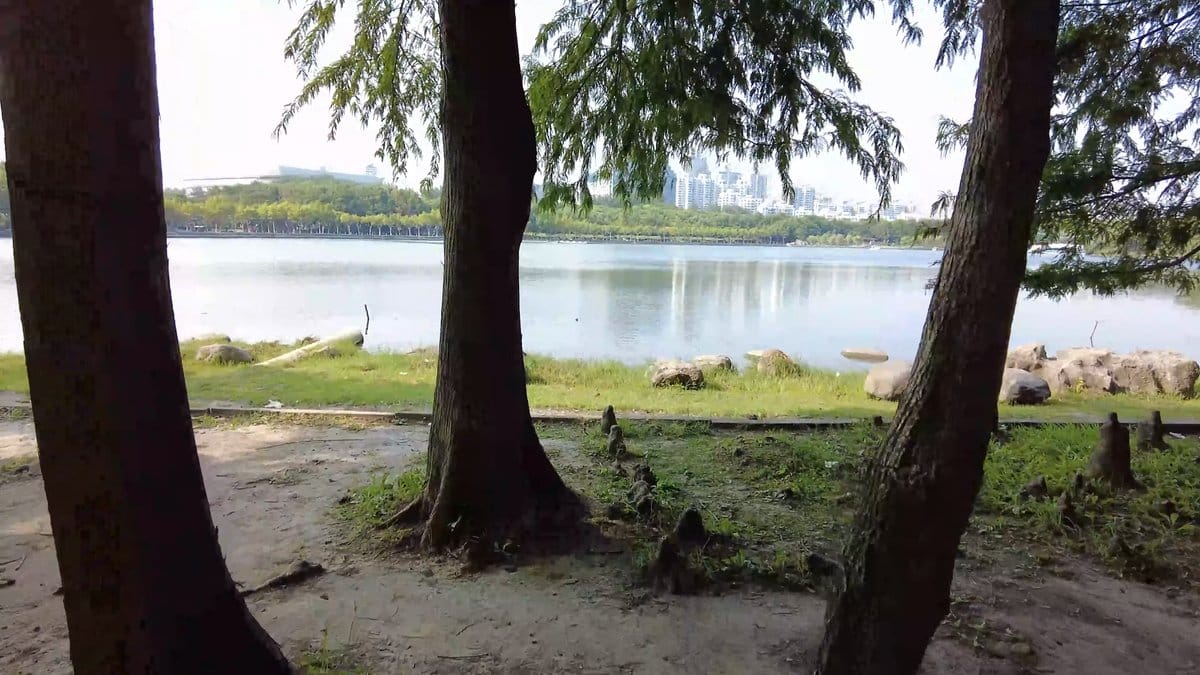
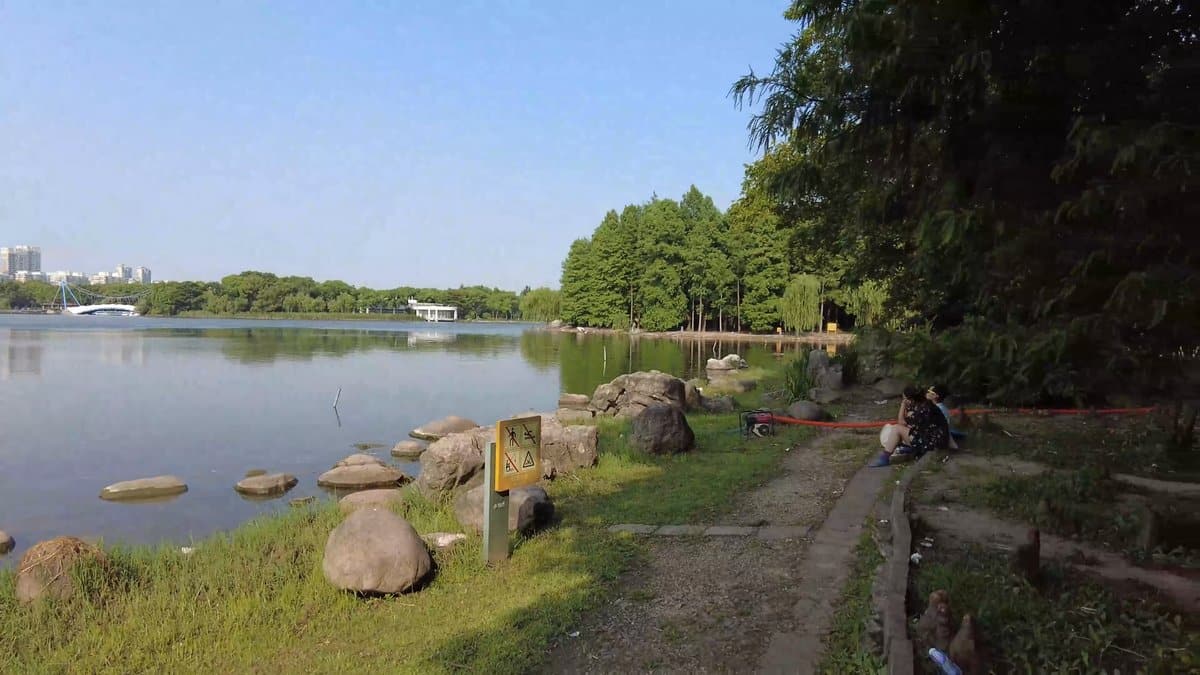
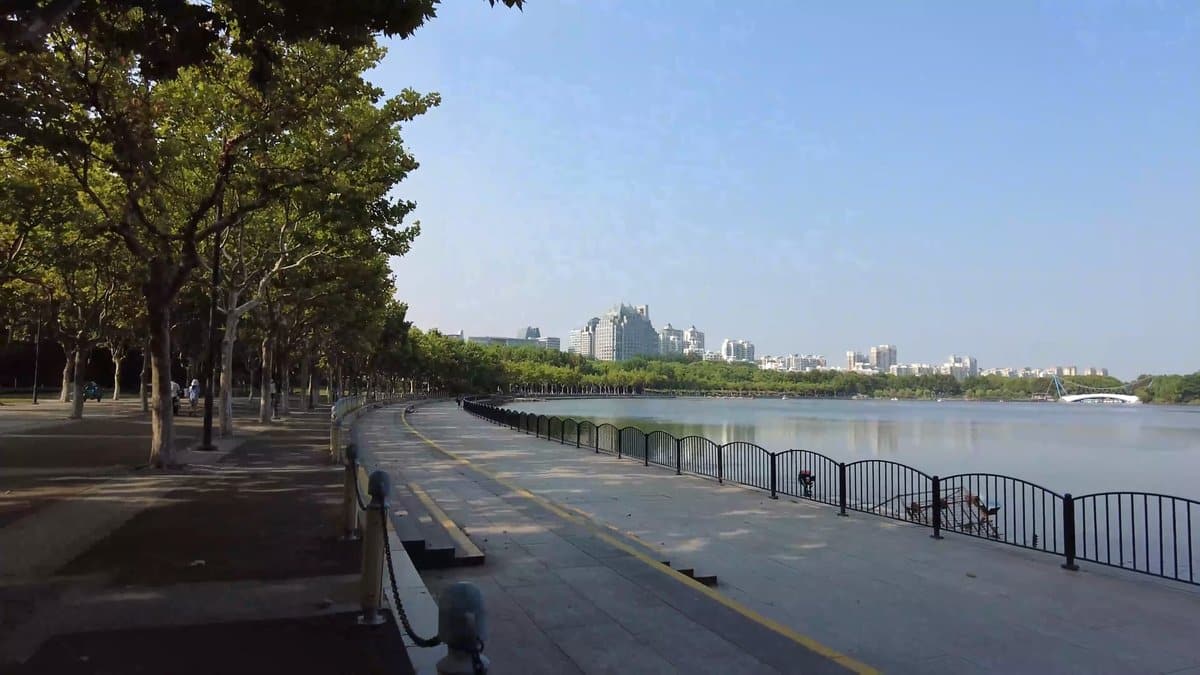
Along the rocky shore to the south, bald cypress cluster, and locals spread out mats and settle down for long afternoons by the water. It’s prime territory for sunset photographers, the lakeside promenade here faces squarely towards the skyline.
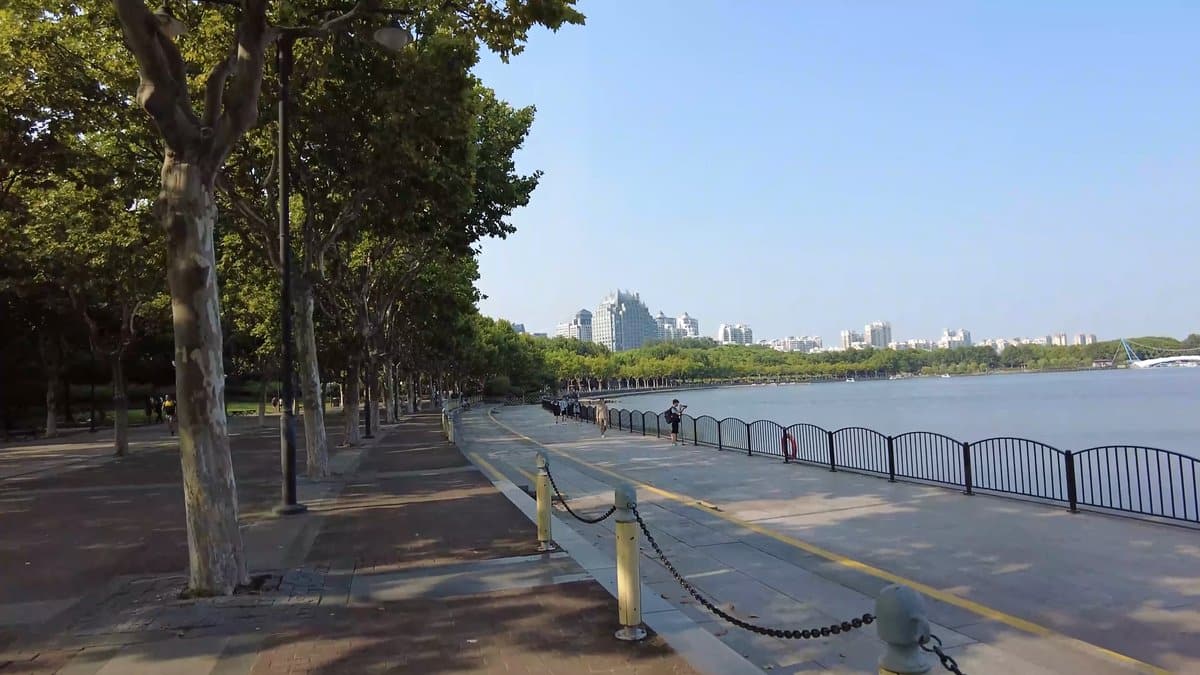
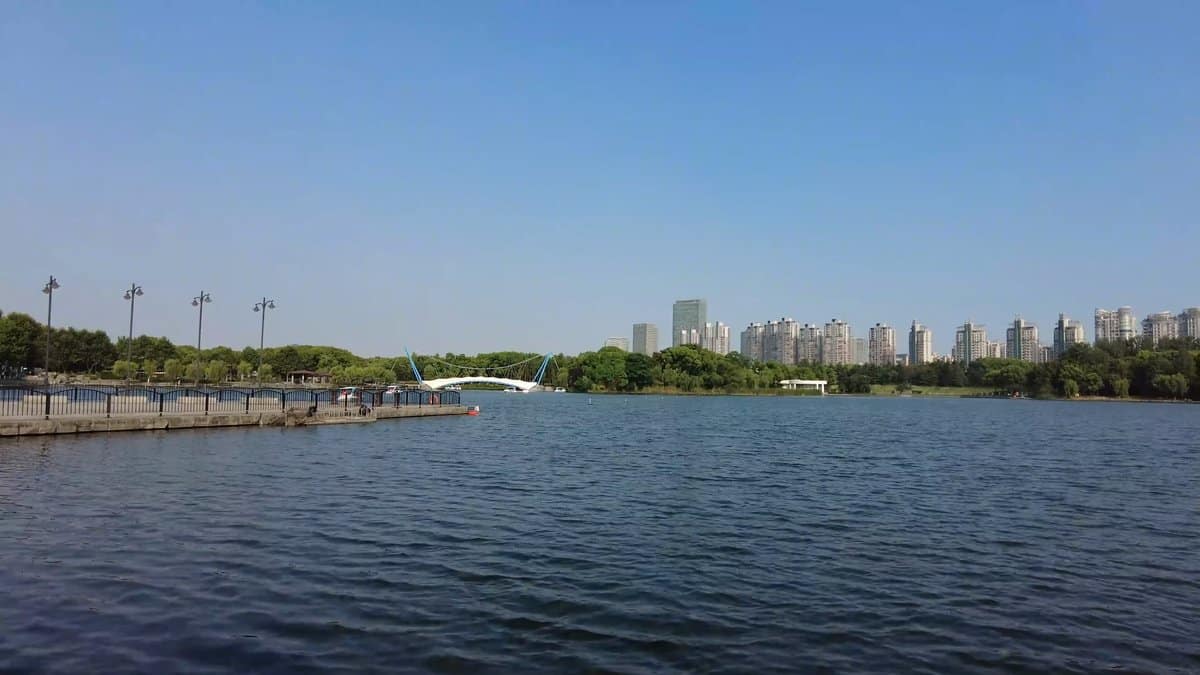
Most of the promenade is shaded by plane trees, and a long jetty juts out into the lake near the eastern end, it’s a popular place for group photos, so expect to share the space.
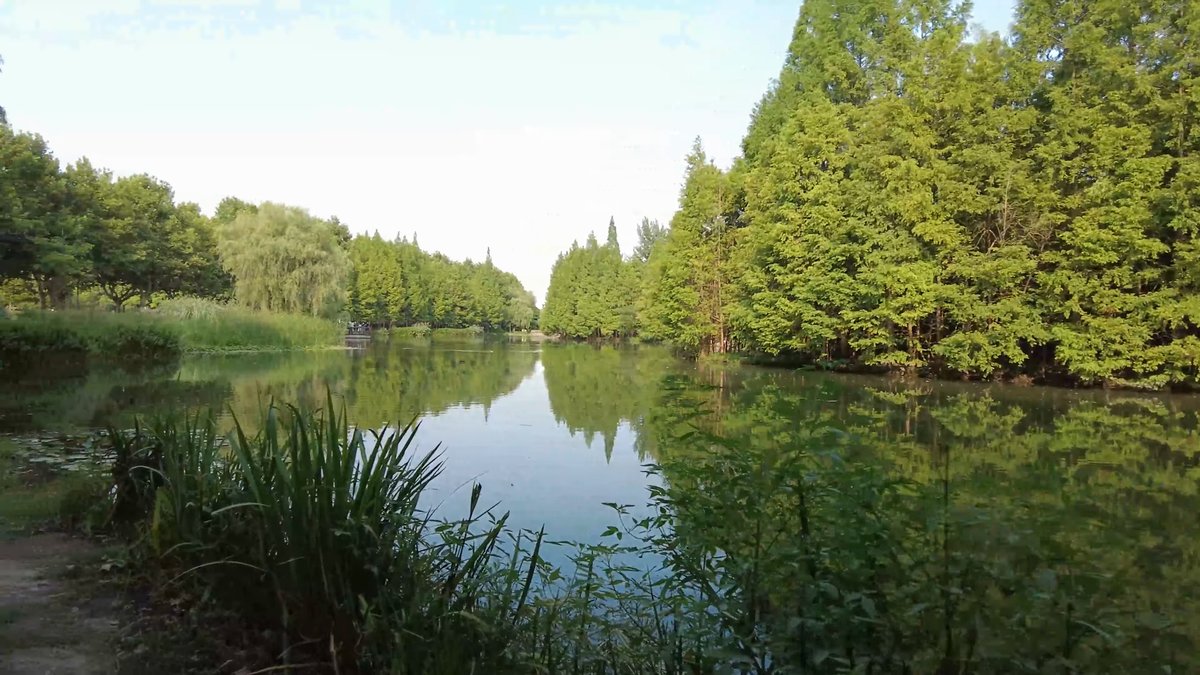
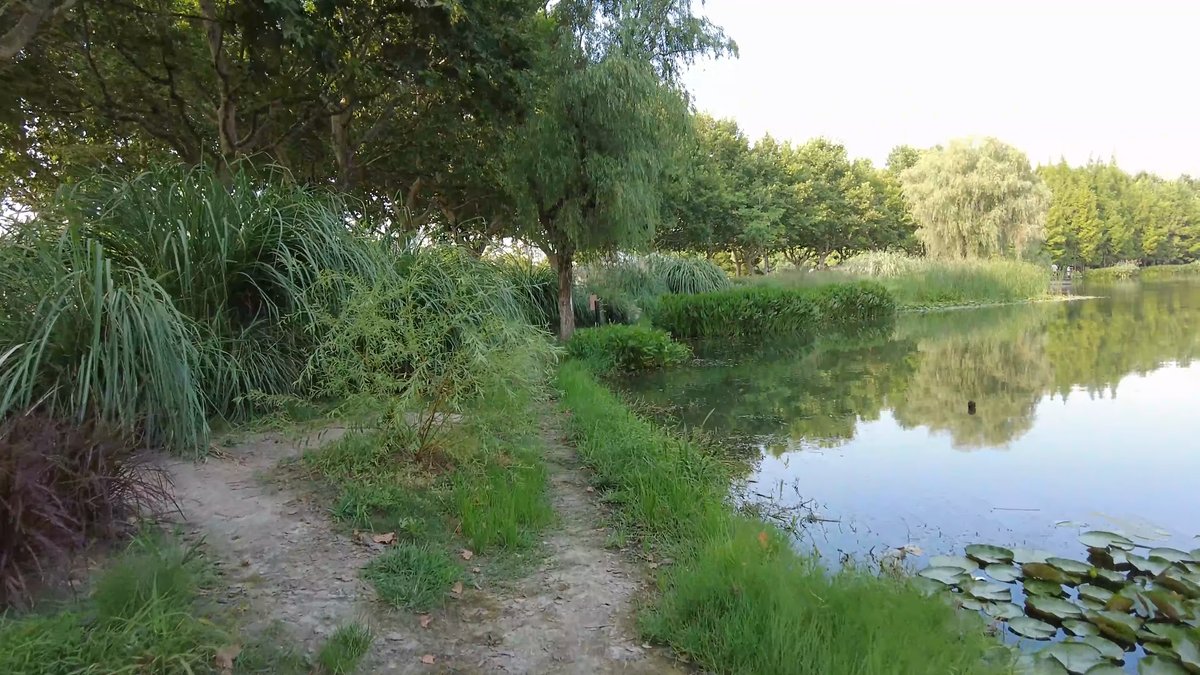
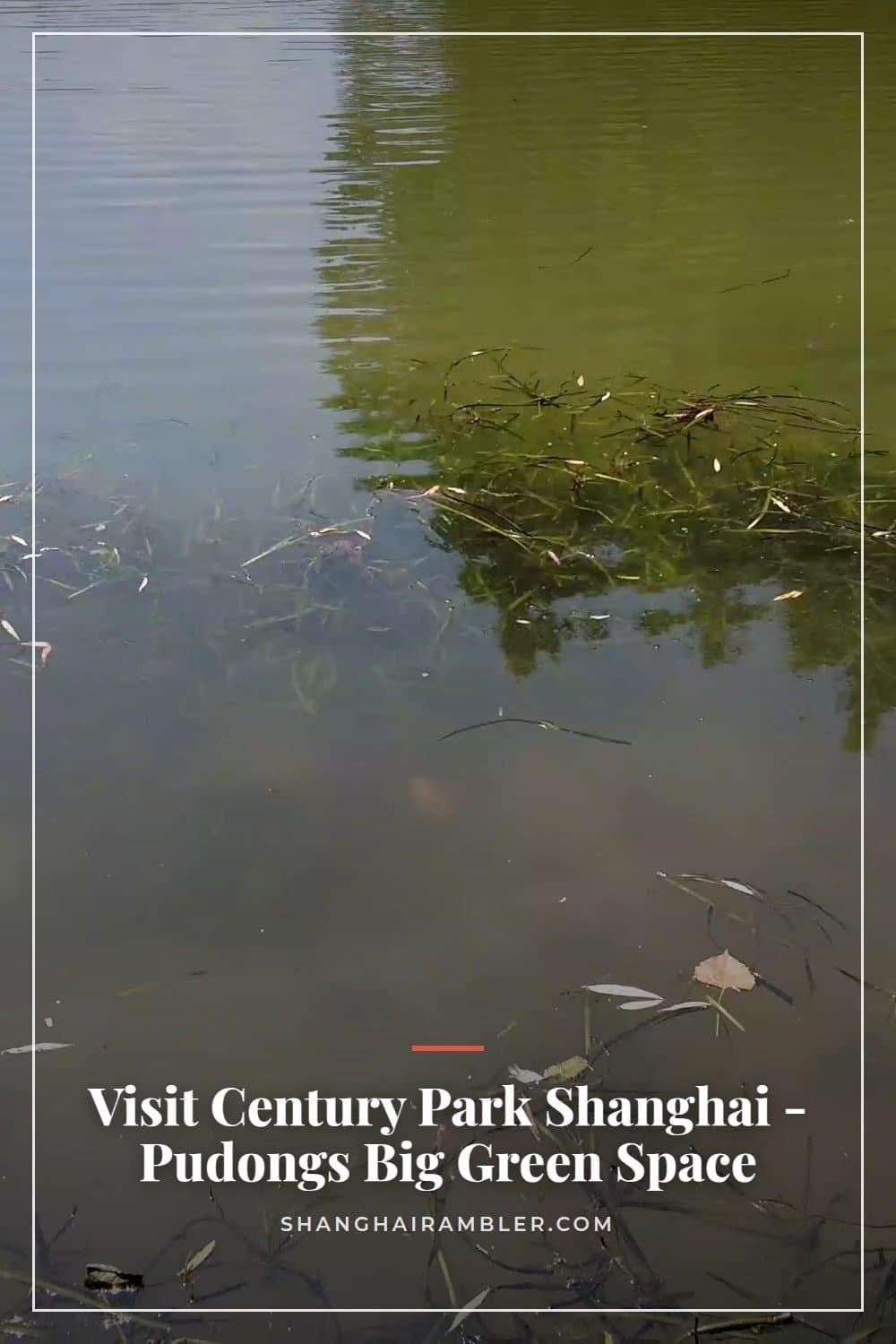
Shallower edges are filled with reeds and lily pads, whose reflections double the greenery on still days. The grassy banks remain open, so you can sit right at the water if you don’t mind uneven ground.
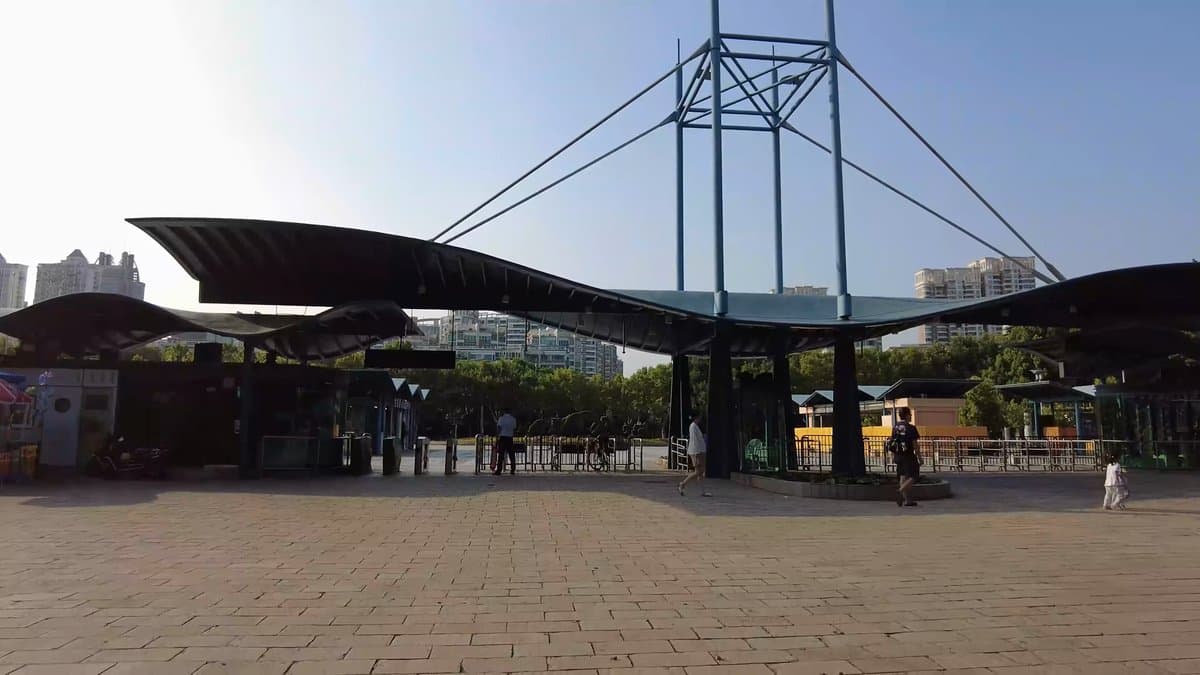
Finally, you emerge again at the exit onto Century Avenue, beneath a tensile canopy; your final patch of shade before re-entering the urban jungle of office towers and Metro-crammed crowds. And that’s what makes Century Park work: it never tries too hard. It has acres of space for you to stake out an hour of peace, even if half of Pudong is doing the same thing.
It has a lawn you don’t need a permit to stand on. It has water that hasn’t been sculpted or dyed into submission. It may not impress people spoiled by vast swathes of countryside, but for a city park in the middle of Pudong, Century Park does exactly what it says on the tin: provide some respite from concrete, greenery, and space.
If you’re looking to have the paths largely to yourself then weekday mornings are the sweet spot. Have you visited Century Park yet, or do you plan to? What’s your favourite place to relax in Shanghai?