Located at mouth of Yangtze and connected to downtown Shanghai via bridge and tunnel, Chongming Island feel like a world away. Once you exit the expressway, the pace slow and most of the island is covered in farmland and wetlands. A few park spread out over untouched land bring visitors here for the river air, the quiet, and the promise that it won’t be this way forever.
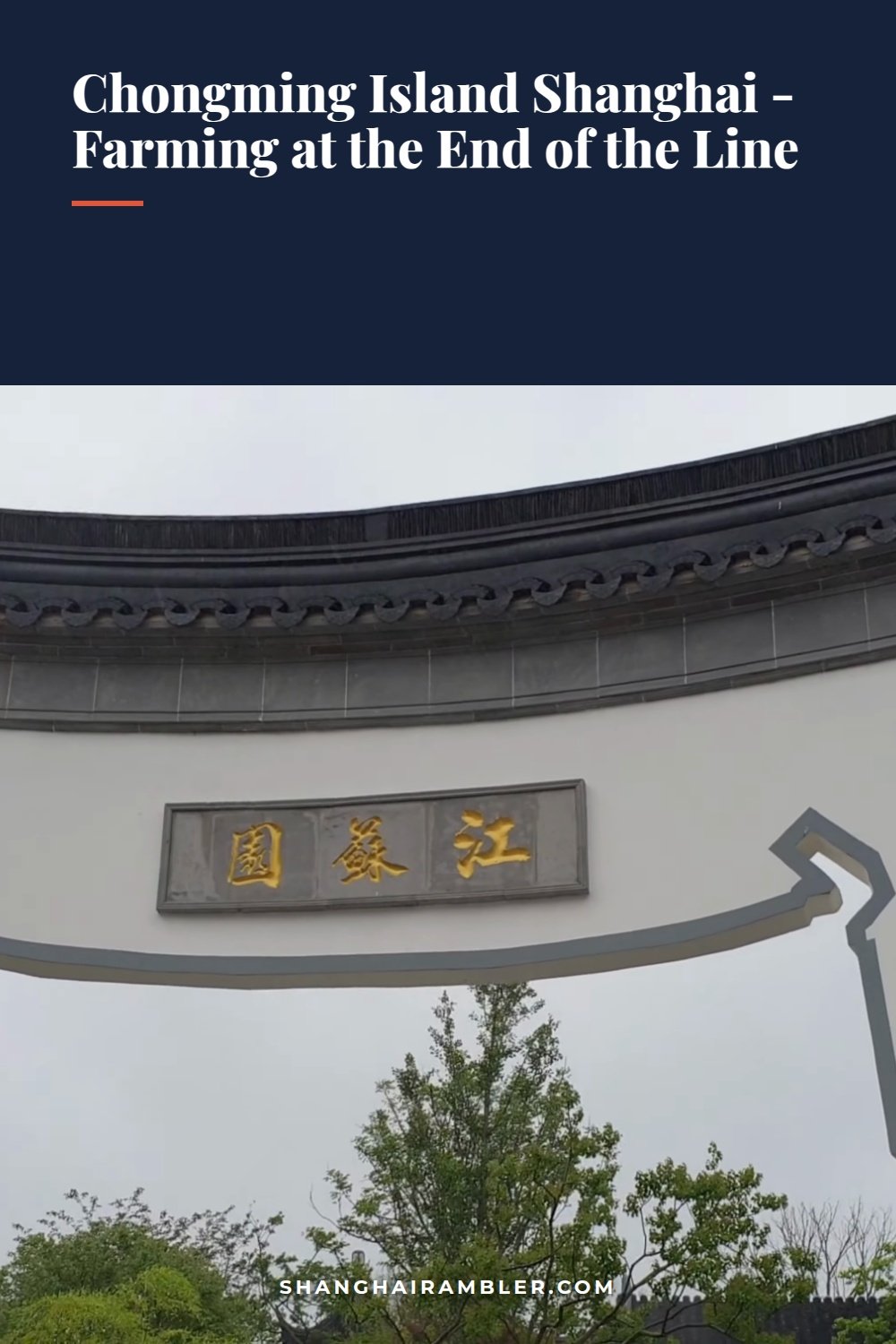
On its tourist side, the island is anchored by International Flower Expo site. To celebrate the 2021 Expo, there are lakeside plots where each Chinese province (and some partner cities) created their own show garden, which were opened for the event and remain open now. The result is part regional architecture sampler, part horticultural expo, and part good excuse to spend a day outside in the fresh air with no city noise.
The International Flower Expo Gardens
Chongming Island Shanghai
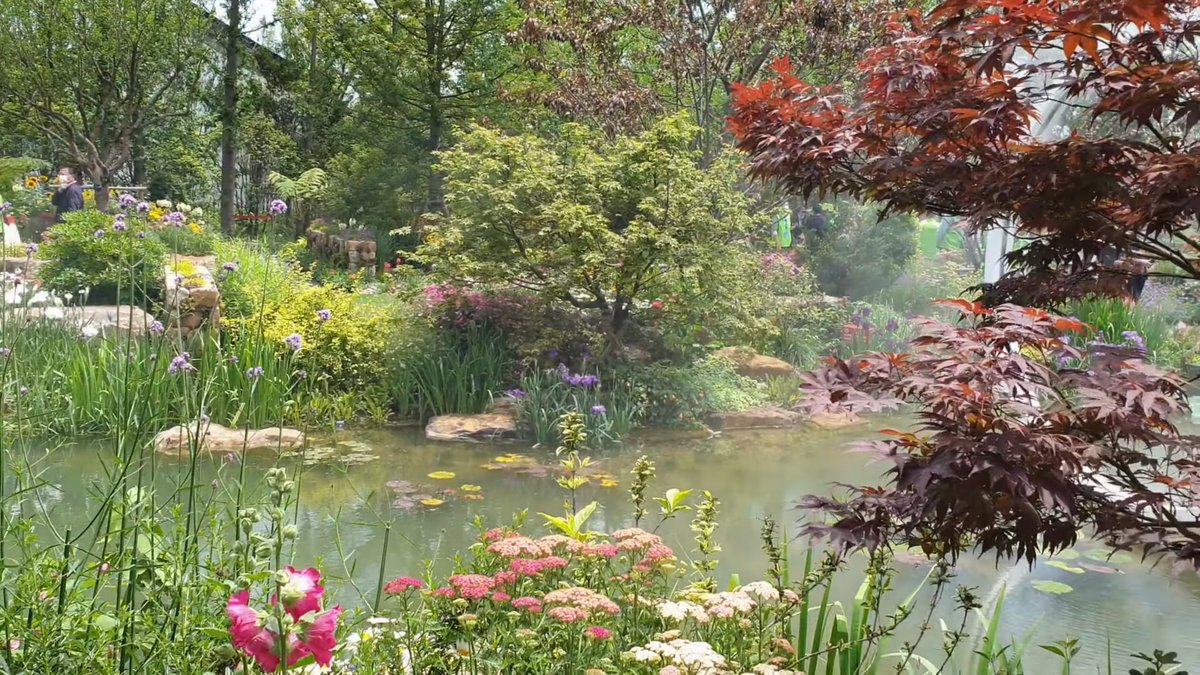
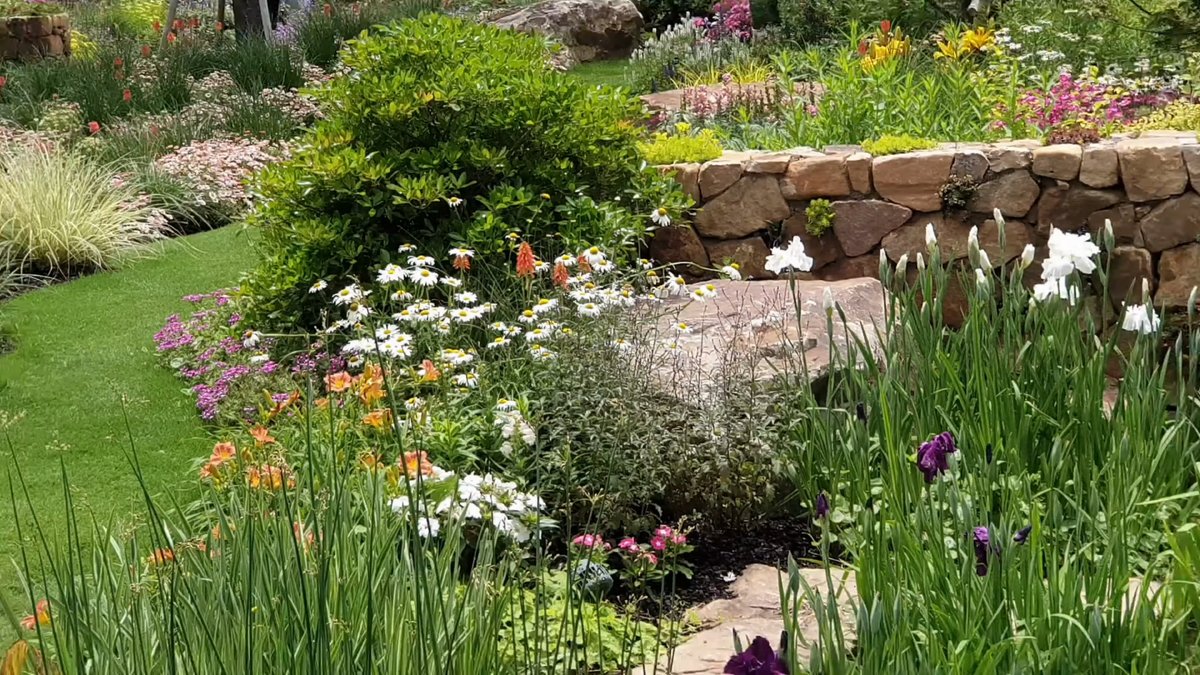
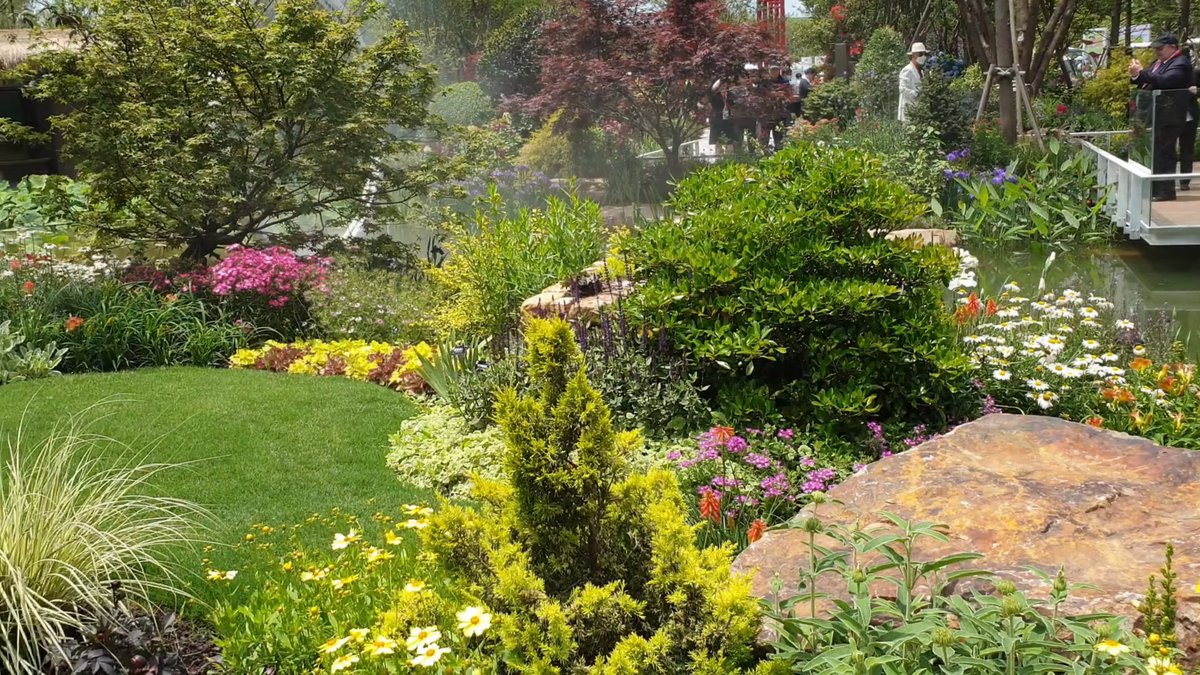
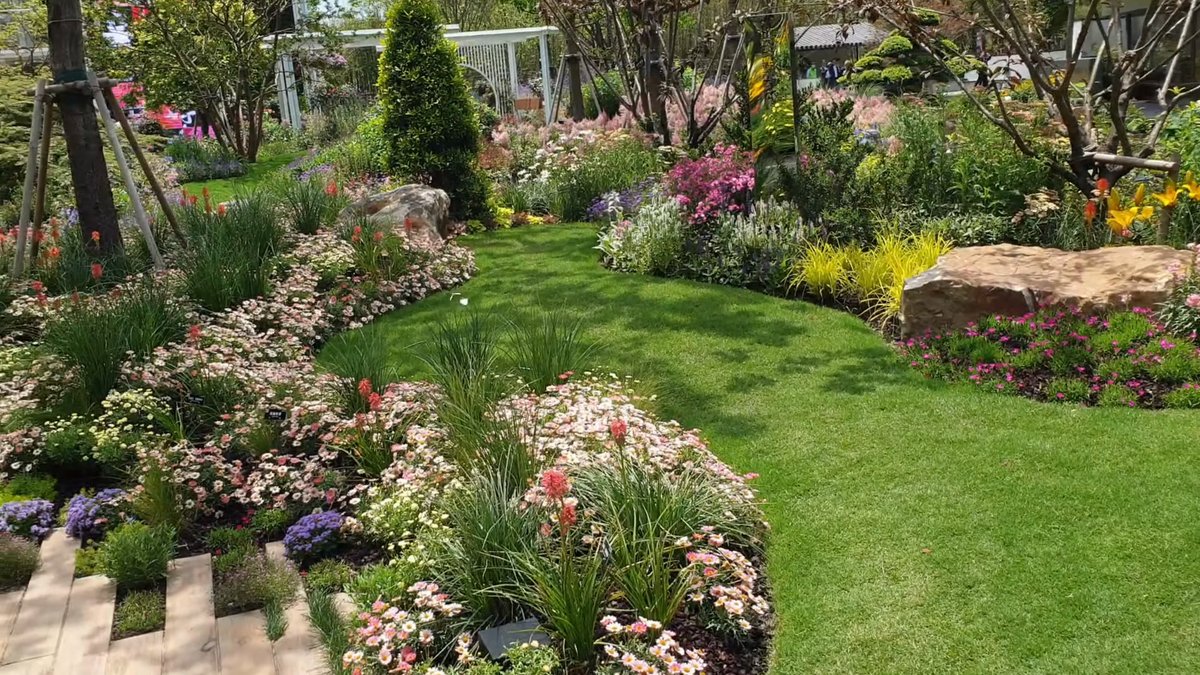
If you commit to walking the entire circuit, it’ll take hours just to cover the expo grounds. The layout is anchored by ponds and lawns, and every few hundred metres a different garden peels off the main path. Some provinces chooses a contemporary style with sweeping drifts of perennials and steel arches, while others stuck to classical designs like clipped hedges, rockeries, and timber pavilions.
In summer, expect lots of benches but not much shade.
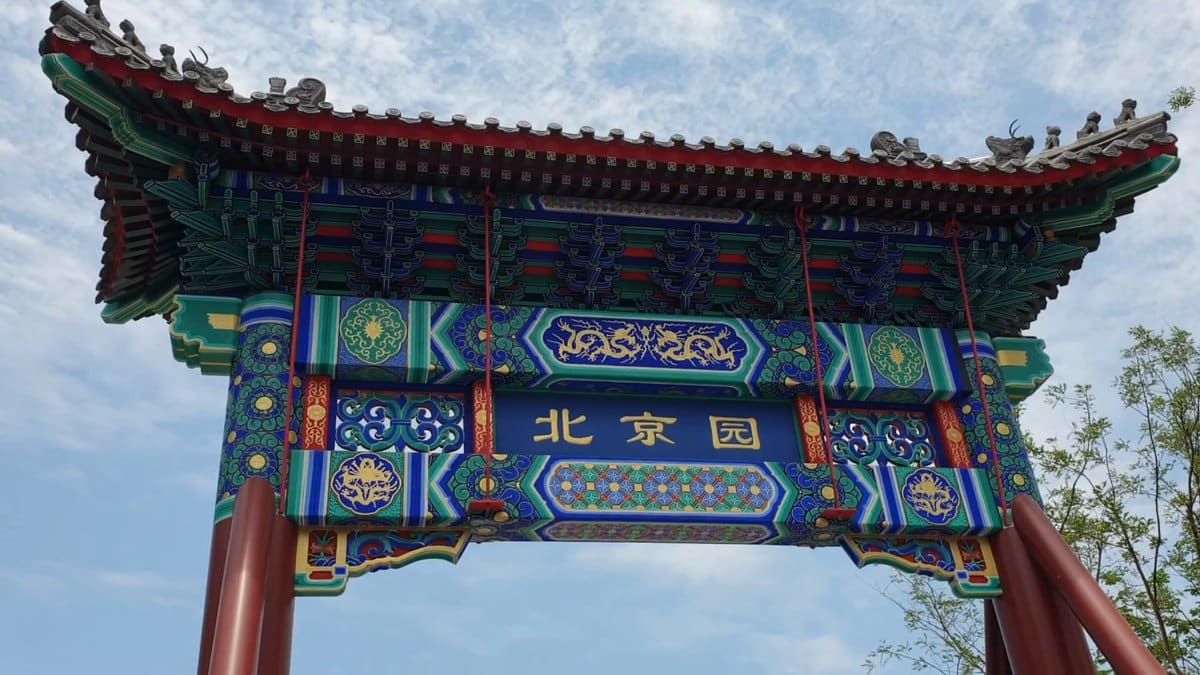
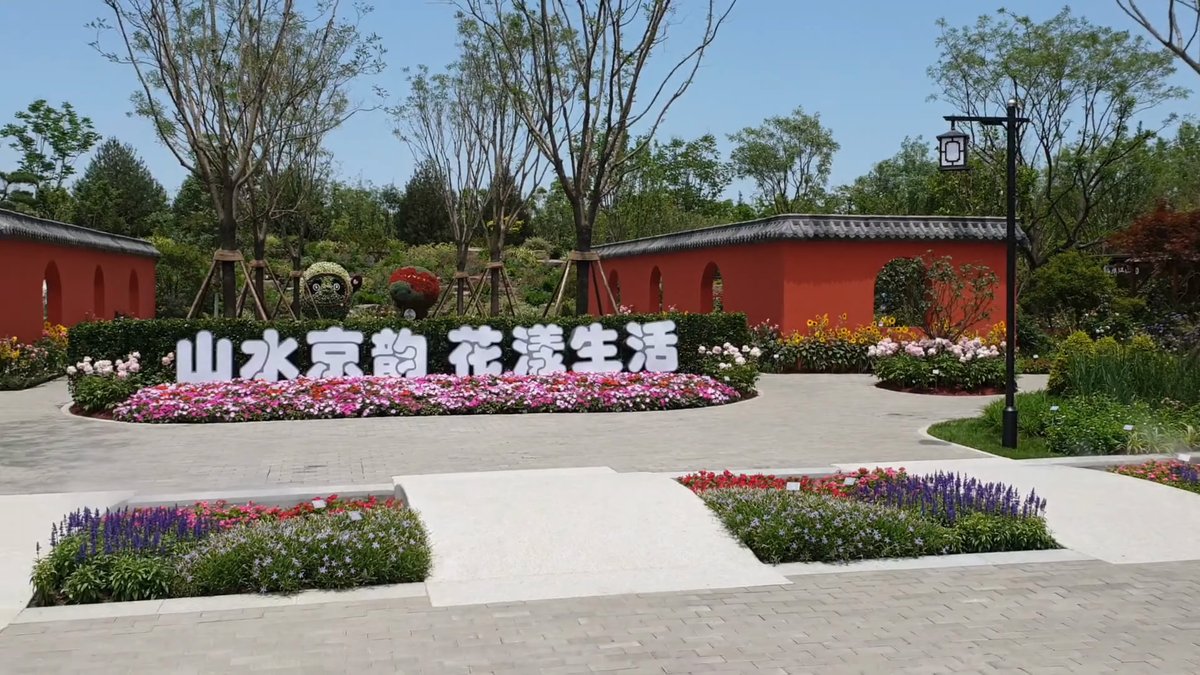
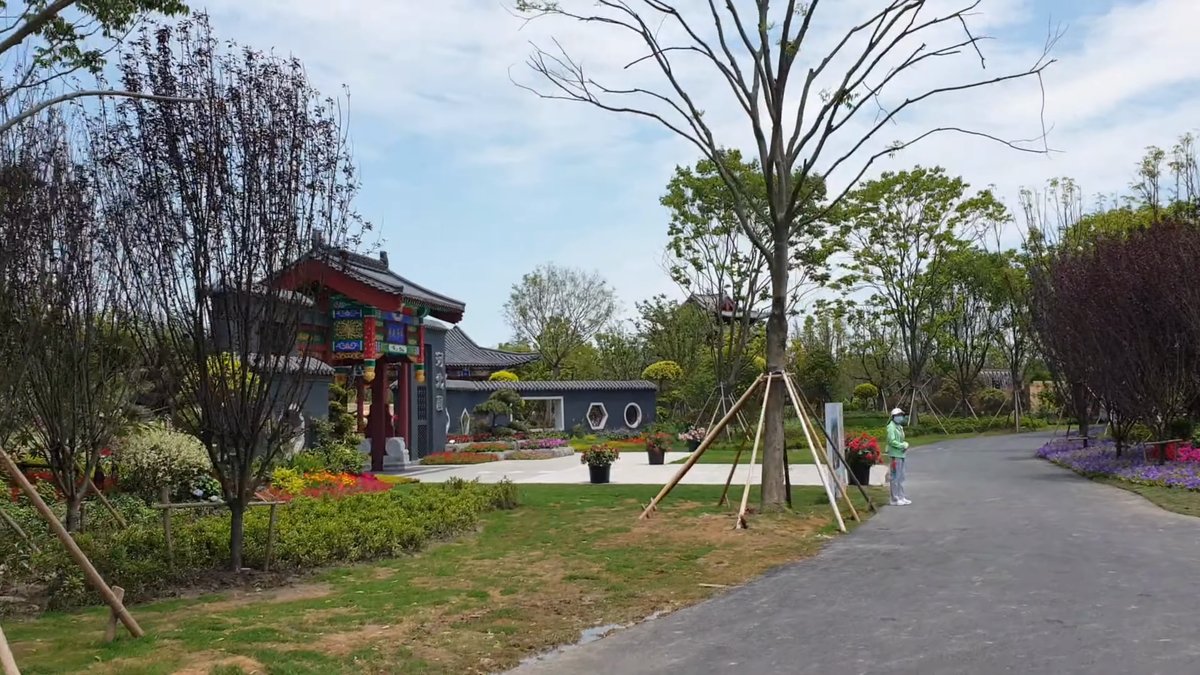
The garden is traditional Beijing (a courtyard set-up, with a timber gate opening onto a garden), and the wisteria trained on pergolas here bloom heavily in late spring. Pavilions provides good shade when the sun becomes direct in the afternoons. Plantings combine massed annuals that rotate seasonally with more familiar courtyard staples.
Depending on your timing, this will change what you see.
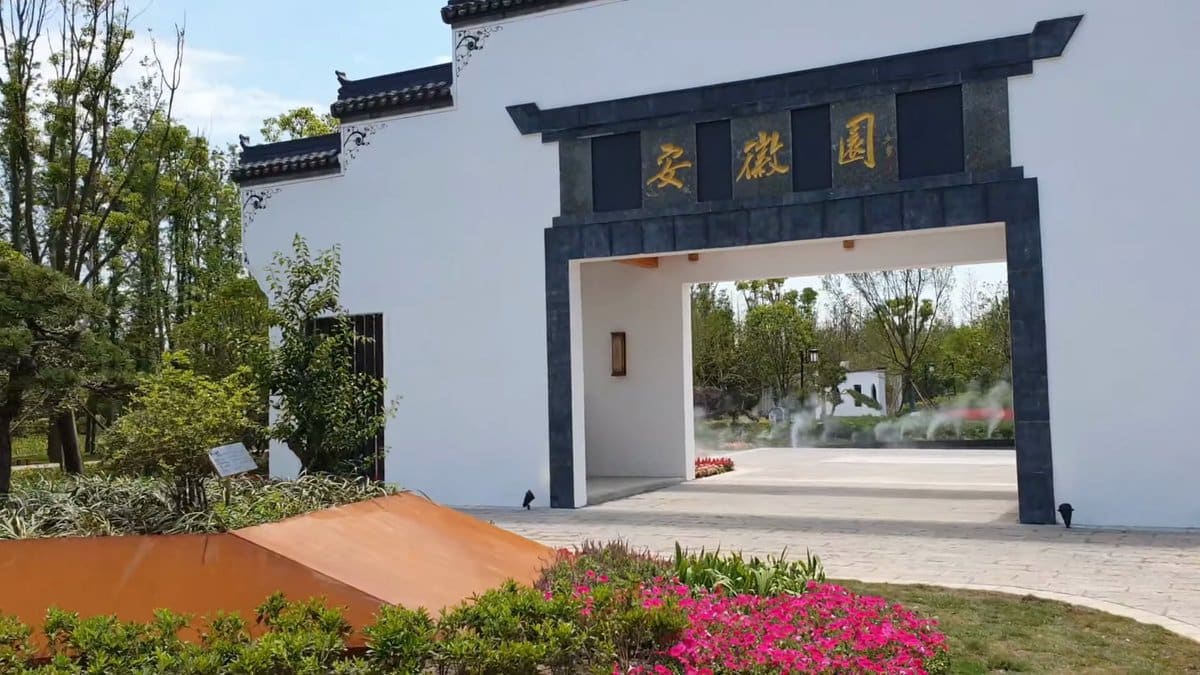
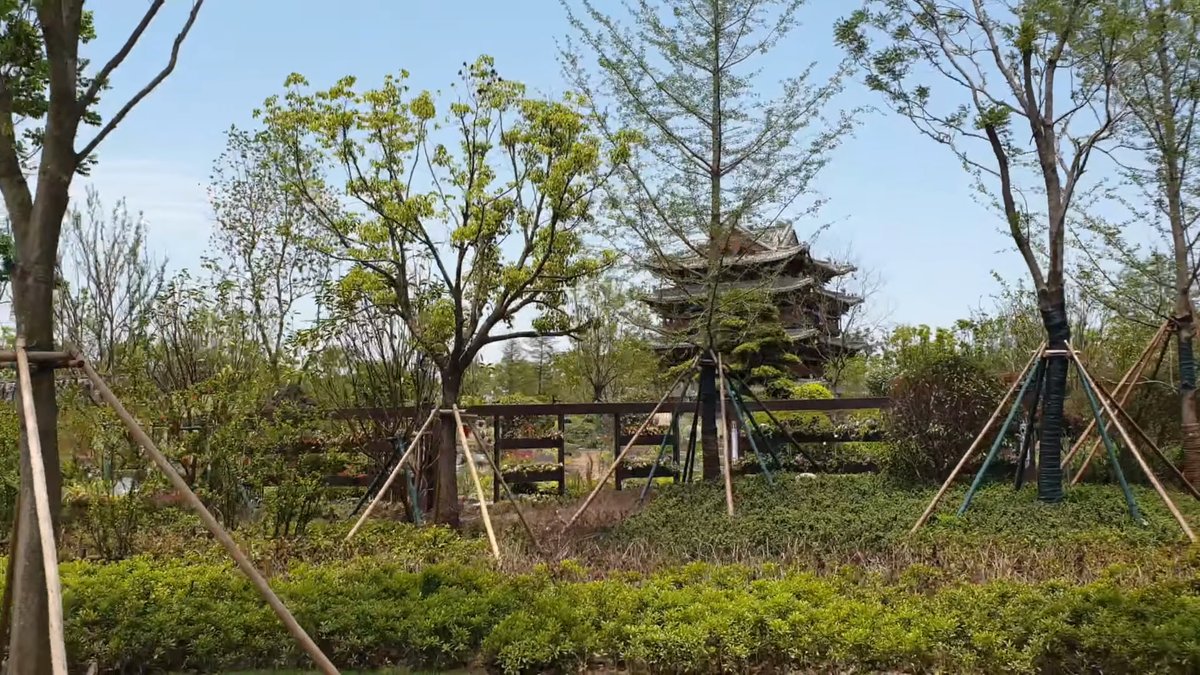
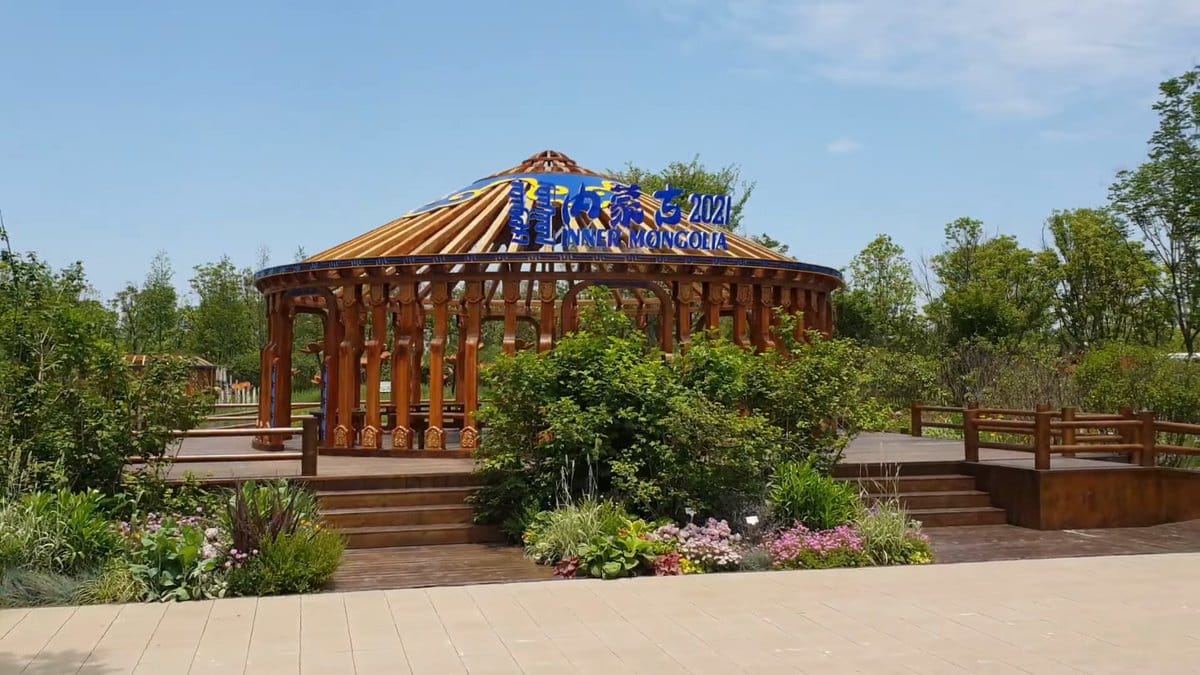
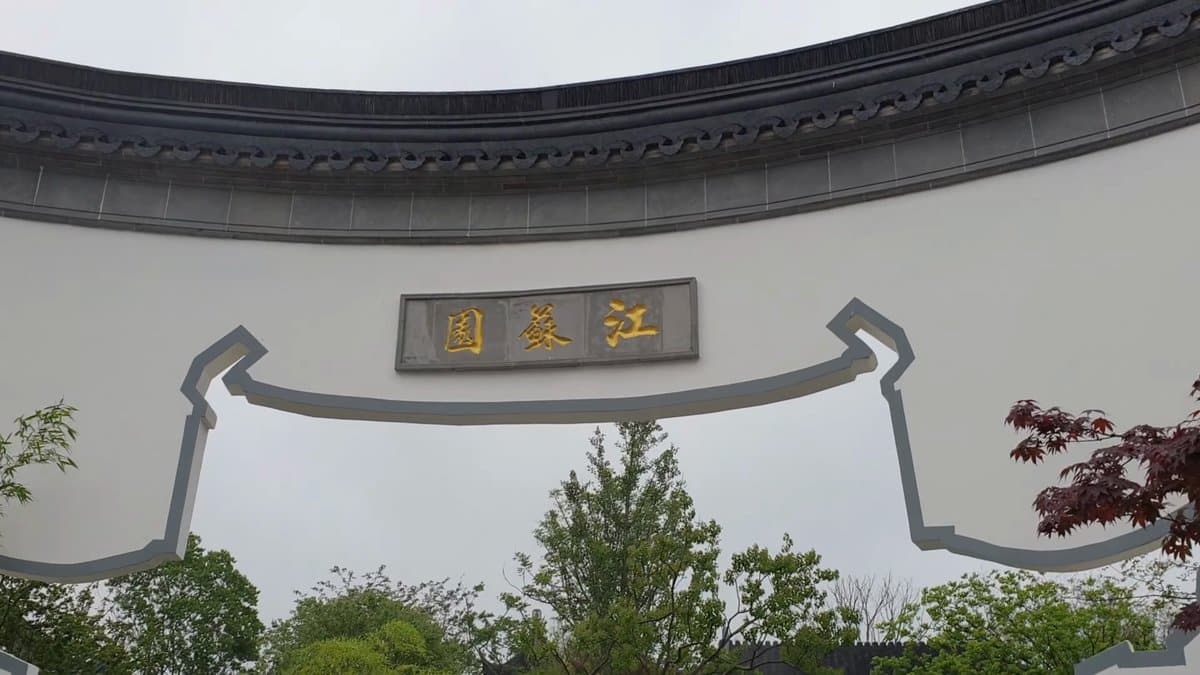
The grey-tiled gateways and whitewashed walls of Anhui were shown here, too: the pagoda in their plot is a detailed scale-down; beneath it run the clipped box hedges. Off to one side is a circular pavilion that’s open to the elements, a favorite perch for older guests who camp out while they loop through the gardens.
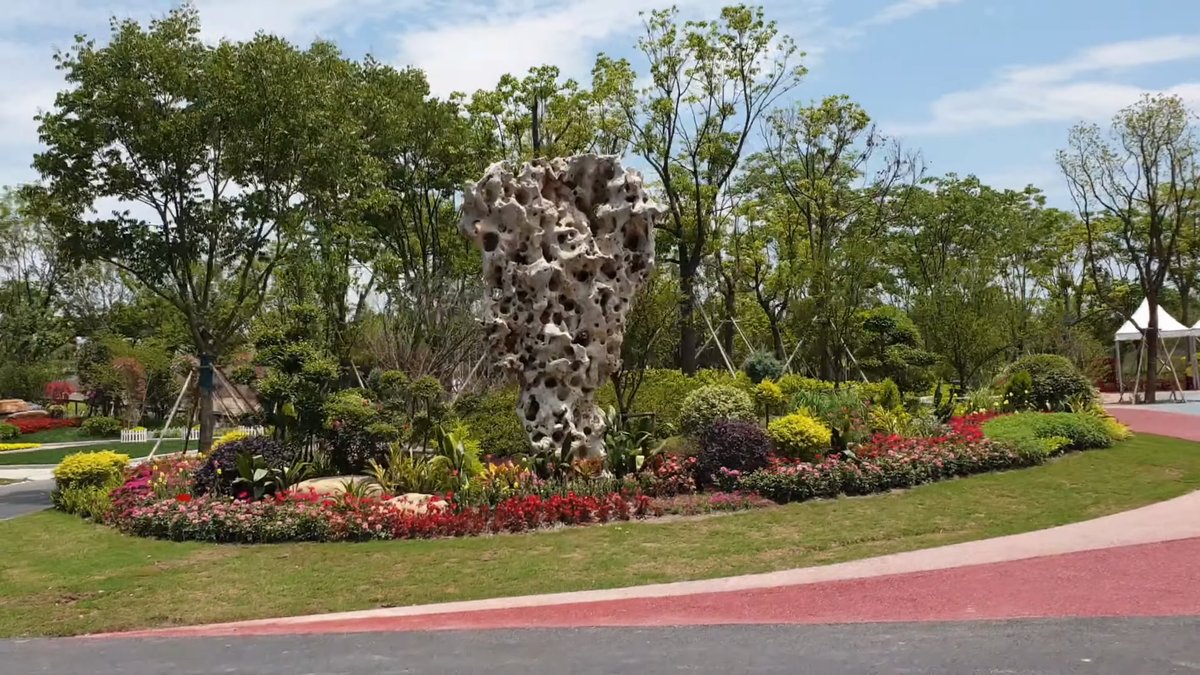
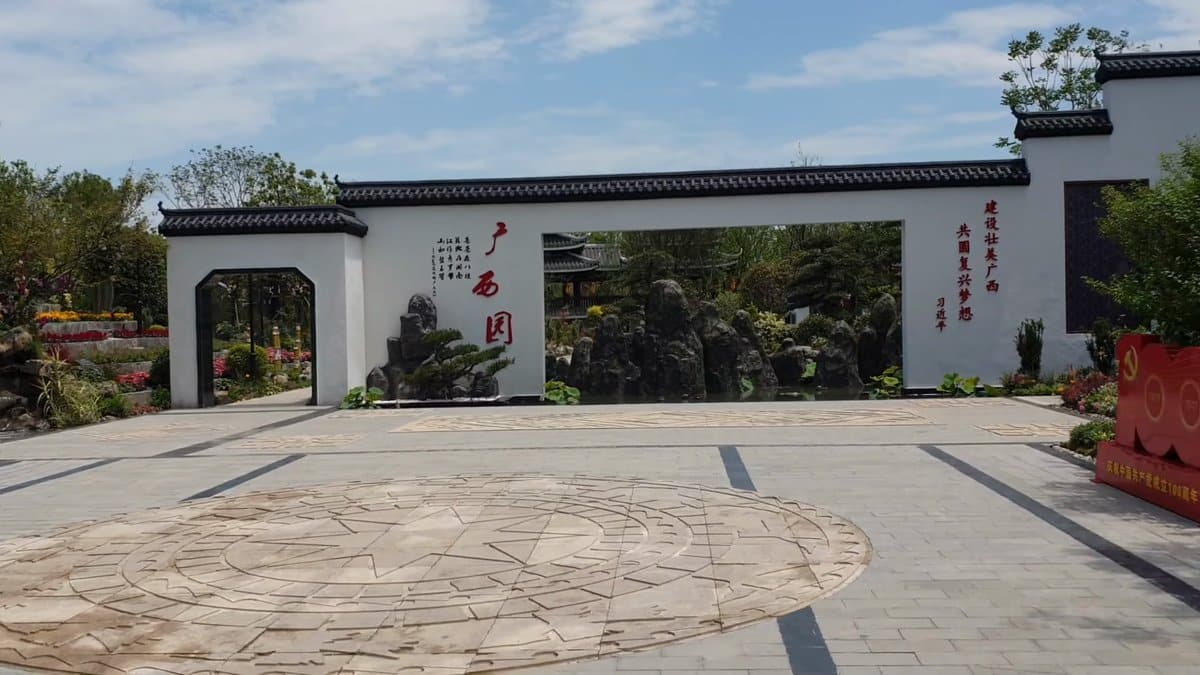
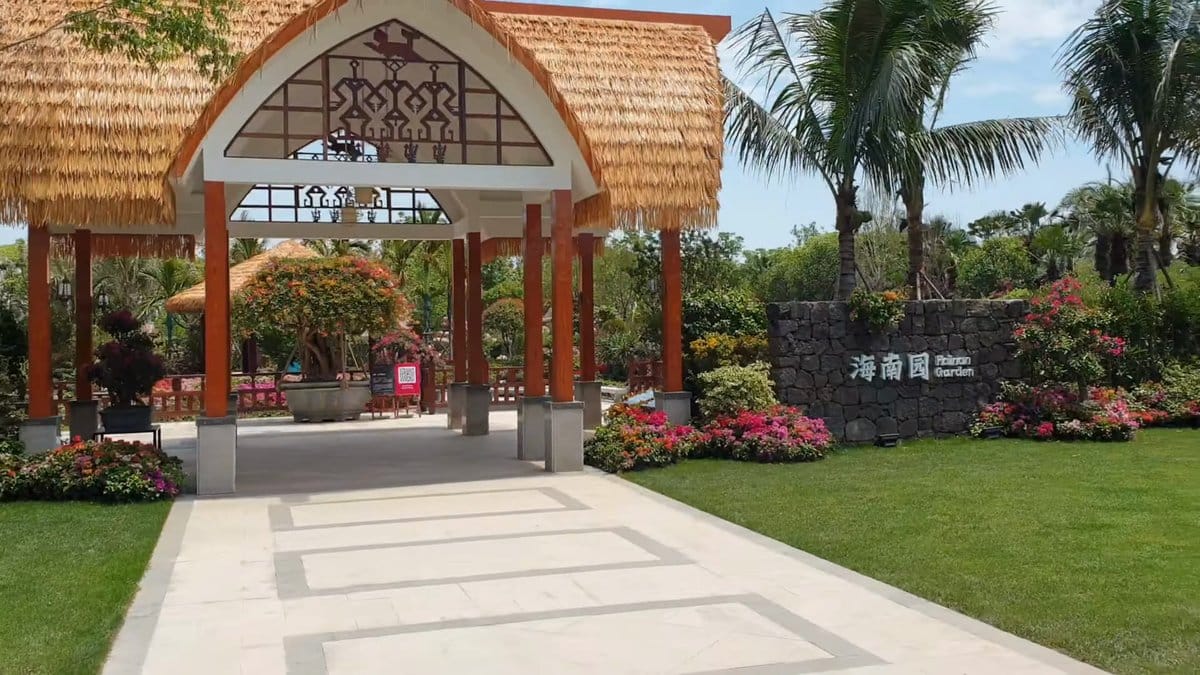
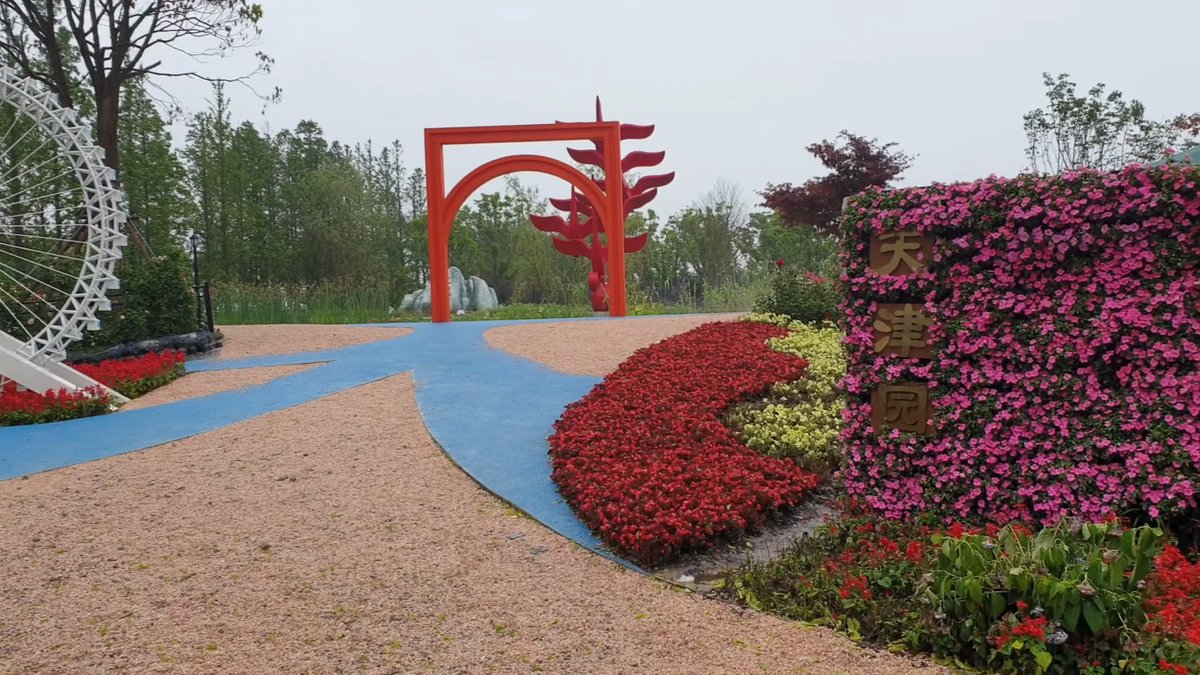
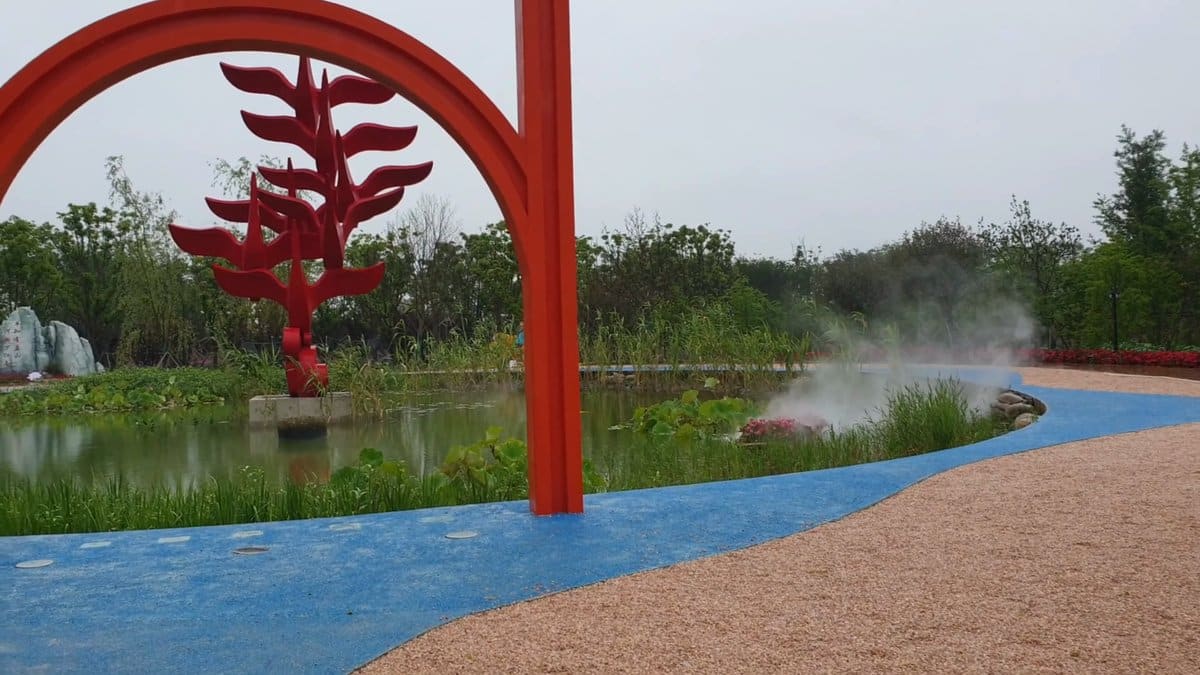
Gardens in the provinces make big statements. One loads rockwork on top of other rockwork to create mini-mountains; another encircles its garden plot with giant steel arches. On weekends, visitors throng around the tropical palm pavilion, which seems odd amid the surrounding farmland.
Regular bedding-plant changes mean that maintenance crew is never idle.
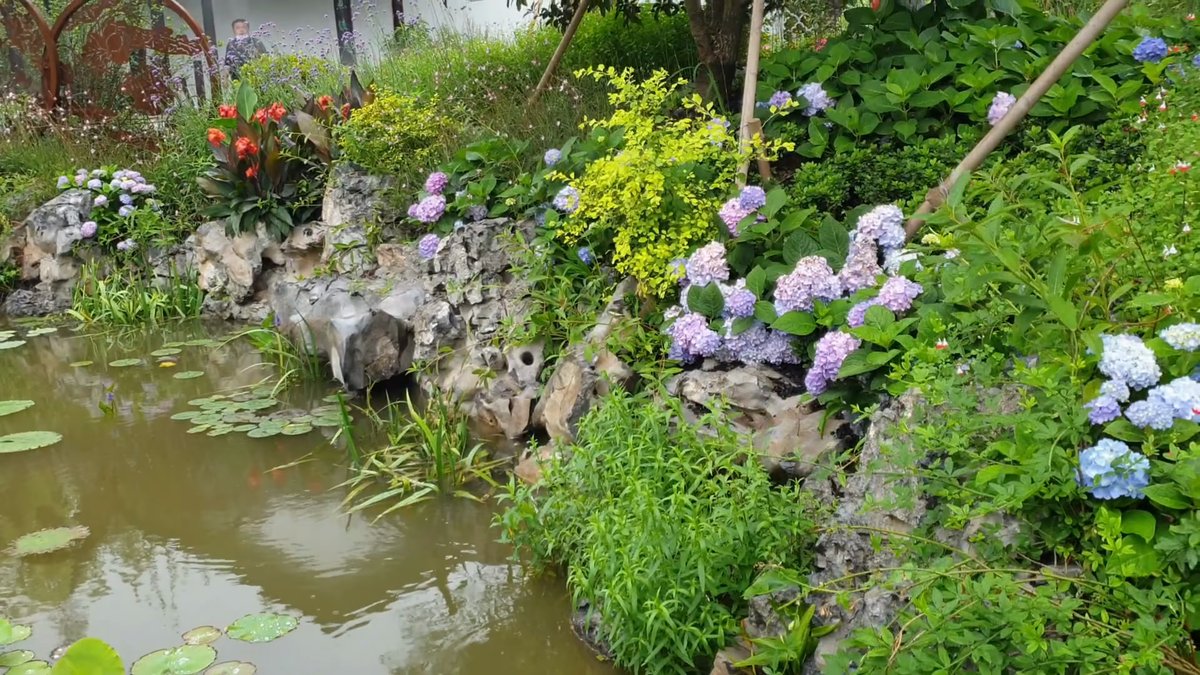
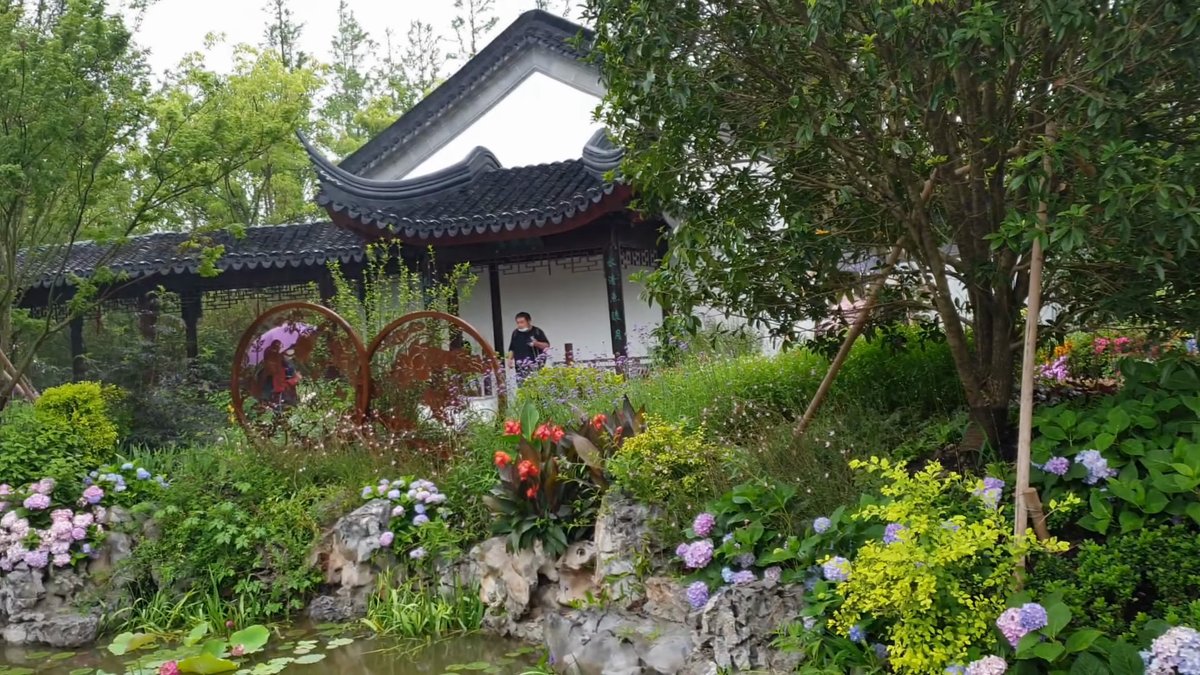
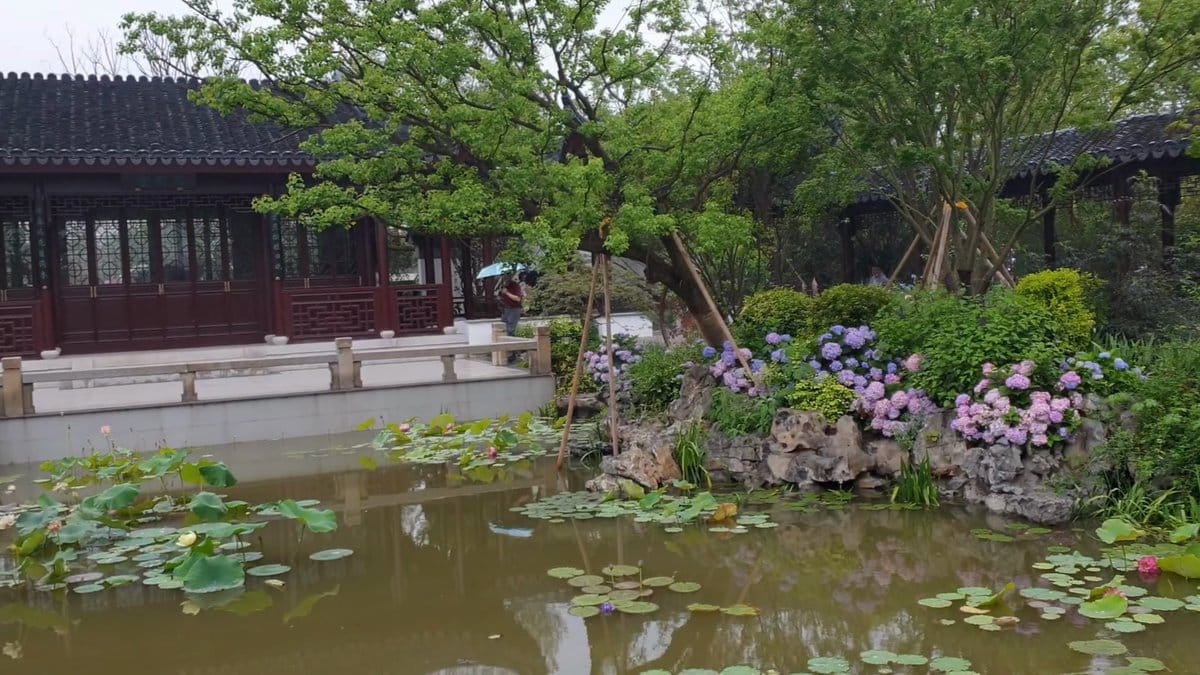
In the south end, it’s all about the ponds. With humidity that loves hydrangeas, they lines almost every bit of water edge here. Parallel to the lotus ponds are timber galleries with views out over other pavilions across the water.
Be careful on the stone pathways; they become slick when wet and you don’t want to be taking a tumble late in the afternoon as you wander around.
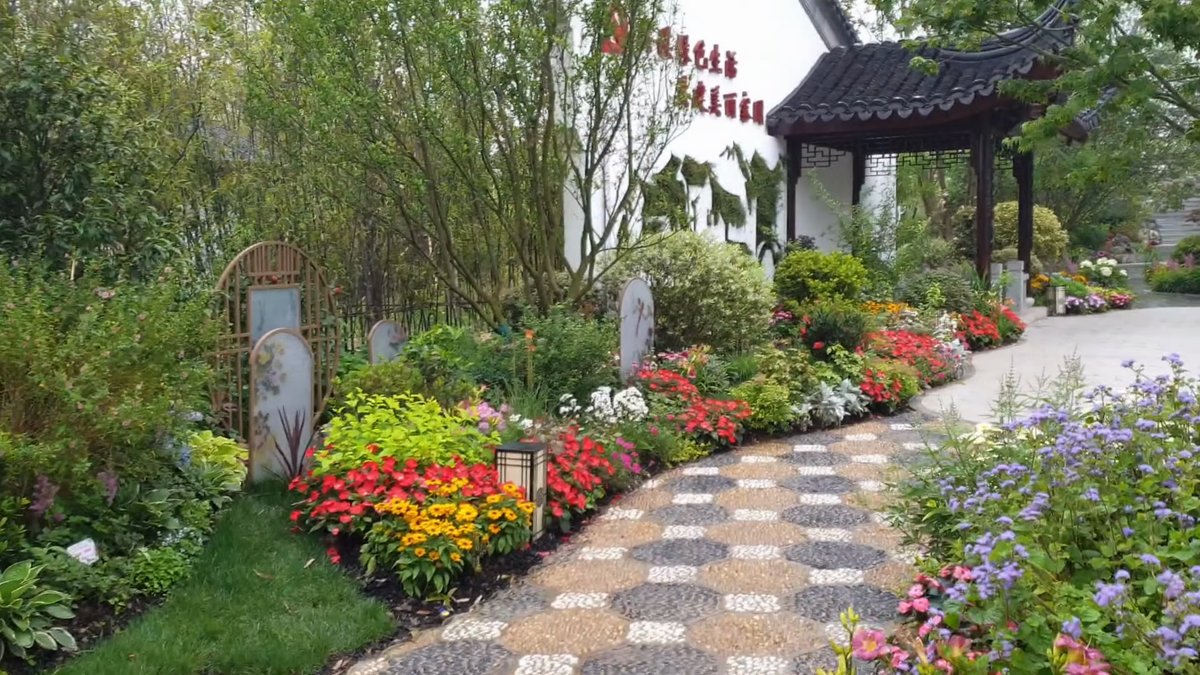
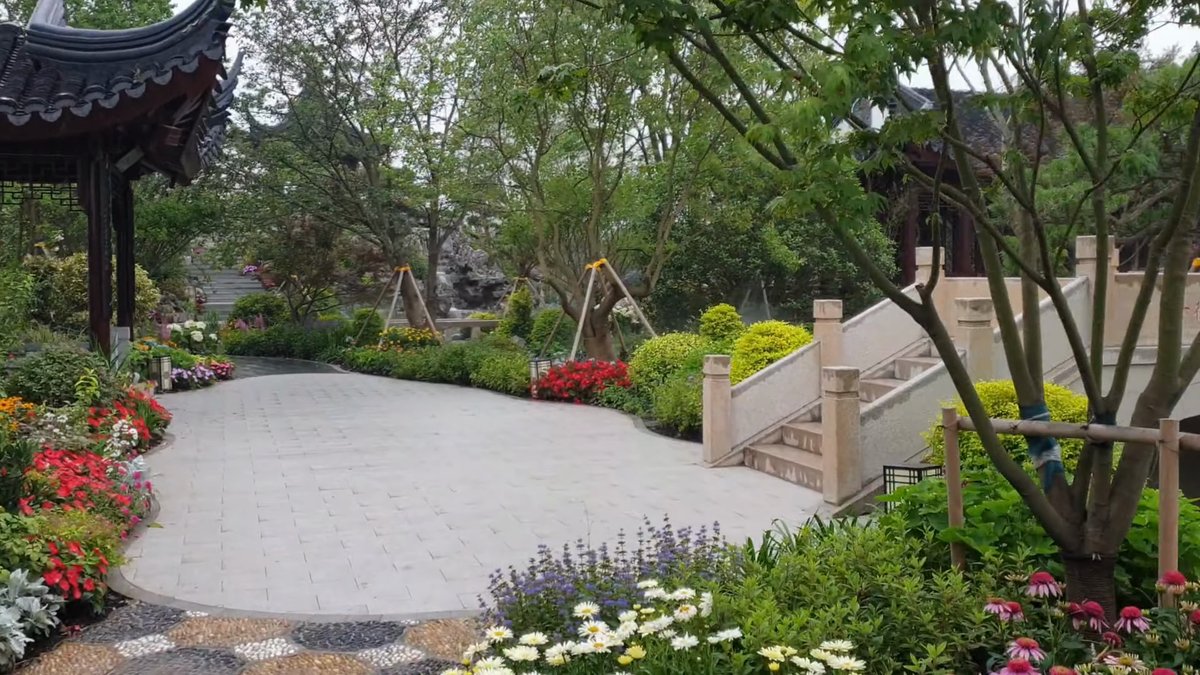
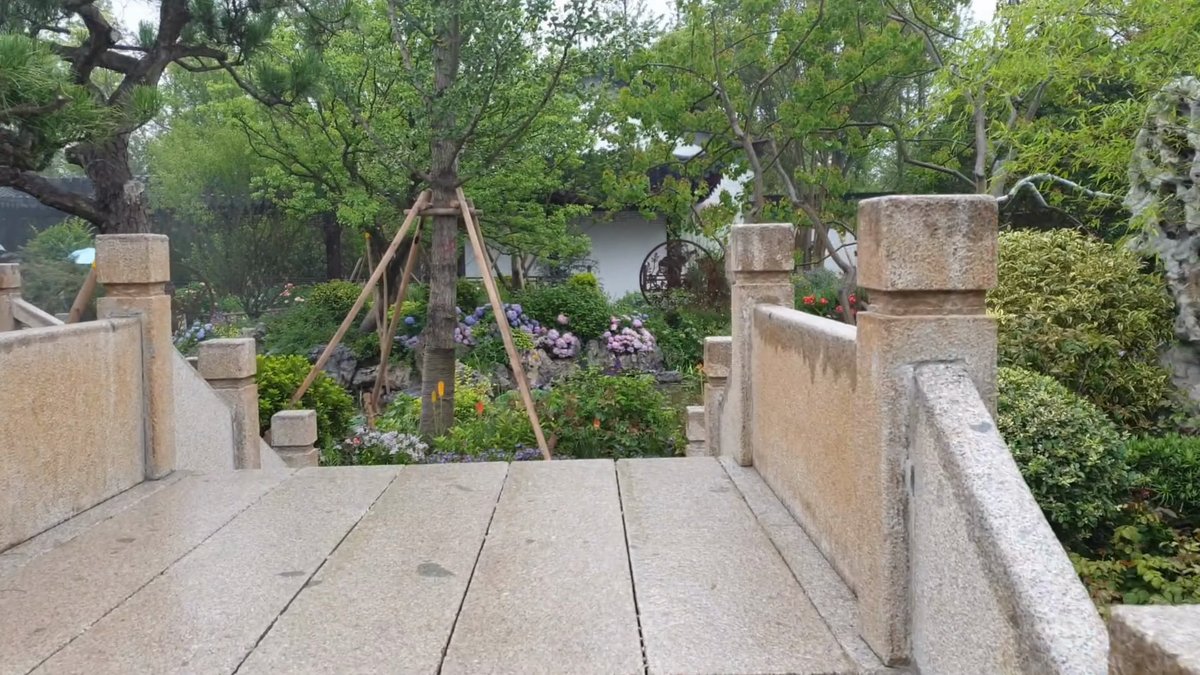
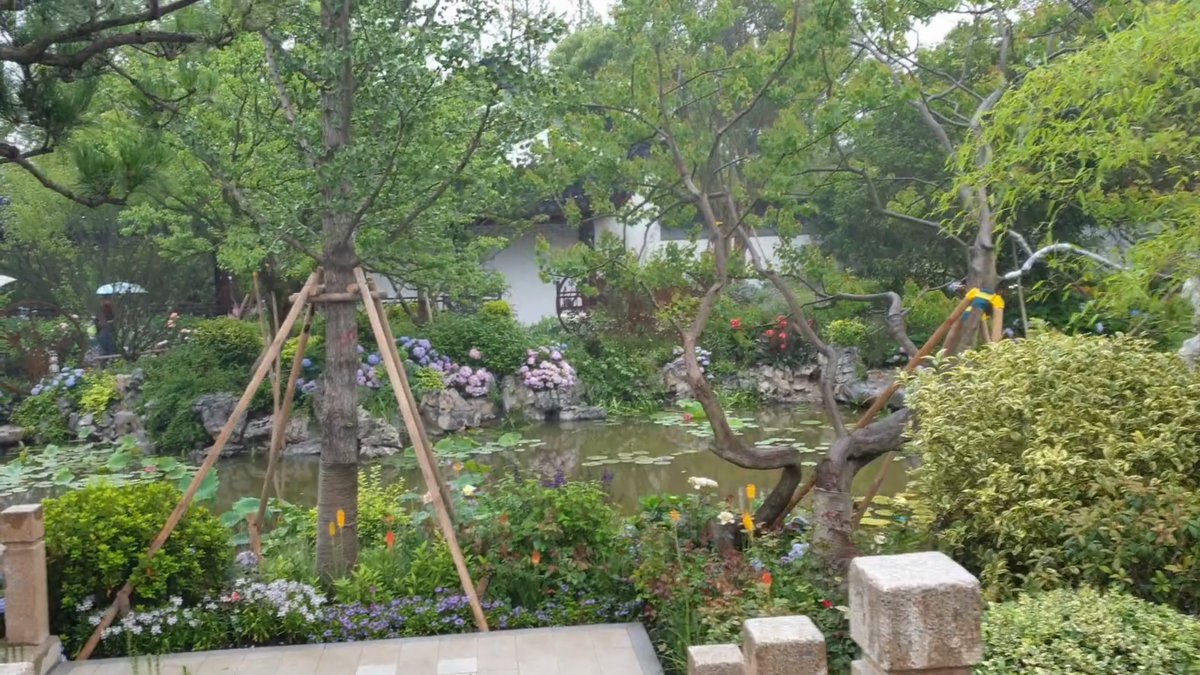
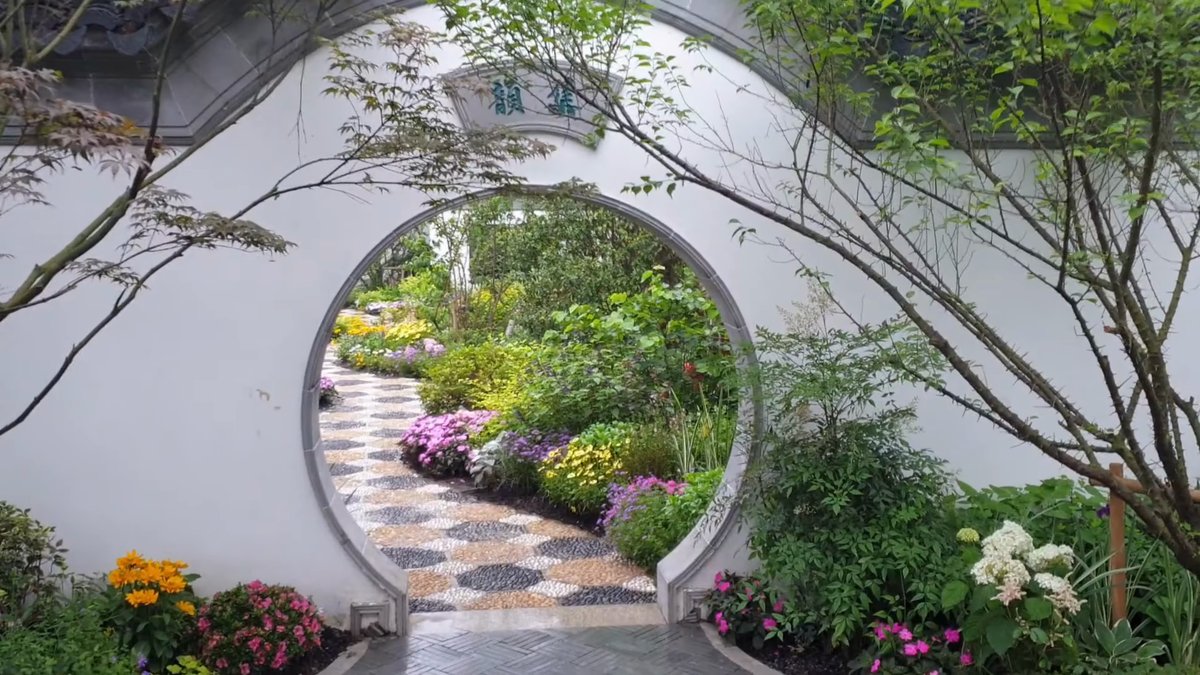
On various plots, classical garden elements gets repeated, the arching bridges, the moon gates, the rockwork framing water features. While each province puts its own spin on the words, the bones remain familiar. If you follow the suggested route, you will cross a number of stone bridges, all of which is functional; not just ornamental.
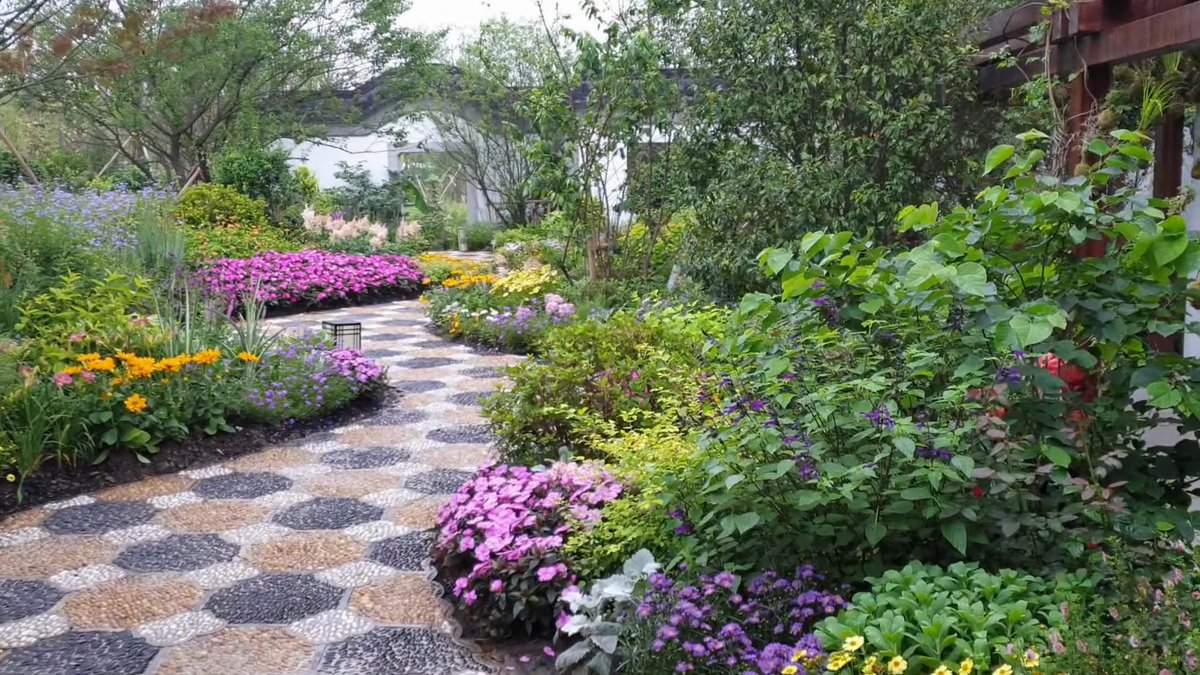
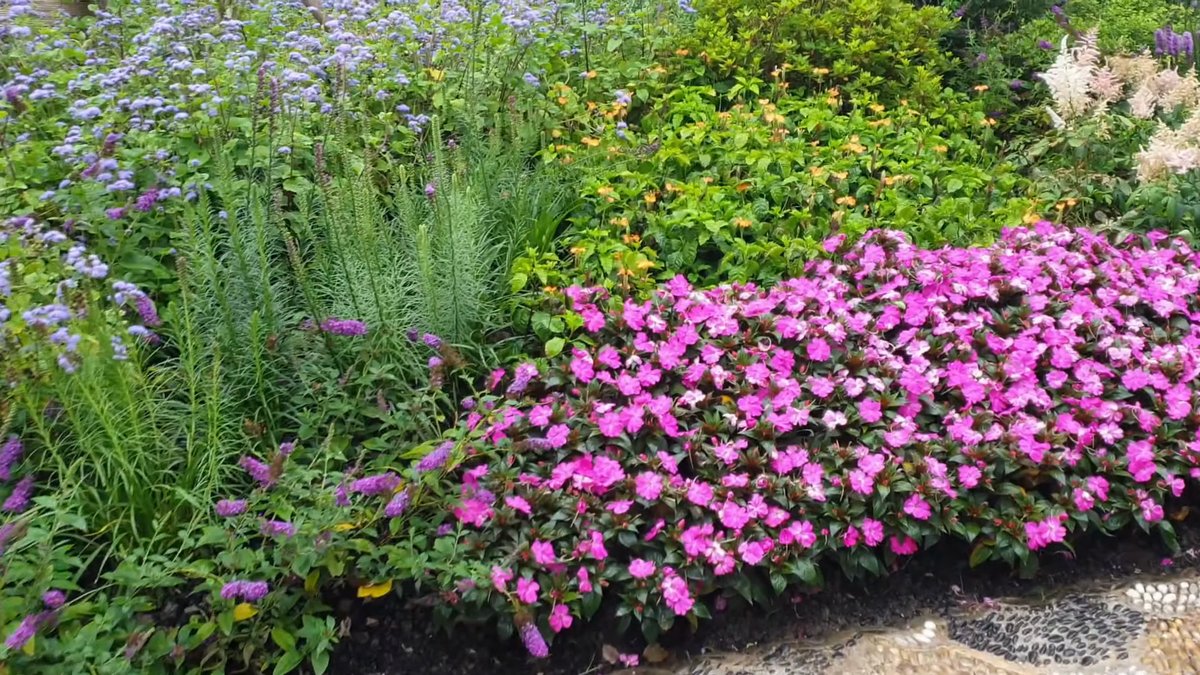
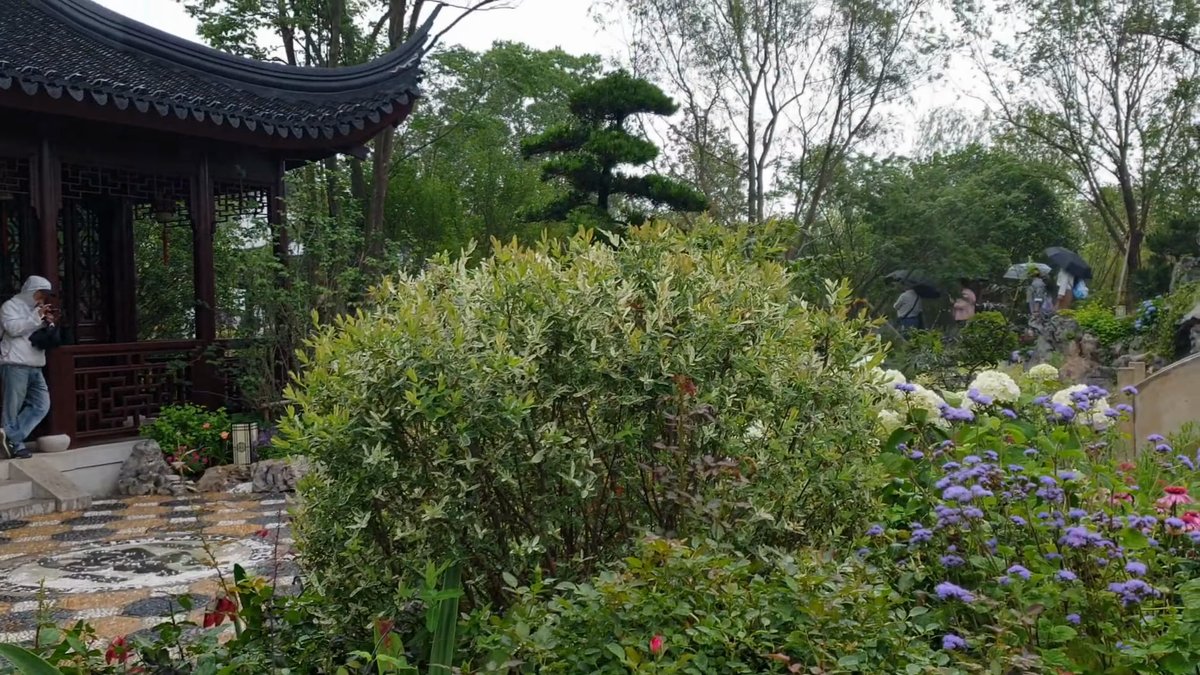
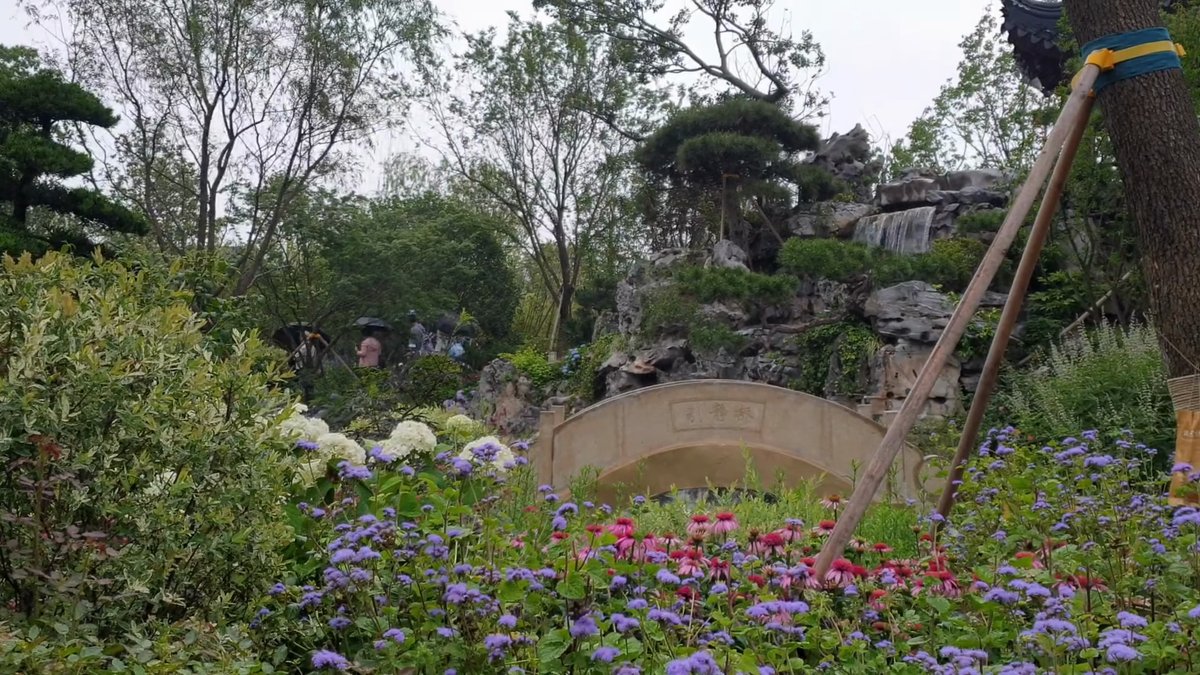
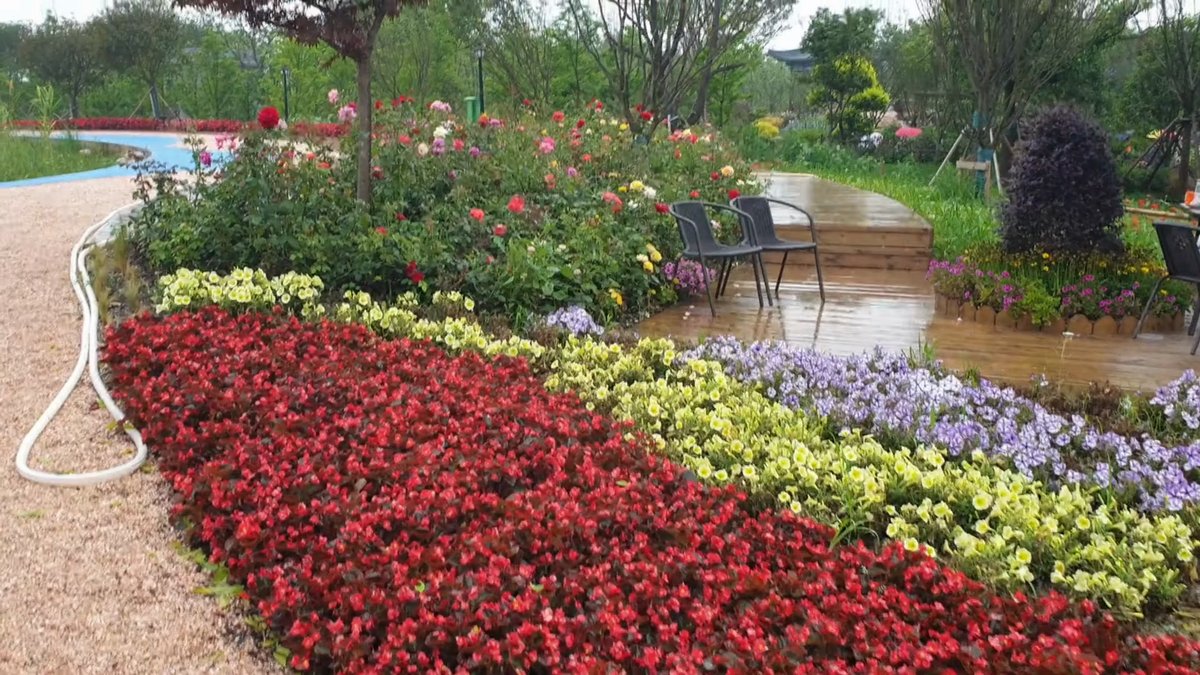
In early summer and late spring, perennial borders really come into their own. The pavilions is placed to provide focal points for looking out over the plantings, which include beds of grasses and other flowering groundcovers that spill between pavements laid out like a chequerboard. Some garden designs creates tight colour blocks; some want more naturalistic drifts.
The impatiens under taller grasses work surprisingly well, holding up through humid spells without much fuss.
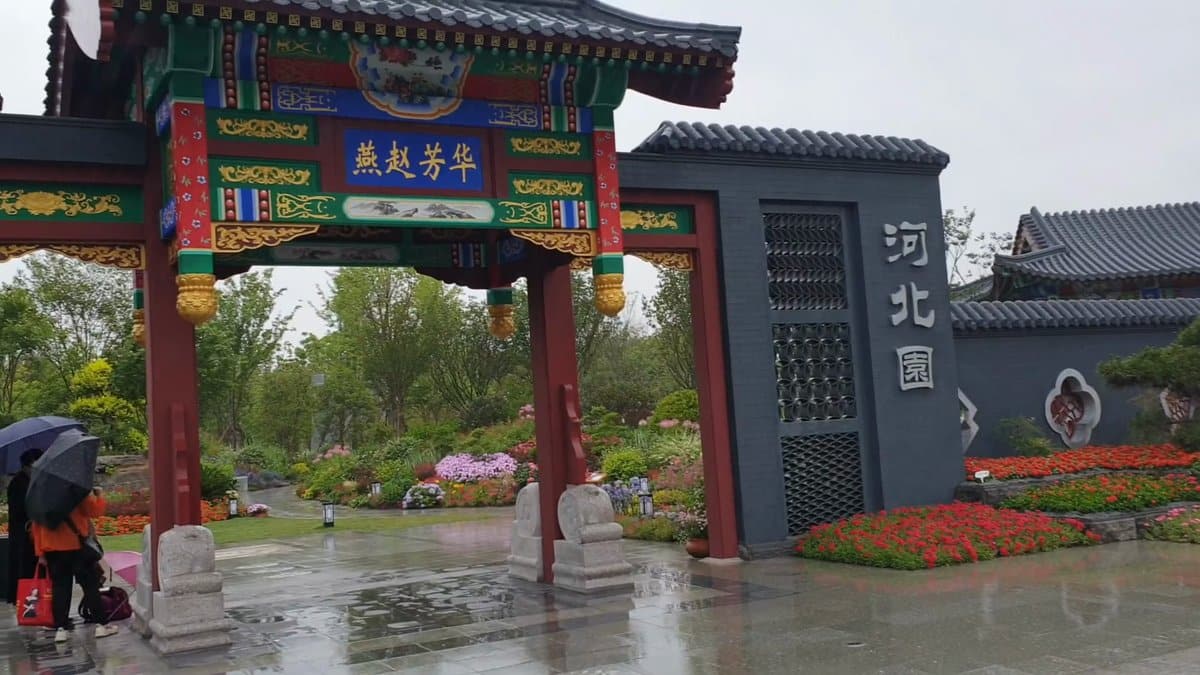
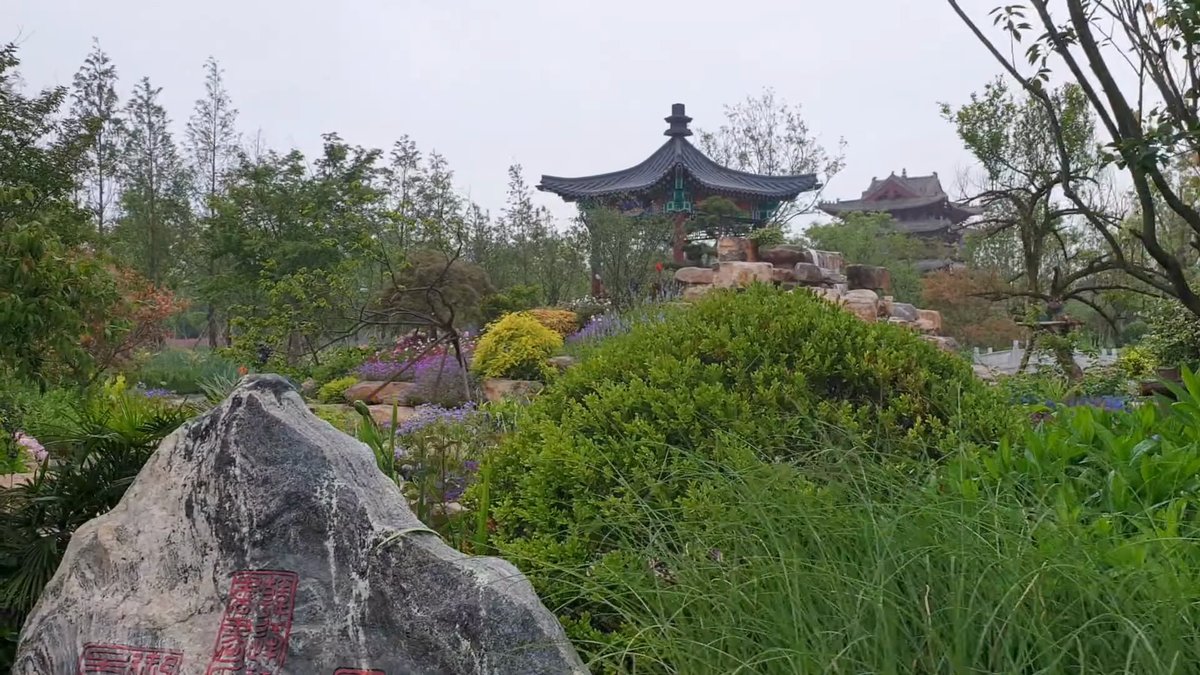
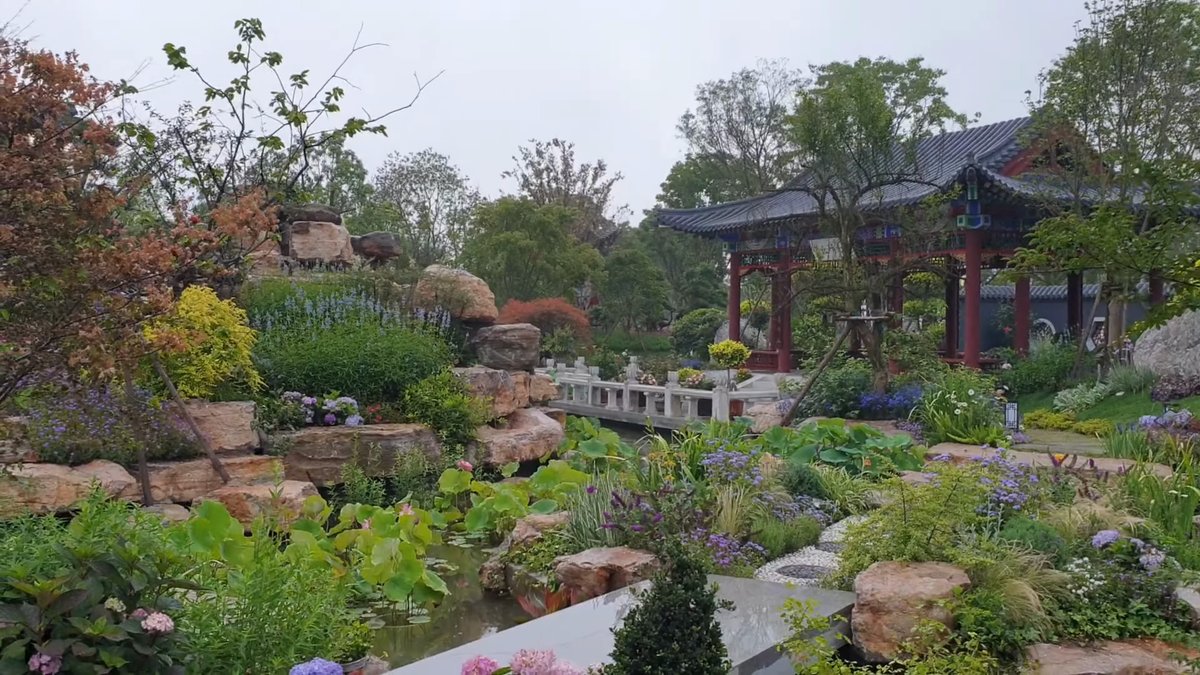
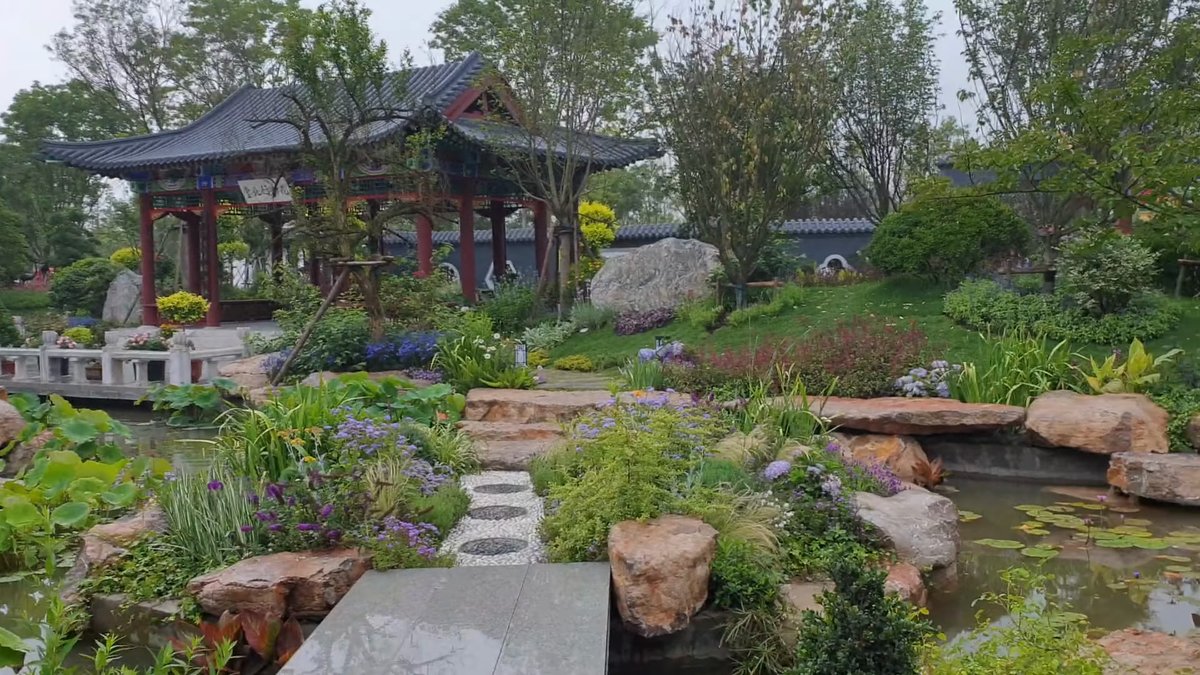
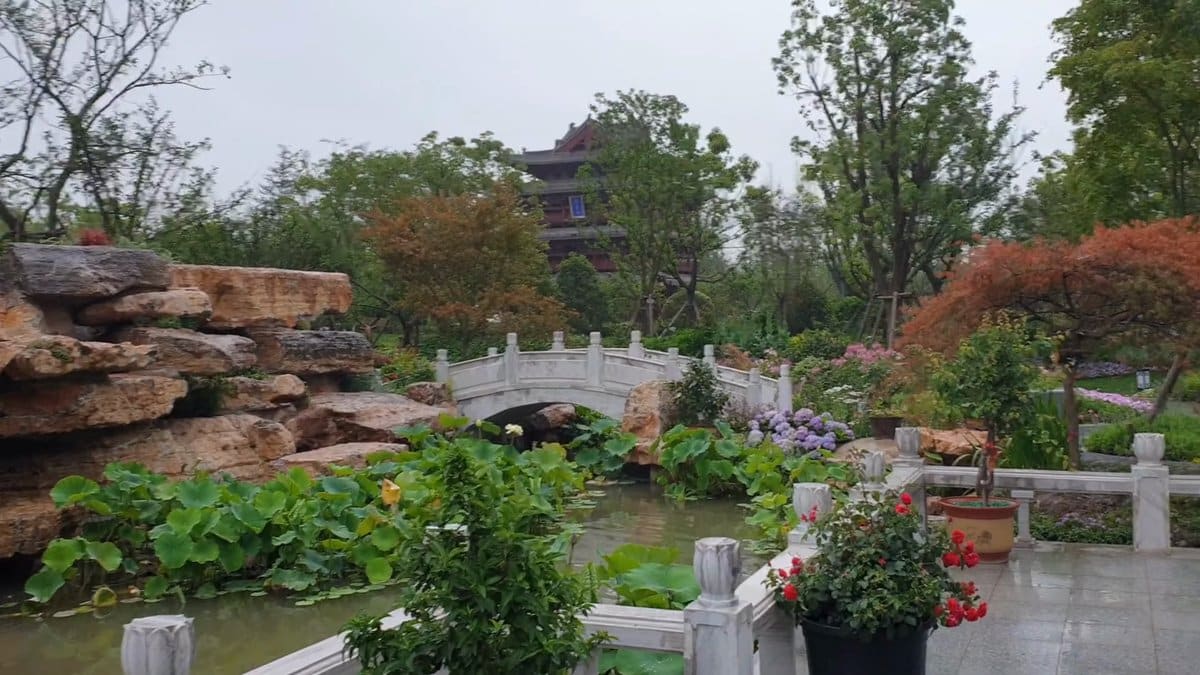
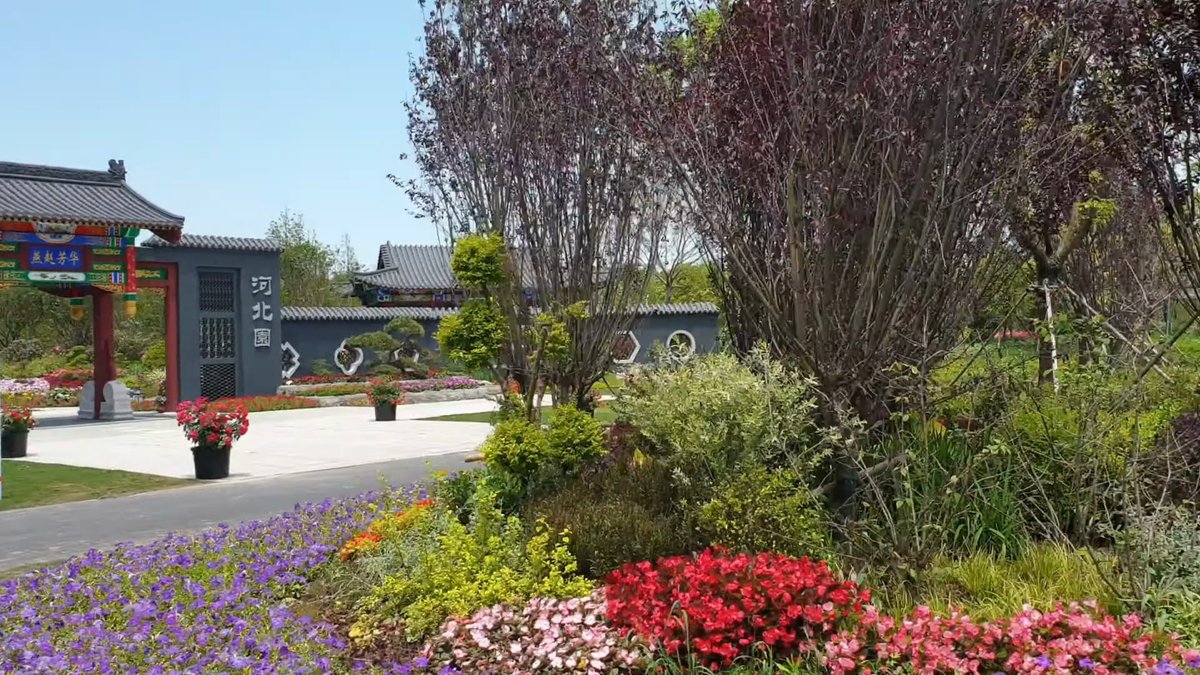
Hebei‘s archway rivals Beijing’s with its bolder colors, but the detail here match it. Most of the central gardens is defined by rockwork and water (boulders beneath pavilions), ponds edged by balustrades, carp-filled pools. One of the stone terraces has a maple that leafs out deep red in spring and retains the colour into early summer, throwing off anyone who expects to see fall foliage.
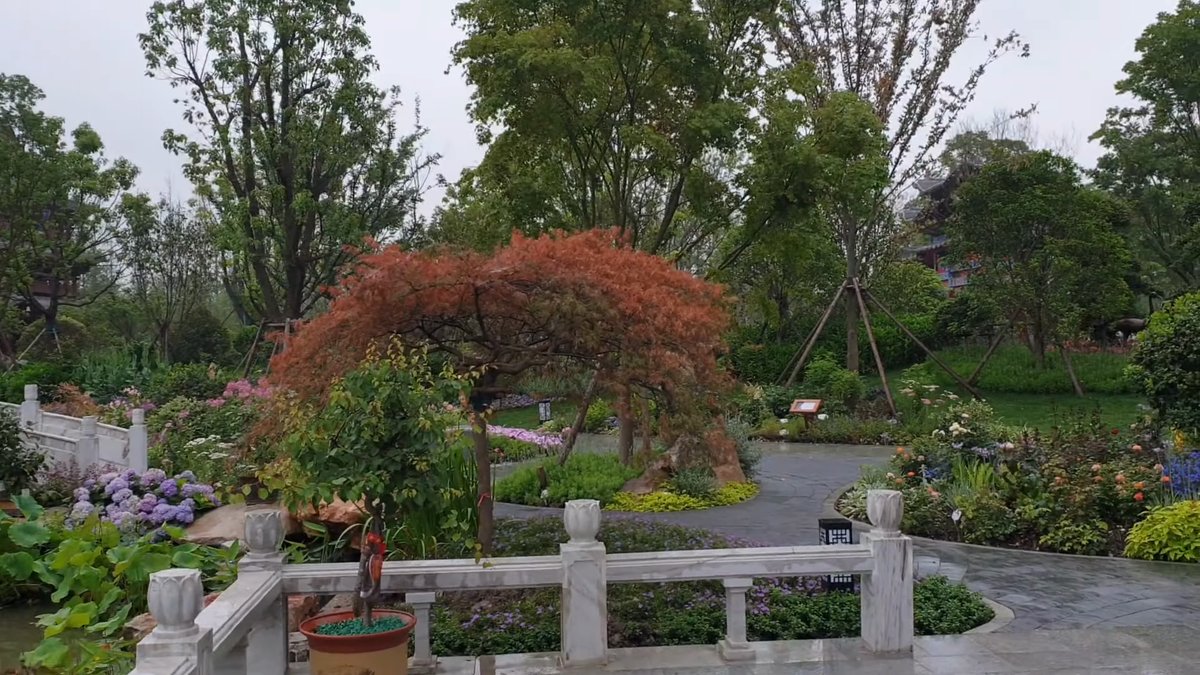
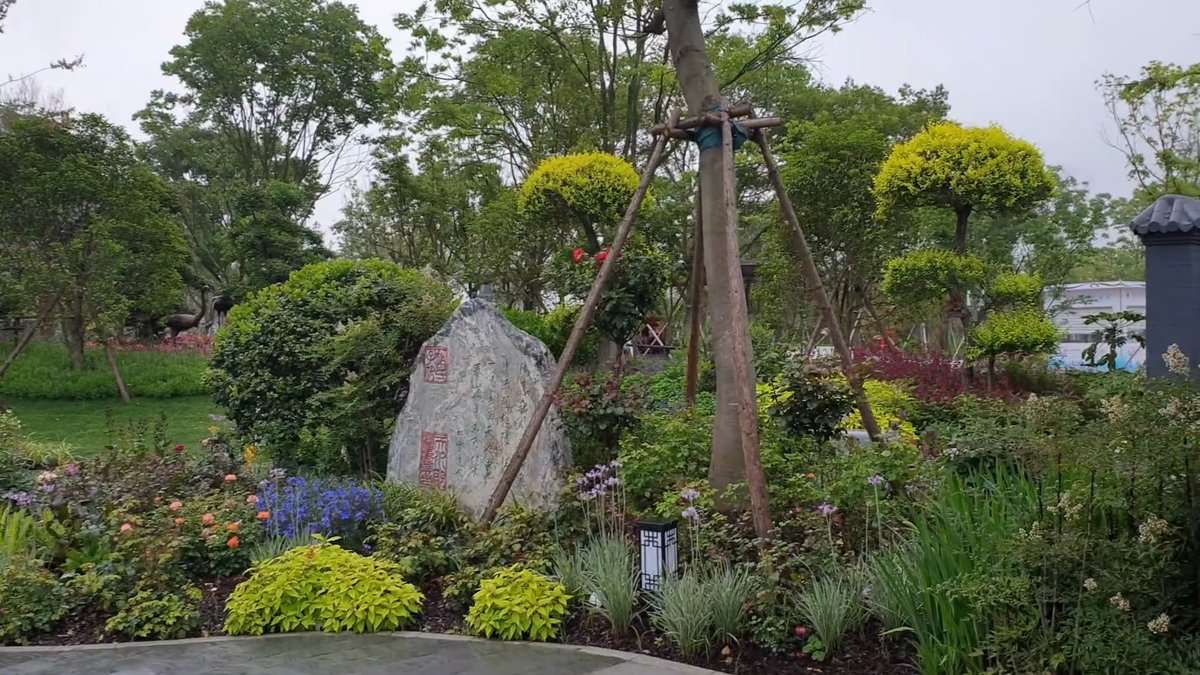
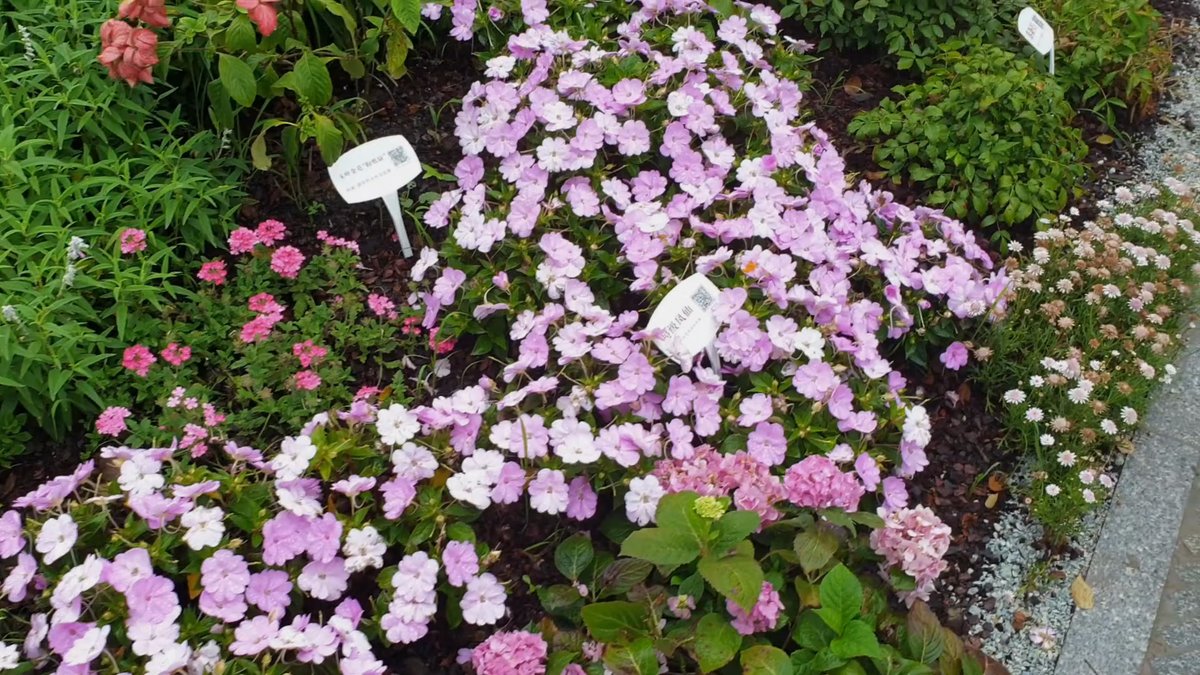
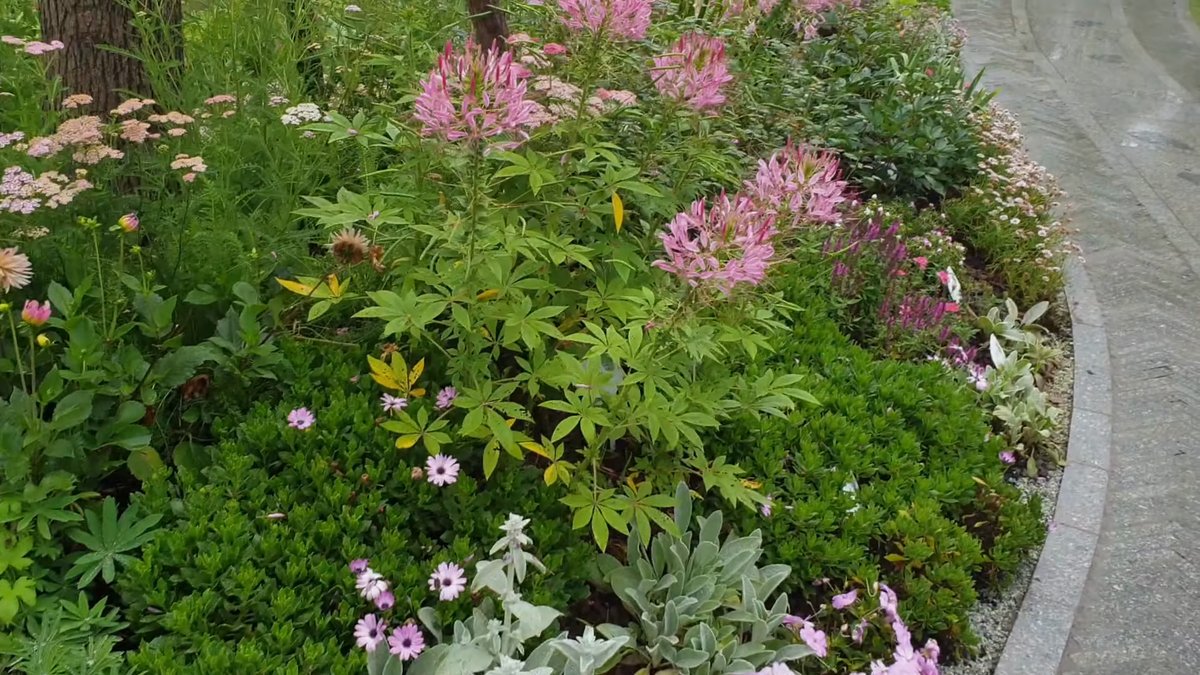
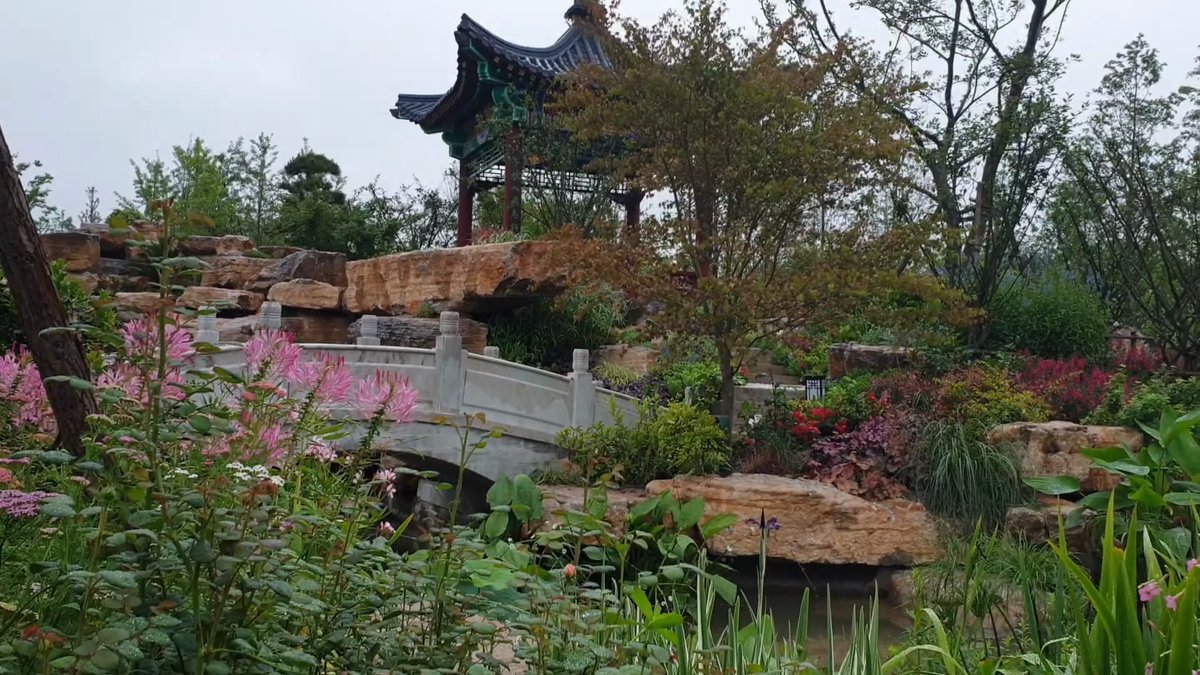
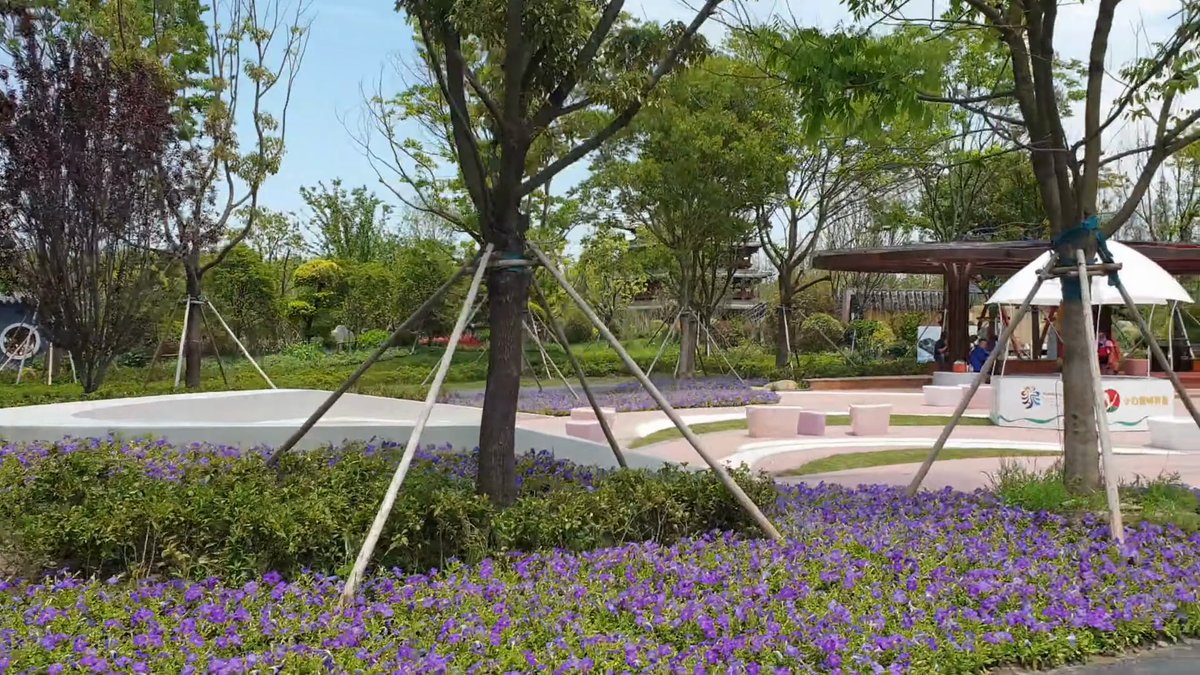
The expo site itself isn’t much more than a few years old, which explains why you see its support wires and stakes on newer plantings. In a decade or so, the tree will fill in nicely. For now, however, the annuals is doing their thing.
There are massed impatiens where there’s part shade, and geraniums and cleome is stuffed into sunny beds along the borders. Fewer people linger by the time they reach the last pavilion, but the quiet end of the loop feature a rock garden, where the plants steal the show. That’s not to say that Chongming Island is going to take the place of a stroll down the Bund or a day spent in the French Concession, but rather fill another void: fresh air, an expanse of greenery, and just enough variety to make the journey worthwhile when you’ve had your fill of pavement.
Bring snacks and water, there aren’t many cafés here, and they’re all expensive. Weekends is much busier than weekdays, and fall or spring (over summer) is hands-down better for avoiding the humid weather. Ever been to Chongming?
Is it still on your someday list? Share your thoughts in the comments.