In the heart of old Shanghai, Yu Garden is still one of the busiest corners of the city, four centuries after it was built. The garden is now at the center of an entire district of teahouses, shops and food stall that radiate from its pavilions and pond. It was originally constructed in 1559 as a private family retreat, and these days tourists stream through on coach-loads to see it, but that’s okay, it does deliver what you want, which is a taste of how people in the Ming dynasty lived, all rolled into a thoroughly moddern Chinese experience of eating and shopping.
This article walks through this bazaar of a neighborhood, the famous pond and zigzag bridge inside the garden, and the scrappy older lanes that fan out beyond the main gates.
A Walk Through Yu Garden and the Busy Market
Yu Garden Bazaar
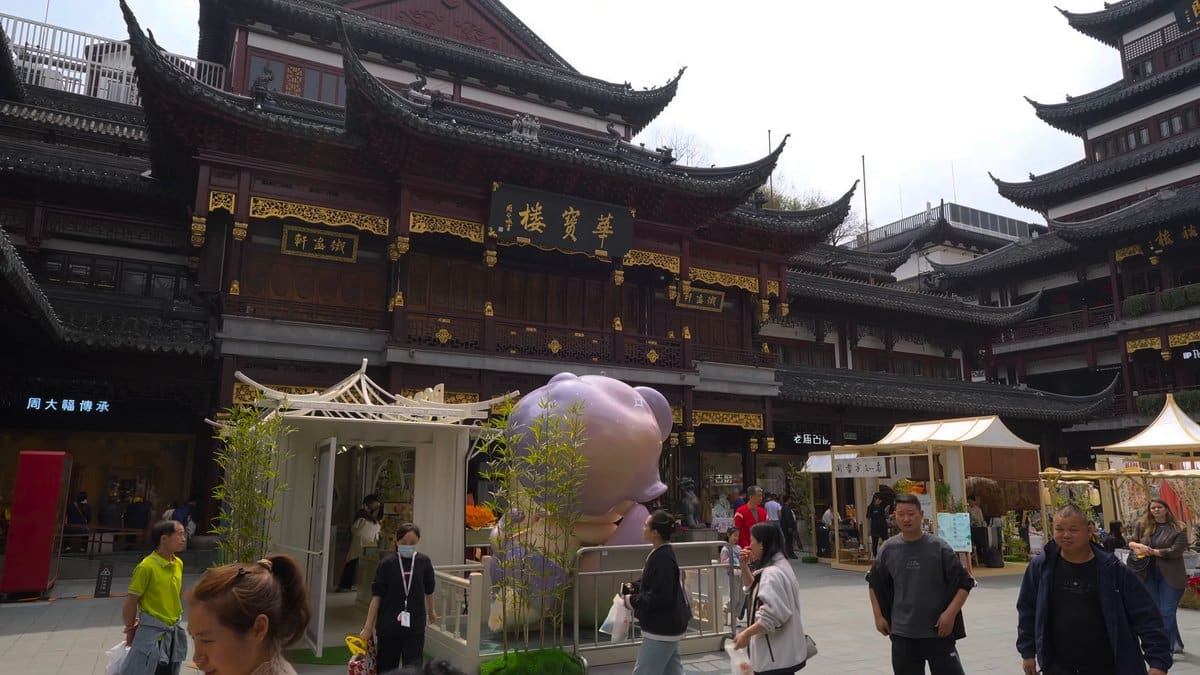
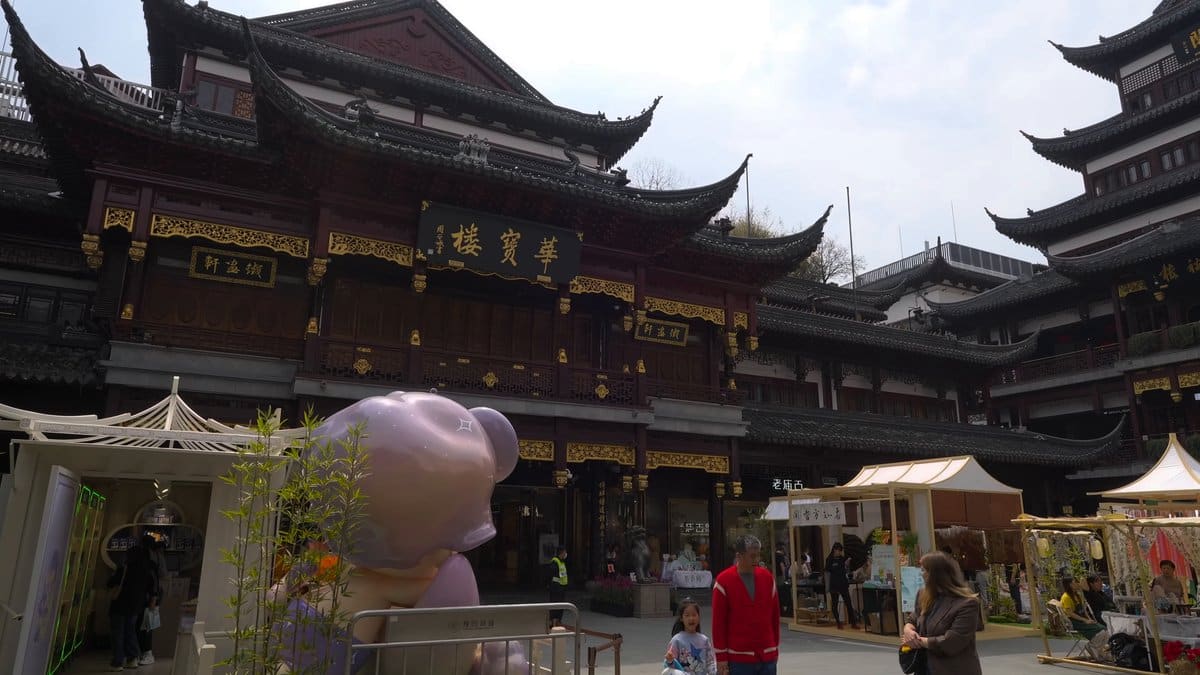
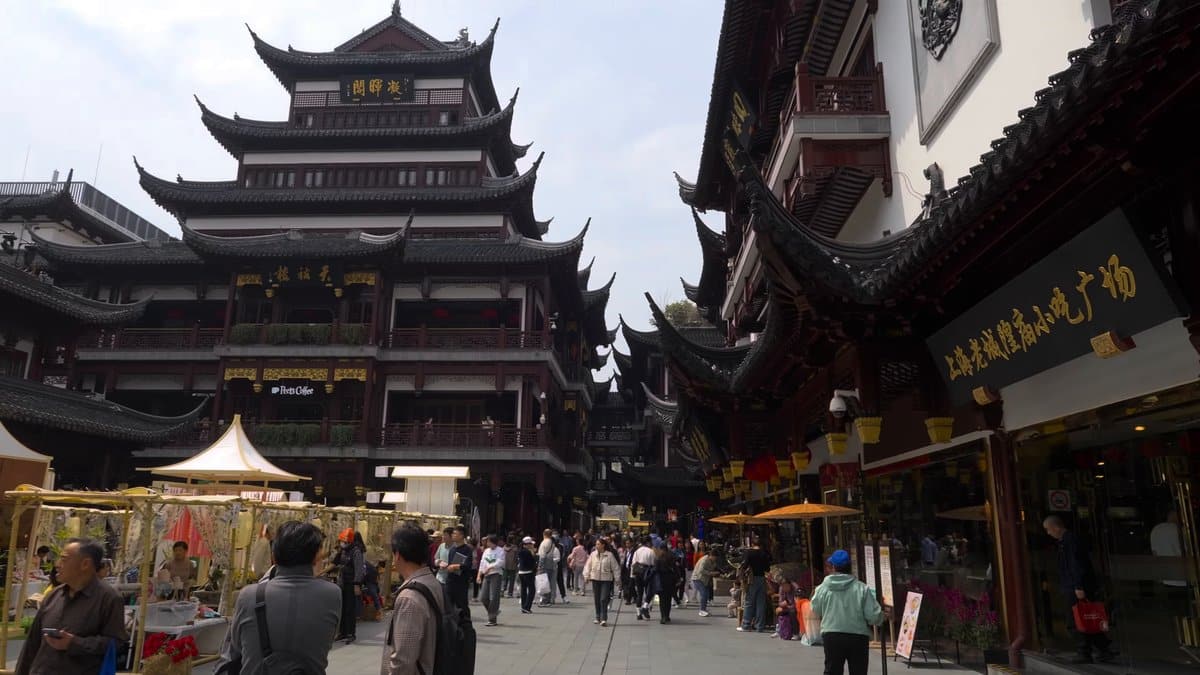
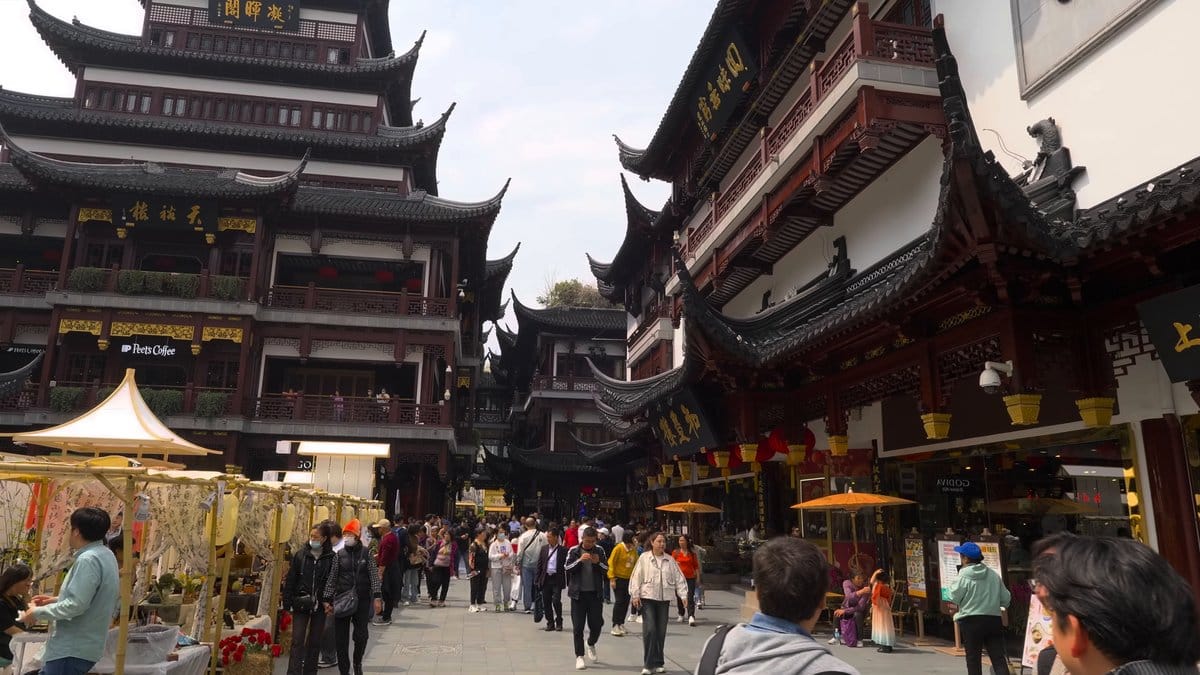
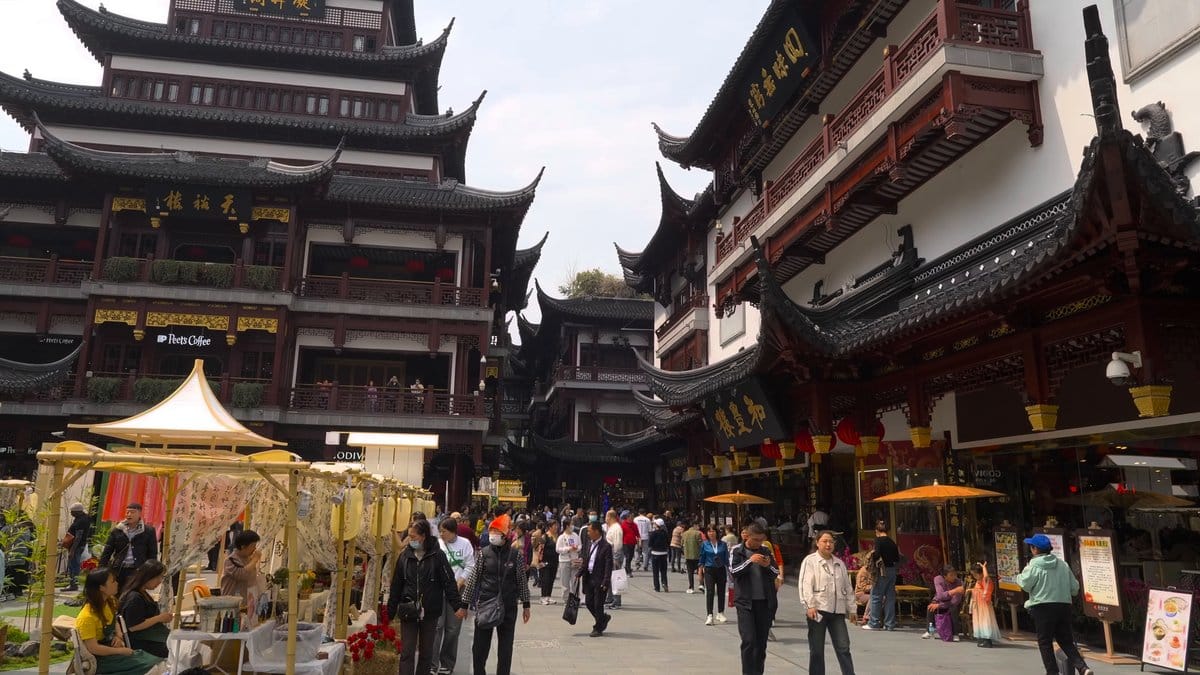
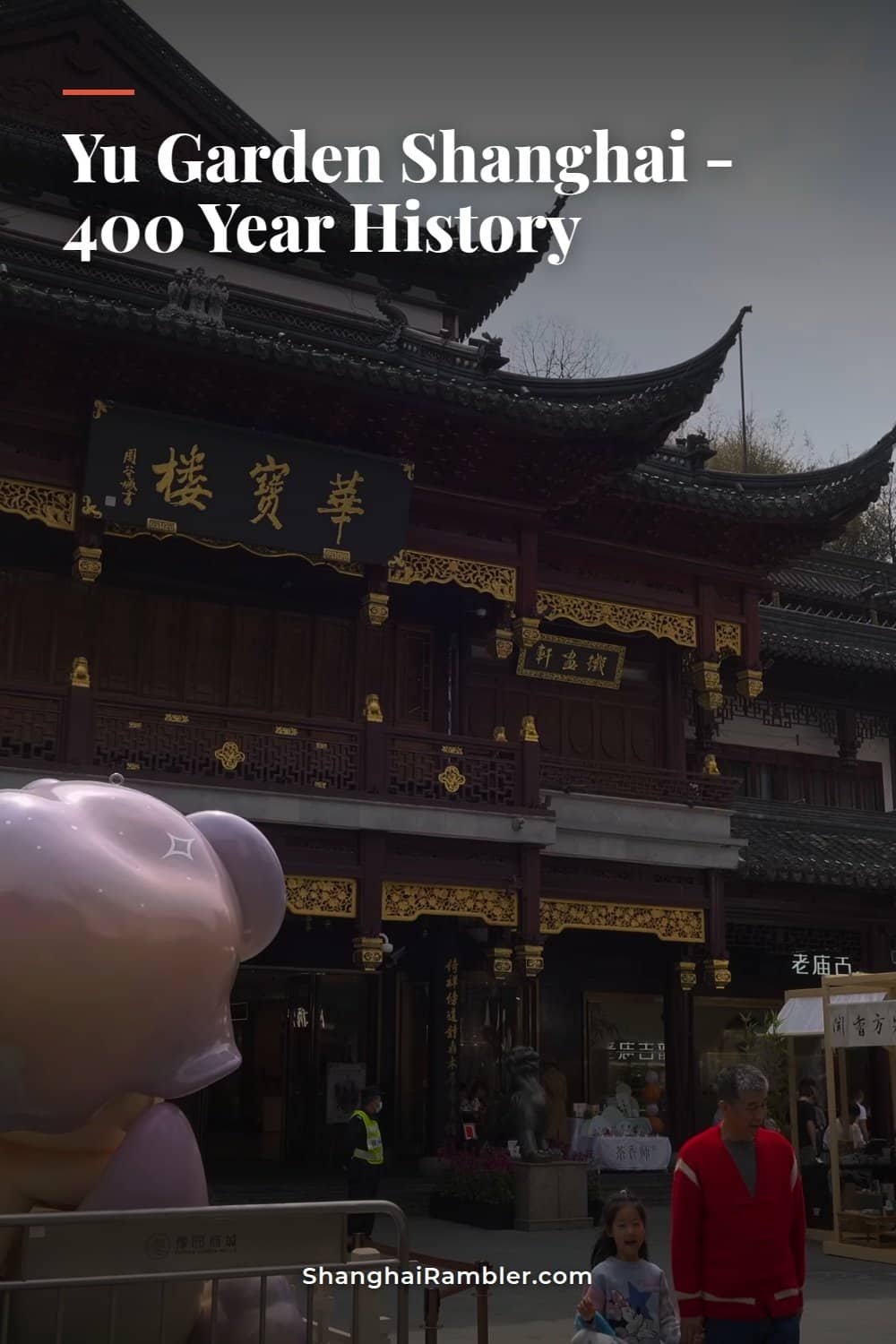
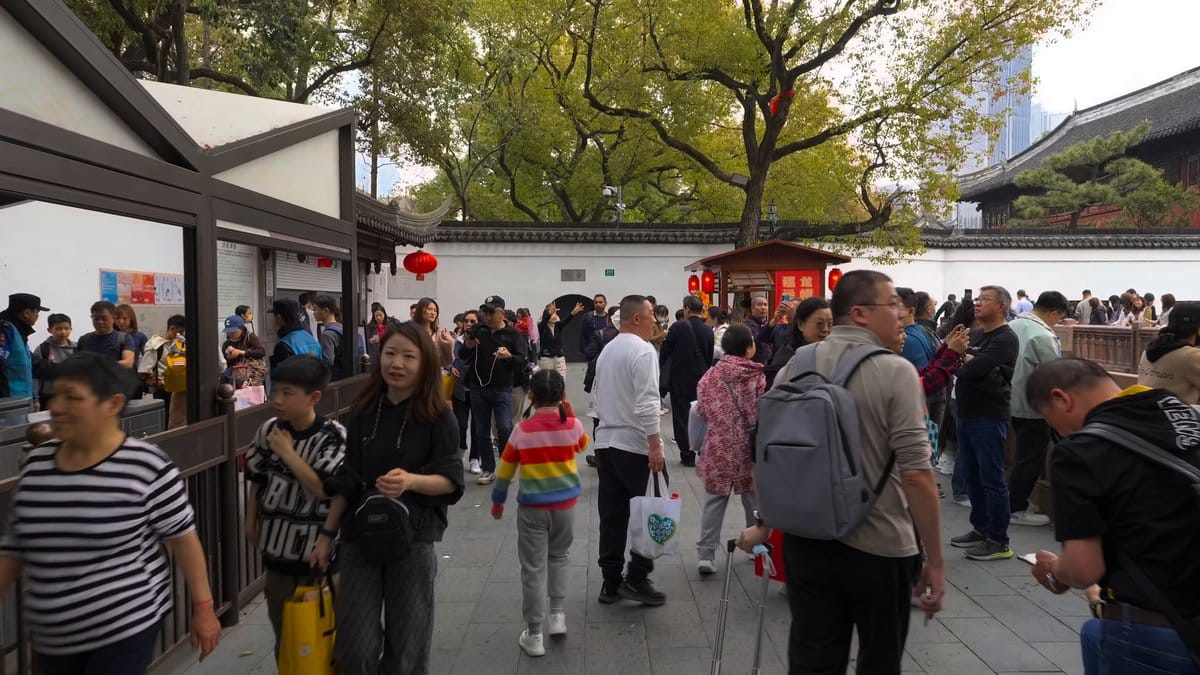
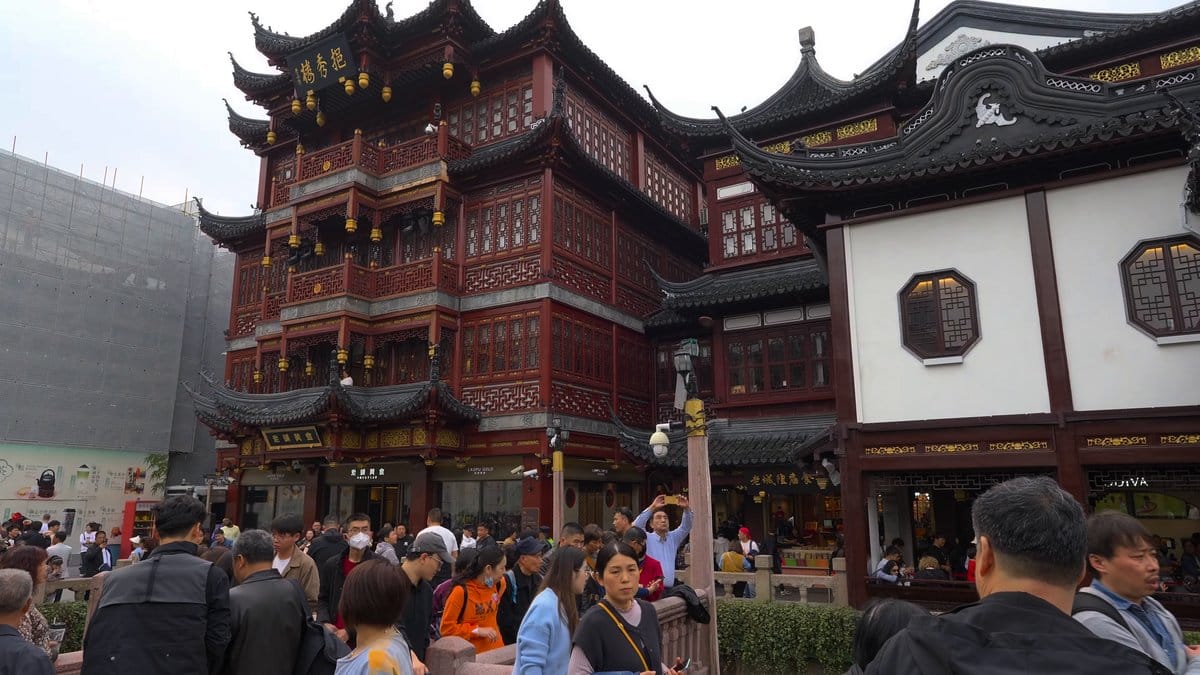
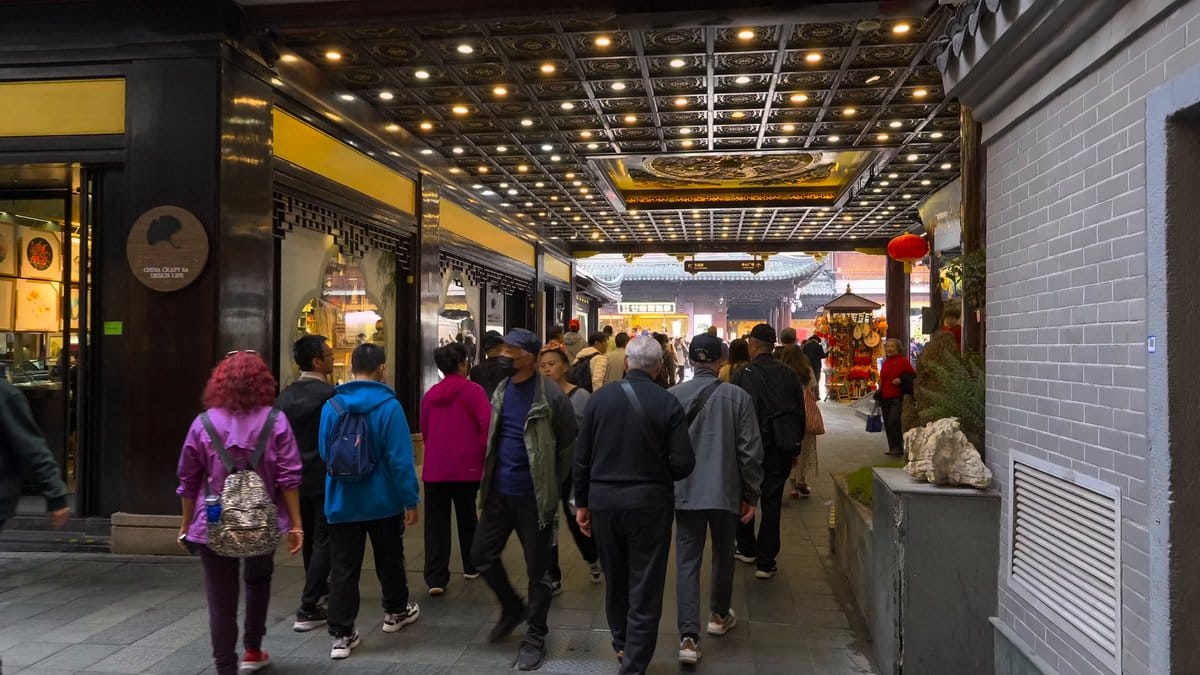
To get to Yu Garden you have to weave your way through a labyrinth of reconstructed buildings (from the 1990s) that aim to recreate the look of the original quarter’s architecture. The lanes is lined with shop signs (most advertising souvenir shops, teahouse chains and jewellery stores), while halls tower overhead in layers, their ornate eaves rising up and their roof lines pointing up toward the sky. It gets a little disorienting, there are some plazas opening up without warning amid the tight alleyways, and you will end up doubling back several times before locating the entrance to the garden.
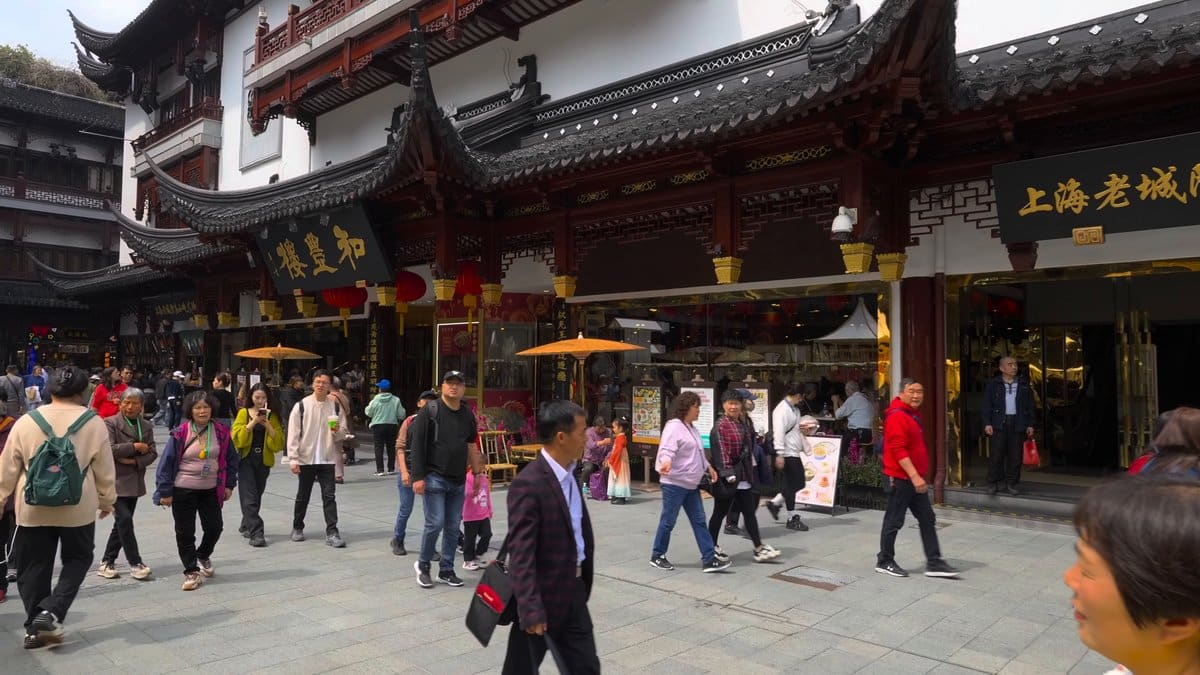
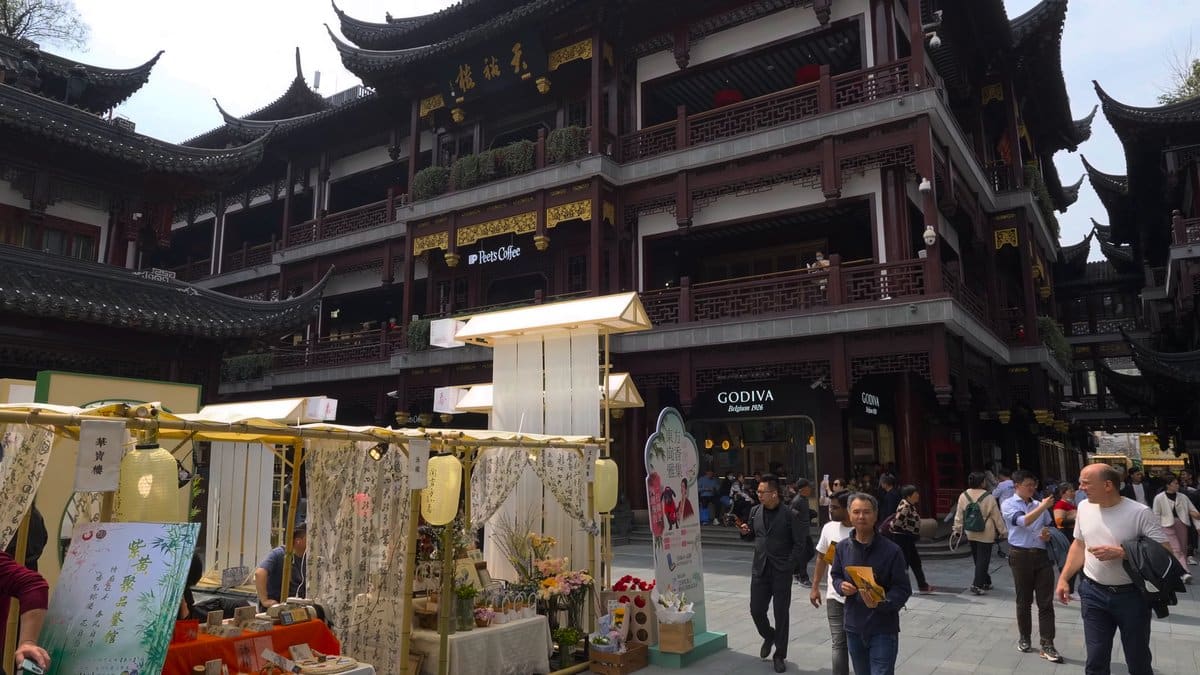
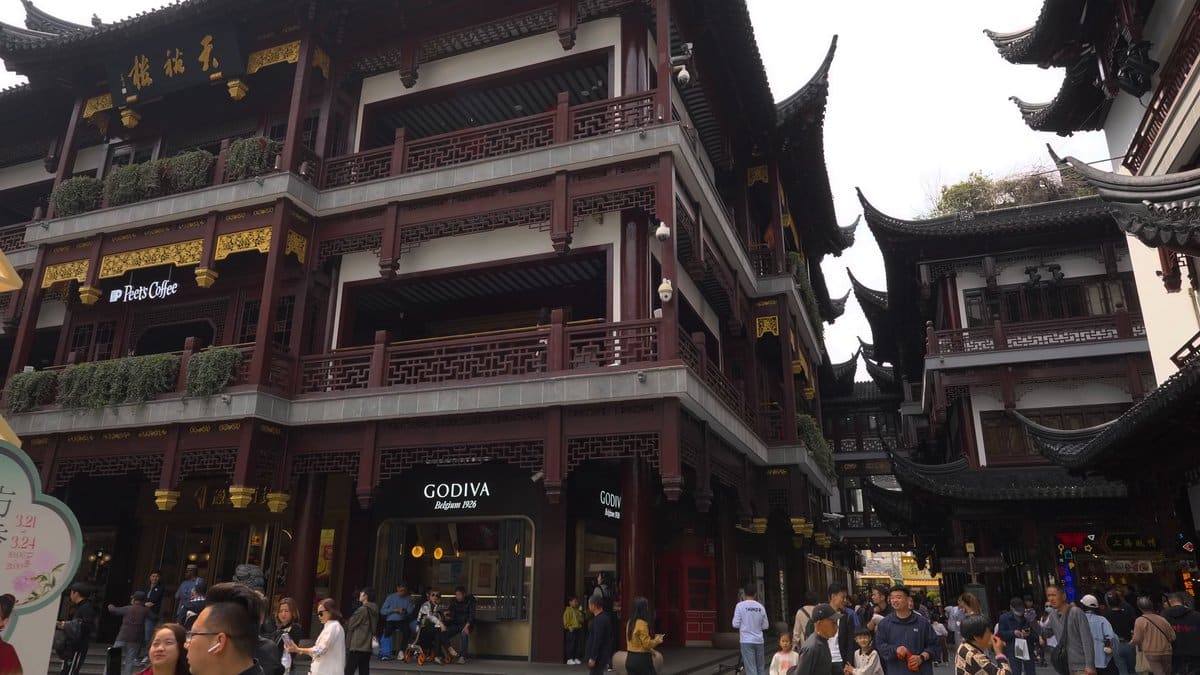
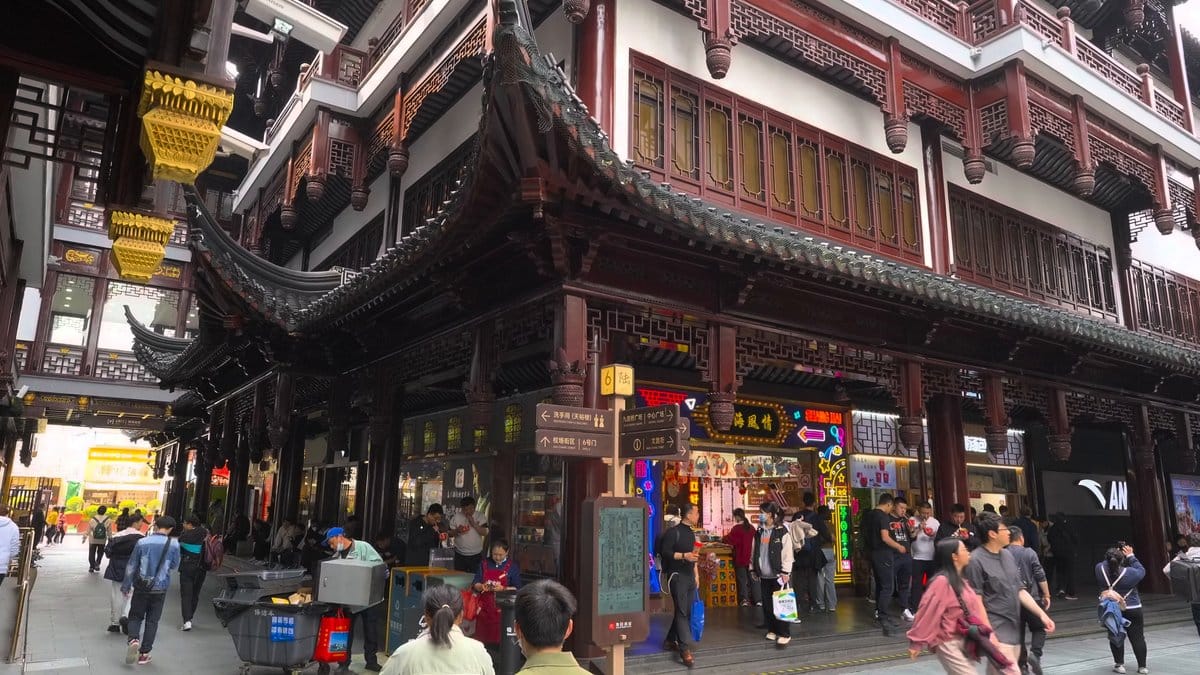
Today, the majority of the shopfronts are filled with modern brands. Watch boutiques and cosmetics chains fills out the ground floor. You’ll find Starbucks and GODIVA on prime real estate beneath one of the pavilions.
It works, though it looks strange: plate-glass windows inside air-conditioned interiors framed by traditional timber facades. It’s a commercial district first, a heritage site second.
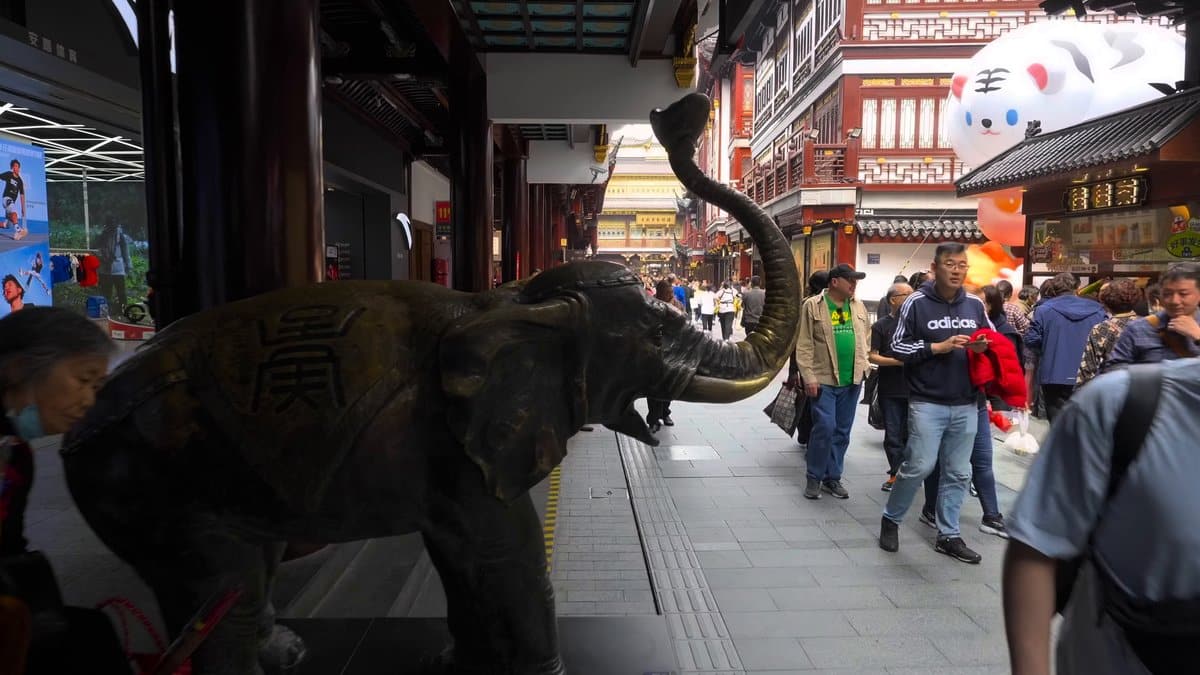
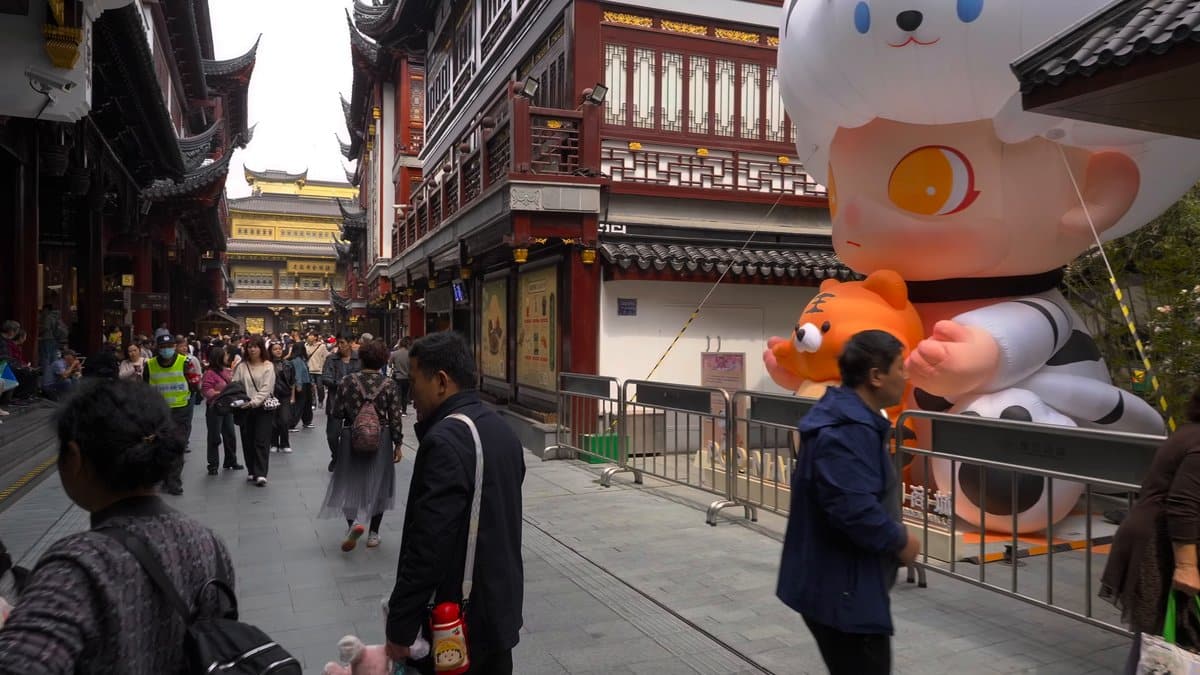
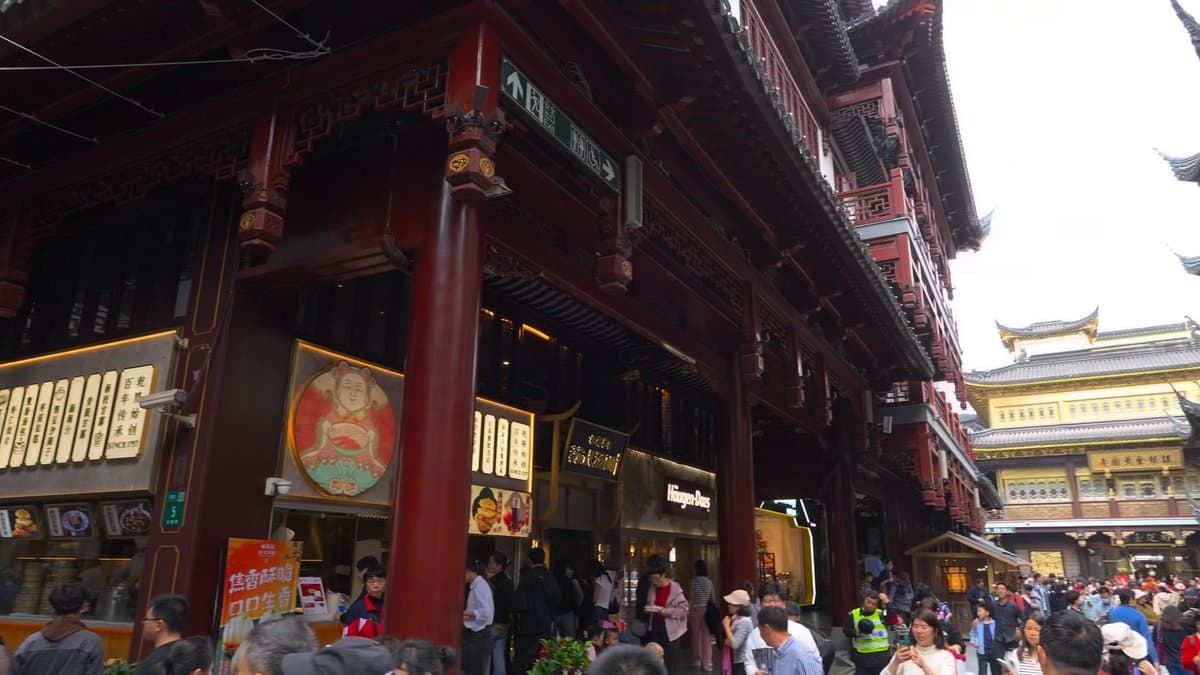
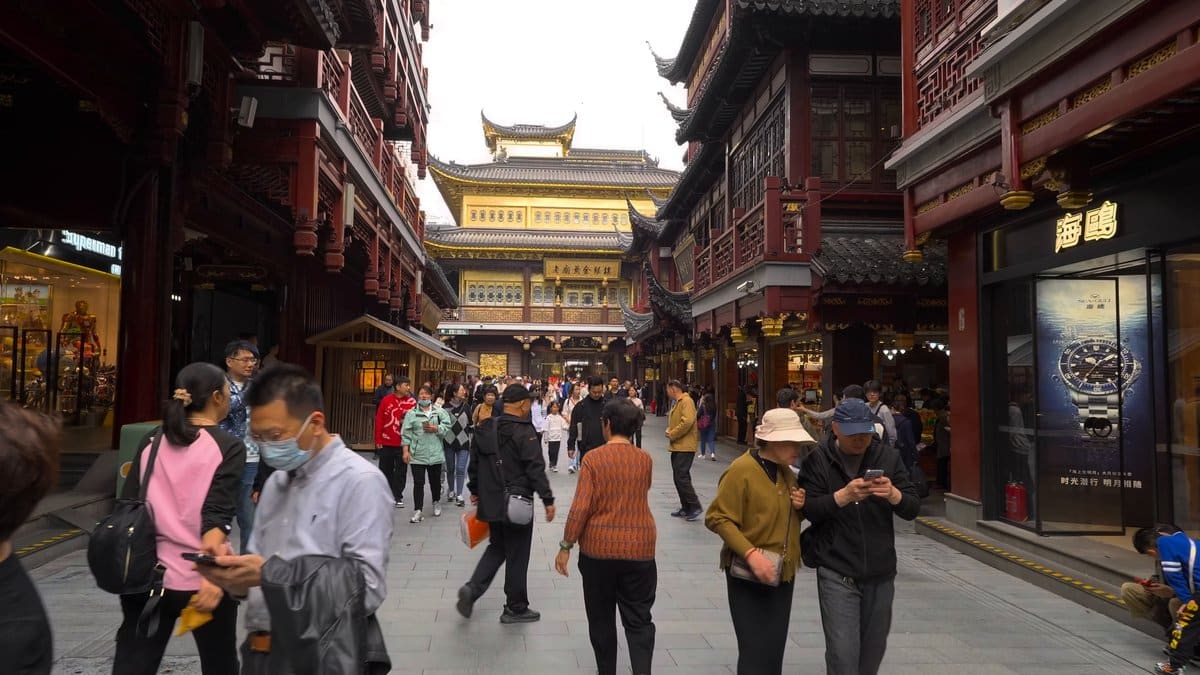
The main lanes gets turned into rivers of slow-going weekenders and tourists… Expect to do lots of shuffling rather than strolling. There are also pop culture displays that come and go with the seasons: promotional displays, branded sculptures, cartoon characters, all of which attract their own little huddles of camera phones.
Go early on a weekday morning if you prefer it quiet; otherwise wait for the tour groups to drop in.
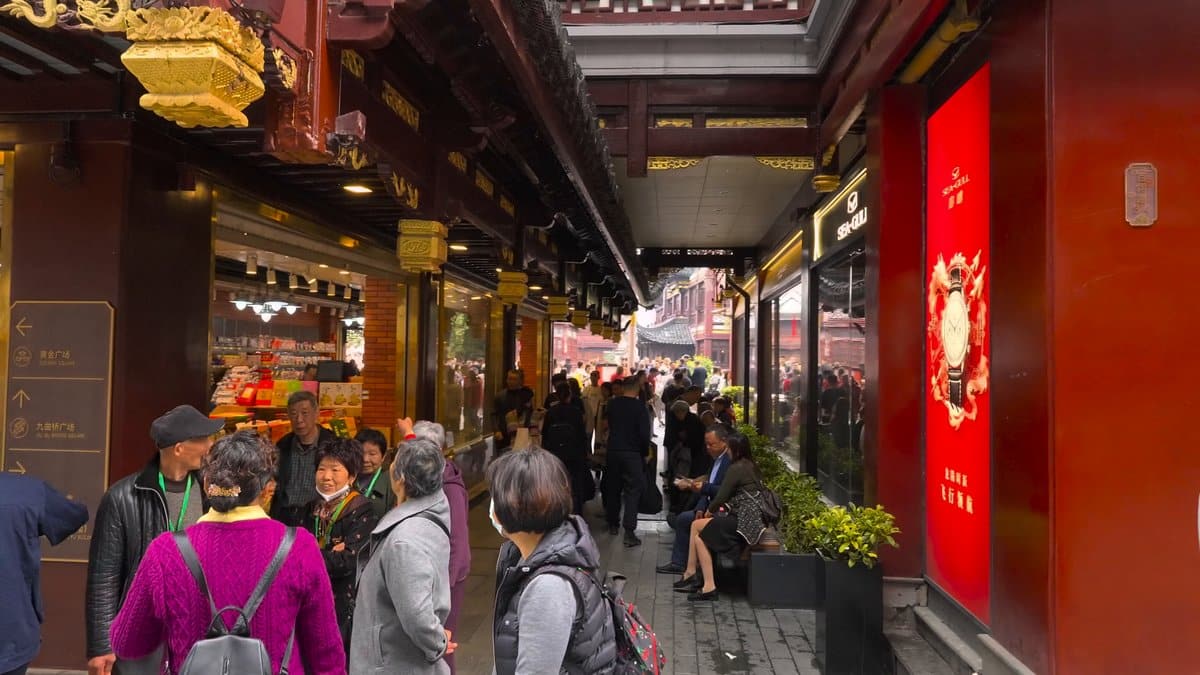
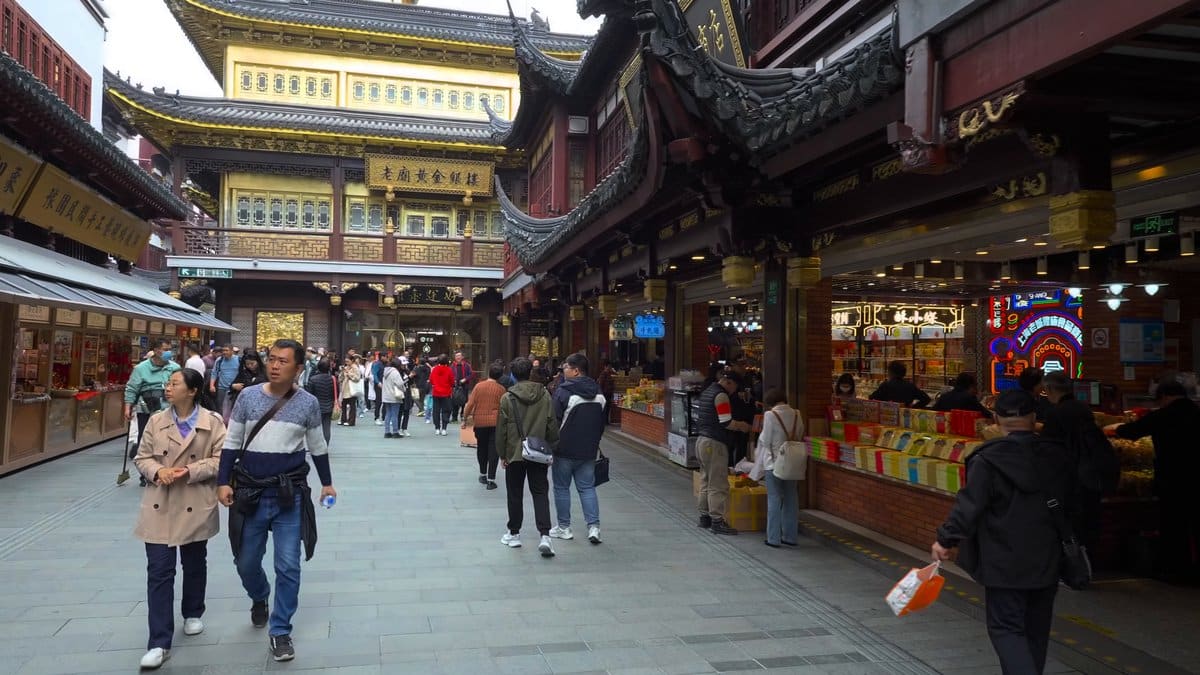
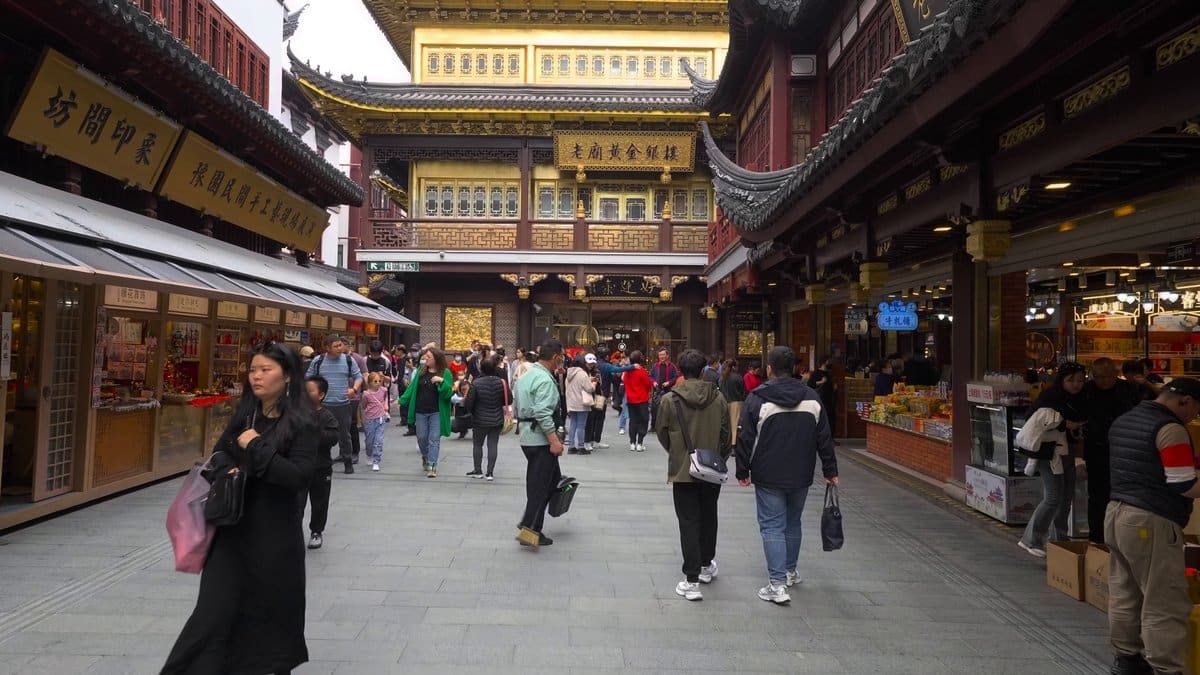
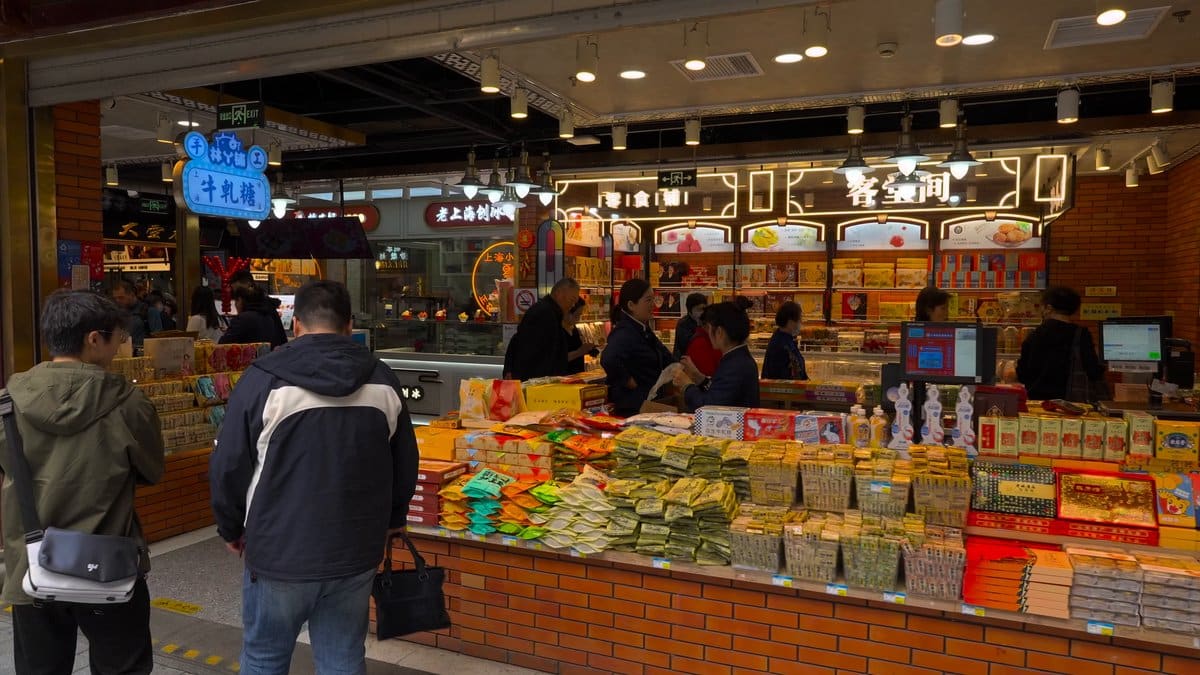
The shops are stacked high with local sweets and other packaged snacks; others are jewellers specializing in gold, with their windows filled to bursting with bangles and chains. In summer, there’s nothing cool about it, the arcades that connect the lanes provide a little bit of shade and somewhat improved airflow. It’s more expensive than anywhere else in Shanghai, yet still people come, drawn by the atmosphere and convenience.
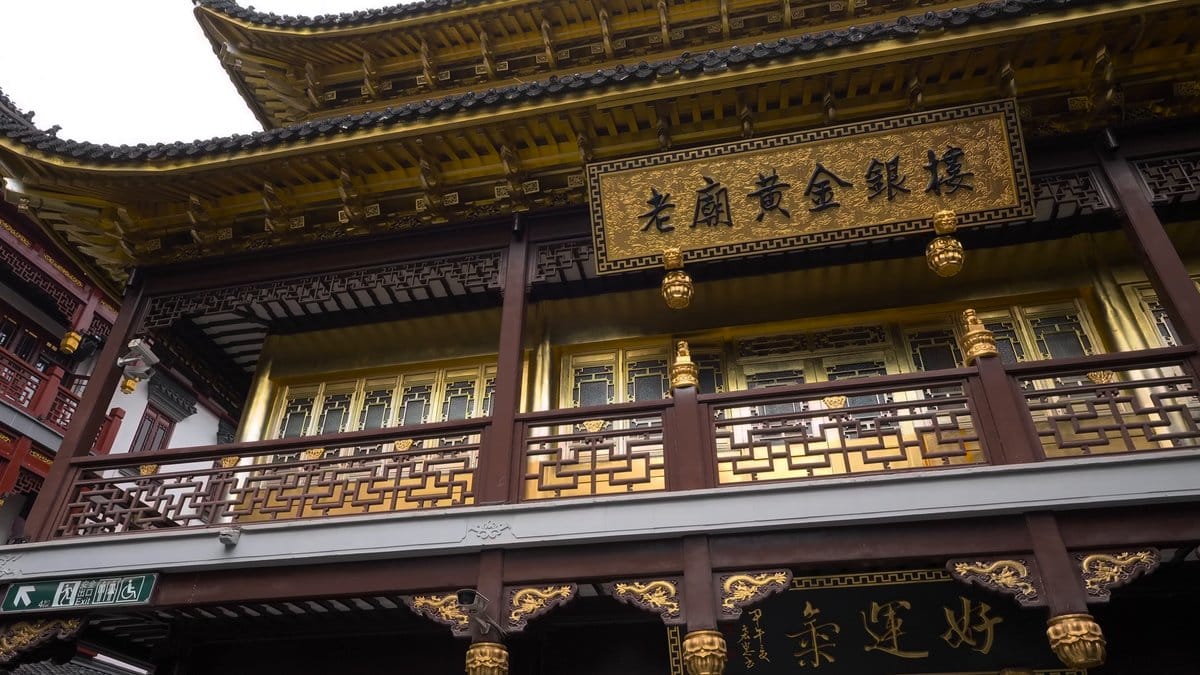
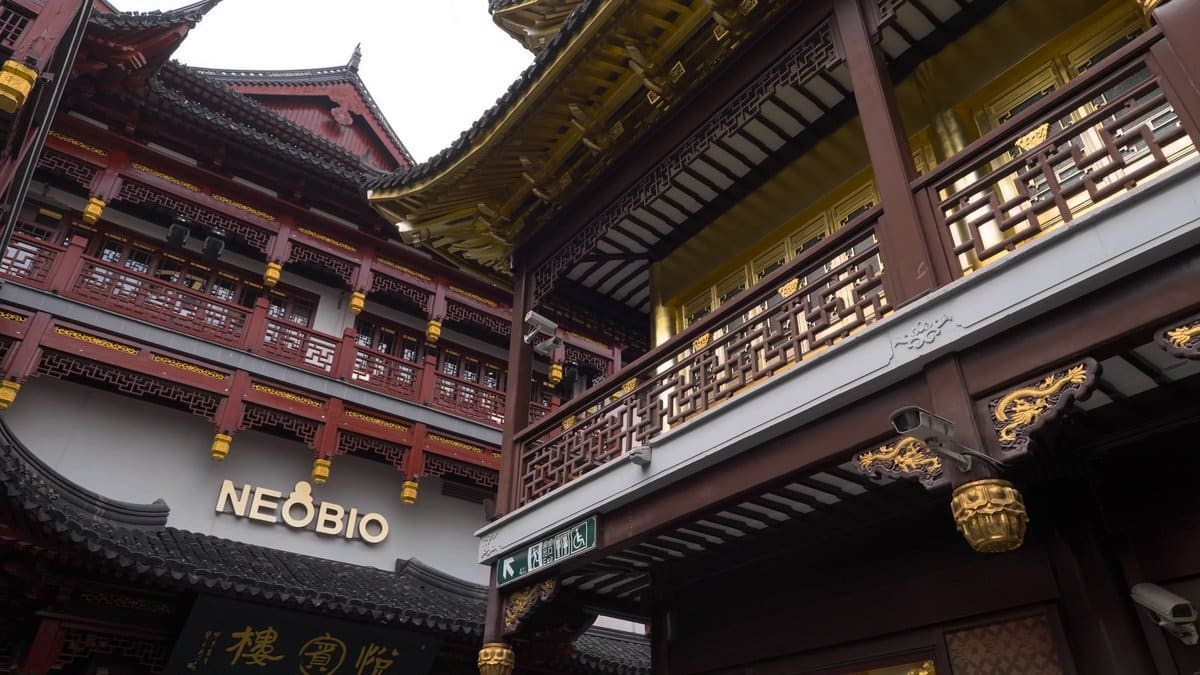
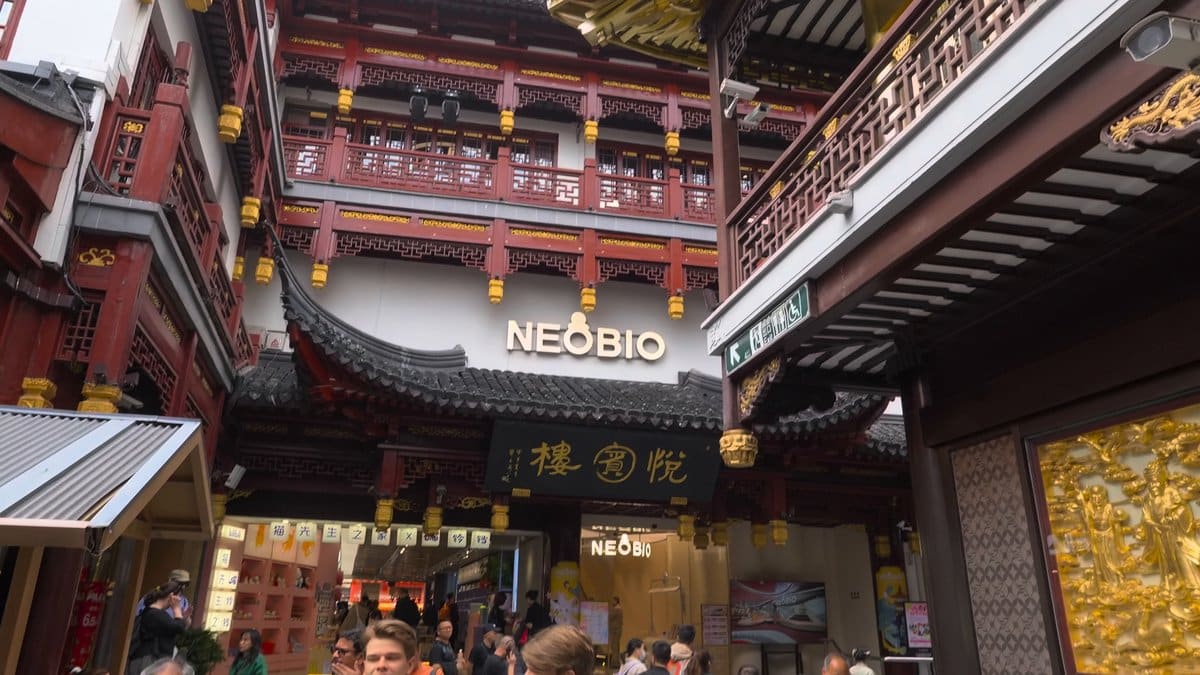
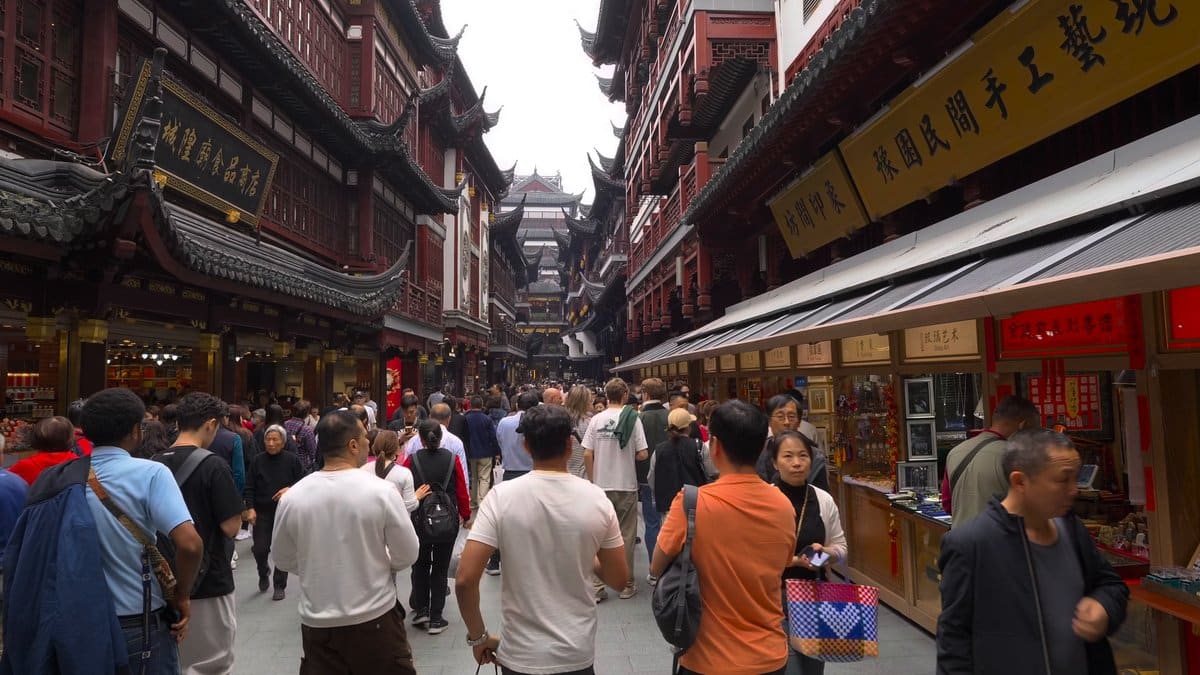
Many of the storefronts has Goldsmith signs over them. Some so ornate they qualify as art. And look up: Even if most people have their eyes firmly fixed on the ground, the detailing on the brackets and eaves is worth paying attention to.
It’s crowded.
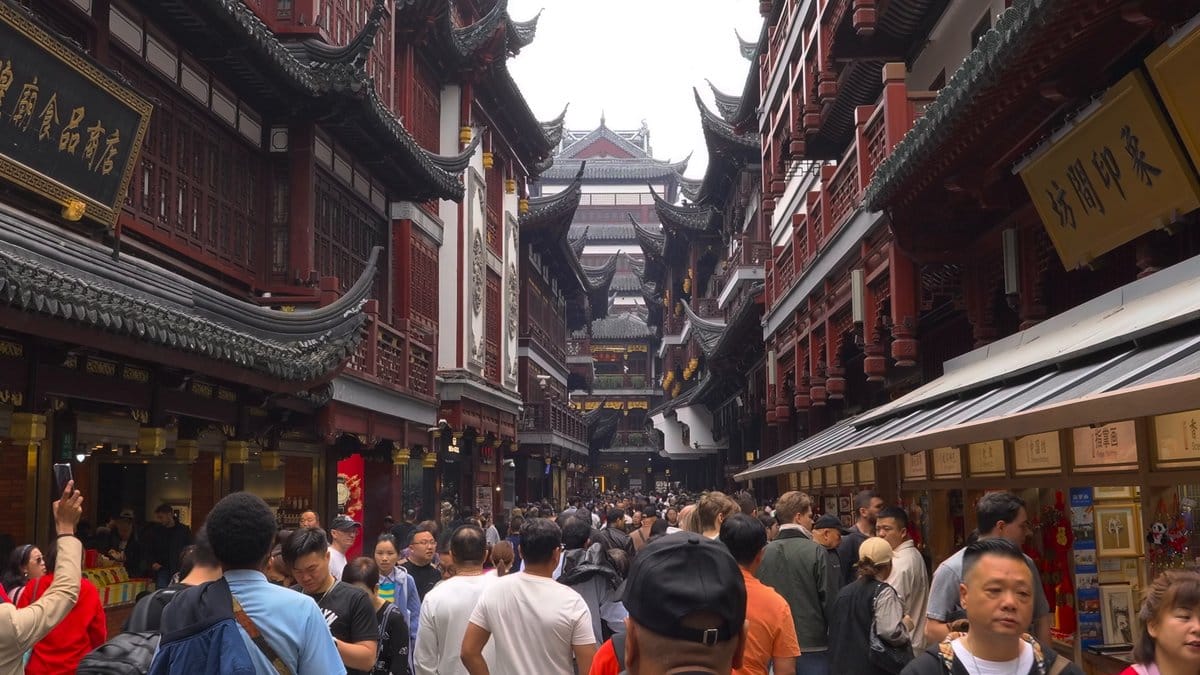
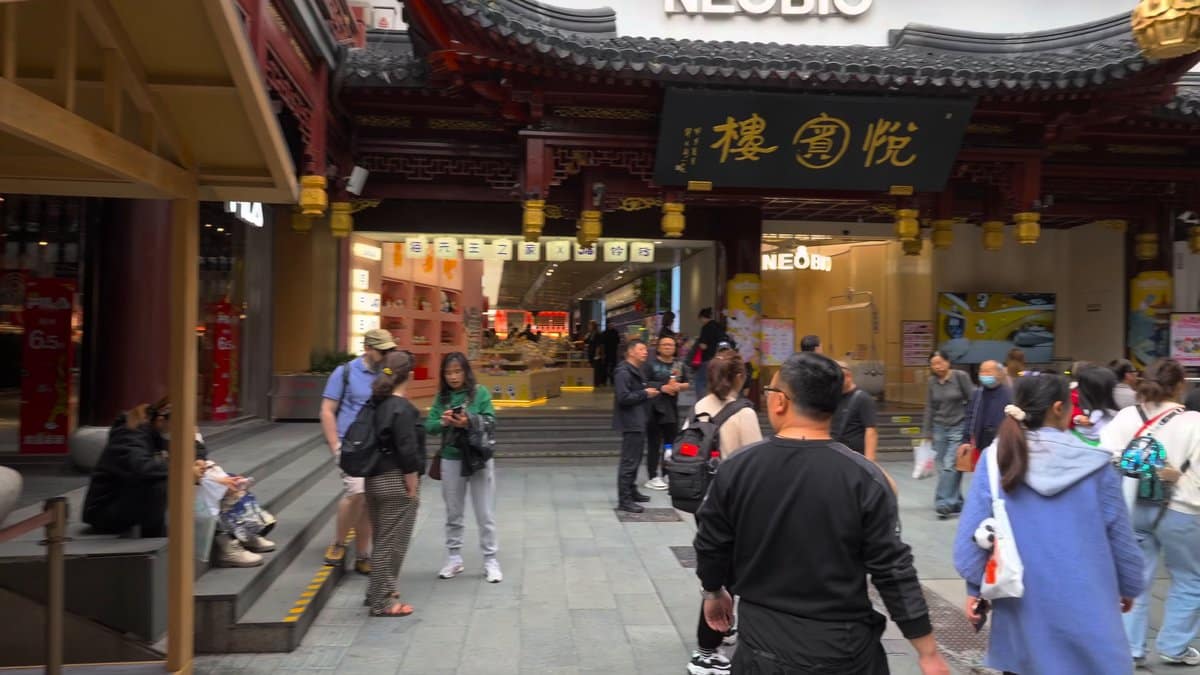
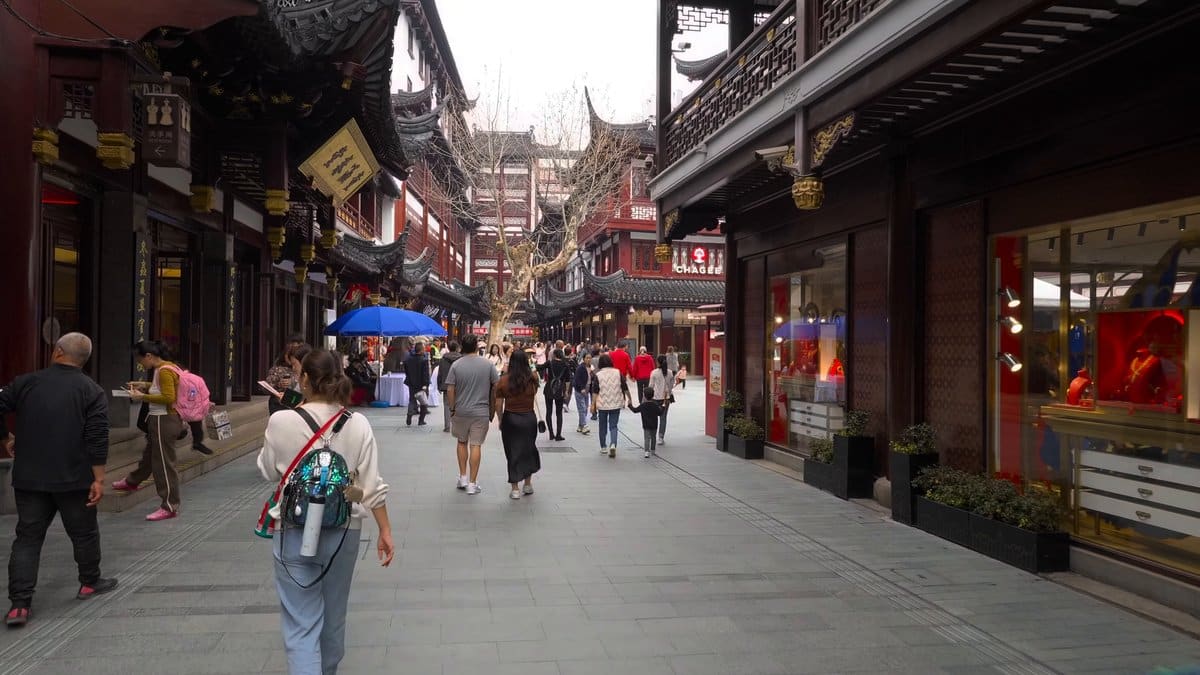
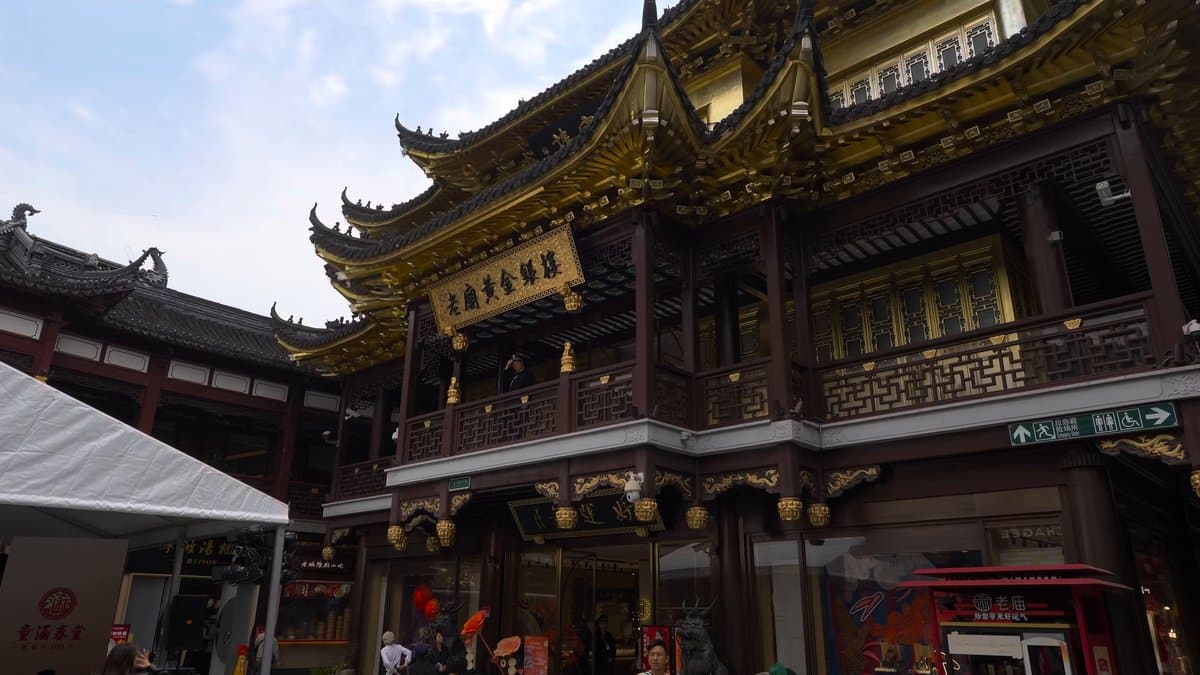
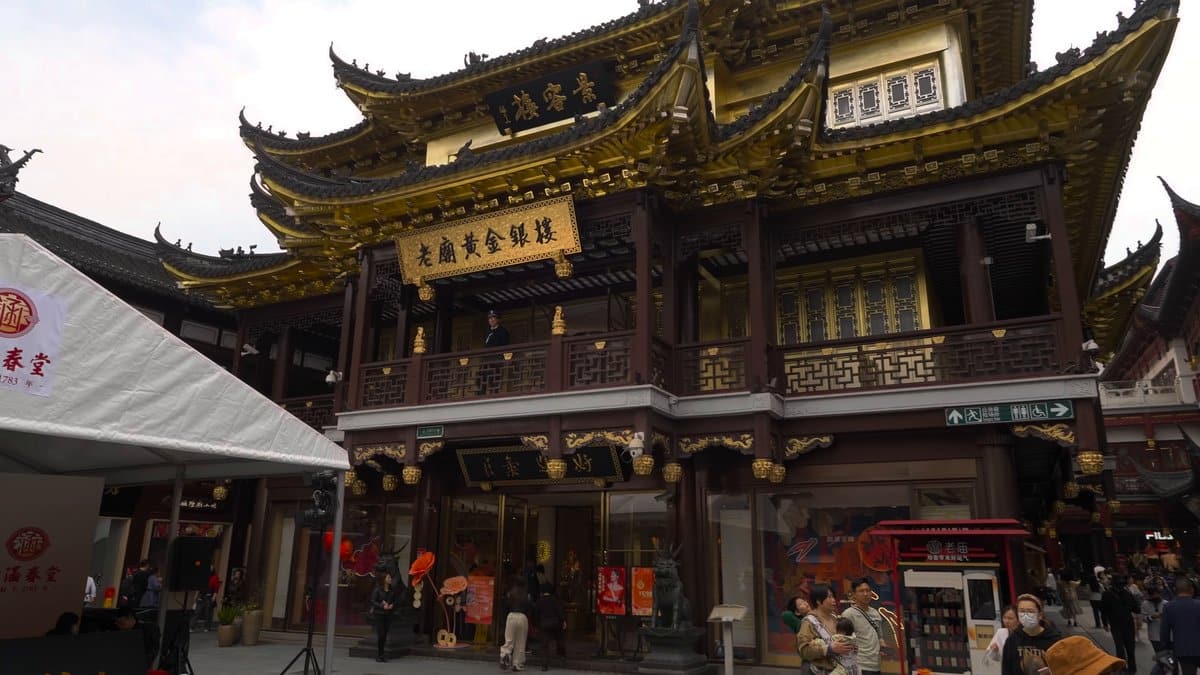
Standstill crowded. At peak times. Everyone gets funneled into the garden entrance via those lanes, and there’s not much you can do about the bottleneck.
But part of the experience is the density. It’s not a heritage walk in the calm sense; it’s a working market that just looks like a period film set.
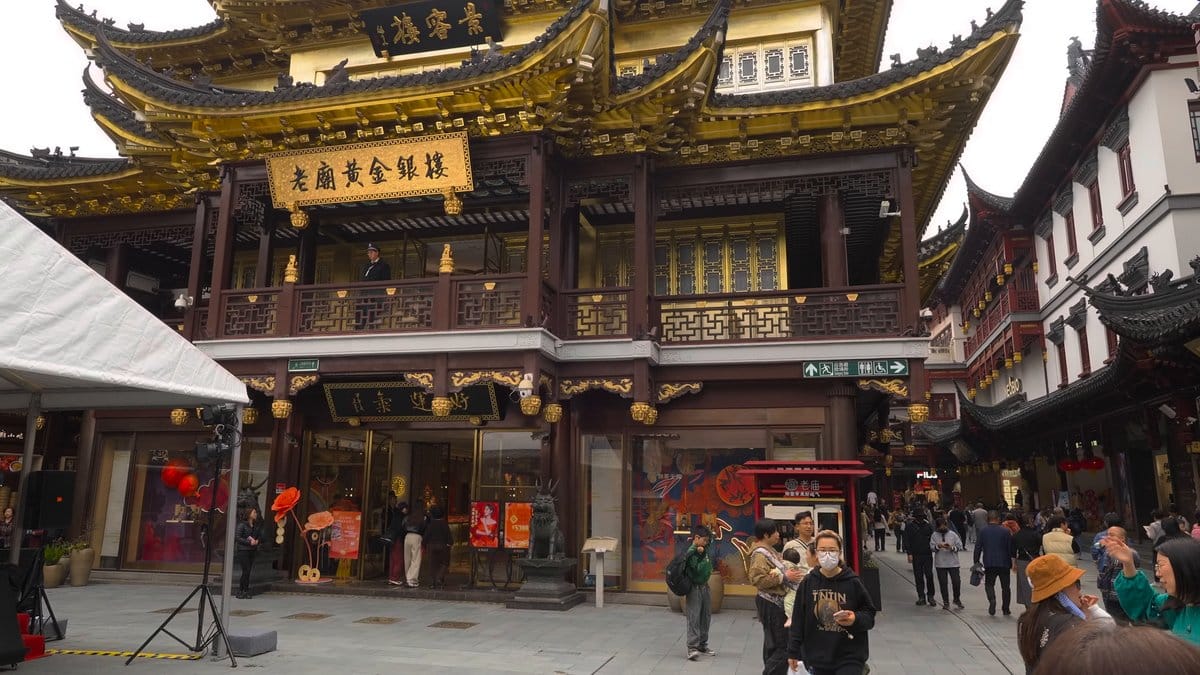
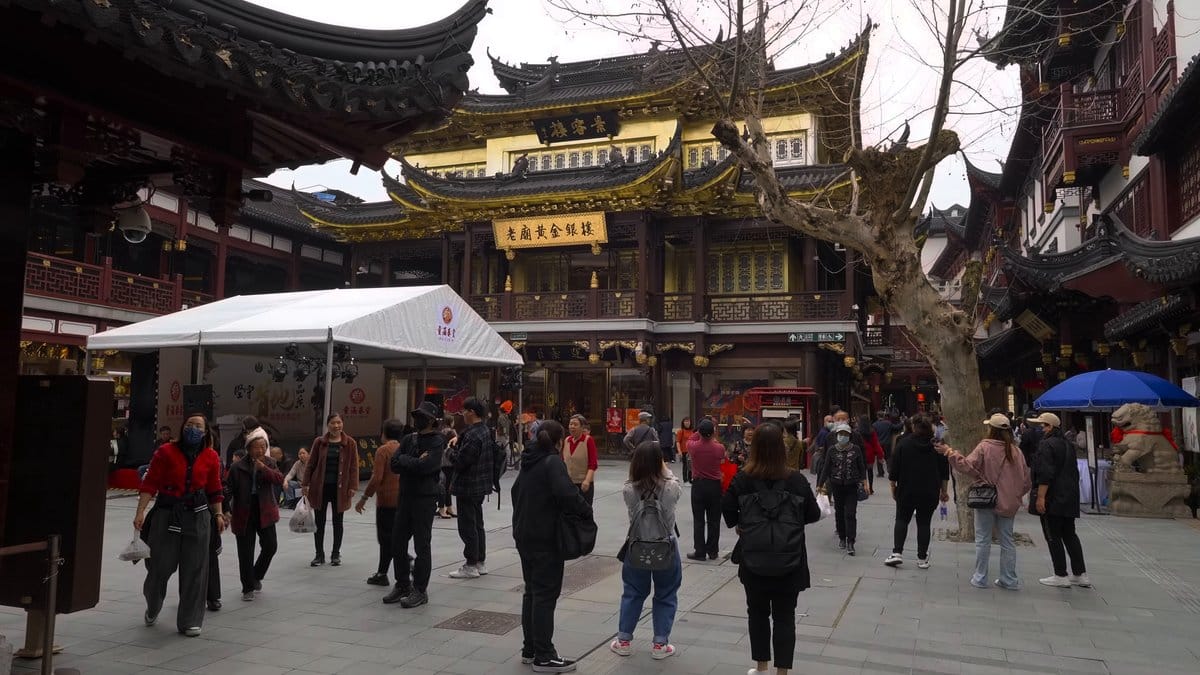
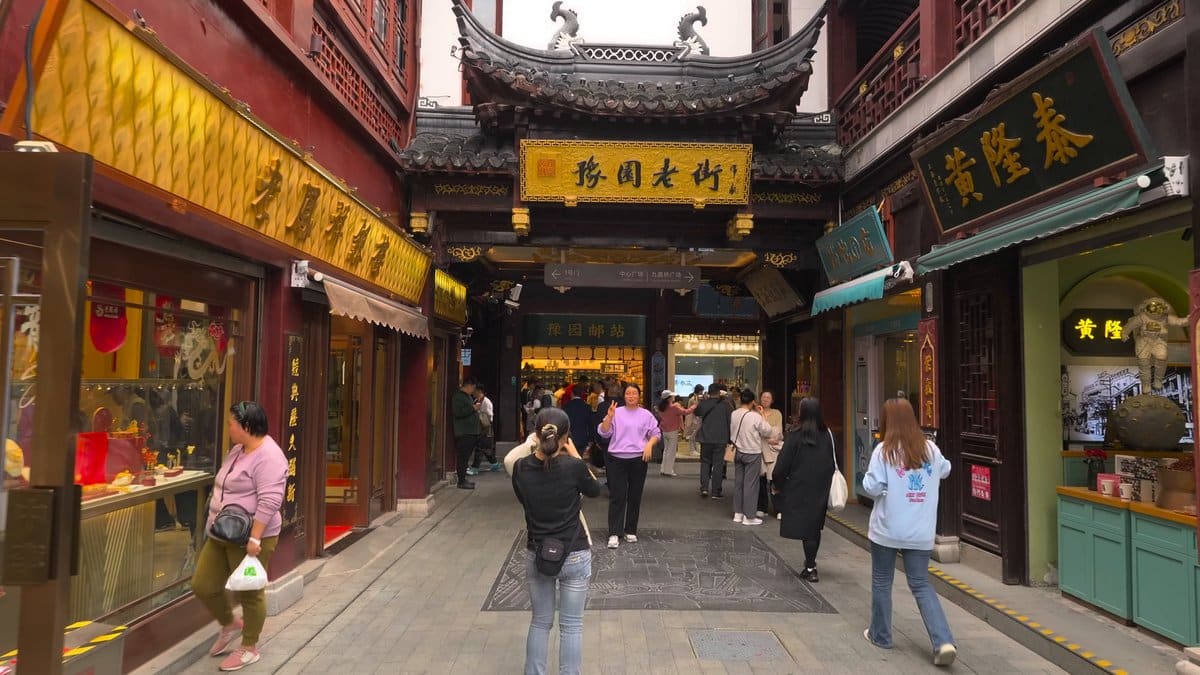
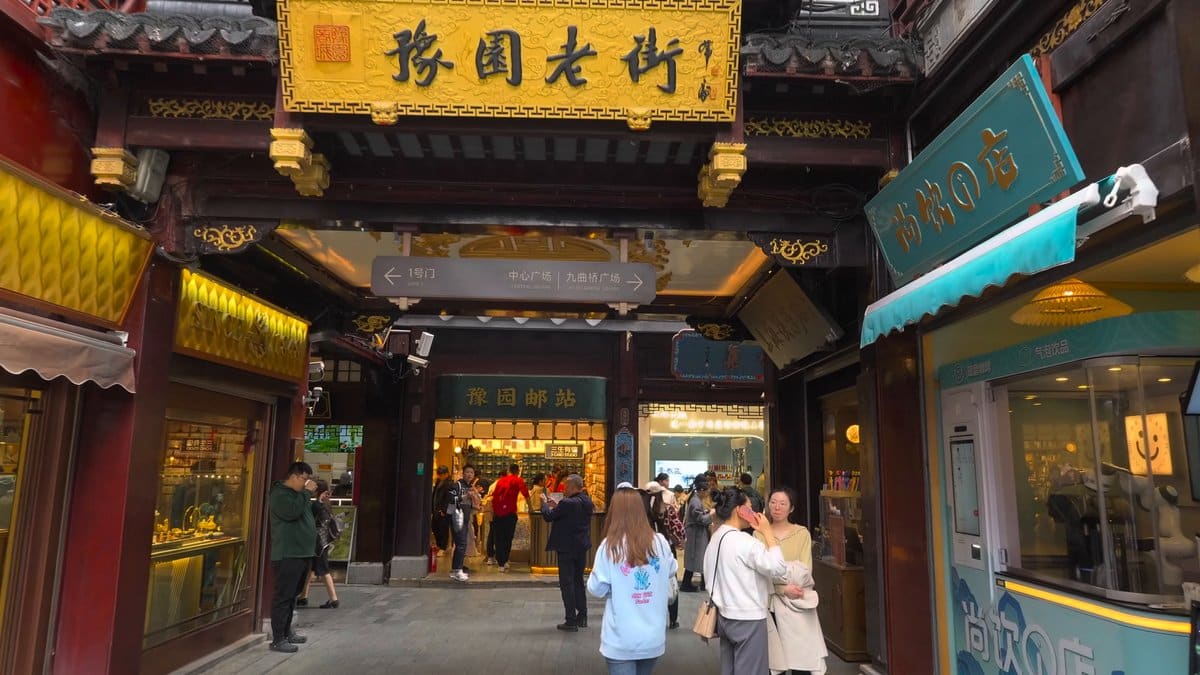
The festival calendar and seasons dictates a changing set of decorations. Banners, lanterns, and temporary stalls adds yet another layer of clutter to already busy streets. One of the main approaches is marked by its lion-mask gateway.
However, you can enter from multiple points, and the bazaar sprawls out in several directions.

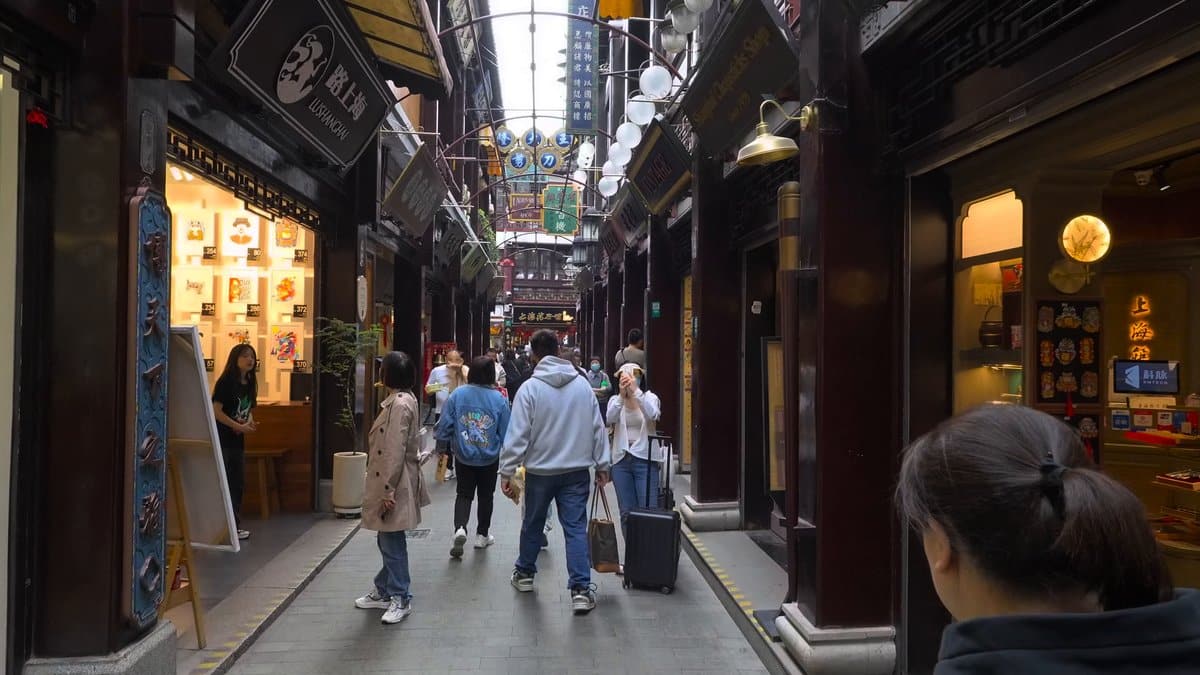
One of the quieter corners features a glass-and-chrome robotic coffee kiosk. It is jarring alongside the pavilions, but well used. Even the more sedate side streets off the main drag are full by midday.
They provide a much-needed couple of minutes’ break.
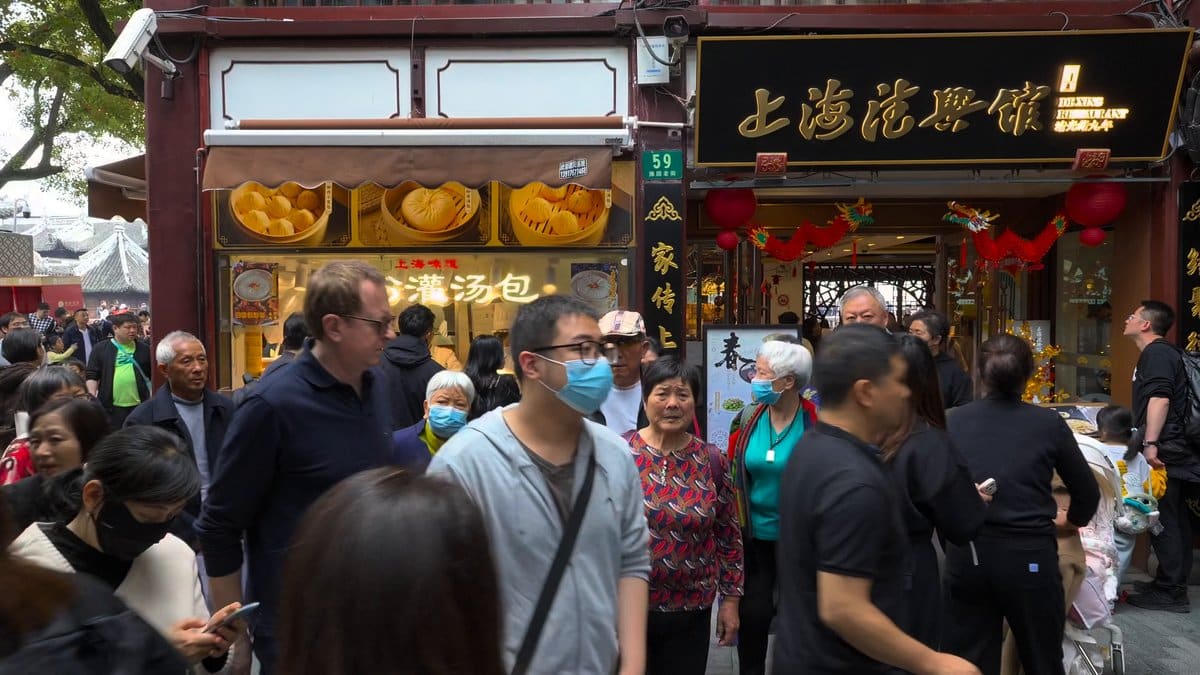
Outside the garden’s gates is a concentration of food stalls. Queues snake beneath their eaves. The most popular vendors pile bamboo steamers stacked high with xiaolongbao.
Be prepared to queue, particularly during lunchtimes. dumplings is good but nothing that stands out from the rest of the city.
The Garden and Pond
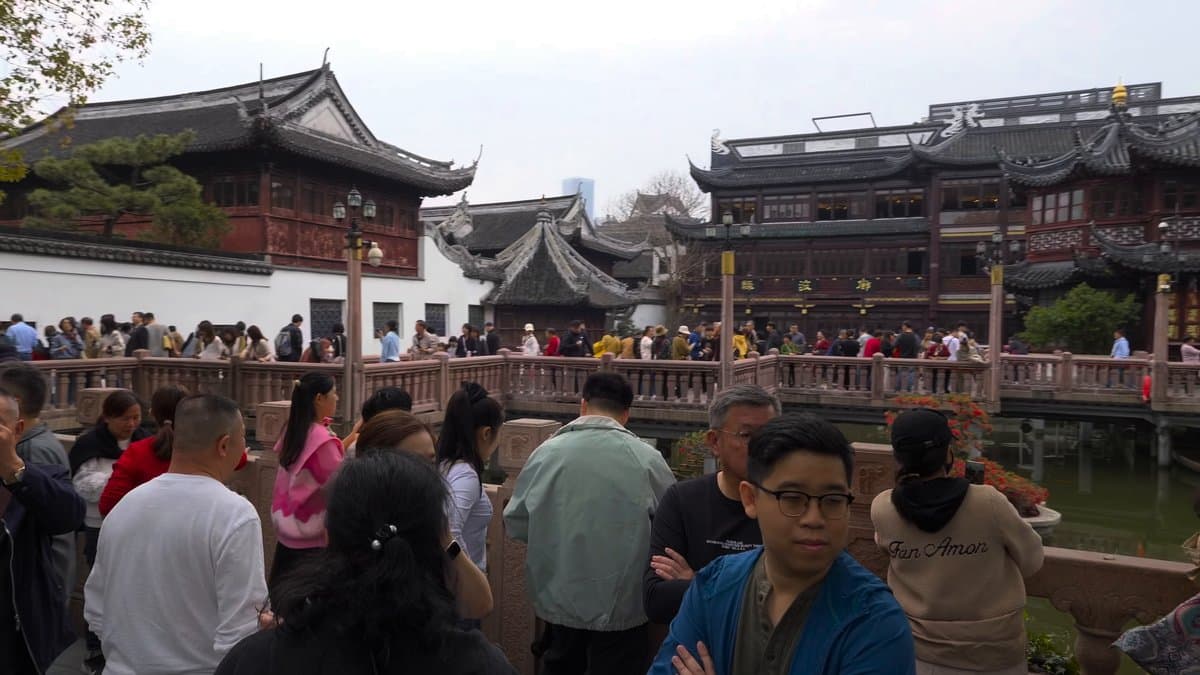
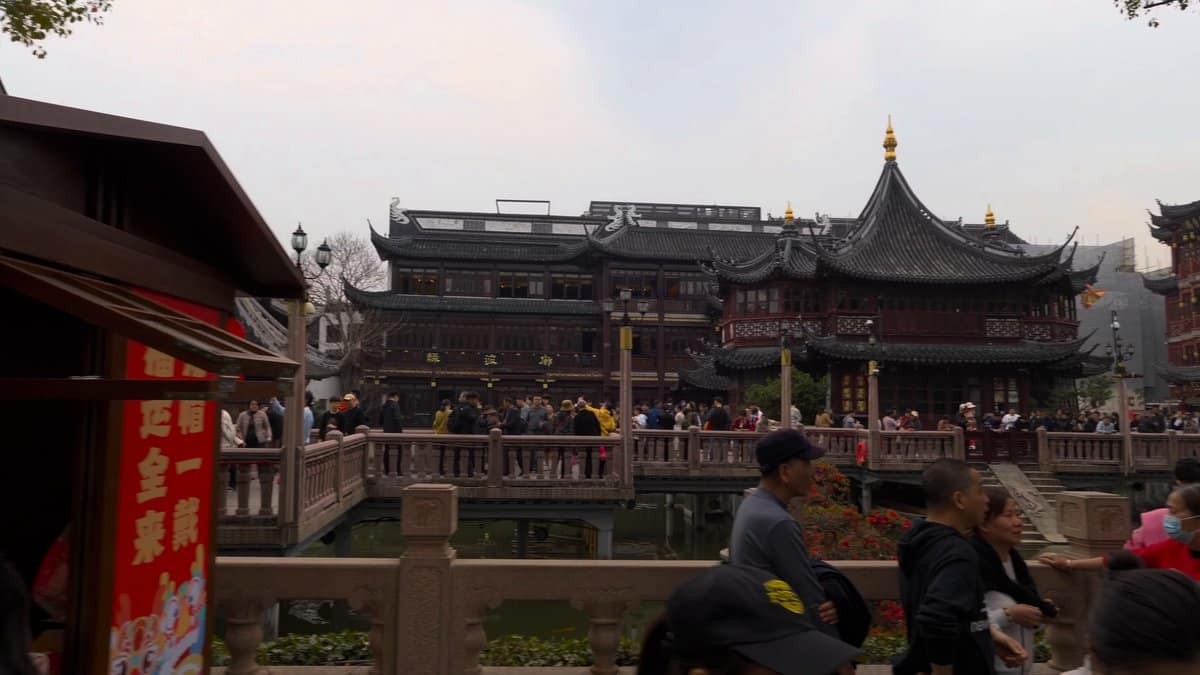
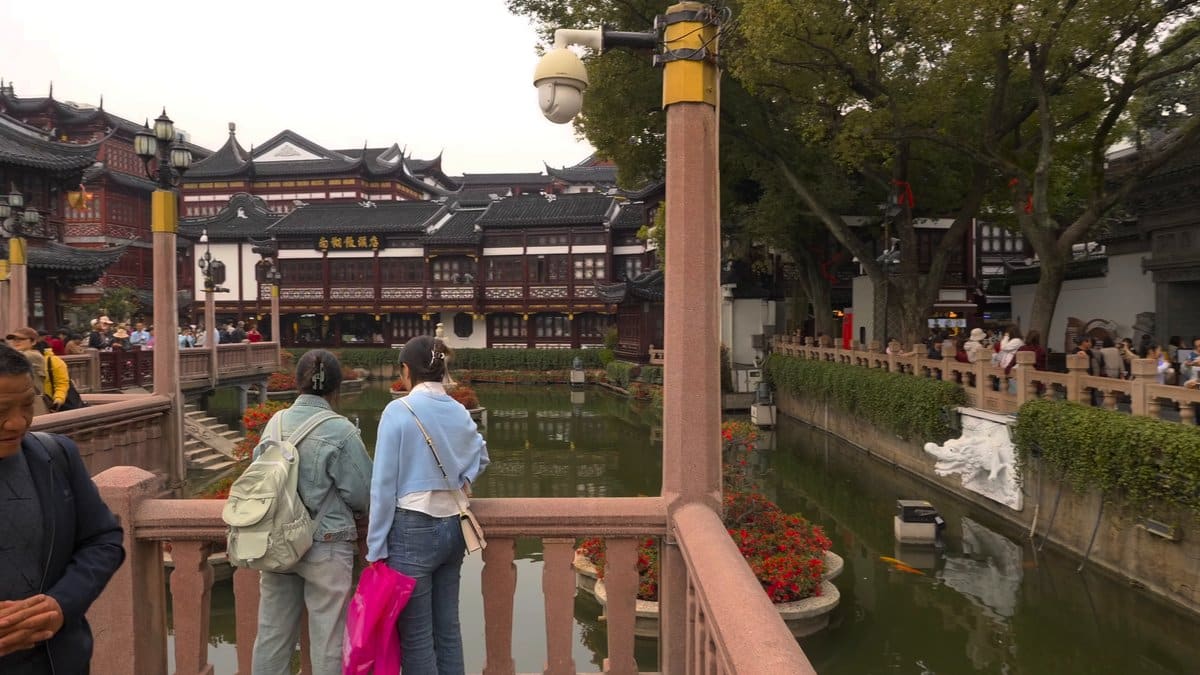
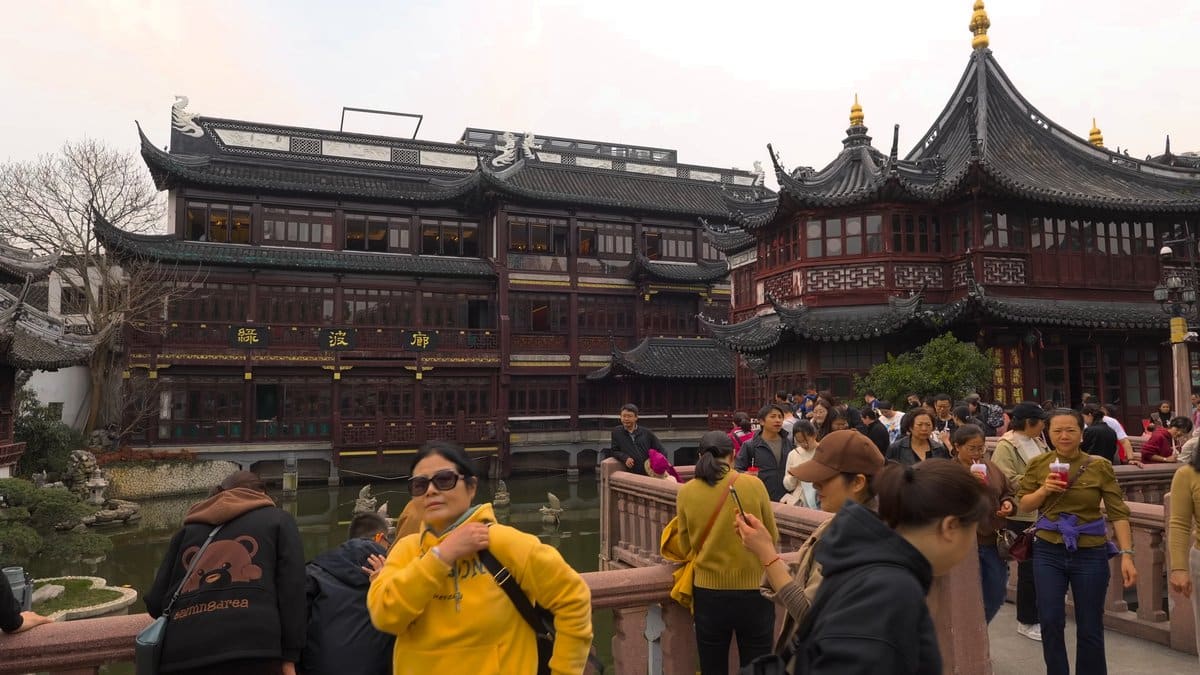
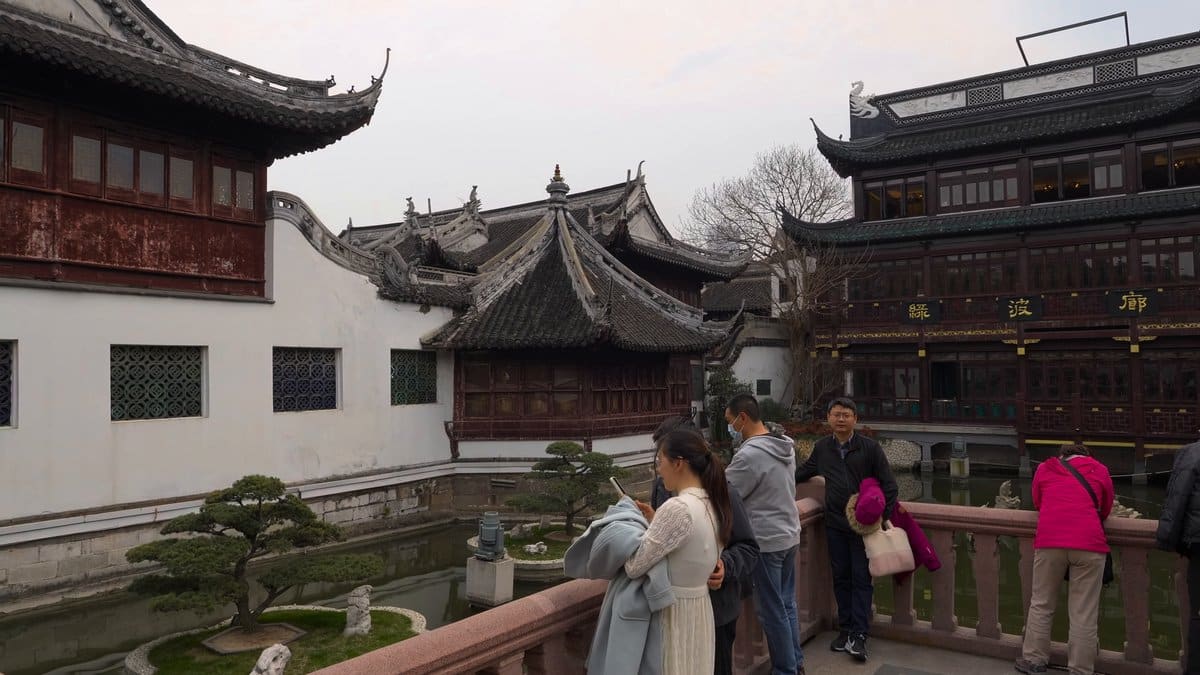
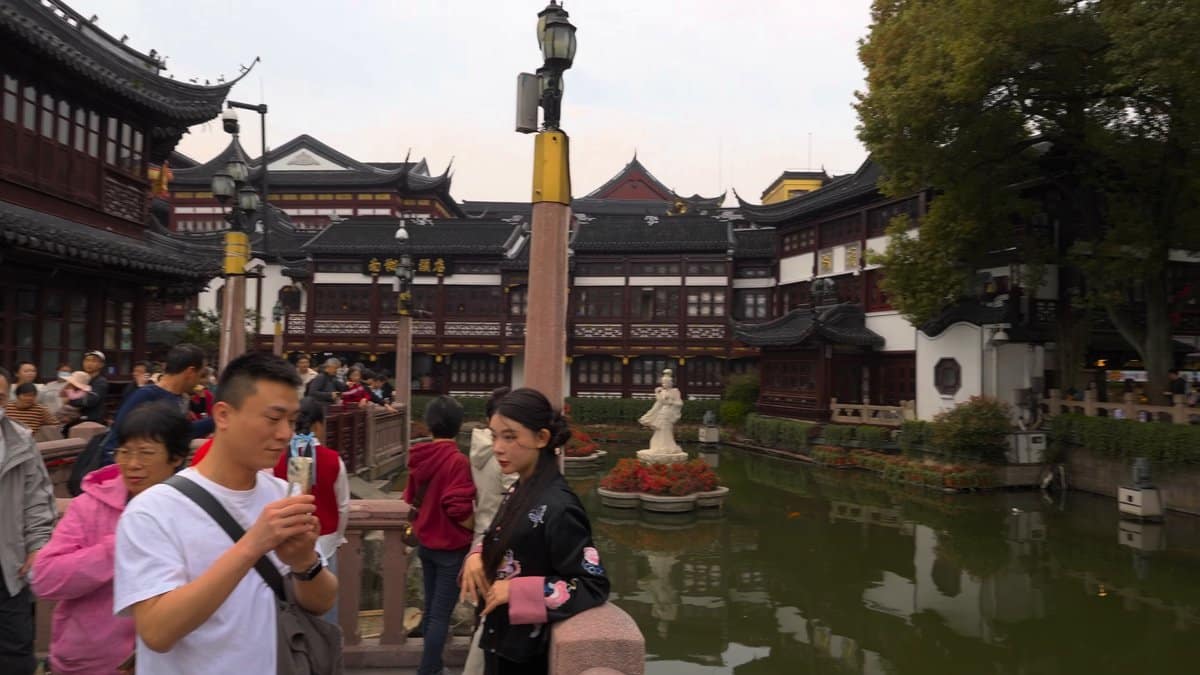
Beyond the ticket gate is the real deal, where the sound level subsides and the area spreads out around a central pond. Bridges and walkways connects pavilions that have sprung up from its waters. The design follows classical Suzhou principles: thoughtfully arranged trees, rockeries, and sight lines that gradually unfold as you traverse the property.
It is small (you can cover the entire place in twenty minutes), but it is made to seem bigger by how it’s laid out.
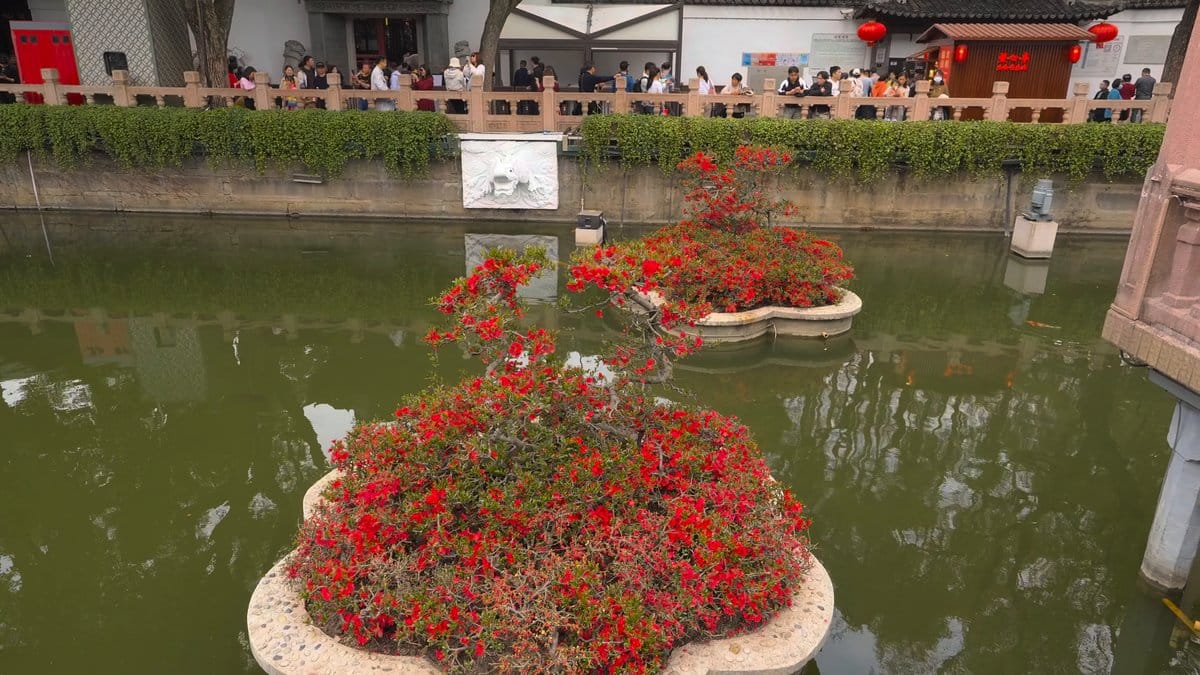
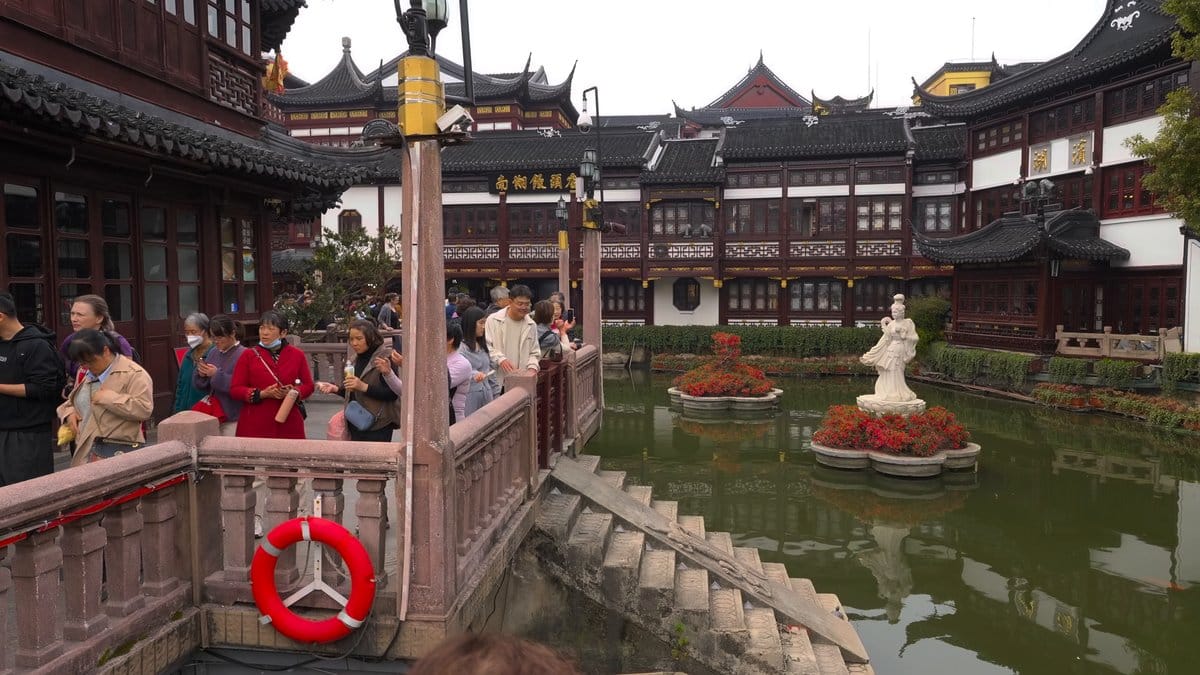
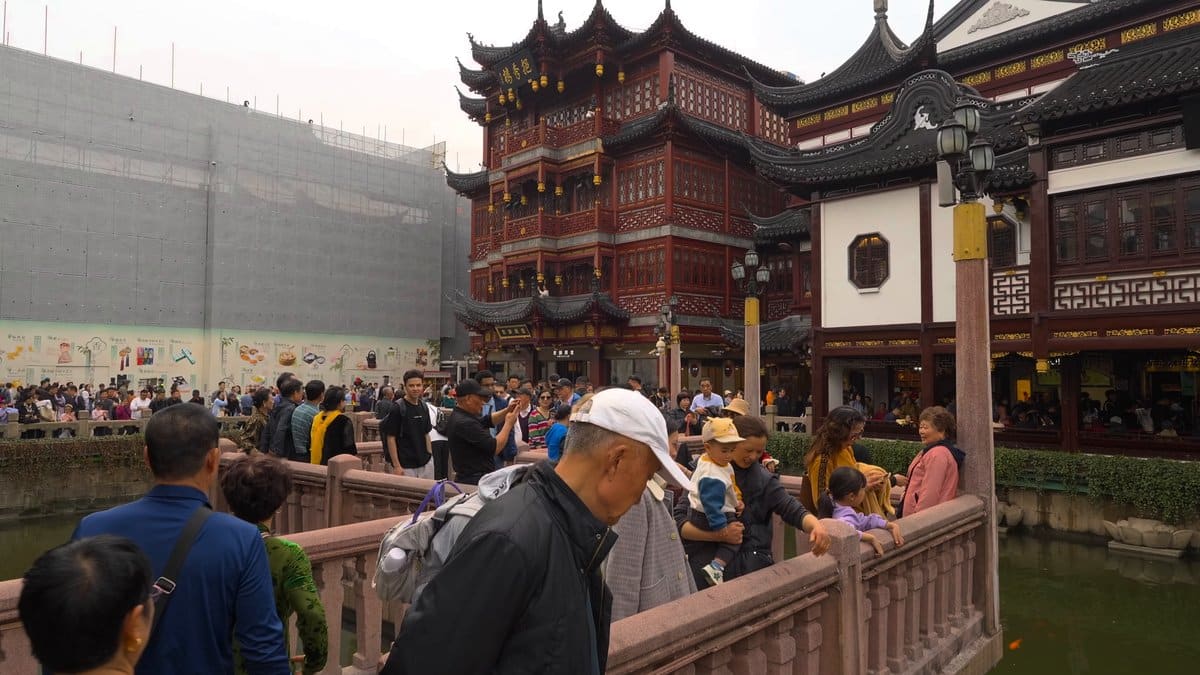
The zigzag bridge is the most photogenic. Supposedly designed to thwart evil spirits (which can’t move in a straight line), it crosses sharply angled through the middle of the pond. In practice, it slows foot traffic and spreads people out.
Azaleas float on the water’s surface in spring; koi swim beneath. You’ll have to be patient to cross it without getting jostled, and it gets packed.
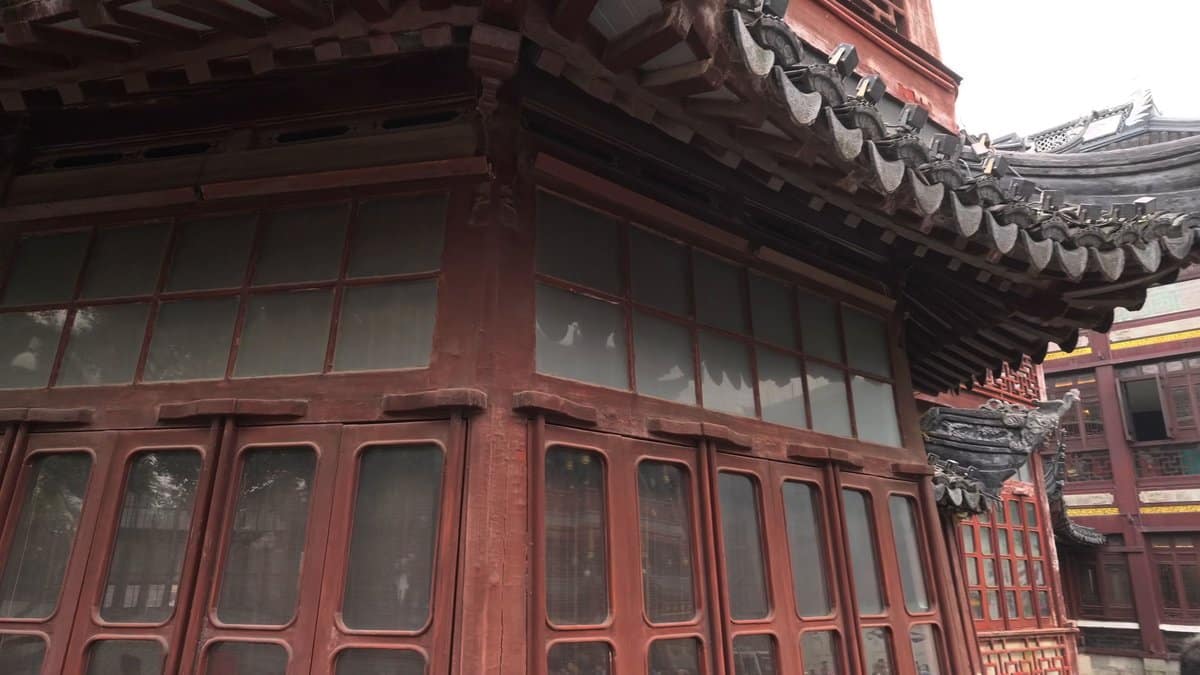
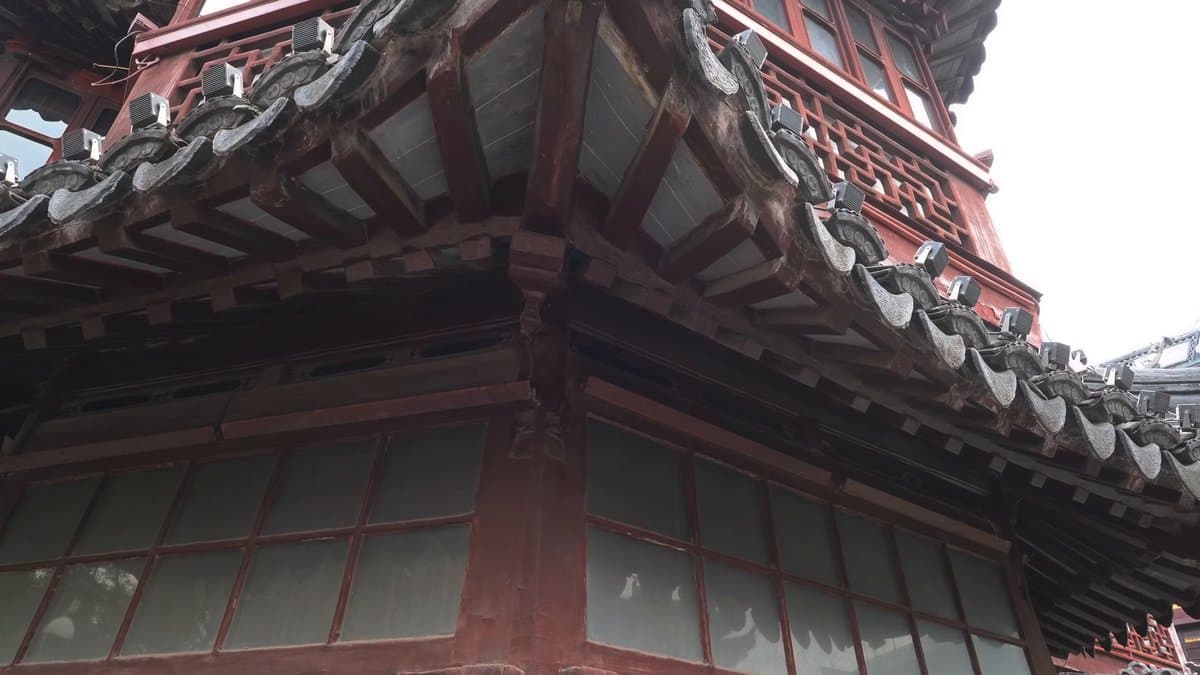
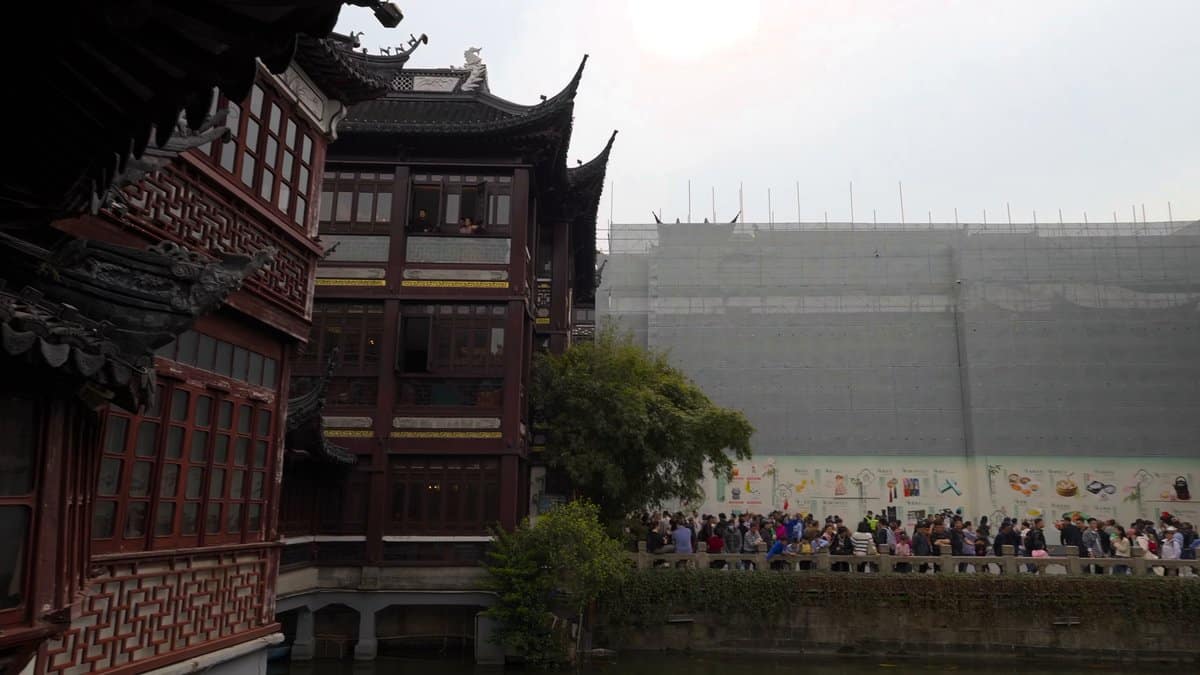
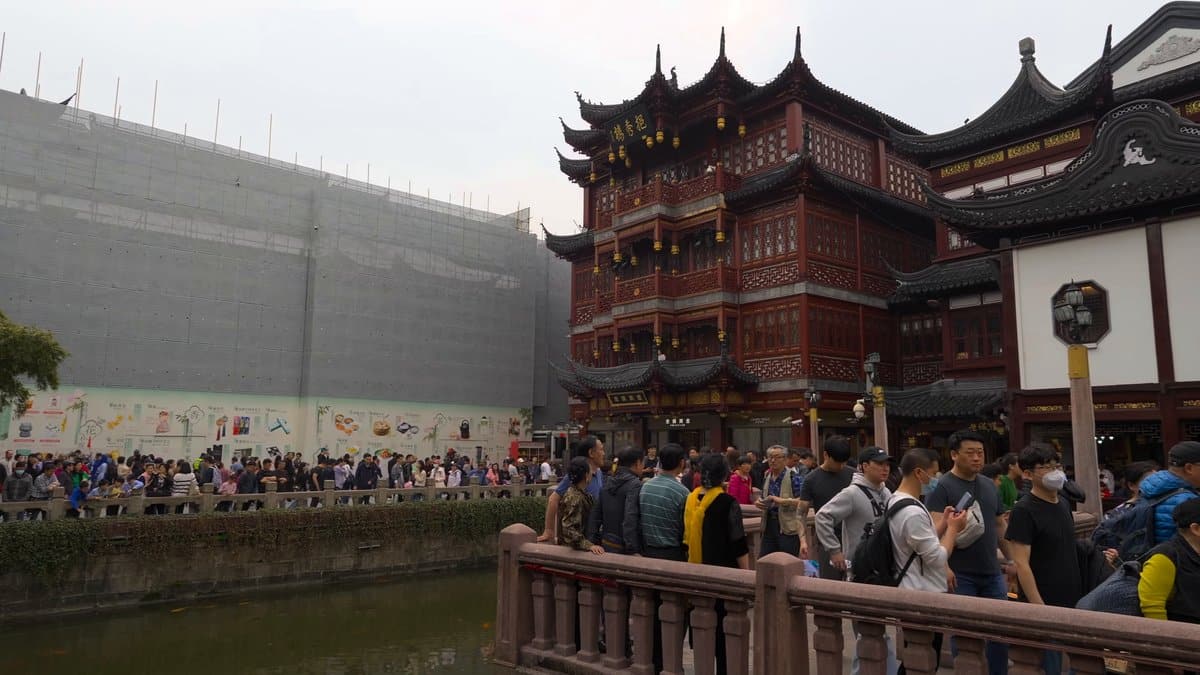
The pond’s rim features timber fronts and lattice windows, but these has been partially screened off as they continue to be repaired. Everywhere, there appears to be work-in-progress: parts of the garden are always undergoing renovation, and construction sheeting is a constant reminder. At the far end of the bridge is another major landmark, the teahouse pavilion, which has its own waiting list (or better luck).
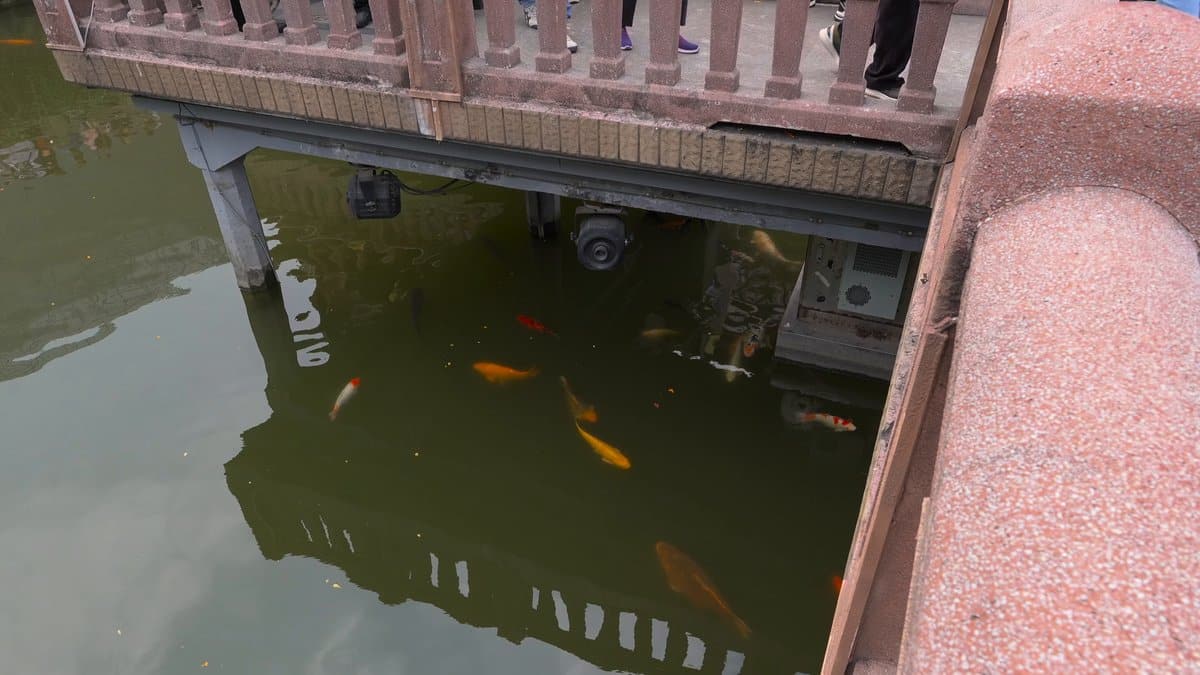
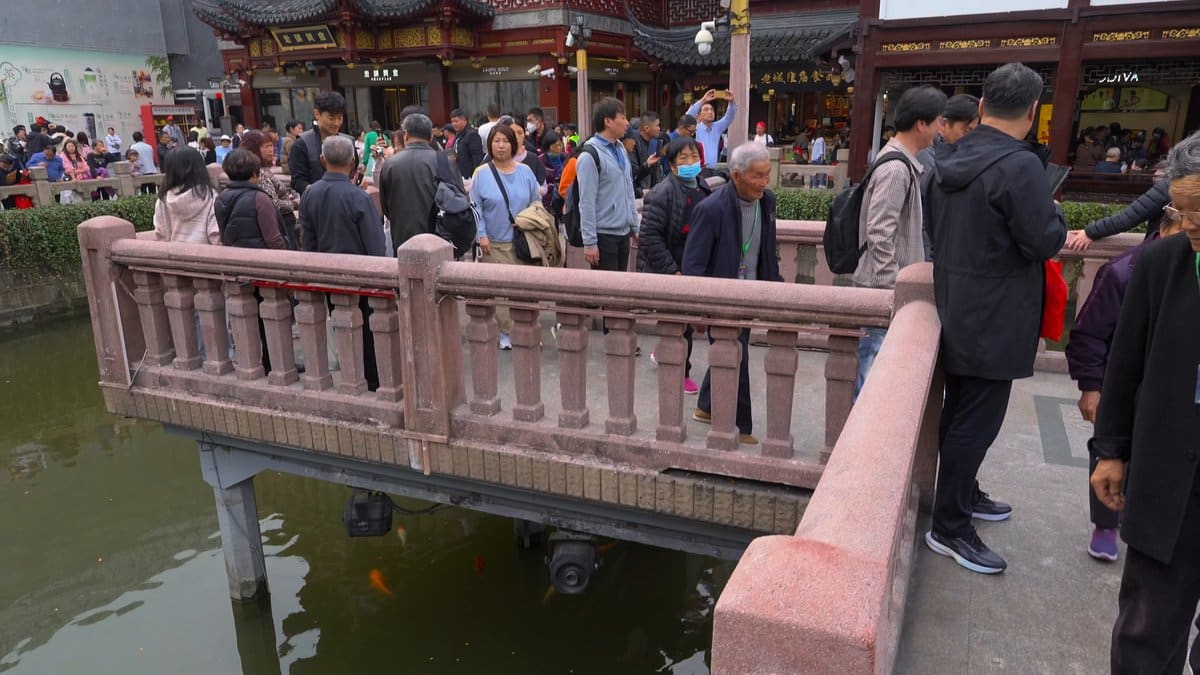
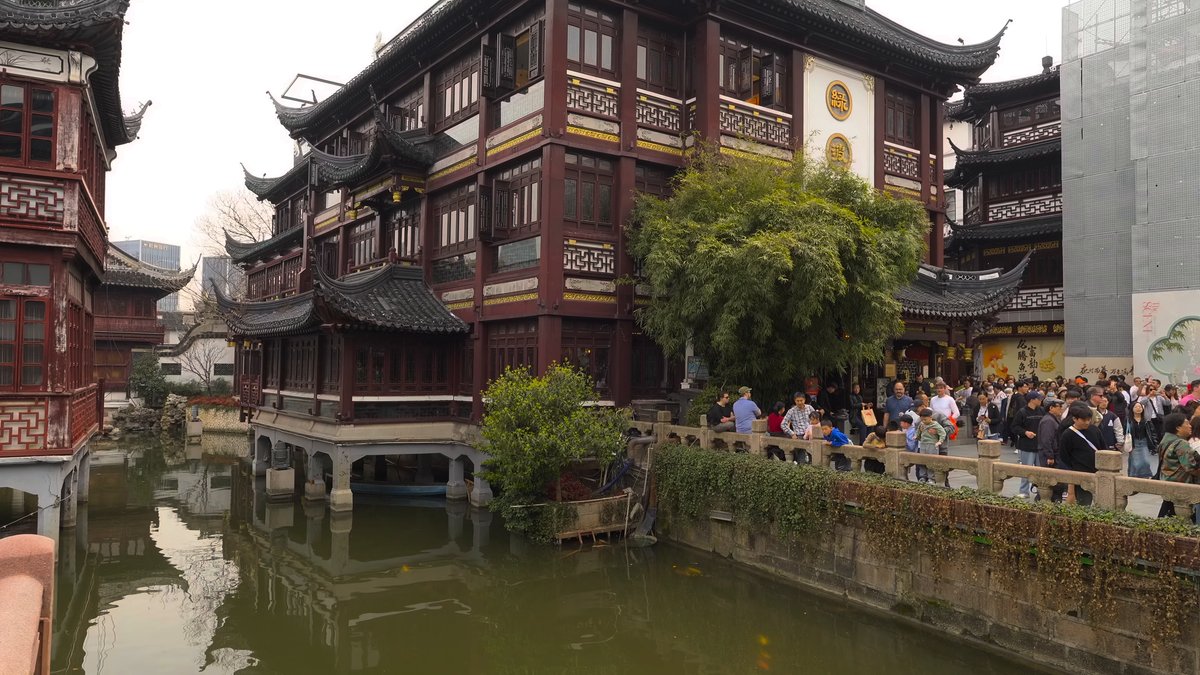
The buildings behind loom in layers; willow branches dangle into the pond, and there are koi everywhere. Bold and big, accustomed to being hand-fed by guests. It’s not a pristine, untouched garden.
It has been renovated, expanded, and rebuilt many times, but its bones is those of the original design. That design still dictates the layout.
Beyond the Bazaar
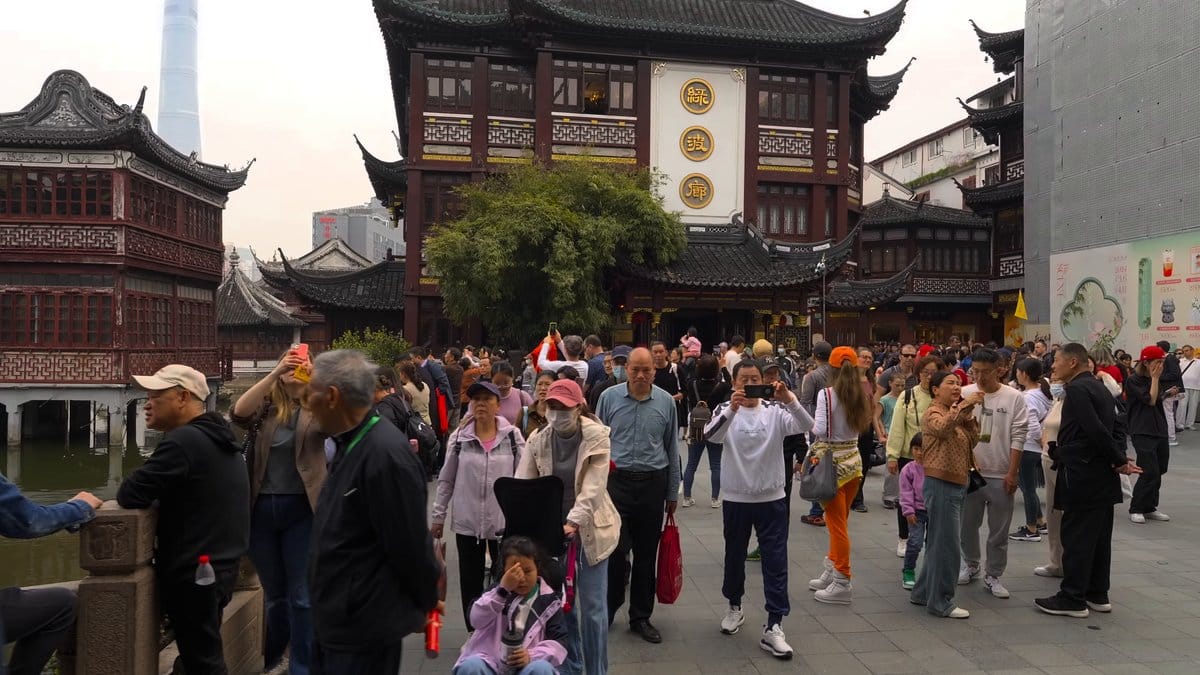
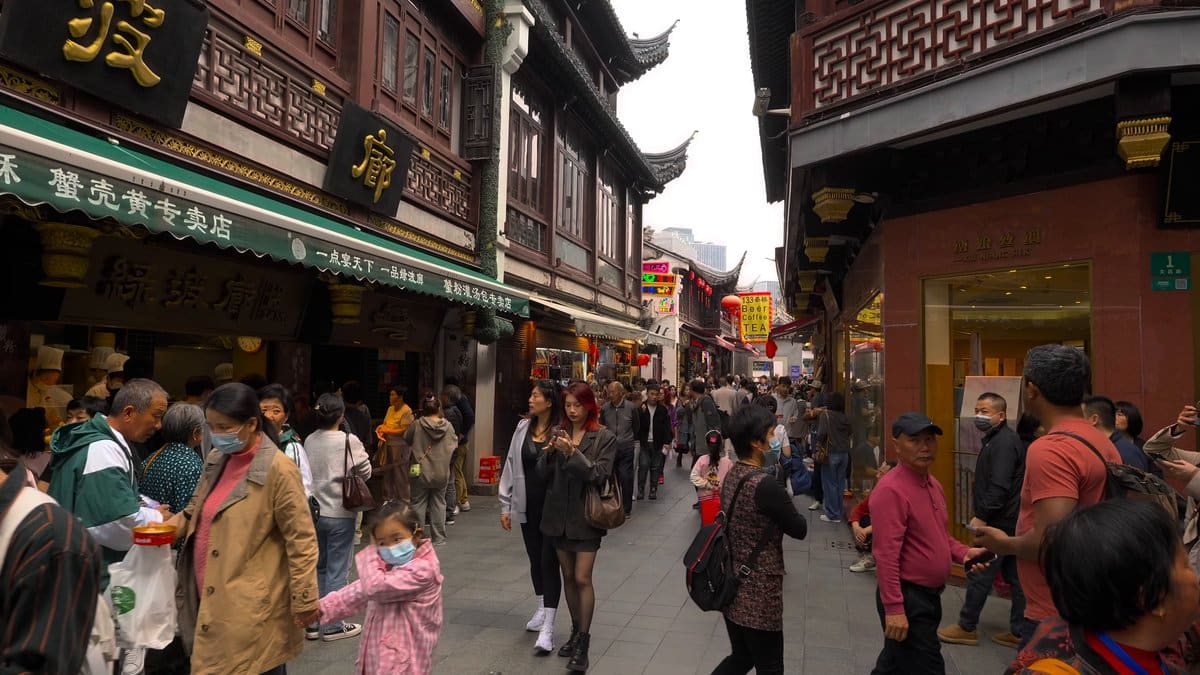
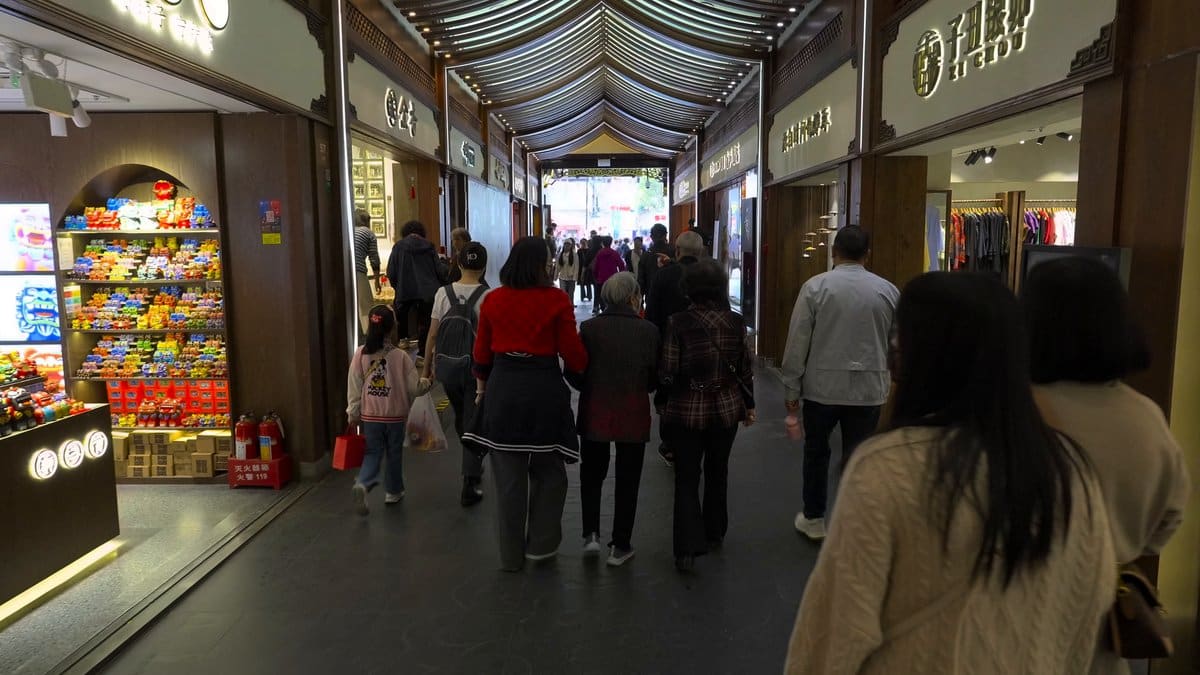
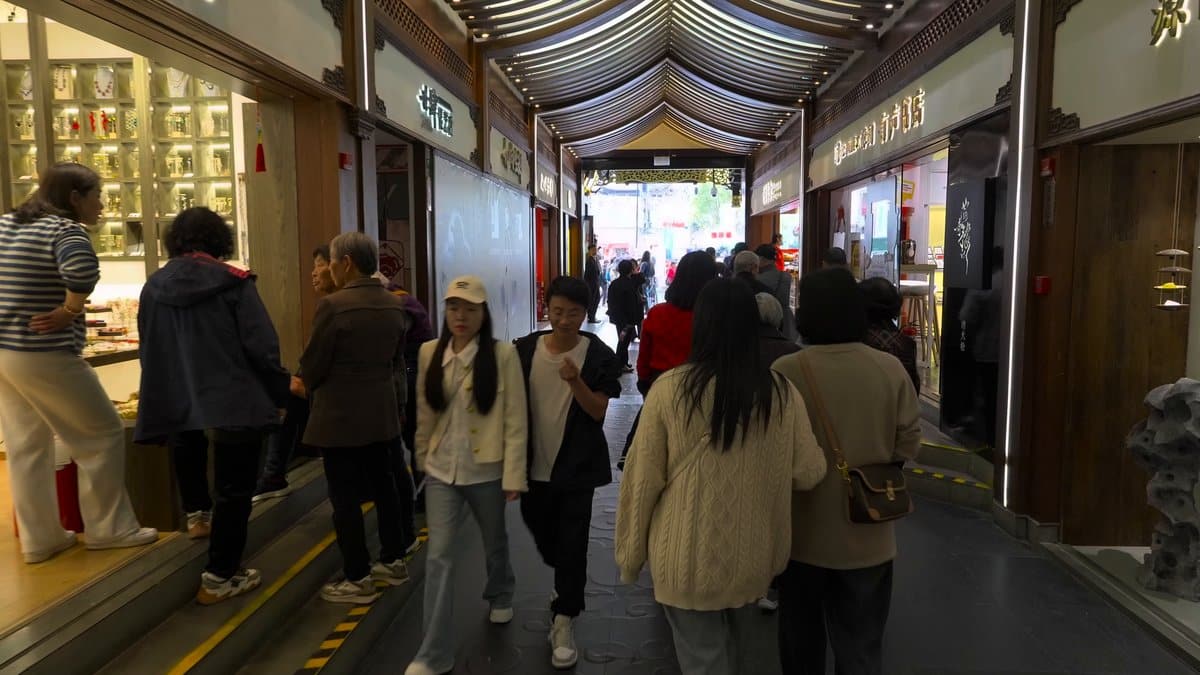
More arcades and shops can be found in the streets that branch off from the central bazaar (some are newer and air-conditioned). Inside these modern arcades are a different type of shopper (fewer sightseers), more people who actualy want to shop. There are the typical chain stores and clothing outlets as well as snack displays.
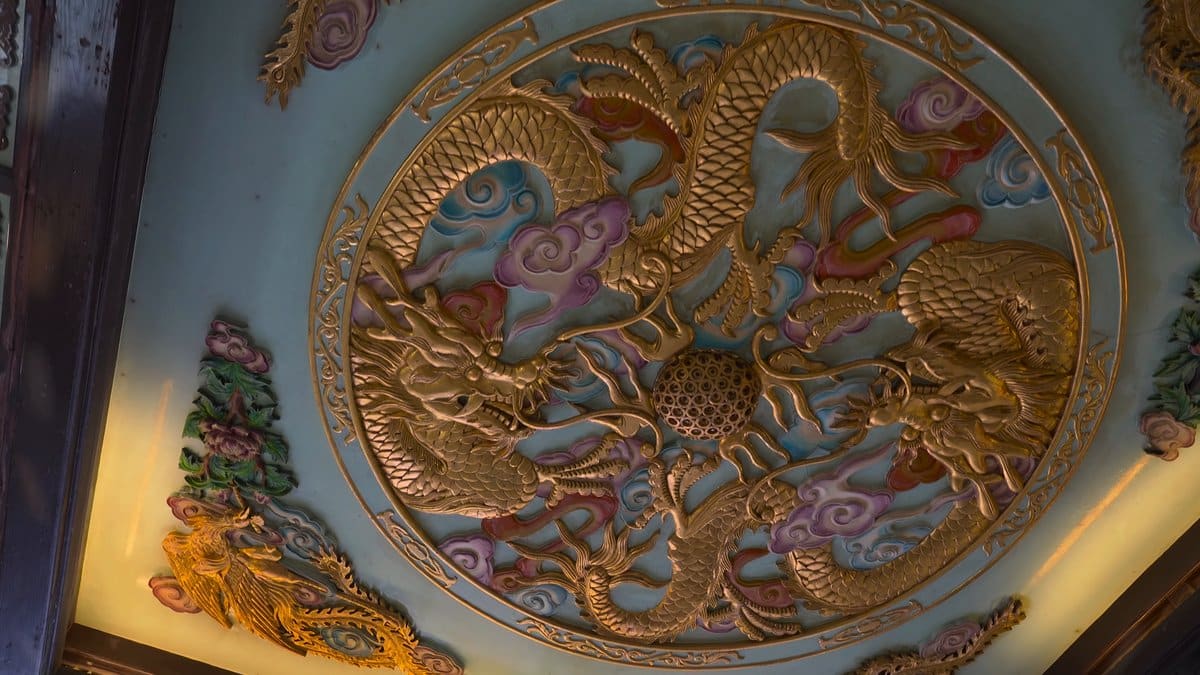
The ceilings is decorated with carved dragons and decorative panels. At least there’s still a visual tie to the older section.
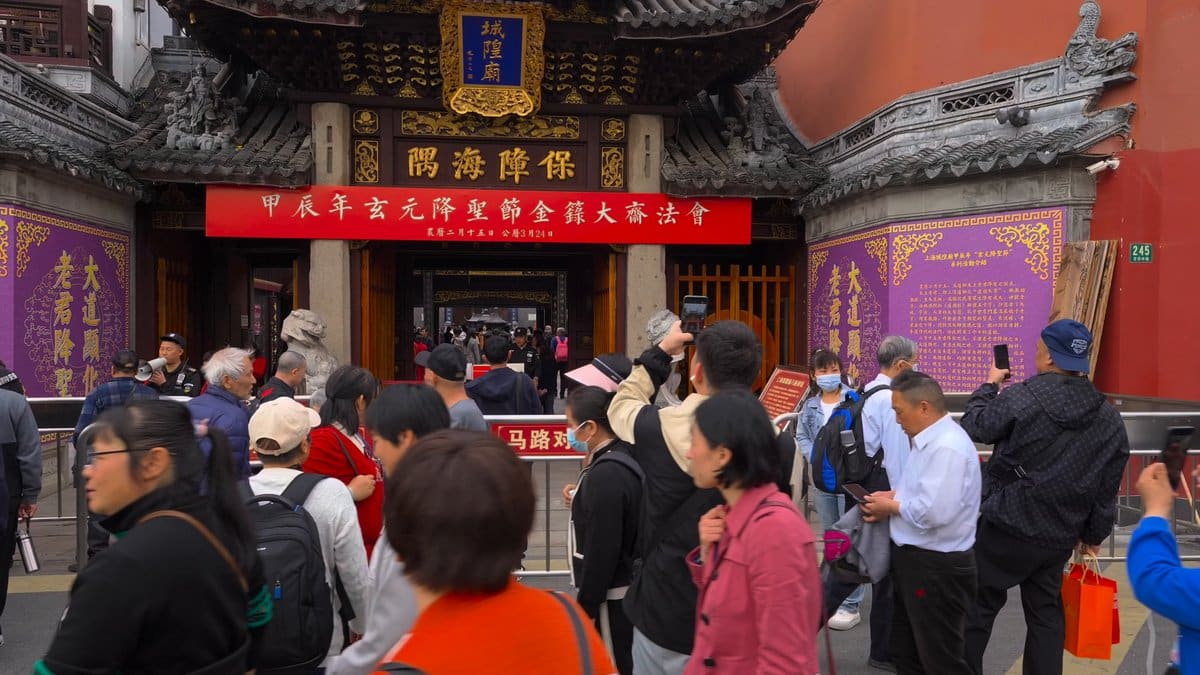
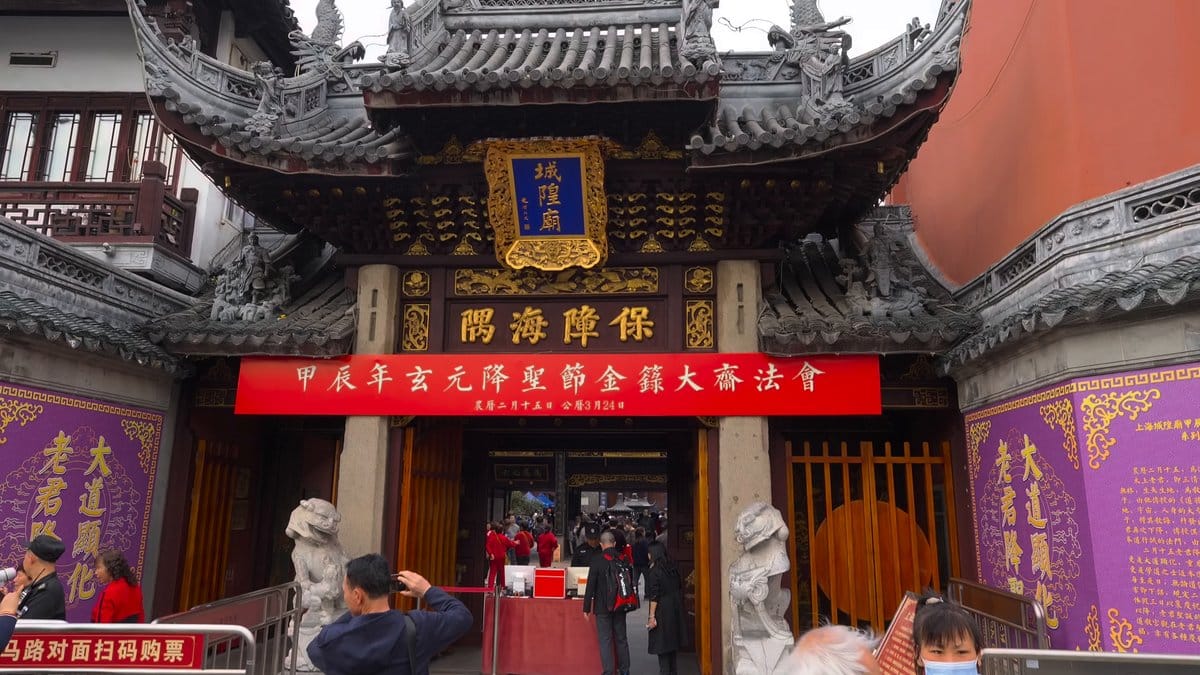
Just outside the core of the bazaar is a temple whose forecourt is usually filled with incense smoke and worshippers. It’s not a museum; it’s a working religious site, and entry is free. The change in atmosphere is clear, this side feels more everyday, less curated.
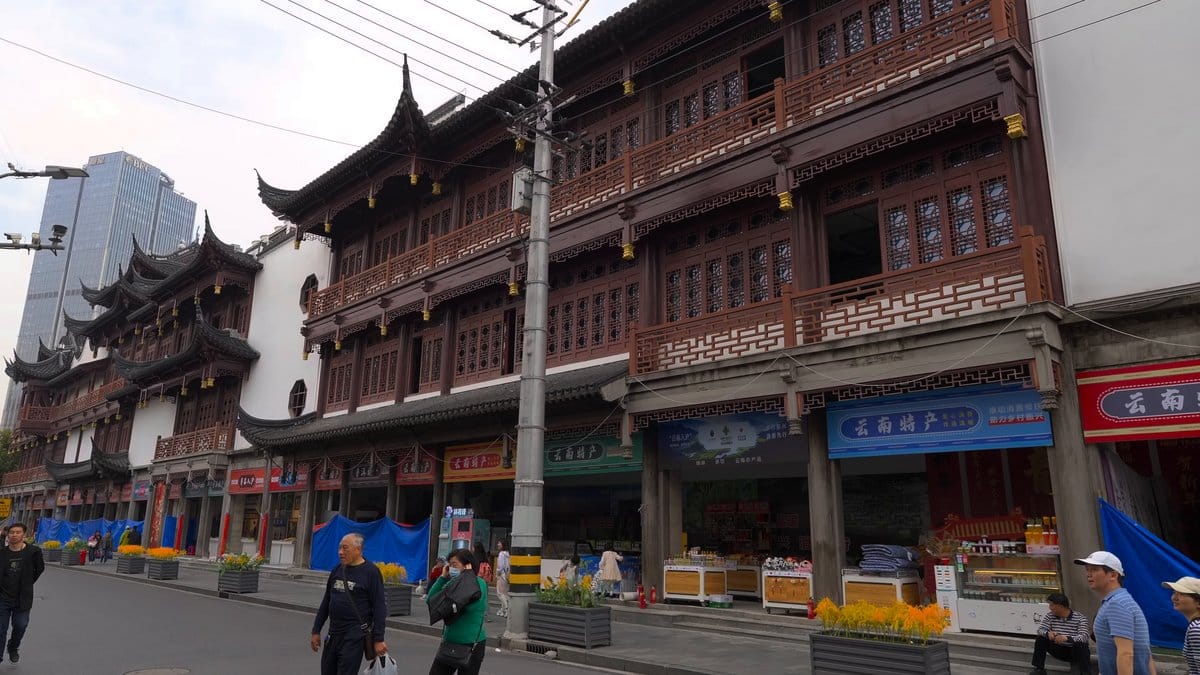
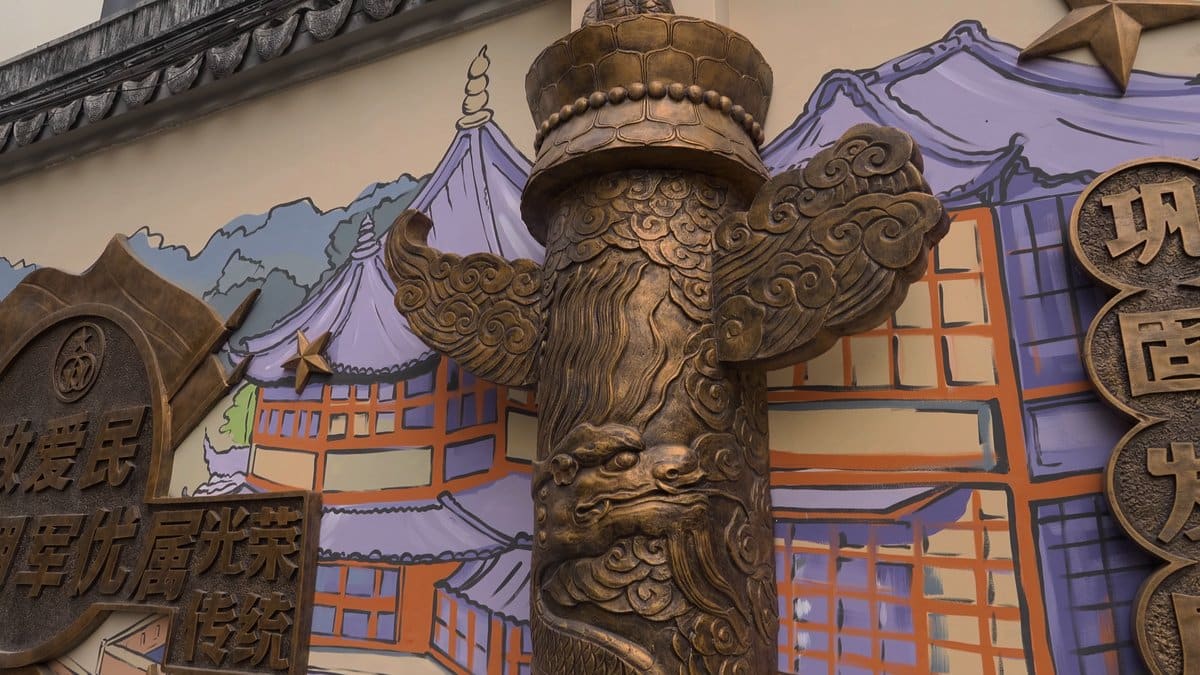
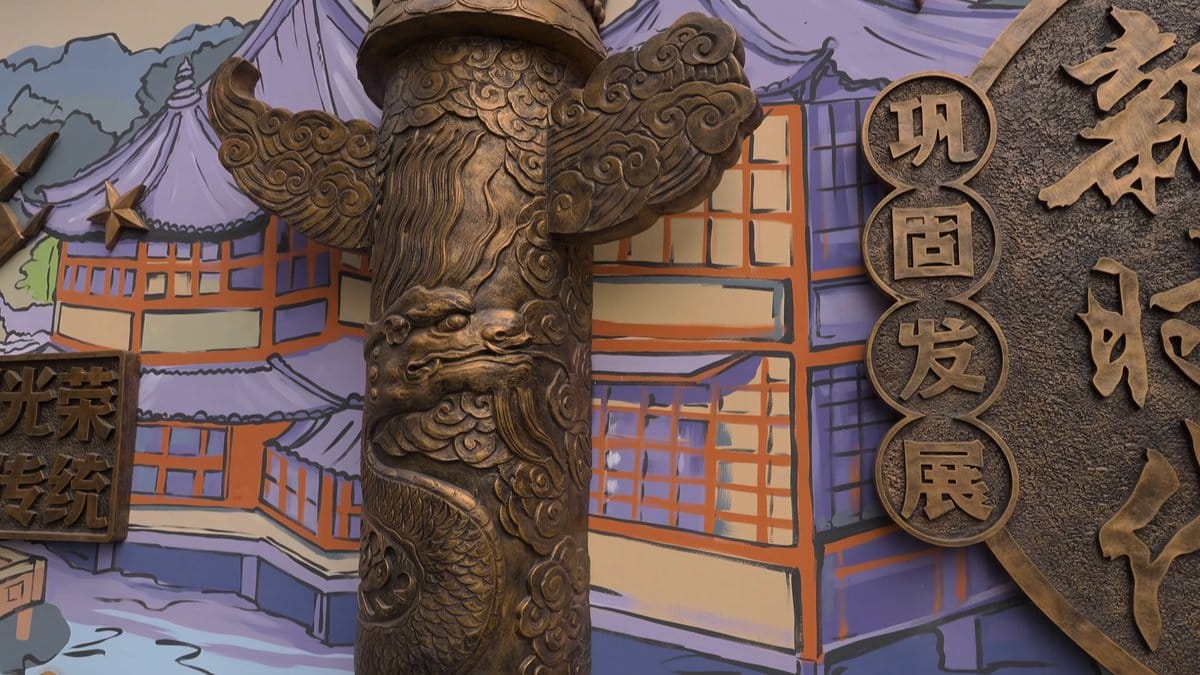
The outside streets are lined with traditional shophouses, some truly ancient and others reconstructed to look like they are. A long bronze relief mural runs along one wall, depicting dragons and historical scenes. If you’re walking around the area it’s easy to miss, but it’s worth a peek.
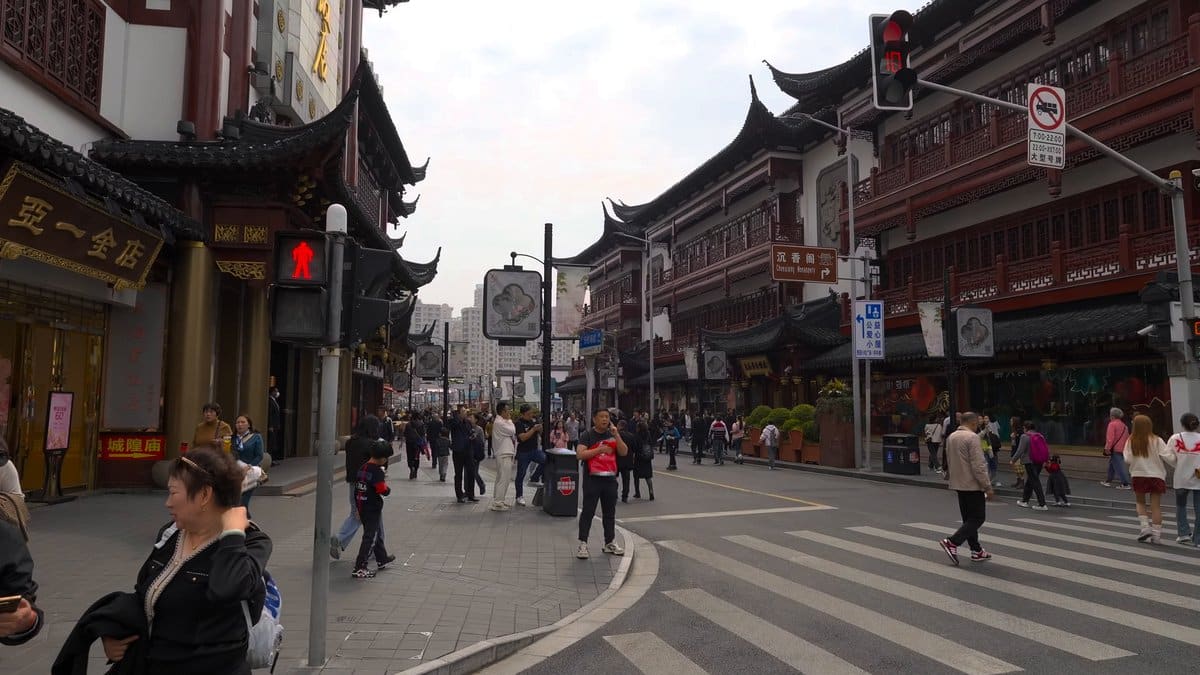
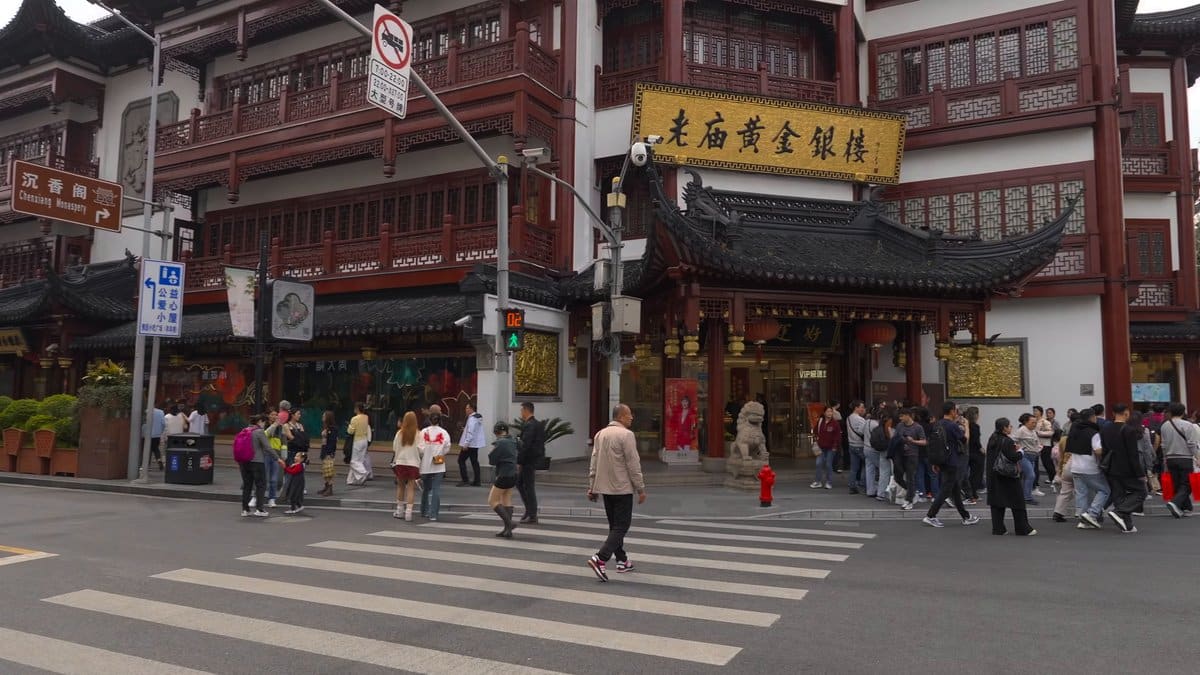
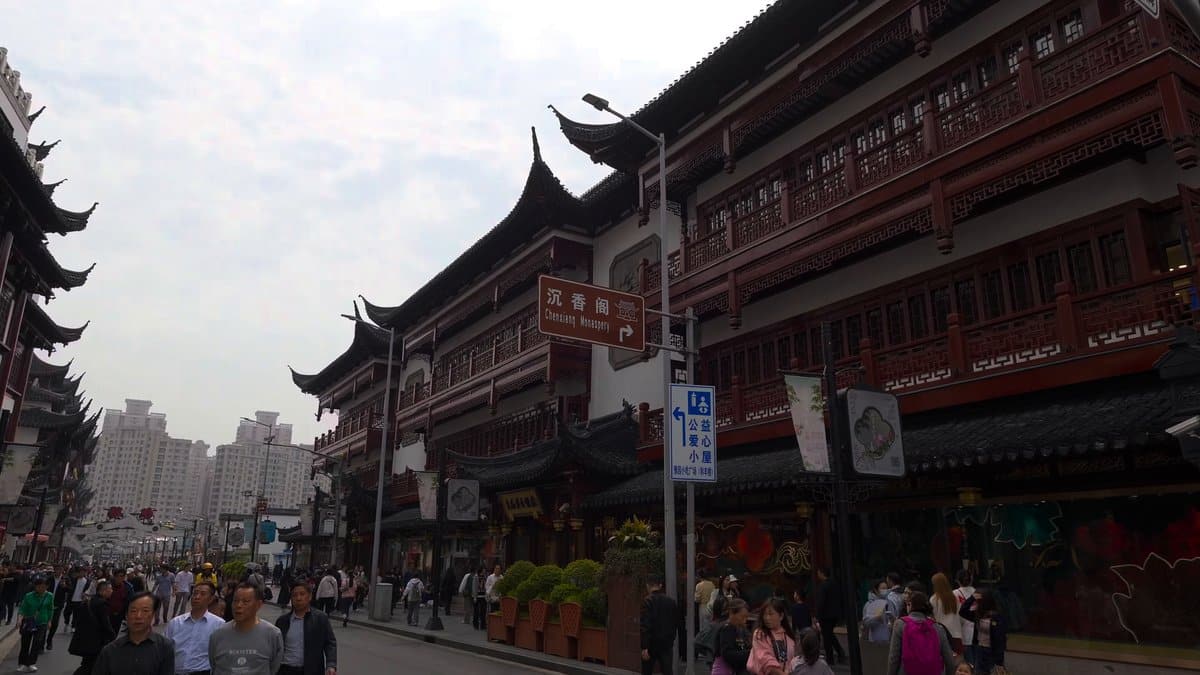
Outside the main gates it’s a mess of crossings. Pedestrian throngs mingles with traffic, while signs fight for your eye-line. Here, the once-regular street plan of the old city persists in bits, with narrow, higgledy-piggledy streets of low buildings.
However, the area has seen much redevelopment, so what you see is just remnants of the original fabric.
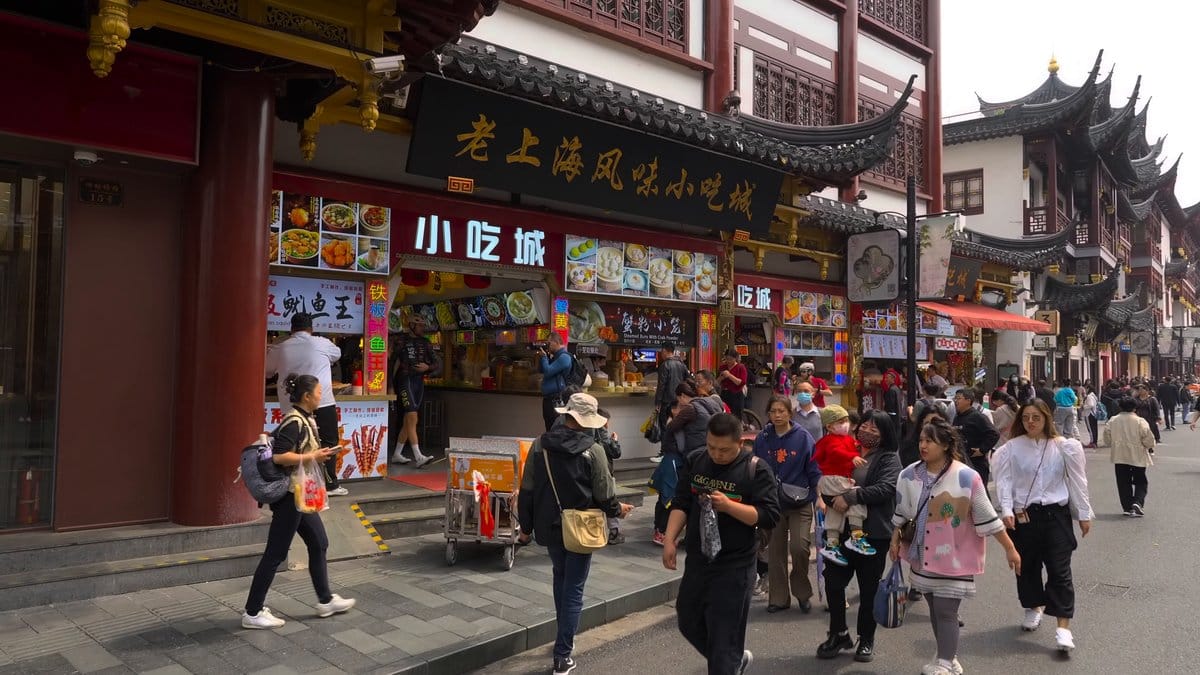
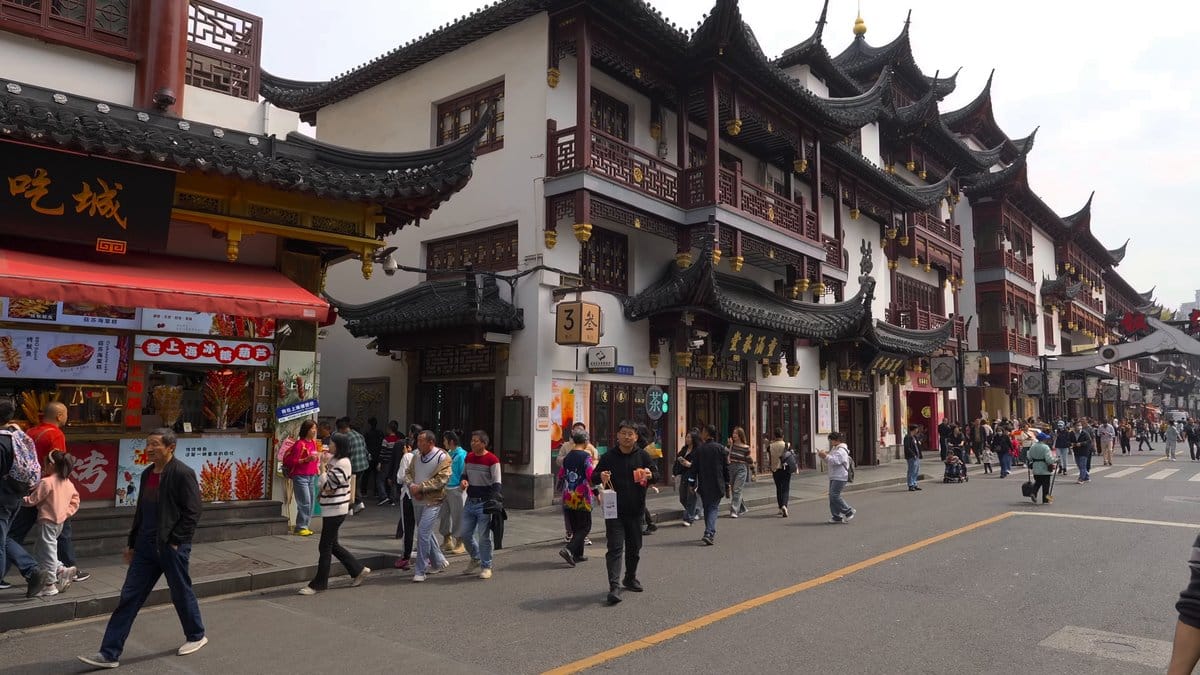
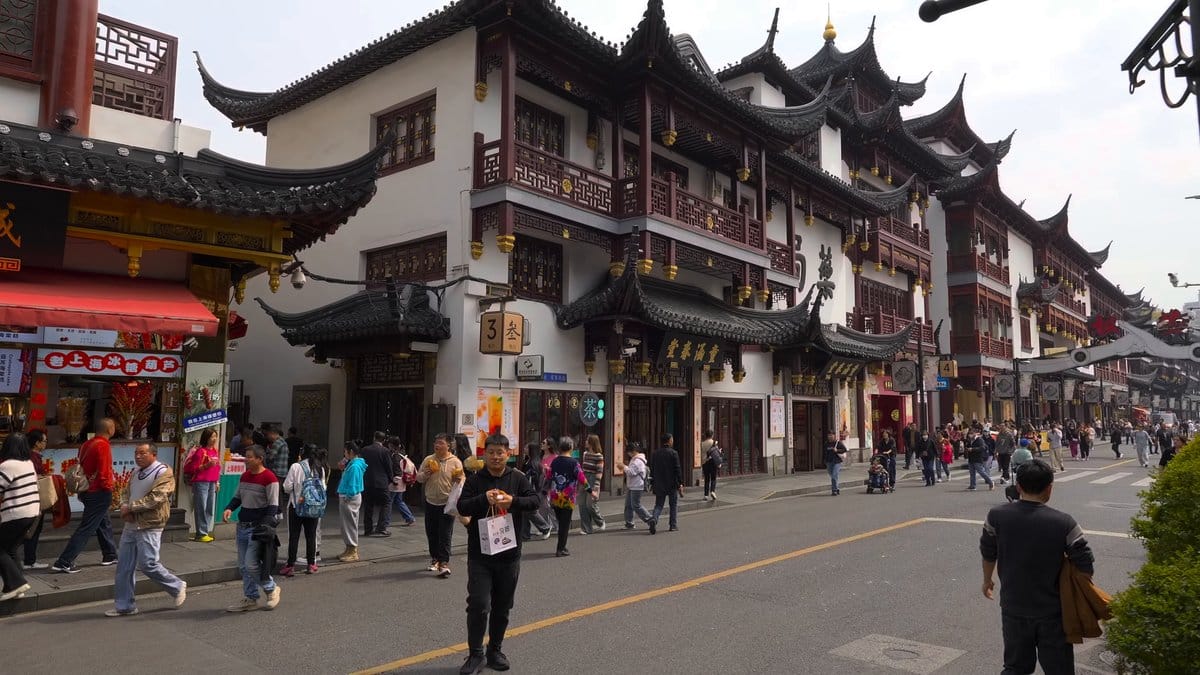
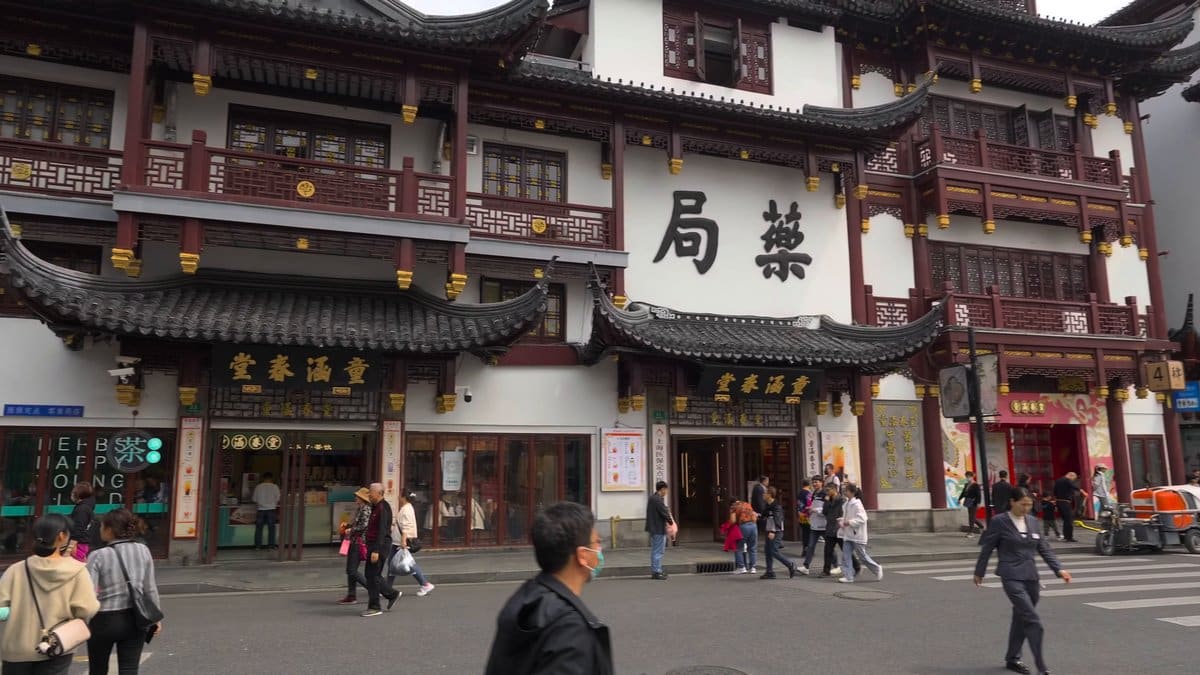
Side streets branch off into snack alleys and smaller shopping lanes. The pace slows a little, awnings shade the pavement, and there’s an old pharmacy that still works beneath its traditional sign. Snack halls provides cheap eats at reasonable prices, cheaper than the ones in the main bazaar.
Spend some time wandering around outside the tourist zone if you get a chance. Within a block or two, it changes from a heritage district to a regular old Shanghai neighbourhood. It is crowded, commercialised, and hard to get around, but it is also a place where the past and present of Shanghai collide head-on; Yu Garden still feels like a unified place.
Go there for the garden; stay for the dumplings; resign yourself to the fact that it’s no longer a secret hideaway (it hasn’t been one for a century). Have you visited Yu Garden? Did you ever find a quiet spot among all the bustle of the bazaar?